17. The Sermon at Benares – Short Answer Questions

“The Sermon at Benares” is a story from  Class 10 English that portrays Gautama Buddha’s early life. The story depicts how Buddha abandoned all his worldly desires and luxuries to embark on a quest for salvation. After wandering for seven long years, he eventually attained enlightenment while meditating under the Bodhi tree in Bodhgaya. Let’s have a look at some Short Answer Questions of the chapter.


Q1: Which people are referred to as “wise” by the Buddha in his sermons?
Ans: Buddha preached in his sermons that everything that is born will come to its end. Death is inevitable: both young and adult or fools and wise are subject to death. But the people who do not grieve, knowing the terms of the world are called wise people. Wise people neither weep nor grieve.


Q2: According to Buddha, how can one attain peace of mind? Explain.
Ans:
 Buddha taught that peace of mind can be attained by accepting the reality of life and letting go of the three causes of distress: complaining, lamentation, and grief.


Q3: Why did the Buddha ask Kisa Gotami to bring a handful of mustard seeds?
Ans: 
Kisa Gotami was devastated by the death of her son and she went from door to door, seeking help. Someone told her to talk to Sakyamuni, Buddha, who then asked her to procure a handful of mustard seeds. This raised hope in Gotami’s heart that her son could be revived. But the condition imposed by Sakyamuni was that the seeds should be brought from a house where people had not lost a loved one to death. The futile search of Kisa Gotami made her realise that sorrows are a part of life and one can attain peace only by acceptance.


Q4: What lesson does Buddha’s story convey to those in positions of power and privilege?
Ans:
 Buddha’s story conveys that grief and suffering are universal experiences that everyone must face, regardless of their power or position. Death treats everyone equally, and all must endure the same sadness, grief, and pain when a loved one passes away. It also reminds us that everyone born on this earth, no matter their status, will eventually die.


Q5: Why did Buddha choose Benares to deliver his first sermon?
Ans: 
After attaining enlightenment under the Peepal tree, which he renamed the ‘Bodhi Tree,’ Buddha chose Benares to deliver his first sermon because it is considered the holiest of the sacred places along the river Ganges.


Q6: Describe the life of Gautama Buddha before enlightenment.
Ans: Buddha was earlier a prince and lived in luxury. When he encountered suffering and grief, it made him sad and sorrowful. He renounced everything and went in search of riddance from suffering. He wandered for seven years. Then, one day, he sat under a tree and vowed not to leave until he was enlightened.


Q7: What sights moved Siddhartha Gautama to seek the path of enlightenment?
Ans: While going for hunting Gautam saw a sick man, an old man, a funeral procession and a monk begging. This encounter with the sufferings and grief moved him and he left to seek the path of enlightenment.


Q8:  What did the Buddha preach to the people?
Ans: Buddha said that death is common to all mortals. You cannot avoid it. No amount of weeping and lamenting can bring back the dead. So wise men don’t grieve. To overcome sorrow, become free of sorrow.


Q9: Who was Gautam Buddha? When and where was he born?
Ans: Gautam Buddha was the earlier prince, Siddhartha who got enlightenment under a Peepal tree and was then named as Gautam Buddha. He was born as a prince in North India.

Q10: How did Siddhartha Gautama get enlightenment? Why did he name the peepal tree as the Bodhi tree?
Ans. Gautama wanted a final solution for the sufferings and pains that afflicted the people of the world. He wandered for seven years for seeking enlightenment. Finally, he sat down under a peepal tree. He vowed to stay there until enlightenment came. Enlightened after seven days, he renamed the peepal tree. It was named as the Bodhi Tree or Tree of Wisdom. He gave his first sermon at the city of Benares on the River Ganges.

Also Check at EduRev: 

If you want to make the most of your studies and get the grades you deserve, then EduRev is a perfect choice!  

16. Poem – The Tale of Custard the Dragon – Short Answer Questions

Q1. Where did Belinda live?
Ans: Belinda lived in a quaint, little white house surrounded by a lovely garden. She spent much of her time playing with her cherished pets. These included a black kitten named Ink, a grey mouse called Blink, a yellow dog named Mustard, and a dragon named Custard. Despite being labelled a coward, Custard was a loyal companion to Belinda and her other pets.

Q2. What were the names of Belinda’s pets?
Ans: Belinda had four pets: a little black kitten named Ink, a little yellow dog called Mustard, a little grey mouse named Blink, and a dragon known as Custard. While Ink, Mustard, and Blink were brave, Custard was often teased for being a cowardly dragon.

Q3. Who are the characters in this poem? List them with their pet names.
Ans: The characters in the poem include Belinda, who has a little black kitten named Ink, a little grey mouse called Blink, a little yellow dog known as Mustard, and a pet dragon referred to as Custard. Additionally, there is a pirate featured in the story.

Q4. How did the pirate look?
Ans: The pirate was a menacing figure with a fierce expression. He wore a ragged hat and a long, tattered coat. His black beard was unkempt, and he had a distinctive scar on his left cheek. The sight of his two pistols and wooden leg added to the danger that surrounded him.

Q5. Why did Custard, the dragon, cry for a nice, safe cage?
Ans: Custard the dragon, despite being very brave, often cried for a nice, safe cage. This led others to perceive him as cowardly. His tears for a cage could indicate his desire to avoid harming anyone in a moment of anger or to show that a little safety can prevent a disaster. Ultimately, the others believed he cried for a cage simply because he was a coward.

Q6. What did Belinda and her pets hear?
Ans: Belinda and her pets heard a terrifying sound as a pirate broke in through the window. While Belinda and her pets, except for Custard, were frightened and cried for help, Ink, Blink, and Mustard cowardly ran away. In contrast, Custard bravely confronted the pirate and ultimately defeated him.

Q7. What terrified the pirate? Who killed him and how?
Ans: Custard, the dragon, jumped up, snorting and clashing his tail, creating a loud clatter. He attacked the pirate, which terrified him. The pirate fired at Custard but missed. Ultimately, Custard killed him by swallowing him whole, demonstrating that he was indeed brave.

Q8. Write the poetic aspect of the poem “The Tale of Custard the Dragon”.
Ans: The poem The Tale of Custard the Dragon is a humorous narrative written in the ballad style. It features a four-line stanza format with a rhyming scheme of aabb, which is similar to the heroic couplet. The poem employs various similes and has stanzas of differing lengths. The lines are generally long and prosaic, while the first two stanzas serve as a refrain to indicate continuity. Overall, the language used is simple and accessible.

Q9. Belinda was as brave as a barrel full of bears. Identify two poetic devices used in the above line.
Ans: Simile is one poetic device used in the line “Belinda was as brave as a barrel full of bears.” A simile directly compares two things using words like ‘as’ or ‘like’. The comparison here highlights Belinda’s courage by likening it to the ferocity of bears. The second device is alliteration, found in the phrase ‘brave, a barrel full of bears’. Alliteration involves the repetition of the same initial consonant sounds in closely associated words, enhancing the rhythm and sound of the line.

Q10. Why did Belinda cry for help? Who came to her help?
Ans: Belinda cried for help because she was frightened by the pirate, who brandished pistols and held a bright cutlass in his teeth. His menacing appearance and intentions terrified her. In her moment of fear, it was her pet dragon, Custard, who rushed to her aid.


Q11. How did Belinda’s pets, other than Custard face the pirate?
Ans: All the animals, apart from the dragon, used to boast about their bravery and mock the dragon. However, when the pirate entered the house, everyone became frightened and fled, leaving only Custard, the dragon, to face him.

Q12. How did each of Belinda’s pets react at the sight of the pirate?
Ans: When Belinda and her four pets saw the pirate entering their home, their reactions were quite different. The cat, dog, and mouse, who often boasted about their bravery, quickly ran away and hid. They pretended to be fearless, but in reality, they were frightened. In contrast, Custard, the dragon, bravely confronted the pirate. He attacked and swallowed the pirate, saving everyone from danger. Thus, Custard proved to be the bravest of all the pets.

Q13. Give a brief description of the pirate in the poem The Tale of Custard the Dragon.
Ans: The pirate in the poem ‘The Tale of Custard the Dragon’ has a formidable presence and makes nasty sounds. He appears frightening, holding a bright cutlass between his teeth and sporting a black beard. Notably, he has a wooden peg for a leg, a common trait among pirates in stories. The pirate carries a pistol in each hand and a liquor bottle, referred to as a ‘pocket flagon’. Overall, he is a threatening figure to encounter.

Q14. Belinda was a sweet little girl who lived in her sweet little white house. Who else lived with her in that house?
Ans: Belinda owned a sweet little white house, where she lived with her cherished pets: Ink, Blink, and Mustard. Among them was Custard, a cowardly dragon who often faced teasing from Belinda’s friends. However, when a pirate invaded their home and threatened Belinda, Custard surprised everyone by bravely fighting him off. This act proved that he was not as cowardly as they had believed.

Q15. Why did everyone make fun of the dragon?
Ans: In the story ‘The Tale of Custard the Dragon’, everyone mocks the dragon because he is perceived as cowardly and fearful. While the other animals, like the cat and the dog, boast about their bravery, Custard constantly asks for a safe cage, making him a target for ridicule. However, Custard ultimately demonstrates his true courage by confronting the pirate and saving the day.

Q16. How did they express their admiration for the dragon after the death of the pirate?
Ans: After the death of the pirate, Custard the dragon’s companions expressed their admiration by celebrating his bravery. Belinda hugged him, Mustard licked him, and Ink and Blink danced joyfully around him. There was no sadness for the pirate; instead, the dragon was hailed as the hero of the day.

Q17. What did they say about their bravery after the pirate’s death?
Ans: Mustardtwice as brave if he had not felt nervous. Ink and Blink asserted they had been three times as brave as Mustard. However, Custard agreed with them, admitting that they were indeed braver than he was.

Q18. Who among them was brave? How did he show his bravery?
Ans: In the story ‘The Tale of Custard the Dragon’, the character who showed true bravery was Custard, the dragon. While the knight and the ladies were frightened by the pirate, Custard faced him directly and devoured him. This courageous act revealed that Custard was not the cowardly creature everyone thought he was.

Q19. How is ‘The Tale of Custard the Dragon’ a ballad?
Ans: The poem The Tale of Custard the Dragon is a type of ballad, which is a poem that tells a story. Ballads often focus on themes like adventurebravery, and romance, and they usually have a musical quality due to their rhyme scheme. This poem possesses these characteristics but does so in a humorous way, acting as a parody of traditional ballads. The poet cleverly highlights these qualities while adding a light-hearted twist.


Q20. How does the poet describe Belinda and her animals’ bravery? How was Custard different from them?
Ans: The poet describes Belinda as being as brave as a barrel full of bears. Her pets, Ink and Blink, are also courageous, chasing lions down the stairs. Mustard is compared to a tiger in a rage, showcasing his bravery. In contrast, Custard the dragon is portrayed as a coward, constantly crying for a nice, safe cage.

Q21. How did the animals make fun of the dragon?
Ans: The animals made fun of the dragon by teasing him and calling him names. Belinda, the little girl, tickled the dragon, while Ink, Blink, and Mustard laughed and nicknamed him Percival. They all sat in a little red wagon, mocking the cowardly dragon.

Q22. Belinda and the other animals have been described as brave. But on seeing the pirate they behaved in a cowardly way. How did they react?
Ans: Belinda and the other animals, who were once seen as brave, reacted with fear upon encountering the pirate. Belinda turned pale and cried out for help. Mustard, the dog, ran away while barking in terror, and Ink, the cat, scurried to the bottom of the house. Meanwhile, the little mouse, Blink, quickly dashed into his hole. The unexpected presence of the pirate frightened them, causing them to lose their earlier bravado.

Q23. What were the names of Belinda’s pets? Do their names reflect their personalities?
Ans: Belinda has four pets: a little black kitten named Ink, a little yellow dog called Mustard, a grey mouse named Blink, and a dragon known as Custard. Their names reflect their colours and personalities. For instance, Ink is black like ink, Mustard is yellow like mustard flowers, and Custard, being cowardly, shares a name with the soft dessert, suggesting a lack of bravery.

Q24. How is the bravery of Belinda and her pets described in the poem? Do they prove their courage and bravery?
Ans: In the poem, Belinda and her pets are depicted as courageous characters. Belinda is described as being as brave as a barrel of bears, while her pets, Ink and Blink, can chase lions down the stairs. Mustard is compared to a tiger in a rage. However, Custard, the dragon, is initially seen as timid and cowardly. Ironically, it is Custard who ultimately proves to be the bravest, as he confronts and defeats the pirate, while the others show their cowardice.

Q25. Describe the outward appearance of Custard, the dragon. Why did he always cry for a nice safe cage?
Ans: Custard the dragon had a fearsome appearance, boasting big sharp teeth and spikes along his back. His mouth resembled a fireplace, and his nose looked like a chimney. With daggers on his toes, he seemed powerful. However, despite this intimidating look, Custard was actually quite cowardly. He often cried for a nice safe cage because he lacked the courage that his friends displayed.

Q26. Why did Belinda tickle Custard mercilessly? Why was he teased as `Percival’?
Ans: Belinda had a very low opinion of Custard, viewing him as a coward. She often taunted and tickled him for his timid nature. The other pets—Ink, Blink, and Mustard—joined in the mockery, calling him Percival, a name referencing the brave knight of King Arthur, to highlight Custard’s lack of courage.

Q27. How did Custard face the pirate differently than Belinda and her pets?

Ans: While Belinda was terrified of the pirate, her other pets also acted cowardly. They ran away in fear, but Custard faced the pirate like a hero. He attacked the pirate with his tall tail and pounced on him like a robin on an insect. In no time, Custard gobbled him up completely.

Q28. Why did Belinda and her pets prove ungrateful to Custard who killed the pirate? Why did they again start calling him timid and cowardly?
Ans: Belinda and her pets initially showed some appreciation for Custard‘s bravery after he defeated the pirate. Belinda hugged him, and the other pets celebrated around him. However, this moment was short-lived. They quickly returned to boasting about their own supposed bravery. Their ingratitude became evident as they dismissed Custard’s heroic actions and continued to call him timid and cowardly.

Q29. How did Belinda and her pets behave when the pirate was killed?
Ans: Belinda was overjoyed and embraced Custard affectionately. Her pets celebrated the pirate’s demise by dancing around Custard in delight. However, they did not acknowledge Custard’s bravery; instead, they indulged in self-praise, claiming they would have been braver if they hadn’t been scared.

Q30. What lesson or message does the poet seem to give to the readers?
Ans: The poet conveys a clear message: outer appearances and physical strength do not define true bravery. Instead, one must possess mental strength and self-confidence to achieve greatness. Although the dragon, Custard, had significant physical power and defeated the pirate, he was still ridiculed for his timidity and perceived cowardice.

Q31. How did Custard prove that he was not a coward?
Ans: When faced with the pirate, all of Belinda’s pets fled in fear, including Belinda herself. In contrast, Custard the dragon stood his ground and confronted the pirate bravely. He attacked the pirate with his tail and pounced on him like a robin would on an insect. These courageous actions demonstrated that Custard was not a coward.

15. Madam Rides the Bus – Short Answer Questions

Q1. How careful and painstakingly elaborate plans did Valli have to make for her first journey and how did she save money for it?
Ans: Valli made careful and painstaking plans for her first bus journey. Saving a total of sixty paise for the round trip was challenging. She collected every stray coin she found, resisting the urge to buy peppermints, toys, and balloons. Even at the village fair, she suppressed her strong desire to ride the merry-go-round, knowing it was essential to save for her journey.

Q2. What was the next problem after Valli had enough money?
Ans: After saving enough money, Valli faced her next challenge, how to slip out of the house without her mother’s knowledge. She found a simple solution. Every day after lunch, her mother would take a nap from around one to four o’clock. Valli used this time to embark on her little adventures.

Q3. Why didn’t Valli accept a free drink from the bus conductor? What does this act show about her character?
Ans: The bus conductor offered to bring Valli a cold drink, but she declined, stating she didn’t have enough money. When he insisted it would be free, she firmly replied, ‘Please, no.’ This response highlights Valli’s strong sense of pride and self-respect.

Q4. What dampened Valli’s enthusiasm during the return journey?
Ans: During her return journey, Valli saw a young cow lying dead by the side of the road. This was the same lovable and beautiful cow she had seen earlier. Now, it looked horrifying as it lay there, with a fixed stare in its lifeless eyes and blood smeared across its body. The sight deeply affected her, dampening her enthusiasm, and she stopped looking outside the bus.

Q5. Why didn’t Valli get off the bus when the bus stopped at the town?
Ans: Valli’s destination, the nearest town to her village, had arrived. Although everyone else got off the bus, Valli chose to stay on. When the conductor reminded her that her stop had come, she replied that she was returning on the same bus. She handed him thirty more coins and requested a ticket, simply wanting to enjoy another bus ride.

Q6. Why did Valli smile to herself? Did her mother and aunt have any chance of knowing the secret of her smile?
Ans: Valli smiled to herself because she felt a sense of accomplishment. She had successfully taken a bus journey without her mother and aunt knowing. They believed that many things were happening outside their awareness, unaware that this “chit of a girl” had achieved something significant. Valli’s smile was a secret, and there was little chance of it being discovered.

Q7. What details did Valli pick up about the bus journey? How did she pick up these details?
Ans: Valli picked up detailed information about the bus journey through careful observation and listening. She learned that she needed sixty paise for a round trip and that the bus ride would take ninety minutes from her village to the town and back. By attentively listening to the conversations of passengers and villagers, she gathered these important details.

Q8. During her journey, Valli absorbed the natural beauty and clapped her hands in happiness on seeing a young cow running very fast. What does this reveal about Valli?
Ans: Valli’s reaction to the young cow running quickly on the road shows her joyful nature. She clapped her hands and laughed, indicating that she found great delight in the simple beauty of her surroundings. Overall, Valli can be described as a curious, bold, and mature girl who embraces the world with enthusiasm.

Q9. Give two reasons why Valli found the elderly woman on the bus, repulsive.
Ans: Valli found the elderly woman repulsive for two main reasons. Firstly, the woman had large holes in her earlobes, which Valli found unappealing. Secondly, the woman wore ugly earrings that further contributed to Valli’s negative impression. Additionally, the smell of betel nut the woman was chewing added to Valli’s discomfort.

Q10. Why did Valli not get off the bus when it stopped at the bus stand?
Ans: Valli chose not to get off the bus because her main goal was to enjoy the bus ride. She lacked the money to buy anything from the shops in town and felt too afraid to explore a place that was unfamiliar to her.

Q11. Why does the conductor refer to Valli as ‘madam’?
Ans: The conductor refers to Valli as ‘madam’ because he is a jovial and worldly-wise man. He recognizes her innocent behavior and uses the term playfully to make her feel special. Despite being only eight years old, he calls her ‘madam’ to keep the atmosphere light and enjoyable, ensuring she does not feel unhappy.

Q12. Write down the conductor’s advice to Valli.
Ans: The conductor advised Valli to sit down for her safety. He explained that standing repeatedly could lead to her falling and getting hurt, especially when the bus makes a sharp turn. He reassured her that sitting would make her more comfortable.

Q13. How did Valli manage to leave the house?
Ans: Valli planned her escape by knowing that her mother would take a nap from 1 pm to 4 pm every day. During these hours, Valli would often go on her excursions outside the village. She used this time wisely to slip out without her mother’s knowledge.

Q14. What type of person was the conductor?
Ans: The conductor was a wise man who knew how to interact with passengers. He had a fondness for jokes and often cheerfully spoke to Valli, asking her questions in a playful tone.

Q15. What did Valli’s mother say about the things happening without our knowledge?
Ans: Valli’s mother remarked that many things occur around us and in the world beyond our immediate perception. She expressed that it is impossible to know everything, and even when we are aware of something, we often struggle to understand it fully.

Q16. What was the favorite pastime of Valli?
Ans: Valli, an eight-year-old girl, loved to stand in the front doorway of her house. From this spot, she enjoyed watching the activities happening in the street outside. Although she had no playmates nearby, this simple pastime was just as enjoyable for her as the games other children played. Observing the street provided her with many new experiences.

Q17. What was the most fascinating thing for Valli?
Ans: The most fascinating thing for Valli was the bus that traveled between her village and the nearest town. Each hour, it passed through her street, bringing a new set of passengers that filled her with joy. Watching the bus sparked a tiny wish within her: to ride it just once. This desire grew stronger as she observed the faces of those who boarded or alighted, igniting her dreams and hopes.

Q18. What was the tiny wish that crept into Valli’s head?
Ans: The sight of the bus was the most fascinating thing for Valli. Day after day, she watched it pass by, and a tiny wish crept into her head: she wanted to ride on that bus at least once. This wish grew stronger, transforming into an overwhelming desire that filled her thoughts.

Q19. Why did Valli listen to the conversations? What did she get from them? 
Ans: Valli listened to conversations because she was eager to learn about the bus journey from her village to the nearest town. She had a strong desire to experience this ride. By paying attention to her neighbors and asking a few discreet questions, she gathered important details about the trip. She learned that the town was six miles away, the fare was thirty paise, and the journey took about forty-five minutes. This information helped her plan her adventure effectively.

Q20. How did Valli board the bus? When did she say, ‘I can get on by myself’?  
Ans: When Valli saw the bus, she shouted, ‘Stop the bus! Stop the bus!’ and raised her tiny hand to signal it. The bus slowed down and eventually stopped. She informed the conductor that she wanted to go to town and attempted to hand him her money. Noticing she was just a child, the conductor reached out to help her board. However, Valli confidently replied, ‘I can get on by myself’ and insisted she did not need assistance.

Q21. Why was Valli overcome with shyness and avoided everyone’s eyes? 
Ans: Valli felt overwhelmed with shyness because it was a quiet time of day, with only six or seven passengers on the bus. They were all looking at her and laughing with the conductor, which made her uncomfortable. To cope with her embarrassment, Valli quickly walked to an empty seat and sat down, trying to avoid everyone’s gaze.

Q22. What did Valli see when she peered over the blind?         
Ans: When Valli peered over the canvas blind, she discovered that her view was blocked. Standing on her seat, she looked outside and saw the bus travelling along the bank of a canal. The road was narrow, with palm trees and grassland on one side, and in the distance, she could see mountains and a bright blue sky. On the other side, there was a deep ditch followed by acres of green fields stretching as far as her eyes could see.

Q23. Why didn’t Valli like the remark of the elderly man? What did she say to him?
Ans: An elderly man noticed Valli standing on the bus and kindly suggested she sit down, expressing his concern for her safety. However, Valli was annoyed by his remark, as she disliked being referred to as a ‘child’. She firmly replied that she was not a child and had paid thirty paise like everyone else.

Q24. How did Valli react when the conductor called her “a very grown-up madam?”
Ans: The bus conductor playfully called Valli “a very grown-up madam”, which made her react with annoyance. She firmly stated that she was not a madam and reminded him that he had not yet given her a ticket. The conductor, mimicking her tone, replied, “I’ll remember.” This caused everyone to laugh, and eventually, Valli joined in the laughter as well.

Q25. Why did Valli laugh until there were tears in her eyes?
Ans: Valli found it hilarious when she saw a young cow running swiftly in the middle of the road, right in front of the bus. As the bus slowed down, the driver repeatedly sounded the horn. However, the more he honked, the more frightened the cow became, causing it to gallop even faster in front of the bus. This amusing scene made Valli laugh uncontrollably until tears streamed down her face.

14. Poem – Fog – Short Answer Questions

Q1. How does a cat behave?
Ans: A cat behaves quietly, moving stealthily on its padded feet. It often sits on its haunches, observing its surroundings, such as the city and the harbour. After a period of stillness, it continues on its way, remaining silent throughout.


Q2. How is the fog like a cat?
Ans: The poet compares the fog to a cat because it arrives quietly, much like a cat would. It sits and observes the harbour and city, just as a cat does when it is watching its surroundings. Eventually, the fog moves on, similar to a cat that wanders off to find a new spot. These characteristics make the comparison between the fog and a cat quite fitting.


Q3. How does the fog spread over the harbour and the city?
Ans: The fog arrives in a city quietly, much like a cat. It makes no sound as it spreads over the harbour and the city, settling in for a while. After some time, it rises and drifts away. This is how the fog visits a city, observing it before moving on.


Q4. Describe the similarities that have been mentioned in the poem between the fog and a cat.
Ans: The fog and the cat share a dual image that transforms and blends. The fog appears like a cat, and the cat resembles the fog. Both arrive suddenly and without notice. They envelop everything beneath them; the fog wraps around the harbour and the city. The fog sits quietly, much like a cat perched on its haunches. Eventually, both the fog and the cat move on, disappearing as swiftly as they came.


Q5. How does the poet make the fog like a living creature?
Ans: The poet describes the fog using a metaphor, comparing it to a cat. The fog arrives quietly, much like a cat that jumps and lands softly. It sits silently, observing the harbour and city, before it moves on, echoing the graceful movements of a cat.


Q6. Write the central idea of the poem “Fog”.
Ans: The poet Carl Sandburg describes fog as a living creature, comparing it to a cat. The fog arrives quietly and stealthily, much like a cat. It sits and observes the harbour and city from a distance, then moves on, similar to how a cat shifts its position. Just as a cat does not remain in one place for long, the fog also continues to drift and eventually disappears.


Q7. The poet actually says that the fog is like a cat”, With reference to the poem, ‘Fog’ explains this statement.
Ans: The fog is compared to a cat in the poem. Just as a cat moves quietly, the fog also approaches silently. Its presence is noticeable, despite the lack of sound. The stillness of the fog resembles a cat sitting on its haunches, observing its surroundings. This comparison highlights the fog’s gentle and stealthy nature, much like that of a cat.


Q8. How does the poet make the fog like a living creature?
Ans: The poet portrays the fog as a living creature by comparing it to a cat through a metaphor. The fog arrives quietly, akin to how a cat moves silently. It sits and observes the harbour and city, resting on its haunches, before it gracefully moves on, just like a cat would.


Q9. How is the fog like a cat? What three things suggest it?
Ans: Three aspects suggest that the fog is like a cat. Firstly, the fog arrives silently, much like a cat would. Secondly, it sits and observes the harbour and the city, similar to how a cat perches on its haunches. Lastly, the fog moves in a manner akin to a cat’s graceful movements.


Q10. How does the poet describe the fog’s movements?
Ans: The poet describes the fog as a cat. It approaches silently and slowly, sitting on its haunches while observing the harbour and city. After a moment, it quietly moves on.


Q11. How does the poet employ the double imagery of the fog and the cat?
Ans: The poet effectively uses the device of metaphor to create a double imagery of the fog and the cat. The fog is described as arriving silently, much like a small cat. It sits quietly, observing the harbour and city, resembling a cat perched on its haunches. This imagery highlights the stillness and grace of the fog as it envelops the landscape.


Q12. Describe the similarities that have been mentioned in the poem between the fog and a cat.
Ans: The fog and the cat share a dual image that transforms and blends together. The fog arrives quietly, much like a cat, and both appear suddenly and without warning. They engulf everything beneath them; the fog envelops the harbour and the city, while the cat sits silently on its haunches. Eventually, both the fog and the cat disappear and move on, leaving no trace of their presence.


Q13. Which aspect of nature Carl Sand-burg present in the poem ‘Fog’?
Ans: The poet presents nature in its raw and natural state through the fog. It arrives suddenly and silently, much like a little cat. The fog’s power is overwhelming as it envelops everything, including the city and the harbour, in its all-embracing fold. Following the natural law of change, it eventually disappears, leaving no trace of where it went.


Q14. Does the poet actually say that the fog is like a cat? Then how do we know that the fog is like a cat?
Ans: The poet compares fog to a cat. Just like a cat, the fog arrives quietly and spreads slowly. It silently covers the harbour and city, before moving on without a sound.


Q15. What three things tell us that the fog is like a cat?
Ans: The fog arrives slowly and silently, much like a cat. It pauses, observing the harbour and city while sitting on its haunches. After a while, it moves away just as quietly as it came, spreading over the area for some time before disappearing.

13. Mijbil the Otter – Short Answer Questions

Q1. Why was the author’s home at Camusfearna a fit place for an otter?
Ans: It was an ideal location for an otter due to its abundant water surroundings. The presence of water provides a natural habitat for otters, allowing them to thrive and engage in their playful behaviours.


Q2. How was Mijbil transported from Basra to London?
Ans: Transporting Mijbil from Basra to London was a challenging task for Maxwell. The British airline did not allow animals on their flights, so he booked a flight to Paris with a different airline. An hour before departure, Mij was placed in a small box to help him adjust to it.


Q3. What is a characteristic of otter and how did Mijbil behave in the water?
Ans: The main characteristic of an otter is its tendency to spread water everywhere. Mijbil, the otter, would sit in a bowl of water and splash around until it overflowed. He loved to keep the water moving and enjoyed playing in it, demonstrating this typical otter behaviour.


Q4. How did Mijbil fumble at the tap in the bathroom? Did he succeed?
Ans: Maxwell observed Mijbil standing on the edge of the bathtub, fumbling with the taps using his paws. Within a minute, he managed to turn the tap enough to create a trickle of water, and shortly after, he achieved a full flow. Mijbil was fortunate to turn the tap the right way; on other occasions, he would sometimes tighten it too much, becoming frustrated when it wouldn’t cooperate.


Q5. How would Mijbil play with a rubber ball, and jiggle with small objects and marbles?
Ans: Mijbil spent hours shuffling a rubber ball around the room, resembling a four-footed soccer player. His favourite game, however, involved lying on his back and juggling small objects with his paws. Among his preferred toys were marbles, which he would roll up and down his belly without ever dropping them.


Q6. Why did Maxwell call the air hostess “the queen of her kind?”
Ans: Maxwell referred to the air hostess as “the queen of her kind” due to her friendliness and willingness to help. He appreciated her support, especially when he shared a parcel of fish for Mijbil, his pet otter. The air hostess even suggested that he could keep Mij on his knee during the flight, which further impressed Maxwell.


Q7. Why did the author book a flight to Paris instead of going directly to London?
Ans: The author chose to book a flight to Paris instead of directly to London because the British airline would not transport animals. To ensure his pet, Mij, could travel with him, he opted for a different airline that allowed animals.


Q8. What were the wild guesses that the average Londoners make in recognising Mijbil? Whose remark was adjudged best by Maxwell?
Ans: The average Londoners were taken aback by the sight of such a unique animal, leading to a flurry of wild guesses about what Mijbil might be. Some suggested he was a baby seal, while others thought he resembled a squirrel or even a walrus. Additional guesses included a beavera bear cub, and a leopard. The most notable remark came from a labourer who, upon seeing Mijbil, simply asked, “What is that supposed to be?”


Q9. Why has Mijbil christened Maxwell’s otter?
Ans: The narrator named his pet Mijbil, which is a type of otter that was previously unknown to science. This otter was later given the scientific name Lutrogale perspicillata maxwelli, or Maxwell’s otter, in honour of its owner, Maxwell.


Q10. How did Mijbil behave in the beginning? Did some change come in the otter afterwards?
Ans: During the first twenty-four hours, Mijbil was neither hostile nor friendly. He remained aloof and indifferent, choosing to sleep on the floor, far from Maxwell’s bed. However, on the second night, Mijbil came onto Maxwell’s bed and slept curled up by his knees until morning. Over the following days, he began to lose his apathy and showed a keen interest in his surroundings.


Q11. What compulsive habits like children did Mijbil develop during walks in the London streets?
Ans: Mijbil developed certain compulsive habits during his walks in the streets of London, similar to the rituals of children. For instance, he would jump onto the low wall of a primary school, which was about two feet high, and run along its length. This behaviour often distracted both the students and staff inside the school. Additionally, like children, he would touch every second lamp-post and engage with the environment around him.


Q12. How did Maxwell get Mijbil, the otter?
Ans: Maxwell decided to change his plans from getting a dog to having an otter as a pet. He asked a friend to help him find one. While he was in his bedroom reading his mail, two Arabs arrived with a sack. They handed him a note that read, “Here is your otter…” When the sack was opened, Maxwell was introduced to his new pet, Mijbil the otter.


Q13. How was `Mijbil’ a source of amazement on London streets?
Ans: The otter was a constant source of amazement for Londoners, as many had never seen one before. Their surprise was evident as they attempted to identify the animal, guessing it might be various creatures. Some thought it resembled a baby seal, while others suggested a squirrel or even a hippo. The variety of guesses highlighted the otter’s uniqueness and the curiosity it sparked among the crowd.


Q14. Why were Maxwell and his friends going to Basra?
Ans: Maxwell and his friends travelled to Basra to visit the Consulate-General of Iraq. Their purpose was to collect and respond to their mail from Europe.


Q15. Give an example from the text to show that Mijbil is an intelligent animal.
Ans: Mijbil demonstrated his intelligence through his love of play and creativity. He invented various games, such as rolling marbles on his flat belly and balancing a ball on the high end of a suitcase. He would then dash to the other end to catch the ball as it rolled down, showcasing his ability to think and strategise.


Q16. What happened when Mij disappeared at speed down the aircraft?
Ans: When Maxwell opened the box, Mijbil quickly leapt out and raced down the aisle of the aircraft. This sudden action caused a great commotion, with passengers letting out shrieks and cries. One woman even stood up, screaming, “A rat! A rat!” Maxwell caught a glimpse of Mij’s tail as it vanished beneath the legs of a portly Indian man. In his attempt to catch Mij, Maxwell stumbled and ended up with curry on his face. The air hostess, with a charming smile, suggested that he return to his seat while she searched for the otter.


Q17. Prove that Mijbil loved the water, giving two instances in support of your answer.
Ans: Mijbil loved the water, as shown by two clear instances. First, when taken to the bathroom, he was filled with joy, plunging and rolling in the water for half an hour. He created a huge mess, making enough splash to rival a hippo. This behaviour is typical of otters, who enjoy interacting with water.
Second, Mijbil demonstrated his love for water by escaping to the bathroom on his own. He quickly learned to turn on the tap, eagerly producing a flow of water. His excitement was evident as he played, showcasing his natural affinity for water.


Q18. Mijbil, the otter invented a game. What do you think would be the game that he invented?
Ans: Mij invented a game using a ping-pong ball and a damaged suitcase lid. The lid sloped down from one end, allowing the ball to roll. Mij would place the ball on the high end, then dash to the other side to ambush it as it came down. He enjoyed hiding and springing up to grab the ball, then trotting back to the high end to start again. This game kept him engrossed for up to half an hour.


Q19. What routine did Mijbil follow everyday while on the walk-in London?
Ans: Mij followed a routine during his daily walks home. He would tug Maxwell towards a low wall outside a primary school near their flat. Once there, Mij would jump onto the wall and gallop along its thirty-yard length. This playful act often caused a distraction for both the pupils and staff at the school.


Q20. When did it come to the author’s mind to have an otter?
Ans: The author decided to consider getting an otter after the death of his pet dog. He was not ready to have another dog, so he thought about purchasing an otter instead. He believed that Camusfearna, surrounded by water, would be an ideal place to keep an otter.


Q21. Why did Maxwell put the otter back in the box? How do you think he felt when he did this?
Ans: Maxwell put the otter back in the box because he was running late for his flight. With only ten minutes left and the airport five miles away, he felt he had no choice. Although he felt bad about it, he believed it was necessary to ensure he made his flight.


Q22. When and why did Maxwell think of keeping an otter as a pet?
Ans: In early 1956, Maxwell travelled to Southern Iraq, where he considered keeping an otter as a pet. He believed that Camusfearna, being surrounded by water, would be an ideal location for this.


Q23. How did the otter look?
Ans: The otter was a small creature that resembled a medieval dragon. Its body was covered in symmetrical, pointed scales of mud, extending from its head to the tip of its tail. Between these scales, a soft, velvet fur, similar to that of a chocolate-brown mole, was visible.


Q24. How did the otter behave in the beginning?
Ans: Initially, the otter was neither hostile nor friendly. Instead, he was aloof and indifferent, choosing to sleep on the floor, as far from the writer’s bed as possible. Over time, however, he began to show more interest in his surroundings.


Q25. What would Mij do on the low wall adjoining the school opposite to Maxwell’s flat in London?
Ans: Mij would tug Maxwell to the low wall that ran along the school, which was about two feet high. Once there, Mij would jump up and gallop the full length of the wall, which measured thirty yards. This playful act often distracted both the pupils and staff at the school.
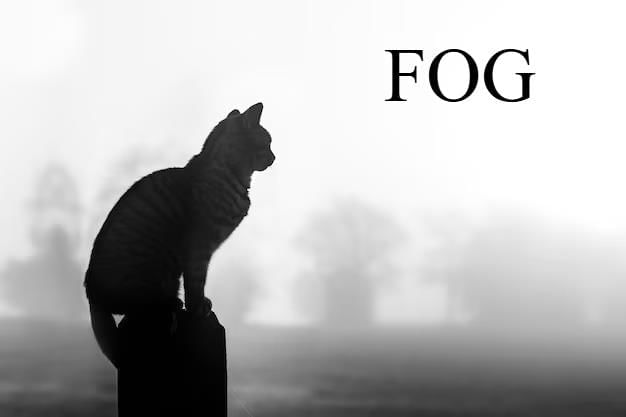
12. Poem – The Trees – Short Answer Questions

Q1. Why do the trees need to relocate from the city? Where were they before and why? 
Ans: Humans have cut down trees in the forest, replacing them with artificial or decorative alternatives in urban areas. This makes the trees feel suffocated and out of place. Therefore, they need to relocate back to the forest from where they were removed. They were previously in the forest, and humans had taken them out for their own purposes.

Q2. What causes the forest to become empty? What are the consequences of having a tree-less forest?
Ans: The uncontrolled cutting of trees by humans has led to empty forests. Without trees, these areas cannot provide shelter for birds and insects, making them uninhabitable. Furthermore, in the absence of a tree canopy, the sun’s rays cannot be cooled, resulting in increased ground temperatures.

Q3. How do trees resist their captivity by humans?
Ans: Trees resist captivity in human spaces by exhibiting natural behaviours. Their roots push through floors, causing damage, while leaves strain against windows, attempting to escape. Additionally, branches expand, seeking freedom. Through these actions, trees strive to return to their natural habitat, the forest.

Q4. What kind of whispers does the poet hear, and why will they cease tomorrow?
Ans: The poet hears the whispers of trees communicating with one another, asserting their right to be free, along with the sounds of their movement as they prepare to leave. This could also reflect the poet’s inner voice, chastising them for confining the trees. These whispers will cease tomorrow when the trees finally regain their freedom and return to the forest.

Q5. The poem ‘The Trees’ presents a conflict between Man and Nature. Discuss.
Ans: The poem The Trees illustrates the struggle between humanity and nature. It depicts the trees’ desire to escape their confinement within buildings, where they feel suffocated. The forest represents their true home, and as they rebel against this oppression, they strive to return to their natural habitat.

Q6. What is the central idea of the poem ‘The Trees’?
Ans: The central idea of the poem is the conflict between man and nature. A sapling is brought inside a house, but as it grows into a tree, it becomes suffocated by the limited space. Consequently, the tree leaves to find freedom. It moves out to occupy the now empty forest, which has been created by the indiscriminate felling of trees by humans. This highlights the need for people to recognise the negative impact of their actions on nature and to change their ways before it is too late.

Q7. Where are the trees at present? What do their roots, and leaves do?
Ans: The trees are currently inside the house. Their roots are attempting to escape from the cracks in the veranda floor, while the leaves are reaching towards the glass, likely searching for light. The small twigs become rigid as they strive to move towards the light.

Q8. Describe the sound and fury of the victorious march of the trees to the forest.
Ans: Now the silent struggle becomes more vocal and visible as the trees celebrate their hard-earned victory. The artificial glasshouse that confined them has been shattered. The trees are now stumbling forward towards the forest, welcomed by rushing winds. The full moon is obscured by the towering oak tree, revealing only a fragmented moon through its expanding leaves and branches.

Q9. Why is the full moon broken to pieces like a mirror in the last lines of the poem?
Ans: Initially, the night was peaceful, concealing a silent struggle. The moon was full, but now the mature oaks with their sprawling branches block the view. As a result, the full moon appears fragmented, visible only through the upper branches and leaves of the tallest oak tree.

Q10. What is the message that the poet wants to give to the readers through the poem ‘The Trees’?
Ans: Adrienne Rich uses trees as a metaphor for human beings, particularly women. In a male-dominated society, women feel trapped and are striving to liberate themselves. Similarly, nature, represented by trees and forests, is fighting against the destruction caused by humans. The trees’ determined movement conveys a message of hope, suggesting that nature cannot be tamed or subdued by human arrogance.

Q11. What changes can be seen in the moon during the course of the poem “The Trees”?
Ans: The moon undergoes significant changes throughout the poem. At first, it is described as a full moon shining brightly in a clear sky. However, as the poem progresses, the moon appears broken, resembling a shattered mirror. Its fragmented rays illuminate the top of an oak tree, creating a striking visual contrast.

Q12. Why is the description of the moon different in the beginning and at the end of the poem?
Ans: At the beginning, the moon is described as bright and whole in the open sky. Later, as the trees move out and spread their branches, the moon seems broken into fragments, like pieces of a mirror. This difference occurs because the growing presence of the trees changes the poet’s view of the moon.

Q13. Justify the revolt of the trees and state two values that the man should possess to stop the revolt.
Ans: The trees in the house feel suffocated as they grow. They attempt to free themselves by pushing through the cracks in the veranda floor, stretching their leaves towards the glass. Their actions are a justified revolt against their confinement. To prevent such revolts, humans should recognise the importance of trees and cultivate a sense of respect and care for nature.

Q14. How does the poet describe the night? How does she feel?
Ans: The night is described as fresh, with a full moon shining brightly in the open sky. The poet senses the smell of leaves and lichen drifting into her room. Her mind is filled with whispers, which she knows will fade into silence by the next day.

Q15. Why are the trees described in the poem not useful for birds or insects?
Ans: The trees described in the poem are not useful for birds or insects because they are decorative plants kept indoors or simply shown in a painting. Birds cannot perch on their branches, and insects have no place to hide in them.

Q16. What happens to the roots and leaves of these trees at night?
Ans: The roots of these trees are tangled in the cracks of the veranda floor. At night, they attempt to free themselves from these confines. Meanwhile, the leaves reach towards the glass, striving for light. The twigs become rigid with effort, and the branches stretch under the roof, resembling newly released patients moving towards the clinic doors.

Q17. Why does the poet use the metaphor of newly discharged patients?
Ans: The metaphor of newly discharged patients illustrates the feeling of relief and eagerness to escape confinement. Just as a patient, once healed, rushes towards the clinic doors, the plants in pots also feel suffocated due to a lack of light. They stretch towards the glass door, hoping to find the light they need to thrive.

Q18. Why are the trees moving out into the forest?
Ans: In the poem, the trees serve as a metaphor for human beings. Just as people cherish their freedom, nature cannot be easily controlled by humans. The trees have been confined within artificial glasshouses, which contrasts with their natural habitat in the forest. After enduring a long struggle, they are breaking free from these barriers. They are moving triumphantly back to the forest, their original home.

Q19. Why is the poet hopeful that the empty forest will be full of trees by the morning?
Ans: The poet expresses a strong sense of optimism. He believes that the barriers created by humans to control nature will be overcome. The trees, which have been deprived of their natural habitat, will struggle to free themselves from human constraints. This struggle will not be in vain; by morning, the trees will emerge victorious, filling the once-empty forest.

Q20. Why doesn’t the poet make any mention of the struggle waged by the trees to free themselves to move towards the forest in her long letters?
Ans: The poet is inside her room, writing long letters while observing the world around her. The struggle of the trees—leaves, twigs, boughs, and roots—occurs right before her eyes, yet she chooses to overlook this significant event. This may be due to her feelings of shock and embarrassment at the sudden and unexpected changes taking place.

11. Glimpses of India – Short Answer Questions

Q.1. What do the elders of Goa remember nostalgically?
Ans. The elders of Goa are portrayed as nostalgic about the old Portuguese days. They long for the delicious loaves of bread that were baked in those times, and reminisce about the Portuguese culture and traditions that were once a part of their lives. The baker in the story represents a piece of Goa’s colonial history and serves as a reminder of the cultural diversity that has shaped the region over the years.

Q.2. What are the time-tested things which still exist in Goa?
Ans. It is mentioned that the furnaces of the bakers of Goa are one of the time-tested things that still exist there. These furnaces have been used for generations and have become a part of Goa’s cultural heritage. Despite modernization and changes in baking technology, the traditional furnaces have stood the test of time and continue to be used by bakers in Goa.

Q.3. When did the baker come daily?
Ans. The baker used to come twice a day – once in the morning when he set out for his selling and the other time after selling the bread. The narrator also mentioned that the baker was a familiar and important part of their daily routine.

Q.4. What was the baker’s place in Goa in the author’s childhood days?
Ans. In the author’s childhood days in Goa, the baker held a significant place in the community. He was not only known for his delicious bread but also for his friendly nature. The baker was a companion who listened to people’s problems and provided guidance. The author remembers him fondly as a friend and guide.

Q.5. What did the author and the other children do to look into the baker’s basket?
Ans. The author and the other children were curious to know what was inside the baker’s basket. They would often climb a bench or the parapet to get a glimpse of the freshly baked loaves of bread. The sight of the delicious bread would leave them mesmerized, and they would long for a bite.

Q.6. What is the name of the dress worn by the baker in the olden days?
Ans. The traditional dress worn by the baker in the olden days was known as a kabai. It was a loose-fitting frock made out of a single piece of cloth. The kabai was an essential part of the baker’s attire, which provided comfort and ease of movement during work.

Q.7. What is the baker called in Goa?
Ans.  In Goa, the baker is known as a ‘pader‘. The word ‘pader‘ is derived from the Portuguese word ‘padeiro‘, which means ‘baker.’ The baker or ‘pader‘ has a significant place in the Goan community and is known for his delectable bread and sweet treats.

Q.8. What is the financial status of a baker of Goa?
Ans. The financial status of a baker in Goa is generally sound. The bakery business is lucrative, and the demand for fresh bread and other baked goods is always high. The baker’s hard work and dedication to his craft ensure that he can provide for his family and lead a comfortable life.

Q.9. What is a kabai?
Ans. kabai is a type of frock that was worn by bakers in Goa during the olden days. The kabai was made out of a single piece of cloth and was loose-fitting to provide comfort and ease of movement during work. The kabai was an essential part of the baker’s attire, which distinguished him from others and symbolized his profession.

Q.10. What did the baker mean to the narrator during his childhood? How many times did he pay a visit?
Ans. The baker or pader was an important person in the author’s life. He was treated like a friend. He used to come twice a day, once in the morning to sell bread and then returning after emptying his basket. The author used to run to meet him to take the bread bangles. He chatted and gossiped with him.


Q.11. What was Kabai ? Give a brief description.
Or
What did the bakers wear — (i) in the Portuguese days? (ii) When the author was young?
AnsKabai was a particular dress — a single-piece long frock reaching down the knees which the bakers used to wear in the old days. Later it was replaced by a shirt and trousers which were longer than the shorts and shorter than the full length.

Q.12.`Baking was, indeed, a profitable profession’. Justify the statement concerning the extract ‘A Baker from Goa’.
Or
Explain with examples that baking used to be a profitable profession.
Ans. Baking was indeed a profitable profession in the old days. The baker and his family never starved. He, his family, and his servants always looked happy and prosperous. Their plump physique was an open testimony to this.

Q.13. How did the baker attract the children?
Or
How does the writer know about the arrival of the baker? Why are they anxiously waiting for him?
Or
What role did the baker play in the childhood of the narrator?
Ans. The children would know about his arrival from the ‘jhang, jhang’ sound of his bamboo stick. They would run to meet and greet him. They tried to surround the basket but were pushed aside until the bread was delivered to the maid. Then they were allowed to choose their bread bangles.

Q.14. How did the baker make his entry?
Ans. The baker made his musical entry with the ‘jhang, jhang’ sound of his specially made bamboo staff One hand supported the basket on his head and the other banged the bamboo on the ground. He would greet the lady of the house and then place the basket on the bamboo.

Q.15Is bread an important part of Goan life? How do you know this?
Ans. Bread is still an important part of Goan life. Marriage gifts are meaningless and a party or a feast loses its charm without bread. Sandwiches are important for a daughter’s engagement. That is what explains the fact that the breadmakers are still there.

Goan BreadsQ.16. What marks of the Portuguese way of life can still be seen in Goa?
Ans. Goa was once occupied by the Portuguese. They were famous for preparing the loaves of bread. They left Goa long ago. But the traditional work of the bakers can still be seen in Goa. The furnaces in which the bread was baked still exist there.

Q.17. What does the author recall about the visit of the baker to his village?
Ans. The author recalls that a baker used to visit the village twice a day. He used to be the author’s friend and guide. He used to carry a bamboo stick. The sound of this stick is used to wake up the author and others from sleep.

Q.18. How was the village baker very important for special occasions in the village?
Ans. The village baker was especially important for festive occasions. The villagers were much fond of the sweet bread known as ‘bol’. Marriage gifts were meaningless without these sweetbreads. Sandwiches, cakes, and Bolin has been a must for Christmas as well as other festivals. These were made with bread.

Q.19. Describe the bread-sellers dress.
Ans. The baker or the bread-seller wore a special, peculiar dress. It was known as the Kaba. It was a single-piece long frock. It reached down to his knees. During the narrator’s childhood, Bakers wore trousers that were shorter than full-length and longer than half pants.

Q.20. When did the baker collect his bills? What showed that the bakers were prosperous?
Ans. The baker usually collected his bills at the end of the month. In the household, the baker’s monthly accounts used to be recorded on some wall in pencil. Baking was a profitable business in those days. Their families never starved. Their plump bodies showed that they were prosperous.

Q.21. What are the childhood memories described by the author in this extract?
Ans. The author passed his childhood days in Goa. In this extract, he remembers his old days in Goa when the village baker occupied an important place in life. Although, with time, people do not eat so much bread, the sillage bakers are still there.

Q.22. What do the elders reminisce about and why?
Ans. The elders reminisce nostalgically about the good old Portuguese days and the Portuguese loaves of bread. The loaves of bread were an integral part of Goan’s life. Marriages were meaningless without sweet bread. The lady of the house must prepare sandwiches for her daughter’s engagement. Christmas and other festivals must have cakes and bolinhas. They still remember the jingling thud of the baker in the morning.

Q.23. How can you say that the makers of the famous Goan loaves are still there?
Ans. Many of those eaters of loaves might have died but their makers still exist. The mixers, moulders and those who bake the loaves are still there in Goa. The fire in the furnace has not yet been extinguished and the thud and jingle of the baker’s bamboo can still be heard in the morning in some places. These bakers, known as padres, exist in Goa even today. The family profession is still carried on.

Q.24. How did the baker make his musical entry on the scene in the morning?
Ans. The baker made his musical entry in the morning. The jingling thud of his bamboo woke up the people in the morning. He used to come at least twice a day. The children ran to meet and greet him. For children, it was not just for the love of the loaf but for the love of the jingling music.

Q.25. Why was the baker, the friend, companion and guide of the children?
Ans. For children, the very sight of the baker was quite exciting. He was their friend, companion and guide. The jingling thud of his bamboo put them in rapture. They ran to meet and greet him. It was not so much for the love of the loaf What they longed for were the bread-bangles. Sometimes they liked the sweet bread of special make.

Q.26. What importance did the baker’s furnace have in the village of Goa?
Ans. The loaves of bread had become an important and integral part of the lives of the people in Goa. Marriages were meaningless without the sweet bread or the bol. No party or feast was possible without bread. The lady of the house would prepare sandwiches for the engagement ceremony of her daughter. Cakes and sweetbreads were a must for Christmas and other festivals. The presence of the baker’s furnace was essential in the village.

Q.27. Describe the changes in the dress of the baker or the pader with time.
Ans. In the good old days during Portuguese rule, the baker or bread seller had a peculiar dress. It was known as `Isobar. It was a single-piecee long frock reaching down to the knees. These days a pader wears a shirt and trousers which are shorter than full-length ones and longer than half pants.

Q.28. What was the attitude of the baker towards
(i) The lady of the house
(ii) the children
(iii) the maid servant?
Ans. (i) First of all, the baker would greet the lady of the house with “Good morning” and then place his basket on the vertical bamboo before her.
(ii)He would push aside the children with a mild rebuke.
(iii)The loaves were delivered to the maid-servant.

Q.29. How did the children behave when they have pushed aside with a mild rebuke by the player?
Ans. The baker would push aside the children with a mild rebuke. But the kids would not give up. They would climb a bench or the parapet and peep into the basket. They longed for the bread bangles. The jingling thud of the baker or the pader fascinated them.

Q.30. Why would the children didn’t even care to brush their teeth or wash their mouths properly?
Ans. The jingling thud of the pader and his musical entry in the morning would wake up the children from their sleep.
They would run to greet and meet him. They didn’t even care to brush their teeth or wash their mouths. The tiger never brushed their teeth. There was no need of doing any such thing. Hot tea could wash and clean up everything so nicely, after all.

10. Poem – Amanda! – Short Answer y

Q1: What could Amanda do if she were a mermaid?
Ans: Amanda is a little girl who represents every child feeling controlled by their parents. If she were a mermaid, she would joyfully float in the sea, free from the restrictions of daily life.

Q2: What does Amanda yearn for?
Ans: Amanda is a young girl who feels overwhelmed by the constant instructions and nagging from her parents. She yearns for freedom and desires to live a life without any restrictions. This longing reflects her wish to escape the pressures of her daily routine.


Q3: Who was Amanda? What idea do you form for her through the poem?
Ans: Amanda is a young schoolgirl who enjoys fairy tales, particularly stories like Rapunzel and tales of mermaids. She dislikes being given too many instructions or being nagged, which often leads her to sulk and feel moody. When this happens, she becomes inattentive to her mother and starts to daydream.


Q4: What instructions were given to Amanda about her homework, room, and shoes?
Ans: Amanda has been instructed to complete her homework and keep her room tidy. Additionally, she is expected to clean her shoes.

Q5: What made Amanda sulk and become moody?
Ans: Amanda becomes moody and sulks when her mother gives her too many instructions. She feels overwhelmed and does not want to follow them, yet she finds it difficult to ignore her mother’s requests, leading her to sulk.


Q6: What does Amanda’s mother ask Amanda not to do in the poem ‘Amanda’?
Ans: Amanda’s mother advises Amanda to avoid certain behaviours. She should not bite her nails or hunch her shoulders. Instead, Amanda is encouraged to sit up straight and maintain cleanliness. Additionally, her mother suggests that she should refrain from eating chocolate due to her acne.


Q7: Why does she dream to be an orphan?
Ans: She believes that orphans enjoy a carefree life. Without anyone to give them instructions, they can roam freely in the streets and create patterns in the soft dust with their bare feet. They are not burdened with chores like cleaning their shoes or rooms, nor do they have to complete homework.

Q8: Don’t eat that chocolate Amanda! Remember your acne, Amanda! Why is Amanda forbidden to eat chocolate?
Ans: Amanda loves chocolate, but she is forbidden to eat it because it can worsen her acne. Although she desires the freedom to enjoy sweets, her health must come first. It is important for her to take care of her skin and avoid foods that may negatively impact it.

Q9: What is the role/ importance of punctuation marks in language? Why has the poet used the exclamation mark after Amanda? Comment on the title of the poem. 
Ans: Punctuation marks play a crucial role in language by providing clarity and structure to sentences. They help convey meaning and indicate pauses, making writing easier to understand. The exclamation mark after “Amanda!” reflects the mother’s surprise upon noticing Amanda’s behaviour. It highlights Amanda’s sulky and moody nature, which causes concern for her mother. The title of the poem, “Amanda,” suggests a focus on the character and her experiences, inviting readers to explore her feelings and the dynamics of her relationship with her mother.


Q10: Is the purpose of someone constantly giving instructions to Amanda being fulfilled? Explain.
Ans: No, the purpose of giving instructions to Amanda is not being fulfilled. She tends to sulk and become moody when her mother gives her too many instructions. Although she does not listen to her mother or care to follow the instructions, she feels unable to ignore them completely, resulting in her sulking. Parents often give numerous instructions in their effort to encourage good behaviour in their children.

Q11: What is the theme of the poem — ‘Amanda’?
Ans: The poem Amanda explores the theme of children feeling overwhelmed by too many instructions and restrictions from adults. This leads to feelings of boredom and frustration. As a result, children often respond half-heartedly to their parents and escape into daydreams to find a sense of freedom.

Q12: Do you think that Amanda doesn’t like to be controlled and instructed not to do one thing or the other? Give a reasoned answer.
Ans: Amanda values her freedom and resists any attempts to limit it. She prefers to live life on her own terms. When given instructions, she feels her independence is restricted. This is evident as she often ignores her mother’s commands, showing her desire to avoid being controlled.

Q13: List the things which Amanda’s mother doesn’t want her to do.
Ans: Amanda’s mother has several things she does not want her to do. She advises Amanda not to hunch her shoulders or slouch, as it affects her posture. Additionally, she discourages Amanda from eating chocolate because it could worsen her acne. Lastly, her mother wants her to stop sulking, as it may lead others to think she is being nagged.

Q14: How does Amanda is seen behaving when the poem starts? What does the speaker ask her not to do?
Ans: At the start of the poem, Amanda is seen biting her nails and hunching her shoulders, sitting in a slouched posture. The speaker urges her to behave normally, specifically asking her not to bite her nails or hunch her shoulders. Instead, she should sit up straight.

Q15: In her day-dreaming, Amanda reaches the sea. What does she imagine herself to be?
Ans: Amanda imagines the sea as a relaxed and peaceful place where she is the only inhabitant. In her daydream, she sees herself as a mermaid, drifting blissfully on the waves. This vision brings her a sense of happiness and freedom.


Q16: What message does the poet want to give through the poem — ‘Amanda’?
Ans: The poet conveys that parents, in their effort to raise well-behaved children, often overwhelm them with too many instructions or nagging. This approach can lead children to feel restricted and may cause them to stop listening. Instead, parents should adopt more positive methods that resonate with children. If not, children may retreat into their own worlds, as illustrated by Amanda’s daydreaming.

Q17: What does the speaker tell Amanda in the end? What is the speaker afraid of?
Ans: The speaker perceives Amanda as sulking and moody, suggesting that this behaviour is typical for her. He urges her to stop sulking, expressing his concern that others might think he is nagging her. This fear indicates his desire to maintain a positive image in front of others.

9. From the Diary of Anne Frank – Short Answer Questions

Q1. How did Anne justify her habit of talking in her first essay on ‘A Chatterbox’?
Ans: In her essay titled A Chatterbox, Anne Frank reflected on her habit of talking. She argued that talking is a natural trait among students and expressed her belief that she could not change this behaviour, as it was part of her nature. Anne pointed out that her mother talked just as much, if not more, than she did, suggesting that this tendency was an inherited trait. Despite her attempts to control her chatter, she found it difficult to overcome this characteristic.

Q2. Why did Anne Frank feel suffocated?
Ans: Anne Frank was a sensitive girl who felt deeply isolated during her time in hiding. Living in fear of arrest by the Nazis in Holland, she was cut off from her friends and community. This situation created a profound sense of suffocation for her. She could not share her intimate thoughts or feelings with anyone, even those she considered friends. Her confinement left her with no escape from her emotions, making her feel trapped. Writing in her diary, which she named ‘Kitty’, became her only outlet. Through her diary, she found a way to express herself and cope with her feelings of isolation.

Q3. What does Anne write in her first essay?
Ans: In her first essay, titled A Chatterbox, Anne aimed to present strong arguments for the significance of talking. She wrote three pages, asserting that talking is a natural trait among students and expressed her commitment to manage it effectively. Anne concluded that, despite her efforts, she could not completely change this inherited behaviour.

Q4. Give a brief life-sketch of Anne Frank.
Ans: Anne Frank was born on 12 June 1929 in Frankfurt, Germany. She lived there until she was four, when her family encountered rising anti-Jewish sentiment. In 1933, her father emigrated to the Netherlands, followed by her mother in September. Anne and her older sister, Margot, initially stayed with their grandmother in Aachen. Margot moved to Holland in December, and Anne joined her in February. After arriving in Holland, Anne attended a Montessori nursery school until she was six, after which she started in the first form. Tragically, her grandmother passed away in January 1942, when Anne was just thirteen. In July 1942, as persecution intensified, Anne’s family went into hiding in her father’s office building. They remained hidden for two years until they were betrayed and sent to a concentration camp, where Anne died of typhus shortly after her sister, Margot. Her father, Otto Frank, was the only survivor and later published her diary, which has become a significant account of life during the Holocaust.

Q5. How did Anne want her diary to be different?
Ans: Anne wanted her diary to be more than just a simple record of facts; she imagined it as a friend. She affectionately called it ‘Kitty’ and aimed to share her feelings and experiences within its pages. Unlike a typical diary, it was not merely a factual account; instead, it served as a confidant for her thoughts. Through her writing, Anne demonstrated remarkable maturity and deep insight into her life and emotions.

Q6. Explain ‘teachers are the most unpredictable creatures’.
Ans: Teachers are the most unpredictable creatures because their thoughts and actions can be hard to predict. This unpredictability arises from several factors. Firstly, teachers often change their plans without notice, which can catch students off guard. Secondly, they may react differently to similar situations, leading to varied responses. Additionally, their expectations can shift from day to day, leaving students uncertain about what to expect. As a result, students can never be entirely sure how a teacher will respond, creating an atmosphere of surprise and keeping them alert in the classroom.

Q7. Why did Anne think that she was alone? Give reasons.
Ans: Anne felt alone for several reasons. Firstly, she had lost her parents, which left a significant void in her life. Additionally, her elder sister was also missing, further deepening her sense of isolation. She had also lost her aunts and a stable home, which contributed to her feelings of loneliness. Although she had friends, there was no one she could truly confide in, making her feel even more disconnected. These experiences collectively heightened her sense of isolation.

Q8. How do you know that Anne was close to her grandmother?
Ans: Anne lived with her grandmother for several months while her parents were in Holland. During this time, she formed a deep bond with her. When her grandmother passed away, Anne experienced profound sadness and often thought about her, which indicates a close relationship.

Q9. Why was the entire class quaking in its boots?
Ans: The entire class was shaking with fear due to anxiety about their future. The teachers were set to decide who would advance to the next class and who would be held back. This uncertainty created a tense atmosphere, with half the class even making bets on the outcomes. The unpredictability of the teachers’ decisions only heightened the overall tension.

Q10. Why was Anne in tears when she left the Montessori School?
Ans: When Anne was in the sixth form at the Montessori School, her teacher was Mrs. Kuperus, the headmistress. Anne had a strong affection for her, and Mrs. Kuperus cared for Anne in return. As a result, when Anne left the school, she was in tears during their emotional farewell.

Q11. Why does Anne feel that writing in a diary is really a strange experience?
Ans: Anne Frank, at just thirteen years old, found writing in a diary to be a strange experience due to her unique circumstances. Firstly, she was in hiding, which left her feeling isolated from the outside world. Secondly, Anne believed that no one would care about the thoughts of a young girl, adding to her sense of discomfort. Lastly, since she had never written anything before, this unfamiliarity made the act of diary writing feel even more unusual. These factors combined made her experience quite peculiar.

Q12. What motivated Anne Frank to write in a diary?
Ans: Anne Frank was motivated to write in her diary for several reasons. Firstly, she was living in hiding, cut off from the outside world. This isolation meant she had no friends to confide in, as her interactions were limited to her family. She could only discuss everyday matters with them, which left her feeling lonely and unable to express her deeper thoughts. Writing in her diary provided her with a vital outlet for her personal feelings and experiences, helping her cope with her sense of depression and solitude. Ultimately, her diary became a cherished friend, allowing her to share her innermost thoughts.

Q13. Why doesn’t Anne want to jot down facts as most people do in a diary? Why does she call it her friend ‘Kitty’?
Ans: For Anne Frank, writing in a diary is a deeply personal experience. Unlike others who focus on facts and events, she prefers to share her feelings. Anne seeks to fill the void left by the absence of true friends by expressing her thoughts and emotions on the pages of her diary. She names her diary ‘Kitty’ to signify this close relationship, viewing it as a friend who listens without judgement.

Q14. Why does Anne think it prudent and wise to provide a brief sketch of her life?
Ans: Anne Frank refers to her diary as ‘Friend Kitty’ and writes all her entries to this imaginary friend. She believes it is wise to provide a brief overview of her life to help readers understand her experiences better. By offering this context, she makes her feelings and thoughts clearer. Although she dislikes summarising her life, she acknowledges its importance for the reader’s comprehension.

Q15. Give a brief description of Anne Frank’s family.
Ans: Anne Frank describes her family as lovely. Her father, Otto Frank, is the most adorable father she knows. Her elder sister, Margot, was born in 1926 in Frankfurt, Germany. Their mother, Edith, married Otto when she was 25. Before moving to Amsterdam, Anne and Margot lived with their grandmother.

Q16. Anne Frank had a great attachment with her grandmother. Justify your answer.
Ans: Anne Frank shared a strong bond with her grandmother, which is evident in several ways. When her parents relocated to Holland, Anne and her sister Margot lived with their grandmother in Aachen. This time spent together fostered a deep connection. After her grandmother’s death in January 1942, Anne frequently reflected on their relationship, demonstrating her enduring affection. Throughout her life, Anne maintained a profound love for her grandmother, highlighting the significance of this familial bond.

Q17. Why did Anne Frank say that teachers are the most unpredictable creatures on earth?
Ans: Anne Frank viewed teachers as the most unpredictable creatures on earth due to their unforeseeable moods. Their decisions significantly impacted students’ progress, as they determined who would advance to the next class. Teachers had the sole authority to decide who would be promoted or held back, creating a sense of uncertainty among students. This unpredictability led them to make bets on their chances of moving up, highlighting the anxiety surrounding their futures.

8. Poem – The Ball Poem – Short Answer Questions

Q1: What do you think the poet means by the following lines?
People will take Balls,
balls will be lost always, little boy.
And no one buys a ball back.
Ans: The poet’s lines serve as a reminder that loss is an inevitable part of life, and people must learn to accept it. The message is that one must take responsibility for their losses and not expect anyone else to compensate for them.

Q2: Why is it important for everyone to experience loss to stand up after it?
Ans: Loss is an essential aspect of life that helps individuals learn how to deal with pain and emerge stronger from it. Experiencing loss helps individuals to value their possessions and teaches them how to move forward after losing something they cherish.

Q3: What does the poet mean by “epistemology of loss”?
OR
How important is the learning to “epistemology of loss” for the boy?
Ans:The poet uses the term “epistemology of loss” to refer to the lesson of learning from loss. The boy in the poem learns how to value and take care of his possessions and recover from the loss. Understanding the meaning of loss helps individuals to become self-reliant and better equipped to face future losses.

Q4: What does ‘in the world of possessions’ means? 
Ans: “In the world of possessions” refers to a society where individuals are judged based on their material possessions. The poet highlights how possessions dominate human emotions and one’s entire life.

Q5: How can the boy stand up again? What every man must know one day? 
Ans: The boy has to understand the epistemology of loss — the knowledge and nature of the loss. This is not the problem of the boy alone. Everyone has to know it sooner or later that it is useless to weep over the loss of our dearest childhood days. One should move ahead forgetting all such losses. Life has to be lived only by moving ahead in it.

Q6: Express your views on the title of the poem, “The Ball Poem’.
Ans: When one reads the title, ‘The Ball Poem’, one assumes that the poem may be a light-hearted one, perhaps about the joys of childhood. We must not feel disheartened, dejected and desperate but try to stand up and bear the loss through self-understanding.

Q7: What is the theme of the poem —’The Ball Poem’?
Ans: In this world sometimes we lose things which we love and are attached to. We must not feel disheartened, dejected and desperate but try to stand up and bear the loss through self-understanding as the boy who lost the ball he loved was trying to learn.

Q8: A ball is an easily available, inexpensive thing. Then, why is the boy so sad to lose it?
Ans: No doubt the ball is an easily available and inexpensive item but the ball, the boy has lost is valuable for him. His memories of younger days are associated with it because he had been playing with it for a long time. It was not an ordinary but a special ball for him. No other ball could take its place. So, he is sad to lose it.

Q9: What shows that the ball was valuable for the boy?
Ans: The ball was valuable for the boy is obvious (clear) from the way he reacts after losing it He was shocked, remained fixed, and trembled with grief staring at the place where the ball had fallen. All this shows that he loved the ball and it was valuable for him.

Q10: Why did the poet not console the boy?
Ans: The poet did not console the boy for two reasons—One, the boy was too shocked and grief-stricken to listen to any sense. Second, the poet also observed that the boy was trying to stand up or bear the loss on his own through self-understanding which is much more reflective and lasting. The poet’s or anybody else’s consoling would not be that effective.

Q11: Explain the line, “And no one buys a ball back. Money is external”. 
Ans: This line means that no one can buy something that is lost forever. No one can buy the boy that very ball that he has lost. Money is an external thing. It is a medium of possessing things. But even money cannot compensate for the sense of loss suffered by a person.

Q12: Why does the poet say, “Balls will be lost always”? 
Ans: Hem balls are the symbol of man’s possessions. We love our things. Some things are dearer to us than others. But nothing is permanent in life. We may lose our dear things. Then we suffer from a sense of loss. This is experienced by everyone in life. That is why, the poet says, “Balls will be lost always”.

Q13: What is the main idea of the poem?
Ans The main idea of the poem is ‘the sense of loss in life’. The loss is a fact of life. The sooner man learns to tolerate it the better it is. When we lose something for the first time, we feel very sad. But later we learn to live with our loss. In this poem, the boy loses his ball. He is very sad. The poet can buy him another hall. But he does not want to do so. He wants the boy must learn the bitter truth of life that everyone can suffer the loss of something dear.

Q14: How did the poet witness the whole scene of the boy losing his ball?
Ans: The poet saw the boy playing with his ball. While he was playing with it, the ball bounced down the street ‘merrily’. And then the most unexpected thing happened. Rolling down the street and after taking a few bounces, finally, the ball fell down in the water of the harbor below.

Q15: How did the boy react after his ball fell into the water of the harbor?
Ans: The falling of the ball in the water was quite sudden. Actually, it was an unexpected loss. The boy was completely shaken but couldn’t even move a step. He stood there fixed to the ground like a statue. He constantly continued staring at the point where his ball fell into the harbor. It seemed as if he was thinking of his childhood days which had disappeared forever like the lost ball.

Q16: Does the lost ball stand for the metaphor of the boy’s lost childhood? How? 
Ans: The boy has lost his ball. It has fallen down into the harbor. It will not be found back again. However, through the metaphor of the lost ball, the poet wants to highlight a bigger loss. It is the loss of his childhood. Like the lost ball, the childhood days which he cherishes still now, have been lost forever. This makes the loss inconsolable.

Q17:  Why does the poet say: ‘No use to say ‘O there are other balls’?
Ans: The loss of the ball looks like an ordinary incident. It seems that the boy should not make such a fuss over it. Boys usually lose such balls and again buy new ones as they are not very costly. But the boy seems to be inconsolable over the loss. No money can buy the same ball that he has lost forever. Similarly, no wealth can buy back the childhood that he has lost forever.

Q18: Why doesn’t the poet want to intrude on ‘him’? What does he consider the safest course?
Ans: The poet doesn’t want to intrude on the inconsolable boy. There is no gain in telling him that the ball he has lost costs almost nothing. He can buy a new ball easily in a dime. Instead of sermonizing, the poet leaves it on the boy to develop a new sense of responsibility. It will help him in bearing the loss.

Q19: What is the general rule of this ‘world of possessions’? Why is money ‘external’?
Ans: Getting and losing is a natural cycle. Many boys before him have bought and lost their balls. This process will go on forever. However, no amount of money can buy back the same ball that has been lost forever. Money is external and has its own limitations. Wealth can’t compensate such emotional losses such as the loss of one’s childhood days.

Q20: What is the message that John Berryman gives to the readers in ‘The Ball poem’?
Ans: In ‘The Ball Poem’ John Berryman gives a very positive message. Gain and loss, getting and losing are the essentials in the cycle of life. One should learn epistemology or the knowledge and nature of the loss. Our childhood with all its attachments and sweet memories has gone forever never to come back again. We should not weep over the losses that we have suffered. Let us learn to live and moving ahead in life forgetting all inconsolable losses.