7. Poem – How to Tell Wild Animals – Short Answer Questions

Q1. “Humour is the perfect medicine for all diseases”. Discuss this statement by taking examples from the poem “How to Tell Wild Animals”.
Ans: The poet uses humour to describe wild animals in a funny way, making even dangerous creatures seem amusing. For example, he says if a roaring beast kills you, it’s likely an Asian Lion, or if a striped animal eats you, it’s a Bengal Tiger. Words like “bearhug” and the idea that hyenas laugh or crocodiles cry fake tears add to the fun. The poem’s light-hearted tone makes it enjoyable and shows how humour can make even scary things entertaining.


Q2. Name the different animals and birds found in the jungles of the east.
Ans: In the eastern jungles, animals like the Bengal Tiger, Leopard, Bear, Hyena, Crocodile, and Chameleon can be found. Each has unique traits—like the tiger’s stripes, the leopard’s spots, the hyena’s laugh, and the chameleon’s colour-changing ability.

Bengal Tiger

Q3. What is the famous saying associated with crocodiles and what does it mean?
Ans: The famous saying associated with crocodiles is ‘shedding crocodile tears’. This expression refers to tears or displays of sorrow that are insincere. The phrase originates from an old belief that crocodiles would weep while consuming their prey.

Q4. Peppered spots, tawny beast and noble wild beasts live in the jungles along with some others. Name them.
Ans: The leopard, lion, and Bengal Tiger inhabit the jungles alongside other creatures such as bears, hyenas, crocodiles, and chameleons.

Q5. What is the theme of the poem — ‘How to Tell Wild Animals’?
Ans: The theme of the poem is to create humour. The poet achieves this by suggesting dangerous methods for identifying wild animals. You can recognise most beasts while they are attacking you. Instead of calling for help or trying to defend yourself, you are focused on identifying the attacker, which makes the situation amusing.

Q6. How does the Bengal Tiger look? What is so distinct about a hint?
Ans: The Bengal Tiger is a noble wild animal that roams the forest. Its skin is a striking yellow adorned with black stripes. When the Bengal Tiger spots someone, it instinctively tries to attack them.

Q7. How does the poet describe the bear?
Ans: The poet describes the bear as a creature that can easily enter human spaces, which is why one might encounter a bear in their own yard. When the bear approaches a person, it may seem to embrace them affectionately. However, this seemingly loving gesture can actually be fatal.
Bear

Q8. Why does the poet say that a bear’s ‘hug’ may confuse a novice?
Ans: The poet describes a bear’s ‘hug’ as potentially confusing for a novice because bears can be dangerous. When a bear hugs its victim tightly, it can lead to death. A novice, unaware of this, might misinterpret the bear’s embrace as a loving gesture, not realising the true danger behind it.

Q9. What does the poet say about the crocodile and the hyena?
Ans: The poet presents the crocodile and the hyena in a humorous light. The hyena appears to be laughing, but it is merely a trick of its expression; it does not actually laugh. In contrast, the crocodile seems to shed tears while consuming its prey, giving the impression of mourning. However, this is misleading, as the crocodile’s tears do not signify genuine sorrow for its victim.

Q10. How can one recognise the leopard?
Ans: The leopard is a highly agile animal, always prepared to pounce on its prey. Its coat is covered with distinctive dark spots. If it spots you, it may leap towards you, showing no mercy. Remember, calling for help will not deter it, as it will continue to attack.
LeopardQ11. Can a novice distinguish among wild animals? How can hyenas be distinguished from crocodiles?
Ans: It can be quite difficult for a novice to distinguish between wild animals, as they may easily become confused. However, distinguishing between crocodiles and hyenas is relatively straightforward. Hyenas are often recognised by their merry smiles, while crocodiles can be identified by their characteristic tears.


Q12. How will you recognise a chameleon?
Ans: A chameleon is a small creature that resembles a lizard. Notably, it lacks ears and does not have any wings. If you spot such a creature resting on a tree, you can be certain it is a chameleon.

Q13. What humorous descriptions do you find in the poem?
Ans: Humorous descriptions of animals appear throughout the poem. The poet uses clever word choices and unique explanations to create these images. For instance, the Bengal tiger is portrayed as noble, while the bear is said to give hugs and the hyena is depicted as smiling.

Q14. Does ‘dyin’ really rhyme with ‘lion’? Can you say it in such a way that it does?
Ans: No, ‘dyin’ does not rhyme with ‘lion’. The poet uses ‘dyin’ specifically so that when pronounced, it creates a rhyme with ‘lion’.


Q15: What do you learn about the leopard from this poem?
Ans: The poem tells us that a leopard has spots on his skin. As soon as he sees someone he leaps over him at once and starts eating. He is so terrifying and powerful.

6. Two Stories about Flying – Short Answer Questions

Q1: How did the young seagull’s family celebrate his first flight?

Ans: Soon after the first flight of the young seagull all his family members started flying around him with loud screaming due to joy. They started praising him and offered him dog fish. This is how they celebrated the first flight of the young seagull.


Q2: What was the young seagull’s experience during his first flight?

Ans: Falling from the ledge, the seagull was terrified, but soon he started soaring and then flying. He forgot that he didn’t always know how to fly. His fear soon turned into confidence, and then into amusement. As he was landing, he was again afraid, but, soon became at ease. It was a memorable first flight.

Q3: Young seagull tried to fly but he could not. Why was he afraid to fly?
Or
Why could the young seagull not fly with his brothers and sisters?

Ans: The young seagull felt certain that his wings were too weak to support him. He had no courage to flap his wings. Even when each one of his brothers and sisters whose wings was much shorter than his, ran to the brink of the ledge, flapped their wings, and flew away, he failed to muster up the courage to take that plunge.

Q4:While alone on the ledge, how did the little seagull tried to draw the attention of his family?

Ans: He came slowly up to the brink of the ledge and stood on one leg. He hid the other leg under his wing. He closed one eye and then the other and pretended to be falling asleep. Thus, he tried to attract the attention of his mother.

Q5: Did the seagull think the sea was like land? Pick out the words that suggest this.

Ans: Yes, the seagull thought that the sea was like land. When he had learned how to fly, he flew for some time. Then he came down and stood on the sea surface thinking it to be like land. But his legs sank into the sea. ‘Dropped his legs to stand on’, ‘sank into’, and ‘screamed with fright’ are the words that suggest this.

Q6: When did the seagull’s flight begin?

Ans: The seagull was very hungry. When he saw his mother bringing food in her beak, he dived towards her. But he fell from the brink of the ledge. He screamed with fear. But his fear lasted only for a moment. The next moment he felt that his wings spread outwards. He was flying now. Now he screamed with joy.

Q7: Where did the seagull’s flight end?

Ans: The seagull was very happy as he had learned how to fly. He kept flying for some time. His parents, brothers, and sister flew around him. Then they landed on the sea surface. The seagull also came down. When he tried to land, his legs sank into the sea. He cried with fear again. But then his belly touched the water. He did not drown. He started floating on the surface of the sea. Thus his first flight ended.

Q8: When did the seagull get over his fear of the water?

Ans: After flying for some time, the seagull saw that his parents and brothers and sister were sitting on the surface of the sea. He came down and landed on it. But his legs sank into it. He cried with fear. However, his belly touched the surface and he did not drown. Now the seagull got over his fear of the water.

Q9: Do you sympathize with the seagull? Give reasons.

Ans: Yes, we sympathize with the seagull. He is a very young bird. He has not yet learned how to fly. His parents want that he should fly. They encourage him. But he is afraid of falling. His parents starve him for twenty-four hours. In the end, however, the seagull learns how to fly.

Q10: How did the young seagull’s parents teach him the art of flying?

Ans: The seagull’s parents encouraged him to fly. But he was too afraid to fly. Then they kept him hungry for twenty-four hours. Even then the seagull did not fly. Then they thought that experience would teach him. So, they made him fall from the ledge. Now when he fell, he felt his wings spread and started flying.

Q11: Where did the young seagull sit alone? What did he watch from there?

Ans: The young seagull was alone on his ledge. In the whole family, he was the only one who didn’t know how to fly. Only the day before, his two brothers and his sister had flown away with their parents. When he tried to flap his wings, he was seized with fear. Hence, he sat alone on the ledge watching his family flying over the sea.

Q12: Why didn’t the young seagull take the plunge? What stopped him from doing so?

Ans: The young seagull was the only one in the family who couldn’t fly in the air. His brothers and sister had far shorter wings than his wings but they had already learned the art of flying. He felt certain that his wings would never support him. So, he was hesitant and afraid of flapping his wings and go deep in the air.


Q13: Did the upbraiding and threatening of his parents help him in flying?

Ans: The upbraiding and threatening of the young seagull’s parents alone did not directly help him fly. His parents scolded and threatened to let him starve unless he flew, but he remained too afraid to move from the ledge. It was only when his mother employed a strategic tactic—flying toward him with a piece of fish and holding it just out of reach—that his hunger compelled him to dive, leading to his first flight. This shows that while the parents’ encouragement and threats created pressure, it was the mother’s clever use of food that ultimately triggered his flight.


Q14: How were his two brothers and sister different from the young seagull?

Ans: His two brothers and his sister had far shorter wings than he had. But still, they had flown away only the day before. He would watch his parents perfecting them in the art of flying. They were taught how to skim the waves and dive for the fish. The young seagull had seen his older brother catches his first herring and devour it.

Q15: What was the mother doing standing on a little high hump on the plateau?

Ans: All others ignored the hungry young seagull. Only his mother was looking at him. She was standing on a little high hump. Now and again, she tore a piece of fish. The fish lay at her feet. Then she scrapped each side of her beak on the rock, The sight of the food maddened the young seagull. He loved to tear the food that way.

Q16: Why did the young seagull cry “Ga, ga, ga”? Did her mother oblige him?

Ans: When he saw his mother holding a piece of a fish in her beak, the young seagull became almost mad with hunger. He cried “Ga, ga, ga”. He begged her mother to bring him some food. When he saw his mother flying across to him with a piece of fish, he uttered a joyful scream. He started tapping the rock with his feet impatiently. He was almost within the reach of the fish but failed to get at it.

Q17: How did the young seagull overcome his fear and soared gradually towards the sea during his first flight?

Ans: The young seagull had taken the final plunge. Maddened by hunger, he dived at the fish which his mother was carrying in her beak. With a loud scream, he fell outwards and downwards. He was seized with fear and his heart stood still. But the fear lasted only for a minute. He overcame it. The next moment he felt his wings spread outwards. Now he was soaring downwards over the blue sea.

Q18: What is the message that Liam 0′ Flaherty wants to give to the readers through the lesson ‘His First Flight’?

Ans: Success can’t be taken for granted. One has to struggle and finally to win it. The story of the young seagull is the story of overcoming hesitations, doubts, and fears that stand between us and our success. Hunger makes him take the final plunge. This leads him to make his first flight and soar into space.

Q19: Explain the statement: ‘I was very happy to go behind the strange aeroplane like an obedient child.’

Ans: The pilot came across huge storm clouds. He could neither go above them nor go around them due to lack of fuel. Then, he saw a black plane without lights on wings, flying near his plane. Its pilot waved and signalled him to follow him. The author did not have much choice but to follow him.


Q20: “I’ll take the risk.” What is the risk? Why does the pilot of the old Dakota take it?

Ans: The risk is that of going through the storm in the narrator’s old Dakota aeroplane. He flew through as he did not have fuel to fly around them, and couldn’t fly over them. Also, he wanted to get home for a big English breakfast.

Q21: Which two options did the pilot of’ the Dakota plane have when he encountered the storm clouds on his way? What did he decide to do? Why?

Ans: The two options he had were: either to go back to Paris or to go through the storm clouds. He decided to go through the storm clouds because he wanted to reach home and spend the holiday with his family.

Q22: Describe the black clouds from the point of view of the pilot.
Ans: The writer was going from France to England. He was flying his Dakota aeroplane. When he had gone 150 kilometres from France, he saw storm clouds. They were huge. They looked like black mountains standing in front of him across the sky.

Q23: Recount the experience of the pilot of the Dakota inside the black clouds.
Ans: The pilot found that everything was black inside the clouds. It was impossible to see anything outside the aeroplane. The old aeroplane rolled and jumped in the air. The compass and other instruments stopped working. Suddenly his radio also went dead.


Q24: How did the black aeroplane rescue the first pilot?

Ans: The pilot of the black aeroplane waved his hand. He gestured the first pilot to follow him. The writer followed him. He followed the black plane for half an hour. Suddenly, his plane was out of the clouds. He could see the lights of the airport and landed his aeroplane. In this way, the black aeroplane rescued the first pilot

Q25: Was the pilot of the Dakota able to meet the pilot of the black aeroplane?

Ans: No, he was not able to meet the pilot of the black aeroplane. When he was going to land his plane, he looked behind him. But the black plane was not there. The sky was empty. The woman at the control centre told him that no other planes were flying on that stormy night.

Q26: Why was the narrator happy and what was he dreaming of?

Ans: It was a clear and cloudless night. The moon had come up in the east. Stars were shining above. The narrator was happy. He was flying high up above the sleeping countryside. He was dreaming of his holiday and being with his family.

Q27: Why and when did he call Paris control-room?

Ans: It was one-thirty in the morning. He wanted to call Paris control. He switched on the radio and told that Dakota DS 088 was on his way to England. The narrator got the necessary instruction that he needed. He was asked to turn twelve degrees west towards England.

Q28: What did he find when he checked the map and the compass?

Ans: The narrator checked the map and the compass. He switched over to his second and last fuel tank. He turned the Dakota twelve degrees west towards England. He thought that he would be in time for breakfast. Everything was going well and it was an easy flight.

Q29: The narrator had two options before risking himself entering the storm clouds? Why didn’t he choose them?

Ans: Definitely, the narrator had two options before him if he didn’t want to take the risk of entering the storm cloud. He could turn back and go to Paris which was about 150 kilometres behind him. Another option was to fly up and over the dark clouds. But he didn’t choose any of the options. He wanted to be in England to have his breakfast in time. He couldn’t fly around the clouds to the north or south as he didn’t have enough fuel to fly.

Q30: What did he do when he was inside the clouds?

Ans: The narrator took the risk of entering the black storm clouds. Inside them, everything was suddenly black. Nothing could be seen outside. The old plane jumped and twisted in the air. He couldn’t believe his eyes when his compass was dead. His other instruments didn’t work and were dead too. He tried to contact Paris control on the raids but received no answer.


Q31: Who rescued the narrator when he was hopelessly lost in the storm clouds?

Ans: There seemed no hope for the narrator. He was hopelessly lost in the storm clouds. His compass and other instruments were dead. Even Paris control didn’t respond. In such a hopeless situation, the narrator saw another aeroplane flying next to him. It had no light on its wings but he could see the pilot’s face. The pilot came to his help. When he said “Follow me,” the narrator followed him like an obedient child.

Q32: How and when did the narrator feel that he was safe now?

Ans: When the pilot of another plane came to the narrator’s help, he was extremely happy. When he said “Follow me,” the narrator obeyed him like an obedient child. The strange black aeroplane was still guiding him. The narrator got worried as the old Dakota had petrol enough to fly for five or ten minutes. Suddenly when he was going down, he found himself out of clouds. He saw two long straight lines of lights of the runway. There was an airport where he could land safely.

Q33: Why did the narrator want to meet the woman in the control tower? Did he get any information about the mysterious disappearance of the black aeroplane and its pilot?

Ans: The narrator didn’t know how the pilot and the black aeroplane disappeared in the space. He wanted some definite information from the woman in the control room about them. She told him that on that stormy night no plane was in the sky except his old Dakota. So, the narrator didn’t know anything about the mysterious man who helped him to arrive safely without a compass or a radio.

Q34: What is the message that Frederick want to give to the readers through the lesson ‘The Black Aeroplane’?

Ans: Never say ‘die’ till the end. Never lose hope in the most hopeless situation. No one knows who may come to save you. The narrator was really in such a hopeless situation when he lost contact with Paris control and all his instruments and the compass was dead. Then came the mysterious pilot of the black aeroplane to guide the narrator to safety.

5. Poem – A Tiger in the Zoo – Short Answer Questions

Q1: What do you understand by ‘His strength behind bars’? 
Ans: ‘His strength behind bars’ refers to the confinement of the tiger’s power within the limits of its cage at the zoo. The tiger, locked in a small space, experiences a lack of freedom. This situation leads to feelings of unhappiness, frustration, restlessness, and anger.

Q2: What does the poet convey through the poem? 
Ans: The poet highlights the miserable life of animals in the zoo, particularly focusing on the tiger. He contrasts the tiger’s existence in captivity with its natural habitat, emphasising that animals have the right to freedom. The poem advocates that these creatures should not be caged but allowed to roam freely in the wild.


Q3: How does the tiger feel in the cage?
Ans: The poet illustrates the tiger’s feelings while in the zoo. He continuously moves from one corner to another, as he is confined to a small space. The line, “He stalks in his vivid stripes moving the few steps of his cage,” highlights his frustration. The tiger’s behaviour reflects his silent anger and unhappiness.

Q4: The tiger in the poem ‘A Tiger in the Zoo’ has some obvious limitations, describe them in contrast to its natural habitat.
Ans: The tiger in the zoo is confined to a small space, which limits its natural behaviour. It feels frustrated because it cannot move freely, hunt, or engage in its natural instincts. Unlike in the wild, where it would stalk prey and sleep under the stars, the tiger in the zoo is merely a showpiece. The bars of its cage block its view of the night sky, contrasting sharply with the freedom it would experience in its natural habitat.


Q5: What is the theme of the poem?
Or
What message does the poet want to convey through the poem—Tiger in the Zoo’?
Ans:  The poet conveys that it is cruel to confine wild animals in small zoo enclosures, far from their natural habitats. These animals experience feelings of angerhelplessness, and unhappiness, as they reminisce about their lives in the forest.


Q6: Why do you think the tiger was stalking in the cage? What does it show?
Ans: I believe the tiger was stalking in its cage due to feelings of restlessness and unease. Confined in such a small space, it likely felt frustrated and helpless, unable to escape and enjoy its natural freedom. The tiger did not want to be merely a showpiece for human entertainment.dom. He did not want to be a mere showpiece and a source of entertainment for human beings.


Q7: Those who deny freedom to others, do not deserve it for themselves. Comment. 
Ans: The poem contrasts a tiger in the zoo with one in the wild. The tiger in the zoo is depicted as trapped and restless, moving within the confines of his cage. He stalks in his vivid stripes, taking only a few steps, which reflects his unhappiness and silent anger. In contrast, the tiger in the wild is portrayed as a powerful creature, lurking in the shadows and moving through the long grass near a water hole, where he can hunt freely. The poem highlights the stark difference between the two environments, illustrating how captivity strips the tiger of its natural instincts and freedom. Ultimately, the poem evokes a sense of tragedy for the tiger, as he is confined to a concrete cell, his strength rendered useless behind bars, while he yearns for the wild where he truly belongs.


Q8: Describe the movement of the tiger in the cage and in the wild.
Or
What difference do you find in the mood of a tiger when he is in a zoo and when he is in a forest?
Ans: In the zoo, the tiger is confined to a small cage, which makes him feel unhappy and frustrated. He exhibits signs of restlessness and anger as he paces back and forth. In contrast, in the forest, the tiger moves majestically and freely, enjoying his surroundings. He displays his sharp teeth and claws, instilling fear in nearby villagers. The tiger is truly happy in the wild, relishing his liberty and the natural environment.

Q9: How does the tiger prepare himself for hunting when he is in his natural habitat — the jungle
Ans: The mighty tiger moves stealthily in his natural habitat, the jungle. To prepare for hunting, he knows how to ambush his prey. He patiently waits, hidden in the shadows of trees, and moves silently through the long grass. When he approaches a water hole, he looks for his favourite target—plump deer—ready to strike.


Q10:  “Freedom is a birth right. It is the most beautiful gift of god. It is valuable for all human beings as well as for creatures,” Discuss with reference to the poem “A Tiger in the Zoo.”. 
Ans: Freedom is the most beautiful gift of god. Freedom is a birthright, without freedom all is in vain. Since the man has come on his earth, he tries to enslave the weaker sections for his own selfishness. If a bird lives in a golden cage, it cannot become happy. It loves to fly freely in an open sky. In the same way, if ‘ a man lives in a prison and gets everything, he cannot feel happiness. But if a man lives freely, he will be happy even in poor conditions. In this poem, we find the descriptions of two tigers, one is in a cage and second in an open field/forest. There is a great contrast between their behaviours.


Q11: How does the tiger terrorise the villagers? Does he have any intention of killing them?
Ans: The tiger often roams freely near the edge of the jungle, approaching the houses of villagers living on the outskirts. As he wanders, he displays his sharp teeth and paws, instilling fear among the villagers. However, he does not intend to kill them; he only attacks when he feels provoked.


Q12: How does the tiger feel locked in the concrete cell of the zoo? Why does he ignore the visitors
Ans: The tiger, a creature of the wild, feels utterly helpless when confined in a concrete cell at the zoo. His natural strength is rendered useless behind bars, leading him to merely pace the length of his cage. He chooses to ignore the visitors who come to see him after purchasing tickets, as he does not wish to be an object of entertainment for others.


Q13: What does the tiger do at night? What does he feel when he stares at the brilliant stars in the sky?
Ans: The patrolling cars move around at night, and the tiger hears their sounds. Although he is locked in a cage, he gazes at the brilliant stars shining in the vast sky. This expansive sky and the shining stars only heighten his sense of helplessness while confined within the cage.


Q14: Read the line below and answer the questions:
He should be snarling around houses 
At the jungle’s edge, 
Baring his white fangs, his claws, 
Terrorising the village! 

(a) What does the poet try to suggest through these lines? 
Ans: The poet is trying to suggest that the tiger should be allowed to live in his natural habitat.

(b) How does the tiger scare the people? 
Ans: The tiger scares the people by growling at them and showing his teeth and claws.

(c) Why does ‘he’ snarl? 
Ans:  ‘He’ snarls to show his anger and helplessness

(d) How does ‘he’ show his presence?
Ans:  ‘He’ shows his presence by snarling, baring his white teeth and claws.


Q15: Read the line below and answer the questions:
He hears the last voice at night,
The patrolling cars,
And stares with his brilliant eyes
At the brilliant stars. 

(a) What kind of voices does the tiger hear? 
Ans: The tiger hears the voice coming from the patrolling cars at night.

(b) Where does the tiger look at in the night? 
Ans: The tiger looks at the brilliant stars shining in the sky at night.

(c) What do you mean by ‘patrolling’? 
Ans: ‘Patrolling’ means going around an area at regular times to check that it is safe.

(d) What is the effect of the repeated use of the word ‘brilliant’? 
Ans: The repeated use of brilliant shows the contrast. The brilliant stars are free while the brilliant eyes are inside the cage.

4. Nelson Mandela – Long Walk to Freedom – Short Answer Questions

Q1: What pained Nelson Mandela in becoming the President of South Africa?
Ans: Nelson Mandela was sad for not being able to thank those African patriots who had fought for independence and sacrificed their lives for it. This pained him that they were not able to see what their sacrifices had brought.

Q2: When did Mandela’s hunger for self turn into a hunger for freedom for all his people?
Ans: Mandela gradually realized that freedom was curtailed for those people who looked like he did, but not for the whites. Consequently, he joined the African National Congress, and that was when his “hunger for freedom” became a “greater hunger.”

Q3: Why is 27th April 1994 important for South Africa? 
Ans: 27th April 1994 is important for South Africa because the first democratic non-racial government elections were held on this day in the country. Nelson Mandela became the first black president of the country.

Q4: What ideals does Mandela set out for the future of South Africa in his speech?
Ans: The ideal Mandela set out for the future of South Africa in his speech was to liberate the people of South Africa from the continuing bondage of poverty, deprivation, suffering, gender and other discriminations.

Q5: What did Nelson Mandela pledge when he was sworn in as President?
Ans: Nelson Mandela pledged to uphold the Constitution of his country and devote himself to liberating his people from the bondage of poverty, deprivation, suffering, gender and other discriminations. There would be freedom and justice for all.


Q6: What did Nelson Mandela remember on the day of the Inaugural Ceremony?
Ans: He remembered the history — the birth of Apartheid, its effect on his people and the long fight for freedom. He remembered the freedom fighters who suffered and sacrificed for freedom. He also remembered what freedom meant to him at different stages of life and his hunger for freedom.

Q7: Why was the 10th of May, 1994 a red-letter day in the history of South Africa?
Ans: The 10th of May, 1994 was a red-letter day in the history of South Africa. It was the day when the hated regime of apartheid came to an end. A new democratically elected non-racial government under Nelson Mandela was to be sworn in. Many international leaders and dignitaries came to pay their respects to the new government.

Q8: Where did the ceremonies take place? What had it been for decades?
Ans: The ceremonies of the inauguration of the new government took place at the lovely sandstone amphitheatre in the Union Buildings in Pretoria. The same place had remained the seat of white supremacy for decades.

Q9: How was that site a rainbow gathering of different colours and nations?
Ans: The end of the apartheid regime was a common victory for peace, justice and human dignity. Leaders and dignitaries of all nations, irrespective of their colour, race and religion, had gathered there to celebrate that victory. So, the site presented a rainbow gathering of different colours and nations.

Q10: Who were the persons sworn in on the 10th of May? What did Mandela pledge to obey?
Ans: Mr. de Klerk was first sworn in as the second Deputy President. Then, Thabo Mbeki was sworn in as first Deputy President. Then, in the end, Mr Nelson Mandela was sworn in as the President of the Republic of South Africa. He pledged to obey and uphold the constitution and devote himself to the well-being of the Republic and its people.

Q11: What was born out of the experience of an extraordinary human disaster? Why should humanity be proud of it?
Ans: The apartheid regime was an extraordinary human disaster for the blacks of South Africa. The end of the apartheid laid down the foundation of a non-racial democratic regime in South Africa. This government based on human equality and dignity would be an ideal one of which all humanity will be proud.

Q12: Who was given the rare privilege to be host to the nations of the world on their soul?
Ans: Those who were outlaws not so long ago were given the rare privilege. They had the privilege of hosting and welcoming nations of the world on their soul. The blacks were no more outlaws now but enjoyed equality and human dignity.

Nelson MandelaQ13: What did the display of jets and military salute symbolise?
Ans: There was a spectacular show of South African jets and troop carriers over the Union Buildings. The highest generals of the military and police saluted President Mandela. It was a clear demonstration of the military’s loyalty to democracy, to a free and fairly elected government.

Q14: Why did the same generals salute Mandela, who would have arrested him not so many years ago?
Ans: In the apartheid regime, Nelson Mandela was a rebel and was in prison for many years. After the end of the apartheid, he was the head of the non-racial democratically elected government of South Africa. The same generals who would have put him in prison not so long ago were obliged to salute the president of the new Republic of South Africa.


Q15: What did the playing of two national anthems symbolise?
Ans: On the historic day of the inauguration ceremony of the Republic of South Africa, two national anthems were played. The whites sang `Nkosi Sikelel-i-Africa’, and the blacks sang ‘Die Stem’. Neither group knew the lyrics of the anthem they once despised. They would soon know the words by heart.

Q16: Why was Mandela overwhelmed with a sense of history and what bad thing happened in the first decade of the 20th century?
Ans: Mandela is overwhelmed with a sense of history and remembers when the hated apartheid policy was introduced in South Africa. After the Boer War, the white people of South Africa patched up their differences. They set up a system of racial domination against the black people of their race.

Q17: Why was the apartheid regime in South Africa one of the harshest and most inhuman systems in the world?
Ans: The apartheid regime was based on the racial discrimination and exploitation of blacks in South Africa. The fundamental rights were only for the whites and the blacks were deprived of these freedoms. Oppression, torture and exploitation of the blacks were common features of the apartheid regime.

Q18: Why does Nelson Mandela call himself simply the sum of those African patriots who had gone before him?
Ans: Nelson Mandela gratefully acknowledges the sacrifices of thousands of his people who fought against the apartheid regime. Their suffering and courage can never be cemented. Mandela humbly believes that he was simply the sum of all those African patriots who had gone before him.

Q19: How did the policy of apartheid and deep oppression produce patriots of extraordinary courage, wisdom and generosity?
Ans: The policy of apartheid unleashed a reign of terror and oppression on the black people, but they could not break their resolution and determination. The deep oppression produced patriots of extraordinary courage, wisdom and generosity. It produced thousands of Tambos, Sisulus, Dadoos, Fischer’s and Sobukwes of their time.

Q20: What is the greatest wealth of a country, according to Nelson Mandela?
Ans: South Africa is rich in minerals and gems. But minerals and gems are not the greatest wealth of a nation. Mandela thinks that the greatest and real wealth of a nation is its people. They are finer and truer than the purest diamonds.

Q21: How does Mandela define courage, and from where did he learn the meaning of courage?
Ans: Nelson Mandela learnt the meaning of courage from great patriots and comrades in the struggle. They risked their lives and stood up to the attacks and tortures of the apartheid regime. He learned that courage was not the absence of fear but the triumph over it. The brave man is not a man who doesn’t feel afraid but one who conquers that fear.

Q22: How can people be taught to love? Which comes naturally to the human heart — love or hate?
Ans: No one is born hating another person because of his colour or race. People are taught to hate. And if they learn to hate, they can be taught to love. Love comes more naturally to the human heart than hatred.

Q23: What are the twin obligations every man has in life?
Ans: Mandela thinks that every man has twin obligations in life. The first is his obligation to his family, to his parents, to his wife and children. The second duty is his duty to his people, his community and his country. Each man has to fulfil these two obligations according to his position and abilities.

Q24: Why was it impossible for a man of Mandela’s birth and color to fulfil the twin obligations?
Ans: In South Africa, no black could fulfil the twin obligations if a black who tried to live as a human being was punished and isolated. A person who tried to fulfil his duty to his people was separated from his family and was forced to live in secrecy and rebellion.

Q25: Was Mandela born with a hunger to be free? What did freedom mean to him in childhood?
Ans: Nelson Mandela was not born with a hunger to be free. In childhood, freedom has a very limited concept. He felt that he was free to run in the fields, free to swim in the stream near his village and ride the broad backs of slow-moving bulls. As long as he obeyed his father and the customs of his life, he was a free man.

Q26: What were the transitory freedoms that Nelson Mandela yearned for as a young man? Why did he feel that his boyhood freedom was an illusion?
Ans: Nelson Mandela felt that his boyhood freedom was an illusion. His freedom had already been taken from him. Then, he began to hunger for it. At first, he wished for the transitory freedom of staying out. Later on, he yearned for the basic needs of earning, marrying and having a family.

Q27: When and how did Mandela’s hunger for his freedom become the greater hunger for the freedom of his people?
Ans: Mandela realised that not only was he not free, but his people were not free. When he joined the African National Congress, his hunger for freedom became a greater hunger for the freedom of his people.

Q28: What, according to Mandela, is ‘true freedom’?
Ans: When Mandela was a boy, freedom meant running freely in the fields and swimming in the streams. As a young man, he wanted basic and honourable freedoms, e.g. to earn his living and to have a family. According to Mandela, true freedom means freedom not to be obstructed in leading a lawful life.

Q29: Freedom is “indivisible”, said Mandela. How were the chains on anyone were the chains on all of his people?
Ans: Mandela thought that he was not more virtuous than the others. He thought that “freedom is indivisible”. The chains on any one of his people were chains on all of them. The chains on all of his people were the chains on him.

Q30: Why did Nelson Mandela feel that both the oppressor and the oppressed are robbed of their humanity, and hence, both of them must be liberated?
Ans: Nelson Mandela rightly believes that both the oppressor and the oppressed are robbed of their humanity. A man who takes away another’s freedom is a prisoner of hatred. He is locked behind bars of prejudice and hate. A person can never be free if his freedom is taken away. Hence, the oppressed and the oppressor alike are robbed of their humanity.

3. Poem – Fire and Ice – Short Answer Questions

Q1: What do the ‘Hemlock’ tree and ‘Crow’ represent? What does the dust of snow metaphorically stand for?
Ans: The crow and hemlock tree represent the sorrow and depression felt by the poet in this materialistic world. The dust of snow is the symbol of natural joy and energy. The dust of snow that the crow shakes off a hemlock tree means passing through the sad and depressing moments the poet is entering into a time full of joy and optimism. 

Q2: What made the poet change his mood and how?
Ans: A crow on the hemlock tree shook down the dust of snow on the poet. The falling dust of snow on the poet has changed his mood. The poet was going somewhere on a snowy morning. He was upset. All the trees were covered with snow dust. A crow sitting on a hemlock tree shook the tree so that some dust of snow fell on the poet. This changed his mood, and he became happy and relaxed.

Q3: What was the reaction of the poet when the dust of snow fell on him?
Ans. Normally, people thought both crow and hemlock trees were inauspicious. But when the dust of snow from the hemlock tree fell on the poet, he took it in another way. He was depressed and sorrowful, but the moment the crow shook the hemlock tree and the dust of snow fell on him, he felt unburdened and relieved.

Q4: Why does the poet feel that he has saved some part of the day?
Ans:
 Crow shook down the dust of snow on the poet. Both crow and hemlock trees are considered inauspicious. The falling of dust of snow from hemlock trees is a bad omen. But the poet took it positively. He found himself relieved from sorrow after this incident. Now he could fruitfully use his entire day.

Q5: Who is the poet of the poem ‘Dust of Snow’?
Ans: The poet of this poem is ‘Robert Frost’.

Q6: Narrate a similar experience of your life when nature intervened and changed your mood. Discuss.
Ans:
 Normally, people thought both crow and hemlock trees were auspicious. But when the dust of snow from the hemlock tree fell on the poet, he took it another way. He was depressed and sorrowful, but the moment the crow shook the hemlock tree, and the dust of snow fell on him, he felt unburdened and relieved.

Q7: What is a “Dust of Snow”? What does the poet say has changed his mood? How has the poet’s mood changed?
Ans: A ‘Dust of Snow” means the fine particles of snow. This ‘Dust of Snow” changed the poet’s mood. The poet’s mood changed from that of dismay to joy. He was holding the day in regret when this dust of snow fell on him, and this simple little thing brought him joy.

Q8: How has the poet observed nature in the poem ‘Dust of Snow.’
Ans: The poet has observed nature as a positive medium of change for him. The poet has a sorrowful and depressive mood in the poem. But then in his way when a crow shook snow dust off, his mood changed. Nature inspired him to behave positively.

Q9: What is the underlying message for us in our hectic lives with reference to the poem, ‘Dust of Snow’?
                                                                                                    Or
What is the central idea of the poem ‘Dust of Snow’?
                                                                                                    Or
What does the poet want to convey through the poem ‘Dust of Snow’?
Ans: In the poem ‘Dust of Snow’, the poet wants to convey that sometimes certain simple moments or actions have larger significance. They can change the mood or life of a person. The poet draws inspiration from a crow shaking off the dust from its feathers, prompting him to shed his depressive thoughts, embrace cheerfulness, and engage in productive pursuits. 

Q10: Why does the poet use such a poetically uncommon bird and tree? What does it reflect?
Ans: The poet uses such poetically uncommon bird and tree because he is feeling sad and upset. These images reflect his mood because they are not typically seen as beautiful or pleasant in poetry. 

Q11: What mood of the poet is reflected in the poem? How does it reflect?
Ans: The sorrowful and depressive mood of the poet is reflected in the poem. The use of the bird ‘crow’, which is ugly and harsh, and the hemlock tree, a poisonous plant, reflects the poet’s mood.

Q12: What did the poet think of the day before the dust of snow fell on him?
Ans. Before the snow dust fell on him, the poet believed his day was spoiled and his mood was gloomy. However, when the snow dust fell on him his perspective shifted, bringing happiness and improving his mood. 

Q13: Write a note on the setting of the poem.
Ans: The poem presents a perfect setting. There are four elements in the poem. All these four elements match one another. The snow stands for depression. The hemlock tree is a symbol of sadness. The crow was considered ominous. The poet’s mood is also sad. But suddenly, how the crow shook the hemlock tree and the snow dust fell off changed the poet’s mood.

Q14: The flow was the poet’s mood? What brought a sudden change in it?
Ans: The poet was in a bad mood. He considered that his day was ruined. But when the crow shook the tree and dust of snow fell on him which changed his mood and rest of the day was saved for him.

Q15: How did the poet feel before the ‘change of mood’? Why did he feel so?
Ans: The poet was in a very depressed and hopeless mood. The day offered no relief, comfort or happiness for the poet. He felt that the whole day had been wasted for nothing. Perhaps his dull and depressive mood led him to such a conclusion.

Q16: Do you think that the poet presents a very bright or cheerful side of nature in the poem? Give a reasoned answer.
Ans: No, Robert Frost has presented nature in its elemental and raw form. It is quite a dull and depressive wintry day. The fall of fine dust snow does bring a sudden change in the poet’s mood. It refreshes his spirits and brings cheerfulness to his depressed spirits and mood.

Q17: Describe the scene of falling off the dust and the snow. What impact does it have on the poet?
Ans: It is a dull and depressing day of the winter. Snow is falling. The fine dust of snow has accumulated on the top of the trees. Nature seems to be in its elemental and raw state. However, the fullness of the fine dust of snow brings a sudden change in the poet’s mood. His depressive spirits are uplifted, and his mood becomes cheerful.

Q18: ‘The Crow’ and the ‘hemlock tree’ are generally considered inauspicious and ominous symbols. Does the poet use them so?
Ans: ‘The Crow’ and ‘the hemlock tree’, no doubt, don’t represent cheerfulness or brightness. Both of them are generally considered to be inauspicious. But ‘the crow’ in the poem causes the dust of snowfall on the poet. This leads to the sudden change of mood in the poet. The feeling of cheerfulness replaces the feeling of regret. Similarly, the hemlock tree is the tree under which the poet is standing and experiencing the change in his mood.

2. Poem – Dust of Snow – Short Answer Questions

Q1: What do the ‘Hemlock’ tree and ‘Crow’ represent? What does the dust of snow metaphorically stand for?
Ans: The crow and hemlock tree represent the sorrow and depression felt by the poet in this materialistic world. The dust of snow is the symbol of natural joy and energy. The dust of snow that the crow shakes off a hemlock tree means passing through the sad and depressing moments the poet is entering into a time full of joy and optimism. 

Q2: What made the poet change his mood and how?
Ans: A crow on the hemlock tree shook down the dust of snow on the poet. The falling dust of snow on the poet has changed his mood. The poet was going somewhere on a snowy morning. He was upset. All the trees were covered with snow dust. A crow sitting on a hemlock tree shook the tree so that some dust of snow fell on the poet. This changed his mood, and he became happy and relaxed.

Q3: What was the reaction of the poet when the dust of snow fell on him?
Ans. Normally, people thought both crow and hemlock trees were inauspicious. But when the dust of snow from the hemlock tree fell on the poet, he took it in another way. He was depressed and sorrowful, but the moment the crow shook the hemlock tree and the dust of snow fell on him, he felt unburdened and relieved.

Q4: Why does the poet feel that he has saved some part of the day?
Ans:
 Crow shook down the dust of snow on the poet. Both crow and hemlock trees are considered inauspicious. The falling of dust of snow from hemlock trees is a bad omen. But the poet took it positively. He found himself relieved from sorrow after this incident. Now he could fruitfully use his entire day.

Q5: Who is the poet of the poem ‘Dust of Snow’?
Ans: The poet of this poem is ‘Robert Frost’.

Q6: Narrate a similar experience of your life when nature intervened and changed your mood. Discuss.
Ans:
 Normally, people thought both crow and hemlock trees were auspicious. But when the dust of snow from the hemlock tree fell on the poet, he took it another way. He was depressed and sorrowful, but the moment the crow shook the hemlock tree, and the dust of snow fell on him, he felt unburdened and relieved.

Q7: What is a “Dust of Snow”? What does the poet say has changed his mood? How has the poet’s mood changed?
Ans: A ‘Dust of Snow” means the fine particles of snow. This ‘Dust of Snow” changed the poet’s mood. The poet’s mood changed from that of dismay to joy. He was holding the day in regret when this dust of snow fell on him, and this simple little thing brought him joy.

Q8: How has the poet observed nature in the poem ‘Dust of Snow.’
Ans: The poet has observed nature as a positive medium of change for him. The poet has a sorrowful and depressive mood in the poem. But then in his way when a crow shook snow dust off, his mood changed. Nature inspired him to behave positively.

Q9: What is the underlying message for us in our hectic lives with reference to the poem, ‘Dust of Snow’?
                                                                                                    Or
What is the central idea of the poem ‘Dust of Snow’?
                                                                                                    Or
What does the poet want to convey through the poem ‘Dust of Snow’?
Ans: In the poem ‘Dust of Snow’, the poet wants to convey that sometimes certain simple moments or actions have larger significance. They can change the mood or life of a person. The poet draws inspiration from a crow shaking off the dust from its feathers, prompting him to shed his depressive thoughts, embrace cheerfulness, and engage in productive pursuits. 

Q10: Why does the poet use such a poetically uncommon bird and tree? What does it reflect?
Ans: The poet uses such poetically uncommon bird and tree because he is feeling sad and upset. These images reflect his mood because they are not typically seen as beautiful or pleasant in poetry. 

Q11: What mood of the poet is reflected in the poem? How does it reflect?
Ans: The sorrowful and depressive mood of the poet is reflected in the poem. The use of the bird ‘crow’, which is ugly and harsh, and the hemlock tree, a poisonous plant, reflects the poet’s mood.

Q12: What did the poet think of the day before the dust of snow fell on him?
Ans. Before the snow dust fell on him, the poet believed his day was spoiled and his mood was gloomy. However, when the snow dust fell on him his perspective shifted, bringing happiness and improving his mood. 

Q13: Write a note on the setting of the poem.
Ans: The poem presents a perfect setting. There are four elements in the poem. All these four elements match one another. The snow stands for depression. The hemlock tree is a symbol of sadness. The crow was considered ominous. The poet’s mood is also sad. But suddenly, how the crow shook the hemlock tree and the snow dust fell off changed the poet’s mood.

Q14: The flow was the poet’s mood? What brought a sudden change in it?
Ans: The poet was in a bad mood. He considered that his day was ruined. But when the crow shook the tree and dust of snow fell on him which changed his mood and rest of the day was saved for him.

Q15: How did the poet feel before the ‘change of mood’? Why did he feel so?
Ans: The poet was in a very depressed and hopeless mood. The day offered no relief, comfort or happiness for the poet. He felt that the whole day had been wasted for nothing. Perhaps his dull and depressive mood led him to such a conclusion.

Q16: Do you think that the poet presents a very bright or cheerful side of nature in the poem? Give a reasoned answer.
Ans: No, Robert Frost has presented nature in its elemental and raw form. It is quite a dull and depressive wintry day. The fall of fine dust snow does bring a sudden change in the poet’s mood. It refreshes his spirits and brings cheerfulness to his depressed spirits and mood.

Q17: Describe the scene of falling off the dust and the snow. What impact does it have on the poet?
Ans: It is a dull and depressing day of the winter. Snow is falling. The fine dust of snow has accumulated on the top of the trees. Nature seems to be in its elemental and raw state. However, the fullness of the fine dust of snow brings a sudden change in the poet’s mood. His depressive spirits are uplifted, and his mood becomes cheerful.

Q18: ‘The Crow’ and the ‘hemlock tree’ are generally considered inauspicious and ominous symbols. Does the poet use them so?
Ans: ‘The Crow’ and ‘the hemlock tree’, no doubt, don’t represent cheerfulness or brightness. Both of them are generally considered to be inauspicious. But ‘the crow’ in the poem causes the dust of snowfall on the poet. This leads to the sudden change of mood in the poet. The feeling of cheerfulness replaces the feeling of regret. Similarly, the hemlock tree is the tree under which the poet is standing and experiencing the change in his mood.

1. A Letter to God – Short Answer Questions

Q.1. How much money did Lencho receive from God?
Ans. He received only seventy pesos from God.


Q.2. Who sent the money to Lencho?
Ans. The postmaster sent the money to Lencho.


Q.3 Why did the postmaster decide to answer Lencho’s letter to God?
Ans. By doing so he wanted to protect Lencho’s faith in God.


Q.4. How did Lencho feel when he counted the money in the envelope?
Ans. He got angry after counting the money in the envelope.


Q.5. Who does Lencho blame for the loss of thirty pesos in the envelope?
Ans. He blames the post-office employees for this loss.


Q.6. Why did Lencho keep gazing at the sky?
Ans. Lencho kept gazing at the sky because he hopefully wished for rain.


Q.7. Who was Lencho?
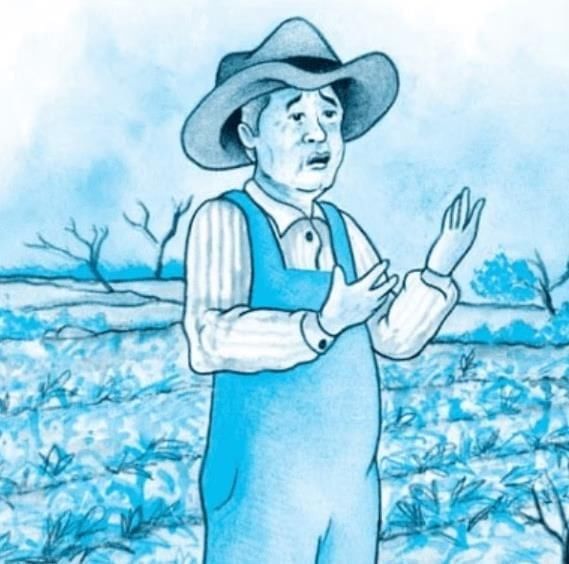
Ans. Lencho is portrayed as a simple man who is deeply connected to the land and his faith.  He lived with his family in a small village in a valley. He was also a religious man and believed in the power of prayer and faith.


Q.8. What had Lencho been doing throughout the morning?
Ans. In the story “The Letter to God,” Lencho had been watching the sky throughout the morning, waiting for the rain to come.  Lencho’s actions throughout the morning show his dedication to his work and his deep connection to the natural world. He is a farmer who depends on the rain for his livelihood, and the story highlights the importance of this relationship between humans and nature.


Q.9. What did Lencho’s field need badly?
Ans. Lencho’s field badly needed rain in the story “The Letter to God.”  When the rain finally arrives, Lencho is overjoyed, and he watches as the raindrops fall from the sky, believing that they are like “new coins” that will bring him wealth and prosperity. 


Q.10. What does Lencho call raindrops?
Ans. In the story “The Letter to God,” Lencho calls the raindrops “new coins” because he believes that they represent an important source of wealth for farmers like him. To Lencho, the raindrops are like currency because they are essential for growing crops and supporting his family.


Q.11. How did Lencho’s field look after the hail had rained?
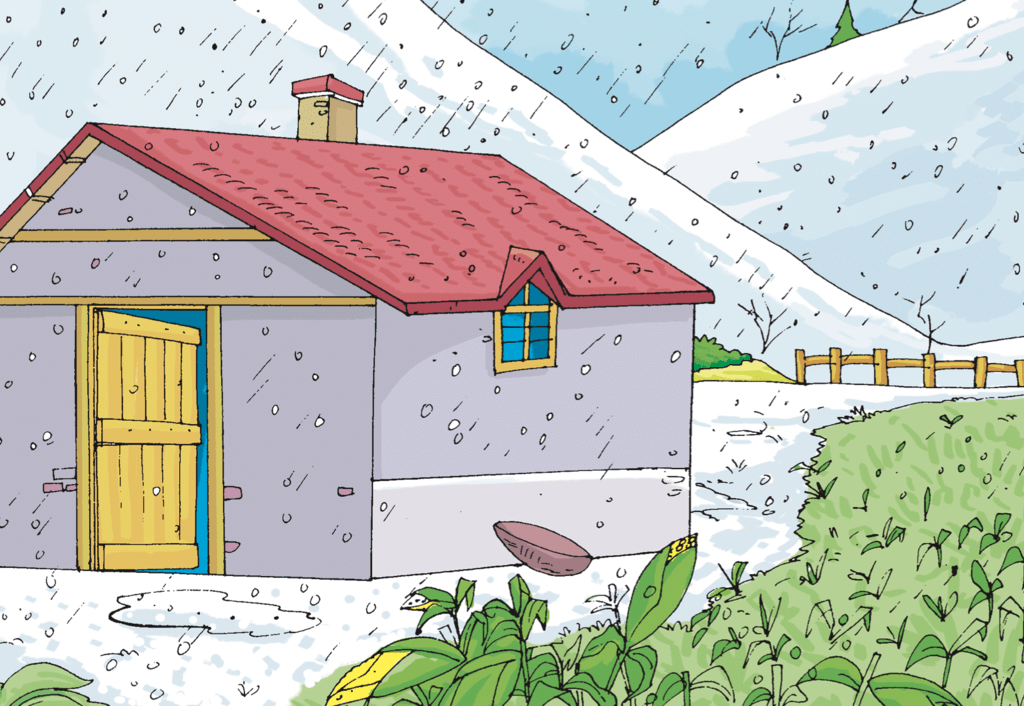
Ans.  After the hailstorm, Lencho’s field was destroyed and looked like a barren wasteland. The fields were now covered in a white sheet of hailstones that had fallen from the sky.
Q.12. What was the effect of the hail storm on tile valley?
Ans. The hail storm mentioned in the story had a devastating effect on the valley where Lencho lived. It destroyed the all corn,  all the flowers disappeared and there was not a single leaf on the trees.


Q.13. Who did Lencho write a letter to?
Ans. Lencho wrote a letter to God, seeking his assistance during a time of great need. In the story, a hailstorm destroys Lencho’s entire crop, which was his family’s main source of livelihood. Facing an uncertain future, Lencho decides to write a letter to God, expressing his faith in God’s goodness and asking for help.

Q.14. How much money did Lencho demand from God?
Or
Why did Lencho write a letter to God?
Ans. Lencho wrote a letter to God because he was facing a difficult situation that required immediate financial help. In the story, it is mentioned that a heavy hailstorm had destroyed his entire crop, which was the only source of livelihood for him and his family. In his letter, he requested a hundred pesos from God to help him.


Q.15. How did Lencho feel when it started raining?
Ans. Lencho’s emotions upon seeing the rain in “The Letter to God” are portrayed as a mix of relief, joy, and gratitude. When he saw the rain clouds forming in the sky, he was overjoyed and could not contain his excitement. He saw the raindrops as “new coins” that would bring him wealth and prosperity, and he expressed his gratitude towards God for the rain.


Q.16. What was the effect of the rain on the crops?
Ans. The effect of the rain on Lencho’s crops in the story “The Letter to God” was both positive and negative. On the one hand, the rain brought relief to Lencho and his family after the devastating hailstorm that destroyed their entire crop. The raindrops that fell on the parched earth were like “new coins” to Lencho, bringing hope and the promise of a new harvest. On the other hand, the rain was also too heavy and caused further damage to the already destroyed crops. The heavy rain


Q.17. Lencho had only one hope. What was it?
Ans. Lencho was a farmer who depended on his crops for his livelihood, and he understood the importance of rain for a good harvest. He hoped for good rain because it was much needed to water his crops and ensure a good harvest. 


Q.18. What does Lencho call the post-office employees?
Or
How did Lencho describe the post-office employees?
Ans. In this letter, Lencho described the employees as “a bunch of crooks” and “thieves” who had no shame in stealing from a poor man like him. Despite his anger, Lencho’s faith in God remained strong, and he believed that God would punish dishonest employees for their actions.


Q.19. What were Lencho’s feelings when he found the letter with money in it? What did he do after opening the letter? 
Ans. Lencho was not at all surprised to see the money in the letter as he was fully confident about it. He knew that God would send money to him. On opening the letter he found seventy pesos instead of a hundred. So, he wrote another letter to God to send and rest of the amount but now not through the mail as the post office employees were crooks. 


Q.20. To Whom did Lencho write a letter? What did he ask for?  
Ans. When Lencho’s annual crop was destroyed due to heavy rains and hailstorms and there was no one to help hint during the crisis. At that time Lencho wrote a letter to God.
He wrote the letter requesting him to send 100 pesos so that he could sow his fields again till the next crop.


Q.21. Why does the postmaster send money to Lencho? Why does he sign the letter ‘God’?
Ans. The postmaster was a kind, generous, helpful and God-fearing man. When he received the letter written to God asking for 100 pesos, he felt sympathetic towards Lencho. Hence, he decided to help Lencho. He gave a part of his salary and asked other employees to help. He signed the letter ‘God’ to preserve man’s faith in God.

Q.22. How far would you agree that one’s positivity can bring in a spark of brightness even in adverse circumstances?
Ans. Optimism can indeed bring about a spark of brightness even in adverse situations. It was Lencho’s innocent optimism that eventually led to his getting seventy pesos. It was his positivity despite the hailstorm that he even wrote a letter to God in the first place. His hope finally triumphed.

Q.23. Was Lencho surprised to find a letter with money in it? Why/Why not?
Ans. Lencho was not at all surprised to receive an envelope with money in it because he had utter faith in God. His unshakeable faith gave him firm confidence.

Q.24. What impression do you form of the postmaster after reading the story ‘A Letter to God’?
Ans. The postmaster was a kind, generous, helpful, amiable and God-fearing man. He was generous, as he helped Lencho with 70 pesos. He also wrote a reply to Lencho’s letter to maintain his faith in God.

Q.25. Why was Lencho angry? What did he do?
Ans. Lencho had deep faith in God and hence wrote a letter to God asking for 100 pesos. But when he received 70 pesos instead of 100, he was angry. He wrote another letter to God asking him to send the rest of the money, but not through the post office as they were a ‘bunch of crooks’.

Q.26. Lencho calls the raindrops ‘new coins’. Why does he call them so?
Ans. Lencho hoped to get good crops because of raindrops. He thought he would earn good money so he called them new coins. But raindrops soon turned into hailstones which destroyed all his crops and ruined his hopes.

Q.27 Why were Lencho and his family in distress? Whom did he ask for help?
Ans. Lencho’s crops were destroyed by the hailstones. He feared that he and his family would go hungry. He had no one to help but he had full faith in God whose eyes see everything. He wrote a letter to God asking for a hundred pesos to sow the crop and live until the next harvest.

Q.28.”Now we’re really going to get some water woman.” Is Lencho sure that it is going to rain? Give a reason for your answer.
Ans. Yes. Lencho is sure that it is going to rain. He needs rain for his crops. He has been gazing at the sky since morning. He has perhaps seen some signs of coming rain. True to his prediction. It soon starts raining.

Q.29. What are the raindrops compared to and why?
Ans. It starts raining. Lencho is very happy. He compares the big drops of rain to ten-cent pieces and the little ones to five-cent pieces. Lencho needs rain for a good harvest. If he has good crops, he will get money. That is why he compares the raindrops to coins.

Q.30. Did the letter reach God? Why did the postmaster send a reply to Lencho?
Ans. No, the letter did not reach God. The postman saw the letter addressed to God. He took the letter to the postmaster. The postmaster did not want to shake Lencho’s faith in God. So he sent a reply to Lencho. He sent seventy pesos to him

Q.31. Why was Lencho angry when he received the letter?
Ans. Lencho had asked God to send him a hundred pesos. But when he opened the envelope he found only seventy pesos in it. He thought that the post-office employees had taken the rest of the money. So he became angry when he received the letter.

Q.32. Lencho describes the post office employees as “a bunch of crooks.”
(i) Were they a bunch of crooks?
(ii) How would you describe them?
Ans. 
(i) Lencho thought that the post office employees had cheated him. So he calls them “a bunch of crooks.” But they were not crooks. 
(ii) They were kind people. They wanted to help Lencho. So they collected seventy pesos and sent the money to Lencho by mail.

Q.33. Where was Lencho’s house situated?
Ans. Lencho was a farmer. His house was the only one in the valley. It was situated on the top of a low hill overlooking the valley. From this height, he could see the river. He could also see his fields of ripe corn dotted with flowers. The flowers always promised a good harvest.

Q.34. What did Lencho and the earth need immediately?
Ans. The only thing the earth needed was rain. Lencho, being a farmer wished for heavy rain. At least, a shower was necessary. His fields needed water immediately otherwise the crop would be completely mined. So, he would constantly look at the sky towards the northeast.

Q.35. How did the rain come as predicted by Lencho and how did he receive it?
Ans. Lencho’s wife was preparing supper(dinner). The older boys were working in the field. It was during the meal, in the northeast huge mountains of clouds could be seen approaching. Then, as Lencho had predicted, big drops of rain began to fall. Lencho went out to have the pleasure of feeling the rain on his body. To him, the raindrops were like the new coins.

Q.36. Why were the raindrops like new coins for Lencho?
Ans. Lencho had been impatiently waiting for the rain. The earth needed a downpour(rain/shower) immediately. At least, a shower was necessary to save the crops. Fortunately for Lencho, in the northeast huge mountains of clouds could be seen approaching. Big drops of rain began to fall. Every drop was precious for the fields and the crops. The bigger drops were worth ten-cent pieces and the little ones were fives.

Q.37. Why did Lencho’s happiness change into deep concern?
Ans. As Lencho had predicted the rain did come. At mealtime, it came in the form of big drops. Naturally, the rain gladdened his heart. He could see better prospects of a good crop. However, his happiness was short-lived. Suddenly, a strong wind began to blow. The rain turned into big hailstones. A heavy ball of big hailstones for an hour destroyed everything— leaves, trees, and standing crops. Naturally, such a heavy loss put Lencho into deep concern.

Q.38. Describe the loss caused by the heavy fall of hailstones in general and to Lencho in particular.
Ans. For an hour, the hailstones rained on the house, the garden, the hillside, and the cornfield. The whole valley was covered with them. Leaves and flowers were destroyed. Lencho’s fields were covered with a white layer. The corn was destroyed. The hail had left practically nothing. There was no chance of any corn that year for Lencho.

Q.39. In the hearts of all who lived in that solitary house …, there was a single hope ….’ What was that?
Ans. The hail had practically left nothing. The cornfields were destroyed. Lencho and his family would have no corn that year. He could expect no help from human beings. In the hearts of all who lived in that solitary house, there was a single hope: help from God. Only God could save them from such a miserable situation.

Q.40. Why did Lencho think of writing a letter to God? What did he write in the letter?
Ans. The hailstones destroyed Lencho’s cornfields. They would have no corn that year. Having lost all hope, Lencho thought of writing a letter to God. He requested God to send him a hundred pesos to sow his fields again. He wrote that he needed money to live until the new crops came. If God didn’t help, his family would face starvation.

Q.41. What was the address written and how was the letter sent to God?
Ans. Lencho had unshaken faith in God and his mercy. Therefore, he decided to write a letter to God for help. He wrote ‘To God’ on the envelope and put the letter inside. He went to the post office and placed a stamp on the letter. Finally, he dropped it into the mailbox.

Q.42. How did the postmaster react when a postman showed him the letter to God?
Ans. When a postman received Lencho’s letter, he laughed heartily and took that letter to the postmaster. The postmaster looked at the letter to God and laughed heartily too. However, he soon grew serious. He was impressed with the sender’s faith in God who tried to correspond with him. “What a faith”! he could utter only such words.

Q.43. Why did the postmaster decide to answer Lencho’s letter?
Ans. After laughing at the very idea of a letter to God, the postmaster became serious soon. He was impressed with the unshaken faith of the sender in God. He wished he had the faith of the man who wrote that letter to God. So, in order not to shake the writer’s faith in God, the postmaster decided to answer the letter.

Q.44. How did the postmaster answer Lencho’s letter by sending him the money?
Ans. The postmaster didn’t want to shake the writer’s faith in God and so decided to help him. It needed something more than goodwill. So he collected money from his employees and himself contributed a part of the salary. He could collect only seventy pesos. He put the money into the envelope and put a single word `God’ as the signature and posted it to Lencho.

Q.45. Why did Lencho go a bit earlier than usual to the post office the following Sunday?
Ans. Lencho had firm faith in God and His mercy. He did expect a reply from Him. So, on the following Sunday, he went to the post office a bit earlier than usual. The postman handed over the letter to Lencho. The postmaster was only content to perform a good deed.

Q.46. Why did Lencho show no surprise in seeing the money?
Ans. Lencho had a firm faith in God. He did expect help from him. He didn’t show any surprise when he received the sum of seventy pesos. He believed in the mercy of God and expected definite help from him. So, he showed no surprise when he received the money.

Q.47. Why was Lencho angry after he counted the money?
Ans. Lencho had demanded a sum of a hundred pesos as immediate help from God. He did hope in God’s mercy and help. However, his happiness was short-lived when he counted the money. The sum was short by 30 pesos. Lencho believed that God did send him a hundred pesos but the dishonest post office employees embezzled(stole) money.

Q.48. Why did Lencho ask for help from God? Did he receive it?
Ans. Lencho had written a letter to God requesting him to send a sum of one hundred pesos. This money was necessary to show his fields agaiand to live until the new crop came. The help did come in the form of 70 pesos. It was not God but the kind-hearted postmaster who had collected the money and sent it to Lencho by post-signing God.’


Q.49. What did Lencho write in his second letter to God? Why did he ask Him not to send the rest of the money by post mail?
Ans. Lencho wrote to God that he received only 70 pesos out of the 100 that he had asked for. He asked God to send him the rest of the money as he needed it very much. He even asked God not to send the money through the postal mail. He said that the post office employees were dishonest and ‘a bunch of crooks’.

Q.50. Lencho has great faith in God. Does he have the same kind of faith in man? Taking examples from the story describes his attitude towards God and man.
Ans. Lencho’s crop was destroyed. He had great faith in God. He wrote a letter to God asking for a hundred pesos as help. The postmaster and the employees collected seventy pesos and sent the money to him. Lencho thought that the employees had stolen 30 pesos. He wrote another letter to God asking for 30 pesos more but not through the post office. He called the employees ‘a bunch of crooks’. This highlights Lencho’s attitude to God and man. He had full faith in God but didn’t have any faith in man.