13. Short Answer Questions: We are all Indians

Q1. Which state is known for the Tamil language and what language do people speak there?
Ans: Tamil Nadu is a state in India where people speak Tamil.
Short Answer Questions: We are all Indians

Q2. Which traditional dance from Gujarat is popular among children as well as among adults?
Ans: Garba is a traditional dance from Gujarat, and children as well as adults enjoy performing it.

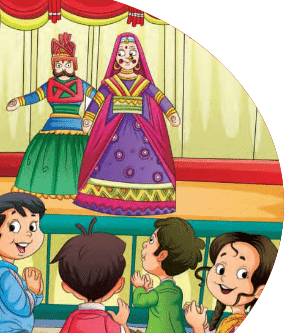
Q3. What is a common mode of travel in desert regions and what cultural event is popular there?
Ans: In desert regions like Rajasthan, people often travel by camel. Puppet shows are popular cultural events there.
Short Answer Questions: We are all Indians

Q4. Which Indian state is famous for painting and music as hobbies?
Ans: Bengal is a state in India known for its love of painting and music.

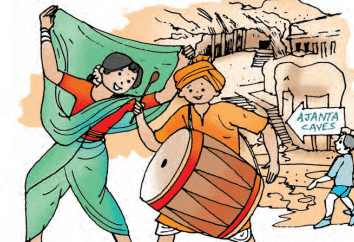
Q5. Which language is spoken in Maharashtra, and which historical places are popular tourist spots there?
Ans: People in Maharashtra speak Marathi. The famous tourist spots in the state include the Ellora and Ajanta caves.
Short Answer Questions: We are all Indians

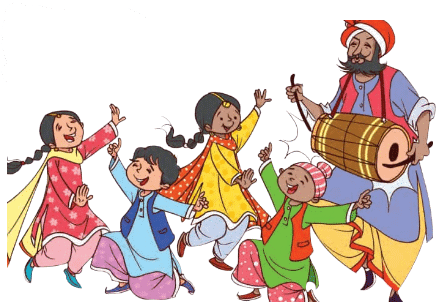
Q6. Which energetic dance form is popular in Punjab?
Ans: Bhangra is a lively and energetic dance form popular in Punjab.
Short Answer Questions: We are all Indians

Q7. Which famous Indian monument is admired for its beauty and where is it located?
Ans: The Taj Mahal is a very famous and beautiful monument located in Uttar Pradesh, India.

Q8. What is the official language of Manipur, and where is the state located?
Ans: The official language of Manipur is Manipuri. It is located in the northeastern part of India.

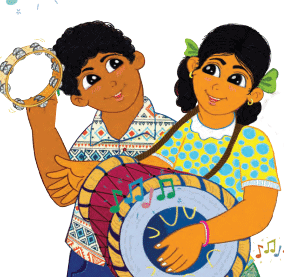
Q9. Which traditional musical instrument is played in Karnataka, and what language is spoken there?
Ans: The Mridang, a traditional Indian drum, is played in Karnataka. The language spoken there is Kannada.
Short Answer Questions: We are all Indians

Q10. Which northern state is a popular summer vacation destination in India?
Ans: Kashmir is a popular destination for summer holidays, where people often stay with local friends or families.

Q11. What traditional decoration is done in homes in Odisha, and what language is spoken there?
Ans: In Odisha, people decorate walls and floors as part of cultural tradition. They speak Odia.

Q12. Which southern state is known for coconut trees, and what is its regional language?
Ans: Kerala is known for its coconut trees. The regional language spoken there is Malayalam.
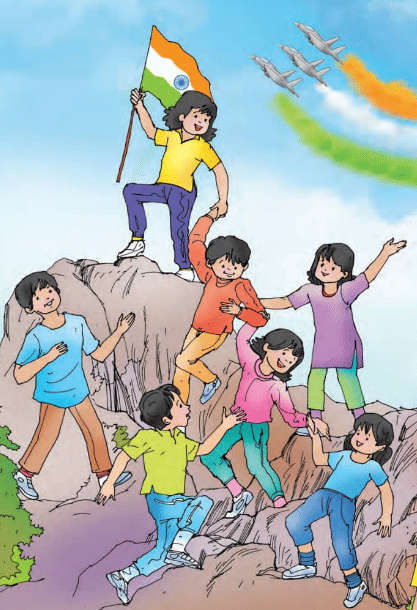
Short Answer Questions: We are all Indians

Q13. What is the main message of the passage?
Ans: The poem teaches that although people in India come from different places, speak different languages, and follow different customs, they are all part of one nation. Everyone is unique and special.
12. Short Answer Questions: Little Drops of Water

Q1. What do little drops of water and grains of sand make?
Ans: Little drops of water and little grains of sand come together to make the mighty ocean and the pleasant land.

Short Answer Questions: Little Drops of Water

Q2. What do little words of love and acts of kindness do?
Ans: Little words of love and acts of kindness spread smiles and happiness to people.

Q3. What does the poem say about little deeds of warmth?
Ans: The poem says that little deeds of warmth help spread happiness and make others feel cared for.

Q4. What is the main message of the poem?
Ans: The main message is that even small things, like drops of water or kind words, can come together to create something big and beautiful.

Q5. How do little things make a difference according to the poem?
Ans: Little things, when combined, make a big impact. Just like many drops make an ocean, small kind actions make the world a happier place.

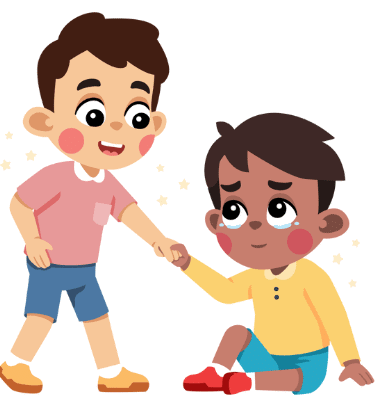
KindnessKindness

Q6. What are examples of “little things” mentioned in the poem?
Ans: Examples include little drops of water, grains of sand, words of love, acts of kindness, and deeds of warmth.

Q7. Why does the poem compare small drops to the ocean?
Ans: The poem compares them to show that many small parts together can make something very big and important.

Q8. What feelings do kind words and actions spread?
Ans: Kind words and actions spread smiles, happiness, and warmth among people.

Q9. Can small acts of kindness change the world? How?
Ans: Yes, small acts of kindness can change the world by making people happy and bringing them closer together.

Q10. What lesson can we learn from this poem?
Ans: The lesson is that even small actions matter. Everyone can help make the world better by being kind and caring in little ways.

11. Short Answer Questions: The Smart Monkey

Q1. Where did Anju and Farida go one day?
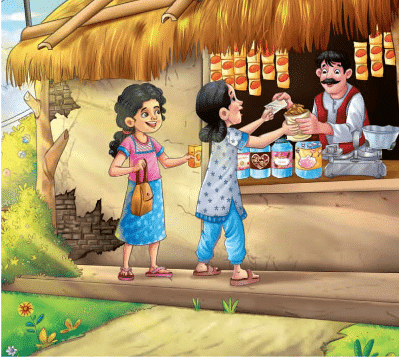
Ans: One day, Anju and Farida went to the market, which is a place where people buy things like food, bags, and bottles.

Q2. What did Anju and Farida buy at the market?
Ans: Anju bought a bag and Farida bought a water bottle. Later, they also bought a packet of groundnuts to eat and a bottle of juice to drink.

Short Answer Questions: The Smart Monkey

Q3. Where did Anju and Farida rest after shopping?
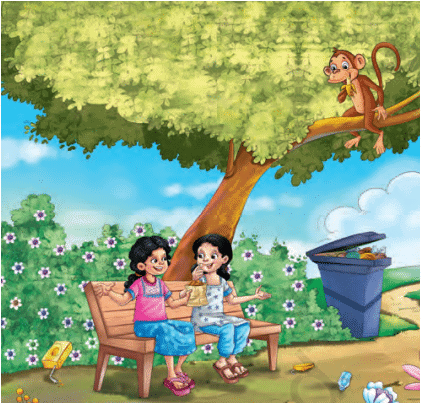
Ans: After shopping, Anju and Farida felt tired. So they sat on a bench under a tree to take a rest and eat their snacks.

Q4. Did Anju and Farida notice the monkey on the tree?
Ans: No, they did not see the monkey sitting on a branch of the tree above them while they were busy eating.

Short Answer Questions: The Smart Monkey

Q5. What was the monkey doing on the tree?
Ans: The monkey was eating a banana. He peeled the banana carefully and ate it while sitting on the tree branch.

Q6. What did Anju and Farida do with their food packets and bottles?
Ans: After eating the groundnuts and drinking the juice, Anju and Farida carelessly threw the empty packet and bottle on the ground instead of putting them in the dustbin.

Q7. What did the monkey do with the banana peel?
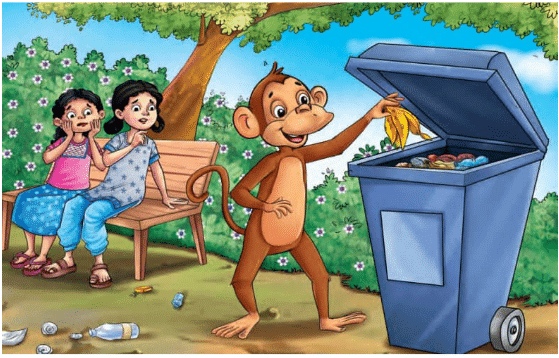
Ans: The monkey showed good behaviour by climbing down the tree and throwing the banana peel into a nearby dustbin to keep the place clean.

Short Answer Questions: The Smart Monkey

Q8. How did Anju and Farida feel when they saw the monkey’s action?
Ans: When they saw the monkey throwing the peel into the dustbin, Anju and Farida felt ashamed because they had thrown their trash on the ground.

Q9. What did Anju and Farida do after seeing the monkey’s good behaviour?
Ans: They realized their mistake and picked up their empty packet and bottle. Then, they threw them into the dustbin like the monkey.

Q10. What lesson can we learn from the monkey in the story?
Ans: The story teaches us to keep our surroundings clean by throwing our trash in the dustbins. It shows that even animals can teach us good habits.

10. Short Answer Questions: The Crow

Q1. What kind of bird is the story about?
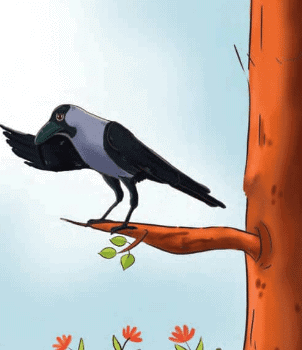
Ans: The story is about a crow. Crows are black birds that many people know and see around.

Short Answer Questions: The Crow

Q2. What did the crow want to know?
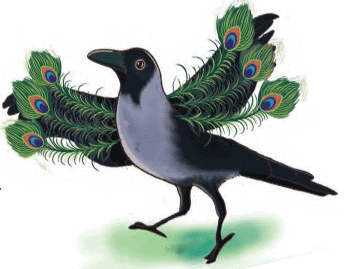
Ans: The crow wanted to know how to be beautiful because he wished he had colorful feathers like other birds.

Q3. What did the crow find to make himself beautiful?
Ans: The crow found some colorful feathers from a peacock. He stuck these feathers in his tail, wings, and even on his head to look more beautiful.

Short Answer Questions: The Crow

Q4. How did the crow feel after putting on the colorful feathers?
Ans: After putting on the feathers, the crow felt very happy and proud of himself. He danced around and said he was now beautiful.

Q5. How did the other crows react to him?
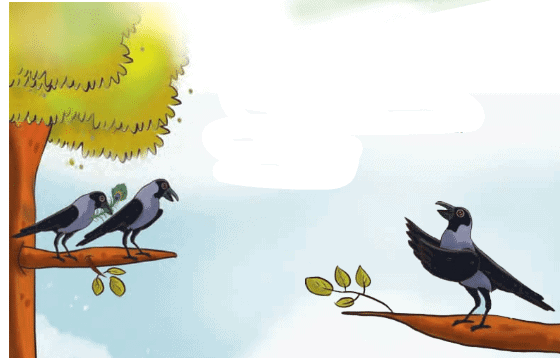
Ans: The other crows laughed at him. They thought it was silly for the crow to try to change how he looked.

Q6. What did the other crows say about the crow’s black color?
Ans: The other crows told him that he was already beautiful in his black feathers and that they loved him for being himself.

Short Answer Questions: The Crow

Q7. Why do you think the crow wanted colorful feathers?
Ans: The crow wanted colorful feathers because he thought that being colorful would make him look nicer and better than he was.

Q8. What lesson do the other crows teach the crow?
Ans: They teach the crow that it is important to love and accept yourself as you are, and that true beauty comes from being yourself.

Q9. What do you think the crow learned at the end of the poem?
Ans: The crow learned that trying to look like someone else is not the way to be beautiful. He realized that his natural black feathers made him special.

Q10. Why did the crow put feathers on his tail, wings, and head?
Ans: The crow put feathers on his tail, wings, and head because he wanted to copy the peacock’s colorful look and feel more beautiful.

09. Short Answer Questions: My Name

Q1. What problem did the little fly face in the story?
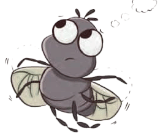
Ans: The little fly forgot his own name. He tried many times to remember it but couldn’t, which made him confused and worried.

Short Answer Questions: My Name

Q2. Who did the fly ask first to know his name?
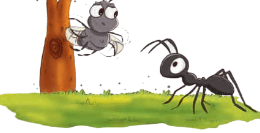
Ans: The fly first asked an ant if it knew his name. He thought the ant might remember who he was.

Q3. Where did the ant tell the fly to ask next?
Ans: The ant told the fly to ask the tree that he climbs because the tree might know the fly better.

Short Answer Questions: My Name

Q4. What did the tree say when the fly asked for his name?
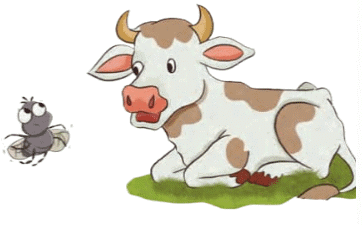
Ans: The tree said it didn’t know the fly’s name. It suggested the fly ask the cow that was sleeping in its shade.

Q5. Who did the fly ask after the tree?
Ans: After the tree, the fly went to ask the cow if she knew his name.

Short Answer Questions: My Name

Q6. What did the cow say and where did she tell the fly to ask next?
Ans: The cow said she didn’t know the fly’s name but told him to ask the grass she was eating.

Q7. What was the grass’s answer to the fly’s question?
Ans: The grass said it didn’t know the fly’s name either. The grass told the fly to ask the leaves that had fallen on it.

Short Answer Questions: My Name

Q8. What happened when the fly asked a leaf about his name?
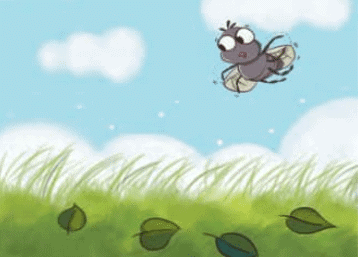
Ans: When the fly asked the leaf, it was about to answer, but suddenly the wind blew and the leaf started flying away.

Q9. How did the fly remember his name?
Ans: When the leaf began to fly, the fly saw it and suddenly remembered that his own name was Fly. He was very happy to remember.

Q10. What is the moral of the story?
Ans: The story teaches us that sometimes the answers we are looking for are closer than we think. Watching the leaf fly helped the fly remember his own name.

08. Short Answer Questions: A Show of Clouds

Q1. What does the poet do in the poem?
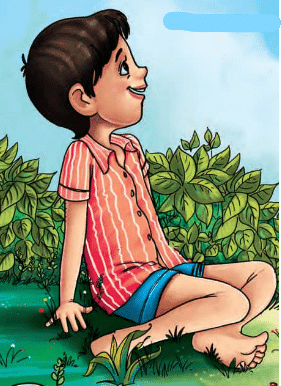
Ans: He lies on his back on the ground and looks up at the sky. He watches the clouds carefully to see what shapes he can find.

Short Answer Questions: A Show of Clouds

Q2. What animal does the poet first see in the clouds?
Ans: He first sees a big white bear in the clouds. It looks like the bear is looking down at him from the sky.

Q3. What does the poet imagine sailing on the white sea?
Ans: He imagines a ship sailing on the “white sea,” which is a creative way to describe the clouds floating in the sky.

Q4. Which animal does the poet see waving its trunk?
Ans: He sees an elephant in the clouds. The elephant looks like it is waving its trunk at him.

Short Answer Questions: A Show of Clouds

Q5. How does the poet feel about watching the clouds?
Ans: He feels very happy and excited. He says it’s fun to imagine seeing different things in the clouds.

Q6. What is the “white sea” mentioned in the poem?
Ans: The “white sea” is how he imagines the clouds as a big sea made of white waves floating in the sky.

Q7. How does the poet use his imagination in the poem?
Ans: He uses his imagination to see different shapes and pictures, like animals and ships, in the clouds.

Short Answer Questions: A Show of Clouds

Q8. Why does the poet say “It’s fun to me”?
Ans: He says it’s fun because looking at the clouds and imagining different shapes makes him happy and entertained.

Q9. What is the repeated action the poet does in each stanza?
Ans: In every stanza, he lies on his back and looks up at the sky to see what shapes appear in the clouds.

Q10. What does the poem teach us about clouds?
Ans: The poem teaches us that clouds can look like many different things if we use our imagination and watch carefully.

07. Short Answer Questions: This is My Town

Q1. What is the poem “This is My Town” about?
Ans: The poem describes different parts of a town and a home, like streets, houses, rooms, beds, and baskets with flowers, showing how they are all connected.

Town

Q2. What do we find in the town according to the poem?
Ans: In the town, there are many streets. Streets are paths or roads where people walk, travel, and move around to go from one place to another.

Q3. What can be found on the street?
Ans: On the street, there are houses. Houses are where families live, sleep, and spend time together.

Q4. What is inside the house?
Ans: Inside the house, there are rooms. Rooms are different spaces in the house for sleeping, eating, and other activities.

Bedroom

Q5. What is inside the room mentioned in the poem?
Ans: In the room, there is a bed. People use the bed to rest and sleep.

Q6. What is placed on the bed?
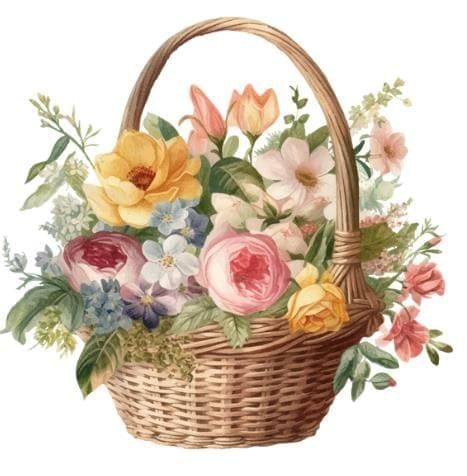
Ans: On the bed, there is a basket. The basket is placed on top of the bed.

Q7. What does the basket on the bed contain?
Ans: The basket has some flowers in it. The flowers make the basket look pretty and colorful.

Basket with Flowers

Q8. How does the poem describe the relationship between the flowers, basket, and bed?
Ans: The poem says the flowers are inside the basket, the basket is on the bed, and the bed is inside the room. This shows how these things are placed one inside or on the other.

Q9. How are the room, house, and street connected?
Ans: The room is inside the house, and the house is located on the street. This shows the order of how these places are connected.

Q10. What is the final place mentioned in the poem where the street is found?
Ans: The street is found in the town. The town is the biggest place mentioned in the poem that contains streets, houses, and rooms.

06. Short Answer Questions: Between Home and School

Q1. Who is the person talking in the passage?
Ans: The person talking is Ravi. He is a student in Class 2 who tells us about his daily journey to school.

Q2. How do Ravi and his friend go to school?
Ans: Ravi and his friend go to school on foot, which means they walk instead of using a bike or bus.

Q3. What places do they pass through on their way to school?
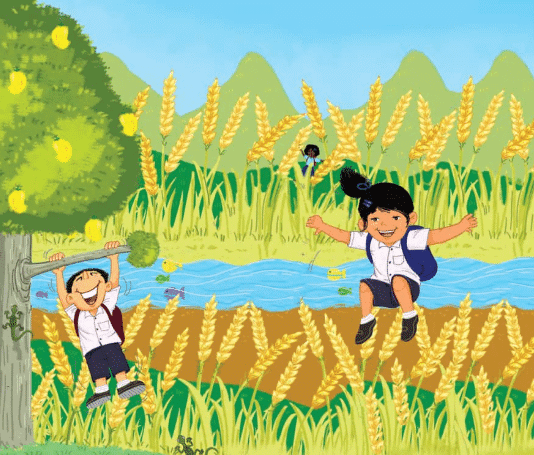
Ans: On their way, they walk through green paddy fields where rice grows, a mango grove full of mango trees, and then they reach the main road.

Q4. Which route do Ravi and his friend take to school?
Ans: They take the shortest and quickest route to school by going through the fields and the mango grove instead of taking a longer road.

Q5. What fun things do they do on the way to school?
Ans: They have lots of fun jumping over small canals, climbing mango trees, swinging from tree branches, and watching small garden lizards.

Q6. Do Ravi and his friend reach school on time?
Ans: Yes, even though they enjoy playing on the way, they make sure to reach school on time every day.

Q7. What animals do Ravi and his friend watch on their way?
Ans: They watch garden lizards, which are small reptiles that live in the trees and gardens near their route.

Q8. What kind of trees do Ravi and his friend climb?
Ans: They climb mango trees in the mango grove, which are tall trees that grow delicious mango fruits.

Q9. What does going “on foot” mean?
Ans: Going on foot means walking by yourself without using any vehicle like a car or bike.

Q10. Why do you think Ravi likes the route to school?
Ans: Ravi likes this route because it is full of nature and fun things to do, like climbing trees and watching animals, making his walk enjoyable.

05. Short Answer Questions: Come Back Soon

Q1. What are the two ways to travel mentioned first in the poem?
Ans: The poem first mentions travelling by bus and train. These are common and popular ways to go from one place to another on land.

Bus and TrainQ2. What other two types of travel come after bus and train?
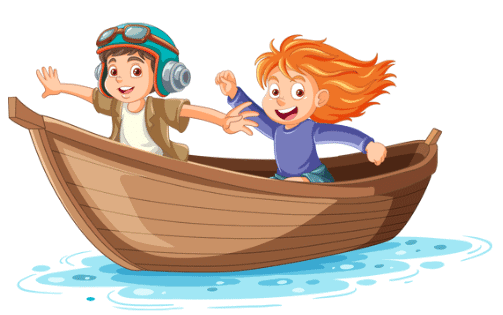
Ans: After bus and train, the poem talks about travelling by boat and plane. Boats travel on water, while planes fly in the sky.

Boat

Q3. Which types of vehicles are mentioned after boat and plane?
Ans: The poem mentions taking a taxi and a car after boat and plane. Both are vehicles used on roads for travel.

Q4. According to the poem, can you travel to places that are near?
Ans: Yes, the poem says you can travel to places that are near. You don’t always have to go far; short trips are also fun.

Q5. Does the poem say you can travel to faraway places too?
Ans: Yes, the poem mentions that you can travel to places that are far away. This means you can explore distant places too.

Q6. What special kind of travel does the poem mention besides cars and taxis?
Ans: The poem talks about travelling by rocket, which is a special kind of travel used to go into space.

Rocket

Q7. Where does the poem say you can go if you take a rocket?
Ans: The poem says that if you take a rocket, you can go all the way to the moon, which is very far away from Earth.

Q8. What does the poem ask you to remember after you travel?
Ans: The poem asks you to come back soon after travelling. It reminds us to return safely to our family and friends.

Q9. Name three kinds of travel mentioned in the poem that you can take on land.
Ans: Three kinds of land travel mentioned in the poem are bus, train, and taxi. These are common ways to move around on roads and rails.

Q10. Which mode of travel mentioned in the poem is used in the sky?
Ans: The poem mentions plane and rocket as modes of travel used in the sky. Planes fly in the air, and rockets go even higher into space.

04. Short Answer Questions: Seeing without Seeing

Q1. Who came to Onshangla’s school?
Ans: A new boy came to Onshangla’s school. He joined their class and will come every day.

Short Answer Questions: Seeing without Seeing

Q2. Why does the new boy wear black glasses?
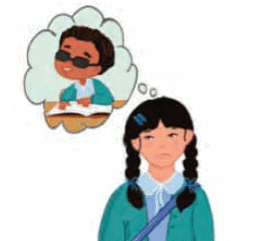
Ans: The new boy wears black glasses because he cannot see. He is blind and needs help in class.

Q3. What did Ava do when Onshangla came home?
Ans: When Onshangla came home, Ava, her mother, gave her biscuits and milk to eat and drink.

Short Answer Questions: Seeing without Seeing

Q4. What game did Ava and Onshangla decide to play?
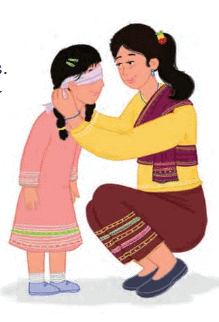
Ans: They decided to play a game where Onshangla’s eyes were covered with a scarf. She had to guess what Ava was holding by touching and listening.

Short Answer Questions: Seeing without Seeing

Q5. How did Onshangla identify the rose?
Ans: Onshangla touched the soft petals of the rose and smelled its nice fragrance. That’s how she knew it was a rose.

Q6. What sound helped Onshangla guess the bell?
Ans: Ava shook a small bell, which made a ringing sound “Trin… Trin…” Onshangla listened carefully and guessed it was a bell.

Q7. How did Onshangla know what was in the glass?
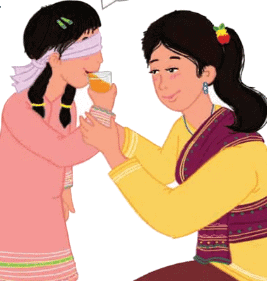
Ans: Onshangla touched the glass and tasted the drink inside. She realized it was orange juice because of the taste, not water.

Short Answer Questions: Seeing without Seeing

Q8. What did Onshangla say when Ava removed the scarf?
Ans: When Ava took off the scarf, Onshangla saw her and happily said, “It is you, Ava! I see you!”

Q9. What did Ava say about children who cannot see?
Ans: Ava said that even if a child cannot see, they can use their other senses like touch, smell, and hearing to learn about things. But sometimes it can still be difficult for them.

Q10. What did Ava hope for the new boy?
Ans: Ava hoped that all the children in the class would be kind and friendly to the new boy and help him feel welcome.