13. We are all Indians – Worksheet Solutions

Q1: Multiple Choice Questions (MCQs)

(i) Where does Meenakshi come from?
(a) Gujarat
(b) Tamil Nadu
(c) Rajasthan
(d) Karnataka
Ans: (b) Tamil Nadu

Meenakshi says, “I come from Tamil Nadu.”

(ii) What does Gulabo enjoy watching?
(a) Kathak dance
(b) Puppet shows
(c) Cricket matches
(d) Magic tricks
Ans: (b) Puppet shows

Gulabo says, “I enjoy seeing puppet shows.”

(iii) Where does Bharti go during her summer holidays?
(a) Kerala
(b) Kashmir
(c) Punjab
(d) Bengal
Ans: (b) Kashmir

Bharti says she goes to Kashmir and stays with her friends.

(iv) What do the two sisters from Odisha like to decorate?
(a) Walls and floors
(b) Trees and plants
(c) Clothes and bags
(d) Books and papers
Ans: (a) Walls and floors

The sisters say, “We decorate our walls and floors.”

(v) What makes all the friends in the story unique?
(a) They all wear the same clothes.
(b) They come from different states but are all Indians.
(c) They all like to dance.
(d) They only speak one language.
Ans: (b) They come from different states but are all Indians.

Though they come from different states, they are all part of one country—India

Q2: True or False

(i) Meenakshi comes from Karnataka.
Ans: 
False

Meenakshi comes from Tamil Nadu, not Karnataka. She speaks Tamil and celebrates Pongal.

(ii) Ramu likes to dance the Garba. 
Ans: True

Garba is a traditional dance from Gujarat, and Ramu enjoys dancing it.

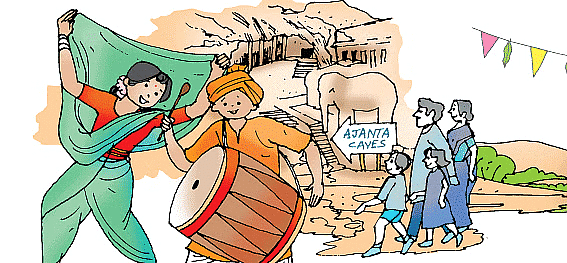
(iii) Vibha visited Ellora and Ajanta caves.
Ans: True

Vibha says, “Once I visited Ellora and Ajanta caves.”

(iv) Kamala plays the Mridang.
Ans: True

Kamala says, “I play the Mridang.”

(v) Unni’s favorite tree is the coconut tree. 
Ans: True

Unni says, “My favourite tree is the coconut tree.”
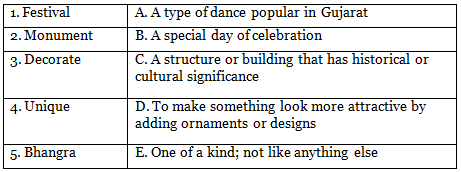
Q3: Match the words with their correct meanings.
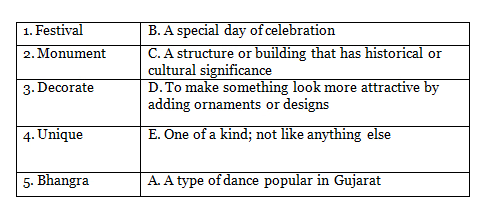
Ans: 

Q4: Rearrange the Words to Make a Sentence

(i) from / I / Gujarat / am
Ans: I am from Gujarat.

(ii) Tamil / speaks / Meenakshi
Ans: Meenakshi speaks Tamil.

(iii) puppet / shows / likes / watching / Gulabo
Ans: Gulabo likes watching puppet shows.

(iv) plays / Kamala / the / Mridang
Ans: Kamala plays the Mridang.
(v) Bharti / in / spends / holidays / Kashmir / her
Ans: Bharti spends her holidays in Kashmir.

Q5: Short Answer Questions

(i) How does Gulabo like to travel?
Ans:
 Gulabo likes to travel on a camel because she lives in Rajasthan.

(ii) Name one festival Meenakshi mentioned as her favorite.
Ans:
 Meenakshi’s favorite festival is Pongal. People in Tamil Nadu celebrate it with joy.

(iii) Where does Bharti go during her summer holidays?
Ans: 
Bharti goes to Kashmir in summer to meet her friends and enjoy the cool weather.

(iv) What do the two sisters from Odisha like to decorate?
Ans:
 The two sisters from Odisha like to decorate the walls and floors of their homes with beautiful designs.

(v) What is the common factor that makes all these friends unique?
Ans: 
All these friends are different, but they are special because they are all Indians.
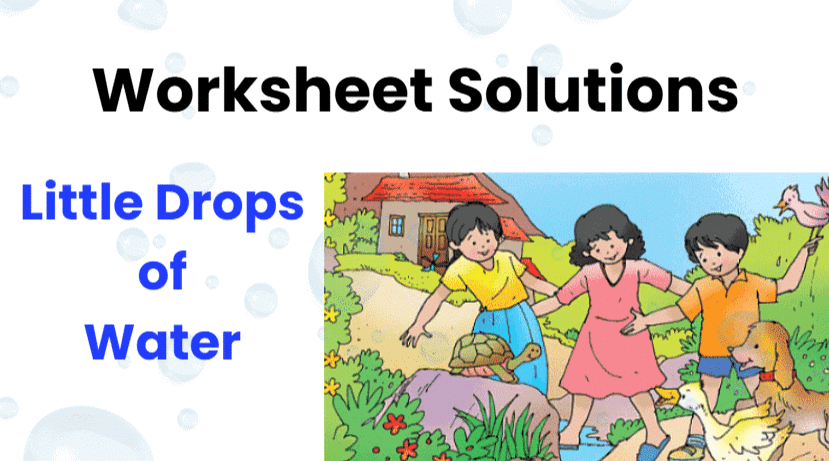
12. Little Drops of Water – 2 Worksheet Solutions

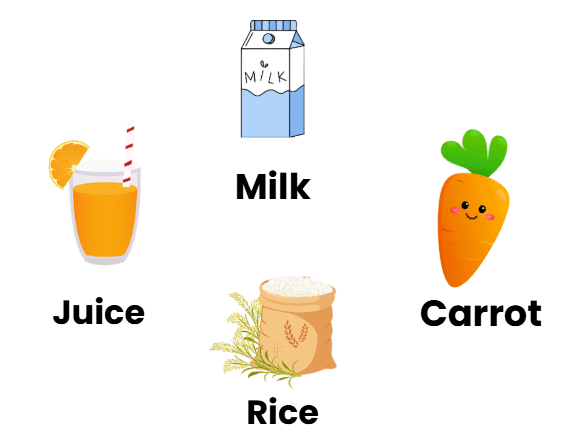
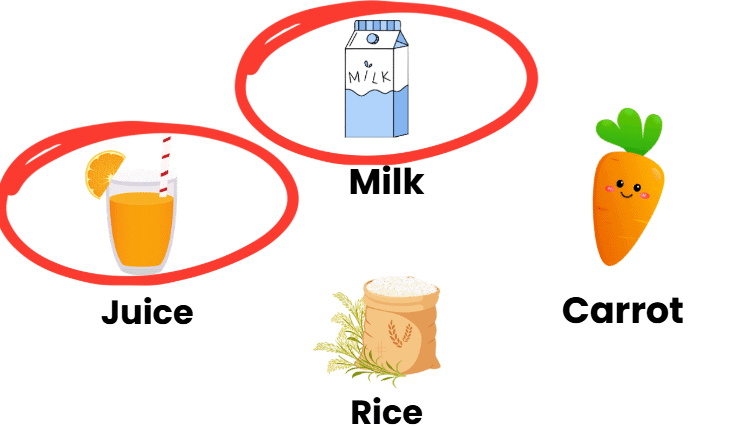
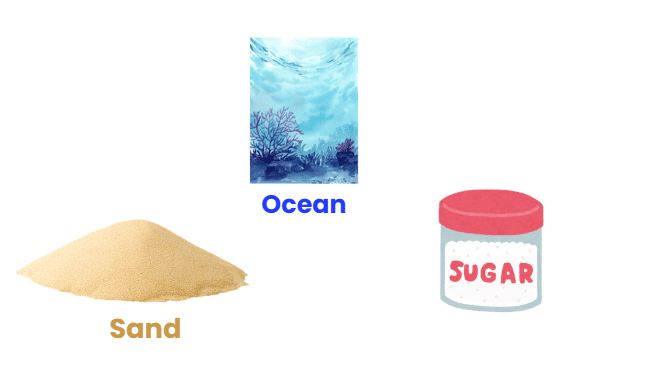
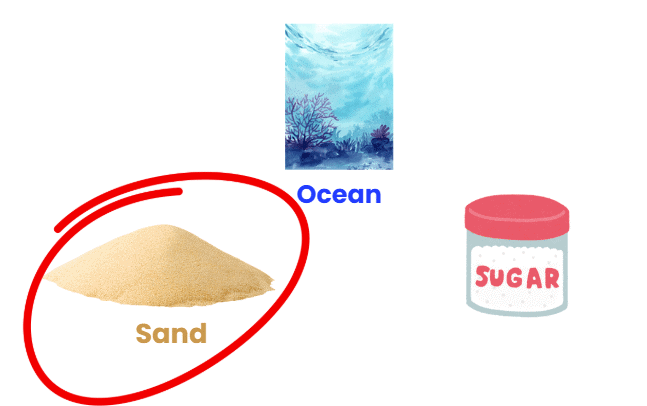
Q1. Circle the correct word.

a) We can use “drops of” 

Ans. 

b) Small grains make the 

Ans. 
Q2: Word Meanings

(i) Mighty – _____________

Ans: very strong or powerful
Example: The mighty elephant walked through the forest.
(ii) Pleasant – _____________

Ans: nice, enjoyable, or giving a feeling of happiness
Example: It was a pleasant day with sunshine and cool breeze.

(iii) Kindness – _____________

Ans:  the quality of being caring, gentle, and helpful
Example: She showed kindness by helping the old man cross the road.

(iv) Peaceful – _____________

Ans:  calm and quiet; without disturbance or violence
Example: The garden was a peaceful place to read a book.

(v) Ocean – _____________ 

Ans:  a very large body of salt water that covers most of the Earth’s surface
Example: The ship sailed across the deep blue ocean.

Q3: Short Answer Questions

(i) How is the impact of little acts and words compared to drops of water and grains of sand in the poem?
Ans: The poem suggests that just like little drops of water and grains of sand come together to form the vast ocean and the pleasant land, small acts of kindness and words filled with love can collectively create a world of happiness and beauty.

(ii) What does the poem suggest about the significance of small actions in creating happiness?
Ans:
 The poem suggests that even though acts and words may seem small individually, when combined, they can have a powerful impact in creating a world filled with happiness.

(iii) Give an example of a little act of kindness mentioned in the chapter.
Ans: 
An example of a little act of kindness mentioned in the chapter could be helping a friend pick up dropped books.

(iv) Explain the phrase “Little deeds of warmth spread smiles and happiness” in your own words.
Ans: 
The phrase “Little deeds of warmth spread smiles and happiness” means that small, kind actions can make people happy and bring smiles to their faces.

(v) How can you contribute to making the world a better place through small actions and words?
Ans: 
Students can answer this based on their understanding and thoughts on how they can contribute to making the world a better place through small actions and words, promoting kindness, and helping others.

Q4: Creative Thinking:

Write one small act of kindness you can do at school.
Ans: (Example) Helping a classmate carry their books.

Q5:. Plural Forms – Vocabulary Practice

Write the plural form of the following nouns:

  1. Drop → __________
    Ans: Drops
  2. Word → __________
    Ans: Words
  3. Ocean → __________
    Ans: Oceans
  4. Land → __________
    Answer: Lands
  5. Smile → __________
    Answer: Smiles

12. Little Drops of Water – 1 Worksheet Solutions

Q1. Tick (✓) the correct choice.

(i) What do little drops of water make?
a) A mountain
b) A mighty ocean
c) A forest
d) A desert

Ans: b) A mighty ocean

Many small drops of water come together to form a big ocean. The poem shows how small things can create something large and powerful.

(ii) What do little words of love spread?
a) Sadness
b) Smiles and happiness
c) Anger
d) Fear
Ans: b) Smiles and happiness

Kind and loving words make people feel happy and loved, spreading joy all around.

(iii) Which word means “very strong or large”?
a) Peaceful
b) Mighty
c) Kindness
d) Tiny
Ans: b) Mighty

The word mighty is used in the poem to describe the great ocean. It means something powerful and big.

(iv) What is the land described as in the poem?
a) Dry and cracked
b) Angry and noisy
c) Pleasant
d) Cold and dark
Ans: c) Pleasant

The poem uses the word “pleasant” to describe the land, meaning it is nice, calm, and enjoyable.

(v) What is the main message of the poem?

a) Water and sand are important
b) Kindness and love can make the world better
c) Oceans are made of drops of water
d) Land is formed by grains of sand

Ans: c) Kindness and love can make the world better

The poem shows that small acts—like drops of water or kind words—can create big, positive changes. Even tiny deeds of love and kindness can bring great happiness.

Q2. Fill in the blanks with words from the box:

a) A ______ of water.
Ans: glass

b) A ______ of rice.
Ans: bag

c) A ______ of juice.
Ans: bottle

d) A ______ of groundnuts.
Ans: packet

e) A ______ of clothes.
Ans: bundle

Q3. True or False

 (i) This poem shows how little things can make a big difference.

Ans: True

 The poem tells us that small things like drops of water and kind words can create big things like oceans and happiness.

 (ii) The poem mentions storms and thunder.
 Ans: False

The poem talks about peaceful and kind things, not about storms or thunder. 

(iii)  The poem teaches us that small kind acts are important.
 Ans: True

The poem says that little acts of kindness can spread joy and love.

(iv) The land is described as angry and noisy. 
Ans: False

The poem describes the land as pleasant, not angry or noisy.

(v) Little words of love can spread smiles and happiness.
Ans: True

The poem shows that even small loving words can make others happy.

Q4. Rearrange the words to make sentences.

a) book/ a/ she/ reading/ is

Ans. She is reading a book.

b) tree/ under/ sitting/ they/ the/  are
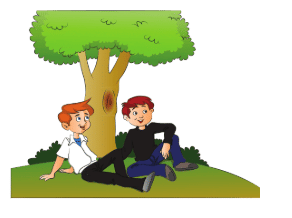
Ans. They are sitting under the tree.

c) are/ they/ rope/ jumping

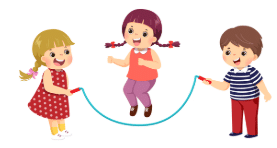
Ans. They are jumping rope.

Q5. Kindness Challenge

Write one kind act you will do today.

Ans. Example: I will share my toys with my friend.

This is a reference answer. One can make on their own.

11. The Smart Monkey – 2 Worksheet Solutions

Q1. Rearrange the words to make sentences.

a) banana the monkey ate the

Ans. The monkey ate the banana.

b) dustbin they the in threw bottle

Ans.  They threw the bottle in the dustbin.

c) tree the monkey climbed down

Ans. The monkey climbed down the tree.

Q2. Word Meanings

(i) Bag
Ans.
 A container with handles used to carry things.

(ii) Bench
Ans. 
A long seat for two or more people to sit on.

(iii) Climbed
Ans. 
Moved upwards using hands and feet.

(iv) Rest
Ans. 
To take a break or relax.

(v) Ashamed
Ans.
 Feeling embarrassed or guilty about something.

Q3. Choose the correct word.

a) The monkey (peeled/threw) the banana before eating it.

Ans. peeled

b) Farida and Anju (threw/picked) their trash into the dustbin after seeing the monkey.

Ans. picked

Q4.  Short Answer Questions

(i) What did Anju buy from the market?
Ans. 
Anju bought a bag from the market.

(ii) Where did Anju and Farida sit to rest?
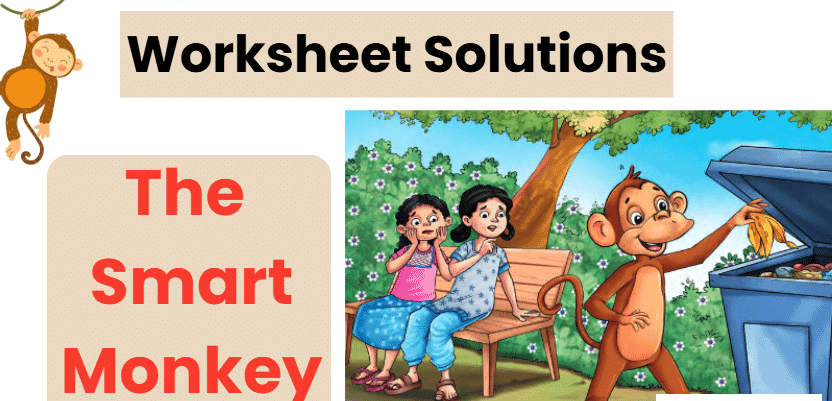
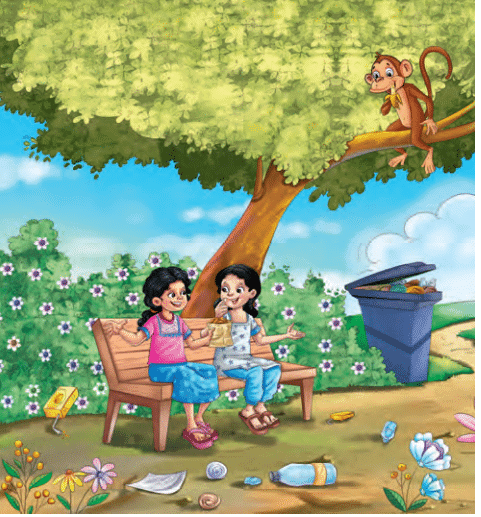
Ans.  Anju and Farida sat on a bench under a tree to rest.

(iii) What did the monkey do with the banana peel?
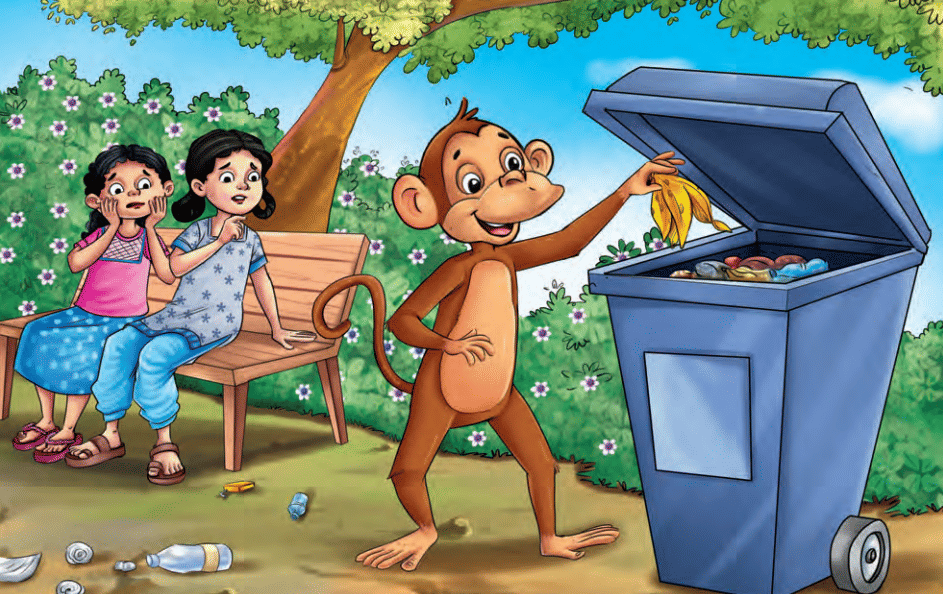
Ans.  The monkey threw the banana peel into the dustbin.

(iv) Why did Farida and Anju feel ashamed?

Ans. They felt ashamed because they threw their trash on the ground, while the monkey threw its trash in the dustbin.

(v) What lesson did Farida and Anju learn from the monkey?

Ans. They learned to throw trash in the dustbin and keep the environment clean.

11. The Smart Monkey – 1 Worksheet Solutions

Q1. Multiple Choice Questions (MCQs)

(i) What did Anju buy from the market?
a) Water bottle
b) Bag
c) Banana
d) Packet of groundnuts

Ans. b) Bag

(ii)  Where did Farida and Anju sit to rest?
a) On a chair
b) On the ground
c) On a bench under a tree
d) In the car

Ans. c) On a bench under a tree

(iii) What did the monkey do with the banana peel?
a) Threw it on the ground
b) Ate it
c) Threw it into the dustbin
d) Gave it to Farida

Ans. c) Threw it into the dustbin

Q2.  Fill in the Blanks

(i) Anju bought a __________ and Farida bought a __________.
Ans.
 bag & water bottle

Anju purchased a bag and Farida purchased a water bottle from the market.

(ii) The monkey had a __________.
Ans. 
banana

The monkey had a banana that it peeled and ate.

(iii) The monkey threw the banana peel into the __________.
Ans.
 dustbin

The monkey demonstrated good behavior by disposing of the banana peel in the dustbin.

(iv) Farida and Anju picked up the packet and the __________ and threw them into the dustbin.
Ans. 
 empty bottle

Farida and Anju learned from the monkey’s example and properly disposed of their trash in the dustbin.

Q3. True or False

(i) Farida bought a bag. 
Ans: 
False

Anju bought a bag, not Farida.

(ii) The monkey ate the banana without peeling it.
Ans: False

The monkey peeled the banana before eating it.

(iii) Farida and Anju initially saw the monkey.
Ans: False

 The story doesn’t mention whether Farida and Anju initially saw the monkey. This is a distractor.

(iv) The monkey threw the banana peel on the ground.
Ans: False

The monkey threw the banana peel into the dustbin, not on the ground.

(v) Farida and Anju learned from the monkey’s behavior and threw their trash in the dustbin.
Ans: True

After seeing the monkey’s actions, Farida and Anju picked up their trash and threw it in the dustbin, demonstrating that they learned from the monkey’s good behavior.

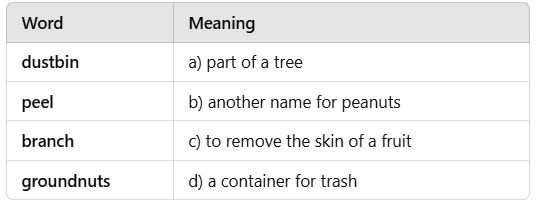
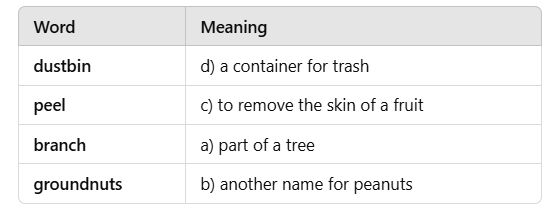
Q4.  Match the Words to Their Meanings

Ans.

Q5. Draw and Write

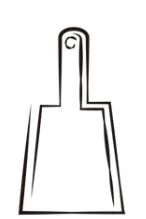
a) Draw three things you use to clean your house (e.g., broom, dustbin, mop).

Ans.    

  • Broom – Used to sweep dust and dirt from the floor.
  • Dustpan – Used to collect the dirt after sweeping with a broom.
  • Mop – Used for cleaning floors with water and cleaning solution.

b) Write: “I keep my classroom clean by ______.”

Ans. I keep my classroom clean by picking up trash and keeping my desk organized.

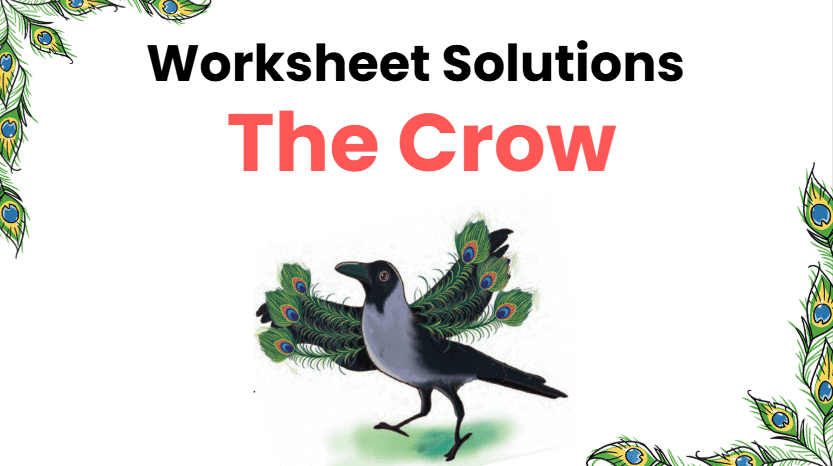
10. The Crow – Worksheet Solutions

Q1: True or False(i) The crow wanted to have colorful feathers. 

Ans. True

(ii) The crow found only one peacock feather. 
Ans. False

The crow found many peacock feathers, not just one.

(iii) The crow thought he would be beautiful with colorful feathers. 
Ans. True

(iv) The other crows laughed at the crow with peacock feathers. 
Ans. True

(v) The other crows told the crow that he was beautiful in black. 
Ans.  True

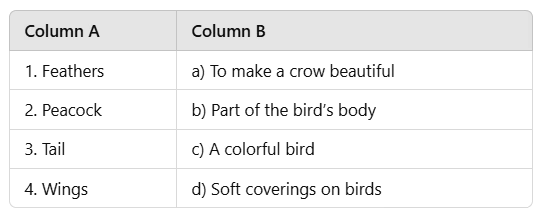
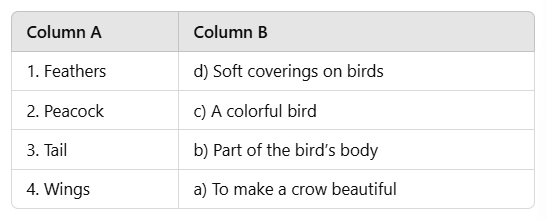
Q2. Match the Following

Ans.

Q3. Complete the rhyming pairs using bird names.

a) Grow 

Ans. Crow

 In the word “grow”, the sound “ow” at the end is the same as in “crow”. Same criteria follows in below options.

b) Carrot 

Ans. Parrot

c) Arrow 

Ans. Sparrow

Q4. Short Answer Questions

(i) What did the crow want to know?
Ans:
 The crow wanted to know how to be beautiful.

(ii) What did the crow do when he found peacock feathers?
Ans:
 The crow stuck the peacock feathers in his tail, wings, and on his head.

(iii) How did the other crows react to the crow’s new feathers?
Ans:
 The other crows laughed at the crow.

(iv) Why did the crow think he was beautiful?
Ans:
 The crow thought he was beautiful because he had colorful peacock feathers on him.

(v) How did the crow feel when the other crows laughed at him?
Ans:
 The crow might have felt sad or embarrassed when the other crows laughed at him.

Q5. Project Work

Draw your favorite bird and write its name.
Ans. The answer will depend on the student’s drawing. 
For example, “My favorite bird is a Peacock.”

09. My Name – 2

Worksheet Solutions

Q1: Fill in the Blanks

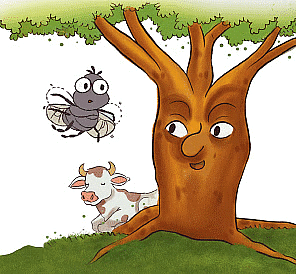
(i) Once there was a little ________.
Ans:
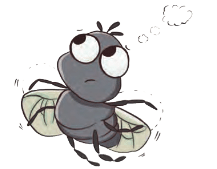
 fly
The first sentence of the story mentions a little fly as the main character.

(ii) The little fly couldn’t remember his ________.
Ans:
 name
The story states that the fly forgot his name and was trying to remember it.

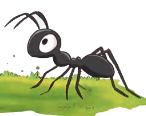
(iii) The ant suggested the fly ask the ________.
Ans:
 tree
The ant directs the fly to seek assistance from the tree when asked about the fly’s name.

(iv) The tree advised the fly to inquire with the ________.
Ans:
 cow
The tree tells the fly to ask the cow for information about his name.

(v) The fly finally remembered his name when he saw a ________.
Ans:
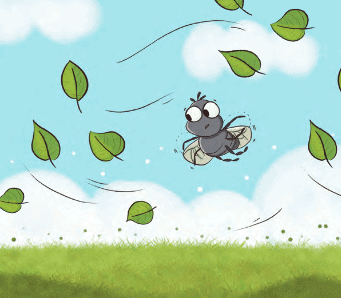
 leaf
The fly recalls his name when a leaf starts flying due to the wind, triggering his memory.

Q2:  Rhyming Words

Find words that rhyme with:

(i) fly → _______
(ii) tree → _______
(iii) grass → _______

Ans:

(i) fly → sky(ii) tree → bee(iii) grass → glass

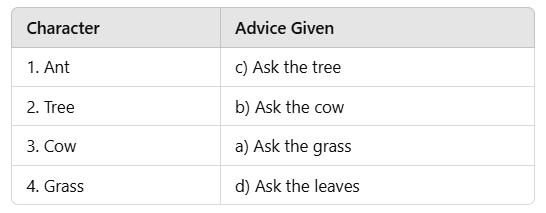
Q3: Match the following:

Ans:

Q4: Short Answer Questions

(i) Why did the fly go to the ant, the tree, the cow, and the grass?
Ans
: The fly went to the ant, the tree, the cow, and the grass because he had forgotten his name and was seeking help to remember it. Each of these characters or objects suggested he ask the next one in line for assistance in recalling his name.

(ii) How did the fly finally remember his name?
Ans: The fly finally remembered his name when he saw a leaf being carried away by the wind. This sight triggered his memory, and he joyfully exclaimed, “My name is Fly!”

(iii) What lesson do we learn from the fly’s story?

Ans: We learn to seek help when we forget something important.

09. My Name – 1 Worksheet Solutions

Q1: True or False

(i) The fly could not remember his name. 
Ans: 
True

The fly couldn’t remember his name.

(ii) The ant climbed the tree. 
Ans: False

The ant didn’t climb the tree; it suggested the fly ask the tree.

(iii) The cow knew the fly’s name. 
Ans: False

The cow didn’t know the fly’s name.

(iv) The grass told the fly its name. 
Ans: False

The grass didn’t tell the fly its name.

(v) The wind made the leaf fly. 
Ans: True 

The wind made the leaf fly.

Q2: Word Meanings

(i) Ant: ____________
Ans: 
A small insect that lives in colonies and is known for its hardworking nature.

(ii) Shade: ____________
Ans: The shelter from the sun provided by an object or structure.

(iii) Grass: ____________
Ans: A type of green plant with narrow, long leaves that typically covers the ground in lawns and meadows.

(iv) Leaves: _____________
Ans: Thin, flat, usually green parts of a plant that grow from stems or branches and are the main site of photosynthesis.

(v) Remembered: ____________
Ans: To bring back into one’s mind something from the past; to recall.

Q3: Rearrange the Words to Make a Sentence

(i) the / tree / asked / fly / the
Ans: The fly asked the tree.

(ii) knew / the / name / not / cow
Ans: The cow did not know the name.

(iii) fly / saw / the / wind / the / in / leaf
Ans: The fly saw the leaf in the wind.

(iv) grass / the / on / was / leaf / a
Ans: A leaf was on the grass.

(v) the / wind / away / blew / leaf / the
Ans: The wind blew the leaf away.

Q4: Answer in One Word

(i) Who forgot the name?
Ans: Fly

(ii) Who did the fly ask first?
Ans: Ant

(iii) What made the leaf fly?
Ans: Wind

08. A Show of Clouds – 2 Worksheet Solutions

Q1. Fill in the Blanks

(i) In the poem, the speaker lies on their _______ and looks up at the sky.
Ans:
 back
The speaker lies on their back and looks up at the sky.

(ii) The speaker sees a big white _______ in the clouds.
Ans: bear
The speaker sees a big white bear in the clouds.

(iii) The ship in the clouds looks like it’s sailing on a _______ sea.
Ans: white
The ship in the clouds looks like it’s sailing on a white sea.

(iv) The speaker also imagines seeing an _______ in the sky.
Ans: elephant
The speaker also imagines seeing an elephant in the sky.

(v) The speaker finds it _______ to see whatever they want in the clouds.
Ans: 
fun
The speaker finds it enjoyable to see whatever they want in the clouds.

Q2. Make a Sentence:

Use the word “clouds” to make a sentence.

Ans. Students will create their own sentence. 

Example: “The clouds look fluffy and white.”

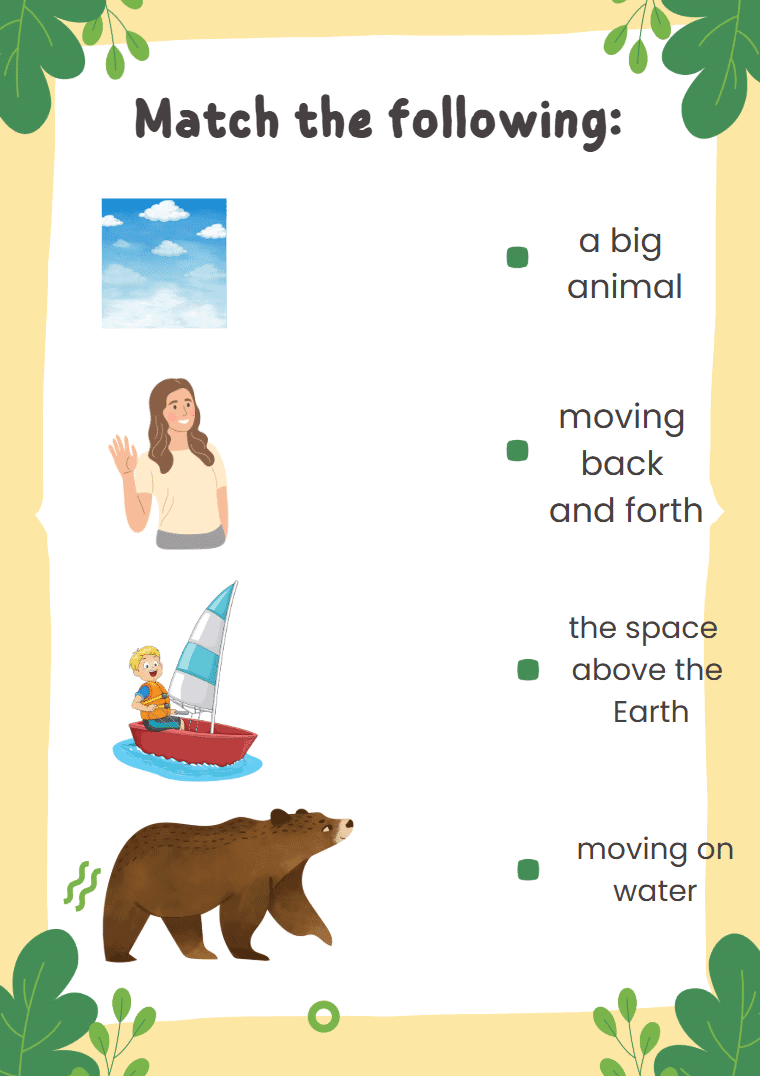
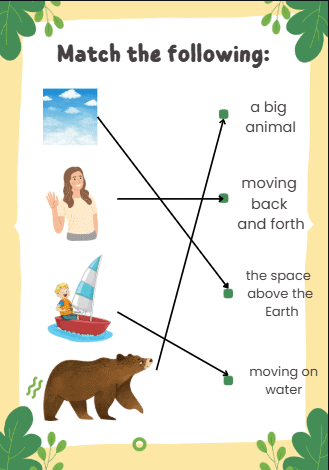
Q3. Match the words to their Meanings:

Ans. 

Q3. Short Answer Questions

(i) Describe what the speaker sees in the clouds according to the poem.
Ans. 
The speaker sees various shapes in the clouds, including a big white bear, a ship sailing on a white sea, and an elephant waving its trunk at them.

(ii) Why does the speaker find it fun to look at the clouds?
Ans. The speaker finds it fun to imagine shapes in the clouds because it allows them to see whatever they want and lets their imagination run wild.

(iii) What does the child do while looking at the sky?

Ans. The child lies on their back while looking at the sky.

(iv)  Can you describe any one thing you have seen in the sky?

Ans. This is a creative answer based on the student’s observation. 

For example:
“I have seen birds flying in the sky.”
or
“I have seen clouds shaped like animals in the sky.”

Q4.  Vocabulary Challenge

Write the meaning of the following words from the poem:
(i) Trunk
Ans: 
The elongated, muscular, flexible proboscis or snout of an elephant used for grasping objects.

(ii) Sea
Ans:
 A large body of saltwater that covers most of the Earth’s surface.

08. A Show of Clouds – 1 Worksheet Solutions

Multiple Choice Questions

Q1: What animal does the speaker see looking down at them while lying on their back?

A) A lion

B) A big white bear

C) A rabbit

D) A bird

Ans: B) A big white bear

The speaker sees “a big white bear” looking down at them.

Q2: What does the speaker see sailing in the sky?

A) A plane

B) A ship

C) A cloud

D) A kite

Ans: B) A ship

The speaker imagines “a ship” sailing in the sky.

Q3: What is the color of the sea mentioned in the poem?

A) Blue

B) Green

C) White

D) Black

Ans: C) White

The sea in the poem is described as “white.”

Q4: Which animal is described as waving its trunk?

A) A giraffe

B) An elephant

C) A monkey

D) A tiger

Ans: B) An elephant

An “elephant” is described as waving its trunk.

Q5: How does the speaker feel about seeing shapes in the clouds?

A) Bored

B) Happy

C) Scared

D) Confused

Ans: B) Happy

The speaker feels “happy” seeing shapes in the clouds.

Fill in the Blanks

Q1: As I lie on my back, I see a big white ______.

Ans: bear

Q2: I see a ______ sailing on a white sea.

Ans: ship

Q3: I see an elephant, waving its ______ at me.

Ans: trunk

Q4: It’s fun to see whatever I want to ______.

Ans: see

Q5: Looking up at the ______, brings joy to me.

Ans: sky

True or False

Q1: The speaker sees a bear looking down at them.

Ans: True

Q2: The sea described in the poem is blue.

Ans: False

Q3: The poem mentions an airplane sailing in the sky.

Ans: False

Q4: The speaker enjoys seeing shapes in the clouds.

Ans: True

Q5: An elephant is mentioned as waving its tail.

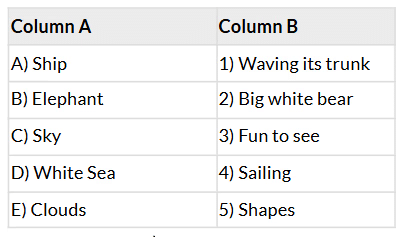
Ans: FalseMatch the Following

Ans: 

A) Ship – 4) Sailing

B) Elephant – 1) Waving its trunk

C) Sky – 3) Fun to see

D) White Sea – 2) Big white bear

E) Clouds – 5) Shapes