12. Chandrayaan 

Worksheet Solutions

Multiple Choice Questions (MCQs)

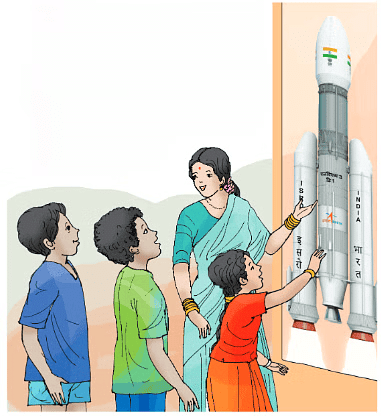
1. What did Rani hear her mother singing?
a) “Twinkle Twinkle Little Star”
b) “Chanda Mama Door Ke”
c) “Hum Honge Kamyab”
d) “Lakdi Ki Kathi”
Ans: b) “Chanda Mama Door Ke”

2. Who told Rani about the Moon mission?
a) Her teacher
b) Nandini Aunty
c) Vivaan
d) Her father
Ans: b) Nandini Aunty

3. What is used to travel to the Moon?
a) A car
b) A boat
c) A rocket
d) A bicycle
Ans: c) A rocket

4. What does ‘Chandrayaan’ mean?
a) Star mission
b) Moon vehicle
c) Sun vehicle
d) Space shuttle
Ans: b) Moon vehicle

5. When did India land Chandrayaan-3 on the Moon?
a) 14 July 2023
b) 10 August 2023
c) 5 September 2023
d) 20 June 2023
Ans: a) 14 July 2023

Fill in the Blanks

Q1: Rani was very __________ and used to ask many questions.

Ans:  Curious

Q2: The Moon is very __________ in the sky.

Ans: Far

Q3: Rani’s brother’s name is __________.

Ans: Pratik

Q4: The vehicle used to go to the Moon is called a __________.

Ans: Rocket

Q5: Chandrayaan is a ________ mission launched by India.
Ans:
 Spacecraft
True or False

Q1: Rani’s mother sang a song about the Moon.

Ans: True

Q2: Chandrayaan means ‘Moon vehicle’.

Ans: True

Q3: Rani wanted to know how far the Sun is from Earth.

Ans: False

She was asking about the Moon, not the Sun.

Q4: India was the first country to land on the near side of the Moon.

Ans: False

India was the first to land on the South Pole of the Moon, not the near side.

Q5: Rani and Pratik visited Vivaan’s house to learn about rockets.

Ans: True
One Word Answer Type Questions

Q1: What is the name of Rani’s brother?

Ans: Pratik

Q2: What is the name of the vehicle that reached Moon?

Ans: Chandrayaan

Q3: What is used to travel to the Moon?

Ans: Rocket

Q4: Which celestial body did India land on?

Ans: Moon

Q5: What does ‘Chandra’ mean?

Ans: Moon

Short Question and Answer

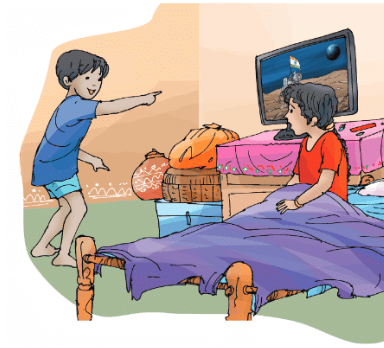
Q1: Why was Rani confused when she saw the TV?

Ans: Rani was confused because she saw photos of machines on the Moon and did not understand how they got there.

Q2: On which side of the moon did Chandrayaan land?

Ans: Chandrayaan landed on the far side of the Moon.

Q3: What did Nandini Aunty offer Rani and Pratik?

Ans: Nandini Aunty offered them sharbat.

Q4: On what date did India land on the far side of the Moon?

Ans: India landed on the far side of the Moon on 14 July, 2023.

Q5: What did Rani want to know from Nandini Aunty?

Ans: Rani wanted to know more about how India is on the Moon.
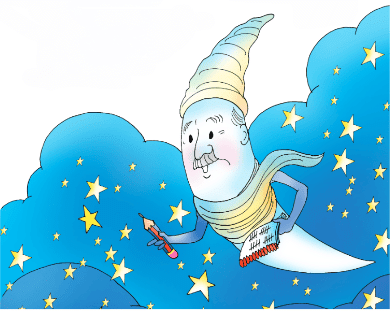
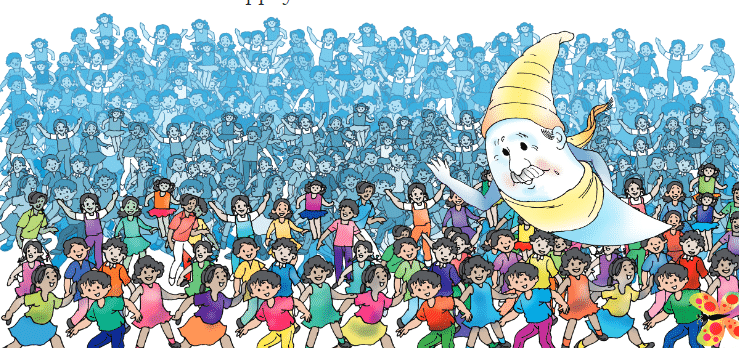
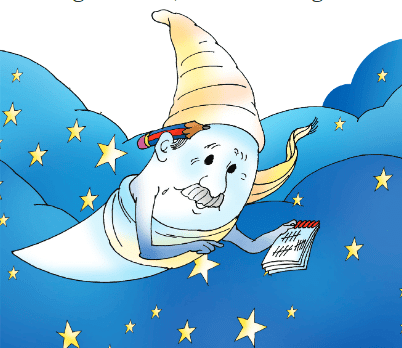
11. Chanda Mama Counts the Stars 

Worksheet Solutions

Fill in the Blanks

Q1: Chanda Mama started counting the stars from ___.

Ans: 1

Q2: The Sun peeped out from behind the ___ in the morning.

Ans: Clouds

Q3: Chanda Mama often forgot his ___ while counting stars.

Ans: Count

Q4: The Sun told Chanda Mama that the number of stars is the same as the number of lovely ___.

Ans: Children

Q5: Chanda Mama was upset because he could never complete his ___.

Ans: Counting

True or False

Q1: Chanda Mama could count the stars without forgetting the numbers.

Ans: False

Chanda Mama tried to count the stars every night. But he always forgot the numbers while counting.

Q2: The Sun was angry at Chanda Mama for crying.

Ans: False

The Sun was not angry at Chanda Mama. Instead, the Sun smiled at him and spoke to him kindly.

Q3: Chanda Mama continued to count stars every night.

Ans: True

Q4: The Sun said that there are fewer children than stars in the sky.

Ans: False

The Sun told Chanda Mama that the number of stars and children is the same. This made Chanda Mama happy because he realized that each child in the world had a star just for them.

Q5: Chanda Mama was happy after learning about the stars from the Sun.

Ans: True

One Word Answer Type Questions

Q1: Who peeped out from behind the clouds?

Ans: Sun

Q2: What did Chanda Mama forget while counting?

Ans: Count

Q3: What does Chanda Mama look at every night?

Ans: Stars

Q4: Who smiled at Chanda Mama when he cried?

Ans: Sun

Q5: What is the name of the character who counts stars?

Ans: Chanda Mama

Short Questions and Answer

Q1: Why was Chanda Mama upset one night?

Ans: He was upset because he could never complete his counting.

Q2: What did the Sun promise to tell Chanda Mama?

Ans: The Sun promised to tell him how many stars there are in the sky.

Q3: What makes Chanda Mama happy?

Ans: Chanda Mama was happy to learn that the number of children is the same as the number of stars.

Q4: When did Chanda Mama wake up after falling asleep?

Ans: He woke up in the evening.

Q5: How did the Sun respond to Chanda Mama’s tears?

Ans: The Sun smiled and reassured him.

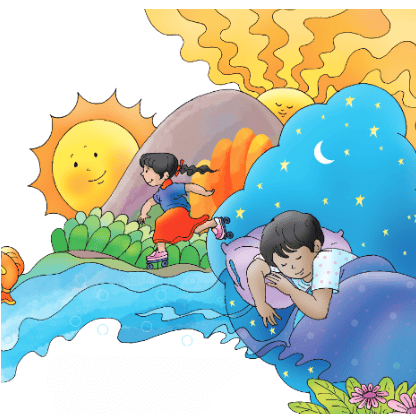
10. Night- Worksheet Solutions

Fill in the Blanks

Q1: The sun shines all day so __________.

Ans: Bright

Q2: At night, the sun sinks behind a distant __________.

Ans: Hill

Q3: When the world grows dark, I go to __________.

Ans: Bed

Q4: I sleep until the day begins to __________.

Ans: Peep

Q5: When I open my eyes, I see the sun is __________ down on me.

Ans: Shining

True or False

Q1: The sun is only visible during the night.

Ans: False

Q2: The poem describes a cycle of day and night.

Ans: True

Q3: The speaker goes to sleep before the sun rises.

Ans: True

Q4: The sun shines down on the speaker when they wake up.

Ans: True

Q5: The poem mentions how the world becomes noisy at night.

Ans: False

One Word Answer Type Questions

Q1: What is the main celestial body discussed in the poem?

Ans: Sun

Q2: What does the speaker do at night?

Ans: Sleep

Q3: What natural phenomenon occurs when the sun sets?

Ans: Darkness

Q4: What action does the sun take at night?

Ans: Sinks

Q5: What does the speaker see when they wake up?

Ans: Sun

Short Questions and Answers

Q1: Where does the sun go at night according to the poem?

Ans: It sinks behind a distant hill.

Q2: What does the speaker feel when the world grows dark?

Ans: The speaker feels that the world becomes still.

Q3: How does the speaker describe the morning?

Ans: The speaker describes the morning as when the day begins to peep.

Q4: What is the first thing the speaker sees upon waking?

Ans: The sun shining down on them.

Q5: What does the poem suggest about the relationship between day and night?

Ans: It suggests a natural cycle where day follows night and vice versa.

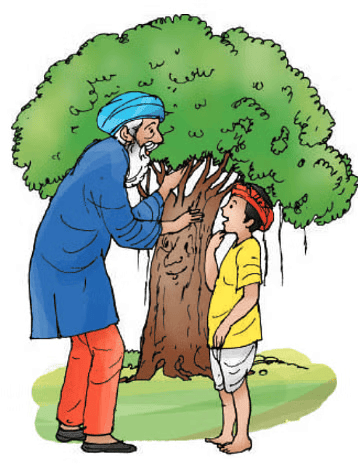
09. Madhu’s Wish- Worksheet Solutions

Fill in the Blanks

Q1: Madhu sat under a __________ tree to eat his lunch.

Ans: Banyan

Q2: The old man told Madhu he could wish for anything from the __________.

Ans: Tree

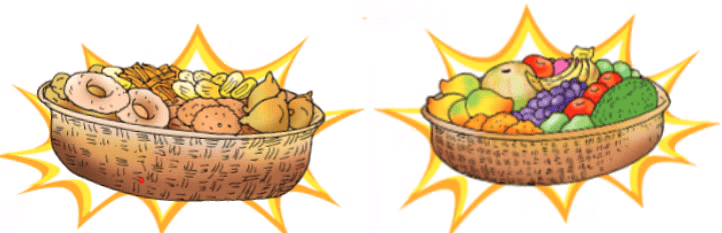
Q3: After eating laddoos, Madhu asked for __________ fruits.

Ans: Colourful

Q4: Madhu felt thirsty after eating a lot of __________.

Ans: Food

Q5: The tree asked Madhu to think it over before wishing for __________.

Ans: Anything else

True or False

Q1: Madhu shared his food with a young girl.

Ans: False

Q2: The old man granted Madhu one wish.

Ans: True

Q3: Madhu was happy to receive only food and not water.

Ans: True

Q4: Madhu had no interest in different types of food.

Ans: False

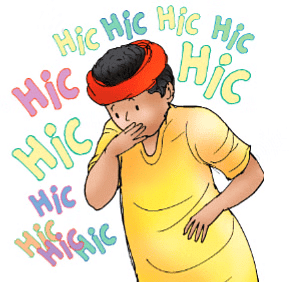
Q5: Madhu realized the importance of water after getting hiccups.

Ans: True

One Word Answer Type Questions

Q1: What type of tree did Madhu sit under?

Ans: Banyan

Q2: Who did Madhu share his food with?

Ans: Old man

Q3: What did Madhu first wish for?

Ans: Laddoos

Q4: What did Madhu ask for when he felt thirsty?

Ans: Water

Q5: What was Madhu’s last wish?

Ans: Water

Short Question And Answers

Q1: Why did Madhu feel sorry for the old man?

Ans: Because the old man looked hungry and in need.

Q2: What happened when Madhu wished for colourful fruits?

Ans: Baskets of colourful fruits appeared immediately.

Q3: How did Madhu’s feelings change after eating different foods?

Ans: He got bored of the food he was eating.

Q4: What did Madhu do when he got hiccups?

Ans: He asked for water but initially received other drinks.

Q5: What lesson did Madhu learn by the end of the story?

Ans: He learned the importance of water over food.

08. Thank God- Worksheet Solutions

Fill in the Blanks

Q1: The farmer decided to grow __________ on his land.

Ans: Fruits

Q2: The best fruits on the farm were the __________ and the __________.

Ans: Watermelons,  grapes

Q3: The farmer chose to take __________ to the king because they were lighter.

Ans: Grapes

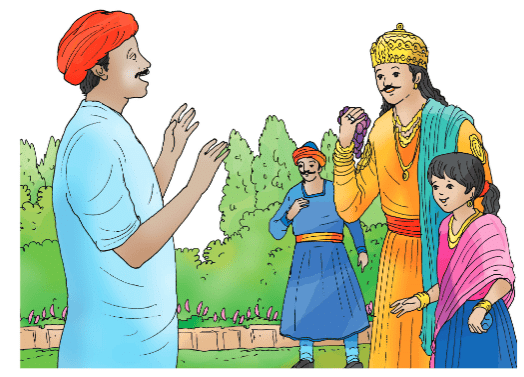
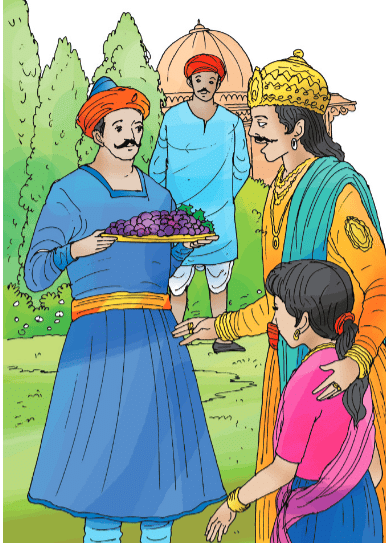
Q4: The farmer placed the basket of grapes in front of the __________.

Ans: King

Q5: The king was playing with the __________ when the farmer arrived.

Ans: Princess

True or False

Q1: The farmer grew only watermelons on his farm.

Ans: False

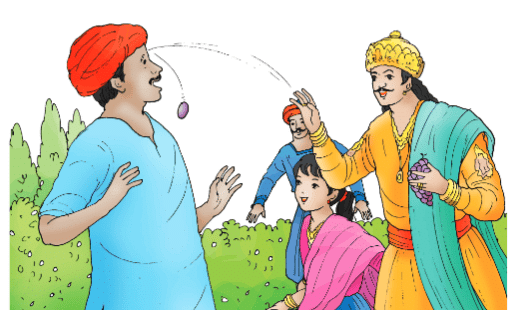
Q2: The king threw a grape at the farmer playfully.

Ans: True

Q3: The farmer thanked God when the king threw grapes at him.

Ans: True

Q4: Watermelons were chosen by the farmer to gift to the king.

Ans: False

Q5: The farmer was unhappy with his gift to the king.

Ans: False

One Word Answer Type Questions

Q1: What type of fruit did the farmer grow in a small corner of his farm?

Ans: Grapes

Q2: Who did the farmer take the gift to?

Ans: King

Q3: What did the farmer carry his grapes in?

Ans: Basket

Q4: Who was playing with the king in the royal garden?

Ans: Princess

Q5: What did the king throw at the farmer?

Ans: Grape

Short Question and Answer

Q1: Why did the farmer choose grapes instead of watermelons?

Ans: The farmer chose grapes because they were lighter and easier to carry on the long journey to the palace.

Q2: How did the king react when he received the grapes?

Ans: The king was playful and threw a grape at the farmer, which surprised him.

Q3: What did the farmer say when a grape hit him?

Ans: He said, ‘Thank God! I am blessed!’

Q4: What did the farmer think about God after giving the gift?

Ans: The farmer believed that God is great for helping him choose the right fruit.

Q5: Where did the farmer keep the basket of grapes?

Ans: He kept it in front of the king.

07. The Big Laddoo- Worksheet Solutions

Fill in the Blanks

Q1: If all the laddoos were one __________, oh! what a Big Laddoo it would be!

Ans: Laddoo

Q2: If all the children were one __________, oh! what a Big child that would be!

Ans: Child

Q3: Then if the Big child picked the Big __________.

Ans: Laddoo

Q4: Oh! What a Big __________ it would be!

Ans: Sea

Q5: If the Big child threw the Laddoo into the Big __________.

Ans: Sea

True or False

Q1: All the children and all the seas are combined into one.

Ans: True

Q2: The poem talks about a small Laddoo.

Ans: False

Q3: The Big child is referred to as a singular child.

Ans: True

Q4: The poem mentions a Big Splish-Splash.

Ans: True

Q5: The Big Laddoo is thrown into a small sea.

Ans: False

One Word Answer Type Question

Q1: What is the size of the Laddoo in the poem?

Ans: Big

Q2: What do all the seas become in the poem?

Ans: One

Q3: What does the Big child do with the Big Laddoo?

Ans: Throws

Q4: What is the sound made when the Laddoo is thrown into the sea?

Ans: Splish-Splash

Q5: What type of food is mentioned in the poem?

Ans: Laddoo

Short Question and Answer

Q1: What would happen if all the laddoos were combined?

Ans: There would be one Big Laddoo.

Q2: How does the poem describe the child?

Ans: As a Big child.

Q3: What is done with the Big Laddoo in the poem?

Ans: It is thrown into the Big sea.

Q4: What is the significance of the Big Splish-Splash?

Ans: It represents the action of the Laddoo hitting the water.

Q5: How is the sea described in the poem?

Ans: As a Big sea.

06. Paper Boats

Worksheet Solutions

Fill in the Blanks

Q1: Meena finds joy in launching paper boats into a stream near a __________ bridge.
Ans: bamboo

Meena enjoys playing near a bamboo bridge where she launches her paper boats.

Q2: Meena decides to teach the boy how to make paper boats using __________ paper.
Ans: colored

Meena provides colored paper to the boy and guides him through the folding process.

Q3: Together, Meena and the boy experience shared delight as they watch their boats sail __________.
Ans: downstream

The boats sail downstream in the stream, bringing joy to both Meena and the boy.

Q4: The chapter highlights the importance of __________, patience, and cooperation in resolving conflicts.
Ans: empathy

Empathy, patience, and cooperation are essential qualities highlighted in the chapter for resolving conflicts positively.

Q5: Meena’s willingness to understand the boy’s perspective exemplifies the transformative power of empathy and __________.
Ans: kindness

Meena’s kindness towards the boy leads to a positive transformation in their interaction. 
True or False

Q1: Meena made paper boats using colored paper.
Ans: True

Q2: Initially, Meena reacts to the boy’s actions with anger.
Ans: True

Q3: The boy refuses to participate in play when Meena offers to teach him.
Ans: False

Despite initial resistance, the boy expresses his desire to participate in play when Meena offers to teach him.

Q4: Meena and the boy experience shared frustration as they watch their boats sail downstream.
Ans: False

Meena and the boy experience shared delight, not frustration, as they watch their boats sail downstream.

Q5: The chapter highlights the importance of revenge in resolving conflicts.
Ans: False

The chapter emphasizes the importance of empathy, patience, and cooperation, not revenge, in resolving conflicts positively.

One Word Answer Type Questions

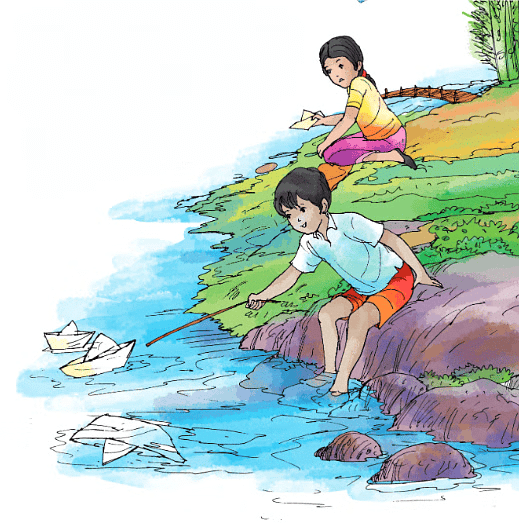
Q1: What did Meena put in the water?

Ans: Paper boats

Q2: Where did the paper boats sail?

Ans: Stream

Q3: Who overturned the paper boats?

Ans: Boy

Q4: What did Meena use to make the boats?

Ans: Paper

Q5: Who taught the boy to make paper boats?

Ans: Meena 

Short Question and Answers

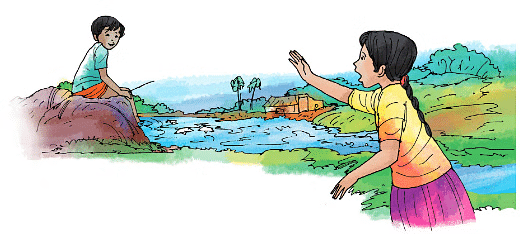
Q1: Why did Meena shout at the boy?

Ans: Meena shouted at the boy because he was overturning her paper boats.

Q2: What did the boy ask Meena to do?

Ans: The boy asked Meena to help him make his own paper boats since he didn’t know how to fold the paper.

Q3: How did Meena help the boy make paper boats?

Ans: Meena showed the boy how to fold and re-fold the paper to make boats, and she used coloured paper to teach him.

Q4: What did Meena and the boy do after making the paper boats?

Ans: After making the boats, Meena and the boy gently put them in the stream and watched them sail down.

Q5: Why did both Meena and the boy enjoy watching the boats?

Ans: Meena and the boy enjoyed watching the boats sail down the stream because they had fun playing together after making the boats.

05. Talking Toys- Worksheet Solutions

Fill in the Blanks

Q1: The toy shop opened at ______ a.m.

Ans: 9
The story mentions that the toy shop opened at 9 a.m.

Q2: The girl chose the game ______ from the toy shop.

Ans: Snakes and Ladders
The story mentions the girl chose Snakes and Ladders.

Q3: The little boy wanted the ______ toy train.

Ans: Vande Bharat
The boy pointed at the Vande Bharat toy train and wanted to buy it.

Q4: One girl bought marbles and the other girl bought a ______.

Ans: Aeroplane
The other girl decided to buy the toy aeroplane.

Q5: The boy with the red cap took the ______ from the shop.

Ans: Spinning top
The boy with the red cap chose the spinning top. 

True or False

Q1: The toy shop opened in the evening.

Ans: False
The toy shop opened at 9 a.m.

Q2: The first two girls who came into the shop bought a toy.

Ans: False
The first two girls only looked through the windows and did not buy anything.

Q3: The toy phone thought the girls might play with it.

Ans: True
The toy phone hoped the girls would like to play with it.

Q4: The boy in the blue shirt bought a dancing doll.

Ans: True
The boy in the blue shirt bought cute dancing dolls.

Q5: All the toys in the shop were sad because no one bought them.

Ans: False
Many toys were bought by children, making them happy. 

One Word Answer Type Questions

Q1: What time did the toy shop open?

Ans: 9 a.m.

Q2: What did the little boy want to buy from the toy shop?

Ans: Train

Q3: What game did the girl choose?

Ans: Snakes and Ladders

Q4: Who bought the spinning top?

Ans: Boy with red cap

Q5: What did the boy with the blue shirt buy?

Ans: Dancing dolls 

Short Question and Answers

Q1: What toys did the shop have?

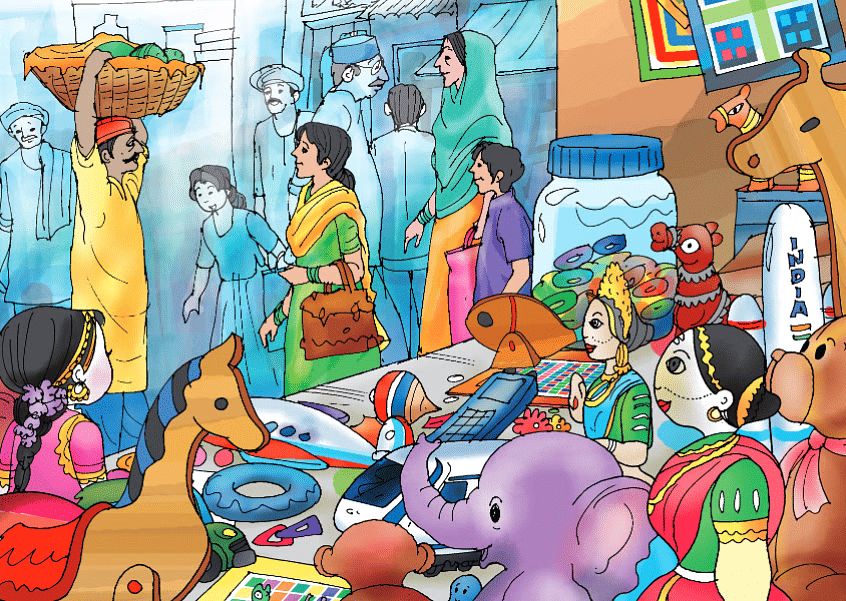
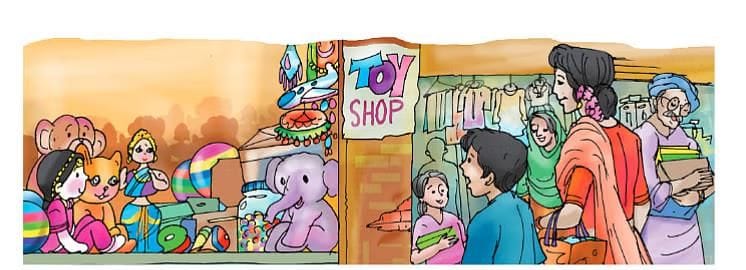
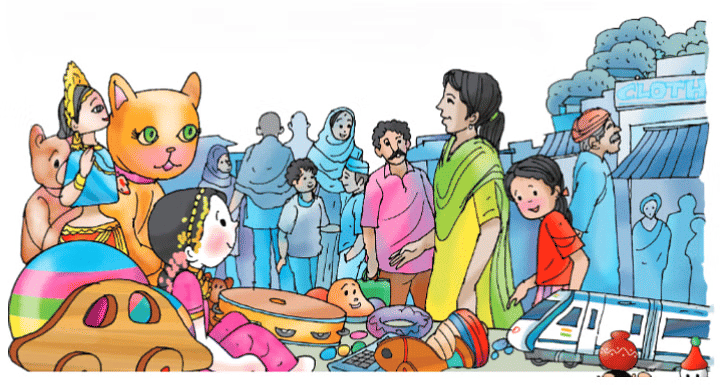
Ans: The shop had wooden toys, soft toys, board games, bats, balls, and many other toys.

Q2: Why were the toys excited when a woman and her son entered the shop?

Ans: The toys were excited because they hoped the boy would choose them.

Q3: What did the little boy buy from the toy shop?

Ans: The little boy bought the Vande Bharat toy train from the shop.

Q4: What toys did the two girls buy?

Ans: One girl bought marbles, and the other bought a toy aeroplane.

Q5: What toys did the children in the group buy from the shop?

Ans: The children bought a toy elephant, a spinning top, and dancing dolls.

04. Out in the Garden- Worksheet Solutions

Fill in the Blanks

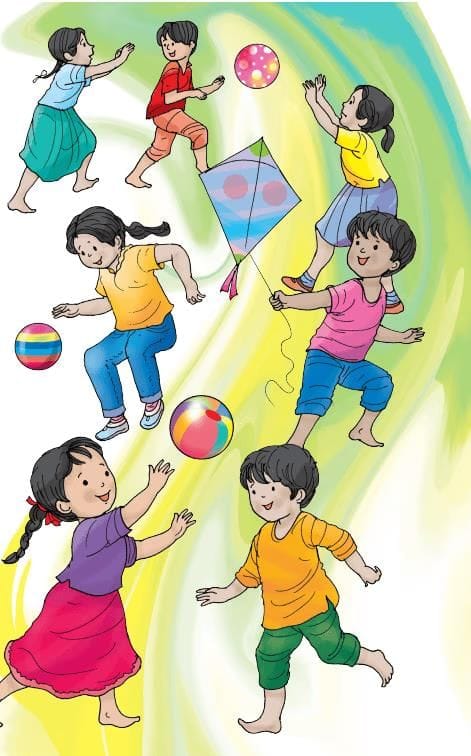
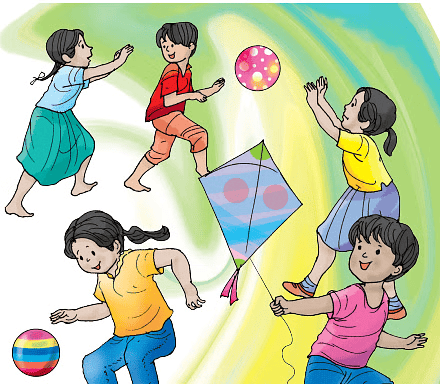
Q1: The child shares their joy of playing with a ______ in the garden.
Ans: 
ball
The first stanza mentions the child’s joy of playing with a ball in the garden.
Q2: In stanza 2, the child describes bouncing, throwing, and catching the ______.
Ans: 
ball
Stanza 2 elaborates on the activities involving the ball, such as bouncing, throwing, and catching.

Q3: Stanza 3 shifts the focus from playing with a ball to flying a ______.
Ans:
 kite
The third stanza introduces the activity of flying a kite.

Q4: The fifth stanza mentions the child playing with ______.
Ans: 
friends
Stanza 5 introduces the concept of social interaction in play, mentioning the child playing with friends.

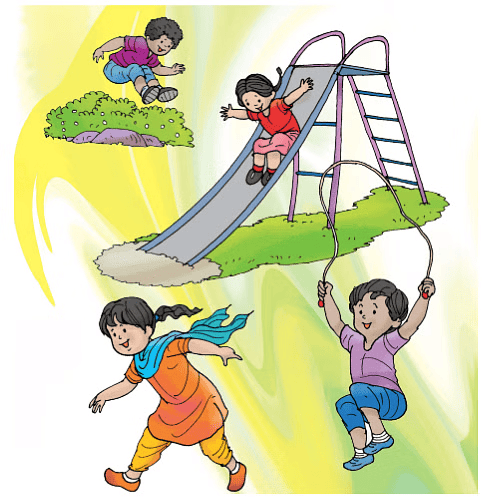
Q5: The final stanza describes various physical activities, including running, skipping, jumping, swaying, sliding, and ______.
Ans: 
swinging
The last stanza lists various physical activities, including swinging among others. 

True or False

Q1: The poem describes activities only indoors.
Ans: 
False
The poem describes activities taking place in a garden, emphasizing outdoor play.

Q2: Stanza 3 details the actions involved in playing with a ball.
Ans: 
False
Stanza 3 introduces the activity of flying a kite, not playing with a ball.

Q3: The poem does not mention social interaction in play.
Ans: 
False
Stanza 5 mentions the child playing with friends, indicating social interaction in play.

Q4: The child engages in physical activities alone in stanza 6.
Ans: 
False
Stanza 6 describes various physical activities the child engages in with friends, indicating social play.

Q5: The moral of the poem emphasizes the importance of digital distractions in childhood.
Ans: 
False
The moral of the poem emphasizes the importance of cherishing simple pleasures and spending time outdoors, contrasting with digital distractions. 

One Word Answer Type Questions

Q1: What does the child like to play with on windy days?
Ans: 
Kite

Q2: How many sides does a kite have?
Ans:
 Four

Q3: Who does the child play with besides the ball and kite?
Ans
: Friends

Q4: What does the child do when they skip in the garden?
Ans: 
Jump

Q5: Where does the child play with friends and toys?
Ans: 
Garden 

Short Question and Answers

Q1: What does the child do with the ball in the garden?
Ans:
 The child bounces, throws, and catches the ball in the garden.

Q2: What is the child’s favorite activity with the kite?
Ans: 
The child enjoys flying the kite in the garden.

Q3: What do the child and their friends do together in the garden?
Ans:
 The child and their friends run, skip, slide, swing, and sway together.

Q4: How do the friends enjoy the garden on a fine day?
Ans:
 The friends enjoy different activities like running, skipping, sliding, and swinging.

Q5: Why do the friends like playing in the garden?
Ans: 
They like playing in the garden because it’s fun, and they enjoy running, playing with the ball, flying kites, and spending time with friends.

03. Best Friends- Worksheet Solutions

Multiple Choice Questions (MCQs)(Write the correct option.)

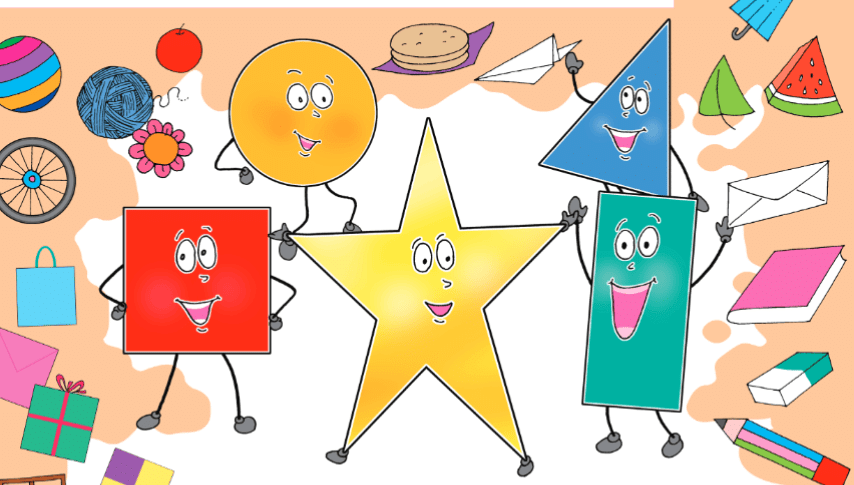
Q1: Which shape believed that its round shape made it superior?
(a) Square
(b) Triangle
(c) Circle
(d) Rectangle
Ans: (c) Circle

Circle believed its round shape and the ability to represent happy faces made it superior.Q2What did Square claim made it the best among the friends?
(a) Its round shape
(b) Its ability to represent mountains
(c) Its equal sides, often seen in sweets
(d) Its four sides, ideal for chocolates
Ans: (c) Its equal sides, often seen in sweets
Square argued that its equal sides, which are often seen in sweets, make it the best.Q3Who among the friends believed their shape was perfect for drawing mountains?
(a) Circle
(b) Square
(c) Triangle
(d) Rectangle
Ans: (c) Triangle
Triangle claims its three sides, perfect for drawing mountains, are what make it the best.Q4What did the wise star suggest to the four friends?
(a) To continue arguing
(b) To part ways
(c) To work together
(d) To find another star for advice
Ans: (c) To work together
The wise star suggested that instead of fighting, they should work together to create beautiful pictures and patterns.Q5Which of the following is not a theme of the story?
(a) Pride
(b) Teamwork
(c) Wisdom
(d) Isolation
Ans: (d) Isolation
The story emphasizes teamwork, wisdom, and the drawbacks of pride but does not promote isolation.

Fill in the Blanks(Choose the correct word from the box and fill in the blanks.)

Word Box:
Happy Four Teamwork Boasting Three

Q1: Circle is associated with representing ________ faces.
Ans: Happy
Circle believes its round shape, which can represent happy faces, makes it superior.

Q2Square and Rectangle both have sides, but Rectangle is known for its ________ sides.
Ans: Four
Rectangle boasts about its four sides, ideal for chocolates and biscuits.

Q3The wise star teaches the friends the value of ________ and unity.
Ans: Teamwork
The moral of the story is about the importance of teamwork and unity among friends.

Q4The story begins with the four friends each ________ about why they think they’re the best.
Ans: Boasting
Initially, each friend boasts about their unique features and why they believe they are superior.

Q5Triangle is unique because of its ________ sides.
Ans: Three
Triangle’s uniqueness comes from its three sides, which are perfect for drawing mountains. 

True or False(Write True or False for each statement.)
Q1: Rectangle believed its shape was ideal for representing the sun. (True/False)
Ans: False
Rectangle actually boasted about its four sides being ideal for chocolates and biscuits, not the sun.

Q2: The story’s moral emphasizes the importance of individual achievements over teamwork. (True/False)
Ans: False
The moral of the story highlights the significance of teamwork and unity over individual pride.

Q3: Square is proud of its three equal sides. (True/False)
Ans: False
Square is proud of its equal sides, but it has four sides, not three.

Q4 The wise star’s advice led the friends to appreciate the value of working together. (True/False)
Ans: True
The wise star’s advice helped the friends realize the importance of teamwork.

Q5: The story teaches that arguing over who is the best is pointless. (True/False)
Ans: True
The moral is that arguing over superiority is futile and that everyone has unique strengths. 

One Word Answer Type Questions(Answer each question using just one word.)

Q1: Who said they were round and beautiful?
Ans:
 Circle

Q2: Which shape is used to draw mountains?
Ans:
 Triangle

Q3: Which shape has all four sides equal in size?
Ans: 
Square

Q4: Who said children enjoy biscuits and chocolates in their shape?
Ans:
 Rectangle

Q5: Who did the shapes ask to decide who was the best?
Ans: 
Star 

Short Answer Questions
(Write 2–3 sentence answers for the following.)

Q1: Why did circle think they were the best?
Ans: 
Circle believed they were the best because they are round, beautiful, and used by children to draw smiling faces.

Q2: What reason did square give for being the best?
Ans: 
Square said they were the best because they have four equal sides and children eat sweets that are square-shaped.

Q3: How did triangle describe themselves?
Ans:
 Triangle described themselves as beautiful with three sides and mentioned that children use them to draw mountains and enjoy snacks in their shape.

Q4: What did rectangle say about their shape?
Ans:
 Rectangle mentioned that they have two long and two short sides and that children enjoy biscuits and chocolates in rectangle shape.

Q5: What advice did the star give to the friends?
Ans: 
The star advised the friends to stop fighting, as together they could create beautiful pictures and patterns, showing how all shapes are important.