Short Answer Questions: Maheshwar

Q1. Who built the Maheshwar Fort?
Answer: Queen Ahilya Bai built the Maheshwar Fort.

Q2. What is the fort known for?
Answer: The fort is known for its overhanging balconies.

Q3. Where is Maheshwar Fort located?
Answer: Maheshwar Fort is located in Madhya Pradesh, India.

Short Answer Questions: Maheshwar

Q4. What is the name of the queen who built the fort?
Answer: The queen who built the fort is Queen Ahilya Bai.

Q5. What is the special feature of Maheshwar Fort’s construction?
Answer: The fort is made of special red stones brought from Gujarat and Rajasthan.

Q6. How did Queen Ahilya Bai rule her kingdom?
Answer: Queen Ahilya Bai ruled with kindness and wisdom. She protected her people, built temples, schools, and wells, and ensured the well-being of her kingdom. Her leadership and care for her people made her loved by all.

Q7. What is the importance of the statue of Queen Ahilya Bai?
Answer: The statue of Queen Ahilya Bai, standing 13 feet tall, represents her protection over her land and people. It symbolizes her legacy and the love and respect the people have for her. It also serves as a guardian figure in front of the palace.

Q8. What materials were used to build the Maheshwar Fort?
Answer: The Maheshwar Fort was built using special red stones, which were brought from Gujarat and Rajasthan. These materials contributed to the unique construction style and strength of the fort.

Q9. What did Chachi tell Aarav and Ananya about the fort’s location?
Answer: Chachi told them that the Maheshwar Fort is located in Madhya Pradesh, just 95 kilometers away from Indore. She explained that the fort is built on a hill, which gives a great view of the town and the Narmada River.

Short Answer Questions: Maheshwar

Q10. What special tradition is Maheshwar known for?
Answer: Maheshwar is known for the tradition of weaving the famous Maheshwari sarees. These sarees are made from cotton and silk and have unique designs. The people of Maheshwar are skilled weavers, and these sarees are highly regarded for their beauty and craftsmanship.

Q11. What makes the Maheshwari sarees unique?
Answer: Maheshwari sarees are unique because of their reversible borders and pallus. These sarees are made from a blend of cotton and silk and are traditionally in colors like peacock blue, yellow, green, and an Indian red dye called Aal.

Q12. How did Aarav and Ananya feel about the Maheshwar Fort?
Answer: Aarav and Ananya were excited about the Maheshwar Fort. They were fascinated by its grandeur and the overhanging balconies. They expressed a desire to visit the fort one day and explore its beauty, the temples, and the rich history associated with it.

Short Answer Questions: Maheshwar

Q13. What did Chachi say about the temples near the fort?
Answer: Chachi explained that the Maheshwar Fort is surrounded by many beautifully designed temples. These temples are important historical landmarks near the fort, adding to the cultural and spiritual significance of the place.

Q14. What was the reaction of Aarav and Ananya when they learned about Maheshwari sarees?
Answer: Aarav and Ananya were fascinated by the Maheshwari sarees. They were excited to learn that the people of Maheshwar are known for weaving these special sarees and that they are made from cotton and silk with beautiful designs.

Q15. Why is Maheshwar Fort an interesting place to visit, according to the story?
Answer: Maheshwar Fort is an interesting place to visit because of its unique architecture, overhanging balconies, and the rich history behind it. The fort offers a spectacular view of the town and the Narmada River. The temples and Maheshwari sarees add to its cultural importance, making it a must-visit place.

Short Answer Questions: A Journey to the Magical Mountains

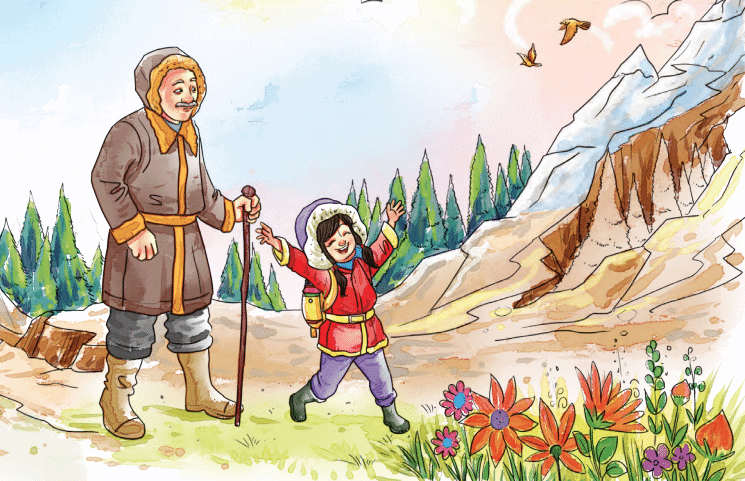
Q1. What is the name of the girl in the story?
Answer: The girl’s name is Minam.

Q2. Who was Minam’s grandfather?
Answer: Minam’s grandfather was a Sherpa.

Q3. What did Minam pack for the journey?
Answer: Minam packed rotis with achaar, water bottles, and apples.

Q4. What did Minam and her grandfather do by the river?
Answer: They had lunch by the river and watched the fish swim.

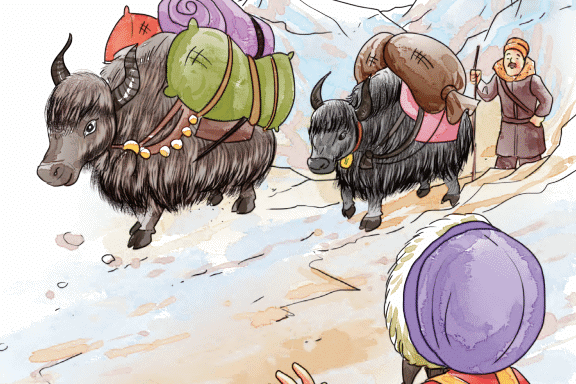
Q5. What animal did Minam see during her journey?
Answer: Minam saw yaks during her journey.

Q6. How did Minam feel when she started her journey to the mountains?
Answer: Minam felt excited and happy to start her journey. She was eager to see the beauty of the Himalayas up close and experience the adventure with her grandfather. The thought of walking through the fresh and cool air made her feel joyful.

Q7. What did Minam learn about yaks during her journey?
Answer: Minam learned that yaks are very important to the people living in the mountains. They provide milk, wool, and help carry heavy loads. Yaks are essential to the people’s daily life, especially in the rugged terrain of the mountains.

Q8. What did Minam see when she reached the snow-covered ground?
Answer: Minam was amazed when she saw the snow-covered ground. She had never seen so much snow before. Minam and her grandfather made a small snowman and played in the snow, enjoying the magical moment and making lasting memories.

Q9. How did Minam feel when she saw Mount Everest?
Answer: Minam felt happy and awe-struck when she saw Mount Everest. Her grandfather pointed to the highest mountain, and Minam was proud to live near such a magnificent mountain. She admired its beauty and grandeur, realizing its importance as the tallest mountain in the world.

Q10. Why did Minam’s grandfather tell her about mountain goats?
Answer: Minam’s grandfather told her about mountain goats because they are excellent climbers. These goats can jump from rock to rock and reach places where humans cannot. This was to highlight the goats’ agility and their ability to navigate the steep mountain terrain.

Q11. What did Minam’s grandfather teach her about the mountains?
Answer: Minam’s grandfather taught her that the mountains are magical, full of beauty and strength. He also emphasized that they teach us important lessons about nature’s wonders. He encouraged Minam to respect and protect the mountains, as they are an essential part of the natural world.

Q12. What made Minam’s journey to the mountains special?
Answer: Minam’s journey was special because she got to experience the beauty of the Himalayas with her grandfather. She saw snow, yaks, and Mount Everest, and made memories she would treasure forever. It was a time of bonding and learning valuable lessons from her grandfather.

Q13. What did Minam promise her grandfather at the end of their journey?
Answer: Minam promised her grandfather that she would respect and protect the mountains. She also promised to share the magic of the mountains with everyone she met, ensuring that others would appreciate and care for the natural world as she had learned to do.

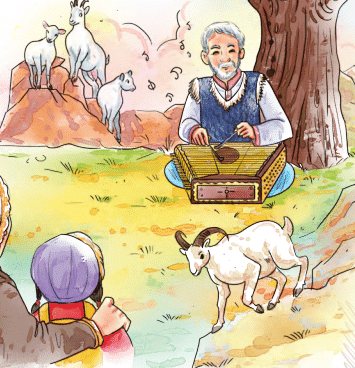
Q14. What did Minam and her grandfather see when they heard the sound of a Santoor?
Answer: Minam and her grandfather saw an old man sitting under a tree, playing the Santoor. The beautiful musical notes of the instrument filled the air as they walked, adding a peaceful and melodious touch to their journey through the mountains.

Q15. How did the scenery change as Minam and her grandfather climbed higher?
Answer: As they climbed higher, Minam and her grandfather saw different landscapes. The ground was covered with snow, and they could see yaks in the distance. The higher they went, the more breathtaking the view became, with Minam finally being able to see the majestic peaks of the Himalayas.

Short Answer Questions: The Swing

Q1. What is the name of the poem?
Answer: The name of the poem is “The Swing.”

Q2. What does the poet think is the most pleasant thing?
Answer: The poet thinks going up in a swing is the most pleasant thing.

Q3. What can the poet see when the swing goes over the wall?
Answer: The poet can see rivers, trees, cattle, and the countryside when the swing goes over the wall.

Short Answer Questions: The Swing

Q4. How does the poet describe the garden?
Answer: The poet describes the garden as being green and looks down on it from the swing.

Q5. What does the poet mean by “Up in the air and down”?
Answer: The poet means that the swing goes up into the air and then comes back down, showing the back-and-forth motion of the swing.

Q6. What does the poet enjoy about swinging in the poem?
Answer: The poet enjoys the feeling of flying high in the air. The swing makes the poet feel free and joyful, as they can see far and wide over the countryside. The thrill of going up and down is described as the most pleasant experience for the poet.

Short Answer Questions: The Swing

Q7. Why does the poet describe the air as “so blue”?
Answer: The poet describes the air as “so blue” because it conveys the feeling of being high up in the sky, where the air is fresh, clear, and open. It emphasizes the joy of swinging and feeling close to nature while flying through the blue sky.

Q8. How does the poet feel when swinging over the wall?
Answer: The poet feels excited and joyful while swinging over the wall. The swing gives the poet a wide view of the countryside, including rivers, trees, and cattle, making the experience of flying and seeing the landscape even more enjoyable.

Q9. What makes the experience of swinging so pleasant for the poet?
Answer: The experience of swinging is pleasant for the poet because it gives a sense of freedom and adventure. As the poet swings high in the air, they get to see a wide and beautiful view of nature, including the garden, the countryside, and the sky, making it a delightful activity.

Q10. Why does the poet compare the swing ride to flying?
Answer: The poet compares the swing ride to flying because of the sensation of being lifted high into the air, similar to how birds or planes fly. This comparison highlights the feeling of freedom and excitement the poet experiences while swinging.

Short Answer Questions: The Swing

Q11. How does the poet describe the scenery while swinging?
Answer: The poet describes the scenery while swinging as beautiful and vast, with rivers, trees, cattle, and a wide countryside visible. The poet also mentions the garden and the brown roof, creating a vivid image of the surroundings as seen from the swing.

Q12. What does the poet mean by “the pleasantest thing ever a child can do”?
Answer: The poet refers to swinging as the most enjoyable and exciting activity a child can experience. This line emphasizes how much fun and happiness children feel when they swing, making it a simple yet delightful pastime.

Q13. How does the poet feel about the garden and the roof while swinging?
Answer: The poet feels delighted and amazed as they look down on the green garden and the brown roof while swinging. The view from above offers a new perspective, making the experience of swinging even more special and enjoyable for the poet.

Q14. Why is the swing described as “up in the air”?
Answer: The swing is described as “up in the air” to highlight the feeling of soaring high above the ground. This expression shows how the poet enjoys the height and freedom of swinging, as well as the excitement of being airborne while experiencing the surroundings from a higher position.

Q15. What can we learn from the poem about enjoying simple activities?
Answer: The poem teaches us to enjoy the simple joys of life, such as swinging. It reminds us that even basic activities like playing on a swing can bring happiness, freedom, and excitement. The poet encourages appreciating these small moments of joy, as they can make a big difference in our happiness.

Short Answer Questions: Hekko

Q1. What does the word “Hekko” mean?
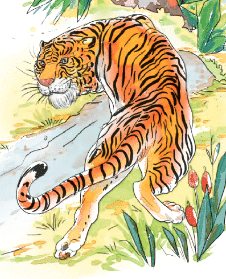
Answer: The word “Hekko” means “Challenging the tiger.”

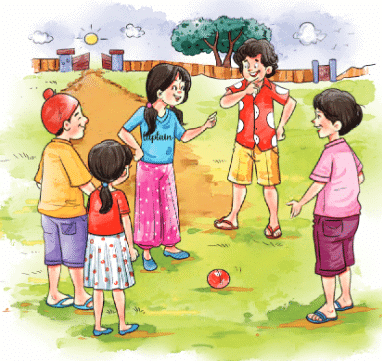
Q2. What are the two teams in the game Hekko called?
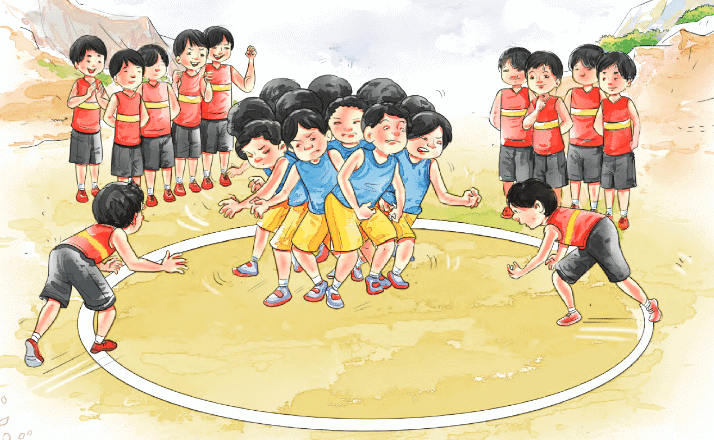
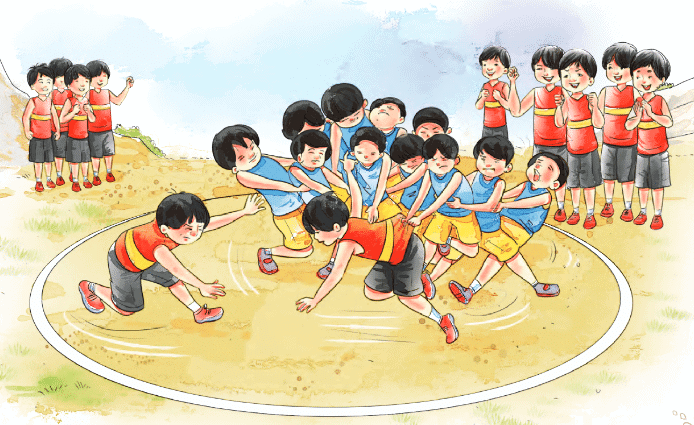
Answer: The two teams are called Aami (The Man) and Aakho (The Tiger).

Q3. How many players are there in each team?
Answer: There are 11 players in each team.

Q4. What must the Aakho team say when caught by the Aami team?
Answer: They must say “Joko” (surrender).

Q5. When does the game of Hekko end?
Answer: The game ends when all Aakho players are caught, all Aami players are pushed out, or time runs out.

Q6. How is the winning team decided in the game of Hekko?
Answer: The winning team in Hekko is decided based on the points they accumulate throughout the game. Points are awarded when a team successfully pushes out an opponent or catches a player from the other team. If all Aakho players are caught or all Aami players are pushed out, the game ends, and the team with the highest points wins.

Q7. What special titles are awarded in the game of Hekko, and what do they signify?
Answer: In Hekko, the fastest player in the Aami team is awarded the title “Khozuba,” while the strongest player in the Aakho team is given the title “Khotiba.” These titles are given to players who demonstrate exceptional skill, either through speed or strength, and serve as a recognition of their performance in the game.

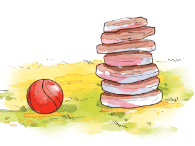
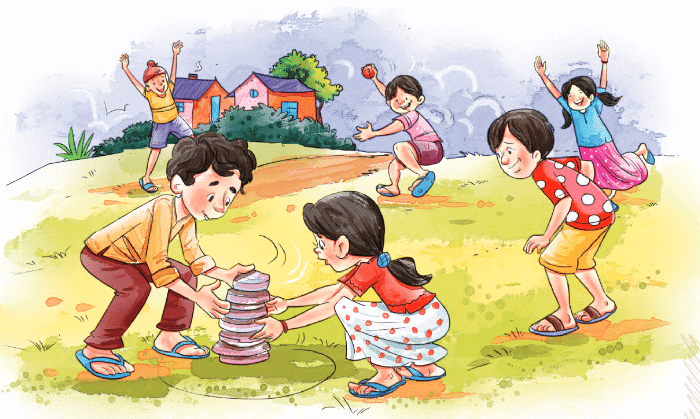
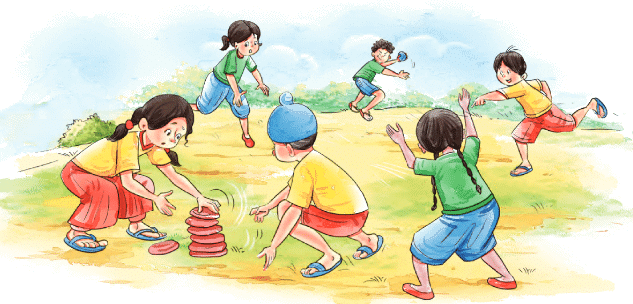
Q8. How does the Aami team defend itself inside the circle during the game?
Answer: The Aami team defends itself by forming a human chain inside the circle. They work together to prevent Aakho players from pushing them out while simultaneously attempting to surround and catch the Aakho players. This teamwork and coordination are crucial for maintaining their position within the circle and defending against the attackers.

Q9. What happens when an Aami player is pushed out of the circle in Hekko?
Answer: When an Aami player is pushed out of the circle, they are immediately out of the game and cannot re-enter. The Aakho team earns points for each Aami player they successfully push out of the circle, which contributes to their overall score. The game continues until all Aami players are out or time runs out.

Q10. Why do the Aakho players enter the circle two at a time during the game?
Answer: The rule of having only two Aakho players enter the circle at a time ensures fairness and maintains a balance between attack and defense. This setup challenges the Aakho players to break through the Aami team’s defense, which is usually in the form of a human chain, while preventing the game from being too one-sided or overwhelming.

Q11. What is the significance of the circle in the game of Hekko?
Answer: The circle in Hekko serves as the playing area where the Aami team defends itself by forming a human chain. It also marks the boundary within which the Aakho team must enter to attempt pushing the Aami players out. The circle is essential in organizing the game and maintaining a clear distinction between the two teams’ roles.

Q12. How does the toss before the game affect the teams in Hekko?
Answer: The toss before the game of Hekko determines which team will be Aami (the defending team inside the circle) and which will be Aakho (the attacking team outside the circle). This adds an element of fairness, as both teams get a chance to play different roles in different rounds, and it helps to balance the game dynamics.

Q13. What does the word “Joko” signify in the game of Hekko?
Answer: In the game of Hekko, the word “Joko” is used when an Aakho player is caught by the Aami team. It is a signal of surrender, indicating that the player is trapped and cannot move. This surrender is an important part of the game as it allows the Aami team to gain points and continue their defense.

Q14. How does the game of Hekko reflect the folk story of Aami and Aakho?
Answer: The game of Hekko reflects the folk story of Aami and Aakho, where humans (Aami) challenge the tiger (Aakho) in a symbolic struggle. Just like in the tale, the game represents the conflict between the two opposing forces, with each team embodying the traits of either the tiger or the human in the folklore, making the game culturally significant.

Q15. Why is Hekko considered an important sport in Nagaland?
Answer: Hekko is an important sport in Nagaland because it is deeply rooted in the culture and traditions of the region. The game not only tests strength, speed, and teamwork but also preserves the storytelling heritage of Nagaland. It is a popular way to celebrate their cultural stories, identify skilled players, and bond within communities.

Short Answer Questions: Fit Body, Fit Mind, Fit Nation

Q1: How does Anant show his love for hockey?

Ans: Anant shows his love for hockey by playing with full energy and excitement. Even when the ground is rocky and uneven, he does not give up. He continues to play with determination.

Q2: What does Geeta learn from her skating practice?

Ans: Geeta learns that mistakes are a part of learning. Every day she practises skating and improves her skills. Instead of getting upset when she falls, she learns from her errors.

Q3: How do Lhamo and his friend enjoy music together?

Ans: Lhamo enjoys playing his guitar proudly, creating cheerful tunes. His friend joins him by playing the sitar. Together, they make beautiful music and enjoy their time.

Q4: Why is Shabana happy after the cycle race?

Ans: Shabana is happy because she wins the cycle race with her fast riding skills. Her “fastest pace” shows how hard she practiced. She celebrates her win with joy.

Q5: How is Meena described in the poem?

Ans: Meena is described as a musical girl who loves singing in rhythm. She enjoys expressing herself through music. Her presence adds to the joyful atmosphere of the poem.

Q6: What does the poem tell us about cheerful children?

Ans: The poem shows that children are full of energy and happiness. Playing brings joy to both girls and boys. It emphasizes how being active keeps them healthy and cheerful.

Q7: What is the main message of the poem?

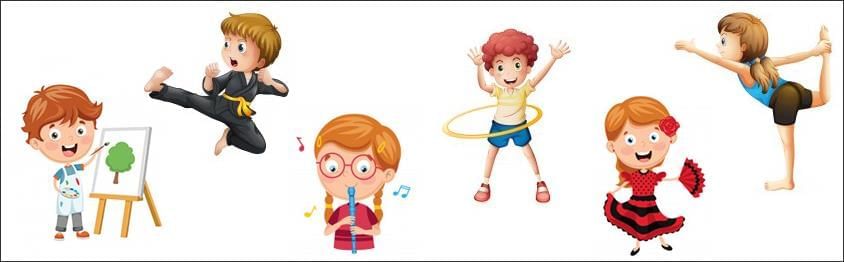
Ans: The poem teaches that staying active through sports, music, and play keeps our mind and body healthy. It also highlights the importance of practising, learning from mistakes, and staying happy. Together, these habits make us stronger.

Q8: How does the poem highlight the value of practice?

Ans: The poem shows that whether it is skating, cycling, or playing music, practice helps children improve. Characters like Geeta and Shabana succeed because they work hard every day. This encourages us to keep trying even when we make mistakes.

Q9: What does the poem teach us about overcoming obstacles?

Ans: The poem teaches that obstacles should not stop us from doing what we love. Anant continues to play hockey even on a rocky ground. It reminds us to stay focused and determined.

Q10: How does the poem celebrate different talents among children?

Ans: The poem presents children who are skilled in different activities like hockey, skating, music, and cycling. Each child enjoys their own talent and works to improve it. This shows that everyone has something special and unique.

Short Answer Questions: The Old Stag

Q1. Where did the old stag like to stay?
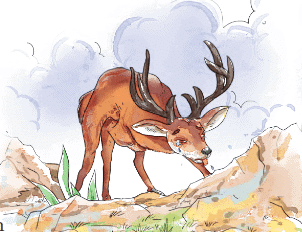
Answer: The old stag liked to stay on a small hillock with tender, green grass.

Q2. Why did the old stag fall ill?
Answer: The old stag fell ill because he could not reach the hillock to eat the tender grass.

Q3. What did the animals do when they learned the stag was unwell?
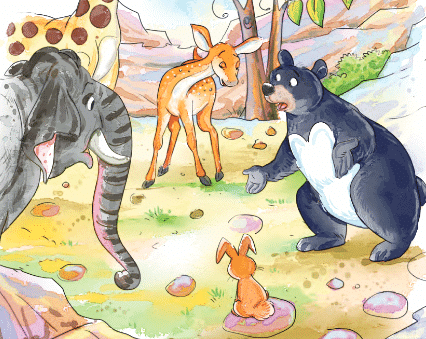
Answer: The animals came to check on the stag and wished him a speedy recovery.

Short Answer Questions: The Old Stag

Q4. What made the animals feel ashamed?
Answer: The animals felt ashamed because they ate all the grass meant for the stag, leaving him with none.

Q5. What lesson did the animals learn from the stag’s illness?
Answer: The animals learned that nature has enough for everyone, but they must use resources wisely.

Q6. Why did the stag like to stay on the hillock with tender grass?
Answer: The stag liked staying on the hillock because the grass was soft and fresh. It provided him with the best food, which kept him healthy and happy. Even though there was plenty of food in the forest, the stag preferred the tender grass on the hillock because it was comfortable and satisfying.

Q7. What happened when the animals visited the stag while he was ill?
Answer: When the animals visited the stag while he was ill, they were concerned for him. They wished him a speedy recovery, but they also ate the tender grass growing on the hillock. Although they wanted to help, their actions showed their greed, as they consumed the grass, leaving the stag with very little to eat.

Short Answer Questions: The Old Stag

Q8. How did the animals feel after they realized their mistake?
Answer: After realizing their mistake, the animals felt ashamed of themselves. They understood that their greed for the tender grass had harmed their friend, the old stag. They regretted not thinking about how their actions affected the stag’s recovery. They decided to find food elsewhere in the forest and stop disturbing the hillock.

Q9. What did the animals do to help the stag after realizing their mistake?
Answer: After realizing their mistake, the animals decided to bring fresh leaves from other parts of the forest for the stag. They also stopped eating the grass on the hillock. This allowed the grass to grow back, and the stag had enough food to recover. Their actions showed that they cared about the stag’s well-being.

Q10. How did the rain help the stag?
Answer: The rain helped the stag by making the grass on the hillock grow back. Once the grass was restored, the stag had enough food to eat again. The rain provided the much-needed nourishment for the grass, allowing the stag to regain his strength and recover from his illness.

Q11. What did the stag do after he recovered from his illness?
Answer: After the stag recovered from his illness, he was able to come down from the hillock again. He felt strong and healthy thanks to the fresh grass and care from his friends. The stag resumed his usual routine of greeting his fellow animals and birds, showing that he had fully recovered.

Short Answer Questions: The Old Stag

Q12. What role did the animals’ greed play in the stag’s illness?
Answer: The animals’ greed played a major role in the stag’s illness. They ate all the tender grass on the hillock, leaving none for the stag. This made it difficult for him to recover, as the fresh grass was essential for his health. The animals’ actions slowed down his recovery and made them realize the consequences of greed.

Q13. What did the animals learn from the stag’s experience?
Answer: The animals learned an important lesson from the stag’s experience: that nature has enough resources for everyone, but they must use them wisely. They realized that their actions of greed could hurt their friends and the environment. They learned to respect nature and be mindful of how they used its resources to ensure everyone’s well-being.

Q14. Why is it important to use natural resources wisely?
Answer: It is important to use natural resources wisely because they are limited and valuable. Overusing or misusing them, like the animals did with the tender grass, can cause harm to others, as well as to the environment. Using resources wisely ensures that everyone benefits and that future generations can also enjoy them.

Short Answer Questions: The Old Stag

Q15. How did the stag’s story teach the animals about caring for others?
Answer: The stag’s story taught the animals the importance of caring for others. They learned that by being mindful of the stag’s needs and not being greedy, they could have helped him recover faster. The stag’s illness reminded them that teamwork, sharing, and respecting others’ needs are essential for building strong and caring friendships.

Short Answer Questions: One Thing at a Time

Q1. Why is it important to focus on doing one thing at a time?
Answer: Focusing on one thing at a time helps you do the task well. It prevents mistakes and helps you finish your work properly without feeling distracted.

Q2. What does the poet mean by “things done by halves”?
Answer: “Things done by halves” means doing something incompletely or not fully. The poet says that tasks should be done fully, with effort, to do them right.

Q3. How do you feel after finishing a task that you have done well?
Answer: After finishing a task well, you feel proud and happy. It gives you a sense of accomplishment and satisfaction.

Q4. What does the poet mean by “play while you play”?
Answer: The poet means that when you are playing, focus only on playing and enjoy it fully, without thinking about work or other tasks.

Q5. What is the message the poet is trying to give in the poem?
Answer: The poet teaches us to focus on one task at a time, whether it’s work or play. Doing things well and fully helps us be happy and successful.

Q6. What does the poet mean by “Things done by halves, are never done right”?
Answer: The poet means that when we do something without fully focusing on it or completing it properly, the task isn’t done well. If we only do half of the work or rush through it, the result isn’t successful. To do things correctly, we must put in all our effort and attention to complete them properly.

Q7. What is the importance of focusing on one thing at a time according to the poem?
Answer: The poem teaches us that focusing on just one task at a time helps us do it well. When we divide our attention between many things, we might make mistakes or fail to finish things properly. By concentrating on one thing, we give it our best and can complete it successfully, feeling proud of our efforts.

Q8. How does the poet suggest we should balance work and play?
Answer: The poet advises that we should not mix work and play. When working, we should focus entirely on the task at hand, and when playing, we should enjoy it fully without thinking about work. By focusing on each activity separately, we can do both well and feel happy, without feeling rushed or distracted.

Q9. What is the message of the poem “One Thing at a Time” in terms of daily tasks?
Answer: The poem’s message is that when we give our full attention to the task we’re doing, whether it’s work or play, we can do it well. The poem suggests that focusing on one task helps us avoid mistakes, reduces stress, and makes us feel accomplished and happy, leading to better results and more enjoyment.

Q10. Why does the poet emphasize doing “one thing at a time” in the poem?
Answer: The poet emphasizes focusing on one task at a time because it helps us give our best effort to that task. Multitasking or dividing our attention can lead to mistakes and incomplete work. By concentrating on one thing, we can finish it well, feel proud, and avoid confusion, making us more productive and happy.

Short Answer Questions: Be Smart, Be Safe

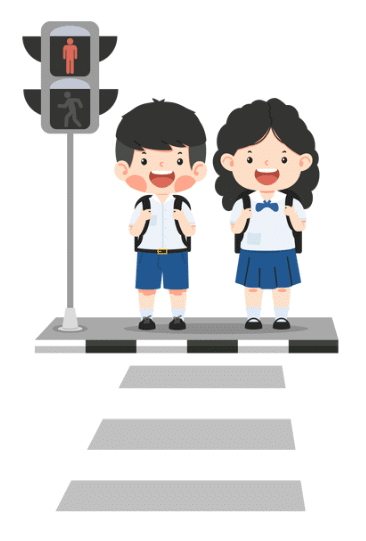
Q1. What should you do before crossing a road?
Answer: You should stop, look right, then left, and again right to make sure no vehicles are coming before crossing the road.

Q2. Where should you walk near the road?
Answer: You should always walk on the footpath near the road for your safety.

Q3. Why should you not play on the footpath?
Answer: You should not play on the footpath because it is meant for walking, and playing can cause accidents.

Q4. What should you do before crossing a road?
Answer: Before crossing the road, you should look for a zebra crossing. Then, you should look right, then left, and again right to make sure no vehicles are coming. You should only cross when it is safe. This helps keep you safe while crossing the road.

Q5. Why should you not play on the footpath?
Answer: You should not play on the footpath because it is meant for walking. Playing on the footpath can cause accidents, as people walking may get hurt. It is important to keep the footpath clear so that pedestrians can walk safely without any distractions or obstacles.

Q6. Why should you hold an adult’s hand while crossing the road?
Answer: You should always hold an adult’s hand while crossing the road because adults can guide you safely across. Holding hands ensures you are safe, and the adult can help make sure no vehicles are coming. It also helps keep you calm and focused while crossing busy roads.

Q7. What is the importance of using reflective stickers in the dark?
Answer: Reflective stickers are important because they help drivers see you clearly when it’s dark. If you are walking near a road in the evening or night, wearing reflective stickers on your clothes makes you more visible to vehicles, which helps keep you safe from accidents.

Q8. What should you do if you are walking on a road in the evening?
Answer: If you are walking on a road in the evening, you should wear reflective stickers on your clothes so that drivers can see you easily. It is also important to be alert and not get distracted, as this can help you stay safe from traffic and avoid accidents.

Q9. What does “be alert” mean while walking near the road?
Answer: “Be alert” means paying attention to what is happening around you. While walking near the road, you should avoid distractions like mobile phones or headphones. Stay aware of traffic sounds, signals, and any vehicles coming toward you so you can react quickly and stay safe.

Q10. Why is it important to follow traffic lights?
Answer: It is important to follow traffic lights because they control the flow of vehicles and pedestrians. By waiting for the pedestrian light to turn green, you make sure that it’s safe to cross. Following traffic lights helps prevent accidents and ensures everyone is safe on the road.

Q11. What is the danger of running while crossing the road?
Answer: Running while crossing the road is dangerous because you might not notice oncoming vehicles in time. It’s important to walk calmly and look both ways before crossing. Running can lead to accidents because it doesn’t give you enough time to stop or react to traffic.

Q12. What is a zebra crossing and why is it important?
Answer: A zebra crossing is a black-and-white striped area on the road where pedestrians can safely cross. It is important because it tells drivers to slow down and stop for people crossing the road. Using a zebra crossing helps keep pedestrians safe by making them visible to drivers.

Q13. Why should you avoid using headphones while walking near traffic?
Answer: You should avoid using headphones while walking near traffic because they can distract you from hearing important traffic sounds, such as honking or engine noises. Being distracted by music or a phone can make it harder to notice any potential dangers on the road.

Q14. What should you do if you see a vehicle coming while crossing the road?
Answer: If you see a vehicle coming while crossing the road, you should stop immediately and wait for the vehicle to pass. It’s important to stay alert and wait for a safe gap in traffic before continuing to cross. Always make sure it’s safe before you cross the road.

Q15. What should you do while walking on a busy road?
Answer: While walking on a busy road, always use the footpath and stay away from moving vehicles. If there’s no footpath, walk on the side of the road facing the traffic. Always stay alert and avoid distractions like using a phone or listening to music to keep yourself safe.

Short Answer Questions: The Tinkling Bells

Q1. What is the name of Chinna’s pet?
Answer: Chinna’s pet is named Tara.

Q2. What did Chinna want to buy from Chacha’s shop?
Answer: Chinna wanted to buy tinkling bells from Chacha’s shop.

Q3. Who gave Chinna the money to buy the bells?
Answer: Chinna’s Dadaji gave him the money to buy the bells.

Q4. Why was Chinna upset?
Answer: Chinna was upset because he lost the money that his Dadaji had given him. He wanted to buy tinkling bells from Chacha’s shop, but when he checked his pockets, he realized the money was missing. This made him feel sad because he couldn’t buy the bells he wanted.

Q5. How did Kamala help Chinna feel better?
Answer: Kamala comforted Chinna and promised to give him the money to buy the bells. She also explained to him that it was important to be careful with money in the future. Kamala’s kind words and actions helped Chinna feel better and not so sad about the situation.

Q6. What did the fruit seller do by mistake?
Answer: The fruit seller gave Chinna ten rupees extra as change when Kamala bought pineapples. Chinna noticed the mistake and, instead of keeping the extra money, he decided to return it because he knew it wasn’t the right thing to do. He was honest and responsible.

Q7. How did Chinna manage to buy the bells from Chacha in the end?
Answer: After returning the extra money to the fruit seller, Chinna got the correct amount of money. He then used the right amount to buy the tinkling bells from Chacha’s shop. Chacha still had the bells, and Chinna was happy that he could finally buy them.

Q8. How did Chinna feel when he found out the money was missing?
Answer: Chinna felt very sad and upset when he found out that the money his Dadaji gave him was missing. He was worried because he wanted to buy the tinkling bells, but without the money, he couldn’t. He searched his pockets, but the money wasn’t there, which made him anxious.

Q9. How did Chinna manage to buy the bells from Chacha in the end?
Answer: After returning the extra money to the fruit seller, Chinna got the correct amount of money. He then used the right amount to buy the tinkling bells from Chacha’s shop. Chacha still had the bells, and Chinna was happy that he could finally buy them.

Q10. How did Chinna feel when he found out the money was missing?
Answer: Chinna felt very sad and upset when he found out that the money his Dadaji gave him was missing. He was worried because he wanted to buy the tinkling bells, but without the money, he couldn’t. He searched his pockets, but the money wasn’t there, which made him anxious.

Q11. Why did Chinna feel proud after returning the extra money to the fruit seller?
Answer: Chinna felt proud because he did the right thing by returning the extra money. Although he could have kept the money, he understood that honesty was important. By doing the right thing, Chinna felt good inside, knowing that he was responsible and respected the fruit seller’s honesty as well.

Q12. What did Chinna learn from the story?
Answer: Chinna learned that honesty is always the best choice, no matter how difficult it may seem. He realized that doing the right thing is important even if no one else is watching. The story taught him that returning things that don’t belong to you makes you feel good and builds trust.

Q13. What did Kamala teach Chinna about money?
Answer: Kamala taught Chinna to always be careful with money. She reminded him that he should check his pockets before going out to buy something. Kamala also explained that it is important to respect money and use it responsibly so that one doesn’t lose it and can buy what is needed.

Q14. Why is it important to return things that don’t belong to you?
Answer: It is important to return things that don’t belong to you because it shows respect for others and helps build trust. Returning things helps maintain good relationships with others and makes us feel good because we have done the right thing. It also teaches responsibility and honesty.

Q15. How did the fruit seller feel when Chinna returned the extra money?
Answer: The fruit seller was very happy and praised Chinna for being honest. He appreciated that Chinna didn’t keep the extra money and returned it. The fruit seller felt proud of Chinna for doing the right thing, and he called him an honest boy. Chinna felt proud of himself too.

Short Answer Questions: Together We Can

Q1. What is the main idea of the poem “Together We Can”?
Answer: The poem is about teamwork. It teaches that when people work together, they can achieve anything. 

Q2. What happens when we join hands with our team?
Answer: When we join hands with our team, we become stronger and work together to face any problems. 

Q3. What does the poet mean by “team spirit”?
Answer: “Team spirit” means working together happily and supporting each other. 

Q4. Why is helping each other important?
Answer: Helping each other is important because it makes the team stronger. 

Q5. What do teammates do when they win or lose?
Answer: Whether they win or lose, teammates always share their feelings and stick together. 

Q6. What does the poet say about the bond of trust in a team?
Answer: The poet says that trust is important in a team. Trust helps the team stay strong because everyone feels safe and confident that their teammates will support them.

Q7. What does the phrase “Together we shine” mean?
Answer: “Together we shine” means that when everyone works as a team, they succeed. The team becomes stronger and happier, and they feel proud of their achievements.

Q8. How does teamwork help us overcome challenges in life?
Answer: Teamwork helps us by combining everyone’s strengths and ideas. When everyone works together, the team becomes stronger and can solve problems more easily. By supporting each other, we can face challenges and find solutions faster than we could alone.

Q9. Why does the poet describe “shouting and singing” in the poem?
Answer: The poet uses “shouting and singing” to show how excited and happy teammates feel when they work together. It shows the energy, joy, and fun that come from being part of a team and achieving something together.

Q10. Explain the importance of “each hand joined” in a team setting.
Answer: “Each hand joined” means everyone is working together as a team. When everyone contributes and helps, the team becomes stronger, and it makes it easier to reach the goal. It shows the importance of unity and cooperation in achieving success.

Q11. How does trust play a key role in the success of a team?
Answer: Trust is important because it helps everyone feel safe and supported. When teammates trust each other, they are more willing to share ideas, help each other, and work together to solve problems, making the team stronger and more successful.

Q12. What message does the poet convey by saying, “With each hand joined, the goal is near”?
Answer: The poet is saying that when everyone works together, the team gets closer to reaching their goal. By joining hands and supporting each other, the team can achieve success faster and more easily than when working alone.

Q13. Why is the poet so focused on the idea of joy in the poem?
Answer: The poet talks about joy because working together as a team brings happiness. When we succeed as a team, we feel proud and excited, and the joy of working together is much better than doing it alone.

Q14. What would be the consequences if there was no teamwork in achieving a goal?
Answer: Without teamwork, it would be difficult to achieve goals. People might get confused or frustrated because they are working alone. There would be no one to share ideas with, and it would be harder to find solutions to problems.

Q15. How can you apply the lessons of teamwork and sharing to everyday life?
Answer: I can apply these lessons by working with my classmates on group projects and helping my friends when they need support. I can also play team sports or work with my family to get things done together, always making sure we share and cooperate.