10. Glass Bangles – Chapter Notes

Introduction 

This story explores the rich craft of glass bangle-making in Firozabad, a town known for its skilled artisans and colourful traditions. It highlights how traditional skills can be passed down through generations and how new ideas can bring fresh life to age-old practices. The tale invites us to think about the balance between honouring cultural heritage and welcoming innovation, especially when family and community come together to create something meaningful.

Detailed Summary

Firozabad, a busy district in Uttar Pradesh, is famous for its beautiful glass bangles. In this town lived Ravi, a skilled glassmaker whose family had been making bangles for many years. His workshop was always busy with the sound of glass clinking and people talking as they worked. Making glass bangles was not easy – it needed a lot of skill. First, the glass was heated in a furnace, then shaped into bangles, coloured, designed, and finally cooled carefully to make them strong and shiny.
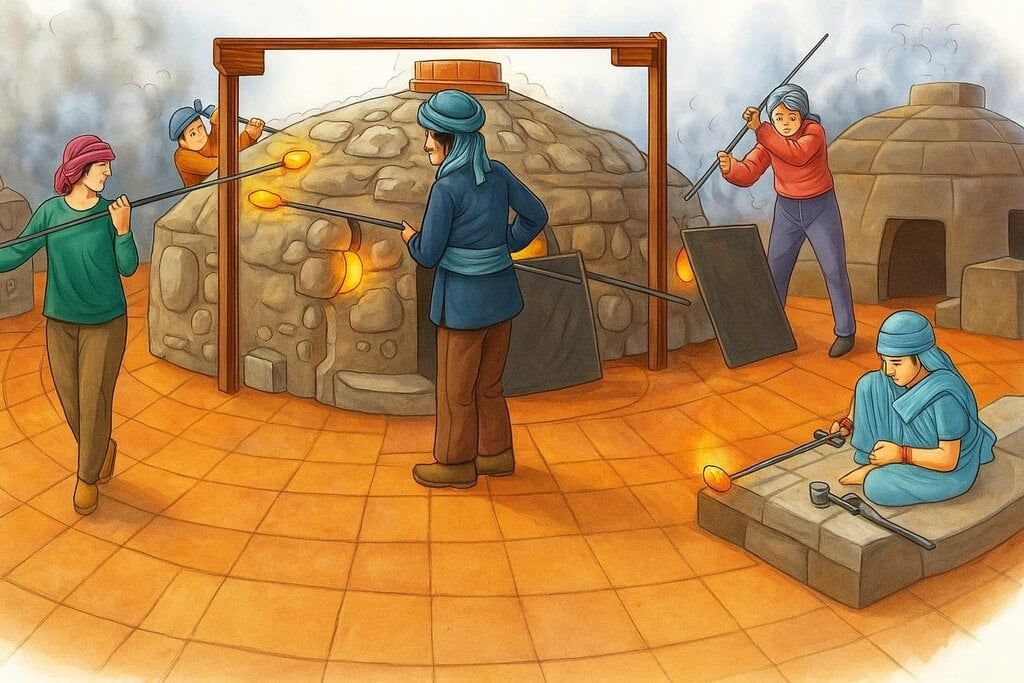
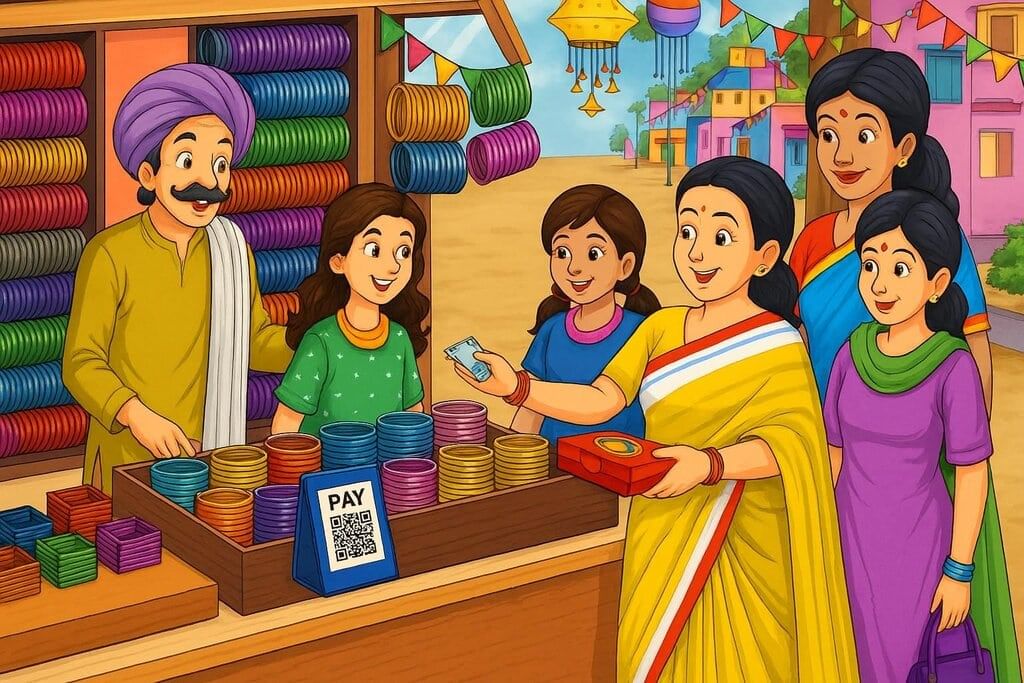
Ravi loved making bangles and gave full attention to each piece. His bangles came in bright colours like red, blue, and pastel shades, and were decorated with lovely traditional patterns. As the festival of Diwali came closer, the demand for glass bangles increased. Diwali is a time when women like to wear colourful bangles, so Ravi’s workshop became even busier, with the artisans working day and night to keep up with the orders.

Ravi’s daughter, Ananya, had just finished her schooling and wanted to help her father. She had a creative mind and wanted to add a modern touch to their traditional bangle designs.  Although Ravi was proud of her ideas, he was also a little worried about changing the old traditional style. But when Ananya introduced her designs – mixing floral and geometric patterns – Ravi saw how beautiful they looked. Together, they decided to create a special Diwali collection that combined traditional and modern designs.
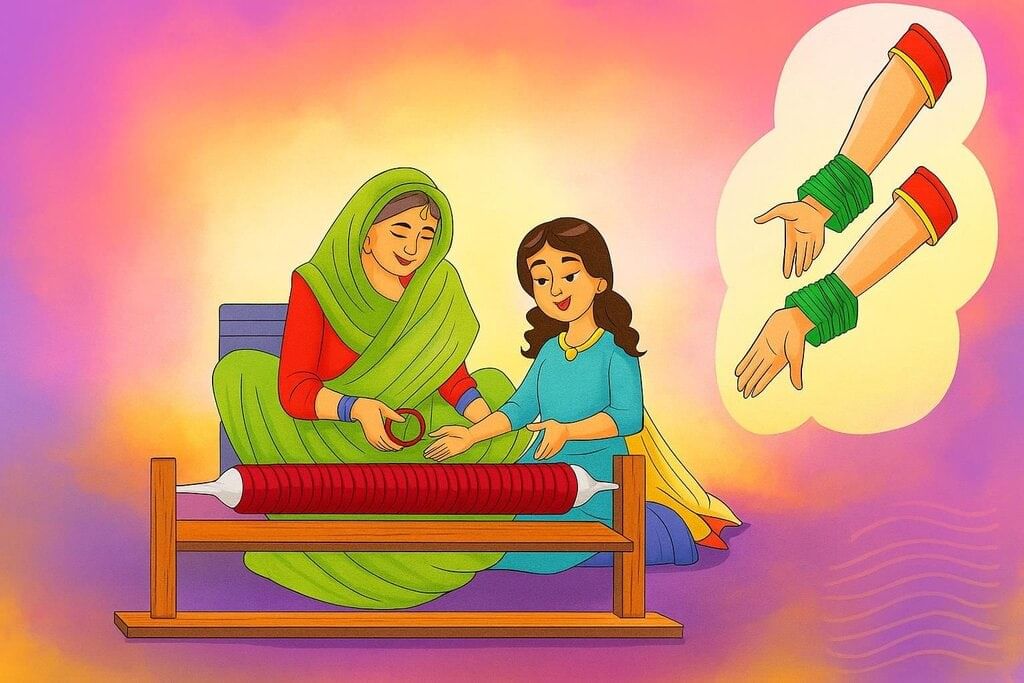
The new bangles became very popular. On Diwali night, Ravi and Ananya smiled proudly as they saw women wearing their colourful bangles that sparkled in the lights. Their success also helped other people in the town by giving more work to local artisans and workers. Ravi was proud of his daughter and happy that their new ideas could keep the tradition alive. Their story shows how creativity and respect for culture can work together to bring happiness and success to many people.
Q: What modern touches did Ananya want to add to their traditional bangle designs?

ExplanationView Answer  

Theme/ Message

  • The story teaches us that holding on to traditional skills is important, as they are part of our history and culture.
  • It shows that new ideas can improve old ways when we are open to change and willing to try something different.
  • Family support and working together can lead to success. Ravi and Ananya showed how teamwork can create something special.
  • Being creative and trying new designs helped Ananya bring a fresh touch to her father’s work without losing its original beauty.
  • The story reminds us that art and hard work can bring pride and happiness, not just to the makers but also to the people who enjoy them.
  • It also shows how young people can help keep traditions alive by respecting them while adding their ideas.
  • The success of one family can help the whole community, like how the bangle business gave jobs to many others in Firozabad.
  • Finally, the story tells us to be proud of our culture and heritage, and to share it with the world through the beautiful things we create.

Difficult Words

  • Artisan: A skilled worker who makes things by hand.
  • Craftsmanship: The skill and quality shown in making something by hand.
  • Furnace: A large oven used for heating materials, like glass, to make them soft.
  • Demand: The desire of people to buy something. In this case, it refers to how many people want to buy bangles.
  • Tradition: A way of doing things that is handed down from one generation to another.
  • Innovative: Introducing new ideas or methods; creative and original.
  • Community: A group of people living in the same area who often work together and support each other.
  • Patterns: Repeated decorative designs or shapes, often seen on clothes or jewelry.
  • Celebrate: To do something special to show happiness about an event or occasion.
  • Reflect: To think carefully about something, often looking back on experiences.
  • Prosper: To be successful and have a lot of money or good fortune.
09. Vocation – Chapter Notes

Introduction

“Vocation” by Rabindranath Tagore is a heartfelt poem that reflects the innocent desires of a young child. As he goes through his daily routine, the child watches people like a hawker, a gardener, and a watchman and imagines their lives to be full of freedom and fun. The poem beautifully captures how children often wish to escape rules and responsibilities to live freely like the adults they admire. Through simple words and vivid images, Tagore shows us how the idea of freedom can look different through the eyes of a child. It also gently reminds us that every job has its role and value, even if it seems easy from far away.

Detailed Summary

First Stanza

When the gong sounds ten in the morning and
I walk to school by our lane,
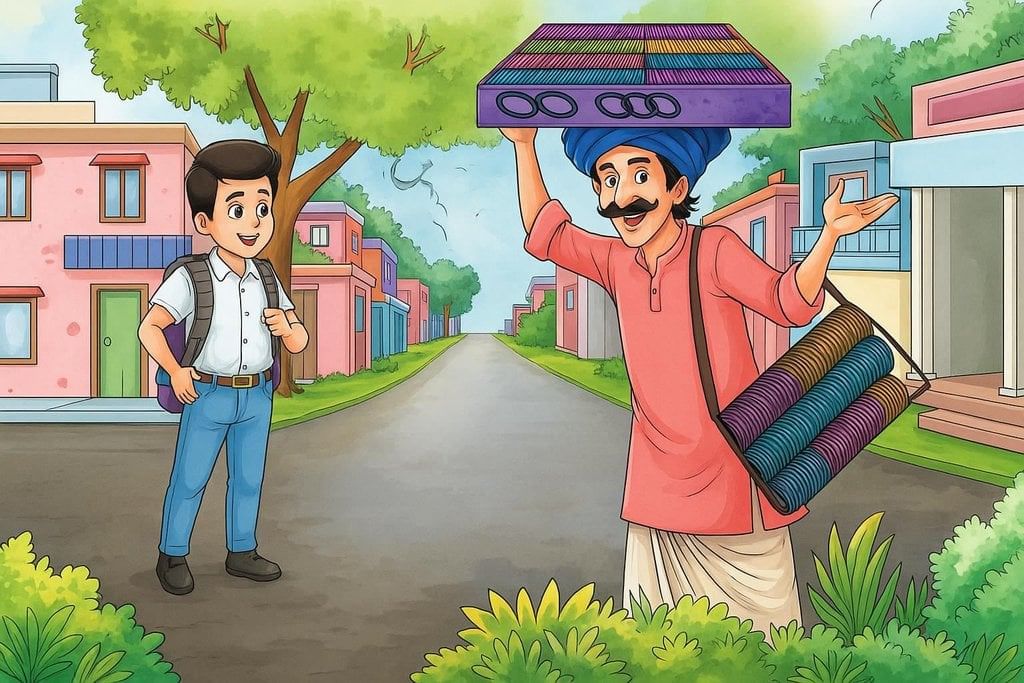
Every day I meet the hawker crying, “Bangles,
crystal bangles!”
There is nothing to hurry him on, there is no
road he must take, no place he must go to, no
time when he must come home.
I wish I were a hawker, spending my day in
the road, crying, “Bangles, crystal bangles!”

In the morning at 10 o’clock, the child walks to school. On the way, he sees a hawker selling bangles. The hawker walks freely on the road, shouting “Bangles, crystal bangles!” He doesn’t have a fixed time or place to go. The child thinks the hawker is lucky because he is free and not rushed, like the child who must go to school. He wishes he could be a hawker too.

Second Stanza

When at four in the afternoon I come
back from the school.
I can see through the gate of that
house the gardener digging the ground.
He does what he likes with his spade,
he soils his clothes with dust, nobody
takes him to task if he gets baked in the
sun or gets wet.
I wish I were a gardener digging away
at the garden with nobody to stop me
from digging.

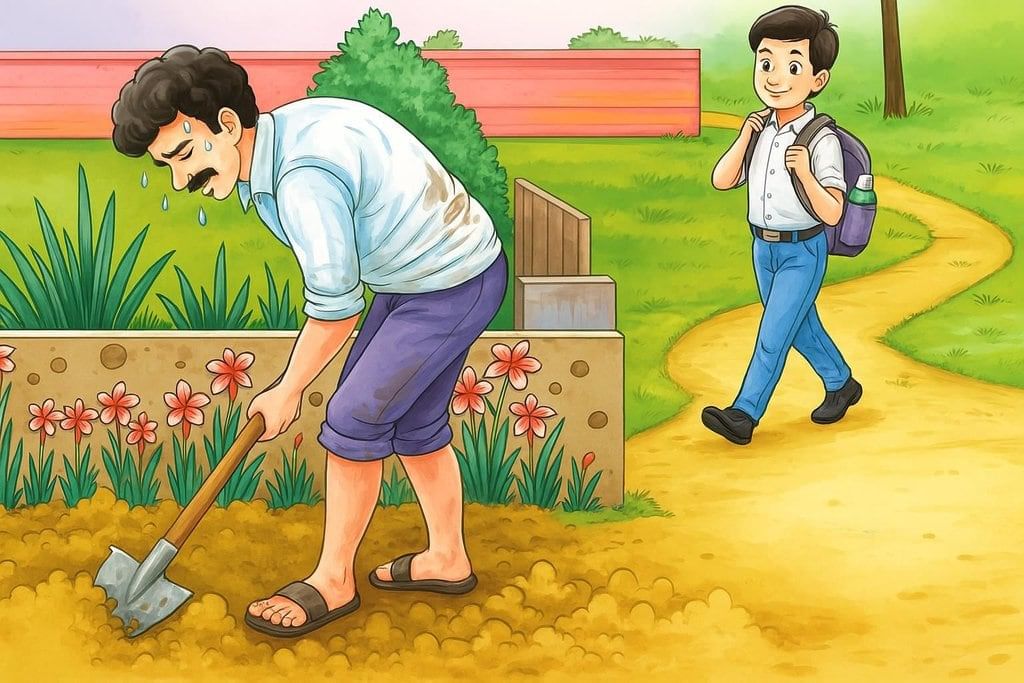
In the afternoon at four, when the child returns from school, he sees a gardener working in a garden. The gardener is digging the soil with a spade. He gets dusty and works under the hot sun, but no one stops or scolds him. The child feels the gardener is free to do what he likes. He wishes he could be a gardener, digging and playing in the mud without any rules.

Third Stanza

Just as it gets dark in the evening and my
mother sends me to bed,
I can see through my open window the
watchman walking up and down.
The lane is dark and lonely, and the
street-lamp stands like a giant with one red eye
in its head.
The watchman swings his lantern and walks
with his shadow at his side, and never once goes 

to bed in his life.
I wish I were a watchman walking the streets
all night, chasing the shadows with my lantern.

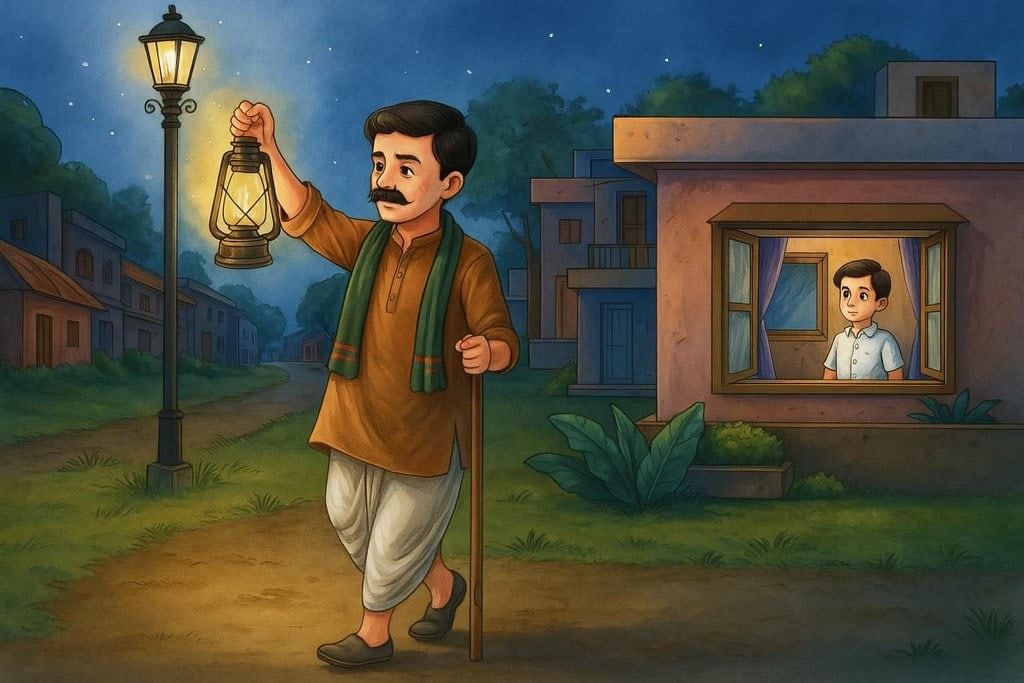
At night, the child’s mother sends him to bed. Before sleeping, he sees a watchman outside walking up and down the dark street. The watchman carries a lantern and stays awake all night to keep the street safe. The child thinks the watchman is brave and free. He wishes he could be like him – walking in the dark, holding a lantern, and not having to sleep.

Try yourself:

What does the child see when he returns from school at four in the afternoon?

  • A.A baker making bread
  • B.A gardener digging the ground
  • C.A watchman with a lantern
  • D.A hawker selling toys

View Solution

Theme/ Message

  • The poem shows how a child dreams of freedom. He sees different people like the hawker, gardener, and watchman and wishes to be like them because they seem free and happy.
  • It teaches that children often feel controlled by rules and wish to do what they want, just like the people they see around them.
  • The poem also reminds us that every job looks interesting from far away, but each one has its own hard work too.
  • It helps us understand that while it’s fun to imagine other lives, we should also be thankful for what we have.

Difficult Words

  • Hawker: A person who sells goods in the street.
  • Lantern: A portable light source, often used at night.
  • Spade: A tool used for digging in the ground.
  • Chasing: To run after someone or something.
  • Shadows: Dark shapes made when something blocks light.

08. The Decision of the Panchayat – Chapter Notes

Introduction 

This story is a clever tale from a village, where honesty and fairness are put to the test. It revolves around a hardworking farmer, a cunning neighbour, and a wise village Panchayat. When a dispute arises over the use of water from a well, the story shows how justice is delivered not with anger, but with calm reasoning and wisdom. Through this, readers learn that truth and fairness always win in the end, even when someone tries to cheat.

Detailed Summary

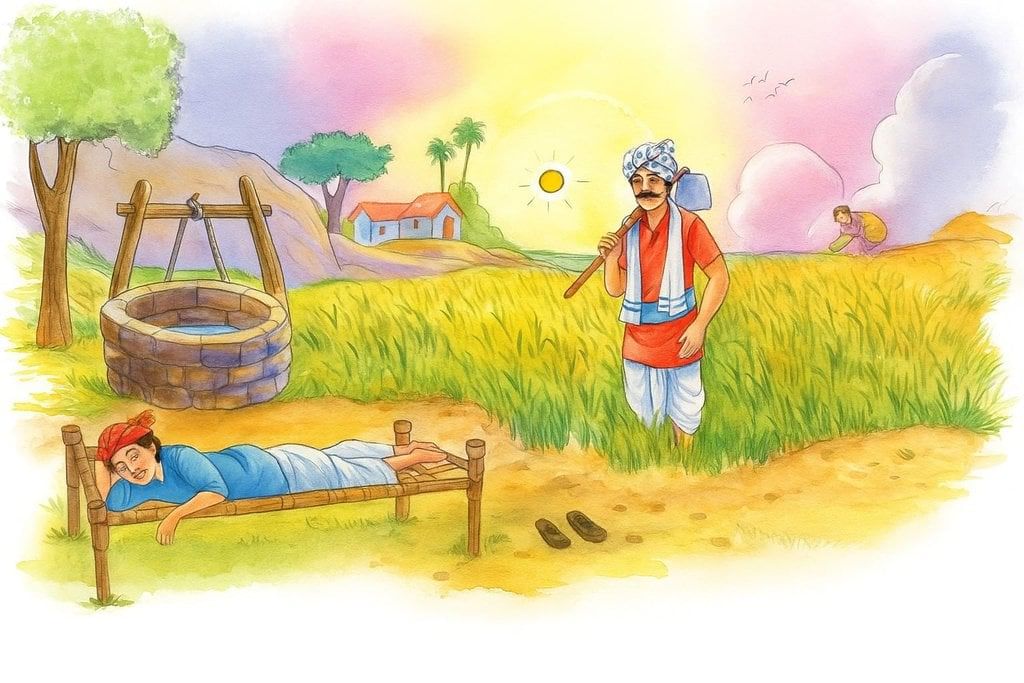
Once there was a hardworking farmer who lived in a small village. He had two fields and worked very hard every day. Over time, he became successful and bought another field to grow more crops. Near this new field, there was a well. The farmer knew he would need water for his crops, so he bought the well from his neighbour. However, this neighbour was a cunning man who wanted to cheat the farmer.

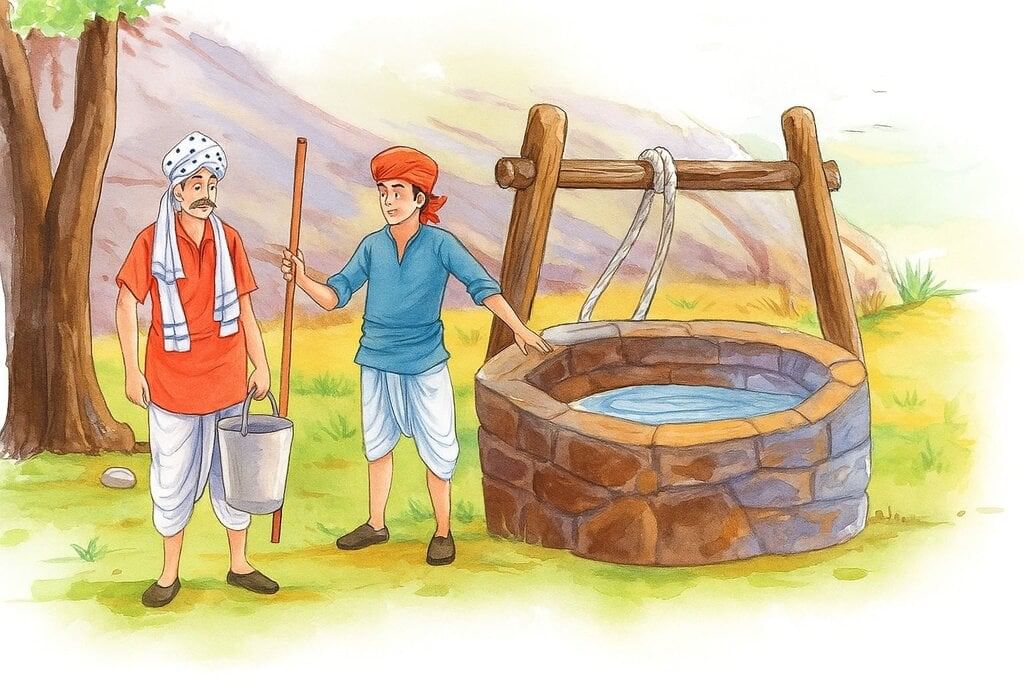
The next day, when the farmer went to use the well, the neighbour stopped him. He told the farmer that he had only sold the well, not the water inside it. He claimed the water still belonged to him, and so the farmer couldn’t use it. The farmer was shocked and didn’t know what to do. So, he went to the village chief and explained everything. The chief listened carefully and said a Panchayat meeting would be held to solve the problem.

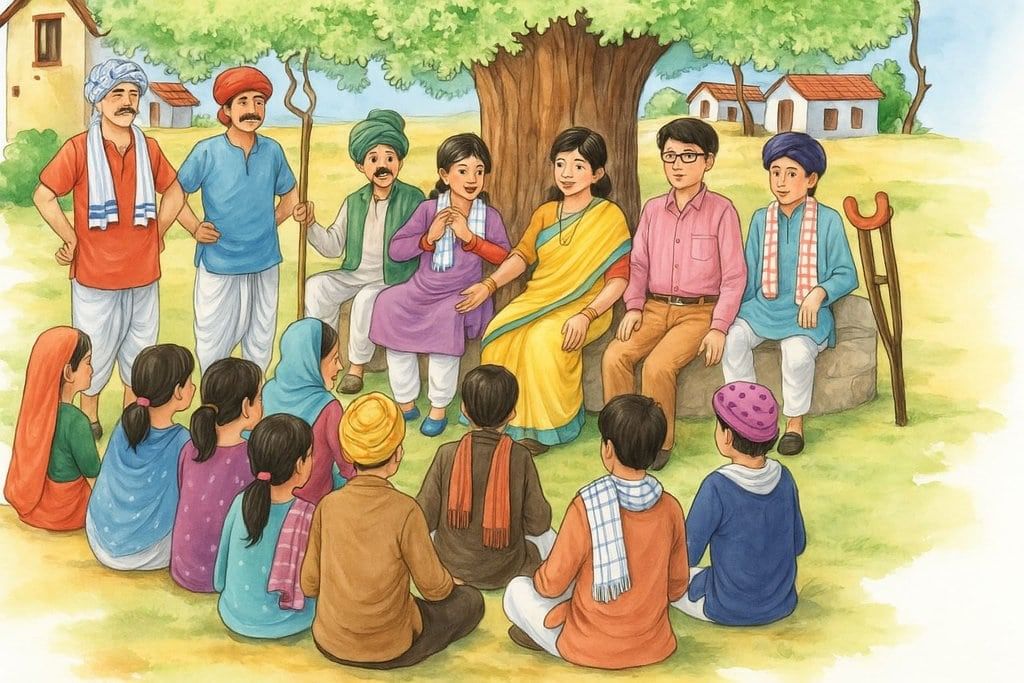
On the day of the meeting, the Panchayat members gathered under the big banyan tree in the middle of the village. Many villagers also came to watch. The farmer told everyone what had happened. When asked, the neighbour again said that the well was sold but the water was still his. The villagers and the Panchayat tried to make the neighbour understand that he was being unfair, but he refused to listen. The Panchayat members discussed the matter among themselves and then got ready to give their judgment.

The village chief first said that it was true the neighbour had only sold the well. The neighbour smiled, thinking he had won. But then the chief added that if the water still belonged to the neighbour, he had no right to keep it in someone else’s well. He must either remove all the water or use it up immediately. Otherwise, the water would belong to the farmer, who now owned the well. The farmer felt happy and relieved, while the neighbour realised his trick had failed. He had to pay a fine and say sorry to the farmer. The villagers praised the wisdom of the Panchayat and learned an important lesson about honesty and fairness.

Try yourself:

What did the farmer need for his crops?

  • A.Water
  • B.Fertilizer
  • C.Seeds
  • D.Sunlight

View Solution

Theme/ Message

  • The theme of the story revolves around fairness. It shows that people should be fair in their dealings with one another.
  • Another important theme is the idea that cleverness or cunningness can backfire. The neighbour tried to cheat the farmer, but in the end, he faced consequences.
  • The story teaches the value of community and seeking help in difficult situations. The farmer went to the village chief for assistance, showing that it is okay to ask for help when needed.
  • The message of the story is that honesty is always the best policy. Cheating others can lead to trouble, as seen with the neighbour who tried to trick the farmer.
  • The story also emphasises the importance of standing up for oneself and seeking justice. The farmer did not give up, and he found a way to resolve the issue.
  • Overall, the story encourages people to act with integrity and to resolve conflicts peacefully through discussion and community support.

Difficult Words

  • Cunning: Very clever in a way that is dishonest or sneaky.
  • Panchayat: A council of village elders who make decisions for the community.
  • Prospered: To be successful or to have a lot of money because of hard work.
  • Summoned: To be called to come to a meeting or gathering.
  • Judgment: A decision made after considering the facts of a situation.
  • Relieved: Feeling happy after a worry or problem is resolved.
  • Apologise: To say sorry for something you did wrong.
  • Gathering: A group of people coming together for a specific purpose.
  • Adamant: Unwilling to change one’s mind or position; very firm.
  • Wisdom: The ability to make good choices based on knowledge and experience.
  • Source: A place where something comes from, like water coming from a well.

07. Gilli Danda – Chapter Notes

Introduction

This poem takes us back to the joyful days of childhood, where fun was found in simple things. It celebrates the traditional Indian game of Gilli Danda, a game that doesn’t need any expensive toys – just a stick, a gilli, and a group of excited friends. Through cheerful verses, the poem shows how outdoor play brings happiness, energy, and unforgettable memories. It reminds us that the best moments are often created under the open sky, with laughter, sunshine, and good company.

Detailed SummaryFirst Stanza

In the playground, we gather around,
With a stick and a small gilli to throw,
Gilli Danda, our game is so sound!
We play with joy, watch it go

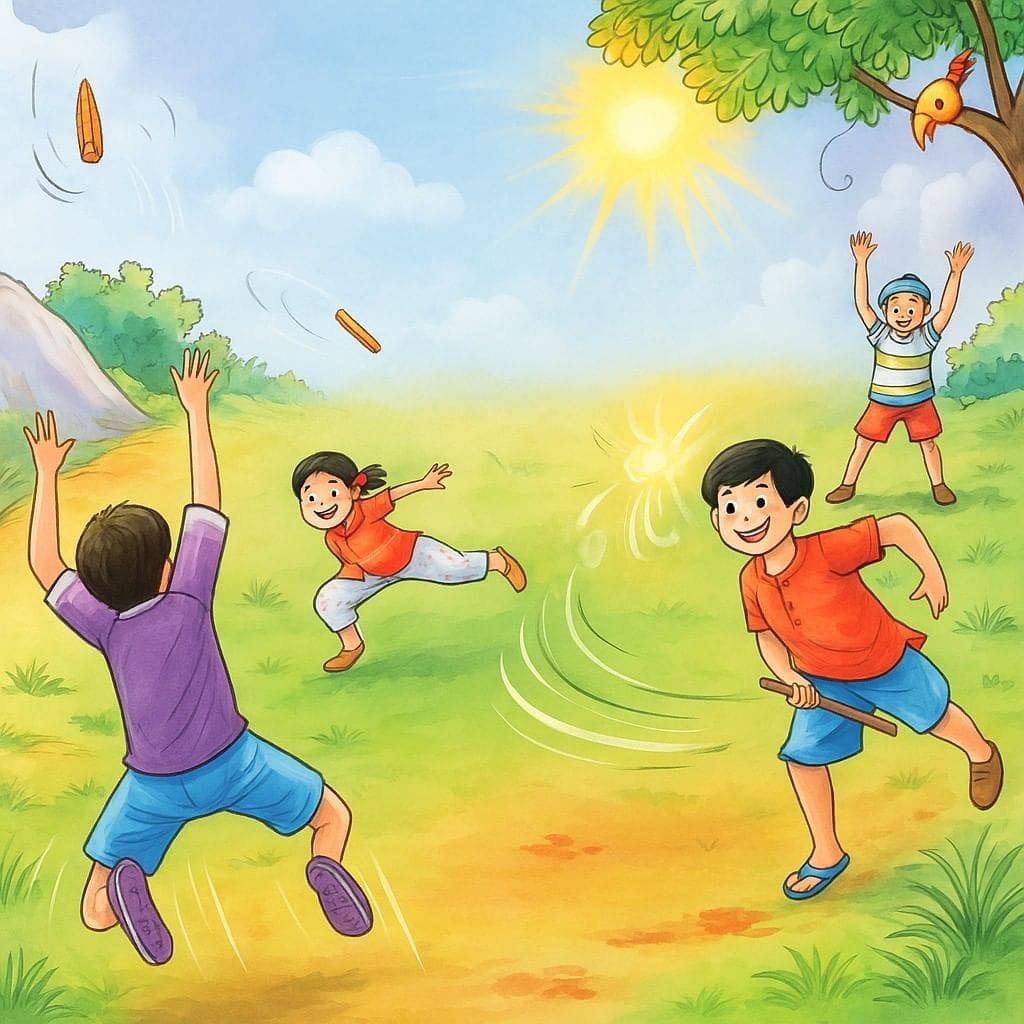
In this part, the children meet in the playground to play a game called Gilli Danda. They use a stick and a small wooden piece called a gilli. Everyone is excited and happy to play. They love the game and enjoy hitting the gilli to see how far it will fly.

Second Stanza

One, two, three, swing and hit,
With our friends, we never quit!
With every swing, we feel so free,
Oh, what fun it is, you see!

Here, the children count “one, two, three” and then swing the stick to hit the gilli. They play with their friends and don’t give up. Each time they play, they feel happy and free. Playing together makes the game more fun.

Third Stanza

The small gilli, up high it flies,
Underneath the bright blue skies.
Laughing, playing, having fun,
Under the golden rays of the sun!

In the last part, the gilli goes flying up into the sky. The children laugh and enjoy themselves under the bright blue sky and the warm sun. This part shows how playing outside with friends makes everyone feel happy and full of joy.

Theme/Message

  • The poem celebrates the fun of playing outdoor games with friends. It shows how simple games like Gilli Danda can bring lots of joy.
  • It tells us that we don’t need fancy toys to be happy – just a stick, a gilli, and good friends are enough to have fun.
  • The poem also shows the beauty of being active and playing in the fresh air, under the open sky and warm sunshine.
  • It reminds us how special childhood is, filled with laughter, friendship, and simple moments that make us smile.

Try yourself:

What does the poem say we need to be happy?

  • A.A stick and a gilli
  • B.Fancy toys
  • C.Expensive gifts
  • D.Video games

View Solution

Difficult Words

  • Playground: A place where children play, usually with swings, slides, and open spaces.
  • Gilli Danda: A traditional game from India that involves hitting a small stick (gilli) with a larger stick (danda).
  • Experience: Knowledge or skill gained through doing something.
  • Nostalgia: A sentimental longing for the past, often for a period or place with happy personal associations.
  • Outdoor: Relating to, or located in the open air.
  • Delight: A feeling of great pleasure or enjoyment.
  • Gather: To come together or assemble.
  • Exciting: Causing great enthusiasm and eagerness.
  • Memories: Something remembered from the past; recollections.

06. What a Tank! – Chapter Notes

Introduction

Water is one of the most precious resources we have. Every living being – plants, animals, and humans depends on it to survive. In this chapter, we explore how people in India have found smart and creative ways to collect and store water, both in the past and present. From traditional methods in rural villages to modern rooftop tanks in cities, the chapter highlights how water conservation is deeply connected to culture, daily life, and our shared future. It reminds us that saving water is not just about technology – it’s also about wisdom, creativity, and care.

Detailed Summary

Water is very important for all living things. We need it to drink, grow food, stay clean, and do many daily activities. People have always found smart ways to save and store water, even before modern machines were invented. This chapter talks about how people in India have used traditional methods for water conservation for many years. It also shares how some special water storage systems were built in different parts of the country.

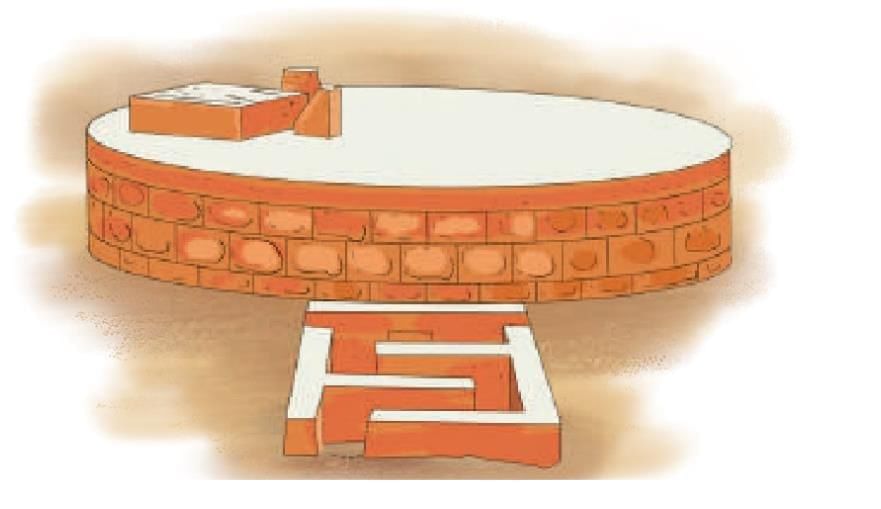
Long ago, people built big tanks and structures to store rainwater. These helped protect cities from floods and gave clean water to the people. In many parts of India, these old methods are still used today. For example, Tamil Nadu has Ooranis – ponds that collect rainwater for drinking and farming. In Kerala, Panam Keni wells never dry up, even during hot summers. In Rajasthan’s dry Thar desert, people use Tankas – underground tanks that store water for many months.

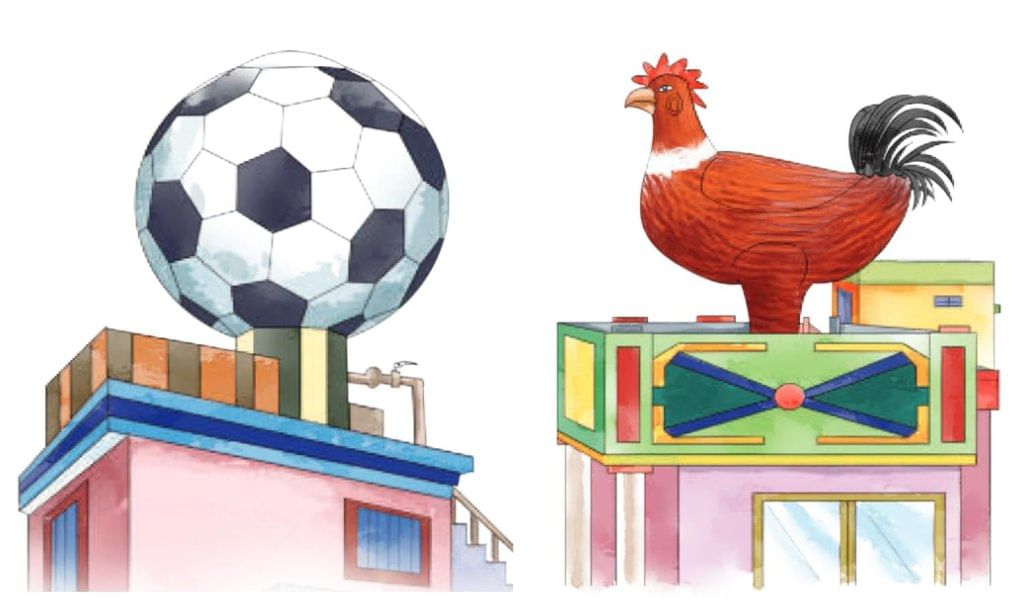
Today, people store water in big tanks placed on the rooftops of their houses. These are called overhead water tanks. In Punjab, these tanks are not just useful – they are also very creative! People build them in fun shapes like footballs, animals, flowers, and even aeroplanes. Sometimes, the tank shows something special about the family, like a farmer building a tractor-shaped tank. These designs make the villages look colourful and show people’s creativity.

These tanks are made with cement and steel, and they are strong enough to hold a lot of water. They help people store water for daily use and also add beauty to their homes. This chapter teaches us that saving water is very important. As water becomes scarce in many places, we must learn to use it wisely. Traditional ways of saving water remind us to respect nature and use its resources carefully. Taking care of water means taking care of our future.

Q: Why is it important to save water according to the text?

ExplanationView Answer  

Theme/Message

  • The main theme of this chapter is the importance of water conservation and traditional water management practices.
  • It highlights how different regions have unique ways of storing water that reflect their culture and needs.
  • The chapter shows that water storage systems are essential for survival and community bonding.
  • By learning from traditional methods, we can find new ways to manage water in our homes and communities.
  • Creative designs in water tanks also remind us of the importance of culture and identity in our lives.
  • Understanding how to store and use water can help us take care of our environment and ensure that we have enough water for the future.

Difficult Words

  • Conservation: The careful use and protection of resources, such as water, to prevent waste.
  • Storage: Keeping something in a place so it is safe and can be used later.
  • Structures: Buildings or constructions that serve a specific purpose.
  • Communities: Groups of people living in the same area who share common interests or goals.
  • Traditional: Long-established customs or practices that are passed down through generations.
  • Identity: The qualities and characteristics that make a person or group unique.
  • Unique: Being the only one of its kind; unlike anything else.
  • Reflect: To show or demonstrate something, often through actions or creations.
  • Survival: The state of continuing to live or exist, especially in difficult conditions.

05. The Frog – Chapter Notes

Introduction

This poem brings to life the world of a cheerful and energetic frog. Through its playful voice, the frog shares what it’s like to live both in water and on land. We get a peek into its daily adventures – from swimming and jumping to hiding from danger and proudly croaking in its pond. The poem celebrates nature, movement, and the unique traits that help the frog survive and enjoy its life. It encourages readers to observe the natural world with curiosity and joy.

Detailed Summary

First Stanza

I sit in ponds and in the rain, 
Or hop about in a muddy drain. 

The poet is talking about a small creature that loves water. It likes sitting in ponds and doesn’t mind getting wet in the rain. It also enjoys hopping around in muddy drains.

Second Stanza

As a tadpole, I swim with cheer, 
A tiny fish-like thing, so clear! 
I flick my tongue to catch my food, 
It works so fast—now that’s quite good!

The poet talks about the creature when it was a baby, called a tadpole. Tadpoles look like tiny fish and swim happily in the water. As it grows, the creature uses its quick tongue to catch food. This shows how it changes as it grows and learns to take care of itself.

Third Stanza

I live on land and water too, 
In places damp with drops of dew. 
My colours match the plants and trees, 
I hide so well in grass and leaves! 

In the third stanza, the poet tells us that this creature can live both on land and in water. It likes damp places where the grass is wet with dew. Its body colour matches the plants and trees, which helps it hide in the grass and stay safe from danger.

Fourth Stanza

But snakes are near, I must beware,
Or else they’ll catch me unaware! 
I croak my songs, they sound so loud,
Yet in my pond, I feel so proud. 

In this stanza, the poet tells us that the creature has to be careful because snakes might be nearby. It needs to stay alert so it doesn’t get caught. Even though there is danger, the creature croaks loudly and proudly in its pond. This shows that it is brave and happy in its home.

Fifth Stanza

I hop around, I jump so high, 
Up I go into the sky! 
With webbed feet, I swim with ease,
 
And leap so high in joyful breeze!

In this stanza, the poet describes how the creature loves to hop and jump high, almost like it’s flying into the sky. It has webbed feet, which help it swim easily in the water. The poet shows how joyful and full of energy the creature is as it leaps and moves freely in the fresh, breezy air.

Theme / Message

  • The poem shows how the frog can live both in water and on land, teaching us to be flexible and adapt to different places.
  • It reminds us to stay alert in our surroundings, as the frog must be careful of snakes and other dangers.
  • The frog enjoys jumping, swimming, and playing, showing that nature is full of fun and joyful moments.
  • The poem highlights the beauty of nature and how the frog blends in with grass, trees, and water to stay safe.
  • It teaches us to feel proud of our special features, just like the frog is proud of its tongue, feet, and camouflage.
  • The poem encourages a balance between fun and caution, enjoying life while being aware of what’s around us.

Try yourself:

What does the frog teach us about adapting?

  • A.To stay in one place
  • B.To avoid nature
  • C.To jump less
  • D.To be flexible

View Solution

Difficult Words

  • Pond – A small body of still water.
  • Drain – A pipe that carries off water.
  • Tadpole – A young frog that lives in water and has a tail.
  • Flick – To move quickly and lightly..
  • Camouflage – The ability to blend in with surroundings.
  • Beware – To be cautious of something dangerous.
  • Croak – The sound made by a frog..
  • Webbed – Having skin between the toes for swimming.
  • Breeze – A gentle wind.

04. The Wise Parrot – Chapter Notes

Introduction

The Wise Parrrot” is a thought-provoking tale that explores the themes of love, freedom, and understanding. Set around the bond between a rich merchant and his pet parrot, the story takes readers on a journey that shows how true care means listening to the wishes of others. With a gentle and emotional twist, the tale reminds us that even deep affection can become a cage if it ignores the need for freedom. This timeless story encourages readers to reflect on what it means to truly love and to let go.

Detailed Summary

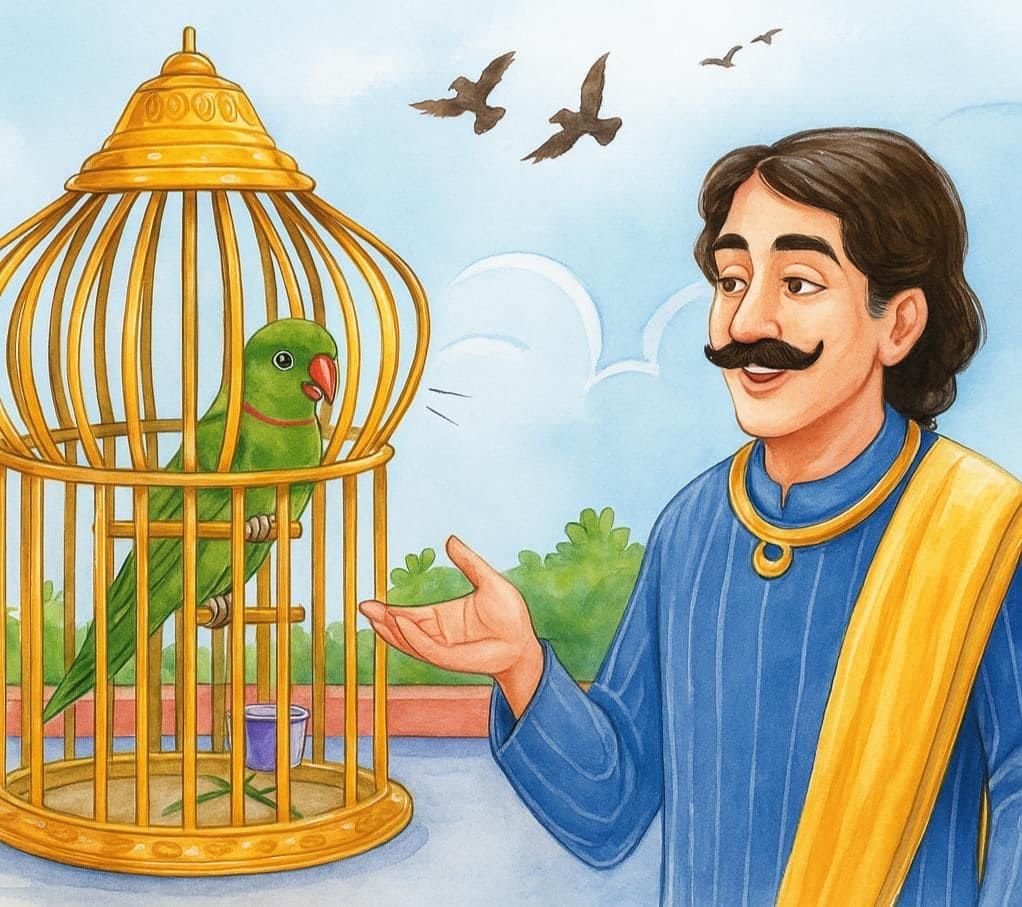
rich merchant once had a clever and talkative parrot that lived in a beautiful gold cage. The merchant loved the parrot and gave it the best food and care. The parrot kept the merchant entertained with stories and songs. But deep inside, the parrot wished to fly freely in the open sky. It dreamed of spreading its wings, feeling the wind, and seeing the world beyond the cage.

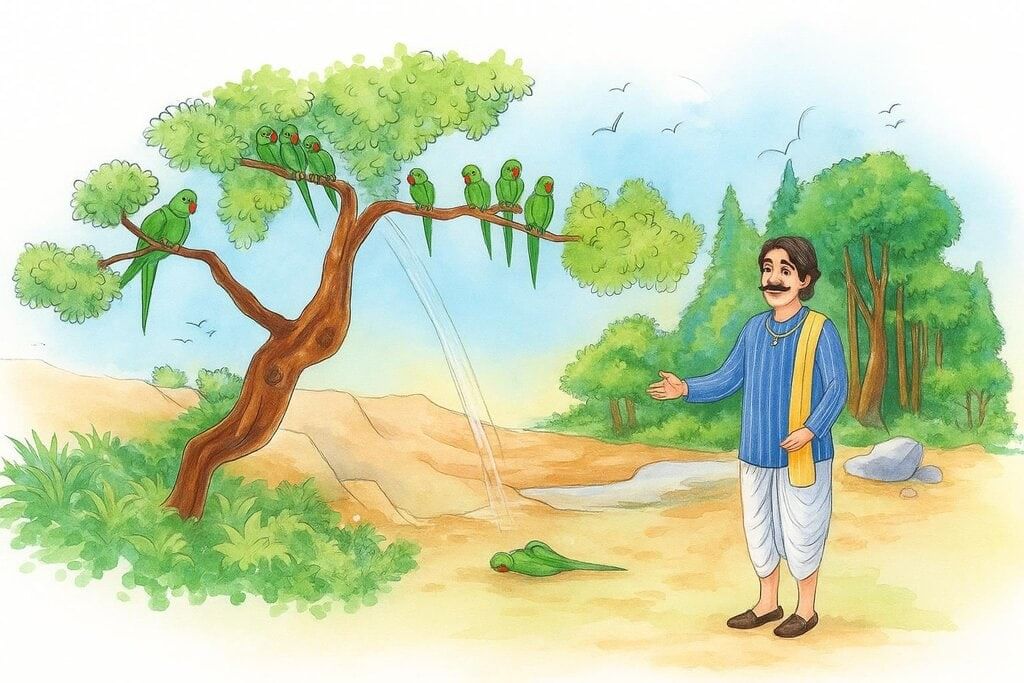
One day, the merchant had to travel for business. Before leaving, he asked the parrot what he could bring back. The parrot said that instead of gifts, it wished to be free. But the merchant could not let it go, so the parrot requested him to simply send greetings to its friends in the jungle. During his journey, the merchant met a group of parrots in a forest and passed on the message from his caged friend. Strangely, one parrot dropped from the tree as soon as it heard the message, leaving the merchant shocked.

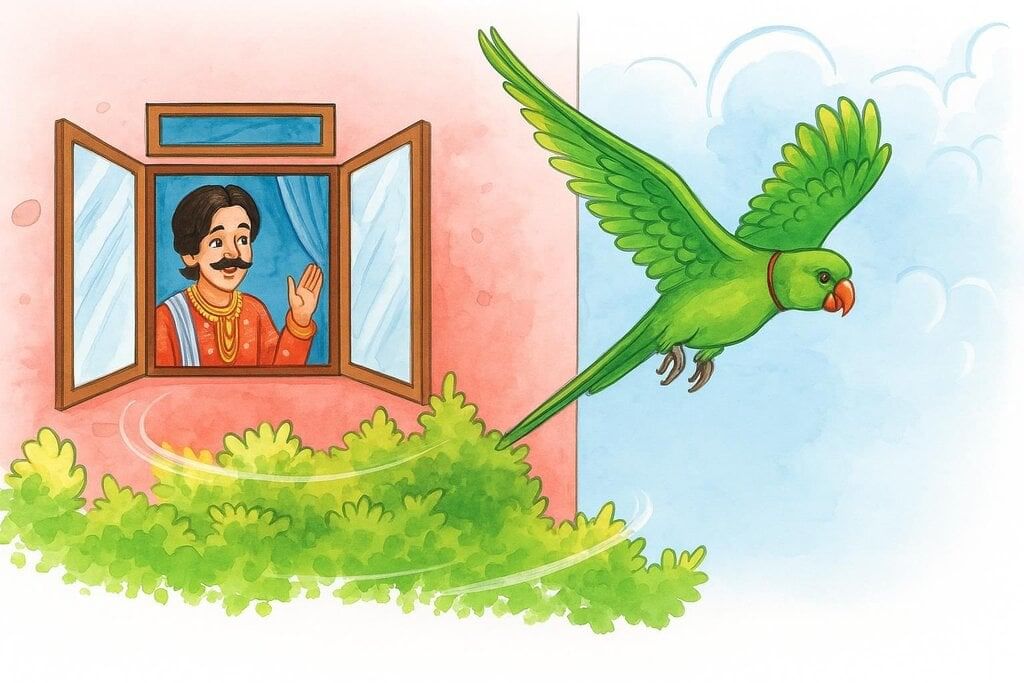
When the merchant returned home, he told his parrot about everything he had seen, including the parrot that had fallen. To his surprise, his parrot suddenly collapsed inside the cage. Feeling sad, the merchant took it out and placed it on the windowsill. But the parrot wasn’t hurt. It quickly opened its wings and flew away into the sky, thanking its jungle friend for showing a way to escape and finally taste freedom.

This story teaches us about the value of freedom, true friendship, and understanding others’ wishes. The merchant loved the parrot but didn’t realise that what it needed most was to be free. In the end, both the merchant and the reader learn that sometimes, letting go is the greatest act of love. The parrot’s dream came true, and it soared happily into the sky at last.

Test Your Knowledge

Q: What lesson does the story teach about freedom and love?

ExplanationView Answer  

Theme/Message

  • The primary theme of the story is the importance of freedom. The parrot symbolises those who wish to break free from constraints.
  • The story also highlights the bond between pets and their owners, showcasing the merchant’s love for his parrot.
  • Another important theme is the idea that true happiness cannot be found in material possessions, but rather in the freedom to pursue one’s desires.
  • The message of the story is that we should respect the wishes and needs of others, even if it means letting them go.
  • The tale reminds us that life is more fulfilling when we can express our true selves and enjoy the world around us.

Difficult Words

  • Merchant: A person who buys and sells goods for a living.
  • Longed: To have a strong desire for something.
  • Desire: A strong feeling of wanting something.
  • Greetings: Words or actions used to show kindness when meeting someone.
  • Distressed: Feeling very upset or worried.
  • Perch: A place where a bird rests or sits, like a branch.
  • Stirred: To move or wake up from rest.
  • Escape: To get away from a place where you are trapped.
  • Flight: The act of flying; also refers to a group of flying birds.
  • Shock: A sudden surprise that causes strong feelings of fear or worry.
  • Beauty: The quality of being pleasing to the senses; something that is very nice to look at.

03. The Rainbow – Chapter Notes

Introduction

The Rainbow” by Christina Rossetti is a short and delightful nature poem that celebrates the simple beauty of the world around us. The poet compares man-made wonders, such as boats and bridges, to natural wonders, like clouds and rainbows. Through this comparison, she reminds us that nature often holds more beauty than anything humans can create. The poem encourages readers, especially young ones, to observe their surroundings with imagination and joy. It’s a gentle reminder that the most magical sights are sometimes found in the sky above us.

Detailed Summary

First Stanza

Boats sail on the rivers,
And ships sail on the seas;
But clouds that sail across the sky
Are prettier far than these.

In the first stanza, the poet talks about boats that move on rivers and ships that move on seas. Rivers are smaller and flow through land, while seas are big and wide like huge water bodies. But the poet thinks the clouds in the sky, which look soft and float gently, are even more beautiful than the boats and ships.

Second Stanza

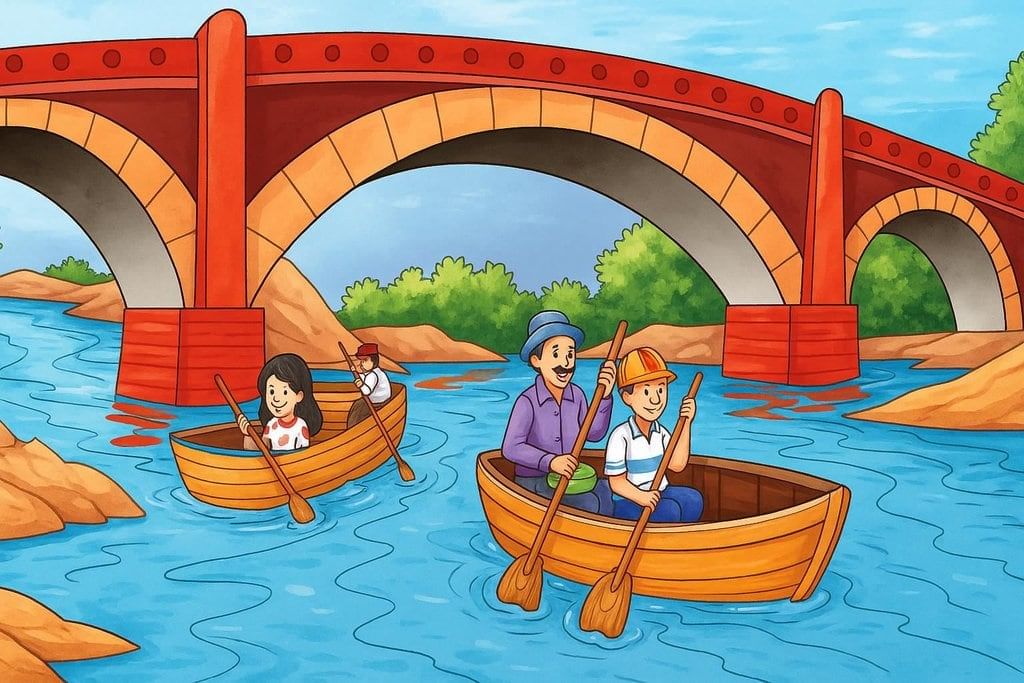
There are bridges on the rivers,
As pretty as you please;
But the bow that bridges heaven,
And overtops the trees,
And builds a road from earth to sky,
Is prettier far than these.

In the second stanza, the poet talks about bridges built over rivers, which look very pretty. But then she describes a special bridge in the sky, a rainbow. It looks like a colourful arch that stretches from the ground up to the sky. The poet thinks this rainbow is even more beautiful than real bridges. It shows how wonderful and amazing nature can be.

Try yourself:

What does the poet think is prettier than boats and ships?

  • A.Bridges
  • B.Seas
  • C.Clouds
  • D.Rivers

View Solution

Theme/ Message

  • The poem brings out the beauty of nature, especially the sky and clouds, and shows how natural things can be more beautiful than man-made creations.
  • It encourages the use of imagination, like seeing clouds as boats and rainbows as bridges, to enjoy and understand the world in a fun and creative way.
  • There is a sense of connection between the earth and the sky, and between humans and nature, reminding us that we are part of a larger, beautiful world.
  • The poem teaches us to pause and appreciate the simple things around us. It reminds readers that even everyday sights can be full of wonder if we take time to notice them.
  • It shows that imagination makes life more joyful. Looking at the world with creative eyes helps us see magic in ordinary moments.

Difficult Words

  • Sail: To travel by boat or ship on water.
  • Bridges: Structures built to cross over rivers or roads.
  • Bow: A curved shape, or in this case, it refers to the rainbow shape connecting the earth to the sky.
  • Overtops: To rise above something.

02. Gone with the Scooter – Chapter Notes

Introduction

This is a fun story about a boy named Gopi who finds a hockey ball in his garden. Curious to know who it belongs to, he decides not to keep it for himself and goes out to find the owner. He talks to his friends at the playground, and soon, they all start playing an exciting hockey match with the ball. But something funny happens at the end that makes them all laugh! This story teaches us about honesty, friendship, and how simple moments can turn into unforgettable memories.

Detailed Summary

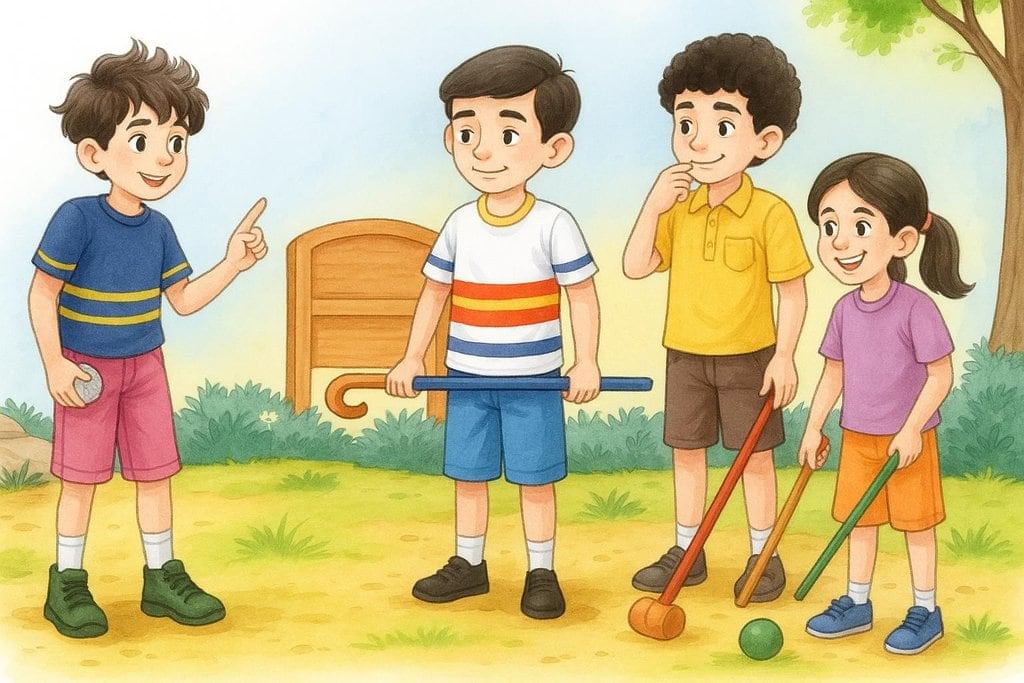
One hot summer afternoon, Gopi was reading in the veranda when he heard a sound coming from the garden. Thinking it might be a mango falling, he rushed outside to check. He searched through the thick grass near the fence and then among the bushes, but didn’t find anything. Finally, he saw a white hockey ball lying on a heap of dry leaves. Curious and surprised, he picked it up and began wondering who it might belong to.

He looked around the garden and even outside the gate, but there was no one nearby. As it was too hot, his mother called him inside. Gopi went in, drank some water, and lay down to rest. While resting, he decided not to keep the ball without finding its owner. In the evening, he went to the nearby playground where his friends usually played hockey, hoping someone would recognise the ball.

At the playground, Gopi asked his friends if any of them had recently lost a ball. Manoj said he had lost his ball months ago, and Ramani claimed it might be his but couldn’t describe it. Deepak proudly spoke about his new football, but Gopi reminded them that the ball he found was a hockey ball. Everyone laughed and passed the ball around, but soon they all agreed to play a quick match before it got dark.

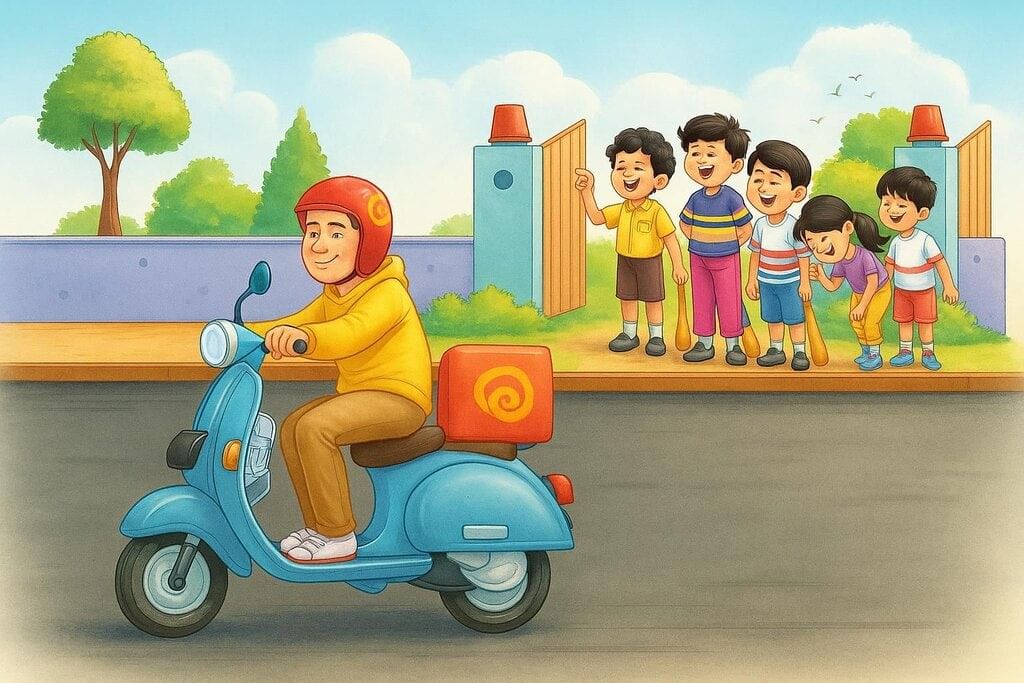
As the game began, Gopi passed the ball to Deepak, who sent it to Ramani, and then it reached Jay. Jay hit the ball with great force, and it accidentally flew out of the playground. It landed in the basket of a passing scooter, and the rider, unaware, drove away with it. The children ran after it, but it was too late. Even though the ball was gone, they all laughed and enjoyed the moment. It turned into a happy memory they would always remember.

Theme/Message

  • The story showcases the importance of honesty and sharing. Gopi’s decision to return the lost ball instead of keeping it for himself highlights his integrity.
  • Friendship is another key theme. The story emphasises how friends come together to play and enjoy each other’s company.
  • The excitement of playing games and the spirit of teamwork are central to the story, showing how working together can lead to fun experiences.
  • Lastly, the story teaches a lesson about unexpected events. Even when things do not go as planned, like losing the ball, it can still lead to laughter and joy among friends.

Try yourself:

What does Gopi’s decision to return the lost ball show?

  • A.His integrity
  • B.His strength
  • C.His speed
  • D.His skill

View Solution

Difficult Words

  • Discovered: Found something that was hidden or not known before.
  • Curious: Wanting to know about something..
  • Resolved: Made a decision to do something.
  • Exciting: Causing great enthusiasm and eagerness.
  • Goalkeeper: The person who protects the goal in a game.
  • Wrist: The joint connecting the hand to the arm.
  • Dribbled: To move the ball along the ground by repeatedly tapping it with a stick or foot.
  • Realising: Understanding or becoming aware of something.
  • Boasted: Talking too proudly about something one has done.
  • Excitement: A feeling of great enthusiasm and eagerness.
  • Unexpected: Something that happens suddenly and without warning.
  • Cooperation: Working together to achieve a common goal.

01. Papa’s Spectacles – Chapter Notes

Introduction

This poem is about a funny moment between a father and his child. The poem shows how the father forgets where he kept his spectacles, even though they are right on his head! It uses simple and funny words to make readers smile. The poem teaches us to be more careful and aware of things around us. It also shows how small mistakes can make us laugh and bring joy to everyday life.

Detailed Summary

First Stanza

Today our papa
Is searching everywhere,
He has lost his spectacles,
It was his only pair!

The poet tells us that Papa has lost his spectacles. It was his only pair, so he is very worried. He is searching all around the house to find them. 

Second Stanza

He can’t read the newspaper,
He can’t watch TV,
He can’t cut the vegetables,
Oh! Where can it be?

This stanza tells us how Papa’s day is affected without his glasses. He cannot read, watch television, or even cut vegetables. The poet uses simple lines to show how one small problem is making everything difficult for Papa.

Third Stanza

He checked inside his pockets,
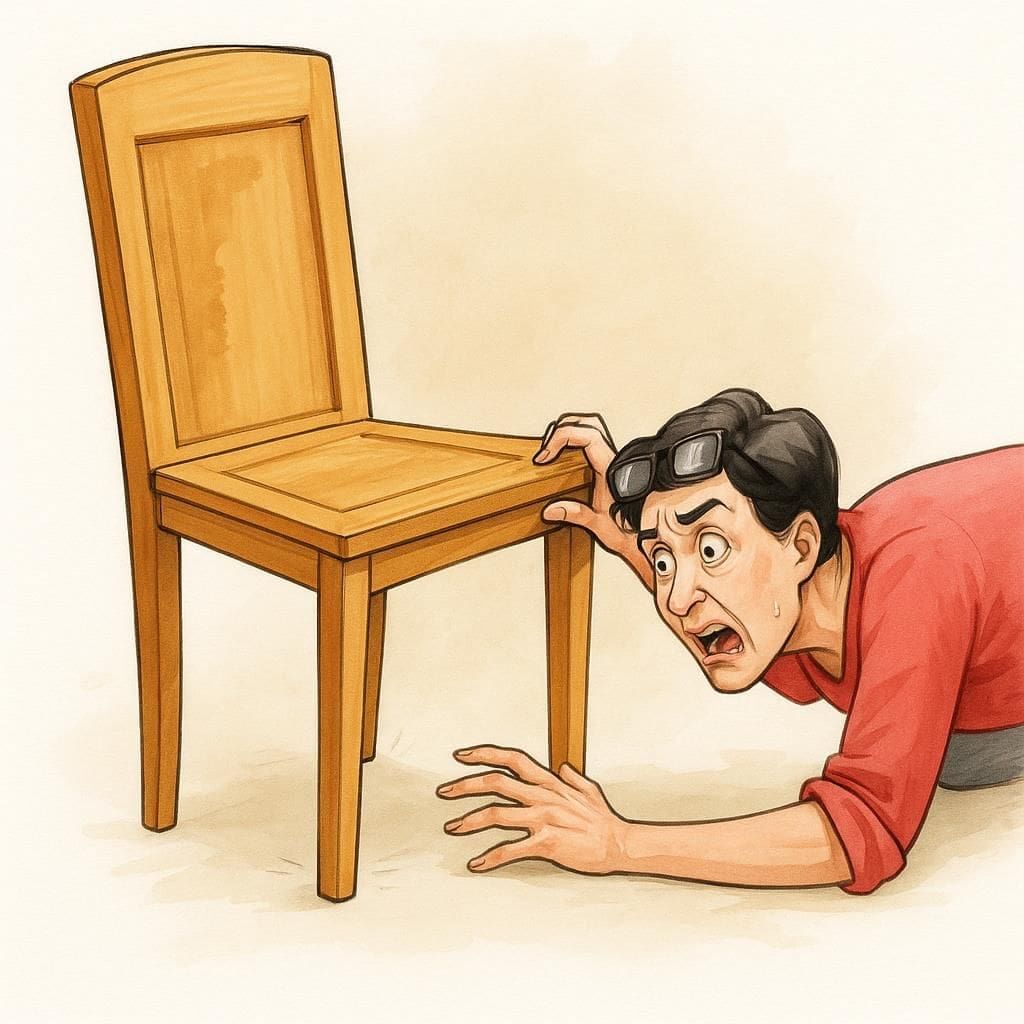
He glanced under his chair,
He searched near the window,
He looked everywhere.

In this stanza, Papa is shown looking for his spectacles in many places. He checks his pockets, looks under the chair, and searches near the window. But he still cannot find them.

Fourth Stanza

I told him, “Stop, Papa!”
I went up close, and said!
“Papa, your spectacles
Are right there on your head!”

In the final stanza, the child notices something very silly – the spectacles were on Papa’s head all along! The child tells him gently, and this makes the ending light and funny.

Try yourself:

Where does Papa search for his spectacles?

  • A.In his pockets
  • B.On the table
  • C.In the kitchen
  • D.Under the bed

View Solution

Theme/Message

  • The poem highlights the sweet and caring bond between a father and child. It shows how children can also help and support their parents in small but meaningful ways.
  • It brings out the humour in everyday life. The simple act of losing spectacles becomes a funny moment, reminding us to smile at small problems.
  • The child’s quick observation teaches us the importance of being aware. Sometimes, we search everywhere for something that is right in front of us.
  • It shows how staying calm and patient can solve problems. The child helps without getting angry or making fun, showing kindness and support.
  • The poem reminds us that family life is full of such small, funny moments. These moments create joy, laughter, and lasting memories.

Difficult Words

  • Spectacles: Glasses used to correct vision.
  • Frantic: Feeling or showing a lot of fear and worry.
  • Observe: To watch carefully.
  • Newspaper: A publication containing news and information.
  • Glanced: Looked quickly at something.