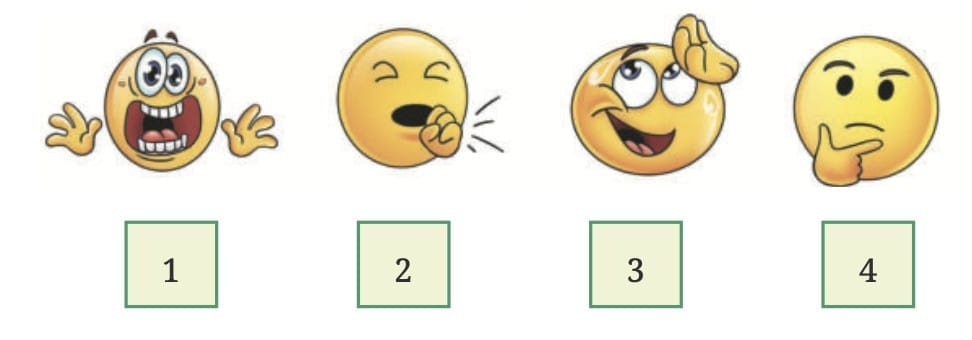
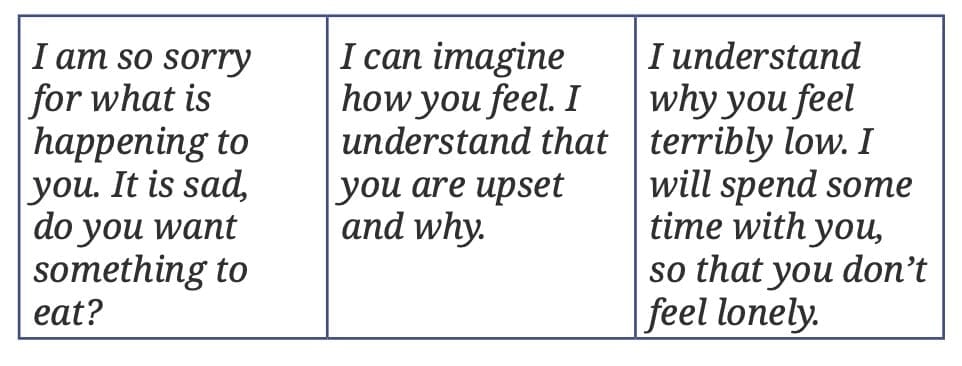
Ans: Her grandmother bent down to touch the narrator’s feet.
Q2. Which quality of ‘her’ was revealed to the narrator at this moment?
Ans: This reveals her helplessness because, in the narrator’s absence, she was unable to read the next episode of Kashi Yatre.
Q3. What was the reason which made ‘her’ cry?
Ans: She cried because she was uneducated and could not read the next episode of ‘Kashi Yatre’ while her granddaughter was away.
Q4. What had the speaker done?
Ans: The speaker taught her grandmother to read the Kannada alphabet. This enabled her to read the novel Kashi Yatre.
Q5. Which occasion is being talked about here?
Ans: A wedding ceremony in the neighbouring village is being discussed here. During that time, weddings were significant events, and children enjoyed themselves immensely.
Q6. What led to ‘savouring freedom’?
Ans: The narrator and her cousins experienced a sense of freedom during the wedding ceremony in their neighbouring village. They thoroughly enjoyed themselves, indulging in food and play while the elders were occupied. Although the narrator planned to stay for a couple of days, she ended up enjoying the festivities for a whole week.
Short Answer Questions
Q1. Why could the grandmother not be educated? Give reasons.
Ans: When the grandmother was young, education for girls was not seen as important, so she was never sent to school. Additionally, she got married at a very young age and led a busy life. Later, when she had grandchildren, she found joy in cooking and feeding them. As a result, her education was never considered by anyone.
Q2. For what did the grandmother set Dussehra festival as a deadline?
Ans: In the absence of her granddaughter, the grandmother felt dependent and helpless because she could not read the next episode of Kashi Yatre. To overcome this feeling, she decided to learn the Kannada alphabet and set Dussehra as her deadline. By that time, she aimed to be able to read Kashi Yatre on her own.
Q3. Explain the statement, “I knew then that my student had passed with flying colours” in the context of the lesson.
Ans: When the granddaughter presented the novel ‘Kashi Yatre’ by Triveni to her grandmother, the grandmother immediately recognised the title and the publisher’s name. This moment signified that she had successfully learned the Kannada alphabet, indicating her achievement in reading. The phrase “passed with flying colours” reflects her triumph in mastering this skill.
Q4. The grandmother remained steadfast in her decision despite her granddaughter’s mockery? Why?
Ans: Despite her granddaughter’s mockery, the grandmother remained firm in her decision to study because she believed that with strong determination for a good cause, one can overcome any challenge, regardless of age. She was committed to learning the alphabet, willing to put in the necessary hard work to achieve her goal.
Q5. Describe the grandmother’s desperation when she was not able to read ‘Kashi Yatre’.
Ans: When the grandmother was unable to read ‘Kashi Yatre’, she experienced a profound sense of emptiness in her life. Despite being a strong woman who had never shed a tear in tough times, she found herself crying out of frustration at her inability to read. This feeling of helplessness motivated her to learn the alphabet, even at the age of sixty-two.
Q6. But I know it was not possible. If only I was educated enough….. Describe the circumstances that made the grandmother realize the importance of education.
Ans: When the grandmother was young, education for girls was not deemed essential, so she never attended school. Her perspective changed when her granddaughter shared the story of Kashi Yatre, published in a magazine. The grandmother identified with the main character, and her granddaughter would read the story to her. However, when her granddaughter was away, she struggled to read Kashi Yatre on her own and felt a deep sense of emptiness. This experience made her realise the importance of education in her life.
Q7. What major Hindu belief did Triveni revolve her story around?
Ans: The story centres around a significant belief held by many Hindus that visiting Kashi and worshipping Lord Vishweshwara is the ultimate path to Nirvana. It narrates the struggles of an elderly woman who yearns to travel to Kashi but is unable to do so. Instead of using her savings for the journey, she selflessly spends the money to help a poor girl get married. This act highlights her belief that the happiness of others is more important than her own spiritual aspirations.
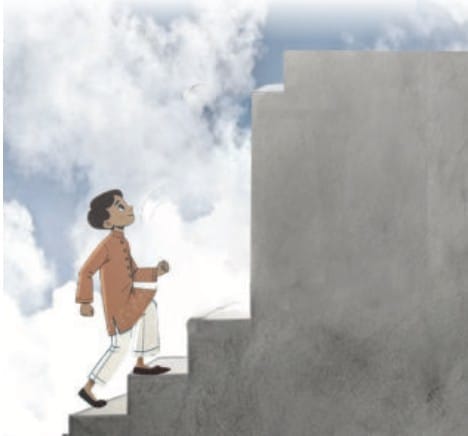
I. Imagine that you are the person in the image (standing at the base of a difficult task).
1. What emotions do you feel standing at the base of a difficult task?
Ans (Sample): A complex mix of excitement and possibility on one hand, and nervousness and self-doubt on the other — a sense of awe at the size of the challenge, mixed with a quiet fear of failure, and a flutter of anticipation.
2. What might make you take the first step?
Ans (Sample):
A deep belief that the effort is worth it.
The memory of someone who believed in me.
The thought of regret if I never try — regret is often more painful than failure.
Reminding myself that every great journey started with a single step.
II. Think about a time when you had to face a challenge.
1. What was it, and how did you feel at the start of the journey?
Ans (Sample): Delivering a speech at the annual day function. At the start, I felt terrified — trembling hands, dry mouth, convinced I would forget my lines.
2. How did you feel once you made the decision to move forward?
Ans (Sample): Once I decided to go ahead, something shifted — I had practised for weeks and backing down meant giving fear the victory. By the end, I felt a rush of pride and confidence I had never experienced before.
III. What does the phrase ‘believe in yourself’ mean to you? Write some words or phrases you associate with believing in yourself.
Ans: Trusting your own abilities, accepting imperfections, and having the courage to try even when the outcome is uncertain. Associated words: Inner strength, self-trust, courage, resilience, confidence, “I can do this,” positive self-talk, growth mindset, perseverance, rising after failure.
IV. Select the correct meaning of ‘status quo’ based on the given sentence. “Even though some kids wanted to try new activities, most of them were happy with the status quo and didn’t want any changes.” 1. A plan to make things more exciting. 2. A situation to keep things the same. 3. A decision where everything is completely different. 4. A choice to change things quickly without thinking.
Ans: 2. A situation to keep things the same. ‘Status quo’ is a Latin phrase meaning ‘the existing state of affairs’ — the children were comfortable with how things were and did not want anything to change.
Check Your Understanding
I. Based on your understanding of the poem, select the correct central idea for each stanza.
Stanza 1 — “Step up to the challenge / There is no crowd to see…” (i) Facing challenges requires personal responsibility and a clear focus on one’s future. (ii) Facing challenges is a journey best taken with support and guidance from others.
Ans: (i). The stanza emphasises that facing a challenge is a personal, solitary act — “There is no crowd to see, it’s just you and the future.” The responsibility lies entirely with the individual.
Stanza 2 — “Will it pull you forward / Or push you back in fear?…” (i) Fear and uncertainty make it difficult to make choices as the future approaches. (ii) Facing the future with confidence makes choices easier and more straightforward.
Ans: (i). The poet presents two opposing forces — the pull of the future and the push of fear — acknowledging the internal conflict one faces when at a crossroads.
Stanza 3 — “There is such ease in comfort / To maintain the status quo…” (i) Personal growth involves finding balance between comfort and change. (ii) Personal growth requires leaving behind comfort and embracing change.
Ans: (ii). The poet is clear: “This isn’t what we are made for / This isn’t how we grow.” Comfort and status quo are easy but insufficient — true growth demands stepping out of familiarity.
Stanza 4 — “The first step is the hardest / There is no turning back…” (i) The first step towards change may feel easy if you place your trust in others to guide you. (ii) The first step towards change is difficult, but having self-belief and confidence helps you stay on track.
Ans: (ii). The poem ends with the first step being hardest, but once taken there is no going back — and the key is self-belief: “You just need to believe in yourself / For your future to be on track.”
II. Rhyme Scheme — Fill in the blank to complete the following sentence. The poem follows a simple, yet effective rhyme scheme __________ that flows steadily through each stanza.
Ans:ABCB — in each stanza, the second and fourth lines rhyme (e.g., “see” and “be” in Stanza 1), giving the poem its smooth, steady musical quality.
III. Tone — State whether the following statements are true or false.
Ans: 1. The overall tone of the poem is motivational and encouraging. → TRUE — The speaker consistently urges the reader to face challenges, step out of comfort zones, and believe in themselves.
2. The tone shifts from thoughtful in the beginning to one of determination by the end of the poem. → TRUE — The poem begins with a reflective, questioning tone and by the final stanza shifts decisively to determination, culminating in the confident call to “believe in yourself.”
IV. Speaker — Fill in the blanks with the correct options.
The speaker in this poem is not distant; rather, he/ she comes across as a ________ (stranger/guide) who understands the struggle and is encouraging the reader to take ________ (interest in/control of) his/her own future. The use of direct address ‘You’ creates a close connection, as though the speaker is ________ (talking directly to the reader/addressing the reader from a distance).
Ans: The speaker comes across as a guide who is encouraging the reader to take control of his/her own future. The use of ‘You’ creates a close connection, as though the speaker is talking directly to the reader.
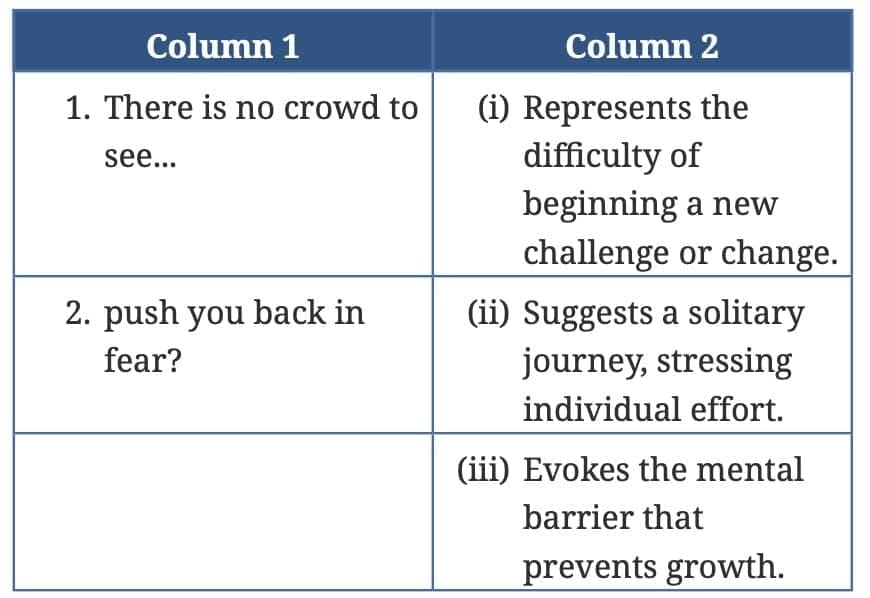
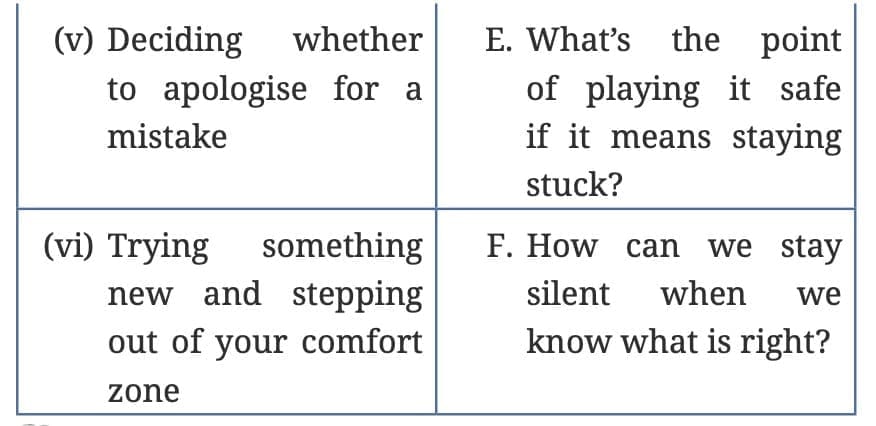
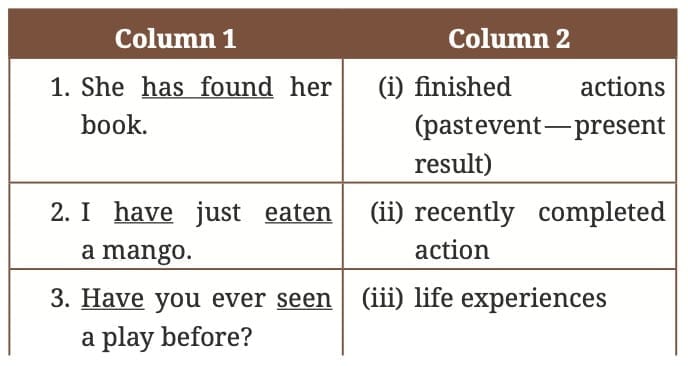
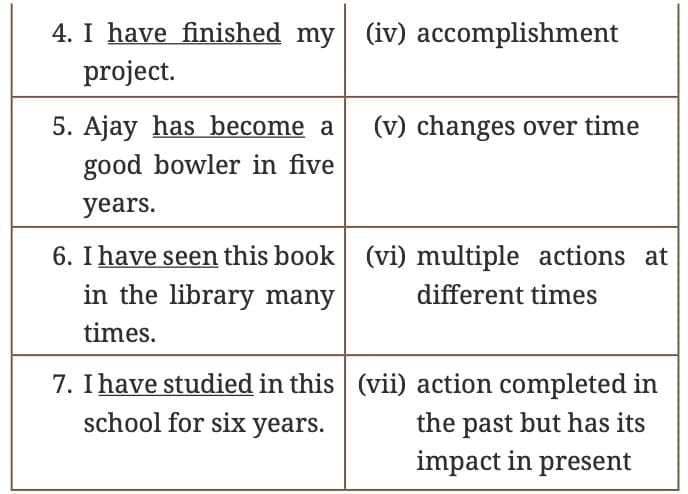
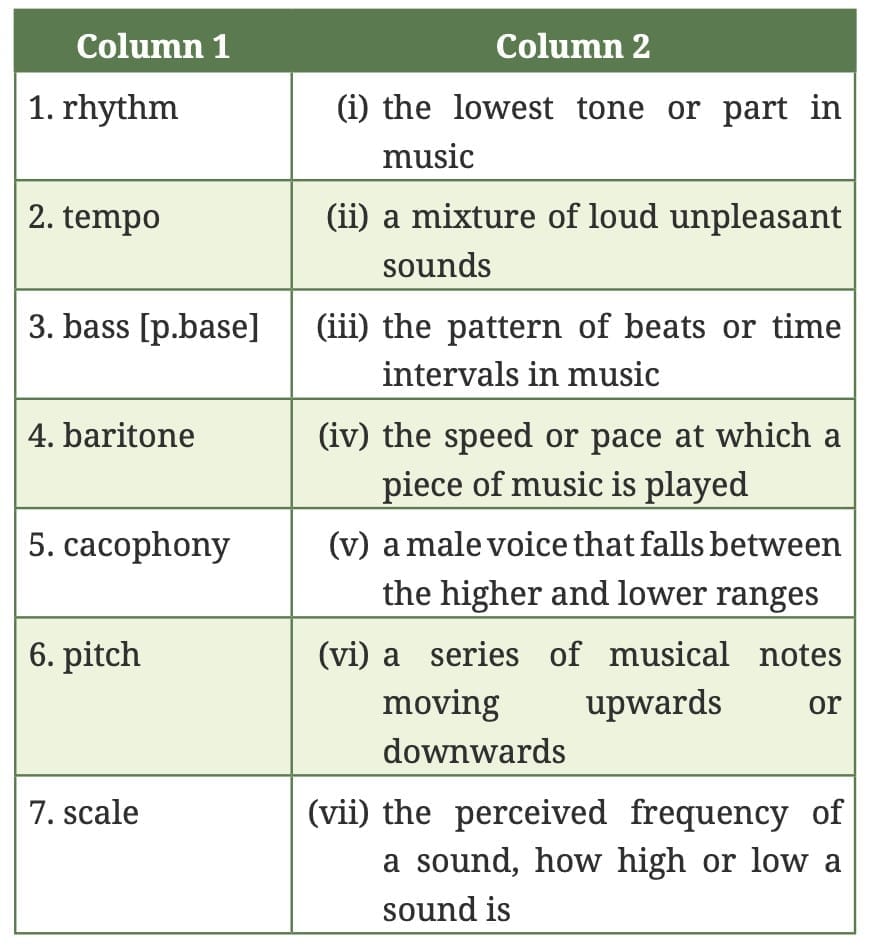
V. Imagery — Match the phrases from the poem in Column 1 with the imagery they represent in Column 2.
VI. Symbolism — Select the words/phrases from the box to complete the given sentences.
Ans:
Comfort and the status quo represent stagnation and fear of change, symbolising the comfort zone that holds one back.
The future symbolises the unknown, the potential for change and success that requires courage to step into.
The first step symbolises the initial leap of faith required to begin the journey of self-improvement or personal development.
VII. Metaphor — The poet uses a metaphor in the line, ‘The first step is the hardest’. Explain why this is metaphorical.
Ans: “The first step is the hardest” does not literally mean that a physical step is more difficult than all those that follow. Instead, “first step” metaphorically represents the act of beginning — making the initial decision to face a challenge or commit to a goal. This beginning is emotionally and psychologically the most challenging part because it requires overcoming inertia, self-doubt, and fear of the unknown. Once the first step is taken, momentum builds and subsequent steps become progressively easier.
VIII. Antithesis — Identify the lines from the poem that show antithesis and explain why.
Ans: Example 1:“Will it pull you forward / Or push you back in fear?” Two directly opposite forces — “pull forward” and “push back” — are placed in parallel structure. “Forward” and “back” are directional opposites, capturing the internal conflict between courage and fear, progress and retreat.
Example 2:“There is such ease in comfort / … But this isn’t what we are made for / This isn’t how we grow.” “Ease in comfort” (passive stagnation) is contrasted with “how we grow” (active transformation). The antithesis highlights that what feels safe is not what makes us better, and what makes us grow is not what feels safe — driving home the poem’s central message.
Critical Reflection
I. Read the extract and answer the questions.
“Step up to the challenge / There is no crowd to see, / It’s just you and the future / And where you want to be.”
(i) What does the line, ‘There is no crowd to see’ suggest about facing challenges?
Ans: It suggests that facing a challenge is a deeply personal and solitary act — without an audience to judge or cheer, the motivation must come from within. It also removes the pressure of performance: free from a watching crowd, we can simply try, fail, learn, and grow.
(ii) Complete the following suitably. The line ‘It’s just you and the future’ suggests that _________.
Ans: …the responsibility for shaping one’s destiny rests entirely with the individual. No one else can take the journey for you. The future holds both promise and uncertainty, and only your own willingness to step forward determines where you end up.
(iii) Fill in the blank with the appropriate word/phrase from the extract. Latha will ________ her efforts to improve her vocal performance by practising harder each day.
Ans: Latha will step up her efforts — from the opening line “Step up to the challenge,” meaning to increase effort or rise to meet a demand.
(iv) Select the most suitable title for the extract. A. The Struggles of Change B. Facing the Future Alone C. A Journey of Growth D. The Power of Fear
Ans: C. A Journey of Growth. The extract emphasises stepping up to a challenge, taking personal ownership of one’s future, and moving toward where one wants to be — all elements of personal growth. “Facing the Future Alone” (B) is overly negative, while the poem’s tone is empowering.
(v) Complete the analogy by using a word from the extract. achieve : goal :: face : _________
Ans: achieve : goal :: face : challenge — just as one “achieves” a “goal,” one “faces” a “challenge.”
II. Answer the following questions.
1. What is the significance of the metaphor, ‘The first step is the hardest’ in the context of personal growth?
Ans: The metaphor captures the psychological truth that the greatest obstacle to growth is not the journey itself but the beginning. Personal growth requires leaving behind familiarity and stepping into the unknown — overcoming inertia, self-doubt, and fear. Once the first step is taken, a psychological shift occurs: the paralysis dissolves and forward momentum builds. Each subsequent step becomes less daunting because the hardest thing — beginning — has already been done. The metaphor also implies that growth is a series of steps, and the most courageous, defining moment is always the first one.
2. What message does the antithesis in the poem convey about the nature of personal development?
Ans: The antithesis — “pull you forward / push you back in fear” and comfort versus growth — conveys that personal development is inherently a battle between two opposing forces: the desire to grow and the pull of fear and comfort. The message is that these forces are mutually exclusive — you cannot remain in your comfort zone and grow simultaneously. “This isn’t how we grow” is the poet’s firm verdict. Growth requires choosing the difficult path over the easy one, courage over fear. The parallel structure of the antithesis makes this message feel both balanced and urgent.
3. Do you think the poet’s message is realistic in the context of real-world struggles? (Evaluate whether simply ‘believing in yourself’ is enough to overcome obstacles or other factors are also necessary.)
Ans: The poet’s message is inspiring but presents a partial picture. Self-belief is foundational — without it, no effort is truly sustained — but it is not sufficient alone.
External circumstances matter — socioeconomic barriers, lack of access to education, or systemic inequality can limit opportunities regardless of self-belief.
Skill and preparation are essential — believing you can do something is not the same as being able to do it. Self-belief must be backed by deliberate practice and willingness to fail and improve.
A support network helps — even great achievers have mentors, family, and peers who contribute to their success.
Conclusion: Self-belief is the spark that ignites action, but in the real world it must be backed by hard work, the right skills, access to opportunities, and a supportive environment.
4. Consider a situation where you or someone you know had to take a difficult first step towards a goal. How does the poem’s message about the importance of self-belief apply to this situation?
Ans (Sample): A classmate wanted to apply for a national mathematics competition but had never competed outside school. Like the person at the base of a difficult task, she stood at the edge of a new challenge with no guarantee of success. The “ease in comfort” of staying within familiar school competition was tempting. But she took the first step: she applied. That was the hardest part. She did not win, but she reached the final round — and the experience transformed her confidence and ambitions. Her self-belief that she was capable of stepping up was what made the journey possible.
Vocabulary in Context
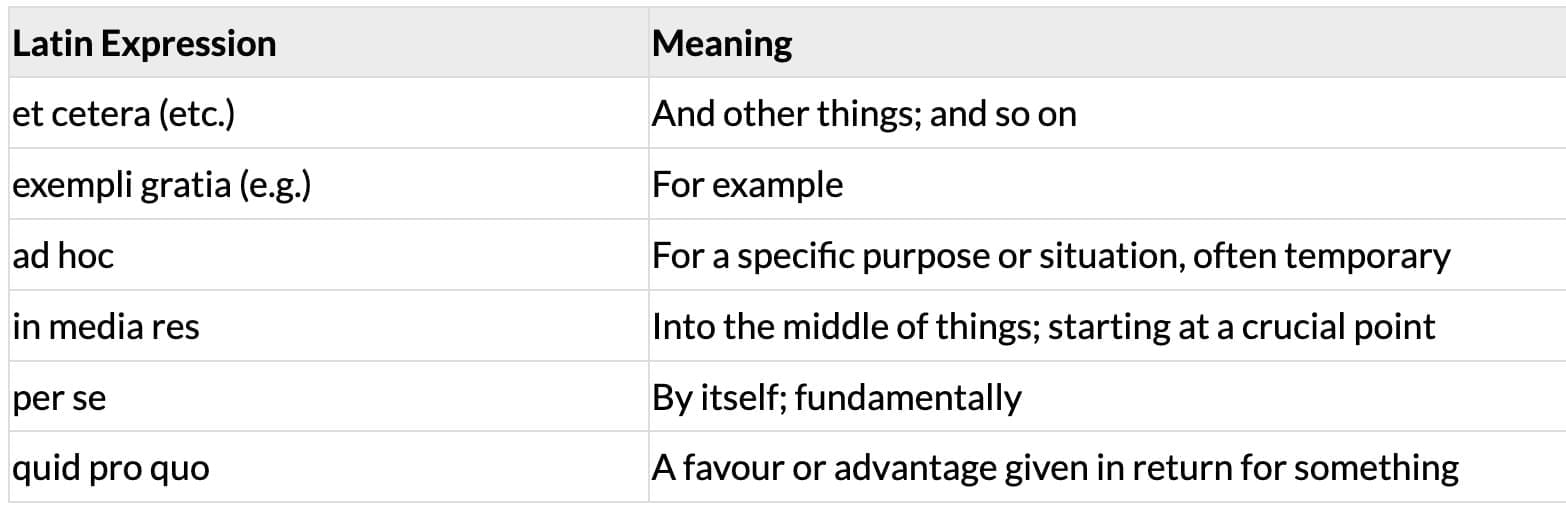
I. Latin Expressions used in English — fill in the blanks in the given sentences.
Ans:
I enjoy reading fantasy books, e.g. Harry Potter and Magical Paint Brush.
After helping Tanya with the homework, Ritu asked for a quid pro quo to borrow her notes next time.
I love all kinds of outdoor activities, such as trekking, hiking, biking, etc.
The park is not very special per se; it becomes more fun when you visit with friends.
We created an ad hoc team to organise the school festival.
The movie started in media res, with the hero already fighting the villain in a huge battle.
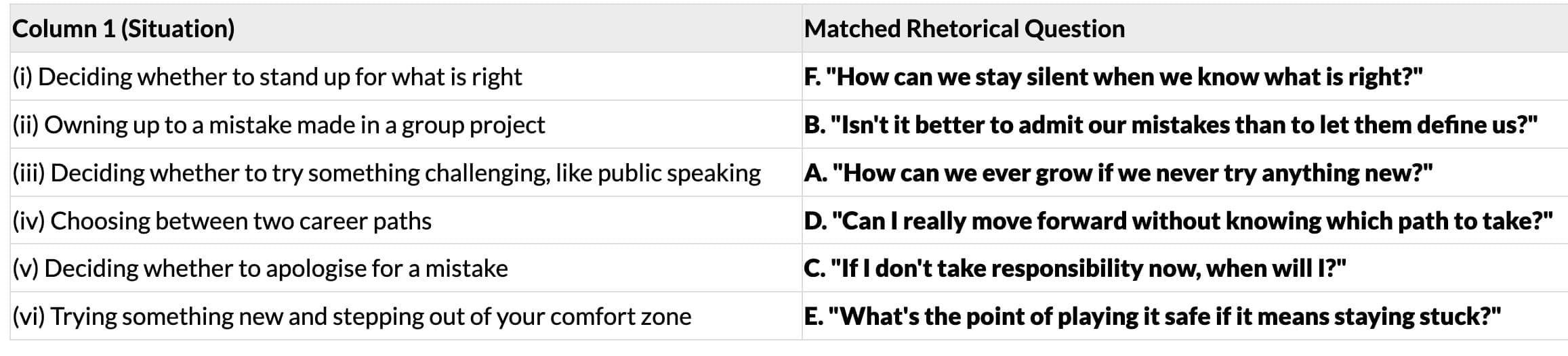
II. Rhetorical Questions
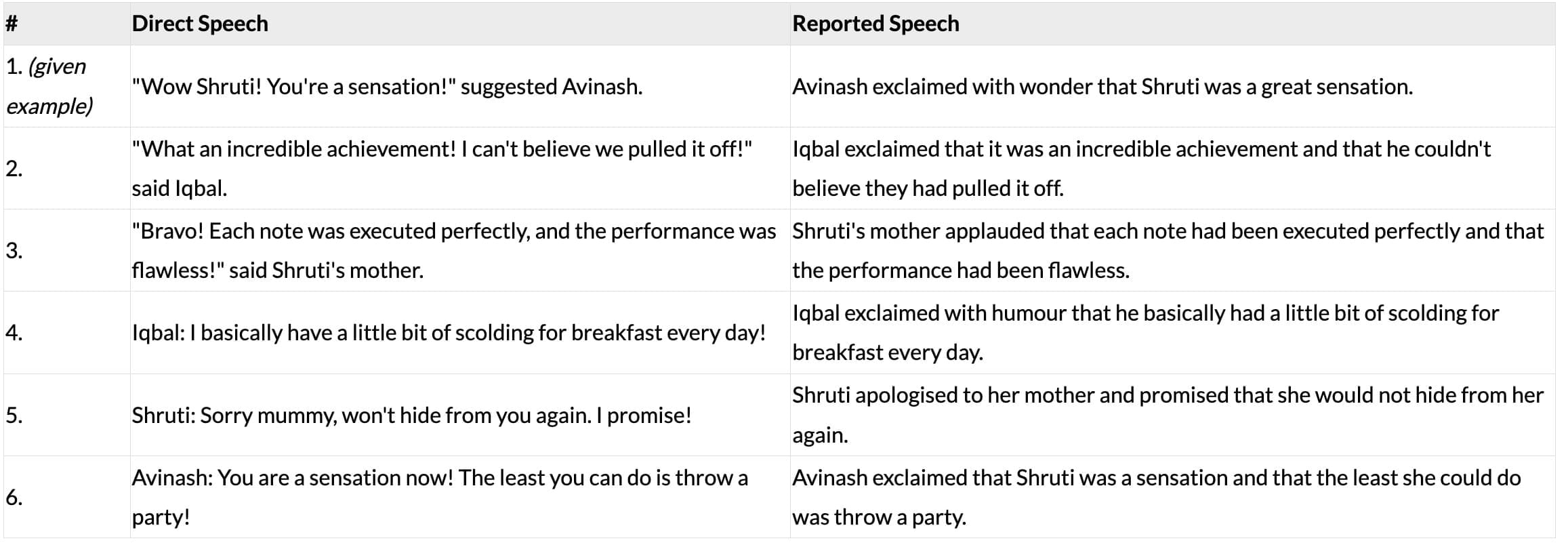
1. Read the following rhetorical questions and state what they intend to achieve. (i) Isn’t it obvious that we must act now? Don’t we all have a responsibility to make a change? (ii) Will we let fear control us, or will we rise above it?
Ans: (i) These questions create a sense of urgency and collective moral responsibility. By framing the need for action as “obvious” and responsibility as shared (“we all”), the speaker makes it difficult to disagree — pushing the audience toward action without giving a logical basis to refuse.
(ii) This question presents a binary choice — fear or courage — framing courage as the clearly superior option. It involves the audience emotionally, making them feel they must personally decide. It also implies confidence that the audience is capable of rising above fear — simultaneously a challenge and an affirmation.
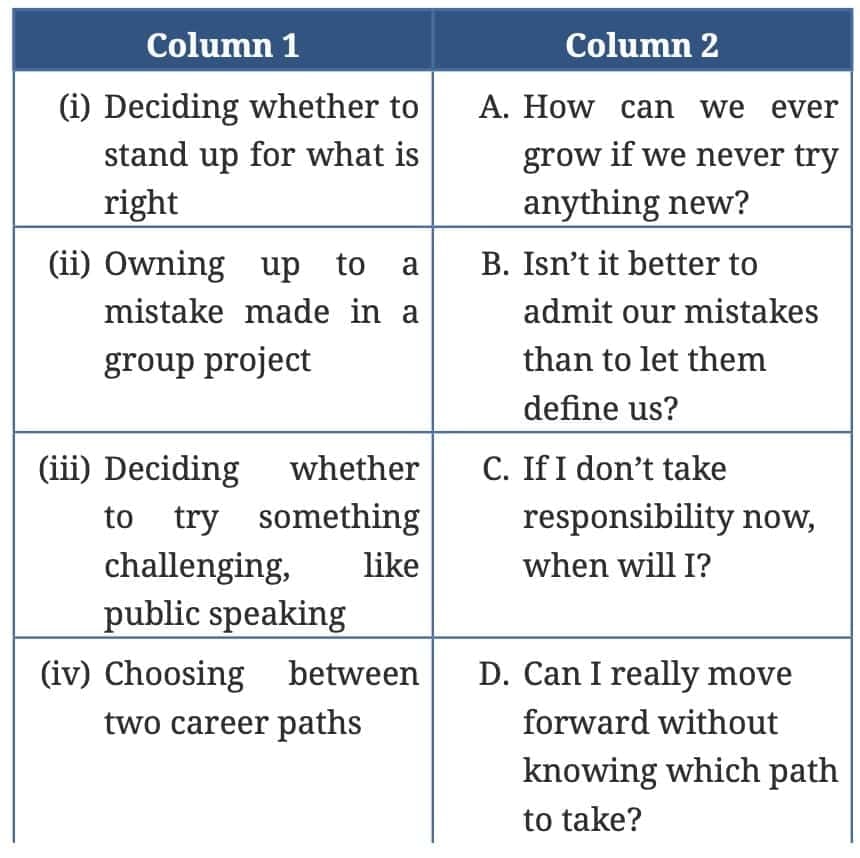
2. Match the situations in Column 1 to the rhetorical questions in Column 2.
Speaking Activity
I. Work in pairs. For each saying/proverb, explain its meaning, describe a situation, and present a role play.
Proverb 1: “Don’t judge a book by its cover.”
Meaning: Do not form an opinion about a person, thing, or situation based only on their outward appearance. What is inside — their character, skills, or true nature — may be very different from what is visible at first.
Situation: A new student joins the class wearing simple, unfashionable clothes and speaking very softly. Some classmates assume she is boring or unintelligent. Later, she turns out to be the most creative student in the class, winning the inter-school art competition.
Sample Role-play Dialogue: Student A (judgmental): “Did you see the new girl? She barely said a word during introduction. I don’t think she’ll be interesting to talk to.” Student B (open-minded): “Really? I sat next to her in art class, and her sketchbook is incredible. She’s been painting for five years.” Student A: “Seriously? I had no idea. I shouldn’t have assumed.” Student B: “Exactly — don’t judge a book by its cover. The most interesting people are often the quietest ones.”
Conclusion: This proverb teaches us the importance of reserving judgement until we truly get to know a person. First impressions, based on appearance or behaviour, can be very misleading.
Proverb 2: “Actions speak louder than words.”
Meaning: What a person actually does is far more meaningful and trustworthy than what they say they will do. Promises and intentions carry little weight without the follow-through of action.
Situation: Two students both say they want to improve their science grades before the annual exams. One talks about it constantly but continues to play games on his phone. The other quietly revises every evening, takes extra notes, and seeks help from the teacher.
Sample Role-play Dialogue: Student A (talks, no action): “I’m going to study science every day from now. I’m definitely getting above 90% this time.” Student B (takes action): “Same here. I’ve already finished two chapters and I’m attending the extra class on Saturdays.” Student A: “Oh wow, you started already? I’ve been meaning to…” Student B: “It’s not about meaning to. Actions speak louder than words — you have to actually do it.”
Conclusion: This proverb reminds us that effort and consistency are what truly count. Speaking about improvement without backing it with action is meaningless.
Proverb 3: “When the going gets tough, the tough get going.”
Meaning: When a situation becomes difficult or challenging, strong, resilient people do not give up — they rise to the occasion and push harder.
Situation: Two students are working on a science project with a very tight deadline. Halfway through, their data gets accidentally deleted and they must redo two days of work.
Sample Role-play Dialogue: Student A (wants to give up): “This is hopeless. We’ve lost everything. I think we should just submit what we have and accept a bad grade.” Student B (perseveres): “No way. We still have two days. We know exactly what we did — we can redo it even better this time.” Student A: “But it’ll take all night!” Student B: “Then we stay all night. When the going gets tough, the tough get going. We didn’t work this hard to quit at the last hurdle.” [They redo the project and submit on time, earning an excellent grade.]
Conclusion: This proverb teaches that resilience — the ability to keep going when things get difficult — is the quality that separates those who succeed from those who don’t. Challenges are not signals to stop; they are invitations to push harder.
Writing Task
I. Draft a speech on ‘Turning Challenges into Opportunities’ for the morning assembly.
Speech: Turning Challenges into Opportunities
Opening: Good morning, Respected Principal, teachers, and my dear schoolmates,
I am [Your Name], a student of Class IX. I would like to begin with a thought that has always inspired me: “Challenges are what make life interesting; overcoming them is what makes life meaningful.” Today, I have the honour of speaking to you on the topic — Turning Challenges into Opportunities. I believe this is not merely a topic for a school assembly — it is a life skill, a mindset, and a choice that each one of us must make every single day.
Body — Paragraph 1: The Nature of Challenges We have all, at some point, stood at the base of something that seemed impossible. A difficult exam, a new school, a public performance, a family difficulty — something that made us want to step back rather than step up. Don’t you agree that fear of failure often stops us before we even begin? Research tells us that most people regret the things they never tried far more than the things they tried and failed at. This is because every challenge, when faced, teaches us something — about the subject, about others, and most importantly, about ourselves. Dr. B. R. Ambedkar faced crippling discrimination and poverty, yet he chose to see every obstacle as a reason to study harder, argue more powerfully, and fight more fiercely for justice. His challenges became the foundation of his greatness — isn’t that remarkable?
Body — Paragraph 2: How Challenges Become Opportunities In addition to building character, challenges open doors we never expected. When Dr. A. P. J. Abdul Kalam’s family could not fully support his education, he took up a job delivering newspapers before school. That “challenge” gave him discipline, a sense of independence, and the understanding of hard work that would define his entire career as a scientist and statesman. Consequently, what looked like a setback became a launchpad. For instance, many of India’s greatest innovators and entrepreneurs began their journeys in the face of rejection, failure, and resource constraints. They did not wait for perfect conditions — they worked with what they had. Finally, it is this willingness to keep moving forward, to “step up to the challenge,” as the poet Robert Langley says, that turns difficulty into opportunity.
Conclusion: In conclusion, my dear friends, challenges are not roadblocks — they are stepping stones. They build the skills, determination, and confidence that are essential for success. The next time you face something difficult, I want you to remember that you are not alone in your fear — every person who has ever achieved something great has stood exactly where you are standing. The only difference is that they chose to take the first step anyway. As the poem we studied says, “You just need to believe in yourself / For your future to be on track.” Believe in yourself, step forward with courage, and watch how your greatest challenges transform into your greatest opportunities. Thank you.
I. Read the questions given below and share your answers with your classmates and teacher.
1. What is your dream?
Ans (Sample): My dream is to become a software engineer who develops technology solutions to help rural communities access education and healthcare — bridging the digital divide in India.
2. Who inspires you to dream?
Ans (Sample): I am inspired by Dr. A. P. J. Abdul Kalam, who rose from a humble background to become one of India’s greatest scientists and President. His life proves that vision, dedication, and hard work can overcome any obstacle. My parents and teachers also inspire me daily.
3. What qualities should you have in order to fulfil your dream?
Ans (Sample): Passion, determination, discipline, resilience, patience, willingness to sacrifice short-term comforts, and a support network of mentors, family, and friends who believe in you.
4. Abdul Kalam said, “Dream is not that you see in sleep, dream is something that does not let you sleep.” Discuss.
Ans: A dream you “see in sleep” is a passive, temporary fantasy requiring nothing. A dream that “does not let you sleep” is an active, consuming aspiration — so alive within you that it drives and motivates you, filling your waking hours with purpose and ideas. As Ming’s mother writes, such a dream is “burning in your blood,” and it is this kind of dream that leads to greatness.
II. What role can parents and community play to help children achieve their dreams?
Ans: Parents can: provide emotional encouragement; help assess the child’s strengths; make financial investments in education; share their own life experiences; and offer balanced advice without dampening enthusiasm. Community can: provide mentors and role models; create opportunities through workshops and competitions; build support networks; celebrate achievements to inspire others; and offer scholarships to those who cannot afford to pursue their aspirations.
III. Complete the given web chart. Why is it important to follow a dream?
Ans: It gives life a sense of purpose and direction; motivates hard work and skill development; builds resilience; leads to personal fulfilment; inspires others; and contributes to society through innovation and achievement.
Check Your Understanding
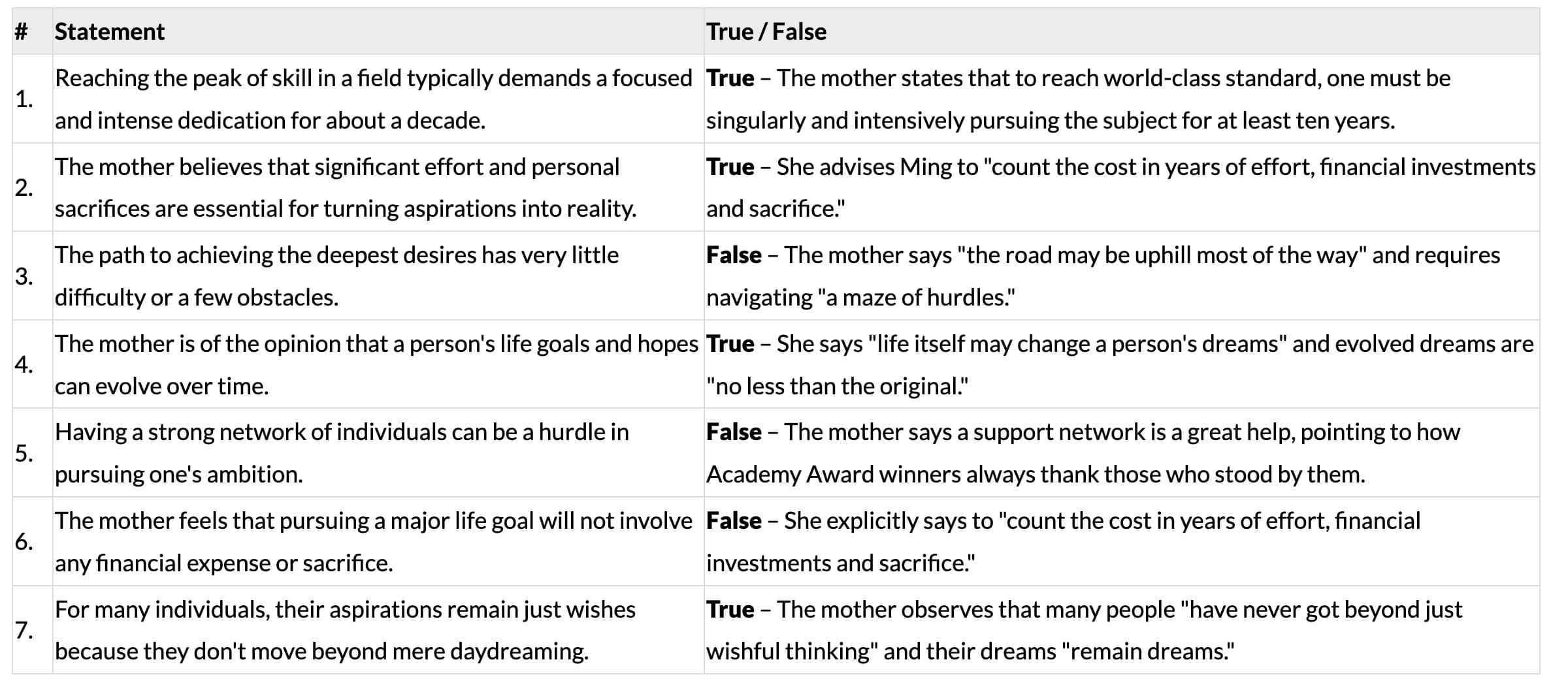
I. State whether the following sentences are true or false.
Critical Reflection
I. Read the extracts given below and answer the questions that follow.Extract 1:
It starts with a passion for a particular interest, then comes the conviction that it is imperative to realise it. Count the cost in years of effort, financial investments and sacrifice. Then if it is still burning in your blood and you are ready to commit yourself to the task, plunge. It could be in any field—sports, science, arts, business, or design. The road may be uphill most of the way and often you are buoyed up only by the knowledge that you are doing what you love best and are doing the right thing. When stamina is running out, the prospect of success will keep you on track.
(i) Complete the analogy with a suitable word from the extract. enthusiasm : passion :: belief : _____________
Ans: enthusiasm : passion :: belief : conviction — just as enthusiasm and passion are synonyms, belief and conviction both denote a firm, deeply held certainty.
(ii) Choose the correct option to complete the following sentence appropriately. The author says that a realistic assessment of effort, investment and sacrifice is crucial for preventing _____________. A. the need for external support network B. an early abandonment of the dream C. initial excitement from fading over time D. others from questioning one’s commitment
Ans: B. an early abandonment of the dream. Counting the cost upfront means a person enters the pursuit with realistic expectations and is not caught off guard by hardships, preventing early abandonment.
(iii) Complete the following with the correct option from those given in brackets. The word ‘plunge’ as used in the extract indicates a _____________ (complete/gradual) involvement in a task.
Ans:complete — “plunge” means to throw oneself fully and immediately into something, suggesting total, wholehearted commitment rather than a slow, tentative approach.
(iv) Complete the sentence with an appropriate reason. The author’s emphasis on ‘when you are doing what you love best and are doing the right thing’ works as a form of intrinsic motivation because _____________.
Ans: …because it comes from within the person rather than from external rewards. The sense of personal fulfilment and alignment with one’s own values sustains effort far more powerfully than external incentives, especially during long periods of difficulty when stamina is low.
(v) Mention one motivating factor besides ‘prospect of success’, that might keep a person on track, despite running out of stamina.
Ans:The support and encouragement of loved ones — knowing that family, mentors, or friends believe in you and have invested in your journey can renew resolve even when personal stamina is exhausted. Another factor could be reconnecting with the original passion — remembering why you started.
Extract 2:
From my own experience, life itself may change a person’s dreams. These hopes and aspirations are no less than the original dream of younger days. To fulfil them you will need to negotiate a path through a maze of hurdles. The dream will take a much longer time to realise, and the people who are participants in your dreamscape would be many more.
(i) Complete the sentence appropriately. The phrase ‘life itself may change a person’s dreams’ suggests that dreams are not static but rather__________. (evolving/dynamic)
Ans:evolving — dreams gradually and naturally change shaped by life’s experiences, responsibilities, and circumstances, as the mother describes with her own dream of publishing a book.
(ii) What does the author mean by, ‘hopes and aspirations are no less than the original dream of younger days’?
Ans: When life causes an original dream to change, the new aspirations are not inferior in value — they carry the same emotional weight, require the same commitment, and are equally worthy of pursuit. A changed dream is not a failed dream; it has simply grown and adapted along with the person.
(iii) Identify the phrase from the extract that indicates a complex and challenging journey.
Ans:“negotiate a path through a maze of hurdles” — a maze is a complex, confusing network of paths where one can easily get lost. Combined with “hurdles” — obstacles to overcome — the phrase vividly captures a journey requiring constant navigation, problem-solving, and persistence.
(iv) Complete the sentence with an appropriate reason. The author says, ‘people who are participants in your dreamscape would be many more’ because _________________.
Ans: …because as time passes and the dream evolves, the journey becomes longer and more complex, requiring greater support from more people — teachers, mentors, colleagues, and family — at different stages. A larger dreamscape naturally has more participants.
(v) What is the tone of the author in this extract? A. appreciative and celebratory B. excited and cheerful C. optimistic and encouraging D. eager and inquisitive
Ans: C. optimistic and encouraging. The mother acknowledges challenges realistically but consistently frames them hopefully — evolved dreams are “no less than the original,” and she ends by wishing Ming’s dream comes true. The tone is one of hope, support, and belief in Ming’s ability to succeed.
II. Answer the following questions.
1. The letter begins thus, ‘By all means follow that dream’. What do you think Ming must have written to her mother about?
Ans: Ming most likely wrote about a particular dream or ambition — perhaps an unconventional career path — sharing her excitement but also uncertainty about its practicality, seeking her mother’s approval or advice before committing. The mother’s enthusiastic endorsement combined with balanced guidance suggests Ming expressed both passion and hesitation about her aspiration.
2. How can one attain an international level of skill in any field? Mention any two ways.
Ans:
Singularly and intensively pursuing the subject for at least ten years — deep, consistent, long-term dedication with great focus on the chosen field.
Starting with passion and backing it with conviction — a burning love for the subject combined with the firm belief that one must realise one’s potential in it, sustaining the years of effort and sacrifice required.
3. What differentiates the mere dreamers from actual achievers?
Ans:
Action vs. wishful thinking: Mere dreamers say “I wish I could” but never move beyond that. Achievers translate desires into concrete plans and actions.
Effort and sacrifice: Achievers count the cost — in years, money, and sacrifice — and willingly pay it. Dreamers are unwilling to make this investment.
Commitment: Achievers “plunge” fully into the task. Dreamers remain on the edge, never diving in.
Perseverance: Achievers are sustained by the prospect of success and love of the work when stamina runs out. Dreamers give up when the going gets hard.
4. How does Ming’s mother use critical questions and personal anecdotes to persuade Ming and convey her message effectively?
Ans: Critical questions: She poses a thought-provoking question — “Do you know that to reach world-class standard in any field, one has to be singularly and intensively pursuing the subject for at least ten years?” — more powerful than a direct statement because it invites Ming to arrive at the conclusion herself.
Personal anecdotes: She shares examples of people whose dreams were shattered by the Japanese invasion, siblings who gave up school to support family, and most personally, her own dream of publishing a book that took ten years and differed from her original aspiration. These ground her advice in lived reality, creating emotional connection and lending authenticity to her counsel.
5. How does Ming’s mother balance encouragement with caution in her advice?
Ans: Encouragement: She opens with “By all means follow that dream,” reminds Ming that great people “pursue their dream till it comes true,” explicitly says she will not “put a wet blanket on your dreams,” and closes by sharing her own excitement about her evolving dream. Caution: She is honest about the costs — years of intensive work, financial sacrifice, and personal dedication. She gives real examples of dreams permanently derailed by circumstances and asks Ming to “count the cost” before committing. This balance treats Ming as an intelligent adult capable of making an informed, passionate, and realistic decision.
6. In the letter, Ming’s mother specifically addresses the challenges people face in pursuing their dreams. Do you think this advice is still relevant in contemporary society? If yes, why? If no, why not?
Ans: Yes, this advice is absolutely relevant today:
The ten-year rule still applies — world-class expertise in any field still requires years of focused dedication. Social media creates the illusion of overnight success, but sustained effort remains essential.
Wishful thinking is still common — in today’s age of instant gratification, many young people dream big but are unwilling to invest sustained effort.
Circumstances still derail dreams — financial constraints, family obligations, economic uncertainty, and social pressures still prevent people from pursuing ambitions.
Support networks remain essential — mentors and communities are still vital to success.
Dreams still evolve — the reassurance that evolved dreams are equally valid is as comforting today as it was in 1995.
7. What ‘costs’ in terms of effort, sacrifice, and time are you willing or unwilling to invest to pursue your goals?
Ans (Sample): Willing: Daily study and practice; forgoing short-term entertainment; facing failure without giving up; seeking and learning from criticism. Difficult to accept: Sacrificing time with family and friends during intense preparation; financial burden on family for quality education. However, as the mother says, if the conviction is still burning after considering all these costs, one must go ahead and pursue the dream.
Vocabulary and Structures in Context
I. Find the meanings of the ‘-scape’ compound words and fill in the blanks in the dialogue.
1. Fill in the blanks in the dialogue between Sneha and Kiran.
Ans: Sneha: Your Goa pictures were beautiful! That (i) seascape was dreamy. Kiran: Thanks! It was way better than our usual (ii) cityscape, so peaceful. Sneha: I get that. But sometimes the city lights have their own charm. Kiran: True, but I’m craving a quiet (iii) landscape. Forests, hills — something real. Sneha: Yes, nature clears the (iv) mindscape, doesn’t it?
II. Read each sentence carefully and choose the best meaning for the underlined expression. Then, use that expression in a sentence of your own.
1. She had a dream that seemed to burn in her blood, and she wasn’t going to give up on it easily. (i) make her angry (ii) have a passionate desire (iii) cause physical pain (iv) become violent
Ans: (ii) have a passionate desire.Own sentence: The desire to serve the nation has always burned in his blood, ever since he watched soldiers march past his school as a child.
2. Preparing for the final exam without proper notes felt like an uphill task. (i) a tough challenge (ii) a slow progress (iii) a hard routine (iv) a difficult choice
Ans: (i) a tough challenge.Own sentence: Convincing the entire committee to approve the new policy proved to be an uphill task, but she persisted and eventually succeeded.
3. The team was buoyed up by their recent victory and felt confident about the next game. (i) energised by success (ii) encouraged by the result (iii) motivated to improve (iv) lifted in spirit
Ans: (iv) lifted in spirit.Own sentence: The standing ovation buoyed her up, giving her the confidence to pursue her dream of becoming a professional dancer.
4. He thought he could ace the exam without studying, but that was just wishful thinking. (i) a clever shortcut but no real effort (ii) a confident guess lacking knowledge (iii) a hopeful belief but unlikely to be true (iv) a strong desire based on facts
Ans: (iii) a hopeful belief but unlikely to be true.Own sentence: Thinking that years of training can be replaced by talent alone is just wishful thinking — consistent practice is irreplaceable.
5. Don’t be a wet blanket — we’re trying to have fun! (i) spoil-sport (ii) latecomer (iii) rule-breaker (iv) daydreamer
Ans: (i) spoil-sport.Own sentence: She was so excited about the science fair project, but her partner’s constant doubts made him a real wet blanket.
6. Excitement was coursing through her veins as she stepped onto the stage for the first time. (i) hiding deep inside (ii) flowing through her body (iii) lingering in her thoughts (iv) causing numbness
Ans: (ii) flowing through her body.Own sentence: When the results were announced and he heard his name, joy was coursing through his veins as he rushed to collect the award.
III. First Conditional with Imperative – Complete the sentences using your own words (imperatives).
Ans:
If the idea excites you, pursue it with all your heart and start planning today.
If you hear strange noises, stay calm, switch on the lights, and alert an adult immediately.
If this seems too hard, break it into smaller steps and take it one day at a time.
If you care about the issue, speak up, take action, and inspire others to do the same.
If you finish early, use the extra time to revise, help a classmate, or explore something new.
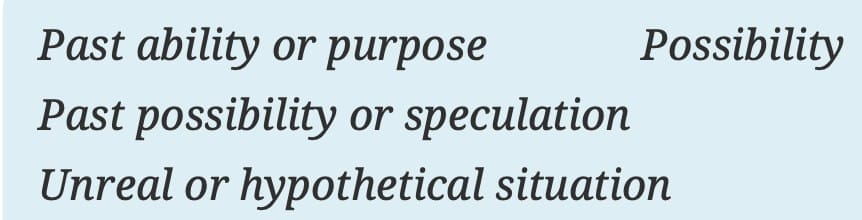
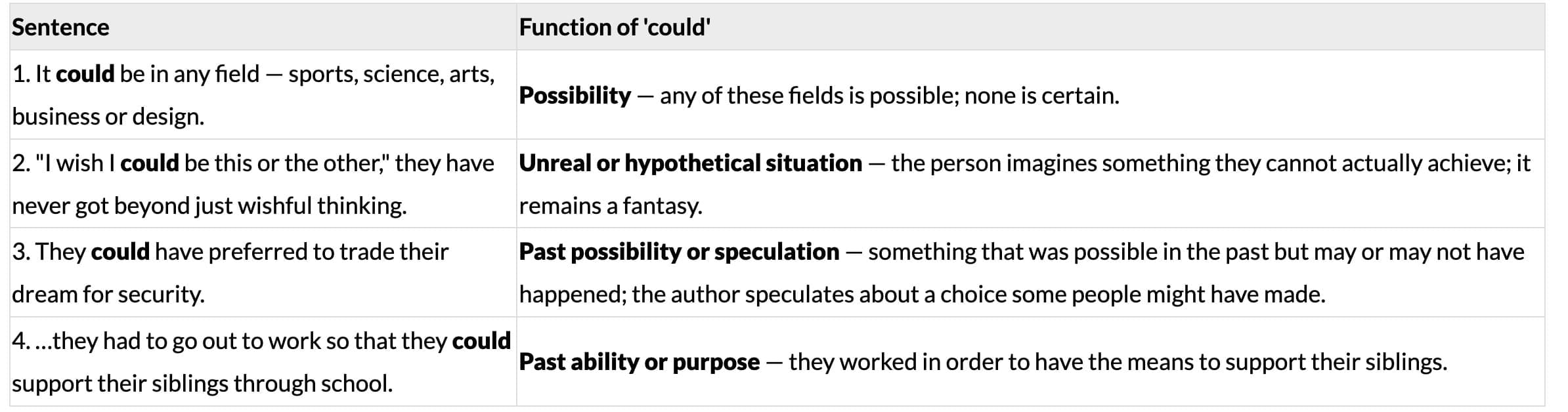
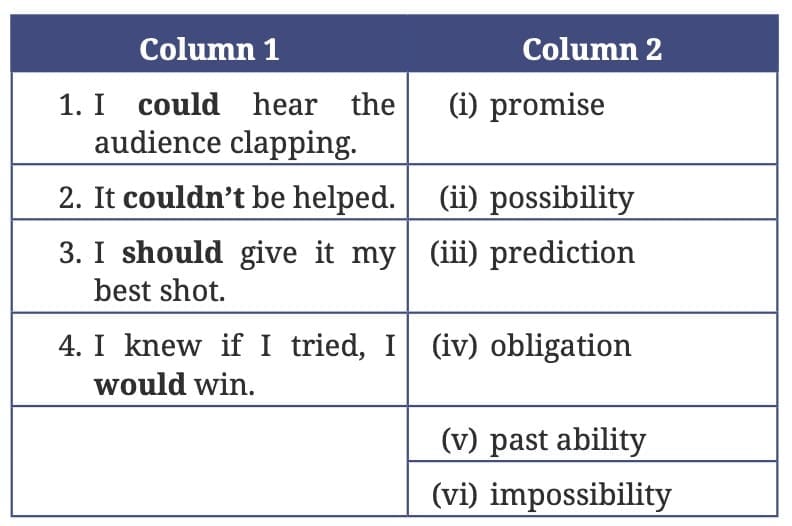
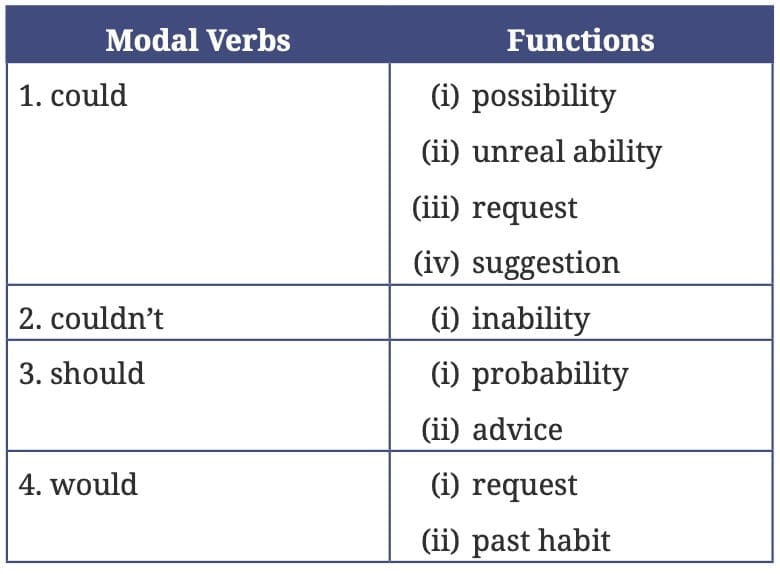
IV. Analyse the usage of ‘could’ and match the sentences with their functions.
V. Complete the following sentences using ‘could’ with the functions mentioned within brackets.
I wish __________ without worrying about money. (unreal or hypothetical)
They __________ the shorter route, but they didn’t know about it. (past possibility or speculative)
When I was younger, I __________ without stopping. (past ability)
She __________ the library right now—she had mentioned it. (possibility)
__________ repeat the question? I didn’t hear it clearly. (formal/polite request)
Ans:
I wish I could travel the world without worrying about money.
They could have taken the shorter route, but they didn’t know about it.
When I was younger, I could run for hours without stopping.
She could be at the library right now — she had mentioned it.
Could you repeat the question? I didn’t hear it clearly.
VI. Fill in the blanks with suitable grammatical forms of the words given in brackets.
Ans: Experiential learning is an approach to education that focuses on learning through experience, action and reflection. It 1. helps (help) students gain practical knowledge and develop real-world skills. Traditionally, students 2. learned / learnt (learn) by listening to lectures and memorising facts, but experiential learning has changed this process.
In an experiential setting, students 3. work (work) on projects, solve problems, and take part in activities that reflect real-life challenges. They 4. apply (apply) what they have learned in class to new and unfamiliar situations. For example, a student studying science 5. conducts (conduct) experiments to test a theory, while a business student 6. analyses (analyse) a case study to understand market trends.
Reflection is key to this process. After completing a task, learners 7. must reflect (must/reflect) on what went well and what could be improved. This reflection 8. helps (help) them build a deeper understanding of the topic.
Educators believe that experiential learning 9. is (be) more effective than passive learning methods because it is engaging and meaningful. In the future, more schools and universities 10. will incorporate (incorporate) experiential learning into their curriculum to prepare students for the real world.
Speaking Activity
I. Work in groups of four. Each member takes one role. Use the sentence prompts to present your role play. (Sample: Dream — becoming a trekking guide)
Role 1 — The Dreamer (wants to be a trekking guide)
Dreamer: “I know this might sound challenging, but I have always felt most alive in the mountains. Ever since I was a child, I’ve dreamed of guiding people through nature, helping them discover what I discovered — that the wilderness teaches you things no classroom can. I understand it’s not a usual path, but I believe there is a growing demand for certified trekking guides and eco-tourism professionals. It’s an uphill journey — quite literally — but I’m ready for it because I have been training for two years, I know the terrain, and I love every aspect of it.”
Role 2 — A Parent (worried about financial stability)
Parent: “I know you’re passionate, but I worry about your financial future. I only want what’s best for you, and I’m not sure trekking can give you a stable income. You can always pursue your dream later — perhaps after completing a degree that gives you something to fall back on. What if it doesn’t work out? What will you do then? The mountains will still be there after your education.”
Role 3 — A Mentor or Teacher (offers balanced advice)
Mentor: “Remember, dreams need planning. Let’s look at the long-term view — eco-tourism and adventure sports are genuinely growing fields in India. There are ways to combine your dream and a stable livelihood: you could pursue a certification in adventure tourism, which many reputed institutes offer. Are you ready to make that commitment and build your skills systematically? Because if yes, I think this dream has real potential.”
Role 4 — A Friend / Sibling (supportive voice)
Friend: “You’ve always been good at navigation, first aid, and connecting with people — don’t give up now. I don’t want to be a wet blanket, but what’s your backup plan if things are slow initially? If anyone can do this, it’s you, so maybe start by doing weekend treks and building a reputation and client base while you’re still studying. If this dream makes you happy and you’re working seriously toward it, then it’s worth every effort.”
Writing Task
I. Write an email to the Director of a reputed design institute enquiring about a summer workshop and expressing your interest in joining it.
From: priya.sharma.student@gmail.com To: director@designinstitute.edu.in Cc: admissions@designinstitute.edu.in Bcc: (left blank) Date: 18 March 2026 Subject: Enquiry Regarding Summer Workshop on Designing – Expression of Interest
Message:
Respected Director,
I am writing to you with great interest regarding the Summer Workshop on Designing that I came across on your institute’s official website. I am Priya Sharma, a student of Class IX at Government Senior Secondary School, Sector 21, Chandigarh. I have a deep passion for visual design and creative arts, and I aspire to pursue a professional course in designing in the future.
I would be grateful if you could provide me with the following details about the workshop:
1. The exact dates and duration of the summer workshop. 2. The topics and modules that will be covered during the programme. 3. The eligibility criteria and any prerequisites for participation. 4. The registration process, fees, and payment details. 5. Whether any certificate or portfolio guidance will be provided upon completion.
I am sincerely interested in joining this workshop as it aligns perfectly with my academic interests and future career goals. I believe the opportunity to learn from experienced professionals at your esteemed institute would be an invaluable experience for me.
I would appreciate an early response at your earliest convenience. Please feel free to reach me at the contact details provided below.
Thanking you in anticipation of your kind reply.
Yours sincerely, Priya Sharma Student, Class IX Government Senior Secondary School, Sector 21, Chandigarh – 160022 Mobile: 98XXXXXXXX Email: priya.sharma.student@gmail.com
I. Why are words important? Can we communicate without words? How? Share your answers with your classmates and teacher.
Ans: Why words are important: Words are the primary medium of human communication — they allow us to express thoughts, feelings, and ideas with precision, build relationships, preserve culture, and inspire others.
Can we communicate without words? Yes — through body language, facial expressions, eye contact, touch, sign language, art, music, and in modern times, emojis and symbols. Non-verbal communication is often more honest than words.
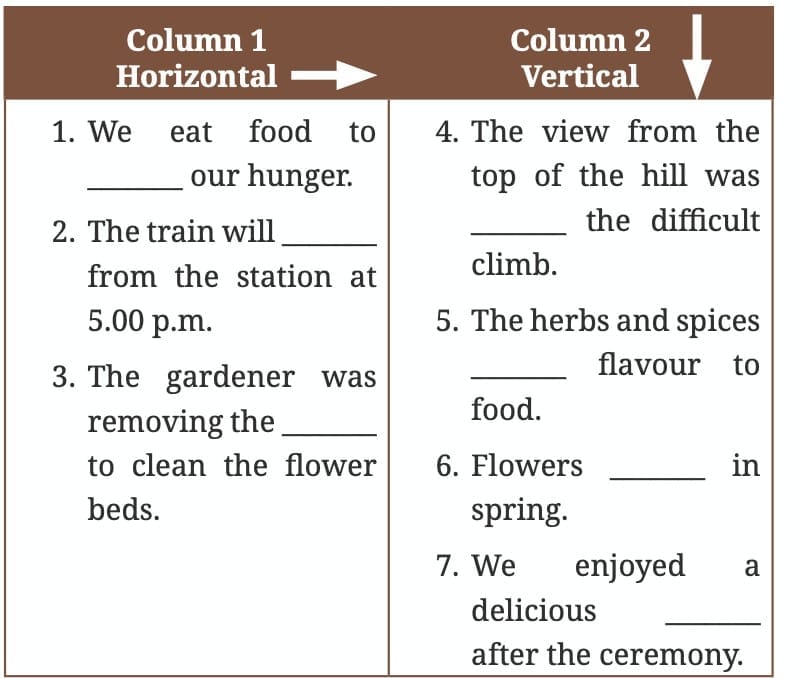
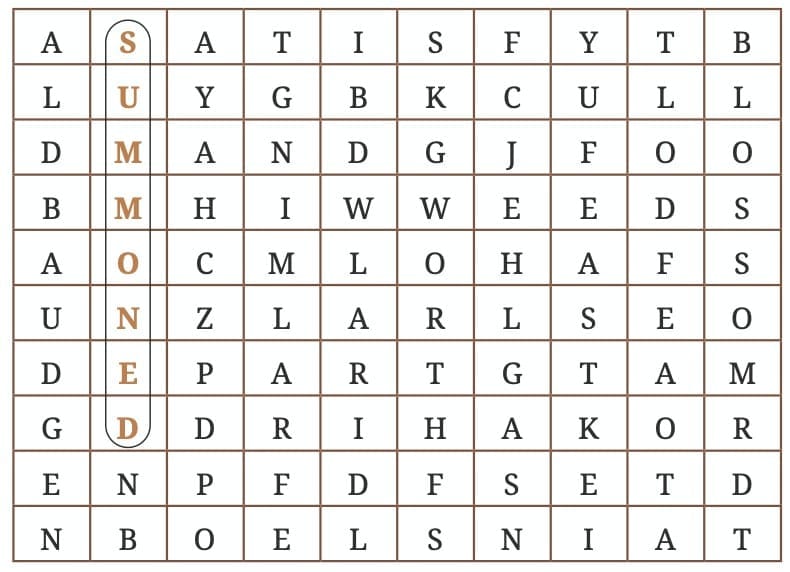
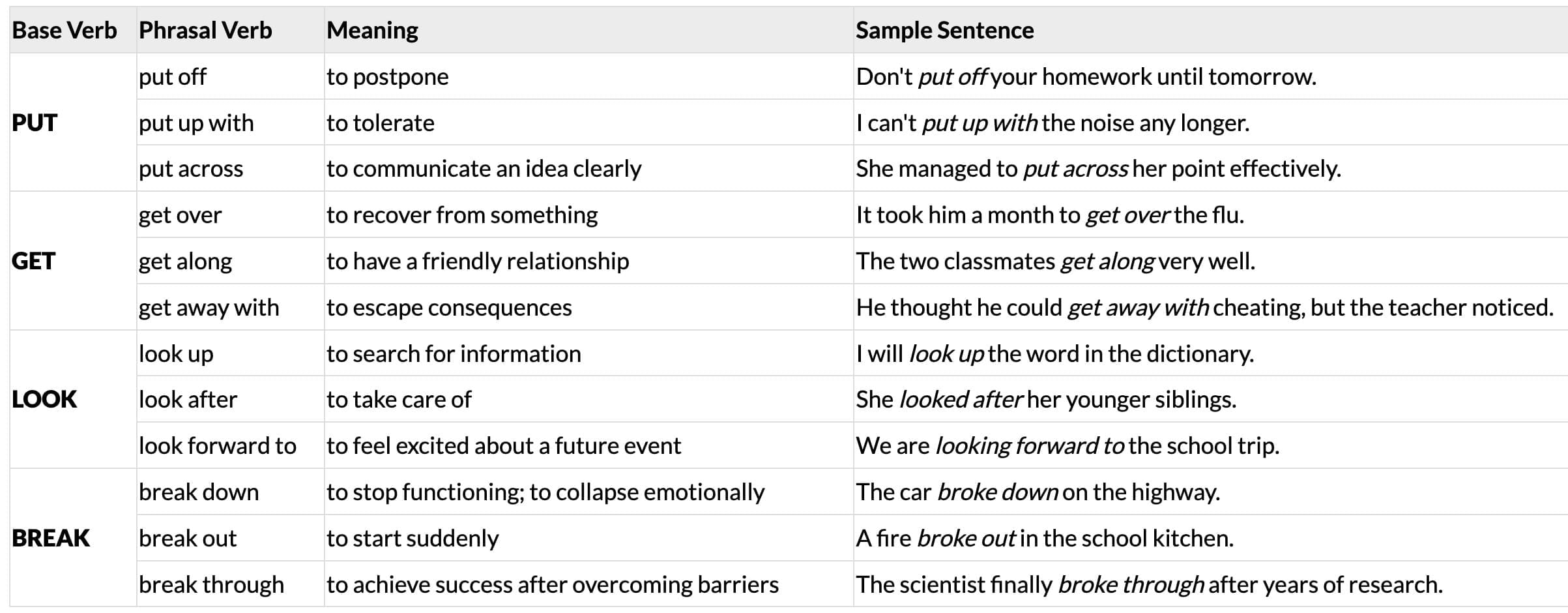
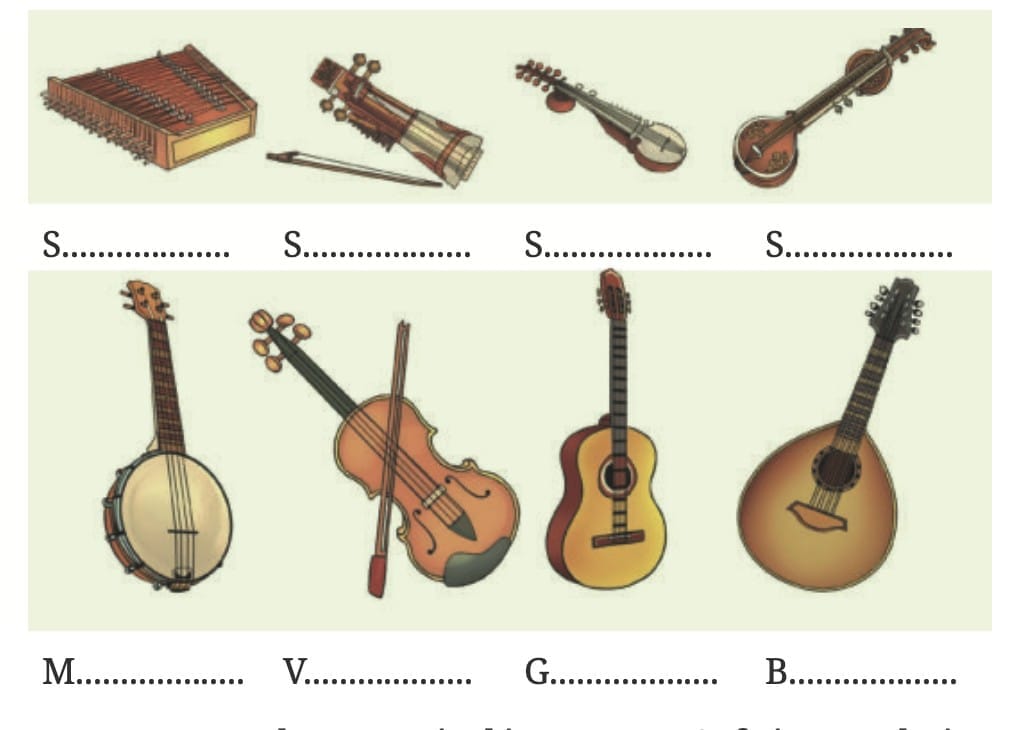
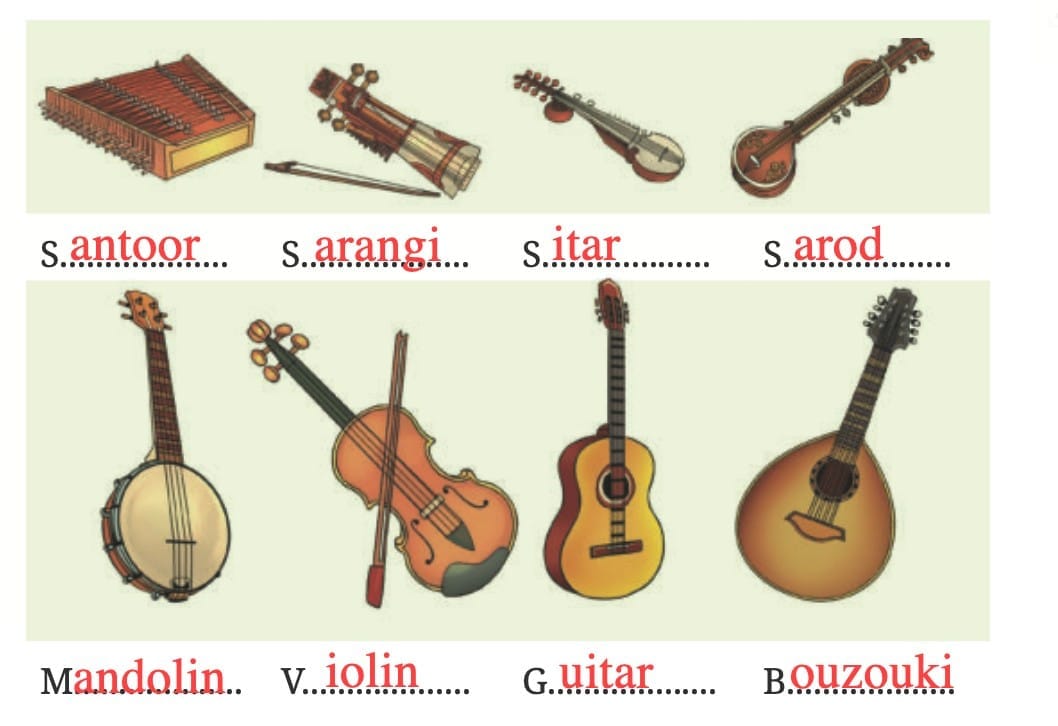
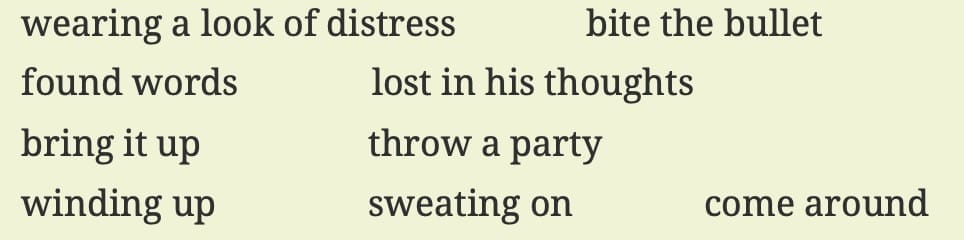
II. Use the given sentences as clues to find words from the grid and fill the blanks.
Example given: My mother summoned me to introduce her friends.
Ans: Column 1 – Horizontal:
We eat food to satisfy our hunger.
The train will depart from the station at 5.00 p.m.
The gardener was removing the weeds to clean the flower beds.
Column 2 – Vertical:
The view from the top of the hill was worth the difficult climb.
The herbs and spices add flavour to food.
Flowers blossom in spring.
We enjoyed a delicious feast after the ceremony.
Check Your Understanding
I. Fill in the blanks with one word from the poem. One example has been done for you.
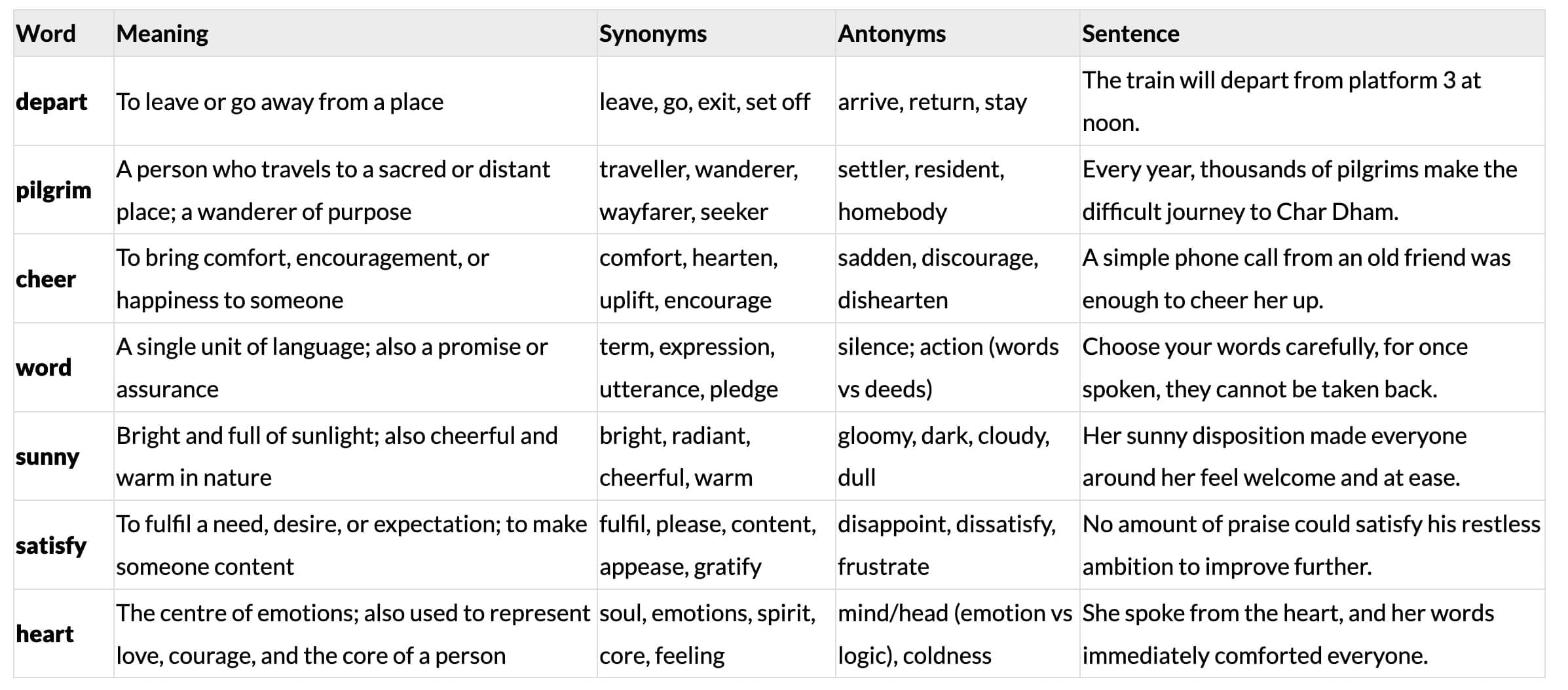
Ans: In this poem, the poet reflects that words fail to truly satisfy what the heart wants to convey. Words are compared to summer birds who 1. depart, leaving nothing behind. The heart is equated to a 2. pilgrim who finds that words are as worthless as 3. weeds when needed. He feels that a few sincere words can bring more 4. joy than many meaningless ones. He adds that a voice that brings happiness to a 5. lonely place does not say much, but the few words it does, are very precious. Moreover, if words could satisfy us, the 6. world would celebrate but words often fail to do that. The poem ends on the note that empty words may look impressive with lots of flowers, but they cannot produce anything valuable, like a 7. fruit.
II. Let us appreciate the poem.
1. Read the poem again. Find any four sets of rhyming words and also write the rhyme scheme of the poem.
Ans: Four sets of rhyming words: heart/depart, care/air, earth/worth, needs/weeds, said/head, way/say, cheer/dear, impart/heart.
Rhyme scheme: ABAB — the first and third lines rhyme (A), and the second and fourth lines rhyme (B). Example: “If words could satisfy the heart” (A) / “The heart might find less care” (B) / “But words, like summer birds, depart” (A) / “And leave but empty air” (B).
2. Read the following phrases and sentences taken from the poem. Identify the poetic device in each of them and explain what the poet wants to communicate through their usage.
(i) But words, like summer birds, depart…
Ans: Simile. Words are compared to migratory summer birds using “like” — temporary and fleeting. Just as birds fly away leaving nothing, words are spoken and vanish, leaving no lasting impact on the heart.
(ii) heart, a pilgrim upon earth…
Ans: Metaphor. The heart is directly called a pilgrim — always journeying in search of meaningful communication and true emotional connection, but frequently finding that words fail to satisfy its quest.
(iii) words are of as little worth / As just so many weeds
Ans: Simile. Words are compared to weeds — plentiful but useless. Hollow words are like weeds that clutter communication without adding real emotional value or comfort.
(iv) If words could satisfy the chest… Oft satisfy the least!
Ans: Irony / Paradox. Words promise to satisfy but in practice satisfy the least — the contrast between hopeful potential and ironic failure highlights the gap between what words could do and what they actually deliver in moments of need.
(v) The world might hold a feast…
Ans: Hyperbole / Metaphor. An exaggerated and metaphorical expression of universal celebration — if words truly satisfied human emotion, the resulting happiness would be so immense it would be like the entire world feasting together.
(vi) Like plants that make a gaudy show / All blossom to the root
Ans: Simile. Empty, showy words are compared to plants covered in blossoms — impressive on the outside but setting up a contrast with the next line to show they lack substance underneath.
(vii) But whose poor nature cannot grow / One particle of fruit!
Ans: Metaphor / Symbolism. “Fruit” symbolises substance, meaning, and real outcome. Just as a fruitless plant is ultimately useless despite its blossoms, hollow words — however decorative — produce no real result.
3. Which words are repeated in the poem? Why does the poet use repetition?
Ans: Repeated words: “words” (almost every stanza — the central subject), “heart” (satisfy the heart, never touch the heart), “satisfy” (stanzas 1, 5, and 6).
Purpose of repetition: Keeping “words” at the forefront maintains the poem’s focus. Repeating “satisfy” underscores the central irony — words promise satisfaction but rarely deliver it. Repetition creates a rhythmic insistence that mirrors the poem’s frustrated, reflective tone and drives home the message that fewer, sincere words are far more powerful than many hollow ones.
4. The stanzas 4, 5, and 6 end with exclamation marks. Choose the option that displays the emotions being expressed through them. (i) 4. disillusionment 5. admiration and 6. frustration (ii) 4. frustration 5. admiration and 6. disillusionment (iii) 4. admiration 5. frustration and 6. disillusionment (iv) 4. frustration 5. disillusionment and 6. admiration
Ans: (iii) — but best answer is (ii):
Stanza 4 (“But, oh! those few, how dear!”) — admiration for the precious few sincere words that truly touch the heart.
Stanza 5 (“Oft satisfy the least!”) — frustration at hollow words failing to deliver what they promise.
Stanza 6 (“One particle of fruit!”) — disillusionment at the fruitless, showy nature of empty words.
III. Identify examples of hyperbole from the given lines
If words could satisfy the chest, / The world might hold a feast.
Ans:“The world might hold a feast” is the hyperbole — a deliberate exaggeration suggesting that if words truly fulfilled every emotional longing, the resulting happiness would be like the entire world celebrating at a grand feast.
Work in pairs. Complete the sentences given below with hyperboles. Use the hints given in the brackets.
Ans:
I have tonnes of things to do this weekend.
The player missed the basket by a mile.
My mother is so tired that she can sleep for a decade.
I will be back in two seconds.
IV. Rhythm and stressed syllables – underline the stressed syllables in all lines of the poem.
Ans — GUIDED STRESS PATTERN (Iambic pattern): Stanza 1: If words could sa-tis-fy the heart, / The heart might find less care; / But words, like sum-mer birds, de-part, / And leave but emp-ty air. Stanza 2: The heart, a pil-grim up-on earth, / Finds of-ten, when it needs, / That words are of as lit-tle worth / As just so ma-ny weeds. Stanza 3: A lit-tle said, and tru-ly said, / Can deep-er joy im-part / Than hosts of words, which reach the head, / But nev-er touch the heart. Stanza 4: The voice that wins its sun-ny way, / A lone-ly home to cheer, / Hath oft the few-est words to say; / But, oh! those few, how dear! Stanza 5: If words could sa-tis-fy the chest, / The world might hold a feast; / But words, when sum-moned to the test, / Oft sa-tis-fy the least! Stanza 6: Like plants that make a gau-dy show, / All blos-som to the root; / But whose poor na-ture can-not grow, / One par-ti-cle of fruit!
Critical Reflection
I. Read the following lines and answer the questions.Extract 1: “The heart, a pilgrim upon earth, Finds often, when it needs, That words are of as little worth As just so many weeds.”
(i) Why has the poet referred to the heart as ‘a pilgrim’?
Ans: A pilgrim is a traveller journeying in search of something deeply meaningful. Similarly, the heart is always seeking true emotional connection and comfort. Like a pilgrim who often finds the destination difficult to reach, the heart frequently finds that words fail to provide the genuine satisfaction it seeks.
(ii) When would a heart ‘need’ words?
Ans: A heart needs words in moments of emotional vulnerability — grief, loneliness, pain, or longing for comfort and reassurance. These are the moments when someone seeks consolation, encouragement, or genuine connection — and also, ironically, when the poet observes that words most frequently fail.
(iii) Complete the sentence with an appropriate reason. The words are like weeds because __________.
Ans: …they are plentiful and grow abundantly, yet have no real value — just like weeds that occupy space without contributing anything meaningful. Empty, hollow words clutter communication without providing real emotional nourishment to the heart that needs them.
(iv) Mention two emotions the heart might be experiencing when it finds words to be of ‘little worth’.
Ans:
Disappointment — the heart hoped words would offer comfort or understanding but they have failed to do so.
Loneliness — despite hearing many words, the heart feels unheard and isolated because none of them connected with its deeper need for genuine emotional understanding.
(v) What do these lines suggest about the nature of communication?
Ans: These lines suggest that true communication is not about the quantity of words but their sincerity and depth — words must reach the heart, not merely the head. Many words can be spoken without real meaning, leaving the listener empty and unsatisfied. Genuine communication requires intent, feeling, and authenticity.
Extract 2: “If words could satisfy the chest, The world might hold a feast; But words, when summoned to the test, Oft satisfy the least!”
(i) How can words ‘satisfy the chest’?
Ans: “Satisfy the chest” refers to inner emotional fulfilment. Words satisfy the chest when they are sincere and heartfelt — comforting words during grief, genuine encouragement, or a true expression of love provide deep emotional satisfaction. The poet suggests that if words could consistently achieve this, the effect would bring universal happiness.
(ii) How can words be ‘summoned to the test’?
Ans: Words are summoned to the test when they are required in moments of genuine emotional need — grief, reconciliation, encouragement, or courage in speaking a difficult truth. In such critical moments, words are called upon to prove their worth — and the poet observes these are precisely the moments they most often fail.
(iii) What does ‘the world’ holding ‘a feast’ imply?
Ans: It is a hyperbolic and metaphorical expression implying universal celebration. If words could truly fulfil every human emotional longing, the resulting happiness would be so immense it would be like the entire world celebrating at a grand feast — the poet’s way of imagining an idealistic world where words have their full hoped-for power.
(iv) Complete the sentence with an appropriate reason. The poet mentions that words satisfy the least because __________.
Ans: …they are often hollow, excessive, and insincere — spoken out of habit rather than genuine feeling. When put to the test of comforting a lonely heart or healing a wounded spirit, most words fall short, and their apparent abundance only masks their inner emptiness.
(v) Select the word that does not mean the same as ‘oft’. A. always B. usually C. frequently D. often
Ans: A. always. ‘Oft’ means frequently — something that happens many times but not necessarily every time. ‘Always’ means at all times without exception, which is a stronger and different meaning.
II. Answer the following questions.
1. What is the comparison that the poet draws between words and ’empty air’?
Ans: The poet compares words to summer birds that depart and “leave but empty air.” Just as migratory birds fill the world briefly and fly away leaving only empty skies, words are spoken and vanish, leaving no lasting warmth or comfort. The phrase “empty air” captures the emotional disappointment that follows when words fail to truly connect.
2. According to the poet, meaningful words are more precious than a lot of them. Explain.
Ans: The poet states: “A little said, and truly said, / Can deeper joy impart / Than hosts of words, which reach the head, / But never touch the heart.” A few genuinely felt words carry more emotional power than a flood of hollow ones. In Stanza 4, a voice that cheers a lonely home does so with the fewest words — and those few are “immeasurably dear.” The poet’s argument is one of quality over quantity: it is not how much we say but how sincerely we say it. Many hollow words are like gaudy, fruitless plants — impressive but producing nothing of real worth.
3. Do you agree that the poet presents contrasting ideas related to ‘words’ in the poem? If yes, why? If no, why not?
Ans: Yes. The central contrast is between the potential of words and their actual performance — words could satisfy the heart and bring universal celebration, but in reality they depart like summer birds and prove as worthless as weeds. Another contrast is between quantity and quality: “hosts of words” reach only the head, while a few sincere words touch the heart. These contrasts between appearance (gaudy blossoms) and substance (no fruit) drive home the poem’s central message.
4. The theme of loneliness hovers over the poem. Support this statement with examples from the text.
Ans:
“The heart, a pilgrim upon earth” — a solitary traveller on a journey, seeking connection but finding it elusive.
“A lonely home to cheer” (Stanza 4) — the most direct reference; a voice bringing warmth to a lonely, isolated home.
“Words are of as little worth / As just so many weeds” — when a lonely heart finds words offer no comfort, its loneliness deepens.
The poem’s overall quiet, reflective, disappointed mood conveys emotional isolation — as if the poet speaks from personal experience of longing for words that truly connect.
5. How does the poet convey the superficial nature of words? What ought to be done to address this?
Ans: How the poet conveys superficiality:
Words as summer birds — fleeting, insubstantial, leaving nothing behind.
Words as weeds — plentiful but providing no real nourishment.
“Hosts of words, which reach the head, / But never touch the heart” — the most direct statement of superficiality.
Words as gaudy, fruitless plants — impressive outwardly but producing nothing of value.
The irony of words satisfying “the least” when tested.
What ought to be done: The poet’s solution lies in contrast — the voice that cheers a lonely home does so with the fewest words, but those few are deeply sincere. The remedy is to speak less and mean more: choose words carefully, speak from the heart rather than the head, and ensure every word carries genuine emotion and intent.
Vocabulary in Context
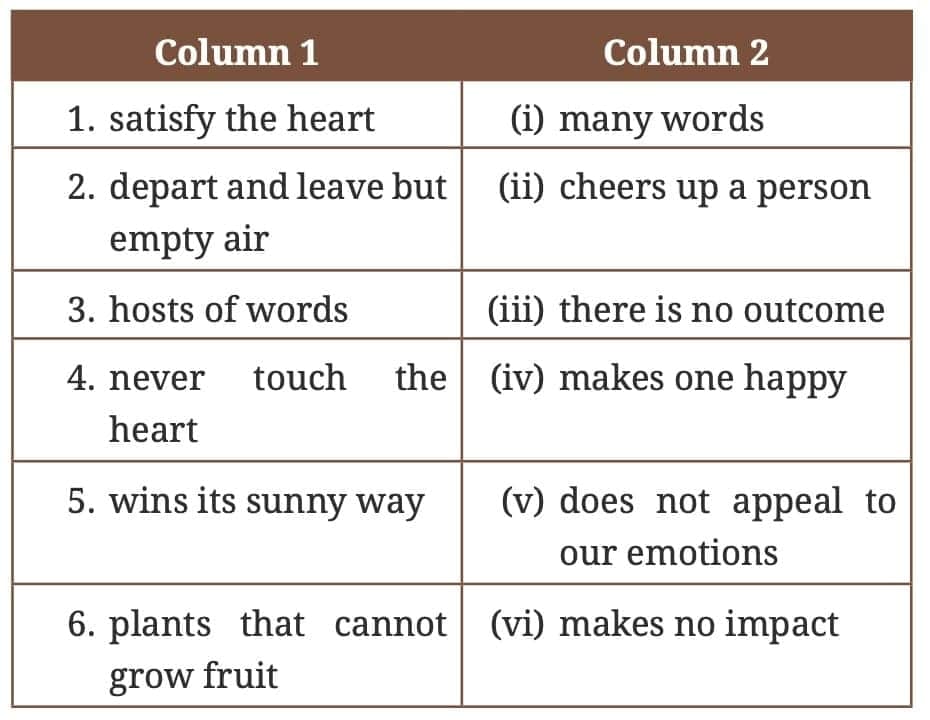
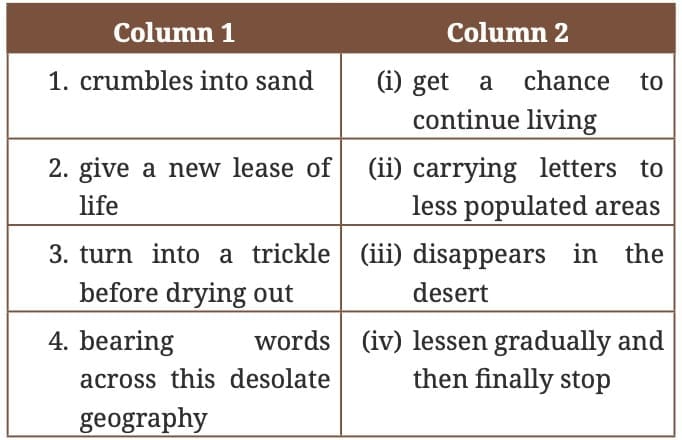
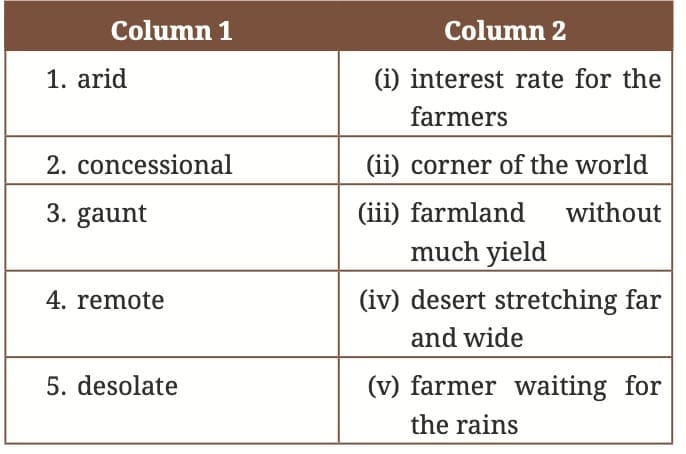
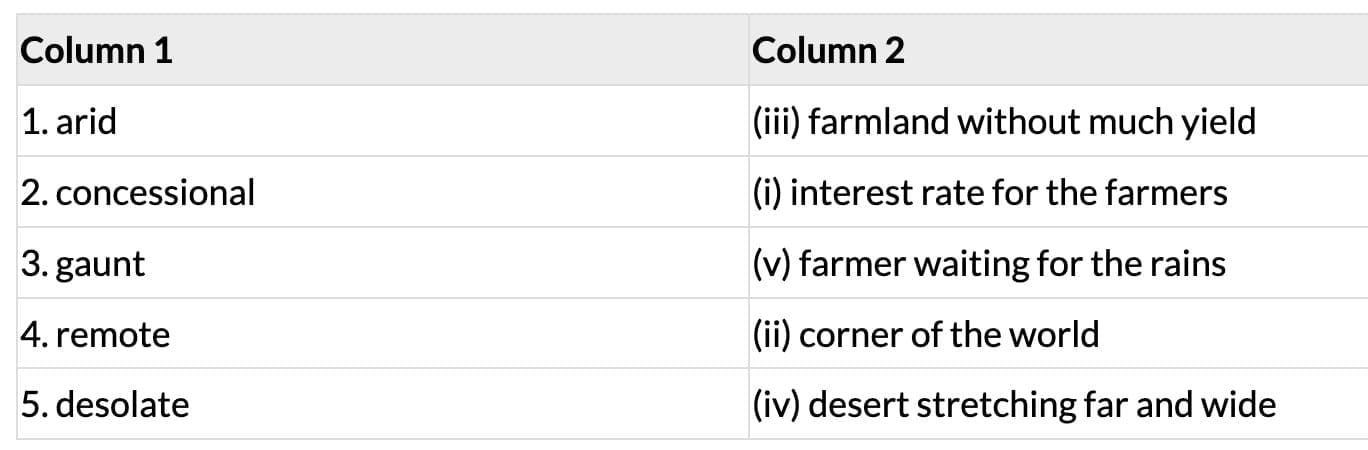
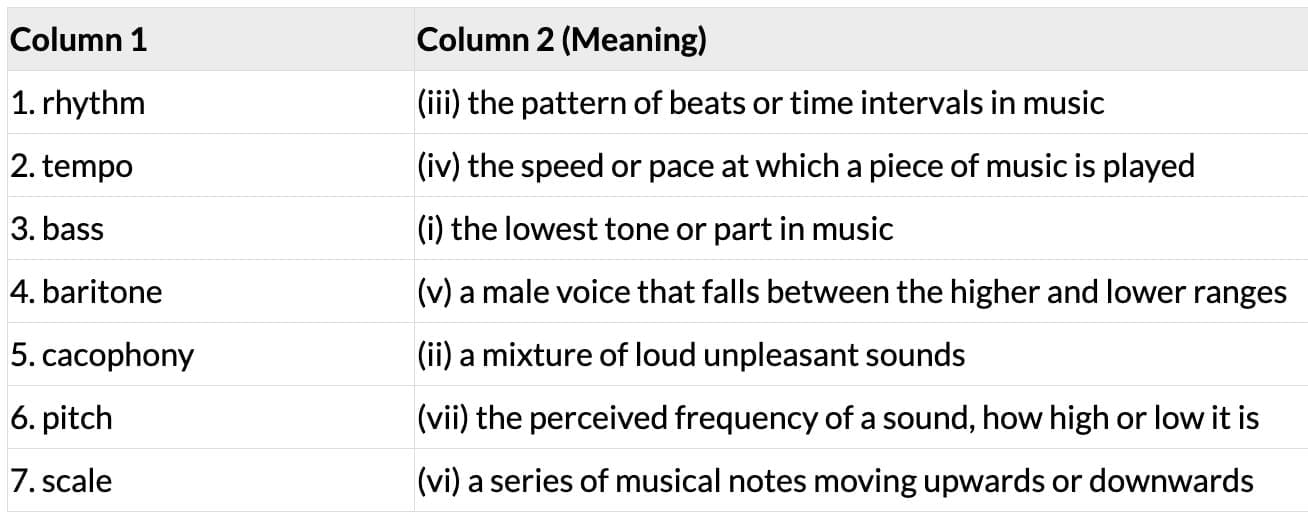
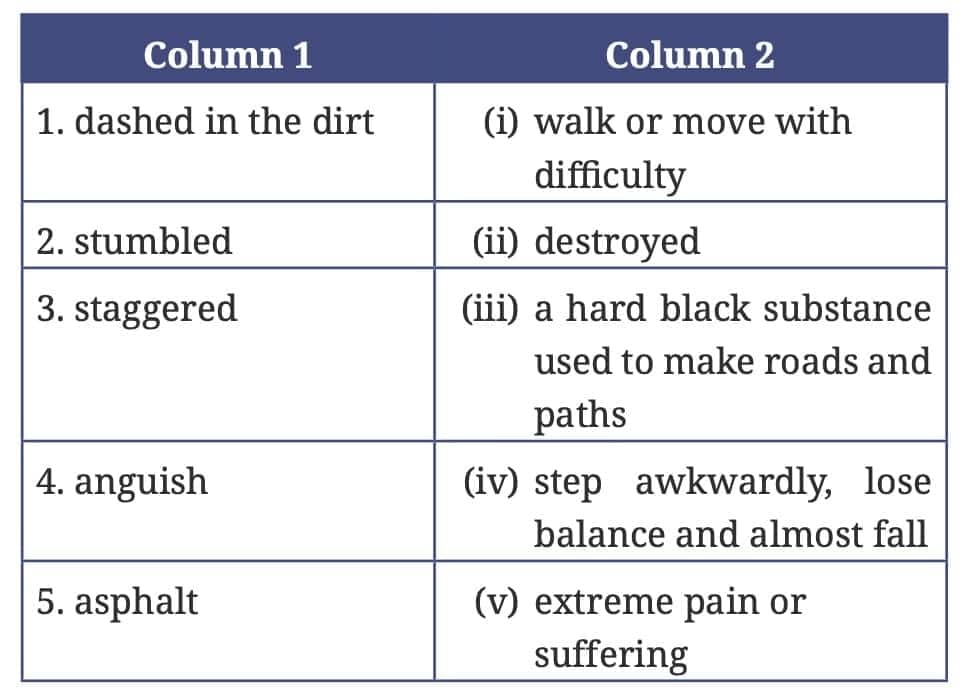
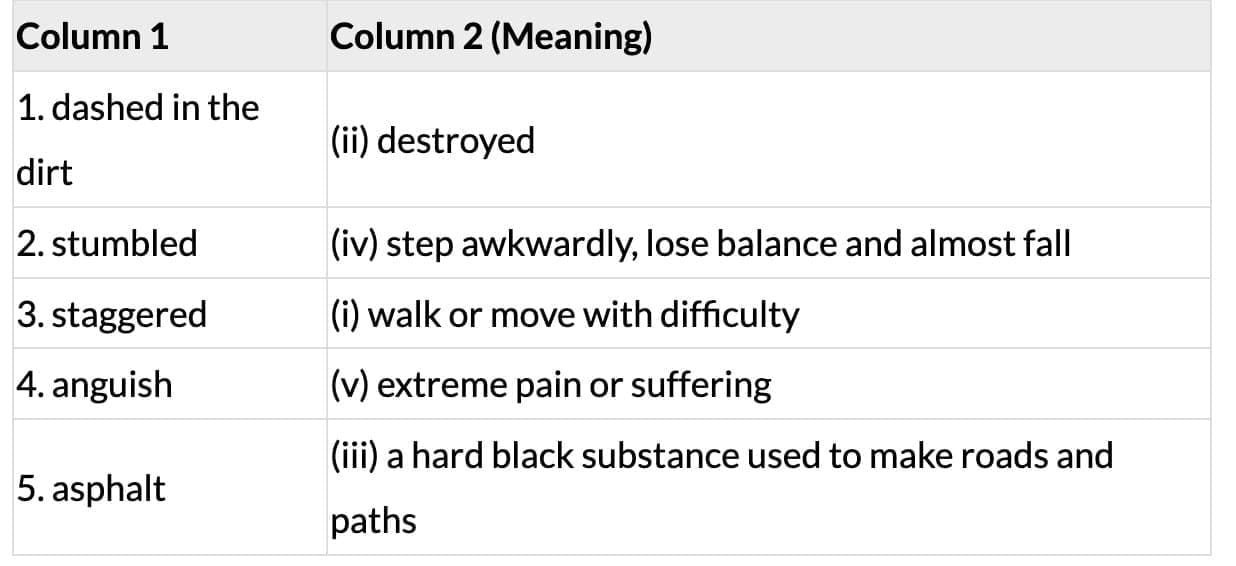
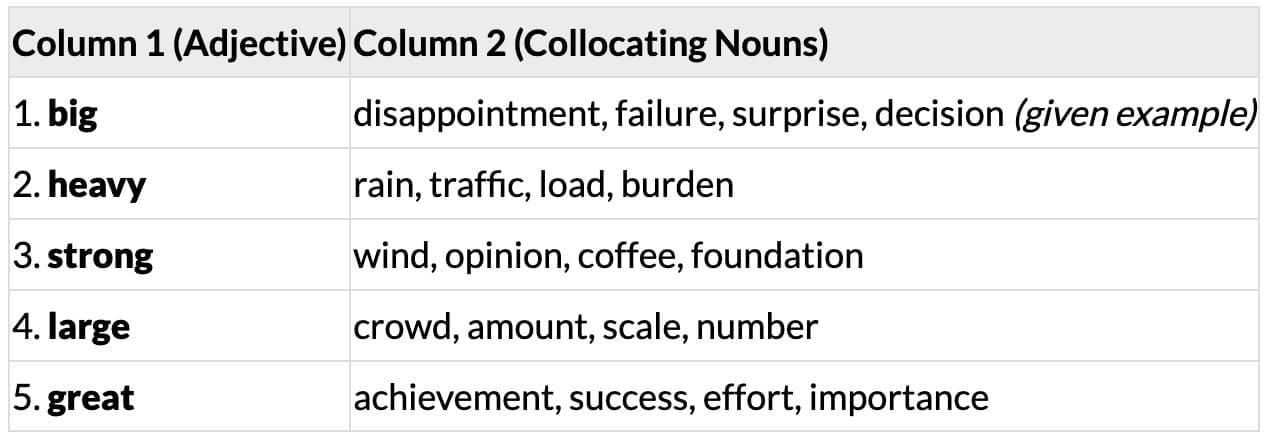
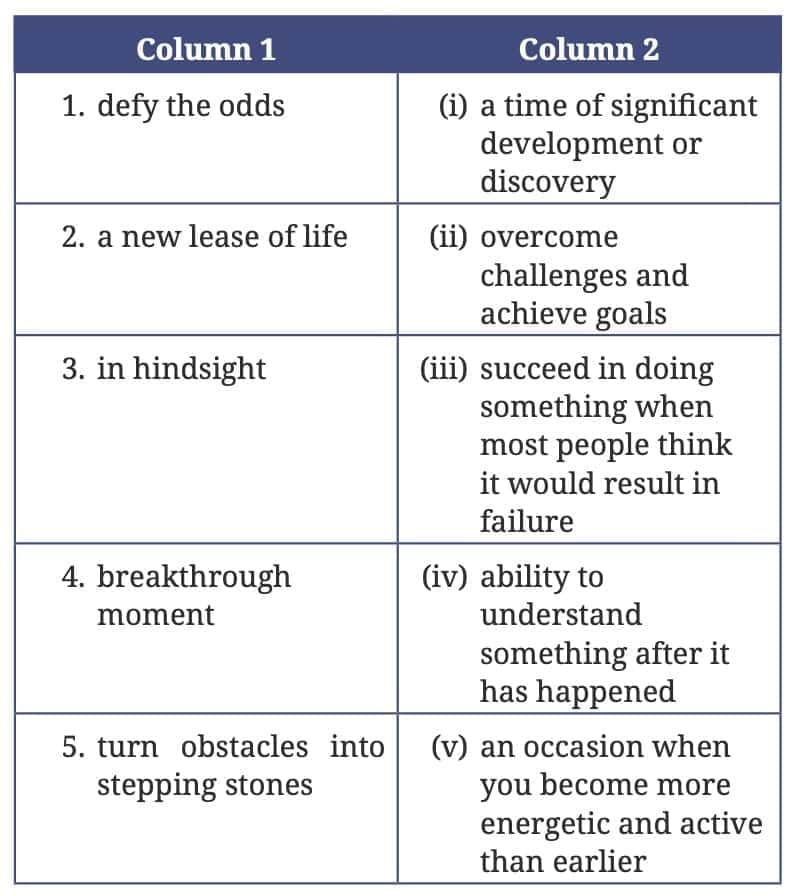
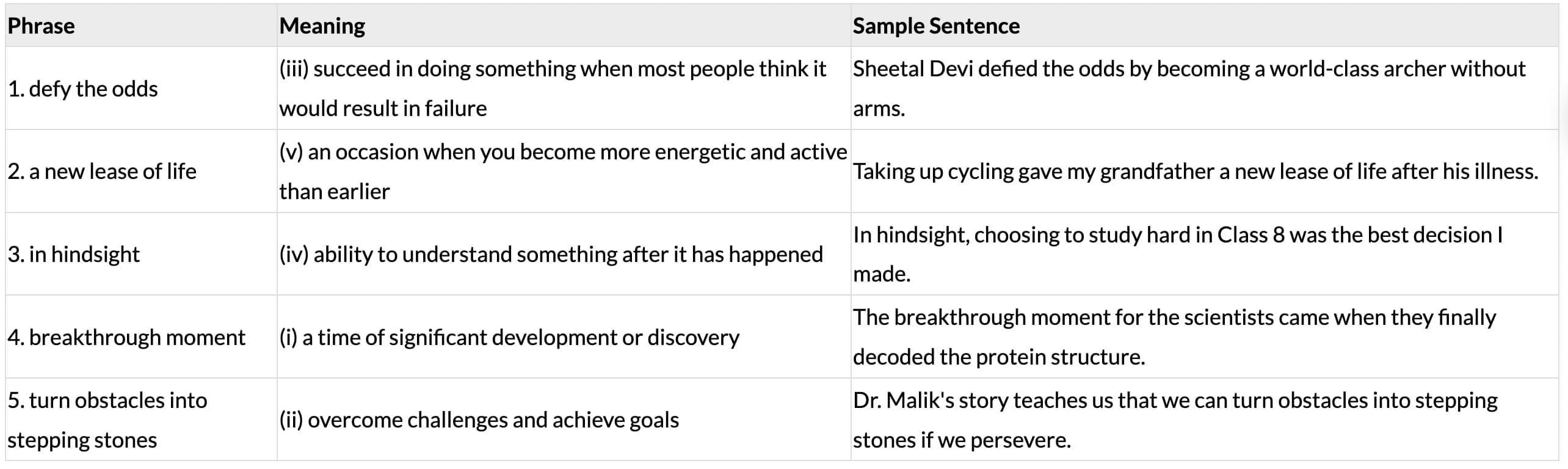
I. Match the phrases in Column 1 with their correct meanings in Column 2. Use each phrase in a sentence of your own.
Ans (sentences):
Nothing can truly satisfy the heart like the presence of a loved one in times of sorrow.
His hollow promises would always depart and leave but empty air, never translating into action.
The politician spoke for an hour, using hosts of words, but said nothing of real substance.
A speech filled with statistics and jargon may inform the mind, but it will never touch the heart.
Her kind and gentle manner wins its sunny way into the hearts of everyone she meets.
A friendship based on flattery alone is like plants that cannot grow fruit — it looks beautiful but bears nothing lasting.
II. Create a ‘Word Map’ for each of the words from the poem given in the box.
Speaking Activity
I. Read the following quotations and select the one you like the most. Explain the quotation and share the reason for your choice with your classmates and teacher. You may talk about a connected personal experience too.
SAMPLE RESPONSE I chose the quotation by Mahatma Gandhi: “It is better in prayer to have a heart without words than words without a heart” because it resonates deeply with the central message of the poem we have just studied.
Explanation of the quotation: Gandhi says that true communication — whether with God or with people — does not require an abundance of words. What matters is whether those words are backed by sincere feeling. A prayer or conversation that comes from the depths of the heart, even without words, is far more valuable than a beautifully worded prayer or speech that carries no genuine emotion. It is the feeling behind the words that gives them life and meaning.
Reason for choosing it: I selected this quotation since it connects perfectly with what Charles Swain argues in the poem “Words” — that a little, truly said, can impart deeper joy than hosts of hollow words. Both Gandhi and Swain believe that sincerity is the soul of communication.
Personal experience: I remember a time when I was upset and a friend simply sat with me quietly, occasionally saying “I understand” — just two words, spoken with genuine feeling. That mattered infinitely more than the many well-meaning but hollow phrases others offered. It taught me that two sincere words are worth more than two hundred hollow ones.
Writing Task
I. Write an essay on any one quotation from the speaking activity. Follow the guidelines given (Introduction, Body, Counterargument, Conclusion).
Essay on: “Whatever words we utter should be chosen with care, for people will hear them and be influenced by them for good or ill.” – Gautama Buddha
Introduction The above words, spoken by Gautama Buddha, are among the most timeless pieces of wisdom ever shared with humanity. They remind us that every word we speak carries weight — and that weight can uplift or destroy, heal or wound. This quotation appealed to me deeply because it places a profound responsibility on each one of us as speakers, communicators, and human beings. In this essay, I will explore the power and responsibility that comes with the words we choose to speak, and why Buddha’s counsel remains urgently relevant in today’s world.
Body — Paragraph 1: Words Shape Reality Words are not merely sounds or symbols — they are instruments of influence. History is full of examples of how words have shaped the course of events. Mahatma Gandhi’s words ignited a freedom movement; Martin Luther King Jr.’s speeches transformed a nation’s conscience. On a personal level, a teacher’s encouraging remark can define a student’s future, while a careless word of criticism can shatter confidence that takes years to rebuild. Buddha’s warning — that words influence people “for good or ill” — is proven daily in our own lives.
Body — Paragraph 2: The Responsibility of Speaking In addition to their power, words carry enormous moral responsibility. In today’s age of social media, a single carelessly typed message can reach millions in seconds. Misinformation, cyberbullying, and hate speech are all consequences of words chosen without care. Consequently, Buddha’s counsel becomes even more critical in the digital age. Before we speak — or type — we must ask ourselves: Is this true? Is this necessary? Is this kind? Choosing words carefully is not about suppressing expression; it is about ensuring that what we express has the power to build rather than destroy.
Body — Paragraph 3: Sincerity Over Quantity The poet Charles Swain, in the poem “Words,” reinforces Buddha’s wisdom by pointing out that “a little said, and truly said, can deeper joy impart than hosts of words, which reach the head, but never touch the heart.” This suggests that it is not how many words we speak, but how carefully and sincerely we choose them, that determines their impact. A single word of genuine encouragement can change a life, while a flood of hollow flattery leaves the listener empty. Finally, choosing words with care means choosing fewer, more meaningful ones.
Counterargument Some may argue that placing too much emphasis on choosing words carefully could lead to overthinking — making people hesitant and unable to speak freely and spontaneously. They might say that natural, unguarded speech is more authentic than carefully curated words. However, this criticism is not entirely valid. Being mindful of one’s words does not mean being scripted or unnatural — it means developing a habit of thoughtfulness and empathy. Over time, careful choice of words becomes instinctive, not laboured.
Conclusion In conclusion, Buddha’s counsel that words must be chosen with care is a guiding principle for all human interaction — personal, professional, and public. Words, once spoken, cannot be taken back. They linger in the hearts and minds of those who hear them, influencing their feelings, choices, and lives. As students, citizens, and communicators, we owe it to ourselves and to others to speak thoughtfully, sincerely, and with compassion. For it is not the volume of our words, but their truth and kindness, that defines their lasting worth.
I. Look at the pictures given below of persons engaged in the same profession. Discuss in pairs and share your answers with your classmates and teacher.
1. Which profession do they belong to?
Ans: They belong to the postal profession — postmen / Gramin Dak Sewaks who deliver letters and parcels.
2. Do they face any difficulties while doing their duty?
Ans:
They travel long distances on foot, by cycle, or over rough terrain.
They work in extreme weather — scorching heat, sandstorms, heavy rain, and cold.
They carry heavy mailbags in remote and inaccessible areas.
They often have to deliver bad news, which is emotionally difficult.
3. How does their profession affect the people they meet?
Ans:
They connect families separated by distance through letters and money orders.
They bring joy in the form of good news — births, weddings, promotions.
For remote communities, the postman is sometimes the only connection to the outside world.
II. Discuss in groups.
1. How can ‘words’ be ‘carried’?
Ans: Words can be carried through letters, postcards, telegrams, books, newspapers, and digitally through emails, SMS, and social media. Physically, a postman carries written words from one place to another.
2. Who could be a carrier of words?
Ans: A carrier of words could be a postman / GDS who delivers letters; a courier agent; a journalist; a teacher; or in earlier times, a messenger or herald. Today, the internet and mobile phones carry words digitally.
3. What are the means for people to stay connected?
Ans: People stay connected through letters and postcards, telephone calls, emails, messaging apps (WhatsApp, Telegram), video calls (Zoom, Google Meet), and social media. In remote areas, the postal service (GDS) remains the primary means of connection.
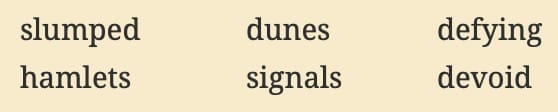
III. Read the words given in the box below and place them in their appropriate context in the following passage.
Ans: We stepped out of the vehicle at the end of the road. Immediately, our body sent 1. signals that our decision to visit the sand 2. dunes in the afternoon was insane. We had passed a few 3. hamlets on our way to the desert. We could not find even a single soul outdoors, 4. defying the blazing sun. Even the camels were 5. slumped in the little shade offered by the khejri trees. In this remote place people relied on BSNL to connect to the world as the area was 6. devoid of any other network service.
Check Your Understanding – Part I
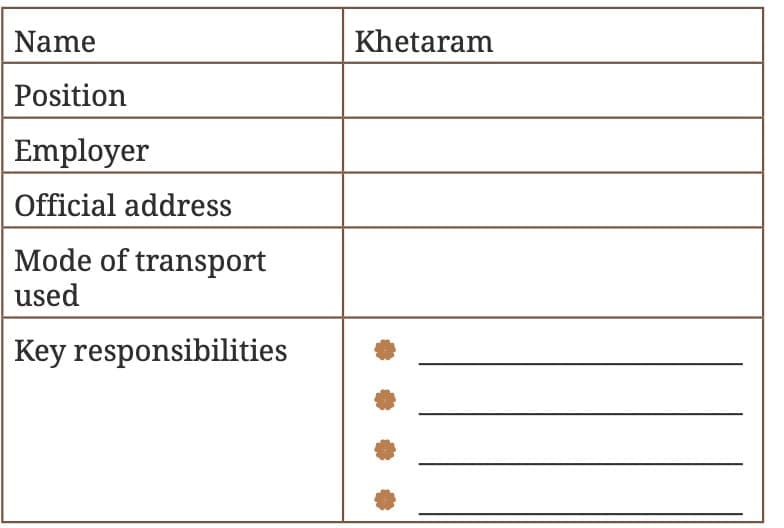
I. Fill up the following information sheet for Khetaram. II. Discuss with your teacher.
1. Why do you think Khetaram has taken up this challenging job?
Ans: Khetaram took up the job out of economic necessity. He says famine is a way of life and even a good year’s crop of bajra cannot feed his family of five. The GDS salary is essential for his family’s survival. His 15-plus years of service also reflect a strong sense of duty and dedication to his community.
2. How do you think Khetaram would feel about taking up this challenging task every day?
Ans: Khetaram likely feels physical exhaustion alongside deep personal pride. The task is gruelling — 20 km daily in 50-degree heat with a heavy mailbag — yet he says his spine is strong and is grateful to continue after 60. His declaration “Main tayyar hoon” (I’m ready) before setting off suggests resilience, purpose, and a strong sense of community belonging.
Check Your Understanding – Part II
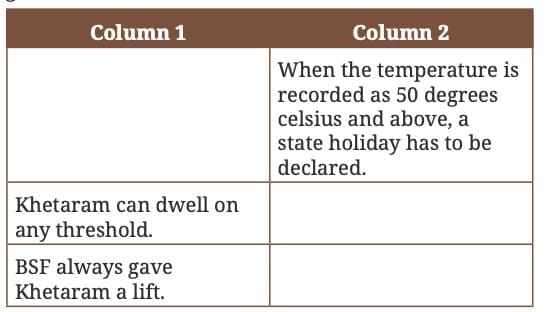
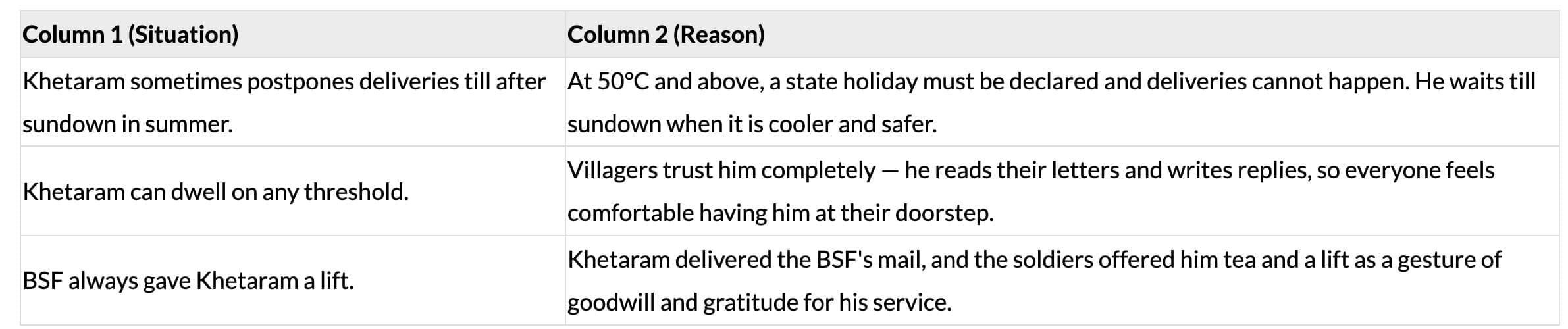
I. Complete the table given below with the situations given in Column 1 and the reasons in Column 2.
II. Why was a piece of jaggery offered in the village when he brought news of a birth or weddings?
Ans: The villagers are very poor — jaggery is the most basic sweet available to them. Offering it is a traditional Indian way of celebrating good news. It reflects both their poverty and their heartfelt appreciation for the joy Khetaram brings.
III. How would phone lines help Khetaram in his job?
Ans: Once phone lines arrive, Khetaram might become a Gramin Sanchar Sewak and carry a mobile phone alongside mail — allowing urgent news to be conveyed immediately, reducing the need to travel long distances for single messages. His enthusiastic “Main tayyar hoon” (I’m ready) suggests he welcomes this upgrade.
Critical Reflection
I. Read the extracts given below and answer the questions.
Extract 1:
Akaal or famine is a way of life here. In a good year, I get one crop of bajra. That cannot feed my family of five. We would starve without this job,” he says. And for each family which resides in this arid land, survival is partly dependent on money orders remitted by a relative.
(i) Complete the sentence given below with an appropriate reason. One crop of bajra makes a little difference for people like Khetaram because __________.
Ans: …it is insufficient to feed a family of five for the entire year. With famine being a common occurrence, even a single crop cannot provide year-round food security.
(ii) Why did Khetaram term famine as ‘a way of life’?
Ans: In the arid Thar Desert, drought and food shortage are recurring and normal conditions rather than exceptional events. The people have grown so accustomed to scarcity that famine is no longer a crisis — it is simply the daily reality they live with.
(iii) Give one reason why Khetaram had to take up a job to help his family to survive.
Ans: One crop of bajra per year (in the best of years) was not enough to feed his family of five. Without the GDS salary, his family would have starved.
(iv) Complete the analogy given below with a word from the extract. Other families: Money orders :: Khetaram: __________
Ans: Other families: Money orders :: Khetaram: Job (GDS salary / bajra crop) — just as other families depend on money orders for survival, Khetaram depends on his GDS job and his one crop of bajra.
(v) What would ‘a good year’ signify?
Ans: ‘A good year’ signifies a year with adequate rainfall in which Khetaram can successfully grow and harvest one crop of bajra — a rare but welcome relief from the usual hardship of desert life.
Extract 2:
There is one letter delivery he dreads. The envelope with the right corner torn off, which signifies that the missive bears news of death. “Ashubh Samachar cannot be carried into the house,” says Khetaram. So, he stands outside, reads out the letter twice, then tears it to bits. “Bad news must be destroyed,” he mutters philosophically.
(i) Choose the correct option for the following question. Who could have torn the right corner of the envelope? A. Khetaram B. Sender of the letter C. Receiver of the letter D. The postmaster
Ans: B. Sender of the letter. The torn right corner is a traditional signal from the sender to warn the postman and recipient that the letter contains news of a death.
(ii) Complete the sentence with an appropriate reason. The most likely reason for Khetaram reading the letter twice is because __________.
Ans: …he wants to ensure the grieving family hears and fully understands the sad news, leaving no room for misunderstanding about the details, and giving the family time to absorb the shock.
(iii) What was Khetaram’s philosophy regarding bad news, and how did he act upon it?
Ans: Khetaram’s philosophy: “Bad news must be destroyed.” He believes once sorrowful news has been communicated, the physical medium should be eliminated to prevent continued pain. He acts on this by standing outside the house (Ashubh Samachar cannot be brought inside), reading the letter twice aloud, and then tearing it to bits — reflecting both cultural sensitivity and compassion.
(iv) State whether the following sentence is true or false. Khetaram’s action of tearing the letter differed from his beliefs.
Ans: False. His action was entirely consistent with his beliefs — he believed bad news must be destroyed and physically tore the letter after reading it. His actions matched his philosophy perfectly.
(v) Mention any one aspect of Khetaram’s temperament which is revealed through this extract.
Ans: The extract reveals Khetaram’s compassionate and philosophically grounded temperament. He dreads delivering death notices, stands respectfully outside, and tears the letter to spare the family further anguish. His calm philosophy (“Bad news must be destroyed”) shows he has developed a measured way of coping with the sorrowful aspects of his duty.
II. Answer the following questions.
1. Justify the statement made by the Postmaster-General, Rajasthan Western Region, stating that the role of GDS is ‘invaluable’.
Ans:
GDS workers deliver mail to areas completely inaccessible by any other means — 120 km beyond the last railhead, 50 km beyond the last phone, 10 km beyond where the road crumbles into sand.
They serve as the sole link between isolated communities and their families, covering frozen deserts, island territories, and riverine communities.
They deliver money orders on which families in arid lands depend for survival.
They also serve as informal letter readers and reply writers for illiterate villagers — performing a social function far beyond mere mail delivery.
When a proposal to replace them with patwaris was made, it was rejected because no one else could perform this irreplaceable role.
2. How was the purpose of India Post different from that of the British postal system?
Ans: The British postal system was set up to relay official company dak between administrative centres — it served the colonial government, not the general population. After Independence, India Post’s mandate became to bring the entire population within the mailing network regardless of remoteness, reflected in growth from 25,000 post offices in 1947 to over one and a half lakh today, and in the GDS system reaching the country’s most remote corners.
3. People trusted Gramin Dak Sewaks. Support this statement with any two instances from the text.
Ans: Instance 1: Villagers trusted Khetaram enough to ask him to read their letters and draft replies on their behalf — sharing personal correspondence with him, a clear sign of deep trust.
Instance 2: Rural depositors entrust their monthly savings to the post office. Every post office has many operational savings accounts, reflecting absolute confidence in the postal system — and in the local GDS worker who is the face of that system.
4. Infer the most likely reason that Khetaram was grateful to continue as GDS, even after the age of 60.
Ans: Economic necessity combined with a sense of purpose. Khetaram’s bajra crop cannot sustain his family — without the GDS salary, they would starve. GDS rules allow service until 65, and Khetaram is grateful for this continued assured income in a famine-prone environment. His deep sense of duty and community belonging also makes him want to keep serving the people he has been connected with for over 15 years.
5. Explain why the author pays tribute to people like Khetaram.
Ans: The author pays tribute because Khetaram represents extraordinary dedication and resilience under incredibly harsh conditions — walking 20 km daily in 50-degree heat, serving for over 15 years through sandstorms, reading and writing letters for illiterate villagers, and handling death notices with cultural sensitivity. He is the lone human link between isolated communities and the outside world, yet receives little recognition. The author rightly calls such people “part and parcel of our social fabric” — silently holding communities together without glory.
Vocabulary and Structures in Context
I. Study the phrases given in Column 1 and match them with their meanings in Column 2.Ans (sentences):
crumbles into sand: The ancient fort’s outer wall had slowly crumbled into sand over the centuries.
give a new lease of life: The successful surgery gave the elderly patient a new lease of life.
turn into a trickle before drying out: Due to the summer drought, the once-mighty stream turned into a trickle before drying out completely.
bearing words across this desolate geography: Khetaram spent decades bearing words across this desolate geography, connecting isolated families to their loved ones.
II. Identify examples of alliteration and metaphor in the extract given below.
“Khetaram’s khaki turban and uniform are his only protection against the desert’s furies, the scorching summer winds and swirling sandstorms which turn him into a walking sandman.”
Ans: Alliteration: “Khetaram’s khaki” — repetition of the ‘k’ sound. “Scorching summer winds and swirling sandstorms” — repetition of the ‘s’ sound.
Metaphor: “The desert’s furies” — the desert is compared to an angry, furious entity. “Turn him into a walking sandman” — Khetaram is compared to a sandman, so covered in sand he appears to be made of it.
III. Match the words in Column 1 to what they suggest in Column 2 in the context of the chapter.
Ans (sentences):
arid: The arid landscape of the Thar Desert stretches for hundreds of kilometres, with little vegetation in sight.
concessional: The government announced concessional loans for farmers affected by the flood.
gaunt: After months of drought and famine, the gaunt farmers prayed desperately for rain.
remote: The GDS system was designed specifically to serve even the most remote corners of India.
desolate: Walking through the desolate sands of the Thar at noon, Khetaram was truly alone in the world.
IV. Study the sentences and their functions. Then fill in the blanks using the present perfect form of the verbs given in brackets.
Now, fill in the blanks by using the present perfect form of the verbs given in the brackets to complete the following paragraph.
I ________ (has/have) just ________ (get) a collection of postage stamps from my grandfather. He
________ (collect) these stamps over a period of 20 years. I
________ (study) most of the stamps in his collection and loved all of them. I
________ (begin) my own collection of postage stamps. Grandfather
________ truly ________ (inspire) me.
Ans: 1. I have just got a collection of postage stamps from my grandfather. He 2. has collected these stamps over a period of 20 years. I 3. have studied most of the stamps in his collection and loved all of them. I 4. have begun my own collection of postage stamps. Grandfather 5. has truly inspired me.
V. Active and Passive Voice — Complete the following paragraph about the advice given by Khetaram. One example has been done for you.
Given: “To begin with, a lot of stamina will be needed for this job.”
(i) You will need a lot of stamina for this job. (ii) Practise reading clearly as some of the villagers will expect you to read out the letters. (iii) Write words neatly as some villagers will ask you to draft replies. (iv) Wear full-sleeved shirts and trousers to protect yourself from the heat.
To begin with, a lot of stamina will be needed for this job. Next, reading clearly A. ______________________, as you B. ______________________ to read out the letters by some of the villagers. Words C. ______________________ neatly as you D. ______________________ to draft replies by some villagers. Full sleeved-shirts and trousers E. ______________________ to protect yourself from the heat.
Ans: To begin with, a lot of stamina will be needed for this job. Next, reading clearly A. will need to be practised, as you B. may be expected to read out the letters by some of the villagers. Words C. must be written neatly as you D. may be asked to draft replies by some villagers. Full-sleeved shirts and trousers E. should be worn to protect yourself from the heat.
Speaking Activity
I. The postcard, inland letter, envelope, and money order form were engaged in a discussion on who the most important one was. In groups of four, select one each and reason with each other logically.Sample arguments for each:
Ans:Postcard: It seems to me that I, the postcard, am the most important. I am the most cost-effective of all — anyone can afford to send me, even the poorest person. I need no envelope, no folding, and my message is open and honest. I have connected millions of families across generations.
Inland Letter: I would like to point out that the inland letter is superior because it offers privacy — my contents are folded and sealed within myself. I provide enough space to write a longer, more personal message, and I cost less than a regular envelope with a stamp. That’s one way to look at it, but my privacy makes me far more personal.
Envelope: Some people say the postcard is enough, but I totally agree that privacy and the possibility of enclosures make me the most important. I can carry not just letters, but also documents, photographs, and important papers. A postcard can carry only a few words, but I can carry an entire life’s news.
Money Order Form: It seems to me that I am the most important of all. While you carry words, I carry sustenance. Khetaram himself says that families in the arid land survive on the money orders I carry. I bring food to hungry families, pay for children’s education, and fund medical treatment. No words can replace the value I deliver.
Writing Task
I. Read the condolence message that Sawant Singh sent to his cousin. Now, on behalf of your parents, draft an imaginary condolence message for your aunt on the recent passing away of her father.
Ans: – Sample Condolence Message
18 March 2026
Dear Kamla Chachi,
We were deeply saddened to learn of the passing of your dear father, our Nana ji. Words fall short at a time like this, but we want you to know that our hearts are with you and your family.
He was a man of great strength and warmth, and the memories he leaves behind will forever be a source of comfort and inspiration for all of us. We are grateful for the love and wisdom he shared with each one of us over the years.
Please accept our heartfelt condolences. May God grant eternal peace to his soul, and may He give your family the courage and strength to bear this irreplaceable loss. We are here for you — please do not hesitate to reach out whenever you need us.
I. Read the questions given below and share your answers with your classmates and teacher.
1. What kind of music do you prefer to listen to — vocal or instrumental?
Ans (Sample):
I prefer vocal music because the combination of melody and meaningful lyrics creates a deeper emotional connection. I also enjoy instrumental music when I want to concentrate or relax, as the absence of words allows the mind to wander freely.
2. Name your favourite musician(s).
Ans (Sample):
My favourite musicians include A.R. Rahman, known for blending Indian classical, folk, and contemporary music; Lata Mangeshkar, whose voice carries unmatched depth and purity; and Pandit Ravi Shankar, for his mastery of the sitar.
3. Give reasons for your choice.
Ans (Sample):
A.R. Rahman’s music transcends language and genre, evoking emotion across cultures. Lata Mangeshkar’s rare purity of voice makes even a simple melody deeply moving. Pandit Ravi Shankar’s sitar mastery demonstrates how an instrument can speak the full range of human emotion.
Check Your Understanding
I. Read the poem again to complete the poet’s diary about her feelings on music. Fill in the blanks with words from the poem.
Ans:
Today, I’ve been thinking about how essential music is to me. It is like an ocean that calls me to its 1. shore. Music is the 2. rhythm that harmonises with my 3. core, moving me in ways I can’t explain. When I feel sad or upset about things, music is the 4. therapy that eases the ache. It is amazing how music has the power to lift my 5. spirits, and give me strength to pull through difficult times. I know that it is the effect of music whenever I feel 6. cheerful. Music is the much 7. needed, dependable friend when there is no one to 8. care. Thank you, my dear music, for being my all-time comfort.
II. Let us appreciate the poem.
1. The phrase ‘moves me’ in the line ‘That moves me to the core,’ is an example of __________.
Ans:
Personification (or a figurative expression). Music — a non-living thing — is given the quality of a living force capable of emotionally moving a person. “Moves” works on two levels: the literal idea of being stirred, and the deeper emotional meaning of being deeply affected.
2. The poet uses metaphors for music. List these metaphors and rewrite them as similes.
Ans:
3. What is the rhyme scheme of the poem? What impact does it have?
Ans:
The rhyme scheme is ABCB — the second and fourth lines of each stanza rhyme (e.g., shore/core, blue/through, there/care). This gives the poem a gentle, flowing musicality that mirrors its subject. The alternating rhyme creates a pleasing rhythm without feeling rigid — like a melody with a recurring but unhurried pattern — making the poem feel like a song itself.
4. What is the poet’s purpose in using the word ‘music’ repetitively?
Ans:
It is anaphora — creating a chant-like, hymn-like structure that itself becomes musical.
It emphasises the centrality of music in the poet’s life as the defining presence in all her emotional states.
It functions as accumulation — each repetition attributes a new quality (ocean, rhythm, therapy, friend), building a cumulative portrait of music’s many roles.
It creates a sense of devotion and gratitude — like returning again and again to the name of something deeply loved.
5. What is the message the poet wishes to convey through the poem?
Ans:
The central message is that music is not merely entertainment but a companion, a healer, and a source of strength — particularly in moments of sadness, loneliness, or difficulty. Through her comparisons to an ocean, therapy, and a needed friend, the poet conveys that music transforms the inner state from sorrow to hope. The poem is an invitation to every reader to cherish music as an active, vital presence that listens when no one else does.
6. Identify the mood of the poem from the options given below. (i) nostalgic (ii) thoughtful (iii) amused (iv) playful
Ans: (ii) Thoughtful.
The poet is reflecting deeply on her personal relationship with music — how it sustains her through difficult times and functions as a dependable friend. The tone is sincere and contemplative throughout, not nostalgic (looking back longingly), amused, or playful.
7. Give evidence from the poem to support that the speaker is the poet herself.
Ans:
“I need when I feel blue” — the first-person “I” and admission of personal sadness confirm lived experience.
“Music lifts my spirits” — “my spirits” is a direct first-person claim.
“The times when I’m most cheerful, / It’s clear, music was there” — a personal pattern of experience only the speaker can confirm.
“That moves me to the core” — deeply personal, subjective language.
Critical Reflection
I. Read the extract given below and answer the questions that follow.
Music is the therapy I need when I feel blue. Music lifts my spirits To make sure I pull through.
(i) Complete the following sentence suitably. The phrase ‘feel blue’ indicates __________.
Ans:
…a state of sadness, melancholy, or emotional distress. It is an idiomatic expression where blue is associated with low mood. The poet uses it to describe moments when she is emotionally down and most in need of music’s healing power.
(ii) Identify the line which shows music makes the poet happy.
Ans:
“Music lifts my spirits” — “lift one’s spirits” means to make someone feel happier and more positive. This line directly shows music’s power to elevate the poet’s mood from sadness to happiness.
(iii) What does the last line of the extract signify?
Ans:
“To make sure I pull through” signifies that music gives the poet the strength and resilience to overcome difficulties. “Pull through” means to succeed in coping with something very difficult. Music is not merely pleasurable but a genuine source of emotional support that helps her persevere through hardship.
(iv) State whether the following sentence is true or false. Music plays a vital role in the poet’s life.
Ans: True.
The entire poem is a testament to this — the poet turns to music when sad, it lifts her spirits, and gives her strength to “pull through.” Music is not peripheral but a core emotional resource for her.
(v) Select the central idea of the extract from the following options.
A. Music brings comfort during sadness.
B. Music is a necessity in times of happiness.
C. Music improves our ability to pull heavy loads.
D. Music is a source of knowledge and excitement.
Ans: A.
The extract specifically describes the poet turning to music when she “feels blue,” and music responding by lifting her spirits and helping her pull through — focus is on music as therapeutic comfort in emotional difficulty.
II. Answer the following questions.
1. How is music able to move the poet ‘to the core’?
Ans:
Music is able to move the poet to the very deepest part of her being because it bypasses rational thought and speaks directly to human emotion — resonating with something fundamental within her through its melody, beat, and harmony. Music’s power may come from its connection to memory, its ability to express what words cannot, or its physical resonance with the body’s own rhythms. For the poet, music penetrates to her emotional centre rather than entertaining only the surface of her mind.
2. Why does the poet compare music to a ‘needed friend’?
Ans:
A true friend is present when others are not, listens without judgement, and provides comfort simply by being there — and music fulfils all these qualities. The word “needed” is especially significant — it is not just a friend but an essential one, particularly in loneliness. The final lines describe the specific context: when “no one seems to care,” music provides companionship that fills the void. By calling it a friend, the poet elevates music from an activity to a relationship — personal, reliable, and deeply comforting.
3. Explain the poet’s attitude towards music.
Ans:
Music as essential: She treats it as fundamental to her existence — as necessary as water or as indispensable as a true friend.
Music as healing: The comparison to “therapy” shows she sees music as a curative force that actively eases emotional pain.
Music as companion: Her reference to a “needed friend” reveals she trusts music like a loyal companion — it is always there.
Music as joy: Being “most cheerful” when music was present shows her attitude includes shared celebration, not only comfort in sorrow.
Overall, the poet’s attitude is one of warm, personal devotion — she relates to music as something almost alive and responsive.
4. Support the opinion that this poem has a universal appeal.
Ans:
Music is universally experienced: Every culture in the world has music — the poem therefore speaks to readers across all nationalities, languages, and ages.
Universal emotions: Sadness, longing for comfort, joy, and the need for friendship are experiences every human being goes through.
Music as therapy is globally recognised: The idea of music as healing is acknowledged worldwide in medicine, psychology, and spiritual practice.
Simple, accessible language: The poem has no cultural-specific references, making it easy for any reader anywhere to connect with.
Music as a friend: Virtually everyone who loves music has experienced it as a companion in loneliness — making this metaphor universally relatable.
5. Compare your experience of music with the feelings expressed in the poem.
Ans (Sample):
Like the poet, I find music has the remarkable ability to shift my mood almost instantly. When overwhelmed by studies, a favourite instrumental piece calms me — matching the poet’s experience of music as “therapy.” I also relate to music as a companion during lonely moments, when a well-chosen song seems to say: someone else has felt this too. However, unlike the poet who primarily finds comfort in sorrow, I find music also intensifies happiness — making joyful occasions feel richer and more alive.
Vocabulary in Context
I. Classify the words given in the box as positive emotions and negative emotions. Then fill in the blanks choosing the correct word from the brackets.
Ans:
Fill in the blanks by choosing the correct word from those given in brackets.
Ans:
II. Phrasal Verbs — Understanding ‘pull through’ and ‘moves me’
Read the highlighted word in the line given below.
To make sure I pull through
The meaning of the verb ‘pull’ is ‘move or remove something’. The preposition ‘through’ means ‘from one end or side to the other’. However, when they come together they convey a completely different meaning. Here, ‘pull through’ means ‘to succeed in doing something very difficult’.
Now, read the following lines from the poem.
Music is the rhythm That moves me to the core.
The phrase ‘moves me’ means ‘to make somebody do something’.
‘Move’ also has different meanings. For example, to change position, to make progress, to take action, cause strong feelings.
Information:
“Pull through” — Together, means to succeed in surviving or coping with something very difficult.
“Moves me” — means to cause somebody to have strong feelings of sadness or sympathy. “Move” has multiple meanings: to change position, make progress, take action, and cause strong feelings.
III. Choose the correct meaning from the box for the underlined phrasal verbs in the following sentences.
Ans:
IV. Create phrasal verbs from the verbs ‘put’, ‘get’, ‘look’, ‘break’. Find their meanings and make sentences.
Ans:
Speaking Activity
I. Work in groups of four. Use the cues to present a role play in the class.
Music Teacher
Encourages the student to take up music classes by explaining the benefits of music for concentration, creativity, and emotional well-being.
Student 1
Confused — feels music class may take away time from studies; worried about managing both music practice and academic work.
Student 2
An active music learner — convinced that music is beneficial and that time management makes it possible to do both well.
Parent
Initially doubtful — concerned about the child’s academic performance — but becomes supportive after listening to the discussion.
Ans: Sample Role Play
Music Teacher: Good morning. I’m so glad we could all meet today. I wanted to talk about Arjun joining our music programme. What is your opinion on him taking music classes this term?
Parent: Personally, I believe it could be a distraction from his studies. He has board exams coming up, and we’re worried about his grades.
Student 1 (Arjun): That’s exactly what I’ve been thinking. I’d love to learn the sitar, but I don’t know how I’ll manage music practice and finish all my school assignments.
Student 2 (Priya): I understand your concern, Arjun. I had the same doubts when I started. But from my perspective, learning music has actually helped me concentrate better. I now make a weekly timetable and it really works.
Music Teacher: Research shows that music and academics support each other. Learning rhythm and patterns in music actually strengthens mathematical and linguistic thinking. I hold the opinion that a student who learns music develops better discipline and focus.
Parent: Is that so? In your view, is it realistic to manage both music and studies at Arjun’s level?
Student 2: Absolutely. I practise for just thirty minutes a day and it doesn’t affect my studies at all. In fact, when I feel stressed before exams, music helps me calm down and focus again.
Student 1: I never thought about it that way. Maybe I should try. I have a strong feeling that I’d enjoy it once I begin.
Parent: All right, after hearing this discussion, I must say I’m now quite open to it. Let’s give it a try, Arjun — but do maintain your study hours.
Music Teacher: Wonderful! I’m confident you won’t regret it. Music will be a friend to you for life.
Writing Task
I. Your school is organising a musical evening on 21 June, World Music Day. You are presenting a Sitar recital at the event. Draft an invitation letter requesting your grandparents to attend the event.
Ans: Sample Invitation Letter
24, Sector 8, Chandigarh – 160 008
15 June 20XX
Dear Dadi and Dada,
I hope you are both in the best of health and enjoying the summer. I have been thinking of you a lot this past week, and I have a very special reason for writing to you today.
Our school, Green Valley Public School, is organising a grand musical evening on 21 June 20XX to celebrate World Music Day. The event will be held in the School Auditorium, Sector 12, Chandigarh, and will begin at 5:30 p.m. There will be wonderful performances by students in various musical forms — both vocal and instrumental.
The most exciting news is that I will be presenting a Sitar recital at the event! It is the first time I will be performing on stage for a large audience, and I have been practising very hard for the past two months. I truly wish you could be there to watch.
Please do try to come to Chandigarh for the occasion — your presence would mean the world to me and would certainly make my performance even more special. We will arrange comfortable seating for you, and you are most welcome to stay with us for a few days afterwards.
I eagerly await your response. Please do write back or call soon.
I. Given below are some stringed musical instruments. Work in pairs and identify them by first letter of the spellings of their names.
Ans:
II. Do you play a musical instrument? If given a choice, which one would you choose and why?
Ans (Sample):
If given a choice, I would choose to play the violin — it produces a range of emotions from joy to melancholy and works across both classical and contemporary genres. I am also inspired by Shruti in the play, who beautifully blends Indian classical music with a Western instrument.
III. Is there any difference in the choice of music between children and elders? If yes, why? If no, why not?
Ans:
Exposure: Elders favour classical or folk music from their era; children are exposed to contemporary pop, film music, or fusion through digital media.
Values: Many elders see classical music as more disciplined and culturally rooted, while children are drawn to experimental styles through peer influence.
However, music transcends age — as the play shows, the gap is bridgeable through understanding and listening to each other.
IV. Complete the paragraph by choosing the correct phrases from the box. (Literal or figurative?)
Ans:
Check Your Understanding — Act I
I. Complete the table based on Act I of the play.
Ans:
II. Do you think Shruti will gather the courage to speak to her father? Give a reason.
Ans:
Yes — by the end of Act I, Shruti herself says “I guess it is time to bite the bullet,” indicating firm resolution. Her friends’ encouragement and Iqbal’s reassurance have built her confidence. She promises to bring this up at dinner that very night — a clear shift from anxiety to determined action.
III. What might be Shruti’s father’s reaction? Why?
Ans:
Nabin is likely to react with disappointment and disapproval initially — Shruti herself says he considers it a “desecration” of the violin to play Western tunes and firmly believes only Classical Hindustani music is worthwhile. He may also feel hurt that Shruti practised without telling him. However, as a loving father, he may eventually “come around,” especially if Shruti speaks to him with honesty and respect.
Check Your Understanding — Act II
I. Complete the summary of Act II by choosing the correct words from the box.
Ans:
Extra words not used: surprised and relief.
II. Will Shruti’s father go for the rehearsal? Support your answer with a reason.
Ans:
Based on Act II alone, it seems unlikely — Nabin leaves abruptly and dismisses Shruti’s plea. However, his love for his daughter and Leela’s likely persuasion suggest he will eventually go. Indeed, Act III confirms he attends and is moved by the performance.
III. Do you think Shruti and her parents would understand one another? If yes, why? If no, why not?
Ans:
Yes — both sides show qualities that make understanding possible. Shruti respects her father’s views and does not want to hurt him. Leela acts as a bridge. Nabin loves Shruti deeply beneath his strictness. The play ends with exactly this understanding — when Nabin hears the music firsthand and cannot deny its beauty while Shruti maintains her classical foundation.
Check Your Understanding — Act III
I. Work in pairs. Identify the true statements.
Ans:
Critical Reflection
I. Read the extracts given below and answer the questions that follow.
Extract 1
Shruti: There is need to worry Iqbal! You don’t know papa. He is very strict about these things. He will think it a desecration of the violin to be played to Western tunes. Papa firmly believes that Classical Hindustani music, with its ragas and aalaaps, is the only kind of music that an artist of any worth should play. I don’t want papa to feel that I don’t care about his opinions, because I do. It’s just that I want to give this a try too. I just don’t know how to tell him in the right way! Iqbal: All ways are right ways, Shruti. He is your father, he will understand.
(i) Select the option that correctly identifies Shruti’s situation.
A. confident
B. indifferent
C. content
D. in a dilemma
Ans: D. in a dilemma.
Shruti wants to participate in the fusion concert but deeply respects her father’s strict views on classical music. She is torn between her personal passion and her sense of duty towards her father’s values.
(ii) What does Shruti mean by ‘the right way’, in the sentence, “I just don’t know how to tell him in the right way!”?
Ans:
Shruti means a manner of speaking that is honest, respectful, and sensitive to her father’s deeply held views — a way that conveys her passion for fusion without making him feel she dismisses Classical Hindustani music. She wants words and a tone that reassure him her love for the violin and classical tradition remains intact, without damaging their relationship.
(iii) Complete the following with a suitable reason. We can say that the extract reflects the generational gap in understanding art and tradition because _____________.
Ans:
…Shruti’s father sees Classical Hindustani music as the only authentic form, viewing fusion as a desecration — tradition as something fixed and sacred. Shruti respects this deeply but wants to explore the creative possibilities of blending musical forms — tradition as something living and evolving. This clash of “only classical is worthy” versus “I want to give fusion a try too” reflects the generational difference.
(iv) Explain how Iqbal’s words were meant as an assurance to Shruti.
Ans:
Iqbal’s words — “All ways are right ways. He is your father, he will understand” — reassure Shruti on two levels: first, that she need not search for a perfect formula, as honest speech to a loving parent is itself the right approach; second, that however strict Nabin is about music, his parental affection will ultimately allow him to listen. Iqbal tells Shruti not to let fear of imperfect words paralyse her into silence.
(v) Fill in the blank with a phrase from the extract. The critics argued that only films which provoke thoughtful discussion are _________.
Ans:
…are “of any worth” (meaning having genuine value or merit — from “an artist of any worth” in the extract).
Extract 2
Nabin: I underestimated the power of our own music. I was afraid you would be lost to us. I realise that my fears were baseless. After all each bay, its own wind. I trust you Shruti and I will root for your group at the concert! (Shruti hugs both of her parents)
(i) Select the suitable option to complete the sentence. Nabin’s breakthrough in his understanding of artistic freedom, highlights a bridge between ______.
A. personal ambition and professional success
B. traditional values and modern expressions
C. strict discipline and casual learning
D. historical techniques and futuristic innovations
Ans: B. traditional values and modern expressions.
Nabin’s transformation — from rigid opposition to proud support — represents a bridge between Classical Hindustani music (traditional values) and Indo-Western fusion (modern expression). He realises these are not opposites but can coexist and enrich each other.
(ii) Fill in the blank with a suitable phrase. The extract uses the word ‘lost’ both in the sense of losing _________ and physical separation.
Ans:
…losing one’s musical identity / classical foundation / cultural roots and physical separation. Nabin feared Shruti would drift away both from her classical heritage and from the family’s artistic values.
(iii) In the line, ‘Shruti hugs her parents’, which word from those given below does NOT show what it conveys?
Ans:
The word that does NOT show what the hug conveys is: duty. The hug conveys reconciliation, harmony, acceptance, and understanding — all spontaneous emotional expressions of love and relief. “Duty” implies formal obligation, not the heartfelt gesture of a hug.
(iv) What can be inferred about Shruti’s future in music following her father’s expression of trust and support?
Ans:
Shruti’s musical future looks bright and free. She will no longer hide her activities or feel torn between passion and family. With Nabin’s praise that she “did not lose sight of the notes of the raga even once,” she can now pursue both classical and fusion openly — growing as a complete musician who honours her classical roots while exploring contemporary forms.
(v) Identify the phrase that refers to the uniqueness of each artist’s journey and style.
Ans:
“Each bay, its own wind.” This metaphor expresses that every individual — like every bay of water — is shaped by its own unique current. No two artistic journeys are identical; each artist finds their own path and expression. Nabin uses it to acknowledge that Shruti has the right to find her own musical identity, just as he once found his.
II. Answer the following questions.
1. Justify the title ‘Twin Melodies’. How does the play explore the theme of tradition and modernity?
Ans:
Literally: The title refers to the two musical streams — Classical Hindustani music (Nabin’s tradition) and Indo-Western fusion (Shruti’s exploration).
Metaphorically: There are “twin melodies” in the parallel journeys of Nabin and Shruti — both stepped away from what their family expected to pursue a musical path they believed in. Nabin chose the violin against his family of vocalists; Shruti chooses fusion against her classical father. Their stories are parallel melodies separated by a generation, harmonising in the end.
Tradition vs. modernity: The play argues they are complementary, not opposing. Shruti’s performance proves that classical foundations enrich modern forms — the resolution (Nabin offering his music room) symbolises tradition endorsing modernity.
2. What are the different perspectives of Peter, Iqbal, and Avinash regarding confronting figures of authority? How do their attitudes towards Shruti’s dilemma provide insight into their own characters?
Ans:
Peter is straightforward and practical — “just tell them.” His direct approach reflects a confident character who does not dread parental authority.
Iqbal is reassuring and philosophical — “All ways are right ways. He is your father, he will understand.” His humour about “scolding for breakfast” normalises the fear of disapproval, suggesting a comfortable, open relationship with authority at home.
Avinash is pragmatic — “What’s the worst that can happen?” He uses risk-assessment logic, urging Shruti to face problems before they escalate — reflecting a reasoned, direct character not easily intimidated.
Together, the three provide a supportive community of different voices — practical, philosophical, and pragmatic — that help Shruti grow in courage.
3. Analyse the character of Nabin Sharma. How does his attitude towards music evolve throughout the play?
Ans:
Initially: Strict, principled, and inflexible — he believes Classical Hindustani music is the only legitimate form, views fusion as “desecration,” and reacts to Shruti’s revelation by getting up and leaving with a mocking comment about “phoo music.”
Turning point: Two forces change him — Leela’s reminder of his own past (he had gone against his family of vocalists to play the violin), and the direct experience of hearing Shruti’s fusion performance, where his feet tap involuntarily.
By the end: Warm, humble, and self-aware. He admits he “underestimated the power of our own music,” offers the children his music room, and says “each bay, its own wind.” His arc — from guardian of tradition to guardian of his child’s artistic freedom — is the play’s most complete character journey.
4. How does the play use Shruti’s internal conflict to explore the theme of duty towards family versus personal passion?
Ans:
Shruti does not dismiss her duty — she is deeply anxious about her father’s feelings and says clearly “I don’t want papa to feel that I don’t care about his opinions, because I do.” This shows her personal passion and sense of duty exist in painful tension, not opposition. The play resolves this tension not by declaring one side victorious, but by showing the conflict was based on a misunderstanding — that fusion means abandoning classical music. When Nabin hears Shruti and sees her classical foundation is intact, the apparent opposition dissolves. The play suggests duty and passion can coexist when approached with honesty, courage, and love.
5. Evaluate the effectiveness of the play’s conclusion. Does it realistically address the conflicts presented?
Ans:
The conclusion is emotionally satisfying and theatrically effective. It is earned — not sudden — through several preparatory steps: Leela’s quiet intervention, Shruti’s bravery in speaking up, her aside revealing she was prepared to quit, and finally Nabin hearing the music firsthand. Nabin’s own history mirrors Shruti’s so exactly that his change of heart is genuine recognition, not mere sentimentality. A critic might note real generational conflicts are often more protracted, but the play — designed for young readers — effectively models open communication, empathy, and the possibility of mutual understanding.
6. Assess how well the role of cultural diversity contributes to the storyline of the play.
Ans:
Structural: The fusion ensemble itself — violin, flute, tabla, keyboard — is a symbol of harmony across traditions, embodying the play’s theme.
Character diversity: The names Shruti, Iqbal, Peter, Avinash suggest Hindu, Muslim, and Christian backgrounds — yet the group is united by music and mutual support, modelling how art transcends cultural and religious divisions.
Central message: The Indo-Western fusion genre is itself an artistic response to cultural diversity — a creative synthesis honouring both traditions. Nabin’s eventual appreciation represents the broader message: cultural diversity, when engaged respectfully, does not dilute heritage but enriches it.
Vocabulary and Structures in Context
I. What is ‘aside’ used for?
(i) enables characters to talk about the story
(ii) shows what a character thinks or feels
(iii) makes a direct link between the audience and the character
(iv) (i), (ii), and (iii)
Ans: (iv).
An ‘aside’ serves all three functions simultaneously — commenting on events, revealing inner thoughts other characters cannot hear, and creating an intimate connection with the audience. Shruti’s aside (revealing she was about to quit the group) is a perfect example of all three.
II. Why are ‘Ahem ahem, I … er…’ used?
to fill gaps while speaking
to increase clarity
to provide confidence
Ans: 1. to fill gaps while speaking.
“Ahem ahem” and “er” are non-lexical fillers — sounds used to fill pauses while the speaker gathers their thoughts. Iqbal uses “ahem ahem” theatrically; Shruti uses “er” because she is nervous and searching for the right words.
Match the non-lexical fillers to the emoticons 1–4:
Extra word not used: err.
III. Match the music-related words in Column 1 with their meanings in Column 2.
Ans:
IV. Write the meanings of the underlined phrases based on your understanding.
Ans:
V. Identify the sentence type and convert exclamatory sentences to declarative.
Oh, how much I enjoy performing this piece!
Wah, how soulful! You all have done a wonderful job!
Sentences 1 and 2 are __________ sentences. (declarative/interrogative/exclamatory/imperative) Now, convert the exclamatory sentences given above to declarative sentences.
Ans:
Sentences 1 and 2 are exclamatory sentences.
VI. Write the sentences given below in reported speech.
Ans:
VII. Report the following dialogue in the indirect form of speech.
Asma: Wow! What a unique experience I had at the art studio today! Deepa: Tell me! I’m eager to hear! Asma: I accidentally spilled paint all over my canvas. Deepa: Oh, my goodness! What a pity! Asma: No worries! The painting now looks better than my original plan! Deepa: That’s incredible!Ans:
Asma exclaimed excitedly that she 1. had had a very unique experience at the art studio that day. Deepa urged her to tell her as she was eager to hear. Asma said that 2. she had accidentally spilled paint all over her canvas. Deepa pitied Asma. However, Asma replied to her not to worry as 3. the painting now looked better than her original plan. Deepa exclaimed that 4. it was incredible.
Writing Task
I. In groups of four, create a play script based on the story of Anuradha.
Ans: Sample Script — “The Tabla’s Voice”
Characters: Anuradha — A teenage tabla player, extraordinary in skill Raghunath — Anuradha’s father, a vocalist and music teacher Kamala — Anuradha’s mother, supportive Dev — Anuradha’s brother, supportive Meera — Anuradha’s friend and fellow musician
Setting: The family’s living room. A tabla sits in one corner. A harmonium is near the window. Evening time.
ACT I
(Anuradha sits at the tabla, playing softly. She stops and looks at a letter in her hand.)
Anuradha:(Aside) The letter from the Sangeet Mahotsav! They want me to perform next month! Ahem-ahem … how do I tell Papa? He has never wanted me near the tabla. He says my voice should be my instrument. But this tabla … it speaks for me like nothing else can.
Meera:(entering) Anu! Did you get the letter? You’re in, right? Say you’re in!
Anuradha:(quietly) I got it, Meera. But … er … Papa doesn’t know.
Meera: Arrghh! Anuradha! The concert is in four weeks! You have to tell him.
Dev:(coming in, overhearing) Tell who what? (sees the letter) Wait — the Sangeet Mahotsav? Anu, that’s huge!
Anuradha: I know … but you know Papa.
Dev:(firmly but kindly) Anu, Maa and I are rooting for you. And Papa loves you. Talk to him tonight.
Anuradha:(taking a deep breath) You are right, Dev. I guess … it is time to bite the bullet.
— CURTAIN —
(Students should continue with Act II — the conversation with the father, his initial disapproval — and Act III — resolution, ideally through the father witnessing Anuradha’s performance or being reminded of his own struggles as a musician.)
1. Two examples of alliteration from the poem are (i) __________ and (ii) __________.
Ans:
(i) “stumbled and staggered” — repetition of the ‘s’ sound, mimicking the unsteady movement of the fallen runner.
(ii) “gold… games” — repetition of the ‘g’ sound in the first stanza. (Other valid examples: “resolved… runners,” “beaming… banner”)
2. Give three examples of visual imagery from the poem.
Ans:
(i) “Nine resolved athletes in the back of the starting line / Poised for the sound of the gun” — athletes crouched at starting blocks, tense and focused.
(ii) “The smallest among them, he stumbled and staggered / And fell to the asphalt instead” — a small figure crashing to the hard road surface.
(iii) “They came to the finish line holding hands still / And a standing ovation and nine beaming faces” — nine athletes crossing hand-in-hand while the crowd rises to applaud.
3. Give an example of auditory imagery from the poem.
Ans:
“The signal was given, the pistol exploded” — the word “exploded” evokes the sharp, sudden crack of the starting pistol. (Also valid: “He gave out a cry of frustration and anguish.”)
4. How does the use of imagery make the poem more appealing?
Ans:
Imagery transforms the poem from a simple narrative into an immersive sensory experience. Visual imagery (athletes at the blocks, the fall onto asphalt, nine beaming faces) lets the reader see the events as if watching in real time. Auditory imagery (the pistol exploding, the cry of anguish) makes the scene feel urgent. Together, the images help the reader not just understand but feel the poem — making the central message of empathy and inclusion deeply moving rather than merely stated.
5. How does the poet’s tone change from the beginning to the end of the poem?
Ans:
The tone begins anticipatory and energetic — building competitive excitement as athletes prepare to race. It shifts to tense and sympathetic when the smallest runner falls. As the eight others return to help, the tone becomes warm and uplifting. By the final stanza, the tone is celebratory and reverential — filled with quiet awe at what the nine athletes have demonstrated together.
6. What is the overall mood created by the poem?
Ans:
The overall mood is warmly inspiring and emotionally uplifting. Despite a brief moment of sadness when the young athlete falls, the dominant mood is hope, compassion, and joy — the kind produced when human beings set aside personal ambition to care for one another. There is also quiet wonder at the unexpected turn, and deep admiration for the collective humanity shown. The victory is not competitive but spiritual — the victory of kindness over competition.
7. What is the message being conveyed by the poem?
Ans:
The central message is that empathy, compassion, and collective support are more valuable than individual achievement. The eight athletes who abandon their chance at gold to help their fallen competitor show that true sportsmanship lies in lifting others up, not defeating them. The poem also celebrates the spirit of the Special Olympics — where inclusion and shared humanity take priority over rankings. The greatest victories are not won alone, but together.
Critical Reflection
I. Read the extracts given below and answer the questions that follow.
Extract 1
The eight other runners pulled up on their heels The ones who had trained for so long to compete One by one they all turned round and went back to help him And brought the young boy to his feet.
(i) Select the correct option to complete the sentence. The phrase ‘pulled up on their heels’ means that the runners _______.
A. moved aside
B. stopped running
C. tried to run faster
D. jumped ahead
Ans: B. stopped running.
“Pulled up on their heels” means they abruptly stopped — pulling back onto one’s heels is the physical action of halting suddenly.
(ii) Mention one character trait common to all the eight other runners.
Ans:
Empathy / compassion / selflessness. Despite months of training and the goal of winning, each runner chose to abandon their personal ambition and return to help — a spontaneous, unanimous act of fellow-feeling that placed another’s dignity above their own.
(iii) What is the tone of the poet in these lines?
Ans:
The tone is warm, admiring, and deeply moved. The measured, deliberate narration (“one by one they all turned round”) conveys immense respect for what the runners spontaneously chose to do, with a gentle tenderness in the final image of the young boy being brought back to his feet.
(iv) How might the young athlete have felt on being helped by the others?
Ans:
Initially overcome with frustration and anguish at his fall, the young athlete would have experienced a rapid shift when he saw the eight others stop and return for him — feeling a surge of gratitude, relief, and deep emotional warmth. The kindness of competitors reaching down to lift him would have transformed his moment of greatest humiliation into one of the most memorable experiences of his life. He likely felt valued, included, and no longer alone.
(v) Would you consider this incident as a turning point in the poem? If yes, why? If no, why not?
Ans:
Yes, this is undoubtedly the central turning point. Before it, the poem follows the expected arc of a competitive race. The moment the eight runners stop and return redefines the entire poem — from that point, it is no longer about a race but about human connection and collective compassion. Without this turning point, the poem would be an ordinary description of a race; because of it, it becomes a profound reflection on empathy and the true spirit of sport.
Extract 2
That’s how the race ended, with nine gold medals They came to the finish line holding hands still And a standing ovation and nine beaming faces Said more than these words ever will.
(i) How did the nine contestants feel when they reached the finishing line together?
Ans:
The nine contestants felt joyful, fulfilled, and united — their “beaming” faces suggest radiant, uncontained happiness. It was not the competitive joy of defeating others but the deeper joy of completing the race as one, with compassion and shared purpose. They experienced a collective triumph far richer than any individual gold medal.
(ii) Why do you think all the nine contestants were given gold medals?
Ans:
All nine were given gold medals because they all demonstrated the highest qualities sport can aspire to — courage, perseverance, empathy, and selflessness. The fallen boy showed resilience; the eight others showed extraordinary compassion and sacrifice. In the Special Olympics, where inclusion and shared joy are paramount, all nine were equally deserving. The medals recognised not a finishing position but a quality of character — and all nine possessed that quality fully.
(iii) Complete the sentence appropriately. The holding of hands signifies a feeling of ___________________.
Ans:
…unity, solidarity, mutual support, and collective belonging — a shared recognition that they faced the race not as rivals but as companions, completing it together rather than separately.
(iv) Choose the correct option to complete the sentence. The spectators giving a ‘standing ovation’ indicates that they were _________.
A. amazed
B. speechless
C. distracted
D. thoughtful
Ans: A. amazed.
A standing ovation expresses deep admiration and emotional engagement — the crowd rose because what they witnessed exceeded all ordinary expectations of a sports event and touched something universal in them.
(v) Explain the last line of the extract.
Ans:
The line “Said more than these words ever will” is both an admission of the limits of language and a testament to the power of human action. The poet says that the standing ovation and beaming faces communicated something so profound that no words — not even the poem itself — can fully capture it. It is the poet’s act of stepping back and acknowledging that at the highest moments of human compassion, language becomes inadequate. The reader is invited to feel what words cannot say.
II. Answer the following questions.
1. Describe how the setting established in the first two stanzas of the poem creates a vivid atmosphere for the events that follow.
Ans:
Stanza 1 establishes that athletes have come from “all over the country” after “many weeks and months of training” — creating a sense of enormous personal investment and high stakes. Stanza 2 adds the watching community — spectators gathered, this is the “final event of the day,” with “excitement… high.” By establishing both the athletes’ inner ambition and the crowd’s collective anticipation, the poet creates an atmosphere of heightened tension that makes the compassion that follows feel all the more surprising and humanly significant by contrast.
2. How do you think the youngest athlete might have felt when he fell?
Ans:
The fall onto asphalt was physically painful, but the emotional pain was far greater. After months of training, he saw those efforts collapse in a single stumble — in front of a watching crowd. He would have felt humiliated, helpless, and defeated. The poem captures this: he “gave out a cry of frustration and anguish” and felt his “dreams and his efforts dashed in the dirt.” This depth of despair makes the compassion that followed all the more transformative.
3. Why were the athletes eager to begin the race?
Ans:
The athletes had invested “many weeks and months of training” and travelled from “all over the country” — the hundred-yard dash was the culmination of everything they had worked for. The poem describes them as “nine resolved athletes,” showing intense determination and focus. For athletes with intellectual disabilities competing at a Special Olympics event, the race also carried the additional emotional significance of being recognised and celebrated as sportspersons — making their readiness even more poignant.
4. What does the transformation of the hundred-yard dash to a walk symbolise?
Ans:
Victory of compassion over competition: The race, which existed to find the fastest runner, was willingly transformed into a shared journey completed in solidarity.
Inclusion over exclusion: By slowing to the pace of the one who could not run, the others ensured no one was left behind — the very ethos of the Special Olympics.
How we treat others matters more than how fast we move: The dash — speed and individual achievement — was surrendered in favour of the walk — patience, togetherness, shared purpose.
Metaphor for life’s journey: We do not always sprint alone; sometimes we walk alongside others and find that the walk is richer than any race.
5. How might the poem be different if the focus was solely on individual achievement rather than collective support?
Ans:
The poem would describe a single winner crossing first, with the fallen boy as a runner who simply failed — unfortunate but irrelevant to the outcome. The nine gold medals would not exist, nor would the standing ovation or the beaming faces. A poem about an individual winner in a race is ordinary; a poem about nine human beings choosing each other over victory is extraordinary. It is the transformation from competition to compassion that makes “Nine Gold Medals” not just a poem about sport but a poem about what it means to be human.
6. How does the poet’s use of language and tone enhance the reader’s engagement with the poem?
Ans:
Narrative directness: Simple, accessible language makes the poem feel immediate and sincere — like a story told by an eyewitness.
Emotionally charged vocabulary: Words like “anguish,” “stumbled,” “staggered,” “dashed in the dirt,” and “beaming” place the reader inside the scene.
Tone shifting: The tone moves from energetic to sympathetic to warmly celebratory — guiding the reader through the same emotional journey as the event itself.
The closing admission: “Said more than these words ever will” invites the reader to feel beyond the poem, amplifying its impact through restraint.
Imagery: Vivid sensory images (the pistol exploding, the asphalt, nine hands at the finish line) keep the reader visually and emotionally anchored throughout.
7. What might be the poet’s purpose of writing this poem?
Ans:
Celebrating the Special Olympics spirit: By immortalising this extraordinary act of empathy in verse, Roth ensures the moment of collective compassion is remembered and honoured.
Challenging conventional success: In a world that rewards individual achievement, the poem argues that the highest victories are those of the heart — choosing to be with others rather than ahead of them.
Advocacy for inclusion and dignity: The poem presents athletes with disabilities not as objects of sympathy but as individuals capable of extraordinary moral and sporting greatness.
A reminder for every reader: The moments in life when we truly win are the moments when we help someone else to their feet.
Vocabulary in Context
I. The phrase ‘standing ovation’ is an example of an adjective–noun collocation. Identify two other similar examples from the poem.
Ans:
Other valid examples: “final event,” “resolved athletes,” “young boy.”
II. Complete the table given below by writing four nouns in Column 2 that collocate with the adjectives in Column 1.
Ans:
III. Choose the correct adjectives from those given in the box for the underlined words given in the sentences below. Ensure you do not use the same adjective twice.
Ans:
️ Speaking Activity
I. Work in pairs. Take turns to express your points of view regarding Special Olympics. Use the key points and sentence starters given.
Ans: Sample Conversation
Student A: What is your opinion on the importance of Special Olympics in today’s world?
Student B: Personally, I believe that the Special Olympics is one of the most important sporting events in the world. It gives athletes with intellectual disabilities the opportunity to train, compete, and be recognised as the capable, talented individuals they are. From my perspective, this does more for inclusion and social acceptance than any awareness campaign could.
Student A: I hold the opinion that the Special Olympics has a transformative impact on the athletes themselves. How do you feel about its effect on sportspersons with special abilities?
Student B: I have a strong feeling that participating in Special Olympics gives athletes a sense of identity, pride, and belonging that they may not always find in everyday social settings. It builds confidence, physical fitness, and lifelong friendships. In your view, is there enough awareness about Special Olympics in our schools and communities?
Student A: It’s my belief that we need to do much more. Most people know about the Olympics and even the Paralympics, but Special Olympics is far less discussed. We could create awareness by inviting Special Olympics athletes to our school, organising inclusive sports days, and sharing stories like the one in the poem.
Writing Task
I. Work in pairs to write three creative slogans on Special Olympics.
Ans: Sample Slogans
Slogan 1:“Every Stride Counts — Special Olympics: Run Your Race!”
Slogan 2:“Different Abilities, One Heart — Win Together.”
Slogan 3:“Special Olympics: Where Every Finish Line Is a Victory.”
Now, create a poster based on the inspiration you have drawn from the poem. (Steps and guidance below)
Ans: Sample Poster Outline
Title (large, bold): NINE GOLD MEDALS — The Race We Run Together
Slogan (central, prominent):Every Stride Counts — Special Olympics: Run Your Race!
Key message: When one of us falls, all of us turn back. Special Olympics celebrates the courage, compassion, and determination of every athlete — because winning is not just crossing the line first; it is crossing it together.
Illustration suggestion: Nine athletes running hand-in-hand toward a finish line, with a cheering crowd and gold medals gleaming above them; the Special Olympics logo centred at the top.
Call to action: Support, Participate, Include — Be a Champion of Change.
Footer:Inspired by “Nine Gold Medals” by David Roth | Special Olympics: Igniting a Universe of Potential
(Students should colour, decorate, and present this as a box-item poster on an A3 sheet, using the Steps to Design a Poster guidelines provided in the textbook.)
I. Look at the picture of Sheetal Devi carefully and share your observations. Does this personality inspire you? Give a caption for this picture.
1. Observations about the picture:
Ans:
The picture shows Sheetal Devi, a young para-archer, drawing her compound bow using her feet — a remarkable adaptation as she was born without arms. She appears completely focused and concentrated. The Paralympics logo in the background contextualises the setting as an elite international competition.
2. Does this personality inspire you? Explain how.
Ans:
Yes, Sheetal Devi is deeply inspiring. Born without arms, she chose archery — one of the most precision-demanding sports — and competed at international level. She teaches us that the only real limitation is the one we accept in our minds, and that with determination and support, any barrier can be crossed.
3. Caption for this picture:
Ans:
“Sheetal Devi — Where There Is a Will, There Is Always a Way.” Alternative: “No Arms, No Limits — India’s Golden Para-Archer Defies the Impossible.”
II. Complete the table given below about Paralympics. (What I know / What I want to know)
Ans (Sample):
Check Your Understanding
I. Fill in the fact table based on the interview with Dr. Deepa Malik.
Ans:
II. Choose whether the given statements display: fact-opinion or cause-effect.
Set (1):
(i) In the 2016 Rio Paralympic Games, I secured the silver medal in the shot-put event. (ii) I feel it was a moment of personal victory and a step forward in changing perceptions.
Ans: Fact-Opinion.
Statement (i) is a fact — a verifiable, documented event. Statement (ii) is an opinion — Dr. Malik’s personal interpretation (“I feel”) about its significance.
Set (2):
(i) I was diagnosed with a tumour in my spine. (ii) I had a surgery and was told that I would be bound to a wheelchair for the rest of my life.
Ans: Cause-Effect.
Statement (i) is the cause — the spinal tumour diagnosis. Statement (ii) is the effect — surgery resulting in permanent paralysis.
III. Work in pairs to identify which pairs of sentences show cause-effect or fact-opinion.
Ans:
Critical Reflection
I. Read the extracts given below and answer the questions that follow.
Extract 1
I had two choices — squander my life in remorse or transform it to a world of limitless possibilities. I love sports and had been a swimmer too, so I decided to switch to para-athletics. This is how my Paralympics journey began. My breakthrough moment came in the 2016 Rio Paralympic Games, when I secured the silver medal in the shot-put event. In hindsight, I feel it was a moment of personal victory and a step forward in changing perceptions.
(i) Give a reason for the following statement. The speaker’s decision to transform her life can be likened to the concept of a caterpillar transforming into a butterfly.
Ans:
Just as a caterpillar undergoes profound transformation within the constraints of its cocoon to emerge as a butterfly, Dr. Malik transformed within the confines of a wheelchair and paralysis. She chose not to see her disability as an ending but as the beginning of a new chapter — emerging from her lowest point not broken, but transformed into an international para-athlete, advocate, and inspiration. In both cases, the most limiting condition becomes the foundation of the most remarkable reinvention.
(ii) Why could the speaker switch to para-athletics quite comfortably?
Ans:
She could switch comfortably because she had always loved sports and had been a competitive swimmer before her illness. This pre-existing passion and experience gave her the discipline, competitive mindset, and motivational foundation needed to transition — making the switch a natural extension of her identity rather than an entirely new undertaking.
(iii) Complete the sentence with an appropriate reason. The speaker calls 2016 Rio Paralympic Games as a ‘breakthrough moment’ because ________.
Ans:
…because it was the first time she won a medal at Paralympic level — silver in the shot-put — marking her arrival on the world stage and validating her decision to switch to para-athletics. It shifted public perception about what a para-athlete could achieve and opened doors to greater recognition and advocacy.
(iv) Select the correct option to complete the sentence. The phrase ‘in hindsight’ indicates the speaker is __________.
A. curious
B. reflective
C. determined
D. courageous
Ans: B. reflective.
“In hindsight” means looking back with understanding gained since then — a reflective act. Dr. Malik is thinking deeply about the meaning of a past event, not expressing curiosity, determination, or courage in that phrase.
(v) The speaker uses the phrase ‘changing perceptions’. List one likely perception the speaker might have changed.
Ans:
The widely held belief that a person physically disabled and confined to a wheelchair cannot compete at the elite international level. By becoming India’s first female Paralympic medallist, Dr. Malik demonstrated concretely that a wheelchair-user can be a world-class athlete — challenging the stereotype that disability and sporting excellence are mutually exclusive.
Extract 2
Honestly, I feel sports, especially Paralympics, have the extraordinary ability to challenge stereotypes and change attitudes towards disability. When people witness the strength, skill, and competitive spirit of para-athletes, it breaks down preconceived notions. Paralympics has given me a new lease of life and helped me push boundaries.
(i) Choose the option that lists the words to describe the tone of the speaker.
A. appreciative
B. moralistic
C. sentimental
D. optimistic
E. defensive
(a) A and D
(b) B, D, and E
(c) B and C
(d) A, C, and E
Ans: (a) A and D — appreciative and optimistic.
Dr. Malik is appreciative of what Paralympics gave her (“a new lease of life”) and optimistic in her positive conviction about sports’ “extraordinary ability” to challenge stereotypes. The tone is not moralistic, sentimental, or defensive.
(ii) Complete the analogy given below with a word from the extract. ability : potential :: preconceived notions : __________
Ans: stereotypes.
Just as “ability” relates to “potential” (both refer to what one is capable of), “preconceived notions” relates to “stereotypes” — both are fixed, unfair judgements formed without adequate knowledge. Preconceived notions are the personal form; stereotypes the broader social form.
(iii) State whether the following sentence is true or false. Paralympics is a platform that not only showcases the remarkable abilities of para-athletes but also questions stereotypes.
Ans: True.
Dr. Malik states that Paralympics has “the extraordinary ability to challenge stereotypes and change attitudes towards disability.” When audiences witness para-athletes perform with skill and competitive spirit, it directly counters the preconceived notion that disabled people are limited.
(iv) What does ‘helped me push boundaries’ tell us about the speaker?
Ans:
It tells us that Dr. Malik is inherently driven to exceed her own limits and does not accept boundaries set by her physical condition or societal expectations. She is growth-oriented — always looking to do more — and for her, the Paralympics has been not just a competitive platform but a catalyst that continuously stretches her personal and professional horizons.
(v) Which phrase from the extract suggests that the speaker was able to transform her life?
Ans:
The phrase “a new lease of life.” This means being given a fresh start and renewed purpose after difficulty. By saying “Paralympics has given me a new lease of life,” Dr. Malik indicates that the sport fundamentally revived her sense of self and ability to live fully and meaningfully — the turning point that transformed potential despair into achievement and inspiration.
II. Answer the following questions.
1. Explain how Dr. Malik’s achievements challenge societal perceptions.
Ans:
Disability and athletics: Her silver medal at Rio, Asian Games gold, and status as first Indian female Paralympic medallist directly refute the assumption that disability and elite sporting achievement are incompatible.
Gender and para-sport: As the first Indian woman to win a Paralympic medal, she challenged the compounded marginalisation women with disabilities face — proving neither barrier is insurmountable.
Disability and leadership: Her role as advocate, policy contributor, and social entrepreneur challenges the perception that persons with disabilities can only be recipients of support, not architects of change.
Wheelchair users and independence: Winning international gold and empowering others from a wheelchair directly contradicts the notion that wheelchair users are dependent or incapable of full societal participation.
2. What can be the long-term impact of involving youth in schools and colleges in advocacy with respect to disability?
Ans:
Attitude change from an early age: Young people educated about disability in an empowering framework grow up with attitudes of equality rather than condescension, naturally including rather than excluding.
Breaking the cycle of stereotyping: Youth who understand disability rights are far less likely to perpetuate harmful stereotypes as they enter the workplace, politics, media, and social life.
Future professionals: Today’s students are tomorrow’s doctors, architects, and lawmakers. Sensitised youth will design more accessible buildings, fairer laws, and more empathetic healthcare.
Inspiration for peers with disabilities: When young people see their peers advocating for inclusion, it sends a powerful message of belonging, positively impacting the self-esteem and ambition of young people with disabilities.
3. Rationalise the appropriateness of the title of this text with reference to Dr. Deepa Malik’s attitude and achievements.
Ans:
Her own words: Dr. Malik herself uses the phrase “limitless possibilities” — she consciously chose to “transform her life to a world of limitless possibilities,” and her entire story is the proof that she succeeded.
Defying physical limits: A person paralysed from the waist down who becomes an international para-athlete and national awardee is the living embodiment of the title.
Beyond one person: The title applies to the entire world of Paralympics — where athletes repeatedly show the world what is possible despite what they have been told they “cannot” do.
Her motto: “Ability beyond disability” is a direct expression of limitless possibilities — the title encapsulates her philosophy perfectly.
4. “Every setback is an opportunity to prove your strength.” How might this be a life lesson for every individual, and not just sportspersons?
Ans:
For students: Failure in an exam or rejection from a college is a setback that can be reframed as motivation to study harder and demonstrate capability.
For professionals: A lost job or failed business, when analysed and learned from, becomes the training ground for future success.
For personal life: Relationship breakdowns, health challenges, and loss — even through the deepest difficulty, humans can rebuild, find new meaning, and discover strengths that ease would never have revealed.
The universal principle: Every setback forces a choice — to collapse or to respond. Those who respond discover abilities and depths of character that become their greatest strengths.
5. Examine how Dr. Deepa Malik’s recognition as one of the 10 most inspirational para-athletes globally contributes to the larger discourse on gender equality in sports.
Ans:
Visibility for women in para-sport: When a woman para-athlete receives global recognition of this scale, it draws attention to the fact that women with disabilities are equally capable of elite athletic achievement — visibility being the first step toward equality.
Challenging double marginalisation: Women with disabilities face marginalisation as both women and as disabled persons. Dr. Malik’s recognition challenges both forms simultaneously.
Role model effect: Young girls who see Dr. Malik celebrated on the world stage receive a message that women’s athletic achievement is valued — encouraging more girls to take up sports.
Policy change: High-profile recognition creates pressure on sporting bodies and governments to invest more equitably in women’s para-sport — moving the conversation from aspiration to systemic change.
6. How might Dr. Deepa Malik’s thought, ‘ability beyond disability’, serve as a guideline for success for all future para-athletes?
Ans:
Identity anchored in strength: It urges athletes to define themselves by what they can do, not by what they cannot — making skill and competitive spirit the defining features of their identity.
Resilience against doubt: Para-athletes frequently face scepticism from coaches, institutions, and families. This philosophy equips them with an internal conviction strong enough to persevere despite external doubt.
Focus on adaptation: It encourages creative thinking about how to work with the body as it is — leading to innovative training techniques and performance breakthroughs.
Holistic success: The philosophy defines success beyond medals — as living fully, contributing to one’s community, and inspiring others. This broader definition ensures athletes find meaning even when medals are elusive.
7. What have you learnt from this interview, and how can you implement these learnings in your life?
Ans (Sample):
The power of choice: Dr. Malik chose transformation over despair. I will try to choose action over wallowing when I face failures.
Redefining possibility: Most limitations exist in the mind. I will question the limits I set for myself before accepting them as permanent.
Empathy and inclusion: I will be more conscious of my assumptions about others and actively include those who may feel marginalised.
The importance of advocacy: Personal success is most meaningful when used to create opportunities for others — I can be a voice for classmates who may be shy, isolated, or differently-abled.
Vocabulary and Structures in Context
I. Match the given phrases in Column 1 with their meanings in Column 2. Use the phrases in sentences of your own.
Ans:
II. Arrange the words related to movement on a word cline from slowest to fastest.
Ans (Slowest → Fastest):
crawl → creep → plod → amble → walk → stroll → saunter → jog → run → dart → sprint
III. Match the highlighted modal verbs in Column 1 with their functions in Column 2. (Two extra functions not needed.)
Ans:
Extra functions not used: (i) promise and (ii) possibility
IV. Make sentences with modal verbs using all their functions.
Ans:
V. Read the following sentences and answer questions about Direct and Reported Speech. Observe and complete the changes table.
Interviewer: You’ve been listed as one of the 10 most inspirational women para-athletes globally by the International Paralympic Committee.
Dr. Malik: I love sports and had been a swimmer too, so I decided to switch to para-athletics.
The sentences given above are in ____________________. (Direct Speech/Reported Speech)
The sentences given above are __________ sentences. (declarative/interrogative/exclamatory/imperative)
Now, work in pairs. Observe the changes from Column 1 to Column 2. Note these changes in Column 3. One example has been done for you.
Ans:
The sentences given are in Direct Speech.
The sentences given are declarative sentences.
VI. Change the conversation between Siya and Tarun to reported speech.
SIYA: I watched a documentary on the para equestrian event on television last night. TARUN: I didn’t know Paralympics has equestrian events. SIYA: It does. It was so interesting to watch. TARUN: That’s wonderful. So, para equestrians must be training for months for this. SIYA: They also have to find and develop their own style of communication with their horse. TARUN: I will watch this documentary the next weekend.
Ans:
Siya said that she 1. had watched a documentary on the para equestrian event on television the previous night. Tarun replied that he hadn’t known that Paralympics had equestrian events. Siya added that 2. it did and that it had been very interesting to watch. Tarun remarked that it was wonderful and that para equestrians must be training for months for that. Siya replied that 3. they also had to find and develop their own style of communication with their horse. Tarun said that 4. he would watch that documentary the following weekend.
Speaking Activity
I. Interview the Sports Captain (informal) and Sports Coach (formal) of your school. Sample responses given below.
Sample Informal Interview — Sports Captain
Ans:
Sample Formal Interview — Sports Coach
Ans:
Writing Task
II. Draft a notice for the Inter-school Athletic Meet (not more than 50 words), in a box.
Ans: Sample Notice
Green Valley Public School, Chandigarh
NOTICE
Date: 18 March 2026
Inter-school Athletic Meet — Student Registration
Students of Classes 6–10 interested in participating in the Inter-school Athletic Meet (to be held on 5 April 2026) are requested to register with the Sports Department by 25 March 2026. Events include sprints, relay races, long jump, and shot-put. Selection trials will be held on 28 March.
(Signature) Rohan Sharma Sports Captain, Green Valley Public School