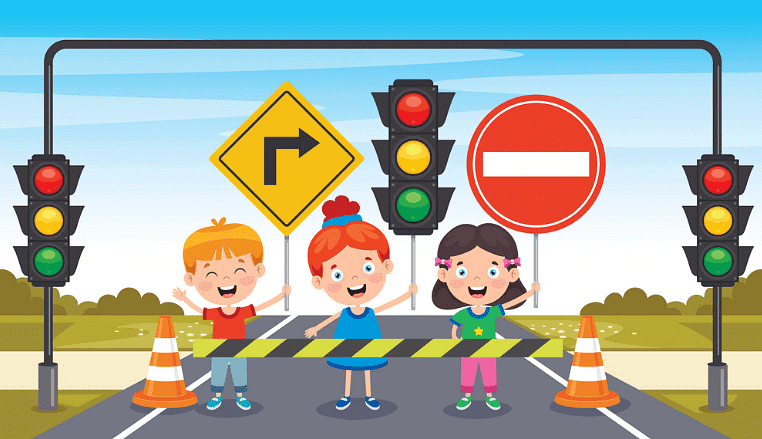
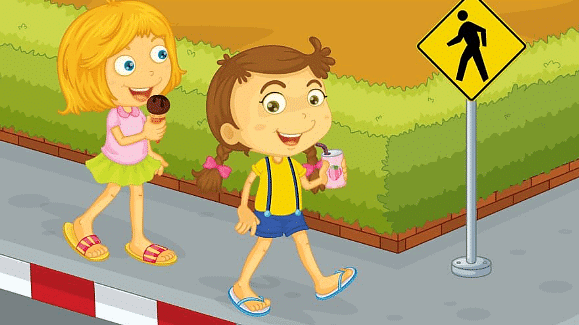
(i) This light signals us to stop. (ii) This light signals us to get ready. (iii) This light signals us to move. (iv) This officer looks after the traffic. (v) This should be worn while riding a bike. Ans: (i) Red (ii) Yellow (iii) Green (iv) Traffic Police Officer (v) Helmet
Q2: Give one example of each
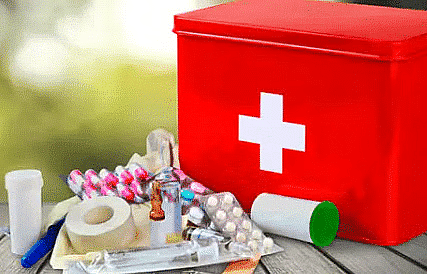
(i) Road safety rules (ii) School safety rules (iii) Outdoor safety rules (iv) Indoor safety rules (v) Medical safety rules Ans: (i) Use zebra crossing (ii) Do not jump on the benches (iii) Do not run on the road (iv) Do not touch electric wires with your bare hand (v) Use a first aid kit.
Q3: Fill in the blanks
(i) We should use a ______ in medical emergencies. (ii) We should wear ______ while swimming. (iii) We should not ______ with animals. (iv) We should not ______ on the road. (v) We should not ______ things on our own. Ans: (i) First aid (ii) Swimming tubes (iii) Mess (iv) Run (v) Sharp
Q4: True or False
(i) We should play in the playground. (ii) We should make a queue while entering the classroom after the assembly. (iii) We should bother animals by throwing stones on them. (iv) We should throw the duster in the class. (v) We should play with chalks. Ans: (i) True (ii) True (iii) False (iv) False (v) False
Q1: Fill in the blanks using the words given in the box below.
(Lean, zebra, safety, play, swimming) (i) _____ habits save us from accidents. (ii) Never _____ on the road. (iii) Use _____ crossing to cross the road. (iv) Never _____ out of a moving bus. (v) Never go for _____ alone. Ans: (i) Safety habits save us from accidents. (ii) Never play on the road. (iii) Use zebra crossing to cross the road. (iv) Never lean out of a moving bus. (v) Never go for swimming alone.
Edurev Tips:
Safety habits save us from accidents.
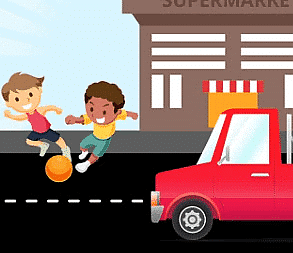
We should never play on the road.
We should use zebra crossing while crossing the road.
We should never lean out of a moving bus.
We should never go for swimming alone.
Q2: Write T for true and ‘F’ for false statements.
(i) We should not obey traffic rules. (ii) We should board a moving bus. (iii) We should not go for swimming alone. (iv) We should play on an open terrace. (v) We should use a footpath to walk. Ans: (i) We should not obey traffic rules. False (ii) We should board a moving bus. False (iii) We should not go for swimming alone. True (iv) We should play on an open terrace. False (v) We should use a footpath to walk. True
Edurev Tips:
We should always obey traffic rules.
We should never board a moving bus.
We should not go for swimming alone.
We should never play on an open terrace.
We should always use a footpath to walk.
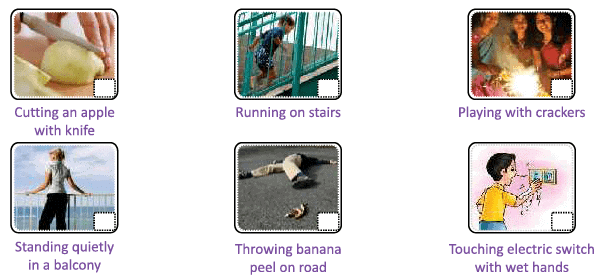
Q3: Tick (3) the box which shows safe action and (x) the box showing unsafe action.
Ans:
Q4: Give two safety rules that should be followed.
(i) At home (ii) On the road Ans: (i) At home
Never play with sharp-pointed things.
Never touch switches with wet hands.
(ii) On the road
Use zebra crossing for crossing road.
Always walk on footpath.
Q5: Tell the colour of the traffic light that says.
(i) Stop (ii) Get ready (iii) Go Ans: (i) Stop – Red light says Stop. (ii) Get ready – Orange light says Get Ready. (iii) Go – Green light says go.
Q6: Answer the following questions.
(i) Why should you not play on the road? Ans: We should not play on roads as the road is an unsafe place because lots of vehicles are there.
(ii) Why should you not touch electric switches with wet hands? Ans: One should not touch electrical appliances with wet hands. Since water is a good conductor, contact with moisture may result in electric shocks.
(iii) Why should you not play with fire? Ans: We shouldn’t play with fire because it’s not something to play with, it can hurt adversely.
(iv) Why is it not safe to run on stairs? Ans: It is not safe to run on stairs as we can fall and hurt ourselves.
(v) Where should you throw fruit and vegetable peels? Ans: We should throw fruit and vegetable peels in the dustbin.
Q1: Fill in the blanks with the correct words given below
(lotus, trees, living, creeper, green, woody) (i) Plants are _________ things (ii) Leaves of most plant are _________ (iii) _________ crawls on the ground. (iv) Shrubs have hard and _________ stem. (v)_________ is a water plants. (vi) Big and strong plants are called _________ Ans: (i) Plants are living things (ii) Leaves of most plant are green. (iii)Creeper crawls on the ground. (iv) Shrubs have hard and woody stem. (v)Lotus is a water plants. (vi) Big and strong plants are called trees.
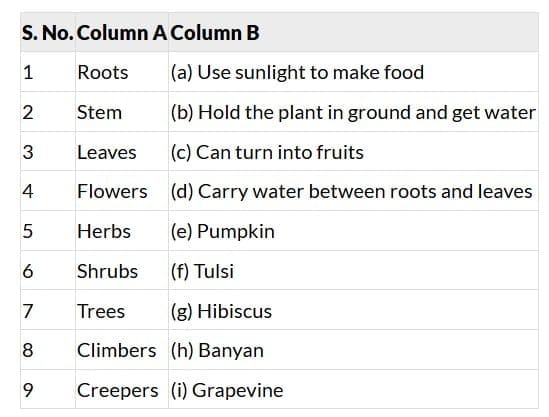
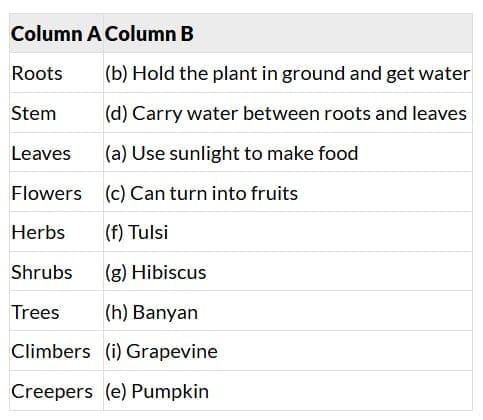
Q2: Match the following
Ans:
Q3: Put tick (✔) against the correct sentences and cross(X) against the wrong ones.
(i) Plants are non-living things. (ii) Climbers do not need support to stand. (iii) Money plant is a big plant. (iv) Some Plants are big. (v) Neem tree is a creeper (vi) Most leaves are green in color. Ans: (i) Plants are living things. (X) (ii) Climbers do not need support to stand. (X) (iii) Money plant is a big plant. (X) (iv) Some Plants are big. (✔) (v) Neem tree is a creeper (X) (vi) Most leaves are green in color. (✔)
Q4: Answer the following questions
(i) Are plants living things? Ans: Yes, plants are living things. Living things exhibit characteristics such as growth, reproduction, response to stimuli, and metabolism, all of which apply to plants.
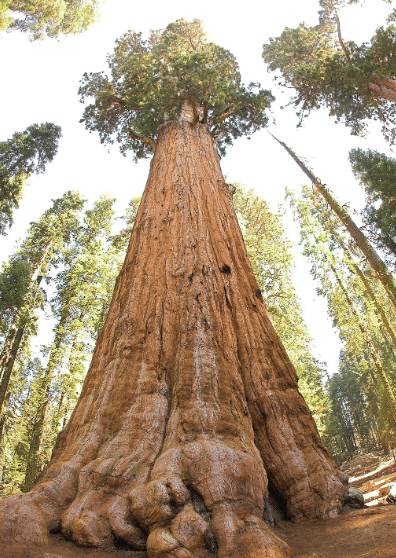
(ii) What do you mean by a tree? Ans: A tree is a large, perennial plant that typically has a single main stem or trunk with branches and leaves. Trees are characterized by their height and woody structure. They play a vital role in ecosystems, providing habitat, oxygen, and numerous other benefits.
(iii) What is the difference between shrubs and herbs? Ans:
Shrubs: Shrubs are medium-sized plants with a hard and woody stem. They are taller than herbs but shorter than trees. Examples of shrubs include hibiscus and tulsi.
Herbs: Herbs are smaller plants with soft and green stems. They are generally shorter than shrubs. Examples of herbs include wheat and sunflower.
(iv) What are small plants? Ans:Small plants are plants that are smaller in size compared to trees. They have thinner and weaker stems. Small plants can include both herbs and some shrubs.
(v) Name the color of most of the leaves. Ans:The color of most leaves is green. This green color is due to the presence of chlorophyll, a pigment that plays a crucial role in photosynthesis, the process by which plants convert light energy into chemical energy.
(vi) What is the difference between climbers and creepers? Ans:
Climbers: Climbers are plants that need support to stand erect. They have specialized structures like tendrils or twining stems to cling onto surfaces. Examples of climbers include the money plant and pea.
Creepers: Creepers are plants that crawl along the ground or other surfaces. They do not necessarily need support to grow. Examples of creepers include pumpkin and watermelon.
Q1: Fill in the blanks using a correct word from the brackets:
(i) _________ are plants that can grow the biggest. (Trees/Shrubs) (ii) _________ take support from another plant or tree. (Climbers/Creepers) (iii) _________ spread on the ground. (Climbers/Creepers) (iv) _________ have a soft, green stem. (Herbs/Shrubs) (v)_________ are small, bushy plants. (Herbs/Shrubs) Ans: (i) Trees are plants that can grow the biggest. (Trees/Shrubs)
(ii) Climber take support from another plant or tree. (Climbers/Creepers) (iii) Creeper spread on the ground. (Climbers/Creepers) (iv) Herbs have a soft, green stem. (Herbs/Shrubs) (v) Shrubs are small, bushy plants. (Herbs/Shrubs)
Edurev Tips:
Trees can grow the biggest.
Climber grows vertically along the buildings and another plant or uses another plant for climbing.
Creeper grows horizontally along the soil. The runner is the part of the stem that grows horizontally and produces new plants.
The plants which have soft and green stems are called herbs. Examples: Cauliflower, wheat, rice, mint etc.
Plants that are shorter than trees and a bushy appearance are known as shrubs.
Q2: True or False
(i) Trees are the tallest and the strongest plants. (ii) Herbs are stronger than shrubs. (iii) Climbers have trunks. (iv) Rose plant grows in water. (v) Tulsi plant is a herb.
Herbs consist of soft and unbranched stems, whereas shrubs have woody, branched and multi stems.
Climber grows vertically along the buildings and another plant or uses another plant for climbing.
Rose plant grows in soil.
Tulsi, also known as holy basil, is an herb native to India.
Q3: Give two examples of each
(i) Herb ______ ______ (ii) Shrub ______ ______ (iii) Climber ______ ______ (iv) Creeper ______ ______ (v) Water Plant ______ _____ Ans: (i) Herbs – wheat, paddy, grass (ii) Shrub – Rose, jasmine, lemon (iii) Climber – sweet gourd, money plant (iv) Creeper – watermelon, strawberry, pumpkin (v) Water plant – lotus, water hyacinth
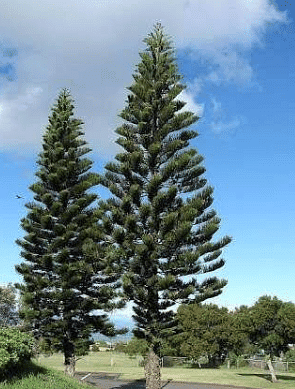
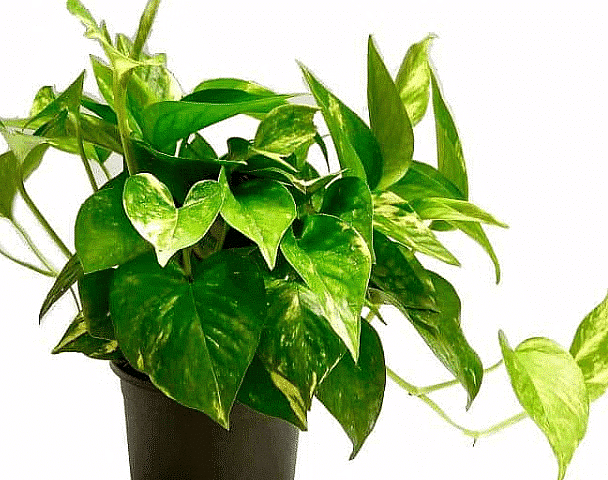
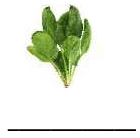
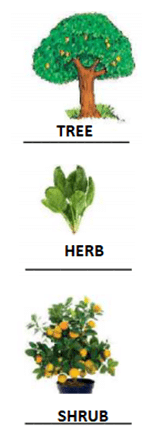
Q4: Identify these as herb/shrub/tree.
Ans:
Q5: Answer the following questions
(i) Name different types of plants. Ans: Different types of plants are:
The herb is a short-sized plant with soft, green, delicate stem without the woody tissues.
Shrubs are medium-sized, woody plants taller than herbs and shorter than a tree.
Trees are big and tall plants. They have very thick, woody and hard stems called the trunk.
Creepers, as the name suggests, are plants that creep on the ground. They have very fragile, long, thin stems that can neither stand erect nor support all its weight.
Climbers are much more advanced than creepers. Climbers have a very thin, long and weak stem which cannot stand upright, but they can use external support to grow vertically and carry their weight.
(ii) How is a shrub different from a herb? Ans: Shrubs are small to medium sized plants which are woody. Herbs consist of soft and unbranched stems, whereas shrubs have woody, branched and multi stems. Shrubs are often confused with herbs because of their similar characteristics, but shrubs are taller than herbs.
(iii) Why don’t climbers and creepers grow upright? Ans: Both creepers and climbers are weak-stemmed plants and, hence, cannot grow erect without support. The difference is that creepers spread horizontally along the soil.
(iv) How is a climber different from a creeper? Ans: Creepers and climbers are plants with weak stem that needs support to stand erect. The main difference between a creeper and climber is as follows: Creepers creep along the soil, i.e. they grow and spread horizontally on soil, whereas, Climbers need the support of any vertical object, to climb up vertically.
(v) What are water plants? Give examples. Ans: Any plant adapted to grow in water or aqueous habitats are known as aquatic plants. Examples include lotus and water hyacinth.
(i) Water is also one of basic ________. (ii) Plants need water to prepare their ________. (iii) We do ________ in water. (iv) Animals take a _________ in the water of rivers, ponds or lakes. (v) ________ is produced from water. Ans: (i) needs (ii) food (iii) boating (iv) bath (v) Electricity
Q2: Unscramble the words
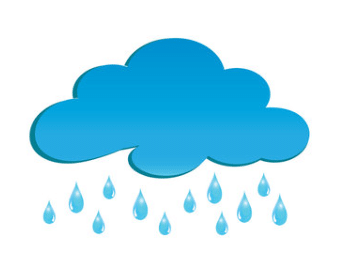
(i) EANCO (ii) IVERER (iii) IARN (iv) PAT (v) NDAHUMPP Ans: (i) OCEAN (ii) RIVER (iii) RAIN
(iv) TAP (v) HANDPUMP
Q3: Put a tick (✔) against the correct sentences and a cross (X) against the wrong ones:
(i) Some plants do not need water. (ii) Water is used for cooking food. (iii) We do boating in water. (iv) We cannot swim in water. (v) Electricity is not produced from water. Ans: (i) Some plants do not need water. (X) (ii) Water is used for cooking food. (✔)
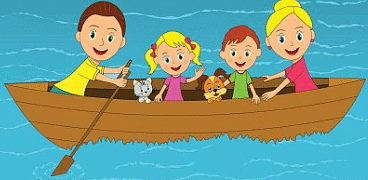
(iii) We do boating in water. (✔) (iv) We cannot swim in water. (X) (v) Electricity is not produced from water. (X)
Q4: Answer the following questions
(i) Can we live without water? Ans: We cannot live without water.
(ii) Write two uses of water. Ans: The two uses of water are:
We drink water when we are thirsty
We need water for bathing.
(iii) Why do animals need water? Ans: Animal cannot live without water. Almost all animals drink water.
(iv) Why do plants need water? Ans: Plants also need water to keep alive. They use water to prepare their food.
(v) Where do we go for boating? Ans: We do boating in the water of rivers, lakes, etc.
(vi) What are natural resources? Ans: Things that are available in nature are called natural resources. Water is natural resources.
(vii) Why we should not waste water? Ans: Water is precious so we should not waste water.
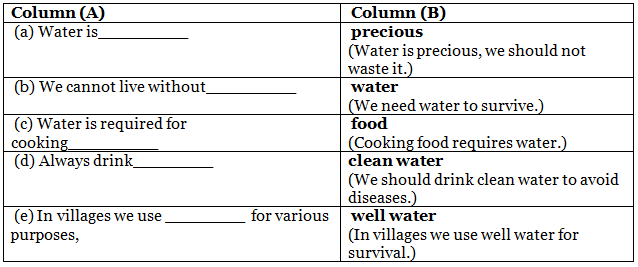
(i) Water is precious, so we must not _____ it. (ii) We cannot _____ without water. (iii) Drinking dirty water is bad for our _____ . (iv) We should _____ water to make it germ free. (v) _____ is stored in tanks. (vi) Ponds and lakes are filled by _____ water. (vii) _____ bring rain on earth. Ans: (i) Water is precious, so we must not waste it. (ii) We cannot live without water. (iii) Drinking dirty water is bad for our health. (iv) We should clean/purify water to make it germ free. (v)Water is stored in tanks. (vi) Ponds and lakes are filled by fresh water. (vii) Evaporation bring rain on earth.
Edurev Tips:
Water is precious, we should not waste it.
We need water to survive, we cannot live without water.
Drinking dirty water can cause diseases.
We should clean water before drinking it.
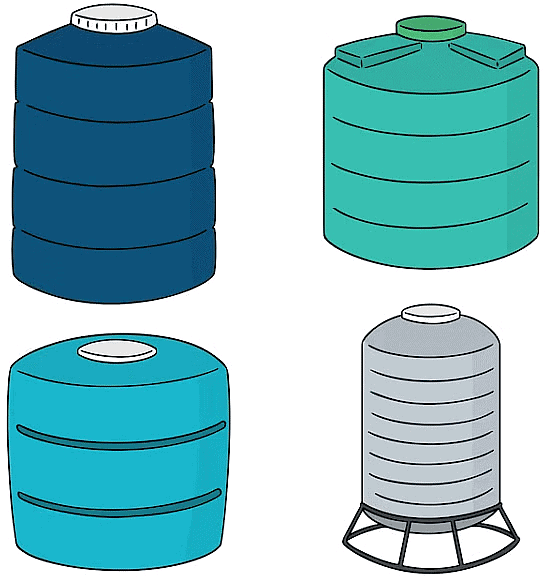
Water is stored in tanks for various purposes.
A pond/lake is a small area of still, fresh water.
Rain is droplets of water that are condensed as a result of evaporation.
Get additional INR 200 off today with EDUREV200 coupon.
Q2: True or False
(i) Water in a river comes from mountains. (ii) All living things need water. (iii) Water is precious. (iv) Water is needed only for drinking. (v) Plants and animals do not need water to live. (vi) Rain water fills up wells, rivers and lakes. Ans: (i) True (ii) True (iii) True (iv) False (v) False (vi) True
EduRev Tips:
Rivers originate in the mountains.
All living things need water to survive.
Water is precious, we should not waste it.
We need water for bathing, washing clothes, utensils, etc.
All living things need water to survive.
Rain water fills up ponds, lakes etc.
Also read: Chapter Notes: Precious Water
Q3: Multiple Choice Question (MCQs)
(i) At home, you can store drinking water in a: (a) dustbin (b) flowerpot (c) bottle (d) small cup Ans: (c) At home, we can store water in bottles, mud pots etc.
(ii) We use water for: (a) dancing (b) drinking (c) throwing (d) wasting Ans: (b) We need water for drinking, bathing, washing clothes, utensils, etc.
(iii) We can store water in: (a) buckets (b) tubes (c) cups (d) spoons Ans: (a) We can save water in tubs, buckets, tanks etc.
(iv) People in villages use water from: (a) wells (b) drains (c) pots (d) glass Ans: (a) People living in villages use well water.
(v) Rain water fills: (a) lakes (b) glasses (c) wells (d) tubes Ans: (a) Rain is a source of natural water, it fills ponds, rivers, lakes etc.
(i) Why do we need water? Ans: Water is a basic need for living things. We need water for drinking, cooking, bathing, washing etc. water is precious.
(ii) What do plants need water for? Ans: Plants, like all living things, have basic needs that must be met for them to survive. These needs include: light, air, water etc.
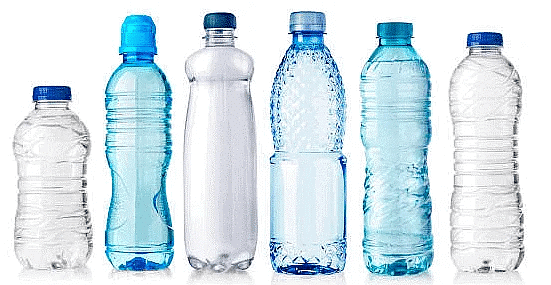
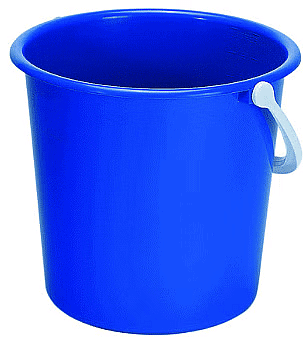
(iii) How can water be stored? Ans: Water can be stored for future use. It can be stored in bottles, tubs, buckets, tanks etc.
(iv) Write three uses of water in our daily life. Ans: Three uses of water:
Drinking
Washing clothes
Washing utensils
(v) Why should we not waste water? Ans: Water is very precious and limited. We should not waste water.
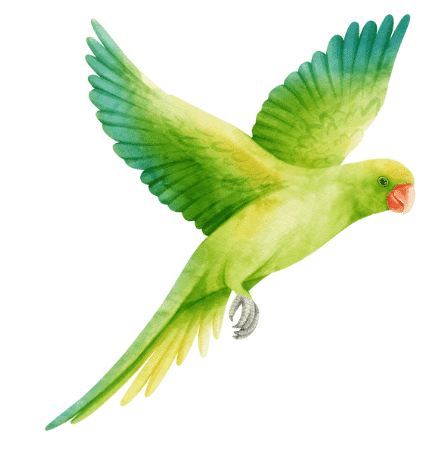
Ans: B) Wings Solution: Birds use wings to fly. Their wings are covered with feathers, and the movement of their wings helps them lift off the ground and stay in the air.
Q2: Which of the following is a flightless bird?
A) Eagle
B) Penguin
C) Sparrow
D) Parrot
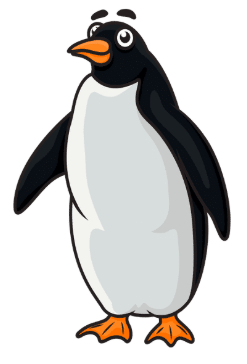
Ans: B) Penguin Solution: Penguins are flightless birds. They have wings that are adapted for swimming instead of flying. They live mostly in cold regions like Antarctica and use their wings like flippers to move through water.
Q3: What type of food do eagles typically eat?
A) Grains
B) Fruits
C) Small animals
D) Water plants
Ans: C) Small animals Solution: Eagles are carnivorous birds. They hunt and eat small animals, such as fish, rabbits, and even snakes. They have sharp claws (talons) and a hooked beak to catch and tear their food.
Q4: Which part of a bird helps it balance while flying?
A) Beak
B) Tail
C) Wings
D) Feet
Ans: B) Tail Solution: A bird’s tail helps it balance in the air and change direction while flying. It acts like a rudder on a boat, helping the bird turn smoothly.
Q5: Birds have which of the following characteristics?
A) They lay eggs
B) They have feathers
C) They can fly
D) All of the above
Ans: D) All of the above Solution:
Birds have many special characteristics, including:
Laying eggs to reproduce
Having feathers to keep them warm and help in flight
Most birds can fly, except flightless birds like penguins and ostriches. Hence, the correct answer is D) All of the above.
Get additional INR 200 off today with EDUREV200 coupon.
Fill in the Blanks
Q1: Birds have __________ that help them fly.
Answer: wings
Explanation: Birds use their wings to fly. The movement of their wings creates lift, allowing them to move through the air.
Q2: A baby bird is called a __________.
Answer: chick
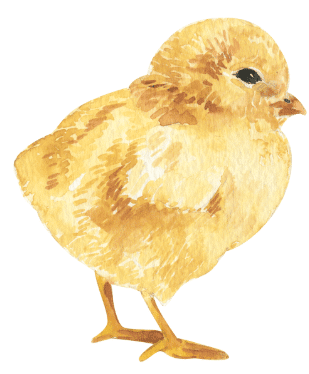
Explanation: A baby bird is called a chick. When birds lay eggs, they hatch into chicks, which grow into adult birds.
Q3: The __________ helps birds change direction while flying.
Answer: tail
Explanation: The tail helps birds maintain balance and control while flying. It helps them turn and steer in different directions.
Q4: Birds eat different types of food, such as __________ and seeds.
Answer: grains
Explanation: Birds eat a variety of foods like grains, seeds, fruits, and insects depending on the species. Small birds like sparrows eat grains.
Q5: The __________ is the largest bird in the world.
Answer: ostrich
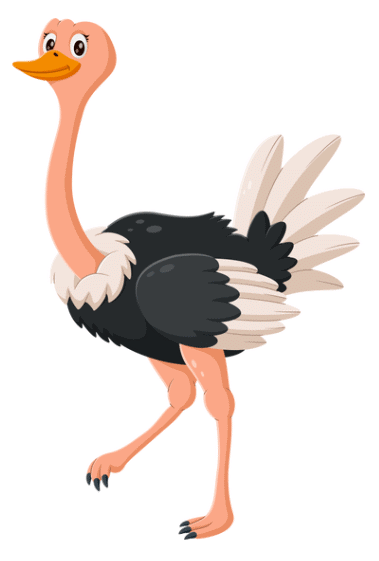
Explanation: The ostrich is the largest bird in the world. It cannot fly but can run very fast, up to 70 km/h (43 mph)!
Also read: Syllabus: EVS for Class 1
True or False
Q1: All birds can fly.
Answer: False
Explanation: Not all birds can fly. Some birds like penguins, ostriches, and emus are flightless birds.
Q2: Birds have teeth to help them eat.
Answer: False
Explanation: Birds do not have teeth. Instead, they use their beaks to break and eat food.
Q3: Penguins are an example of flightless birds.
Answer: True
Explanation:Penguins cannot fly. Their wings are adapted for swimming, and they move easily in water rather than air.
Q4: Birds can only live on land.
Answer: False
Explanation: Birds can live in many different habitats. Some birds, like ducks and penguins, live near water and are good swimmers.
Q5: Sparrows eat fruits and nuts.
Answer: False
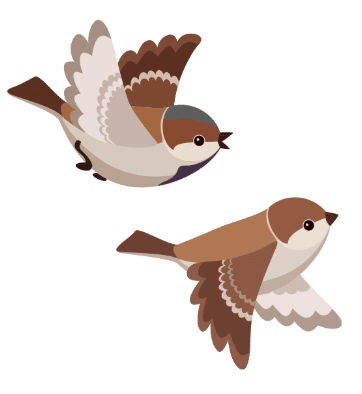
Explanation: Sparrows mostly eat grains and seeds, not fruits and nuts. They are granivorous birds.
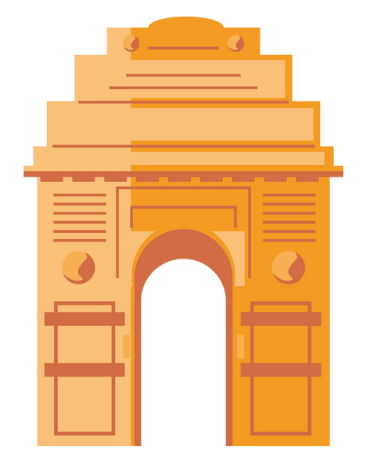
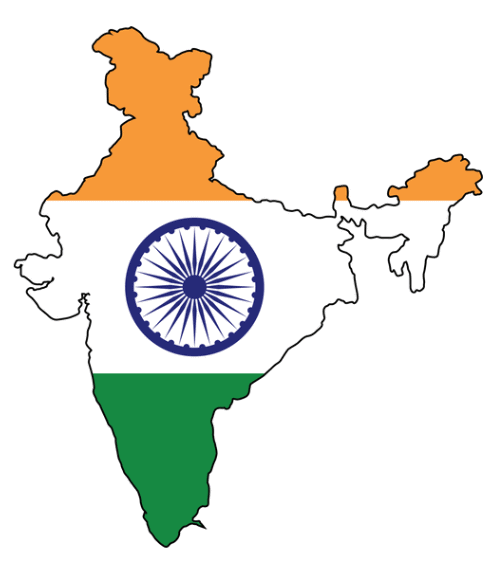
Ans: B) New Delhi Sol: The capital of India is New Delhi. It is where the President, Prime Minister, and other government offices are located. It serves as the political and administrative center of the country.
Q2: Which of the following is our national animal?
A) Elephant
B) Lion
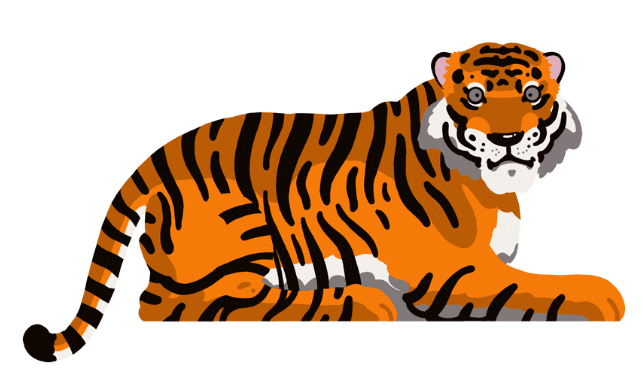
C) Royal Bengal Tiger
D) Peacock
Ans: C) Royal Bengal Tiger Sol: The Royal Bengal Tiger is the national animal of India. It represents strength, power, and grace and is mainly found in the Sundarbans region and other forest areas of India.
Q3: How many states are there in India?
A) 28
B) 29
C) 27
D) 30
Ans: A) 28 Sol: India has 28 states and 8 Union Territories as of 2025. Earlier, Jammu and Kashmir was a state, but it was reorganized into two Union Territories in 2019.
Q4: Which is the national sport of India?
A) Cricket
B) Football
C) Hockey
D) Badminton
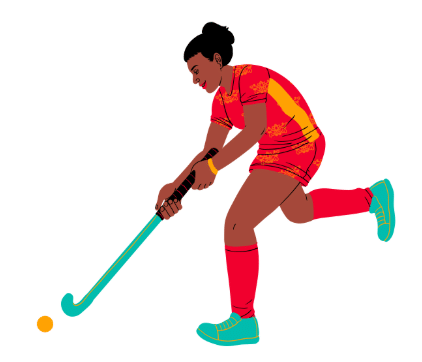
Ans: C) Hockey Sol:Hockey is officially the national sport of India. The Indian men’s hockey team has won multiple Olympic gold medals, making it historically significant.
Q5: What is the national flower of India?
A) Rose
B) Lotus
C) Sunflower
D) Jasmine
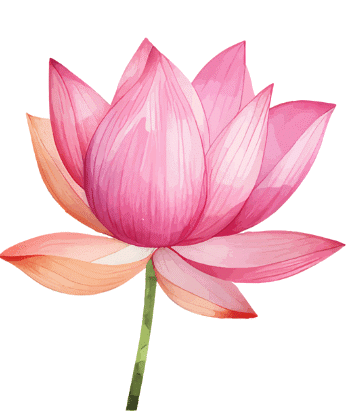
Ans: B) Lotus Sol: The Lotus is the national flower of India. It symbolizes purity and is associated with Indian culture and traditions, especially in Hinduism and Buddhism.
Get additional INR 200 off today with EDUREV200 coupon.
Fill in the Blanks
Q1: The national bird of India is __________.
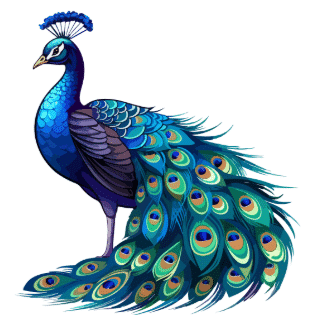
Answer: Peacock
Explanation: The Indian Peafowl (Peacock) is the national bird of India, representing beauty and grace.
Q2: Our national fruit is __________.
Answer: Mango
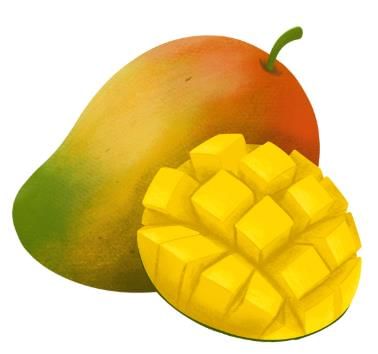
Explanation:Mango is India’s national fruit. It is known as the “King of Fruits” and is widely grown across the country.
Q3: The largest state in India by area is __________.
Answer: Rajasthan
Explanation:Rajasthan is the largest state in India by area. It covers around 342,239 square kilometers.
Q4: The capital of India is __________.
Answer: New Delhi
Explanation:New Delhi serves as the capital of India and houses the main government offices and embassies.
Q5: The national anthem of India is __________.
Answer: Jana Gana Mana
Explanation: The Indian national anthem, “Jana Gana Mana,” was composed by Rabindranath Tagore and officially adopted in 1950.
Also read: Worksheet: Animals are Birds too
True or False Statements
Q1: India has 8 Union Territories. (True/False)
Answer: True
Explanation: As of 2024, India has 8 Union Territories after the reorganization of Jammu & Kashmir in 2019.
Q2: The Ashoka Chakra has 20 spokes. (True/False)
Answer: False
Explanation: The Ashoka Chakra on the Indian flag has 24 spokes, symbolizing progress and movement.
Q3: The national sport of India is cricket. (True/False)
Answer: False
Explanation: The official national sport of India is Hockey, although cricket is the most popular sport.
Q4: The Ganga is considered the most sacred river in India. (True/False)
Answer: True
Explanation: The Ganga River is considered sacred in Hinduism and is worshipped as a goddess.
Q5: Goa is the largest state in India by area. (True/False)
Answer: False
Explanation:Rajasthan is the largest state in India, while Goa is the smallest state by area.
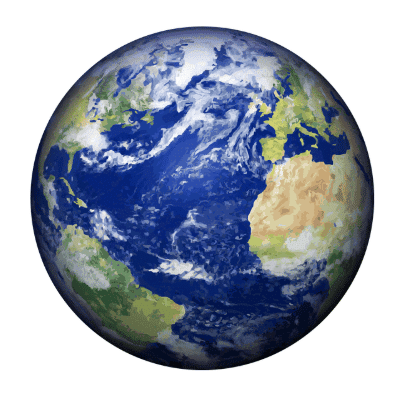
Ans: B) Earth Our planet is Earth. It is the only planet where we can live because it has air, water, and land.
Q2: What does the Earth provide us?
A) Only land
B) Food, water, and a place to live
C) Only air
D) Only living things
Ans: B) Food, water, and a place to live Earth gives us many important things like food, water, and a safe place to live. It takes care of all living things.
Q3: Which of the following is NOT a component of the Earth?
A) Land
B) Water
C) Fire
D) Air
Ans: C) Fire Earth is home to land, water, and air, which all help us live. Fire is not something Earth provides directly for our survival.
Q4: What types of living things can be found on Earth?
A) Only plants
B) Only animals
C) Plants, animals, and people
D) Only bacteria
Ans: C) Plants, animals, and people On Earth, we see many kinds of living things, such as plants, animals, and people. They all live together on Earth.
Q5: What is essential for the survival of living things?
A) Land
B) Water
C) Air
D) All of the above
Ans: D) All of the above Living things need land, water, and air to stay alive. So, all the above options are correct.
Get additional INR 200 off today with EDUREV200 coupon.
Fill in the Blanks
Q1: Earth is our __________.
Ans: home Our planet’s name is Earth, and we live on it like our big home.
Q2: The Earth has land, water, air, and __________ things.
Ans: living Earth is special because it has living things like people, plants, and animals.
Q3: Earth provides us with food, __________, and a place to live.
Ans: water Earth gives us important things like food, a place to live, and water.
Q4: Many __________ live on Earth.
Ans: animals Many different kinds of animals live and grow on Earth.
Q5: The Earth is a __________ planet.
Ans: beautiful Earth looks very beautiful because of water, land, and clouds, making it special among all planets.
Also read: Worksheet: My Country – India
True or False Statements
Q1: Earth is the only planet known to have living things.
Ans: True Only Earth has life. It is special because it has air, water, and food.
Q2: The Earth has no water.
Ans: False Earth is special because it has lots of water, land, and air.
Q3: Air is not important for living things.
Ans: False
Air is very important, and all living things need it to survive.
Q4: Plants can be found on Earth.
Ans: True Animals, plants, and people all live happily on Earth together.
Q5: Earth is made up of only land.
Ans: False Earth is a planet, but it is not just land. It has both land and water, making it special.
Ans: B) Wings Solution: Birds use wings to fly. Their wings are covered with feathers, and the movement of their wings helps them lift off the ground and stay in the air.
Q2: Which of the following is a flightless bird?
A) Eagle
B) Penguin
C) Sparrow
D) Parrot
Ans: B) Penguin Solution: Penguins are flightless birds. They have wings that are adapted for swimming instead of flying. They live mostly in cold regions like Antarctica and use their wings like flippers to move through water.
Q3: What type of food do eagles typically eat?
A) Grains
B) Fruits
C) Small animals
D) Water plants
Ans: C) Small animals Solution: Eagles are carnivorous birds. They hunt and eat small animals, such as fish, rabbits, and even snakes. They have sharp claws (talons) and a hooked beak to catch and tear their food.
Q4: Which part of a bird helps it balance while flying?
A) Beak
B) Tail
C) Wings
D) Feet
Ans: B) Tail Solution: A bird’s tail helps it balance in the air and change direction while flying. It acts like a rudder on a boat, helping the bird turn smoothly.
Q5: Birds have which of the following characteristics?
A) They lay eggs
B) They have feathers
C) They can fly
D) All of the above
Ans: D) All of the above Solution:
Birds have many special characteristics, including:
Laying eggs to reproduce
Having feathers to keep them warm and help in flight
Most birds can fly, except flightless birds like penguins and ostriches. Hence, the correct answer is D) All of the above.
Fill in the Blanks
Q1: Birds have __________ that help them fly.
Answer: wings
Explanation: Birds use their wings to fly. The movement of their wings creates lift, allowing them to move through the air.
Q2: A baby bird is called a __________.
Answer: chick
Explanation: A baby bird is called a chick. When birds lay eggs, they hatch into chicks, which grow into adult birds.
Q3: The __________ helps birds change direction while flying.
Answer: tail
Explanation: The tail helps birds maintain balance and control while flying. It helps them turn and steer in different directions.
Q4: Birds eat different types of food, such as __________ and seeds.
Answer: grains
Explanation: Birds eat a variety of foods like grains, seeds, fruits, and insects depending on the species. Small birds like sparrows eat grains.
Q5: The __________ is the largest bird in the world.
Answer: ostrich
Explanation: The ostrich is the largest bird in the world. It cannot fly but can run very fast, up to 70 km/h (43 mph)!
True or False
Q1: All birds can fly.
Answer: False
Explanation: Not all birds can fly. Some birds like penguins, ostriches, and emus are flightless birds.
Q2: Birds have teeth to help them eat.
Answer: False
Explanation: Birds do not have teeth. Instead, they use their beaks to break and eat food.
Q3: Penguins are an example of flightless birds.
Answer: True
Explanation:Penguins cannot fly. Their wings are adapted for swimming, and they move easily in water rather than air.
Q4: Birds can only live on land.
Answer: False
Explanation: Birds can live in many different habitats. Some birds, like ducks and penguins, live near water and are good swimmers.
Q5: Sparrows eat fruits and nuts.
Answer: False
Explanation: Sparrows mostly eat grains and seeds, not fruits and nuts. They are granivorous birds.
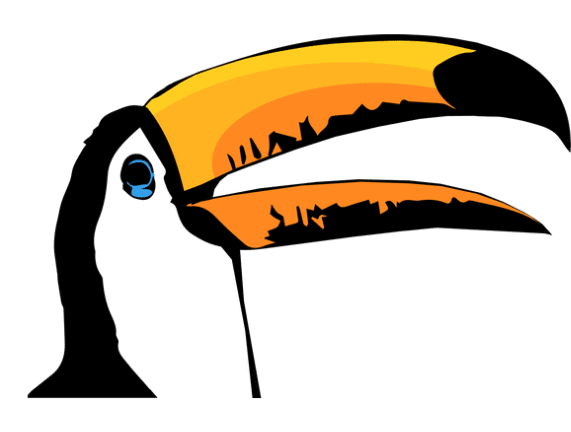
Match the FollowingColumn AColumn BA) Ostrich1) Small bird that eats grainsB) Parrot2) Bird that can swimC) Penguin3) The largest birdD) Sparrow4) Bird that can talkE) Duck5) Bird with webbed feet
Ans:
A) Ostrich – 3) The largest bird
B) Parrot – 4) Bird that can talk
C) Penguin – 2) Bird that can swim
D) Sparrow – 1) Small bird that eats grains
E) Duck – 5) Bird with webbed feetlution
Explanation:
Ostrich is the largest bird in the world.
Parrots can mimic human speech and are known as talking birds.
Penguins are flightless birds that swim instead of flying.
Sparrows are small birds that eat grains.
Ducks have webbed feet, which help them swim in water.
 Ans:
Ans: 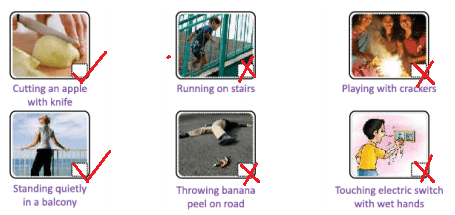
 (ii) Climber take support from another plant or tree. (Climbers/Creepers)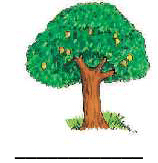
 (iv) TAP
 (iii) We do boating in water. (✔)
 (vi) What are natural resources?
 (iv) Write three uses of water in our daily life.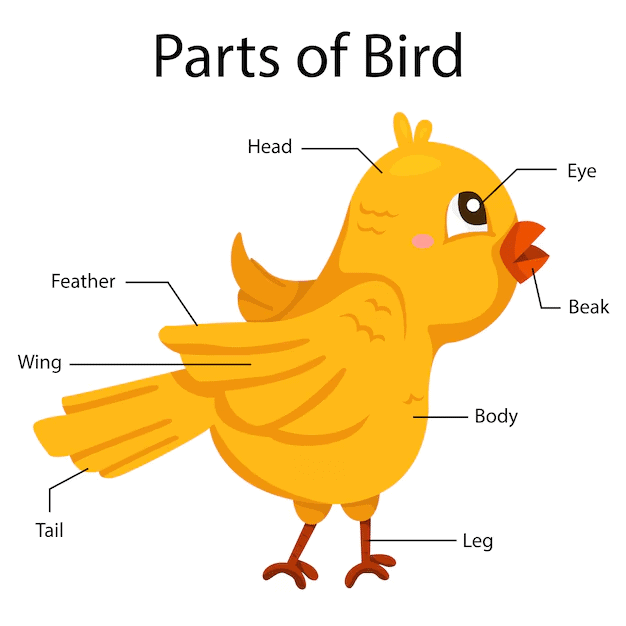
 Air is very important, and all living things need it to survive.