16. Short Answer Questions: Seasons and Weather

Q1. What is weather?
Ans: Weather is how the sky and air feel outside. It can be sunny, rainy, windy, cold, or cloudy, and it affects what we wear and do.
SeasonsSeasonsQ2. What do people usually wear on sunny days?
Ans: On sunny days, people wear light and comfortable cotton clothes to stay cool.
Q3. How do people stay warm on cold days?
Ans: People wear warm woolen clothes like sweaters and coats, and enjoy hot drinks like tea or soup to keep cozy.
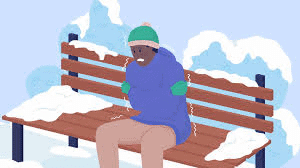
Cold DaysCold Days

Q4. What should you use when it rains?Ans: When it rains, people use raincoats and umbrellas to stay dry.
Q5. What happens on windy days?
Ans: On windy days, strong winds blow, trees sway, and it’s fun to fly kites, but we should be careful and stay indoors if the wind is very strong.
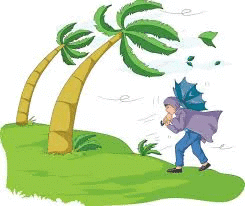
Windy DaysWindy DaysQ6. What are the four main seasons in India?
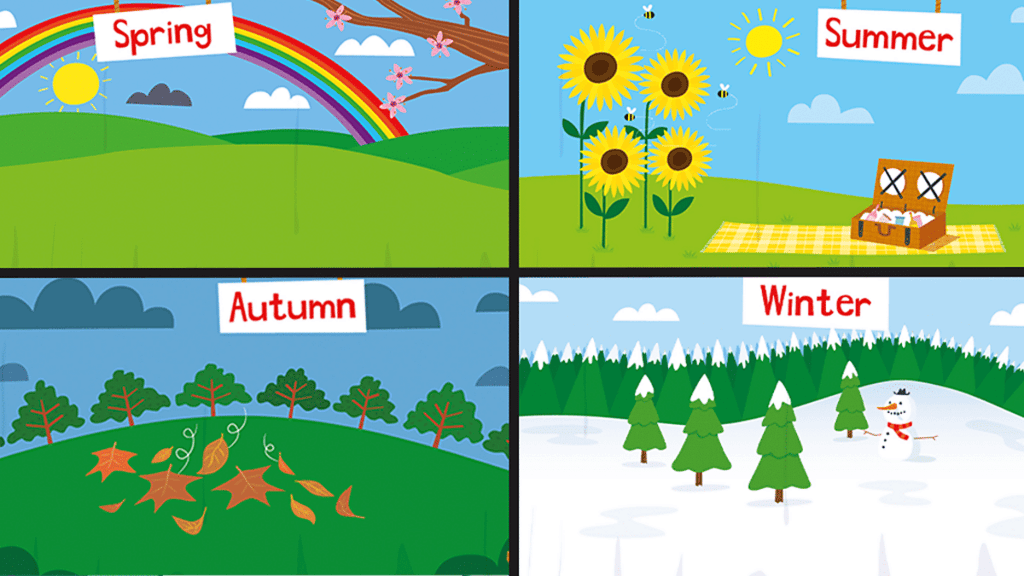
Ans: The four main seasons in India are Summer, Winter, Spring, and Monsoon. (Autumn is also a season with cool weather and falling leaves.)
Q7. What do people do during the summer season to stay cool?
Ans: During summer, people wear light clothes and drink cold beverages to stay comfortable in the heat.
Q8. How do people dress during winter in northern India?
Ans: In winter, people wear sweaters and jackets to keep warm and enjoy hot drinks like tea and coffee.

Q9. What happens in nature during spring?
Ans: In spring, flowers bloom and trees grow new leaves. The weather is mild and pleasant.
Q10. Why is the monsoon season important for farmers?
Ans: The monsoon brings heavy rain that waters crops, which helps farmers grow food.
Q11. What problems can heavy monsoon rains cause?
Ans: Heavy rains can cause flooding in some areas, which can be dangerous.
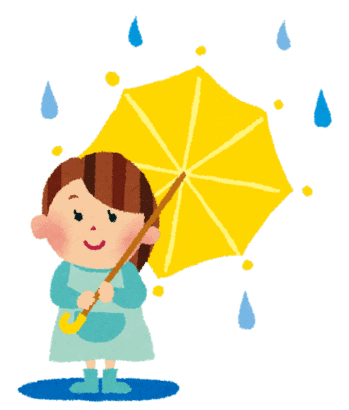
Rainy DaysRainy DaysQ12. What do people use during the monsoon to protect themselves from rain?
Ans: People use umbrellas and raincoats to stay dry during the monsoon.
Q13. What changes happen to trees during autumn?
Ans: During autumn, trees lose their leaves, and the leaves change to beautiful colors like red, yellow, and orange.
Q14. Why is autumn a good time for outdoor activities?
Ans: Autumn has cool and pleasant weather, making it perfect for picnics and walks in nature.
Q15. How does weather affect our daily life?
Ans: Weather affects what clothes we wear, what activities we do, and how we feel each day.
11. Short Answer Questions: Animals

Q1. What are animals?
Ans: Animals are living things that can move, eat food, and sometimes make sounds. They come in many shapes and sizes, from tiny insects to big whales.

AnimalsAnimals

Q2. What are some examples of large animals?
Ans: Large animals include elephants, whales, giraffes, and rhinos. They can be very tall or heavy.

Q3. Can you name some medium-sized animals?
Ans: Medium animals are bigger than tiny creatures but smaller than large animals. Examples are cats, rabbits, and foxes.

Q4. What are tiny animals?
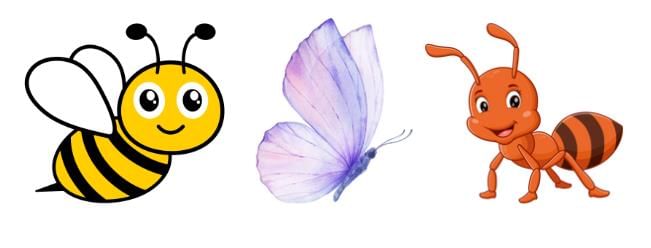
Ans: Tiny animals are very small creatures like ants, bees, butterflies, and mice. Sometimes you need a magnifying glass to see them well.

Tiny AnimalsTiny Animals

Q5. What are domestic animals?
Ans: Domestic animals live with humans and are often pets or help with work. Dogs, cats, and parrots are examples.

Q6. What are wild animals?
Ans: Wild animals live freely in forests or jungles and are not usually kept as pets. Lions, tigers, and elephants are wild animals.

Q7. Who are farm animals?
Ans: Farm animals live on farms and help people by providing food or doing work. Examples include cows, goats, and hens.

Q8. What are aquatic animals?
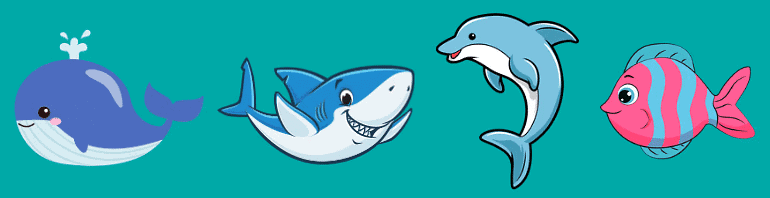
Ans: Aquatic animals live in water all their lives. They breathe using gills. Examples are whales, sharks, dolphins, fish, and octopuses.

Aquatic AnimalsAquatic Animals

Q9. What makes birds special?
Ans: Birds have feathers, wings, two legs, and a beak. Most can fly, and some are good swimmers. Sparrows, crows, and pigeons are birds.

Q10. What are insects?
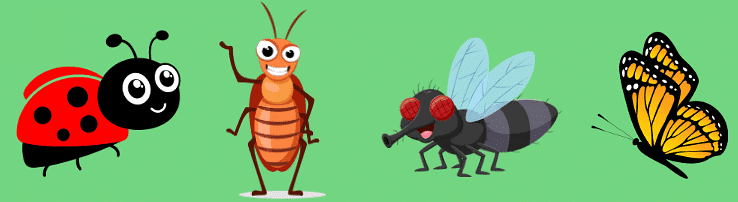
Ans: Insects are small animals with six legs and sometimes wings. Examples include ladybirds, cockroaches, houseflies, butterflies, and grasshoppers.

InsectsInsects

Q11. What do herbivorous animals eat?
Ans: Herbivores eat grass and plants. Cows, buffaloes, goats, deer, giraffes, donkeys, and elephants are herbivores.

Q12. What do carnivorous animals eat?
Ans: Carnivores eat only the flesh of other animals. Lions, tigers, leopards, hawks, and some whales are carnivores.

Q13. What do omnivorous animals eat?
Ans: Omnivores eat both plants and meat. Examples include crows, bears, jackals, and gorillas.

Q14. Why are animals important for nature?
Ans: Animals help keep the environment balanced by eating different foods and living in various places.

Q15. How can animals be classified based on where they live?
Ans: Animals can be domestic (living with people), wild (living in forests), farm (living on farms), aquatic (living in water), or birds and insects.

07. Short Answer Questions: Our Festivals

Short Answer Questions: Our Festivals

Q1. What is a festival?
Ans: A festival is a special time when a community comes together to celebrate its culture or religion by sharing events and traditions.

Q2. How do festivals help people in a neighbourhood?
Ans: Festivals bring people together, unite them, and bring happiness to their lives.

Short Answer Questions: Our Festivals

Q3. What are the two main types of festivals?
Ans: The two main types of festivals are religious festivals and national festivals.

Q4. Can you name some religious festivals?
Ans: Some religious festivals are Holi, Eid, Diwali, Christmas, and Gurpurab.

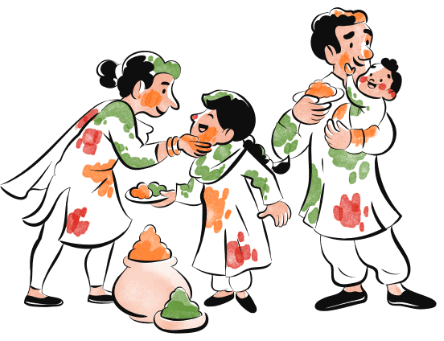
Q5. What do people do during Holi?
Ans: During Holi, people play with colors and water, enjoy sweets, and celebrate the arrival of spring.

Short Answer Questions: Our Festivals

Q6. Why is Diwali called the Festival of Lights?
Ans: Diwali is called the Festival of Lights because people decorate their homes with lamps and burst fireworks to celebrate the victory of light over darkness.

Q7. How do Muslims celebrate Eid?
Ans: Muslims celebrate Eid by praying, sharing meals, and exchanging gifts with family and friends.

Q8. What is Christmas and how is it celebrated?
Ans: Christmas is the birthday of Jesus Christ. People celebrate by decorating their homes, exchanging gifts, singing carols, and enjoying meals with family and friends.

Short Answer Questions: Our Festivals

Q9. What happens during Gurpurab?
Ans: During Gurpurab, Sikhs celebrate the birthday of Guru Nanak by praying in Gurudwaras and sharing a community lunch called Langar.

Q10. What is Pongal and where is it celebrated?
Ans: Pongal is a harvest festival celebrated in Tamil Nadu. People thank the Sun God and cook special rice with milk and jaggery.

Short Answer Questions: Our Festivals

Q11. What is Bihu and how do people celebrate it?
Ans: Bihu is a joyful festival in Assam that welcomes the New Year and spring. People dance, sing, and enjoy traditional music and food.

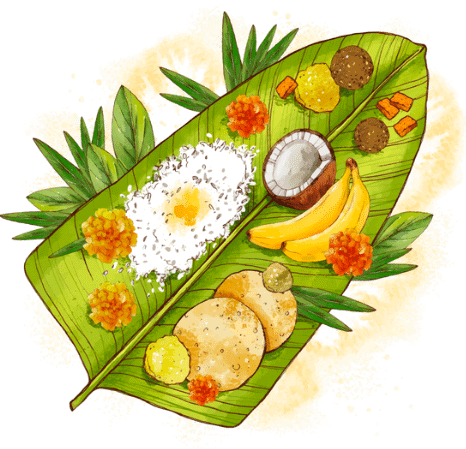
Q12. What is Onam and how is it celebrated?
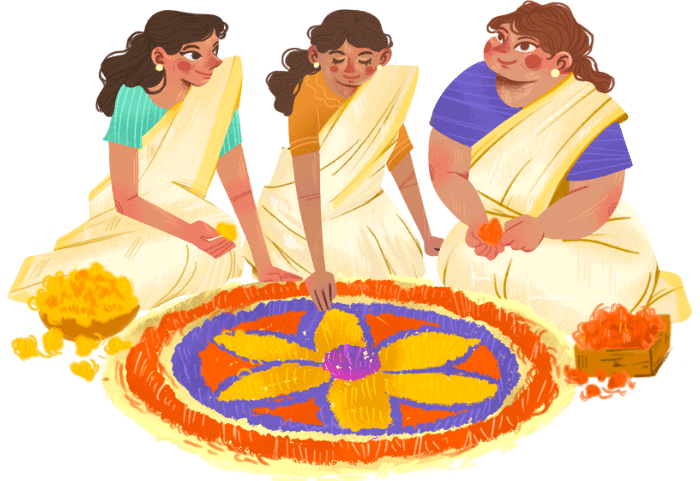
Ans: Onam is a festival in Kerala celebrated with boat races and feasts to welcome King Mahabali.

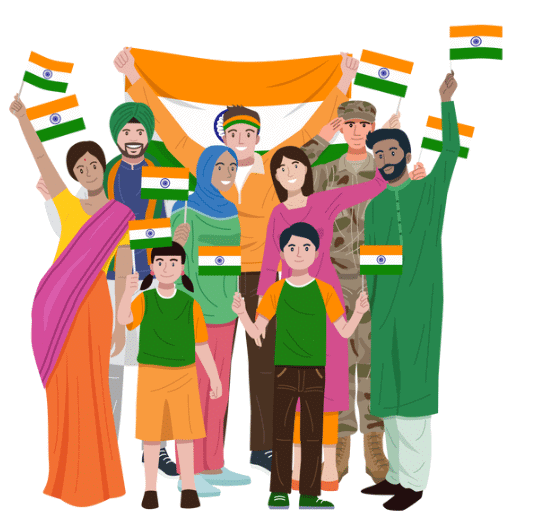
Q13. What are national festivals?
Ans: National festivals are celebrated by everyone across India, no matter where they live.

Q14. When is Independence Day celebrated and why?
Ans: Independence Day is celebrated on 15th August to mark India’s freedom from British rule.

Short Answer Questions: Our Festivals

Q15. What happens on Republic Day?
Ans: On Republic Day, celebrated on 26th January, the President hoists the national flag and there is a big parade in Delhi.

Q16. Who is remembered on Gandhi Jayanti and why?
Ans: Mahatma Gandhi is remembered on Gandhi Jayanti, which is his birthday. He is known as the Father of the Nation.

02. Short Answer Questions: Our Body

Q1: What are internal organs?
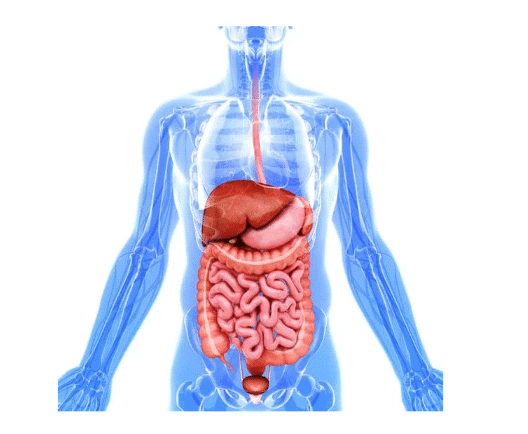
Ans: Internal organs are inside the body and cannot be seen. Examples are the brain, heart, and stomach.

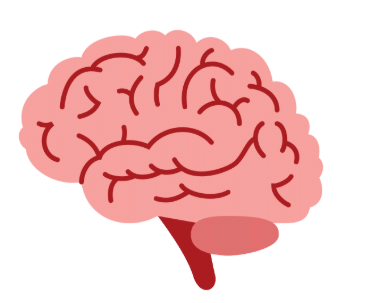
Q2: What does the brain do?
Ans: The brain controls all body parts and organs. It is placed inside the skull.

Short Answer Questions: Our Body

Q3: What is the function of the heart?
Ans: The heart pumps blood inside our body. It is made up of muscles.

Q4: How do lungs help us?
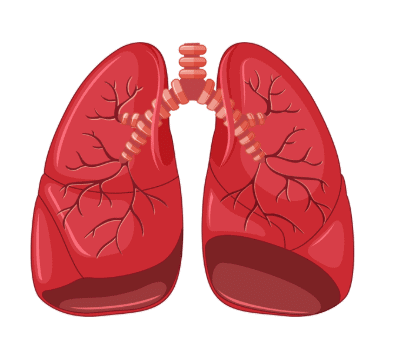
Ans: Lungs are bag like organs used for breathing. We have two lungs, one on each side of the chest.

Short Answer Questions: Our Body

Q5: What are external organs?
Ans: External organs are body parts visible outside.They include hands, legs, and skin.

Q6: What does the nose do?
Ans: The nose helps us breathe and smell.  Every human being has one nose.

Q7: How does the tongue help us?
Ans: The tongue helps us taste different food items. It is a sense organ inside the mouth.

Q8: What is an organ system?
Ans: An organ system is a group of organs connected together to do a particular kind of work. Examples are the digestive and circulatory systems.

Short Answer Questions: Our Body

Q9: What does the skeletal system do?
Ans: The skeletal system gives shape and support to the body. It has 206 bones in adults.

Q10: Which body parts are used in kicking a football?
Ans: Kicking a football uses the hip, knee, ankle, and toes. These parts help move the leg.

20. Short Answer Questions: Invention of Wheel

Q1. What is a wheel?

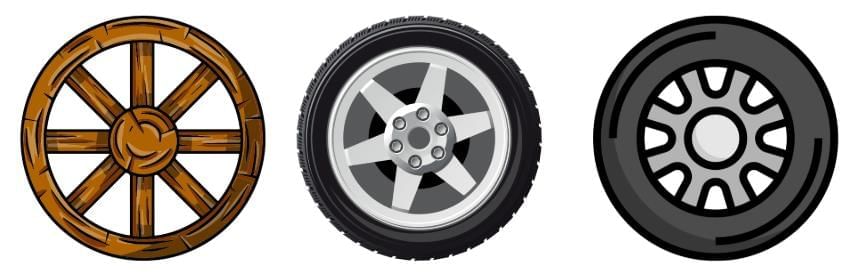
Ans: A wheel is a round object that helps things move easily across the ground.

WheelsWheels

Q2. Why is the invention of the wheel important?

Ans: The wheel made it easier to travel and carry heavy things, helping people move faster and trade more.

Q3. Name two things we use today that have wheels.

Ans: Cars and bicycles have wheels.

Q4. How did people move heavy things before wheels were invented?

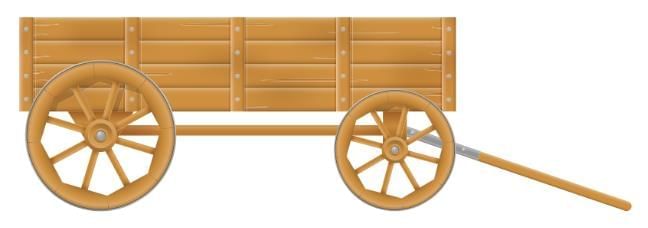
Ans: People rolled logs under items, used wooden carts, or dragged things on the ground.

Wooden CartWooden Cart

Q5. What were the first wheels used for?

Ans: The first wheels were used for making pottery.

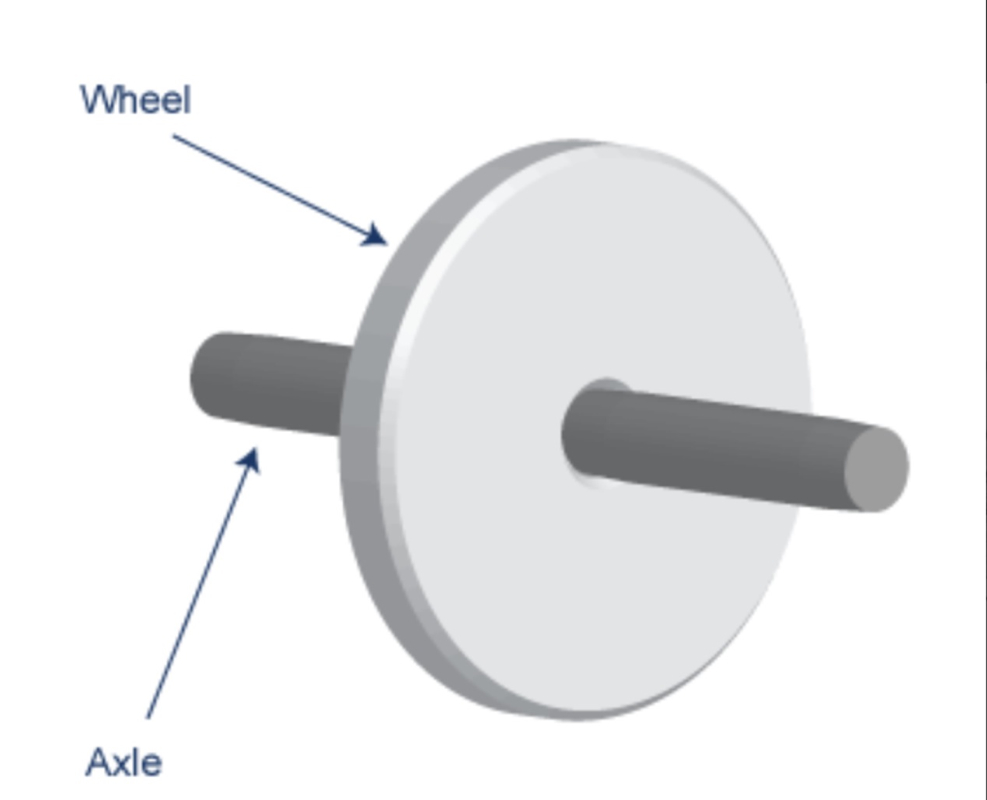
Q6. What is the use of an axle in a wheel?

Ans: An axle is a rod that holds the wheel and helps it rotate smoothly.

Short Answer Questions: Invention of Wheel

Q7. Why is the wheel round in shape?

Ans: The round shape helps the wheel roll easily and saves energy.

Q8. How did wheels help in trade?

Ans: Wheels made it easier to carry goods over long distances, which helped people trade with others.

Q9. What kind of wheels did early people use?

Ans: They used heavy wheels made of solid wood.

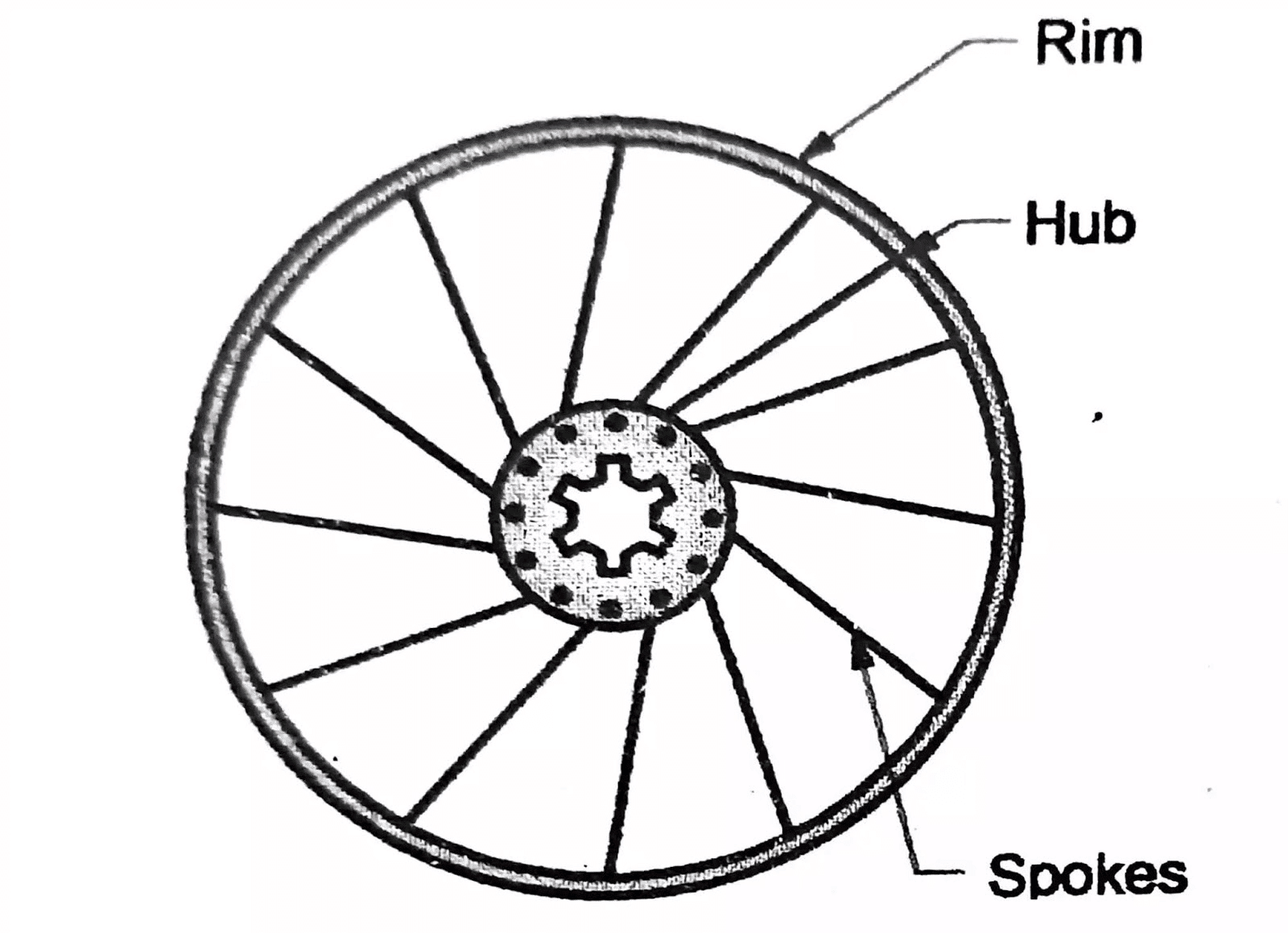
Q10. What improvements were made to early wheels?

Ans: Spokes were added to make the wheels lighter and stronger.

Short Answer Questions: Invention of Wheel

Q11. How are modern wheels different from early wheels?

Ans: Modern wheels are smooth, light, and used in many things like toys, cars, and machines.

Q12. What is easier—rolling or sliding? Why?

Ans: Rolling is easier because it needs less effort and helps things move faster.

Q13. What new things were made after the wheel was invented?

Ans: Carts, cars, and bicycles were made after the invention of the wheel.

Q14. How do wheels help in building better cities?

Ans: Wheels helped people travel, trade, and connect, which made cities grow and improve.

Q15. Write one sentence to describe the importance of the wheel.

Ans: The wheel is one of the most important inventions that made life easier for everyone.

19. Short Answer Questions: Safety & First Aid

Q1. Why is knowing first aid important?
Ans: First aid helps us take care of small injuries quickly and make others feel better before they get full medical help.
First AidFirst Aid

Q2. Why is safety important?
Ans: Safety protects us from danger and accidents. It helps keep us and others safe and healthy.

Q3. Name two safety rules to follow at home.
Ans: Never play with fire or electric plugs, and be careful around the stove and sharp objects like knives and scissors.

Q4. What safety tips should you follow at school?
Ans: Don’t run inside the classroom, be careful on the stairs, and never touch things in the science lab without permission.

Q5. Why is it important to have a first aid kit at school?
Ans: A first aid kit helps treat small injuries like cuts or bruises right away.

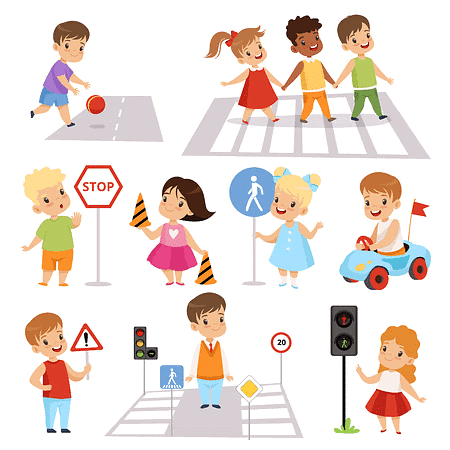
Q6. How can you stay safe on the road?
Ans: Walk on footpaths, ride bicycles on the left side, wear helmets, and cross roads only at zebra crossings after looking carefully.
Safety on RoadSafety on Road

Q7. What should you do when playing games in the playground?
Ans: Follow the rules, don’t push or trip others, and play safely so everyone can have fun without getting hurt.

Q8. What are the first things to do when someone is injured?
Ans: Stay calm, find an adult, don’t move the injured person if you think they are badly hurt, and make them comfortable.

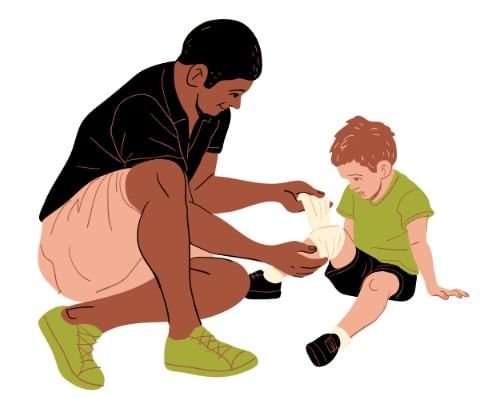
Q9. How do you treat a bleeding wound?
Ans: Wash the wound with clean water and put a bandage on it to stop the bleeding.

Bleeding woundBleeding wound

Q10. What should you do if someone has a burn?
Ans: Hold the burned area under cold running water to cool it down.

Q11. Why is sunlight important in a home?
Ans: Sunlight kills germs and helps keep the house clean and healthy.

Q12. How do windows and ventilators help in a house?
Ans: They let fresh air and sunlight come in, which keeps the air clean and healthy to breathe.

Q13. Why should rubbish bins be covered?
Ans: Covered bins keep flies and insects away, which helps stop the spread of germs and diseases.

Q14. What can happen if the kitchen and bathroom are not cleaned properly?
Ans: Germs can grow and cause sickness, so these places should always be kept clean.

Q15. What is the most important thing to remember about safety?
Ans: Safety should always be the top priority to protect ourselves and others from harm.

18. Short Answer Questions: World Around Me

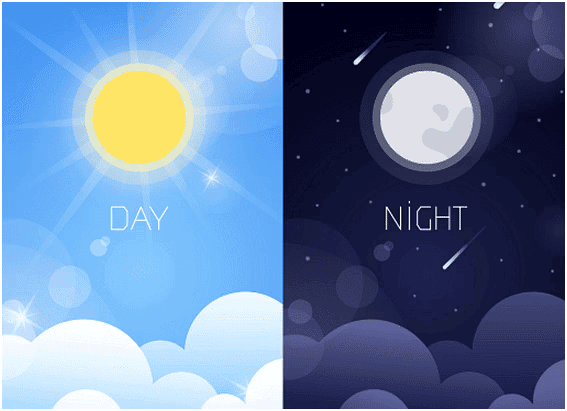
Q1. Why does the sky look bright and blue in the morning?
Ans: The sky looks bright and blue because the sun is shining and sending light and warmth to the Earth. This light makes the sky appear blue during the day.

Day and Night SkyDay and Night Sky

Q2. What can you see in the sky at night?
Ans: At night, the sky becomes dark because the sun is not shining on our side of the Earth. We can see the moon and many tiny lights called stars shining in the dark sky.

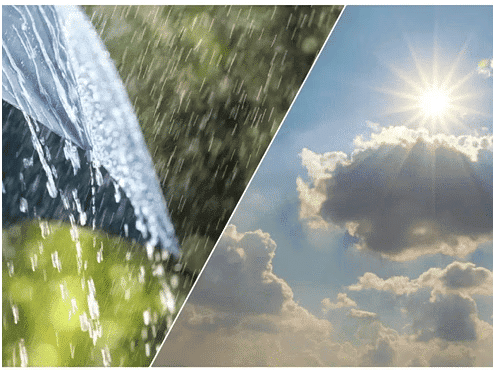
Q3. How does the sky change on sunny and rainy days?
Ans: On sunny days, the sky is clear and blue, and the sun shines brightly. On rainy days, dark clouds cover the sky, making it look gray, and the sun hides behind the clouds while it rains.

Rainy and Sunny DaysRainy and Sunny Days

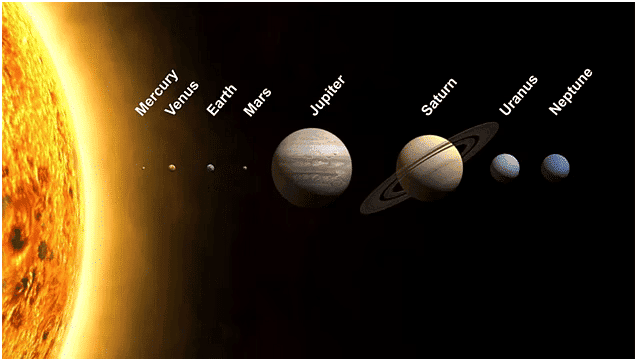
Q4. What is the solar system?
Ans: The solar system is like a big family where the sun is the center, and eight planets, along with moons and other objects, move around the sun in paths called orbits.

Q5. Can you name the eight planets in our solar system?
Ans: The eight planets are Mercury, Venus, Earth, Mars, Jupiter, Saturn, Uranus, and Neptune. They all orbit around the sun.

Solar SystemSolar System

Q6. Why is Earth special?
Ans: Earth is special because it is the only planet we know that has life like plants, animals, and people. It has water and air, which are important for living things.

Q7. What does the sun do for us?
Ans: The sun gives us warmth and light. Without the sun, it would be too cold for plants and animals to live, and there would be no daylight.

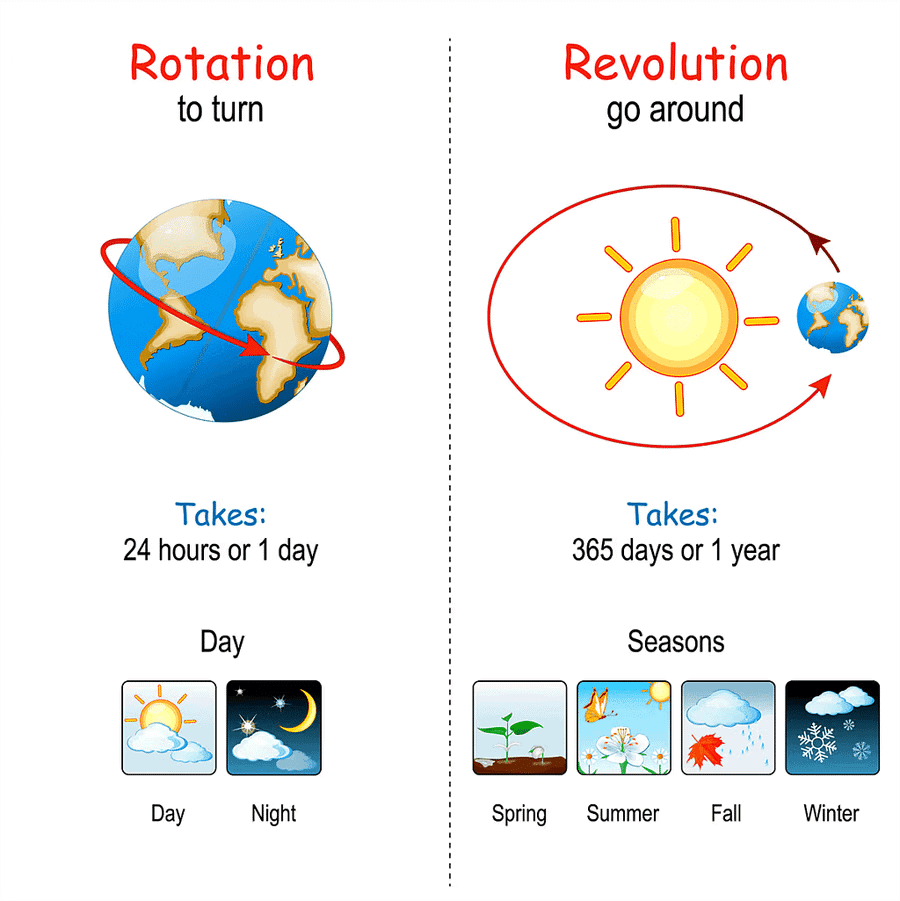
Q8. What is rotation?
Ans: Rotation means the Earth spins around like a top. This spinning takes about 24 hours and causes day and night because different parts of Earth face toward or away from the sun.

Rotation and RevolutionRotation and Revolution

Q9. What causes day and night on Earth?
Ans: When your part of Earth faces the sun, it is daytime and bright outside. When it turns away from the sun, it becomes night and dark.

Q10. What is revolution?
Ans: Revolution is when the Earth moves around the sun in a big circle. It takes about one year, or 365 days, for Earth to complete this trip.

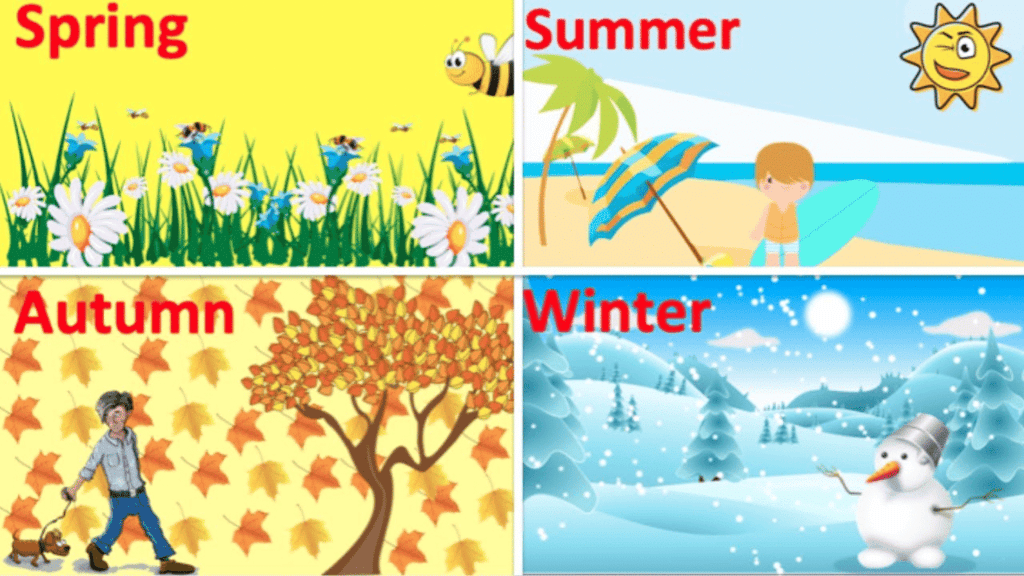
Q11. Why do we have different seasons?
Ans: We have different seasons because as the Earth travels around the sun, the angle of sunlight changes, making some parts warmer or cooler at different times of the year.

SeasonsSeasons

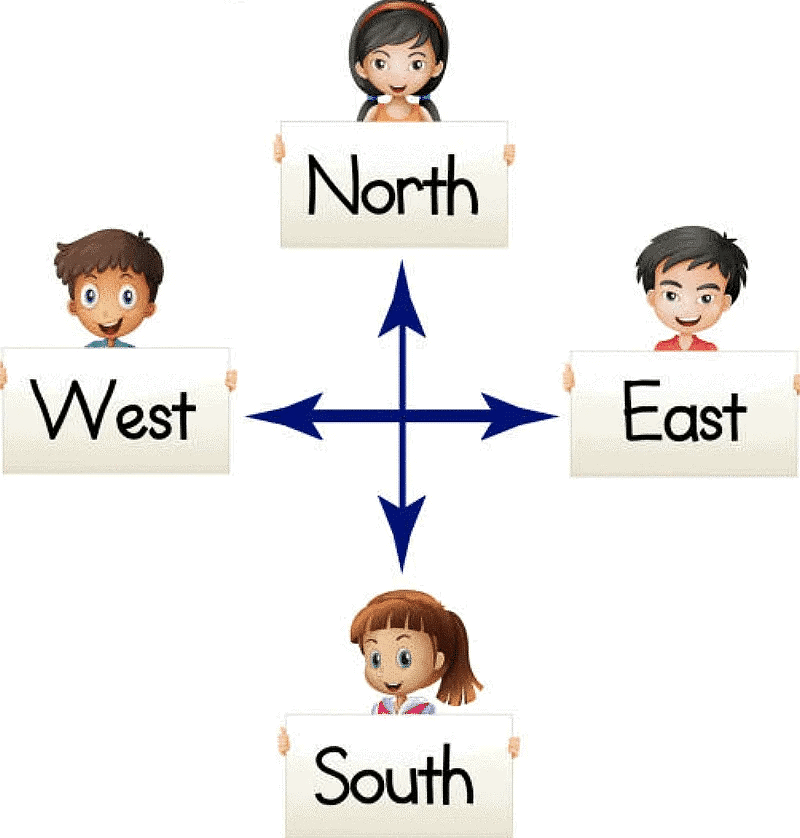
Q12. What are the four main directions?
Ans: The four main directions are north, south, east, and west. They help us know which way to go and find places.

Q13. If you face the sun in the morning, which direction are you looking?
Ans: If you face the sun in the morning, you are looking east because the sun rises in the east.

Q14. When facing east in the morning, which directions are behind you, to your right, and to your left?
Ans: Behind you is west, your right side points to the south, and your left side points to the north.

Q15. What should you always do to learn more about the world?
Ans: You should always stay curious and keep exploring new things. This helps you learn and discover the many wonders around you.

17. Short Answer Questions: Understanding Directions

Q1. What are directions?
Ans: Directions are like magical arrows that tell us which way to go. They help us know where things are around us and guide us when we want to find a place.

Q2. What are the four main directions on a map?
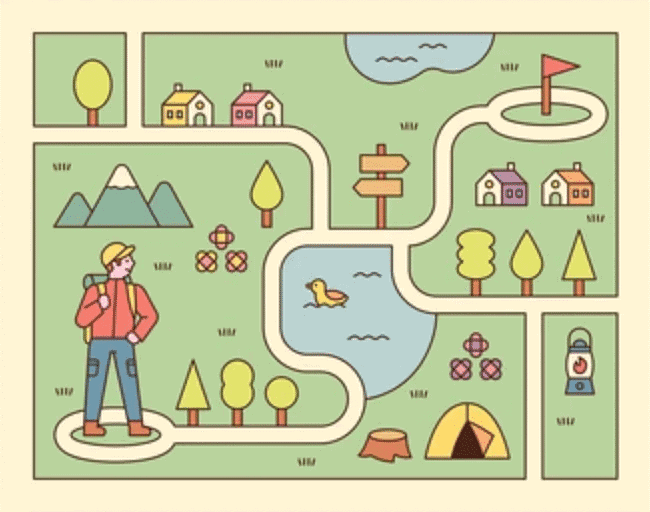
Ans: The four main directions are North, South, East, and West. North is at the top of the map, South is at the bottom, East is on the right side, and West is on the left side.

Q3. How can you remember which way East is?
Ans: East is the direction where the sun rises in the morning. You can remember it because the words “East” and “Early” both start with the letter “E.”

Q4. What is the opposite direction of North?
Ans: The opposite of North is South. If you go the opposite way of North on a map, you will be going South, which is at the bottom of the map.

Q5. What do we call the side in front of us and the side behind us?
Ans: The side we are facing is called the front, and the side behind us is called the back.

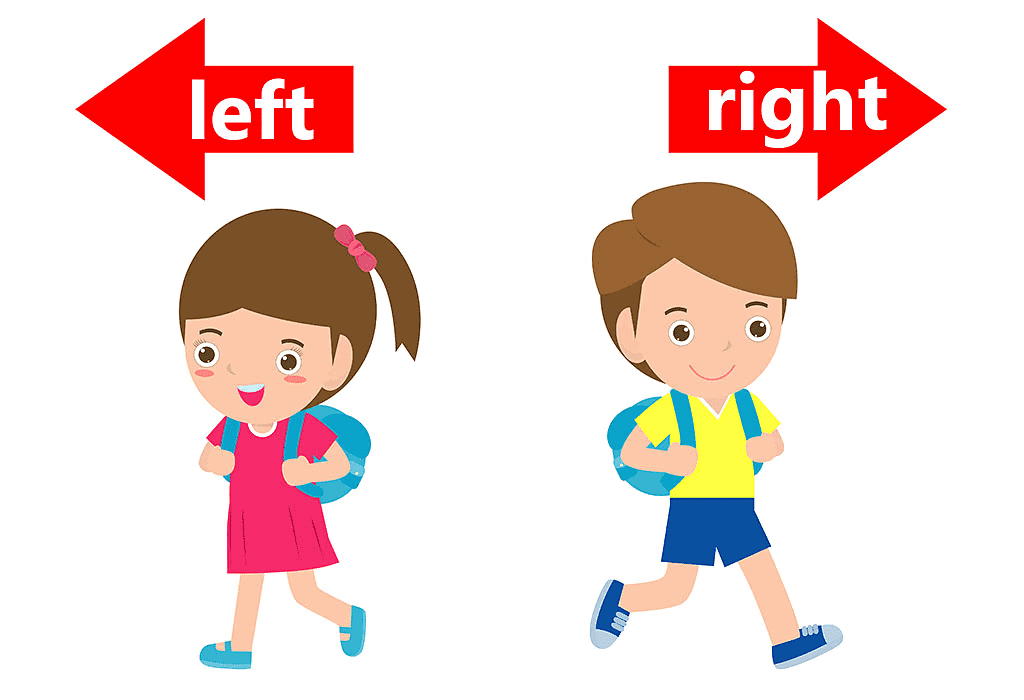
Q6. What are the right and left sides?
Ans: When you turn to your right, the side you see is called the right side. When you turn to your left, the side you see is called the left side.

Q7. What is a map?
Ans: A map is a special picture that shows where different places are. It helps us understand where things are and how to find them.

Q8. How is a map arranged in terms of directions?
Ans: On a map, the top shows North, the bottom shows South, the right side shows East, and the left side shows West. This helps us know which way to go.

Q9. How can we use directions and landmarks to find a place?
Ans: We can use directions like left, right, and straight along with landmarks such as shops, trees, and buildings to know where to turn and guide us to the place we want to reach. Landmarks help us recognize important spots on the way.

Q10. Why are landmarks important in giving directions?
Ans: Landmarks are important because they help us know exactly where to turn or stop. They are special places or objects that we can easily recognize.

15. Short Answer Questions: Means of Communication

Q1. What is communication?
Ans: Communication is how we share our thoughts, feelings, and ideas with others. It includes talking, listening, and making sure we understand each other.
Q2. Why is communication important?
Ans: Communication helps us express our thoughts, understand others’ feelings, build relationships, solve problems, and learn new things.

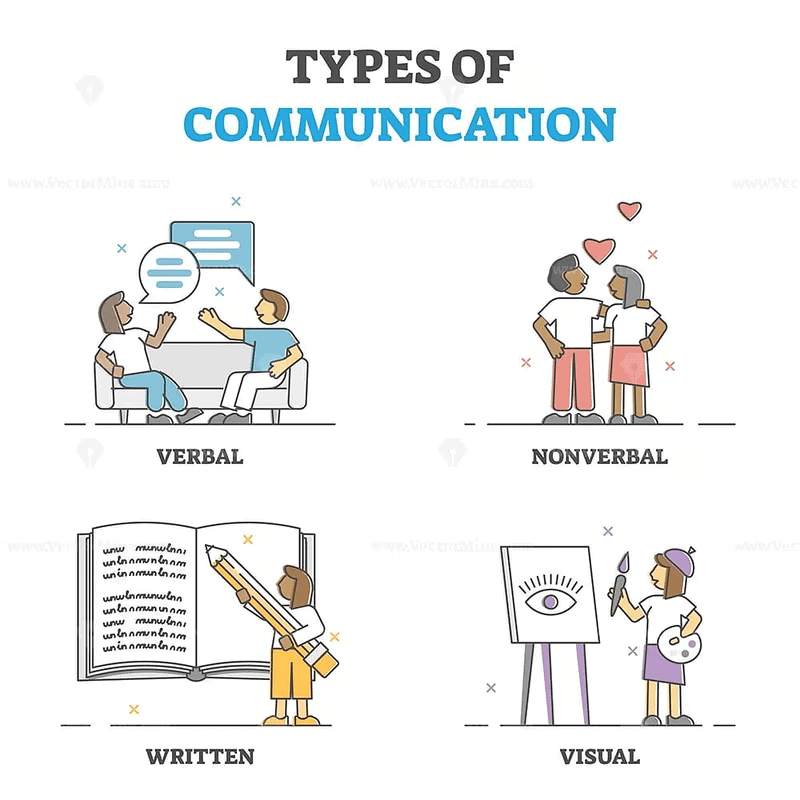
Short Answer Questions: Means of CommunicationQ3. What are the four types of communication?

Ans: The four types are verbal (spoken words), non-verbal (gestures and expressions), written (letters and emails), and visual (pictures and charts).
Q4. What is verbal communication?
Ans: Verbal communication means sharing ideas by speaking, either face-to-face or over the phone.

Short Answer Questions: Means of CommunicationQ5. What are some examples of non-verbal communication?
Ans: Non-verbal communication includes gestures like waving, facial expressions like smiling, and body language.
Q6. How does written communication help us?
Ans: Written communication helps us send messages through letters, notes, emails, or texts, especially when we want to keep a record or send messages far away.

Short Answer Questions: Means of CommunicationQ7. What is visual communication?
Ans: Visual communication uses images, drawings, charts, or pictures to help explain ideas or information more clearly.
Q8. What are some means of communication we use today?
Ans: Today, we use telephones, computers, social media, emails, video calls, messaging apps, blogs, and vlogs to communicate.
Q9. How do telephones help in communication?
Ans: Telephones let us talk to people far away by voice and also send text messages. Mobile phones have extra features like internet and apps.
Q10. What are video conferencing tools used for?
Ans: Video conferencing tools like Zoom and Skype help people have meetings or classes online, allowing them to see and talk to each other from different places.

Short Answer Questions: Means of CommunicationQ11. How do social media platforms help us communicate?

Ans: Social media platforms let us share updates, photos, and messages with many people quickly, helping us stay connected with friends and family.
Q12. What is the difference between blogs and vlogs?
Ans: Blogs are written articles where people share their thoughts, while vlogs are videos where people share their experiences and stories.
Q13. What are messaging apps, and why do people use them?
Ans: Messaging apps like Telegram and Whatsapp let people send messages privately and securely, often faster than email or phone calls.

Short Answer Questions: Means of CommunicationQ14. Why is communication important for solving problems?
Ans: Communication helps people share ideas, understand each other, and work together to find solutions.
Q15. How has communication changed with technology?
Ans: Communication has become faster and easier with phones, internet, and apps, allowing us to talk and share with people all over the world.

14. Short Answer Questions: Services In Neighbourhood

Q1. What is a neighbourhood?
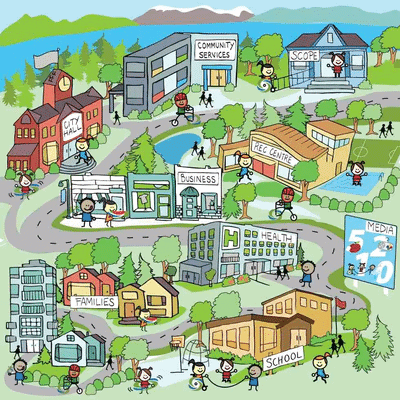
Ans: A neighbourhood is a small community or area in a city or town where people live close to each other. It has its own identity and places for people to use and enjoy.

NeighbourhoodNeighbourhood

Q2. What kinds of shops can you find in a market?
Ans: In a market, you can find grocery shops for food, medical shops for medicines, stationery shops for pencils and pens, and milk booths for milk and ice cream.

Q3. What is a park, and what can you do there?
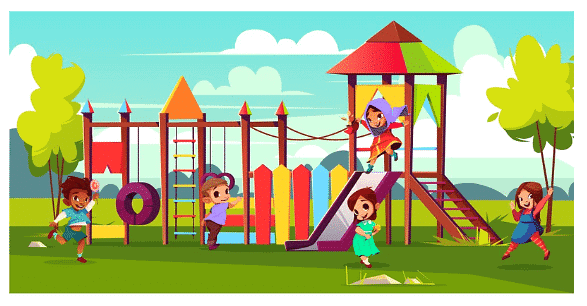
Ans: A park is an outdoor area with trees, grass, and playgrounds where people can play, relax, and exercise. It has swings, slides, and seesaws.

ParkPark

Q4. What do you do at a post office?
Ans: At a post office, you can send and receive letters and packages. You can also buy stamps, postcards, and envelopes there.

Q5. What is the role of a hospital in a neighbourhood?
Ans: A hospital takes care of sick and injured people with doctors and nurses. It also has ambulances to take patients to the hospital quickly in emergencies.

Q6. What do police officers do in a police station?
Ans: Police officers keep people safe, maintain law and order, and control traffic on the roads.

Q7. Why do children go to school?
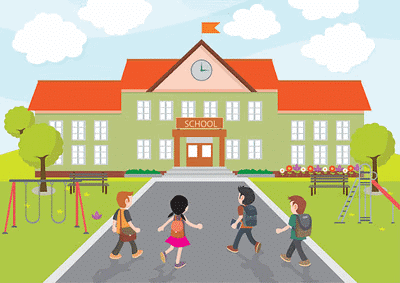
Ans: Children go to school to learn from teachers, play with friends, and learn good manners and habits.

SchoolSchool

Q8. What is a place of worship?
Ans: A place of worship, like a temple, is where people go to pray and connect with their religion. It is a peaceful and special place in the neighborhood.

Q9. What can you do at a restaurant?
Ans: At a restaurant, you can eat delicious food prepared by chefs. It’s a place to enjoy meals with family and friends.

Q10. Why is it important to keep parks clean?
Ans: Keeping parks clean helps everyone enjoy fresh air and a healthy, beautiful place to play and relax.