13. Short Answer Questions: Houses

Q1. What is a house?
Ans: A house is a place where people live. It keeps them safe and comfortable with rooms for sleeping, eating, and other activities.

Q2. What are the two main types of houses?
Ans: The two main types of houses are kutcha houses and pucca houses. Kutcha houses are made of natural materials like mud and straw, while pucca houses are made of strong materials like bricks and cement.

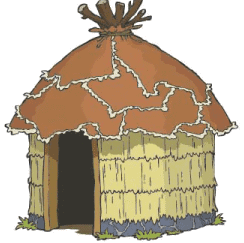
Q3. Where are kutcha houses mostly found and what are they made of?
Ans: Kutcha houses are mostly found in villages. They are made of straw, bamboo, mud, clay, and leaves.
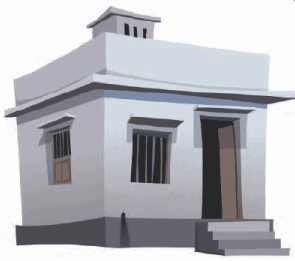
Q4. What materials are pucca houses made from?
Ans: Pucca houses are made of bricks, cement, iron, steel, and glass. They are strong and durable.
Q5. Why do some houses have slanting roofs?
Ans: Houses have slanting roofs in hilly areas so that snow or rainwater does not collect on the roof.

Q6. Name some different rooms found in a house and what they are used for.
Ans: Some rooms are the living room for sitting and watching TV, dining room for eating, bedroom for sleeping, study room for studying, kitchen for cooking, and bathroom for bathing.

Q7. Why do houses have windows?
Ans: Houses have windows to let fresh air and sunlight come inside, making the house bright and airy.

Q8. What is an address and why is it important?
Ans: An address is a unique name or number given to a house. It helps people find and identify the house.

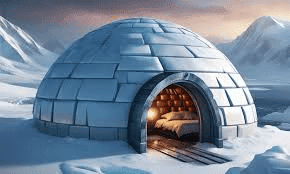
Q9. What is an igloo and where is it found?
Ans: An igloo is a dome-shaped house made of snow. It is found in very cold polar regions.
Q10. What are tents made of and where are they usually found?
Ans: Tents are made from fabric and are mostly found in deserts, where they protect people from the sun and wind.

Q11. What materials are mud houses and huts made of?
Ans: Mud houses and huts are made from mud and straw. They are common in villages and help keep the house cool.

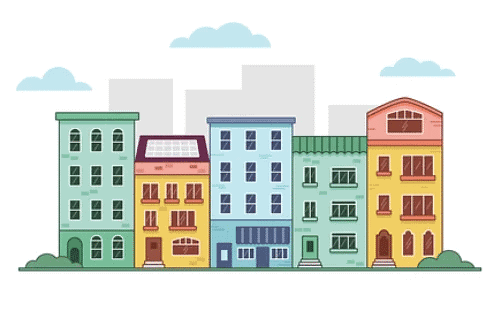
Q12. What is an apartment?
Ans: An apartment is a small house inside a tall building, usually found in cities.
Q13. What is a bungalow and where are they usually located?
Ans: A bungalow is a big house built outside cities and needs a lot of space.

Q14. What are some qualities of a good house?
Ans: A good house is well-ventilated, clean, well-maintained, safe, and spacious.

Q15. Why is comfort important in a house?
Ans: Comfort is important because it makes living in the house enjoyable and keeps the family happy and healthy.
12. Short Answer Questions: Time

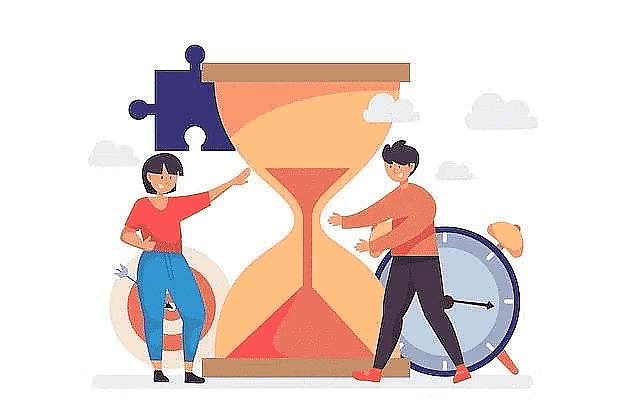
Q1. What is time?
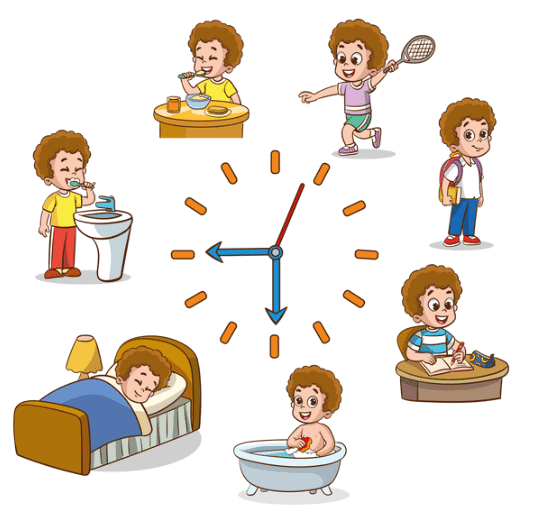
Ans: Time helps us understand when things happen. It is divided into the past (what already happened), present (what is happening now), and future (what will happen later).

Q2. How do we measure time?
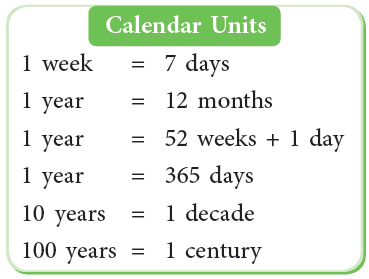
Ans: We measure time in seconds, minutes, hours, days, weeks, months, and years using clocks and calendars.

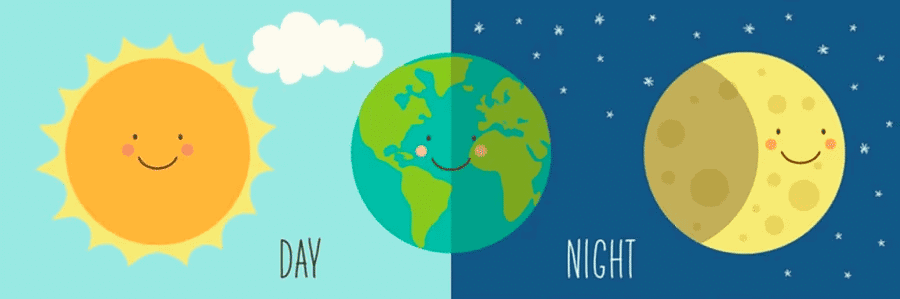
Q3. Why do we have day and night?
Ans: Day and night happen because the Earth spins like a ball. The side facing the sun has daytime, and the side away from the sun has nighttime.

Q4. What are sunrise and sunset?
Ans: Sunrise is when the sun comes up in the morning, starting a new day. Sunset is when the sun goes down in the evening, starting the night.

Q5. What is a clock?
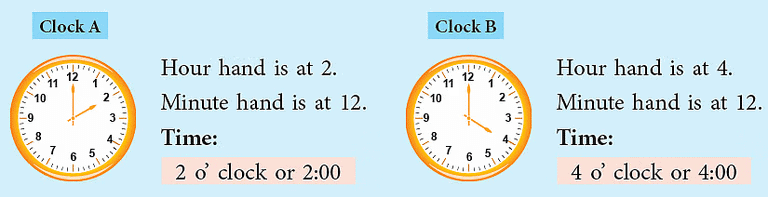
Ans: A clock is a tool to measure time. It has two hands—the short hour hand and the long minute hand—that show the time.

Q6. How many minutes are there in one hour?
Ans: There are 60 minutes in one hour.

Q7. How long does it take for the Earth to complete one rotation?

Ans: The Earth takes 24 hours to spin once around its axis, which causes one full day.

Q8. What is a calendar?
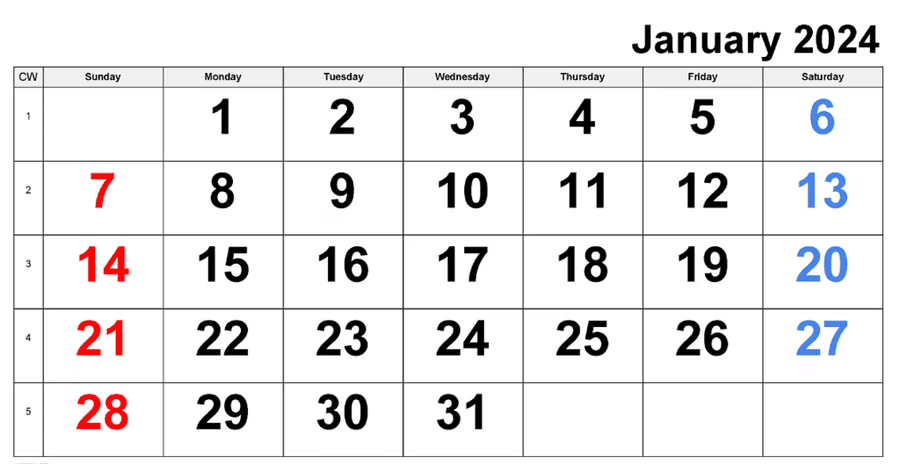
Ans: A calendar is a system that helps us organize time by showing days, weeks, months, and years so we can plan events.

Q9. How many days are there in a regular year and a leap year?
Ans: A regular year has 365 days. A leap year has 366 days, with February having 29 days instead of 28.

Q10. How many months are there in a year?
Ans: There are 12 months in a year.

Q11. Which day is the first day of the week?
Ans: Monday is the first day of the week.

Q12. How can dates be written?
Ans: Dates can be written as Date/month/year (e.g., 15/01/2024), Date-month-year (e.g., 15-01-2024), or Date month’ year (e.g., 15th January 2024).

Q13. What do you need to read a calendar properly?
Ans: To read a calendar, find the month and year at the top, look for the date, and see which day of the week it falls on.

Q14. Why is understanding time important?
Ans: Understanding time helps us plan our day, know when events happen, and organize our activities.

Q15. What causes the change of seasons on Earth?
Ans: Seasons change because of Earth’s journey around the Sun during its revolution.

10. Short Answer Questions: Plants

Q1. What are plants?
Ans: Plants are living things that grow in the soil. You can find them in gardens, parks, farms, and even on windowsills.

PlantsPlants

Q2. How are trees different from other plants?
Ans: Trees are the tallest and strongest plants. They have a thick, hard stem called a trunk and many branches and leaves.

Q3. What is special about the banyan tree?
Ans: The banyan tree has a big, thick trunk and strong roots that grow above the ground.

Q4. How does a pine tree look?
Ans: A pine tree has a tall, thin trunk and cone-shaped leaves called needles.

Q5. What are shrubs?
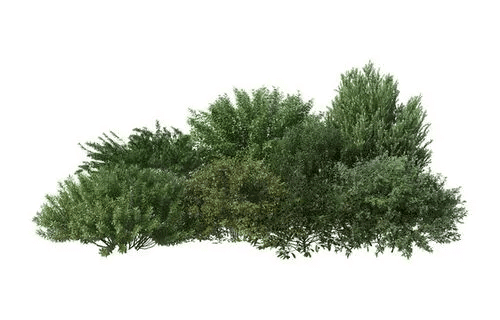
Ans: Shrubs are smaller than trees but bigger than herbs. They have hard stems and look like bushes with many branches close to the ground.

ShrubsShrubs

Q6. Can you name two examples of shrubs?
Ans: Two examples of shrubs are the rose plant, which has beautiful flowers, and the cotton plant, which gives us cotton for clothes.

Q7. What are herbs?
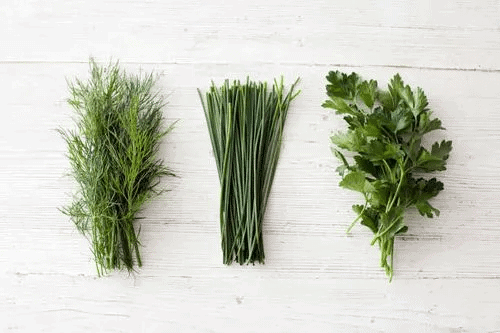
Ans: Herbs are small plants with soft, green, bendable stems that are easy to break. They usually live for one season or one year.

HerbsHerbs

Q8. Give two examples of herbs.
Ans: Tomato plants, which give us tomatoes, and coriander plants, which add flavor to our food.

Q9. What are climbers?
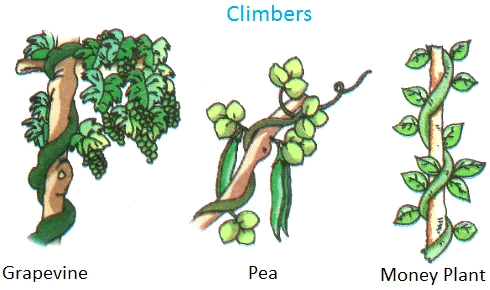
Ans: Climbers are plants with weak stems that cannot stand on their own. They climb on walls, trees, or fences by holding on with tendrils or stems.

Short Answer Questions: Plants

Q10. What is an example of a climbing plant?
Ans: The money plant is a climber that often grows by climbing on walls or sticks.

Q11. What parts of plants do vegetables come from?
Ans: Vegetables can come from roots, stems, or leaves of plants.

Q12. Name some vegetables and where they grow.
Ans: Potatoes and onions grow underground as roots, while brinjals (eggplants) grow above the ground on plants.

Q13. What are grains?
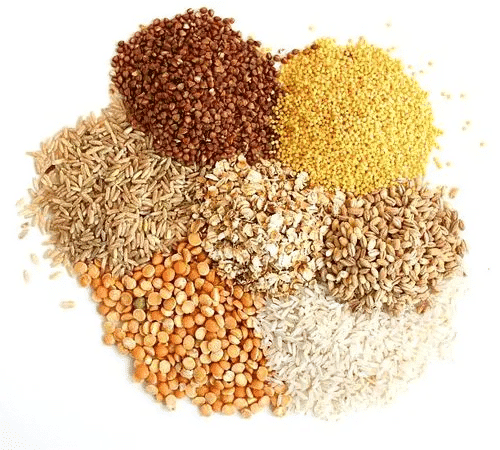
Ans: Grains are seeds from plants that we use to make food like bread, rice, and dal.

GrainsGrains

Q14. Can you name some common grains?
Ans: Rice, wheat, and pulses (dal) are common grains.

Q15. What are fruits and where do they grow?
Ans: Fruits grow from flowers on plants or trees. They are usually sweet and juicy.

Q16. Name some fruits and how they grow.
Ans: Apples grow on trees, bananas grow on banana plants, watermelons grow on vines on the ground, and pineapples grow from the center of a spiky plant.

Q17. Why are plants important?
Ans: Plants give us food, fresh air, medicines, clothes like cotton, wood, and help keep the soil healthy. They also provide homes for many animals.

09. Short Answer Questions: Means of Transport

Q1. What is transportation?
Ans: Transportation is the way people and goods move from one place to another. It helps us travel and carry things we need.

Q2. What are the three main types of transportation?
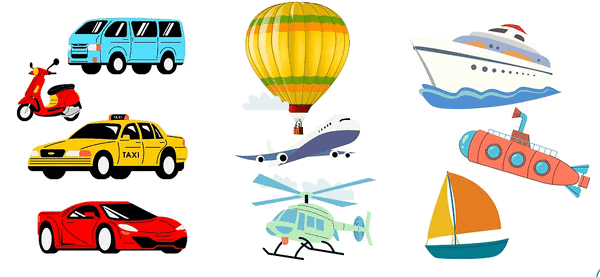
Ans: The three main types of transportation are land transport, water transport, and air transport.

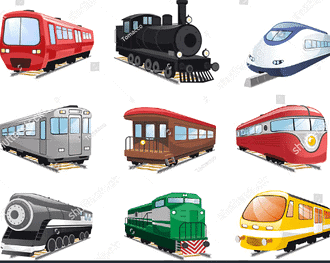
Means of Transport

Q3. What is land transport, and what are some examples?
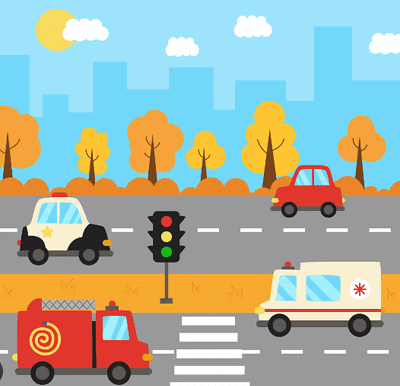
Ans: Land transport means travelling on roads or railways. Examples include cars, buses, bicycles, trains, rickshaws, and bullock carts.

Q4. How is road transport different from rail transport?
Ans: Road transport uses roads for vehicles like cars and buses, while rail transport uses metal tracks for trains to travel long distances.

Road Transport

Q5. What is water transport, and what kinds of vessels are used?
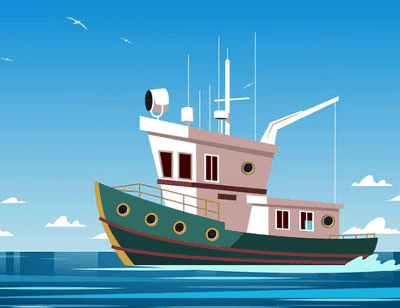
Ans: Water transport moves people or goods across water using boats, ships, and ferries. It is useful for travel, trade, and fishing.

Q6. Why is water transport important?
Ans: Water transport is important because it helps move large amounts of goods over long distances efficiently and is used for fishing and tourism.

Water Transport

Q7. What are the common means of air transport?
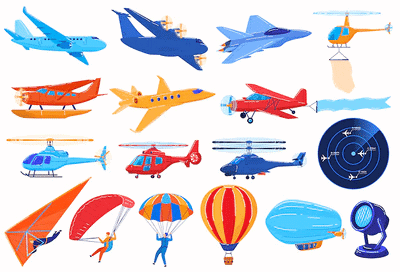
Ans: Common air transport includes aeroplanes and helicopters that can fly high and help people travel quickly to far places.

Q8. When do people usually use aeroplanes?
Ans: People use aeroplanes when they need to travel to another city or country, especially when they want to travel quickly.

Q9. What are some other air transport modes besides aeroplanes and helicopters?
Ans: Other air transport modes include hot air balloons, blimps, gliders, hang gliders, and parachutes.

Q10. Why is air transport more expensive but faster than other types?
Ans: Air transport is more expensive because it needs special technology and fuel, but it is faster because it can fly over obstacles and cover long distances quickly.

Air Transport

Q11. What helps trains travel on railways?
Ans: Trains travel on long metal tracks called railways, which help them move smoothly and quickly.

Rail Transport

Q12. Can you name some traditional land transport mentioned in the passage?
Ans: Traditional land transport includes bullock carts and tongas, which are animal-drawn vehicles.

Q13. Why do vehicles like cars and buses use roads?
Ans: Cars and buses use roads because roads are solid paths made for vehicles to travel safely and smoothly.

Q14. What does transportation help us do?
Ans: Transportation helps us travel to different places and carry goods easily from one place to another.

Q15. How does transportation make life easier?
Ans: Transportation makes life easier by saving time and effort when we move around or send things to faraway places.

08. Short Answer Questions: Earth and Solar System

Q1. What is the solar system?
Ans: The solar system is a big family of planets, moons, asteroids, comets, and other objects that all orbit around the Sun.

Short Answer Questions: Earth and Solar System

Q2. What is the Sun and why is it important?
Ans: The Sun is the only star in our solar system. It gives us light and warmth, which are important for life on Earth.

Q3. How many planets revolve around the Sun? Can you name them?
Ans: There are eight planets: Mercury, Venus, Earth, Mars, Jupiter, Saturn, Uranus, and Neptune. They all move around the Sun.

Q4. Which planet is closest to the Sun?
Ans: Mercury is the closest planet to the Sun.

MercuryMercury

Q5. Which planet is known as Earth’s twin and why?
Ans: Venus is called Earth’s twin because it is almost the same size as Earth.

Q6. Why is Venus called the hottest planet?
Ans: Even though Mercury is closest to the Sun, Venus is the hottest planet because of its thick atmosphere.

Short Answer Questions: Earth and Solar System

Q7. What is special about Earth?
Ans: Earth is our home and the only planet we know where life exists.

Q8. Why is Mars called the Red Planet?
Ans: Mars is called the Red Planet because it looks red due to the dust and rocks on its surface.

Q9. Which is the largest planet in the solar system?
Ans: Jupiter is the largest planet and is so big that all other planets could fit inside it.

JupiterJupiter

Q10. What is special about Saturn?
Ans: Saturn is known for its beautiful rings around the planet.

Q11. Which planet is the coldest?
Ans: Uranus is the coldest planet in the solar system.

Q12. Which planet is the farthest from the Sun?
Ans: Neptune is the farthest planet from the Sun.

Q13. What is the Moon?
Ans: The Moon is Earth’s natural satellite that moves around Earth and does not have its own light.
MoonMoon

Q14. What are inner and outer planets?
Ans: Inner planets (Mercury, Venus, Earth, Mars) are closer to the Sun, while outer planets (Jupiter, Saturn, Uranus, Neptune) are farther away.

Q15. What is the rotation of the Earth?
Ans: Rotation is when the Earth spins around its own axis and it takes 24 hours for one full spin, which makes day and night.

Rotation and Revolution of EarthRotation and Revolution of Earth

Q16. What is the revolution of the Earth?
Ans: Revolution is when the Earth moves around the Sun. It takes about 365 days for the Earth to complete one full revolution, which makes one year.

Q17. What are gas giants?
Ans: Gas giants like Jupiter and Saturn are huge planets made mostly of gases and do not have solid surfaces.

Q18. Where is our solar system located?
Ans: Our solar system is located in the Milky Way galaxy, which has many stars including the Sun.

Q19. What interesting thing have scientists found on Mars?
Ans: Scientists have found evidence of water in the form of ice on Mars.

Q20. What are comets?
Ans: Comets are icy remains from the early days of the solar system, made of ice and dust.

06. Short Answer Questions: Good Habits

Q1. What are habits?
Ans: Habits are things we do regularly without thinking too much about them. They become part of our daily routine and happen almost automatically.

Short Answer Questions: Good HabitsQ2. Can habits be good or bad?
Ans: Yes, habits can be good or bad. Good habits help us stay healthy and happy, while bad habits can cause problems.

Q3. Why are good habits important for our health?
Ans: Good habits like eating healthy food, exercising, and getting enough sleep keep our bodies strong and healthy.
Short Answer Questions: Good Habits

Q4. How do good habits help us succeed in school?
Ans: Good habits such as studying regularly, being organized, and managing time well help us do better in school and other activities.

Q5. How do good habits make us happy?
Ans: Good habits like being kind, helping others, and staying positive make us feel happy and build good relationships with people.

Q6. Give three examples of good habits.
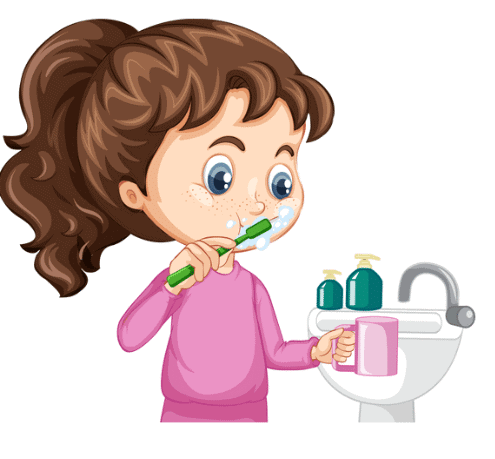
Ans: Examples of good habits are brushing teeth twice a day, washing hands before eating, and being punctual.

Q7. Why should we brush our teeth twice a day?
Ans: Brushing teeth twice a day keeps our teeth clean and healthy, preventing cavities and bad breath.

Short Answer Questions: Good Habits

Q8. What is a good way to develop a new habit?
Ans: To develop a new habit, start small, be consistent, reward yourself, and stay positive even if you miss a day.

Q9. What does it mean to be punctual?
Ans: Being punctual means being on time for school or other activities, which shows respect for other people’s time.

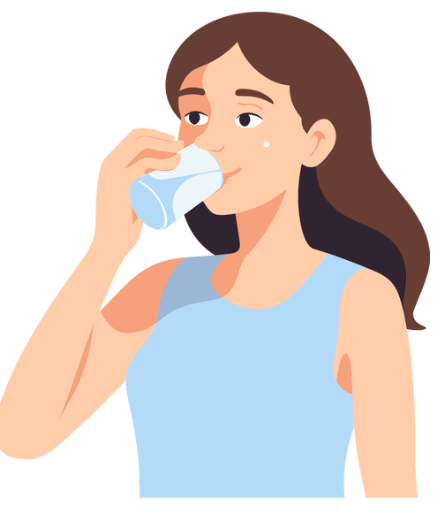
Q10. How does drinking enough water help our body?
Ans: Drinking enough water keeps us hydrated and helps our body work properly.

Short Answer Questions: Good Habits

Q11. What should we do after using toys or books?
Ans: We should clean up after ourselves by putting toys, books, and clothes away to keep our space tidy.

Q12. Why is saying sorry a good habit?
Ans: Saying sorry shows that we are responsible and care about others’ feelings when we make a mistake.

Short Answer Questions: Good Habits

Q13. How do good habits help reduce stress?
Ans: Good habits like planning ahead, staying calm, and taking breaks help us manage challenges and feel less stressed.

Q14. What happens when we practice good habits every day?
Ans: When we practice good habits every day, we improve ourselves, stay healthier, and become happier and more successful.

Q15. Why is it important to keep things tidy?
Ans: Keeping things tidy helps us find what we need easily and creates a nice, clean space to live and study in.

05. Short Answer Questions: Clothes We Wear

Q1. Why do we wear clothes?
Ans: We wear clothes to protect our bodies from weather like heat, cold, and rain. Clothes also keep us comfortable and help us look nice.

Short Answer Questions: Clothes We Wear

Q2. What are traditional clothes and when do people wear them?
Ans: Traditional clothes are special outfits from different cultures. People wear them during festivals, weddings, and cultural celebrations.

Q3. What are uniforms?
Ans: Uniforms are special clothes worn by people who belong to a certain group, like students, police officers, or firefighters, usually for work or school.

Short Answer Questions: Clothes We Wear

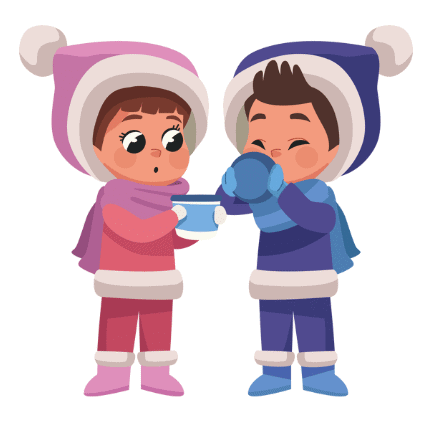
Q4. How do clothes change with the seasons?
Ans: Clothes change with seasons. In summer, we wear light clothes like t-shirts and shorts, and in winter, we wear warm clothes like sweaters and coats.

Q5. What materials are clothes made from?
Ans: Clothes can be made from natural materials like cotton, wool, and silk, or from synthetic materials like polyester and nylon.

Q6. What are some features of cotton clothes?
Ans: Cotton clothes are soft, breathable, and comfortable. They are good for many weather types and easy to wash.

Q7. Why is wool used for making some clothes?
Ans: Wool is warm and cozy because it traps heat. Woolen clothes like sweaters and scarves keep us warm in cold weather.

Short Answer Questions: Clothes We Wear

Q8. What is special about silk clothes?
Ans: Silk clothes are smooth and shiny. They look fancy and are often worn for special occasions like parties or weddings.

Q9. What are synthetic fabrics and where are they used?
Ans: Synthetic fabrics are man-made, like polyester and nylon. They can be stretchy and quick-drying, so they are used in sportswear and swimwear.

Q10. What kinds of clothes do people wear in the rainy season?
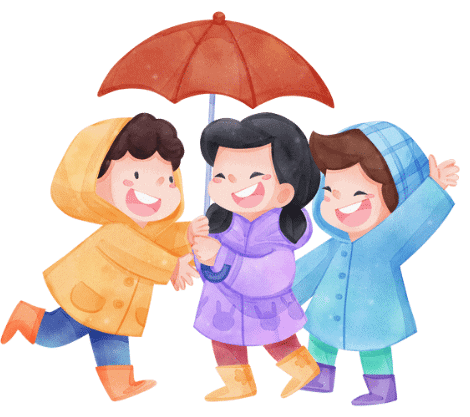
Ans: In the rainy season, people wear raincoats, carry umbrellas, and wear waterproof boots to stay dry.

Short Answer Questions: Clothes We Wear

Q11. What do people wear for formal events and celebrations?
Ans: For formal events, people wear fancy suits, elegant dresses, and dress shoes. For celebrations, they may wear colorful traditional clothes like sarees and kurtas.

Q12. What kind of clothes do we wear casually every day?
Ans: We wear simple shirts, jeans, shorts, skirts, and sandals every day. At home, we might wear pajamas, hoodies, and slippers.

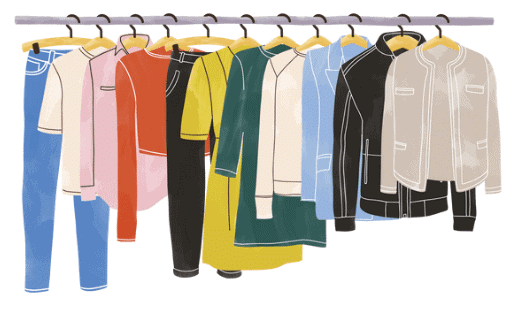
Q13. How should we take care of our clothes?
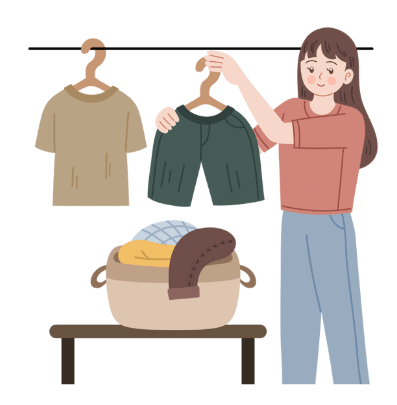
Ans: We should wash clothes regularly, dry them in the sun or dryer, iron them to remove wrinkles, and store them properly in closets or drawers.

Short Answer Questions: Clothes We Wear

Q14. Why is ironing clothes important?
Ans: Ironing removes wrinkles and helps clothes look neat and tidy.

Q15. What is the main summary of why clothes are important?
Ans: Clothes protect us from weather and injuries, keep us comfortable, show our style, and help us follow cultural customs.

04. Short Answer Questions : My Family

Q1: What is a family? 
Ans: A family is a group of people who live together and care for each other.

Q2: Who can be in a family? 
Ans: A family can include parents, children, grandparents, uncles, aunts, and cousins.

Q3: Are all families the same?
Ans: No, families differ in size, structure, and traditions.

Q4: What is a large family? 
Ans: A large family has many members like grandparents, parents, and siblings.

Q5: What is a nuclear family? 
Ans: A nuclear family has only parents and children living together.

Q6: What is a joint family?
Ans:  A joint family has multiple generations living under one roof.

Q7: What is a single-parent family? 
Ans: A single-parent family has one parent raising the children.

Short Answer Questions : My Family

Q8: What does a happy family do together? 
Ans: A happy family celebrates, plays, and shares stories together.

Short Answer Questions : My Family

Q9: How do kids help in a family? 
Ans: Kids do homework, tidy rooms, and help with chores like watering plants.

Q10: Why are pets important in a family? 
Ans: Pets bring joy and are loving family members.

03. Short Answer Questions: Our necessities – Air, Water & Food

Q1. What is air?
Ans: Air is invisible and made up of tiny particles called molecules. We breathe in air to get oxygen, which helps us live and play.

Short Answer Questions: Our necessities - Air, Water & Food

Q2. What is wind?
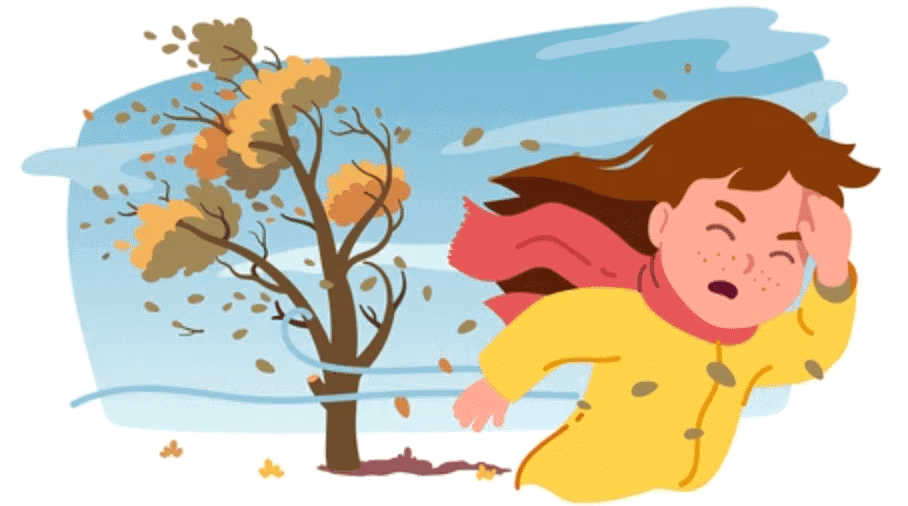
Ans: Wind is moving air. It can be soft and gentle like a whisper or strong like a lion’s roar that moves trees and leaves.

Q3. How does air support everyday life?
Ans: Air helps kites fly high, carries birds’ songs, and pushes balloons up into the sky.

Q4. Why do we need to care for the air?
Ans: Some things like smoke from cars and factories make air dirty. We need to keep air clean by planting trees and keeping the environment green.

Short Answer Questions: Our necessities - Air, Water & Food

Q5. Does air have weight?
Ans: Yes, air has weight and presses down on everything, even though we cannot see it.

Q6. How does air create beautiful skies?
Ans: Air paints the sky with bright colors during sunsets and sunrises, making the clouds look like colorful paintings.

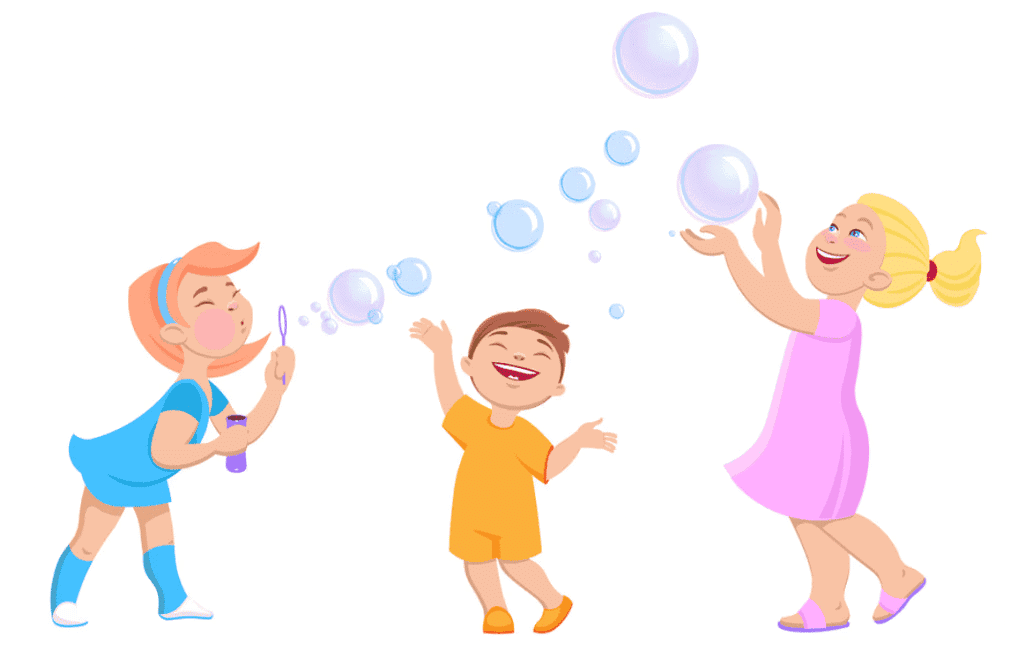
Q7. What happens when you blow air into a soap bubble wand?
Ans: When you blow air into a soap bubble wand, it makes bubbles that float and shine in the sunlight.

Short Answer Questions: Our necessities - Air, Water & Food

Q8. Why should we avoid polluting the air?
Ans: Polluting air makes it unsafe to breathe. Keeping the air clean helps us stay healthy and enjoy life.

Q9. Can you feel the air even if you cannot see it?
Ans: Yes, you can feel the air when it moves as wind, even though you cannot see it.

Q10. What are some ways we can help keep the air clean?
Ans: We can plant trees, avoid burning trash, use less smoke-producing vehicles, and keep our surroundings clean.

Q11. What is water?
Ans: Water is a clear, colorless liquid that we drink and use every day for washing, cooking, and watering plants.

Short Answer Questions: Our necessities - Air, Water & Food

Q12. Where do we find water?
Ans: We find water in rivers, lakes, ponds, oceans, and even in the rain.

Q13. Why is water important for us?
Ans: Water helps keep our bodies healthy, helps plants grow, and is needed by animals to live.

Q14. How should we use water?
Ans: We should use water carefully and not waste it because it is precious and needed by everyone.

Q15. What happens if we don’t have clean water?
Ans: If water is dirty, it can make us sick. That’s why it’s important to drink clean water and keep water sources clean.

01. Short Answer Questions : Myself – Get to Know me

Q1: What is “myself”?
Ans: Myself is everything that makes me special, like my name, family, and hobbies.

Q2: How do you start introducing yourself?
Ans: I start with a friendly “Hello” or “Hi!” and smile.

Q3: What can you say about your name? 
Ans: I say, “My name is Tamanna,” and its meaning is ‘Wish’.

Q4: What do you share about your age?
Ans:  I say, “I am 7 years old,” and being at this age I like learning new things and playing new games.

Q5: What can you tell about your family? 
Ans: I have a mom, dad, and younger brother. I like eating and watching TV with them.

Q6: What are hobbies ? 
Ans: Hobbies are fun things doing which makes us feel happy, like playing or reading.

Q7: What are favorite things you can mention? 
Ans: I mention my favorite food is Pizza and my favourite color is blue. 

Q8: How do you end an introduction?
Ans:  I end with “Thank you for listening!” or “Nice to meet you!”

Q9: What are feelings ? 
Ans: Feelings are how I feel, like happy or sad, and show I care.

Q10: What you dream of? 
Ans: I dream of becoming a kind and successful Doctor.