Chapter notes
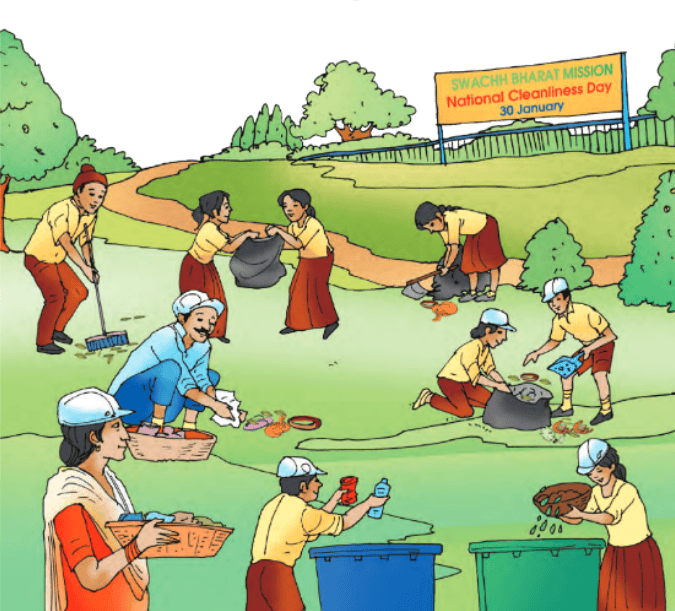
IntroductionWhere do you throw the paper cuttings? In which dustbin do you throw the candy wrapper? In our daily lives, we make a lot of waste by various activities. This includes toffee wrappers, bottles, paper, peels of vegetable and fruit, and pencil shavings. Managing waste is important for maintaining a clean environment. The chapter explains how we create waste, the importance of managing waste, and ways to reduce, reuse, and recycle waste.ExplanationHow is Waste Created?
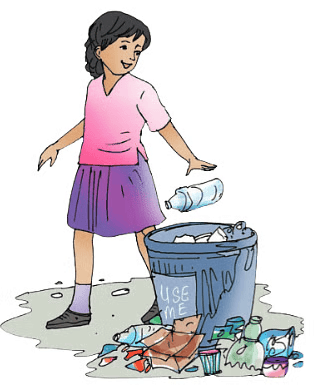
We make waste by our everyday activities, which can seen in garbage piles around homes and schools. Disposing of waste properly is important to prevent these garbage piles. Examples of waste are:
- Paper Waste: Used notebooks, and paper scraps.
- Stationery Waste: Empty pens and broken pencils.
- Food Waste: Leftover lunch and snack wrappers.
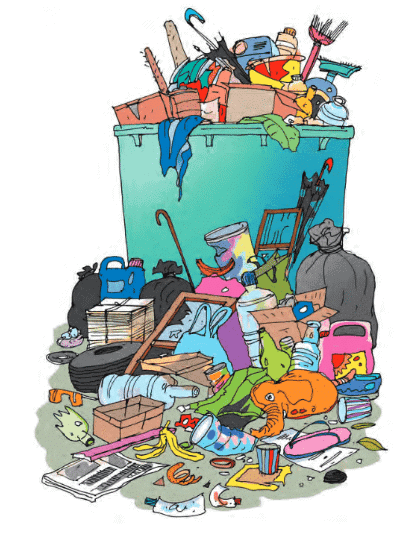
Managing Waste
- Effective waste management is the responsibility of each individual.
- Managing waste is important for maintaining a clean and healthy environment.
- Everyone has a role in managing waste, we can learn from different communities to manage the waste well.
Try yourself:What is one example of waste created at school ?A.Food WasteB.Stationery WasteC.LitteringD.Old StuffView Solution
Ways To Manage Waste Reduce
- Minimize the use of packaging and use reusable items like cloth bags instead of plastic bags.
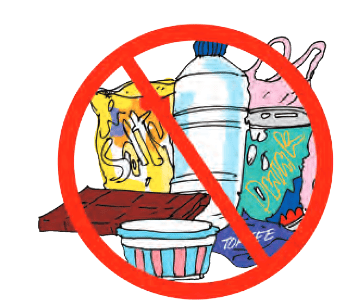 Buy only what is necessary and use items until they are no longer usable.
Reuse
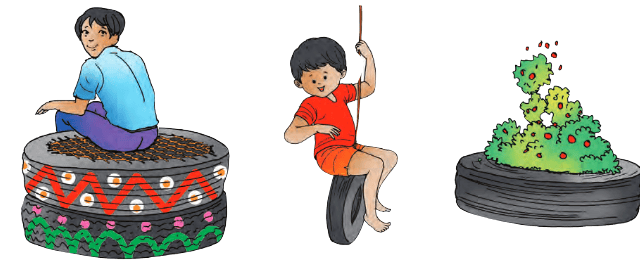
- Find new uses for old items, such as making quilts from old sarees, bags from old clothes, and using old newspapers for wrapping.
- Reusing items creatively helps conserve resources and reduces waste.
Recycle
- Separate waste into different categories for recycling.
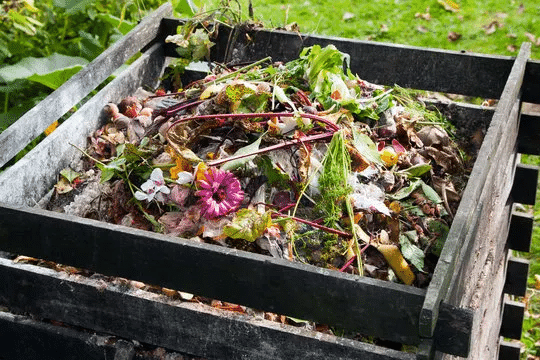
- Use green dustbins for organic waste that can be used to make compost.
- Use blue dustbins for materials like metal, glass, plastic, and paper that can be recycled into new products.
Impact Of Improper Waste Management
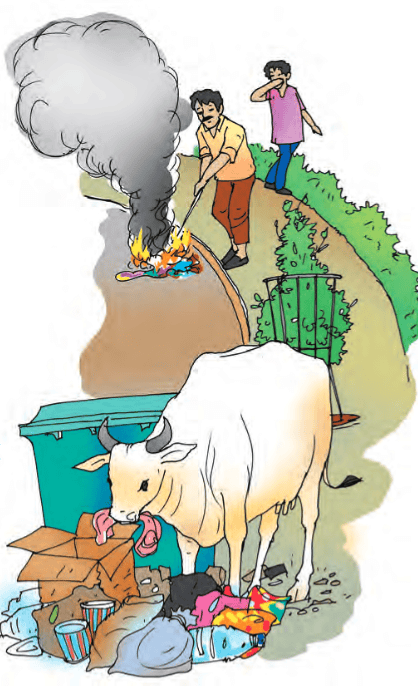
- Pollution: Waste can make our surroundings dirty and harm animals.
- Health Risks: Piles of waste can attract bugs and cause sickness.
- Resource Waste: Throwing away things that could be reused or recycled.
A Place of Pride
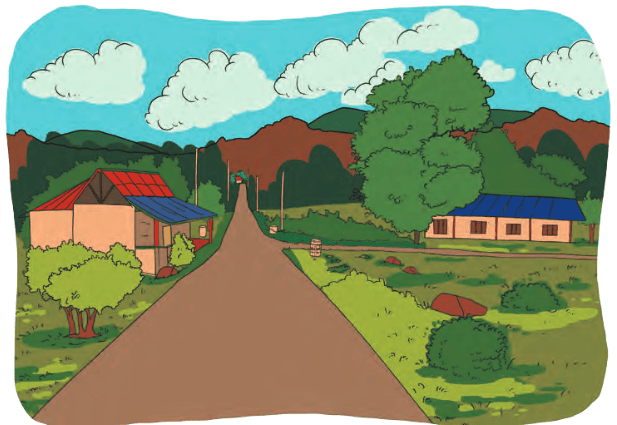
- Villages like Silluk in Arunachal Pradesh and Chhota Narena are managing waste well and are models for waste management.
- Silluk has no trash lying on roadsides or in open spaces and the village has received the title of ‘zero waste village.’
- Cities like Indore and Mysuru are recognized for their cleanliness and waste management..
Swachh Bharat Mission
The Swachh Bharat Mission is promoting cleanliness and effective waste management. It encourages people take responsibility for their waste and clean their surroundings.
Separate Different Types Of WasteSeparating waste means putting different types of trash into different bins. Here’s how to do it:
Two Bins
- Green Bin: For food and plants.
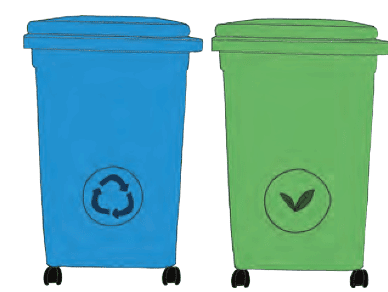 Blue Bin: For plastics, glass, metal, and paper.
Green Bin
- What Goes In: Fruit peels, veggie scraps, leaves, and eggshells.
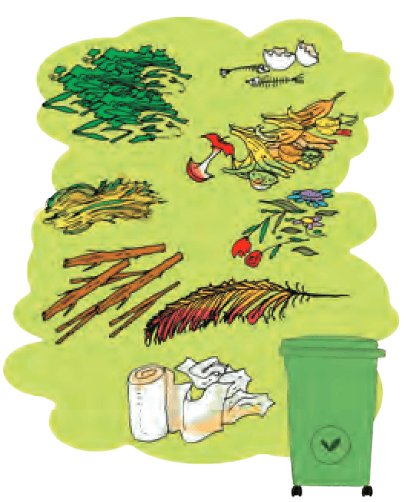 Why: This waste rots and becomes compost, which helps plants grow.
Blue Bin
- What Goes In: Plastic bottles, glass jars, metal cans, and paper.
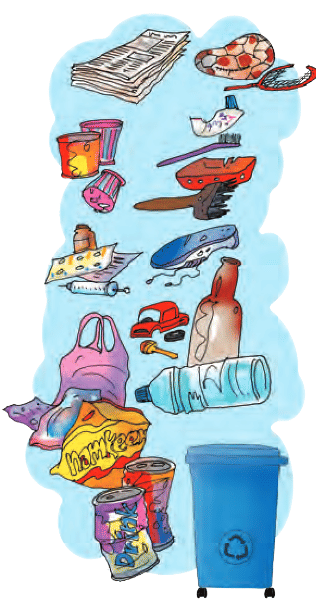 Why: These items can be recycled and turned into new things.
Why Separate ?
- Keeps Earth Clean: Less trash in landfills and oceans.
- Saves Resources: Recycling uses less energy than making new stuff.
- Healthier Environment: Reduces pollution and keeps our surroundings tidy.
By separating waste, we help keep our planet clean and healthy!
Try yourself:What is the primary benefit of separating waste into different categories for recycling?
- A.Reduces pollution and keeps surroundings tidy.
- B.Saves resources by using less energy for recycling.
- C.Helps plants grow by creating compost from food waste.
- D.Prevents health risks by attracting fewer bugs.
View Solution
Keeping Our Surroundings Clean
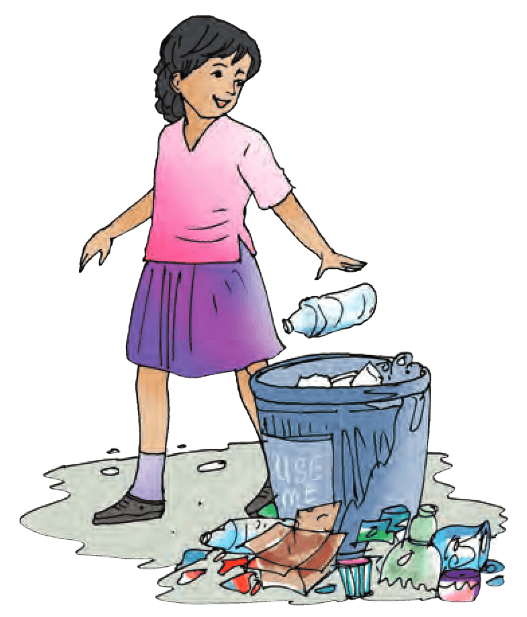
- On National Cleanliness Day (January 30th), pledge to keep yourself and your surroundings clean.
- Try not to create too much waste, manage your waste and dispose off waste properly to build a cleaner and greener world.
- Our aim should be Want not, Waste not.
Try yourself:What is one way to practice waste management and reduce waste?
- A.Regularly wash hands
- B.Use designated bins for proper disposal
- C.Wear clean clothes
- D.Join community clean-up drives
View SolutionPoints To Remember
- Waste is created from everyday activities like using packaged products and throwing away old items.
- Managing waste is important to keep our surroundings clean and healthy.
- Reducing waste is the first step—use fewer plastic items and more eco-friendly options like cloth bags.
- Reuse items whenever possible, like making crafts from old newspapers and refilling bottles.
- Green dustbins are for organic waste like fruit peels and vegetable scraps.
- Blue dustbins are for recyclable materials like metal, glass, plastic, and paper.
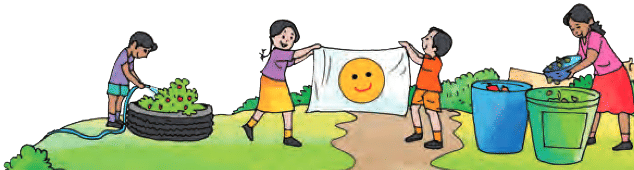
- Composting is a way to turn organic waste into food for plants.
- Recycling helps make new products from old materials, reducing the need for new resources.
Difficult Words
- Waste – Unwanted or unused material.
- Compost – Organic material used to enrich soil.
- Recycle – To make new things from old materials.
- Eco-friendly – Something that is good for the environment.
- Organic – Natural material from plants or animals.
- Sanitation – Cleanliness and hygiene, especially related to waste.
- Compost – Food for plants made from rotting organic waste.






 Rishi, a boy from Jammu, travels with his parents.