12. Taking Charge of Waste

Worksheet Solutions

Multiple Choice Questions (MCQs)Q1: What is the first rule followed to reduce waste?
(a) Reuse
(b) Recycle
(c) Reduce
(d) Refuse

Ans: (c) Reduce

Reducing means using less so that we create less waste.

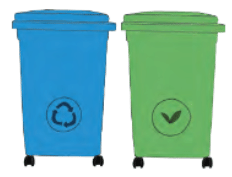
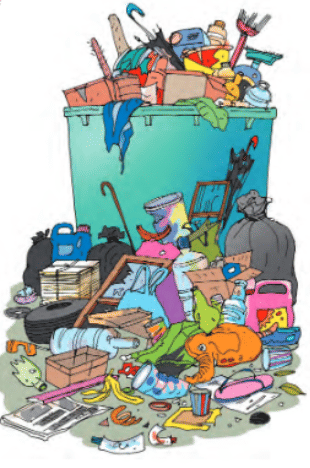
Q2: Which of the following is NOT a material suitable for the green dustbin?
(a) Plastic bottles
(b) Fruit peels
(c) Light bulbs
(d) Eggshells

Ans: (c) Light bulbs

Q3: What award did the village of Silluk in Arunachal Pradesh receive for waste management?
(a) Recycling Award
(b) Cleanest Village Award
(c) Zero Waste Village Award
(d) Green Environment Award

Ans: (c) Zero Waste Village Award

Q4: What is the purpose of the blue dustbin?
(a) Composting
(b) Recycling
(c) Burning waste
(d) Landfill disposal

Ans: (b) Recycling

Q5: Which practice helps in reducing waste while adding a personalized touch to gifts?
(a) Recycling
(b) Refusing
(c) Reusing
(d) Reducing

Ans:  (c) Reusing

Reusing old gift wraps and newspapers helps in reducing waste.
Fill in the Blanks

Q1: The first rule to manage waste is to ________ the amount of waste created.

Ans: Reduce

Q2: The green dustbin is used for ________ waste like fruit peels and vegetable waste.

Ans: Organic

Q3: People can ________ old clothes instead of throwing them away.

Ans: Reuse

Q4: Waste in the green dustbin can be converted into ________ for plants.

Ans: Compost

Q5: Villages that manage their waste well are often called ________ waste villages.

Ans: Zero

True or FalseQ1: Reusing old clothes is an example of reducing waste.
Ans: True

Q2: Recycling helps in creating new objects from materials that have been thrown away.
Ans: True

Q3: The green dustbin is used for materials like metal, glass, plastic, and paper. 
Ans: False

The green dustbin is for food waste, not metal or plastic.

Q4: Waste in the green dustbin can be converted into compost. 
Ans: True

Q5: Creating less waste is not a concern for managing waste effectively. 
Ans: False

We should always try to create less waste to keep our surroundings clean
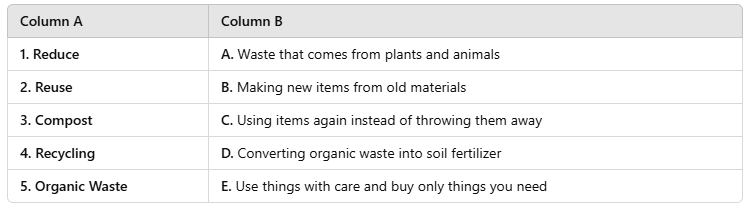
Match the Following
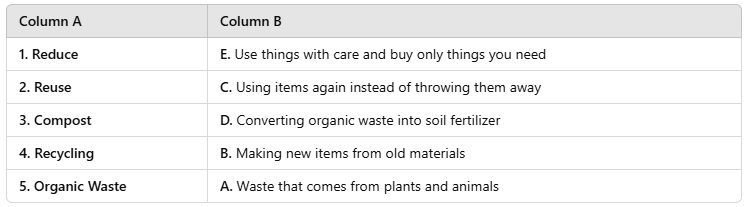
Ans:
One – Word Answer Type Questions

Q1: What is used to make compost?

 Ans: Waste

Q2: What is the green dustbin used for? 

Ans: Compost

Q3: What can be made from recycled paper, plastic, and metal?

 Ans: Objects

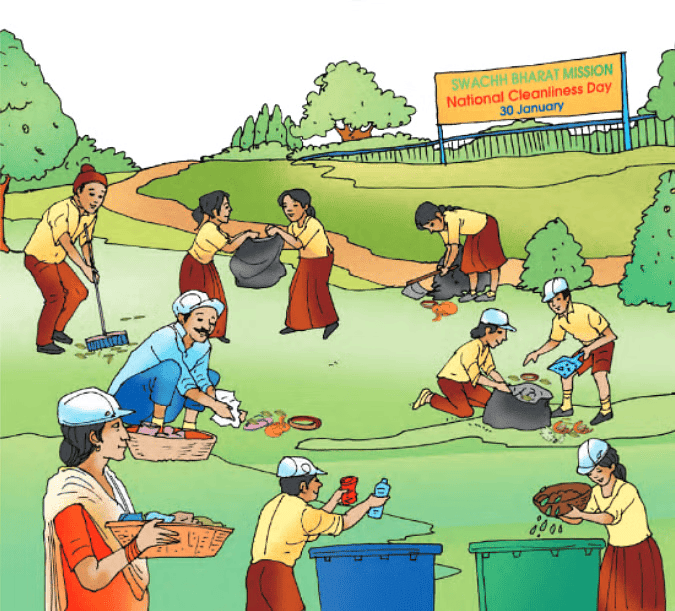
Q4: What day is celebrated as National Cleanliness Day? 

Ans: 30 January

Q5: Which village in Arunachal Pradesh is called a ‘zero waste village’? 

Ans: Silluk
11. Making Things

Worksheet Solutions

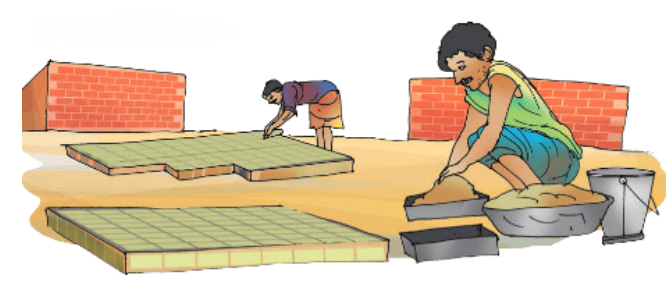
Fill in the BlanksQ1: Bricks become hard after being baked in a ____________.
Ans: Kiln

Q2: ____________ is used to keep the heat out of traditional mud houses.
Ans: Cow dung

Q3: Patterns can be found everywhere in ____________.
Ans: Nature

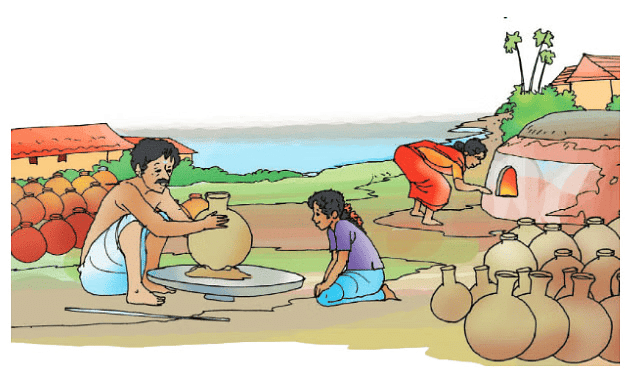
Q4: Pots are made by shaping clay on a ____________.
Ans: Stone wheel or potter’s wheel

Q5: A potter’s oven is called a ____________.
Ans: Kiln

True or FalseQ1: Pots are shaped by spinning clay on a stone wheel.
Ans: True

Q2: Patterns can only be found in artificial objects.
Ans: False

Patterns exist in both nature and man-made objects.

Q3: Traditional mud houses are made using cement.
Ans: False

Traditional houses are made of mud, cow dung, and straw.

Q4: Cow dung helps to keep insects out of houses.
Ans: True

Q5: Bricks are used for the construction of buildings.
Ans: True

One -Word Answer Type Questions

Q1:  What type of patterns can be seen on peacocks or tigers? 

Ans: Stripes

Q2: What are bricks made of?

Ans: Mud

Q3: Where does Rohan live?

Ans: Jaipur

Q4: What natural material is used in traditional mud houses for walls and floors?

Ans: Cow dung

Q5: What is used to make patterns on pots?

Ans: Clay

Multiple Choice Questions (MCQs)Q1: What is a potter’s oven called?
(a) Kiln
(b) Oven
(c) Stove
(d) Fireplace

Ans: (a) Kiln

Q2: Which natural material is used to make mud houses?
(a) Grass
(b) Wood
(c) Cow dung
(d) All of the above

Ans: (d) All of the above

Q3: What helps to keep insects out of traditional mud houses?
(a) Cement
(b) Cow dung
(c) Paint
(d) Bricks

Ans: (b) Cow dung

Q4: Which of the following is NOT a use of pots?

(a) Storing water
(b) Baking bread
(c) Holding money
(d) Serving food

Ans: (b) Baking bread

Q5: What is a potter’s favorite pastime according to the text?
(a) Making pots
(b) Watching brick walls being built
(c) Painting patterns on clay items
(d) Observing patterns in nature

Ans: (c) Painting patterns on clay items

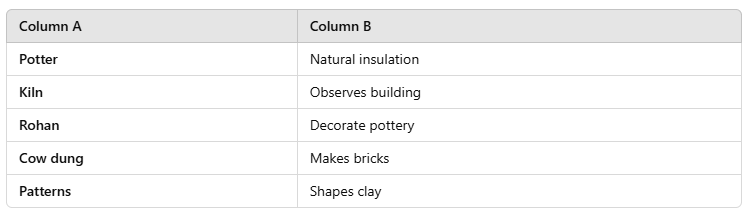
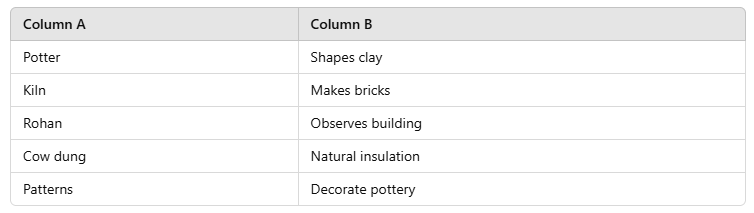
Match the Following

Ans:

10. The World of Things- Worksheet Solutions

Fill in the Blanks

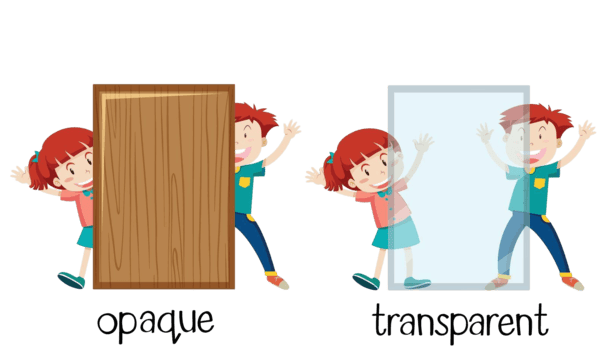
Q1: Material that you can see through clearly is called __________.
Ans: Transparent

Q2: Materials that do not bend easily are known as __________.
Ans: Rigid

Q3: Materials that take the shape of their container and flow are called __________.
Ans: Liquids

Q4: Materials found in nature are classified as __________.
Ans: Natural

Q5: __________ materials spread out and fill the space they are in.
Ans: Gases

True or False

Q1: Glass windows are an example of opaque materials.
Ans: False

Q2: Wood is a flexible material.
Ans: False

Q3: Liquids keep their shape.
Ans: False

Q4: Rocks are artificial materials.
Ans: False

Q5: Artificial materials are made by humans.
Ans: True 

One – Word Answer Type Questions

Q1. Can you see through glass?

Ans: Yes

Q2. What do we call things that are made by people?

Ans: Artificial.

Q3: What do you call things that come from nature?

Ans: Natural things

Q4:What is a metal spoon made of?

Ans: Metal

Q5: What do we call materials we cannot see through?

Ans:  Opaque

Multiple Choice Questions (MCQs)

Q1: Which material can be bent easily without breaking?
(a) Fabric
(b) Metal
(c) Glass
(d) Wood

Ans: (a) Fabric

Q2: Which type of material spreads out and fills the space they are in?
(a) Liquids
(b) Gases
(c) Solids
(d) Metals

Ans: (b)Gases

Q3: What is an example of a translucent material?
(a) Wood
(b) Frosted glass
(c) Metal
(d) Rubber

Ans: (b) Frosted glass

Q4: Which type of material is hard and does not bend easily?
(a) Fabric
(b) Rubber
(c) Metal
(d) Water

Ans: (c) Metal

Q5: What do liquids do?
(a) Keep their shape
(b) Flow and take the shape of their container
(c) Spread out and fill the space they are in
(d) Do not flow

Ans: (b) Flow and take the shape of their container

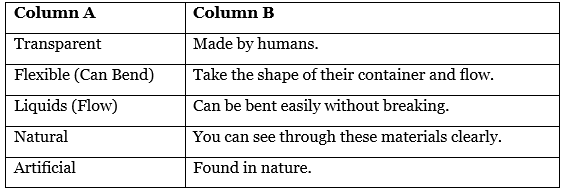
Match the Following

Ans:
Transparent – 
 You can see through these materials clearly.
Flexible – Can be bent easily without breaking.
Liquids – Take the shape of their container and flow.
Natural – Found in nature.
Artificial – Made by humans

09. Staying Happy and Healthy 

Fill in the Blanks

Q1: _______ is a good form of exercise that keeps our body fit.

Ans: Skipping

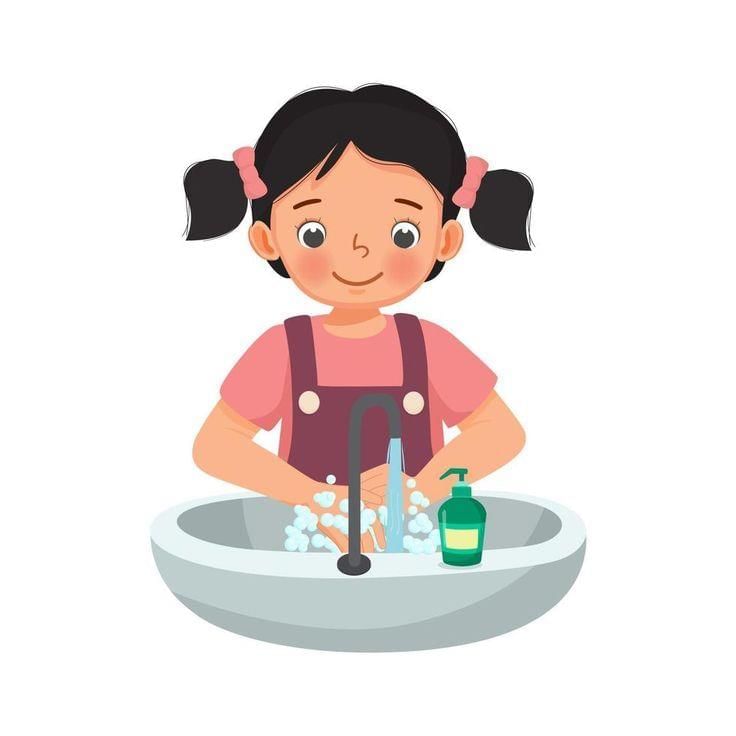
Q2: We should wash our hands with soap after using the _______.

Ans: Toilet

Q3: Exercise makes our heart work _______ and better.

Ans: Harder

Q4: We brush our teeth to remove food _______ stuck between them.

Ans: Particles

Q5: Good habits keep our bodies and minds ________ and _________.

Ans: healthy, happy

True or False

Q1: It is important to brush your teeth only once a day.

Ans: False

Q2: Animals also have ways to keep themselves clean.

Ans: True

Q3: Drinking soda is better than water for staying hydrated.

Ans: False

Q4: You should always wash your hands before eating.

Ans: True

Q5: Playing outside is a fun way to exercise.

Ans: True

One-Word Answer Type Questions

Q1. What should we use to wash our hands?

Ans: Soap

Q2.How many glasses of water should we drink every day?

Ans: 6-8

Q3.What do animals like monkeys do to clean themselves?

Ans: Grooming

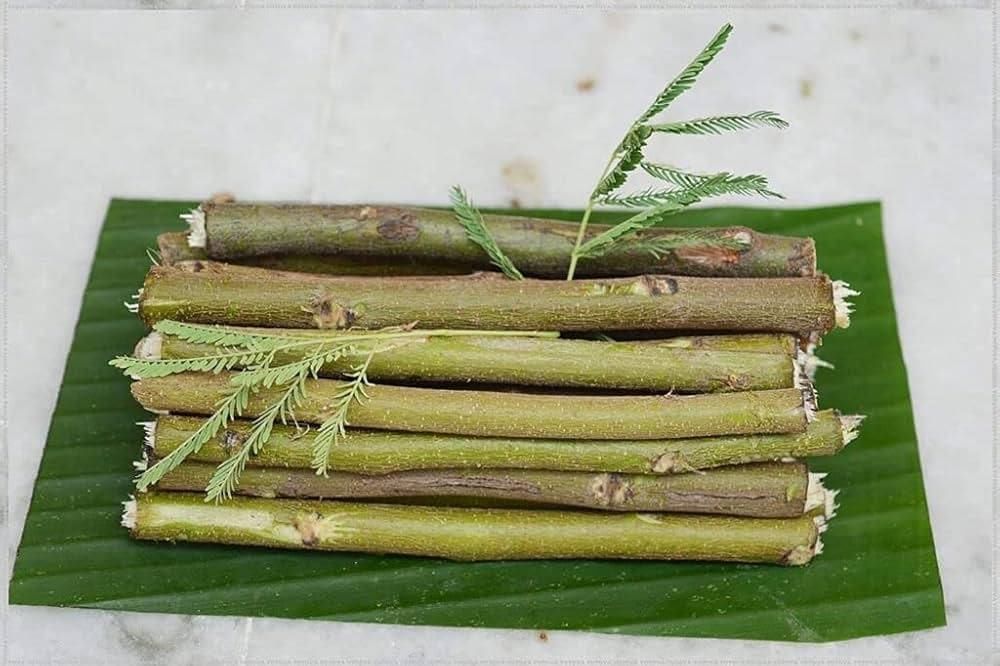
Q4.Name one traditional item used to clean teeth.

Ans: Neem twig

Q5.What should we do before eating to stay clean?

Ans: Wash hands

Multiple Choice Questions

Q1: Which of the following is a habit to keep our bodies clean?

A) Sleeping all day

B) Brushing teeth twice a day

C) Eating junk food

D) Watching TV for long hours

Ans: B) Brushing teeth twice a day

Q2: What is the minimum amount of sleep recommended per day?

A) 4 hours

B) 6 hours

C) 8 hours

D) 10 hours

Ans: C) 8 hours

Q3: What type of exercise is good for the heart?

A) Watching TV

B) Jumping/Running

C) Drawing pictures

D) Reading books

Ans: B) Jumping/Running

Q4Which of the following is NOT a way to stay clean?

A) Washing hands with soap

B) Taking a shower

C) Eating healthy

D) Not brushing teeth

Ans: D) Not brushing teeth

Q5: What is a natural alternative for cleaning teeth mentioned?

A) Toothpaste

B) Babool

C) Mouthwash

D) Baking soda

Ans: B) Babool

Match the FollowingColumn AColumn B1) KaranjA) Healthy drink2) ExerciseB) Good for teeth3) WaterC) Keeps us fit4) SleepD) Rest for the body5) Fruits and VegetablesE) Essential for health

Ans:

1) Karanj – B) Good for teeth

2) Exercise – C) Keeps us fit

3) Water – A) Healthy drink

4) Sleep – D) Rest for the body

5) Fruits and Vegetables – E) Essential for health

08. Food We Eat

Worksheet Solutions

Multiple Choice Questions (MCQs)

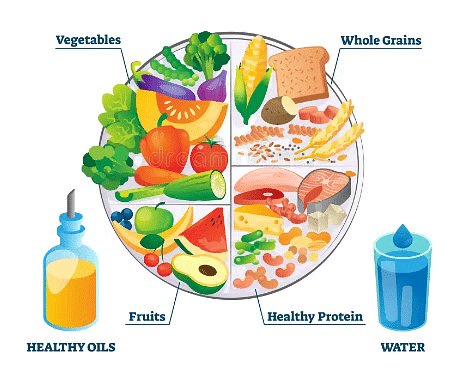
Q1: Why do we need to eat healthy food?
(a) For fun
(b) For good eyesight
(c) For strong muscles
(d) For staying energetic and healthy

Ans: (d) For staying energetic and healthy

Q2: Which taste is not part of the harmonious blend in Chhappan bhog?
(a) Astringent
(b) Bitter
(c) Sweet
(d) Savory

Ans: (d) Savory

Q3: What did the champion advise Shirin to eat for a healthy body?
(a) Rice and potatoes only
(b) A variety of food items including vegetables, fruits, pulses, and nuts
(c) Fast food daily
(d) Only homemade sweets

Ans: (b) A variety of food items including vegetables, fruits, pulses, and nuts

Q4: Which food items are mentioned in the story as part of a balanced diet?
(a) Rice and potatoes
(b) Rice, ragi, jowar, wheat, bajra
(c) Ice cream and chips
(d) Fried foods

Ans: (b) Rice, ragi, jowar, wheat, bajra

Q5: What did Shirin achieve after following the champion’s advice?
(a) She became a singer
(b) She became a painter
(c) She could run faster, felt energetic, and won a medal
(d) She started dancing

Ans: (c) She could run faster, felt energetic, and won a medal

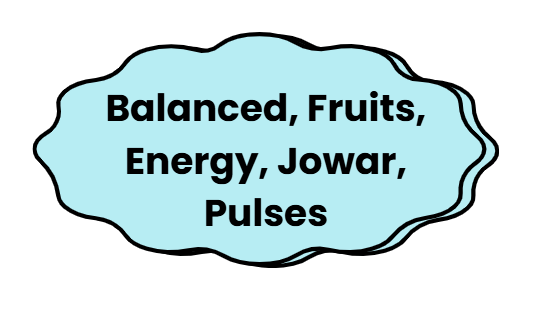
Fill in the Blanks 1. We need food to get ________.

Ans: We need food to get Energy

2. _______ and vegetables keep us healthy.

Ans: Fruits and vegetables keep us healthy.

3. A _______ diet contains all types of food.

Ans: A Balanced diet contains all types of food.

4. _______ and Bajra are examples of grains.

Ans: Jowar and Bajra are examples of grains.

5. _______ give us proteins to build our body.

Ans: Pulses give us proteins to build our body.

True or False

1. Chhappan Bhog is a dish with 56 types of food.

Ans: True

2. We should eat only junk food to stay healthy. 

Ans: False

3. Rice and wheat are examples of grains. 

Ans: True

4. Fruits and vegetables help us fight diseases. 

Ans: True

5. Drinking water is not necessary for our body. 

Ans: False

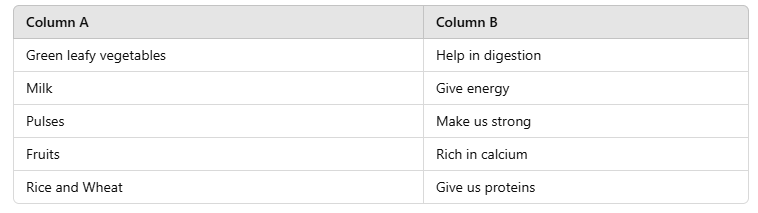
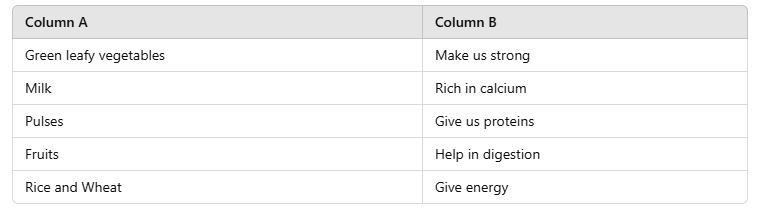
Match the Following

Ans: 

One – Word Answer Type Questions 

Q1: Which meal do we eat in the morning?

Ans: Breakfast

Q2: What type of food is commonly prepared in winter?

Ans: Soup

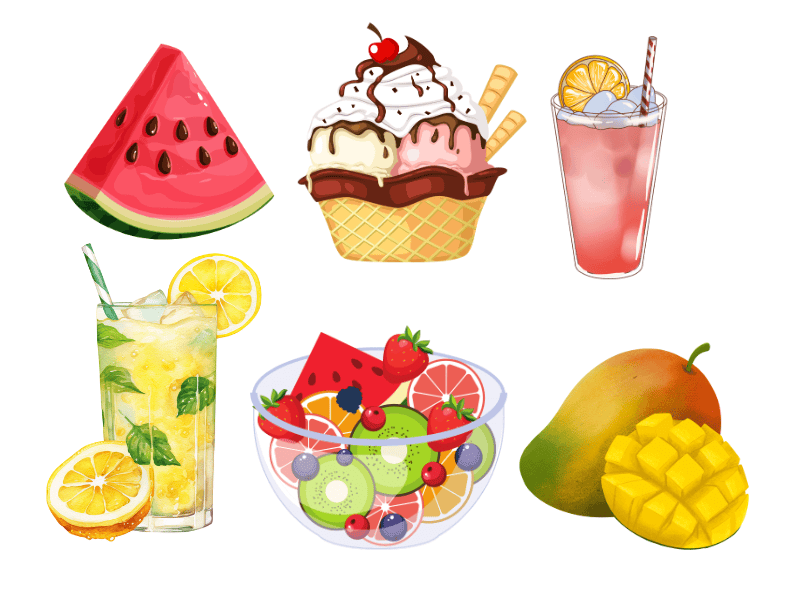
Q3: What is a common drink in summer?

Ans: Juice or Coconut Water

Q4: What is the primary ingredient used to make bread?

Ans: Wheat

Q5: What type of fruit is often eaten in summer?

Ans: Mango

07. Water – A Precious Gift Worksheet Solutions

Fill in the Blanks

Q1: Water comes down to earth as __________.

Ans: Rain

Q2: The water in our wells comes from __________ water.

Ans: Underground

Q3: Rainwater may __________ into the soil.

Ans: Soak

Q4: We should not add too much __________ in water.

Ans: Soap

Q5: A __________ is a shallow container for birds to drink water.

Ans: Birdbath

True or False

Q1: Rainwater is clean and can be used for drinking without treatment.

Ans: False

Q2: Water is considered a precious gift from the sky.

Ans: True

Q3: Everyone has easy access to clean drinking water.

Ans: False

Q4: Water can be reused for watering plants.

Ans: True

Q5: Rainwater always flows into the ocean instantly.

Ans: False

One Word Answer Type Questions

Q1: What do we call the process of water falling from the sky?

Ans: Rain

Q2: What type of vessel is commonly used to store water?

Ans: Pot

Q3: What is the term for water stored underground?

Ans: Ground Water

Q4: Where does rainwater primarily collect?

Ans: Puddles

Q5: What is the primary source of water for taps at home?

Ans: Tank

Multiple Choice Questions (MCQs) 

Q1: What is the primary source of water for our homes?

a) Rain

b) Lakes

c) Taps

d) Wells

Ans: c – Taps

Q2: Which of the following is NOT a method of storing water?

a) Tanks

b) Buckets

c) Soil

d) Bottles

Ans: c – Soil

Q3: What do we call water stored beneath the earth’s surface?

a) Surface Water

b) Ground Water

c) Rain Water

d) Ocean Water

Ans: b – Ground Water

Q4: Why is it important to conserve water?

a) It is abundant

b) It is a precious resource

c) It is not needed for daily activities

d) It can be created artificially

Ans: b – It is a precious resource

Q5: Which of the following activities does NOT require water?

(a) Cooking

(b) Bathing

(c) Reading

(d) Cleaning

Ans: c – Reading

Match the FollowingColumn AColumn B1. PuddleA) Container for water2. TankerB) Water stored beneath the surface3. Ground WaterC) Small pool of water4. VesselD) Large vehicle for transporting water5. ConserveE) To protect and save resources

Ans:1. PuddleC) Small pool of water2. TankerD) Large vehicle for transporting water3. Ground WaterB) Water stored beneath the surface4. VesselA) Container for water5. ConserveE) To protect and save resources

06. Living in Harmon noy- Worksheet Solutions

Fill in the Blanks

Q1: _______ eat mangoes and help plants by dispersing seeds.

Ans: Monkeys
Monkeys eat mangoes and help plants by dispersing seeds.

Q2: From plants, we get _______ that are used to make medicines.

Ans: Herbs
From plants, we get herbs that are used to make medicines.

Q3: Animals help make the soil _______ by enriching it through their waste.

Ans: Fertile
Animals help make the soil fertile by enriching it through their waste.

Q4: Plants provide us with _______ for building houses.

Ans: Wood
Plants provide us with wood for building houses.

Q5: _______ provides us with both food and shelter.

Ans: Nature
Nature provides us with both food and shelter. 

True or False

Q1: Plants help animals by providing food and shelter.

Ans: True
Plants help animals by providing food and shelter.

Q2: Humans do not need to care for animals and plants.

Ans: False
Humans need to care for both animals and plants.

Q3: Seeds can grow into new plants without the help of animals.

Ans: False
Animals help plants by dispersing seeds, allowing new plants to grow.

Q4: Plants only give us fruits and vegetables.

Ans: False
Plants provide us with fruits, vegetables, medicines, fibres, and wood.

Q5: Talking to plants can make you feel better.

Ans: True
Talking to plants can make you feel better and calm. 

One-Word Answer Type Questions

Q1: Which material do plants give us for making clothes?

Ans: Fibre

Q2: What do animals make the soil through their waste?

Ans: Fertile

Q3: What do cows, buffaloes, and goats provide us with?

Ans: Milk

Q4: What helps new plants grow after animals eat fruits?

Ans: Seeds

Q5: Who did Shambhu learn important lessons from in the story?

Ans: Father

Multiple Choice Questions (MCQs)

Q1: What do humans get from plants besides food?

(a) Fibre
(b) Medicine
(c) Wood
(d) All of the above

Ans: (d) All of the above
Humans get fibre, medicine, and wood from plants.

Q2: Which of the following animals helps plants by dispersing seeds?

(a) Birds
(b) Monkeys
(c) Frogs
(d) Ants

Ans: (b) Monkeys
Monkeys help plants by dispersing seeds.

Q3: What do animals do that helps plants grow?

(a) Eat leaves
(b) Disperse seeds
(c) Build nests
(d) Rest in trees

Ans: (b) Disperse seeds
Animals disperse seeds, helping plants grow.

Q4: Which of these helps improve the fertility of the soil?

(a) Fruits
(b) Seeds
(c) Animal waste
(d) Bark

Ans: (c) Animal waste
Animal waste helps improve soil fertility.

Q5: Who taught Shambhu about the relationship between plants and animals?

(a) His teacher
(b) His friend
(c) His father
(d) His mother

Ans: (c) His father
Shambhu’s father taught him about the relationship between plants and animals. 

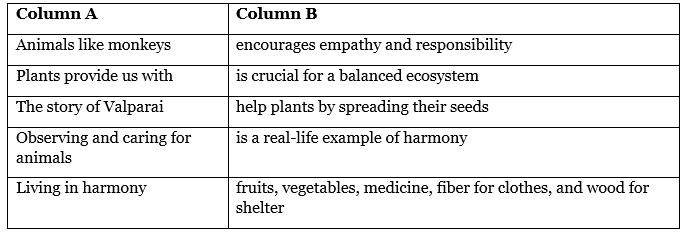
Match the Following

Ans:
Animals like monkeys – help plants by spreading mango’s seeds
Plants provide us – fruits, vegetables, medicine, fiber for clothes, and wood for shelter
The story of Valparai – is a real-life example of harmony
Observing and caring for animals – encourages empathy and responsibility
Living in harmony – is crucial for a balanced ecosystem

05. Plants and Animals Live Together- Worksheet Solutions

Multiple Choice Questions (MCQs)

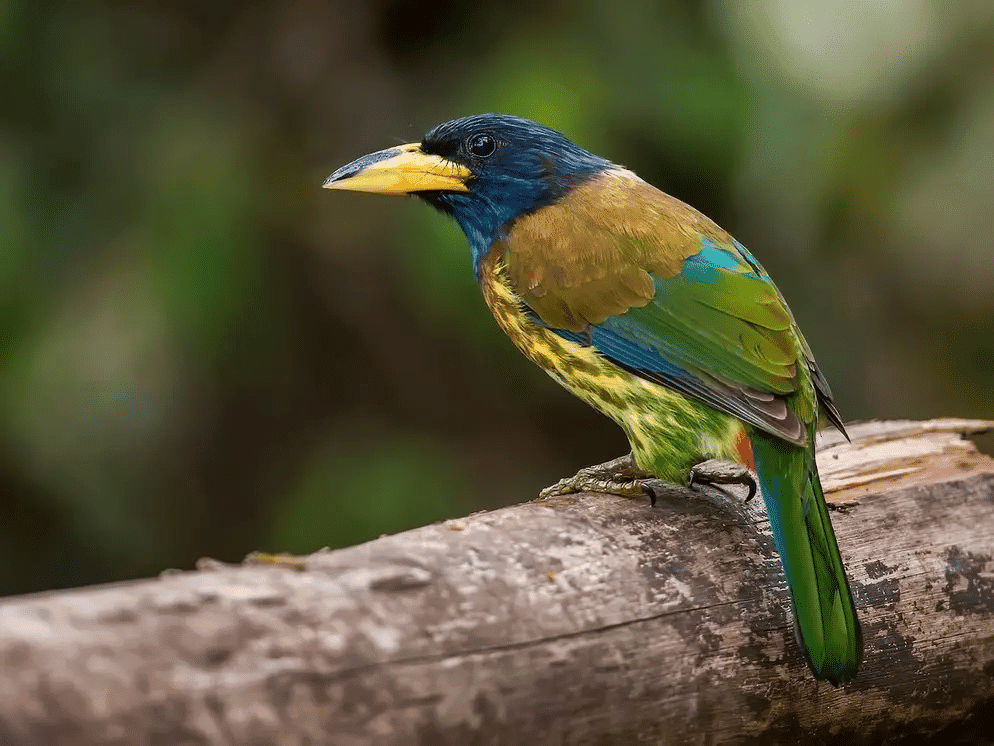
Q1: Which of the following animals use tree hollows for nesting?

(a) Ants
(b) Barbets
(c) Frogs
(d) Caterpillars

Ans: (b) Barbets

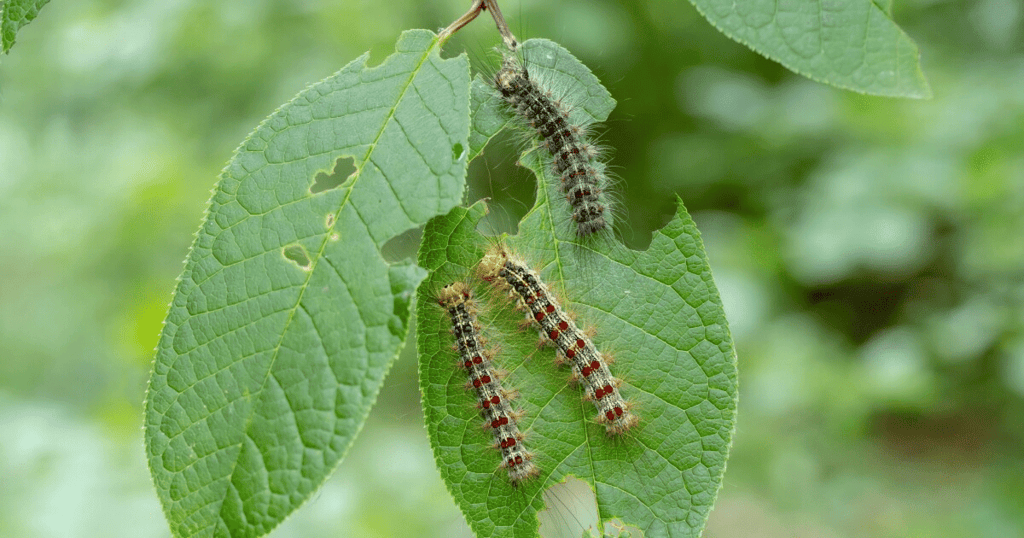
Q2: What do caterpillars feed on?

(a) Bark
(b) Leaves
(c) Nectar
(d) Twigs

Ans: (b) Leaves

Q3: Which of these insects builds nests using leaves?

(a) Butterflies
(b) Ants
(c) Moths
(d) Woodpeckers

Ans: (b) Ants

Q4: What helps improve the soil by breaking down organic matter?

(a) Frogs
(b) Birds
(c) Earthworms
(d) Monkeys

Ans: (c) Earthworms

Q5: Which animal feeds on grass and helps maintain grasslands?

(a) Elephants
(b) Monkeys
(c) Camels
(d) Frogs

Ans: (a) Elephants

Fill in the Blanks

Q1: _______ use twigs from plants to build their nests.

Ans: Squirrels

Squirrels use twigs from plants to build their nests.

Q2: _______ help in breaking down organic matter in the soil.

Ans: Earthworms

Earthworms help in breaking down organic matter in the soil.

Q3: _______ stitch leaves together to build nests.

Ans: Tailorbirds

Tailorbirds stitch leaves together to build nests.

Q4: _______ rely on the branches of trees for resting and shelter.

Ans: Bats

Bats rely on the branches of trees for resting and shelter.

Q5: _______ feed on leaves for energy before becoming butterflies.

Ans: Caterpillars

Caterpillars feed on leaves for energy before becoming butterflies. 

Match the Following

Ans:
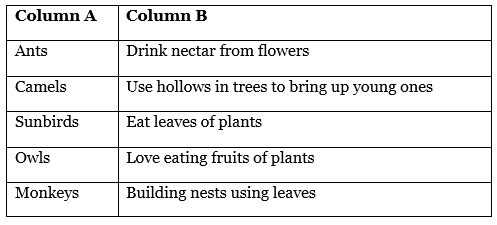
Ants – Building nests using leaves
Camels – Eat leaves of plants
Sunbirds – Drink nectar from flowers
Owls – Use hollows in trees to bring up young ones
Monkeys – Love eating fruits of plants

One-Word Answer Type Questions

Q1: Which insect builds nests using leaves?

Ans: Ants

Q2: Name an animal that rests on tree branches for shelter.

Ans: Leopard

Q3: What do butterflies drink from flowers?

Ans: Nectar

Q4: Which small insect helps improve soil health by breaking down organic matter?

Ans: Earthworm

Q5: What do camels eat from plants?

Ans: Leaves 

04. Getting to Know Plants- Worksheet Solutions

Fill in the Blanks

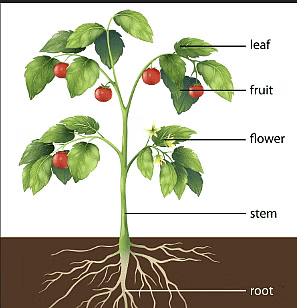
Q1: _______ are the largest plants with thick trunks and many branches.

Ans: Trees
Trees are the largest plants with thick trunks and many branches.

Q2: Shrubs have many _______ stems that grow close to the ground.

Ans: Woody
Shrubs have many woody stems that grow close to the ground.

Q3: Herbs have _______ stems that do not become woody.

Ans: Soft
Herbs have soft stems that do not become woody.

Q4: Grasses have long, thin _______ and hollow stems.

Ans: Leaves
Grasses have long, thin leaves and hollow stems.

Q5: Climbers grow by _______ on other plants or structures for support.

Ans: Climbing
Climbers grow by climbing on other plants or structures for support. 

True or False

Q1: Trees have a single main trunk that is woody.

Ans: True
Trees have a single main trunk that is woody.

Q2: Herbs have thick, woody stems like shrubs.

Ans: False
Herbs have soft, green stems that do not become woody.

Q3: Climbers and creepers both have thick, hard stems.

Ans: False
Climbers and creepers have thin and flexible stems.

Q4: Leaves of different plants can have different smells.

Ans: True
Leaves of different plants have unique smells.

Q5: The pumpkin plant is an example of a climber.

Ans: False
The pumpkin plant is an example of a creeper. 

One-Word Answer Type Questions

Q1: What part of the plant helps absorb water and nutrients from the soil?

Ans: Roots

Q2: Which part of the plant is responsible for producing food?

Ans: Leaves

Q3: Name a plant that grows by creeping along the ground.

Ans: Pumpkin

Q4: What is the hard outer covering of a tree trunk called?

Ans: Bark

Q5: Which plant part contains seeds and helps in their dispersal?

Ans: Fruits 

Multiple Choice Questions (MCQs)

Q1: Which of the following plants has soft, green stems?

(a) Trees
(b) Shrubs
(c) Herbs
(d) Creepers

Ans: (c) Herbs
Herbs have soft, green stems that do not become woody.

Q2: What are climbers known for?

(a) Spreading on the ground
(b) Climbing on other plants or supports
(c) Growing straight and tall
(d) Having deep roots

Ans: (b) Climbing on other plants or supports
Climbers grow by attaching themselves to other plants or structures for support.

Q3: Which of these is an example of a shrub?

(a) Mango tree
(b) Tulsi plant
(c) Grass
(d) Pumpkin

Ans: (b) Tulsi plant
The tulsi plant is a shrub with multiple woody stems.

Q4: What kind of stems do creepers have?

(a) Thick and strong
(b) Thin and flexible
(c) Soft and green
(d) Hollow

Ans: (b) Thin and flexible
Creepers have thin and flexible stems that spread along the ground.

Q5: Which plant part performs photosynthesis?

(a) Roots
(b) Stems
(c) Leaves
(d) Flowers

Ans: (c) Leaves
Leaves perform photosynthesis to produce food for the plant. 

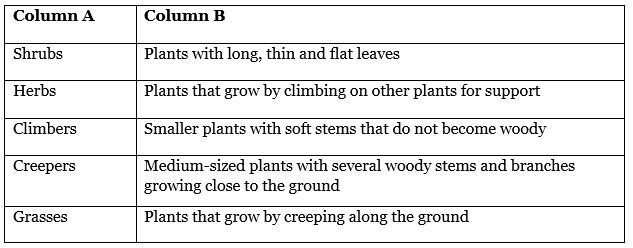
Match the Following

Ans:
Shrubs: Medium-sized plants with several woody stems and branches growing close to the ground
Herbs: Smaller plants with soft stems that do not become woody
Climbers: Plants that grow by climbing on other plants for support
Creepers: Plants that grow by creeping along the ground
Grasses: Plants with long, thin and flat leaves

03. Celebrating Festivals- Worksheet Solutions

Fill in the Blanks

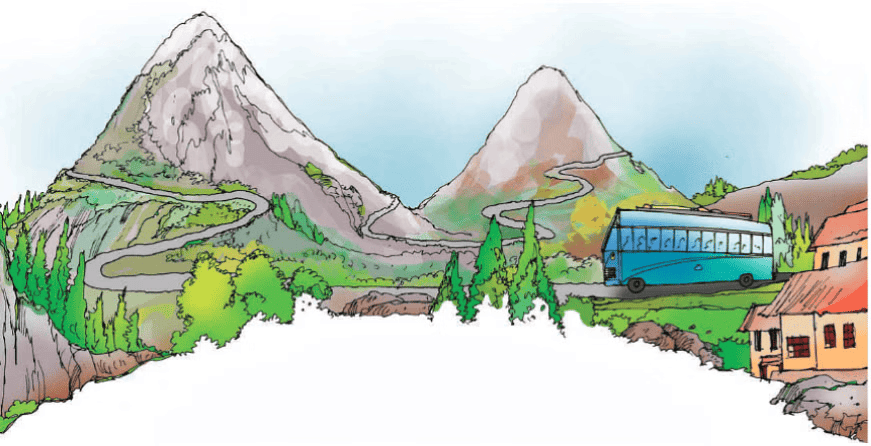
Q1: Rishi is traveling to the __________ with his parents.

Ans: Himalayas
Rishi is traveling to the Himalayas with his parents.

Q2: Rishi’s Mama and Mami live in a __________ near the mountains.

Ans: village
Rishi’s Mama and Mami live in a small village near the mountains.

Q3: Rishi’s family traveled by __________ to reach their destination.

Ans: bus
Rishi’s family traveled by bus to visit his Mama’s village.

Q4: The children had a Kashmiri dish called __________ with hot rice.

Ans: haakh
The children had a Kashmiri dish called haakh with hot rice for lunch.

Q5: In Rishi’s neighborhood, they place __________ and buransh flowers at the doorsteps during the spring festival.

Ans: mustard
Rishi shared that they place mustard and buransh flowers at the doorsteps during the spring festival. 

True or False

Q1: Rishi and his family traveled by train to the Himalayas.

Ans: False
Rishi and his family traveled by bus, not by train.

Q2: Rishi was familiar with all the flowers in Mama’s garden.

Ans: False
Rishi recognized some flowers like rose and marigold but was unfamiliar with others like tulips.

Q3: Nonikaa told Rishi about the Kashmir Tulip Festival.

Ans: True
Nonikaa informed Rishi about the Kashmir Tulip Festival during lunch.

Q4: Rishi told his cousins about the Vishu festival from Kerala.

Ans: False
Chiya talked about the Vishu festival celebrated by her friend from Kerala.

Q5: Rishi’s family returned home after a few days of vacation.

Ans: True
Rishi’s family returned home after a wonderful vacation with family. 

One Word Answer Type Questions

Q1: Who are Rishi’s cousins?

Ans: Chiya and Nonikaa

Q2: What kind of road led to Mama and Mami’s house?

Ans: Mud road

Q3: What flower festival is celebrated in Kashmir?

Ans: Tulip Festival

Q4: Which red flower blooms in spring at Rishi’s place?

Ans: Buransh

Q5: What do they place at doorsteps during the spring festival in Rishi’s neighborhood?

Ans: Mustard 

Multiple Choice Questions (MCQs)

Q1: Where do Rishi’s Mama and Mami live?

(a) In a city
(b) In a small village near the mountains
(c) In a desert
(d) In a forest

Ans: (b) In a small village near the mountains
Rishi mentions that his Mama and Mami live in a small village close to the mountains, which they visit during their trip.

Q2: Which flower did Nonikaa point to in the garden?

(a) Rose
(b) Tulip
(c) Sunflower
(d) Jasmine

Ans: (b) Tulip
Nonikaa identifies the flower as a tulip when Rishi asks her about the beautiful flowers in the garden.

Q3: What is the name of the Kashmiri dish Rishi ate?

(a) Biryani
(b) Pulao
(c) Haakh
(d) Samosa

Ans: (c) Haakh
Rishi and the children had a traditional Kashmiri dish called haakh with hot rice during lunch at his Mama’s house.

Q4: What type of flowers are used during the Vishu festival?

(a) Red roses
(b) Yellow amaltas
(c) Blue lilies
(d) White lotuses

Ans: (b) Yellow amaltas
Chiya talks about her friend Unni from Kerala, who celebrates Vishu with yellow amaltas flowers as part of the decorations.

Q5: What do elders give during Rishi’s spring festival?

(a) Fruits
(b) Sweets and toffees
(c) Toys
(d) Money

Ans: (b) Sweets and toffees
Rishi shares that during the spring festival in his neighborhood, elders bless the children and give them sweets and toffees.

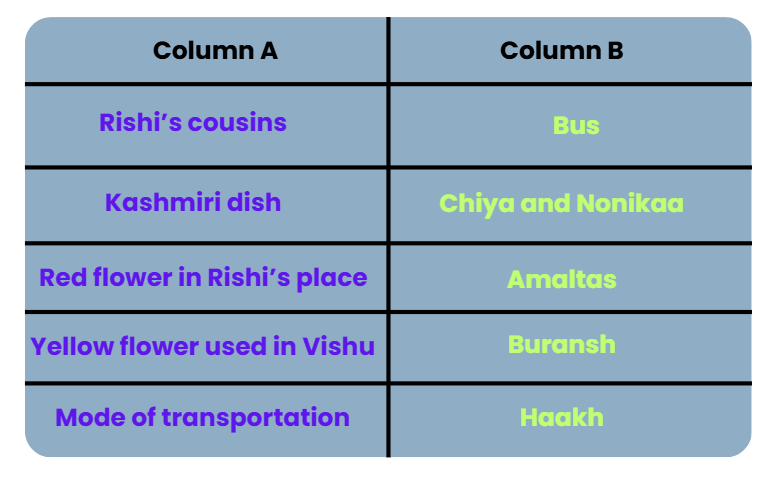
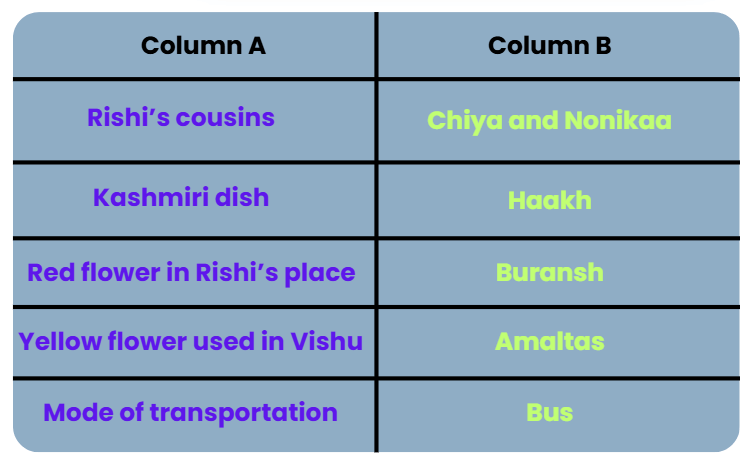
Match the Following

Ans: