10 Earth — Our Shared Home – Worksheet Solutions

Q1: Choose the correct option for each question.
(i) Who was the first Indian in space?
A. Wing Commander Rakesh Sharma
B. Group Captain Shubhanshu Shukla
C. DIGIPIN
D. None of the above
Ans: A. Wing Commander Rakesh Sharma

(ii) What does DIGIPIN help with?
A. Assigning names to schools
B. Helping postmen locate addresses
C. Identifying plants
D. None of the above
Ans: B. Helping postmen locate addressesDIGItal PIN helps postmen to find address 

(iii) What ancient Indian practice is celebrated on International Day of Yoga?
A. Meditation
B. Dance
C. Yoga
D. Painting
Ans: C. Yoga

(iv) From where did chillies originally come?
A. India
B. Europe
C. South America
D. Africa
Ans: C. South America

(v) What unique feature do Indian cows in Brazil have?
A. They are used for transportation
B. They are depicted on stamps and coins
C. They are larger than Brazilian cows
D. None of the above
Ans: B. They are depicted on stamps and coins

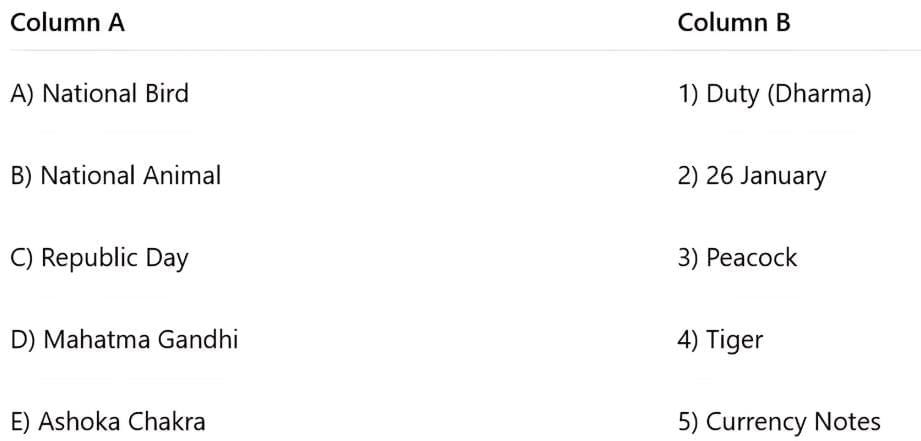
Q2: Match the items in Column A with the correct descriptions in Column B.
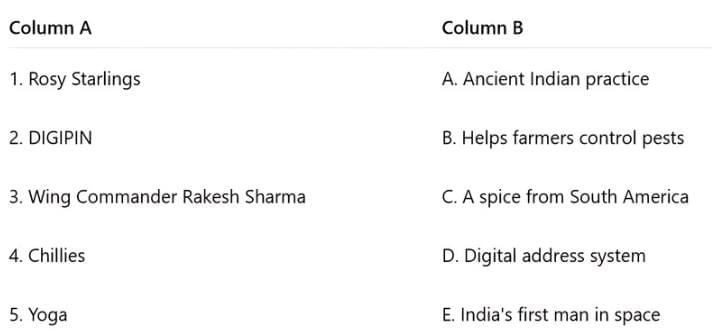
Ans:

Q3: Fill in the blanks with the correct words from the chapter.
(i) The Earth looks like one big home with no visible __________.
(ii) Yoga has been practised in India for more than __________ years.
(iii) The Ministry of __________, Forest and Climate Change logo shows the connection between humans and nature.
(iv) Chillies were brought to India by __________ travellers.
(v) The saying ‘Vasudhaiva Kutumbakam’ means __________ is one family.

Ans:
(i) The Earth looks like one big home with no visible borders.
(ii) Yoga has been practised in India for more than 3,000 years.
(iii) The Ministry of Environment, Forest and Climate Change logo shows the connection between humans and nature.
(iv) Chillies were brought to India by Portuguese travellers.
(v) The saying ‘Vasudhaiva Kutumbakam’ means the world is one family.

Q4: State whether the following statements are True or False. Correct the false statements.
(i) The shape of land and sea is visible from space, but no political boundaries.
Ans: True

(ii) The marigold flower originally comes from India.
Ans: False

(iii) The first Indian in space said India looked “Saare Jahaan Se Achcha” from space.
Ans: True

(iv) Yoga was first shared with the world in the 21st century.
Ans: FalseYoga

(v) The chillies we grow in India were once a staple item in European kitchens.
Ans: False

Q5: Answer the following questions in 2-3 sentences each.

(i) What does the Earth look like from space?
Ans: From space, the Earth looks like one big home. You can’t see any borders or countries, just land and sea. Everything looks tiny, and we can see how nature connects us all.

(ii) How do rosy starlings help farmers in India?
Ans: Rosy starlings are pink and black birds that come to India every winter. They eat locusts and grasshoppers, which helps farmers by controlling pests that can harm crops.

(iii) Why is yoga special and important?
Ans: Yoga is an ancient practice from India that helps people stay strong and happy. It has been practised for over 3,000 years and is now enjoyed by people all around the world.

(iv) Where did chillies originally come from?
Ans: Chillies originally came from South America. They were brought to India by Portuguese travellers 400 to 500 years ago and became a popular spice in Indian cooking.

(v) What does “Vasudhaiva Kutumbakam” mean?
Ans: “Vasudhaiva Kutumbakam” is a phrase from India that translates to “the world is one family.” It teaches us to live with love, care, and respect for each other and our planet.

Q6: Answer the following questions in 4-6 sentences each. Use examples from the chapter to support your answers.
(i) Explain how birds like rosy starlings show us that “nature has no boundaries.” 
Ans: Rosy starlings are small birds that travel thousands of kilometres every winter from Russia and Mongolia to India. This shows nature has no boundaries because:

  • Rosy starlings fly from Russia and Mongolia to India every winter
  • They travel thousands of kilometres without passports or borders
  • These birds help Indian farmers by eating harmful insects like locusts
  • This shows all living things on Earth are connected and help each other

(ii) How did the chilli plant change Indian food culture? Trace its journey from South America to India.
Ans: The chilli completely transformed Indian cooking and shows how food travels across the world:

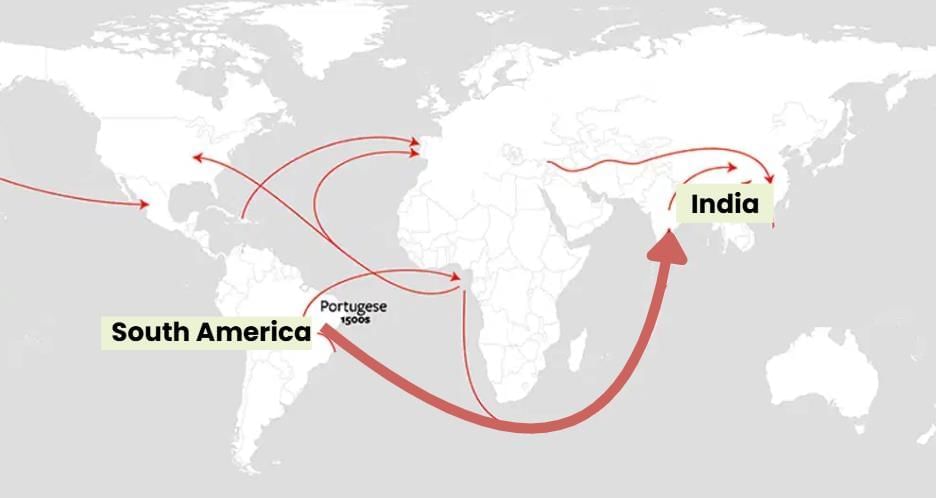
  • Chillies originally grew only in South America
  • Portuguese traders brought them to India 400-500 years ago
  • Before chillies, Indians used black pepper for spicy food
  • Now chillies are essential in Indian cooking
  • This shows how plants can travel and become part of new cultures

Portugese brought Chilli from South America to India (1500s)

(iii) What does “Vasudhaiva Kutumbakam” mean? How can we live as one family despite our differences?
Ans: “Vasudhaiva Kutumbakam” is an ancient Indian saying that translates to “the world is one family.”

  • It teaches us that all people, animals, trees, rivers, and nature belong to one big family
  • We all share the same Earth as our home and depend on each other
  • We can live as one family by:
    Respecting differences
    Sharing resources and helping others
    Caring for the environment

(iv) Give examples of how India and other countries have shared culture, food, and ideas with each other.
Ans: India and other countries have shared many things, creating global connections:
From India to the world:

  • Yoga – practised worldwide for health and peace (International Yoga Day on June 21)
  • Sugar-making technique – spread from India to other countries
  • Indian cow breeds (Gir, Kankrej, Ongole) – now produce milk in Brazil

From other countries to India:

  • Chillies from South America – now essential in Indian food
  • Marigold flowers from Mexico – used in Indian festivals and temples
  • Paper from China – replaced palm leaves for writing
    This shows how cultures mix and enrich each other, making our world more connected and diverse.

09 Rhythms of Nature – Worksheet Solutions

Q1: Choose the correct option for each question.
(i) What is the name of the place in India known as the ‘First Village of the Sunrise’?
A) Khonoma
B) Dong
C) Thar Desert
D) Arunachal Pradesh
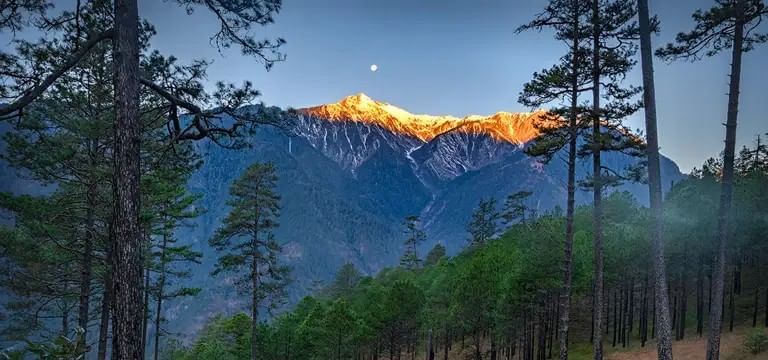
Ans: B) DongDong Valley (Arunachal Pradesh)

(ii) How many seasons does India have according to the text?
A) Four
B) Five
C) Six
D) Seven
Ans: C) Six

(iii) Which season is associated with the festival of Diwali?
A) Spring
B) Summer
C) Monsoon
D) Autumn
Ans: D) Autumn

(iv) What activity helps students observe changes in nature throughout the year?
A) Nature Walk
B) Seasons’ Journal
C) Drawing
D) Gardening
Ans: B) Seasons’ Journal

(v) What do farmers in Odisha associate with the coming of rains?
A) Singing of the koel bird
B) Arrival of monsoon
C) Blooming of flowers
D) Changes in temperature
Ans: A) Singing of the koel bird

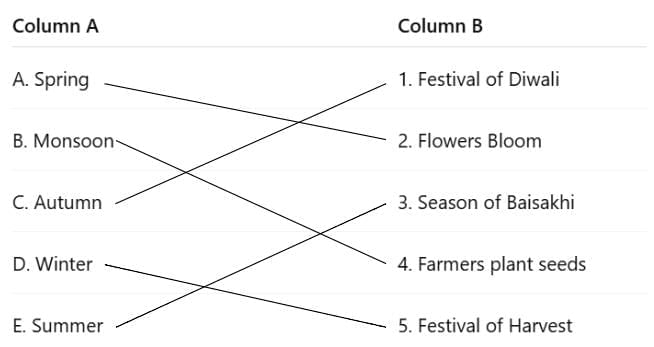
Q2: Match the items in Column A with the correct descriptions in Column B.
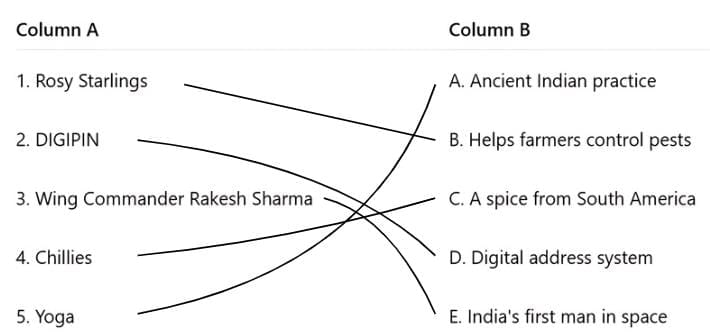
Ans:

Q3: Fill in the blanks with the correct words from the chapter.
(i) The Earth rotates on its _____, causing day and night.
(ii) The _____ rises in the east and sets in the west.
(iii) In India, the season of _____ is when farmers plant seeds based on the koel’s song.
(iv) _____ is celebrated in winter to mark the new year and harvest.
(v) The globe represents the _____ of the Earth.
Ans: 
(i) The Earth rotates on its axis, causing day and night.
(ii) The sun rises in the east and sets in the west.
(iii) In India, the season of monsoon is when farmers plant seeds based on the koel’s song.
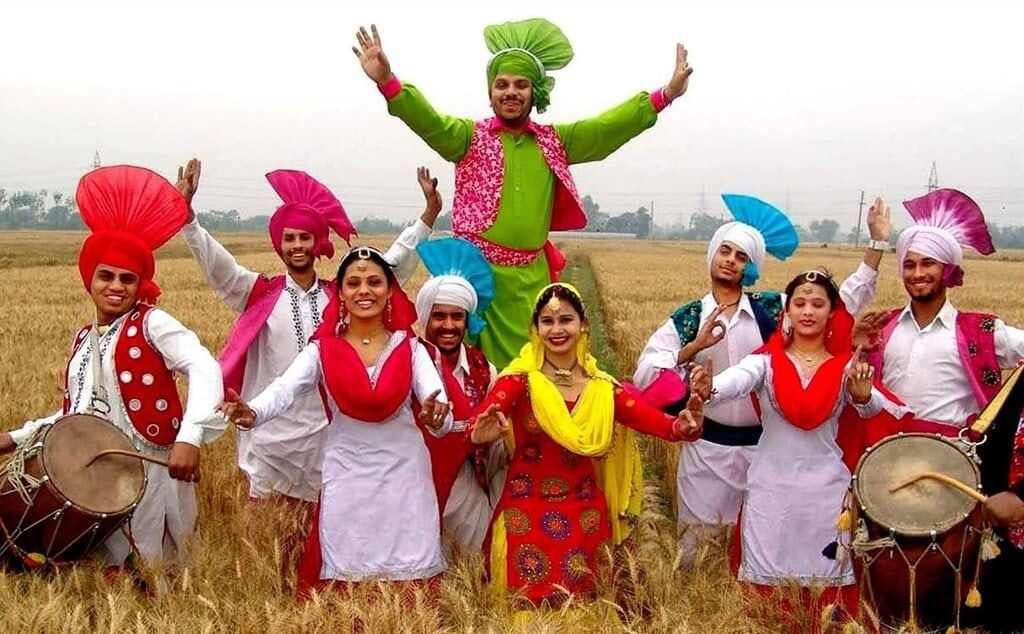
(iv) Baisakhi is celebrated in winter to mark the new year and harvest.Celebrating baisakhi festival in Punjab(v) The globe represents the model of the Earth.

Q4: State whether the following statements are True or False. Correct the false statements.

(i) The sun rises in the west.
Ans: False

(ii) Diwali is a very special festival in India.
Ans: True

(iii) Seasons help us know how plants grow and how animals live.
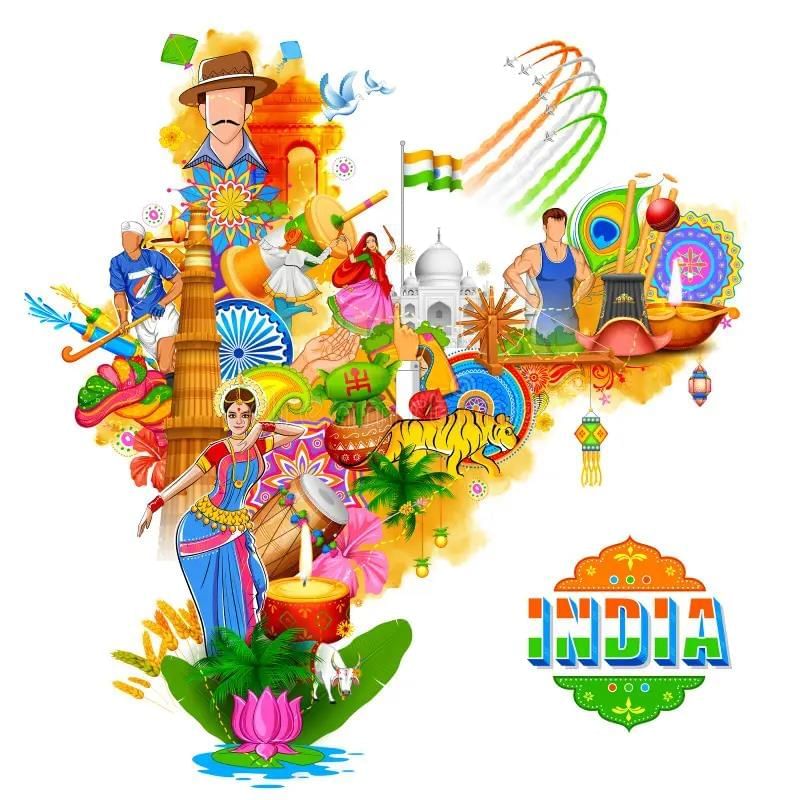
Ans: True

(iv) There are five seasons recognised in India.
Ans: False

(v) The Thar Desert is known for its high rainfall.
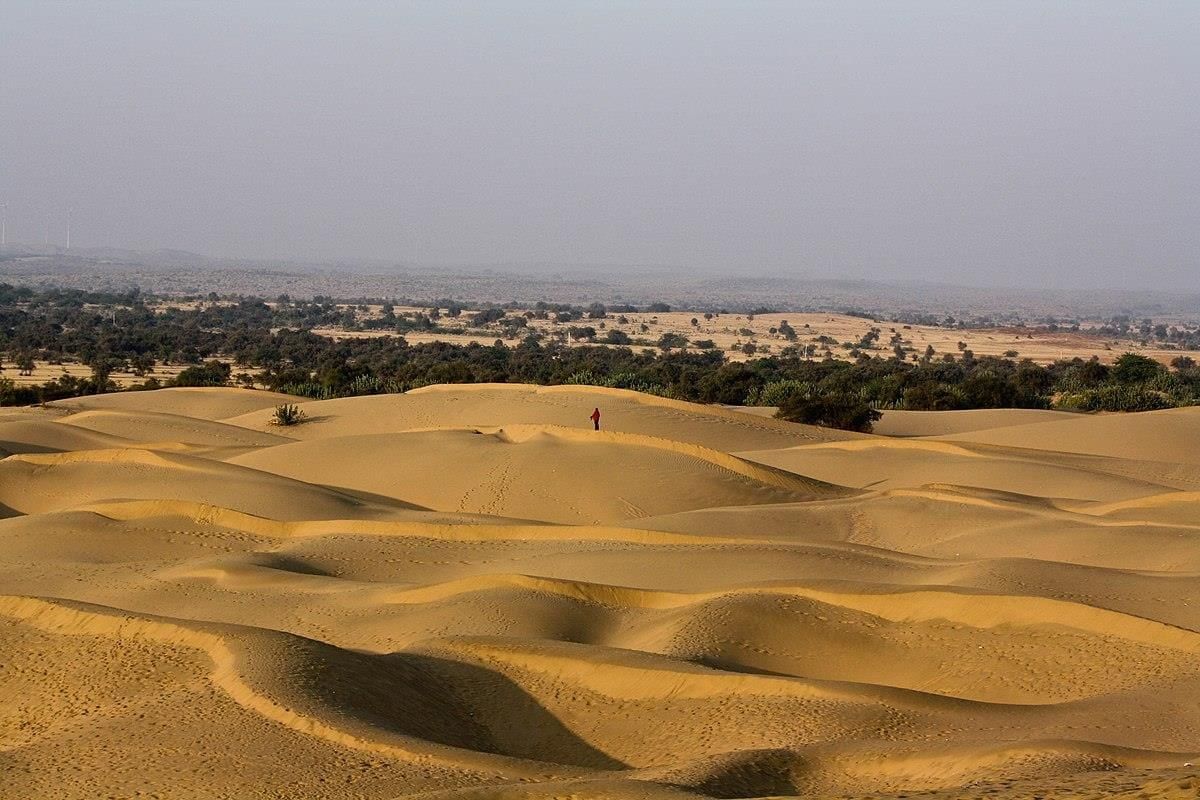
Ans: FalseThar Desert

Q5: Answer the following questions in 2-3 sentences each.
(i) What changes did Saba and Aparna notice about themselves and their surroundings?
Ans: 
Saba and Aparna noticed that Saba is now taller than Aparna. They also saw new trees at their school and talked about changes in the classroom and their favourite games.

(ii) How does day change into night and night into day?
Ans: Day changes into night because the Earth rotates. When one side of the Earth faces the Sun, it is day, and when it turns away, it is night.

(iii) What is the significance of Dong in Arunachal Pradesh?
Ans: Dong is called India’s ‘First Village of the Sunrise’ because it is the first place in India where the sun’s rays touch the land every morning.

(iv) How can students observe changes in nature throughout the year?
Ans: Students can keep a journal to note changes in plants, animals, and weather. They can also make a chart to record their observations each season.

(v) Why are festivals important in seasons?
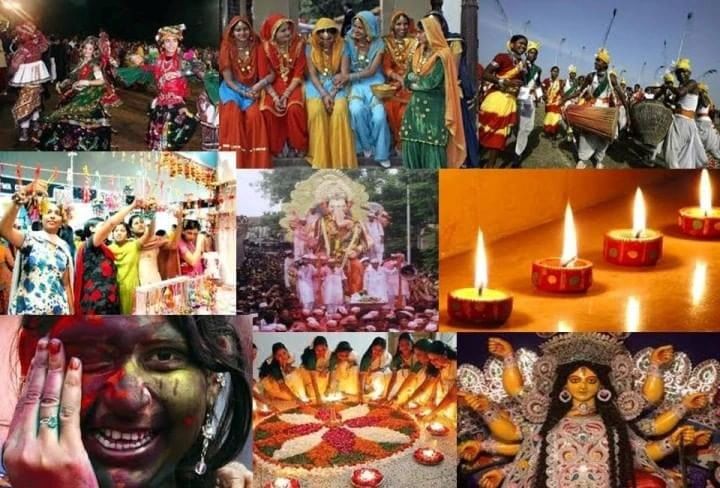
Ans: Festivals celebrate the changes in seasons and the crops grown during different times of the year. They connect people to nature and bring joy to their lives.Different festivals of India

Q6: Answer the following questions in 4-6 sentences each. Use examples from the chapter to support your answers.
(i) Explain how day and night occur. What causes this change?
Ans: Day and night happen because our Earth spins like a top. The Sun stays in one place and doesn’t move around us.

  • When our side of Earth faces the Sun, we get sunlight – this is daytime
  • When our side faces away from the Sun, it becomes dark – this is nighttime
  • Earth takes 24 hours to complete one full spin, giving us one day and one night
  • We can understand this by using a torch (Sun) and a ball (Earth) – shine the torch on the ball and rotate it slowly

(ii) What are seasons? Name the six seasons of India and explain why seasons are important.
Ans: Seasons are repeating patterns of weather changes that happen every year in nature.

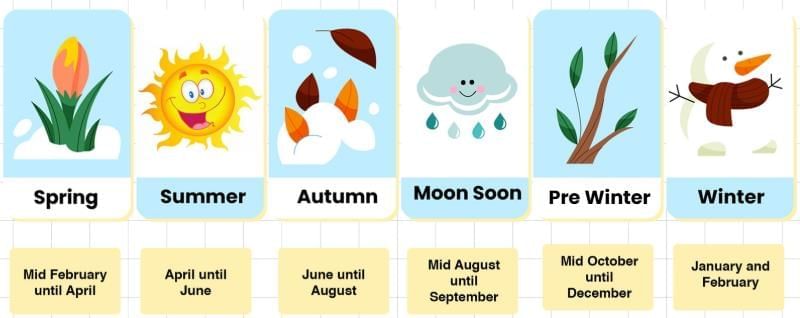
  • India has six seasons: Vasanta (Spring), Grishma (Summer), Varsha (Monsoon), Sharad (Autumn), Hemant (Pre-winter), and Shishir (Winter)
  • Seasons are important because they decide what crops farmers grow, what clothes we wear, and which festivals we celebrate
  • They help plants and animals know when to bloom, migrate, or hibernate
  • Seasons teach us that change is natural and necessary for life on Earth

(iii) How do seasons affect human activities? Give examples of food, clothes, and festivals.
Ans: Seasons greatly influence what we do, eat, wear, and celebrate throughout the year.

  • Food: We eat mangoes and cold drinks in summer, hot soups in winter, and fresh corn during monsoons
  • Clothes: Cotton clothes in summer, woollens in winter, raincoats during monsoons
  • Festivals: Holi in spring when flowers bloom, Diwali in autumn after harvest, Pongal in winter for celebrating crops
  • Daily activities: Swimming in summer, staying indoors during heavy rains, enjoying bonfires in winter

(iv) Describe the classroom seasons chart activity. How does it help students understand seasonal changes?
Ans: The classroom seasons chart is a big wall chart that tracks changes throughout the year in an organised way.

  • We divide the year into four periods: April-June, July-September, October-December, January-March
  • Five themes are studied: plant life, birds and animals, air/heat/light, water bodies, and human activities
  • Students share their journal observations and fill the chart together as a class
  • Groups make posters showing how each theme changes through seasons, then present to classmates
  • This activity helps us see patterns in nature and understand how everything is connected in seasonal cycles.

08 Clothes — How Things are Made – Worksheet Solutions

Q1: Choose the correct option for each question.
(i) What do birds like the male baya weaver build their nests from?
A) Plastic
B) Grass
C) Leaves
D) Twigs
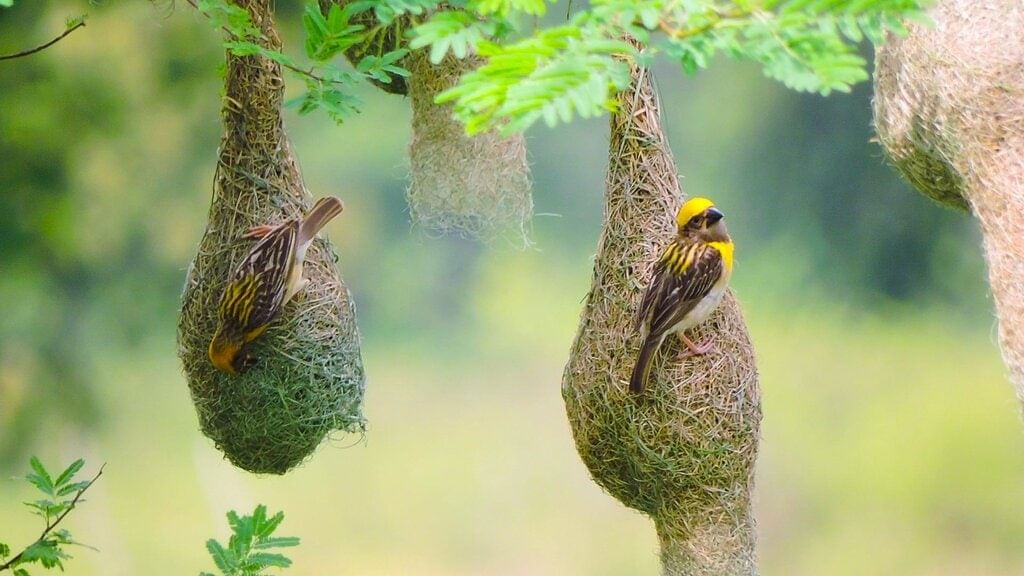
Ans: B) GrassBaya in its Nest

(ii) What tool was used to weave fabrics in India 4,000 years ago?
A) Needle
B) Loom
C) Charkha
D) Spinning Wheel
Ans: B) Loom

(iii) Which of the following is a unique handloom tradition of Tamil Nadu?
A) Ikat
B) Pashmina
C) Kanjeevaram
D) Bandhani
Ans: C) Kanjeevaram

(iv) What is the process called when cotton fibres are twisted into thread?
A) Weaving
B) Spinning
C) Knitting
D) Stitching
Ans: B) Spinning

(v) Which material is used to make Pashmina shawls?
A) Cotton
B) Wool
C) Silk
D) Jute
Ans: B) Wool

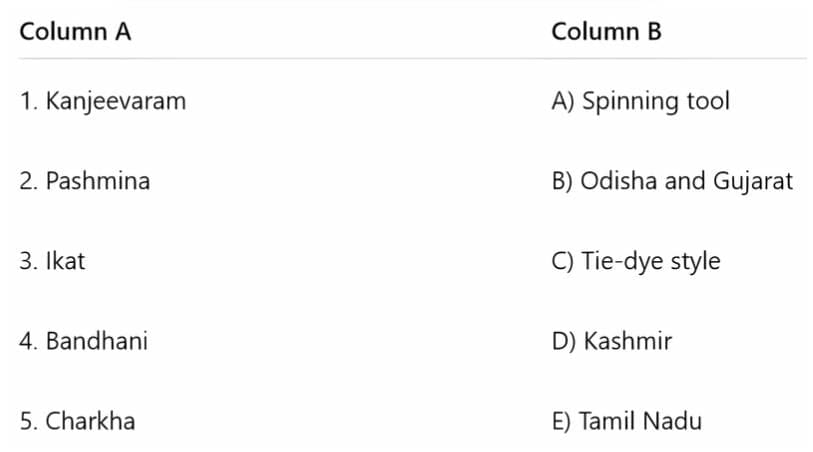
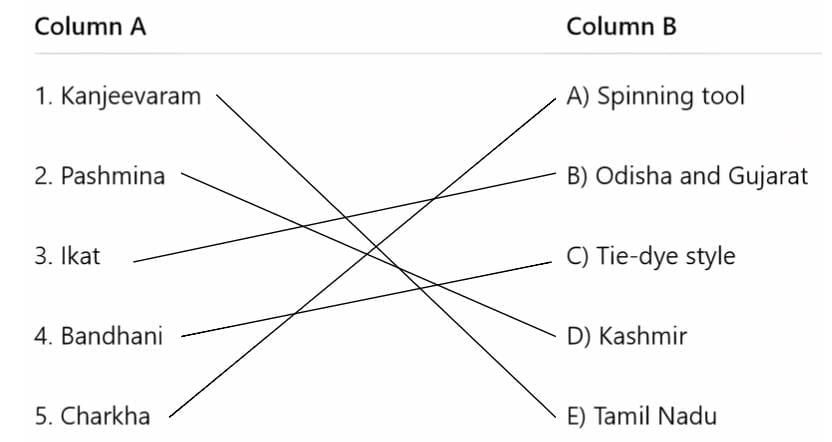
Q2: Match the items in Column A with the correct descriptions in Column B.

Ans:

Q3: Fill in the blanks with the correct words from the chapter.
(i) The tailorbird stitches big leaves together to make a ______.
(ii) Indian muslin was so fine it was called “woven ______.”
(iii) Weaving supports culture and people’s ______.
(iv) The process of making thread from fibers using a charkha is known as ______.
(v) Old clothes can be turned into ______ by joining small pieces together.

Ans:
(i) The tailorbird stitches big leaves together to make a nest.
(ii) Indian muslin was so fine it was called “woven air.”Indian Muslin(iii) Weaving supports culture and people’s livelihoods.
(iv) The process of making thread from fibres using a charkha is known as spinning.
(v) Old clothes can be turned into quilts by joining small pieces together.

Q4: State whether the following statements are True or False. Correct the false statements.
(i) The Baya weaver is an expert weaver who makes rough nests.
Ans: False

(ii) Handloom weaving requires the use of electricity.
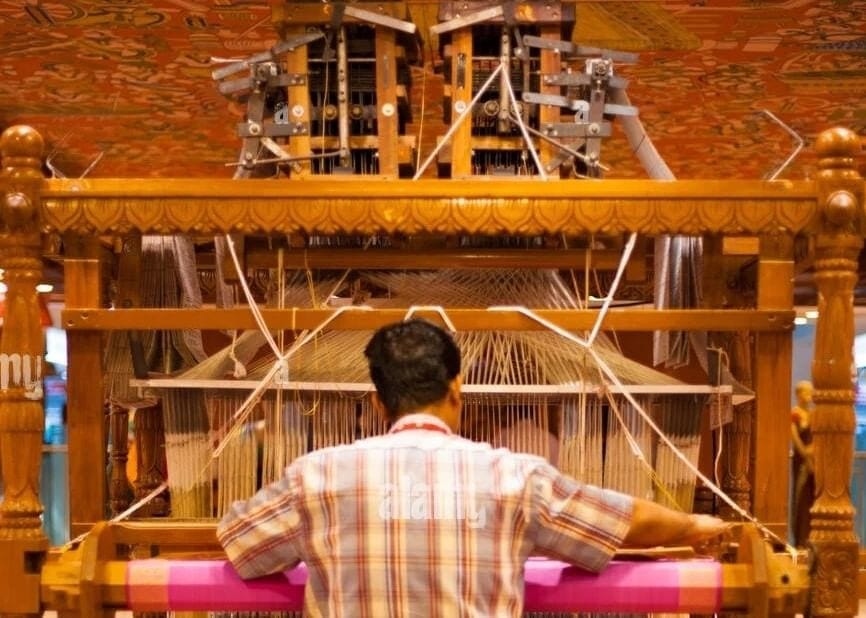
Ans: FalseMan weaving using Handloom

(iii) Both natural and synthetic fibres are used in clothing.
Ans: True

(iv) The tailorbird uses its beak to sew leaves.
Ans: True

(v) India is the largest producer of silk in the world.
Ans: False

Q5: Answer the following questions in 2-3 sentences each.
(i) What do birds like the male baya weaver do to make their nests?
Ans: The male baya weaver bird builds pouch-shaped nests using grass. It weaves the grass strands over and under to create a safe place for its eggs.

(ii) How do people in India keep the art of weaving alive?
Ans: People in India keep weaving alive by using handlooms. Skilled weavers make beautiful fabrics by hand, and this tradition supports families and their culture.

(iii) What is a charkha, and what is it used for?
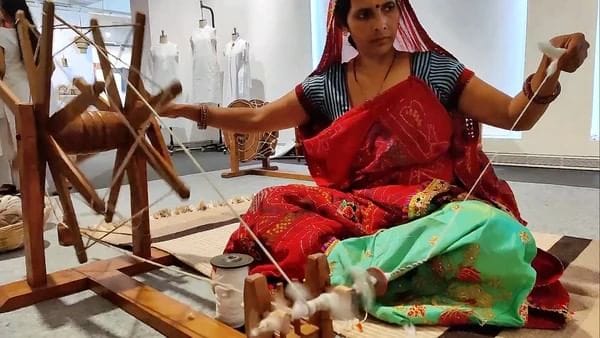
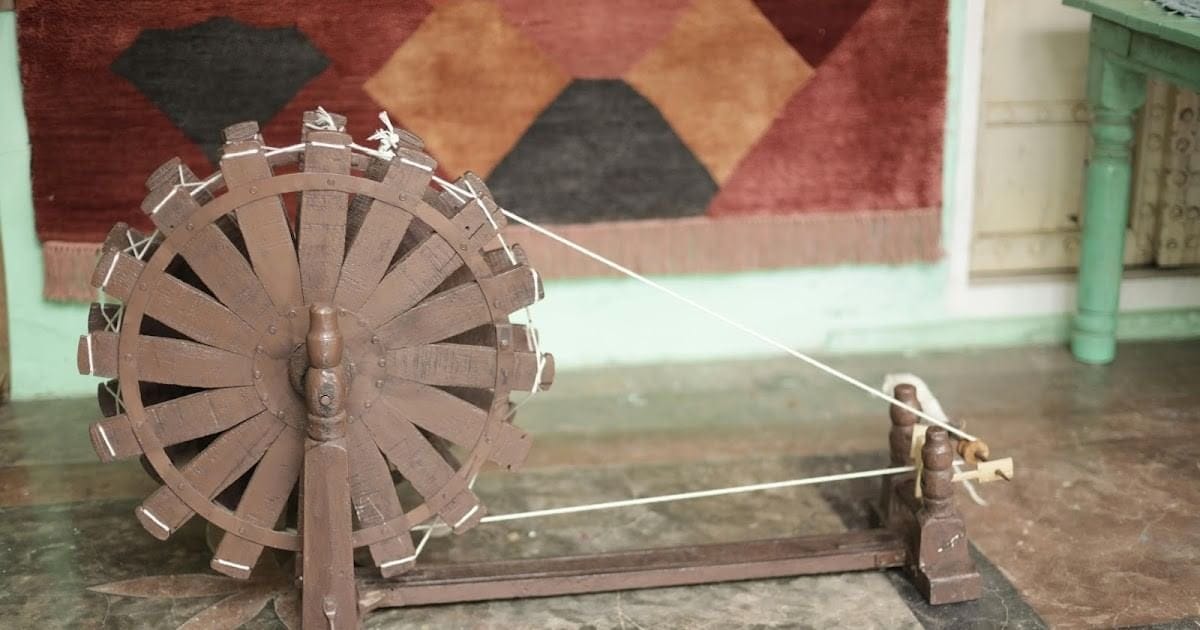
Ans: A charkha is a spinning wheel that helps to twist cotton fibres into thread or yarn. It is used to make strong threads for weaving cloth.Lady twisting fibre into yarn using Charkha

(iv) What can you do with running stitches?
Ans: You can use running stitches for mending clothes, basic sewing, embroidery, and even making crafts. They help hold pieces of fabric together.

(v) How do people recycle old clothes in India?
Ans: In India, people often pass old clothes to younger siblings or turn them into new items like quilts. This way, they reuse fabric and reduce waste.

Q6: Answer the following questions in 4-6 sentences each. Use examples from the chapter to support your answers.
(i) Explain the process of making thread from cotton and how it is used to make cloth.
Ans: Thread is made from cotton through a process called spinning. First, we take cotton fibres and twist them together to make them stronger. A charkha (spinning wheel) helps us spin cotton into thread, just like winding cotton around a pencil.Charkha/Spinning wheelKey steps:

  • Pull cotton fibres and twist them slowly
  • Use a spinning wheel to make long, strong threads
  • These threads are then woven together on a loom
  • Weaving means crossing threads over and under to make cloth
  • This cloth can be used to make clothes, bags, and other items

(ii) How do natural and synthetic fibres differ? Give examples of each type.
Ans: Natural and synthetic fibres are very different in how they are made. Natural fibres come from plants, animals, and insects found in nature. Synthetic fibres are made by humans using artificial materials in factories.

Natural fibres:

  • Cotton (from cotton plants)
  • Silk (from silk moth cocoons)
  • Wool (from sheep and goats)
  • Jute and bamboo (from plants)

Synthetic fibres:

  • Nylon, Polyester, Rayon, Terylene
  • Made in factories using chemicals
  • Both types are useful for making different clothes and materials

(iii) Describe the traditional embroidery work done in different parts of India.
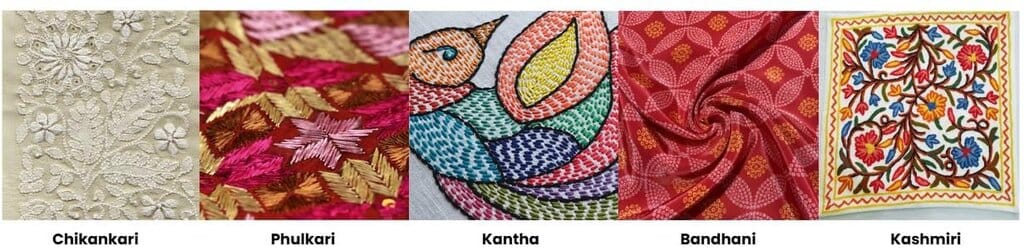
Ans: India has beautiful traditional embroidery styles that tell stories about different places and people. Each region has its own special way of decorating cloth with colourful threads and patterns.
Famous Indian embroideries:

  • Chikankari – from Lucknow, UP (delicate white work)
  • Phulkari – from Punjab (bright flower patterns)
  • Kantha – from Bengal, Odisha (running stitch designs)
  • Bandhani – from Rajasthan (tie-dye dots and circles)
  • Kashmiri – from Kashmir (fine thread work)

(iv) Why should we recycle and reuse old clothes? How can we do this?
Ans: Recycling old clothes is important because it helps reduce waste and saves money. In India, people have always believed in not throwing away clothes that can still be useful.
Why recycle clothes:

  • Saves money and reduces waste
  • Helps the environment by using fewer new materials
  • Continues our traditional values of not wasting things

How to reuse clothes:

  • Give small clothes to younger siblings or other children
  • Make cleaning cloths from old shirts
  • Create beautiful quilts by joining small pieces together
  • Turn old sarees into pillow covers or bags
  • Use cloth pieces for craft activities and decorations

Different ways of reusing old clothes

07 Energy — How Things Work – Worksheet Solutions

Q1: Choose the correct option for each question.
(i) What is the primary source of energy for life on Earth?
A) Oil
B) The Sun
C) Coal
D) Natural Gas
Ans: B) The Sun

(ii) Which of the following is a non-renewable energy source?
A) Solar
B) Wind
C) Coal
D) Water
Ans: C) Coal

(iii) What type of energy do solar panels convert?
A) Thermal Energy
B) Mechanical Energy
C) Solar Energy
D) Kinetic Energy
Ans: C) Solar Energy

(iv) Which energy source is used in cooking gas?
A) Electricity
B) Natural Gas
C) Coal
D) Wood
Ans: B) Natural Gas

(v) What do windmills generate?
A) Heat
B) Light
C) Electricity
D) Sound
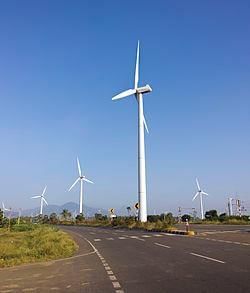
Ans: C) ElectricityWindmill

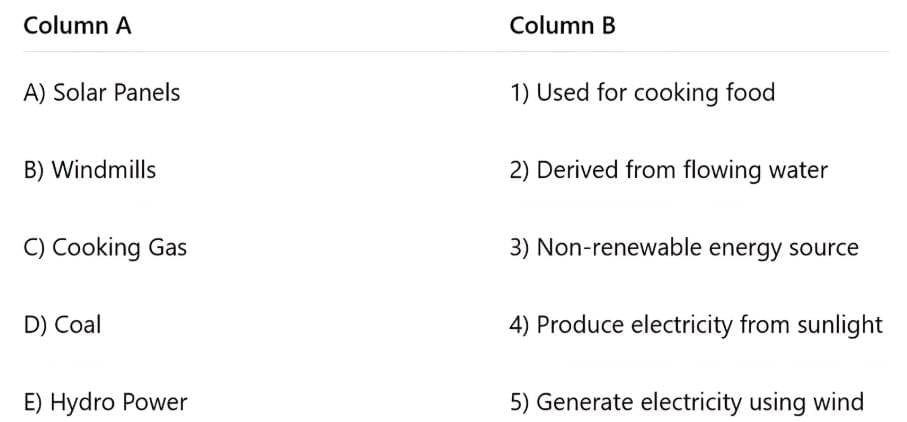
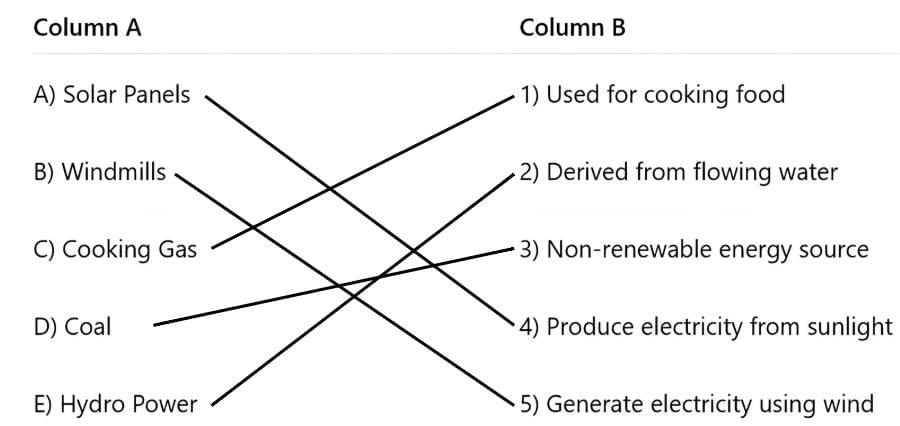
Q2: Match the items in Column A with the correct descriptions in Column B.

Ans:

Q3: Fill in the blanks with the correct words from the chapter.
(i) The process of converting sunlight into electricity is called __________.
(ii) __________ is a common fuel used in vehicles.
(iii) The __________ is responsible for warming our homes during winter in cold regions.
(iv) __________ is a renewable source of energy that can be harnessed by using solar panels.
(v) Electricity is used in homes for lighting, heating, and __________.

Ans: 
(i) The process of converting sunlight into electricity is called solar energy conversion.Solar Panels(ii) Petrol is a common fuel used in vehicles.
(iii) The body heat of animals is responsible for warming our homes during winter in cold regions.
(iv) Solar energy is a renewable source of energy that can be harnessed by using solar panels.
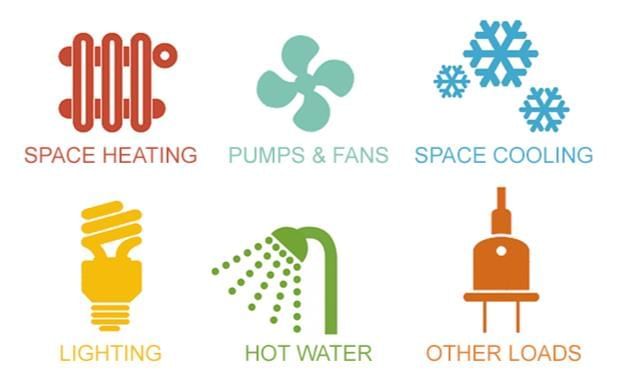
(v) Electricity is used in homes for lighting, heating, and powering appliances.

Q4: State whether the following statements are True or False. Correct the false statements.
(i) The Sun provides energy only in the form of light.
Ans: False

(ii) Animals do not require energy to move.
Ans: False

(iii) Burning wood produces less pollution than burning coal.
Ans: True

(iv) Solar power is a clean source of energy.
Ans: TrueSolar energy is a clean energy

(v) All electricity comes from renewable sources.
Ans: False

Q5: Answer the following questions in 2-3 sentences each.
(i) What is energy?
Ans: Energy is the power that makes things happen. It helps us move, play, and do work. We see energy in the sun, food, and even in the wind!

(ii) How do we get energy from food?
Ans: We get energy from food by eating it. Our bodies turn the food into energy, which helps us run, jump, and play. Just like how cars need fuel to move, we need food for energy!Good food gives us energy

(iii) What are some sources of energy?
Ans: Some sources of energy include the sun, wind, and water. The sun gives us light and heat, wind can turn windmills, and water from rivers can help make electricity. These are clean and good for the Earth!

(iv) Why is electricity important?
Ans: Electricity is important because it helps us use lights, fans, and TVs. It makes our lives easier by powering many things we need at home and in schools. But we must use it safely!

(v) What is clean energy?
Ans: Clean energy comes from sources like the sun, wind, and water. It does not produce pollution or smoke. Using clean energy is better for our planet and helps keep the air we breathe fresh!

Q6: Answer the following questions in 4-6 sentences each. Use examples from the chapter to support your answers.
(i) What is energy, and how do we use it in our daily lives? Give examples.
Ans: Energy is what makes things move, light up, make sounds, or change temperature around us. We use energy every day in many ways:

  • At home: Food gives us energy to run and play, and electricity powers fans and lights
  • For cooking: Gas, wood, or coal help cook our meals
  • For transport: Petrol and diesel make cars and scooters run
  • From nature: Sunlight dries our clothes and warms water
    Energy is everywhere – even when we think, sleep, or sit quietly, our brain uses energy!

(ii) Why should we use clean energy sources like solar and wind power instead of coal?
Ans: Clean energy sources are better for our planet and health because:

  • No pollution: Solar panels and windmills don’t create smoke or harmful gases like coal does
  • Always available: The Sun and wind are natural sources that never run out
  • Healthier air: Clean energy doesn’t make the air dirty, so we can breathe better
  • Examples in India: Cochin Airport runs completely on solar power, and Rajasthan has huge solar parks
    Coal burning creates smoke that harms our lungs and makes the environment dirty, while clean energy keeps everything fresh and safe.

(iii) How do different sources provide energy to make things work? Explain with examples.
Ans: Different sources give us energy in various ways:

  • Food energy: When we eat, our body gets energy to move, think, and play – just like animals need food to run and fly
  • Fuel energy: Cars use petrol, cooking gas burns to make heat, and oil in diyas helps them burn longer
  • Electrical energy: Fans move, bulbs give light, TVs make sound – all using electricity
  • Natural energy: Wind spins pinwheels, flowing water turns water wheels, and sunlight heats and dries things
    Each source has a special job – food for living things, fuel for machines, and nature for clean power.

(iv) What safety rules should we follow while using electricity, and why is energy efficiency important?
Ans: We must be very careful with electricity because it can be dangerous:

  • Safety rules: Never touch wires with wet hands, don’t put fingers in sockets, stay away from broken wires
  • Tell adults: If you see something unsafe, immediately inform grown-ups instead of trying to fix it
  • Energy efficiency means: Using less electricity to do the same work, like LED bulbs give the same light but use less power
  • Why save energy: It helps protect the environment and saves money for families
  • Smart choices: Turn off lights when not needed, use energy-saving devices
    Being safe with electricity and saving energy helps us and our planet stay healthy and happy.

06 Some Unique Places – Worksheet Solutions

Q1: Choose the correct option for each question.
(i) What is the southernmost point of India?
A) Kanyakumari
B) Indira Point
C) Vijaya Puram
D) Sundarbans
Ans: B) Indira Point

(ii) What unique bird is found in the Andaman and Nicobar Islands?
A) Andaman hornbill
B) Greater Adjutant Stork
C) Lion-tailed macaque
D) Bhut Jolokia
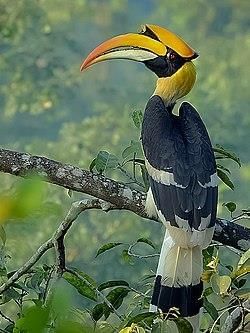
Ans: A) Andaman hornbillAndaman Hornbill

(iii) Which forest is known as the largest mangrove forest in the world?
A) Silent Valley
B) Sundarbans
C) Western Ghats
D) Andaman Islands
Ans: B) Sundarbans

(iv) What is unique about the roots of mangrove trees?
A) They are long and deep
B) They grow in salty water
C) They have stick-like structures to breathe
D) They do not hold soil
Ans: C) They have stick-like structures to breathe

(v) What connects the Seven Sisters in Northeast India?
A) Mountains
B) Rivers
C) States
D) Cities
Ans: C) States

Q2: Fill in the blanks with the correct words from the chapter.
(i) Shanti’s journey begins in the __________ Islands.
(ii) The __________ is a special forest where the Ganga meets the sea.
(iii) The __________ Stork is a bird that has seen a growth in numbers with community help.
(iv) The Western Ghats are known for their __________-tailed macaques.
(v) __________ Point is the southernmost point of India.

Ans:
(i) Shanti’s journey begins in the Andaman and Nicobar Islands.
(ii) The Sundarbans is a special forest where the Ganga meets the sea.
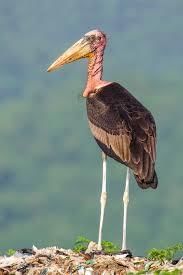
(iii) The Greater Adjutant Stork is a bird that has seen a growth in numbers with community help.Greater Adjutant(iv) The Western Ghats are known for their Lion-tailed macaques.
(v) Indira Point is the southernmost point of India.

Q3: State whether the following statements are True or False. Correct the false statements.
(i) Shanti visited Kolkata before going to the Sundarbans.
Ans: True

(ii) The Andaman wood pigeon is a common bird found all over India.
Ans: False

(iii) The Silent Valley National Park is located in the Western Ghats.
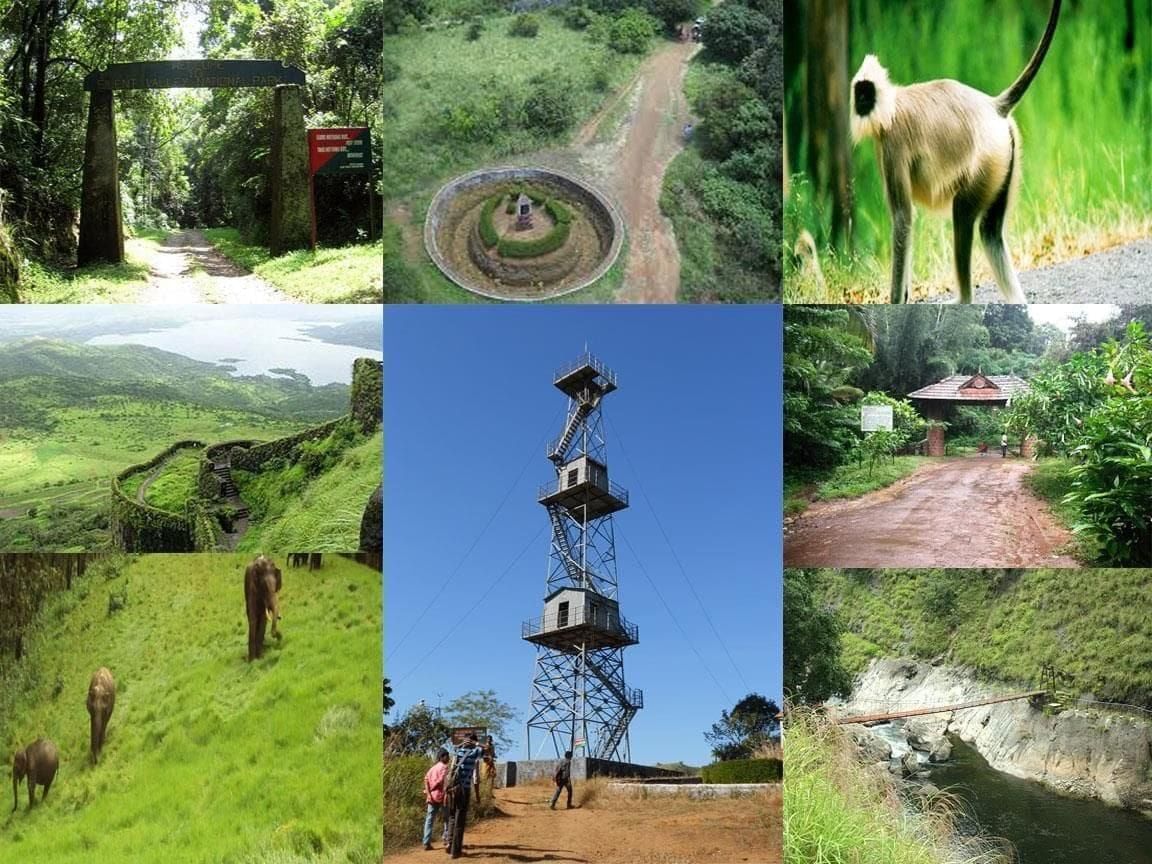
Ans: TrueSome pictures of Silent Valley National Park

(iv) Bhut Jolokia is a type of animal found only in Northeast India.
Ans: False

(v) People living near the Sundarbans do not depend on the forest for their daily needs.
Ans: False

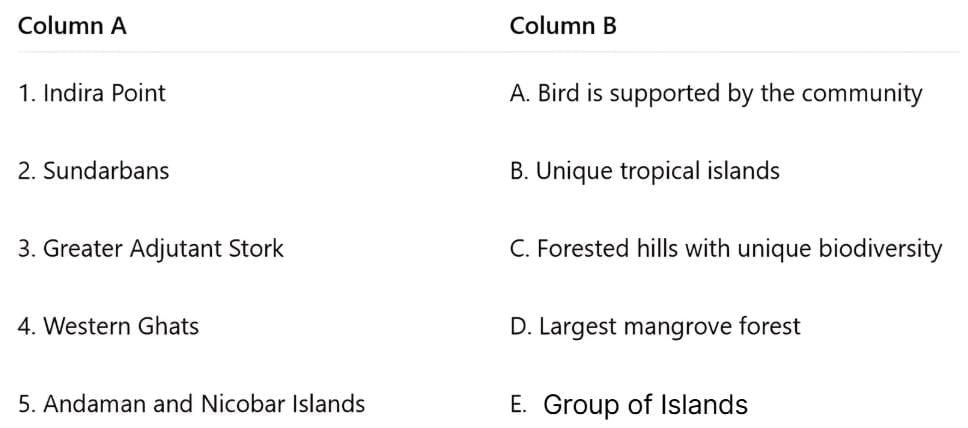
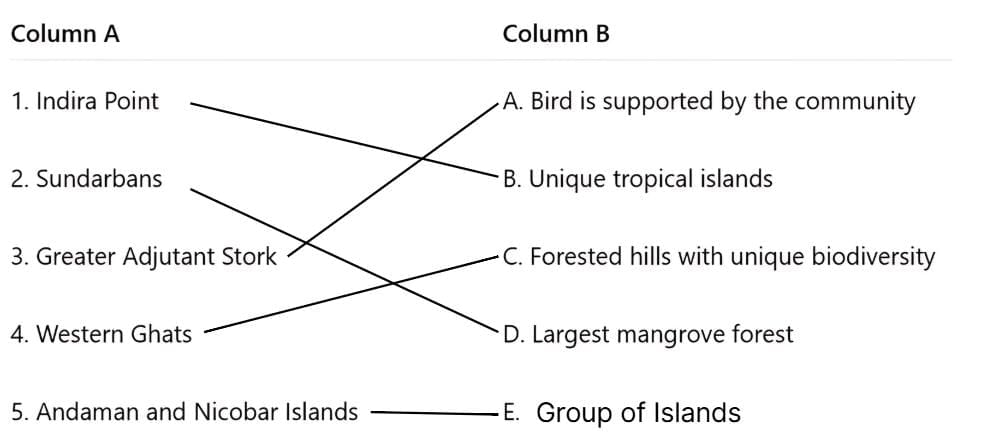
Q4: Match the items in Column A with the correct descriptions in Column B.

Ans: 

Q5: Answer the following questions in 2-3 sentences each.
(i) What is the southernmost point of India that Shanti discovered?
Ans: Shanti learned that Indira Point is the southernmost point of India. It is located in the Andaman and Nicobar Islands.

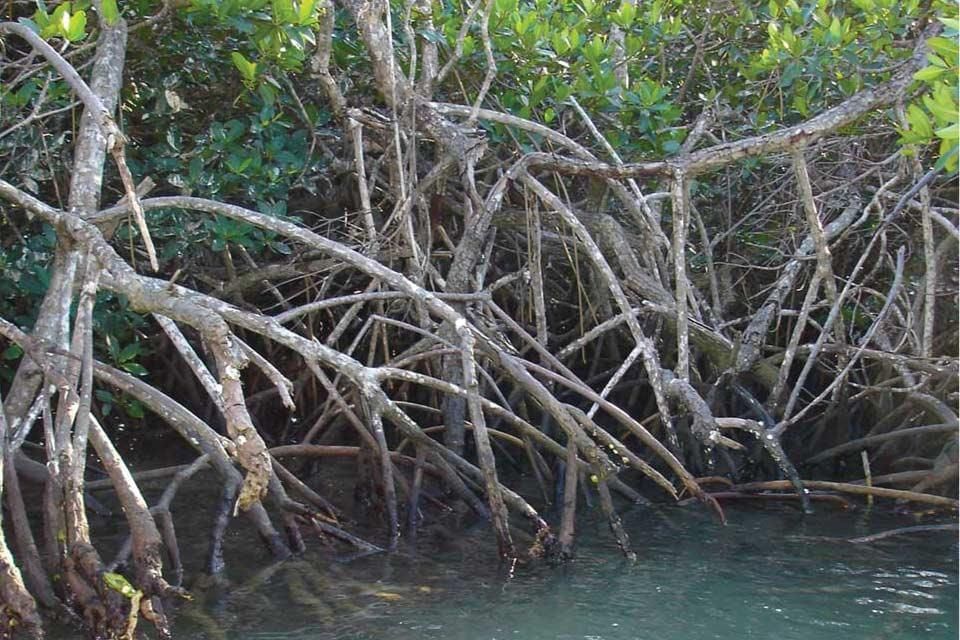
(ii) Why do the roots of mangrove trees help them survive
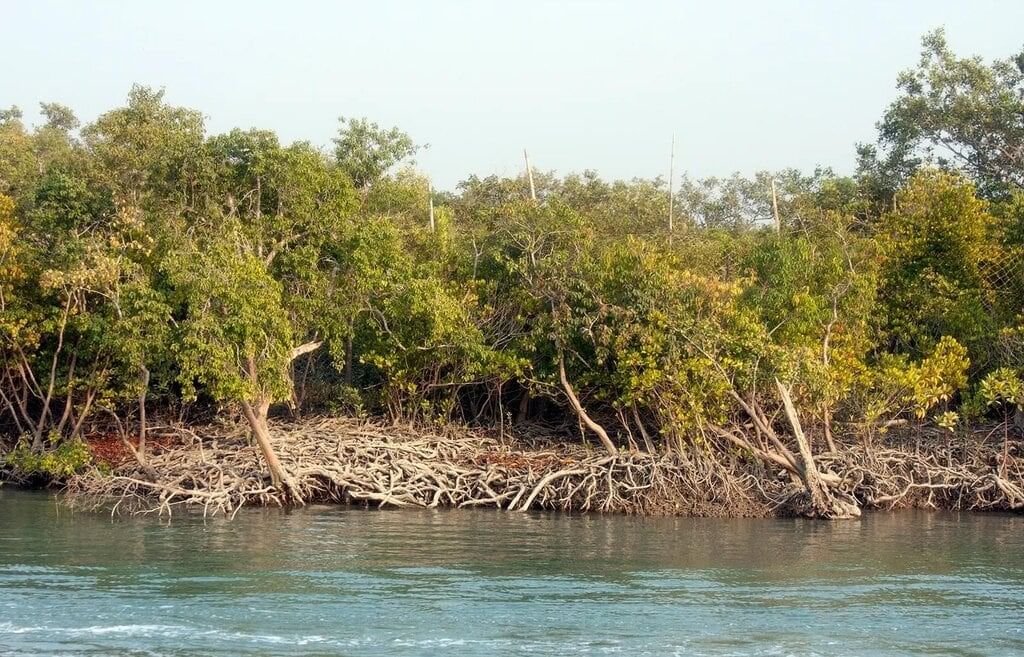
Ans: The roots of mangrove trees help them survive by breathing in muddy, salty land and holding the soil. They also stop waves from washing away the land.Roots of Mangrove trees

(iii) What is special about the Greater Adjutant Stork in Northeast India?
Ans: The Greater Adjutant Stork, also known as Hargila, is special because it is a rare bird. People in the community work together to protect their nests and help their numbers grow.

(iv) What do people do to avoid tiger attacks in the Sundarbans?
Ans: To avoid tiger attacks, people wear masks on the back of their heads. This confuses the tigers and helps keep them safe.

(v) What makes the Western Ghats a special place for plants and animals?
Ans: The Western Ghats is special because it has many plants and animals that are found nowhere else in the world. It is also home to unique species like the lion-tailed macaque.

Q6: Answer the following questions in 4-6 sentences each. Use examples from the chapter to support your answers.
(i) What makes the Andaman and Nicobar Islands special?
Ans: The islands are special because:

  • Indira Point is India’s southernmost tip
  • Trees have big spreading roots for support
  • Special birds like the Andaman hornbill live only here
  • Corals make homes for sea animals
  • North Sentinel people understand nature and stay safe during tsunamis

(ii) Why are mangrove forests important? How do people live with nature in the Sundarbans?
Ans: Mangroves are important because:

  • Roots hold soil and stop the land from washing away
  • Protect from storms and floods
  • Give people honey, wood, fish, and crabs
  • People wear masks on their heads to confuse tigers. They share land with animals peacefully.

Mangroves Forest in Sundarbans

(iii) What is special about Northeast India, and how do people protect nature?
Ans: Northeast India has:

  • Seven Sister states plus Sikkim with green hills
  • Houses on bamboo to stay safe from floods
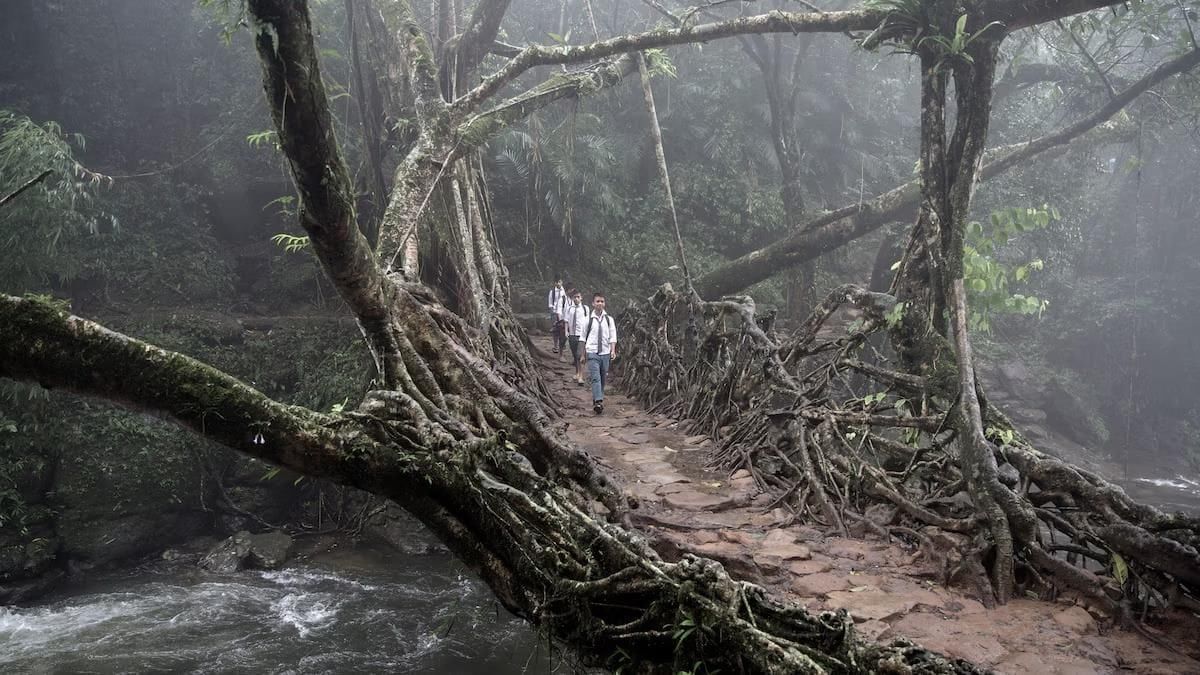
  • Living root bridges made from tree roots
  • Unique animals and plants
  • People protect Hargila birds and teach children to care for nests.

Living root bridge in Meghalaya 

(iv) What makes the Western Ghats special? How do people protect this region?
Ans: Western Ghats are special because:

  • Animals like the lion-tailed macaque live only here
  • Big rivers like the Godavari start here
  • Over 200 mango types grow here
  • Have 50+ protected areas
  • People saved Silent Valley by working together to stop a dam.

05 Our Vibrant Country – Worksheet Solutions

Q1: Choose the correct option for each question.
(i) What does the saffron colour in the Indian National Flag represent?
A) Peace and Truth
B) Strength and Courage
C) Growth and Prosperity
D) Duty (Dharma)
Ans: B) Strength and Courage

(ii) On which date is Republic Day celebrated in India?
A) 15 August
B) 26 January
C) 2 October
D) 1 January
Ans: B) 26 January

(iii) Who is depicted on the Indian currency notes?
A) Jawaharlal Nehru
B) Mahatma Gandhi
C) Subhas Chandra Bose
D) Sardar Vallabhbhai Patel
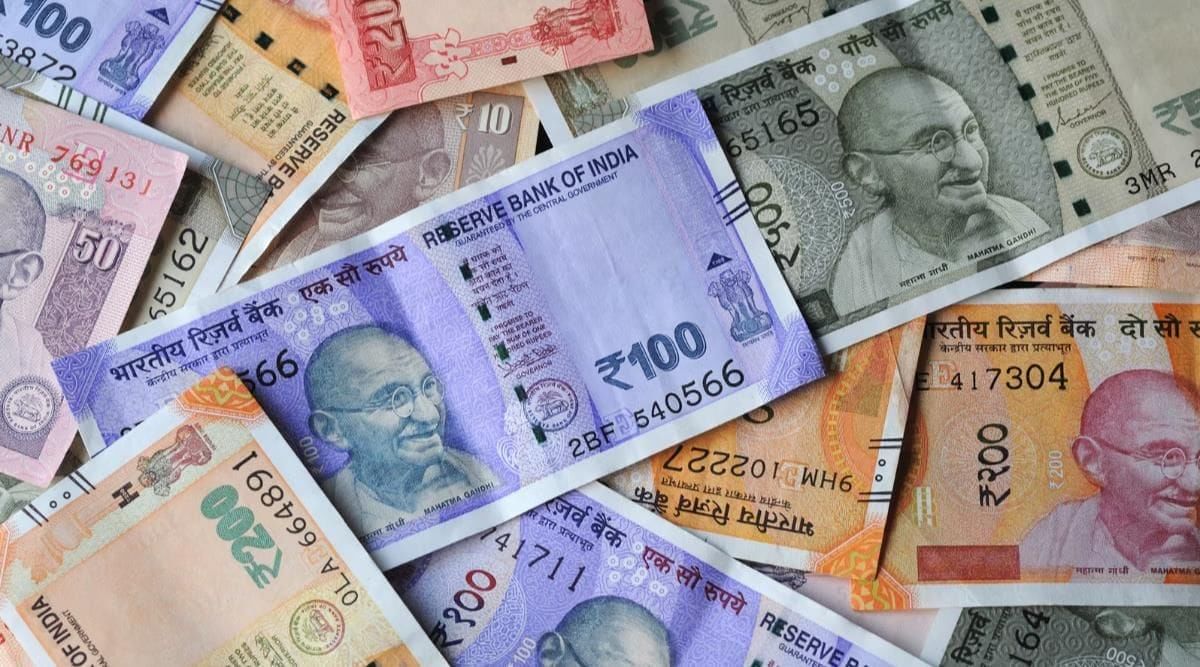
Ans: B) Mahatma GandhiIndian currency has picture of Mahatama Gandhi on it 

(iv) The Ashoka Chakra is found in the centre of which Indian symbol?
A) National Anthem
B) National Flag
C) National Bird
D) Currency Notes
Ans: B) National Flag

(v) What is the significance of Republic Day?
A) It marks India’s independence.
B) It commemorates the adoption of the Constitution.
C) It celebrates the end of British rule.
D) It honours the Indian Army.
Ans: B) It commemorates the adoption of the Constitution.

Q2: Fill in the blanks with the correct words from the chapter.
(i) The Indian National Flag has three colors: saffron, white, and ______.
(ii) Republic Day is celebrated on ______ every year.
(iii) The ______ Chakra represents duty (dharma) in the Indian National Flag.
(iv) Mahatma Gandhi’s image appears on every Indian ______ note.
(v) India has more than a thousand ______.

Ans:
(i) The Indian National Flag has three colours: saffron, white, and Green.
(ii) Republic Day is celebrated on 26 January every year.
(iii) The Ashoka Chakra represents duty (dharma) in the Indian National Flag.Ashoka Chakra
(iv) Mahatma Gandhi’s image appears on every Indian Currency note.
(v) India has more than a thousand Languages.

Q3: State whether the following statements are True or False. Correct the false statements.
(i) The green stripe in the National Flag represents peace and truth.
Ans: False

(ii) The Republic Day parade showcases the traditions of different states.
Ans: True

(iii) The National Emblem of India shows five lions.
Ans: False

(iv) The ‘Swachh Bharat Abhiyan’ symbol is based on Gandhi ji’s glasses.
Ans: True

(v) The Statue of Unity is located in Gujarat.
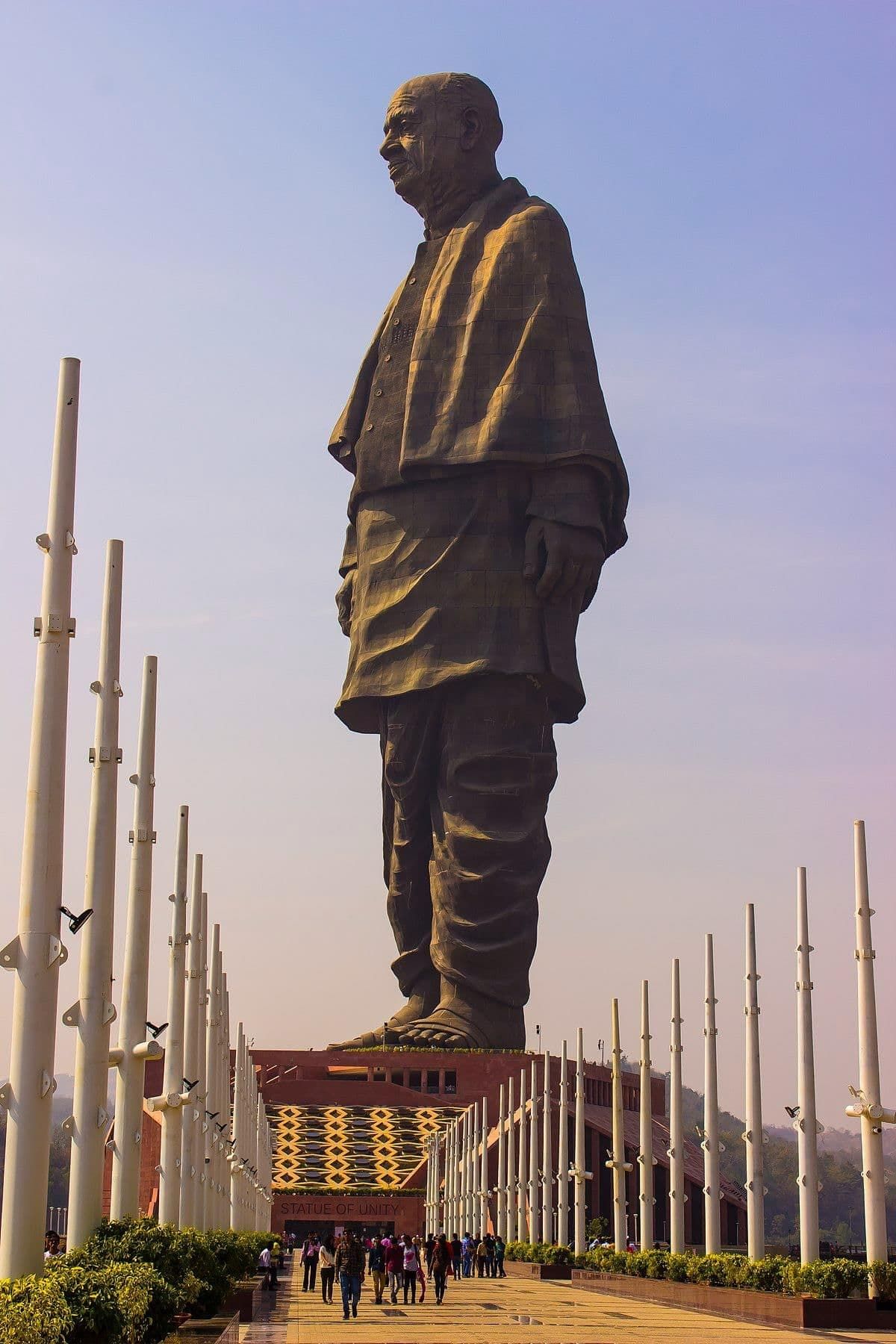
Ans: TrueStatue of Unity(Tallest Statue) 

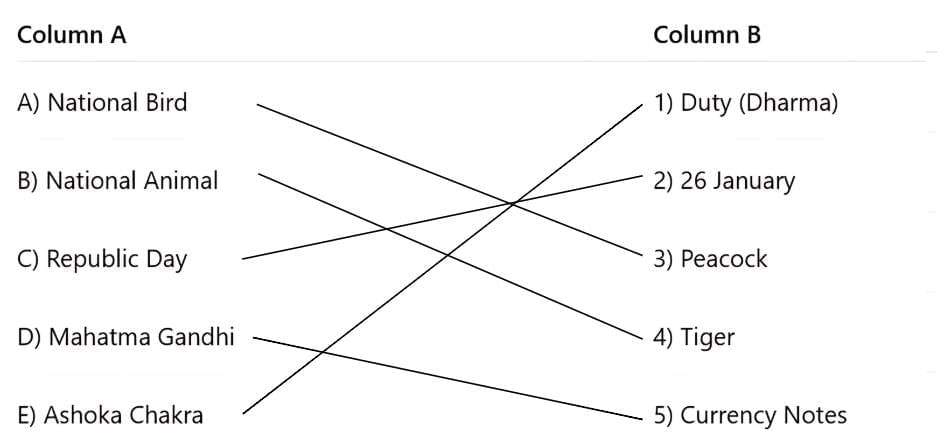
Q4: Match the items in Column A with the correct descriptions in Column B.

Ans:

Q5: Answer the following questions in 2-3 sentences each.
(i) What do the colours of the Indian National Flag represent?
Ans: The Indian National Flag has four colours. The saffron at the top stands for strength and courage. The white stripe in the middle stands for peace and truth. The green stripe at the bottom stands for growth and prosperity. The blue Ashoka Chakra in the centre represents duty.

(ii) Why do we celebrate Republic Day on 26 January?
Ans: Republic Day is celebrated on 26 January because on this day in 1950, India adopted its Constitution. This Constitution is a set of special rules that helps India run smoothly, even after gaining independence on 15 August 1947.Counstitution Of India

(iii) Who is shown on every Indian currency note?
Ans: Every Indian currency note has an image of Mahatma Gandhi. There are two images of him on each note—one big and one small, which can be seen when the note is held against the light.

(iv) What does the National Emblem of India show?
Ans: The National Emblem of India shows three lions standing on a circular platform. This emblem represents strength, courage, and confidence. Below the lions, there is the Ashoka Chakra.

(v) How does India’s diversity make it special?
Ans: India’s diversity is like a beautiful forest with many different plants and animals. People in India speak many languages, wear different clothes, and celebrate various traditions. This variety makes India strong and colourful.

Q6: Answer the following questions in 4-6 sentences each. Use examples from the chapter to support your answers.
(i) Explain the significance of Republic Day and how it is celebrated in schools. Why is it celebrated on 26th January?
Ans: Republic Day is celebrated on 26th January every year because on this day in 1950, India adopted its Constitution – a special book of rules to run our country smoothly and keep everyone safe.
School Celebrations:

  • Students gather around the flagpole in neat lines
  • The head teacher unfurls the tricolour flag with drums and claps
  • Everyone sings the National Anthem together with pride
  • Cultural programs and parades are organised

(ii) Describe the various features you can find on Indian currency notes and explain their importance.
Ans: Indian currency notes are like small books that tell us many interesting things about our country. Each note contains several important features that represent India’s heritage and values.
Main Features:

  • Two images of Mahatma Gandhi (one big, one small, visible in light)
  • Different colours for each denomination (₹10 is brown, ₹50 is pink/green)
  • Names written in 17 different Indian languages
  • Pictures of famous monuments like the Sun Temple
  • National symbols like the three lions emblem

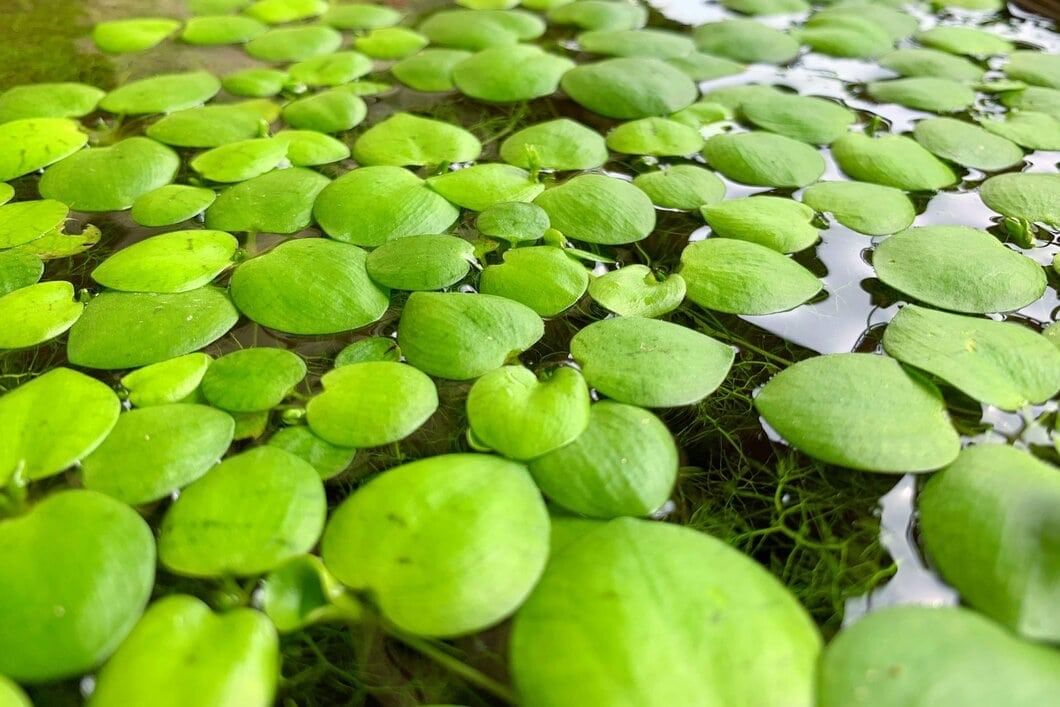
(iii) Explain how diversity makes India stronger with examples from different aspects of Indian culture.
Ans: India is like a beautiful forest where different plants, animals, and birds live together and help each other. This diversity makes our country stronger and more self-sufficient.
Examples of Indian Diversity:

  • Languages: Over 1000 languages with unique stories and songs
  • Clothing: Colourful saafas in Rajasthan, topis in Himachal Pradesh
  • Dance: Bharatanatyam from Tamil Nadu, Kathak from Uttar Pradesh
  • Music: Different instruments like sitar, tabla, mridangamDiverse India 
(iv) Describe India’s national symbols and explain what they represent about our country.
Ans: India’s national symbols are like special signs that tell the world about our country’s strength, beauty, and values. Each symbol has been carefully chosen to represent something important about India.
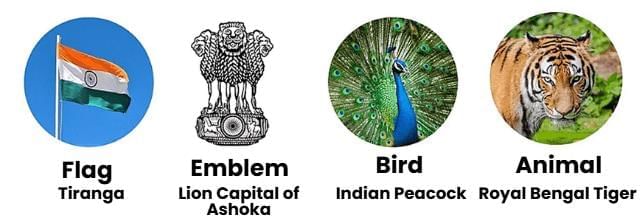
Important National Symbols:

  • National Flag: Saffron for courage, white for peace, green for prosperity, blue Ashoka Chakra for duty
  • National Emblem: Four lions showing strength and confidence. (Only three can be seen from the front; one is on the back side)
  • National Bird: Peacock with colourful feathers showing beauty and grace
  • National Animal: Tiger with orange and black stripes representing power

04 Our School — A Happy Place – Worksheet Solutions

Q1: Choose the correct option for each question.
(i) What is a green school focused on?
A) Managing waste and saving water
B) Increasing class sizes
C) Reducing playtime
D) Ignoring environmental issues
Ans: A) Managing waste and saving water

(ii) Which of the following is NOT a part of the Swachh Bharat Mission?
A) Clean toilets
B) Safe water
C) Reducing school hours
D) Hygiene education
Ans: C) Reducing school hours

(iii) Which group is responsible for observing electricity usage?
A) Water Watchers
B) Electricity Savers
C) Waste Warriors
D) Traffic Trackers
Ans: B) Electricity Savers

(iv) What does the term “wet waste” refer to?
A) Plastic waste
B) Food scraps
C) Paper waste
D) Metal waste
Ans: B) Food scrapsGreen Bin for Wet Waste

(v) Who takes care of the trees in the school?
A) Only teachers
B) Only students
C) Students and staff
D) No one cares for them
Ans: C) Students and staff

Q2: Fill in the blanks with the correct words from the chapter.

(i) A green school teaches students to care for _______.
(ii) The Swachh Bharat Mission focuses on clean _______.
(iii) Jadav Payeng is known for planting a _______ in Assam.
(iv) Water Watchers check for _______ taps in the school.
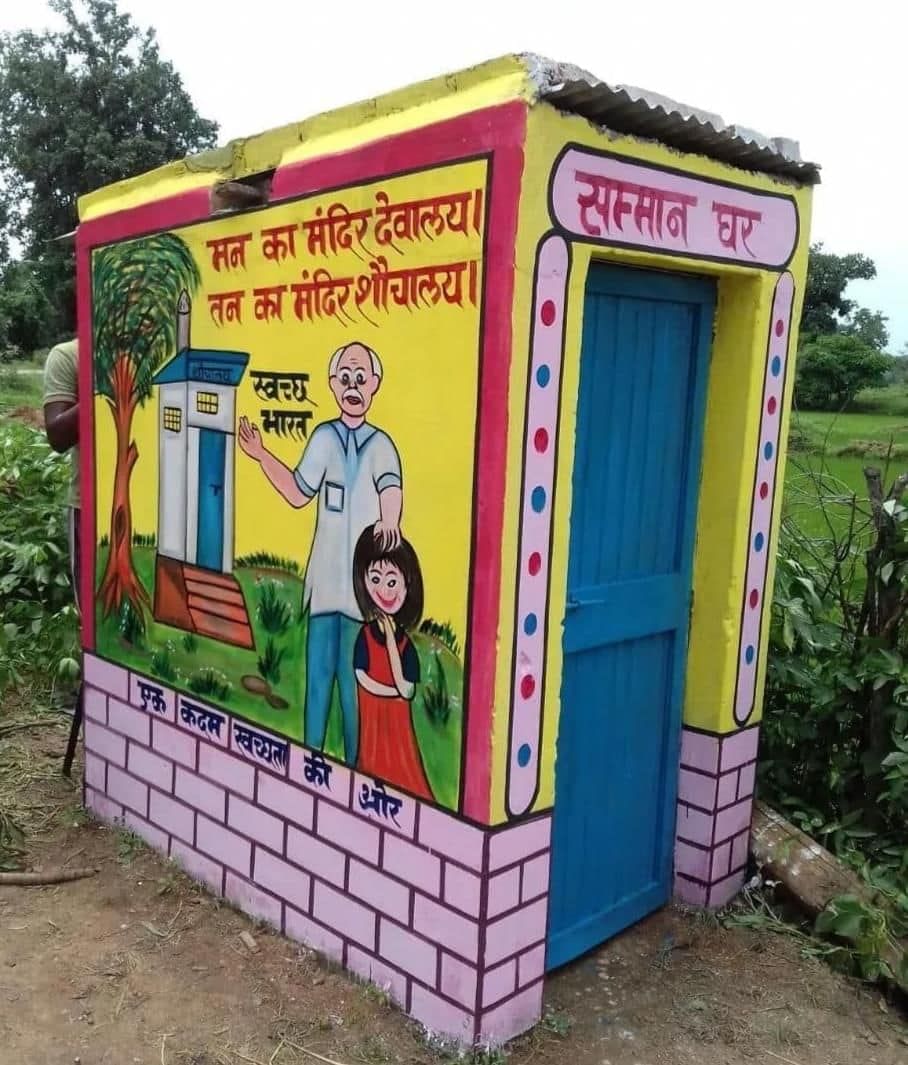
(v) The campaign Jal Shakti Abhiyan encourages _______ water.Swachh Bharat painting on public toilet wallAns:
(i) A green school teaches students to care for plants.
(ii) The Swachh Bharat Mission focuses on clean toilets.
(iii) Jadav Payeng is known for planting a forest in Assam.
(iv) Water Watchers check for leaking taps in the school.
(v) The campaign Jal Shakti Abhiyan encourages conserving water.

Q3: State whether the following statements are True or False. Correct the false statements.
(i) Mawlynnong is known as Asia’s Cleanest Village.
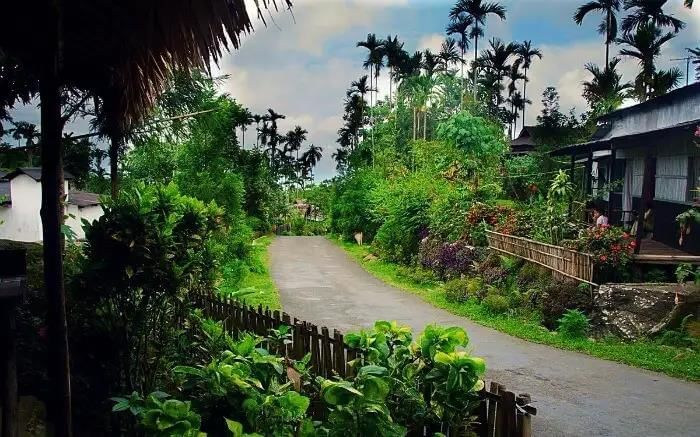
Ans: TrueMawlynnong Village (Meghalaya)

(ii) Every child has the right to study in a clean environment.
Ans: True

(iii) Trees do not provide shade.
Ans: False

(iv) Plastic waste is considered dry waste.
Ans: True

(v) The teacher’s name in the text is Anupam.
Ans: True

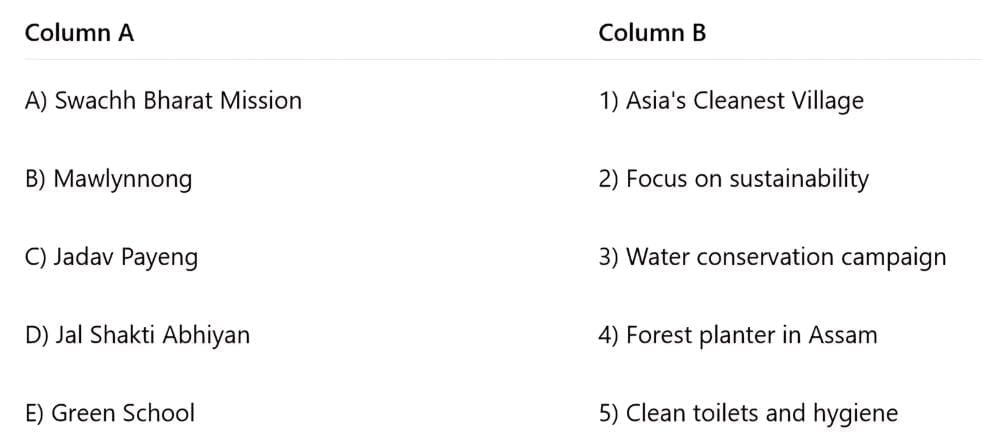
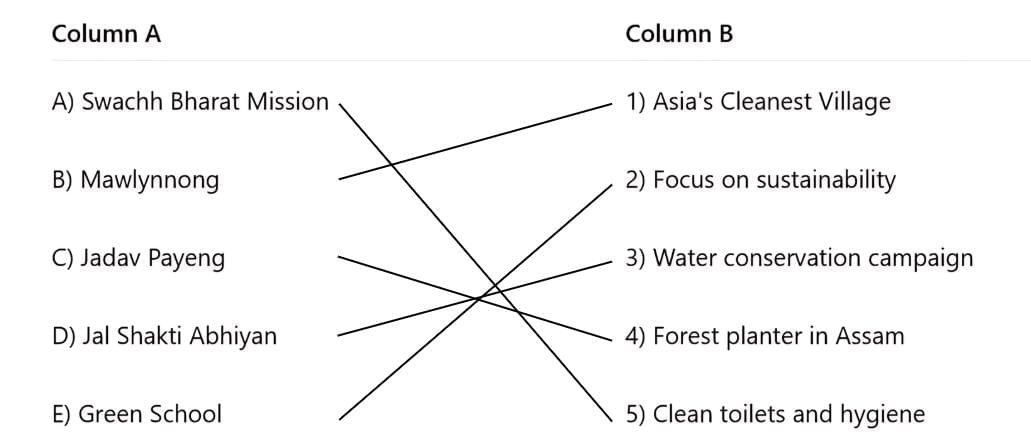
Q4: Match the items in Column A with the correct descriptions in Column B.

Ans:

Q5: Answer the following questions in 2-3 sentences each.
(i) What is a green school?
Ans: A green school is a place where we take care of nature. We save water, use electricity wisely, and plant trees. Everyone works together to keep the school clean and happy.

(ii) Why is it important to save water?
Ans: Saving water is important because it helps us have enough clean water for everyone. Even small leaks can waste a lot of water over time, so fixing them is a good idea!

(iii) What can students do to help keep the school clean?
Ans: Students can help keep the school clean by not littering, using dustbins properly, and picking up trash when they see it. They can also help plant trees and care for plants.

(iv) What are some signs of a good school environment?
Ans: A good school environment has clean classrooms, healthy plants, and happy students. It is safe, and everyone helps each other to be kind and respectful.

(v) How can we learn about traffic safety?
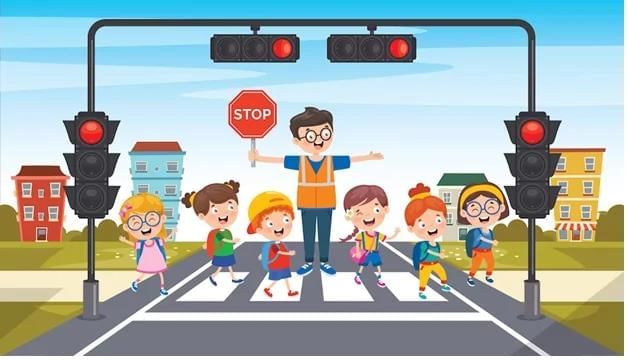
Ans: We can learn about traffic safety by following rules, listening to teachers, and looking at signs. It is important to pay attention when we are near roads to keep everyone safe.Students safely crossing Road

Q6: Answer the following questions in 4-6 sentences each. Use examples from the chapter to support your answers.
(i) How can students form School Explorer Teams to improve their school?
Ans: Students can create five teams: 

  • Electricity Savers (check lights/fans usage)
  • Water Watchers (find leaks, wastage)
  • Waste Warriors (observe litter, dustbins)
  • Green Guardians (count trees, find planting spots)
  • Traffic Trackers (watch school gate safety). 

Each team explores their area and discusses findings with the class. This helps identify problems and makes students active participants in improving their school environment.

(ii) Why is proper waste management important, and how should students practice it?
Ans: Proper waste management keeps schools clean, prevents diseases, and helps the environment. Students should reduce waste by using only what’s needed and reusing items. 
They must segregate waste properly – 

  • Blue bin for dry waste (plastic, paper)
  • Green bin for wet waste (food scraps)

Separate collection for recyclables like newspapers. This makes sanitation workers’ jobs easier and safer.

(iii) What are the main safety measures students should know for fire and traffic emergencies?
Ans: For fire safety, students should move calmly to exits, crawl low under smoke, never hide in closets, and gather at assembly points. For traffic safety, they should learn basic rules, use pedestrian crossings, and help create signboards for school gates. Both situations require staying calm, following rules, and helping others when safe to do so.

(iv) How can schools effectively conserve water and electricity?
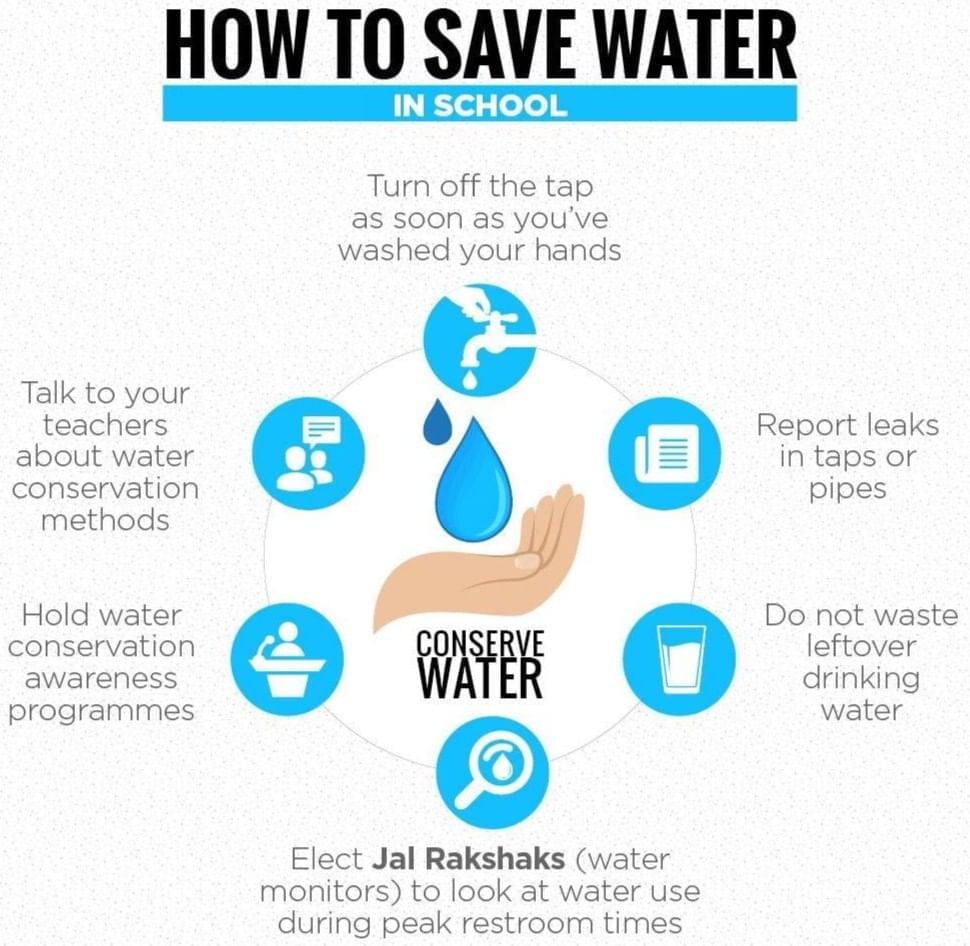
Ans: Schools can save water by fixing leaking taps, closing taps properly, and collecting rainwater for gardening. For electricity, students should switch off lights/fans when leaving rooms, use natural sunlight, and paint roofs white to reflect heat. Simple daily habits like these make a big difference in conservation. Activities like measuring dripping water help students understand wastage better.Mission Paani by Govt.

03 The Mystery of Food – Worksheet Solutions

Q1: Choose the correct option for each question.
(i) What caused the coloured patches on Disha’s uttapam?
A) Dust
B) Mould
C) Oil
D) Sugar
Ans: B) MouldBread with growing mould

(ii) Which method keeps air away from pickles?
A) Drying
B) Pickling
C) Eating
D) Freezing
Ans: B) Pickling

(iii) What is the role of microbes in food?
A) Spoiling food
B) Making food rise
C) Preparing food
D) All of the above
Ans: D) All of the above

(iv) Which fruit did Disha’s father bring home?
A) Mango
B) Lychee
C) Banana
D) Apple
Ans: B) LycheeDisha with family eating Lychees

(v) What does refrigeration do to microbes?
A) It speeds them up
B) It kills them
C) It slows them down
D) It has no effect
Ans: C) It slows them down

Q2: Fill in the blanks with the correct words from the chapter.
(i) Microbes can be found in __________, water, air, and inside us.
(ii) Drying food removes __________ from it.
(iii) Good microbes help the idli batter __________.
(iv) Eating bad food can cause __________.
(v) Seasonal fruits taste better when they are __________.Dried chilis

(i) Microbes can be found in soil, water, air, and inside us.
(ii) Drying food removes moisture from it.
(iii) Good microbes help the idli batter rise.
(iv) Eating bad food can cause indigestion.
(v) Seasonal fruits taste better when they are fresh.

Q3: State whether the following statements are True or False. Correct the false statements.
(i) Microbes are only found in soil and water.
Ans: False

(ii) Oil prevents air from reaching pickles.
Ans: True

(iii) Refrigeration is not useful for preserving food.
Ans: False

(iv) Chewing food properly releases saliva.
Ans: True

(v) Eating quickly is safe and doesn’t lead to choking.
Ans: False

Q4: Match the items in Column A with the correct descriptions in Column B.

Ans:

Q5: Answer the following questions in 2-3 sentences each.
(i) What causes food to spoil?
Ans: Food spoils because tiny living things called microbes grow on it. These microbes can make food smell bad and change its colour. Some microbes are helpful, but others can make food bad if there is moisture, air, and the right temperature.

(ii) How can we stop food from spoiling?
Ans: We can stop food from spoiling by keeping it dry, using oil, or putting it in the fridge. Drying removes water, oil keeps air out, and cold temperatures slow down the microbes that spoil food.

(iii) Why is it important to chew our food well?
Ans: Chewing food well is important because it helps break the food into smaller pieces. This makes it easier for our stomachs to digest the food and helps mix it with saliva, which starts the digestion process.

(iv) What should we do to keep our teeth healthy?
Ans: To keep our teeth healthy, we should brush them regularly, rinse our mouths after eating, and eat fewer sweets. Visiting the dentist when we have tooth problems is also very important.

(v) What are some foods that help with digestion?
Ans: Foods like curd and buttermilk help with digestion because they contain good microbes. These microbes help break down the food in our stomach and keep our tummy happy.Curd and Buttermilk

Q6: Answer the following questions in 4-6 sentences each. Use examples from the chapter to support your answers.
(i) Explain how microbes affect our food. Describe both harmful and helpful effects.
Ans: Microbes are tiny living things found everywhere – in soil, water, air, and inside our bodies

  • Harmful effects: They spoil food by creating mould, a bad smell, and an unsafe taste (like Disha’s uttapam)
  • Helpful effects: They help make curd from milk and aid stomach digestion
  • Good microbes make the idli batter rise and become soft and fluffy
  • While some microbes spoil food, others help us make and digest food properly

(ii) Describe four methods of food preservation and how they work.
Ans: Methods of food preservation:

  • Drying: Removes moisture so microbes cannot grow (sun-dried chillies last all year)
  • Oiling: Oil covers food to stop air from reaching it (pickles with mustard oil)
  • Refrigeration: Cold temperatures slow down microbe growth (milk, vegetables stay fresh)
  • Adding preservatives: Salt, sugar, and spices stop microbes from growing
  • All methods work by removing water, air, or controlling the temperature that microbes need

(iii) Why is proper chewing important? Explain the role of different teeth and saliva.
Ans: Proper chewing breaks food into smaller pieces for easier digestion
Different teeth have different jobs:

  • Incisors cut food
  • Canines tear food
  • Premolars crush food
  • Molars grind food into mush
  • Chewing releases saliva, which helps start digestion in the mouth
  • Poor chewing can cause choking and make digestion difficult

(iv) What would happen without food preservation methods? Discuss the problems.
Ans: All food would spoil quickly after harvesting or cooking. People would face food shortages during the off-season

Major problems would include:

  • No food storage for later use
  • Difficulty transporting food over long distances
  • Hunger during winter or dry seasons
  • Food preservation allows us to store food safely and have a variety throughout the year
  • It prevents food wastage and ensures people stay healthy and well-fed.

02 Journey of a River – Worksheet Solutions

Q1: Choose the correct option for each question.
(i) Where does the Godavari River originate?
A) Bay of Bengal
B) Western Ghats
C) Himalayas
D) Deccan Plateau
Ans: B) Western Ghats

​(ii)  What is the primary use of the water from the Godavari River?
A) Recreation
B) Drinking, cooking, and irrigation
C) Industrial purposes
D) None of the above
Ans: B) Drinking, cooking, and irrigation

​(iii)  How long is the Godavari River?
A) 1,100 kilometres
B) 1,465 kilometres
C) 2,000 kilometres
D) 800 kilometres
Ans: B) 1,465 kilometres

​(iv) What is the name of the dam mentioned that affects the Godavari River?
A) Bhakra Nangal Dam
B) Polavaram Dam
C) Hirakud Dam
D) Sardar Sarovar Dam
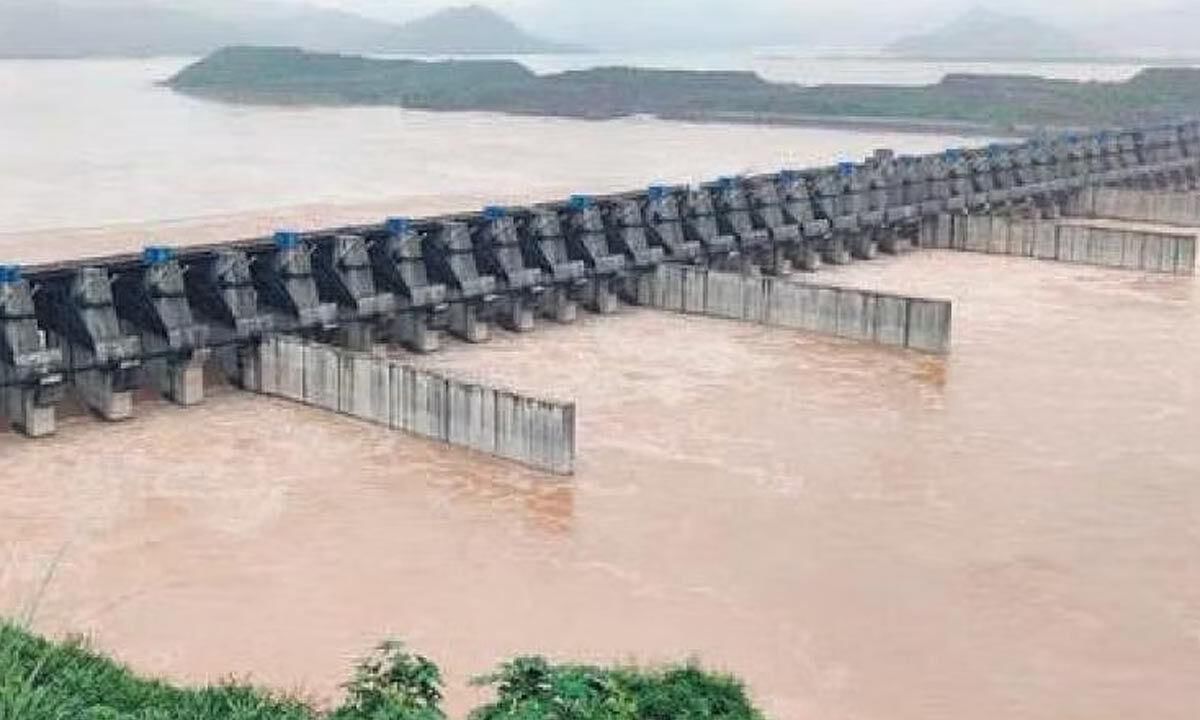
Ans: B) Polavaram DamPolavaram Dam

​(v) What is an important reason for keeping the Godavari River clean?
A) To maintain the beauty of the river
B) To ensure the health of people and wildlife
C) To increase tourism
D) To reduce flooding
Ans: B) To ensure the health of people and wildlife

Q2: Fill in the blanks with the correct words from the chapter.
(i) The Godavari River is also known as ________ Ganga.
(ii) The Godavari River flows into the ________ Sea.
(iii) The Godavari is the ________ longest river in India.
(iv) The Godavari River is a ________ river, meaning it flows all year.
(v) ___________ are smaller rivers that join the Godavari during its journey.

Ans:
(i) The Godavari River is also known as Dakshina Ganga.
(ii) The Godavari River flows into the Bay of Bengal.
(iii) The Godavari is the second longest river in India.
(iv) The Godavari River is perennial, meaning it flows all year.
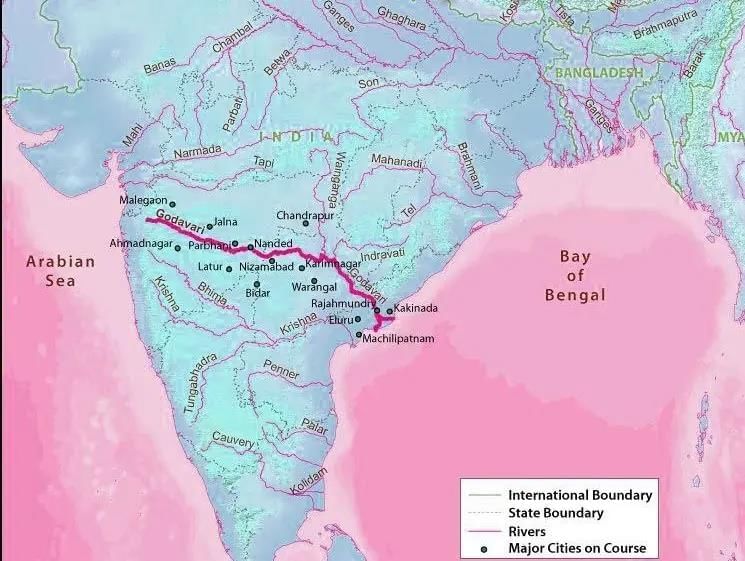
(v) Tributaries are smaller rivers that join the Godavari during its journey.Flow of Godavari River

Q3: State whether the following statements are True or False. Correct the false statements.
(i) The Godavari River has several dams built on it for water storage. 
Ans: True

(ii) The Godavari River is the longest in India. 
Ans: False

(iii) Floods can cause damage to homes and agriculture. 
Ans: True

(iv) The Godavari River flows only during the rainy season. 
Ans: False

(v) The Godavari River is important for both people and wildlife. 
Ans: True

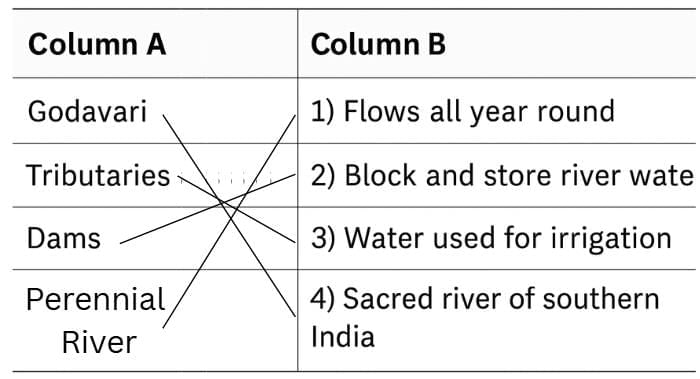
Q4: Match the items in Column A with the correct descriptions in Column B.

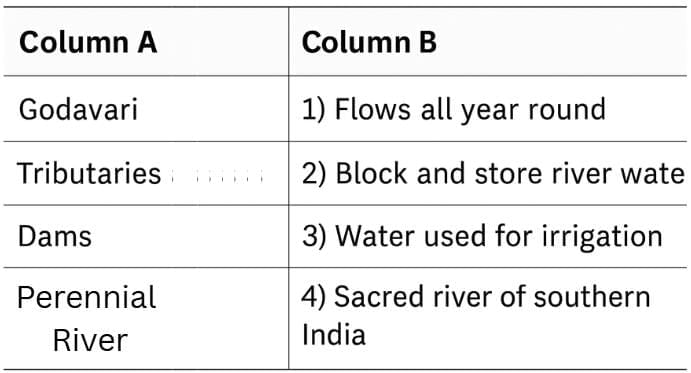
Ans:

Q5: Answer the following questions in 2-3 sentences each.
(i) Where does the Godavari River begin its journey?
Ans: The Godavari River starts in the Brahmagiri Hills at Trimbakeshwar, Maharashtra.

​(ii) What are tributaries?
Ans: Tributaries are smaller rivers that join a bigger river. They help the bigger river by adding more water as it flows.

​(iii) Why is the Godavari River important for people living near it?
Ans: The Godavari River gives people fresh water to drink, cook, and clean. It also helps farmers grow food like rice and sugarcane.

​(iv) What happens when it rains a lot and the river overflows?
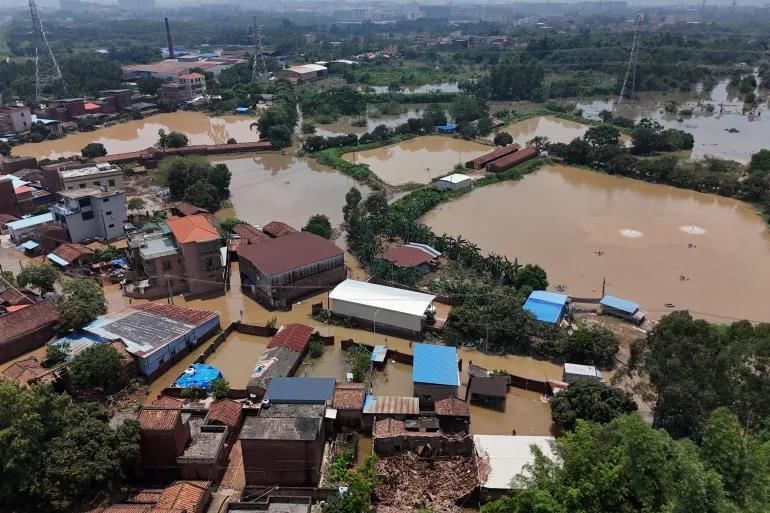
Ans: When it rains too much, the river can flood. This can damage homes, roads, and crops, and make it hard for people to stay safe.Buildings and Fields after Floods

​(v) How can we keep rivers clean?
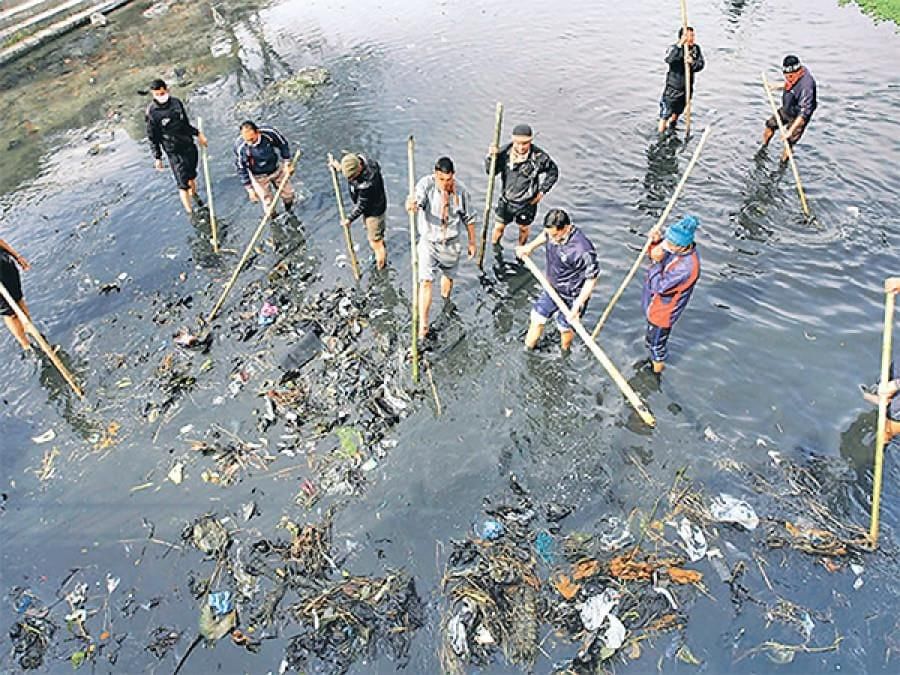
Ans: We can keep rivers clean by not throwing trash in the water, using less plastic, and being careful with chemicals from homes and farms.People cleaning the River

Q6: Answer the following questions in 4-6 sentences each. Use examples from the chapter to support your answers.
(i) Describe the three main stages of a river’s journey, using the Godavari River as an example.
Ans: The Godavari River goes through three main stages in its journey. In the upper stage (young stage), it starts narrow and fast in the Brahmagiri Hills of the Western Ghats
It cuts through mountains to form V-shaped valleys. In the middle stage, it slows down, becomes wider, and creates bends called meanders as it flows through plains. 
In the lower stage, it flattens out, widens a lot, and splits into streams to form a delta before meeting the sea at the Coringa Mangrove Forest.

(ii) Explain how the Godavari River supports life and helps people. Give at least three examples.
Ans: The Godavari River supports life and helps people in many ways. 
First, it provides water for drinking, bathing, and washing clothes for people living nearby. 
Second, it helps in farming by supplying water to grow crops in fields along its banks. 
Third, it is home to fish, plants, birds, and animals, creating a habitat for wildlife. 
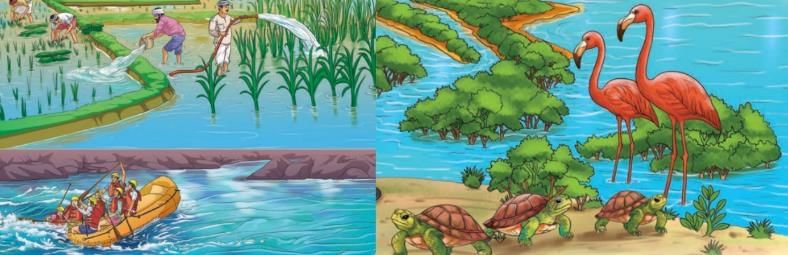
Additionally, dams like the Jayakwadi Dam store their water to control floods and provide electricity, making life easier for communities.River helps in Farming, Tourism and Animals in creating habitat

(iii) What challenges does the Godavari River face, and how do they affect it?
Ans: The Godavari River faces challenges like pollution from trash, chemicals, and factories, which harm the fish, plants, and animals living in it.
It can also flood during heavy rains, causing damage to nearby areas. 
In summer, the river might run dry, making it hard for people and wildlife to get water. 
These issues change the river’s natural flow and make it less healthy.

(iv) What is a delta? Describe where the Godavari River forms its delta and why it’s important.
Ans: A delta is the area where a river splits into many smaller streams before emptying into the sea, often forming a fan-like shape with fertile land. 
The Godavari River forms its delta at the Coringa Mangrove Forest in Andhra Pradesh, where it meets the Bay of Bengal. 
This delta is important because it creates rich soil for farming, supports mangrove forests that protect against storms, and provides a habitat for birds, fish, and other wildlife.

01 Water — The Essence of Life – Worksheet Solutions

Q1: Choose the correct option for each question.
(i) What percentage of Earth’s water is freshwater?
A) 1%
B) 10%
C) 3%
D) 5%
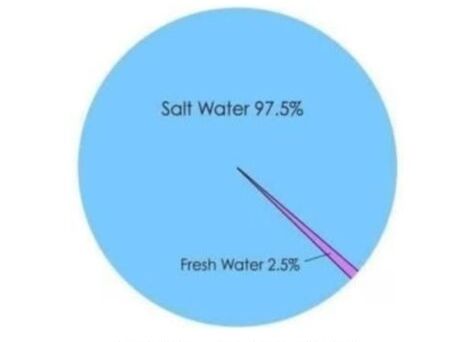
Ans: C) 3%(Approximately). 

Division of Earth’s Water

(ii) What is the process called when water turns into vapour?
A) Precipitation
B) Evaporation
C) Condensation
D) Filtration
Ans: B) Evaporation

(iii) Which of the following is NOT a type of freshwater?
A) Pond
B) River
C) Ocean
D) Lake 
Ans: C) Ocean

(iv) What do we call the water that soaks into the ground?
A) Surface water
B) Groundwater
C) Rainwater
D) Tap water
Ans: B) Groundwater

(v) What is primarily responsible for the water cycle?
A) Wind
B) Sun
C) Trees
D) Animals
Ans: B) Sun

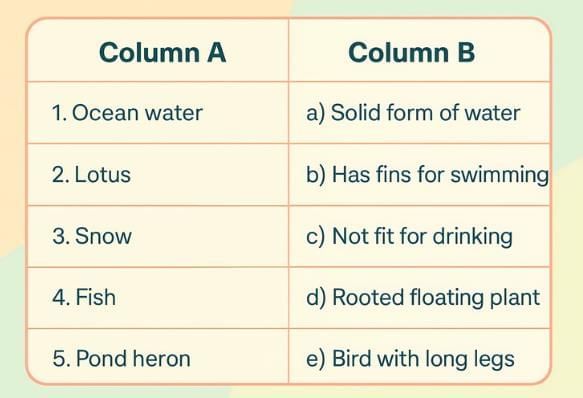
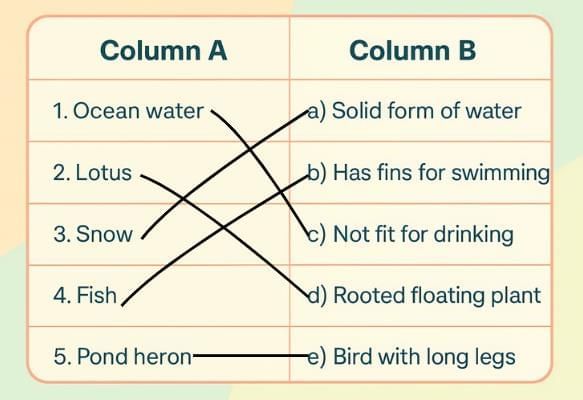
Q2: Match the items in Column A with the correct descriptions in Column B.

Ans:

Q3: Fill in the blanks with the correct words from the chapter.
(i) The process of water falling to the ground is called __________.
(ii) Water exists in three forms: liquid, solid, and __________.
(iii) Groundwater is obtained by digging __________.
(iv) The __________ River in Rajasthan ends in the Rann of Kutch.
(v) Freshwater plants that float on the surface are called __________ plants.

Ans:
(i) The process of water falling to the ground is called precipitation.
(ii) Water exists in three forms: liquid, solid, and gas.
(iii) Groundwater is obtained by digging Wells.
(iv) The Luni River in Rajasthan ends in the Rann of Kutch.
(v) 
Freshwater plants that float on the surface are called floating plants.

Floating Plant

Q4: State whether the following statements are True or False. Correct the false statements.
(i) Most of the Earth’s water is freshwater.
Ans: False

(ii) Rainwater is a type of surface water.
Ans: True

(iii) Water vapour can form clouds when it cools.
Ans: True

(iv) Water cannot exist in solid form.
Ans: False

(v) Planting trees helps in groundwater recharge.
Ans: True

Q5: Answer the following questions in 2-3 sentences each.
(i) Where does freshwater come from?
Ans: Freshwater comes from rivers, lakes, groundwater, and rain. It is a small part of all the water on Earth, which is mostly salty ocean water.

(ii) What are the three forms of water?
Ans: Water exists in three forms: liquid (like rain), solid (like ice), and gas (like steam). These forms change depending on temperature.

(iii) What is the water cycle?
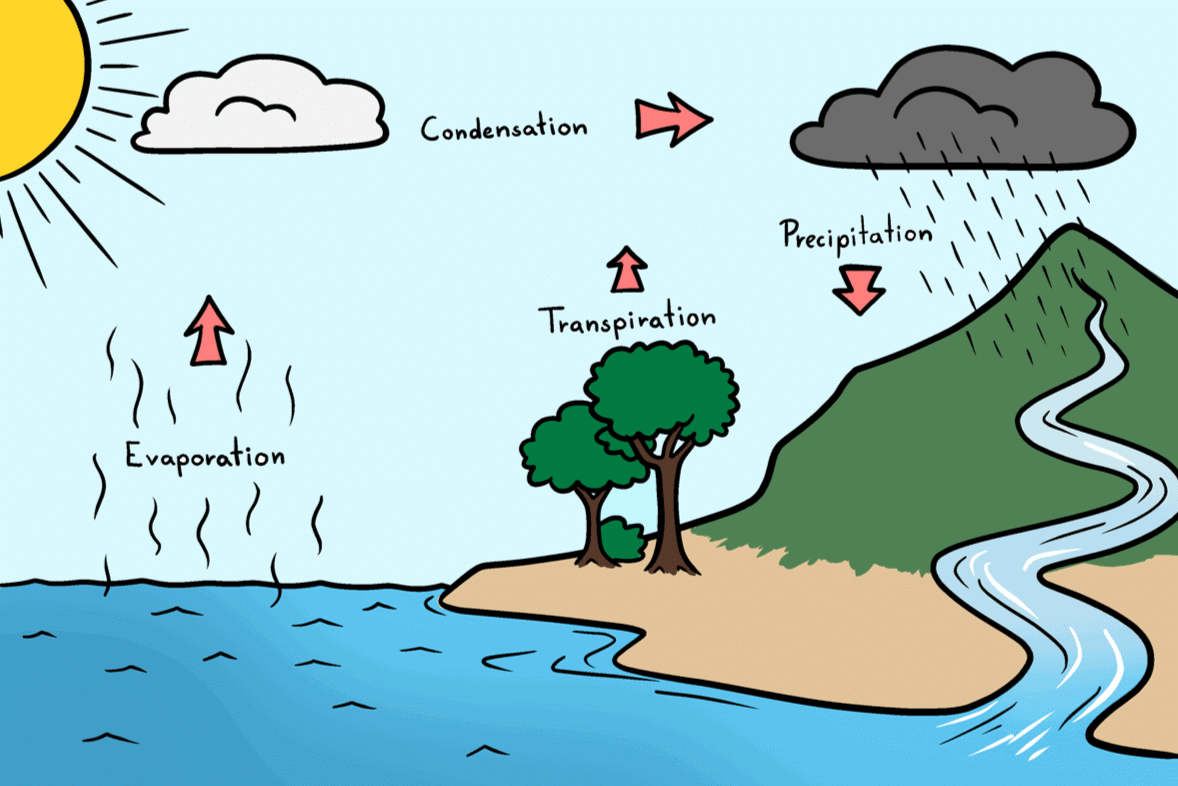
Ans: The water cycle is how water moves around. It evaporates from oceans, forms clouds, and falls back to Earth as rain or snow. This keeps water moving.Movement of Water in atmosphere

(iv) How do we get groundwater?
Ans: We get groundwater by digging wells or using pumps. It is the water that soaks into the ground after it rains.

(v) Why are rivers important?
Ans: Rivers are important because they provide water for drinking, farming, and help plants and animals live. They flow into seas and have smaller rivers, known as tributaries.

Q6: Answer the following questions in 4-6 sentences each. Use examples from the chapter to support your answers.
(i) Describe the water cycle in detail, including how water changes forms and moves through nature. Explain why it is important for life on Earth.
Ans:  Heat causes water from different sources, like oceans and rivers, to become water vapour. 
Water vapour forms the clouds, which come down as rain, snow and hail. This water goes back into rivers, lakes and oceans. 
This constant circular movement of water in nature is called the water cycle. 
Water keeps moving through the water cycle, changing its form as it travels through the air, land, and sky. 
This reminds us how essential freshwater is for supporting life on Earth.Water Cycle

(ii) Explain the difference between freshwater and saltwater sources. Discuss why freshwater is essential for humans, plants, and animals, and what challenges we face in accessing it.
Ans: Although most of the Earth’s surface is covered with water, the majority of it is salty, leaving a smaller amount of freshwater. Ocean water is salty and not fit for drinking. 
All living beings—people, animals, birds, and plants—depend on freshwater to survive. 
It is essential for drinking, growing crops, and carrying out daily activities. 
Many plants and animals also live in freshwater. Without water, life would not be possible.

(iii) How do rivers form and flow across the land? Use the mustard seed activity and examples from Indian rivers to describe how they shape the landscape and support ecosystems.
Ans: A river often begins its journey from up in the mountains and flows down across the land. 
Water flows, stops or curves according to the shape of the land formations in its path. 
The flow of water can also change the shape of the land. In the mustard seed activity, seeds roll down slopes and gather, like water gathers in lakes, rivers and so on. 
Some rivers flow into the Bay of Bengal, and some into the Arabian Sea. 
Rivers, ponds, lakes, etc., are the natural sources of freshwater.

(iv) Why is groundwater recharge important, and what happens if it doesn’t occur properly? Suggest ways to conserve water and protect groundwater in cities and villages.
Ans:  When it rains, some water is soaked up by the soil. This water sinks through the layers of soil and rocks. 
The water that gets stored deep underground is called groundwater. In cities with many cemented surfaces, rainwater cannot go into the ground easily, which stops groundwater from getting recharged. 
Soak pits, ponds, human-made lakes, and planting more trees help rainwater return underground. 
Water is a limited and shared resource which must be used wisely.