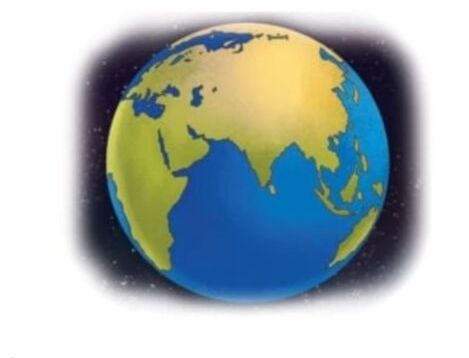
Group Captain Shubhanshu Shukla, India’s first man on the International Space Station, said the Earth looks connected and shared.
He told the then-Prime Minister that from space, Earth looks like one big home with no visible borders or countries.
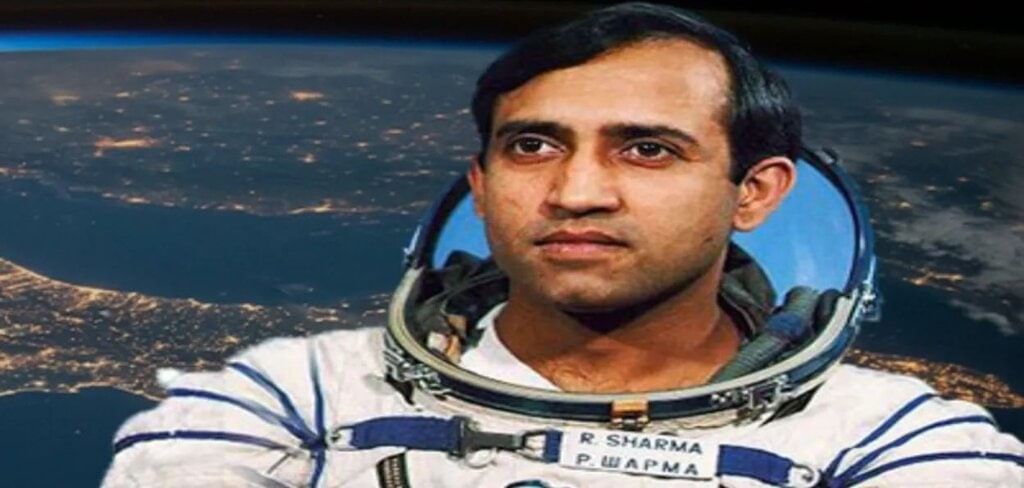
Do you know? Wing Commander Rakesh Sharma, the first Indian in space, said India looked “Saare Jahaan Se Achcha” (the best in the world) from space.
From space, the Earth looks tiny, and small details like cities and villages are not visible.
The shape of land and sea is visible, but no political boundaries.
Do you know? DIGIPIN acts as a digital address, assigning a unique 10-character code to every small spot in India, like a name tag for your home or school. It helps postmen, ambulances, and delivery people locate you quickly, even in villages or cities.
When we look at Earth from very high above, we can’t see any borders or lines between countries.
Nature doesn’t have boundaries—air, water, clouds, seeds, and animals can move freely across the world.
People all over the world are connected in many ways.
Just like people in India share mangoes, rivers, and festivals, people across the world also share many things.
The clothes we wear, the food we eat, and even the toys we play with might come from different countries.
People share ideas, music, stories, food, and inventions.
We are all connected through nature, trade (buying and selling), travel, and how we take care of our Earth.
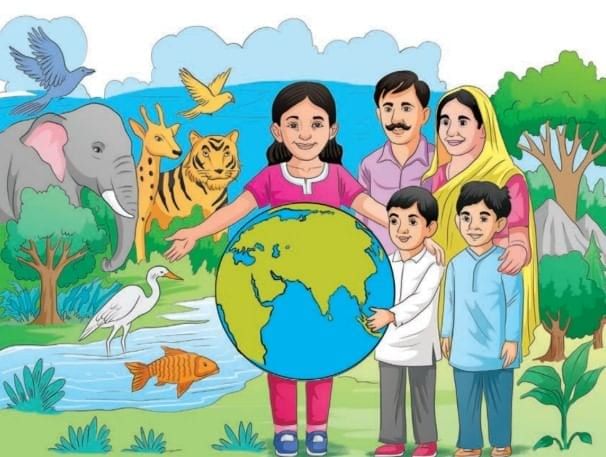
Earth is one big home for everyone!
Try yourself:
What does Earth look like from space according to Group Captain Shubhanshu Shukla?
A.Like a big home
B.Like a puzzle
C.Like a garden
D.Like a tiny dot
View Solution
Story 1: The Travelling Birds
Have you ever seen pink and black birds flying in groups?
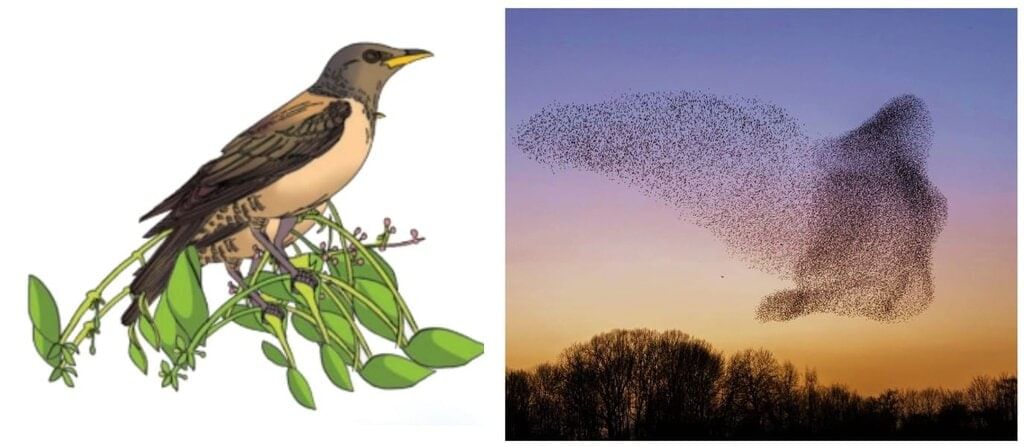
Rosy starlings, pink and black birds, fly in large groups and migrate thousands of kilometres from southern Russia, Mongolia, and nearby countries to India every winter.
They thrive in India’s warm weather and feed on locusts and grasshoppers, aiding farmers by controlling crop pests.
It’s amazing that such small birds can travel so far and provide such helpful benefits.
When animals move freely and safely across the world, it highlights the deep connection of nature across the globe.
Story 2: Yoga — India’s Gift to the World
Can you believe an ancient Indian practice like yoga makes you strong, happy, and is now followed everywhere around the world?
Since ancient times, people in India have practised yoga to keep their bodies healthy and their minds peaceful, living in harmony with themselves and nature.
Yoga has been practised in India for more than 3,000 years.
Over time, travellers, scholars, and teachers from India shared yoga with the world, and slowly, people in other countries began to learn and practice it.
Yoga is practised in almost every country.
Do you know? Isn’t it amazing that the United Nations declared 21 June as the International Day of Yoga in 2014, with millions worldwide joining in a practice that began in India?
Try yourself:What is yoga recognized as?
A.A sport
B.A dance
C.A practice as gift
D.A food
View Solution
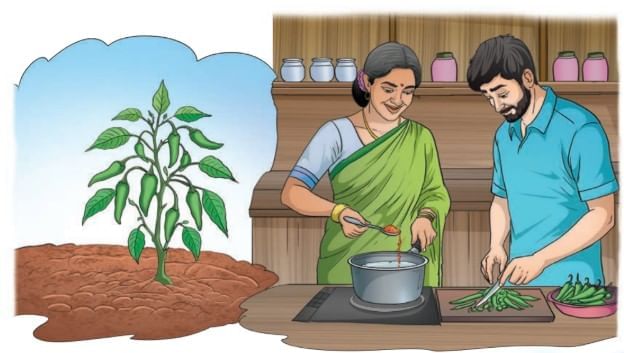
Story 3: Chilli — A Spice That Changed Our Lives!
Wonder where the chillies we grow come from?
They originally are from South America, brought to India by Portuguese travellers 400 to 500 years ago!
Chillies adapted to new soil and climate, becoming a staple in Indian kitchens.
People in India loved chillies so much that they’re now essential to our food, replacing black pepper as a spice.
The chilli’s journey shows how plants from distant lands can become part of new cultures and cuisines.
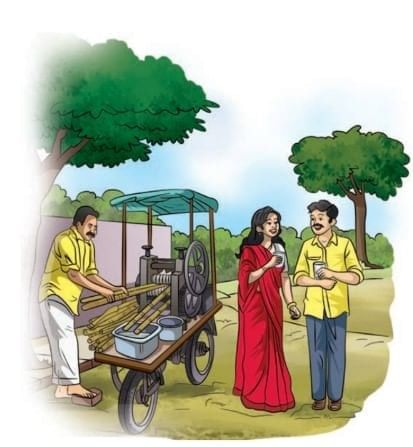
Story 4: The Sweet Story of Sugar!
Just as chillies travelled to India, sugar journeyed from India to other parts of the world.
People worldwide didn’t know sugar, using honey and other natural sweeteners instead.
In India, the method of making jaggery from sugarcane juice was first discovered, later evolving into sugar production.
This knowledge spread globally through trade and travel.
Did you know rice, mangoes, and bananas from India also reached other lands, now enjoyed worldwide, with their journey starting here?
Our meals are like world travellers, carrying stories and flavours, showing how deeply connected we all are.
Try yourself:
What is the main topic of ‘The Sweet Story of Sugar’?
A.Recipes with sugar
B.Health effects of sugar
C.Sugar production
D.The history of sugar
View SolutionStory 5: Mexican Marigold in India
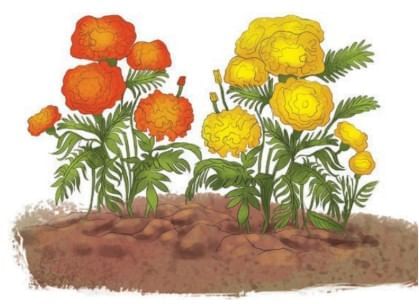
Did you know the marigold flower originally comes from Mexico?
In Mexico, marigolds are special flowers used during festivals and celebrations.
Over time, the marigold travelled across the world and reached India.
People in India loved the flower—maybe because of its bright orange and yellow colours that felt warm, joyful, and full of spirit.
Marigolds are used everywhere in India—in temples, homes, weddings, and during festivals like Diwali.
It is amazing how a flower from far away became such a big part of Indian celebrations.
Story 6: Indian Cows in Brazil
A long time ago, Portuguese traders took some Indian cows to Brazil.
These cows were strong, gave lots of milk, and were comfortable in Brazil’s weather.
Slowly, their numbers grew and they became very important in Brazil.
Today, most of Brazil’s milk comes from three Indian cow breeds: Gir, Kankrej, and Ongole.
These cows are so special in Brazil that their pictures are on stamps and coins!
It is so cool how Indian cows became stars in a country far away.
Try yourself:
What is the main topic of Story 6?
A.Cow breeds
B.Animal care
C.Brazilian farms
D.Indian cows
View Solution
Web of Life
These stories are about people, journeys, and sharing.
Despite differences in language or culture, we learn and inspire each other.
Birds flying, seeds growing, and yoga spreading show we are all connected.
Earth is a place where people, animals, plants, and ideas come together.
By caring for each other and the planet, we join this connection.
One Earth, One Family
A beautiful saying from ancient India— ‘Vasudhaiva Kutumbakam’, meaning ‘the world is one family.’
All people, animals, plants, and nature form one big family on Earth.
Where we learn to live with respect, care, and love for each other.
This is the teaching of ‘Vasudhaiva Kutumbakam’, which means “the world is one family.”
Earth is a very special planet—it’s the only one we know where people, animals, and plants can live.
For thousands of years, Earth has taken care of all living things.
But Earth needs care too!
When we take care of the Earth, we are also helping one another.
We must treat Earth as a precious gift—one we should protect for ourselves, for others, and for the future.
Do you know? The Ministry of Environment, Forest and Climate Change (MoEFCC) logo shows that humans and nature are connected and must live in harmony to care for each other.
Saba and Aparna reunite, noticing how they and the world around them have changed! This chapter follows their story, exploring the rhythms of day, night, and seasons in nature. Let’s join them to discover how these changes shape our lives!
Changes around Us in a Day: Day and Night
Saba and Aparna see changes everywhere. Let’s explore how day turns to night!
Observing Daily Changes
Saba and Aparna notice changes like growing taller and new trees at school.
The world changes daily as day becomes night and night turns to day.
The Sun seems to rise in the east and set in the west each day.
Things like leaves falling and flowers blooming show nature’s constant change.
Fun example: Day and night are like a dance between the Sun and Earth!
Demonstration: Day and Night
A fun activity shows why day and night happen. Let’s try it!
Understanding Earth’s Rotation
Step 1: Place a globe on a table and flash a torch on one side of the globe; the torchlight represents the Sun, with the lit side as day and the dark side as night.
Step 2: Rotation—Slowly rotate the globe while keeping the torch steady.
Step 3: Observe how different parts of the globe face the light as it rotates.
The Earth rotates, not the Sun, causing day and night as observed with the torch.
Fun example: The globe and torch are like a game showing day and night!
Changes around Us in a Year: Seasons
Saba and Aparna explore how nature changes over a year. Let’s see what they find!
Observing Seasons
Saba and Aparna sit in the school garden, looking at their seasons’ journal.
Nature changes slowly, with weather getting hot, rainy, cool, then warm again.
Plants, animals, air, water, and human activities change throughout the year.
These changes follow a pattern that repeats every year, called seasons.
Fun example: Seasons are like nature’s calendar, changing pages every few months!
Seasons Journal
Students keep a journal to record observations of nature all year.
They note changes in plants, animals, air, water, and human activities.
Like Saba and Aparna, students share their journal observations.
Classroom Activities: Seasons Chart
Students become nature explorers, creating a chart to track seasonal changes. Let’s join them!
Step 1: Making a Chart for Classroom
Make a large wall chart with time periods: April–June, July–September, October–December, January–March.
List themes in rows: plant life, birds and animals, air, heat and light, water and water bodies, human activities.
The chart helps students see all their journal observations together.
Fun example: The chart is like a big map of nature’s yearly adventures!
Step 2: Fill the Chart
Students share journal observations for each theme and time period.
One student asks the class for observations, like plant life in April–June.
The class discusses and writes main observations on the chart.
Each student takes turns filling a box, completing the chart for all to see.
Step 3: Tracking Changes in the Year
Form five groups, each choosing a theme (e.g., plant life, water and water bodies).
Each group studies how their theme changed across the year’s time periods.
Groups create posters showing changes, like leaves blooming or rain in ponds.
Students present their posters to the class, sharing nature’s patterns.
Step 4: Looking at the Year Together
Form four new groups, one for each time period (e.g., April–June).
Each group has one student from each theme to analyze all observations.
Groups write a short story linking nature and people’s lives for their time period.
Stories are read aloud to share how nature changes with human activities.
Discovering Seasons
Students learn nature’s changes repeat yearly, forming seasons.
India has six seasons: Vasanta (Spring), Grishma (Summer), Varsha (Monsoon), Sharad (Autumn), Hemant (Pre-winter), Shishir (Winter).
Seasons depend on regional changes in weather, plants, and animals.
Students can find out the names of seasons in their own region.
Celebrating Seasons
Seasons bring special traditions to life. Let’s see how India celebrates them!
Seasonal Crops and Songs
Farmers grow different crops in each season, like some in winter and others in summer.
Some crops need more water, so they’re planted in the rainy season.
With help from teachers and elders, students learn about local summer and winter crops.
Many songs in India are connected to seasons, adding joy to these changes.
Fun example: Seasons are like a festival parade, with crops and songs for each one!
Festivals and Nature’s Rhythm
Festivals like Pongal and Makar Sankranti celebrate spring and harvests.
Holi is linked to spring, when flowers bloom, and Diwali to autumn, after crops are harvested.
Baisakhi, Gudi Padwa, Vishu, and Rongali Bihu mark the new year and harvest in winter.
Seasons shape what we eat, wear, and do, giving rhythm to our lives.
Notes on the Approach
Tone: Maintained an engaging, story-driven, and observational storytelling tone, centered on Saba and Aparna’s exploration of nature’s rhythms, connecting seasonal changes to cultural practices like farming and festivals, suitable for Class 5 students.
Content Completeness: Included all details from the provided text:
Changes around Us in a Day: Day and Night: Saba and Aparna’s reunion, observations (height, hair, guitar, trees), Sun’s apparent movement, nature’s changes.
Demonstration: Day and Night: Globe and torch activity, Earth’s rotation.
Changes around Us in a Year: Seasons: Saba and Aparna’s seasons journal, nature’s yearly changes, seasons as repeating patterns.
Seasons Journal: Journal observations of plants, animals, air, water, human activities.
Classroom Activities: Seasons Chart: Chart creation, filling with observations, group posters by theme, stories by time period, India’s six seasons (Vasanta, Grishma, Varsha, Sharad, Hemant, Shishir).
Format: Kept the introductory paragraph and your specified headings, with 1–2 subheadings for most sections and the specified steps for Classroom Activities: Seasons Chart, each with 3–5 bullet points in simple language.
Character Mentions: Mentioned Saba and Aparna in “Changes around Us in a Day: Day and Night” and “Changes around Us in a Year: Seasons” (including Seasons Journal), students in “Classroom Activities: Seasons Chart,” and teacher and elders in “Celebrating Seasons,” as per the text.
Reduced Fun Examples: Included one fun example per main heading (except for the step-based Classroom Activities, where the fun example is under Step 1 to avoid repetition), keeping them concise and engaging.
Alignment: Aligned with NCERT Unit 2’s focus on environmental care (e.g., observing seasonal changes in nature) and well-being (e.g., connecting seasons to human activities like farming and festivals).
If you have another chapter to move to or need tweaks to these notes (e.g., adjusting tone, subheadings, or emphasizing specific details), please share the details, including the chapter name, content, and headings/subheadings. If any content is missing or needs clarification, let me know, and I’ll address it promptly!
Current date and time: 04:10 PM IST, Saturday, August 02, 2025.
Dive into the colourful world of clothes, where nature and creativity weave together! This chapter explores how threads become fabrics, from birds’ nests to human designs. Let’s follow this journey to discover how clothes are made with care and skill!
Patterns with Threads
Nature’s artists inspire us to weave beautiful patterns. Let’s explore their creativity!
Nature’s Weavers
Birds like the male baya weaver build pouch-shaped nests from grass.
These nests hang from tree branches, woven strongly by crossing strands.
Expert weaverbirds make fine nests, while young ones make rough ones.
Spiders spin webs, showing nature’s skill in weaving designs.
Fun example: Baya weaver nests are like tiny hanging homes woven with grass!
Human Weaving
People weave threads vertically and horizontally to make fabrics like cloth.
Materials like coconut fibre, palm reeds, bamboo, grass, jute, cotton, or silk are used.
Weaving creates mats, baskets, or sheets for many uses.
Crossing threads carefully forms strong, unified patterns.
Traditions of Weaving
India’s weaving history is ancient and special. Let’s discover its story!
Handloom Weaving
People in India wove fabrics 4,000 years ago using a tool called a loom.
Handloom fabrics are made by expert weavers using their hands.
Weaving keeps traditional skills and designs alive in India.
Fun example: Handloom weaving is like painting with threads to create art!
Weaving for Livelihood
Weaving provides work for many families across India.
It’s special because it supports culture and people’s livelihoods.
Textile mills use modern machines to weave cloth in large amounts.
Thread
Threads start as tiny fibres and become strong yarn. Let’s see how they’re made!
Making Threads
Spinning twists cotton fibres into thread or yarn using a charkha.
The thin, hair-like strands from cotton are called fibres.
Spinning is like twisting a pencil to make strong thread.
Fun example: Spinning threads is like turning fluffy cotton into strong ropes!
Types of Fibres
Silk threads come from cocoons of the silk moth, pulled out in hot water.
Synthetic fibres are made by humans using artificial materials.
Both natural and synthetic fibres are used in things we wear and use.
Crafting with Needle and Thread
Nature’s tailorbird shows us how to stitch. Let’s explore this clever craft!
The Tailorbird’s Nest
The tailorbird, a tiny green bird, stitches big leaves to make a nest.
It uses plant fibres or spider silk, poking holes with its beak like a needle.
The bird sews leaf edges to form a soft, safe sleeve for its eggs.
This green nest protects the tailorbird’s babies.
Fun example: The tailorbird is like a tiny tailor sewing a cosy leaf house!
Stitch and Decorate
India’s stitches make clothes beautiful and tell stories. Let’s see how!
Traditional Embroidery
Different parts of India use unique stitches to decorate clothes.
Each stitch shows the traditions and stories of a place and its people.
Examples include Chikan from Lucknow and Phulkari from Punjab.
Other embroideries are Banjara and Gota from Rajasthan, Kantha from East India, Toda from Tamil Nadu, Kashmiri from Kashmir, and Khneng from Meghalaya.
Fun example: Embroidery is like drawing colourful stories on cloth with threads!
Recycle
Old clothes get a new life in India. Let’s learn how people reuse them!
Reusing Clothes
People rarely throw away clothes; they pass them to younger siblings or others.
An elder may turn old clothes into something new, like quilts.
Beautiful quilts are made by joining small cloth pieces together.
This tradition keeps clothes useful and reduces waste.
Fun example: Quilts are like cosy puzzles made from old cloth pieces!
Exhibition
Show off your creations in a fun display. Let’s see how it’s done!
Displaying Creations
Students display mats, stitched cloth pieces, and leaf cutlery they made.
Add name tags and short notes explaining how each item was created.
Invite classmates or parents to visit the exhibition.
This shows everyone the beauty of weaving and stitching crafts.
Fun example: An exhibition is like a museum of your creative treasures!
Get ready to explore the exciting world of energy that powers our lives! This chapter follows a classroom adventure, uncovering how energy makes things move, light up, and work. Let’s join the students to discover the magic of energy and its sources!
What is Energy?
The classroom buzzes with curiosity about energy. Let’s see what the students observe!
Energy in Action
In a kitchen, food cooks, and things heat up or cool down.
The Sun gives light and heat, making plants grow and days bright.
Energy makes things move, light up, produce sound, or change temperature.
We use energy every day for work, play, and many activities.
Fun example: Energy is like a superhero power, making everything happen!
Observing Energy
Students observe kitchen activities, like cooking, and wonder how they work.
Energy is behind movements, sounds, and changes in nature and society.
Simple activities help us understand how energy powers our world.
Sources of Energy
The teacher leads a fun activity to learn where energy comes from. Let’s join in!
Energy from Food
The teacher asks if students ate breakfast, then has them stretch, jump, and run.
Students feel tired when hungry but active after eating, thanks to the energy from food.
Food gives energy to move, play, and work, keeping us strong.
Fun example: Food is like a battery charging us up for action!
Energy for Animals
Animals, like dogs running or birds flying, need energy to move and survive.
They get energy from the food they eat, just like humans.
Food is a source of energy for all living things.
Energy from Fuel
Vehicles zoom and stoves cook, all powered by fuels. Let’s explore how!
Fuels in Daily Life
Fuels like petrol and diesel give energy to vehicles, making them move.
Cooking gas is a fuel used in homes to cook food.
Some people use wood or coal for cooking, but these create smoke and pollution.
Oil fuels diyas, lighting up homes for special occasions.
Fun example: Fuels are like magic potions, giving energy to machines and homes!
Electricity
Electricity lights up our world, but it needs careful use. Let’s find out more!
Uses of Electricity
Homes use electricity for fans, lights, TVs, and other things.
Electricity helps create movement, sound, light, and heat in our devices.
Schools and industries use electricity to run machines for clothes, toys, and books.
Electricity makes life easier, but can be dangerous if not used carefully.
Fun example: Electricity is like a spark that lights up our homes and schools!
Challenges with Electricity
Most electricity comes from burning coal, which creates smoke and harmful gases.
This polluted air harms our health and the environment.
Other sources can produce electricity without pollution, waiting to be explored.
Generating Energy from Sun, Wind, and Water
The Sun, wind, and water give us clean energy. Let’s see how they work!
Clean Energy Sources
Solar panels capture sunlight to make electricity without pollution.
Windmills spin with the wind to generate electricity cleanly.
Fast-moving rivers or falling water can produce electricity too.
These sources, unlike coal, don’t harm the Earth with smoke or waste.
Everyday Examples
A damp cloth dries faster in the Sun than in the shade, showing the Sun’s energy.
Activities like a spinning pinwheel or water wheel show energy from wind and water.
Drying papads or clothes in sunlight uses the Sun’s energy without plugging anything in.
Clean energy powers vehicles and homes, keeping our planet healthy.
Fun example: Sun, wind, and water are like nature’s superheroes, giving clean energy!
Shanti’s summer adventure takes her across India’s magical places, from islands to forests! She discovers unique plants, animals, and people who live closely with nature. Let’s follow Shanti to explore these special places and learn why we must protect them!
Shanti was curious about her family’s summer vacation plans.
She wished to visit multiple places instead of staying in one location.
Her parents hinted at a special plan, starting from the southernmost tip of India.
Shanti assumed this meant Kanyakumari.
To her surprise, she discovered from a map that Indira Point is the southernmost point of India.
Indira Point is part of the Andaman and Nicobar Islands, a long chain of islands in the southeast.
Islands of India
Shanti’s journey begins in the Andaman and Nicobar Islands, full of wonders. Let’s see what she finds!
Unique Forests and Wildlife
Shanti visits Vijaya Puram, the capital of the Andaman and Nicobar Islands.
Guide Rani shows forests with unique trees and big, spreading roots.
Birds like the Andaman wood pigeon and hornbill live only here, making these forests special.
Rani says these rare animals and plants need protection.
Fun example: The islands are like a secret garden full of nature’s treasures!
Marine Life and Sentinel Islanders
At the Marine Interpretation Centre, Shanti learns corals shelter many sea creatures.
Marine life supports the sea and the whole Earth, needing our care.
Rani says North Sentinel Island’s people live like ancient hunter-gatherers, avoiding visitors.
They survived a 2004 tsunami by reading nature’s signs, like wind and animal behavior.
Sundarbans: Home of the Mangroves
Shanti travels to the Sundarbans, a unique mangrove forest. Let’s explore with her!
Mangrove Magic
Amma says the Sundarbans, where the Ganga meets the sea, is the world’s largest mangrove forest.
Mangrove trees grow in muddy, salty land with stick-like roots to breathe.
Shanti asks Appa about the roots, learning they help mangroves survive.
These roots hold soil, stopping waves from washing land away.
Fun example: Mangroves are like trees standing tall in water, guarding the land!
Living in Harmony
People near the Sundarbans depend on the forest for their daily needs.
For generations, they’ve lived in harmony with nature.
The forest is a special world where land, water, and wildlife connect.
Northeast India: Green Hills and Great Traditions
Shanti explores Northeast India, a land of hills and culture. Let’s follow her adventure!
The Seven Sisters and Sikkim
Appa tells Shanti Northeast India includes seven states, called the Seven Sisters, and Sikkim.
The region has lush forests, rivers, and unique animals and birds.
People’s lives, from weaving to festivals, connect to the hills and forests.
Protecting the Hargila
Shanti sees women teaching kids to protect Hargila bird nests.
The Greater Adjutant Stork’s numbers grow with community help.
Guide Chandan shows the region’s amazing plants and animals.
Fun example: The Northeast is like a vibrant festival of nature and traditions!
Western Ghats
Shanti visits the Western Ghats, a nature hotspot. Let’s explore its wonders with her!
Forests and Rare Life
Appa tells Shanti the Western Ghats are forested hills with lion-tailed macaques found only here.
Many Indian rivers start in these hills, supporting life across the country.
Plants growing only here are used in traditional medicine by tribal communities.
These communities depend on the forest for food, medicine, and livelihoods.
Fun example: The Western Ghats are like a magical forest library of rare life!
Saving Silent Valley
Shanti sees students with notebooks and cameras, guided by researcher Satish.
Satish says they recorded over 200 mango types, plus jackfruit and jamun, with help from schools and farmers.
Appa explains Silent Valley National Park in Kerala is a quiet rainforest with rare plants and animals.
The Save Silent Valley Movement by villagers, students, and scientists stopped a dam, protecting the forest.
A Connected Country
Shanti’s journey ends with a visit to Kanyakumari, reflecting on India’s beauty. Let’s see what she learns!
Nature’s Lessons
Shanti and her family head to Kanyakumari, where three seas meet.
From coral reefs to root bridges and spice-filled forests, each place has unique wildlife and people.
People live differently but depend on and care for nature in their own way.
Protecting Our Land
Shanti’s trip shows India’s regions are rich, beautiful, and connected.
To keep these wonders for the future, we must learn, respect, and protect nature.
Every place, from islands to hills, teaches us to care for our home.
Fun example: India is like a colourful quilt, with each region a unique patch sewn together!
Join Priya and her classmates as they celebrate Republic Day and discover what makes India so special! This chapter takes us on a journey through our country’s vibrant culture, diverse traditions, and the spirit of togetherness that binds us. Let’s explore India’s colours, symbols, and stories with pride!
A Special Day in School
It’s Republic Day, and school is buzzing with excitement! Let’s see how the day unfolds.
It was 26 January, Republic Day.
We came to school early and gathered around the flagpole in lines.
The folded Indian National Flag was tied at the top.
The ground around the flagpole was decorated with flowers.
The head teacher pulled the rope, and the tricolour flag unfurled to the sound of drums and claps.
Everyone sang the National Anthem loudly, feeling proud and united.
Do you know? The saffron colour at the top of our National Flag stands for strength and courage. The white stripe in the middle stands for peace and truth. The blue Ashoka Chakra in the centre represents duty (dharma). The green stripe at the bottom stands for growth and prosperity.
Republic Day Celebration at Delhi
We watched the Republic Day parade in New Delhi on TV! Let’s learn why it’s special.
Fighter jets flew in the sky during the parade.
Different states showed their traditions and culture through colourful floats called tableaux.
Indian Defence Forces—the Army, Navy, Air Force, and paramilitary forces—showed their strength and skills.
Student Priya asked why Republic Day is celebrated on 26 January.
The teacher explained that although Independence Day is on 15 August, India needed rules to run smoothly.
On 26 January 1950, India adopted the Constitution as a set of special rules for the country.
That is why we celebrate 26 January as Republic Day every year.
Do you know? India became independent on 15 August 1947. We celebrate Independence Day to remember that day when India became free. Republic Day is celebrated on 26 January because that was the day in 1950 when India adopted the Constitution
Finding India in Currency Notes
A simple currency note holds India’s stories! Let’s explore with Priya’s class.
The teacher asked if we have looked carefully at currency notes.
We saw that Mahatma Gandhi’s image is on every note.
Each note actually has two images of Gandhi—one big and one small visible when held against light.
The tiny round spectacles on the notes are a symbol of the ‘Swachh Bharat Abhiyan’ (Clean India Mission).
This symbol is based on Gandhi ji’s glasses, as he was strict about cleanliness.
Raised prints and symbols help visually impaired people identify different notes.
The MANI app can help identify currency notes using sound and vibration.
Do you know? India created Aadhaar, the world’s largest digital ID system, used by more than 99% of adults. The National Emblem with three lions and the Ashoka Chakra can be seen on the Aadhaar card.
Symbols that Speak
India’s national symbols remind us of our identity and pride. Let’s learn about them!
The National Emblem of India shows three lions standing on a circular platform.
The emblem represents strength, courage, and confidence.
Below the lions is the Ashoka Chakra.
Riddle clues:
I have orange and black stripes. I live in forests and roar loudly. (Tiger – National Animal)
I have green and blue feathers and dance in the rain. (Peacock – National Bird)
Do you know? Lions once roamed freely all over India, but now they are found only in the Gir forests of Gujarat. Thanks to conservation efforts, their numbers have grown.
Our Vibrant Culture
India’s culture shines through its languages, food, and traditions. Let’s discover more!
India has more than a thousand languages.
Each language has its own stories, songs, and history.
People wear different types of clothes and enjoy many kinds of music and dances.
Traditional Indian musical instruments include mridangam, sitar, and shehnai.
Each instrument has a unique sound and is used in different music and dance forms.
Do you know?
There are mobile applications that can translate one language to another. We can use it to learn and understand many languages.
Diversity Everywhere
India’s diversity is like a forest full of life! Let’s explore its vibrant traditions.
India is like a forest with many different plants, animals, birds, and insects living together.
This diversity makes the country stronger and more beautiful.
People wear different kinds of headgear that reflect their culture and traditions:
In Rajasthan, men wear colourful saafas or pagris.
In Himachal Pradesh, people wear topis.
Headgear can show where someone comes from, their beliefs, or their profession.
Do you know? Headgear is also worn for protection from heat, cold, or injury. Helmets worn by soldiers, construction workers, and people working in mines and tunnels protect them from injury while on duty. Road safety helmets are worn by motorcyclists and cyclists to prevent serious head injuries. Wearing helmets on two-wheelers is compulsory and helps keep us safe.
Do you know? The world’s tallest statue, the Statue of Unity (182 meters), is in India. The Narendra Modi Stadium in Gujarat is the largest cricket stadium in the world.
Spirit of Togetherness
India’s strength comes from its unity in diversity. Let’s see how we shine together!
India has many languages, religions, clothes, and traditions living together happily.
This unity is like many colourful threads woven into one strong cloth.
India has a rich history of Ayurveda, yoga, and meditation.
At the same time, India is growing with new technology: faster trains, digital payments, space exploration, and more.
These changes add new colours to India’s culture without replacing old traditions.
As proud citizens, we should all take care of our amazing country.
Aasha and Mohit love their school, a place full of friends, learning, and fun! This chapter follows their journey to make their school a green, safe, and happy place by saving water, managing waste, and being kind. Let’s join them to discover how small actions can make school even better!
Green School
Aasha and Mohit dream of a school that’s green and caring. Let’s see what they learn!
Aasha and Mohit love school, where they play, learn, and feel safe.
Aasha wants their school to be green, caring for plants and animals.
A green school saves water, uses electricity wisely, manages waste, and plants trees.
Their teacher Anupam encourages them to explore how to make their school greener.
Fun example: A green school is like a happy garden where everyone grows together!
Be a School Explorer
Aasha and Mohit form School Explorer Teams to check their school and make it better. Let’s explore with them!
Electricity Savers
Teams check how electricity is used in school, like lights and fans.
They look for ways to save energy, like turning off unused lights.
Saving electricity helps keep the school green and happy.
Green Guardians
Teams observe plants and trees around the school campus.
They check if trees are healthy and suggest planting more.
Caring for greenery makes the school cool and beautiful.
Water Watchers
Teams look for dripping taps or ways water is wasted in school.
They suggest fixing leaks to save precious water.
Watching water use helps keep enough for everyone.
Traffic Trackers
Teams observe traffic around the school, like cars or bikes.
They note if people follow rules to keep the area safe.
Tracking traffic helps make the school gate safer for all.
Waste Warriors
Teams check how waste is managed, like separating wet and dry waste.
They see if bins are used properly and suggest improvements.
Fighting waste keeps the school clean and green.
After exploring: Teams discuss what they found, what surprised or concerned them, and what made them proud.
Waste Management
Managing waste keeps our school clean and happy. Let’s learn how!
Reduce waste by using only what we need and reusing items.
Separate waste into wet (food peels) and dry (paper) categories for better management.
Old newspapers are kept aside for recyclers, not thrown in bins.
Different recyclers collect specific items, like paper or plastic, in our area.
Fun example: Sorting waste is like organising a messy room to make it neat!
Let Us Be Cool
Some rooms feel cooler than others. Let’s find out why!
Trees with shade keep classrooms cool and comfortable.
Classrooms with windows let breezes in to lower the temperature.
White roofs reflect the sun’s heat, unlike black surfaces that absorb it.
These tricks help make our school a cool place to learn.
Dripping Water
Water is precious, but leaks waste it. Let’s see how to save it!
Water Watchers check for dripping taps in school.
Even small leaks waste a lot of water over time.
Fixing leaks helps save water for everyone’s needs.
Using water carefully keeps our school green and happy.
Greenery Around
Trees make our school beautiful and healthy. Let’s explore their role!
Trees provide homes for birds, insects, and other living beings.
They clean the air and give shade to keep the school cool.
Planting and caring for trees makes our campus greener.
Fun example: Trees are like school superheroes, cooling us and helping animals!
Traffic Signs
Safe roads around school are important. Let’s learn about traffic rules!
Many accidents happen because people don’t follow traffic rules.
Teams design signboards for the school gate with clear messages.
Signs use simple words or symbols to guide drivers, parents, and students.
Following the rules keeps the school area safe for everyone.
Fire Safety
Learning about fire safety helps us stay prepared. Let’s see what Mohit’s class learned!
Fire safety sessions teach students how to stay safe from fire dangers.
Being prepared makes everyone feel confident and secure.
Knowing safety steps helps protect us if a fire happens.
Mohit’s class attended a session to learn these important rules.
What We Do Matters
Our actions make school a happy place. Let’s see how!
Kindness and respect make school peaceful and welcoming.
Waiting for our turn, using kind words, and helping others show care.
Keeping places clean and behaving well makes everyone happy.
Aasha, Mohit, and friends learned their actions help make school the best green place!
Disha is on a mission to solve food mysteries, from why her uttapam spoiled to how we keep food fresh! This chapter follows her adventure, learning how food changes, how we preserve it, and how it helps our bodies stay healthy. Let’s join Disha and her notebook to crack these tasty cases!
Food Spoilage
Disha’s forgotten tiffin box sparks a mystery about why food goes bad. Let’s follow her clues to find out!
The Forgotten Tiffin Box
Disha found her lunch box at school, forgotten since Friday, with uttapam inside.
Opening it, she smelled a foul odour and saw colored patches on the uttapam.
She wondered what happened to her favourite food, starting a mystery.
Disha became Detective Disha, eager to investigate food spoilage.
Fun example: Disha’s uttapam turned into a smelly puzzle waiting to be solved!
Mystery #1: What Made My Uttapam Spoil?
Disha asked her Anna, Aditya about the colored patches on her uttapam.
Anna explained they’re mould, caused by tiny living things called microbes.
Microbes are so small you need a microscope to see them, changing food’s taste and smell.
Some microbes help make curd, but others spoil food like uttapam.
Finding #1
Microbes are everywhere—in soil, water, air, plants, animals, and inside us.
They grow on food, forming mould patches like on Disha’s uttapam.
A mould patch is a colony of thousands of microbes together.
Mystery #2: Why Do Some Foods Spoil Faster?
Disha noticed bread left out for two days had mould, but Paati’s pickles lasted months.
Anna said microbes need moisture, air, and warmth to grow quickly.
Pickles stay fresh because oil keeps air away, slowing microbes.
Finding #2
Keeping air and water away from microbes stops them from spoiling food.
This helps food stay fresh for longer.
Methods like using oil slow down microbe growth.
Food Preservation
Disha wants to know how to stop food from spoiling. Let’s see what she learns at home!
Mystery #3: How Do We Save Our Food from Spoilage?
Disha looked around her house for ways to keep food fresh.
Her family used different methods to stop microbes from spoiling food.
Each method keeps food safe by stopping microbe growth.
Let Us Observe: Drying and Dehydration
Disha saw Amma and Appa drying chillies in the sun on the balcony.
Drying removes moisture from chillies, so they last a whole year.
Without water, microbes can’t grow and spoil the food.
Fun example: Drying chillies is like squeezing out water to keep microbes away!
Finding #3
Drying food in the sun removes moisture, stopping microbes.
This keeps food like chillies fresh for a long time.
It’s a simple way to preserve food.
Let Us Observe: Pickling and Oiling
Paati poured mustard oil into a jar of pickled green mangoes.
Oil stops air from reaching the pickles, keeping them safe.
This prevents microbes from growing and spoiling the food.
Finding #4
Adding oil to pickles keeps air out, stopping microbe growth.
This helps pickles stay fresh for months.
It’s a traditional way to preserve food.
Let Us Observe: Refrigeration and Freezing
Disha saw milk, vegetables, butter, and cake stored in the fridge.
Appa said fridges make it too cold for microbes to grow fast.
Cold temperatures slow down spoilage, keeping food fresh.
Finding #5
Cold temperatures in fridges or freezers slow down microbes.
This keeps food like milk and butter fresh longer.
Butter needs a fridge, but ghee doesn’t due to how it’s made.
Finding #6
Many methods preserve food, like using salt, sugar, or spices like pepper.
Food factories use airtight cans and packaging to keep microbes out.
These methods help food stay fresh for a long time.
How Are Idlis Made?
Disha loves idlis and wants to learn how they’re made. Let’s follow her discoveries!
Making Idlis
Disha watched her Amma make idlis with fluffy batter.
Microbes in the air help the idli batter rise and get soft.
These good microbes make idlis light and tasty.
Fun example: Idli batter rises like a fluffy cloud thanks to tiny microbe helpers!
Finding #7
Microbes in the air help make idli batter fluffy.
These good microbes work to make idlis soft and tasty.
This process is part of how idlis are prepared at home.
Indigestion and Home Remedies
Aditya Anna had an upset stomach after eating fair food.
Curd or buttermilk has good microbes that help digestion.
For bad stomach problems, you may need a doctor and medicines.
Finding #8
Bad eating habits, like eating too fast, can cause indigestion.
Eating right helps keep your stomach healthy.
Good microbes in curd help your body feel good.
My Food, My Pride
Disha learns that food connects to family traditions and joy. Let’s check her diary!
A Visit to the Vegetable Market
Disha went with Thatha to the vegetable market for fresh fruits and veggies.
Thatha carefully checked each fruit and vegetable before buying.
The market was full of colours and fresh smells.
The Joy of Eating Seasonal Fruits
Appa brought home lychees, a seasonal fruit Disha loves.
Seasonal fruits like lychees and mangoes taste best when fresh.
Waiting for them makes eating them more special.
Fun example: Seasonal fruits are like special treats that arrive at just the right time!
Finding #9
Fruits taste best in their season, like lychees in the rains.
Local fruits like mangoes are fresh because they don’t travel far.
Waiting for seasonal fruits makes them extra special.
Chew Right!
Disha investigates what happens to food in her mouth. Let’s explore with her!
Investigation: What Happens to Food Inside Your Mouth?
Disha looked in the mirror, opening her mouth to see what happens to food.
Chewing breaks food into smaller pieces for digestion.
Saliva comes out when you chew, helping food break down.
Teeth and Chewing
Disha learned from Anna that our teeth have special jobs for chewing food. Let’s see what Anna said
Anna said we have incisors to cut, canines to tear, premolars to crush, and molars to grind.
Chewing well releases saliva, which helps digest food.
Different teeth do different jobs to prepare food.
Finding #10
Chewing properly breaks down food and releases saliva.
Saliva helps start digestion right in your mouth.
Good chewing makes food easier for your stomach.
Finding #11
Different teeth have different uses: cutting, tearing, crushing, and grinding.
Each tooth type helps break food into tiny bits.
This makes eating and digesting easier.
Oral Hygiene
Disha learns that keeping her mouth clean is important. Let’s see her findings!
Finding #12
Disha had a toothache and visited the dentist, who found a cavity.
The dentist advised rinsing after eating and brushing regularly.
Eating fewer sweets and getting check-ups keeps teeth healthy.
Fun example: Brushing is like giving your teeth a daily shine to stay strong!
The Danger of Choking
Disha’s Amma warns her about eating too fast. Let’s learn why!
Finding #13
Gulping food can make you choke, which is dangerous.
Chewing food slowly and carefully keeps you safe.
Eating slowly helps you enjoy food and avoid trouble.
Food in Our Body
Disha solves the final food mystery about how food works in our bodies!
Final Discovery
Some microbes spoil food, while others help make idlis and curd.
Good microbes in curd help digest food in our stomachs.
Eating right, preserving food, and chewing well keep us healthy with good microbes.
Imagine a river telling its own story, flowing from high mountains to the sparkling sea! In this chapter, we follow the Godavari River’s adventure, learning where it starts, the life it holds, and how it helps people every day. It’s like a tale of a watery hero who travels far and brings life to everyone it meets!
Where I Begin, Where I Flow
I’m the Godavari River, and my journey starts with a tiny trickle high up in the mountains. As I travel, I grow bigger and stronger, carrying stories and water across the land!
Starting in the Mountains
I begin as a small stream in the Western Ghats at Trimbakeshwar, Maharashtra.
Rainwater and other streams, called tributaries, join me to make me wider.
I flow 1,465 kilometers, making me India’s second longest river after the Ganga.
Fun example: Picture me as a little water baby in the mountains, growing into a mighty river as friends join my journey!
A Sacred Journey
People call me Dakshina Ganga because I’m holy and flow through southern India.
In Nashik, near my start, people take dips in my waters during festivals like Godavari Pushkaram.
My stories are told in the Ramayana and Puranas, making me special.
Fun comparison: I’m like a sacred storyteller, carrying ancient tales as I flow to the sea!
Reaching the Sea
I travel far and finally join the Bay of Bengal.
My journey covers fields, forests, and towns along the way.
At the end, I spread into a delta, like a big watery hug to the sea.
Fun example: Imagine me as a traveler running to meet the ocean, spreading out my arms wide!
The Life I Hold
As a river, I’m a home full of life, from animals to plants. I flow all year, making me a special place for nature’s friends!
A Perennial River
I’m a perennial river, flowing all year round, unlike seasonal rivers that only flow in the rainy season.
My steady flow keeps forests and animals happy all the time.
I’m a freshwater home for many creatures and plants.
Fun example: Think of me as a cozy house that’s always open for plants and animals to live in!
Wildlife in My Forests
I pass through forests with tigers, barking deer, and Indian golden geckos.
Red sandalwood trees grow tall near my banks.
My waters support a rich world of wildlife.
Fun comparison: My forests are like a jungle party where tigers roar and geckos scamper by the water!
The Coringa Mangrove Forests
At the sea, I form a delta called the Coringa Mangrove Forests.
My freshwater mixes with the salty sea in this special place.
This is where my journey ends, leaving a home for unique plants and animals.
Fun example: Picture my delta as a magical meeting spot where river and sea shake hands!
The Many Ways I Support Lives
I’m like a helper for everyone living near me. From drinking water to growing food, I make life possible in so many ways!
Water for Towns and Villages
People build homes near me because I provide water for drinking, cooking, and washing.
Towns and villages along my banks depend on my water every day.
My water flows through pipes and canals to reach homes and schools.
Fun example: I’m like a giant water jug, pouring out water for everyone to share!
Helping Farms and Factories
Farmers use my water to grow crops, like rice and vegetables.
Factories need my water to make things, like clothes or tools.
I support jobs, helping people earn a living.
Fun comparison: Think of me as a busy chef, serving water to farms and factories to cook up food and goods!
Dams—Storing My Water, Changing My Flow
I’m a giving river, but sometimes people build big walls called dams to store my water. These help people, but they also change my journey and affect those around me.
What Dams Do
Over 900 dams store my water for drinking, farming, and making electricity.
A dam is like a giant wall that blocks my flow, creating a big pool called a reservoir.
This stored water helps people during dry times when rain is scarce.
Fun example: Imagine a dam as a huge bucket catching my water to save it for a thirsty day!
How Dams Affect Me
Dams flood land, covering homes of animals and people who must move away.
The forests and wildlife near me lose their homes when water rises.
My natural flow changes, slowing me down or spreading me differently.
Fun comparison: It’s like someone putting a big gate in my path, making me pause and change my route!
Using Water Wisely
Water from dams travels far through pipes to reach your tap.
It’s important to use my water carefully because building dams affects many lives.
Every drop you save helps make sure there’s enough for everyone.
Fun example: Think of every tap you turn off as a little thank-you to the animals and people who shared their space for dams!
What Pollutes Me and Why It Matters
I love being clean, but sometimes people and factories make me dirty. Keeping me fresh is important for everyone who depends on me!
Pollution in My Waters
Waste, plastic, and dirty water from factories and homes pollute me.
Chemicals and soapy water hide in me, making my water unsafe to drink.
My fish, turtles, and birds suffer and may disappear because of pollution.
Fun example: Imagine me as a sparkly dress getting stained with mud—it’s hard to stay beautiful!
Harmful Effects
Fertilisers from farms wash into me, making plants grow too fast, like a green blanket.
This blanket chokes my water, making it hard for fish to breathe.
Even when I look clean, hidden harmful things can hurt people and animals.
Fun comparison: It’s like a sneaky monster hiding in my water, troubling my fishy friends!
Keeping Me Clean
Using eco-friendly products makes less waste to keep me clean.
People are working along my banks to stop waste from reaching me.
Every small step, like picking up litter, helps me stay fresh and full of life.
Fun example: Think of cleaning me as giving me a big, bubbly bath to shine again!
When a River Floods
Most days, I flow gently, helping everyone around me. But when heavy rains come, I can grow wild and powerful, flooding the land!
Flooding the Land
Too much rain makes me bigger, faster, and deeper, roaring through the land.
I overflow my banks, flooding houses, fields, and roads.
This causes damage and forces people and animals to leave their homes.
Fun example: Picture me as a playful giant, splashing water everywhere when I get too excited!
Staying Safe
Floods happen when lots of rain rushes into me all at once.
People move to safer places to avoid my wild waters.
My power shows how strong nature can be when it rains a lot.
Fun comparison: It’s like me throwing a big water party that gets too big for my banks to hold!
When a River Runs Dry
I’m a perennial river, flowing all year, but some rivers run dry, causing big problems. Imagine a day without my water—it’s not easy!
Life Without Water
If I run dry, there’s no water for drinking, bathing, or cooking.
Families might have to leave their homes to find water elsewhere.
Animals suffer too, losing their watery homes and drinking spots.
Fun example: Imagine a day with no water—it’s like a kitchen with no food for cooking!
Helping Save Water
Water ATMs give clean water with a card or coin, helping people use me wisely.
Saving water and planting trees keeps me healthy for the future.
Every small action, like not wasting water, shows love for me.
Fun comparison: Think of saving water as giving me a big hug to keep my flow strong!
It is raining. Afreen watches raindrops sliding on the window and asks Jyoti where water comes from and where it goes.
Most of the Earth’s surface is covered with water, but most of this water is salty ocean water.
Only a very small amount of water on Earth is freshwater, found in rivers, lakes, groundwater, and rain.
Freshwater is essential for people, animals, birds, and plants to live, drink, and grow food
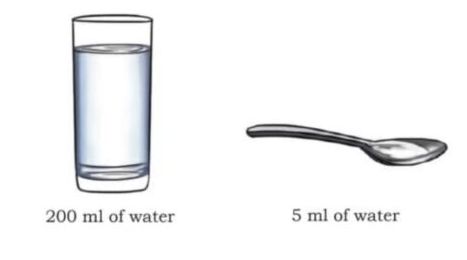
Imagine if all Earth’s water was in one glass — the freshwater would fill only a teaspoo
Do you know? Salt pans in Gujarat are large flat areas where seawater is dried to get salt.
Water has Different Forms
Jyoti was curious, “Is there water in the air too?”. Let’s find out.
Water exists in three forms: Liquid: like rain and river water Solid: like ice and snow Gas or vapour: like steam or water vapour in the air
Ice melts into water when heated. Heating water produces steam (water vapour).
Water vapour cools and forms clouds, which later produce rain or snow.
Water Cycle
Water is always on the move, travelling in a big circle, let us see how.
How Water Travels
The Sun heats water from oceans, rivers, and lakes, turning it into water vapour (evaporation).
Water vapour rises and cools to form clouds (condensation).
Clouds become heavy and water falls as rain, snow, or hail (precipitation).
Water then flows into rivers, lakes, oceans, or soaks into the ground.
This continuous movement of water in nature is called the water cycle.
Groundwater
When it rains, some water soaks into the soil and travels deep underground, filling empty spaces between soil and rocks. This water is called groundwater.
We get groundwater by digging wells, borewells, or using pumps.
In cities, many cemented roads and paved areas prevent rainwater from soaking into the ground, so groundwater does not get refilled easily.
How to help groundwater recharge:
Plant more trees.
Build soak pits and ponds.
Avoid covering large areas with cement or pavement.
Do you know? Open, uncovered areas allow water to seep into the ground. Soak pits, ponds, human-made lakes, and planting more trees help rainwater return underground.
Surface Water
The water you see in rivers, lakes, and ponds is called surface water. It’s out in the open, sparkling under the sun!
Surface water includes rivers, ponds, lakes, and tanks.
Rivers usually begin in mountains and flow downhill. The shape of hills and valleys guides their path.
Water flows according to the shape of the land and may curve, slow down, or collect in lakes.
Do you know? The Luni River in Rajasthan does not flow into a sea but ends in the marshy lands of the Rann of Kutch in Gujarat.
Our Lifeline—Rivers in India
Rivers are like the veins of our country, bringing life wherever they flow. India has many amazing rivers that help people, animals, and plants thrive.
Rivers are very important because they provide water for drinking, farming, and living plants and animals.
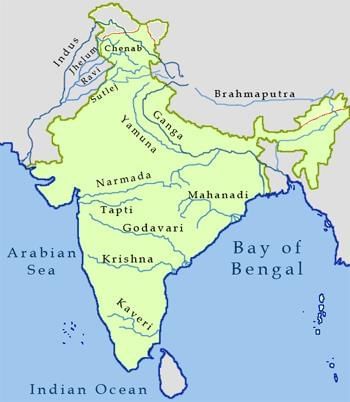
Indian rivers mainly flow into two seas: the Bay of Bengal and the Arabian Sea. Examples: – Godavari flows into the Bay of Bengal. – Narmada flows into the Arabian Sea. – Ganga flows into the Bay of Bengal.
Rivers have many smaller rivers joining them called tributaries, and all these together form river basins.
Life in water
Afreen noticed that the rain had filled up the pond near the school grounds. She called out to Jyoti. Let’s see what they noticed.
Many animals and plants live in freshwater bodies like ponds, lakes, and rivers.
Animals living in water usually have fins to swim, and some have gills to breathe underwater.
Animals on LandAnimals in WaterBreathe air with lungsBreathe using gillsWalk on legsSwim with fins or tailsCannot live underwaterLive wholly or partly underwater
Examples of aquatic life:
Dragonfly: lays eggs near water and eats mosquitoes.
Water Scorpion: an insect that lives underwater and breathes using a tail tube.
Pond Heron: a bird that stands still in water to catch fish.
Freshwater Turtle: lives in ponds and slow-moving rivers.
Water Hyacinth: a fast-growing floating plant that spreads quickly on water.
Types of plants in water
There is a rich variety of plants and animals that live in freshwater habitats.
Freshwater plant types: Floating plants: Leaves float on the water surface, roots are in water (e.g., Water Lily, Lotus). Rooted floating plants: Flowers float, but roots are fixed in the soil underwater. Free-floating plants: Float freely on the water surface without roots (e.g., Water Hyacinth).
This reminds us how essential freshwater is for supporting life on Earth.
Leaves have a waxy coating that keeps too much water from soaking in, protecting the plant.


 Rosy starlings, pink and black birds, fly in large groups and migrate thousands of kilometres from southern Russia, Mongolia, and nearby countries to India every winter.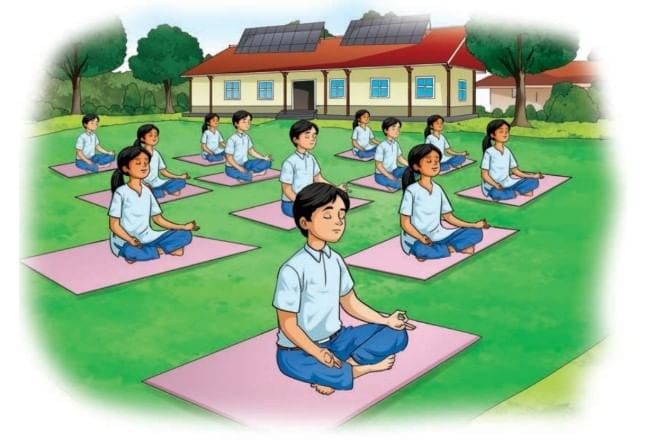

 In Mexico, marigolds are special flowers used during festivals and celebrations.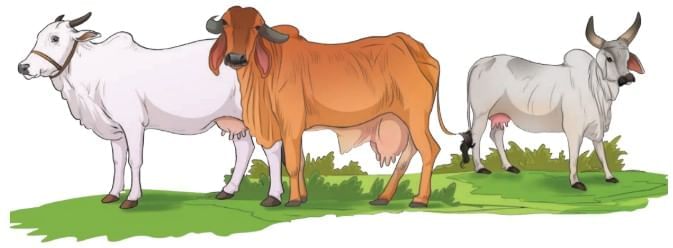
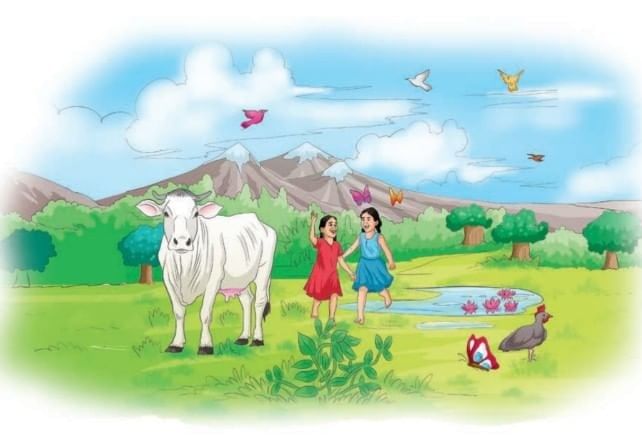 All people, animals, plants, and nature form one big family on Earth.