05. How Many? (Addition and Subtraction of Single Digit Numbers) – Chapter Notes

What is Addition?
An addition is the process of finding the total or sum by combining of two numbers, digits or values. 

  • Counting things together is called addition.
  • The words total, sum, add, more, in all, altogether etc., mean addition.
  • The symbol for addition is +, read as plus.
  • The answer we get by adding two numbers is called sum.
Addition by Counting Forward
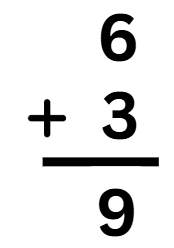
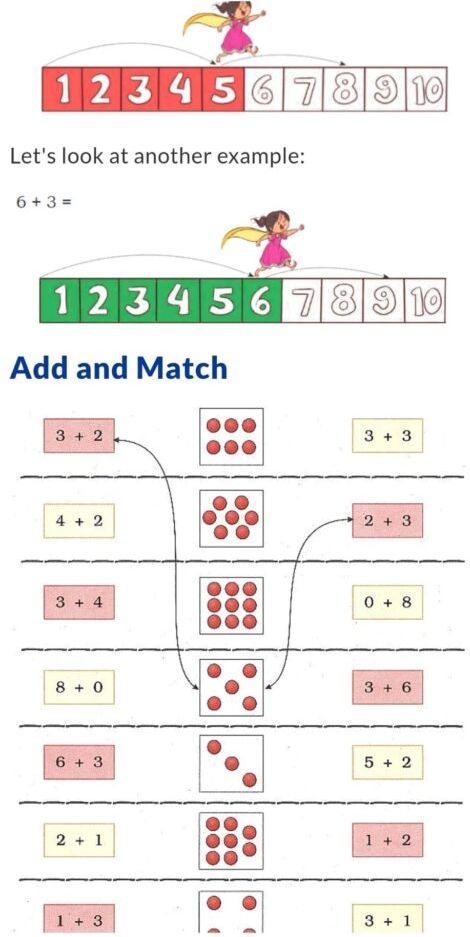
To add 6 and 3, we start from 6 and count forward by 3 as:
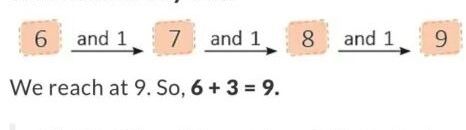
: It is easy to add if we start from the biggr number while doing addition by counting forward.

How Many Altogether?
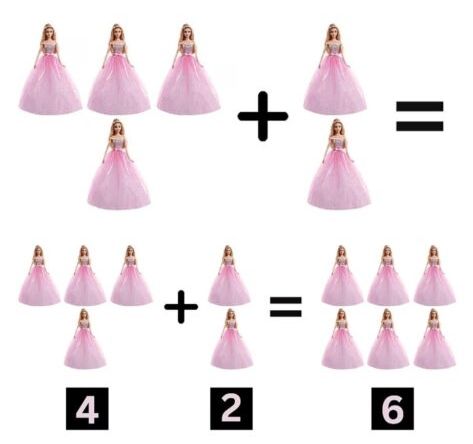
4 dolls and dolls altogether make 6 dolls. 

Addition of Two Single Digit Number
Horizontal Addition
Adding numbers by writing them in a line (across) is called horizontal addition.
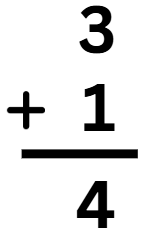
Example 1: What do you get by adding 3 and 1? 
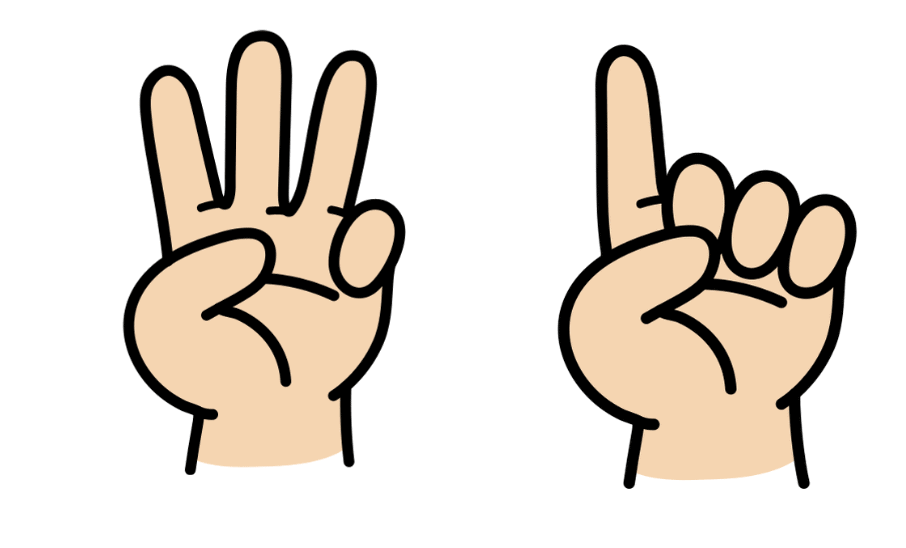
Ans:

Example 2: What is 3 plus 5? 
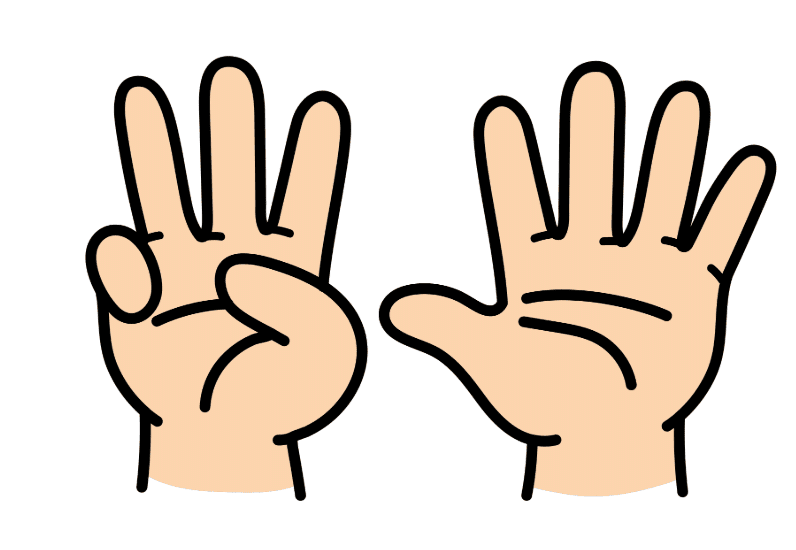
Ans:
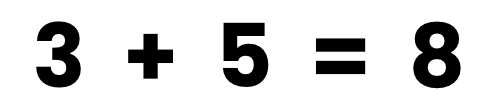
Vertical Addition

  • Adding numbers by writing them one below the other (down) is called vertical addition.
  • We can add the same examples as above vertically also. 
    Example 1:
Example 2:
Adding 0 to a number
There are 4 friends playing. No more friends joined them.
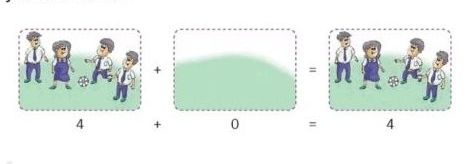
When we add 0 to a number, the sum is the number itself. 

Addition with Dice

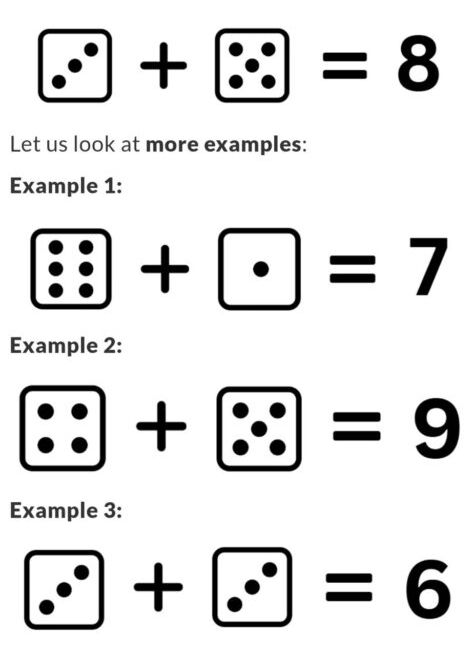
  • Did you know that you can use dice to practice addition? Each die has dots on its sides, and when you roll two dice, you can add the dots together to find the total.
  • For example, if one die shows 3 dots and the other shows 5 dots, you can add 3 and 5 to get 8.
  • It’s like a little math puzzle every time you roll the dice!
Hopping Fun

  • Imagine a line of numbers on the ground, and you’re the hero hopping to find answers!
  • Start at 0.
  • If you want to add and 3, first take 5 steps ahead and hop on 5.
  • Now take 3 more steps. Where do you land?
  • You land on 8, which is your answer!
  • Each hop is like a fun jump to solve the problem!
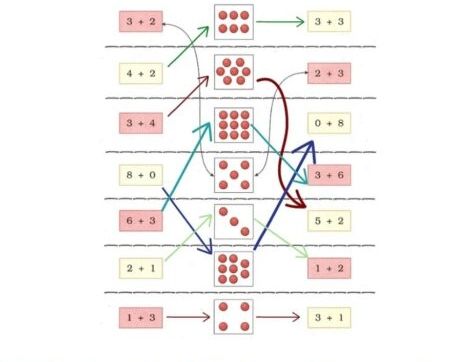
Let’s match it:
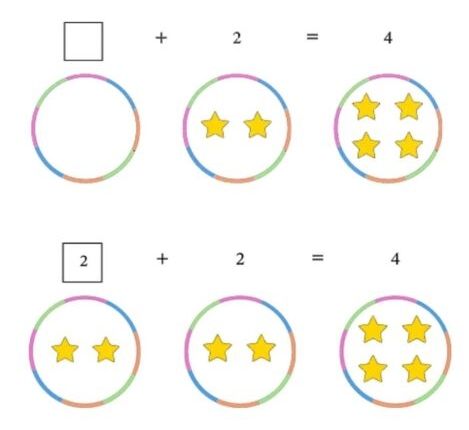
Writing the Missing Numerals
What is Subtraction?
Subtraction means to take away something. Subtraction uses a minus (-) symbol.
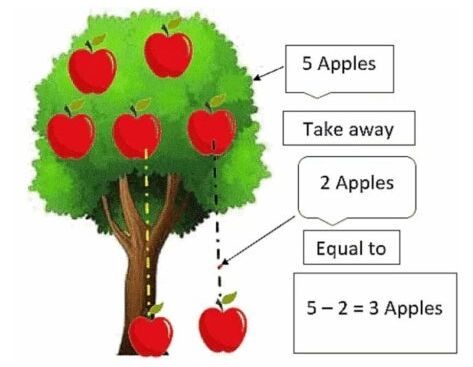
Take Away

  • There are 8 carrots in the basket. A rabbit takes away 3 carrots. How many carrots are left in the basket now
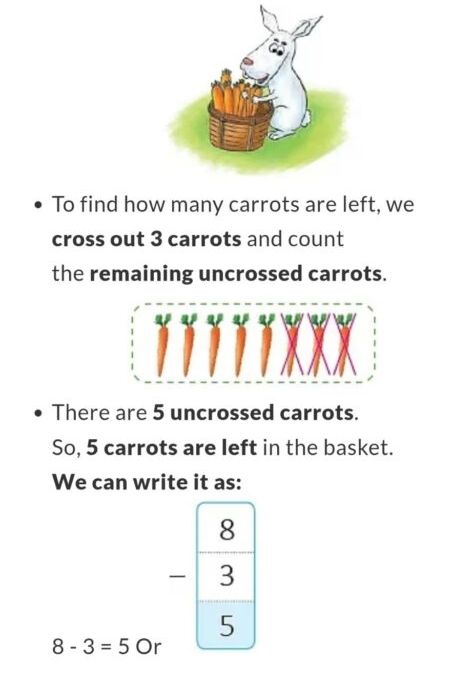
 When we write the smaller number below the bigger number for subtraction,
it is called vertical subtraction.

Pictorial and Numerical subtractionThe number we get after subtracting two numbers is called the ‘difference’ of these numbers. Let us see the difference between these numbers. 

  • Four little dicky birds sitting on a tree, one flew away and then they were
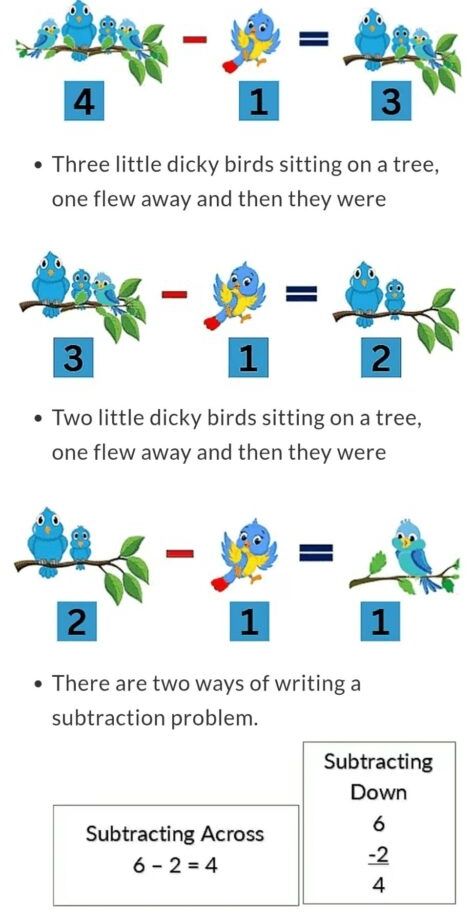
Subtracting Objects


Let’s take an example
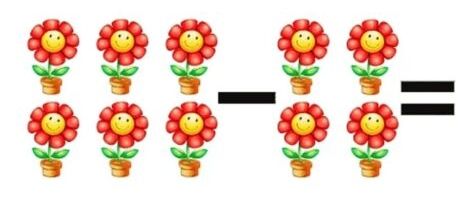
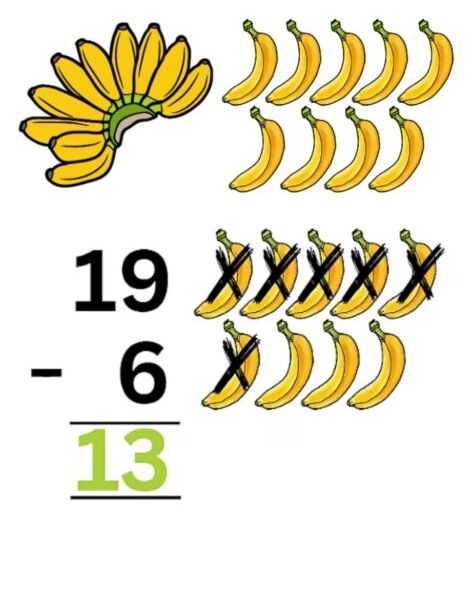
Here, we count the flowers given before the sign of minus and after the sign of minus. We subtract it through the normal method of subtraction.
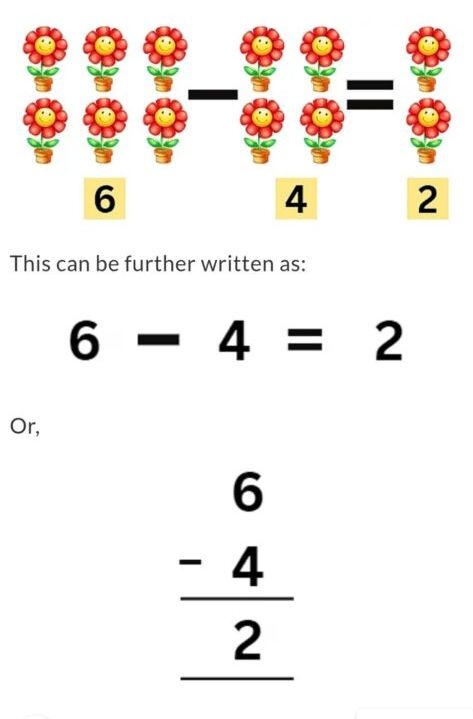
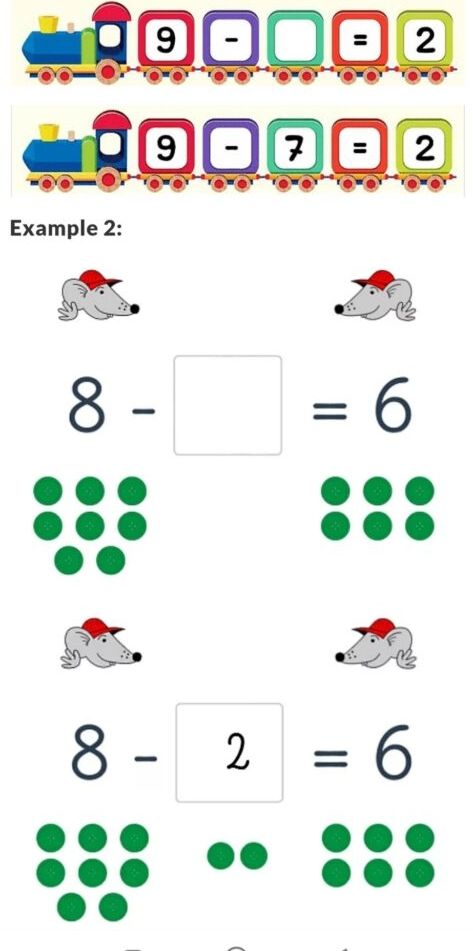
Writing the Missing Numbers


Example 1:
Hopping backwards

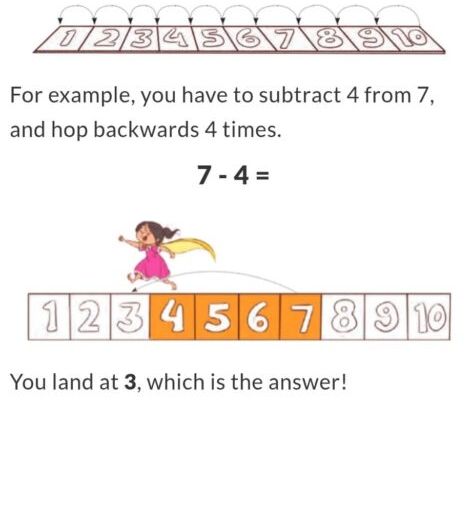
  • Now let’s try something different! Imagine the same number line, but this time, instead of hopping forward, you hop backward.
  • For example, if you start at 5 and subtract 2, take two steps back: 43.
  • You stop at 3—that’s the answer!
  • It’s like rewinding your steps to solve the problem!
04. Making 10 (Numbers 10 to 20) – Chapter Notes

Introduction

  • Imagine you have a bunch of toys. How do you know how many you have? You count them—1, 2, 3, 4, 5! Counting helps us know how many things are around us.
  • We count everything—apples in a basket, steps we take, balloons at a party, and stars in the sky! Numbers help us keep track of things, compare groups, and even solve puzzles.
  • Let’s explore counting and see how numbers help us in everyday life!

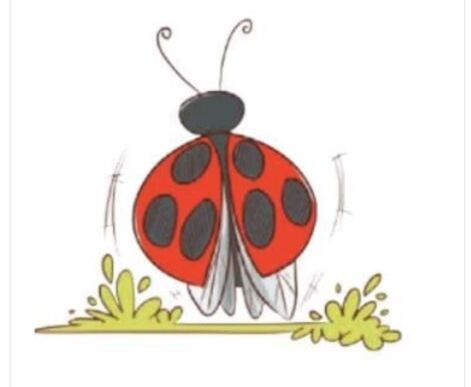
Try yourself:How many dots are there on the ladybug?

  • A.7
  • B.6
  • C.8
  • D.5

View Solution

What is Zero?

  • Imagine you have 3 chocolates and you eat them all. Now, how many are left? Zero! Zero means nothing or none. It shows that something is not there.
  • We see zero everywhere! If there are zero apples in the basket, it means the basket is empty. When the countdown reaches zero, it means it’s time to start!
  • Zero is a special number that helps us in counting and math.

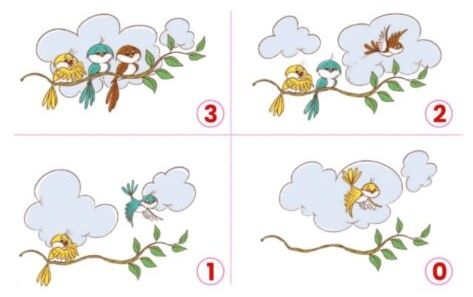
For example: Look at a tree. Three birds are sitting on a branch. One bird flies away—now, two are left. Another bird flies away—now, only one is left. When the last bird flies away, how many are left? Zero!

Bundle of Ten
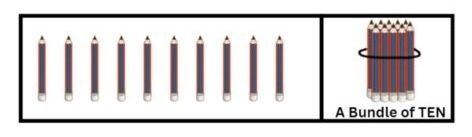
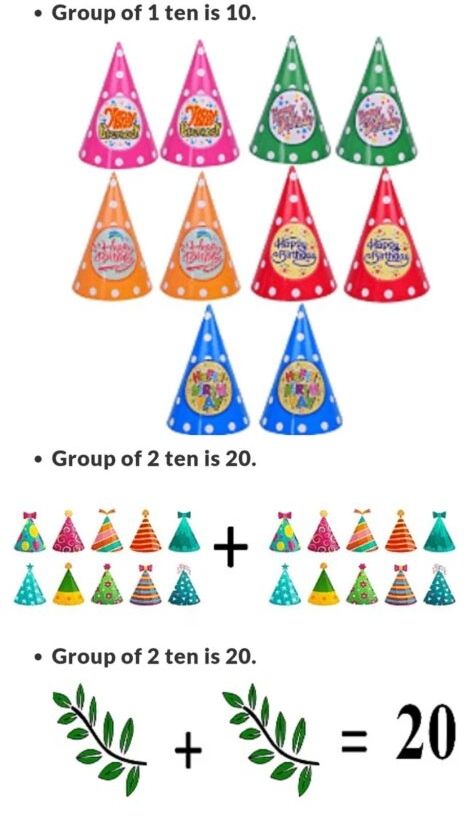
A bundle of ten is a group of ten things that are all together in one place.
Example: You have a bunch of pencils scattered around your desk, but you need to keep them all together so you don’t lose them. What do you do? You gather them up and tie them together with a rubber band, creating a bundle of ten.

Make a Group of 10
Look at all those delicious ice creams! But did you know that we can make them even more fun by counting them and grouping them into bundles of 10?
Now, let’s take these 10 ice creams and make a bundle.

Making 10 with Number Pairs

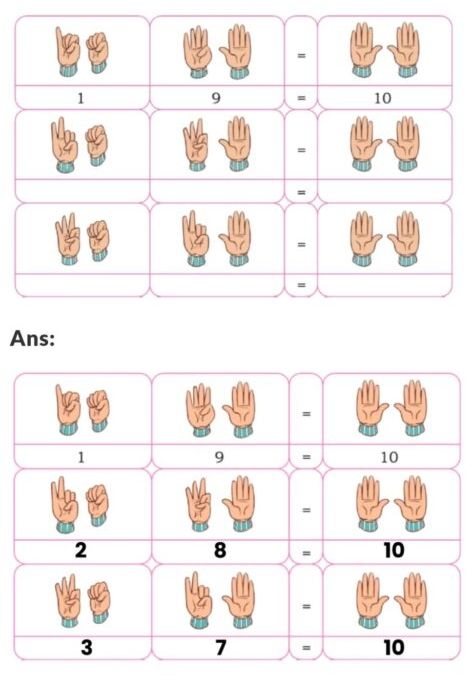
Let’s play a finger-counting game! Hold up all 10 fingers—that’s 10 in total! Now, what happens if you fold some down?

  • If you fold 5 fingers, how many are still up? 5! So, 5 + 5 = 10.
  • If you fold 4 fingers, how many stay up? 6! That means 6 + 4 = 10.
  • What if you fold 2 fingers? You still have 8 up, so 8 + 2 = 10!

There are so many ways to make 10 using two numbers! 

Question: Look at the images and write down the number pairs of 10. 

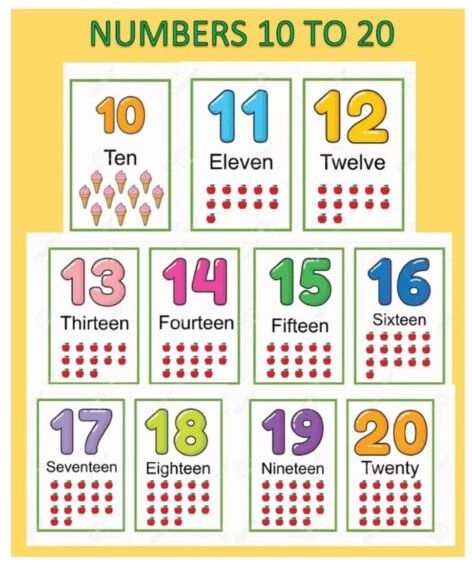
Counting from 10 to 20

Writing Numbers
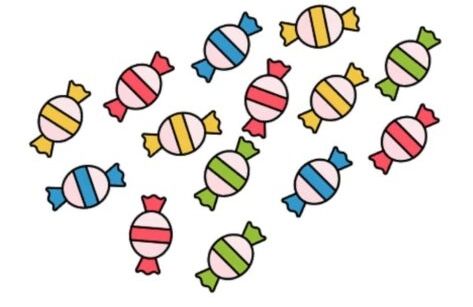
Do you see all those colourful and yummy toffees?

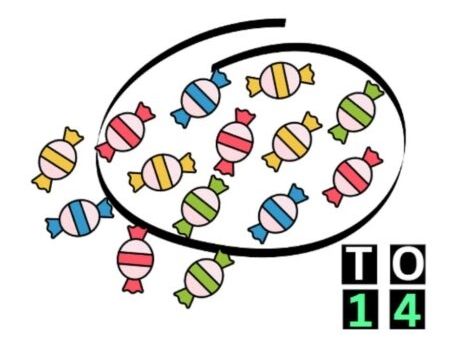
There are so many toffees. Let’s make a group of 10 and write 1 in tens place. Now, how many toffees are left? We write down 4 in the ones place. And what does this mean? It means that we have a total of 14 toffees!

More or Less

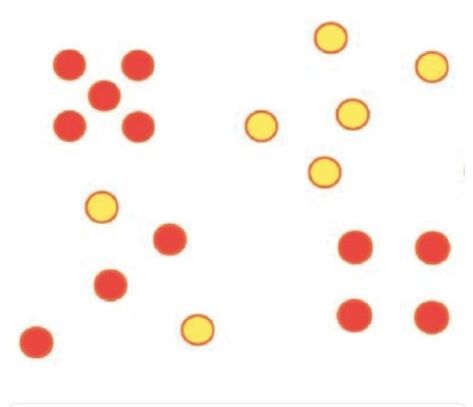
  • When we say “more”, we mean that there is a bigger amount of something. For example, if you have 5 apples and your friend has 7 apples, then your friend has more apples than you.
  • On the other hand, when we say “less”, we mean that there is a smaller amount of something. For example, if you have 10 pencils and your friend has 6 pencils, then your friend has fewer pencils than you.

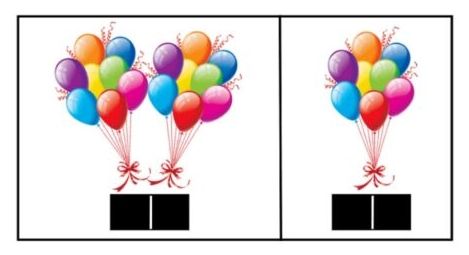
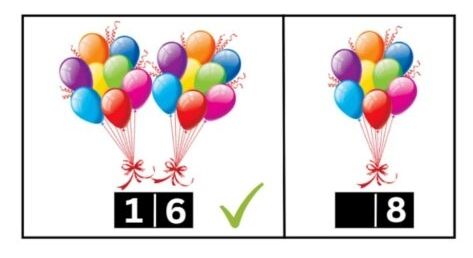
Example 1: Count the number of balloons and tick the group with more objects.

The number of balloons in the first box is 16 and in the other box is 8. So the left group has more balloons.

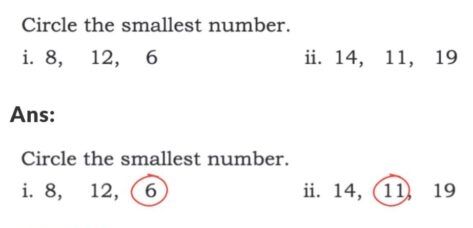
Example 2: 

Addition
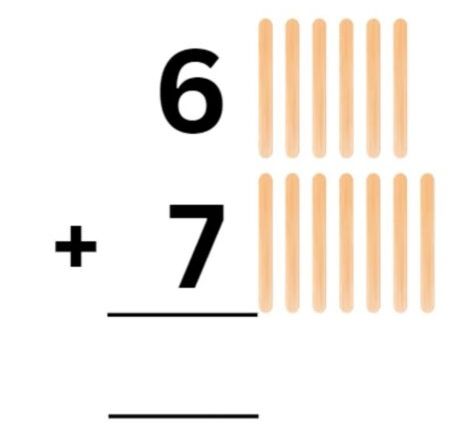
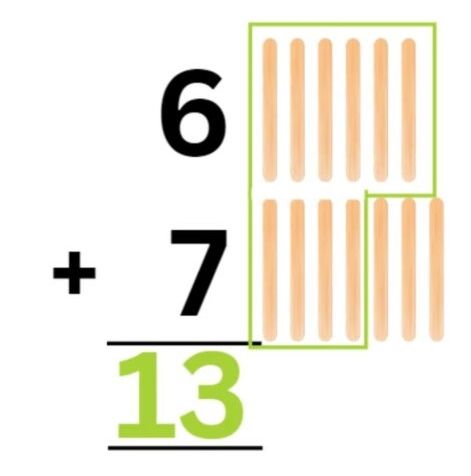
Example: Let’s say we want to add 6 + 7.
To make it easier, we can imagine that we have two groups of sticks. We have 6 sticks in one group and 7 sticks in another group.

Now, we can bundle the sticks into a group of 10. We take 6 sticks and add 4 more to make a bundle of 10. We write down the number 1 in the tens place (the column on the left) to show that we have one bundle of 10. Then, we write down the number of sticks we have left in the ones place (the column on the right). In this case, we have 3 sticks left over.

Subtraction

03. Mango Treat (Numbers 1 to 9) – Chapter Notes

Table of contents

Story Time

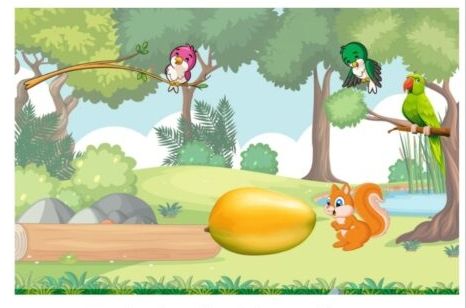
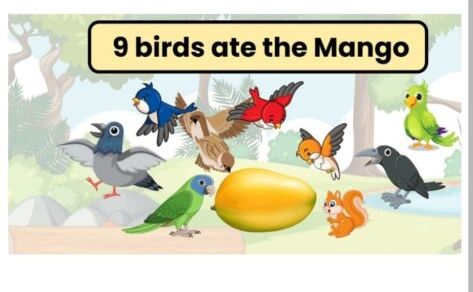
In a forest, A squirrel was eating a mango. Many birds were watching it.

Squirrel eating Mango Alone.

After some time, one bird flew and joined the squirrel. And just like that, one by one many birds joined them. 

In the end, everyone enjoyed eating the Mango.

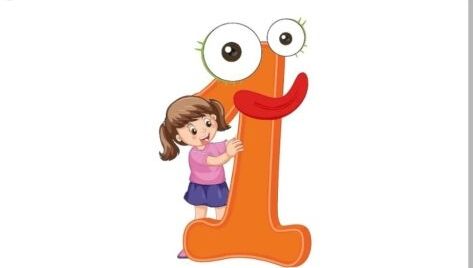
Counting One to Nine ( 1 to 9)One (1)

1 is a special number that comes first when we start counting. We can think of it as the very beginning! 

One

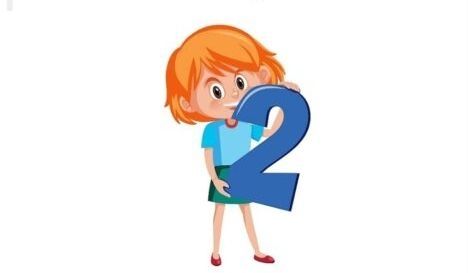
Two (2)

The number 2 is also a special number that we use to count and describe things. It tells us how many things we have or how many there are of something.

Two

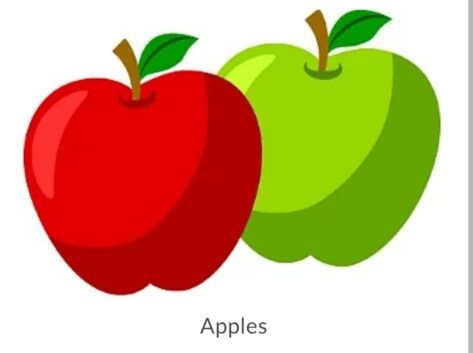
Question: How many apples do you see below 

Ans: I c.an see two (2) apples here.

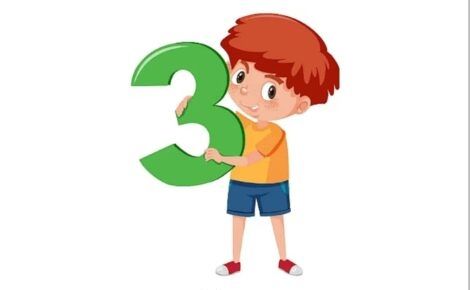
Three (3)

The number 3 is a special number that we can use to count and represent things. It’s a number that comes after 2 and before 4.

Three

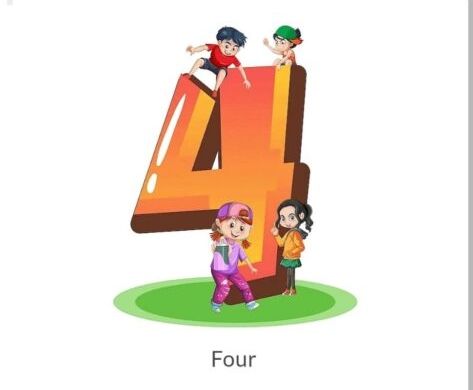
Four (4)

The number 4 is a special number that we can use to count things. It is a small number, and you can think of it as the number of fingers on one hand if you don’t count your thumb. 

Four

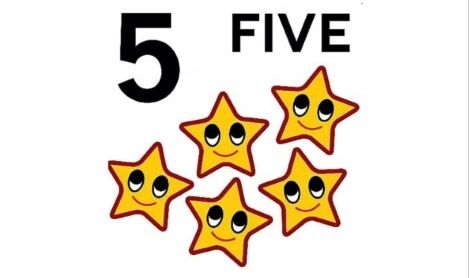
Five (5)

The number 5 is a counting number that comes after 4 and before 6. It’s a number we use to count and represent things.

Can you count the number of stars below

Five

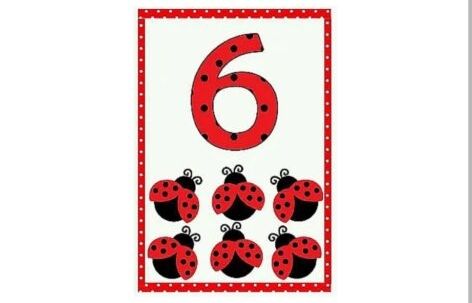
Six (6)

The number 6 is a counting number that comes after 5 and before 7.  

Can you count the number of beetles below

Six

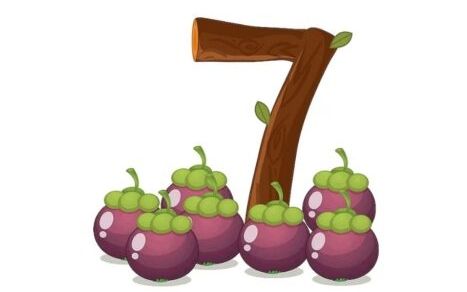
Seven (7)

The number 7 is a counting number that comes after 6 and before 8. 

Can you count the number of brinjal belo

Seven

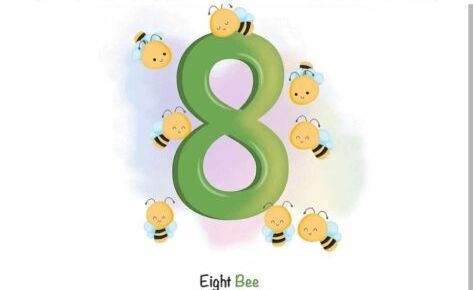
Eight (8)

The number 8 is a counting number that comes after 7 and before 9.  

Can you count the number of bees below

Eight

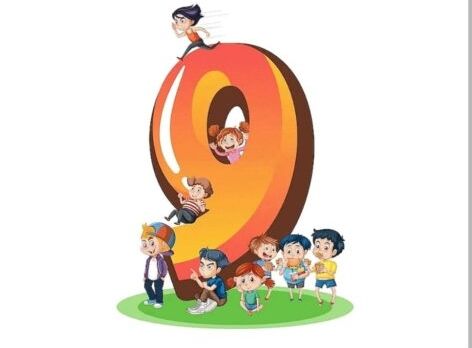
Nine (9)

The number 9 is a counting number that comes after 8.  

Can you count the number of children below?   

Nine

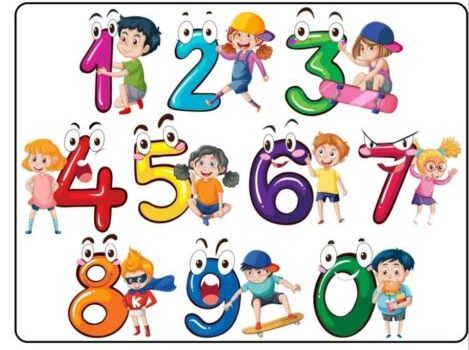
Let’s see the counting once again.

Counting

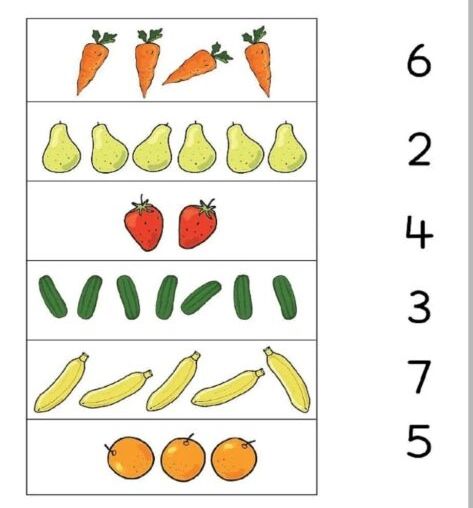
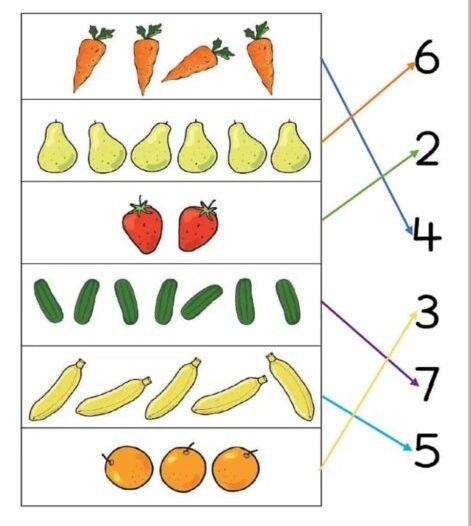
Can you Count and Match?
Count the number of fruits in each row. Draw a line to match it with the correct number.

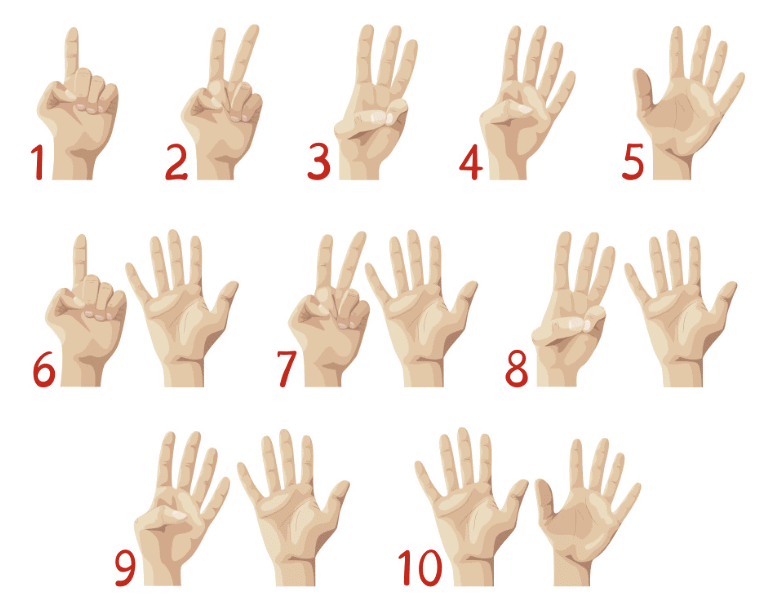
Counting on Fingers

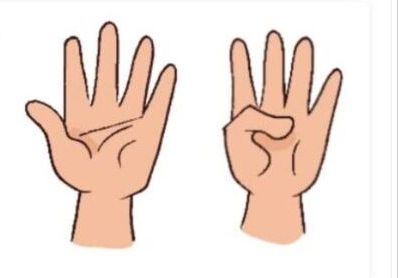
  • Hold up your hands! You have five fingers on one hand and five fingers on the other. If you count them one by one, you get ten fingers in total!
  • We use our fingers to count every day.

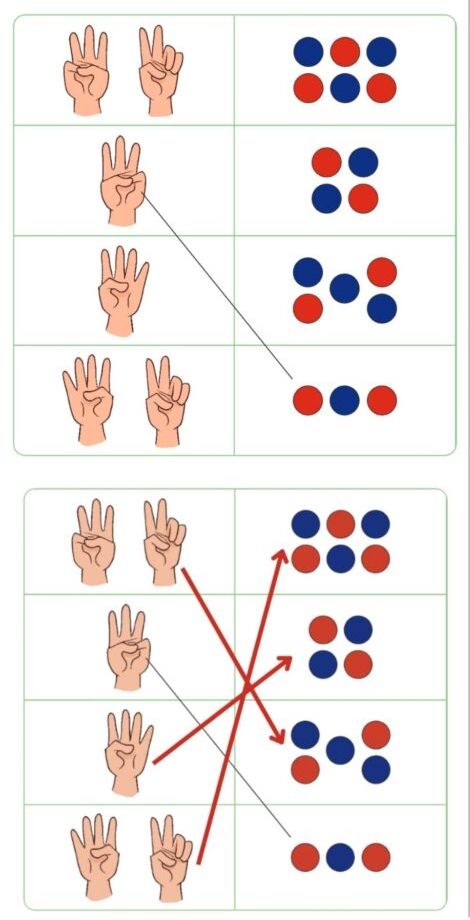
Match the Following

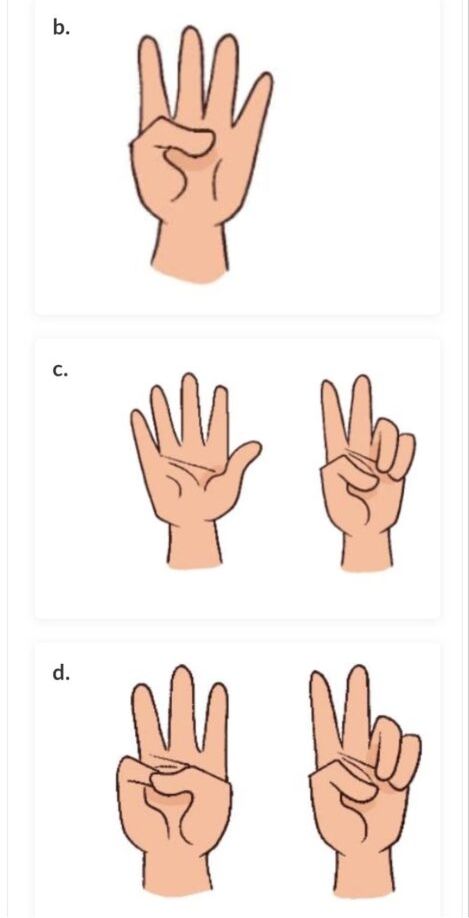
Now, count the dots on the right and match them with the number of fingers on the left.

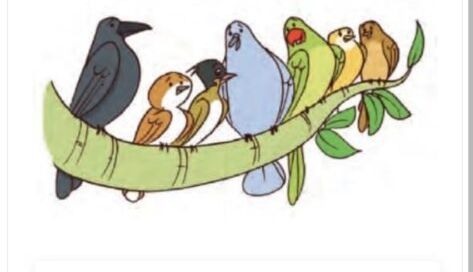
Try yourself:How many birds are there on the branch?

  • A.

View Solution


Count and Colour

  • Counting and colouring help us understand numbers and colours in a fun way!
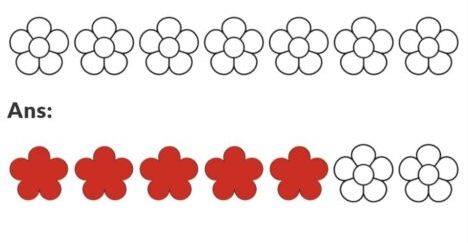
  • We can count and colour anything—5 balloons can be red3 stars can be yellow, and 2 apples can be green. First, we count to know how many, and then we colour to make them bright and fun!

Question: Count and colour five flowers.


Grouping Together

  • Look at your toys. You can put all the cars together in one group and all the dolls together in another. This is called grouping together—we sort things to make them easy to count and understand!
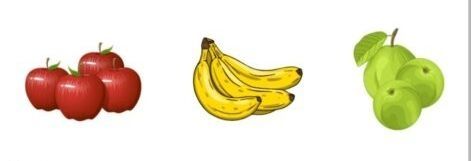
  • Now, let’s try grouping with fruits.

Ans:

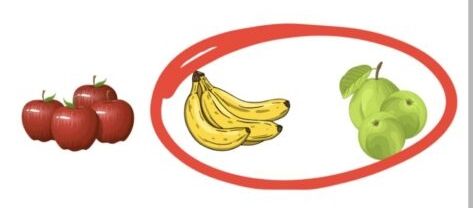
  • We have 4 apples, 3 bananas and 3 guavas. 
  • If we add 4 apples and 3 bananas, we get 7 fruits.
  • If we add 4 apples and 3 guavas, we again get 7 fruits.
  • On adding 3 bananas and 3 guavas together, we get 6 fruits

Get ready to watch a video to learn Count and Match:

02. What is Long? What is Round? (Shapes)

Chapter notes

Shapes

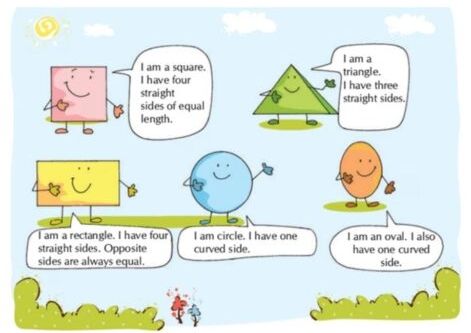
Let us visit the shape land. Different shapes will introduce themselves:


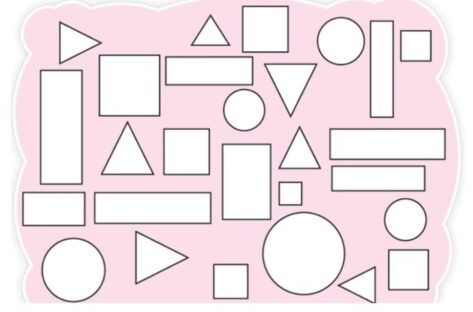
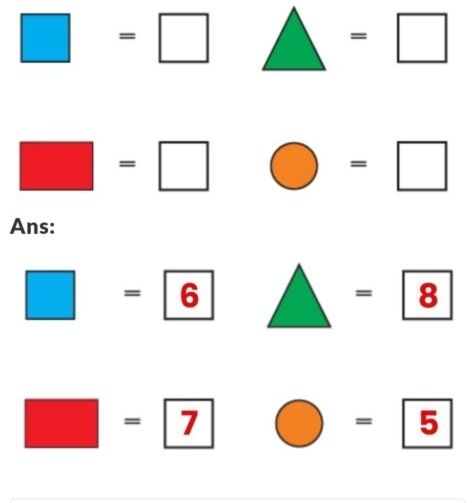
Now, look at the shapes below:


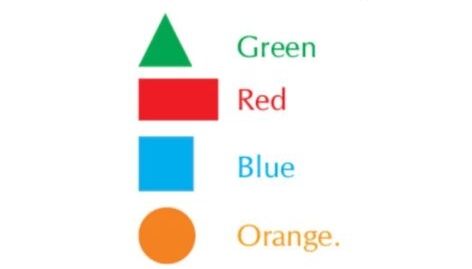
Colour the shapes like the following:


Question: Count the shapes above and write them.

Try yourself:   What is this shape called?

  • A.Circle
  • B.Square
  • C.Rectangle
  • D.Triangle

View Solution

What is Long? What is Round?

Long Shapes

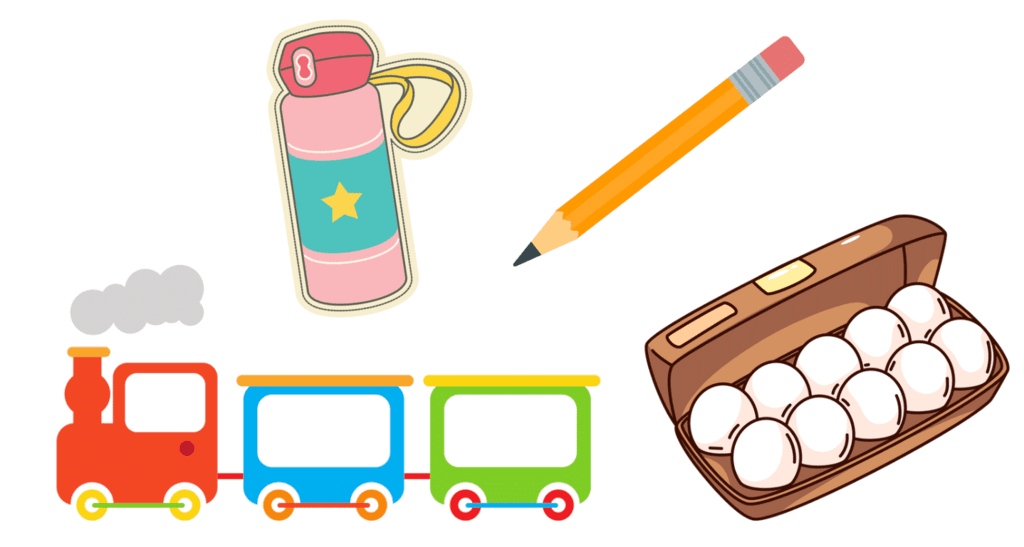
Look around you! Some things are long, like a pencil or a ruler. They stretch from one end to the other. A bottle, a rope, and a train are also long in shape.

Round Shapes

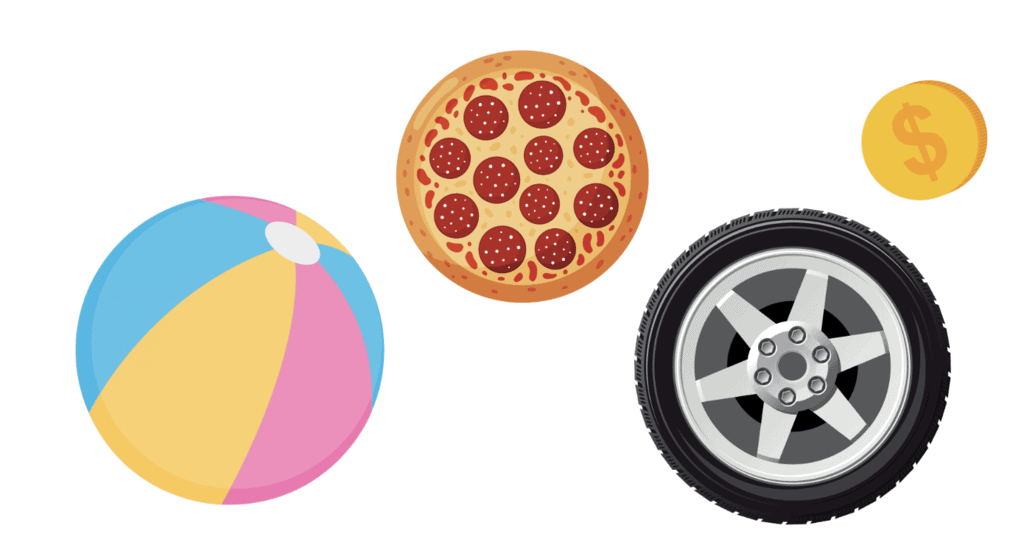
Other things are round, like a ball or a coin. They are curved and have no corners. The sun, a plate, and a wheel are all round in shape.

Long and Round Shapes

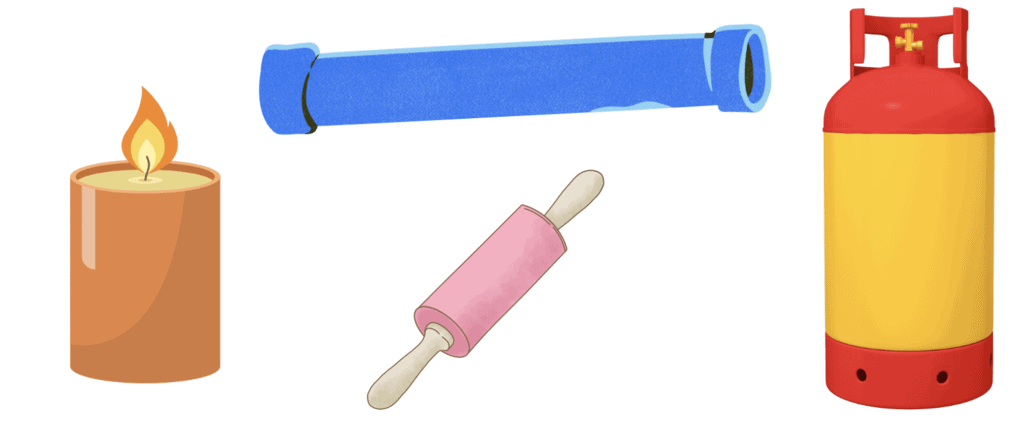
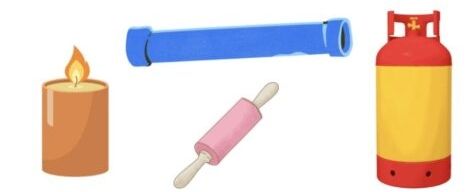
Some things can even be long and round—like a rolling pin or a pipe! Let’s explore more long and round shapes around us!

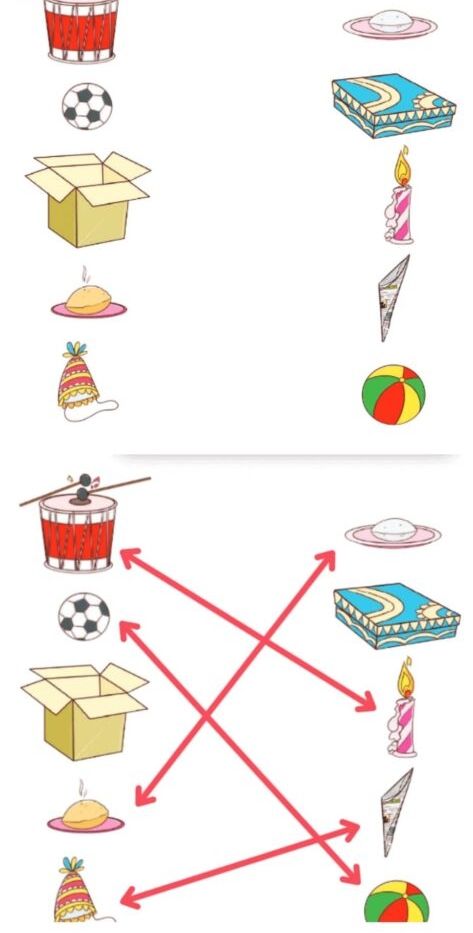
Match the Shapes

  • Let’s try a fun activity
  • Can you match objects that are similar in shape?

Some More Shapes

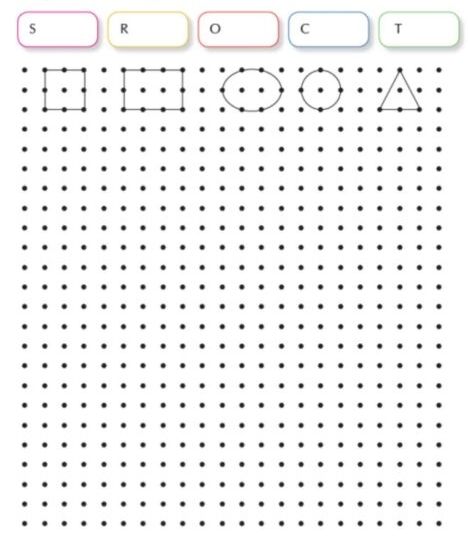
Join the dots to make some more plane shapes as shown. Write the names of the shapes in the given boxes.

What is Rolling?

  • Have you ever played with a ball? When you push it, it rolls across the floor. Rolling means moving by turning round and round.
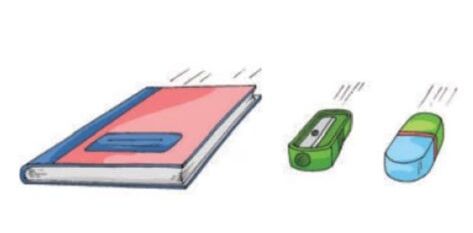
  • Things that are round can roll easily, like a wheel, a marble, or an orange. But things that are flat or box-shaped, like a book or a toy block, do not roll.

What is Sliding?

  • Have you ever gone down a slide at the park? You don’t roll—you slide straight down! Sliding means moving smoothly from one place to another without turning.
  • Things that are flat or smooth can slide easily, like a book on a table, a coin on the floor, or an ice cube on a smooth surface.


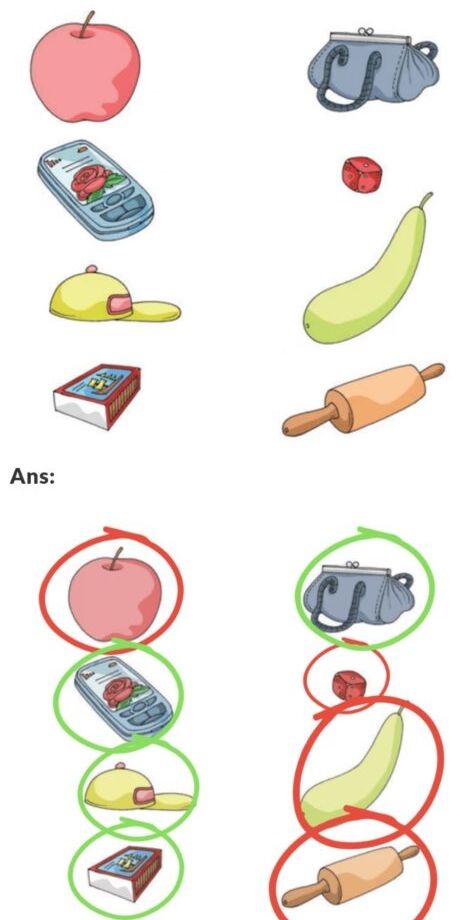
Question: Encircle the objects that roll with a red crayon and the objects that slide with a green crayon.

Objects That Slide and Roll

  • Some objects can both roll and slide! It depends on how you place or push them.
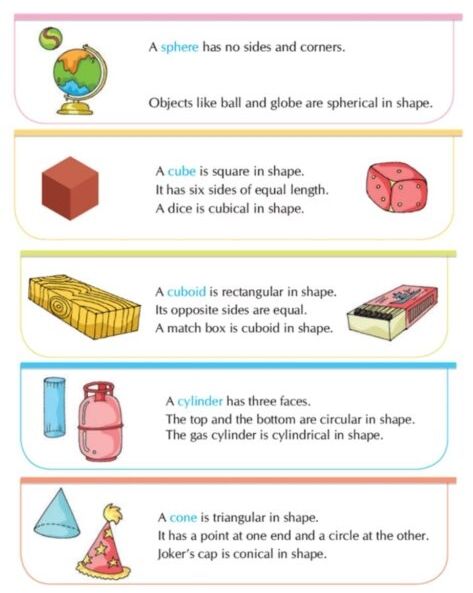
  • For example, a cylinder (like a battery or a rolling pin) will roll if you push it on its curved side, but it will slide if you place it on its flat end and push it.
  • dice can also do both. If you push it gently, it slides on its flat side. But if you toss it, it rolls over its edges.
  • Try this—take a bottle, a coin, or a tin can. Push them in different ways and see if they roll, slide, or both! Let’s explore how shapes help objects move!
  • These are objects that are both round and long

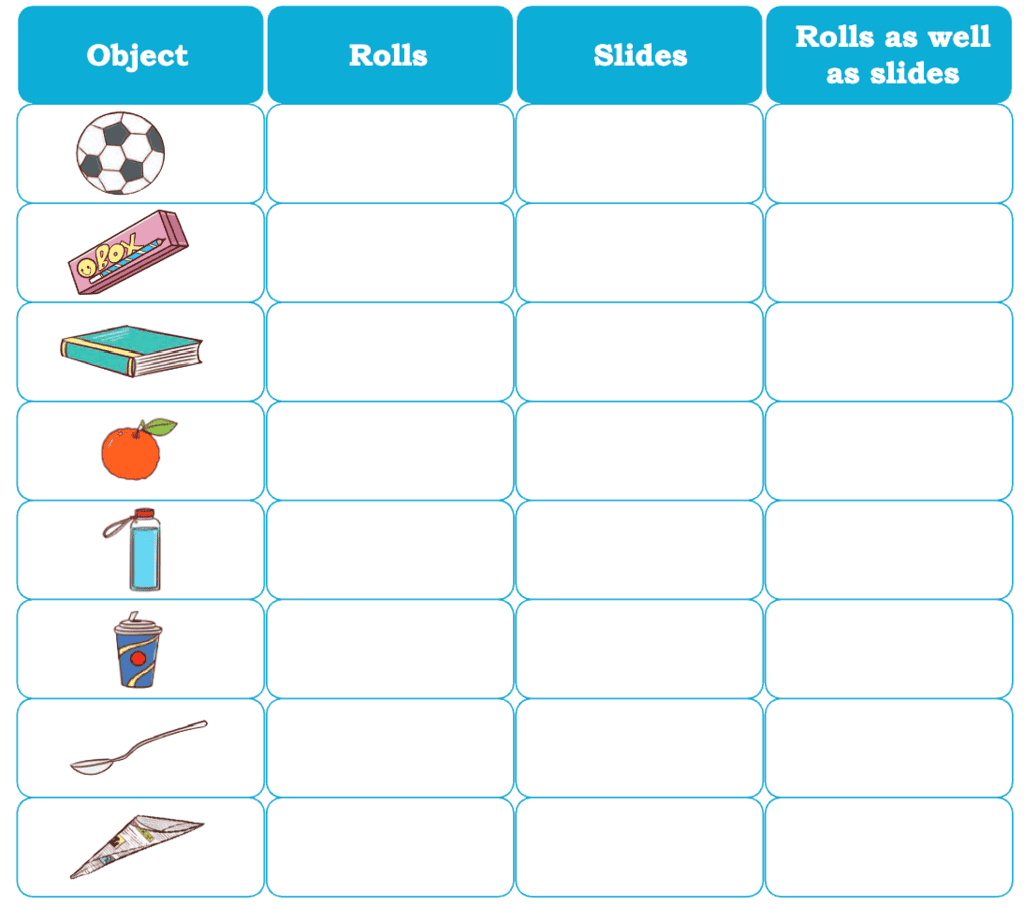
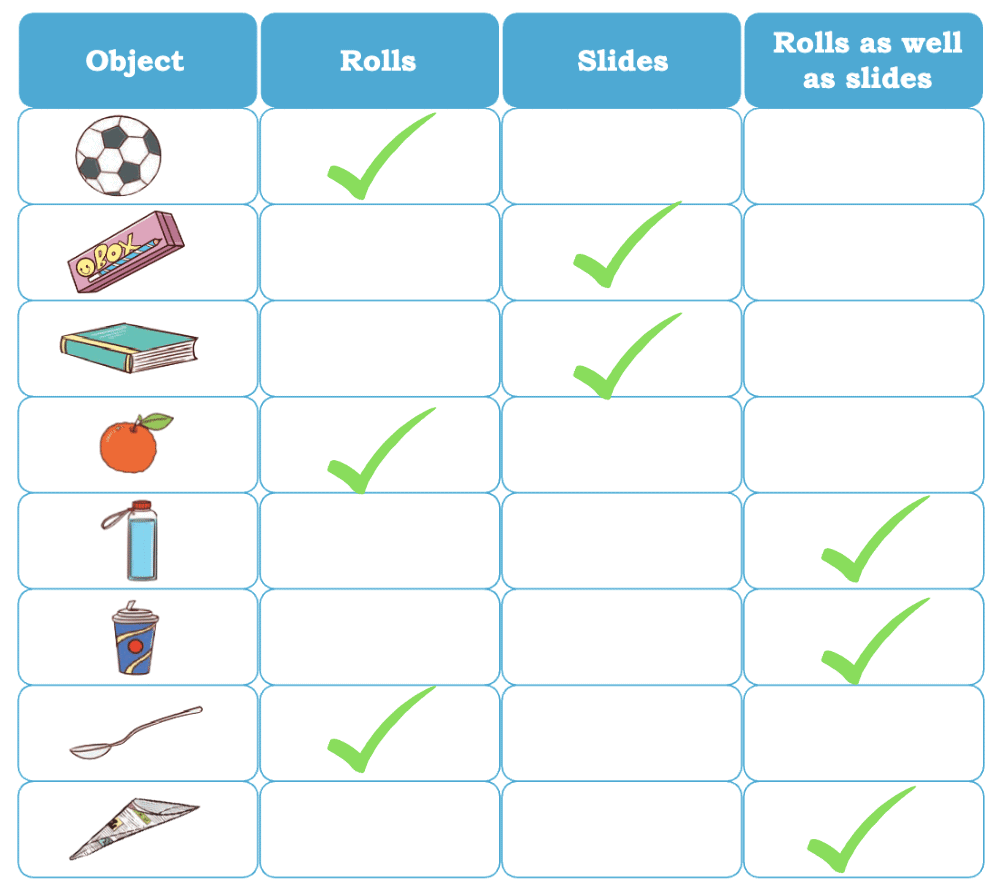
Question: Find whether the following objects roll, slide or do both.

Ans:

01. Finding the Furry Cat! (Pre-number Concepts) –

Chapter notes

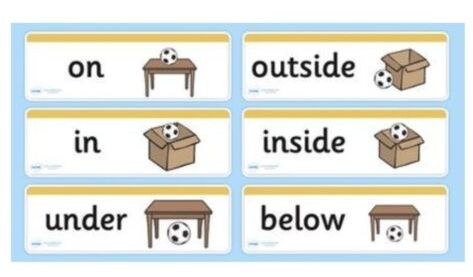
  • Imagine you have a big toy box. Some toys are inside the box, and some are outside. Your favorite teddy might be on the bed, while your shoes are under it.
  • We use these words to talk about where things are. Is the cat on the wall or under the table? Is the book inside your school bag or outside?
  • Let’s explore these ideas and learn how to describe the world around us in a fun way!

Inside – Outside

  • Look at a bird in a cage. The bird is inside the cage, but when the door opens, it flies outside.
  • Every day, we see things that are inside or outside. Your toys are inside the toy box, but your bicycle is outside in the park. When you sit inside the car, you can see trees and houses outside the window.
  • Let’s look at some examples to understand this better!

Example 1:

Outside: 

Amit wants to go in the space.

He is standing outside a rocket.

Inside: 

Now, he gets inside the rocket – all set to go !!

Example 2:
Outside: 
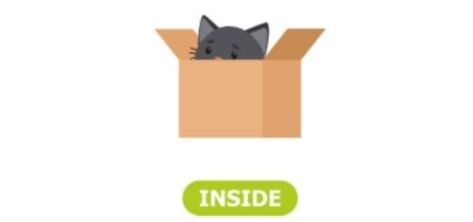
Kitty is playing the game – hide and seek. She is outside the box.

Inside: 
Now, the Kitty is inside the box. 

Example 3: 
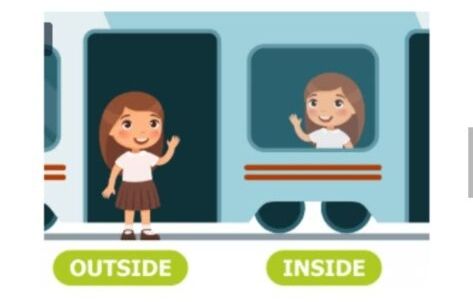
Reema is saying good-bye to her twin sister Seema who is going on a school trip

Reema is outside the train coach. Seema is inside the train coach.

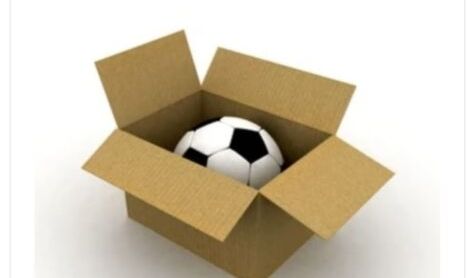
Try yourself:Fill the in the blank:The ball is ________ the box.

  • A.Inside
  • B.Outside
  • C.Above
  • D.Below

View Solution

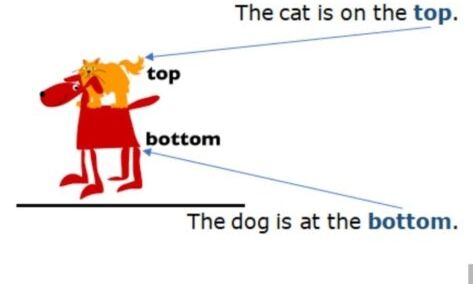
Top – Bottom

  • Imagine holding an ice cream cone. The scoop of ice cream is at the top, and the cone is at the bottom. If you look at a mountain, the peak is at the top, and the base is at the bottom.
  • We see top and bottom everywhere! The sun shines at the top of the sky, while the grass grows at the bottom on the ground. When you climb stairs, you start from the bottom and go up to the top.
  • Let’s explore more about top and bottom and find fun examples around us!

Example 1:


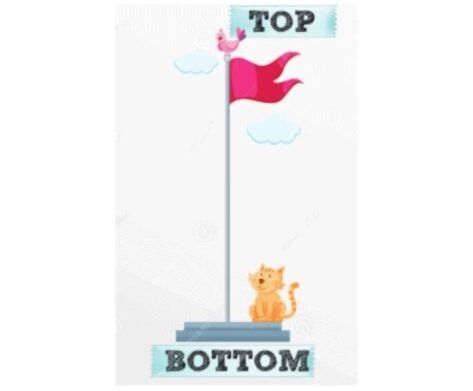
Example 2:
The cat unfurled the flag.


Tweety is sitting on the top of the flag. Kitty is at the bottom.

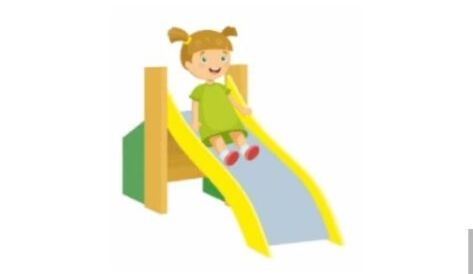
Example 3:
Top:  

                                                                                     The girl is on the top of the swing.


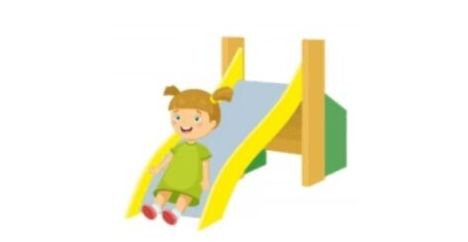
Bottom:

She is now at the bottom. 

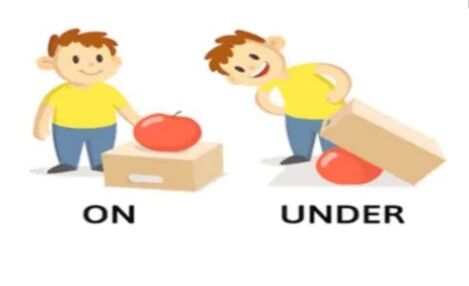
On – Under

  • Look at your table. Your book is on the table, but your school bag is under it. When you sit on a chair, your feet are under the table.
  • We see on and under everywhere! The stars shine on the sky, while the roots of a tree grow under the ground. A cat can sit on the roof or hide under the bed.
  • Let’s explore more about on and under and see how they help us talk about where things are!

Example 1:
On: 

The kitty is on the chair.


Under:

The kitty is under the table

Example 2:
On:

The flower vase is on the table


Under:

Example 3:
The slippers are under the table.


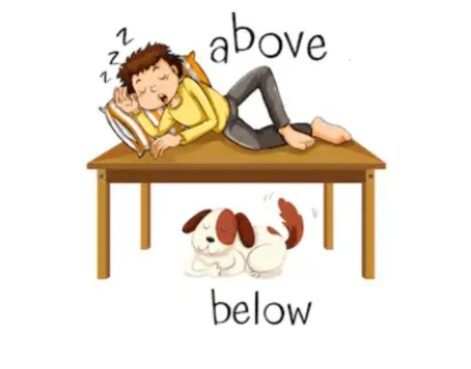
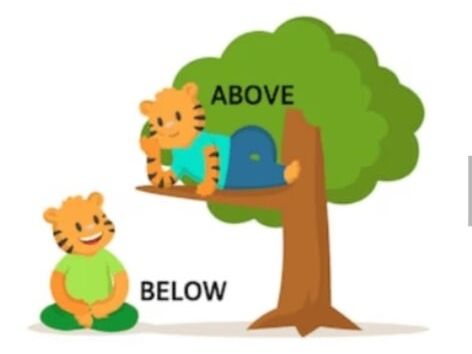
Above – Below

  • Imagine a big tree. The branches are above, and the roots are below the ground. When you jump, you go above the floor, and when you land, you come back below where you started.
  • We see above and below everywhere! The sun is above in the sky, while the grass is below on the ground. A clock on the wall is above the table, but the drawer is below it.
  • Let’s explore more about above and below and see how they help us understand where things are!

Example 1:
The boy is sleeping above the table.


Example 2:
The dog is sleeping below the table.

The lion in blue T-shirt is above. The lion in green T-shirt is below.

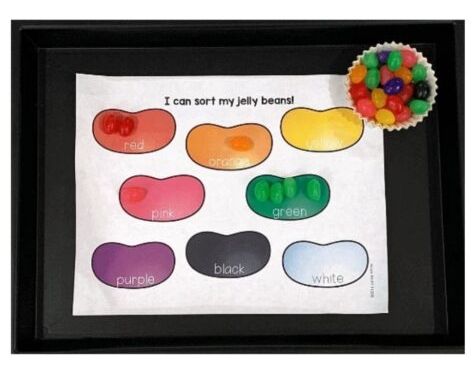
Sorting by Color

  • Look at your crayons. Some are red, some are blue, and some are yellow. If you put all the red crayons together, all the blue ones together, and all the yellow ones together, you are sorting by colour!
  • We see colours everywhere! Apples are red, bananas are yellow, and grass is green. When you keep all red toys in one box and all blue toys in another, you are sorting by colour.

After – Before

  • Think about counting numbers. 4 comes before 5, and 6 comes after 5. When you say the alphabet, B comes before C, and D comes after C.
  • We use before and after every day! You wake up before 7 o’clock and go to school after 8 o’clock. If you stand in a line, the 2nd person is before the 3rd, and the 4th person is after the 3rd.
  • What comes after 1 but before 3?
  • What comes after 5?
  • What comes before 3?