14. The Surajkund Fair- Worksheet Solutions

Q1: Draw the Line of Symmetry

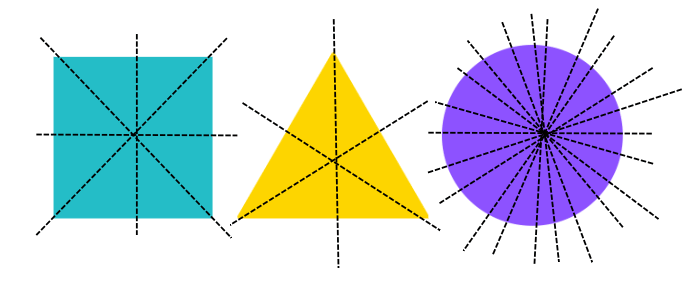
Instructions: Draw a line of symmetry for each of the following shapes. Ans:

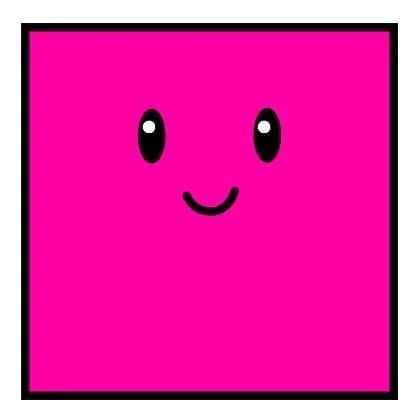
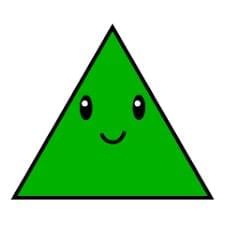
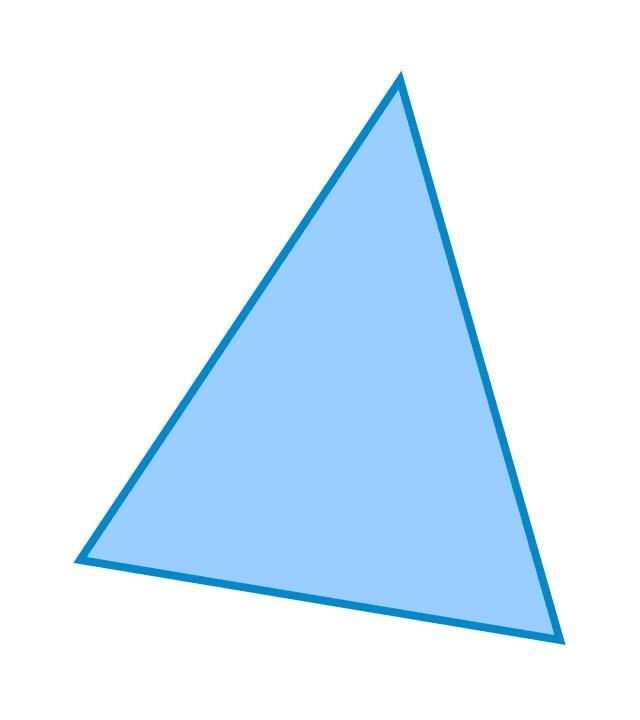
The square has 4 lines of symmetry. The triangle has 3 lines of symmetry. The circle has infinite lines of symmetry.


Q2: True/False

Instructions: Write ‘True’ or ‘False’ for the statements below.

i. A square has four lines of symmetry. 

Ans: True
A square can be divided into four identical halves using its lines of symmetry.

ii. A rectangle has more lines of symmetry than a circle. 

Ans: False
A circle has infinite lines of symmetry, while a rectangle only has two.

iii. A heart shape has a line of symmetry. 

Ans: True
A heart has one line of symmetry, dividing it vertically into two equal parts.

iv. A star with 5 points has 5 lines of symmetry. 

Ans: True
A 5-pointed star has 5 lines of symmetry, each passing through one point and the opposite side.


Q3: Fill in the Blanks

Instructions: Complete the sentences by filling in the blanks with the correct words.

i. Symmetry means that an object is the same on both _____.

Ans: sides

ii. A line of symmetry divides a shape into two _____ halves.

Ans: equal
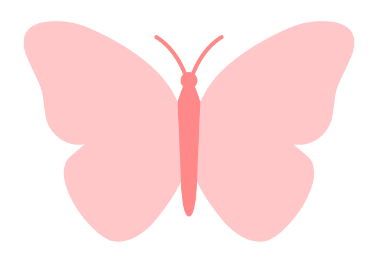
iii. A butterfly has _____ line of symmetry. 

Ans: one
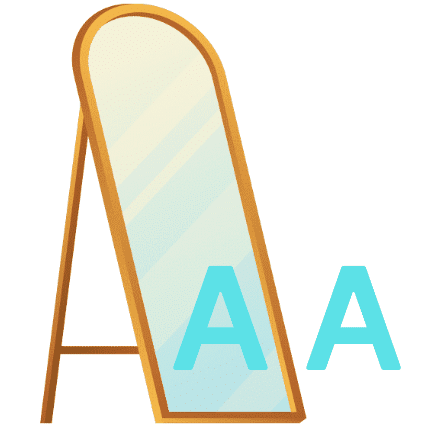
iv. The letter “A” has a _____ image when placed in front of a mirror. 

Ans: symmetrical

v. Shapes that do not have symmetry are called _____.

Ans: asymmetrical

Q4: Identify the Symmetry

Instructions: Identify how many lines of symmetry the following shapes have.

i. A square 

(a) 2
(b) 4
(c) 1
(d) 3

Ans: (b)
A square has 4 lines of symmetry, one for each diagonal and one for the vertical and horizontal lines through its center.

ii. A circle 

(a) 2
(b) 3
(c) Infinite
(d) 1

Ans: (c)
A circle has an infinite number of lines of symmetry as it can be divided evenly along any diameter.

iii. A rectangle 

(a) 1
(b) 2
(c) 4
(d) 0

Ans: (b)
A rectangle has 2 lines of symmetry, one vertical and one horizontal, dividing it into identical halves.

iv. The letter “N” 

(a) 0
(b) 1
(c) 2
(d) 3

Ans: (a)
The letter “N” is not symmetrical and has no lines of symmetry.

Q5: Match the Symmetrical Figures
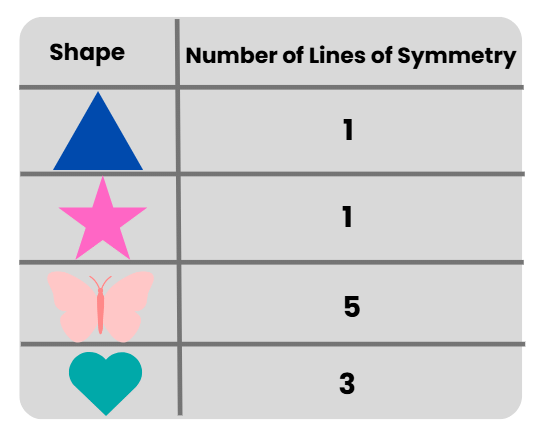
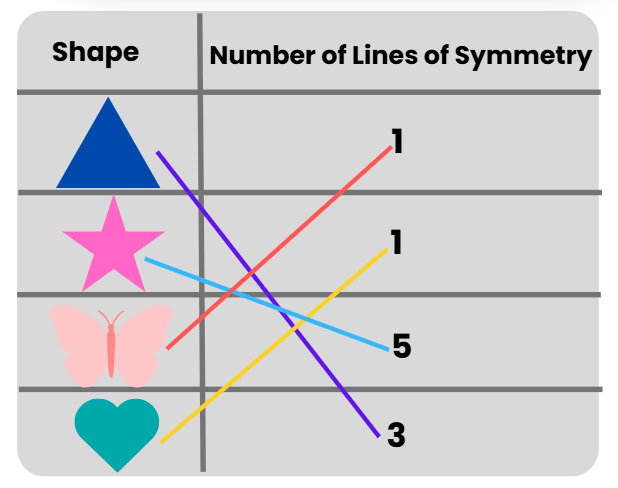
Instructions: Draw a line to match each figure on the left with the number of lines of symmetry on the right

Ans: 

Q6: Draw a Line of Symmetry

Instructions: Draw a shape that has one line of symmetry. Draw the line of symmetry.
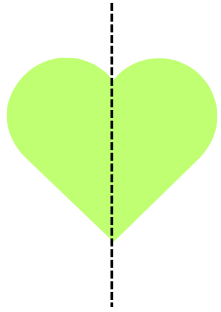
Ans: Heart shape.
13. Time Goes On- Worksheet Solutions

Q1:  If your birthday is on 3rd March, and today is 1st March, how many days are left for your birthday?

Ans: 2 days.
 From 1st March to 3rd March, 2 days are left.

Q2: Fill in the blanks:

i. There are __________ months in a year.

ii. February usually has __________ days, but in a leap year, it has __________ days.

Ans:

i. 12 months

ii. 28 days, 29 days

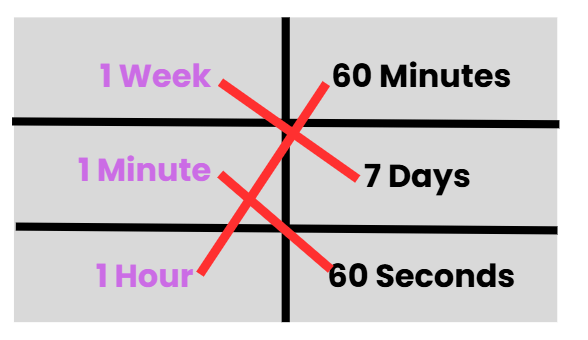
Q3: Match the following

Ans: 

Q4: Mia’s picnic is on Wednesday, 22nd May. If today is Monday, how many days until her picnic?

Ans: 2 days
From Monday to Wednesday, there are 2 days left.

Q5: State whether the given statement is true/false.
i. The minute hand moves around the clock once in 12 hours.

ii. There are 12 months in a year.

iii. February always has 28 days.

Ans:

i. False
ii. True
iii. False

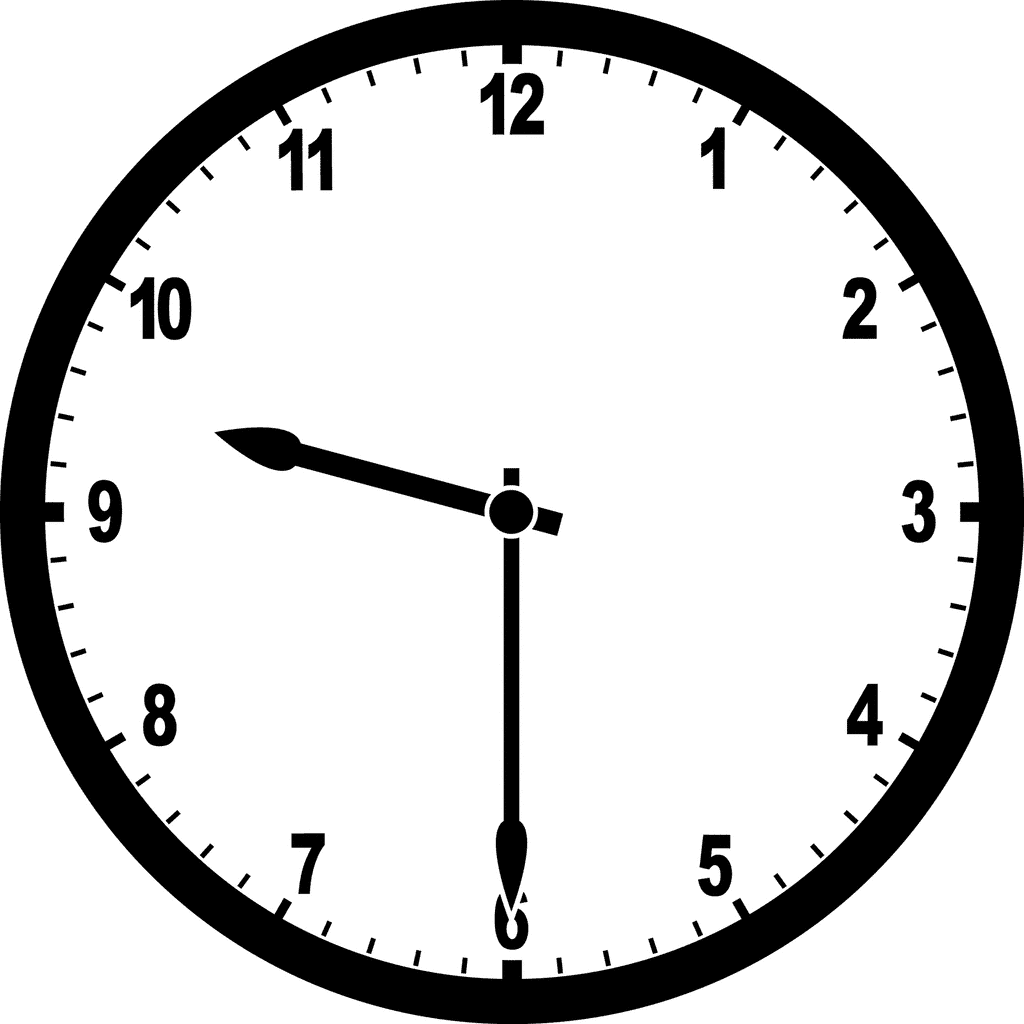
Q6: What time is shown on the clock if the minute hand is on 6 and the hour hand is between 9 and 10? 

Ans: 9:30
When the minute hand is on 6, it is half-past the hour, meaning 9:30.

12. Give and Take- Worksheet Solutions

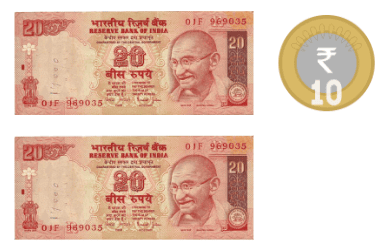
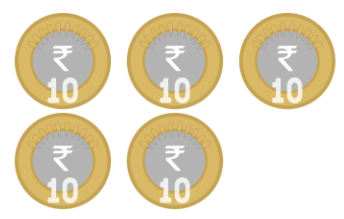
Q1: Are the notes and coins in Option A equal in value to those in Option B? State True or False.

(i) Option A: 

Option B:

Ans: True

(ii) Option A: 

Option B:

Ans: False

(iii) Option A: 

Option B:

Ans: True


Q2: Solve the following Word Problems:

(i) Samantha saved ₹20 from her pocket money each week. If she saved for 8 weeks, how much money did she save in total?
Ans: Samantha saved ₹20 x 8 weeks = ₹160 in total.

(ii) Jason bought a video game for ₹400. He sold it to his friend for ₹250. How much money did Jason lose or gain from this transaction?
Ans: Jason lost ₹400 – ₹250 = ₹150 from this transaction.

(iii) A bakery sold 120 cupcakes in the morning and 80 cupcakes in the evening. How many cupcakes did they sell in total for that day?
Ans: 120 cupcakes + 80 cupcakes = 200 cupcakes in total.

(iv) Emma had ₹100. She spent ₹35 on a new dress and ₹20 on a book. How much money does Emma have left?
Ans: ₹100 – ₹35 – ₹20 = ₹45 left.

(v) A farmer had 200 apples. He sold 150 apples in the market. How many apples does he have left?
Ans: 200 apples – 150 apples = 50 apples left.


Q3: Estimate the answers to the nearest hundred. 

(i) Number Sentence: 156 + 34
Ans:  200 
156 is close to 200, and 34 is close to 0 when rounded to the nearest hundred. Adding them gives an estimated answer of 200.

(ii) Number Sentence: 125 – 15
Ans:  100 
125 is close to 100, and 15 is close to 0 when rounded to the nearest hundred. Subtracting them gives an estimated answer of 100.

(iii) Number Sentence: 105 + 195
Ans: 200
105 is close to 100, and 195 is close to 200 when rounded to the nearest hundred. Adding them gives an estimated answer of 300.

(iv) Number Sentence: 205 + 215
Ans:  400 
Both numbers are close to 200 when rounded to the nearest hundred. Adding them gives an estimated answer of 400.

(v) Number Sentence: 500 – 395
Ans: 
 100 
500 is close to 500, and 395 is close to 400 when rounded to the nearest hundred. Subtracting them gives an estimated answer of 100.

(vi) Number Sentence: 765 – 567
Ans:  200 
765 is close to 800, and 567 is close to 600 when rounded to the nearest hundred. Subtracting them gives an estimated answer of 200.

11. Filling and Lifting- Worksheet Solutions

Q1: Fill in the blanks with ‘more’ or ‘less’ to complete the sentences.
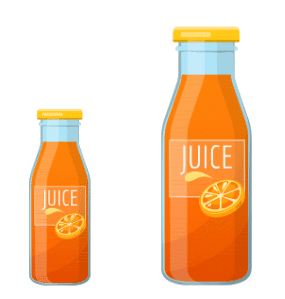
(i) A small bottle can hold ______ juice than a big bottle. Ans: A small bottle can hold less juice than a big bottle.
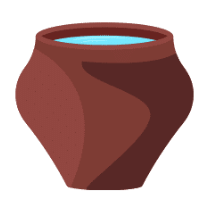
Compare the capacity of the small bottle to the big bottle. The small bottle has a smaller capacity for holding juice.

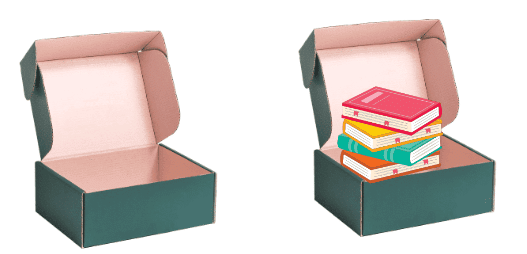
(ii) An empty box weighs ______ than a box filled with books. Ans: An empty box weighs less than a box filled with books.
Compare the weight of an empty box to a box filled with books. The empty box is lighter than the box filled with books.

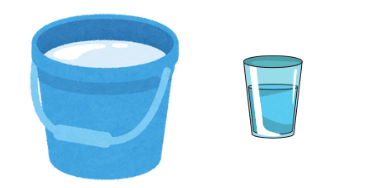
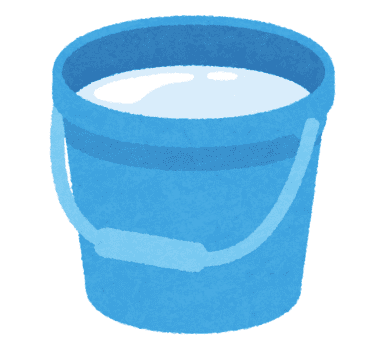
(iii) A bucket can hold ______ water than a glass. Ans: A bucket can hold more water than a glass.
Compare the capacity of a bucket to a glass. A bucket can hold a larger amount of water than a glass.

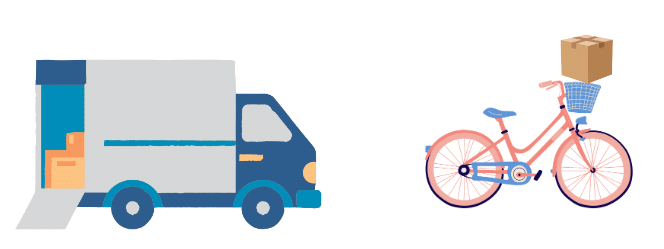
(iv) A truck can carry ______ boxes than a bicycle. Ans: A truck can carry more boxes than a bicycle.
Compare the capacity of a truck to a bicycle. A truck can transport a greater number of boxes than a bicycle.

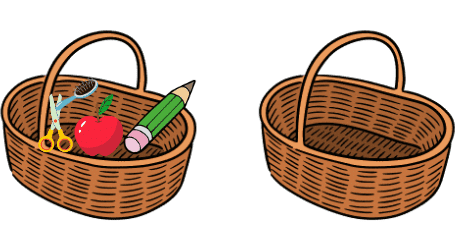
(v) A full basket weighs ______  than an empty basket. Ans: A full basket weighs more than an empty basket.
Compare the weight of a full basket to an empty basket. The full basket is heavier than the empty basket.

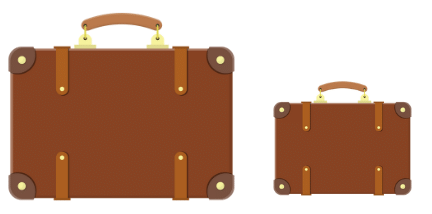
(vi) A big suitcase can hold ______ clothes than a small bag. Ans: A big suitcase can hold more clothes than a small bag.
Compare the capacity of a big suitcase to a small bag. The big suitcase can accommodate a larger number of clothes.

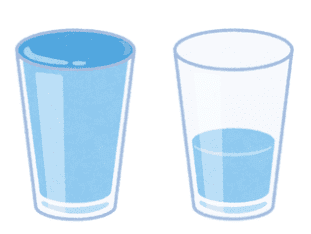
(vii) A full glass has ______ water than a half-full glass. Ans: A full glass has more water than a half-full glass.
Compare the amount of water in a full glass to a half-full glass. The full glass contains a greater quantity of water.


Q2: Choose the appropriate word in the following sentences:
(i) The bottle holds more than/less than 500 milliliters. Ans: The bottle holds more than 500 milliliters.

(ii) The bucket holds more than/less than 5 liters. Ans: The bucket holds more than 5 liters.

(iii) The cup holds more than/less than 250 milliliters. Ans: The cup holds less than 250 milliliters.

(iv) The tank holds more than/less than 1000 liters. Ans: The tank holds more than 1000 liters.

(v) The pot holds more than/less than 2 liters. Ans: The pot holds less than 2 liters.

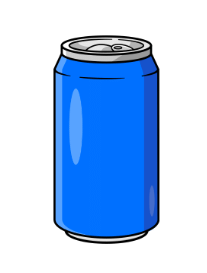
(vi) The can holds more than/less than 1 liter. Ans: The can holds less than 1 liter.

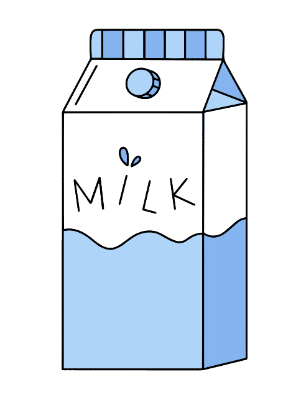
(vii) The carton holds more than/less than/exactly 1 liter. Ans: The carton holds exactly 1 liter.


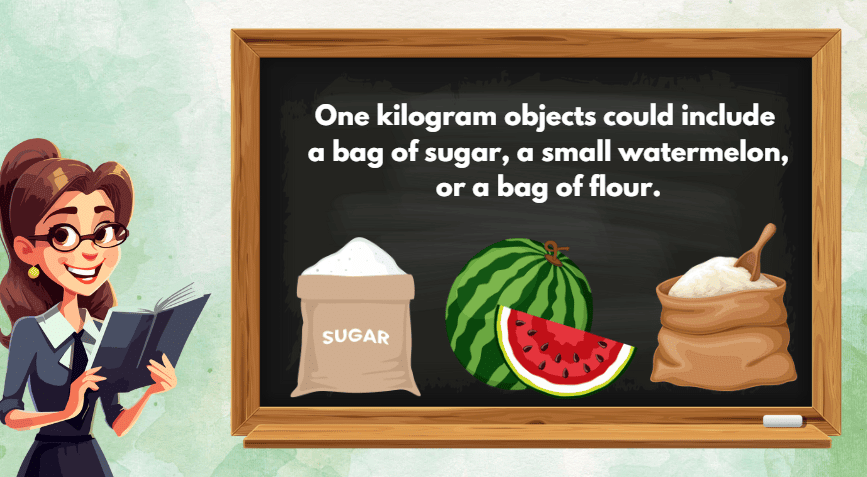
Q3: Write the names of the objects that are 1 kilogram.
Ans: To find objects that weigh 1 kilogram, you can use a weighing scale. Place the object on the scale and check the reading. If it shows 1 kilogram, then that object weighs 1 kilogram.

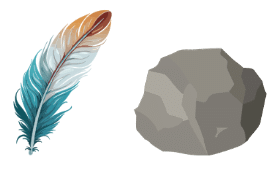
Q4: Which is lighter, a feather or a rock? 
Ans:
 A feather is lighter than a rock. 
We know that feathers are very light compared to rocks because they are made of lightweight materials.

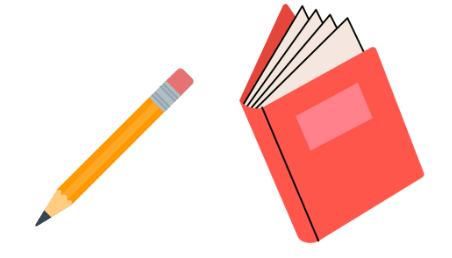
Q5: Which is heavier, a pencil or a book? Ans: A book is heavier than a pencil.
Books are usually heavier than pencils because they have more pages and are made of denser materials.

Q6: Compare the weight of a balloon filled with air and a balloon filled with water.
Ans: A balloon filled with water is heavier than a balloon filled with air.
Water is denser and heavier than air, so a balloon filled with water will weigh more than a balloon filled with air.

09. House of Hundreds – II Worksheet Solutions

Multiple Choice Questions

Q1: What is the upper neighboring hundred of 334?

(a) 200
(b) 250
(c) 300
(d) 400

Ans: (d) 400

Q2: Which of the following represents the number 556 as a sum of its place values?

(a) 500 + 50 + 6
(b) 400 + 60
(c) 450 + 6
(d) 500 – 44

Ans: (a) 500 + 50 + 6

Q3: What is the rule for the sequence: 600, 570, 540, 510?

(a) Add 30
(b) Subtract 30
(c) Add 50
(d) Subtract 20

Ans: (b) Subtract 30

Q4: Which number has two zeroes as digits and is very close to 99?

(a) 90
(b) 100
(c) 200
(d) 300

Ans: (b) 100

Q5: What is the lower neighboring 10 of 646?

(a) 620
(b) 630
(c) 640
(d) 600

Ans: (c) 640

Fill in the Blanks

Q1: The neighboring 50s of 234 are __________ and __________.

Ans: 200 and 250

Q2: The number 789 can be represented by __________ hundreds, __________ tens, and __________ ones.

Ans: 7, 8, 9

Q3: In the sequence starting from 450 with a rule of adding 20, the first three numbers are __________, __________, and __________.

Ans: 450, 470, 490

Q4: The number 150 can be formed by adding __________ and __________.

Ans: 100 and 50

Q5: To create the number 525, I need __________ hundreds, __________ tens, and __________ ones.

Ans: 5, 2, 5

True or False

Q1: The neighboring hundreds of 839 are 800 and 900.

Ans: True

Q2: 985 can be represented as 900 + 50 + 8.

Ans: False

Q3: The sequence 800, 760, 720 is formed by adding 40.

Ans: False

Q4: The number 100 has two zeroes and is close to 99.

Ans: True

Q5: The rule for the pattern 450, 470, 490 is to subtract 20.

Ans: False

Match the Following

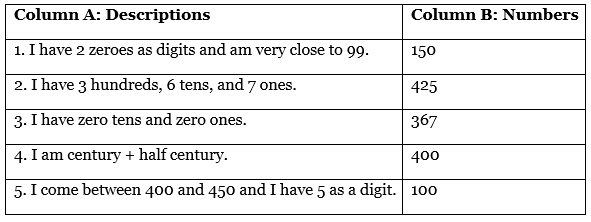
Q: Match each description in Column A with the correct number in Column B. Write the correct number next to each description.
1. I have 2 zeroes as digits and am very close to 99.
Ans: 
100
The number has two zeroes as digits and is very close to 99. 100 fits this description.

2. I have 3 hundreds, 6 tens, and 7 ones.
Ans: 367
3 hundreds (300), 6 tens (60), and 7 ones (7) make the number 367.

3. I have zero tens and zero ones.
Ans:
 400
A number with zero tens and zero ones ends in two zeroes, like 400.

4. I am century + half century.
Ans:
 150
A century is 100 and a half century is 50. Adding them together gives 150.

5. I come between 400 and 450 and I have 5 as a digit.
Ans: 
425
The number between 400 and 450 that has 5 as a digit is 425.

08. Fair Share- Worksheet Solutions

Q1: Jon has 3 plates of Samosas. Each plate has a different number of Samosas. 

3 plates of Samosas

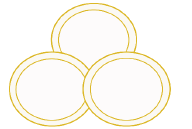
So now draw all the samosas to the below plates in such a way that each plate has an equal number of samosas.

3 empty plates

(i) How many samosas altogether?
(ii) How many samosas are on each plate?

Ans: Jon has three plates of samosas.
(i)  The total number of samosas = 1 + 2 + 3 = 6.
(ii) In order to find the number of samosas on each plate, we will divide 6 samosas into 3 equal groups.
6 ÷ 3 = 2
So, each plate will have 2 samosas.

3 plates each with 2 samosas

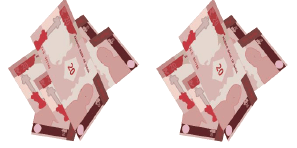
Q2: If there are 8 twenty-rupee notes and 4 friends to share then find the rupees each friend gets.

Ans: Total rupees = 20 x 8 = 160
There are four friends to share 160 rupees. So each friend will get, 160 ÷ 4 = 40
Therefore, each friend will get 40 rupees or we can say 2 notes of twenty rupees.

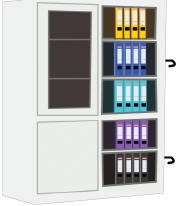
Q3: We have 20 books and we can keep 4 books in one shelf of the almirah then how many shelves do we need to keep all our books in the almirah?
Ans:
 We will keep 4 books on the first shelf. Then we are left with 16 books.
Similarly, we will repeat this process until all the books are placed in the almirah.
On the second shelf, we will keep 4 books and the remaining books = 16 – 4 = 12.
On the third shelf, we will keep 4 books and the remaining books = 12 – 4 = 8.
On the fourth shelf, we will keep 4 books and the remaining books = 8 – 4 = 4.
On the fifth shelf, we will keep 4 books and the remaining books = 4 – 4 = 0.
Therefore, in the almirah, 5 shelves are required to keep all the books.
We can directly find using division as, 20 ÷ 4= 5
Almirah

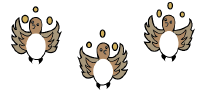
Q4: A mother bird has 9 grains and she distributes all between three babies and then finds the number of grains each baby gets.
Ans:
 So, first, the mother bird distributes one grain to each and then repeats the process.
In the first cycle of distribution, each baby gets 1 grain and 6 grains left with the mother.
9 – 3 = 6
In the second cycle of distribution, each baby gets 1 more grain and 3 grains left with the mother.
6 – 3 = 3
In the third cycle of distribution, each baby gets 1 more grain and 0 grains left with the mother.
3 – 3 = 0
So each baby will get 3 grains.
9 ÷ 3 = 3


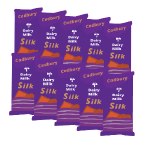
Q5: Anuj bought 10 chocolates on his birthday. He has 5 friends whom he wants to give chocolates and 2 of them are close friends of Anuj.
10 chocolates

(i) Find the number of chocolates each friend gets if he distributes among all 5 friends.
(ii) If Anuj wants to give chocolates to his close friends only then find the number of chocolates each close friend gets.
Ans: 
(i) 2 Chocolates
(ii) 5 Chocolates

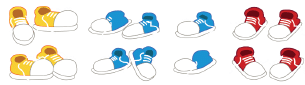
Q6: At my birthday party of Ram, there are 14 shoes outside the party hall. Then find the number of people at the party.
14 Shoes

Ans: 7 people

07. Raksha Bandhan- Worksheet Solutions

Q1: Express the following amount of money in long form: Rs. 60.15
Ans:
 60 rupees 15 paisa

Q2: (i) Convert 6085 paisa into rupees and paisa.
(ii) Convert Rs. 57.50 into paisa.
Ans:
 (i) Rs. 60.85
(ii) 5750 paisa

Q3: Subtract Rupees and paisa: Rs. 195.50 – Rs. 50.40
Ans:
 Rs. 145.1

Q4: Riana bought the following things:
2 flower bouquets each for Rs. 11.25, a doll for Rs. 24.61, a book for Rs. 27.67 and a notebook for Rs. 16.10. Find her total expenditure. If she gave a Rs. 100 note to the shopkeeper, what amount was returned to her?
Ans: 
Rs. 90.88, Rs. 9.12

Q5: Convert the following into Rupees: 2 paisa
Ans:
 Rs. 0.02

Q6: Three pairs of sleepers cost Rs. 366. What is the cost of one pair of sleepers?
Ans:
 Rs. 122

Q7: Multiply: Rs. 56 X Rs. 11.45
Ans:
 641.19999999999993

Q8: Which is less and by how much (Rs. 115.35 + Rs. 75.05) or (Rs. 415.35 – Rs. 102.00)?
Ans:
 Sum is less than difference by Rs. 122.95

Q9: Convert the following into Rupees: 500 Paisa
Ans:
 Rs. 5.00

Q10: (i) Add Rs. 12.65, Re. 0.95 and Rs. 136.65
(ii) Subtract Rs. 30.57 from Rs. 75.30.
(iii) Ram and Sam have Rs. 360.45 and Rs. 638.95 respectively. Luis has an amount equal to the sum of the amount of Ram and Sam. What is the amount Luis has?
Ans:
 (i) Rs. 150.25
(ii) Rs. 44.73
(iii) Rs. 999.40

06. House of Hundreds – I Worksheet Solutions

Q1: Multiple Choice Questions

(i) 413 x 6
(a) 
2478
(b) 
6687
(c) 
8674
(d)
 8958 
Ans: (a)

(ii) 686 x 1
(a) 
686
(b) 
868
(c) 
688
(d) 
866
Ans: (a)

(iii) 22 x 4
(a) 
88
(b) 
44
(c) 
22
(d) 
11 
Ans: (a)

(iv) 8904 x 7
(a) 
62328
(b) 
67560
(c) 
56439
(d) 
82326
Ans: (a)

(v) 5467 x 9
(a) 
49203
(b) 
8577
(c) 
45789
(d) 
7873
Ans: (a)

(vi) 653 x 3
(a) 
1959
(b)
 1290
(c)
 2390
(d) 
9951
Ans: (a)

(vii) Jim gets paid Rs. 5 for delivering newspapers. He delivers 9 newspapers. How much many does he make?
(a) 
Rs. 53
(b) 
Rs. 54
(c) 
Rs. 45
(d) 
Rs. 35
Ans: (c)

(viii) 51 x 6
(a)
 306
(b)
 650
(c)
 549
(d)
 540
Ans: (a)

(ix) 55 x 8
(a) 
440
(b)
 443
(c)
 334
(d) 
897
Ans: (a)

(x) 647 x 2
(a) 
4578
(b) 
2390
(c) 
1294
(d) 
4921
Ans: (a)

Q2: Solve the questions

(i) Multiply: 56 x 15 = 
Ans: 840

(ii) Find: 100 x 3 =
Ans: 300

(iii) The product of 0 with any number is
Ans: 0

(iv) Solve: 233 x 100
Ans: 23300

(v) Find: 21 x 2 =
Ans: 42

Q3: Multiplications

(i) 4  x  5  =  _____
Ans:
 20

(ii) 3  x  7  =  _____
Ans:
 21

(iii) 2  x  6  =  _____
Ans:
 12

(iv) 5  x  2  =  _____
Ans:
 10

(v) 7  x  5  =  _____
Ans:
 35

(vi) 3  x  10  =  _____
Ans:
 30

(vii) 2  x  4  =  _____
Ans:
 8

(viii) 5  x  3  =  _____
Ans: 
15

(ix) 8  x  5  =  _____
Ans: 
40

(x) 7  x  4  =  _____
Ans:
 28

(xi) 4  x  4  =  _____
Ans: 
16

(xii) 6  x  7  =  _____
Ans:
 42

(xiii) 5  x  6  =  _____
Ans: 
30

(xiv) 7  x  7  =  _____
Ans: 49

(xv) 6  x  3  =  _____
Ans:
 18

(xvi) 8  x  3  =  _____
Ans:
 24

(xvii) 4  x  3  =  _____
Ans: 
12

(xviii) 2  x  9  =  _____
Ans:
 18

(xix) 10  x  5  =  _____
Ans:
 50

(xx) 7  x  8  =  _____
Ans: 
56

05. Fun with Shapes- Worksheet Solutions

Q1: Fill in the Blanks

i. A rectangle has _____ sides. 
Ans: 4

  • A rectangle is a four-sided shape called a quadrilateral.
  • All four corners of a rectangle are right angles (square corners).

ii. A square has four _____ sides. 
Ans: equal

  • In a square, every side is the same length.
  • Because all sides match, a square fits perfectly inside a rectangle.

iii. A triangle has _____ corners. 
Ans: 3

  • A triangle is named for its three corners (or vertices).
  • Each corner joins two of its three sides.

iv. A circle has no _____ at all. 

Ans: corners

  • A circle is perfectly round, so it never “turns” to make a corner.
  • Instead of sides and corners, it has one smooth curved line all around.

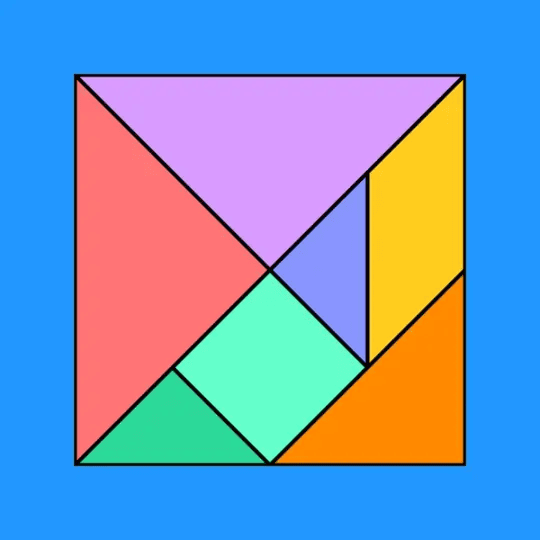
v. A tangram is a puzzle made of _____ different shapes. Ans: 7

  • A tangram set has seven flat pieces you can move and turn.
  • You can combine those seven pieces to make many pictures and shapes.

Q2: True or False

i. A square is a special type of rectangle.
Ans: 
True

ii. A triangle has four sides.
Ans: 
False
A triangle has three sides.

iii. A rectangle has two sides that are shorter and two that are longer.
Ans: 
True

iv. A circle has corners just like a square.
Ans: False
A circle has no corners.

v. Tangrams are made of seven pieces.
Ans:
 True

Q3: Match the Shapes with Everyday Objects

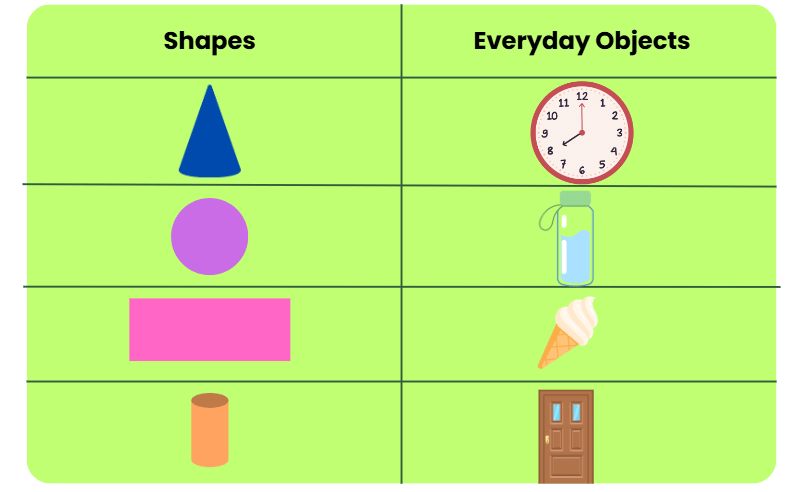
Instructions: Draw a line to match each shape on the left with an everyday object on the right.

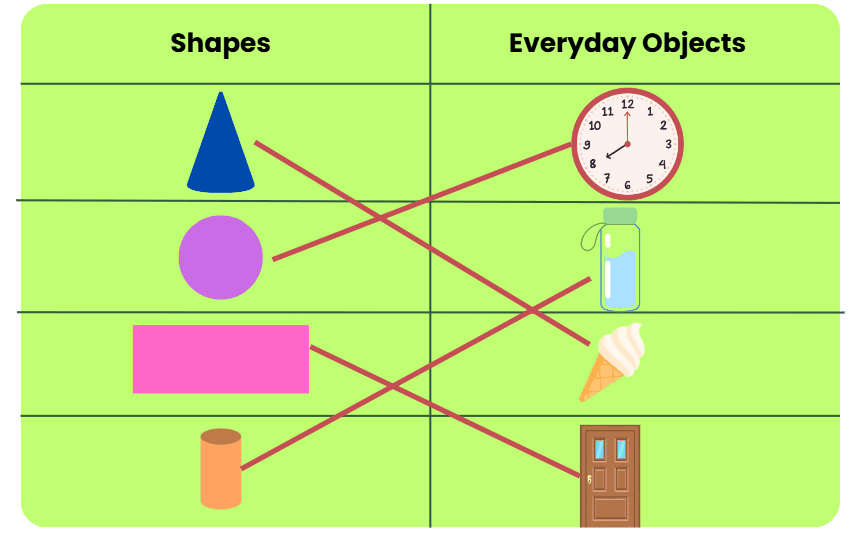
Ans: 

Correct matches of shapes with everyday objects:
Cone → Ice Cream Cone
An ice cream cone is shaped like a cone with a circular base and pointed top.

Circle → Clock
Most wall clocks are round, resembling a circle with no corners.
Rectangle → Door
A door is usually in the shape of a rectangle, with opposite sides equal and four right angles.

Cylinder → Water Bottle
A typical water bottle has a cylindrical shape with a round base and curved sides.

Q4: Find the Shape

i. Which shape has no straight sides and no corners?
Ans: 
Circle

ii. Which shape has three sides and three corners?
Ans: 
Triangle

iii. Which shape is a special rectangle with all sides equal?
Ans:
 Square

iv. Which shape has opposite sides equal and four right angles?
Ans: 
Rectangle

v. What shape has seven pieces and can be used to make designs?
Ans:
 Tangram

Q5: Short Answer Questions

i. What is a corner in a shape?
Ans: 
A corner is where two sides or edges of a shape meet.

ii. How many sides does a triangle have?

iii. What is special about a square compared to a rectangle? Ans: All sides of a square are equal in length.

iv. Can you make different designs using a tangram?
Ans: 
Yes, you can create many different designs using the seven pieces of a tangram.

v. What shape is a cookie most like? Ans: A circle