3. Health: The Ultimate Treasure – Chapter Notes

Have you ever wondered what it really means to be healthy—is it just not being sick, or is there more to it? This chapter will help you discover how good health includes not only your body, but also your mind, your habits, and your relationships with others. Let’s explore how to stay healthy and keep diseases away in simple, practical ways!
Health: Is It More Than Not Falling Sick?

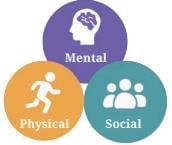
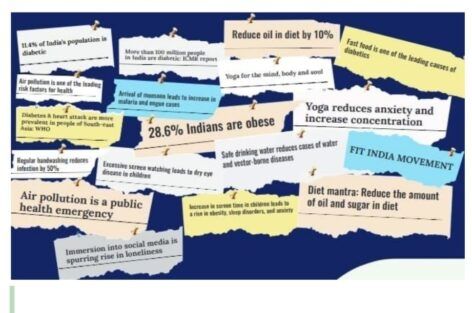
Health is not just about not being sick. It means feeling good in your bodymind, and social life. According to the World Health Organization (WHO), health is a state of complete physical, mental, and social well-being, not just the absence of disease.
A healthy person can:

  • Do tasks efficiently.
  • Handle tough situations well.
  • Get along with friends and others in society.

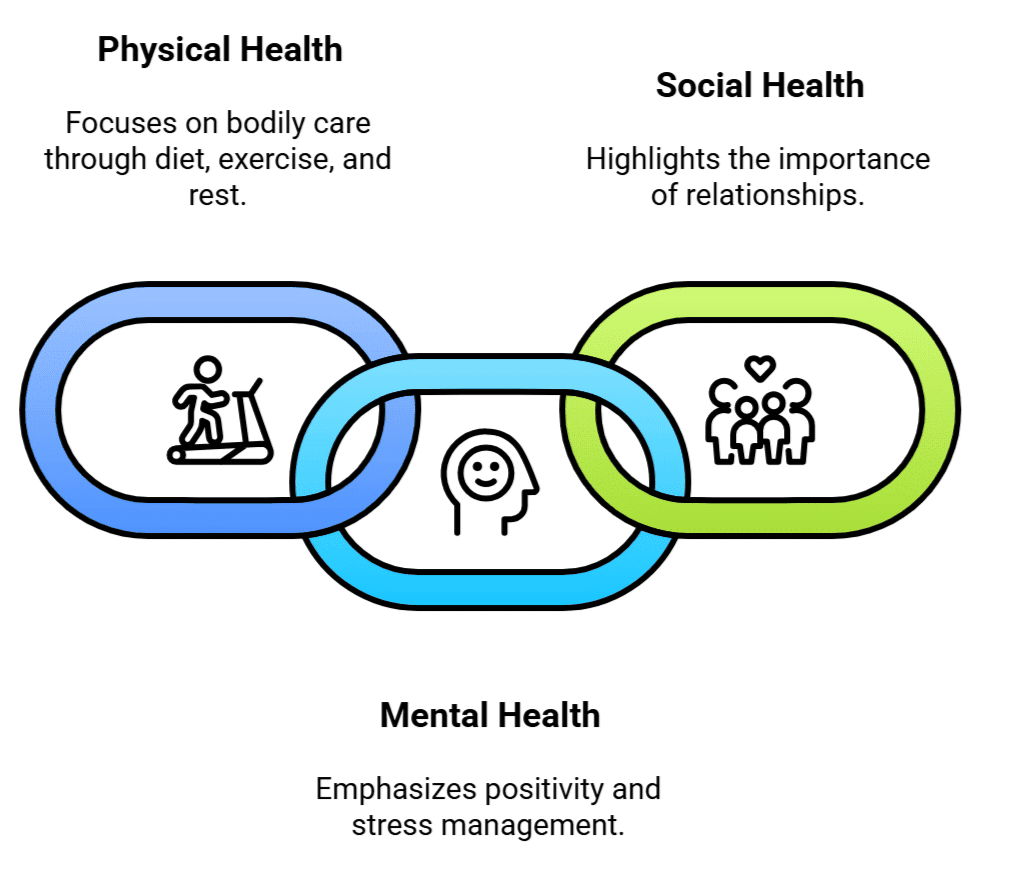
Key Aspects of Health

  • Physical Health: Taking care of your body through proper food, exercise, and sleep.
  • Mental Health: Staying positive and managing stress.
  • Social Health: Having good relationships with friends and others.
A Student’s Story

A Class 8 boy moved to a new city and school. He felt lonely with no friends and busy parents. He spent more time on his phone and social media, which made him feel worse and caused: 

  • Headaches.
  • Weight loss.
  • Trouble sleeping.

Cause and Solution 
A doctor suggested less screen time and seeing a counsellor. The counsellor helped him make friends, and his health improved.

  • Loneliness and too much screen time caused both physical and mental health problems.
  • Making new friends and support from adults helped him feel better.

Ayurveda and Health

  • Ayurveda teaches that health is a balance of body, mind, and surroundings.
  • Follow a daily routine (dinacharya) and seasonal routine (ritucharya).
  • Eat fresh, wholesome food suited to your prakriti (body type).
  • Practice regular exercise, cleanliness, restful sleep, and a calm mind through yogameditation, and mindfulness.

How Can We Stay Healthy?

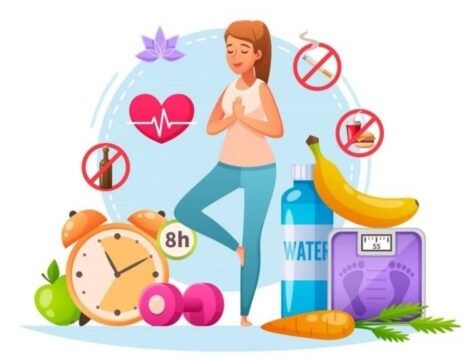
Staying healthy involves:

  • Eating nutritious food.
  • Keeping clean (personal hygiene and surroundings).
  • Exercising regularly.
  • Getting enough sleep.
  • Spending time with family and friends.
  • Having a positive attitude.

Good and Bad Habits

Good Habits:

  • Keep yourself clean and maintain personal hygiene.
  • Eat a healthy and balanced diet.
  • Exercise regularly.
  • Make time to relax or meditate every day.

Bad Habits (harmful to health):

  • Spending too much time on mobile phones or screens.
  • Eating fast food or junk food every day.
  • Sleeping very late or not getting enough sleep.
  • Skipping meals, especially breakfast.

Maintain a Healthy Lifestyle

Our health depends on many factors. These factors include our lifestyle (how we live) and our environment (our surroundings).

  • We should Eat a balanced diet with: Plenty of fruits, vegetables, and whole grains.
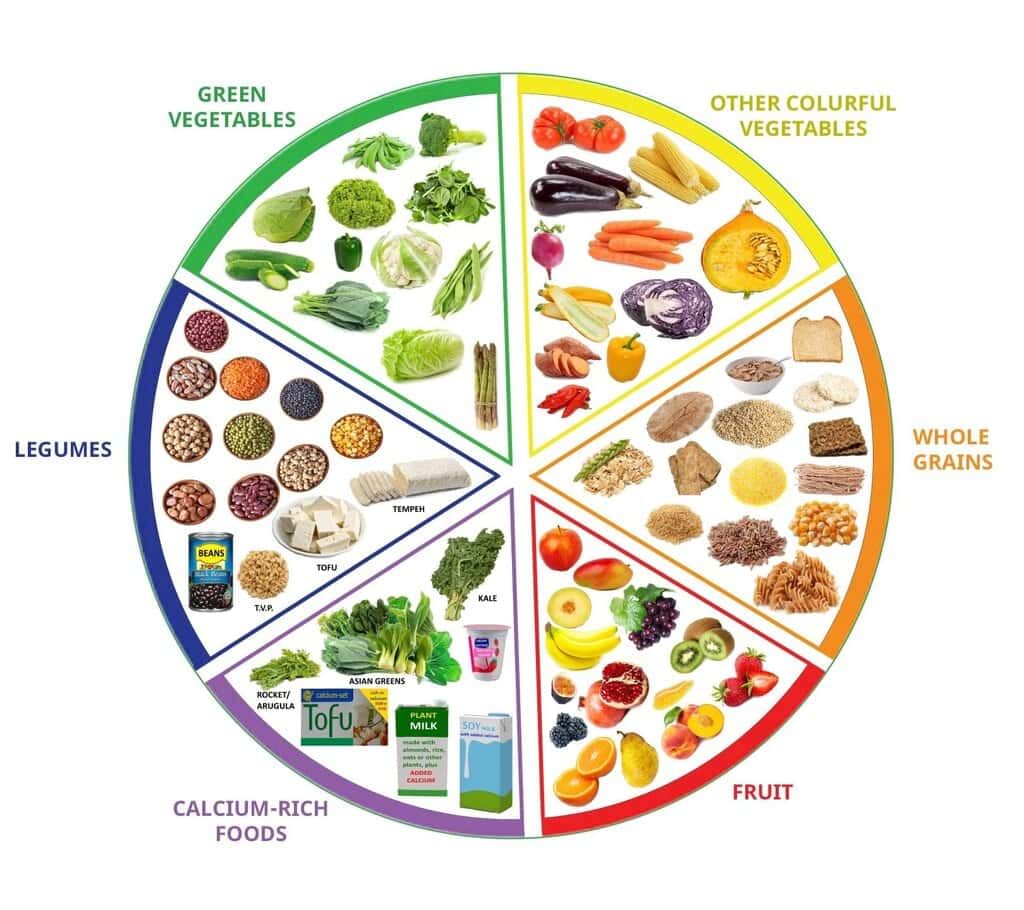
    Balanced Diet
  • Avoid processed, fatty, or sugary foods and drinks.
  • Stay physically active and Play outdoors, walk, run, cycle, or exercise.
  • Limit screen time and spend more time in nature.
  • Get enough sleep to help our body and mind rest.
  • Practice yoga or pranayama (simple breathing exercises) regularly.
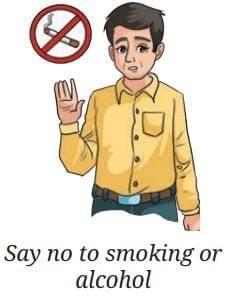
  • Say ‘NO’ to harmful substances like tobacco, alcohol, and addictive drugs.
Keep the Environment Clean

  • A clean, well-maintained playground is better for playing because it’s safe and healthy.
  • A dirty, polluted playground has flies, mosquitoes, and can make you sick.

Why Clean Surroundings Matter:

  • Clean air and water are important for health.
  • Pollution from vehicles or factories can cause coughing or asthma.
  • The Air Quality Index (AQI) shows how clean or polluted the air is.
  • A clean environment helps you stay healthy and feel good.
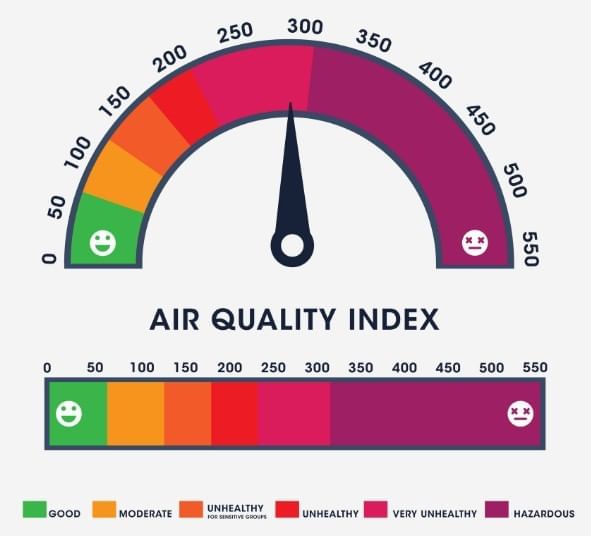
Keeping Surroundings Clean:

  • Avoid littering and keep your area tidy.
  • A clean environment reduces the risk of diseases.

Importance of Feelings and Relationships

  • Health is not just about the body; feelings and relationships matter too.
  • Even with good food and a clean place, you may feel bad if you’re lonely or upset.
  • Spend time with friends and family, talk, laugh, and have fun to keep your mind healthy.

Try yourself:

What is one way to maintain a healthy lifestyle?

  • A.Skip breakfast often
  • B.Stay indoors all day
  • C.Exercise regularly
  • D.Eat fast food every day

View SolutionHow Do We Know That We Are Unwell?

Our body usually works in a specific way to keep us healthy.

  • When we feel unwell, something inside our body may not be working properly.
  • We experience symptoms and signs that show we are not healthy.
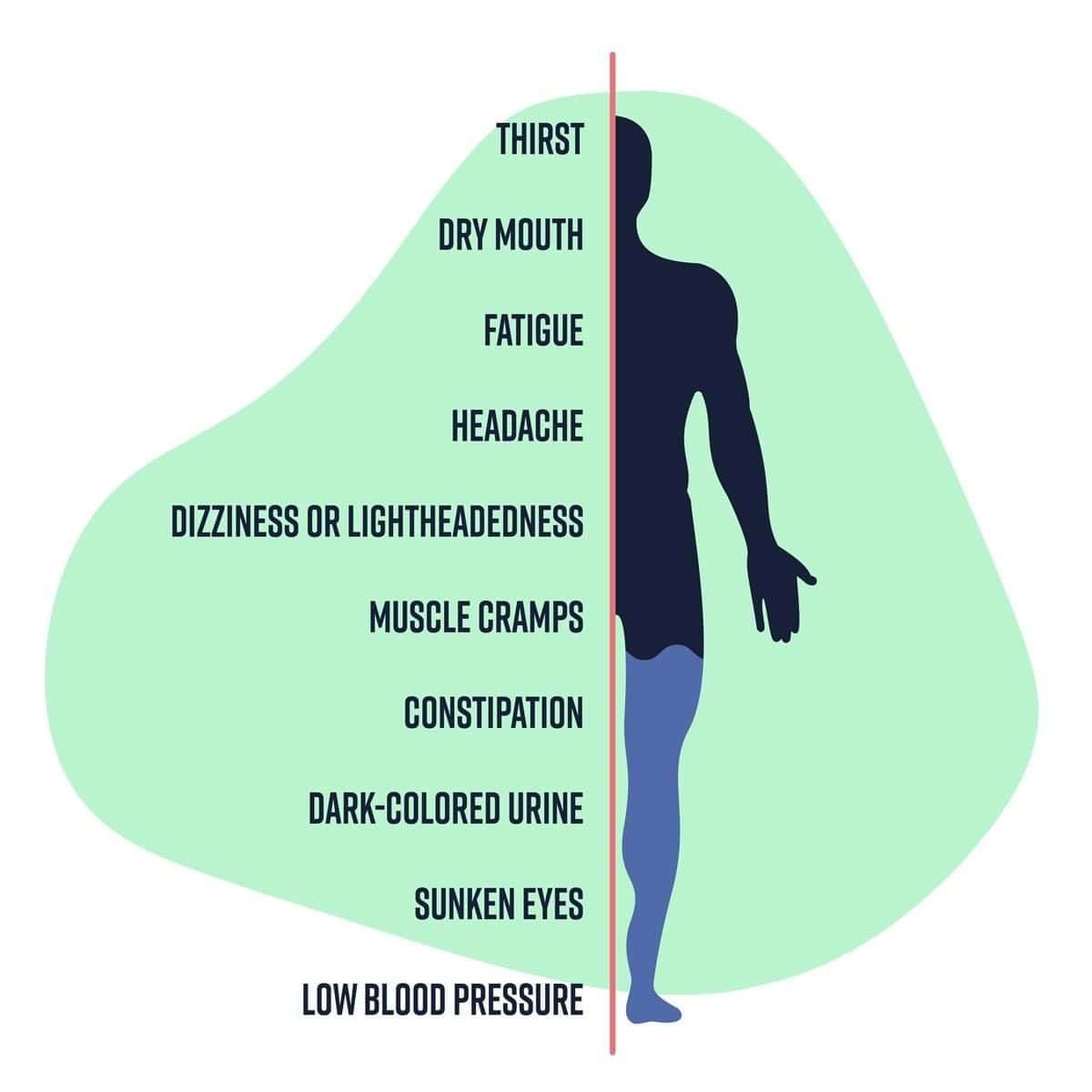
Symptoms of Dehydration

Symptoms and Signs

  • They act as clues to show that our body is not working as it should.
  • Doctors use these clues to understand the cause of our illness and suggest treatment.

Symptoms:

  • What we feel when we are unwell.
  • Examples: Pain, tiredness, dizziness.

Signs:

  • Things that can be seen or measured by others, like a doctor.
  • Examples: Fever (high body temperature), rash, high blood pressure, swelling.

Diseases – What Are the Causes and Types?

  • A disease is a condition that stops the body or mind from working normally.
  • It happens when one or more organs or organ systems do not function properly.
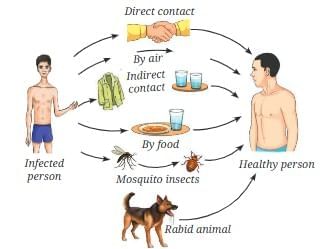
Causes of Diseases

  • Pathogens: Germs like bacteria, viruses, fungi, worms, or protozoa (single-celled organisms) that cause diseases.
  • Poor Nutrition: Not eating enough healthy food can lead to diseases.
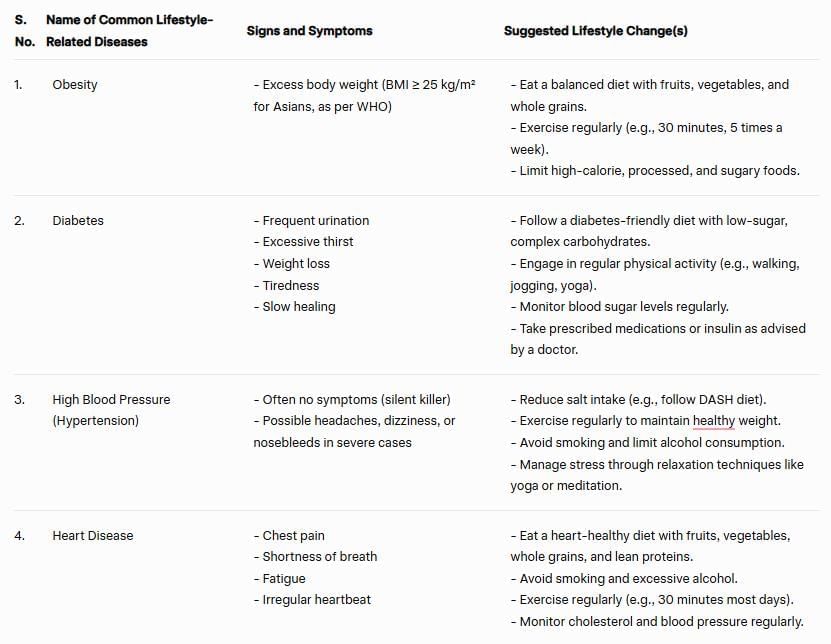
  • Unhealthy Lifestyle: Bad habits like lack of exercise or poor diet can cause diseases.

Types of Diseases

Diseases can be grouped into two major types based on their causes and how they spread:
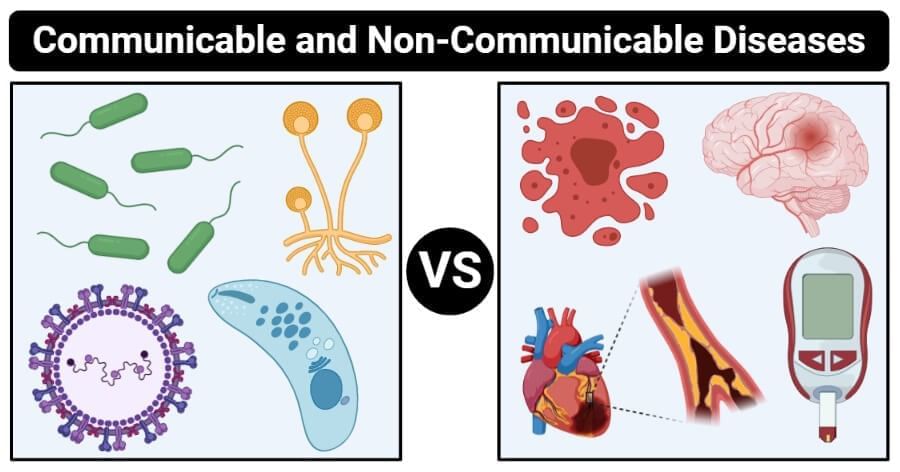
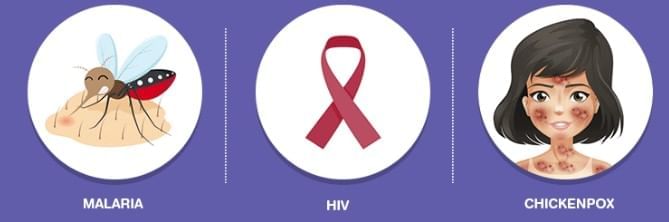
1. Communicable Diseases: Can spread from one person to another. Caused by pathogensExamples: Typhoid, dengue, flu, chickenpox, COVID-19.
Spread through:
Communicable Diseases

  • Air: Coughing or sneezing (e.g., flu, tuberculosis).
  • Direct contact: Touching an infected person (e.g., shaking hands).
  • Indirect contact: Sharing items like towels or handkerchiefs.
  • Contaminated food or water: Eating or drinking unsafe food/water (e.g., cholera, typhoid).
  • Vectors: Insects like mosquitoes or houseflies (e.g., malaria, dengue).
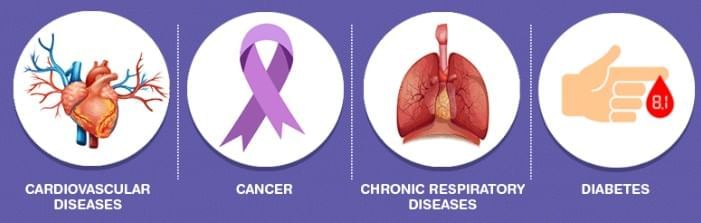
2. Non-Communicable Diseases (NCDs): Not caused by pathogens and do not spread from person to person.Linked to lifestylediet, or environment.Examples: Cancer, diabetes, asthma, heart disease.
Non- Communicable Diseases

  • Deficiency diseases: Caused by lack of nutrients (e.g., scurvy, anaemia, goitre).
  • Often chronic (last more than 3 months).
  • NCDs are Common in India due to: 
    Eating more processed food. 
    Less physical activity. 
    Longer lifespans.

How Are Communicable Diseases Caused and Spread?

All communicable diseases are caused by pathogens. These pathogens can enter our body through the air we breathe or by consuming contaminated food or water and more.

  • Diseases Spread Through Air: Diseases that are transmitted when pathogens in tiny droplets are released into the air by coughing, sneezing, or talking, and then breathed in by others. 
  • Diseases Spread Through Contaminated Water/Food: Diseases that occur when people consume water or food contaminated with pathogens like bacteria, viruses, or parasites.
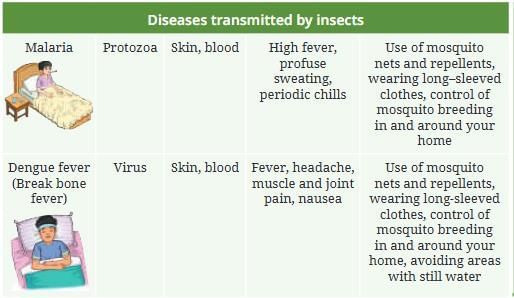
  • Diseases Spread by Insects (Vectors): Diseases that are passed on when insects such as mosquitoes or flies carry pathogens from one host to another, causing infection.

Prevention of Communicable Diseases

  • Keep yourself and surroundings clean.
  • Practice good hygiene (e.g., wash hands with soap).
  • Cover mouth and nose when coughing or sneezing.
  • Wear a mask in crowded places.
  • Avoid sharing personal items (e.g., towels, handkerchiefs).
  • Keep food and water clean.
  • Stay home and rest when unwell to recover and avoid spreading disease.
  • Use mosquito nets/repellents and control insect breeding.

How Are Non-Communicable Diseases Caused?

Non-communicable diseases (NCDs) like cancer, diabetes, and asthma are not caused by infections. Instead, they are linked to factors such as lifestyle, diet, environment, and body functions:
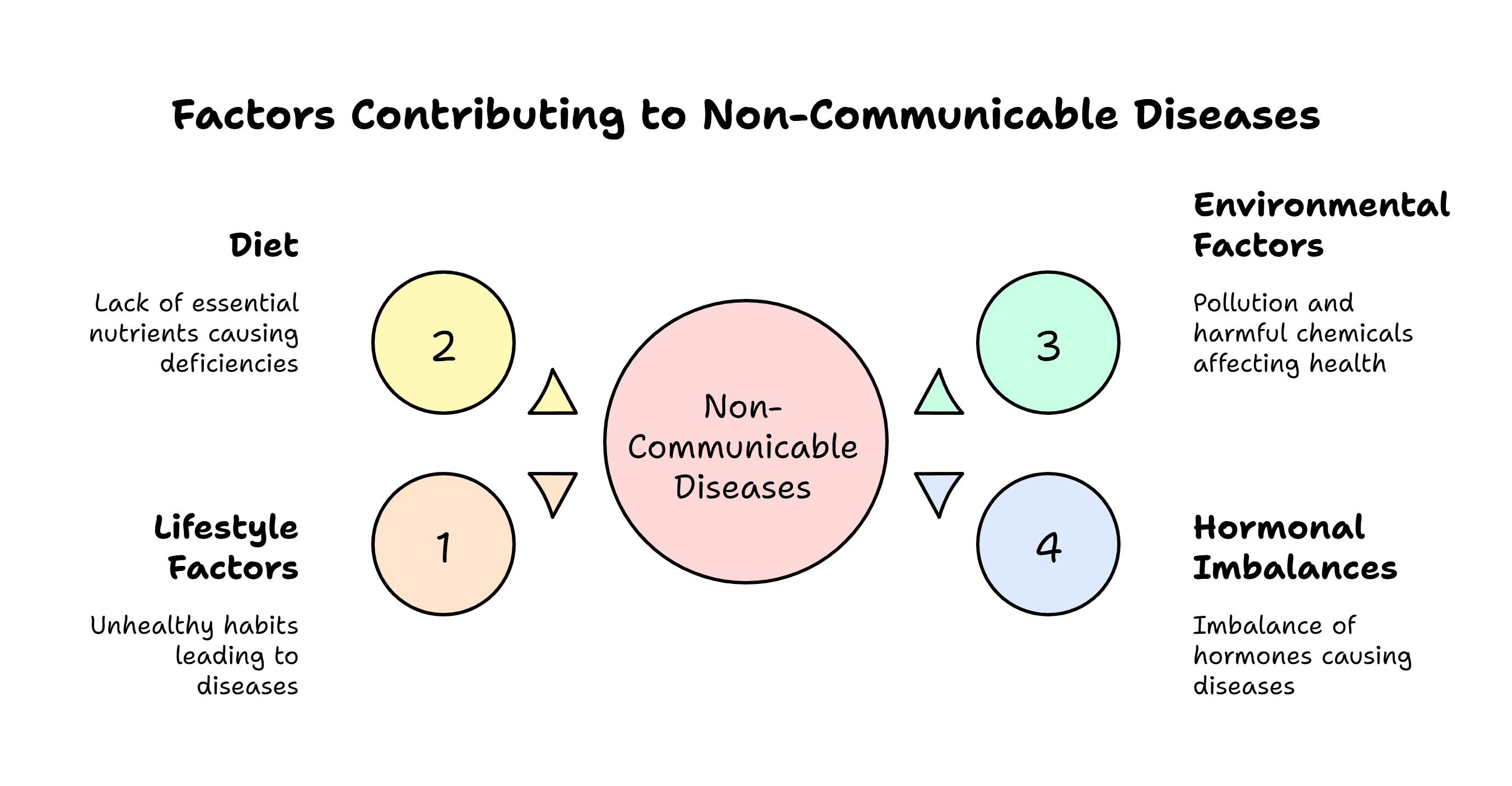
  • Lifestyle Factors: Unhealthy habits like eating too much junk food, not exercising, smoking, or excessive stress can lead to diseases such as diabetes, heart disease, or some cancers.
  • Diet: Not getting enough essential nutrients can cause deficiency diseases (e.g., scurvy from lack of vitamin C, anaemia from lack of iron, goitre from lack of iodine). These are also non-communicable.
  • Environmental Factors: Pollution, exposure to harmful chemicals, or living in unhealthy surroundings can contribute to diseases like asthma or cancer.
  • Hormonal Imbalances: Sometimes, diseases like diabetes happen due to imbalance of hormones in the body.
  • Chronic Nature: NCDs usually last a long time (more than 3 months) and need ongoing care.
How to Prevent and Control Diseases?

You may have heard the saying: “Prevention is better than cure.” This means it’s easier and wiser to stop a disease from happening than to try to cure it after you get sick.

Good sanitation and cleanliness are some of the simplest and most effective ways to reduce the spread of diseases, especially those that spread from person to person or through contaminated water and food. Example: 

Odisha — community-led sanitation campaign
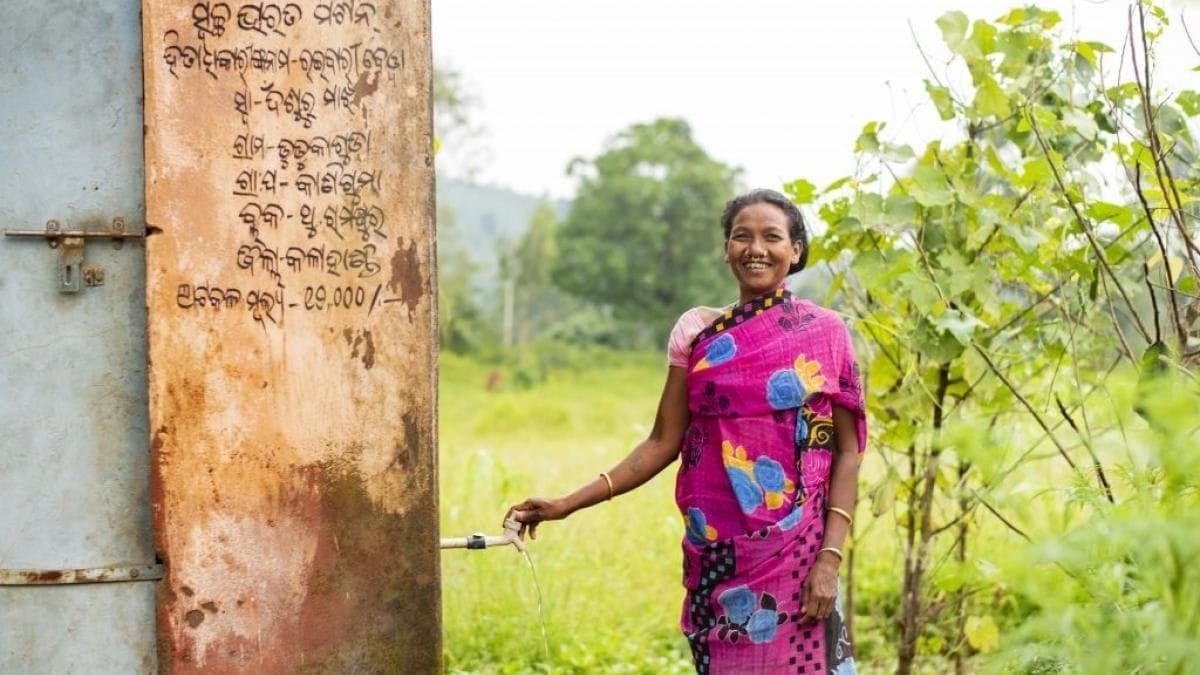
  • In Bhadrak district, Odisha, a community campaign encouraged people to build and use toilets.
  • As more families stopped open defecation, child health improved, and diseases like diarrhoea and infections greatly reduced.
  • Simple steps like building and using toilets, keeping surroundings clean, and good waste disposal prevent germs from spreading.
  • Community action can have a big impact on public health—when people work together, the whole area becomes healthier.

Ability of the body to fight diseases

Why do some people get sick more often than others, even in the same environment?

  • The ability of the body to fight diseases is called immunity.
  • Our immune system is a group of special cells, tissues, and organs that recognise and fight off harmful germs (pathogens) that can make us sick.

Role of Vaccines

  • Vaccines are special injections or drops that help your immune system become stronger against specific diseases.
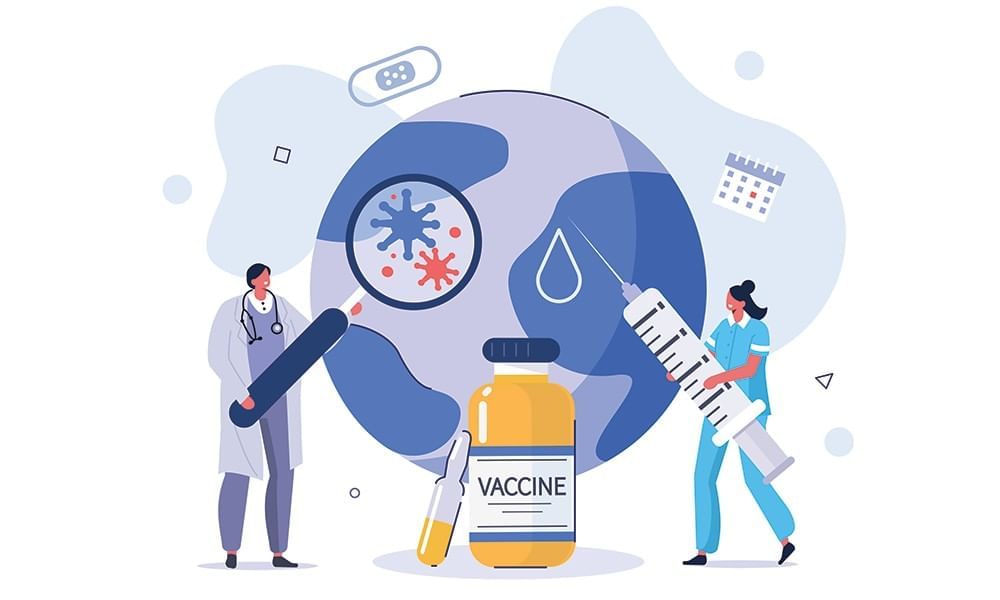
  • They do this by “teaching” your body how to recognise and destroy certain germs before they can make you sick. This is called acquired immunity.
  • Some vaccines use tiny, harmless parts of the germ (or a dead/weakened germ) to “train” your immune system.
  • If you’re exposed to the real germ in future, your body is ready and can fight off the disease quickly.
  • Tetanus shot: Contains a safe (inactive) form of a bacterial toxin, which helps your immune system learn how to fight tetanus without making you actually sick.
  • Other common vaccines: Polio, measles, hepatitis, and more—many are given in childhood.

Edward Jenner and the smallpox vaccine 

  • Edward Jenner and smallpox vaccine: In the late 1700s, Jenner realized that people who got cowpox didn’t get smallpox. He created the first vaccine by using material from cowpox sores. This discovery eventually helped eradicate smallpox worldwide.
  • In olden days, India also had a method called variolation, where a bit of material from a mild smallpox infection was used to protect healthy people.

Why are vaccines important?

  • Vaccines prevent diseases: They are used before you get sick, to stop serious illnesses from starting at all.
  • Community protection: When more people get vaccinated, diseases have less chance to spread—so even those who can’t get vaccinated are protected.
  • Vaccines are safe and tested: Scientists and doctors check them carefully before use.

India’s Role in Vaccines

  • India is a major global vaccine producer, supplying vaccines to many countries.
  • Indian vaccine companies played a key role during the COVID-19 pandemic and continue to support global health efforts

Try yourself:

What is the main focus of the text?

  • A.Improving technology
  • B.Studying animal behavior
  • C.Developing new medicines
  • D.Preventing and controlling diseases

View SolutionTreatment of Diseases

If our immune system cannot fight off infection, we fall ill and need help from a doctor. The doctor gives us medicines, and sometimes these are called antibiotics.

What are antibiotics?

  • Antibiotics are special medicines that kill bacteria in our body.
  • They help cure diseases caused by bacteria, such as tuberculosis and typhoid.
  • Important: Antibiotics do NOT work against diseases caused by viruses (like colds, flu, or COVID-19) or protozoa.

Discovery of Antibiotics

  • In 1928, Alexander Fleming, a scientist in London, discovered the first antibiotic called penicillin.
  • He found that a mould on a petri dish killed harmful bacteria growing there. This mould made a substance (penicillin) that stopped bacteria from growing.
  • Since then, antibiotics have saved millions of lives.

What is Antibiotic Resistance?

  • Antibiotic resistance happens when bacteria change and stop being killed by antibiotics that used to work.
  • This makes infections much harder to treat and can cause longer illnesses and more complications.
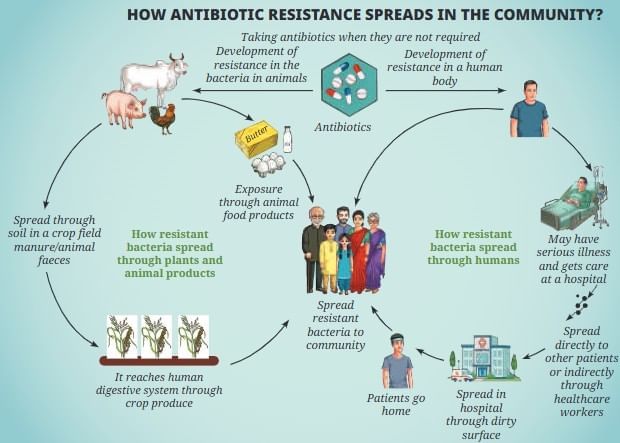
How does antibiotic resistance develop and spread?

  • Taking antibiotics when we don’t need them (like for viral infections).
  • Not finishing all the doses as prescribed by the doctor.
  • Overuse of antibiotics in animals and plants.
  • Spread can happen through people, animals, food, water, and soil.
  • If you take antibiotics for a sore throat caused by a virus, bacteria in your body may become resistant to antibiotics.
  • When farmers give antibiotics unnecessarily to animals (like cows), resistant bacteria can spread through meat, milk, or even through the soil.
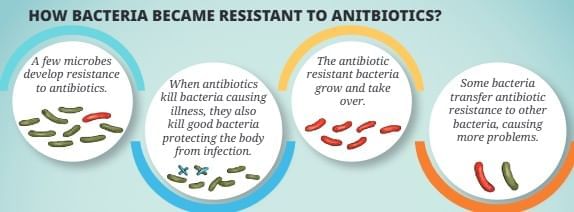
How to Prevent Antibiotic Resistance?

  • Take antibiotics only when prescribed by a doctor.
  • Always finish the full course of medicine, even if you feel better.
  • Never use leftover antibiotics or someone else’s prescription.
  • Avoid buying antibiotics without a doctor’s prescription.
  • Farmers should avoid giving antibiotics unnecessarily to animals.

Remember: Using antibiotics wisely keeps them working for everyone!

Traditional Medicine Systems

  • Systems like Ayurveda, Siddha, and Unani use natural remedies (herbs, oils, minerals) and focus on good food, exercise, and overall healthy living.
  • They can be helpful in treating simple health problems and for everyday wellness.
  • However, for some serious or advanced diseases, modern medicine may work better.

Managing Non-Communicable Diseases
Diseases like diabetes, cancer, and heart disease are managed by:

  • Taking medicines (as advised by doctors)
  • Making healthy lifestyle changes (diet, exercise)
  • Rehabilitation (special help to get better)
  • Early diagnosis and regular check-ups are very important.

Key Points to Remember

  • Health means complete physical, mental, and social well-being—not just being free from diseases.
  • Happiness and health go together: Being happy can help you stay active and healthy, and good health can improve your mood.
  • A disease is any condition that stops the body or mind from working normally.
  • Symptoms are feelings we notice ourselves (like pain or tiredness); signs are visible or measurable changes (like fever, rash, or swelling).
  • Non-communicable diseases (like diabetes, cancer, and heart disease) are not caused by germs, but by lifestyle factors and environment. They can be prevented by eating healthy, staying active, and avoiding harmful habits.
  • Communicable (Infectious) diseases are caused by pathogens—germs such as bacteria, viruses, fungi, or worms—and can spread from person to person.
  • Good hygiene and clean surroundings are essential to prevent many diseases.
  • Our immune system is the body’s natural defense that fights harmful germs and keeps us safe.
  • Vaccines help our immune system “learn” how to fight certain diseases and provide protection before we actually get sick.
  • Early diagnosis and proper treatment help manage, control, or cure many diseases.
  • Healthy habits—like regular exercise, balanced diet, enough sleep, and positive relationships—keep both our body and mind strong.
  • Antibiotics treat bacterial infections only, not viral ones. Overuse can cause antibiotic resistance—so take them only as prescribed.
  • Prevention is better than cure: Practising good habits, getting vaccinated, and staying informed are the best ways to maintain health.
2. The Invisible Living World: Beyond Our Naked Eye – Chapter Notes

Introduction 

Have you ever wondered about the incredibly tiny living things that fill our world, but remain hidden from our sight? 

  • This chapter takes you on a journey into the “invisible living world”—the microscopic universe full of life, and reveals how scientific tools such as lenses and microscopes have helped us discover, understand, and utilize these unseen organisms. 
  • You’ll also learn about the basic unit of life—the cell, and how microorganisms are deeply interconnected with our lives.

The Limits of Human Vision and Discovery of Lenses

  • Our eyes can only see objects above a certain size. Many tiny things around us are invisible to the naked eye.
  • Long ago, people did not know about the many small organisms living around (and even on) us!
  • People learned that a curved piece of glass can make small things look bigger.
  • This piece of glass is called a lens (because it’s thick in the middle like a lentil seed).
  • Over time, better lenses led to the creation of magnifying glasses and, later, microscopes.
  • Magnifying glasses and microscopes allow us to observe things that are too small for the naked eye.

How a Magnifying Glass Works 

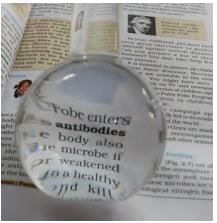
Round Bottom Flask

  • If you fill a round-bottom flask with water and seal it, you can use it as a simple magnifying glass.
  • When you look through this flask at a book, the letters appear bigger.
  • This is because the flask acts like a lens, bending light and making objects look larger.
  • Using a real magnifying glass, you can see the details of tiny organisms (like ants) more clearly.
  • Such tools help us explore the tiny living world that is otherwise hidden.

The Invention of the Microscope
People were always curious about small things but couldn’t see them until the invention of the microscope. A microscope makes tiny things appear much bigger and reveals details not seen by the naked eye.

Robert Hooke (1665):
Rober Hooke and his Microscope

  • Published the book Micrographia, with detailed drawings of tiny living things as seen under a microscope.
  • Used a microscope that made objects appear 200–300 times bigger.
  • Observed thin slices of cork and saw small, empty compartments.
  • Called these compartments cells (the first use of the word in science).
  • Realized that all living things are made up of such basic units.

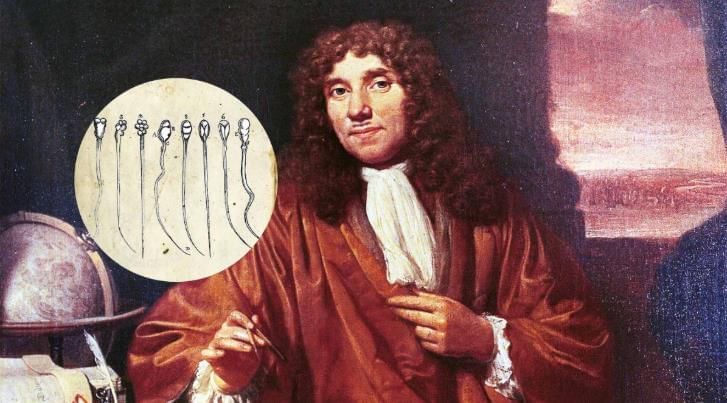
Antonie van Leeuwenhoek (1660s):
Antonie van Leeuwenhoek 

  • Improved the lenses and built better microscopes.
  • First to clearly observe and describe living cells like bacteria and blood cells.
  • Known as the Father of Microbiology for his discoveries of the invisible living world.

What Is a Cell?

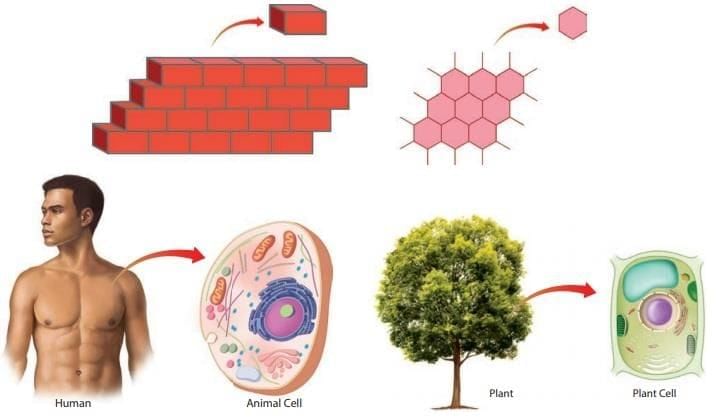
Cells are the basic building blocks of all living beings—plants, animals, and even humans. Cells cannot always be seen with the naked eye. We observe them using a microscope.

Basic Building Blocks: Cells

Observing Plant and Animal Cells

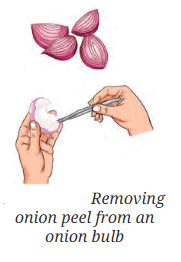
1. Studying Onion Peel Cells (Plant Cell)

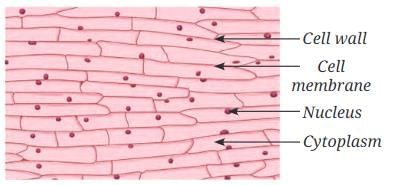
An onion bulb has a thin, transparent layer called the onion peel. Staining (with red safranin) helps make cells visible. Under the microscope, onion peel cells appear rectangular and are packed closely together.

These cells have:

  • cell wall (extra outer layer). Cell wall gives strength and rigidity to plant cells.
  • Cell membrane (inside the cell wall, outer lining of cell)
  • Cytoplasm (jelly-like substance filling the cell)
  • Nucleus (round structure in the center)

Onion Peel Cell

2. Studying Cheek Cells (Animal Cell)

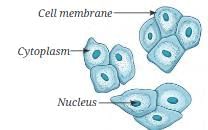
Scraping the inside of your cheek gives cheek cells. These are stained with methylene blue to make them easier to see. Cheek cells are polygon-shaped (irregular), flat, and have:

Cheek Cell

  • Cell membrane (outer boundary)
  • Cytoplasm
  • Nucleus
  • Animal cells do NOT have a cell wall.

Main Parts and Structure of a Cell

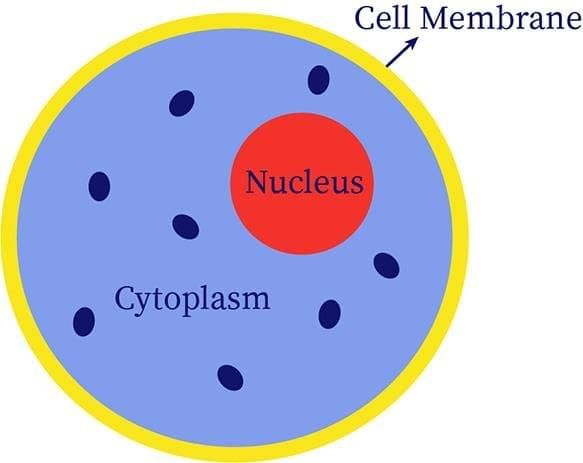
All cells have three basic parts:

1. Cell Membrane:

  • Thin, flexible layer forming the boundary of the cell.
  • Separates one cell from another.
  • Porous, allowing certain materials to enter or exit; keeps harmful substances out and retains useful molecules.

2. Cytoplasm:

  • Jelly-like substance filling most of the cell inside the membrane.
  • Contains dissolved nutrients like carbohydrates, proteins, fats, and mineral salts.
  • Most cellular life processes occur here.

3. Nucleus:

  • Spherical or oval structure, usually located centrally.
  • Controls all cell activities, including growth and division.
  • Surrounded by its own thin membrane.

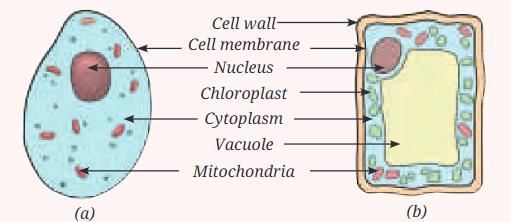
Plant cells have extra parts:

1. Cell Wall (in plants only):

  • A tough, outer layer surrounding the cell membrane.
  • Provides rigidity, strength, and protection to plant cells.
  • Makes cells appear firm and compactly arranged.

2. Plastids (including chloroplasts, in plants only):

  • Tiny rod-shaped structures within plant cells.
  • Chloroplasts contain chlorophyll and enable photosynthesis.
  • Other plastids help store food and substances.

3. Vacuole:

  • Large, clear cavity in plant cells; smaller or absent in animal cells.
  • Stores nutrients, waste, and helps maintain cell shape and turgidity.

Differences Between Plant and Animal Cells

(a) An animal cell and (b) A plant cellFeaturePlant CellAnimal CellCell wallPresentAbsentNucleusPresent, usually at one sidePresent, often centralVacuoleLarge, centralSmall or absentPlastidsPresent (e.g., chloroplasts)AbsentShapeRectangular, rigidIrregular, flexibleVariation in Shape and Structure of Cells

Cells within living organisms can have different shapes, sizes, and structures, depending on their role and location.

  • Muscle cells: Spindle-shaped (tapered ends), designed for contracting and relaxing to enable movement.
  • Nerve cells (neurons): Long and branched, suitable for carrying messages quickly across the body.
  • Cheek cells: Thin and flat, forming a protective lining.
  • Plant cells: May be rectangular, elongated, oval, or tube-shaped; some form long tubes for transporting water.

Why Do Cells Differ in Shape and Structure?

The unique shape and size of each cell type help it perform specific functions for the organism.

  • Nerve cells must reach distant parts, so they are long and extended.
  • Muscle cells contract and relax, so their spindle shape helps this motion.
  • Plant tube cells transport water, so they are elongated and tube-like.

Role of Different Cells in Body Functions

  • In humans, muscle cells in the digestive tract move food by contracting in waves.
  • The stomach contains muscle cells for churning food and specialized cells for producing digestive juices and acids.
  • In plants, tube-like cells help move water and nutrients up the stem and into leaves.

What Are the Levels of Organisation in the Body of a Living Organism?

The structure of every living organism—from tiny plants to complex animals—is organized in a systematic and hierarchical way. This organisation allows the body to function efficiently, as each level is built from the previous, simpler level.

1. Cell – The Basic Unit of Life

The cell is the smallest, most fundamental unit of all living beings.

  • Just as a brick is the basic building block of a wall, a cell is the building block of life.
  • Each cell performs all the basic processes necessary for life, such as taking in nutrients, producing energy, and reproducing.

2. Tissue – Group of Similar Cells

  • tissue is a group of similar cells that work together to perform a specific function.
  • Muscle tissue (made of muscle cells for movement), nerve tissue (made of nerve cells for message transmission), etc.
  • Tissues provide structure and support to organs and help in carrying out specialized tasks.

3. Organ – Structure Formed by Different Tissues

  • An organ is formed when different types of tissues combine and work together to perform a particular function.
  • Heart (pumps blood), stomach (helps in digestion), leaf (photosynthesis in plants).
  • Each organ has a specific structure and role in the body.

4. Organ System – Group of Organs for Major Functions

  • An organ system is a group of organs that work together to perform a major life function.
  • Digestive system (mouth, stomach, intestines, etc.), respiratory system (lungs, windpipe), circulatory system (heart, blood vessels).
  • Each organ system takes care of major tasks, ensuring the survival and wellbeing of the organism.

5. Organism – Complete Living Being

  • All the organ systems together make up a complete, multicellular organism—like a plant, animal, or human.
  • The organism is able to perform all the functions of life: growth, development, response to the environment, and reproduction.

Summary Table: Levels of OrganisationLevelDescription / DefinitionExampleCellBasic unit of lifeMuscle cell, nerve cellTissueGroup of similar cellsMuscle tissue, nervous tissueOrganStructure formed by different tissuesHeart, stomach, leafOrgan systemGroup of organs working for a major functionDigestive system, circulatory systemOrganismAll organ systems combined as a living beingPlant, human, animal (dog, bird, etc.)What Are Microorganisms?

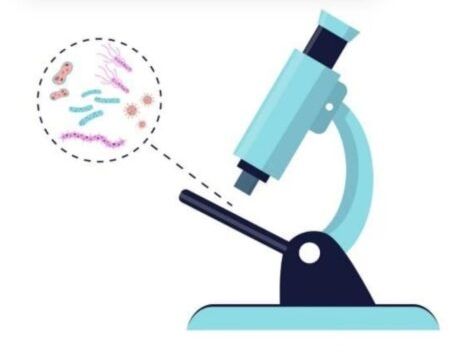
Some living organisms are so incredibly small that they are invisible to the naked eye. Unlike the plants, animals, and cells we’ve seen before, these tiny forms of life require special tools just to be observed.

Microorganisms (or microbes):

  • Living beings made up of just one cell (unicellular) or only a few cells.
  • They are so tiny that we cannot see them without the aid of a microscope.
  • The word “microorganism” comes from “micro” (very small) and “organism” (living being).

Key Points About Microorganisms

  • Size: Too small to see without a microscope; invisible to unaided eyes.
  • Cellularity: Some (like bacteria and Amoeba) are unicellular (single-celled). Others (like some fungi and algae) can be multicellular (made of many cells) but still remain extremely small.
  • Everywhere: in water, soil, air, on and inside our bodies, and in extreme places too.

How Do We See Microorganisms?

Microscopes are needed to observe the cells of microorganisms. Microscopes enlarge (magnify) the image of microbes so they become visible.

Types of Microscopes:

  • Laboratory Microscopes: High-powered, show clear details but are expensive.
  • Foldscope: A low-cost, foldable paper microscope that allows more people to study microbes, though it may not show as much detail as advanced microscopes.

Are Microorganisms the Same as Plant or Animal Cells?

  • Like plant and animal cells, microbial cells may have a cell membrane, cytoplasm, and sometimes a nucleus.
  • However, there are many differences in size, structure, and the way they perform life processes.
  • Not all microbes have the same features as plant or animal cells; some can be quite unique.

Where Do We Find Microorganisms?

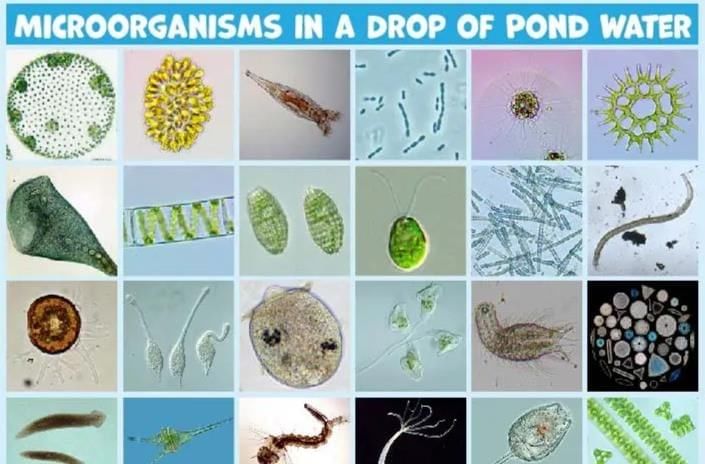
  • In Water: Lakes, rivers, oceans, ponds, even in a drop of water!
  • In Soil: The earth is full of bacteria, fungi, and protozoa.
  • In Air: Some float in the atmosphere.
  • Inside Living Beings: Many live in our intestines or on our skin—helping or sometimes causing illness.

Why Are Microorganisms Important?
Microbes play crucial roles in nature—including recycling nutrients, decomposing waste, supporting plant growth, and even digesting food in our bodies!How Are We Connected to Microbes?

  • Microorganisms (microbes) are found all around us—not just in laboratories or textbooks, but in every corner of our daily lives.
  • You may have noticed when fruits like lemons, tomatoes, or oranges are left out, they sometimes develop a powdery or cotton-like growth.
  • This is microbial growth (usually fungi); the food has been infected by microbes.
  • These microbes reach food from the air, water, soil, or even by landing on the food surface.

Where Can Microorganisms Be Found?

  • On food: Responsible for spoilage and rotting (mouldy bread, spoiled fruits).
  • On plant surfaces: Leaves, stems, and roots all have microbial residents.
  • In water, soil, and air: Microbes thrive in ponds, rivers, soil, and even float in the air.
  • Inside living beings: The human body (especially the intestine) is home to many bacteria that help with vital functions like digestion.
  • Extreme environments: Some microbes live in very hot springs, icy cold zones, or salty lakes—showing their incredible adaptability and diversity.

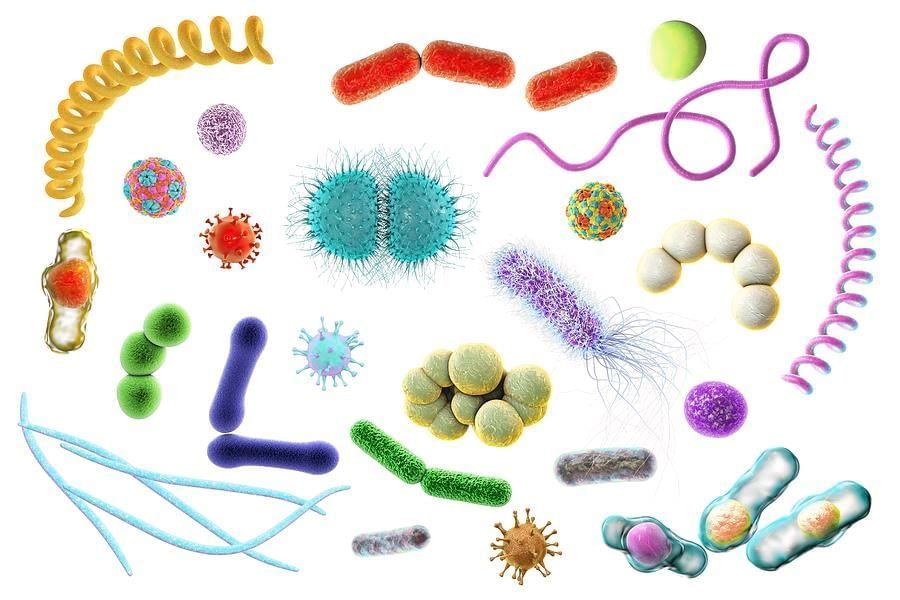
Microbial Diversity

  • Microbes come in many shapes: spherical, rod-shaped, spiral, and irregular.
  • Like animals and plants, they also vary in size, structure, and function.
  • This diversity allows them to survive everywhere and play different roles.

Key Players in Cleaning the Environment

Microbes, especially bacteria and fungi, break down dead plant and animal matter, turning it into simpler substances (decomposition).

  • This process is what turns fallen leaves and fruit peels into manure (compost), enriching the soil for healthy plant growth.
  • Ancient texts (the Vedas) recognized both visible and invisible “tiny entities” (Krimi), mentioning their helpful and harmful effects—showing the long-standing appreciation of microbes.

Manure Formation

  • When organic waste (like fruit and vegetable peels) is left in moist soil for a few weeks, microbes decompose it, forming dark-coloured, nutrient-rich manure.
  • This process needs optimal temperature and moisture.
  • The nutrients released go back into the soil, supporting new plant growth.
  • Microbes also decompose animal waste (like dung), cleaning up the environment naturally.
  • They even break down dead animal bodies, ensuring nature recycles its resources.
  • Without microbes, waste and dead matter would accumulate and the recycling of nutrients would stop.

Why Don’t Microbes Spoil Pickles and Murabbas?

  • Preservation with Salt and Sugar: Pickles and murabbas are made with high concentrations of salt or sugar. 
  • These act as preservatives and prevent the growth of microbes, so the food does not spoil easily.

Microbes as a Source of Biogas

  • Some bacteria and fungi can grow in places where there is no oxygen (anaerobic conditions).
  • These microbes decompose plant and animal waste, releasing gases—mainly methane and carbon dioxide.
  • Methane (biogas) is an important renewable fuel used for cooking, heating, electricity, and even running vehicles.
  • Real-Life Example: Dr. Ananda Mohan Chakrabarty developed a special bacterium that can break down oil spills (patented in 1980), showing how microbes can help solve real-world pollution problems.

Microorganisms in Food Preparation

Fermentation and Rising of Dough

  • Yeast (a fungus) is used to make dough rise for breads, cakes, and some Indian foods:
  • When mixed with flour and warm water, yeast ferments sugars, releasing carbon dioxide (which forms bubbles, making the dough soft and fluffy) and a little alcohol (which adds to the smell).
  • Bowl experiment: Dough with yeast becomes fluffy and airy; without yeast, it stays dense.

Formation of Curd and Other Fermented Foods

  • Lactobacillus (a type of bacteria) is used in curd formation:
  • Added to warm milk, it multiplies and converts sugars (lactose) into lactic acid, making the milk sour and thick (curd).
  • This needs a warm environment to work well.
  • Warm milk forms curd quickly; cold milk does not.
  • Bacteria like Lactobacillus and yeast help in fermentation for foods like idli, dosa, and bhatura.
  • All these organisms make our food tastier, more nutritious, and sometimes easier to digest.

Nitrogen Fixation

  • Rhizobium bacteria live in the root nodules of legumes (peas, beans).
  • These bacteria convert nitrogen from the air into forms plants can use, improving soil fertility naturally (without chemical fertilizers).
  • This is why farmers grow legumes in crop rotation.

Amazing Microalgae: Tiny Helpers in Water

Microalgae are microscopic, plant-like organisms found in water, soil, air, and even on tree bark.

  • They perform photosynthesis (making food from sunlight) and release oxygen—more than half of the Earth’s oxygen comes from microbes like these.
  • They are a major food source for aquatic animals.
  • Some, like Spirulina, Chlorella, and Diatoms, are used as dietary supplements and medicines for humans.

Other Benefits

  • Microalgae help in cleaning water and are being developed as a source of biofuel (clean energy).
  • However, they are threatened by pollution, climate change, and loss of habitat.
  • Conserving microalgae is important for maintaining oxygen supply, food security, and the health of aquatic ecosystems.

Example: Spirulina

  • Known as a “superfood” because it is rich in protein (over 60%) and vitamin B12, while being low in fat and sugar.
  • Spirulina can be easily farmed in tanks with pond water, moderate temperature, and sunlight.
  • Spirulina farming is a growing livelihood option for communities.

Why Is the Cell Considered the Basic Unit of Life?

The cellis called the basic unit of life because it is the smallest structure that can carry out all the functions necessary for survival. All living organisms—plants, animals, and microorganisms—are made up of cells.

Multicellular organisms (plants and animals):

  • The bodies of all plants and animals are made up of many cells so, they are called Multicellular organisms.
  • These cells are specialized to perform different functions (e.g., skin cells, muscle cells, nerve cells).
  • Cells cooperate and communicate with each other to keep the whole organism alive.
  • Each type of cell plays a unique role, but all are essential for survival.
  • Examples of multicellular organisms are: Plants, animals, humans.

Unicellular organisms (bacteria, protozoa, some fungi and algae):

  • They are made up of only one single cell.
  • This single cell performs all life processes—nutrition, movement, reproduction, growth, and response to the environment.
  • Examples of unicellular organisms are: Bacteria, amoeba, yeast.

Examples of Microbial Organization

  • Bacteria and protozoa are usually unicellular (single-celled).
  • Some algae and fungi can be unicellular or multicellular:
  • Yeast: A unicellular fungus (lives as single cells).
  • Moulds: Multicellular fungi (made of many cells).

Components and Structure of Cells

  • All cells are typically surrounded by a cell membrane (keeps contents in and controls movement of substances).
  • Fungal cells have an extra cell wall (for protection and shape), but unlike plant cells, they don’t have chloroplasts and cannot make their own food.
  • Bacterial cells are different: They do not have a well-defined nucleus or a nuclear membrane. Instead, their genetic material is found in a region called the nucleoid.
  • In plant and animal cells, the nucleus is clearly defined and surrounded by a membrane.

Special Features in Cells

  • There are many parts inside cells (called organelles), each with a special function.
  • To see even smaller details, you need stronger microscopes:
  • Electron microscopes can magnify cells up to 10,00,000 times (revealing structures not seen with ordinary microscopes).

Diversity in Cells

  • Cells vary in size, shape, and structure based on their function and the organism they belong to.
  • Even plant and animal cells are different in how they look and what structures they contain.

1. Exploring the Investigative World of Science – Chapter Notes

Introduction

Welcome to Class 8 Science, where curiosity fuels exploration! This chapter invites you to become young scientists, asking “Why?” and “How?” about the world around you.

  • From wondering why one side of a puri is thinner than the other to pondering if there are more stars in the galaxy than grains of sand on Earth, science begins with questions that spark investigation. 
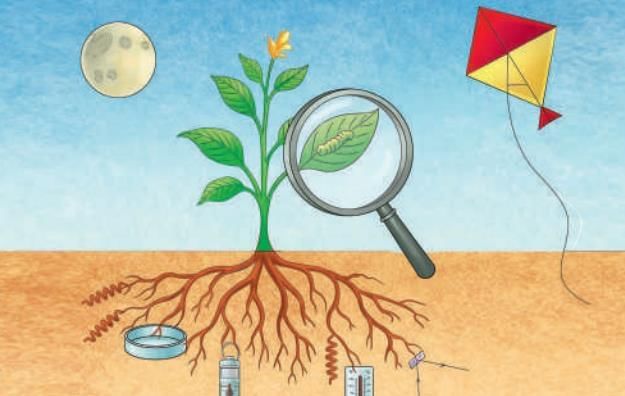
  • Each chapter of Class 8 Science is designed to ignite your curiosity, with roots symbolizing grounded observation and kites representing unique ideas.

Curiosity: The Heart of Scientific Exploration

Science is like an adventure—whether we’re looking at tiny microbes in a drop of water or trying to understand the motions of big objects like the Moon and cyclones. It all begins with being curious: asking questions, exploring new ideas, and noticing patterns around us.

  • Exploring the World: As young investigators, you’ll discover how science helps us make sense of both the things we can see (like the changing phases of the Moon) and the things we can’t (like the invisible life in a water drop). From wondering why a puri puffs up more on one side, to exploring why nature has so many different kinds of plants and animals—turn curiosity into real discoveries.

Phases of Moon

  • Asking Questions: Every discovery in science starts with a question. “Why?” and “How?” are powerful words that kick off your scientific journey. When you wonder about simple things, you open up the door to deeper exploration and investigation.
  • Systematic Investigation: Science is more than just wondering—it’s about investigating step-by-step. This means:
    – Asking focused questions,
    – Controlling variables in experiments (like adjusting the thickness of the dough for a puri)
    – Observing carefully what happens,
    – Recording your results, and
    – Using what you observe to improve your understanding.

  • Roots and Kites: Just like the symbols in your book:
    – The root at the bottom of the left page reminds us to stay connected—to build our ideas on careful observations and solid facts.
    – The kite at the top of the right page encourages our curiosity to take flight, to be creative and daring in our explorations.
  • Hidden Patterns: Some lines and patterns at the bottom of the pages even carry hidden scientific ideas—making sure science stays both fun and meaningful!

Try yourself:

What do you need to start a scientific journey?

  • A.Reading books
  • B.Following rules
  • C.Asking questions
  • D.Writing notes

View SolutionJourney Through Science

This year, we’ll explore a range of topics, connecting small-scale observations to global challenges, using curiosity and investigation as our guides.

1. Exploring the Investigative World of Science

  • Science is a journey of curiosity: ask “Why?” and “How?” about everything.
  • Good science uses both careful observation (roots) and imaginative thinking (kites).
  • Questions, experiments, and patterns lead to discoveries about our world.

2. The Invisible Living World: Beyond Our Naked Eye

  • In a drop of water, countless microbes live—some helpful, some harmful.
  • Microbes help in digestion and medicine-making; others cause disease.
  • Discovering the invisible world explains food spoilage, fermentation, and infections.

Try yourself:

What do microbes in a drop of water do?

  • A.They help in digestion.
  • B.They cause disease.
  • C.They absorb sunlight.
  • D.They create food spoilage.

View Solution

3. Health: The Ultimate Treasure
Aspects of Health

  • Health means complete physical, mental, and social well-being.
  • Good food, hygiene, exercise, and healthy habits keep us well.
  • The immune system defends us; vaccines and medicines help fight disease.
  • Prevention is better than cure—cleanliness and vaccination are key.

4. Electricity: Magnetic and Heating Effects

  • Electricity has both heating and magnetic effects.
  • We use the heating effect for warmth (like in heaters), and the magnetic effect to run motors and machines.
  • Understanding electric circuits is the basis of much modern technology.

5. Exploring Forces

  • Forces can make objects start, stop, speed up, slow down, or change direction.
  • Gravity pulls objects towards Earth, friction slows motion, and applied forces move objects.
  • Everyday activities (walking, throwing, cycling) all depend on forces.

6. Pressure, Winds, Storms, and Cyclones

  • Pressure is force spread over an area; it moves air and water.
  • Air pressure differences create winds, breezes, and, when extreme, storms and cyclones.
  • Weather events affect people, farming, and safety; understanding them helps us prepare better.

7. Particulate Nature of Matter

  • All matter is made of tiny particles.
  • Particles are tightly packed in solids, loosely arranged in liquids, and move freely in gases.
  • Changes in state (solid, liquid, gas) depend on how these particles move or are arranged.

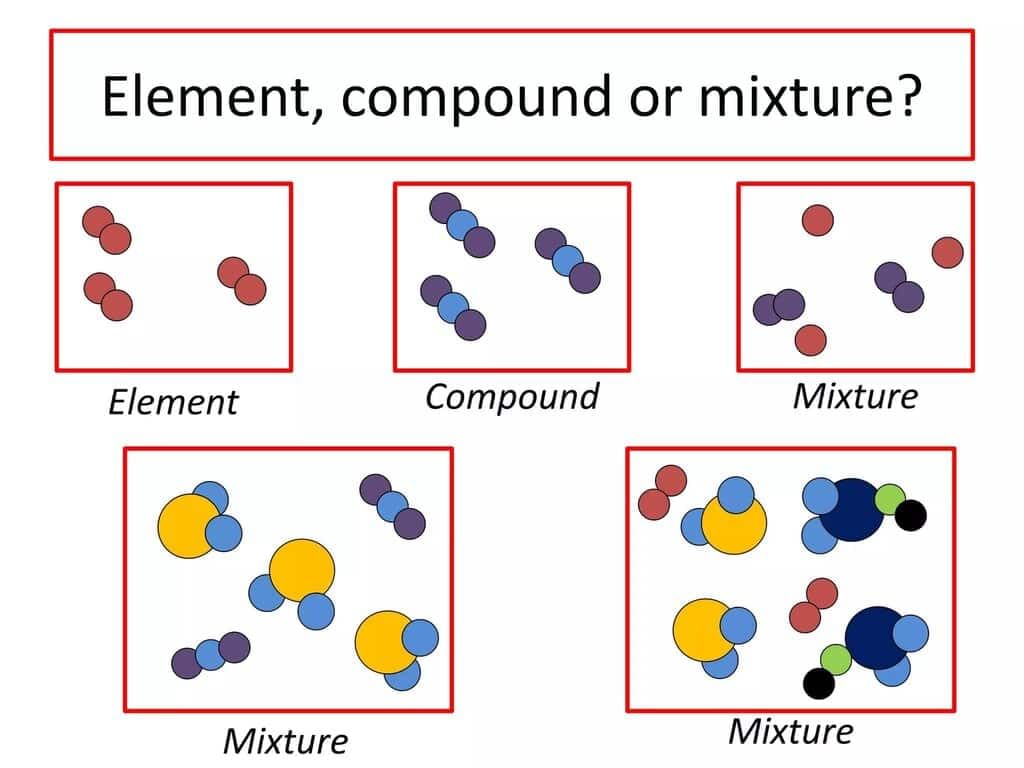
8. Nature of Matter: Elements, Compounds, and Mixtures

  • Elements are pure substances (like oxygen, iron).
  • Compounds are two or more elements chemically joined (like water).
  • Mixtures are physical blends (like air or salt water) that can be separated.

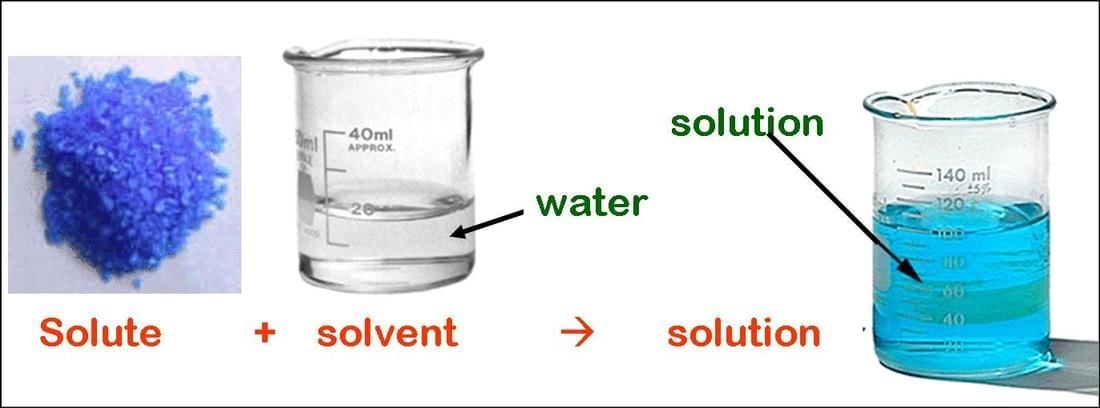
9. The Amazing World of Solutes, Solvents, and Solutions

  • A solution is a mix where one substance dissolves into another (sugar in tea).
  • The substance that dissolves is the solute; the one doing the dissolving is the solvent.
  • Understanding solutions helps explain things in daily life, like sweetened drinks or salty water.

10. Light: Mirrors and Lenses

  • Light travels in straight lines and can reflect (bounce off mirrors) or refract (bend through lenses).
  • Images in shiny surfaces, and the way lenses correct our vision, are all about light behavior.
  • Reflected and refracted light helps us see objects, mirrors, and use cameras or eyeglasses.

11. Keeping Time with the Skies

  • The apparent movement of the Sun and Moon helps measure days, months, and years.
  • Phases of the Moon create lunar calendars.
  • Eclipses occur when shadows are cast by the Moon or Earth blocking sunlight.

12. How Nature Works in Harmony

  • All living things are connected, forming ecosystems.
  • Plants, animals, water, air, and sunlight interact to support life.
  • Simple changes in one part of an ecosystem can affect the whole system.

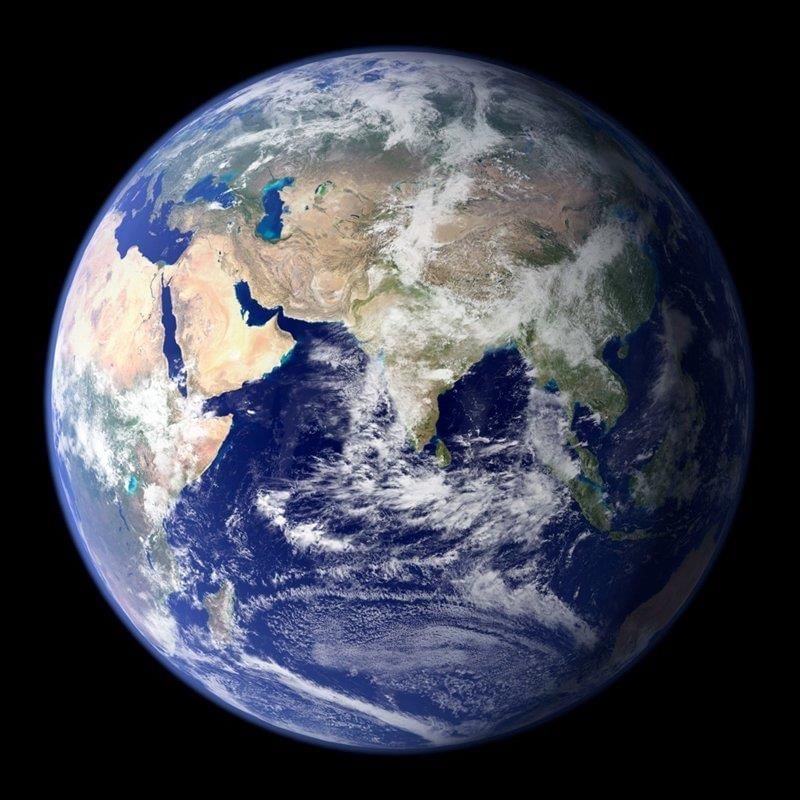
13. Our Home: Earth, a Unique Life Sustaining Planet

  • Earth’s distance from the Sun and its atmosphere make it suitable for life.
  • Human activities can change Earth’s climate and harm its balance.
  • Science helps us recognize planet-wide challenges and work towards their solutions.

Investigating Everyday Phenomena

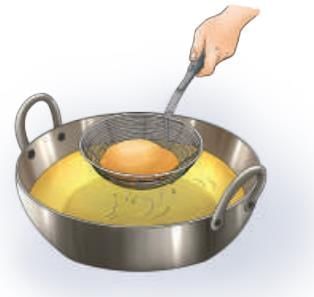
Science starts with being curious and asking questions like: Why does a puri puff up? Why is one side thinner? You don’t need a lab—your kitchen is a great place to observe and experiment.

Step 1: Ask a scientific question
E.g., What changes how a puri puffs up when fried?

Step 2: Identify things you can change (variables):

  • Thickness of the dough
  • Size of the puri
  • Type of flour (atta, maida, etc.)
  • Temperature of the oil
  • How you put the puri into the oil (dropped straight or slid in)

Step 3: Decide what to observe or measure:

  • Does the puri puff up (yes or no)?
  • How long does it take to puff?
  • Does the thickness affect puffing?

Step 4: Change only one thing at a time so you know what causes the difference.
(For example, test different oil temperatures but keep dough thickness the same.)

Step 5: Write down what you see (Does the oil splatter? Does it smoke? What smells do you notice?)

Step 6: Ask new questions based on what you observe.
Example: Does fresh dough puff better than stored dough? What if there’s a hole in the puri?

This step-by-step way of experimenting is called systematic investigation.

Remember, science is about being curious and carefully observing even simple things around you, like a puffing puri!

Key Points to Remember

  • Science begins with curiosity, asking simple questions like “Why?” and “How?” about the world around us.
  • Science is an ongoing journey: every answer leads to new questions, making our understanding evolve and grow deeper.
  • In Grade 8, you learn not just facts, but how to investigate—by asking focused questions, doing simple experiments, observing carefully, and explaining results.
  • You can become a young scientist by observing everyday phenomena—from why a puri puffs up in hot oil, to studying changes in Earth’s climate.
  • Scientific investigation balances careful observation (like roots keeping us grounded) and creative thinking (like a kite soaring to new heights).
  • The hidden world of microbes affects our health—some microbes help us, others cause disease.
  • Staying healthy depends on nutritious food, exercise, medicines, and vaccines.
  • Electricity’s heating and magnetic effects help in many daily tasks.
  • Forces cause objects to change speed, direction, or stop.
  • Pressure affects air movement, leading to breezes, winds, and cyclones.
  • Everything is made of tiny particles — solids have fixed particles, gases have freely moving particles.
  • Materials are classified as elements, compounds, and mixtures, helping us understand the nature around us.
  • Light behaves in interesting ways—it reflects and bends, helping us see objects and understand vision.
  • The phases of the Moon and movements of celestial bodies help humans keep time and create calendars.
  • Life on Earth is interconnected; ecosystems depend on balanced relationships among living things and their environment.
  • Earth has unique conditions making life possible, but human activities are causing climate changes that threaten this balance.
  • Scientific methods—observing, measuring, experimenting—are vital tools to understand and address these challenges.
  • Always remember: science isn’t just for classrooms or labs; your ordinary surroundings and everyday questions are starting points for discovery!