3. Health: The Ultimate Treasure – Short and Long Answer Questions

Short Answer Questions

Q1. What are the three main dimensions of health and why must they be balanced?
Answer: The three dimensions are physical, mental, and social health, and balancing them helps the body work well, keeps the mind calm, and supports healthy relationships.

Q2. How did the student’s story show a link between screen time and health?
Answer: Too much screen time increased loneliness and stress, which led to headaches, weight loss, and poor sleep, showing how habits affect both mind and body.

Q3. How does Ayurveda suggest we maintain daily health?
Answer: Ayurveda recommends following a daily and seasonal routine, eating fresh food suited to your body type, and practicing yoga, cleanliness, and good sleep.

Q4. Why are clean surroundings important for health?
Answer: Clean surroundings reduce germs and vectors like flies and mosquitoes, improve air and water quality, and lower the risk of diseases.

Q5. What is the difference between symptoms and signs of illness?
Answer: Symptoms are what we feel, such as pain or tiredness, while signs are what others can observe or measure, like fever or a rash.

Q6. How do communicable diseases spread through air and water?
Answer: They spread when infected droplets are breathed in or when people eat or drink contaminated food and water containing pathogens.

Q7. What simple habits help prevent communicable diseases?
Answer: Washing hands with soap, covering your mouth when coughing, keeping food and water clean, and using mosquito nets help prevent infection.

Q8. What are non-communicable diseases and one key reason they are increasing?
Answer: Non-communicable diseases do not spread between people and are rising due to unhealthy lifestyles, such as poor diet and low physical activity.

Q9. How do vaccines protect both individuals and communities?
Answer: Vaccines train the immune system to fight specific germs and, when many people are vaccinated, they reduce disease spread, protecting those who are unvaccinated.

Q10. Why should antibiotics not be used for colds and flu?
Answer: Colds and flu are caused by viruses, and antibiotics only kill bacteria, so using them is useless and can promote antibiotic resistance.

Q11. What practices help prevent antibiotic resistance?
Answer: Only take antibiotics when prescribed, complete the full course, don’t use leftovers, and avoid buying them without a prescription.

Q12. How can lifestyle changes help prevent and manage NCDs?
Answer: Eating a balanced diet, exercising regularly, getting enough sleep, avoiding tobacco and alcohol, and managing stress help prevent and control NCDs.

Long Answer Questions

Q1. Explain how health includes physical, mental, and social well-being with examples from daily life.
Answer: 

  • Health means more than not being sick; it includes a strong body, a calm mind, and good relationships. Physical health is supported by balanced food, exercise, and sleep, like playing outdoors and eating fruits and vegetables. 
  • Mental health involves managing stress and screen time, such as taking breaks from phones and practicing deep breathing. Social health means having supportive friends and family, like spending time together and talking about feelings. 
  • When all three stay balanced, we work better, feel happier, and recover faster from problems.
Q2. Describe how lifestyle choices affect non-communicable diseases and suggest practical ways to reduce risk.
Answer: 

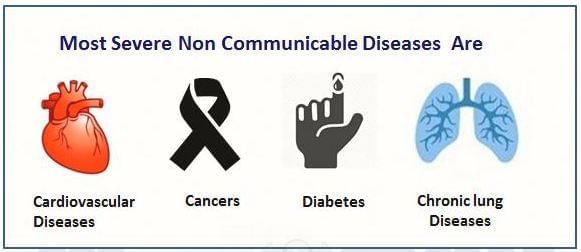
  • Non-communicable diseases like diabetes, heart disease, and cancer are linked to habits such as poor diet, lack of exercise, smoking, and little sleep. 
  • Eating processed, sugary foods and sitting for long hours increases risk over time. We can lower risk by following a balanced diet, moving for at least 60 minutes a day, and sleeping 8–9 hours. 
  • Avoiding tobacco and alcohol and managing stress with yoga or meditation also help. Regular check-ups and early diagnosis make these conditions easier to manage.

Q3. Discuss how clean surroundings and community action prevent disease, using the Odisha example.
Answer: 

  • Clean surroundings reduce germs, insects, and pollution that cause many illnesses. In Bhadrak district, Odisha, a sanitation campaign encouraged families to build and use toilets, which reduced open defecation. 
  • As hygiene improved, cases of diarrhoea and infections fell, showing how community steps protect everyone. Proper waste disposal, safe water, and clean public spaces also cut disease spread. When communities act together, public health improves faster and stays better.

Q4. Compare communicable and non-communicable diseases in terms of causes, spread, and prevention.
Answer: 

  • Communicable diseases are caused by pathogens like bacteria and viruses and can spread through air, water, contact, or insects. Non-communicable diseases are not caused by germs, do not spread between people, and are linked to lifestyle, environment, or body functions.
  • Communicable diseases are prevented by hygiene, safe food and water, masks in crowds, and mosquito control. Non-communicable diseases are prevented by healthy eating, exercise, enough sleep, and avoiding harmful substances. Both types benefit from awareness, early diagnosis, and proper treatment.

Q5. Explain how the immune system and vaccines protect us, with examples of acquired immunity.
Answer: 

  • The immune system is the body’s defense team that recognises and fights harmful germs. Vaccines train this system by safely showing it how to identify specific pathogens before we meet the real ones. 
  • After vaccination, the body remembers the germ and responds quickly, which is called acquired immunity. Examples include tetanus shots that protect against a bacterial toxin and childhood vaccines like polio and measles. When many people are vaccinated, diseases spread less, protecting the whole community.

Q6. Describe antibiotics, their correct use, and why antibiotic resistance is dangerous.
Answer: 

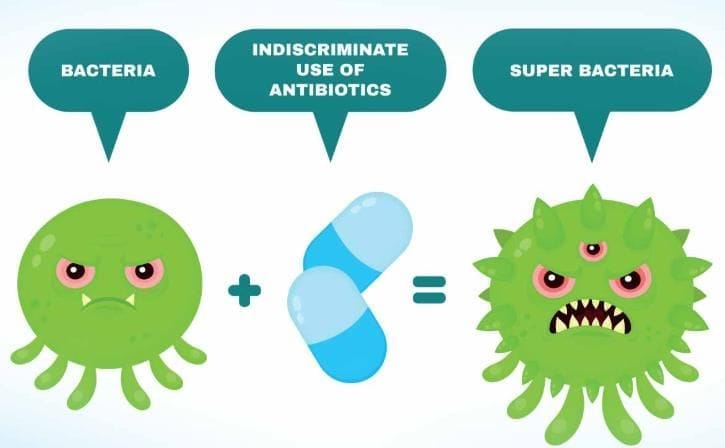
  • Antibiotics are medicines that kill bacteria and are used for illnesses like typhoid or tuberculosis. They do not work against viruses such as colds, flu, or COVID-19, so using them wrongly causes harm. 
  • If antibiotics are overused or not taken as prescribed, bacteria can change and become resistant. Resistant infections are harder to treat, can last longer, and may spread to others. To prevent this, take antibiotics only with a doctor’s advice and always finish the full course.
Q7. Explain the role of habits like diet, exercise, sleep, and screen time in maintaining overall health.
Answer: 

  • Healthy habits build strong bodies and minds and keep relationships positive. A balanced diet with fruits, vegetables, and whole grains gives energy and protects against disease. 
  • Daily exercise strengthens the heart, lungs, and muscles, while 8–9 hours of sleep helps the brain and body recover. Limiting screen time reduces eye strain, stress, and poor sleep, improving mood and focus. Together, these habits prevent illness and help us feel our best every day.

Q8. Describe how traditional systems like Ayurveda support wellness and how they can work with modern medicine.
Answer: 

  • Ayurveda promotes balance of body, mind, and environment through routines, seasonal habits, and food suited to your body type. Practices like yoga, pranayama, cleanliness, and restful sleep support daily wellness. 
  • These methods can help prevent illness, reduce stress, and improve digestion and immunity. For serious or advanced diseases, modern medicine provides tests, quick treatment, and life-saving care. Using safe traditional practices with modern medical advice gives a balanced approach to health.
2. The Invisible Living World: Beyond Our Naked Eye – Short and Long Answer Questions

Short Answer Questions

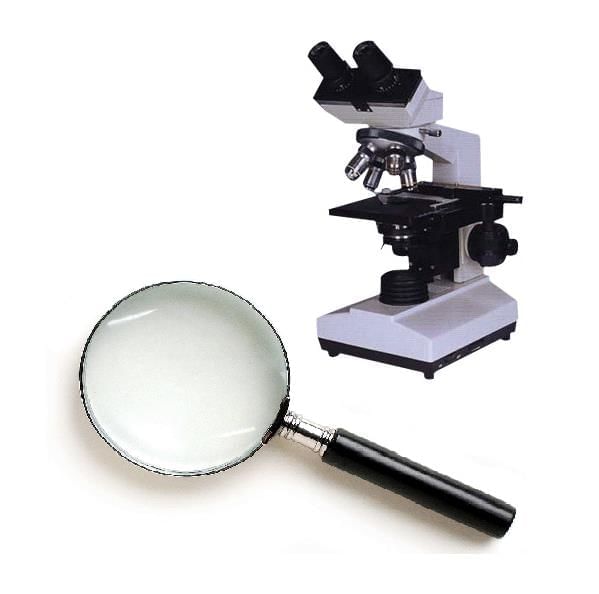
Q1. What is the difference between a magnifying glass and a microscope in studying tiny organisms?
Answer

  • A magnifying glass provides low magnification, making small objects appear slightly larger but not enough to see cells clearly. 
  • A microscope offers high magnification and resolution, allowing detailed observation of tiny organisms like microbes and their cellular structures.

Maginifying Glass and Microscope

Q2. How did Robert Hooke and Antonie van Leeuwenhoek contribute differently to microbiology?
Answer: Robert Hooke coined the term “cell” in 1665 after observing the structure of cork under a microscope, laying the foundation for cell theory. Antonie van Leeuwenhoek, using more advanced microscopes, was the first to observe living microorganisms like bacteria and protozoa, earning him the title Father of Microbiology.

Q3. Why do scientists stain cells like onion peel and cheek cells before viewing them?
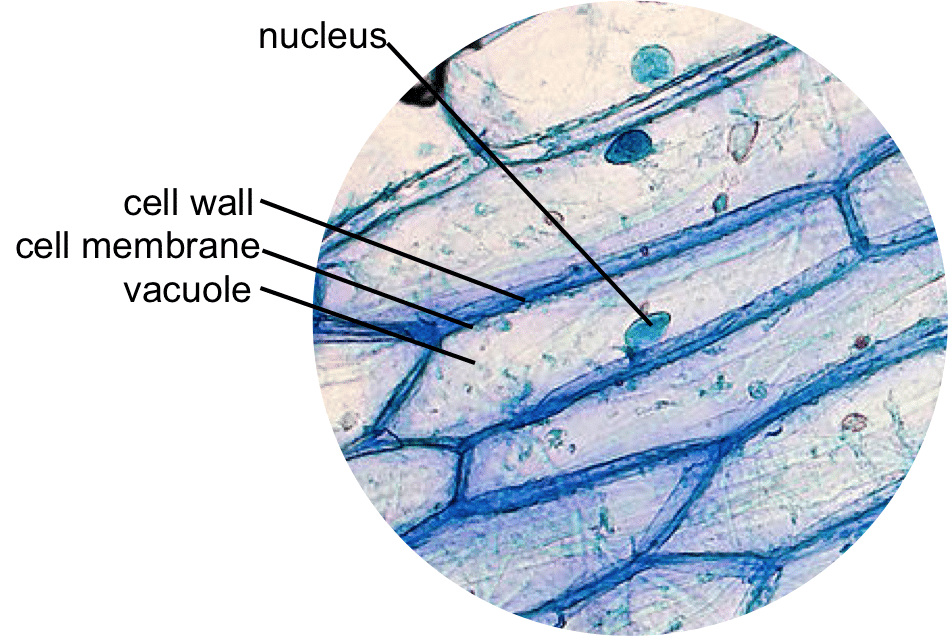
Answer: Staining enhances contrast in transparent cells, making structures like the nucleus, cell membrane, and organelles visible under a microscope by adding color to specific parts.
Onion Peel Cell

Q4. How does a round-bottom flask filled with water act like a simple lens?
Answer: The curved surface of water in a round-bottom flask refracts light, bending it to converge and magnify objects, similar to a convex lens, enlarging images like printed letters.

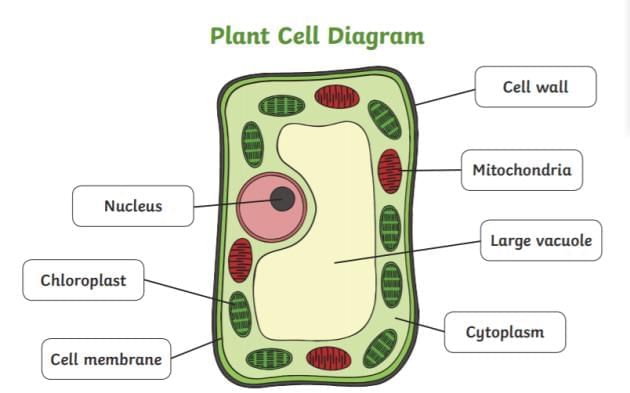
Q5. In what two main ways do plant and animal cells differ in structure?
Answer: Plant cells have a rigid cell wall for support and plastids (like chloroplasts for photosynthesis), while animal cells lack a cell wall and plastids, relying on a flexible cell membrane.

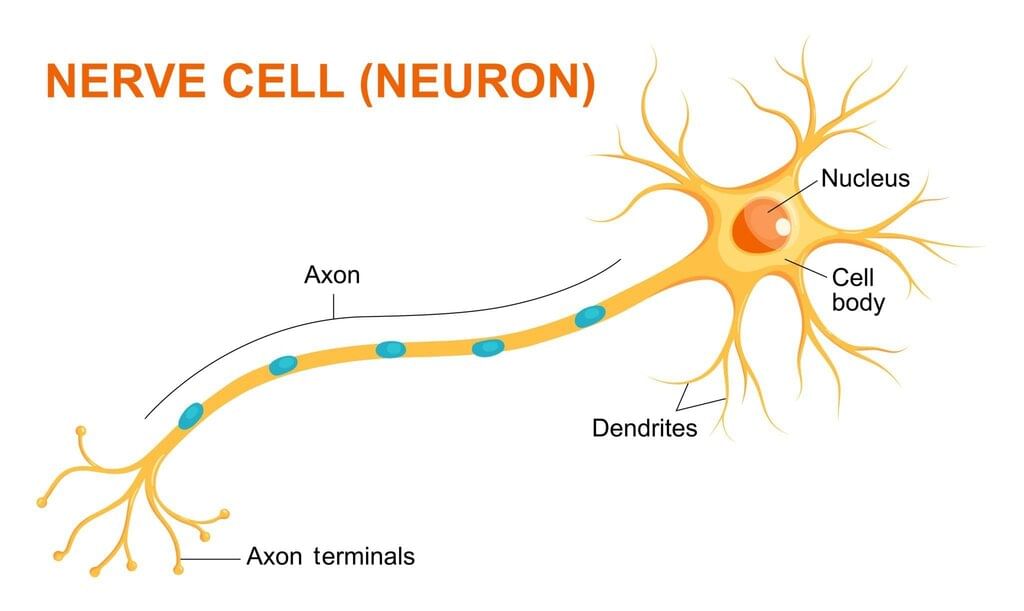
Q6. Why do different cells have different shapes, such as nerve cells and muscle cells?
Answer: Cell shapes are specialized for their functions: long, branched nerve cells transmit signals efficiently, while spindle-shaped muscle cells contract to enable movement.

Q7. What roles do the cell membrane, cytoplasm, and nucleus play together?
Answer: The cell membrane regulates what enters and leaves, the cytoplasm provides a medium for chemical reactions and organelle functions, and the nucleus controls cell activities and stores genetic information for growth and reproduction.

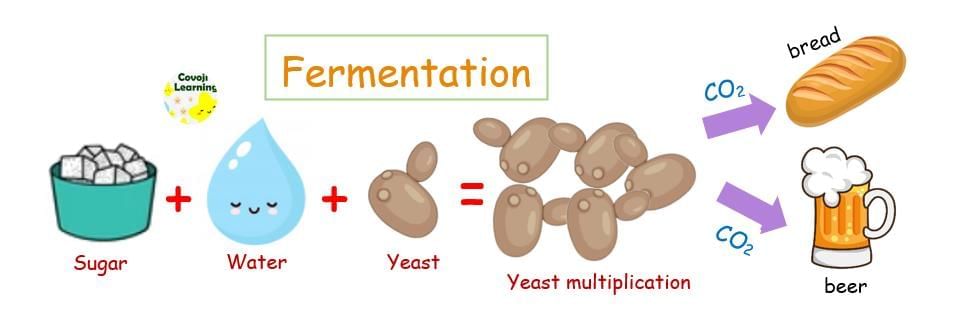
Q8. How do microbes help in making foods like bread and curd?
Answer: Yeast (a fungus) ferments sugars in dough, releasing carbon dioxide to make bread rise. Lactobacillus bacteria ferment lactose in milk, producing lactic acid that thickens milk into curd.
Fermentation using Yeast

Q9. Why do high amounts of salt or sugar help preserve foods such as pickles and murabbas?
Answer: High salt or sugar creates a hypertonic environment, dehydrating microbes or inhibiting their growth by osmosis, preventing spoilage in foods like pickles and murabbas.

Q10. How do bacteria and fungi help recycle nutrients in nature?
Answer: Bacteria and fungi break down dead organic matter (plants and animals) into simpler compounds, forming nutrient-rich compost that returns essential nutrients like nitrogen to the soil.

Q11. What is biogas and how do microbes produce it?
Answer: Biogas is a renewable fuel, primarily methane, produced by anaerobic bacteria that decompose organic waste in oxygen-free environments, such as biogas digesters.

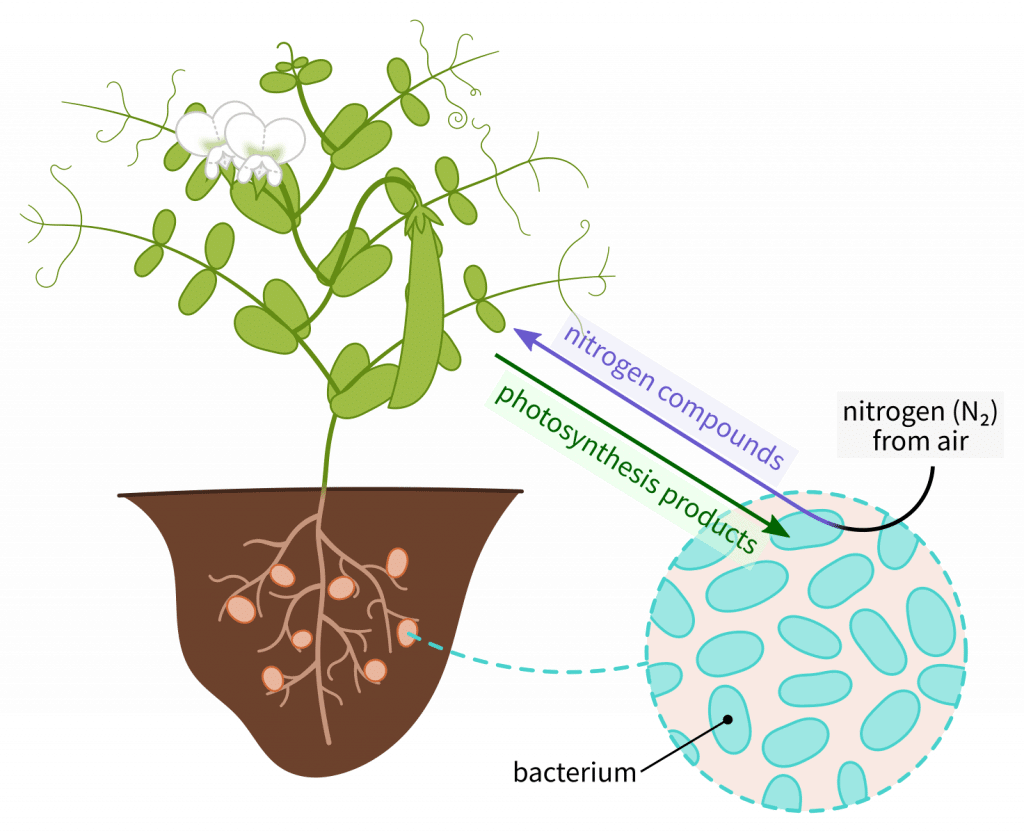
Q12. How do Rhizobium bacteria improve soil fertility for farmers?
Answer: Rhizobium bacteria live symbiotically in legume root nodules, fixing atmospheric nitrogen into compounds like ammonia that plants can use, enhancing soil fertility and reducing reliance on chemical fertilizers.
Rhizobium Bacteria

Long Answer Questions

Q1. Explain how lenses and microscopes opened a new world of discovery and changed our understanding of living things.
Answer

  • Early lenses, like those in magnifying glasses, revealed that small objects could be enlarged, sparking curiosity about the unseen world. The invention of microscopes in the 17th century revolutionized biology by enabling scientists to observe cells and microorganisms invisible to the naked eye. 
  • Robert Hooke’s 1665 observation of cork under a microscope led to the term “cell,” establishing the cellular basis of life. Antonie van Leeuwenhoek’s advanced microscopes allowed him to discover living microbes, such as bacteria and protozoa, proving that life existed at a microscopic level. 
  • These findings laid the foundation for cell theory and microbiology, showing that all living things are composed of cells and that microorganisms play critical roles in health, disease, and ecosystems. Improved microscope designs over time revealed intricate cell structures and microbial processes, deepening our understanding of life’s complexity.

Q2. Describe the main parts of a cell and explain how each part helps the cell survive.
Answer

  •  The cell membrane regulates the movement of substances in and out, maintaining internal balance. The cytoplasm, a jelly-like fluid, hosts organelles and chemical reactions essential for metabolism and energy production. 
  • The nucleus stores DNA and directs cell activities like growth, reproduction, and repair. 
  • In plant cells, the cell wall provides structural support, chloroplasts capture sunlight for photosynthesis to produce energy, and the large vacuole stores nutrients, water, and waste while maintaining cell shape. 
  • These components work together to ensure the cell’s survival by supporting metabolism, protection, and reproduction.

Q3. Compare plant and animal cells, giving at least four differences and the reasons behind them.
Answer:

  • Cell Wall: Plant cells have a rigid cell wall made of cellulose for structural support, enabling plants to remain upright. Animal cells lack a cell wall, allowing flexibility for movement and shape changes.
  • Plastids: Plant cells contain plastids, such as chloroplasts, which enable photosynthesis to produce food. Animal cells lack plastids, as they rely on external food sources.
  • Vacuole Size: Plant cells have a large central vacuole for storing water, nutrients, and waste, and maintaining turgidity. Animal cells have small or no vacuoles, as they prioritize mobility over storage.
  • Nucleus Position: In plant cells, the nucleus is often pushed to the side by the large vacuole, optimizing space for storage. In animal cells, the nucleus is typically central, facilitating uniform control of cell activities. These differences reflect plants’ need for rigidity and self-sustaining food production versus animals’ need for flexibility and mobility.

Q4. Explain how scientists study cells using stains, simple lenses, and microscopes, with an example from the onion peel and cheek cell activities.
Answer

  • Scientists use stains, simple lenses, and microscopes to observe cells clearly. Many cell components are transparent, so stains like safranin (for plant cells) or methylene blue (for animal cells) add color to structures like the nucleus and cell boundaries, enhancing visibility. 
  • Simple lenses, such as magnifying glasses, provide low magnification for initial observations, but microscopes offer high magnification to reveal detailed cell structures.
  • In the onion peel activity, safranin stains the rectangular plant cells, highlighting the cell wall, nucleus, and cytoplasm under a microscope.
  • In the cheek cell activity, methylene blue stains the flat, irregular animal cells, making the cell membrane, nucleus, and cytoplasm visible. These techniques allow scientists to compare plant and animal cell structures and understand their functions.

Q5. Discuss why cells have different shapes and sizes, linking form to function with three examples.
Answer: Cell shape and size are adapted to their specific functions, optimizing efficiency.

  • Nerve Cells: Long and branched, nerve cells (neurons) transmit electrical signals quickly over long distances, connecting different parts of the body for communication.
  • Muscle Cells: Spindle-shaped muscle cells contract and relax efficiently, enabling movements like walking or digestion in the stomach.
  • Plant Vascular Cells: Long, tube-like xylem cells in plants form pipelines to transport water and nutrients from roots to leaves, supporting plant growth. These specialized shapes ensure each cell type performs its role effectively, contributing to the organism’s overall health.

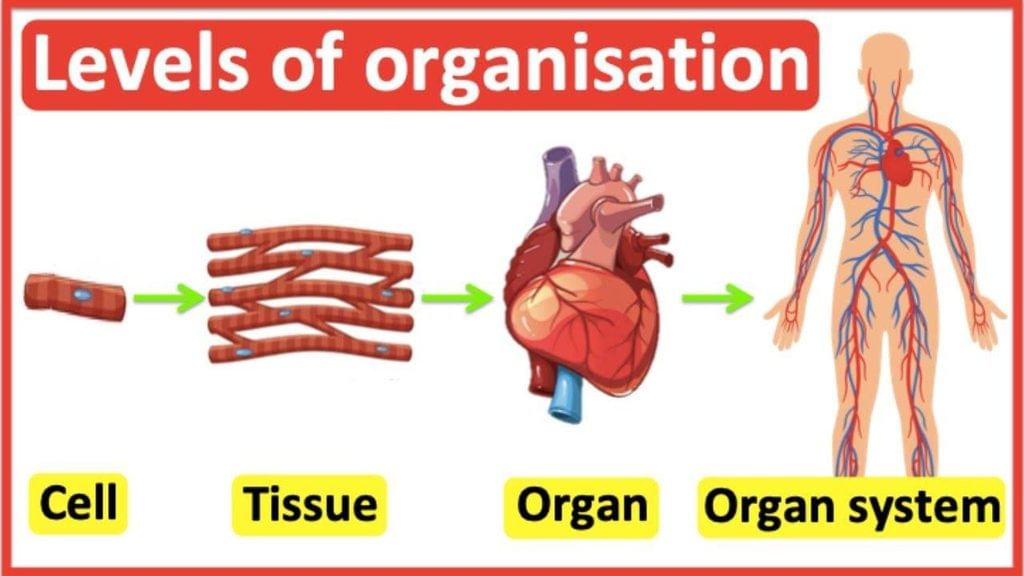
Q6. Describe the levels of organization in living beings from cell to organism, and explain how each level depends on the previous one.
Answer: The levels of organization in living beings are hierarchical, with each level building on the previous one:

  • Cells: The basic units of life, performing essential processes like metabolism and reproduction.
  • Tissues: Groups of similar cells, like muscle tissue for movement, work together to perform specific functions, relying on healthy cells.
  • Organs: Tissues combine to form organs (e.g., heart, leaf), which depend on tissues to carry out specialized tasks like pumping blood or photosynthesis.
  • Organ Systems: Organs form systems, like the circulatory or digestive system, which rely on organs to perform coordinated functions.
  • Organism: All organ systems work together to form a complete organism capable of survival and reproduction, dependent on the proper functioning of all lower levels. Each level’s success depends on the integrity and coordination of the levels below it.

Q7. Explain how microorganisms affect our daily lives in positive and negative ways, with four clear examples.
Answer: Microorganisms have both beneficial and harmful impacts:

  • Positive – Food Production: Yeast ferments sugars to produce carbon dioxide, making bread rise, while Lactobacillus bacteria ferment milk into curd, enhancing food variety and nutrition.
  • Positive – Nutrient Recycling: Decomposing microbes (bacteria and fungi) break down dead organic matter into compost, enriching soil for agriculture.
  • Positive – Biogas Production: Anaerobic bacteria produce methane-rich biogas from waste, providing renewable energy for cooking and electricity.
  • Negative – Food Spoilage and Disease: Harmful microbes can spoil food, making it unsafe, or cause infections like bacterial sore throats or fungal skin infections if not controlled. These roles highlight microbes’ dual impact on daily life.

Q8. Describe how food preservation, nitrogen fixation, and biogas production show the useful roles of microbes in homes and farms.
Answer: Microbes play vital roles in homes and farms:

  • Food Preservation: High salt or sugar concentrations in pickles and murabbas create a hypertonic environment, preventing microbial growth by osmosis, thus preserving food safely for long periods.
  • Nitrogen Fixation: Rhizobium bacteria in legume root nodules convert atmospheric nitrogen into ammonia, a form plants can use, improving soil fertility and reducing the need for synthetic fertilizers.
  • Biogas Production: Anaerobic bacteria decompose organic waste in biogas digesters, producing methane-rich biogas used for cooking, heating, or electricity, promoting sustainable energy and waste management. These microbial processes support cost-effective, eco-friendly practices in households and agriculture.

1. Exploring the Investigative World of Science – Short and Long Answer Questions

Short Answer Questions

Q1. Why is the Earth’s crust important for life despite being so thin?
The Earth’s crust provides air, water, soil, and minerals needed for life. It also gives us resources like timber, rocks, and metals to build and survive. Without the crust, no plants, animals, or humans could exist.

Q2. How do false colour satellite images help scientists?
False colour images use special colours to show details not visible to the naked eye. They help scientists study landforms, water bodies, plant growth, and environmental changes more clearly.

Q3. How does the greenhouse effect on Earth differ from that on Venus?
On Venus, the thick carbon dioxide atmosphere traps extreme heat, making it the hottest planet. On Earth, the greenhouse effect is milder, trapping just enough heat to keep temperatures suitable for life.

Q4. Why is the Earth’s position in the Solar System called the “Goldilocks Zone”?
Earth is at the right distance from the Sun—neither too hot nor too cold. This allows water to stay mostly in liquid form, which is essential for life.

Q5. What makes Earth’s size suitable for life?
Earth’s size creates enough gravity to hold its atmosphere without crushing living beings. If it were smaller, gases would escape; if it were much bigger, gravity could be too strong for life.

Q6. What was the purpose of India’s Mangalyaan mission?
Mangalyaan studied Mars’ atmosphere and surface. It searched for signs of past water and explored whether Mars could have supported life.

Q7. How does the Earth’s magnetic field protect life?
The magnetic field deflects harmful charged particles from space, such as solar wind and cosmic rays. This protects our atmosphere and living beings from radiation damage.

Q8. How do air, water, and sunlight work together to support life?
Plants use sunlight, water, and carbon dioxide to make food through photosynthesis. Animals breathe the oxygen plants release and drink water for survival. This cycle keeps life on Earth balanced.

Q9. Why is soil considered an active part of life on Earth?
Soil provides nutrients for plants, which feed most other living things. It is formed from rocks and dead organisms and plays a vital role in supporting ecosystems.

Q10. How are plants, animals, and microorganisms connected in the biosphere?
Plants produce food, animals depend on plants or other animals for energy, and decomposers recycle nutrients from dead organisms. This interconnected network keeps ecosystems balanced.

Q11. What human actions are causing biodiversity loss?
Cutting forests, draining wetlands, and destroying habitats reduce the number of plants and animals. This breaks food chains and weakens ecosystems.

Q12. How can local communities help protect the environment?
Local communities can manage resources like water, soil, and forests wisely. They can reduce waste, prevent pollution, and protect wildlife to keep ecosystems healthy.

Long Answer Questions

Q1. Explain how the thin crust of Earth supports life and why it is compared to the skin of an apple.
Ans: 

  • The Earth’s crust is the outermost and thinnest layer where all known life exists. Although it is very thin compared to the rest of the planet, it contains the soil, water, air, and minerals needed for plants, animals, and humans to survive. 
  • Just like the thin skin of an apple protects and covers the fruit, the crust supports and protects life. Beneath it are deeper layers like the mantle and core which do not support life. The crust provides essential resources such as timber, metals, and building materials. Without this layer, life as we know it could not exist.

Q2. Describe the difference between rocky planets and gas giants in our Solar System.
Ans: 

  • The Solar System’s planets are divided into two main types—rocky planets (Mercury, Venus, Earth, and Mars) and gas giants (Jupiter, Saturn, Uranus, and Neptune). Rocky planets are smaller, have solid surfaces, and are made mostly of rock and metal. Gas giants are much larger, made mostly of gases like hydrogen and helium, and do not have a solid surface. 
  • Rocky planets are closer to the Sun, while gas giants are farther away. Each type has unique characteristics that affect temperature, atmosphere, and the possibility of life. Studying these planets helps scientists understand Earth’s place in the Solar System.

Q3. Why is Earth’s orbit shape important for maintaining suitable living conditions?
Ans: 

  • Earth moves around the Sun in a nearly circular orbit, which keeps sunlight and temperatures relatively steady throughout the year. This prevents extreme temperature changes that could make survival difficult for most living things. If Earth’s orbit were more oval-shaped, some areas would become extremely hot while others would freeze. 
  • The steady climate created by this orbit allows plants to grow and animals to adapt naturally. Along with other factors, the orbit helps maintain the balance of seasons and supports the diversity of life. This stability is one reason Earth can sustain life while other planets cannot.

Q4. How does the magnetic field of Earth act as a shield for life?
Ans: 

  • Earth’s magnetic field is created by the movement of molten iron in its core. This invisible field surrounds the planet and deflects harmful charged particles from the Sun (solar wind) and from space (cosmic rays). Without this shield, these particles could strip away parts of the atmosphere and damage living cells. 
  • The magnetic field also helps protect the ozone layer, which blocks dangerous ultraviolet rays. This protection allows life to survive without being exposed to extreme radiation. In short, Earth’s magnetic field is one of the planet’s most important safety features.

Q5. Discuss how water in different forms supports life on Earth.
Ans: 

  • Water covers about 70% of Earth’s surface and exists in oceans, rivers, lakes, groundwater, ice, and water vapour in the air. Oceans and seas are home to countless marine species, while freshwater bodies provide drinking water and support farming. Water helps plants absorb nutrients and animals regulate body temperature. 
  • Water vapour forms clouds, leading to rain and snow that refill water sources. Even ice is important—it reflects sunlight and keeps Earth’s climate balanced. Without the continuous movement and recycling of water, life on Earth would not survive.

Q6. Explain the role of microorganisms in maintaining life on Earth.
Ans: 

  • Microorganisms like bacteria and fungi are small but play a big role in the Earth’s ecosystems. They act as decomposers, breaking down the remains of dead plants and animals into nutrients that enrich the soil.
  •  Some bacteria help in processes like nitrogen fixation, which makes nutrients available to plants. Microorganisms also form part of the food chain, supporting larger life forms. Without them, waste and dead matter would pile up, and nutrients would not be recycled. Their work ensures that ecosystems stay productive and balanced.