3. Health: The Ultimate Treasure – Very Short Answer Questions

Q1. What does WHO say health means beyond just not being sick?
Answer: Health means complete physical, mental, and social well-being.

Q2. Which three areas make up overall health?
Answer: Physical, mental, and social health.

Q3. What is one sign that a person is physically healthy?
Answer: They can do daily tasks efficiently.

Q4. What habit can improve mental health in students?
Answer: Limiting screen time and managing stress.

Q5. Which traditional system teaches balance through dinacharya and ritucharya?
Answer: Ayurveda.

Q6. What is one good daily habit for health?
Answer: Eating a balanced diet.

Q7. What is one bad habit that harms health?
Answer: Spending too much time on mobile phones.

Q8. Why is outdoor play good for health?
Answer: It keeps the body active and strong.
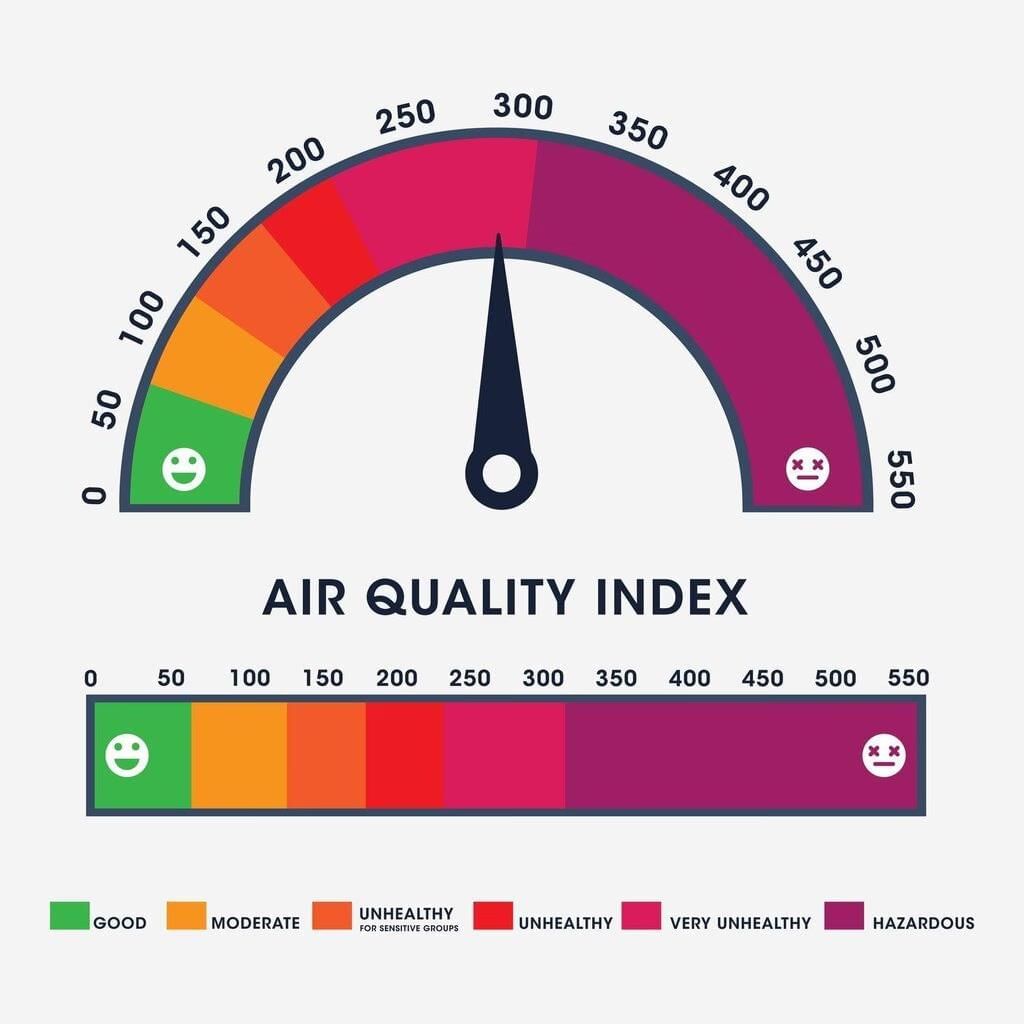
Q9. What does the Air Quality Index (AQI) tell us?
Answer: It shows how clean or polluted the air is.

Q10. What is a symptom?
Answer: A symptom is what we feel, like pain or dizziness.

Q11. What is a sign?
Answer: A sign is what others can observe or measure, like fever.

Q12. What causes communicable diseases?
Answer: Pathogens such as bacteria, viruses, fungi, or protozoa.

Q13. Name one way communicable diseases spread?
Answer: Through air by coughing or sneezing.
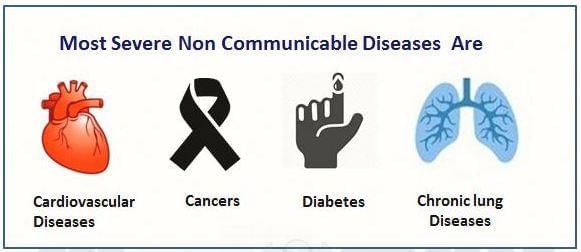
Q14. What is a non-communicable disease?
Answer: A disease that does not spread from person to person.

Q15. Give one example of a deficiency disease.
Answer: Anaemia.

Q16. What simple practice helps prevent many infections?
Answer: Washing hands with soap.

Q17. What is immunity?
Answer: The body’s ability to fight diseases.

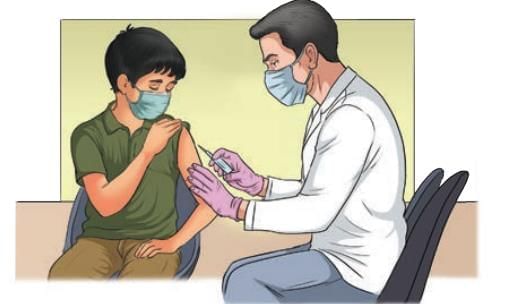
Q18. How do vaccines protect us?
Answer: They train the immune system to fight specific germs.

Q19. Who developed the first smallpox vaccine?
Answer: Edward Jenner.

Q20. What do antibiotics kill?
Answer: Bacteria.

Q21. Do antibiotics work on viruses?
Answer: No, antibiotics do not work on viruses.
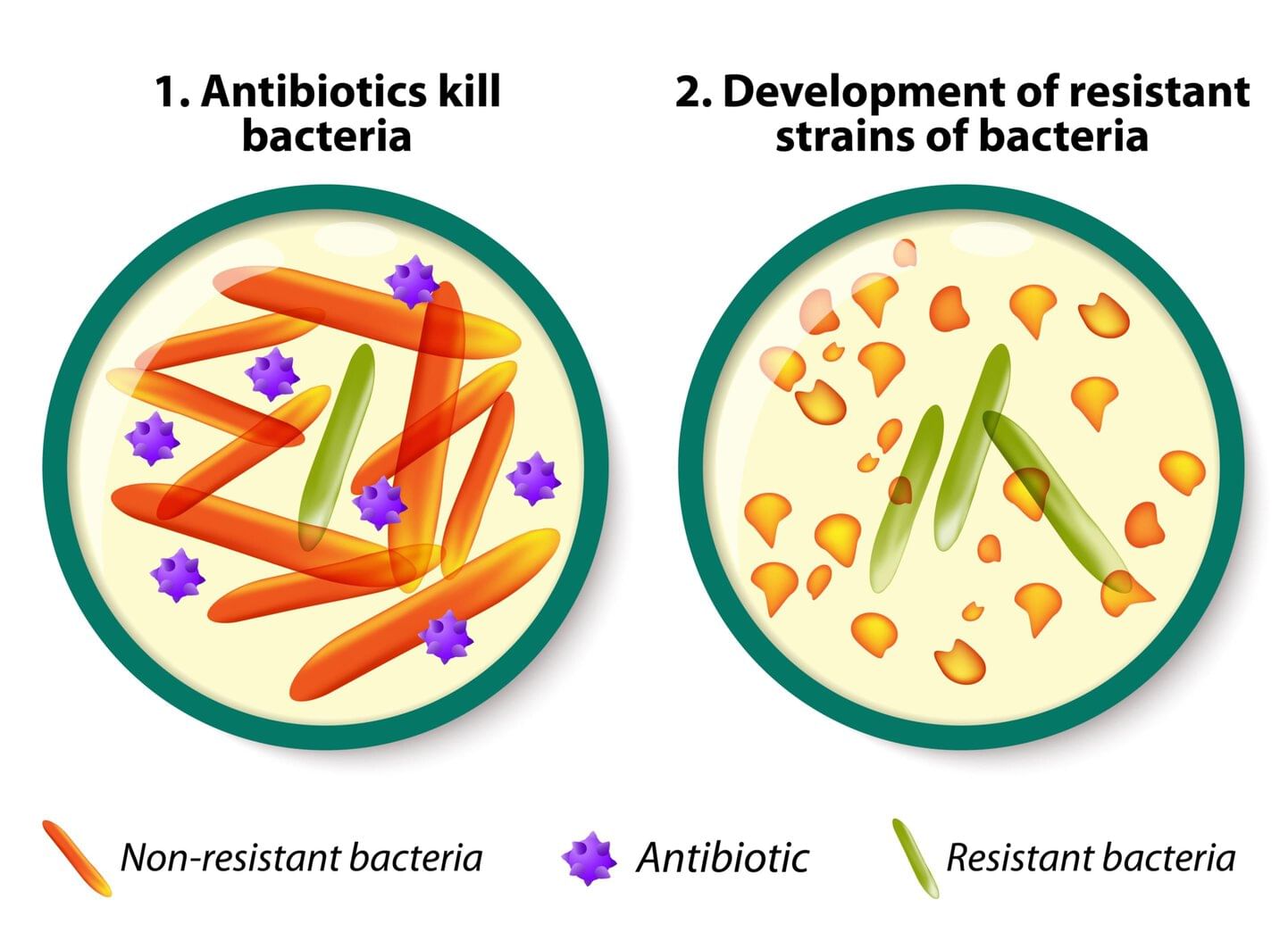
Q22. What is antibiotic resistance?
Answer: When bacteria change and stop being killed by antibiotics.
Antibiotic Resistance

Q23. How can we prevent antibiotic resistance?
Answer: Take antibiotics only as prescribed and finish the full course.

Q24. What lifestyle change helps prevent NCDs?
Answer: Regular exercise.

Q25. Why is “prevention better than cure”?
Answer: Because stopping disease early is easier and safer than treating it later.
2. The Invisible Living World: Beyond Our Naked Eye – Very Short Answer Questions

Q1. What tool helps us see tiny organisms that are invisible to the naked eye?
Answer: A microscope helps us see tiny organisms that our eyes cannot see directly.

Q2. Why can’t we see most microorganisms without help?
Answer: Most microorganisms are too small to be seen with the unaided eye.
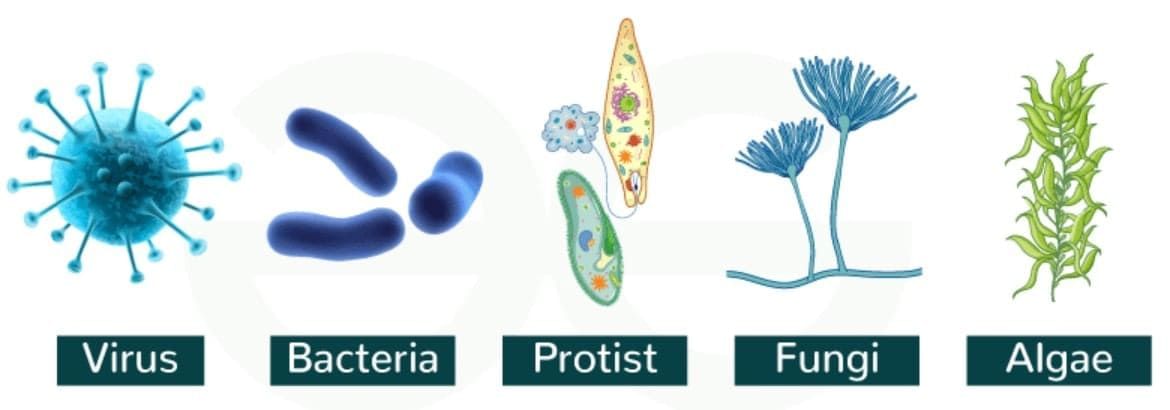
Microorganisms

Q3. What simple object filled with water can act like a magnifying glass?
Answer: A round-bottom flask filled with water can act like a magnifying glass.

Q4. Who first used the word “cell” in science?
Answer: Robert Hooke first used the word “cell” after observing cork under a microscope.

Q5. Who is called the Father of Microbiology?
Answer: Antonie van Leeuwenhoek is called the Father of Microbiology.

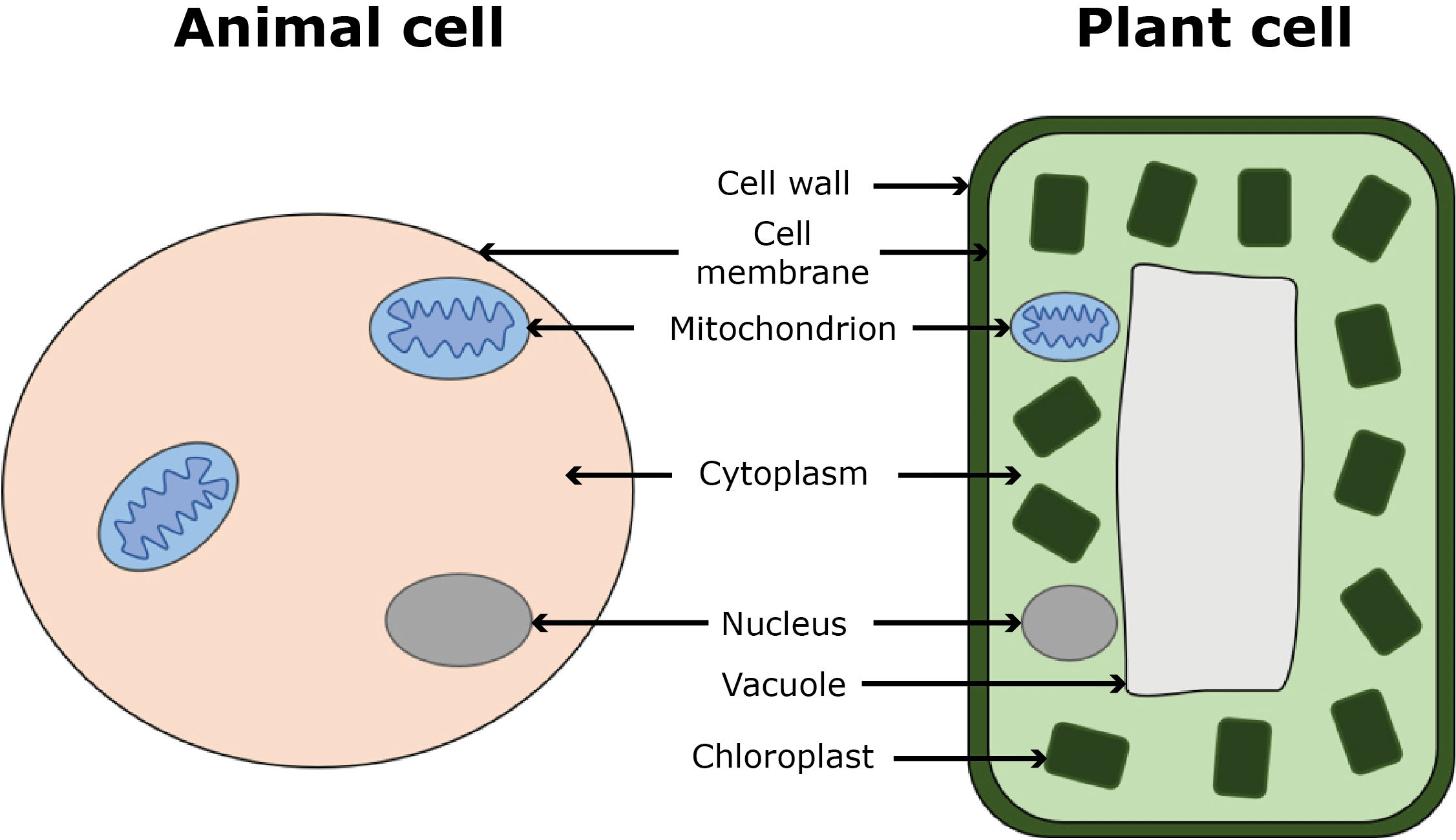
Q6. What is the basic unit of life?
Answer: The cell is the basic unit of life.

Q7. Which part of the cell controls all activities?
Answer: The nucleus controls all cell activities.

Q8. Which cell part is a thin, flexible boundary around the cell?
Answer: The cell membrane is the thin, flexible boundary around the cell.

Q9. Name the jelly-like substance inside the cell where life processes occur.
Answer: The cytoplasm is the jelly-like substance where life processes occur.

Q10. Which extra layer is present in plant cells but not in animal cells?
Answer: The cell wall is present in plant cells but not in animal cells.

Q11. Which plant cell part contains chlorophyll for photosynthesis?
Answer: Chloroplasts contain chlorophyll for photosynthesis.

Q12. Which cell part stores food, water, and waste in plant cells?
Answer: The vacuole stores food, water, and waste in plant cells.

Q13. How do onion peel cells appear under a microscope?
Answer: Onion peel cells look rectangular and are closely packed.

Q14. What shape are cheek cells generally?
Answer: Cheek cells are thin, flat, and irregular in shape.

Q15. Why do different cells have different shapes?
Answer: Different cells have different shapes to perform specific functions.

Q16. Arrange these levels of organization from simplest to most complex: organ, cell, tissue, organism, organ system.
Answer: Cell, tissue, organ, organ system, organism.

Q17. What do microbes that decompose waste help form in soil?
Answer: They help form dark, nutrient-rich manure called compost.

Q18. Why don’t pickles spoil easily?
Answer: High salt or sugar prevents microbes from growing in pickles.

Q19. What gas is the main component of biogas made by microbes?
Answer: Methane is the main component of biogas.

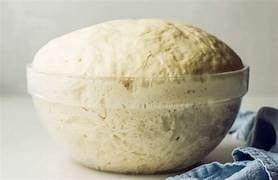
Q20. Which microbe is used to make dough rise?
Answer: Yeast is used to make dough rise.
Rising Dough

Q21. Which bacteria turn milk into curd?
Answer: Lactobacillus bacteria turn milk into curd.

Q22. Which bacteria living in legume roots fix nitrogen?
Answer: Rhizobium bacteria fix nitrogen in legume roots.

Q23. What are very small, plant-like organisms in water that release much of Earth’s oxygen?
Answer: Microalgae are tiny plant-like organisms that release much oxygen.

Q24. Name a microalga known as a “superfood.”
Answer: Spirulina is a microalga known as a superfood.

Q25. What is a unicellular organism?
Answer: A unicellular organism is a living thing made of only one cell.

1. Exploring the Investigative World of Science – very short answer Questions

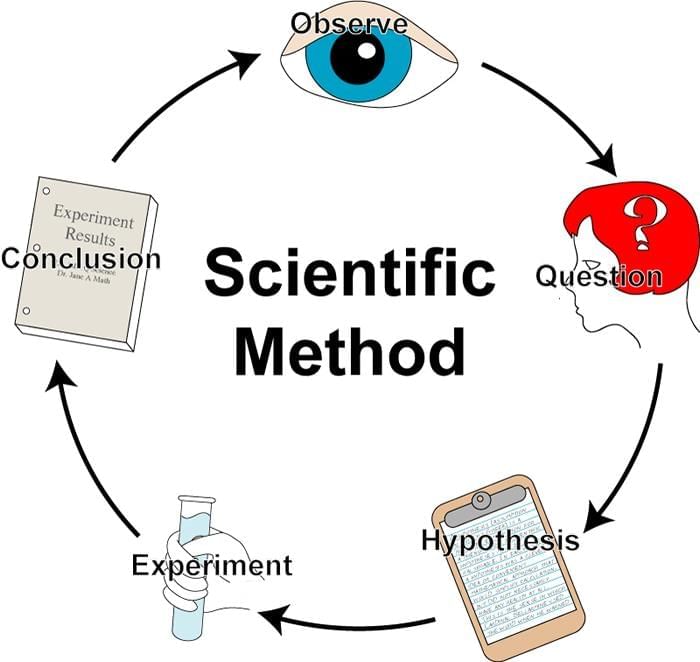
Q1. What do scientists first do when they begin an investigation?
Answer: Scientists begin by asking clear “Why?” and “How?” questions.

Q2. What does “systematic investigation” mean?
Answer: Systematic investigation means testing step-by-step while changing only one variable at a time.

Q3. What is a variable in an experiment?
Answer: A variable is something you can change, like temperature or size, to see its effect on the experiment.

Q4. Why is it important to control variables?
Answer: Controlling variables helps us know which change caused the result.

Q5. What should you always do after observing an experiment?
Answer: You should record your observations carefully after observing an experiment.

Q6. What do the “roots” symbolize in science learning?
Answer: Roots symbolize careful observation and building ideas on solid facts.

Q7. What does the “kite” symbolize in science learning?
Answer: The kite symbolizes creativity and imaginative thinking in exploration.

Q8. Why does curiosity matter in science?
Answer: Curiosity leads to questions that start investigations and discoveries.

Q9. What are microbes?
Answer: Microbes are tiny living organisms that we cannot see with our naked eye.

Q10. How do some microbes help us?
Answer: Some microbes help in digestion and making medicines and fermented foods.

Q11. What does “prevention is better than cure” mean in health?
Answer: It means staying clean and vaccinated to avoid getting sick.

Q12. What is the role of the immune system?
Answer: The immune system protects our body by fighting germs and diseases.

Q13. What is the heating effect of electricity used for?
Answer: The heating effect is used in devices like heaters and electric irons.

Q14. What is the magnetic effect of electricity used for?
Answer: The magnetic effect is used to run electric motors and many machines.

Q15. What can a force do to an object?
Answer: A force can start, stop, speed up, slow down, or change the direction of an object.

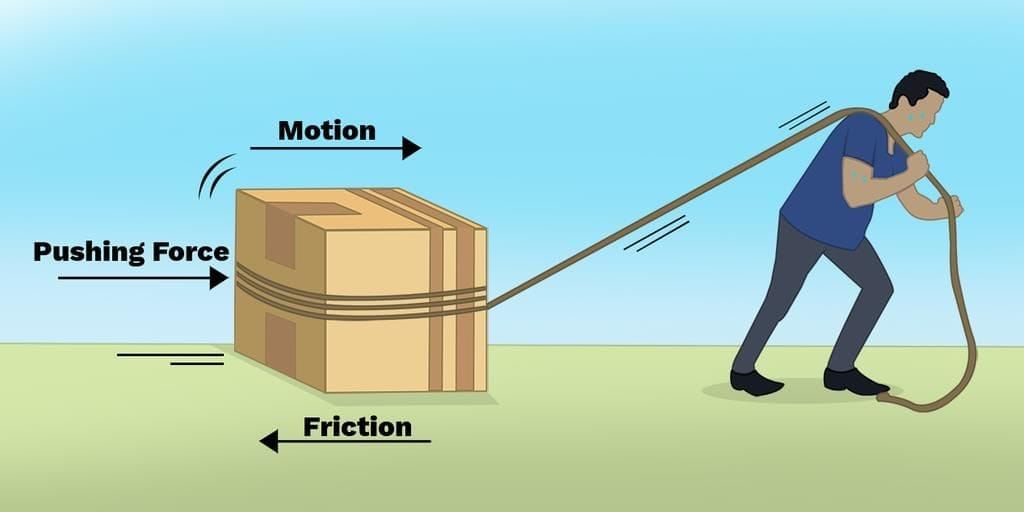
Q16. What is friction?
Answer: Friction is a force that resists motion and slows moving objects.

Q17. What is pressure?
Answer: Pressure is the force applied per unit area on a surface.

Q18. How are winds formed?
Answer: Winds are formed by differences in air pressure that move air from high to low pressure.

Q19. What are the three states of matter?
Answer: The three states of matter are solid, liquid, and gas.

Q20. What is an element?
Answer: An element is a pure substance made of only one kind of atom, like oxygen.

Q21. What is a solution?
Answer: A solution is a mixture where a solute dissolves evenly in a solvent.

Q22. How does light travel?
Answer: Light travels in straight lines and can reflect from mirrors or refract through lenses.

Q23. What causes the phases of the Moon?
Answer: The phases of the Moon are caused by the Moon’s changing positions relative to Earth and the Sun.

Q24. What is an ecosystem?
Answer: An ecosystem is a community where living things interact with each other and with nonliving things like air, water, and sunlight.