3. Health: The Ultimate Treasure – Worksheet Solutions

Q1. Multiple Choice Questions (MCQs)

Instruction: Select the correct option for each question.
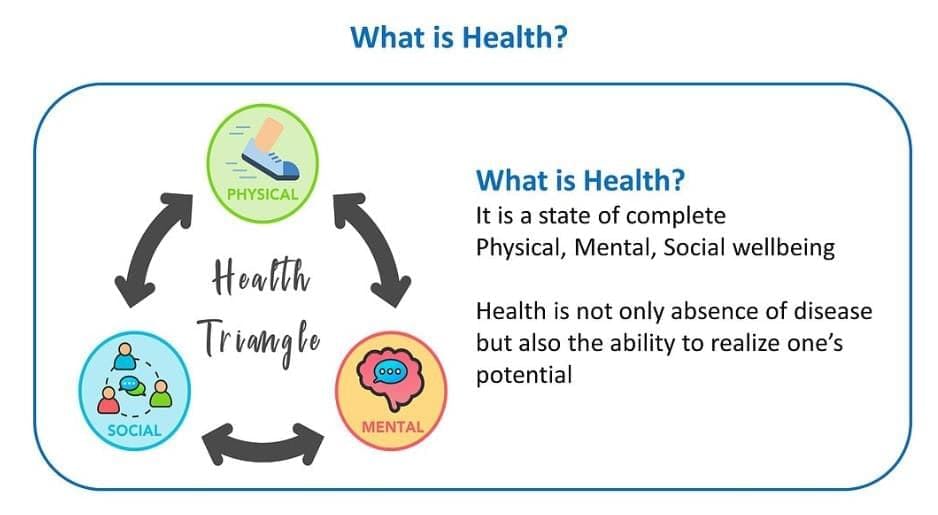
  1. According to WHO, health means:
    a) Only absence of disease
    b) Physical fitness only
    c) Complete physical, mental, and social well-being
    d) Ability to work hard
    Answer: c) Complete physical, mental, and social well-being
    WHO defines health as overall well-being, not merely absence of illness.
  2. Which is a sign, not a symptom?
    a) Pain
    b) Tiredness
    c) Dizziness
    d) Fever
    Answer: d) Fever
    Signs are measurable/observable (e.g., temperature); symptoms are subjective feelings.
  3. Which disease is non-communicable?
    a) Typhoid
    b) Dengue
    c) Diabetes
    d) Chickenpox
    Answer: c) Diabetes
    Non-communicable diseases are not caused by pathogens and do not spread person to person.
  4. Which habit helps prevent communicable diseases?
    a) Skipping breakfast
    b) Sharing towels
    c) Washing hands with soap
    d) Sleeping very late
    Answer: c) Washing hands with soap
    Good hygiene reduces spread of germs.
  5. Which statement about antibiotics is correct?
    a) They kill viruses like flu
    b) They treat protozoan diseases
    c) They kill bacteria
    d) They are safe to take without prescription
    Answer: c) They kill bacteria
    Antibiotics act against bacteria, not viruses or protozoa.
  6. Who discovered the first antibiotic, penicillin?
    a) Edward Jenner
    b) Alexander Fleming
    c) Robert Koch
    d) Louis Pasteur
    Answer: b) Alexander Fleming
    In 1928, Fleming observed mould killing bacteria and identified penicillin.
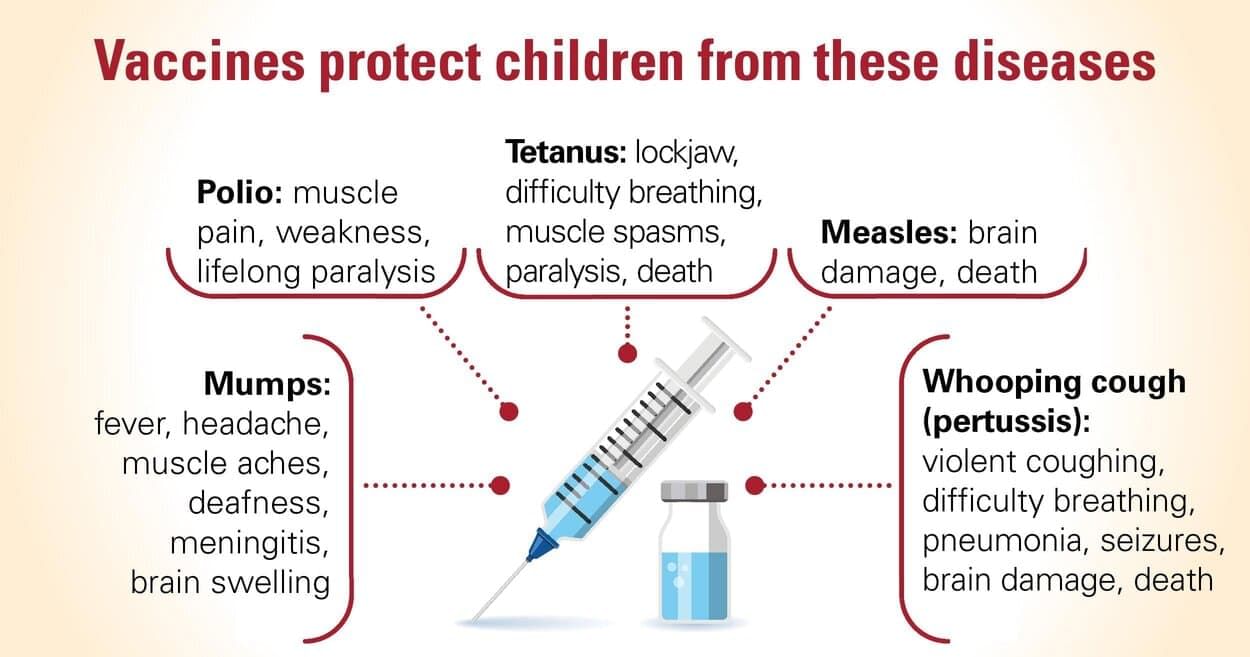
  7. Vaccines protect by:
    a) Killing pathogens directly in the body
    b) Teaching the immune system to recognize germs
    c) Giving energy to white blood cells
    d) Replacing antibiotics
    Answer: b) Teaching the immune system to recognize germs
    Vaccines create acquired immunity by training the immune system.
  8. Which factor commonly increases risk of NCDs?
    a) Playing outdoors
    b) Balanced diet
    c) Longer lifespans and less physical activity
    d) Handwashing
    Answer: c) Longer lifespans and less physical activity
    Lifestyle and aging contribute to higher NCD burden.
  9. Which practice from Ayurveda supports holistic health?
    a) Variolation
    b) Dinacharya and ritucharya
    c) Overuse of antibiotics
    d) Skipping meals
    Answer: b) Dinacharya and ritucharya
    Ayurveda recommends daily and seasonal routines for balance.
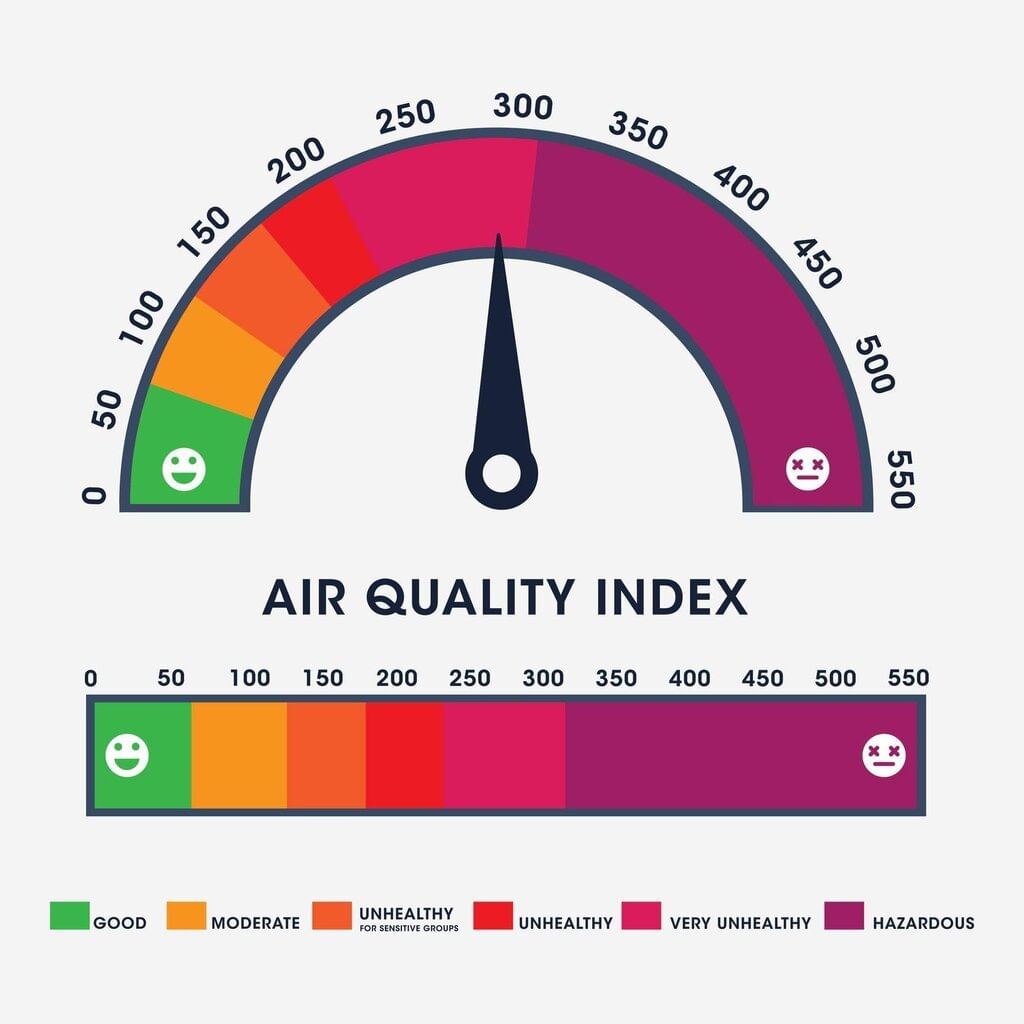
  10. AQI is used to measure:
    a) Water purity
    b) Body temperature
    c) Air quality
    d) Sleep quality
    Answer: c) Air quality
    Air Quality Index indicates how clean or polluted the air is.

Q2. Fill in the Blanks

Instruction: Fill in the blanks with the correct word based on the chapter.

  1. Health includes physical, mental, and ______ well-being.
    Answer: social
    WHO emphasizes social well-being along with body and mind.
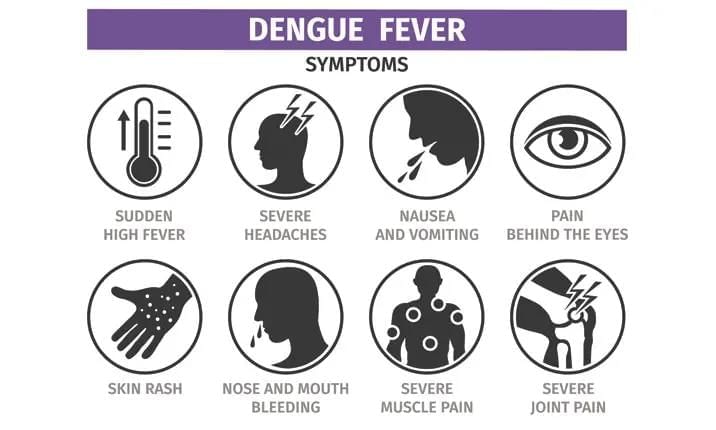
  2. Headache is a ______ experienced by the patient.
    Answer: symptom
    Symptoms are felt by the person.
  3. A measurable change like a rash or swelling is called a ______.
    Answer: sign
    Signs are observed or measured by others.
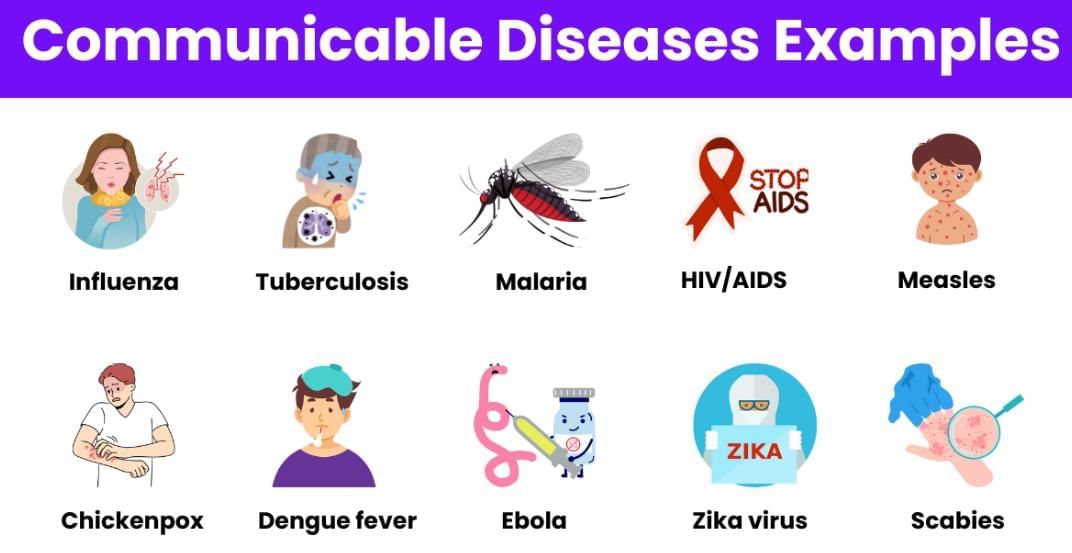
  4. Diseases that spread from person to person are called ______ diseases.
    Answer: communicable
    Communicable diseases are caused by pathogens and can spread.
  5. Diseases like cancer and asthma that do not spread are ______ diseases.
    Answer: non-communicable
    NCDs are linked to lifestyle, environment, or body functions.
  6. The body’s ability to fight diseases is called ______.
    Answer: immunity
    Immunity is the defense capacity against pathogens.
  7. Using weakened or inactive germs to train the body’s defense is called a ______.
    Answer: vaccine
    Vaccines create acquired immunity against specific diseases.
  8. Taking antibiotics without need can lead to antibiotic ______.
    Answer: resistance
    Misuse allows bacteria to adapt and survive the drug.
  9. Building and using toilets helps prevent diseases spread through contaminated ______.
    Answer: water
    Sanitation prevents water-borne diseases like diarrhoea.
  10. Practising ______, like deep breathing, supports mental health in Ayurveda.
    Answer: mindfulness (or yoga/pranayama)
    Mindfulness, yoga, and pranayama promote calm and balance.

Q3. Very Short Answer Questions 

Instruction: Answer the following questions in one line.

  1. What does WHO say about health?
    Answer: It is complete physical, mental, and social well-being, not just absence of disease.
  2. Name one vector that spreads communicable diseases.
    Answer: Mosquito.
  3. What is the term for the body’s natural defense system?
    Answer: Immune system.
  4. Which discovery led to modern antibiotics?
    Answer: Penicillin discovered by Alexander Fleming in 1928.
  5. What does AQI stand for?
    Answer: Air Quality Index.
Q4. Short Answer Questions 

Instruction: Answer the following questions in 2–3 lines.

  1. How did screen time and loneliness affect student’s health?
    Answer: Excessive screen time and loneliness caused headaches, weight loss, and sleep problems—showing links between mental and physical health. Counselling and making friends improved his well-being.
  2. How do communicable diseases spread through air?
    Answer: Infected people release droplets with pathogens by coughing/sneezing/talking; others inhale them and get infected (e.g., flu, TB).
  3. Why should we finish a full course of antibiotics?
    Answer: Stopping early leaves some bacteria alive, which can become resistant, making future infections harder to treat.
  4. How does community sanitation improve health?
    Answer: Building and using toilets, reducing open defecation, and proper waste disposal stop germs from contaminating water and food, lowering diarrhoeal diseases.
  5. Why are relationships important for health?
    Answer: Supportive friendships and family time reduce stress, improve mood, and support mental and social well-being.

Q5. Match the Following

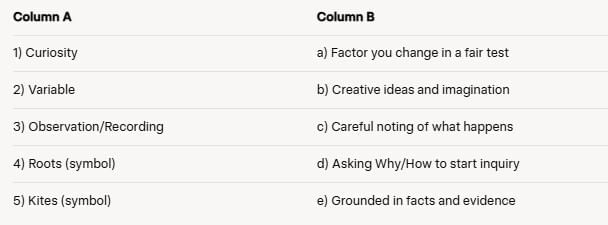
Instruction: Match Column A with the correct option in Column B.
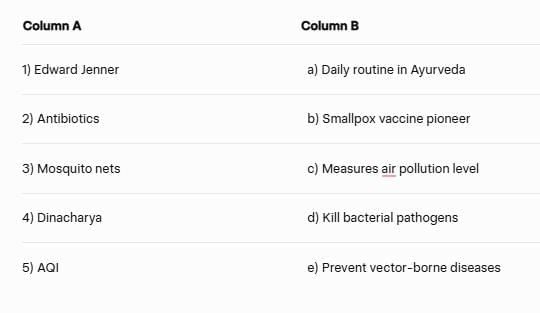
Correct Matches:

  1. Edward Jenner — b) Smallpox vaccine pioneer
    Jenner introduced the first vaccine using cowpox, leading to smallpox eradication.
  2. Antibiotics — d) Kill bacterial pathogens
    Antibiotics act against bacteria, not viruses.
  3. Mosquito nets — e) Prevent vector-borne diseases
    Nets prevent mosquitoes from biting humans and thus reduce transmission of malaria/dengue.
  4. Dinacharya — a) Daily routine in Ayurveda
    Daily habits for balanced body and mind in Ayurveda.
  5. AQI — c) Measures air pollution level
    Air Quality Index shows how clean or polluted the air is.
2. The Invisible Living World: Beyond Our Naked Eye – Worksheet Solutions

Multiple Choice Questions (MCQs)

Instruction: Select the correct option for each question.

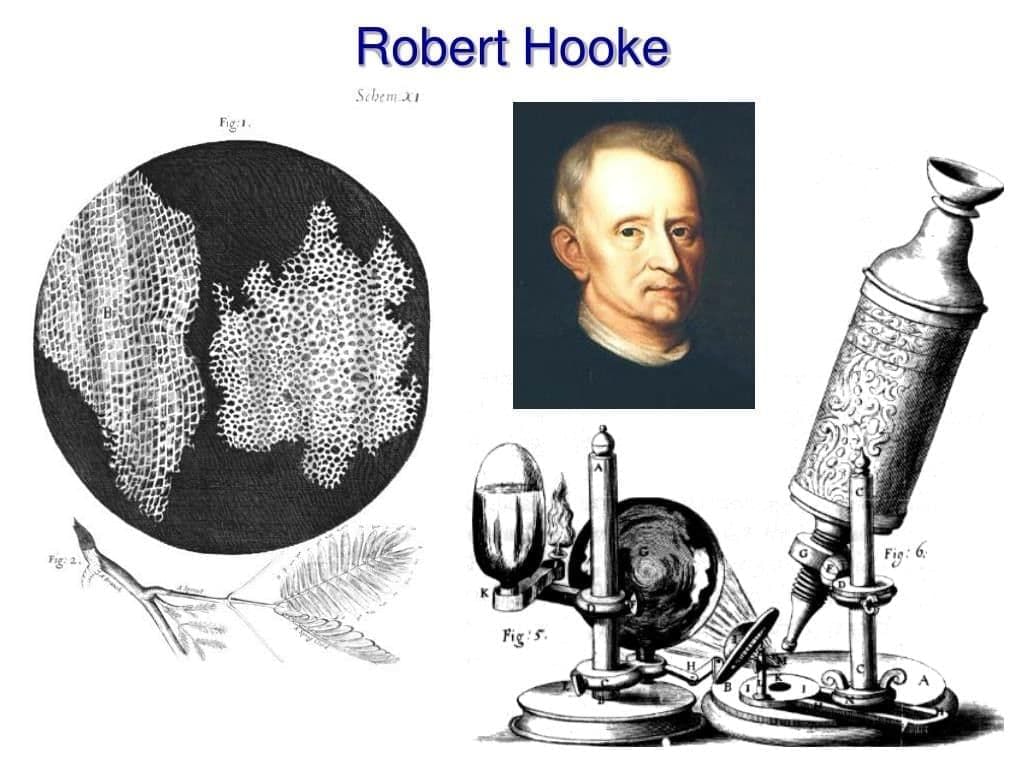
  1. Who first used the term “cell” after observing thin slices of cork?
    a) Antonie van Leeuwenhoek
    b) Robert Hooke
    c) Louis Pasteur
    d) Ananda Mohan Chakrabarty
    Answer
    : b) Robert Hooke
     In 1665, Robert Hooke observed cork under a microscope and named the tiny compartments “cells.”
  2. Which tool allows us to view objects too small to be seen with the naked eye?
    a) Telescope
    b) Periscope
    c) Microscope
    d) Binoculars
    Answer:
     c) Microscope
    Microscopes magnify tiny objects, revealing details invisible to unaided eyes.
  3. A round-bottom flask filled with water can act as:
    a) A lens/magnifier
    b) A telescope
    c) A prism
    d) A mirror
    Answer: a
    ) A lens/magnifier
    The curved water-filled flask bends light like a lens, making objects appear larger.
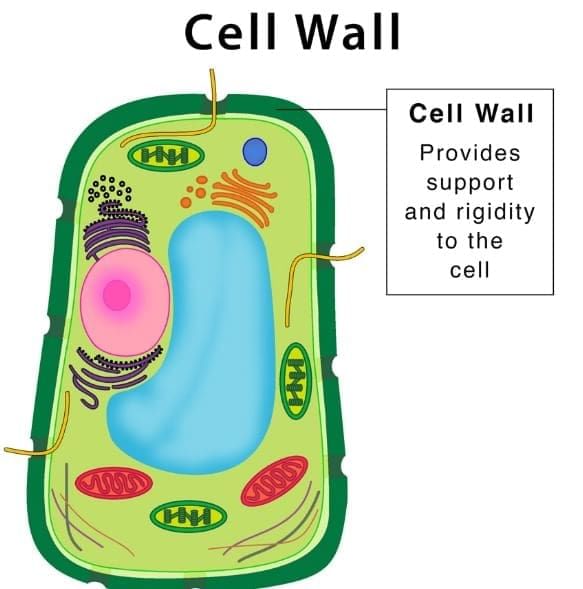
  4. Which cell structure is present in plant cells but absent in animal cells?
    a) Nucleus
    b) Cell membrane
    c) Cell wall
    d) Cytoplasm
    Answer:
     c) Cell wall
    Plant cells have a rigid cell wall; animal cells do not.
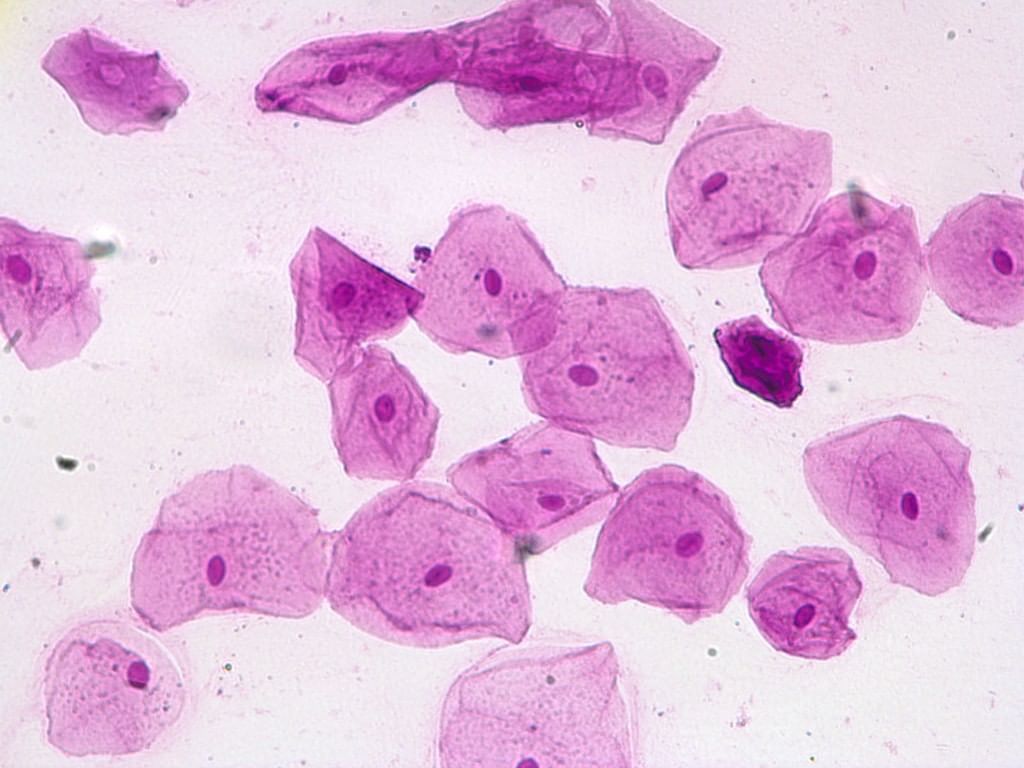
  5. Which statement is true about cheek cells?
    a) They are rectangular and have a cell wall.
    b) They have a large central vacuole. 
    c) They contain chloroplasts.
    d) They are polygon-shaped and lack a cell wall.

    Answer: d) They are polygon-shaped and lack a cell wall.
    Cheek cells are animal cells—irregular, flat, with no cell wall.
  6. Which part of the cell controls all activities like growth and division?
    a) Cytoplasm
    b) Nucleus
    c) Cell membrane
    d) Vacuole

    Answer: b) Nucleus
    Explanation: The nucleus acts as the control center of the cell.
  7. Spirulina is best described as:
    a) A microalga used as a superfood
    b) A nitrogen-fixing bacterium
    c) A fungus used in bread making
    d) A protozoan that causes disease

    Answer: a) A microalga used as a superfood
    Spirulina is rich in protein and vitamin B12 and is farmed as a dietary supplement.
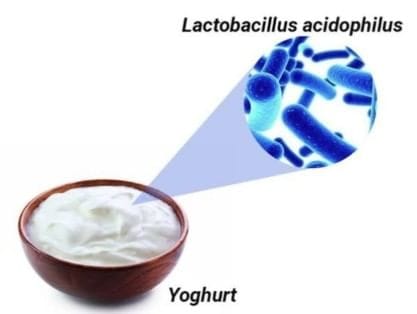
  8. Which microorganism helps convert milk into curd?
    a) Yeast
    b) Rhizobium
    c) Lactobacillus
    d) Amoeba

    Answer: c) Lactobacillus
    Lactobacillus converts lactose into lactic acid, forming curd.

Fill in the BlanksInstruction: Fill in the blanks with the correct word based on the chapter.

  1. The jelly-like substance inside a cell where life processes occur is the ______.
    Answer: cytoplasm
    Cytoplasm contains nutrients and is the site of many cell activities.
  2. The thin, flexible boundary of a cell that controls entry and exit is the ______ ______.
    Answer: cell membrane
    The cell membrane is porous and selectively allows substances in and out.
  3. In onion peel cells, staining with ______ helps make the cells visible.
    Answer: safranin
    Red safranin stain highlights cell parts under a microscope.
  4. Cheek cells are commonly stained with ______ ______.
    Answer: 
    methylene blue
    Methylene blue makes the nucleus and cell boundaries more visible.
    Cheek Cells
  5. The bacteria that fix nitrogen in legume root nodules are called ______.
    Answer
    : Rhizobium
     Rhizobium converts atmospheric nitrogen into usable forms for plants.
  6. The process by which yeast makes dough rise by releasing carbon dioxide is called ______.
    Answer:
     fermentation
    Yeast ferments sugars to produce CO2, making dough fluffy.
  7. Bacterial genetic material without a nuclear membrane is found in a region called the ______.
    Answer:
     nucleoid
    Bacteria lack a well-defined nucleus; DNA lies in the nucleoid region.

Very Short Answer Questions 

Instruction: Answer the following questions in one line.

  1. Who is known as the Father of Microbiology?
    Answer: 
    Antonie van Leeuwenhoek.
  2. What do chloroplasts contain that enables photosynthesis?
    Answer:
     Chlorophyll.
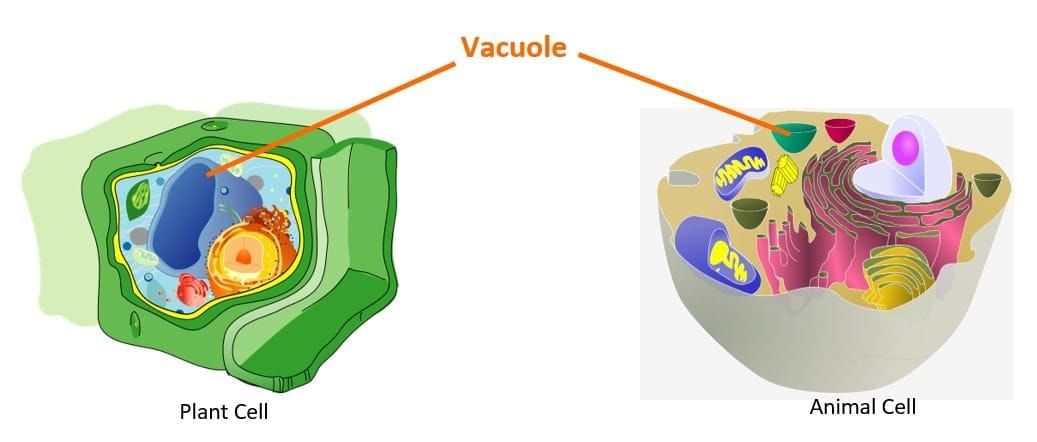
  3. Name the large storage cavity commonly found in plant cells.
    Answer: 
    Vacuole.
  4. What shape are muscle cells typically described as?
    Answer: 
    Spindle-shaped (tapered at both ends).
  5. Which organisms decompose waste to form manure?
    Answer: 
    Bacteria and fungi (microbes).

Short Answer QuestionsInstruction: Answer the following questions in 2–3 lines.

  1. Why are some microorganisms invisible to the naked eye?
    Answer: They are extremely small—often single-celled—and fall below the resolution limit of human vision. Microscopes are needed to magnify them for observation.
  2. How does high salt or sugar preserve pickles and murabbas?
    Answer: High salt/sugar creates conditions that draw water out of microbial cells (osmotic effect), preventing their growth and spoilage.
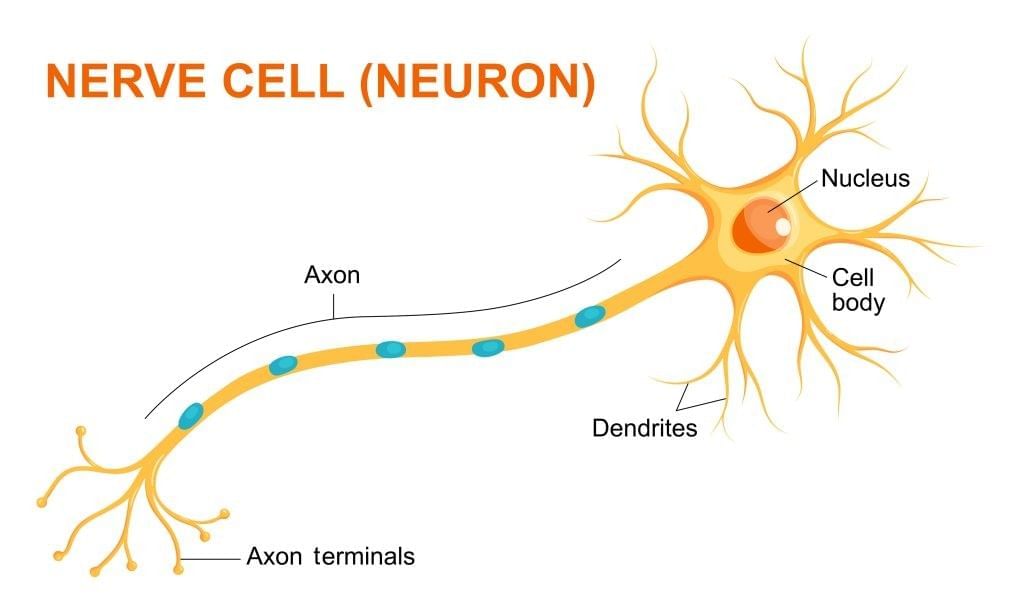
  3. How do nerve cells (neurons) suit their function?
    Answer: Neurons are long and branched, allowing rapid transmission of messages over distances in the body.
  4. Why is warm milk preferred for curd formation?
    Answer: Warm conditions help Lactobacillus multiply and convert lactose into lactic acid faster, thickening the milk.
  5. What role do microalgae play in Earth’s oxygen supply?
    Answer: Microalgae perform photosynthesis and release a major share of Earth’s oxygen, supporting life and aquatic food chains.

Match the Following 

Instruction: Match Column A with the correct option in Column B.

Correct Matches:

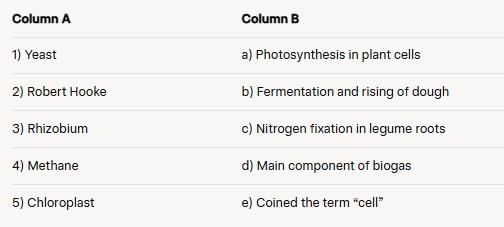
  1. Yeast — b) Fermentation and rising of dough
    Explanation: Yeast ferments sugars, releasing CO2 that makes dough rise.
  2. Robert Hooke — e) Coined the term “cell”
    Explanation: He named the cork compartments “cells” after observing them.
  3. Rhizobium — c) Nitrogen fixation in legume roots
    Explanation: Rhizobium in root nodules converts atmospheric nitrogen into plant-usable forms.
  4. Methane — d) Main component of biogas
    Explanation: Anaerobic microbial action produces methane, a fuel.
  5. Chloroplast — a) Photosynthesis in plant cells
    Explanation: Chloroplasts contain chlorophyll and perform photosynthesis.

1. Exploring the Investigative World of Science – Worksheet Solutions

Multiple Choice Questions (MCQs)

Instruction: Select the correct option for each question.

  1. According to this chapter, what starts every good scientific investigation?
    a) Expensive lab equipment
    b) Memorising facts
    c) Asking focused “Why?” and “How?” questions
    d) Copying others’ experiments
    Answer: c) Asking focused “Why?” and “How?” questions
    Curiosity drives science; good questions lead to investigations.
  2. What does “controlling variables” mean in an experiment like puffing a puri?
    a) Changing many things at once
    b) Changing nothing at all
    c) Changing only one factor while keeping others the same
    d) Ignoring measurements
    Answer: c) Changing only one factor while keeping others the same
    This helps identify which factor causes the observed effect.
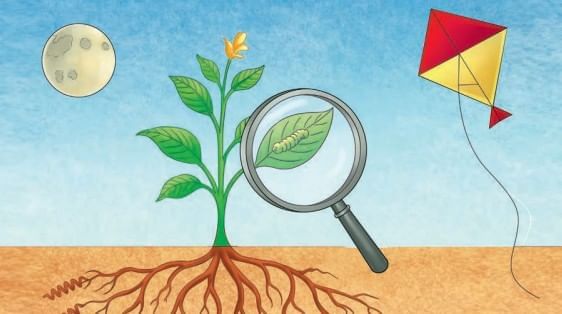
  3. In the “roots and kites” symbol, roots mainly remind us to:

    a) Fly kites higher
    b) Rely only on imagination
    c) Stay grounded in careful observations and facts
    d) Ignore data
    Answer: c) Stay grounded in careful observations and facts
    Roots = solid observations; kites = creative ideas.
    Roots and Kites
  4. Which topic best illustrates “the invisible world”?
    a) Moon phases
    b) Microbes in a drop of water
    c) Cyclones
    d) Mirrors and lenses
    Answer: b) Microbes in a drop of water
    They are unseen without microscopes.
  5. Which is NOT a correct match of topic to key idea?
    a) Health — immunity and vaccines help prevent disease
    b) Electricity — only lighting bulbs, not heating
    c) Forces — change speed/direction of objects
    d) Pressure and winds — air moves from high to low pressure
    Answer: b) Electricity — only lighting bulbs, not heating
    Electricity also has heating and magnetic effects.
  6. What is the main reason for doing “one change at a time” in an experiment?
    a) To finish faster
    b) To make it more exciting
    c) To clearly link cause and effect
    d) To avoid writing observations
    Answer: c) To clearly link cause and effect
    This makes conclusions reliable.
  7. Which tool of science is most directly used when you record time to puff a puri?
    a) Classifying
    b) Measuring
    c) Predicting without testing
    d) Guessing
    Answer: b) Measuring
    Measurement turns observations into usable data.
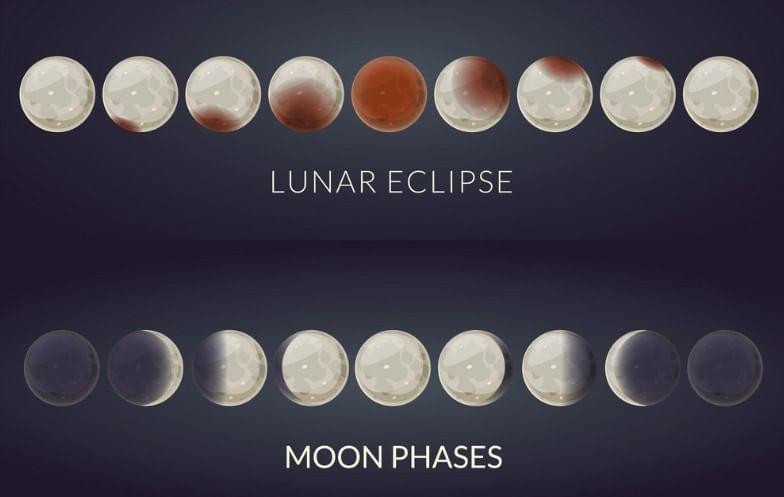
  8. Why do we learn about Moon phases and eclipses under “keeping time with the skies”?
    a) For decoration
    b) To ignore calendars
    c) Because celestial motions helped humans define days, months, years
    d) To stop using watches
    Answer: c) Because celestial motions helped humans define days, months, years
    Sky observations underpin calendars.

Fill in the Blanks

Instruction: Fill in the blanks with the correct word based on the chapter.

  1. Writing down what you see is called __________.
    Answer: recording (or observation)
    Notes make results reliable and comparable.
  2. Health is complete physical, mental, and __________ well-being.
    Answer: social
    This is the WHO view of health.
  3. Air moves from high pressure to __________ pressure to form winds.
    Answer: low
    Pressure differences drive air flow.
  4. All matter is made of tiny __________ that behave differently in solids, liquids, and gases.
    Answer: particles
    Arrangement and motion vary by state.
  5. Light can __________ from mirrors and __________ through lenses.
    Answer: reflect; refract
    These behaviors help us see and focus images.
  6. Watching the Sun and Moon helped humans create __________ to track days and months.
    Answer: calendars
    Sky motions define time units.
  7. Science balances careful observation with __________ thinking.
    Answer: creative
    Both are needed for discovery.

Very Short Answer Questions

Instruction: Answer the following questions in one line.

  1. What two words best start a scientific investigation?
    Answer: “Why?” and “How?”
  2. In an experiment, what do we call the factor we deliberately change?
    Answer: The variable (independent variable).
  3. Name one measurement you could take in the puri experiment.
    Answer: Time taken to puff (in seconds).
  4. Give one reason to keep a science notebook.
    Answer: To record observations and compare results later.

Short Answer Questions

Instruction: Answer the following questions in 2–3 lines.

  1. Why is changing only one variable at a time important?
    Answer: It isolates cause and effect. If only one factor changes, we can confidently link any outcome difference to that factor.
  2. How does this chapter connect small observations to big ideas?
    Answer: It moves from simple experiments (like puris puffing) to major topics (health, forces, climate), showing the same scientific method applies everywhere.
  3. What skills are highlighted as core to doing science well?
    Answer: Asking focused questions, controlling variables, careful observation, measurement, recording, and reasoning from evidence.
  4. Give two example variables for the puri activity.
    Answer: Oil temperature and dough thickness (keep other factors constant while testing one).

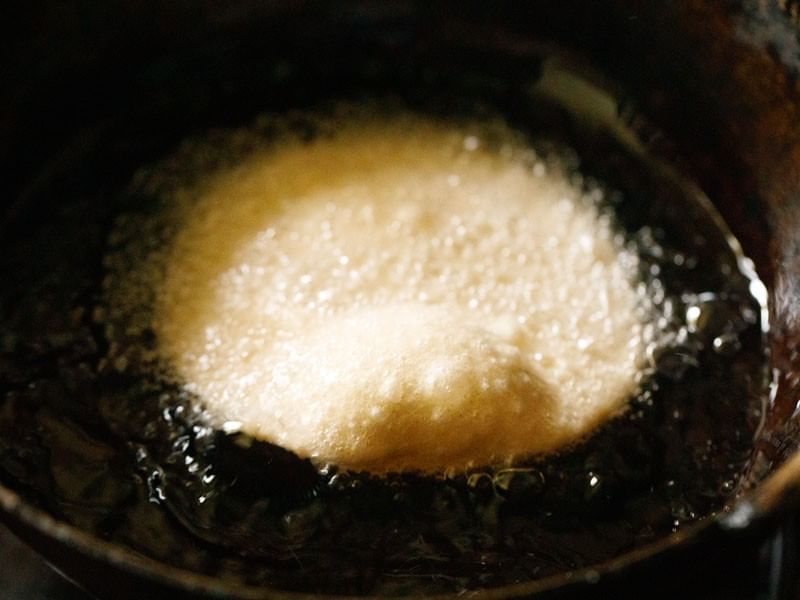
Poori puffing up in Oil

Match the Following

Instruction: Match Column A with the correct option in Column B.

Ans:

  1. Curiosity — d) Asking Why/How to start inquiry
    Explanation: Questions trigger investigations.
  2. Variable — a) Factor you change in a fair test
    Explanation: Only one variable changes at a time.
  3. Observation/Recording — c) Careful noting of what happens
    Explanation: Data makes conclusions reliable.
  4. Roots (symbol) — e) Grounded in facts and evidence
    Explanation: Stay connected to observations.
  5. Kites (symbol) — b) Creative ideas and imagination
    Explanation: Let thinking soar to new possibilities.