Everything around you, like clothes, shoes, or phones, is made through a process called production. This process uses resources, called factors of production, to create goods and services. This chapter explains the four main factors—land, labour, capital, and entrepreneurship—how they work together with technology, and the responsibilities in using them.
Every product, like clothes, school bags, furniture, phones, or computers, goes through a production process before it reaches you.
Businesses use resources or inputs, known as factors of production, to create goods and services.
These factors also create opportunities for people to work and earn a living.
In economics, factors of production are classified into four types: land, labour, capital, and entrepreneurship.
Technology helps businesses produce more with the same or fewer resources.
A glimpse at the production of some goods
Factors of Production
Businesses combine different resources to make goods and services. These resources are grouped into four main types, which we’ll explore below.
Land (Natural Resources)
Land in economics means more than just the ground—it includes all natural resources that help make products.
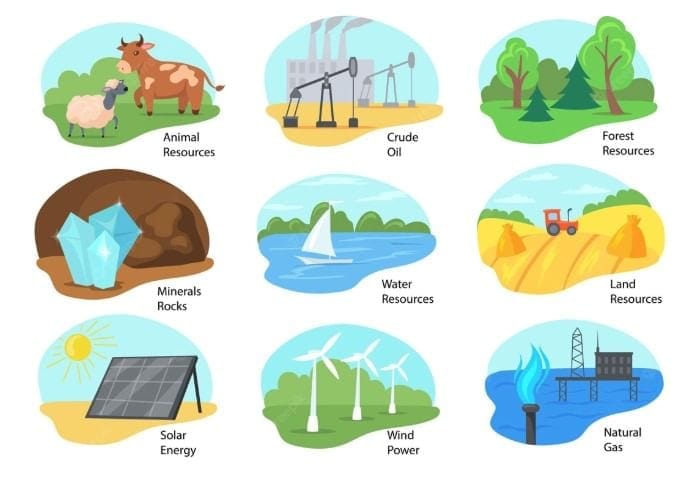
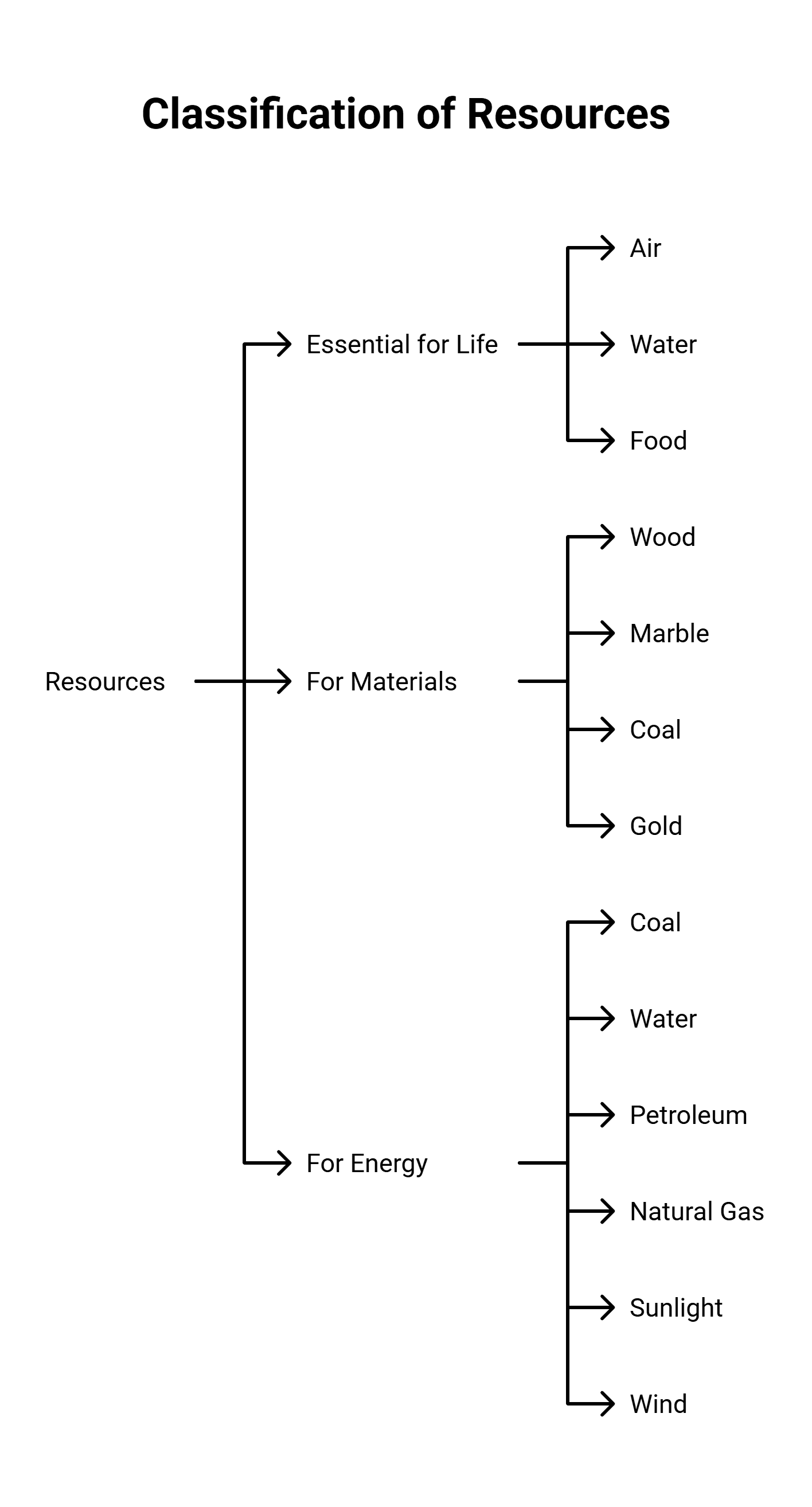
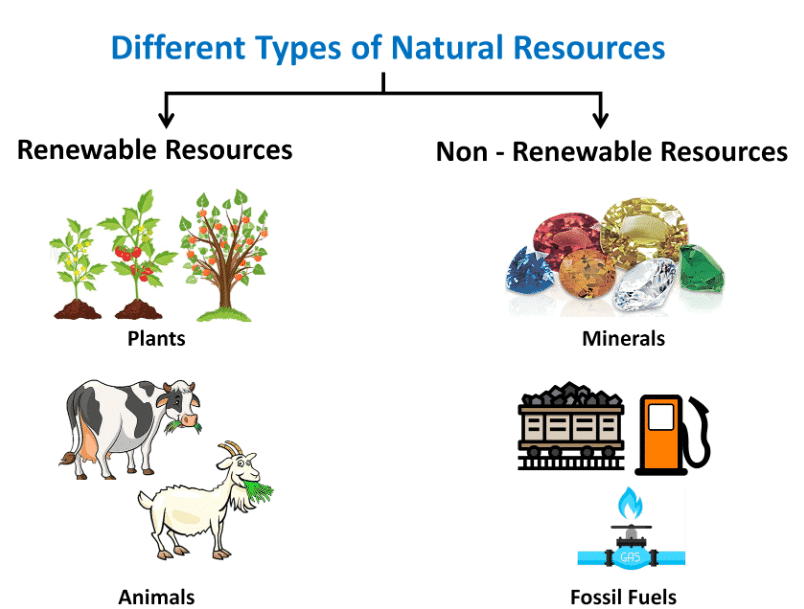
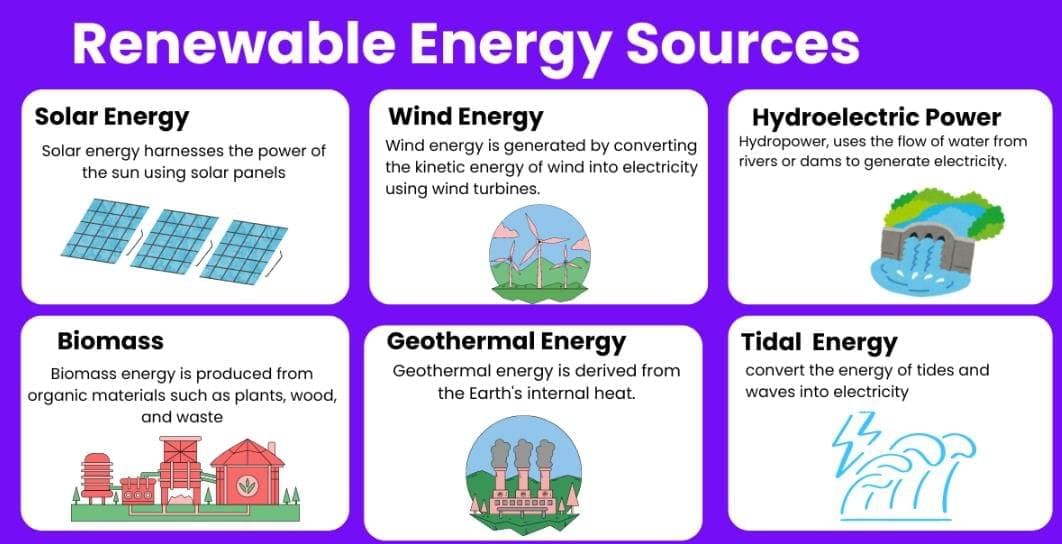
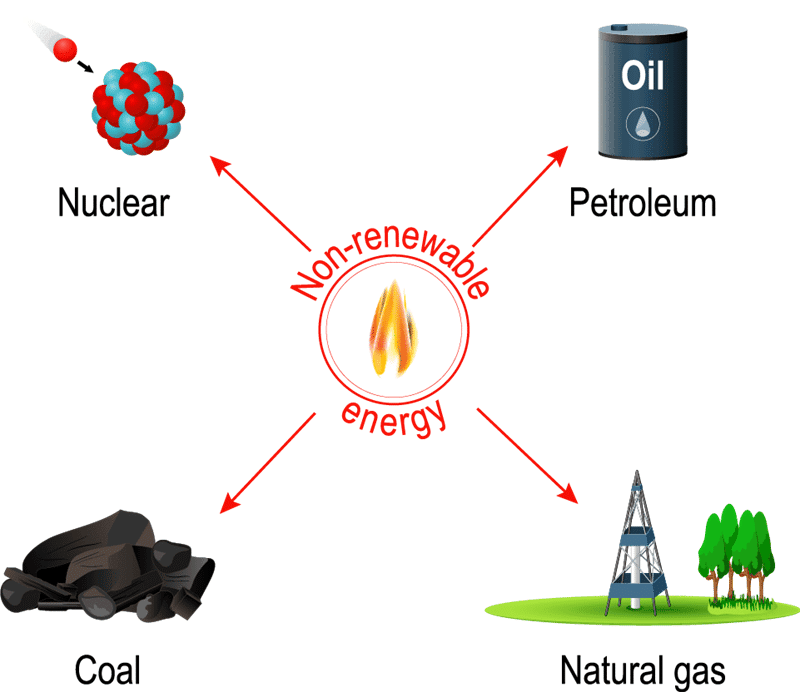
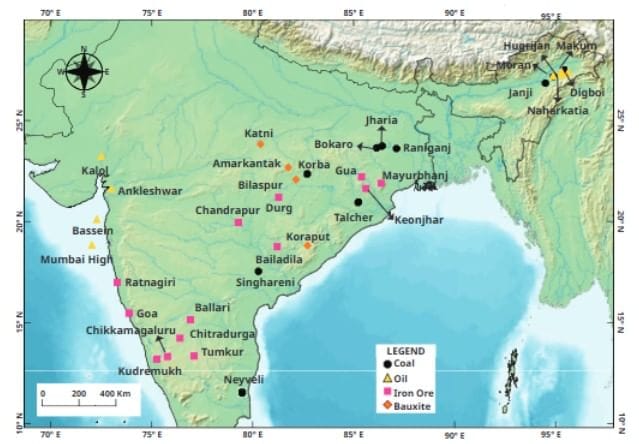
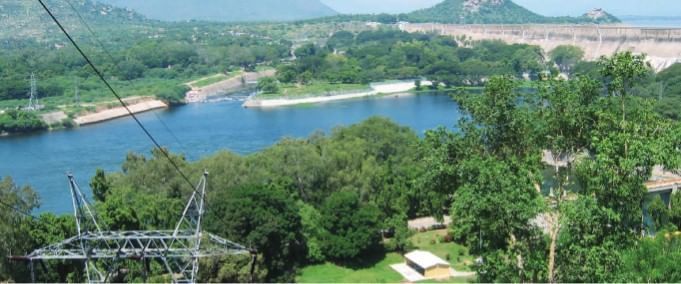
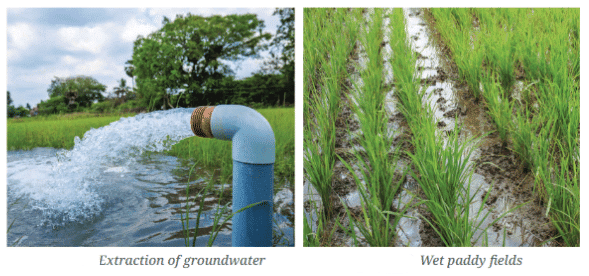
Land covers geographical land and natural resources like soil, forests, water, air, sunlight, minerals, oil, and natural gas.
Businesses either buy land or pay rent to use it for some time.
Natural resources are gifts from nature, used in production, as discussed in the chapter on Natural Resources and Their Use.
Labour (Human Resources)
Labour is the effort people put into making goods and services, using their bodies and minds.
Labour involves physical and mental effort, like the work of carpenters, farmers, construction workers, teachers, or doctors.
Different jobs need different levels of strength, knowledge, and skill.
Everyone’s work helps create goods and services that society needs.
Construction workers
People as a Resource
People are key to production because they use their skills and knowledge to create goods and services.
Human beings apply knowledge, skills, and decision-making to produce goods and services, like a police officer keeping law and order, a scientist inventing technology, or a chef creating recipes.
Labour is the physical and mental effort in production, while human capital is the special skills, knowledge, abilities, and expertise that make labour more effective.
Human capital improves the quality and efficiency of work, requiring dedication to do a good job.
People as Resource
Facilitators of Human Capital
(a) Education and Training
Education gives people knowledge, from basic reading and writing to expertise in fields like engineering.
School learning prepares students to solve real-world problems, like a civil engineering student learning to design roads and bridges.
Training, like observing construction sites, testing materials, or learning safety rules, helps people apply their knowledge practically.
Education and training prepare individuals to excel in their careers.
Education and training
(b) Healthcare
Good health helps children attend school regularly and learn better, supporting their brain development.
Healthy workers can give their best, physically and mentally, work faster, be creative, and avoid missing work due to illness.
Social and Cultural Influences
A culture of hard work and always improving, like Japan’s kaizen (continuous improvement) concept from the 1940s, helps countries progress.
Japan’s kaizen has raised living standards by encouraging better ways of working.
Germany’s work ethic, valuing punctuality, detail, and quality, has made it a leader in technology and manufacturing.
These cultural qualities strengthen human capital and boost a country’s growth.
Challenges to Human Capital
India has made progress in building human capital since independence, but there are still problems to solve.
Literacy is important for skills and productivity, with India’s Adult Literacy Rate at 85% for males and 70% for females in 2023, according to World Bank estimates.
The Economic Survey of India 2024 says 65% of India’s population is under 35, giving a young, productive workforce.
A young population can bring a demographic dividend, where more working people support fewer dependents, helping the country grow businesses and improve living standards.
To benefit from this, people need quality education, health, training, and skills.
India has a rich history of skill-based knowledge and workmanship, but modern jobs require new skills.
India’s Ancient Skill Heritage
Work as Worship: Ancient Indians viewed work as a spiritual expression and an offering to either the deity or the recipient. Devotion and perfection were key in every task or creation.
Tools as Sacred: Tools were considered sacred and worshipped, a tradition still practised today as Shastra Puja or Āyudha Pūjā.
Art and Knowledge Combined: Work was a fusion of Kala (art) and Vidya (knowledge). Skills were passed down generationally and continually refined.
Shilpa Shastras: Ancient technical texts called Shilpa Shastras provided detailed design guidelines for: Sculptures, paintings, architecture, wooden crafts, and jewellery. These texts included precise rules on posture, measurement, colour, and proportion.
Did You Know? For centuries, families of skilled sculptors poured their hearts into crafting India’s magnificent temples, treating their work as sacred worship. Mastering new techniques through relentless practice, they pursued excellence without ever expecting to see the final masterpiece!
Stitched Shipbuilding in Ancient India
Over 2000 years ago, Indians developed a unique shipbuilding technique.
Instead of nails, wooden planks werestitched together using strong cords.
This method made the ships flexible, ideal for navigating the rough waters of the Indian Ocean.
These stitched ships were used for maritime trade and cultural exchange across the Indian Ocean region.
Re-creation of a stitched ship
Try yourself:
What was a unique technique used in ancient Indian shipbuilding?
A.Using metal frames
B.Stitching wooden planks
C.Building with bricks
D.Using nails
View Solution
Capital
Capital includes money and tools that businesses need to make goods and services.
Capital comprises monetary resources and durable assets like machinery, tools, equipment, vehicles, vending carts, computers, shops, factories, and office buildings.
For example, a business owner like Ratna needs money to rent land, buy furniture, or get kitchen equipment—these are all capital.
Businesses often start with personal savings, family, or friends’ help, like Ratna did, but may need loans from banks to cover more costs.
Ratna paid interest and part of her bank loan over time to start her business.
Large companies raise money through the stock market, where they sell shares to the public, offering a share of profits called dividends.
(Left) Machinery and (Right) Bank for Loans
Entrepreneurship
Entrepreneurship is about starting a business or creating something new to solve a problem.
An entrepreneur comes up with an idea, takes risks, gathers land, labour, and capital, and works hard to make their idea successful.
Entrepreneurs bring new products and services to the market, benefiting society and creating jobs.
They feel satisfied seeing their dreams come true and serving people.
An entrepreneur identifies a problem and finds an innovative solution, combines factors of production, takes risks by investing money and time, makes key business decisions, and contributes to society’s welfare through innovation.
Tasks performed by an Entrepreneur
J.R.D. Tata – The Man Who Dreamed Big for India
Jehangir Ratanji Dadabhoy (J.R.D.) Tata was born in 1904.
Became the head of the Tata Group, one of India’s largest business houses.
Believed businesses should serve society, not just earn profits.
Founded India’s first airline, Tata Airlines, in 1932, which later became known as Air India.
Under his leadership, the Tata Group expanded into steel, cars, power, and chemicals.
Known for caring about his workers and ensuring good working conditions.
Admired for his vision, hard work, and honesty.
Awarded the Bharat Ratna in 1992 for his service to the nation.
JRD Tata
Try yourself:
What did J.R.D. Tata found in 1932?
A.Tata Airlines
B.Tata Steel
C.Air India
D.Tata Motors
View SolutionTechnology: An Enabler of Production
Technology is the use of scientific knowledge to make production easier and better. It helps people and businesses do things faster and create new opportunities.
Technology means applying scientific knowledge, like a camera turning light into digital images.
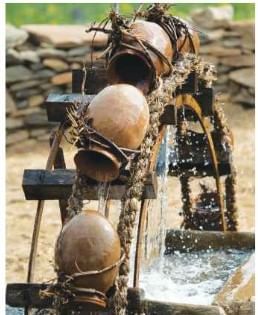
All production uses some form of technology, including old tools like pulleys and wheelbarrows that are still used today.
New technology, like UPI for quick payments, weather updates for farmers, or GPS for finding short routes, makes life easier.
New technology often replaces older methods, like email replacing letters for faster, cheaper communication, but some old technologies stay useful.
Drones spraying FertilisersRobots assisting in Surgical Procedure
Technology Paving the Way for Accessing Knowledge, Skills, and Job Opportunities
Government platforms like SWAYAM offer free online courses from Grade 9 onwards.
Operates via MOOCs (Massive Open Online Courses).
Covers diverse subjects such as robotics, aquaculture, textile printing, and more.
Enables flexible, self-paced learning from anywhere, even while working or studying elsewhere.
National Career Service (NCS) is a government job portal.
Connects people to employment opportunities in varied sectors—from plumbing to accounting.
Technology has removed geographical barriers, offering wider access to education, skill-building, and employment, both in India and abroad.Online Learning
How are the Factors Connected?
The factors of production—land, labour, capital, entrepreneurship, and technology—work together to make goods and services, and how much of each is used depends on what’s being made.
The proportion of each factor varies by product; agriculture, construction, and handicrafts use more labour (labour-intensive), while semiconductor chips or satellites need more capital and machinery (capital-intensive).
These factors complement each other; if one is missing or misused, production can stop or become inefficient.
New techniques, like machines in agriculture or 3-D printing in textiles, can reduce labour use or revive traditional crafts for larger markets.
Businesses get resources from different places and combine them to produce goods and services, connecting resources across locations.
Supply chain problems, like disruptions during the COVID-19 pandemic from relying on far-off sources, can stop production if local resources aren’t used.
Human effort, like that of engineers and project managers, is needed at every stage to design, supervise, and improve products, with entrepreneurs guiding how resources are used.
Did You Know? In 2025, India shines as the world’s second-largest mobile phone manufacturer, trailing only China! This booming industry powers innovation and growth, showcasing India’s tech prowess on the global stage.
Process of Mobile Phone Assembly
Responsibilities towards Factors of Production
Using resources to make goods comes with responsibilities to protect nature and treat workers fairly, so we don’t harm the environment or people.
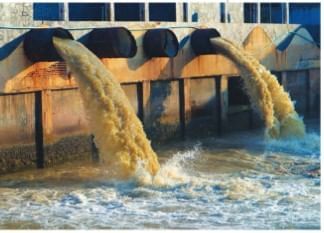
Natural resources like land, water, and minerals are limited; overuse, like leather factories in Tamil Nadu polluting rivers or unrecycled smartphones leaking harmful substances, can hurt people, animals, and plants.
Producers must use resources carefully to meet today’s needs without making it harder for future generations, reducing waste and pollution.Industrial Wastewater Recycling
Businesses must ensure fair pay and safe working conditions for workers.
They should invest in training and education to help workers gain skills to stay competitive.
Laws protecting workers’ rights, like fair treatment, no discrimination, and benefits like health care or paid leave, must be followed.
Businesses should care about society and nature through Corporate Social Responsibility (CSR), reducing pollution, supporting local communities, and treating workers and customers with respect.
Did You Know? India blazed a trail in 2014 as the first nation to enact a Corporate Social Responsibility law, requiring companies to invest 2% of their average profits from the past three years into impactful social initiatives, setting a global benchmark for responsible business!
Try yourself:
What are the main Factors of Production?
A.Labor and Capital
B.Land and Water
C.All of the above
D.Technology and Ideas
View SolutionKey Points to Remember: Before We Move On
Land, labour, capital and entrepreneurship are factors of production that are used in a particular proportion to produce goods and services. These factors complement each other and are interconnected.
Human capital is the knowledge, skills, experience, and ability of individuals that contribute to their ability to perform work and create economic value. It is influenced by education, training, health, use of technology, and social context that make people more productive in the workforce.
The resources help in the production of goods and services that serve society and need to be preserved and utilised judiciously.
After India gained freedom from British rule, the Constitution allowed every adult to vote and set up the Parliament to make laws. This chapter explains how the Parliament and state governments work, how leaders are chosen, what jobs they do, how they run the country with the people’s support, and the challenges they face.
India’s independence was achieved through many sacrifices and years of struggle against British rule.
The Constitution, written after freedom, set rules for governance, including Universal Adult Franchise, which lets every adult citizen vote, regardless of background, gender, race, or religion.
People directly elect representatives who become members of the Lok Sabha, and the majority group forms the government.
The Parliament is the main law-making body, including all elected representatives, and it controls and guides the government’s work, showing it has the people’s consent.
There have been 17 Lok Sabhas since the first one in 1952, and the 18th Lok Sabha started in June 2024.
Composition of the Parliament of India
The Parliament is the core of India’s government, with two houses and the President working together. It has a bicameral system with two parts to balance the needs of the country and its states.
New Parliament Building
The Indian Parliament includes the President and two houses: the Lok Sabha (House of the People, or Lower House) and the Rajya Sabha (Council of States, or Upper House).
The bicameral system (“bi” means two, “cameral” means chamber or house) was chosen after long discussions during the making of the Constitution.
Leaders felt one house wasn’t enough for India’s big and diverse challenges, so the Rajya Sabha was added to represent states, supporting federalism.
Federalism is a system where power is shared between the central government, states, and local governments, balancing national unity and local interests.
The Rajya Sabha’s members are elected differently from the Lok Sabha to give states a unique voice.
Rajya Sabha and Lok Sabha Chambers
Did You Know?
India’s Constitution draws from global models like Britain’s Parliamentary democracy, enriched by the practical experience of freedom fighters in colonial governance, the legacy of ancient mahājanapadas, and the tradition of collective decision-making in village panchayats.
Constitution of India
Try yourself:
What are the two houses of the Indian Parliament?
A.Lok Sabha and Vidhan Sabha
B.Vidhan Sabha and Rajya Sabha
C.Rajya Sabha and Lok Adalat
D.Lok Sabha and Rajya Sabha
View SolutionFunction
The Parliament makes laws and ensures they are followed, with leaders keeping discussions orderly and a team called the Union Executive running the country.
The Lok Sabha elects a Speaker who runs sessions, allows members to speak, maintains discipline, and ensures rules are followed.
The Rajya Sabha is led by the Vice President of India, who acts as its chairperson to keep debates fair and orderly.
The Parliament’s job includes making laws (legislative work) and ensuring they are carried out (executive work), both equally important.
The Union Executive, which includes the President, Vice President, and Council of Ministers led by the Prime Minister, brings the Parliament’s laws to life.
The Council of Ministers is chosen from members of both the Lok Sabha and Rajya Sabha, and they are collectively responsible to the Lok Sabha.
Did You Know?
On August 14, 1947, the gold-plated Sengol sceptre, rooted in the Chola era and topped with Nandi, was presented to Pt. Jawaharlal Nehru, symbolizing the transfer of power and righteous governance. It now stands near the Lok Sabha Speaker’s chair.
Translation Services in the Indian Parliament
To make parliamentary discussions accessible, translation services are provided in multiple Indian languages.
Initially, simultaneous interpretation was available in 12 languages: Hindi, English, Assamese, Bengali, Gujarati, Kannada, Malayalam, Marathi, Odia, Tamil, Punjabi, Telugu
Recently, 6 more languages were added: Bodo, Dogri, Maithili, Manipuri, Urdu, Sanskrit
More languages are expected to be added in the future to promote inclusivity.
Legislative Functions of the Parliament
The Parliament has important jobs to keep India’s democracy strong, like making laws, checking the government, and managing money. These jobs are divided into four main types.
Constitutional Function
The Parliament protects the core ideas of India’s Constitution to ensure democracy and fairness.
The Parliament supports parliamentary democracy by letting every adult vote through universal adult suffrage.
It follows the separation of powers, keeping the legislature (law-making), executive (law-enforcing), and judiciary (courts) separate but balanced.
It ensures federalism, which means sharing power between the central government and states.
It upholds Fundamental Rights (like freedom and equality) and Directive Principles of State Policy by making laws and policies.
Lawmaking
The Parliament’s main job is to make laws, which are rules for the country, through a careful process.
A law starts as a bill, which is a draft of a proposed law introduced in the Parliament.
The bill goes through many steps, like discussions and votes, before it becomes an act, which is a law everyone must follow.
An example is the Right of Children to Free and Compulsory Education Act, 2009 (RTE), which became a law after a long process in Parliament.
The Constitution sets strict rules to make sure lawmaking is fair and thorough.
Right to Education (RTE) Act – A Journey
Commonly known as RTE.
Came into existence: August 2009, though the idea dates back nearly a century.
Constitutional roots: Based on the Directive Principles of State Policy. Constitution-makers aimed to implement it within 10 years of Independence, but it was delayed.
Legal foundation: In the early 1990s, courts were urged to recognise education as part of the Fundamental Right to Life. Led to the 86th Constitutional Amendment Act, 2002, which inserted Article 21A: Mandated free and compulsory education for children aged 6 to 14 years.
Legislative process: The bill was tabled in the Rajya Sabha and reviewed by a committee. Funding (for schools, infrastructure, teachers) was a major concern.
By 2008, political consensus was reached.
Passage and implementation: Passed by the Lok Sabha in August 2009. Received Presidential assent, becoming law.
Impact: Created legal pathways for children to attend school. Supported the construction of new schools. Ensured free books and uniforms for children.
From Bill to Act- Making of Law in Parliament
Origins: The beginnings can be traced back to the British Parliament. Many Members of Parliament (MPs) could not read, so a clerk would read the bill’s contents aloud for the MPs to discuss. Nowadays, MPs read the bill themselves before the discussions happen.
Clause: These are sections of a bill that detail specific aspects of the legislation. For example, the Right to Education (RTE) specifies the age range it covers, which is from 6 to 14 years.
Gazette: This term refers to an official government publication that releases legal documents and important official information.
Did You Know?
Money Bills, which address financial matters like taxation and government borrowing, can only be introduced in the Lok Sabha and require the President’s prior recommendation, highlighting their unique legislative process.
Executive Accountability
The Parliament makes sure the government’s leaders, like the Prime Minister and ministers, do their jobs properly and answer to the people.
The Prime Minister and Council of Ministers form the Union Executive, responsible for enforcing laws and running the government.
They make daily decisions based on the Constitution and its laws.
They must answer to the Lok Sabha through the Question Hour, a time when MPs ask ministers about government policies and actions.
Special committees, with MPs from different parties, also meet to question ministries about their policies and decisions.
Poetry and Humour in the Indian Parliament
The Parliament can have a light-hearted and informal side, sometimes using poetry and humour to set the mood. Example 1: Verse in the Parliament
On February 1, 2025, while presenting the Union Budget for the year 2025-26, Smt. Nirmala Sitharaman shared a verse from Tirukkural, an ancient Tamil text about ethics and morality:
Meaning: Just as living things anticipate rain, citizens expect good governance.
This caused a lively response with much desk-thumping from the Treasury Benches.
Example 2: Humour in the Parliament In 2011, during a lively discussion in the Lok Sabha, Parliament member Sushma Swaraj used a poetic line to criticise the government:
Quote: “Tu idhar udhar ki na baat kar, yeh bata ki kafila kyun luta, humein rahjano se gila nahi, teri rahbari ka sawal hai.”
Meaning: Don’t change the subject; tell us why the caravan was robbed. We have no complaints about the thieves, but this is about your leadership.
The then Prime Minister, Dr. Manmohan Singh, responded with another poetic line:
Quote: “Maana ki teri deed ke qabil nahin hoon main, tu mera shauq dekh mera intezar dekh.”
Meaning: I accept that I may not deserve your attention, but you should see my passion and dedication.
Financial Accountability
The Parliament checks how the government spends money to ensure it’s used wisely and fairly.
The Parliament approves the annual budget, which shows how money will be spent by different ministries.
It examines how funds are distributed to ensure they are used properly.
The government must give the Parliament timely and accurate information about its spending.
Did You Know?
Part V of the Indian Constitution begins with Chapter I, detailing the roles of the President, Vice President, and Council of Ministers, before outlining Parliament’s functions in Chapter II, reflecting a structured approach to governance.
Try yourself:
What is one main function of the Parliament?
A.Teaching students
B.Running businesses
C.Making laws
D.Building roads
View Solution
Executive Functions of the Parliament
The Parliament’s executive work involves leaders who run the country and make sure laws are followed. This section looks at the roles of the President and the Prime Minister with the Council of Ministers.
The President
The President is the Head of State and the official head of the Executive, but the Prime Minister and Council of Ministers run the government.
The President appoints the Prime Minister and other ministers, calls Parliament to meet, and signs bills to make them laws.
The Council of Ministers advises the President, who usually follows their advice.
In special cases, like when no party has a clear majority in the Lok Sabha, the President can make decisions on their own.
The Prime Minister and the Council of Ministers
The Prime Minister is the main leader of India’s government, working with ministers to make decisions and run the country.
The President appoints the leader of the majority party or coalition in the Lok Sabha as the Prime Minister, who needs the support of most MPs.
The Prime Minister leads the Council of Ministers, advises the President, coordinates different ministries, and shapes national policies.
The Council of Ministers, chosen from MPs of both Lok Sabha and Rajya Sabha, makes decisions and runs the government, answering to the Lok Sabha.
Civil servants, also called administrators or bureaucrats, help ministers by carrying out laws and keeping government departments running smoothly.
Did You Know? In 1956, Railway Minister Lal Bahadur Shastri resigned after a train accident, taking moral responsibility despite not being directly at fault, demonstrating a strong commitment to accountability in leadership.Lal Bahadur Shastri
Differences Between the Legislature and the Executive
Try yourself:
Who is the official head of the Executive in India, and what is their primary role in relation to the Prime Minister and Council of Ministers?
A.The Prime Minister; leads the Council of Ministers and advises the President
B.The President; appoints the Prime Minister and ministers, and usually follows the Council’s advice
C.The Council of Ministers; makes all decisions independently of the President
D.The Lok Sabha Speaker; coordinates national policies and appoints ministers
View SolutionThe Judiciary — Role of Checks and Balances
The Judiciary is the part of the government that explains and applies laws, making sure everyone follows the Constitution. It works through courts to keep democracy fair and balanced.
The Judiciary interprets and applies laws, especially when there are disputes between people or groups.
It acts as the guardian of the Constitution, ensuring the Legislature and Executive follow its rules.
It checks that laws made by Parliament and actions by the Executive do not break the Constitution’s principles.
It protects Fundamental Rights and resolves disputes to keep society and government working fairly.
The separation of powers and checks and balances stop any one part (Legislature, Executive, or Judiciary) from becoming too powerful.
Legislative and Executive Functions at the State Level
Just like the central government has a Parliament, each state has its government with a legislature and executive to make and carry out laws. These state governments work on specific state matters.
Each state has a State Assembly, similar to the Parliament, with Members of Legislative Assembly (MLAs) who make laws.
MLAs make laws for subjects on the State List (like local issues) and the Concurrent List (shared with the central government).
State governments have both legislative (law-making) and executive (law-enforcing) jobs, like the central government.
Union List, State List, and Concurrent List The Indian Constitution provides three lists to define legislative powers:
Union List: – Subjects only the Union Government can legislate on. – Examples: Defence, Foreign Affairs, Currency.
State List: – Subjects only the State Governments can legislate on. – Examples: Police, Public Health, Local Government.
Concurrent List: – Subjects where both the Union and State Governments can make laws. – Examples: Education, Forests, Marriage, Adoption.
In case of conflict on a Concurrent List subject, the Union law prevails over State law.
Parallel Structure of Union and State Governments in India The structure at the state level imitates the one at the union level. You can see this structure across both levels in the table:
Structure of State Legislatures
State legislatures can have one or two houses, depending on the state, to make laws and run the state government.
State legislatures can be unicameral (one house, called Vidhan Sabha) or bicameral (two houses, Vidhan Sabha and Vidhan Parishad).
The Vidhan Sabha is the main legislative assembly, like the Lok Sabha, and the Vidhan Parishad is the upper house, like the Rajya Sabha.
Only six states have a bicameral system: Andhra Pradesh, Bihar, Karnataka, Maharashtra, Telangana, and Uttar Pradesh.
The remaining states have a unicameral system with only a Vidhan Sabha.
Parliament House in Karnataka
Try yourself:
Which of the following states in India has a bicameral legislature, consisting of both a Vidhan Sabha and a Vidhan Parishad?
A.Tamil Nadu
B. Maharashtra
C.Gujarat
D.Rajasthan
View Solution
Challenges to the Effective Functioning of the Legislatures
The Parliament and State Assemblies have big jobs like making laws, checking the government, and approving budgets, but they face problems that make their work harder. This section explains those challenges and how people can help fix them.
Importance of Legislatures
The Parliament and State Assemblies make laws, oversee government work, approve budgets, and discuss national policies, development plans, international relations, and people’s complaints.
They provide a place for leaders to talk about important issues and make decisions that help the people.
Issues in Functioning
Problems include members not showing up regularly, not cooperating, or having poor-quality debates.
The Question Hour, where ministers answer MPs’ questions, is sometimes disrupted, making it hard to hold the government accountable.
Meeting Schedules
The Parliament meets three times a year in the Budget, Monsoon, and Winter Sessions, with daily sittings of about 6 hours, which can be extended for urgent work.
State Assemblies have similar schedules, but disruptions can cut sessions short, delaying important work.
Concerns About Members
Some Lok Sabha members have criminal cases against them, which raises concerns about their ability to represent people.
Many sessions have angry or biased debates that don’t focus on solving people’s problems, and some bills take years to pass.
Media’s Role
The media highlights issues in the legislature, sometimes using cartoons to show problems humorously, which is common in strong democracies.
It informs people about what their leaders are doing and what needs to change.
People’s Role
Democracy grows stronger when citizens stay informed, ask questions, share views, and join public discussions, including through digital platforms offered by government departments.
More young leaders and diverse voices are joining public life, and technology helps people stay connected to governance.
Future voters, like students, will play a big role in improving the Parliament and State Assemblies by making smart choices and participating.
Did You Know? Former PM Atal Bihari Vajpayee emphasised in a Lok Sabha speech, “Governments will come and go, parties will rise and fall, but the nation and its democracy must endure,” underscoring the importance of preserving democratic values amid political changes.Atal Bihari Vajpayee
Try yourself:
What is a challenge to the effective functioning of legislatures?
A.Increased transparency
B.High public support
C.Too much funding
D.Lack of communication
View SolutionKey Points to Remember: Before We Move On
India’s Parliamentary system ensures that power is shared, decisions are debated, and leaders are held accountable.
The Legislature makes laws, the Executive implements them, and the Judiciary ensures that they follow the Constitution.
The Parliament represents the voice of the people and reflects the federal spirit of our democracy.
Both at the Centre and in the states, structures are designed to balance representation, responsibility, and unity.
Checks and balances between institutions help protect citizens’ rights and uphold democratic values.
The functioning of the Parliament needs to become more efficient and productive so that the country’s progress is not thwarted.
India’s democracy is one of the largest in the world, allowing every adult citizen to vote and choose their leaders through a fair and inclusive electoral system. This chapter explores how the universal adult franchise ensures equal voting rights for all, how the Election Commission of India organises massive elections, and the different types of elections that shape the nation’s government. It also highlights the challenges faced and efforts to make voting accessible to everyone, reflecting the strength of India’s democratic spirit.
Universal Adult Franchise
Every Indian citizen aged 18 and above has the right to vote, making universal franchise a key pillar of India’s democracy.
The Right to Vote
India’s Constitution makers decided that universal adult franchise would be a core feature of Indian democracy from the start.
Every adult citizen aged 18 and above gets one vote, with all votes having equal value, regardless of caste, creed, race, religion, gender, education, or income.
The term “universal” reflects this equal right to vote for all eligible citizens.
Universal franchise is the foundation of Indian democracy, as stated in Article 326 of the Constitution.
Did You Know? Dive into the electrifying pulse of India’s democracy, where 3.1 million elected representatives, including 1.3 million fierce women, rule over 250,000 local bodies, all chosen through the vibrant power of universal adult franchise!
Elections and Eligibility
Elections to the Lok Sabha, state legislative assemblies, union territories, and local elections in villages and cities are based on universal franchise.
No one can vote on behalf of another person.
To vote, you must be registered as a voter in your constituency, but those guilty of serious crimes may be barred from voting.
In the 2024 general election, about 980 million voters were eligible to vote for the 543 Lok Sabha constituencies.
Did You Know? India ignited a global revolution by granting women voting rights from the start, outshining nations like Switzerland, where women waited until 1971. Fueled by ancient values and bold vision, India’s women charged into democracy!Women’s suffrage parade, USA, 1913
Importance of Universal Franchise
Managing such a massive election requires a well-organised system to ensure fairness and freedom.
Universal franchise is important because it gives everyone a voice, promotes equality, and strengthens democracy.
Innovative measures by the Election Commission help every eligible voter, including those in remote areas or with disabilities, participate in elections.
Challenges of Diversity
Democracy thrives when every eligible citizen can freely and fairly participate in elections, expressing their will through voting.
India’s large, diverse, and complex nature poses challenges to conducting elections.
India’s eligible voter population is 15 times larger than the United Kingdom’s, and its area is six times larger than France’s.
Geographic diversity, such as remote regions, adds to the complexity of organising elections.
Did You Know? Uncover the 10th-century Uttaramerur inscriptions, showcasing a thrilling election ritual: candidate names on palm leaves, sealed in a pot, drawn by a young boy, and announced by a trusted elder—a dazzling display of transparency!
Accessibility Measures
The Election Commission of India (ECI) organises elections and works to remove barriers to voting.
Electoral officials travel to remote locations to ensure every citizen can exercise their democratic right.
In 2024, for the first time, elderly voters and people with disabilities could vote from home, and postal voting was available for specific categories of voters.
Assistive technologies, like braille-enabled voter cards and app-based requests for wheelchairs and ramps, were introduced to make voting accessible.
Role of Election Commission of India (ECI)
The Election Commission of India manages the massive task of conducting elections across the country, ensuring they remain free and fair.
Structure of the Election Commission of India
Election Commission of India — A brief introduction
The Election Commission of India (ECI) is an independent constitutional body responsible for conducting free and fair elections in India.
Established in 1950, it oversees elections to the Lok Sabha, Rajya Sabha, State Legislative Assemblies, and the offices of the President and Vice President.
The first general elections in independent India were held in 1951–1952.Office of ECI in Delhi
Managing the Electoral Process
Managing elections in India is a huge challenge due to the country’s size and diversity.
The ECI continuously upgrades its systems to meet the needs of modern India, ensuring elections are conducted efficiently and fairly.
The electoral system is massive, as seen in the Lok Sabha elections, which involve millions of voters across 543 constituencies.
Did You Know? India’s Lok Sabha electrifies with 84 seats for Scheduled Castes and 47 for Scheduled Tribes, amplifying marginalized communities with unstoppable representation in the heart of democracy!
State assembly elections follow a similar process to Lok Sabha elections.
Elections occur at different times with fixed schedules, so every year, various polls are conducted across the country based on when they are due.
A few numbers showing the scale of the 2024 Lok Sabha elections
Model Code of Conduct (MCC)
The Model Code of Conduct (MCC) is a set of rules to ensure free and fair elections, listing guidelines for leaders, political parties, and candidates.
Key elements of the MCC include: (a) Rules for the ruling party to prevent misuse of government resources, such as not announcing new schemes or projects that could influence voters during elections. (b) Candidates must show restraint and discretion to ensure peaceful elections. (c) Offering gifts or incentives to influence voters is punishable by law.
Electronic voting machine
Did You Know? Kerala sparked a fiery legacy in 1960 with the Model Code of Conduct, embraced by bold parties. By 1991, the Election Commission wielded it as a mighty shield for fair, fearless elections across India!
Did You Know? In 1990, T.N. Seshan stormed in as Chief Election Commissioner, unleashing voter IDs, ironclad campaign rules, and spending crackdowns, transforming Indian elections into a fearless, transparent triumph!T.N. Seshan
Try yourself:
What does the Election Commission of India (ECI) do?
A.Organizes elections
B.Makes laws
C.Collects taxes
D.Schedules vacations
View Solution
Understanding Elections in India
Elections at various levels, from Lok Sabha to local bodies, allow Indian citizens to choose their leaders in a vibrant democratic process.
Election of Lok Sabha and State Legislative Assemblies
Elections in India are often called the “Festival of Democracy,” where citizens freely, fairly, and responsibly choose their representatives.
India follows a parliamentary system, with elections held for the Lok Sabha (national level), state legislative assemblies (state level), and local bodies (village and city level).
The country is divided into 543 constituencies for Lok Sabha elections.
Elected candidates to the Lok Sabha are called Members of Parliament (MPs), while those elected to state assemblies are called Members of the Legislative Assembly (MLAs).
India uses the “First-Past-the-Post” system, where the candidate with the most votes in a constituency wins, even if they don’t secure 50 per cent of the votes.
Government Formation
After voting, the party or coalition with a majority of seats in the Lok Sabha forms the national government, and its leader becomes the Prime Minister.
At the state level, the leader of the majority party becomes the Chief Minister.
The State Election Commission works with the ECI to conduct elections, including those for local bodies, following universal adult franchise and constitutional provisions.
Did You Know? India’s legislative assemblies dazzle with names like Vidhan Sabha or Niyama Sabha.
Election of Rajya Sabha
Rajya Sabha members are also called Members of Parliament (MPs), but are chosen through indirect elections.
For example, if a school council is elected by class representatives rather than all students, it’s an indirect election, like the Rajya Sabha.
Of the 245 Rajya Sabha members, 233 are elected by elected Members of Legislative Assemblies (MLAs), and 12 are nominated by the President of India.
Each state gets a different number of Rajya Sabha seats based on its population, with larger states like Uttar Pradesh having more seats than smaller ones like Arunachal Pradesh.
The Rajya Sabha is called the Permanent House because it never dissolves; members serve six-year terms, with one-third retiring every two years.
The voting uses a “single transferable vote system” to ensure fair representation, especially for smaller states (details to be learned in higher classes).
Election of the President of India
The President of India is elected indirectly by an Electoral College, not by direct public vote.
The Electoral College includes: – Members of Parliament (MPs) from both Lok Sabha and Rajya Sabha. – Members of Legislative Assemblies (MLAs) from states and the union territories of Delhi and Puducherry.
The single transferable vote system is used to ensure the President has support from both central and state governments.
More populous states have a greater say in the voting process, but the rules are complex (details not needed at this stage).
The following groups do not vote in the President’s election:
– Nominated members of Rajya Sabha (12). – Nominated members of State Legislative Assemblies. – Members of Legislative Councils in states with bicameral legislatures. – Nominated members of Delhi and Puducherry union territories.
Only directly elected representatives vote to maintain democratic legitimacy, as the President represents the people’s will indirectly.PM Modi voting for Election of the President
Election of Vice President of India
The Vice President of India is elected by an Electoral College consisting of elected and nominated members of both Lok Sabha and Rajya Sabha, using the single transferable vote system.
The Vice President serves as the chairperson of the Rajya Sabha and steps in if the President cannot perform their duties.
Try yourself:
What is the main topic of the text?
A.Elections
B.Travel
C.Sports
D.Cooking
View SolutionChallenges and the Road Ahead
India’s electoral system faces issues like money power and voter apathy, but it aims to strengthen democracy through voter awareness.
Current Challenges
India’s electoral system is the world’s largest democratic exercise, but it faces challenges.
Issues include the influence of money in elections, candidates with criminal records, and voter apathy, especially in urban areas.
These challenges raise concerns about the health of India’s democracy.
Strengthening Democracy
The way forward involves empowering voters with information to make responsible choices.
Media, education, and awareness campaigns should help people, especially youth, understand the importance of voting wisely.
An informed and vigilant voter is the strongest protector of democracy, starting with asking the right questions and casting a responsible vote.
Key Points to Remember: Before We Move On
Universal adult franchise is the cornerstone of Indian democracy.
The right to vote is also a responsibility and should be taken seriously by every voter.
Voter awareness is an important part of exercising the right to vote.
It is important to encourage and support the participation of all eligible voters.
The Election Commission of India is the Constitutional body responsible for conducting elections in the country.
The Colonial Era in India was a time when European powers, like the Portuguese, Dutch, French, and British, came to India, first as traders and later as rulers, changing the country’s history. This chapter explores how these foreigners shaped India’s economy, society, and culture, and how Indians fought back against their rule.
The Age of Colonialism
Colonialism began when powerful nations took over weaker regions to gain wealth, power, and influence, often at the expense of native people and their traditions.
What is Colonialism?
Colonialism is when one country takes control of another region, setting up settlements and imposing its own political, economic, and cultural systems.
It began long ago with ancient empires in the 1st millennium BCE and continued with the spread of Christianity and Islam in the 1st millennium CE, which involved colonising new territories.
European Expansion
The “Age of Colonialism” refers to Europe’s expansion starting in the 15th century, when countries like Spain, Portugal, Britain, France, and the Netherlands built colonies in Africa, Asia, the Americas, Australia, and Pacific islands.
They conquered these regions through military campaigns, often massacring or enslaving native people.
Reasons for Colonialism
European powers competed for global influence, racing to control more land for political power.
Colonies gave access to new resources, markets, and trade routes, often through plundering local wealth.
Converting people to Christianity was a major goal, along with exploring unknown lands to learn about geography and nature.
Impact on Colonised Regions
Colonisers claimed they brought “progress” with a “civilising mission,” but often called native people “savage” or “primitive.”
In reality, colonised regions lost independence, had their resources exploited, traditional ways of life destroyed, and faced foreign cultural values.
While the colonial era connected the world and grew economies and technology, the benefits went mostly to the colonisers, leaving colonised people with immense hardships.
Resistance and Decline
Many colonised regions resisted foreign rule, and colonialism declined in the mid-20th century, especially after World War II, when most colonies gained independence.
This chapter focuses on India’s experience with European colonialism and its impact.
Try yourself:
What did colonisers often claim they brought to colonised regions?
A.Wealth
B.Progress
C.Technology
D.Independence
Europeans in India
Drawn by India’s wealth and trade, European nations like the Portuguese, Dutch, and French established trading posts, which later became bases for colonial control.
India’s Pre-Colonial Prosperity
India traded with Greeks and Romans over 2,000 years ago, exporting spices, cotton, ivory, gems, sandalwood, teakwood, and wootz steel, highly valued in the Mediterranean.
Until the 16th century, India was a major economic and cultural power, contributing about one-fourth of the world’s GDP, alongside China, as estimated by economist Angus Maddison.
European travellers from the 16th century described India as “flourishing,” noting its strong manufacturing, diverse agriculture, and widespread trade networks.
India’s wealth made it a tempting target for European colonial powers.
The Portuguese: Commerce and Atrocities
Vasco da Gama arrived in Kappad, near Kozhikode (Kerala), in 1498, marking the start of European colonisation in India.
Though initially welcomed, his aggressive actions, like seizing, torturing, and killing Indian merchants and bombarding Calicut during his second voyage, strained relations with local rulers.
The Portuguese captured key ports, including Goa in 1510, which became their colonial capital, and set up trading posts along the Malabar and Coromandel coasts.
They enforced a cartaz (pass) system, requiring ships in the Arabian Sea to buy Portuguese permits, seizing those without permits to control the spice trade for nearly a century.
In Goa, the Portuguese set up the Inquisition in 1560, persecuting Hindus, Muslims, Jews, and Christian converts suspected of following their original faiths, forcing conversions and destroying Hindu temples, with the Inquisition lasting until 1812.
The Fierce Queens of Ullal Rani Abbakka I
Ruled the strategic port town of Ullal in present-day southern Karnataka during the 16th century.
Successfully resisted multiple Portuguese attempts to take control of the region.
Formed alliances with neighbouring kingdoms to strengthen her resistance.
Eventually captured and died fighting in prison.Post Stamp
Rani Abbakka II
Took up the mantle after Rani Abbakka I.
Reportedly used fireballs made from coconut shells to set Portuguese ships on fire.
Their legacy lives on through Yakshagana, a traditional dance-drama that commemorates their bravery.
The Dutch: Commerce and Competition
The Dutch arrived in the early 17th century, focusing on trade, especially spices, through their Dutch East India Company.
They set up trading posts in Surat, Bharuch, and Cochin on the west coast, and Nagapattinam and Masulipatnam (now Machilipatnam) on the east coast, with a strong presence in Kerala’s Malabar region, where they displaced the Portuguese.
Their influence declined after losing the Battle of Colachel in 1741 to Travancore’s forces under King Marthanda Varma, a rare victory of an Asian power over a European one, weakening Dutch control in India.
A depiction of the surrender of Dutch forces to King Marthanda Varma
The French: Colonial Ambitions
The French arrived later, establishing a trading post in Surat in 1668 and Pondicherry (now Puducherry) in 1674, where their East India Company planned a French empire in India.
Governor-General Dupleix (1742–1754) trained Indian soldiers (sepoys) in European military tactics and used indirect rule by installing puppet Indian rulers through local disputes.
The French faced the British in the Carnatic Wars (1746–1763), capturing Madras in 1746 but losing ground, with their colony reduced to Pondicherry and a few small enclaves.
Unlike the Portuguese, the French rarely interfered in Indian social or religious life, but in 1748, Dupleix, influenced by Jesuit priests and his wife, ordered the destruction of Pondicherry’s Vedapurishwaran temple to promote Christianity.
Overall, the French focused on modest trade rather than large-scale control.
Try yourself:Who were the Europeans in India?
A.Conquerors
B.Explorers
C.Merchants
D.All of the above
Enter the British
The British East India Company, starting as traders, used clever strategies to become rulers, dominating India for nearly two centuries.
From Traders to Rulers
The British ruled India for nearly two centuries through the English East India Company, which started as a trading group but became an imperial power.
Established with a royal charter from Queen Elizabeth I, the Company had special powers, like raising a private army, but initially acted as traders to avoid suspicion.
In the 17th century, they set up trading posts in Surat, Madras, Bombay, and Calcutta with little resistance, as local rulers welcomed foreign trade, a common practice in India.
These small trading posts hid the Company’s bigger plan to gain control over India.
The Strategy of ‘Divide and Rule’
The British pretended to be traders while building ties with local rulers, offering military help to some against their rivals, and becoming power brokers in Indian politics.
They used the “divide and rule” policy, exploiting rivalries between rulers or disputes within royal families, and encouraging tensions between religious communities.
The Battle of Plassey (1757) showed this strategy: Robert Clive conspired with Mir Jafar, the Nawab of Bengal’s commander, to betray Nawab Siraj-ud-daulah.
At Plassey, near Kolkata, Mir Jafar’s troops stood aside, letting the smaller British force win, making Mir Jafar the new Nawab and earning him the title of “traitor” in India.Clive leading the East India Company’s troops at Plassey
Expanding Control
By acting as kingmakers, the British gradually controlled more land, using strategies like the Doctrine of Lapse in the 19th century.
The Doctrine of Lapse allowed the British to annexe princely states if a ruler died without a natural male heir, ignoring Hindu adoption traditions, leading to the takeover of many states.
This caused widespread anger, contributing to the 1857 Rebellion.
Another tactic was the “subsidiary alliance,” where a British “Resident” was placed in Indian courts to “protect” rulers, who paid for British troops and let the British control foreign relations.
The ruler of Hyderabad joined this alliance in 1798, followed by others, giving the British power without direct rule, creating an “empire on the cheap.”
Once in this system, rulers couldn’t escape, as resistance faced strong British military action.
Did You Know? In the vibrant tapestry of colonial India, princely states were dazzling realms where Indian princes, maharajas, and nawabs held sway, ruling with splendour under the umbrella of British protection. From the grand kingdoms of Hyderabad, Mysore, Travancore, and Jammu & Kashmir to tiny yet proud territories, over 500 such states thrived at India’s Independence, covering a whopping 40% of the subcontinent. These realms pulsed with autonomy, blending royal traditions with strategic alliances, creating a mosaic of power and prestige!
From Paradise to Hell?
British policies led to devastating famines and drained India’s wealth, turning a prosperous land into one of poverty and suffering.
Devastating Famines
After winning at Plassey, the East India Company gained revenue collection rights in Bengal, Bihar, and Odisha, some of India’s richest regions, described by Robert Clive as “the paradise of the earth.”
The Company collected high taxes while investing little in governance or development, causing severe problems for the people.
The Bengal Famine of 1770–1772, worsened by two years of crop failure, was caused by harsh tax demands on farmers, who had to pay cash regardless of harvest conditions, leading to about 10 million deaths, nearly one-third of Bengal’s population.
The Company even raised land taxes during the famine, a cruelty criticised by Indian leaders and some British officials, like W.W. Hunter, who described people eating leaves and selling their children due to starvation. Key observationsfrom his account:– Farmers were forced to sell their cattle, tools, and even seed grain to survive. – In desperation, they sold their children, until no one was left to buy. – People resorted to eating leaves and grass due to extreme hunger. – Cities were overwhelmed by a constant stream of starving and diseased people
The Great Famine of 1876–1878 killed up to 8 million, mostly in the Deccan, as some Indian traders hoarded stocks for profit, and the British exported about one million tonnes of rice yearly to Britain during the famine.
Grain bags on Madras beach, ready for export, while people were dying of hunger
The British “free market” policy, which avoided controlling food prices, worsened famines, with Viceroy Lord Lytton ordering no government interference in food prices during the 1876–1878 famine while hosting a lavish durbar in Delhi for 68,000 guests.
Between 12 and over 20 major famines occurred during British rule, killing an estimated 50 to 100 million people, comparable to World War II deaths, along with millions of cattle and animals.
British famine relief camps were too few and poorly supplied, with some officials, like the 1878–1880 Famine Commission, arguing against generous relief to avoid encouraging dependency.
While famines had happened in India before, caused by droughts or wars, they were never so deadly as during British rule, pushing rural India into deep poverty.
People waiting for famine relief in Bangalore
The Drain of India’s Wealth
Economic exploitation was central to British colonial policy, with wealth from India fuelling Britain’s Industrial Revolution, as noted by U.S. historian Brooks Adams, who linked the “Bengal plunder” after Plassey to Britain’s economic growth from 1760. According to him:– The arrival of this wealth had an immediate impact on Britain’s economy. – He linked it directly to the start of the Industrial Revolution, dating it to around 1760. – He described the returns from Indian plunder as unmatched in profitability, perhaps the most lucrative investment in history.
U.S. historian Will Durant called this the “stolen wealth from India,” extracted through taxes, railway and telegraph costs, and even expenses for British wars.
Indian leader Dadabhai Naoroji, in his 1901 book Poverty and Un-British Rule in India, and historian Romesh Chunder Dutt, in his Economic History of India, estimated billions of pounds were taken from India.
A modern estimate by Utsa Patnaik suggests Britain extracted 45 trillion U.S. dollars (in today’s value) from 1765 to 1938, about 13 times Britain’s 2023 GDP.
If this wealth had stayed in India, the country would have been far more developed when it gained independence.
Try yourself:
What is the theme suggested in the title ‘From Paradise to Hell’?
A.Happiness
B.Transformation
C.Adventure
D.Friendship
Changing Landscapes
The British reshaped India’s industries, governance, and education to serve their interests, disrupting traditional systems and creating new divisions in society.
Decline of India’s Indigenous Industries
Before the 18th century, India was famous for its manufacturing, especially textiles like cotton, silk, wool, jute, hemp, and coir, with cotton textiles known for intricate designs, bright colours, and fine muslins in high demand worldwide.
British policies imposed heavy taxes on Indian textiles exported to Britain while allowing British goods into India with low or no taxes, hurting Indian traders.
Britain’s control over sea trade and exchange rates made it hard for Indian traders to export, leading to the collapse of the Indian textile industry.
In the 19th century, India’s textile exports dropped sharply, while British imports flooded India, pushing skilled artisans into poverty and forcing them to farm on overtaxed land.
William Bentinck, Governor-General in 1834, noted, “The bones of the cotton weavers are bleaching the plains of India.”
Other industries like iron, steel, and paper also declined, reducing India’s share of world GDP to just 5% by Independence, turning a rich land into one of the poorest.
Dismantling Traditional Governance Structures
Before British rule, India had well-organised local governance, with village councils managing community affairs, disputes, and public works like irrigation and roads.
Regional kingdoms had complex administrative systems tailored to local needs, described by Charles Metcalfe in the 1830s. – Described village communities as “little republics”, largely self-reliant and independent. – Noted their endurance through centuries of political upheaval, including the fall of dynasties and revolutions. – Highlighted that each village functioned like a mini-state, contributing to the survival and stability of Indian society over time.
The British replaced these with a centralised bureaucracy focused on tax collection and maintaining order, not public welfare, destroying community decision-making.
British legal codes ignored customary laws, creating expensive, slow, and foreign-language courts that alienated Indians from the judicial system.
Transforming Indian Education
India had diverse educational systems like pathashalas, madrasas, viharas, and apprenticeships, teaching practical skills and cultural values.
British reports in the early 19th century noted 100,000 to 150,000 village schools in Bengal and Bihar alone, teaching reading, writing, and maths efficiently and cheaply.
Thomas B. Macaulay’s 1835 “Minute on Indian Education” claimed European knowledge was superior, dismissing Indian literature despite his own lack of knowledge of Sanskrit or Arabic.
Macaulay’s policy aimed to create Indians who were “Indian in blood and colour, but English in taste, opinions, morals, and intellect,” leading to the decline of traditional schools.
Creating ‘Brown Englishmen’
The British education system created a class of English-educated Indians to serve as clerks and minor officials in the colonial administration at low cost.
English became a prestigious language, dividing society between the elite and the masses, and disconnecting Indians from their cultural heritage.
Despite opposition from British Orientalists who supported Indian languages, Macaulay’s policy dominated, reshaping education to serve colonial needs.
Reshaping Economic Structures to Serve Imperial Needs
The British turned India’s self-sufficient economy, based on agriculture and crafts, into a supplier of raw materials for British industries and a market for British goods.
The railway network, often praised as a colonial benefit, was built to move raw materials to ports for export and distribute British goods, ignoring India’s existing trade patterns.
Railways also helped move British troops quickly to crush rebellions or fight wars, serving military needs.
Indian tax revenue funded railways, telegraphs, colonial administration, military bases, and the lavish lifestyles of British officials, meaning Indians paid for their exploitation.
A steam locomotive of the Madras Railway
Try yourself:What was William Bentinck referring to when he said, “The bones of the cotton weavers are bleaching the plains of India”?
A.Mass deaths due to famine
B.The poverty and ruin of Indian textile artisans
C.The decay of village communities
D.The end of the Mughal textile monopoly
Early Resistance Movements: Challenging Colonial Authority
From the start, Indians fought against British rule through rebellions by ascetics, tribes, and peasants, showing their determination to resist foreign control.
Overview of Resistance
The British called India “the jewel in the crown” of their empire, believing it would always remain under their control, part of an empire “on which the sun never sets.”
From the start of British rule, Indians resisted, forming movements to push back against colonial control.
The British Indian Empire included directly ruled areas (red and pink on maps) and princely states (yellow), connected by railways (black lines).
A map of the British Indian Empire in 1909
The Sanyasi-Fakir Rebellion
The Sanyasi-Fakir Rebellion began in Bengal after the 1770 famine, caused by harsh British policies.
Sannyasis (Hindu ascetics) and fakirs (Muslim ascetics), who travelled freely for pilgrimage and charity, faced restrictions from British land and tax policies.
Over three decades, they attacked British treasuries and tax collectors, though their exact motives are debated.
The British labelled them “bandits,” executed some, and used superior forces to defeat them.
The rebellion inspired Bankim Chandra Chattopadhyay’s 1882 novel Anandamath, which included the song Vande Mataram, later India’s national song, fuelling the freedom struggle.
Tribal Uprisings
British expansion into forests and hills disrupted tribal life, as they labelled tribals “primitive” and restricted forest access, seized land, imposed cash taxes, and encouraged missionary conversions.
A colonial law branded many tribes as “criminal tribes,” leading to decades of harassment.
The Kol Uprising (1831–1832) in Chota Nagpur (now Jharkhand) was sparked by land policies favouring outsiders, with Kol tribes (Mundas, Oraons, etc.) briefly controlling areas before British forces defeated them.
The Santhal Rebellion (1855–1856) in Jharkhand, Bihar, and West Bengal, led by brothers Sidhu and Kanhu Murmu, opposed moneylenders and landlords backed by the British.
The Santhals declared their government, vowing to fight to the end, but the British burned villages, killed thousands, including the leaders, though the rebellion inspired other tribal resistance.
Peasant Uprisings Against Economic Exploitation
Peasants suffered from unfair British revenue systems, often losing land to moneylenders or landlords, even without famines.
The Indigo Revolt (1859–1862) in northern Bengal saw European planters force peasants to grow indigo instead of food crops, as indigo dye was in demand in Europe.
Peasants were poorly paid, trapped in debt, and faced torture, imprisonment, or property destruction for refusing to grow indigo.
The uprising targeted planters, who hired mercenaries to attack peasants, but support from educated Bengalis and the press forced the British to curb some abuses.
Many other uprisings occurred across India, building toward the major 1857 rebellion.
The Great Rebellion of 1857
In 1857, a massive uprising of sepoys and civilians across northern and central India challenged British rule, marking a turning point in the fight against foreign domination.
Imaginary depiction of the sepoys’ rebellion at Meerut
Background and Causes
The British called it the “Sepoy Mutiny,” but post-Independence historians prefer “Great Rebellion of 1857,” as it involved more than just sepoys (Indian soldiers in the British East India Company’s army).
Sepoys, mostly from farming families, were frustrated by British land revenue policies that caused hardship.
Early signs of unrest included the Vellore Mutiny (1806) in Tamil Nadu, where sepoys revolted against new uniform rules banning religious marks and requiring shaved beards, offending Hindu and Muslim beliefs.
The sepoys seized Vellore fort, killed many British officers and troops, but the British crushed the revolt, killing or executing hundreds.
By 1857, rumours spread that rifle cartridges were greased with cow and pig fat, offending Hindu and Muslim sepoys’ religious beliefs, acting as a spark for rebellion.
The Rebellion Unfolds
At Barrackpore (West Bengal), sepoy Mangal Pandey attacked British officers, and his execution fuelled more unrest.
In Meerut (Uttar Pradesh), sepoys killed their British officers, marched to Delhi, and declared Mughal emperor Bahadur Shah Zafar, an elderly figurehead with little power, as their leader, though military decisions were made by commanders.
The revolt spread across northern and central India, with sepoys capturing cities like Kanpur, Lucknow, and Jhansi.
In Kanpur, under Nana Saheb, rebels initially promised safe passage to British civilians but massacred over 200 men, women, and children, an event still debated for its causes.
British Response
The British response was brutal, starting with the recapture of Delhi in September 1857, where they conducted house-to-house massacres.
In Kanpur, they held mass executions to terrorise people, and their long campaign burned villages and destroyed crops, causing countless deaths far exceeding rebel actions.
Reasons for Failure and Impact
Historians note the rebellion failed due to the sepoys’ lack of unified command and consistent strategy, despite brave leaders.
Though unsuccessful, the rebellion planted the idea that foreign rule was unacceptable, inspiring the 20th-century freedom struggle with new methods.
In 1858, the British Crown took direct control from the East India Company, starting the British Raj, shifting from expansion to consolidating power.
The Indian Army was reorganised to prevent future unified resistance.
Two Heroines of the 1857 Uprising Rani Lakshmibai of Jhansi
Fought valiantly to defend her kingdom from British annexation.
Escaped a British siege of Jhansi with help from Tatia Tope, military adviser to Nana Saheb.
Captured the Gwalior fort, along with its treasury and arsenal.
Died in battle on 18 June 1858.
A British officer described her as the “best and bravest of the rebels”, praising her beauty, intelligence, perseverance, and leadership.
Tatia Tope continued the resistance until early 1859 but was betrayed and executed by the British.A portrait of Rani Lakshmiba
Begum Hazrat Mahal of Awadh
Took charge after the British annexed Awadh, actively joining the 1857 rebellion.
Led the defence of Lucknow during the British attempt to retake the city.
Refused offers of surrender and safe passage, choosing instead to flee to Nepal.
In response to Queen Victoria’s 1858 proclamation promising reforms and religious tolerance, she issued a counter-proclamation, warning Indians: “It is the unvarying custom of the English never to forgive a fault, be it great or small.”Portrait of Begum Hazrat Mahal
Try yourself:
What was the Great Rebellion of 1857?
A.A war for independence
B.A sports event
C.A cultural festival
D.A scientific discovery
The Legacy of European Colonialism in India
British rule exploited India’s wealth and people but unintentionally opened cultural exchanges, influencing both India and the world.
Exploitation and Subjugation
European, mainly British, rule was not a “civilising mission” but a systematic process of subjugation and exploitation, often using brutal repression.
India’s civilisation, older than Europe’s, faced abuse, exploitation, violence, and uprooting, affecting most Indians except a small elite who accepted British rule.
Unintended Consequences
Colonial rule opened India to the world and vice versa, with the British and French documenting India’s geography, ethnic groups, and monuments.
British surveys mapped the subcontinent, but their ethnic lists were flawed due to unscientific ideas of “race,” now disproven by genetics.
They studied and restored some Indian monuments, starting archaeology, but stole thousands of statues, paintings, jewels, and manuscripts, sending them to European museums or private collections.
This theft caused a profound loss of India’s heritage but increased European appreciation of Indian art, sparking debates today about repatriating these treasures.
Cultural Exchange
The British began translating Sanskrit texts into European languages, followed by the French and Germans, with mixed motives: some admired Indian culture, while others aimed to prove Christianity’s superiority.
These translations, later including other Indian languages, were described by German philosopher Georg Hegel as the “discovery of a new continent.”
Indian texts influenced European philosophers, writers, poets, artists, and even American thinkers in the 19th century, showing that cultural influence could flow opposite to political domination.
Key Points to Remember: Before We Move On
The Portuguese, Dutch, French, and British were drawn to India mainly because of its great wealth.
These European powers fought each other for control, with the British emerging dominant in the Indian subcontinent.
The British taxation policies caused widespread suffering, famines, and millions of deaths.
They also carried out deliberate deindustrialisation, destroying India’s once-flourishing manufacturing sector.
Over time, the British introduced their administrative systems, legal codes, and education system to tighten colonial control.
The Portuguese focused on religious conversion and created lasting social divisions in Goa.
The French followed a policy of assimilation, leading to a small group of culturally French Indians in Pondicherry.
From the late 18th century, many uprisings broke out, with the Great Rebellion of 1857 being the most significant, though violently suppressed.
In the 19th century, India’s classical culture, especially through translated Sanskrit texts, influenced the Western world significantly.
The Marathas, a group from Maharashtra, grew from a community with a rich cultural history into a powerful empire that changed India’s history. Starting with their strong Marathi traditions and the leadership of Shivaji, they fought for self-rule, or Swarajya, against mighty rulers like the Mughals. This chapter explores how their culture, battles, and clever strategies helped them build a great kingdom.
Who Are the Marathas?
The Marathas, primarily from Maharashtra, speak Marathi and have a rich cultural heritage shaped by the Bhakti movement’s devotional poetry. Unified by saints like Dnyaneshwar and Tukaram, they rose as a political force under Shivaji in the 17th century.
Maratha Identity and Language
The Marathas are people from the Deccan plateau, mainly Maharashtra, known for speaking Marathi, a language with a rich history of stories and poems since the 12th century.
In the 13th century, the Yadava dynasty ruled Maharashtra with Devagiri (now Daulatabad) as their capital, until the Khilji Sultanate from Delhi took over in the early 14th century.
Bhakti Movement and Cultural Unity
The Bhakti movement, from the 7th to 17th centuries, focused on devotion to God, with saints like Dnyaneshwar, Namdev, Tukaram, and Ramdas sharing ideas through Marathi songs and poetry.
These saints translated holy texts like the Upanishads and Bhagavad Gita into Marathi, making them easy for everyone to understand, and some encouraged social and political awareness.
Their teachings established a strong cultural foundation, enabling the Marathas to unite and later emerge as a powerful political force by the 17th century, particularly under Shivaji’s leadership.
Foundation of Maratha Power and the Rise of Shivaji
Shivaji Bhonsle, born in 1630, transformed the Marathas into a sovereign force through his vision of Swarajya, daring guerrilla tactics, and strategic naval and military victories, culminating in his 1674 coronation as Chhatrapati.
Shivaji’s Early Life and Vision
Shivaji, born in 1630 to Shahji and Jijabai of the Bhonsle clan, grew up in Pune with a good education and strong values, despite his father’s absence due to serving the Deccan sultanates.
At 16, he began capturing neglected forts in the Pune region, using guerrilla warfare—quick, surprise attacks with small groups—to defeat larger armies, building the idea of Swarajya (self-rule).
Building a Navy and Key Victories
He created a Maratha navy to protect the west coast, a bold move when even the Mughals and Bijapur Sultanate had weak or no navies, making the Maratha navy’s actions legendary.
In 1659, Shivaji tricked Bijapur’s general Afzal Khan into a one-on-one meeting at Pratapgad fort, killed him, and used guerrilla attacks to defeat Khan’s army in the forests.
Shivaji raided Mughal general Shaista Khan’s camp at night with a small team, forcing him to flee after losing fingers, in a daring attack like a modern surgical strike.Several naval fortifications built by the Marathas.
Surat Raids and Mughal Challenges
He looted Surat, a rich Mughal port, twice, gaining huge wealth (about one crore rupees) but spared religious places and kind people like Mohandas Parekh, earning fame in newspapers like the London Gazette.
After losing to Mughal general Jai Singh at Purandar Fort and being forced to give up part of his kingdom, Shivaji was humiliated at Aurangzeb’s court in Agra, but escaped by hiding in gift baskets.
Did you know? The wāgh nakh played a crucial role in the battle, allowing Shivaji to defeat his opponent effectively.āgh nakh or the ‘tiger’s claw’
Coronation and Legacy
In 1674, he was crowned Chhatrapati at Raigad fort with Vedic rites, starting his own era called Rajyabhisheka Shaka, and later conquered parts of Tamil Nadu and Karnataka for strategic depth.
Shivaji died at 50 from a fever, but his clever strategies and vision made him a legend, compared to Alexander by Europeans and inspiring leaders like Chhatrasal and poet Bhushan.A court scene with Shivaji on his throne receiving visitors
Did you know? While in the South, Shivaji forbade the Dutch from trading slaves. At the time, most Europeans were capturing and selling Indians as slaves and encountered no opposition from Indian powers, until Shivaji intervened. His stance on this abuse showed his deep concern for his subjects.Shivaji’s Kingdom about 1680
Try yourself:
What did Shivaji build to protect the west coast?
A.An army
B.A navy
C.A fort
D.A palace
The Marathas After Shivaji
Following Shivaji’s death in 1680, the Marathas, under Sambhaji, Rajaram, and Tarabai, resisted Mughal domination through fierce guerrilla warfare and strategic expansion, paving the way for the Peshwas to transform the Maratha state into a sprawling confederacy.
Sambhaji and the Mughal Invasion
After Shivaji died in 1680, his son Sambhaji became Chhatrapati, making the Marathas the main obstacle to Mughal control of the Deccan.
Aurangzeb invaded, conquering Bijapur and Golconda Sultanates, then captured and brutally executed Sambhaji, taking the Maratha capital, Raigad.
Rajaram and Tarabai’s Resistance
Rajaram, Shivaji’s other son, became Chhatrapati and fled to Gingee in Tamil Nadu, spreading the Mughal-Maratha conflict to South India.
The Marathas fiercely defended their forts and often defeated the Mughals in battles, preventing Aurangzeb from fully controlling the Deccan until his death.
Tarabai, Rajaram’s queen, led the Marathas to invade Mughal territories, conquering large parts of India and keeping Maratha power strong.
Peshwa Power and Expansion
The Maratha state became less centralised, with regional chiefs and the Peshwa (prime minister) gaining more power than the Chhatrapati.
Peshwa Bajirao I and his son Nanasaheb Peshwa led the Marathas to control large parts of India, including Lahore, Attock, and Peshawar (now in Pakistan).
Despite a major defeat at Panipat in 1761 against the Afghans, the Marathas recovered under Peshwa Madhavrao I and recaptured Delhi in 1771 under Mahadji Shinde.
Challenges and British Conquest
The Marathas ruled well but faced issues as regional chiefs gained more power, sometimes acting against Shivaji’s values, like causing harm during their 10-year campaign in Bengal.
In the late 18th century, the Marathas were the main rivals to the British, but internal disunity and British organisational and technological advantages led to their defeat in three Anglo-Maratha wars (1775–1818).
The British effectively took control of India from the Marathas more than from the Mughals or other powers.The extent of the Maratha empire in 1759.
Did you know? Nana Phadnavis, a powerful official under the Peshwas, is credited with organising the first pan-Indian anti-British alliance. He even united with old adversaries like Hyder Ali of Mysore and the Nizam of Hyderabad in this endeavour. British officer surrendering after the first Anglo-Maratha war.
Maratha Administration
Shivaji’s visionary administration laid the foundation for a robust Maratha Empire, blending centralised governance, innovative military strategies, and a powerful navy, while fostering trade and a fair judicial system that endured into the 18th century.
Civilian Administration
Shivaji created a centralised government, removing hereditary posts and land grants, paying officials salaries from the state treasury to keep them loyal.
He transferred officials often to prevent them from gaining too much power and challenging the king.
Shivaji supported soldiers’ families by giving pensions to widows and offering military jobs to their sons, showing care for his people.
He had a council of eight ministers, called the Ashta Pradhana Mandala, to help manage the kingdom efficiently. aṣhṭa pradhāna manḍala, or council of eight ministers
The Marathas collected taxes called chauth (25%) and sardeshmukhi (10% extra) from provinces they protected but didn’t directly rule, an arrangement approved by the Mughals, leading some provinces to join the Maratha Empire.Shivaji minted coins in his own name
Did you know?
In the 18th century, the Marathas adopted the popular Mughal coin style but added their own cultural flair. The rare Gaṇapatī-Pantapradhān rupee, minted by the Patwardhans in the early 19th century, features Devanagari and Persian scripts—invoking Lord Gaṇapati on one side and declaring loyalty to the Peshwa on the other. It was more than currency—it was a symbol of power and devotion.
Also read: Mindmap: The Rise of the Marathas
Military Administration
The Maratha army had three parts: infantry (foot soldiers), cavalry (horse riders), and navy, with cavalry split into bargirs (state-funded) and shiledars (self-funded).
In the 18th century, Marathas adopted European-style disciplined troops and artillery, with Mahadji Shinde building a large modern army.
They used swords, lances, and guns, and by 1770, they also used metal tube rockets in battles, starting from Shivaji’s time.
Forts were key to Maratha power, used to control important routes and protect the army during guerrilla warfare, as explained by Shivaji’s minister Ramachandrapant Amatya in his work Adnyapatra.
He stated that forts are the foundation of a strong state—without them, territories fall easily to invaders. Even when powerful enemies like Aurangzeb attacked and overran major kingdoms like Bijapur and Bhaganagar, it was the forts that enabled the Maratha state to endure relentless assaults for decades. Weapons used by the Marathas.
Maritime Supremacy
Shivaji built a navy to secure the west coast, and in the 18th century, Kanhoji Angre led it to win many battles using clever geography and tactics, despite less advanced ships.
Europeans forced Indian ships to buy trade passes (cartaz), but the Marathas challenged this by demanding passes from Europeans, frustrating them and earning Kanhoji Angre the label of “pirate.”Maratha ships attacking English ships
Did you know? In 1665, four ships from Shivaji’s fleet reached Muscat, the capital of Oman. The ruler there captured them and arrested the men on board. He also prepared a few ships to attack Shivaji’s coastal possessions. But, on hearing that Shivaji’s Navy contained more than a hundred ships, he retreated inside the harbour with his ships.
Judicial System
The Marathas had a fair judicial system, with minimal capital punishment, and local panchayats (groups of officials and respected men) deciding on justice.
People could appeal to a Maratha chief if they disagreed with a panchayat’s decision.
In big towns like Pune and Indore, a kotwal (police) was appointed to maintain law and order.
Trade Networks
Shivaji encouraged trade, owning ships that carried goods like gold and textiles to faraway ports like Mocha (Yemen), Muscat (Oman), and Malacca (Malaysia).
The Marathas built and maintained roads, bridges, and a ferry network in places like Odisha for river transport in the 18th century.
Try yourself:
What was a key feature of Maratha Administration?
A.Decentralized power
B.Single ruler system
C.Strong military focus
D.Trade-only strategy
Cultural Revival
Shivaji’s Swarajya ignited a vibrant cultural revival, promoting Marathi and Sanskrit, restoring Hindu traditions, and inspiring his successors to champion local arts and religious practices across India.
Shivaji’s Cultural Contributions
Shivaji’s vision of Swarajya was shown in his seal, which used a Sanskrit inscription instead of Persian, saying his rule was for the people’s welfare, like a growing moon.
He commissioned the Rajya-Vyavahara-Kosha, a treatise replacing Persian words with Sanskrit ones in diplomacy, boosting the Marathi language.
As a devout Hindu, Shivaji respected other religions, rebuilt damaged temples, and promoted Sanskrit and Marathi literature, religious institutions, and traditional arts.
His success in defeating mighty empires showed Indians they could build and manage their own empire, inspiring a revival of ancient Indian culture and values.Shivaji’s seal
The mighty Maratha women
Tarabai was a bold and strategic warrior queen who led the Maratha Empire in the early 18th century after her husband Rajaram’s death.
Sensing that Aurangzeb’s focus on the Deccan left northern India vulnerable, she launched powerful Maratha campaigns into Mughal territories.
Her leadership and sharp military tactics laid the foundation for the Maratha expansion into the north and safeguarded the empire during one of its most challenging times.
Tarabai in battle (Painting)
Ahilyabai Holkar, a formidable ruler of the Holkar dynasty, governed central India with wisdom and compassion for three decades.
Despite personal tragedy, she remained a strong administrator and deeply cared for her people.
A devout patron of religion and culture, she rebuilt sacred sites like the Kashi Vishwanath temple in Varanasi and the Somnath temple in Gujarat.
She also championed public welfare projects and revived the Maheshwar handloom tradition, leaving behind a lasting legacy of spiritual and cultural resurgence.
A postage stamp honouring Ahilyabai Holkar
Cultural Support by Successors
Shivaji’s successors, like the Bhonsles of Nagpur, supported local culture, reviving the worship of Jagannath at Puri in Odisha, which had been disrupted under Mughal rule.
Maratha women, such as Tarabai and Ahilyabai Holkar, made significant cultural contributions, which are detailed further in the chapter.
Did you know? The Moḍī script (a cursive form of Devanagari) was the main script used by Marathas for their correspondenceA sample of Chhatrapati Shahu Maharaj’s handwriting in the Moḍī script
In Focus: Thanjavur
Ekoji, Shivaji’s half-brother, conquered Thanjavur in Tamil Nadu in the late 17th century, starting Maratha rule and creating a rich, mixed culture of Tamil, Telugu, and Marathi influences.
Serfoji II, a notable Thanjavur ruler, knew many Indian and European languages and wrote a Marathi play, Devendra Kuravanji, describing world geography.
He supported musicians, helping shape modern Carnatic music and the early development of the classical dance Bharatanatyam.
Serfoji set up the Dhanwantari Mahal, a medical centre offering free treatment using Indian and Western methods, and started India’s first printing press by a native ruler.
He inscribed the Bhonsle family history on the Brihadishwara temple walls, creating one of India’s largest single inscriptions for future generations.A traditional Thanjavur style painting
The Maratha Legacy
The Marathas challenged Mughal dominance, building the largest Indian empire before British rule, controlling much of central and northern India.
They introduced efficient governance and revived Hindu traditions without discriminating against other religions, strengthening local culture.
Their fight for Swarajya inspired Indians to believe in self-governance, planting early seeds for India’s freedom movement against foreign rule.
Try yourself:
What does ‘Cultural Revival’ refer to?
A.Creating new cultures
B.Renewing interest in traditions
C.Rebuilding old structures
D.Forgetting the past
Key Points to Remember: Before We Move On
Chhatrapati Shivaji Maharaj founded the Maratha kingdom in the 17th century.
The Marathas’ long resistance to Mughal rule helped them expand across India in the 18th century.
The British gained control of India mainly by defeating the Marathas, more than any other Indian power.
Forts were central to Maratha power; they controlled hundreds of forts, strengthening their regional control.
The Marathas had a strong navy, which resisted European naval dominance despite lacking modern technology.
They also sparked cultural pride and revival in different parts of India, encouraging innovation and confidence.
Introduction: The Medieval Period in India History
Have you ever wondered why India’s rulers and borders changed so often, or what made this land so attractive to invaders?
This chapter explores India’s “medieval period” (usually the 11th to 17th centuries), a time of big changes, foreign invasions, and new dynasties.
The term “medieval” originally described European history between the fall of Rome and the Renaissance, but in India, historians use it in a different way—and don’t always agree on exact dates.
During this era, many rulers from Central Asia (such as Turks and Afghans) invaded India, chasing wealth, territory, or to spread their own beliefs.
These invasions and wars caused old kingdoms to fall and new empires to rise, constantly redrawing India’s political map.
You’ll notice different spellings for some rulers and dynasties (e.g., Khilji/Khalji, Mughal/Moghuls) due to language differences.
Key dates and maps are provided—use them to trace the movements of armies, see how kingdoms changed, and follow the rise of new cultures.
Despite frequent conflict, Indian society adapted and blended new ideas, creating a rich and dynamic culture.
As you read, think about how invasions and new rulers made medieval India a land of constant change and creativity.
Rise and Fall of the Delhi Sultanate
The Delhi Sultanate was established in 1192 after Prithviraj Chauhan was defeated and saw the rule of five Turkic-Afghan dynasties. Its rule was marked by ambitious expansion, frequent conflicts, and political instability, which ultimately led to its decline.
The Qutub Minar. Its construction began in Qutub-ud-din Aibak’s time (early 13th century)
Formation of the Delhi Sultanate
The Delhi Sultanate was established in 1192 after the defeat of King Prithviraj Chauhan in northwestern India.
It was ruled by five successive dynasties, all of Turkic-Afghan origin: the Mamluks (Slave dynasty), Khiljis, Tughlaqs, Sayyids, and Lodis.
While the Sultanate controlled large parts of northern India, many kingdoms in the south and east resisted its expansion.
Notable resistant kingdoms included the Eastern Gangas in the east and the Hoysalas in the south, which continued to develop their own culture, administration, and art independently.
Political Instability and Expansion
The Sultanate period was marked by frequent wars, raids, and plundering of villages, towns, temples, and centers of learning to acquire wealth and power.
Political power was unstable: about two-thirds of the sultans came to power by killing their predecessors, leading to violent successions and short reigns.
As a result, a sultan’s average reign lasted only about nine years.
Ala-ud-din Khilji, one of the most notable rulers, launched large military campaigns in northern and central India, plundering many cities.
He successfully repelled invasions by the Mongols, who aimed to add India to their vast empire. A coin minted by Ala-ud-din Khilji
Military Campaigns and Plunder
Ala-ud-din Khilji expanded the Sultanate aggressively and used his slave general Malik Kafur to lead raids deep into southern India.
Malik Kafur conquered important kingdoms, including places like Srirangam, Madurai, and Chidambaram, and possibly Rameswaram.
The wealth from these campaigns helped fund the Sultanate’s large and powerful military forces.
Failed Policies of Muhammad bin Tughlaq
Muhammad bin Tughlaq controlled the largest empire since the Mauryan era, uniting most of the Indian subcontinent under his rule temporarily.
He attempted ambitious reforms, including moving the capital from Delhi to Daulatabad to improve control, but this caused great hardship as people were forced to travel over 1,000 km; the capital was later moved back to Delhi.
He introduced a ‘token currency’ system, declaring copper coins equal in value to silver or gold, but this caused confusion and large-scale counterfeiting, severely damaging trade and the economy.
. A 19th-century painting depicting Muhammad bin Tughlaq in his court
Wealth and Lifestyle of the Sultanate
The sultans and their elites lived life in luxury, residing in elaborate palaces and wearing fine clothes and jewelry.
Their wealth mainly came from the plunder of conquered territories, heavy taxation of common people, and the slave trade.
Many enslaved people were used as free labor or sold to Central Asia, contributing to the Sultanate’s economy.
Impact on Society and Culture
The period saw attacks and destruction of Hindu, Buddhist, and Jain temples motivated by both desire for loot and iconoclasm (destroying religious images considered idolatrous).
The jizya, a tax on non-Muslim subjects, was imposed by some sultans, which was a source of economic burden and social humiliation, sometimes pressuring subjects to convert to Islam.
Decline and Timur’s Invasion
In the late 14th century, Timur, a Turkic-Mongol conqueror from Central Asia, invaded northern India and attacked Delhi fiercely.
Timur’s invasion resulted in mass killings, enslavement, and the plunder of immense wealth, leaving Delhi in ruins.
After devastating the city, Timur withdrew but left behind political chaos and destruction.
After this, the Lodis became the last dynasty of the Delhi Sultanate, but their control was limited due to growing resistance from other Indian kingdoms.
Try yourself:
Who was defeated to establish the Delhi Sultanate?
A.Timur
B.Ala-ud-din Khilji
C.Prithviraj Chauhan
D.Malik Kafur
View SolutionResistance to the Delhi Sultanate
The Delhi Sultanate faced strong opposition from many kingdoms and regions throughout its rule. Key resistances included:
Resistance by Eastern Ganga Kingdom:
The Eastern Ganga kingdom, covering present-day Odisha, parts of Bengal, and Andhra Pradesh, was never subdued by the Delhi Sultanate.
In the mid-13th century, Narasimhadeva I (also known as Narasingha Deva I) became famous for both his military strength and the kingdom’s cultural achievements.
He not only repelled repeated invasions from the Sultanate but also defeated the Sultanate’s governor of Bengal.
To commemorate his victories, Narasimhadeva I built the iconic Sūrya temple at Konark, which stands as a symbol of cultural and military pride. A statue depicting Narasimhadeva I seated on his throne, surrounded by attendants and musicians.
Hoysala Kingdom’s Defense:
The Hoysala dynasty ruled much of southern India, mainly in present-day Karnataka, and resisted several invasions by the Delhi Sultanate.
For some time, the Hoysalas remained the only major independent kingdom in the south, fending off outside control.
However, repeated attacks and internal strife eventually weakened the Hoysalas.
By the mid-14th century, the kingdom was absorbed by the powerful Vijayanagara Empire, which rose further south.
Did You Know? The Hoysala dynasty’s name comes from a legendary story where a young man named Sala saved his guru by striking down a lion. The sculpture shows this heroic moment, remembered in Kannada folklore as “Hoy! Sala” (“Strike, Sala!”).
Emergence of Independent Sultanates:
The Sultanate’s authority was also challenged by rebellions and the formation of new independent regional sultanates.
Notably, the Bahmani Sultanate arose in the mid-14th century, coming to control a large part of the Deccan.
Other prominent regional sultanates were established in Gujarat and Bengal, resulting in a complex web of alliances and frequent warfare.
Resistance in Rajasthan:
Parts of Rajasthan were never fully controlled by the Delhi Sultanate.
In the 15th century, Rana Kumbha of Mewar became particularly well-known for his strong military leadership.
He not only kept Mewar independent but also successfully repelled invasions from both the Delhi Sultanate and other regional sultanates.
Rana Kumbha’s power ensured that areas like Mewar remained resistant and autonomous.
Did You Know? Kumbhalgarh Fort in Rajasthan, built by Rana Kumbha, has a wall 36 km long—one of the longest in the world. Its location in the Aravalli hills made it a powerful Rajput stronghold. Kumbhalgarh Fort
The Vijayanagara Empire
The Vijayanagara Empire began in the 14th century, founded by brothers Harihara and Bukka who broke away from Delhi Sultanate rule. Its rise was marked by strong leadership, regional rivalries, and frequent wars to defend its territory and power.
A section of the ruins of Vijayanagara city
Formation of the Vijayanagara Empire:
The Vijayanagara Empire was founded in the 14th century by two brothers, Harihara and Bukka.
Both had previously served as governors under Muhammad bin Tughlaq of the Delhi Sultanate.
They rejected the authority of Delhi and established an independent kingdom in southern India.
Over time, their kingdom expanded and became a major political and military power in the region.
Rivalry with the Bahmani Sultanate:
To the north of Vijayanagara lay the Bahmani Sultanate, which became its main rival. In the mid-14th century, internal conflicts caused the Bahmani Sultanate to split into five separate Deccan Sultanates:
Bijapur
Golconda
Berar
Ahmednagar
Bidar
Each of these new sultanates was ruled by former Bahmani governors (known as tarafdars) who declared independence.
Kingdoms in Deccan and Vijaynagar Empire
Conflicts with Other Powers:
The Vijayanagara rulers frequently engaged in battles with the Deccan Sultanates, particularly Bijapur and Golconda.
They also had clashes and territorial disputes with the Gajapati rulers of Odisha in the east.
These constant wars helped Vijayanagara maintain its influence but also meant it was regularly involved in military conflicts with its neighbors.
Krishnadevaraya
Krishnadevaraya ruled the Vijayanagara Empire in the 16th century, bringing it to its peak with military victories, support for arts and temples, and good governance. After his death, the empire weakened, suffered defeat at Talikota in 1565, and soon broke into smaller kingdoms.
Krishnadevaraya
Rise to Power and Expansion
Krishnadevaraya ruled the Vijayanagara Empire in the 16th century, leading it to the height of its power and making it the dominant force in the Deccan.
He expanded the empire significantly through a series of military victories against neighboring kingdoms, ensuring the security and dominance of Vijayanagara in southern India.
Cultural Achievements:
Krishnadevaraya was a great supporter of culture and learning. He patronized poets and scholars writing in Sanskrit, Telugu, and Kannada.
He himself authored the epic Telugu poem Āmuktamālyada, centered on the story of the Tamil poet-saint Āṇḍāl. The poem also includes a section on Rājanīti (royal policy), where Krishnadevaraya shared his ideas on good governance.
His reign is remembered as a period of cultural renaissance, with flourishing literature, arts, and scholarship in the empire.
Support for Temples:
Krishnadevaraya supported religious life and architecture, granting endowments to important temples—such as Tirupati in Andhra Pradesh and the celebrated Vitthala temple in his capital, Vijayanagara.
The city of Vijayanagara itself was known for its impressive temples, palaces, and other grand structures, showcasing the empire’s architectural brilliance.
Vitthala Temple
Decline and Fall:
After a successful reign, Krishnadevaraya died of illness in 1529.
In 1565, a coalition of the Deccan Sultanates united and defeated Vijayanagara’s forces at the Battle of Talikota, which was led by his son-in-law, Ramaraya.
Following the battle, the city of Vijayanagara was sacked for months—homes, shops, palaces, and most temples were destroyed; a large part of the civilian population was killed. The once-great city was left in ruins.
After this crushing defeat, the empire fragmented into smaller kingdoms ruled by Nayakas (former military governors), finally coming to an end in the mid-17th century.
Did You Know? Portuguese and other foreign travellers visited Vijayanagara for trade, especially selling prized horses. The king treated them well so they wouldn’t sell horses to rival kingdoms! One Portuguese traveller, Domingo Paes, wrote that Vijayanagara was as grand as Rome, full of gardens, lakes, busy markets, and countless people—a city rich in everything you could imagine.
The Mughals
The Mughal Empire began in 1526 when Babur defeated Ibrahim Lodi at the First Battle of Panipat, ending the Delhi Sultanate. After brief struggles under Humayun and the rise of Sher Shah Suri’s Sur Empire, Babur’s grandson Akbar defeated Himu at the Second Battle of Panipat, firmly establishing Mughal rule in India.
Formation of the Mughal Empire
Babur, a Turkic-Mongol ruler from Samarkand, defeated Ibrahim Lodi in 1526 at the First Battle of Panipat.
His army used gunpowder, field artillery, and matchlock guns, which were new in Indian warfare.
This victory ended the Delhi Sultanate and marked the beginning of the Mughal Empire with Babur as its first ruler.
Babur and His Legacy
Babur wrote Baburnama, an autobiography showing his love for poetry, architecture, birds, and fruit trees.
Despite his cultured side, he was a brutal conqueror—he destroyed cities, killed many people, enslaved women and children, and took pride in building “towers of skulls” from the enemies he defeated.
Though he found India less charming than Central Asia, he stayed because of its wealth of gold and silver.
He also praised India’s healthy rainy season and the many skilled artisans living there.
Baburnama
Humayun’s Struggles
After Babur’s death in 1530, his son Humayun had difficulty keeping the empire united.
Taking advantage of this, Sher Shah Suri, an Afghan leader, seized control of much of northern India and established the Sur Empire.
Sher Shah introduced many reforms that lasted beyond his reign, but his empire was short-lived as Humayun regained power.
Sur Empire and Himu’s Brief Rule
Sher Shah’s Sur Empire ruled northern India for a brief period.
Himu, a clever military commander and minister under a Suri ruler, briefly captured Delhi and ruled as Hemchandra Vikramaditya.
Himu won several battles but was eventually defeated by Akbar at the Second Battle of Panipat.
After being injured, Himu was captured and beheaded by Akbar.
Akbar’s Rise
Akbar, Babur’s grandson, defeated Himu and reclaimed Delhi for the Mughals.
His victory marked the beginning of a strong and lasting Mughal rule in India.
Akbar
Akbar became emperor at age 13 in 1556 and expanded the Mughal Empire across India through conquests and smart alliances. His reign mixed harsh military campaigns with policies of tolerance, like ending the jizya tax and promoting peace among religions.
Early Conquests and Brutality:
Became emperor in 1556 at age 13 after Humayun’s death, aiming to control the Subcontinent.
Besieged Chittorgarh fort in Rajasthan for over five months, facing fierce Rajput resistance.
After breaching the fort, ordered the massacre of ~30,000 civilians; surviving women and children were enslaved.
Rajput women committed jauhar, jumping into fires to avoid capture.
What is Jauhar?
Jauhar was when Rajput women, to avoid being captured or enslaved by invading armies, jumped into large fires.
It was seen as a brave and honourable way to protect their dignity.
For example, when Akbar captured Chittorgarh Fort, many Rajput women committed jauhar.
Political Strategies for Stability:
Used marriage alliances with princesses of neighboring kingdoms to strengthen ties.
Welcomed Rajput and regional leaders into his court and appointed Hindu officials to high posts.
Abolished the jizya tax on non-Muslims and promoted sulh-i-kul (peace with all), encouraging tolerance of all faiths.
Gained support from many Rajput rulers through these policies.
Cultural and Intellectual Contributions:
Though illiterate, showed interest in Persian and Indian texts, inviting scholars to his court.
Set up a ‘house of translation’ at Fatehpur Sikri, translating Sanskrit texts like the Mahābhārata (Razmnama), Rāmāyaṇa, Bhagavad Gītā, and Pañchatantra into Persian.
The Persian Rāmāyaṇa included 176 miniature paintings.
Fatehpur Sikri
Later Reign and Successors:
Ruled for nearly 50 years (1556–1605), with the middle period relatively peaceful.
Launched campaigns in Kashmir, Sindh, Deccan, and Afghanistan in his final 15 years.
His son Jahangir expanded into the Deccan and loved art; Shah Jahan built the Taj Mahal and Red Forts in Delhi and Agra.
Mughal art, music, calligraphy, and miniature painting flourished under these rulers.
Aurangzeb
Aurangzeb became Mughal emperor in 1658 after defeating his brothers and imprisoning his father, Shah Jahan. He expanded the empire to its greatest size through years of war, but his strict religious policies and harsh rule sparked rebellions and drained resources. After his death in 1707, the empire quickly declined.
Rise to Power:
Shah Jahan fell ill in 1657, sparking a succession battle among his sons.
Aurangzeb defeated and executed his eldest brother Dara Shikoh, had another brother executed, and drove the third into exile.
Imprisoned Shah Jahan in Agra Fort until his death and crowned himself emperor in 1658, taking the title ‘Alamgir’ (conqueror of the world).
Military Expansion:
Conducted many campaigns, especially in the Deccan, expanding the Mughal Empire to its largest size.
Spent the last 25 years of his life fighting wars in the Deccan, draining the empire’s treasury and administration.
Constant wars weakened the empire’s stability.
Aurangzeb in court, holding a hawk, with one of his sons standing in front of him.
Religious Policies:
A deeply religious Sunni Muslim, Aurangzeb banned music and dance in his court as un-Islamic.
Reimposed the jizya tax on non-Muslims and a pilgrimage tax on Hindus, both previously abolished by Akbar.
Ordered the destruction of Hindu, Jain, and Sikh temples, and persecuted Muslims of other sects, like Sufis, and Zoroastrians.
Temples in Banaras, Mathura, and Somnath were destroyed in 1669.
Political and Religious Motives:
Some scholars say his policies aimed to strengthen the empire politically, and he gave grants to some temples.
His farmans (edicts) show a religious motive, ordering governors to demolish temples and stop non-Muslim teachings.
His actions caused rebellions, contributing to the empire’s decline after his death in 1707.
Try yourself:
Who were the Mughals?
A.A group of artists
B.A dynasty of rulers
C.A type of food
D.A famous book
View SolutionResistance to the Mughals
The Mughal Empire faced widespread rebellions as peasants and tribal groups resisted heavy taxes and Mughal expansion. Jat peasants in the north rose against oppression, while tribes like the Bhils and Gonds defended their lands with determination. Rani Durgavati, the Gond queen, became a legendary symbol of resistance for bravely fighting Mughal forces.
Jat Peasantry Rebellion:
In the 17th century, Jat peasants in present-day western Uttar Pradesh, Haryana, and eastern Rajasthan rebelled against harsh Mughal rule.
Killed an oppressive Mughal officer to protest exploitation.
Fought a battle with 20,000 men against the Mughal army but were defeated, and their leader was killed.
Tribal Group Resistance:
Tribes like the Bhils, Gonds, Santhals, and Kochs resisted Mughal attempts to take their lands or impose taxes.
Some were subdued or joined the Mughal Empire, but those in forests, hills, or remote areas kept some independence.
Hilly regions were difficult for Mughals to fully control.
Rani Durgavati’s Resistance:
Rani Durgavati, queen of the Garha kingdom (a Gond kingdom in central India), ruled wisely, making her kingdom prosperous. Rani Durgavati
Maintained an army of 20,000 soldiers and 1,000 elephants, repelling several Mughal invasions.
In 1564, led her troops against Akbar’s general, fighting bravely despite being outnumbered; wounded, she took her own life at age 40 to avoid capture.
Her bravery made her a symbol of resistance and pride.
Surge of the Rajputs
The Rajputs of northwest India fiercely resisted invaders, rebuilding their kingdoms after earlier conquests. Leaders like Rana Sanga and Maharana Pratap fought bravely against Mughal rule, with Mewar standing as a symbol of independence. Supported by tribal allies like the Bhils, and despite some Rajput states allying with the Mughals, their constant resistance kept Mughal control weak in Rajasthan.
An artist’s impression of the Battle of Haldighati
Rajput Resistance and Rebuilding:
Rajputs in northwest India fought invaders, inheriting warrior traditions from earlier dynasties like the Pratiharas.
Rebuilt kingdoms in Mewar and Marwar after the Khiljis’ conquests.
Their heroic stories are told in popular ballads today.
Rana Sanga’s Leadership:
In the early 16th century, Rana Sanga of Mewar unified several Rajput clans.
Won many battles against sultans but was defeated by Babur at the Battle of Khanwa.
His efforts strengthened Rajput unity against invaders.
Maharana Pratap’s Defiance:
Maharana Pratap, ruler of Mewar, refused to accept Mughal rule despite inheriting a weakened kingdom.
Fought the Mughals at the Battle of Haldighati in 1576; though defeated, he escaped and used guerrilla warfare from the Aravalli hills.
Received support from Bhil tribes, who provided archers and knowledge of the terrain, earning a place in Mewar’s military emblem.
Maharana Pratap
Rajput-Mughal Relations:
Some Rajput states allied with the Mughals through diplomacy and marriage alliances.
Mewar remained independent, resisting Mughal dominance.
During Aurangzeb’s reign, Rajput nobles like Durga Das Rathore of Marwar rebelled to protect Jodhpur’s independence.
Mughal authority stayed limited in Rajasthan due to Rajput resistance.
The Ahoms
The Ahom kingdom, formed in the 13th century in the Brahmaputra Valley, resisted Mughal and Sultanate expansion. Using their unique paik system and knowledge of the terrain, the Ahoms, led by figures like Lachit Borphukan, maintained their independence, notably in the Battle of Saraighat.
Formation of the Ahom Kingdom
The Ahom ethnic group migrated from present-day Myanmar to the Brahmaputra Valley in the 13th century.
Established the Ahom kingdom in present-day Assam.
Every able-bodied man provided labor or military service in exchange for land rights.
This system helped build public infrastructure and maintain a large force without a permanent army.
Resistance to Mughal and Sultanate Expansion
Ahom rulers fiercely opposed Mughal and Sultanate attempts to expand into Northeast India.
Used dense forests, hills, and rivers to their advantage.
Their knowledge of the terrain helped them resist larger invading forces.
Statues depicting Ahom warriors during the Battle of Saraighat.
Battle of Saraighat (1671)
Mughal emperor Aurangzeb sent forces that briefly captured the Ahom capital, Garhgaon.
Led by commander Lachit Borphukan, 10,000 Ahom soldiers defeated a Mughal force of 30,000.
Used guerrilla tactics and fought on the Brahmaputra River near present-day Guwahati.
The victory at Saraighat ensured the Ahoms preserved their independence.
Ahom Contributions to Assam
Assimilated local culture and promoted agriculture.
Encouraged diverse faiths, enriching Assam’s traditions.
The Ahoms’ policies and resistance shaped Assam’s unique cultural and historical identity.
Did You Know? Ram Singh, a Mughal general, greatly admired the skills of the Ahom warriors from Assam. He said, “Every Assamese soldier is expert in rowing boats, in shooting arrows, in digging trenches, and in wielding guns and cannons. I have not seen such specimens of versatility in any other part of India.” This shows how talented and well-trained the Ahom soldiers were in many different battle skills!
The Rise of the Sikhs
The Sikh community, founded by Guru Nanak in the 15th century, grew from a spiritual movement into a martial force due to Mughal persecution. Leaders like Guru Hargobind, Guru Tegh Bahadur, and Guru Gobind Singh resisted Mughal oppression, while Maharaja Ranjit Singh unified the Sikhs to form a powerful Sikh Empire in the 19th century.
Rise of Sikhs
Foundation of Sikhism
In 15th-century Punjab, Guru Nanak preached equality, compassion, and the oneness of God (Ik Onkār).
His followers became known as Sikhs.
Sikhism started as a peaceful spiritual movement focused on equality and devotion.
Guru Nanak’s message emphasized unity and kindness for all.
Sikh Resistance to Mughal Persecution
Guru Arjan, the fifth Guru, was tortured to death by Emperor Jahangir for supporting his rebellious son.
This harsh act led to growing tensions between Sikhs and Mughals.
Guru Arjan’s son, Guru Hargobind, introduced martial training and formed a Sikh army.
Fought several battles against Mughal forces to defend the Sikh community.
Did You Know? In this chapter, ‘Punjab’ means the large region now divided between India and Pakistan. The Sikh holy book, Guru Granth Sahib, was first compiled by Guru Arjan, with later additions by Guru Tegh Bahadur. It teaches that there is one God who made the earth a home for righteousness and urges Sikhs to practice truthfulness, compassion, humility, and self-control. For example: “Truth is high but higher still is truthful living.”
Guru Granth Sahib
Guru Tegh Bahadur’s Sacrifice
In 1675, Kashmiri Pandits sought Guru Tegh Bahadur’s help against religious persecution.
The ninth Guru chose to protect them and faced arrest by Emperor Aurangzeb.
Refused to convert to Islam despite torture and witnessing two disciples’ deaths.
Publicly beheaded in Chandni Chowk, Delhi, for his defiance.
Guru Gobind Singh and the Khalsa
Miniature Painting of Guru Gobind Singh
Guru Gobind Singh, the tenth Guru, founded the Khalsa in 1699, a martial brotherhood dedicated to justice, equality, and defending the faith.
The Khalsa frequently battled Mughal forces, suffering heavy losses.
Strengthened Sikh identity and resistance against Mughal oppression.
Rise of the Sikh Empire
As the Mughal Empire weakened, Sikh confederacies emerged in Punjab.
Unified the confederacies in the early 19th century to form the Sikh Empire.
Used military skill, diplomacy, and religious tolerance to expand the empire across Northwest India, including parts of Kashmir.
The Sikh Empire resisted Mughal remnants and British expansion until the mid-19th century.
Did You Know? Gurudwara Sis Ganj Sahib in Delhi’s Chandni Chowk marks the spot where Guru Tegh Bahadur, the ninth Sikh Guru, was beheaded by Aurangzeb in 1675. This gurudwara is a powerful symbol of faith and sacrifice, and the Sikh Regiment honors it every Republic Day by saluting it before the President since 1979.
Administering India
The Delhi Sultanate and Mughal Empire developed distinct systems to govern India, balancing central authority with local administration. The Sultanate relied on the sultan’s absolute power and the iqta system to manage taxes and the army, often burdening peasants. Key features include:
Manuscript painting of Abul Fazl, seated on a terrace with his completed chronicles before him
Administration under the Delhi Sultanate:
Centered on the sultan, who had full political and military power.
Duties included defending territories, collecting taxes, and staying connected with the people.
A council of ministers managed departments, assisting the sultan.
Ministers handled tasks like finance and public affairs.
Iqta System in the Sultanate:
Territories were given to nobles (iqtadars) to collect taxes for the sultan’s treasury, mainly to fund the army.
Created a network of local administrators loyal to the sultan, but positions were not hereditary.
Taxes heavily burdened peasants, with reports of cruelty in collection.
Taxes on trade and land were high for common people.
Mughal Administrative Framework:
Akbar reorganized administration for better control, dividing the empire into twelve provinces (subahs).
Key officials included the Diwan (finances), Mir Bakhshi (military), Khan-i-Saman (public works, trade, agriculture), and Sadr (justice, religion, education).
Village-level self-governance continued with minimal interference.
Checks and balances ensured officials worked efficiently.
Mansabdari System:
Introduced by Akbar, where officers (mansabdars) maintained troops, elephants, horses, and camels based on their rank (mansab).
Allowed quick assembly of armies without a permanent central force.
Mansabdars were paid with land (jagirs), making them jagirdars.
Regular inspections ensured officers followed rules.
Todar Mal’s Revenue System:
Akbar’s finance minister, Todar Mal, conducted land and crop yield surveys to set fair crop prices.
Introduced a systematic land survey across the empire to improve revenue collection.
Strengthened the Mughal state by making tax collection efficient.
Crop price surveys helped determine fair taxes.
Diversity in Administration:
Despite Akbar’s tolerance, non-Muslims were a minority in high administrative posts, rarely exceeding one-third.
Muslim officials of foreign origin were often favored over Indian Muslims.
Non-Muslims held fewer top roles compared to foreign Muslims.
People’s Lives
From the 13th to 17th centuries, India thrived economically despite political changes, driven by agriculture, crafts, and trade networks. The Delhi Sultanate and Mughals built infrastructure and introduced new currencies, while temples supported local economies. However, heavy taxes and wars caused hardships for peasants and laborers, though communities maintained cultural traditions and lived peacefully across faiths.
A Persian wheel used to draw water from wells or tanks to irrigate fields
Economic Prosperity:
India’s economy flourished due to agriculture, artisanal industries, and trade networks.
Decentralized systems like śhreṇis (guilds), jātis (profession-based communities), and credit systems supported wealth.
India was one of the world’s wealthiest regions, exporting goods like textiles.
Infrastructure Development:
The Sultanate built roads, bridges, canals, and new cities in north India.
The Mughals expanded these, introducing silver rupaya and copper dam as currency.
Irrigation systems, like the Persian wheel, boosted farming productivity.
Agriculture and Revenue:
Agriculture was the main economic source, with rulers collecting one-fifth to one-half of produce as land revenue.
Expanded irrigation allowed multiple crops like rice, wheat, cotton, and sugarcane.
Peasants faced famines, with relief depending on rulers’ kindness.
Cotton fed a thriving textile industry.
Crafts and Trade:
Craftspeople made weapons, utensils, jewelry, and ships for trade.
Coastal towns like Calicut and Surat exported goods, importing silk, horses, and luxury items.
The hundi system helped merchants transfer funds safely across borders.
Marwari traders used credit systems to operate across regimes.
Did You Know? A hundi was an ancient written order to pay money to someone. It could be used across different kingdoms, allowing people to send payments without carrying cash. This system was an early form of banking and worked smoothly along trade routes, often without involving the rulers.
Temples as Economic Centers:
Temples were hubs for markets, learning, and trade, funded by rulers’ land and wealth donations.
Managers used funds for irrigation, tanks, and pilgrim accommodations like dharmashālās.
Temples provided credit to merchants for maritime trade.
Economic Hardships:
By the late 1600s, heavy taxes and payments left peasants with little produce, leading to land loss and bonded labor.
Craftspeople and laborers faced harsh conditions; wealth was concentrated among rulers and merchants.
Frequent wars displaced people, adding to their struggles.
Cultural and Social Life:
Communities maintained traditions in art, literature, and spirituality, adapting to changes.
People of different faiths lived peacefully, depending on each other economically.
Clashes occurred over desecrated sacred sites, but shared cultural heritage grew through interaction.
Communities revived traditions despite political instability.
Try yourself:
What is a common aspect of people’s lives?
A.Working
B.Traveling
C.All of these
D.Eating
View SolutionKey Points to Remember: Before We Move On
Turkic, Afghan, and Mughal invasions caused destruction, ended old dynasties, and reshaped India’s political boundaries through wars and alliances.
Buddhists, Jains, Hindus, Sikhs, Zoroastrians, and tribal groups faced persecution, though some rulers showed religious tolerance.
Agriculture and trade expanded, making India wealthy and globally connected, but common people faced harsh conditions due to taxes and wars.
Indian society rebuilt towns, cities, and temples, blending indigenous and foreign cultural elements.
Art, architecture, music, and painting flourished, creating a shared cultural heritage despite political instability.
Have you ever wondered where the water you drink, the food you eat, and the things you use every day come from? They all begin with nature! Everything we use—water, food, and materials—comes from nature. But these things only become resources when we know how to use them.
Dudhsagar Waterfall and Railway Bridge Goa
In this chapter, you’ll learn:
What natural resources are
The difference between renewable and non-renewable resources
Why using resources wisely is important for our future
Let’s discover how we can protect and use India’s natural gifts in a smart way!
When does Nature become a Resource?
Nature includes all living things (plants, animals) and non-living things (water, air, minerals) in our environment that are not made by humans. Example: Trees, rivers, and coal occur naturally and are not man-made.
Resources
How Nature Becomes a Resource:
When humans use elements from nature for living or making things, they become resources.
Examples: Cutting trees for furniture makes them a resource. Using water for drinking or farming makes it a resource.
Did You Know? Many indigenous communities believe thatNature is sacred and caring. They see Nature as a giver and protector, like a mother who provides everything we need to live. Because of this respect, they try to protect and live in harmony with the environment.
Conditions for a Resource:
Technologically Accessible: We need tools or technology to use it (e.g., machines to drill for oil).
Economically Feasible: It shouldn’t cost too much to get or use (e.g., mining coal affordably).
Culturally Acceptable: It must respect beliefs (e.g., not cutting trees in sacred groves).
Some Important Natural Resources
Obvious Resources: Water, air, and soil, used for drinking, breathing, and farming.
Less Obvious Resources: Coal, petroleum, precious stones, metal ores (like iron), and timber.
Many formed over millions of years, like coal and oil.
Meaning of ‘Exploitation’:
Usually, the word “exploitation” sounds like using something in a bad or unfair way. But, in this chapter, it simply means taking, using, and consuming natural resources.
Example: When we cut wood, which comes from trees in forests, we are using a natural resource to build something useful—like houses.
Try yourself:
What do we call nature’s elements when humans use them?
A.Gifts
B.Resources
C.Products
D.Materials
View Solution
Categories of Natural Resources
Categorizing resources helps in understanding and communicating their significance effectively. There are two primary ways to categorize natural resources: based on their use and based on their renewability.
1. Based on Use
Resources can be classified according to their role in human life, such as essential for life, materials, and energy sources.
Resources Essential for Life:
Include air, water, and food, without which life cannot exist.
Sourced from the atmosphere (air), rivers/ponds (water), and soil/living organisms (food).
Humans cannot create these resources; they are provided by nature.
Resources for Materials:
Used to create physical objects for utility or beauty (e.g., wood for chairs, marble for sculptures).
India’s geographical diversity provides varied resources like wood, marble, coal, and gold.
Resources for Energy:
Essential for modern living, powering buildings, transportation, and industries.
Sources include coal, water, petroleum, natural gas, sunlight, and wind.
2. Based on Renewability: Renewable and Non-Renewable Resources
Natural resources can be divided into renewable and non-renewable types based on whether they can regrow or not.
Nature’s Restorative and Regenerative Ways:
Nature heals itself through restoration, like a cut on your skin healing or a forest recovering after a fire.
Regeneration creates new life, like new trees growing in a forest. A fallen tree decomposes, enriches soil, and helps new plants grow.
When humans clear forests for things like building houses, trees are lost and the natural balance is disturbed. Planting the same kinds of trees that originally grew there helps restore the ecosystem.
These trees provide food and shelter for animals like birds and squirrels, allowing life to come back.
Nature works in cycles where nothing is wasted. For example, when a tree falls in a forest, bacteria, fungi, and insects break it down into nutrients that enrich the soil.
New plants and trees then grow from seeds, continuing the cycle over and over. This shows how nature restores and regenerates itself naturally.
What Are Renewable Resources?
Renewable resources can be replenished or renewed naturally in a short period. They include unlimited resources like solar and wind energy. However, careless use can impact their availability. For instance, despite being renewable, water sources are drying up in some parts of the world.
Examples:
Solar energy
Wind energy
Forests
Characteristics of Renewable Resources
These resources continue to be available as long as nature’s natural cycles are maintained.
Rivers depend on continuous input from rainfall and glacier melt to remain flowing.
Forests can provide timber for a long time if trees are allowed to grow back after harvesting.
Soil nutrients are restored naturally through ecosystem processes.
Solar and wind power are constantly available through natural phenomena.
Conditions for Sustainability
Renewable resources remain renewable only if the natural rhythm of restoration and regeneration is not disturbed.
If we use resources faster than they can regenerate, the resource can become depleted.
Example: If timber is harvested faster than forests can grow new trees, the forest will be lost.
Pollution by Industries
Human Impact and Challenges
Scientists have found that many natural cycles are being disturbed due to irresponsible human actions. Two main factors causing disturbances:
Industrialization powered by fossil fuels
Deforestation for agriculture and other purposes
These factors have led to rising global temperatures and climate change.
Due to global warming, glaciers in the Himalayas are melting faster than snowfall and precipitation can replenish them.
Did you know? In the past, communities stopped fishing during fish spawning season to help fish populations grow. But with commercial fishing, over-fishing happened. For example, tuna numbers have dropped quickly. Tuna is important because it keeps the ocean balanced by eating smaller fish and shrimp.
Implications of Disturbances
Melting glaciers threaten water security for people living downstream in the plains who depend on glacier-fed rivers—often called the ‘water towers’.
Pollution and unsustainable use can harm ecosystems and human health.
Unchecked exploitation and pollution of renewable resources lead to serious environmental problems.
Ecosystem Services
Nature works in special ways called ecosystem functions, like trees making oxygen, cleaning water, and protecting soil. When these natural actions help people, we call them ecosystem services.
For example, one mature tree produces about 275 litres of oxygen daily, while a person needs around 350 litres of oxygen every day to breathe.
What Are Non-Renewable Resources?
Non-renewable resources are natural resources that form over very long periods and cannot be replenished quickly enough to keep up with the rate at which we use them.
Examples:
Fossil fuels such as coal and petroleum.
Minerals and metals like iron, copper, and gold.
Coal in India:
India has large coal reserves, which are mined to meet increasing energy demands.
However, these coal reserves are limited and may last for only about 50 more years at the current rate of use.
Growing Energy Needs: As India’s population grows and development accelerates, electricity demand is increasing, putting more pressure on coal use.
Sustainable Use: Until cleaner and more sustainable energy sources become widely available, it is important to use coal and other non-renewable resources carefully and wisely to avoid rapid depletion.
Distribution of Natural Resources and Its Implications
Natural resources like water, coal, and minerals are unevenly distributed across the world. This shapes where people live, how trade develops, and can even lead to conflicts.
Distribution of Important Minerals
Uneven Distribution of Resources:
Resources are not found equally everywhere on Earth or in countries.
Some areas have more resources (e.g., coal in Jharkhand), while others have less.
Example: Oil is abundant in some countries but scarce in others.
Impact on Human Life:
People settle near resources for jobs and better living.
Industries near resources create jobs and build towns with modern facilities.
Example: Mining towns grow near coal mines, providing schools and hospitals.
Benefits of Resource-Rich Areas:
Jobs from industries like mining or oil extraction.
Economic growth from trade, like selling minerals or crops.
Improved quality of life with better facilities, like roads and electricity.
Costs and Challenges:
People may be forced to leave their homes for mining or factories.
Sacred places, like forests or temples, can be damaged, causing conflicts.
Example: Some communities lose their land to big projects, leading to protests.
Trade and Economic Growth:
Resources combined with skills create valuable products, like India’s Wootz steel.
Trade of these products helped build large empires in India long ago.
Example: Selling Wootz steel to other countries made India wealthy.
Mettur Dam on Kaveri River
Conflicts Over Resources:
Resources don’t follow political borders, causing disputes between states or countries.
Example: Kaveri River water sharing among Karnataka, Tamil Nadu, Kerala, and Puducherry leads to tensions.
Negotiations and fair management are needed to keep peace.
The Natural Resource Curse
The Natural Resource Curse, or Paradox of Plenty, happens when countries with many natural resources, like coal or oil, grow slowly or stay poor because they sell raw materials instead of making valuable products.
What is the Natural Resource Curse?:
Countries with many resources may not become rich.
They grow slowly because they focus on selling raw materials (e.g., coal, minerals) instead of making products (e.g., steel, machines).
Example: Selling raw cotton gives less money than making clothes from it.
Why Does It Happen?:
Countries rely too much on selling raw resources.
They don’t build factories or train people to make high-value products.
This leads to short-term money (temporary windfalls) but not long-term growth.
Try yourself:
What happens when countries rely too much on selling raw materials?
A.They become rich quickly.
B.They grow slowly.
C.They export fewer products.
D.They have more factories.
View Solution
India’s Success:
India avoids the curse by building industries (e.g., using coal to make electricity or steel).
These industries create jobs and help the economy grow.
Example: India’s steel factories use local iron ore to make products, not just sell the ore.
Challenges:
Using resources without wasting them or harming nature.
Ensuring resources last for future generations (sustainability).
How to Avoid the Curse:
Human Knowledge: Train people to use resources smartly.
Good Governance: Make fair rules for resource use.
Strategic Planning: Plan for long-term growth, not just quick money.
Responsible and Wise Use of Resources: Stewardship
To keep our planet healthy, we must respect nature and use its resources wisely.
This means helping renewable resources (like water and soil) restore and regrow naturally, and using non-renewable resources (like coal and cement) carefully so they last longer.
Scientists warn that misusing resources causes problems like pollution, loss of plants and animals (biodiversity loss), and climate change, which are getting worse quickly.
Restoration and Regeneration of Renewable ResourcesRenewable resources, like water and soil, can regrow or refill naturally if we handle them well. We must use them carefully to help nature’s cycles continue.
Here are two examples of how we are pushing the use of natural resources beyond their capacity to regenerate:
1. Groundwater Overuse
Farmers use groundwater to water crops, but in many places, they take out more water than nature can replace. This lowers the water table (underground water level), Common practices like rainwater harvesting, reviving ponds, and reusing water help solve this problem.
2. Soil Degradation
Using too many chemical fertilizers and pesticides harms soil, making it less fertile. Traditional practices respected soil as part of nature and used natural methods to keep it healthy.
Traditional Soil Care Methods:
Using cow dung and natural fertilizers.
Mulching (covering soil to keep it moist).
Multi-cropping (growing different crops together to enrich soil).
Need: We must adopt these practices to restore and rejuvenate soil.
Overexploitation of groundwater: a caselet from PunjabIn the 1960s, Punjab’s farmers started growing high-yielding crops needing more water, leading to heavy groundwater use.
Depth to water level map of Punjab and Chandigarh
Free electricity encouraged over-pumping, lowering water tables to ~30 meters deep in 80% of Punjab, marked as “overexploited.”
Chemicals from fertilizers and pesticides mixed into groundwater, causing health risks.
This ensured food security in the short term but harmed long-term sustainability.
The Case of Cement
Cement is essential for buildings, roads, and bridges, but making it pollutes a lot. The dust from cement factories harms lungs, reduces plant growth, and pollutes soil and water. Efforts are being made to reduce this pollution. Jaisalmer Fort
The Central Pollution Control Board has created guidelines for cement factories to ensure that the pollution is minimised or eliminated.
Using sustainable materials like stone, mud, plant-based materials, and recycled plastic.
Example: Auroville’s mud-based buildings and Jaisalmer Fort’s mud structure, later refurbished using sandstone, combine traditional and modern methods to reduce pollution.
Vṛikṣhāyurveda: The Ancient Indian Science of Plant Care
Vṛikṣhāyurveda combines two Sanskrit words: vṛikṣha (tree) and ayurveda (the science of life or health). It is an ancient botanical science focused on the study, care, and health of plants and trees. This traditional knowledge system dates back thousands of years and was formalized in texts like Surapala’s Vṛikṣhāyurveda around the 10th century CE.
Key Aspects:
Plant-Soil Relationship: Advises which plants grow best on specific soil types.
Seed Management: Details how to collect, preserve, and prepare seeds before planting.
Irrigation Practices: Describes watering methods tailored to different plants, their growth stages, and seasonal needs.
Pest Control: Recommends natural pest repellents and companion planting (growing certain plants together to protect each other).
Sustainable Agriculture: Promotes crop rotation and mixed cropping to keep soil healthy and fertile.
Soil Care: Suggests proper ploughing techniques to conserve soil moisture and support beneficial soil organisms like fungi, bacteria, and earthworms.
Overall Importance: Vṛikṣhāyurveda advocates natural, eco-friendly farming and gardening methods that maintain and improve soil and plant health sustainably, reflecting deep ecological wisdom from ancient India.
A caselet from Sikkim
Pema’s family farm in Sikkim faced low crop yields and debts from costly chemical fertilizers. They switched to organic farming, which was hard at first but led to success. The family switched to compost, prepared natural pest repellents using neem and garlic, and started growing multiple crops across the year. After about five years, Pema’s farm was thriving.
Organic Farming in Sikkim
Sikkim’s Organic Journey:
In 2016, Sikkim became 100% organic, boosting:
Biodiversity – more insects and birds returned.
Tourism – visitors came to see organic farming.
Farmers’ incomes- (up by 20% on average).
Sikkim is now a global model for sustainable farming.
Responsible and judicious use of resources
Non-renewable resources, like coal and cement, cannot be replaced quickly. We must use them carefully to make them last until we find sustainable alternatives. So, we need to make the switch to renewable sources of energy for as many purposes as we can.
Satellite image of one of the largest solar parks in the world located in Rajasthan
Example: Rajasthan’s Bhadla Solar Park:
One of the world’s largest solar parks.
Produces enough electricity for ~15% of Rajasthan’s needs.
Shows how switching to solar energy helps save non-renewable resources.
The International Solar Alliance (ISA): India’s Leadership in Renewable Energy
The International Solar Alliance is a group of countries that get lots of sunlight. It was launched in 2015 by India and France. The aim is for these sunshine-rich nations to work together to use solar power for a cleaner, greener future.
Why was ISA created?
To bring together countries with plenty of sunshine.
To encourage the use of solar energy, instead of polluting fossil fuels.
To help countries share technology, ideas, and resources for solar projects.
India’s Role:
India is a leader and founding member of ISA.
It has helped raise billions of dollars for solar projects in developing countries.
India shares its technical know-how and creates affordable ways for other countries to get solar technology.
The Bhadla Solar Park in Rajasthan is one of the world’s largest solar parks and shows how India is switching from coal and oil to clean solar energy.
Importance for India and the World:
Environmental Responsibility: Using solar power reduces pollution and protects the environment.
Economic Opportunity: Solar power can create jobs, provide cheaper, reliable electricity, and reduce the dependence on expensive imports like oil.
Fair Access to Resources
Not everyone gets equal access to resources like clean water and air.
In cities, some areas lack regular water supply, and air pollution from industries and fossil fuels harms those who can’t protect themselves.
We need to act as stewards—caretakers of nature—by protecting resources and ensuring everyone has fair access to things like clean water and air.
The Bhagavad Gita teaches lokasangraha, which means working for the good of all, not just ourselves. This idea encourages us to use resources thoughtfully for a better future.
Key Points to Remember
Natural Resources: Natural resources are materials/substances from nature valuable to humans, requiring technological, economic, and cultural feasibility.
Categories: By use: Essential for life (air, water, food), materials (wood, marble), energy (coal, solar). By renewability: Renewable (solar, wind, timber), non-renewable (coal, petroleum).
Nature’s Cycles: Restoration (healing) and regeneration (new life) ensure no waste, but human actions like overfishing and industrialization disrupt these.
Distribution: Uneven, influencing settlements, trade, and conflicts; can lead to the “natural resource curse” without proper management.
Stewardship: Responsible use involves sustainable practices, traditional knowledge (e.g., Vṛkṣāyurveda), and modern initiatives (e.g., Sikkim’s organic farming, ISA).
Challenges: Pollution, biodiversity loss, and resource depletion require urgent action.
Solutions: Reduce/reuse/recycle, adopt renewable energy, and revive traditional practices for soil and water management.
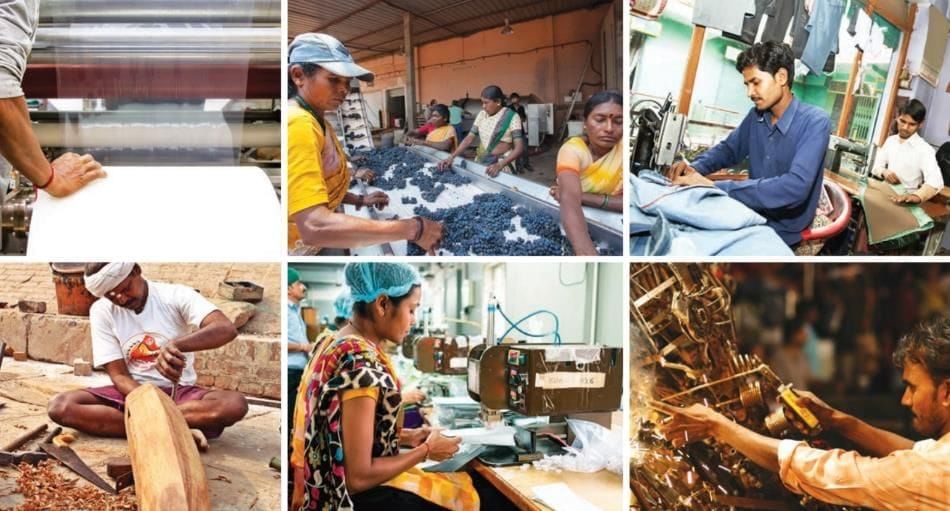
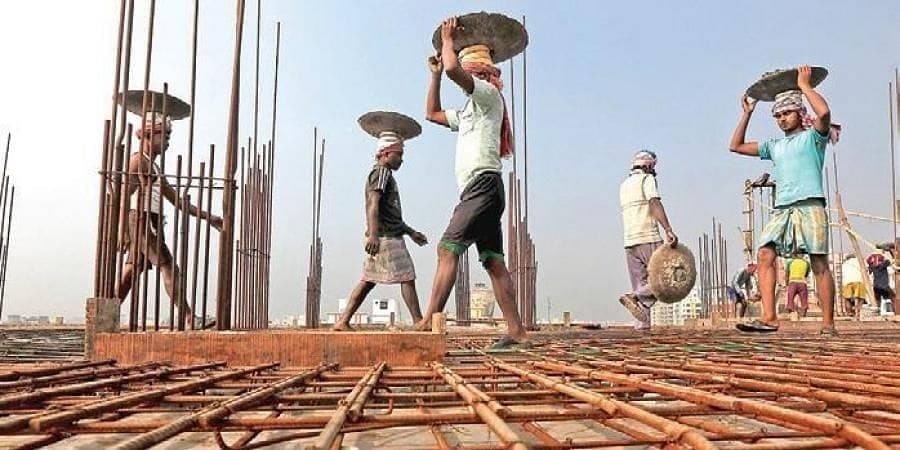

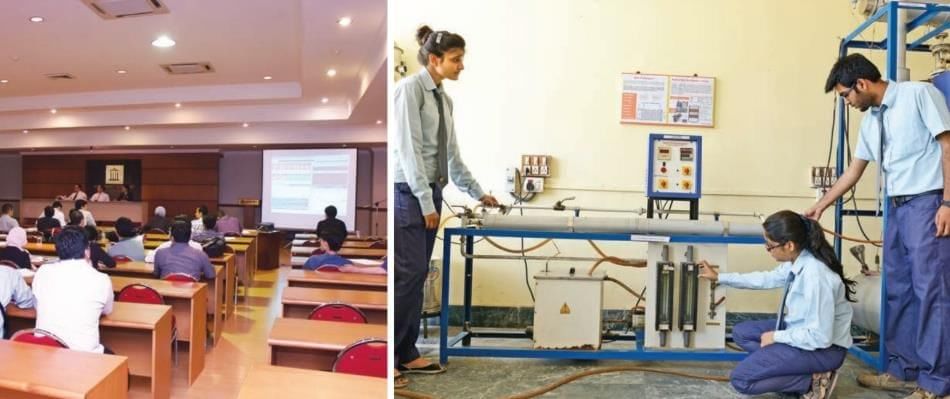
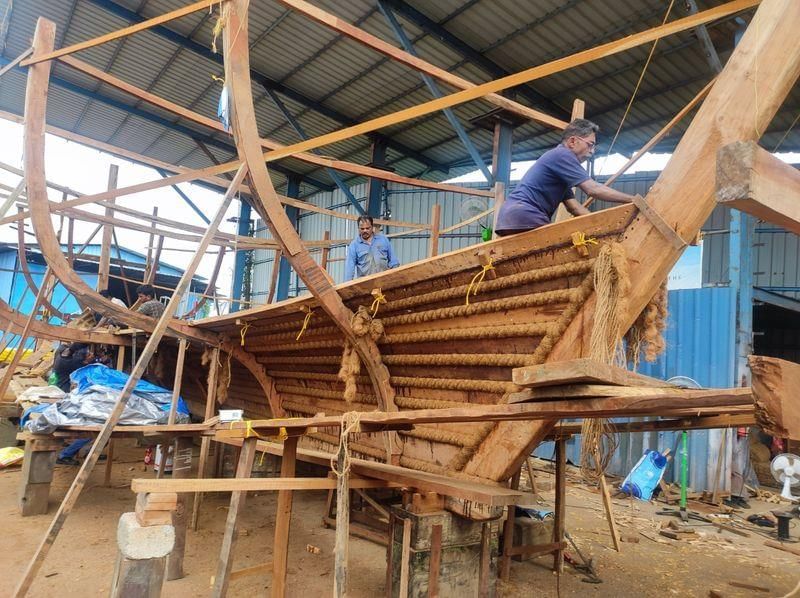

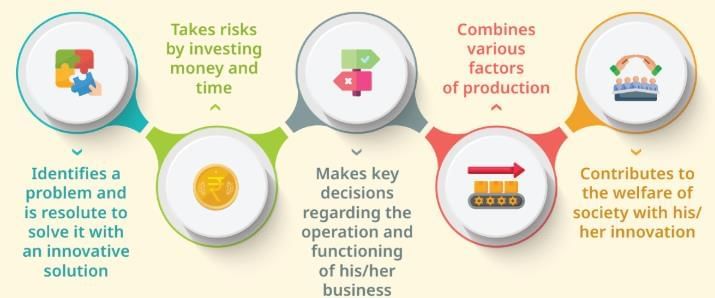
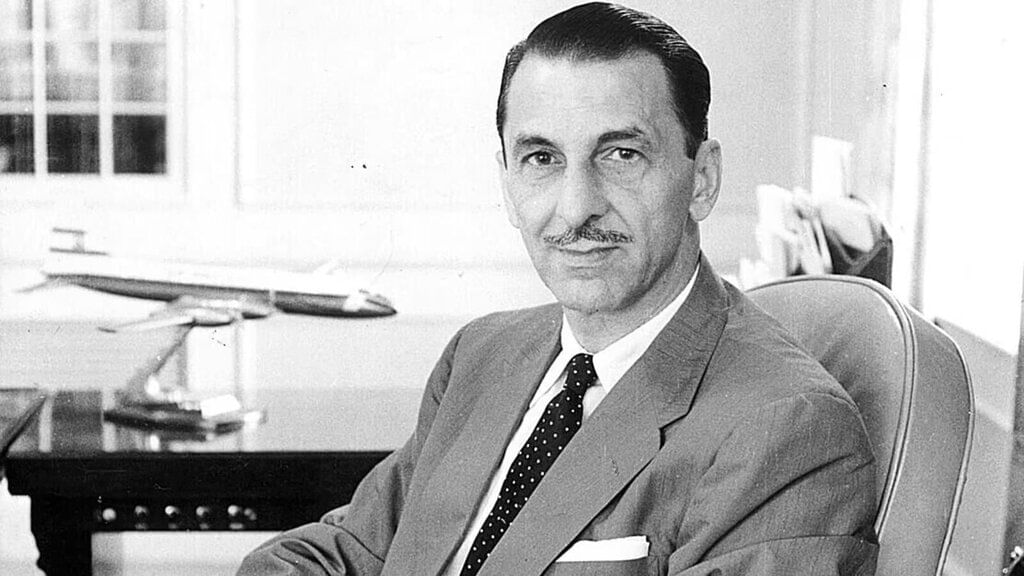
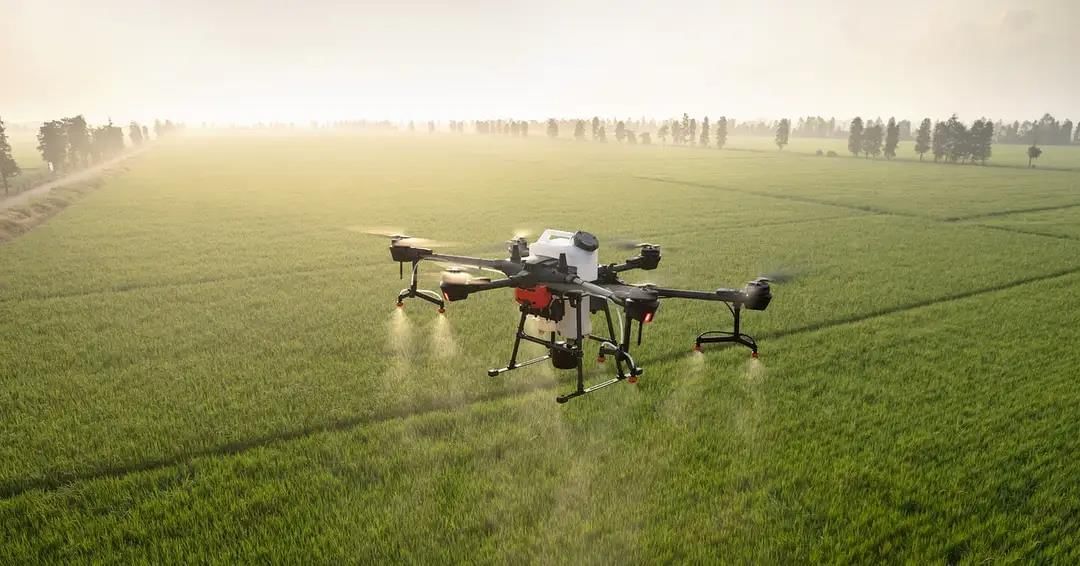

 Online Learning
 Industrial Wastewater Recycling
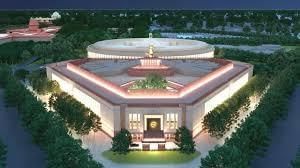
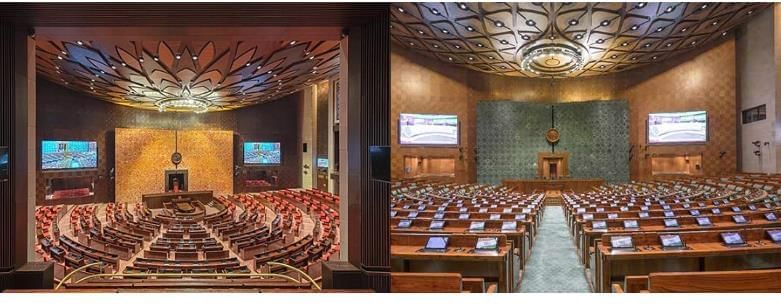
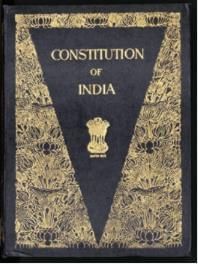
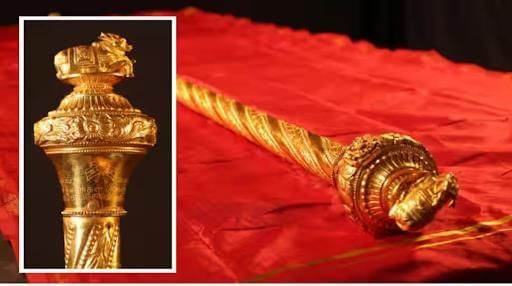
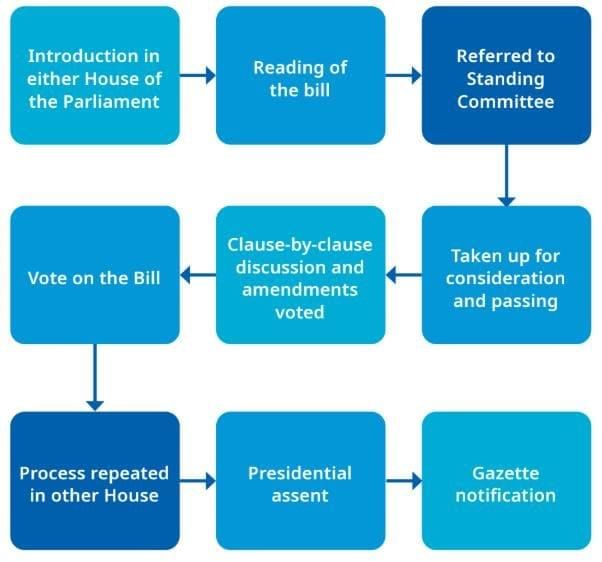
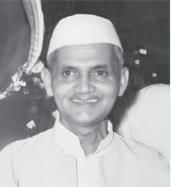
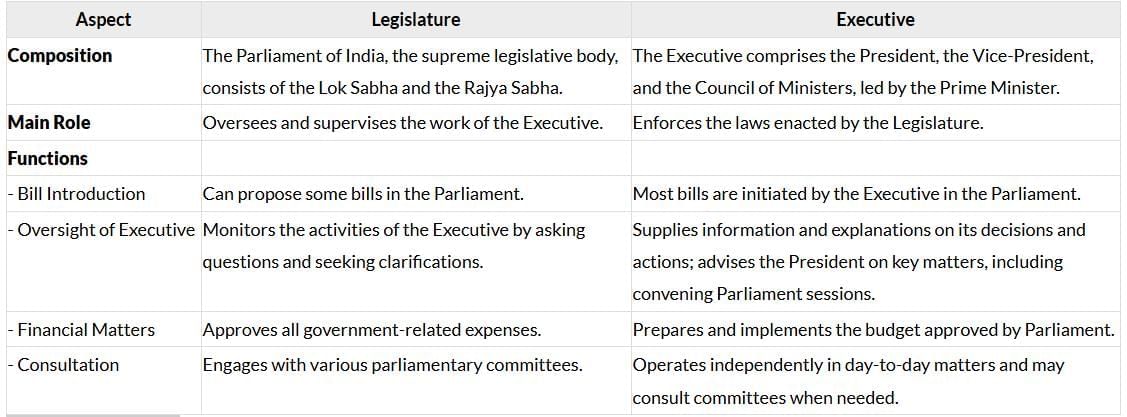

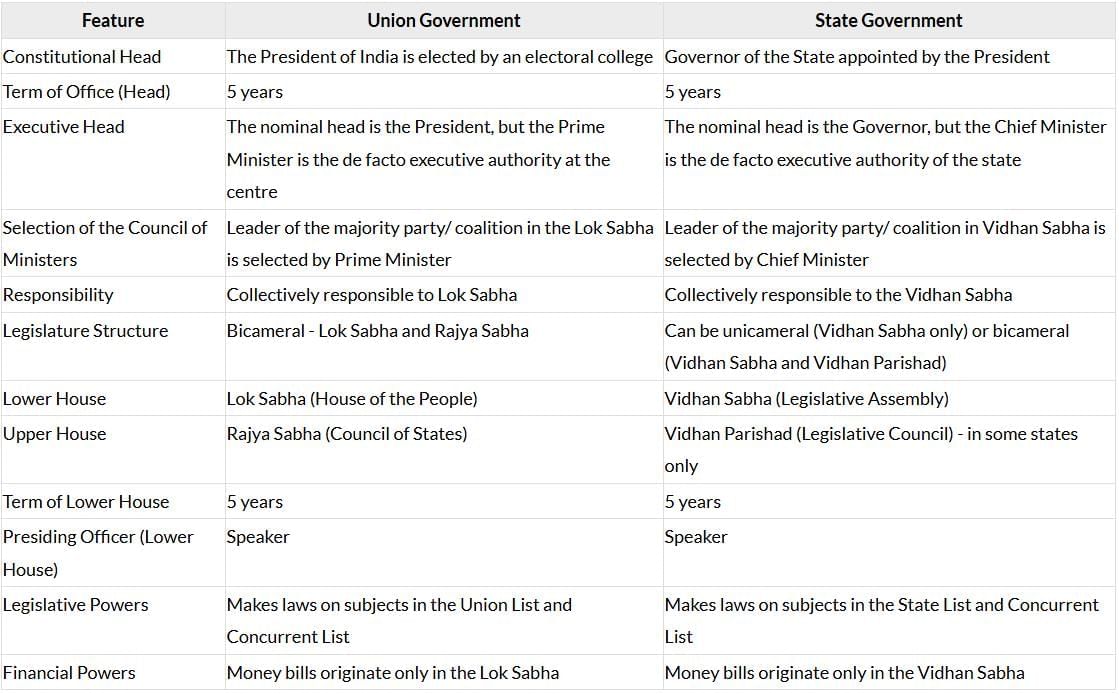
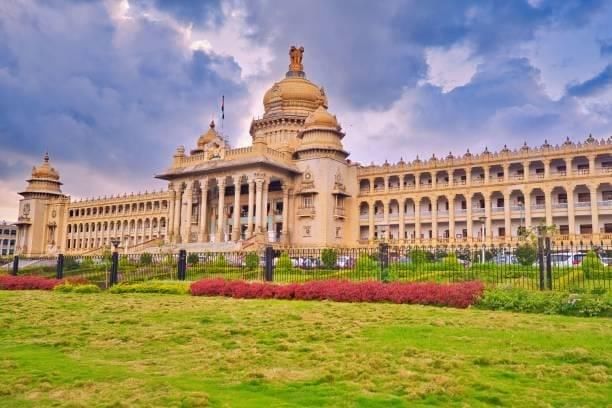
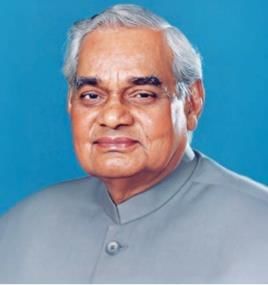
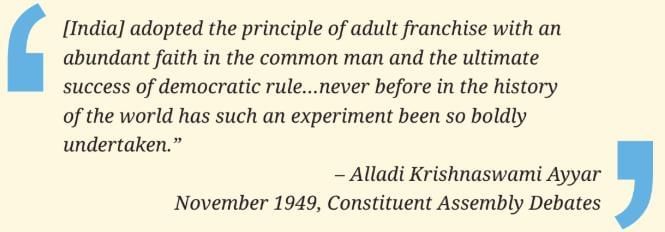
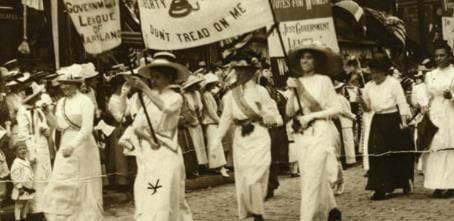
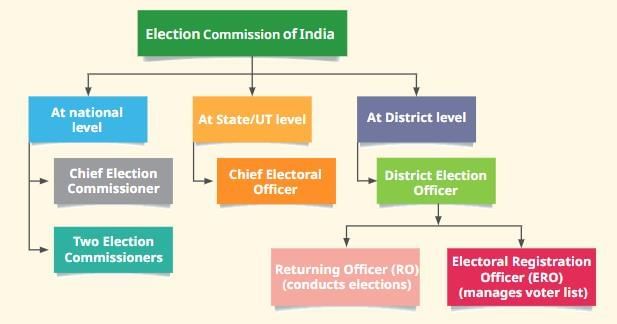
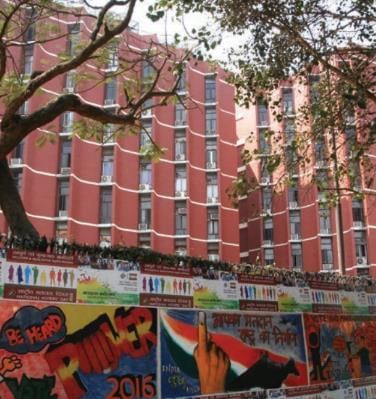 Office of ECI in Delhi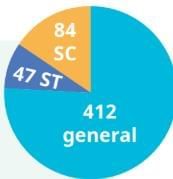
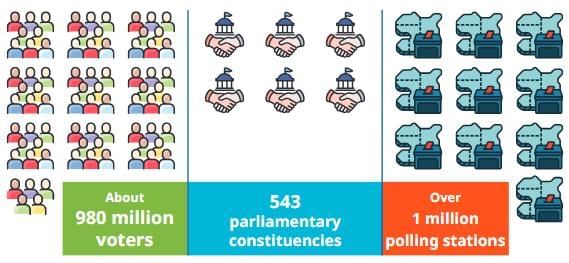

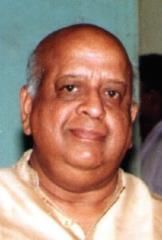
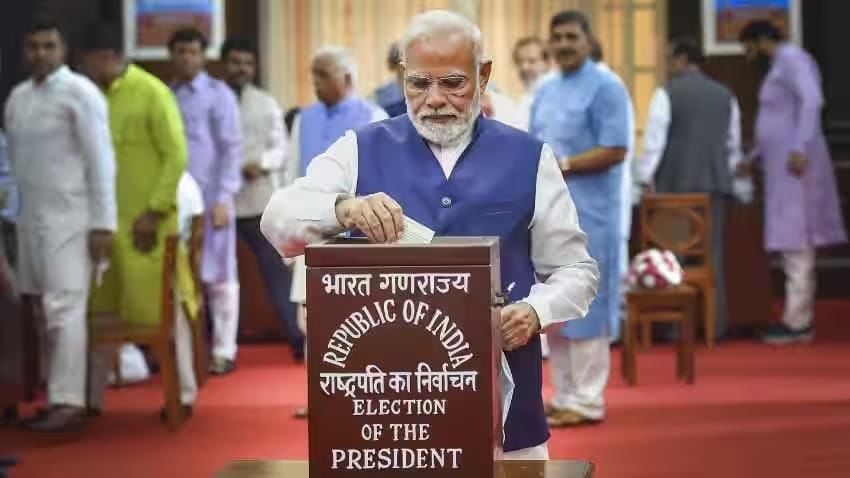 PM Modi voting for Election of the President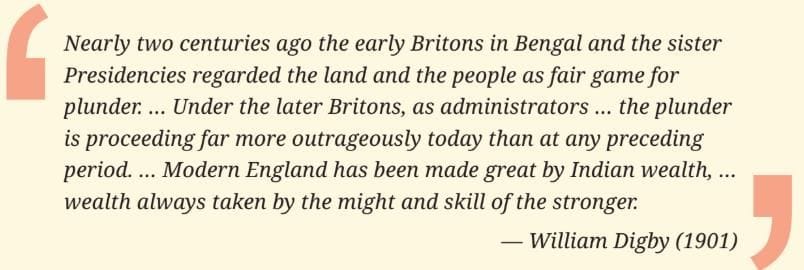
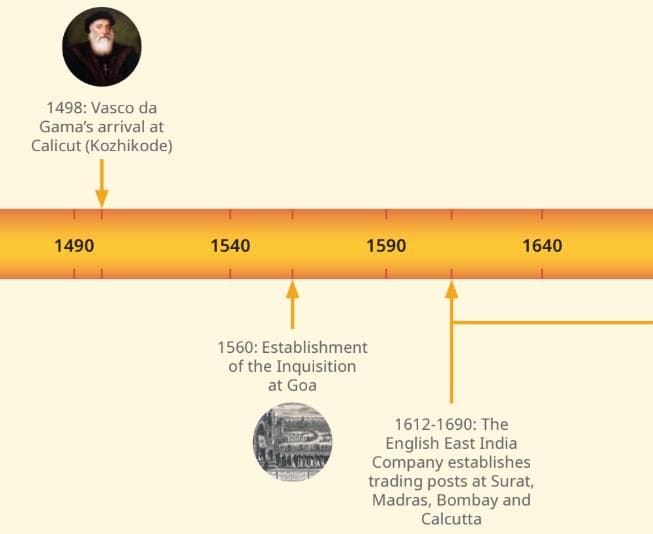
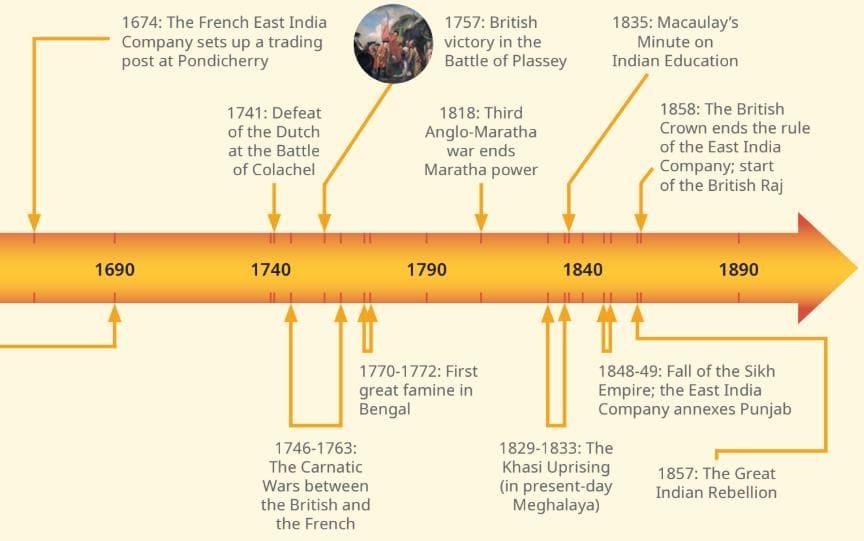
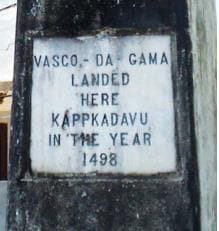
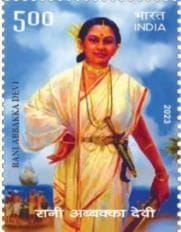 Post Stamp
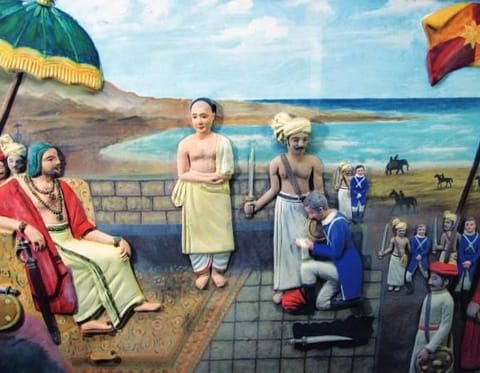 A depiction of the surrender of Dutch forces to King Marthanda Varma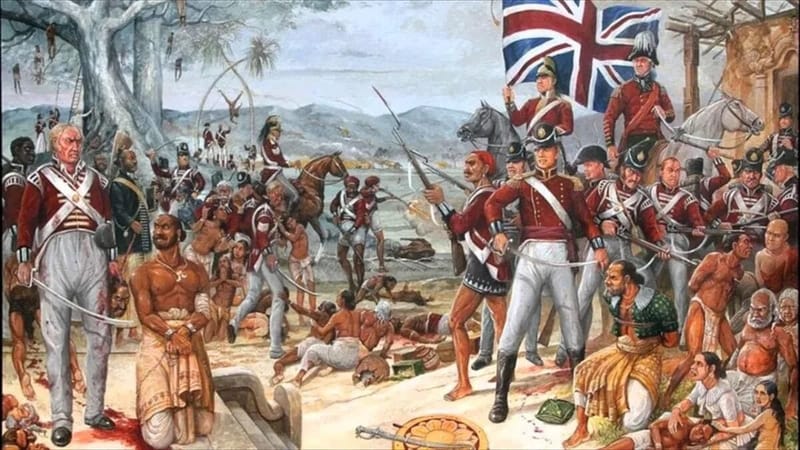
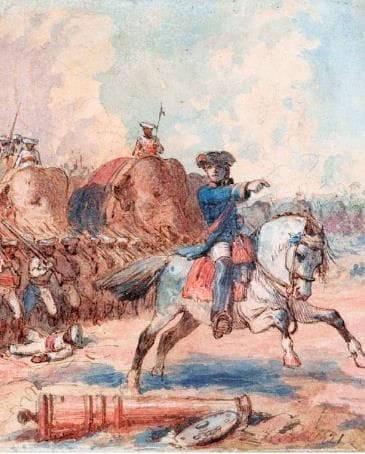 Clive leading the East India Company’s troops at Plassey
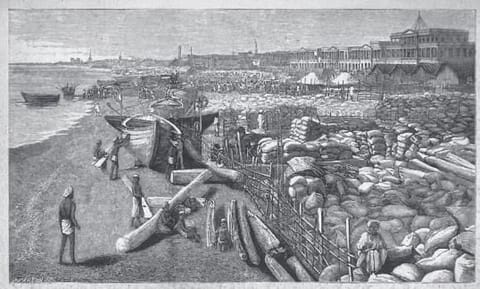 Grain bags on Madras beach, ready for export, while people were dying of hunger
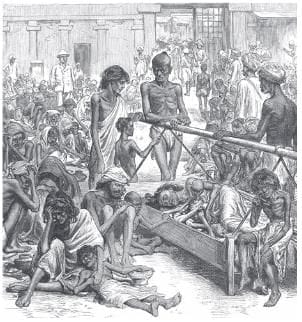 People waiting for famine relief in Bangalore
 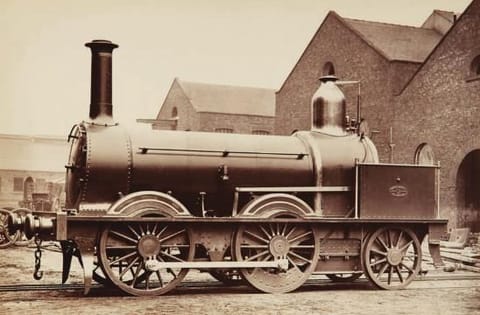 A steam locomotive of the Madras Railway
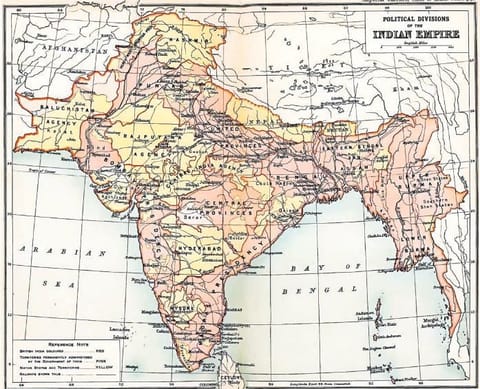 A map of the British Indian Empire in 1909
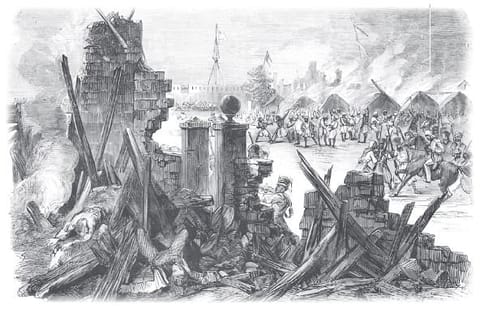 Imaginary depiction of the sepoys’ rebellion at Meerut
 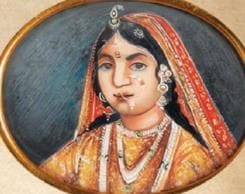 A portrait of Rani Lakshmiba
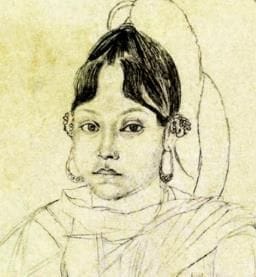 Portrait of Begum Hazrat Mahal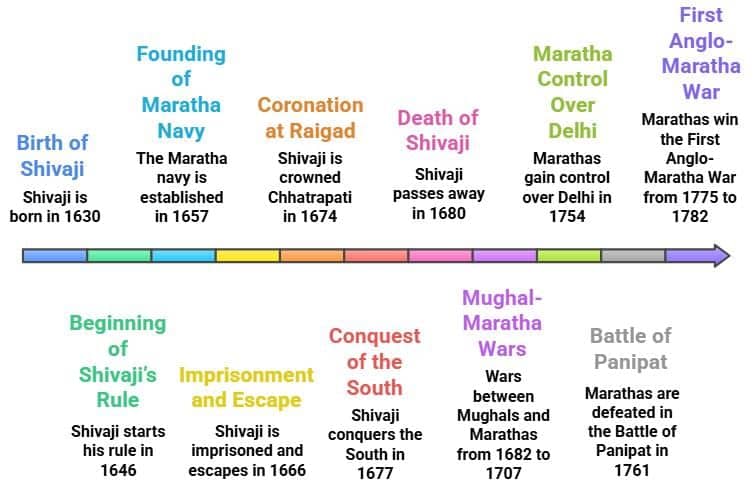
 āgh nakh or the ‘tiger’s claw’
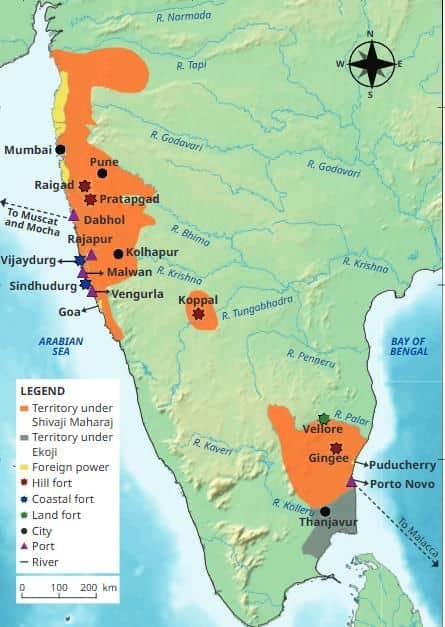 Shivaji’s Kingdom about 1680
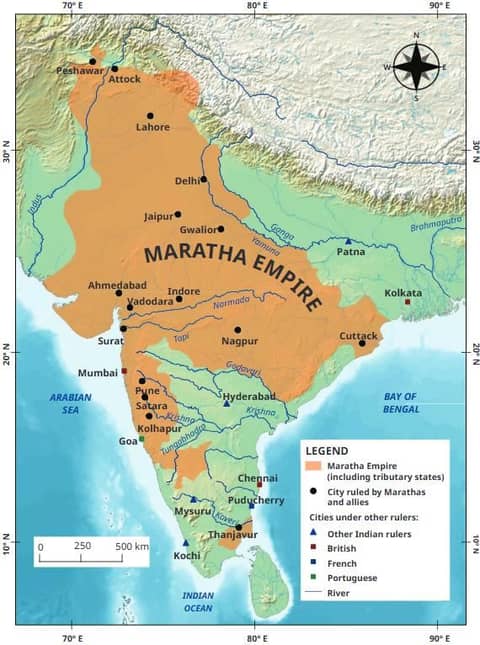 The extent of the Maratha empire in 1759.
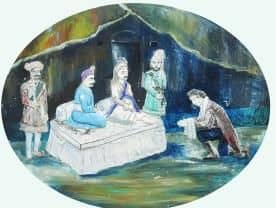 British officer surrendering after the first Anglo-Maratha war.
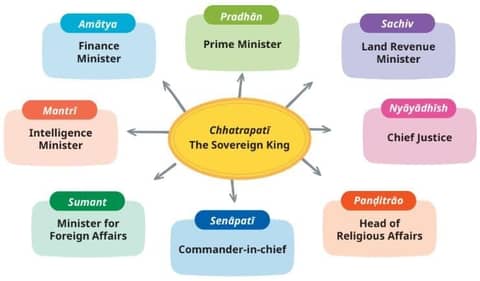 aṣhṭa pradhāna manḍala, or council of eight ministers
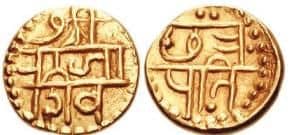 Shivaji minted coins in his own name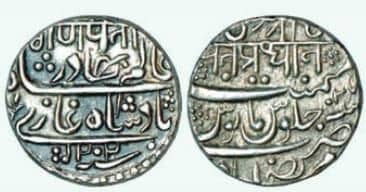
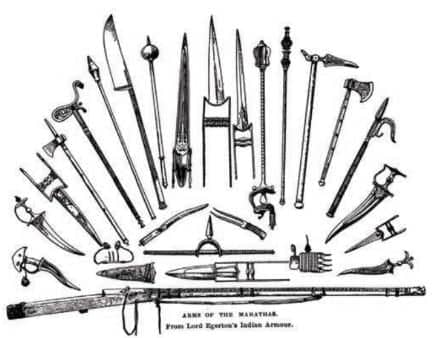 Weapons used by the Marathas.
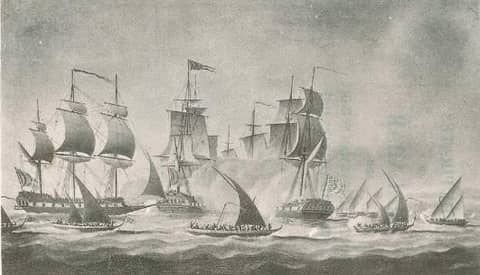 Maratha ships attacking English ships
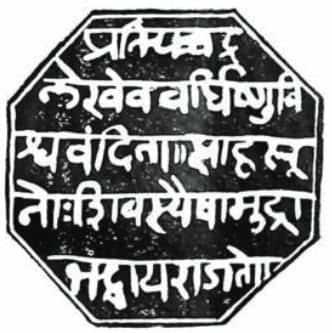 Shivaji’s seal
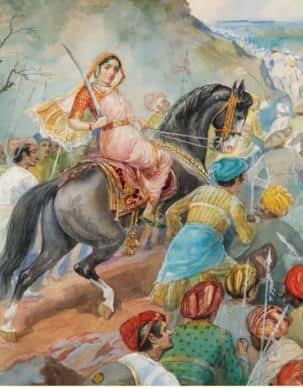 Tarabai in battle (Painting)
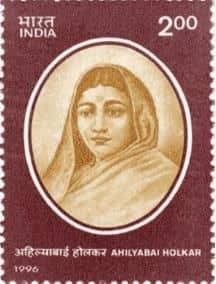 A postage stamp honouring Ahilyabai Holkar
 A sample of Chhatrapati Shahu Maharaj’s handwriting in the Moḍī script
 A traditional Thanjavur style painting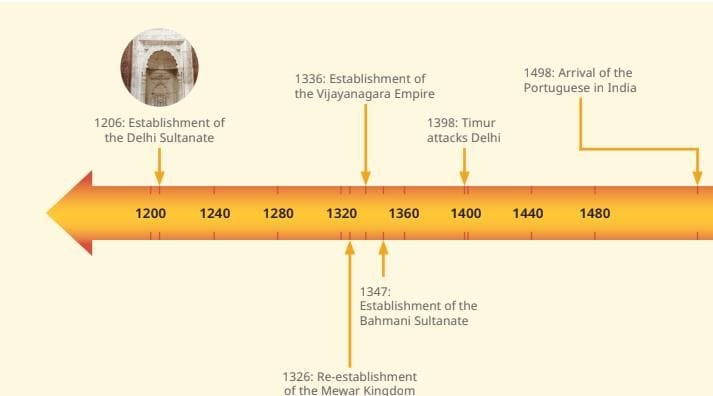
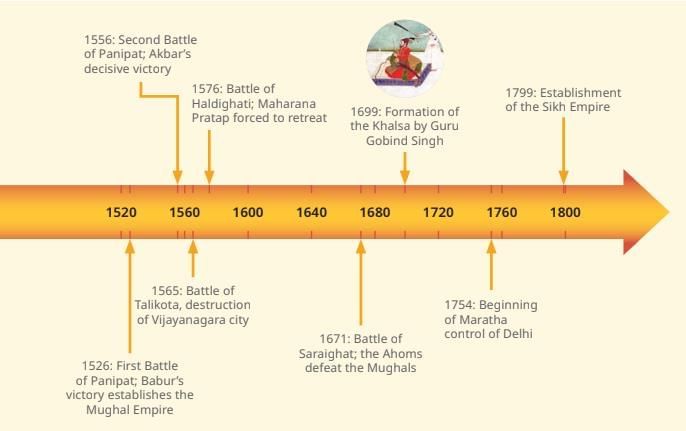
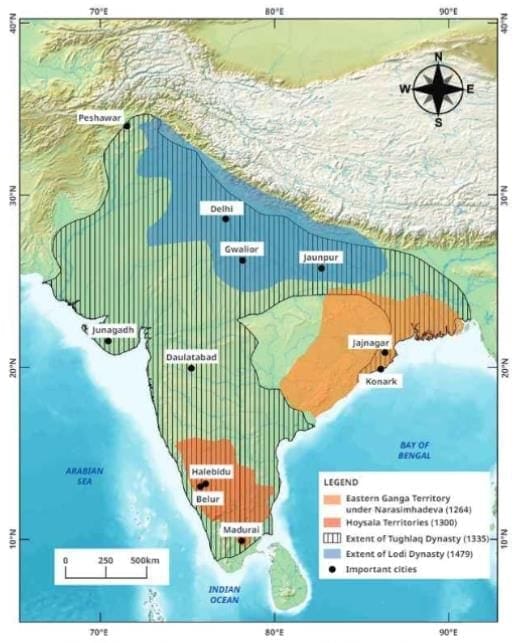
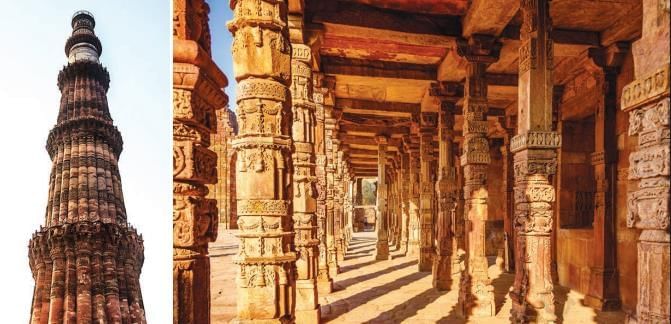
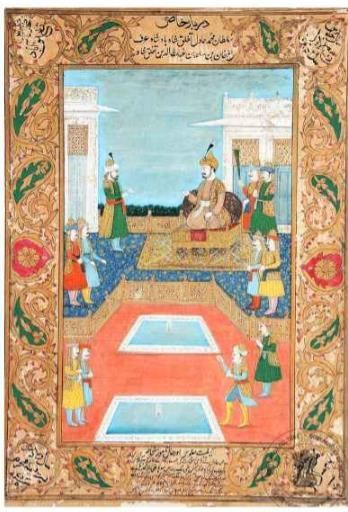
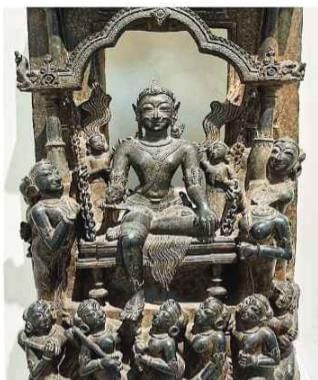 A statue depicting Narasimhadeva I seated on his throne, surrounded by attendants and musicians.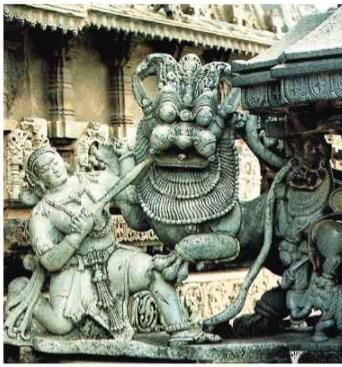
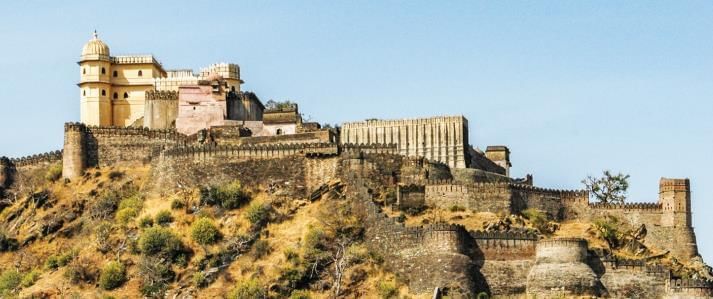
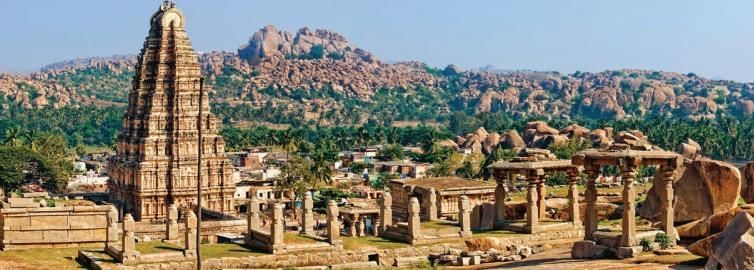
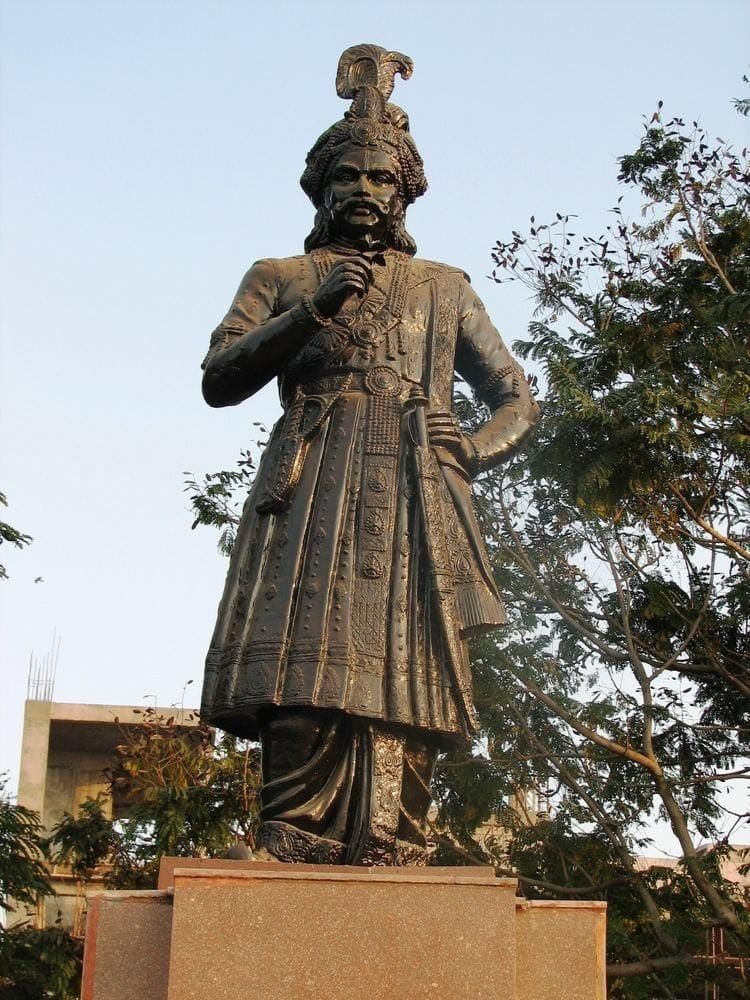
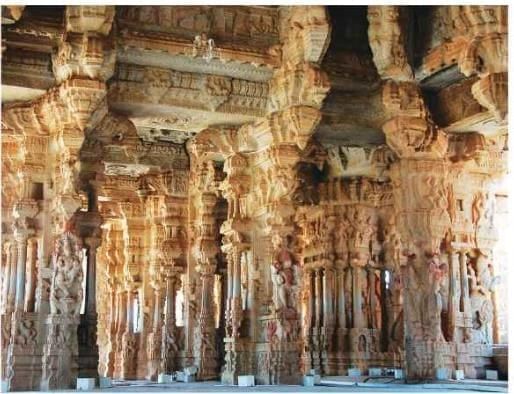
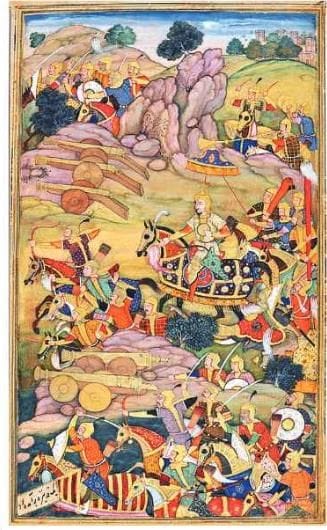
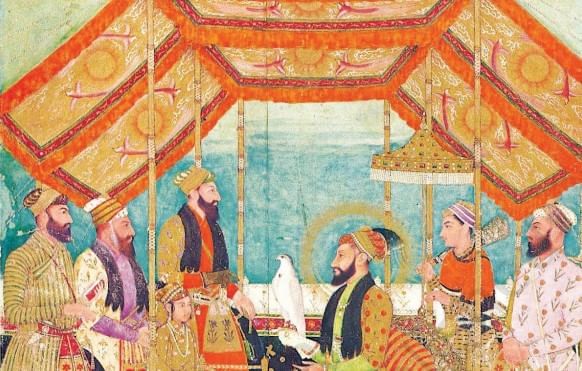
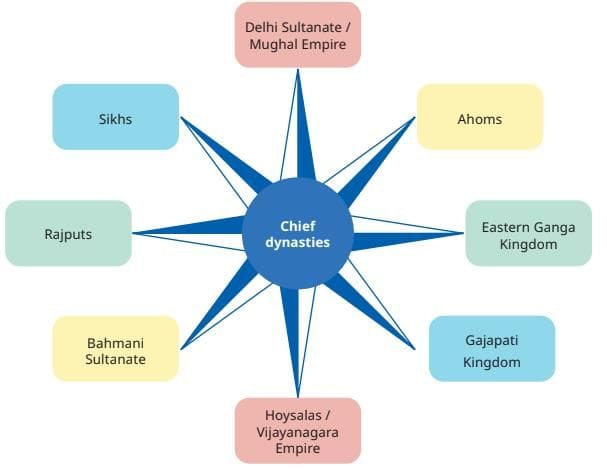
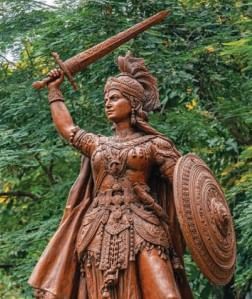 Rani Durgavati