5. Consumer Rights – Short Answer Questions

Q.1. What do you mean by right to be informed? How it protects consumer interests?

Ans. Right to be informed about the quality, quantity, purity, potency, standard and price of goods so as to protect the consumers against unfair trade practices. How it protects consumer’s interests : Consumer can get all information about the product or service before making a choice or a decision. This will enable him to act wisely and responsibly and also enable him to desist from falling prey to high pressure selling techniques.

Q.2. Explain how ‘right to seek redressal’ help consumers to protect them against unfair practices and exploitation.

Ans. Right to seek redressal against unfair trade practices or unscrupulous exploitation of consumers also includes right to fair settlement of the genuine grievances of the consumer. Consumer can make complaint for their genuine grievances. Many a time their complaint may be of small value but its impact on society as a whole may be very large. They can also take the help of a consumer organisation in seeking redressal of their grievances.

Q.3. How does logo with letters ISI, Agmark or Hallmark help consumers?

Ans. These logos help consumers to get assured of quality while purchasing the goods and services. These logos are the symbols of trust, confidence and goodwill of the product.

Q.4. How government protects the interests of consumers?

Ans. Government has taken 3 measures to protect the interest of consumers.
(i) Legislative measures : The government enacted a law called Consumer Protection Act in 1986. The act provides for the establishment of consumer dispute redressal mechanisms at district, state and national levels.
(ii) Administrative measures : Public Distribution System (PDS) started by Government to prevent hoarding and black marketing.
(iii) Technical measures : Setting up institutions for fixing up the standards for products like Indian Standards Institutes, are technical measures taken by Government.

Q.5. What is the role of RTI Act in India? Explain.

Ans. In October 2005, the Government of India enacted a law, popularly known as RTI (Right to Information) Act, which ensures its citizens all the information about the functioning of government departments. Right to information has been expanded to cover various services provided by the government. For example, if we buy a product and find it defective well before the expiry period, we can ask for a replacement.

4. Globalisation and the Indian Economy – Short Answer Questions

Q1: Describe any four characteristics of WTO.

Ans: The four characteristics of the World Trade Organization (WTO) are:

  • Powerful organisation: The WTO is a significant international body.
  • Liberalising trade: Its main goal is to promote free international trade.
  • Establishing rules: The WTO creates and enforces rules for global trade.
  • Trade barriers: While it aims for free trade, developed countries often maintain unfair trade barriers.

Q2: How is stability in jobs for the workers affected due to globalization?

Ans: The stability of jobs for workers is significantly affected by globalization in several ways:

  • Workers often have temporary employment instead of permanent positions, leading to job insecurity.
  • Many companies aim to reduce costs, resulting in lower wages and reliance on short-term contracts.
  • During less busy periods, workers may face layoffs without any compensation.
  • Workers are frequently required to work long hours, often without the benefits they previously enjoyed.

Q3: “The impact of globalization has not been uniform.” Explain this statement.

Ans: The impact of globalisation has not been uniform for several reasons:

  • Consumer Goods: Globalisation has boosted the sale of consumer goods, such as cell phones and automobiles, which are mainly desired by a small segment of the population in developing countries. Many people still lack basic necessities.
  • Economic Inequality: It has led to a concentration of economic power, benefiting large capitalists and corporations, like Google, while small-scale producers and workers face increased competition and challenges.
  • Job Security: The nature of employment has shifted, with many workers now hired on a temporary basis, resulting in less job security.

Q4: How has liberalization of trade and investment policies helped the globalization process?

Ans: Liberalization of trade and investment policies has significantly contributed to the process of globalization in several ways:

  • Facilitated trade: It has made the import and export of goods easier, allowing foreign companies to establish operations in different countries.
  • Increased integration: Greater foreign investment and trade have led to a closer integration of production and markets across nations, bringing companies together through multinational corporations (MNCs).
  • Spread of technology: The latest technologies, particularly in information and communication technology (ICT), have been disseminated globally due to liberalization.

Q5: “Fair globalization would create opportunities for all and also ensure that benefits of globalization are shared better.” Support the statement.

Ans: The government can play a significant role in achieving fair globalization through the following actions:

  • Frame policies that protect the interests of both the wealthy and the vulnerable in society.
  • Support small producers to enhance their ability to compete with larger manufacturers.
  • Ensure proper implementation of labour laws so that workers receive their rights.
  • Utilise trade and investment barriers and negotiate for fairer rules at the WTO.
  • Collaborate with other developing countries to challenge the dominance of developed nations in the WTO.

Q6: “Information and Communication Technology (ICT) has played a role in spreading out products and services across countries.” Support this statement.

Ans: Information and Communication Technology (ICT) has significantly contributed to the global distribution of products and services in several ways:

  • Telecommunication tools such as telegraphs, telephones (including mobile phones), and fax machines enable instant communication worldwide, even from remote locations. This is enhanced by satellite communication.
  • Computers have opened up the vast world of the Internet, allowing access to and sharing of information on nearly any topic. This technology also facilitates the sending of electronic mail and voice messages globally at minimal costs, promoting trade and commerce.

Q7: How does the Government attract foreign investment? Explain different ways.

Ans: The government attracts foreign investment through several key strategies:

  • Special Economic Zones (SEZs) are established, offering world-class facilities such as affordable electricity, roads, and transport.
  • Companies operating in SEZs enjoy a tax exemption for the first five years, enhancing their profitability.
  • Labour laws in SEZs are made flexible, making it easier for companies to hire and manage workers.

Q8: Why had the Indian government put barriers to foreign trade and foreign investments after independence? Analyze the reason.

Ans: The Indian government-imposed barriers to foreign trade and foreign investments after independence for several reasons:

  • To protect domestic producers from foreign competition.
  • To encourage the growth of local industries and increase production.
  • In the 1950s and 1960s, Indian industries were still developing and not ready to face international competition.

Q9: Explain the facilities available in SEZ that are developed by Central and State governments to attract foreign Investment.

Ans: Special Economic Zones (SEZs) are industrial areas established by the government to encourage foreign investment. The facilities available in SEZs include:

  • World-class amenities: SEZs offer essential services such as electricity, water, roads, transport, storage, and recreational and educational facilities.
  • Tax incentives: Companies operating in SEZs are exempt from taxes for the first five years.
  • Flexible labour laws: The government has introduced more flexible labour regulations to attract multinational corporations (MNCs).

Q10: “Globalization has been advantageous to consumers as well to producers”, Support the statement with suitable examples.

Ans: Globalization has provided significant advantages to both producers and consumers:

  • Increased competition: Globalization has intensified competition among producers. This competition encourages them to offer better quality and lower prices, benefiting consumers.
  • Access to international markets: Producers now have easier access to global markets and can obtain credit for capital and technology more readily. For instance, the electronics and garments industries have expanded significantly.
  • More choices for consumers: Consumers enjoy a wider variety of goods and services than before, especially in modern technology products like cell phones and cameras.

Q11: What is investment? Name the companies that make foreign investments. Write any two benefits that a local company expects from joint production with a Multinational company.

Ans: Investment refers to the money spent on acquiring assets like land, buildings, machines, and equipment. Some companies that make foreign investments in India include Ford Motors, Nike, Coca-Cola, Pepsi, Honda, Nokia. 

Local companies expect the following benefits from joint production with a multinational company:

  • Financial support for additional investments, such as purchasing new machines for quicker production.
  • Access to advanced technology for improved production processes.

Q12: How are local companies benefited by collaborating with multinational companies? Explain with examples.

Ans: Local companies benefit from collaborating with multinational companies (MNCs) in several ways:

  • Financial Support: MNCs can provide funding for local companies to invest in new machinery, enhancing production speed.
  • Access to Technology: MNCs often bring the latest technology, improving production efficiency.
  • Increased Efficiency: Partnerships with MNCs can lead to higher production levels and better financial returns for local companies.

Q13: What are the various ways in which MNCs set up or control production in other countries?

Ans: The various ways in which MNCs control or set up production in other countries include:

  • Buying Local Companies: Large MNCs often acquire local firms. This approach provides access to an established customer base and allows local companies to benefit from advanced technology. Example: Cargill Foods merged with Parakh Foods.
  • Joint Ventures: MNCs collaborate with local companies to establish production units. This strategy not only boosts production but also expands market reach. Example: Ford Motors partnered with Mahindra and Mahindra to set up an automobile plant.
  • Placing Orders with Small Producers: MNCs often outsource production to small manufacturers in developing countries, where costs are lower. They then market these products under their own brand names. Examples: Garments, footwear, and sports equipment.

Q14: List the factors that encourage the MNCs to set up their production units at a place.

Ans: The factors that encourage MNCs to establish production units in specific locations include:

  • Availability of skilled and unskilled labour: For instance, India has a large pool of skilled engineers who are adept at technical production.
  • Access to affordable raw materials: Countries like China offer low-cost manufacturing options.
  • Well-developed infrastructure: Efficient transport systems, such as roads and railways, are crucial.
  • Liberal government policies: Supportive regulations can attract MNCs.
  • Proximity to markets: Locations like Mexico and Eastern Europe are beneficial due to their closeness to US and European markets.
  • Safe environment: A stable and secure setting is essential for operations.

Q15: ‘Barriers on foreign trade and foreign investment were removed to a large extent in India since 1991. Justify the statement.

Ans: Barriers on foreign trade and foreign investment have been largely removed in India since 1991 due to several key factors:

  • The Indian government liberalised its policies in 1991, recognising the need for local producers to compete globally.
  • It believed that competition would enhance the quality and performance of domestic producers.
  • The economic crisis of 1990-91, along with support from the WTO and IMF, prompted the removal of trade barriers.

ShoAs a result, foreign goods could be imported and exported more easily, and foreign companies were allowed to establish operations in India. This process of removing restrictions is known as liberalisation, which has led to a more open trade environment.

3. Money and Credit – Short Answer Questions

Q1. Can everyone in Sonpur get credit at a cheap rate? Which people can get such credit?
Ans: No, not everyone in Sonpur can access cheap credit. Typically, the following groups are eligible:

  • Medium farmers who are literate.
  • Farmers with their own land for cultivation.

These individuals are more likely to receive loans at lower interest rates from banks.

Q2. Write two main functions of a commercial bank.
Ans: Two main functions of a commercial bank:

  • Accepting deposits: Commercial banks take money from individuals, providing a safe place for savings.
  • Providing loans: They offer loans to entrepreneurs, helping them to start or expand their businesses.

Q3. Why should credit at reasonable rates be available for all?

Ans: If credit is available at a reasonable rate, it can significantly boost income levels. This allows individuals to:

  • Borrow for various needs, such as:
    • Growing crops
    • Starting small-scale industries
    • Engaging in business activities

Access to affordable credit is essential for the development of a country. Overall, reasonable credit rates can enhance economic opportunities for many.

Q4. What do you understand by “terms of credit”?
Ans: The terms of credit refer to the conditions under which a loan is provided. These include:

  • Interest rate: The cost of borrowing the money.
  • Collateral: An asset that the borrower offers to secure the loan.
  • Documentation requirements: The necessary paperwork needed to process the loan.
  • Mode of repayment: The method and schedule for paying back the loan.

These terms can vary significantly based on the lender and borrower involved.

Q5. How is credit helpful for the country’s development?
Ans: Credit plays a crucial role in a country’s development by facilitating economic activities. Here are some key points on how credit is beneficial:

  • It enables individuals and businesses to meet ongoing expenses related to production.
  • Credit helps in completing production on time, which can lead to increased earnings.
  • Access to credit supports a higher volume of transactions in daily activities.
  • Overall, credit contributes positively to the economic growth of a nation.

Q6. What is the basic idea behind the SHG’s for the poor? Explain in your words.
Ans: The basic idea behind Self Help Groups (SHGs) for the poor is to provide accessible credit at lower interest rates with minimal documentation. Key features include:

  • A typical SHG consists of 15-20 members from the same neighbourhood.
  • Members save regularly, contributing between Rs 25 to Rs 100 or more.
  • The pooled savings are used to offer loans to members for various needs.
  • The group decides on loan terms, including purpose, amount, interest rates, and repayment schedules.

Overall, SHGs empower the rural poor, especially women, by promoting financial self-reliance and creating opportunities for self-employment.

Q7. Why do we need to expand formal sources of credit in India?
Ans: Expanding formal sources of credit in India is essential for several reasons:

  • Lower Interest Rates: Formal credit sources offer loans at much cheaper rates compared to informal lenders.
  • Increased Income: Access to affordable loans helps individuals increase their income, enabling them to repay both the principal and interest.
  • Boosting Production: More credit leads to increased production activities, contributing to overall economic growth.
  • Reducing Dependence: Expanding formal credit reduces reliance on expensive informal sources, which often charge high interest rates.

Q8. What is the main source of income for banks?
Ans: The main source of income for banks is the difference between the interest rates they charge borrowers and the rates they pay to depositors. Here’s how it works:

  • Banks keep a portion of deposits as reserves.
  • They lend the remaining funds to borrowers.
  • Banks charge a higher interest rate on loans than they offer on deposits.
  • The difference between these rates is the bank’s primary source of income.

2. Sectors of the Indian Economy – Short Answer Questions

Ques 1: Using examples from your area, compare and contrast the activities and functions of the private and public sectors.
Ans: Public Sector: There are the organisations which directly or indirectly come under the control of government, like MTNL, railways, Indian Airlines etc.

Fig: Public sector in India

Private Sector: In private sector organisations the ownership is in private hands and they run these organisations with the motive of earning profits. BSES and Sahara Airlines are the examples of private sector.

Ques 2: Explain how public sector contributes to the economic development of a nation.
Ans: There are some industries whose development is absolutely essential for the growth of economy. Such industries include power, transport, petroleum, irrigation, iron and steel, fertilisers, heavy industries etc. These industries require large investments which may be beyond the means of private entrepreneurs and are not sufficiently profitable for private sectors. Hence all such activities which are essential for the country’s development are carried into by the public sector.

Ques 3: The workers in the unorganised sector need protection on the following issues : wages, safety and health. Explain with examples.
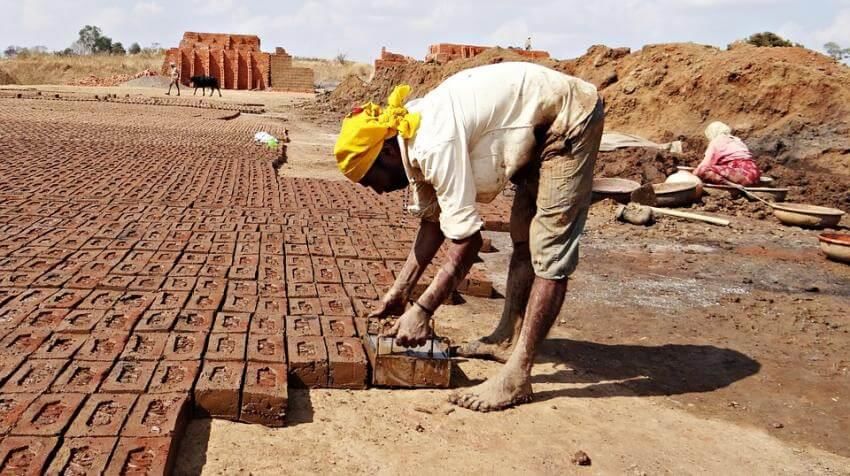
Fig: unorganised sectorAns: In unorganised sectors workers are exploited by the private individuals because their aim is to earn more profit. They are not concerned with the safety and health of the employees. They also pay low wages to increase their profits. In such a type of organisation working conditions are not good. So the protection of their rights is necessary. They can take the help of labour laws and courts.

1. Development – Short Answer Questions

Q1: What are the various social indicators of development?

Ans: Although the level of income is an important indicator of development, it is an inadequate measure of the level of development. Other social indicators are:

  • Health and Education: People become human resources when investments are made in their health and education.
  • Sex ratio: It is defined as the number of females per thousand males. An ideal sex ratio should be more or less an equal number of males and females. The sex ratio in favor of males indicates sex discrimination, which goes against development.

Q2: What is Sustainable Development? Why is the issue of sustainability important for development? Explain.

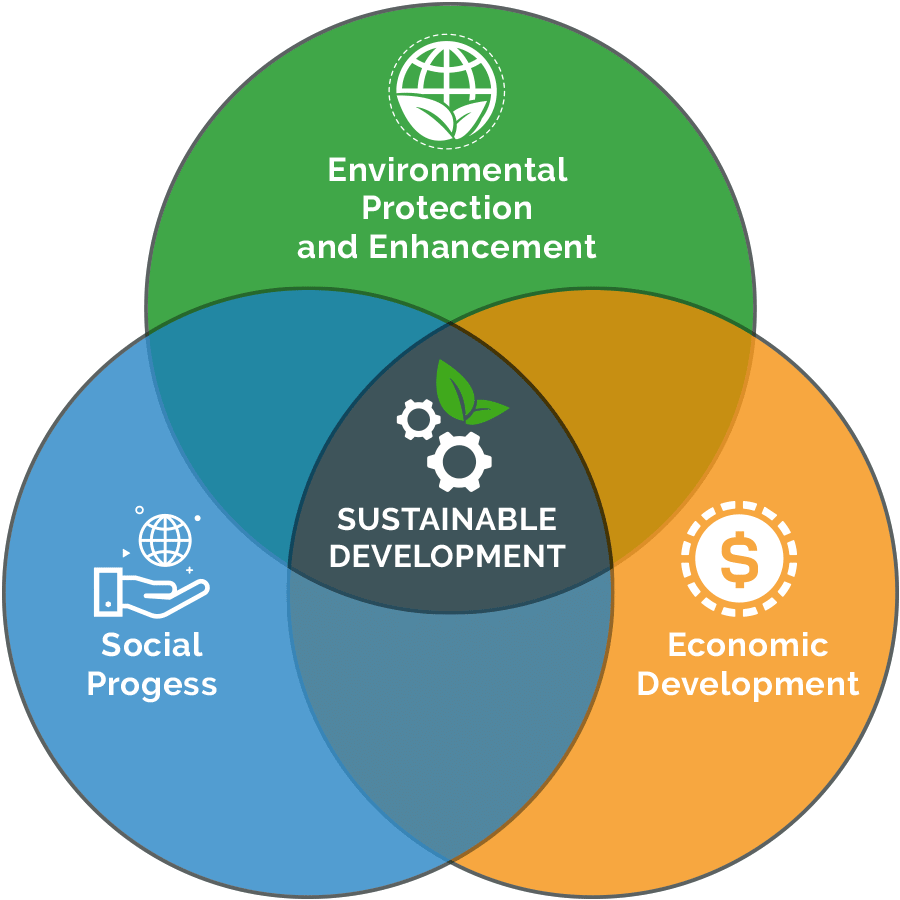
Ans:  Sustainable Development refers to development that meets the needs of the present without compromising the ability of future generations to meet their own needs.

  1. Economic development is a continuous process. Resources are to be used in such a way that they are not exploited. At the same time development should not harm the environment. 
  2. It is desirable because everyone would certainly like the present level of development to go further or at least be maintained for the future generations.

Q3: How are economic development and human development related to each other?
Ans: 

  • Human development: It refers to the process of improvement in human beings. People become human resources when investments in them are made in the form of health and education.
  • Life expectancy at birth, adult literacy rate, and per capita GDP are important indicators of human development. 
  • Economic development: It will be sustainable if resources are managed in such a way that future generations do not suffer and have at least the same that present generations have.

Q4: Prove that development for some may be harmful to others. 
OR
With the help of examples, two groups may have different notions of development.
OR
‘What may be development for one may not be development for the other’. Explain by giving examples.
Ans: It is true that development for one may not be development for the other. The following examples can prove this truth:

Construction of Dams:

  • The construction of dams may be beneficial for industrialists and large farmers, but this may submerge the agricultural land and disrupt the lives of the people.
  • More wages mean development for a worker, but it can go against the employer.
  • A consumer wants to purchase different household articles at low prices, but a trader or seller wants to sell these items at a higher price.

Q5: Write the importance of human development index in three points.

Ans: Human Development Index is published by the UNDP. 

  1. It indicates the level of development of a country. 
  2. The report provide information about the different welfare elements such as education levels, health status and literacy level of a country.
  3. It also provide information about the per capita income of a country.

Q6: What is the main concern with regard to sustainable development? 
Ans:

Save resources from depletion:

  • The main concern of sustainable development is to save resources from depletion. 
  • Development should take place but not at the cost of the environment. 
  • Resources should be reserved for future generations. 

Q7: Mention in brief the factors which are important goals in our life
Ans:

  • Desire for more income: People desire regular work, a good salary structure, and decent prices for crops or other products that they produce. We can say that there is a desire for more income. 
  • Equal treatment: People also want equal treatment in society.  People want freedom, security, and respect for others.  They don’t expect discrimination. 

Q8: Why do we use averages? Are there any limitations to their use? Illustrate with your own examples related to development.
Ans: 

  • Different countries have different populations, so calculating the average helps in getting an estimated answer, which can be used to compare different things at different levels. 
  • There are limitations in calculating averages because we cannot know the difference in the income of the people and the unfair distribution of income in a country or state.
  • For example, if we calculate the per capita income of two countries A and B with 5 people each, the salary of five people in country A is Rs.23,000, Rs.22,000, Rs.23,500, Rs.28,000 and Rs.25,000 and the income of people living in country B are Rs.1,50,000, Rs. 22,000, Rs.50,000, Rs.4000, Rs.2500. 
  • The average income of country A will be Rs.24,300, and that of country B will be Rs.45,700. This proves that the average of country B is higher than that of country A, and yet there is a disparity in the income distribution of country B and the income is evenly distributed in country A.

Q9: Kerala, with lower per capita income, has a better human development ranking than Haryana. Hence, per capita income is not a useful criterion at all and should not be used to compare states. Do you agree? Discuss.
Ans: 

  • Kerala, with lower per capita income, has a better human development ranking than Haryana. 
  • Hence, per capita income is not a useful criterion at all and should not be used to compare states. 
  • This is true because the literacy rate, infant mortality rate, healthcare facilities, etc. are better in Kerala than in Haryana. 
  • The per capita income is only calculated by calculating the average income of the state, irrespective of any other factor.

Q10: Find out the present sources of energy that are used by the people in India. What could be the other possibilities fifty years from now?
Ans: 

  • The present sources of energy used by people in India include firewood, coal, petroleum, crude oil, and natural gas. 
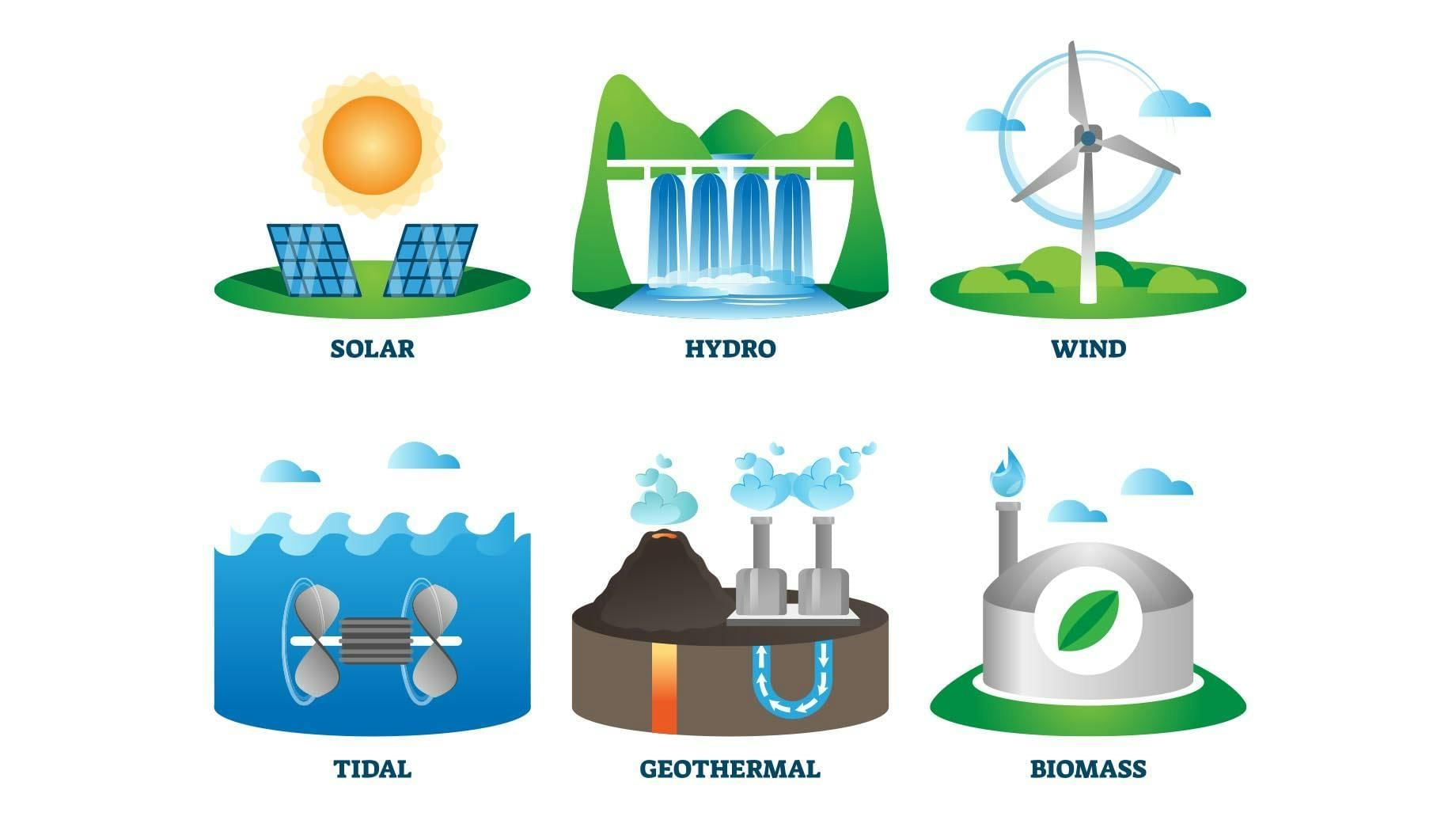
  • The other possibilities fifty years from now can be using solar energy and wind energy as a source for various energy forms. 
  • This is because the current usage of sources of energy may result in the loss of these resources for future generations.

Q11: Why is the issue of sustainability important for development?
Ans: 

  • Sustainable development refers to using natural resources in a manner so that they can be used by the present and future generations. 
  • The issue of sustainability is important for development because if natural resources are not used carefully, they may not be available for future generations. 
  • The depletion of a country’s resources may ultimately result in a lack of development.

Q12: “The Earth has enough resources to meet the needs of all but not enough to satisfy the greed of even one person”. How is this statement relevant to the discussion of development? Discuss.
Ans: 

  • Development not just depends on the economic factors of a country but is also dependent on resources that are available for the people of a country to use. 
  • The statement: “The Earth has enough resources to meet the needs of all but not enough to satisfy the greed of even one person,” is completely relevant in terms of the development of a country because natural resources are non-renewable resources. 
  • It is the responsibility of the people to use them only to meet their needs and not to satisfy their greed. 
  • If natural resources are not used wisely now, future generations may not be able to use them for their needs, which will result in the downfall of the development of a country.

Q13: Explain common, different and conflicting developmental goals by giving appropriate examples.

Ans: Developmental goals may be common, different, or conflicting.
(i) Common goals: People’s common goals are regular work, better wages, equal treatment, freedom, security, friendship, respect for others, etc. These are the things that are inspired by everyone.
(ii) Different goals: Development does not mean the same thing for every individual. It varies from person to person. For example, the developmental goals of landless rural farmers may be more days of work and better wages, a local school for their children, etc., while unemployed youth may aspire for better employment opportunities etc.
(iii) Conflicting goals: Different people could have different as well as conflicting notions of a country’s development.

Q14: Why are the countries of the Middle East not called developed countries in spite of higher per capita income? 

Ans: The countries in the Middle East are small, and there is a wide gap between the rich and the poor. Since these are oil-producing countries, they have higher per capita income. However, the wealth available in these countries is not equally distributed among people. As a result, some are very rich while others are very poor.

Q15: Define:  1. Infant Mortality Rate  2. Literacy Rate  3. Net Attendance Ratio  4. BMI

Ans: 

  1. Infant mortality rate. It indicates the number of children that die before the age of 1 year as a proportion of 1000 live children bom in that particular year.
  2. Literacy rate. It measures the proportion of literate population in the 7 and above age group.
  3. Net Attendance ratio. It is the total number of children of age group 6 to 10 attending school as a percentage of total number of children in the same age group.
  4. BMI stands for Body Mass Index. It is calculated by dividing the weight of a person in kilograms (kgs) by the square of his/her height in metres. It is an indicator of the level of nourishment in adults.