What is Solar System?
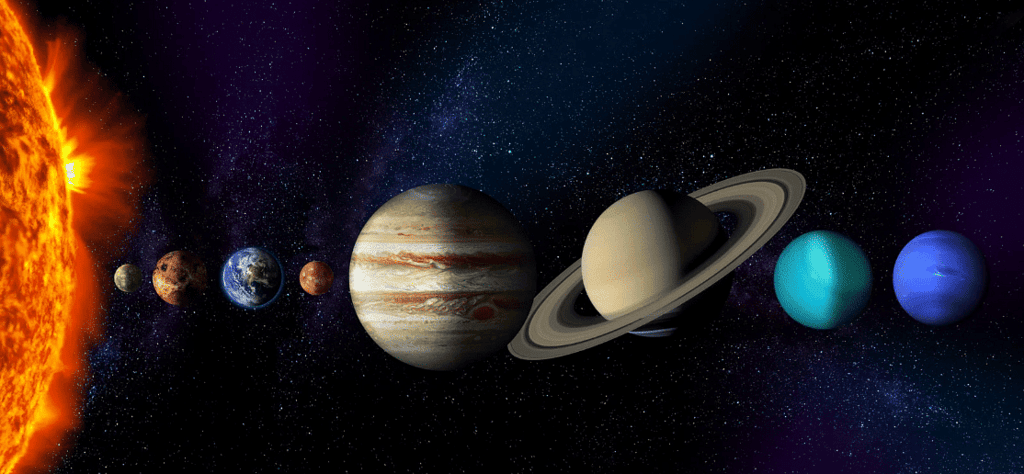
- The solar system is a group of different objects that move around in space.
- These objects include Sun, planets, moons, asteroids, comets, and more.
- The Sun is at the center, and its gravity keeps everything in the solar system together, like a family.
- Asteroids are small pieces of rock floating in space.
- Comets are icy objects that can have long, shining tails when they come close to the Sun.
- The solar system is just one part of the Milky Way Galaxy, which is like a giant group of stars, planets, and other objects.
- There are many other galaxies in the universe, all with their own stars and planets!
Sun
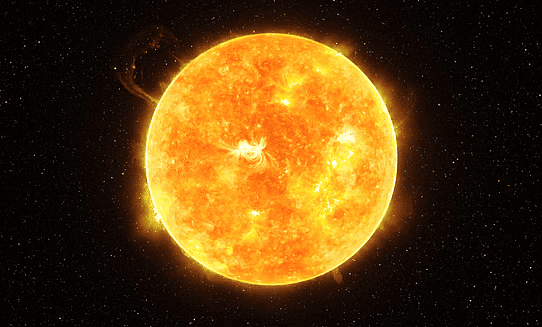
- It is about 100 times bigger than Earth.
- The Sun appears larger because it is closer to Earth than any other star.
- It is extremely hot due to the continuous burning of gases occurring within it.
- The Sun provides heat and light to all planets in the solar system.
- Light from the Sun takes approximately 8 minutes to reach Earth.
- From Earth, the Sun looks yellow.
Without the Sun, life on Earth would not be possible. It plays a vital role in maintaining Earth’s temperature and environment. We should never look directly at the Sun because its strong light can hurt our eyes.
Importance of sun in our life
- It gives light.
- It helps plants make food.
- It is an important part of water cycle.
- It gives us vitamin D.
- It kills germs and dries our clothes.
- It is the ultimate source of energy.
- It warms the atmosphere.
Try yourself:What is the main source of heat and light in our solar system?
- A.Asteroids
- B.Moons
- C.Sun
- D.Comets
 | Get additional INR 200 off today with EDUREV200 coupon. |
Mercury
The closest planet to the sun is Mercury. It has rocky surface with large holes called craters. These craters were made by fast moving rocks hitting the planets from the space.
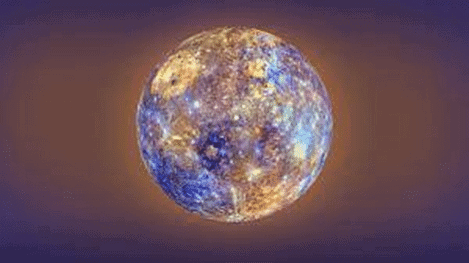
- When we look at Mercury from earth, these craters looks like dark spot. Mercury has no atmosphere.
- Life is not possible on Mercury because it is either too hot or too cold. Mercury has no moon.
Venus
Venus is the second planet from the sun. It is almost as big as earth. It has thicker atmosphere compared to earth.
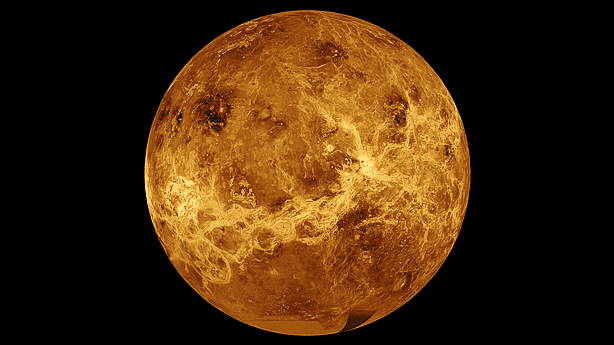
- The Sun’s rays passes through the thick clouds and warms the planet’s surface but the cloud stop the heat from escaping which makes the planet very hot.
- Venus is the hottest planet in the solar system, making life impossible there. Venus also rotates in the opposite direction as almost all the other planets.
- Instead of the Sun rising in the east and setting in the west, the Sun on Venus would appear to rise in the west and set in the east. Venus has no moons.
Earth
The earth is at the right distance from the sun and has right mixture of air, heat and water which makes life possible on earth.
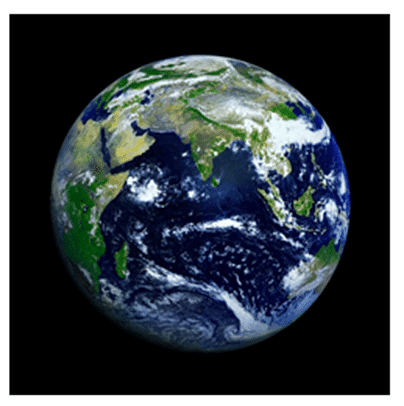
- It is the only planet where life is known to exist. Earth is 7926 miles in size. About 70% of the earth is covered with water and 30% with land. Earth has one moon.
- The Moon is a natural satellite. Scientists have sent many man made satellite which revolve around the earth.
- These satellites help capture important information about Earth, such as weather forecasting, and assist in the transmission of radio and television programs.
- Existence of life on earth makes it unique planet in the solar system.
Try yourself:Which planet is the closest to the sun in the solar system?
- A.Mercury
- B.Venus
- C.Earth
- D.Mars
| Also read: Infographics: Solar System |
Mars
Mars is the fourth planet from the Sun and is called the “Red Planet” because its surface looks red. It is very cold and has two small moons. Mars also has the largest volcano in the solar system.
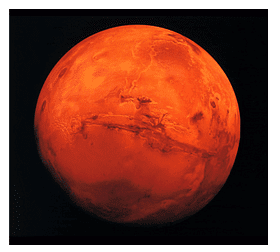
- It is a rocky planet.
- Its surface is covered with red dust and hence called red planet.
Jupiter
Jupiter is the biggest planet in the solar system. It is the fifth planet from the sun. It is made mostly of gases and does not have solid surface.
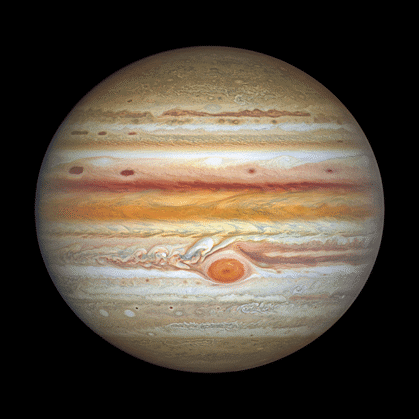
- There is huge storm that has been raging for thousands of years and hence it is referred as stormy planet.
- Various cloud formations and storms in its atmosphere make Jupiter a colorful planet. It has a big red spot where storm raging for at least 300 years.
- This red spot is also called “The Eye of Jupiter”. Jupiter is also a cold planet. It has more than 60 moons moving around it.
Saturn
Saturn is the second largest planet in the solar system. It is sixth planet from the sun. It is made mostly of gases.
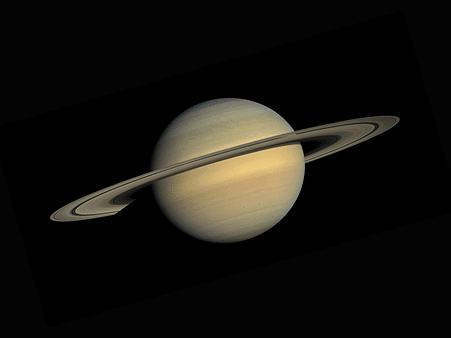
- It has millions of pieces of rock and ice moving around it. These look like solid rings. Jupiter, Uranus and Neptune also have rings.
- From far away, these look like solid rings. It has 62 moons.
Try yourself:Which planet is referred to as the “red planet”?
- A.Mars
- B.Jupiter
- C.Saturn
- D.Venus
Uranus
Uranus is the seventh planet from the sun. Uranus is a gas giant. Uranus spins differently. It spins on its side.
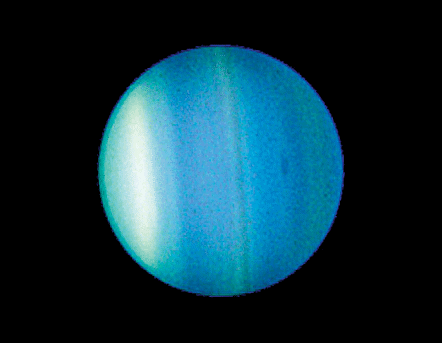
- It is an extremely cold planet and hence been called the “ice giant”. It has faint rings around it which made of millions of specks of dust. It has 27 moons.
Neptune
Neptune is the eighth planet from the Sun and is a very cold planet. It looks blue because of the storms in its atmosphere. Neptune has 14 moons and strong winds that make it one of the windiest planets.
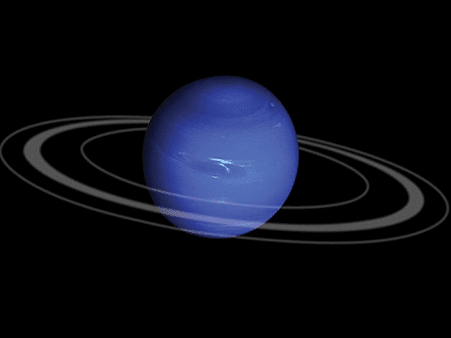
- Neptune is the eighth planet from the sun.
- It is very cold planet like Uranus.
- There is a dark blue storm swirling on Neptune which makes it look blue in color.
- It has 14 moons.
| Also read: Infographics: Solar System |
Dwarf Planet
Pluto used to be considered the ninth planet in our solar system, but now scientists call it a “dwarf planet.”
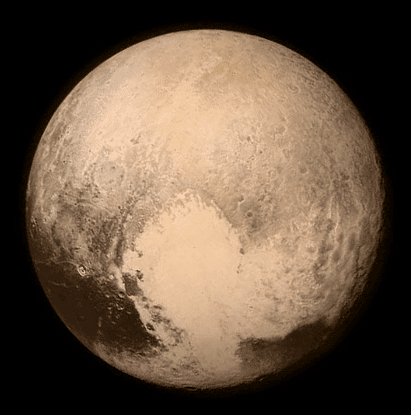
- It’s smaller than the other planets, and it’s really far away from the Sun. It’s way out past Neptune.
- Some people still think of Pluto as the ninth planet because it was considered one for a long time, but scientists changed their minds about it.
Conclusion
The solar system is an amazing place filled with planets, moons, and many other objects all moving around the Sun. Each planet has its own special features that make it unique. Earth is the only planet where life exists, thanks to the perfect balance of air, water, and sunlight. The Sun is our main source of light and energy, helping life to thrive on Earth. Even though the other planets are different, they all play an important part in our solar system. Exploring the planets and learning more about them helps us understand the universe better and reminds us how lucky we are to live on Earth!