8. Bholi – Very Short Questions answer

Q1: Who is the writer of the story Bholi ?
Ans:
 K.A. Abbas

Q2: How was a part of her brain damaged ?
Ans: 
She fell down from a cot in her childhood

Q3: How had she lost her beauty ?
Ans: 
Due to smallpox

Q4: What was the real name of Bholi ?
Ans: 
Sulekha

Q5: Who was Bholi’s father ?
Ans: 
Ramlal

Q6: What was Ramlal ?
Ans: 
Numberdar

Q7: How many children did Ramlal have ?
Ans:
 Seven

Q8: Who was his eldest daughter ?
Ans: 
Radha

Q9: Who wanted to marry Bholi ?
Ans:
 Bishamber

Q10: What was Bishamber ?
Ans: 
A rich grocer

Q11: What was the name of Bholi’s cow ?
Ans: 
Lakshmi

Q12: How much money does Bishamber demand as dowry ?
Ans: 
Five thousand rupees

Q13: What is the English meaning of Bholi ?
Ans:
 Foolish

Q14: What was the name of the second daughter of Ramlal ?
Ans:
 Mangla

Q15: Who had come to perform the opening ceremony of village school ?
Ans:
 The Tehsildar

Q16: What is the meaning of numberdar ?
Ans:
 An official who collects revenue

Q17: What is the meaning of small-pox ?
Ans:
 A disease

Q18: What is the meaning of stammer ?
Ans: 
Speak with halts

Q19: What is the meaning of pock-marks ?
Ans: 
Marks left by small- pox

Q20: What is the meaning of ginning ?
Ans:
 Separating raw cotton from its seeds

Q21: What is the meaning of dumb ?
Ans: 
Unable to speak

Q22: What is the meaning of masterpiece ?
Ans: 
A piece of highest workmanship

7. The Necklace – Very Short Questions answer

Q1: Who is the writer of the story The Necklace ?
Ans: 
Guy de Maupassant

Q2: Who is the central character of the story ?
Ans:
 Matilda Loisel

Q3: Where is the party to take place ?
Ans: 
At the residence to the Minster of Public Instruction

Q4: Was Matilda Loisel happy at the invitation ?
Ans: 
No

Q5: Who is Matilda Loisel’s childhood friend from whom the former had borrowed the necklace ?
Ans: 
Mrs Forestier

Q6: Who brought new dress for Matilda Loisel ?
Ans: 
Mr. Loisel

Q7: How much money does Mr. Loisel save ?
Ans:
 Four hundred francs

Q8: Why does he save that money ?
Ans: 
To buy a shooting gun

Q9: What is Mr. Loisel ?
Ans:
 A clerk

Q10: What is the cost of the necklace ?
Ans: 
Five hundred francs

Q11: How much time did Mr and Mrs Loisel take to repay the loan ?
Ans: 
Ten years

Q12: What is the meaning of tureen ?
Ans:
 A dish

Q13: What is the meaning of elated ?
Ans:
 Proudfully

Q14: What is the meaning of destiny ?
Ans: 
Luck

Q15: What is the meaning of incessantly ?
Ans: 
Continuously

Q16: What is the meaning of inscribe ?
Ans: 
Imprint

Q17: What is the meaning of larks ?
Ans: 
Small singing birds

Q18: What is the meaning of chic ?
Ans: 
Fashionable

Q19: What is the meaning of ball here ?
Ans: 
Group-dance

Q20: What is the meaning of chaplet ?
Ans:
 Wreathe

Q21: What is the meaning of haggle ?
Ans:
 To bargain

Q22: What is the meaning of worth ?
Ans: 
Value

6. The Making of a Scientist – Very Short Questions answer

Q1: Who is the writer of the story named The Making of a Scientist ?
Ans: 
Robert W. Peterson

Q2: Who is one of the leading scientists ?
Ans:
 Richard H Ebright

Q3: In which fields has Richard H Ebright worked ?
Ans:
 Biochemistry and Molecular Biology

Q4: What was he interested in his childhood ?
Ans:
 Butterflies

Q5: Which book was the turning point in his life ?
Ans: 
The Travels of Monarch X

Q6: Who had given that book to him ?
Ans:
 His mother

Q7: What was the name of his hometown ?
Ans:
 Reading

Q8: To whom did Ebright send his idea ?
Ans:
 Dr. Frederick A Urquhart

Q9: Where did he take his graduation degree ?
Ans:
 Harvard University

Q10: Which butterflies did birds not eat ?
Ans: 
Monarch butterflies

Q11: Which book did Ebright get from his mother ?
Ans: 
The Travels of Monarch X

Q12: Who was his S.S teacher ?
Ans: 
Richard A. Weitherer

Q13: When did he get hint of what real science is ?
Ans:
 In 7th class

Q14: What is the meaning of scout ?
Ans:
 Member of an organization

Q15: What is the meaning of cells ?
Ans: 
A very minute unit of living matter

Q16: What is the meaning of monarch ?
Ans: 
A butterfly species

Q17: What is the meaning of melissa ?
Ans:
 A butterfly species

Q18: What is the meaning of pupa ?
Ans:
 Early state of a butterfly

Q19: What is the meaning of beetle ?
Ans:
 An insect

Q20: What is the meaning of canoeist ?
Ans:
 Sailor of a small boat

5. Footprints without Feet – Very Short Questions answer

Q1: Who is the author of the story Footprints Without Feet ?
Ans: 
H.G. Wells

Q2: What was the name of the scientist ?
Ans:
 Griffin

Q3: What can a drug cause ?
Ans:
 It makes a person invisible

Q4: Whose house Griffin set on fire ?
Ans:
 His landlord

Q5: Who was the invisible man ?
Ans:
 Griffin

Q6: What was the name of village constable ?
Ans:
 Mr. Jaffars

Q7: Where was the theatrical company located ?
Ans:
 At Drury Lane

Q8: Who noticed footprints without feet in the beginning ?
Ans:
 Two boys

Q9: Where had the two boys see them ?
Ans:
 In the centre of London on the steps of a house

Q10: Where did Griffin take a shelter to escape the cold ?
Ans: 
Big London store

Q11: Who was the owner of the inn ?
Ans:
  Mrs Hall

Q12: What was the name of the village ?
Ans: 
Iping village

Q13: What did Griffin steal ?
Ans:
 Clothes and money

Q14: What is the meaning of imprints ?
Ans:
 Impressions

Q15: What is the meaning of invisible ?
Ans:
 That which can’t be seen

Q16: What is the meaning of drug ?
Ans:
 Medicine

Q17: What is the meaning of side-whiskers ?
Ans:
 Beard

Q18: What is the meaning of eccentric ?
Ans: 
Strange or unusual

Q19: What is the meaning of unconscious ?
Ans:
 Faint

Q20: What is the meaning of burglary ?
Ans: 
Theft

Q21: What is the meaning of knock ?
Ans:
 Hit

Q22: What is the meaning of nervous ?
Ans:
 Confused

4. A Question of Trust – Very Short Questions answer

Q1: Who is the writer of the story A Question of Trust ?
Ans: 
Victor Canning

Q2: How many burglars are there in the story ?
Ans:
 Two

Q3: What is the name of the 1st burglar ?
Ans: 
Mr. Horace Danby

Q4: What was Horace’s age ?
Ans:
 Fifty

Q5: What did Horace love ?
Ans:
 Rare and expensive books

Q6: What job does Horace get in the jail ?
Ans:
 Of a librarian

Q7: What was the name of the dog ?
Ans:
 Sherry

Q8: Who is the real burglar ?
Ans:
 The lady in red

Q9: What fever does Horace suffer from ?
Ans: 
Hay – fever


Q10: What was Horace’s business ?
Ans:
 Making locks

Q11: Where does Horace want to commit thievery ?
Ans:
 Shotover Grange

Q12: What was the young lady’s threatening ?
Ans:
 To inform the police

Q13: How many time/ times does Horace commit thievery in one year ?
Ans:
 Once

Q14: Where was the safe in the room ?
Ans:
 Behind the painting

Q15: What is the meaning of expensive ?
Ans:
 Costly

Q16: What is the meaning of hay-fever ?
Ans:
 A summer fever

Q17: What is the meaning of ornaments ?
Ans: 
Jewellery

Q18: What is the meaning of mend ?
Ans:
 Repair

Q19: What is the meaning of trick ?
Ans:
 Deceive

Q20: What is the meaning of nonsense ?
Ans:
 Meaningless

3. The Midnight Visitor – Very Short Questions answer

Q1: What does Ausable look like?
Ans: Ausable is very fat and has an American accent. He speaks some French and German but still sounds like he is from Boston.

Q2: Why is Fowler disappointed when he meets Ausable?
Ans: Fowler expected to meet a mysterious secret agent but instead finds Ausable to be an ordinary and fat man, which makes him feel let down.

Q3: What does Ausable say that makes Fowler feel better?
Ans: 
Ausable tells Fowler that he will soon see an important paper that many people have risked their lives for, which adds some excitement to the evening.

Q4: Who is Max, and what does he want from Ausable?
Ans:
 Max is a slender man who comes into Ausable’s room with a gun. He wants to take an important report about missiles from Ausable to keep it safe.

Q5: How does Ausable react when he sees Max in his room?
Ans:
 Ausable is surprised and blinks a few times when he sees Max holding a gun, thinking that Max was supposed to be in Berlin.

Q6: What does Ausable plan to do about the balcony situation?
Ans: Ausable wants to complain to the management because someone has entered his room through the balcony twice. He is very upset and says he will “raise the devil” with them.

Q7: How does Max feel when he hears a knock on the door?
Ans:
 Max feels nervous and angry when he hears the knocking at the door. He is worried about what will happen if the police come in.

Q8: What did Ausable tell the police to do?
Ans:
 Ausable told the police to check on him to make sure everything was alright. He wanted extra protection for the important paper he was waiting for.

Q9: Why does Ausable say the knocking at the door is the police?
Ans:
 Ausable believes the knocking is from the police because he arranged for them to come and check on him. He is confident that they will come if he needs help.

Q10: What does Max threaten to do when the police arrive?
Ans: 
Max threatens to shoot if Ausable does not send the police away. He wants to escape through the window and is very angry about the situation.

Q11: What did the man at the window do to support himself?
Ans: The man at the window grasped the frame with his free hand to support himself while he twisted his body.

Q12: What did Max do when he dropped to the balcony?
Ans: When Max dropped to the balcony, he screamed once, making a loud, shrill sound.

Q13: Who entered the room after Max dropped, and what did he bring?
Ans: A waiter entered the room with a tray, a bottle, and two glasses, bringing a drink that was ordered earlier.

Q14: What was Fowler’s reaction when he saw the waiter?
Ans: Fowler was white-faced and stammered, expressing concern about the police being there.

Q15: What did Ausable explain to Fowler about the man on the balcony?
Ans: Ausable explained that the man on the balcony would not return because there was actually no balcony at all.

2. The Thief’s Story – Very Short Question answer

Q1: Who has written the story The Thief’s Story ?
Ans: 
Ruskin Bond

Q2: What is the name of a thief boy ?
Ans:
 Hari Singh

Q3: What was Hari Singh’s age ?
Ans:
 Fifteen

Q4: Where does the boy work ?
Ans: 
At Anil’s house

Q5: What does he work for in Anil’s house ?
Ans: 
For food

Q6: Who is the narrator of the story ?
Ans:
 Hari Singh

Q7: What is the address of Anil ?
Ans: 
On a shop called Jumna Sweet Shop

Q8: What is the occupation of Anil ?
Ans:
 He is a writer

Q9: Name the train Hari Singh wanted to catch ?
Ans: 
The Lucknow Express

Q10: How much money does Anil give to Hari Singh ?
Ans:
 Fifty rupees

Q11: How was the note ?
Ans:
 Wet

Q12: What is the meaning of betray ?
Ans: 
Deceive

Q13: What is the meaning of grunt ?
Ans:
 Roar

Q14: What is the meaning of fits and starts ?
Ans:
 Seldom

Q15: What is the meaning of crawl ?
Ans: 
Move slowly

Q16: What is the meaning of startle ?
Ans:
 Surprise

Q17: What is the meaning of damp ?
Ans: 
Wet

Q18: What is the meaning of chilly ?
Ans: 
Cold

Q19: What is the meaning of spirits ?
Ans:
 Courage

Q20: What is the meaning of nervous ?
Ans:
 Uneasy

Q21: What is the meaning of drizzle ?
Ans: 
Mild rain

1. A Triumph of Surgery – Very Short Questions answer

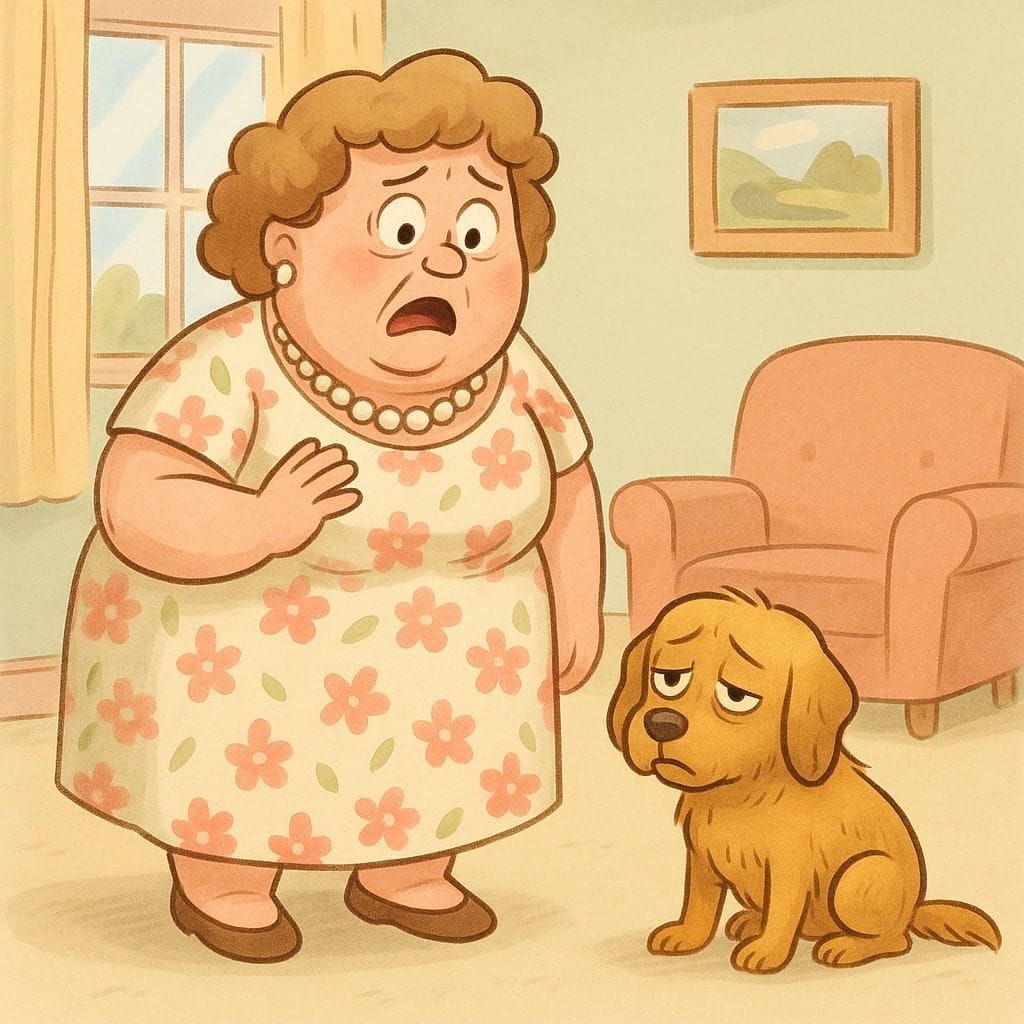
Q1. What was Mrs. Pumphrey’s reaction when Tricki showed little enthusiasm for exertion?
Ans: Mrs. Pumphrey was both shocked and worried when Tricki displayed little enthusiasm for exertion. She feared he was seriously ill and suspected he was suffering from malnutrition.

Q2. Which two suggestions did Dr. Herriot give to Mrs. Pumphrey at the initial stage? Did she follow?
Ans: Dr. Herriot suggested that Mrs. Pumphrey reduce the amount of sweet food given to Tricki and provide him with more exercise. However, she found it challenging to follow these recommendations, as she struggled to deny Tricki his favourite treats.

Q3. What was Mrs. Pumphrey’s reaction when the doctor said that Tricki must be taken to the hospital for a fortnight?
Ans: When the doctor told Mrs. Pumphrey that Tricki needed to be taken to the hospital for a fortnight, she was almost in shock. She feared that Tricki would pine and die if he did not see her every day.

Q4. Why did Mr. Herriot ask Mrs. Pumphrey to admit Tricki in a hospital?
Ans: Dr. Herriot advised Mrs. Pumphrey to admit Tricki to a hospital because she was overindulging him. Instead of reducing his food and encouraging exercise, her pampering resulted in Tricki developing serious health issues. Hospitalisation was necessary for his recovery.

Q5. What does she do to help him? Is she wise in this?
Ans: She calls the doctor to help Tricki, which is a wise decision. The doctor advises that Tricki should be hospitalised for proper care. Although she feels upset and cries, she ultimately agrees to let the dog go with the doctor.

Q6. What was the real disease that Tricki was suffering from?
Ans: Tricki did not have a physical disease. His vomiting resulted from being overfed by his owner. Additionally, he was quite lazy and lacked any form of physical exercise.

Q7. Who has written the story A Triumph of Surgery?
Ans: James Herriot is the author of A Triumph of Surgery. He was a British veterinary surgeon and writer.

Q8. What was Mrs. Pumphrey’s reaction when Dr. Herriot suggested Tricki’s hospitalization?
Ans: When Dr. Herriot suggested that Tricki be hospitalised for about a fortnight, Mrs. Pumphrey was nearly overwhelmed with distress. She feared that Tricki would pine and die without seeing her daily. Despite her emotional reaction, Dr. Herriot remained firm, explaining that Tricki was very ill and that this was the only way to save him. He insisted on taking Tricki immediately, despite Mrs. Pumphrey’s protests.

Q9. What step did Dr. Herriot take to save Tricki?
Ans: Dr. Herriot took swift action by hospitalising Tricki for about a fortnight. This step was crucial to separate him from his mistress, Mrs. Pumphrey, as Tricki’s main problem was overfeeding. Dr. Herriot recognised that Tricki needed a strict diet, which could only be enforced without Mrs. Pumphrey around. During this period, he ensured Tricki had plenty of water but no food.

Q10. If Tricki could talk, what would he say about his stay at the vet’s surgery? 
Ans: He might say, “I had a blast playing with new friends and feeling so much lighter and happier!”

Q11. Imagine Mrs. Pumphrey decides to write a diary entry about Tricki’s illness and recovery. What main points would she include?
Ans: Mrs. Pumphrey would express her worries about Tricki’s health, detailing her feelings of distress as he became unwell. She would describe the tough love required to send him away for treatment, believing it was necessary for his recovery. Finally, she would share her immense joy upon learning of his miraculous recovery, highlighting the relief and happiness she felt when he returned to her.

Q12. What advice would Tricki give to other pampered pets if he could?
Ans: It’s enjoyable to play and run around! Having too many treats is not as great as it seems.

Q13. What changes might Mrs. Pumphrey make in her home to keep Tricki healthy?
Ans: Mrs. Pumphrey could enhance Tricki’s health by providing him with more toys to encourage active play. Additionally, she should consider replacing his treats with healthier options to promote better nutrition.

Q14. What is the importance of professional guidance in decision-making? 
Ans: Professional guidance is crucial in decision-making as it offers valuable insights that can help avoid common mistakes. By consulting with experts, individuals can make more informed choices, leading to better outcomes. This guidance not only enhances the decision-making process but also instills confidence in the choices made.

Q15. How can taking responsibility for another’s well-being change our own behaviors? 
Ans: Taking responsibility for another’s well-being can lead to greater mindfulness and discipline in our actions and decisions. When we consider how our choices affect others, we become more aware of the consequences of our behaviour. This awareness encourages us to make better decisions, fostering a sense of accountability and care.
Word Meaning Practice Questions

Q1: What is the meaning of bloating?
Ans:
 Swollen

Q2: What is the meaning of sausage?
Ans:
 Unbaked meat

Q3: What is the meaning of lumbago?
Ans: 
Backache

Q4: What is the meaning of wardrobe?
Ans: 
Cupboard

Q5: What is the meaning of totter?
Ans: 
Stagger

Q6: What is the meaning of regime?
Ans:
 Rule

Q7: What is the meaning of pant?
Ans:
 Gasp

Q8: What is the meaning of pine?
Ans:
 To lament

Q9: What is the meaning of greyhound?
Ans: 
A Hunter dog with the colour of grey

Q10: What is the meaning of lithe?
Ans: 
elastic

Q11: What is the meaning of chauffeur?
Ans:
 A motor car driver

9. The Book that Saved the Earth – Long Answer Questions

Q1. Give a character sketch of Noodles highlighting his diplomatic handling of Think-Tank and even suggesting things without offending his mighty chief.
Ans: Noodles adeptly navigates a complex relationship with the Think-Tank, the Commander-in-Chief of Mars, who is renowned for his exceptional intelligence. Despite Think-Tank’s formidable presence, Noodles fosters a positive rapport through his skills in humility and persuasion. He skillfully suggests new ideas, particularly regarding books, ensuring that Think-Tank feels respected and not undermined. Noodles possesses an extraordinary ability to read both people and situations, which allows him to manipulate circumstances to his advantage. This talent is evident in how he corrects Think-Tank’s mistakes without causing offence. Historians note that Noodles eventually replaces the Great and Mighty Think-Tank, symbolising a victory of wisdom and common sense over arrogance. This transition underscores Noodles’ diplomatic handling of a powerful figure, highlighting his cleverness and deep understanding of human nature.


Q2. Historians speak highly about books. How can books help you in preventing a catastrophe?
Ans: In the view of a twenty-fifth-century historian, books are essential to human life. They educate, inspire, and guide us in many areas. The historian believes that books played a vital role in preventing the Martian invasion of Earth. The Martians, misunderstanding the meaning of poems in books, became frightened and ultimately retreated from Earth, abandoning their planet, Mars. In our everyday lives, books provide solutions to various problems, whether related to health, personal growth, or other matters. Therefore, books can help us avert catastrophes by offering knowledge and insights that enable us to make informed decisions and take appropriate actions. The historian’s admiration for books highlights their enduring significance and relevance in shaping human civilization.


Q3. How did one old book of nursery rhyme to save the earth from a Martian invasion?
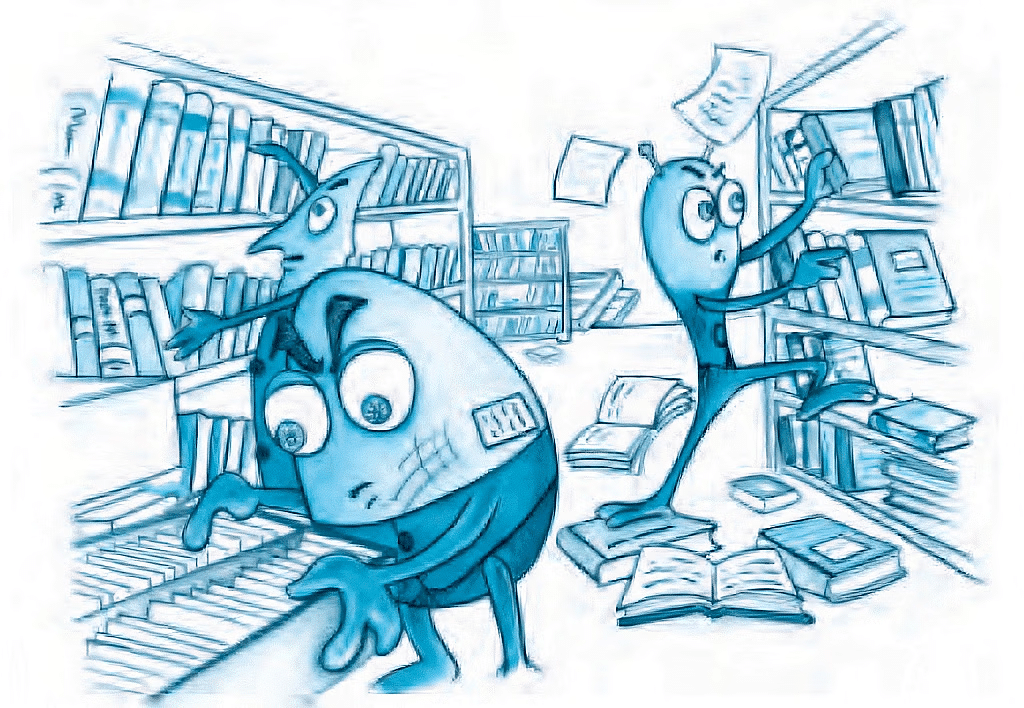
Ans: The old, dusty book of nursery rhymes known as Mother Goose. The Martian leader, Think-Tank, intended to invade Earth and dispatched Probe One to gather intelligence about humans. Upon entering a library, the crew consumed vitamins and discovered Mother Goose. However, they misunderstood the nursery rhymes as threats. After hearing the first rhyme, ‘Mistress Mary’, Think-Tank mistakenly believed that Earthlings had mastered the art of combining agriculture with mining. The second rhyme, ‘Hey Diddle, Diddle’, led him to think that humans could launch an interplanetary attack involving millions of cows. The third rhyme, ‘Humpty Dumpty’, featured a character resembling Think-Tank, which terrified him. Overwhelmed by fear, Think-Tank abandoned the invasion plan and fled to Alpha Centauri. Thus, a simple book of nursery rhymes ultimately saved Earth from a Martian invasion.


Q4. Justify the title of the play ‘The Book that Saved the Earth’.
Ans: A good title should reflect the theme or key elements of a story. In the play ‘The Book that Saved the Earth’, a book of nursery rhymes by Mother Goose plays a crucial role in preventing a Martian invasion. The Martian ruler, Think-Tank, intends to invade Earth and sends Probe One to gather information. However, when the Martians enter a library, they struggle to understand what books are. They mistakenly consume vitamins to enhance their intelligence and then read the nursery rhymes. Think-Tank misinterprets these rhymes as threats, prompting him to recall Probe One and abandon the invasion plan. Consequently, he and his subjects flee to Alpha Centauri, far from Earth. Thus, the nursery rhymes from Mother Goose are responsible for saving the planet. The title ‘The Book That Saved the Earth’ aptly reflects this central theme.


Q5. ’Pride has a fall’. Justify this statement, giving relevant points from how Think-Tank reacted to the readings from Mother Goose.
Ans: The statement ‘pride has a fall’ is clearly demonstrated by Think-Tank’s reactions to the readings from Mother Goose. As the leader of the Martian invasion team, Think-Tank was excessively proud of his intelligence, believing himself to be the wisest being on Mars. However, he misinterpreted the nursery rhymes from Mother Goose in a literal sense, which revealed his lack of consideration for others’ viewpoints and his fickle-mindedness. For instance, the rhyme Mistress Mary prompted him to reflect on the discovery of Earth, while the poem ‘diddle-diddle’ alarmed him. However, it was the poem ‘Humpty Dumpty’ that frightened him so much that he decided to flee his kingdom and escape to Alpha Centauri. This reaction undermined his supposed wisdom, leading to his significant downfall, thereby justifying the statement ‘pride has a fall.’


Q6. Why does Think-Tank decide to run away from Mars? What does the historian say after she has narrated the incident?
Ans: Think-Tank decides to flee from Mars because he feels threatened by the Earthlings. After reading the nursery rhyme ‘Humpty Dumpty’, he sees a picture that resembles him, which frightens him. He fears that the Earthlings have discovered his presence and are planning to capture him along with Mars Central Control. In a state of panic, he instructs Noodles to prepare a space capsule for an immediate escape to Alpha-Centauri, which is a hundred million miles away. After narrating this incident, the historian comments that an old book of nursery rhymes ultimately saved Earth from a Martian invasion. She explains that in the twenty-fifth century, five hundred years later, Earthlings resumed contact with Mars and developed a friendship with the Martians. They educated them about the differences between books and sandwiches, leading to the establishment of a model library in their capital, Marsopolis.


Q7. What does the historian tell the audience about the twentieth century and Mars?
Ans: This imaginary story takes place in the twenty-fifth century at the Museum of Ancient History, specifically in the Department of the Twentieth Century. A historian presents a talk to the audience using a movie projector. She explains that the twentieth century was often called the Era of the Book. During this period, books covered every conceivable topic, educating people on various subjects. However, the most extraordinary event was when a book saved the Earth. She recounts a true story from the twenty-first century about a Martian invasion in 2040. Surprisingly, this invasion was averted thanks to a single book—a collection of nursery rhymes. This book, rather than a scientific manual or military guide, played a crucial role in protecting the planet from the Martians. The historian concludes by highlighting the irony that such a simple book could have such a significant impact on the fate of Earth.

Q8. Who is a think tank? Why has he sent a manned spacecraft to Earth?
Ans: Think-Tank is the Commander-in-Chief of the Mars Space Control Room. He is depicted with a large, egg-shaped head and wears a long robe decorated with stars and circles. His assistant, Noodles, operates a switchboard next to him. Think-Tank has sent a manned spacecraft to Earth to collect information about the planet’s defense systems. This intelligence will be sent back to the Martian fleet, which is preparing to attack Earth before lunch. The story unfolds around the Martian invasion of 2040, which ultimately did not take place. A single book, a collection of nursery rhymes, played a crucial role in preventing the invasion. A historian reveals these events through a film presentation, showcasing the Mars Space Control Room and Think-Tank’s actions.

8. Bholi – Long Answer Questions

Q1. What kind of treatment is given to Bholi by her parents? Is it justified?
Ans: Bholi, originally named Sulekha, was the youngest of Ramlal’s seven children. After a fall at ten months old, she suffered brain damage, resulting in her being a backward child. Her parents treated her poorly, often calling her a witless fool and neglecting her basic needs. They did not provide her with new clothes or care for her hygiene, viewing her as a burden. They only sent her to school to relieve themselves of this responsibility. Ramlal’s treatment of Bholi was unjustified. Despite being a prosperous farmer, he failed to show her the love and care she deserved. Instead of supporting her, he focused on her lack of beauty and intelligence, which deepened her feelings of worthlessness.


Q2. Bholi’s teacher was not an ordinary teacher. She was more than that. Suppose you become a teacher. What qualities of Bholi’s teacher will you imbibe to help students to overcome social discrimination?
Ans: If I become a teacher, I would embrace the qualities of Bholi’s teacher to help students overcome social discrimination. I would strive to create a supportive environment where every child feels valued, regardless of their background. Encouragement would be essential; I would motivate students to express themselves and conquer their fears, just as Bholi’s teacher did. Furthermore, I would focus on providing individual attention, ensuring that each student receives the necessary support. By fostering a sense of belonging and acceptance, I would aim to build their confidence and self-esteem. This approach would empower students to challenge societal norms and embrace their uniqueness.

Q3. Demanding dowry is an evil practice. Describe how Bholi, a dumb cowgirl fought against this evil.
Ans: Bholi, initially perceived as a dumb cowgirl, was sent to school following the Tehsildar’s orders. Her teacher played a vital role in transforming her from Bholi into Sulekha, a confident and educated young woman. Despite her progress, her family failed to recognise her transformation and arranged her marriage to a fifty-year-old lame man without consideration. Defiantly, Bholi rejected the marriage, asserting that although she had reluctantly accepted the idea of an unequal match, she would not participate in the dowry system. She confronted Bishamber, labeling him a mean and greedy coward, and declared that she was no longer a dumb-driven cow. Her courageous stance served as an inspiration for others in society, making her a role model for young girls. In a bold act, Bholi threw the wedding garland into the fire and spoke clearly to her family, firmly stating her decision not to marry. Her transformation from a stammering girl to a self-assured woman challenged societal norms and underscored the urgent need for change.


Q4. Bholi’s father was worried about her. Why didn’t Bholi’s parents treat her at par with other siblings? Parents are the ones who the children look up to. What values should the parents possess that help their children share a strong bond with them?
Ans: Bholi’s father was worried about her due to her difficulties from a young age. When she was just ten months old, she fell from a cot, which likely caused damage to her brain, affecting her intelligence and speech. This incident led to her being labeled a simpleton. At the age of two, she suffered from smallpox, leaving her with pockmarks that made her appear less attractive. Consequently, she was often neglected and treated poorly by her family. Bholi received only the old dresses of her sisters, which were rarely mended or washed. This lack of attention made her feel disconnected from her parents and siblings. The values essential for a strong bond between parents and children were notably absent in Bholi’s family. However, she found these values through her teacher, who took a special interest in her. This support helped Bholi become an obedient and well-behaved daughter, despite the neglect she faced at home.


Q5. Give a brief account of Ramlal’s children.
Ans: Ramlal had seven children: three sons and four daughters. His daughters were named Radha, Mangla, Champa, and the youngest, Sulekha, who was often called Bholi. Ramlal was a prosperous farmer, and all his children, except Bholi, were healthy and intelligent. His sons were sent to the city for their education and later attended college. Radha, the eldest daughter, was already married, and Mangla’s marriage was also arranged. Ramlal had no trouble finding suitable husbands for his daughters, as they were all beautiful. However, he was deeply concerned about Bholi. Unlike her siblings, Bholi was a backward child with pockmarks on her face and a stammer. She was often neglected and faced ridicule from others, which made her shy and withdrawn. Ramlal’s worries about her future grew, especially as she was not as fortunate in looks or intelligence as her sisters.


Q6. Give a brief character sketch of Bholi and describe the role the teacher played in her life.
Ans: Bholi, originally named Sulekha, faced numerous challenges from a young age. After a fall at ten months old, she suffered brain damage, which impacted her intelligence and speech. Unable to speak until she was five, she developed a stutter, leading to mockery from her peers. Additionally, a smallpox attack left her with deep pockmarks, further isolating her and making her feel neglected. At the age of seven, Bholi’s life began to change when she was sent to school. Here, a kind and caring teacher played a vital role in her transformation. The teacher encouraged Bholi to build her confidence and improve her speech. With her support, Bholi gradually became more self-assured and began to respect herself. Ultimately, Bholi found the strength to refuse a marriage proposal, asserting her right to choose her own path. The teacher’s nurturing guidance and education were crucial in changing Bholi’s life, enabling her to overcome the limitations imposed by her circumstances.


Q7. Write a brief character sketch of Ramlal in about 120 words.
Ans: Ramlal was a successful farmer with a large family of seven children, including three sons and four daughters. His household was well-off, ensuring there was always plenty of food and drink. While he prioritised sending his sons to the city for a good education, he was more concerned with marrying off his daughters than their schooling. The only exception was Bholi, whom he reluctantly allowed to attend school after the Tehsildar insisted. Ramlal was a practical man, valuing money and wealth over moral duties. He was prepared to marry Bholi to an older man, Bishamber, to protect his family’s honor. Ramlal even offered a substantial dowry to uphold his family’s izzat. Despite his wealth, he worried about Bholi’s future, as she lacked both beauty and intelligence, fearing she might never find a husband.


Q8. Who was Bishamber Nath? Did Bholi do the right thing by rejecting such a person?
Ans: Bishamber Nath was a wealthy grocer who owned a large shop, a house, and had significant savings. He was a widower with grown children from his first marriage. Despite being much older than Bholi and having a limp, her parents viewed him as a suitable match without consulting her. Bishamber attempted to impress Bholi’s parents with his wealth, arriving with a large entourage and a brass band, which pleased Ramlal, Bholi’s father. However, Bishamber’s true character emerged when he noticed Bholi’s pockmarks. He shamelessly demanded a dowry of five thousand rupees to marry her. In a surprising turn of events, Bholi rejected his proposal. She threw the wedding garland into the fire, boldly declaring that she would not marry such a mean and greedy man. This act of defiance astonished everyone, as she spoke clearly and without her usual stammer, asserting her right to choose her own path. Bholi told her father to take back the money, demonstrating her strength and independence. By rejecting Bishamber, who valued wealth over character, Bholi made the right decision. Her choice highlighted her desire for a partner who respected her as a person, rather than someone who saw her as a mere transaction.


Q9. What kind of treatment does Bholi get from her parents? Does she deserve it? Comment.
Ans: Bholi, whose real name is Sulekha, was the youngest daughter of Numberdar Ramlal. From an early age, she experienced neglect from her parents. Initially, she was a fair and pretty child, but after a fall at ten months old, she may have suffered brain damage. This incident, along with a severe case of smallpox at two years old, left her with deep pockmarks and a stammer. Unlike her siblings, who were healthy and attractive, Bholi was viewed as a burden. Ramlal and his wife were primarily concerned about Bholi’s appearance and intelligence, fearing she would struggle to find a husband. Although they sent her to school, it was not motivated by a desire for her education; rather, they were compelled by the Tehsildar’s orders. Ramlal’s wife suggested sending Bholi to school, believing it would relieve them of the responsibility of finding her a suitable match. This treatment underscores their callousness and lack of understanding towards Bholi, who deserved far better than the neglect and disdain she received.


Q10. What ideas do you form about Ramlal’s personality?
Ans: Ramlal, the Numberdar of his village, was a respected figure and a devoted father to his four daughters and three sons. He prioritised education for his sons, sending them to the city for schooling, while actively seeking suitable husbands for his daughters. His concern for his youngest daughter, Bholi, was particularly evident; he took her to school, hoping for a brighter future for her. Ramlal instructed his wife to prepare Bholi by bathing her and providing clean clothes, showing his care. Despite his love for Bholi, Ramlal hesitated to marry her off to Bishamber, a man nearly his age. He sought Bholi’s opinion on this decision, indicating his desire to consider her feelings. However, it seemed he was swayed by his wife’s views. Ultimately, Ramlal parted with five thousand rupees for Bholi’s happiness, reflecting his deep commitment as a father. His actions demonstrate a blend of traditional values and a genuine wish for his daughter’s well-being.