2. न्याय की कुर्सी – Textbook Worksheet

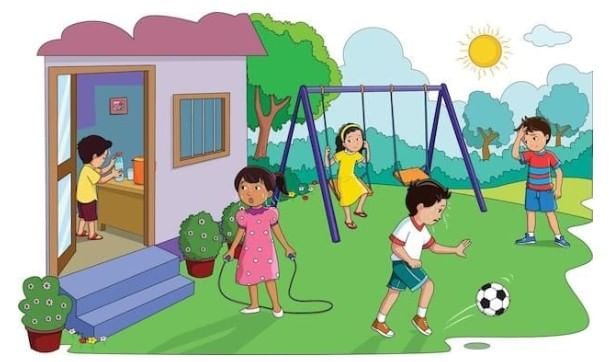
रिक्त स्थान भरें (Fill in the Blanks)

प्रश्न 1: उज्जैन के बाहर एक बड़े _______ में बच्चे खेल रहे थे।

प्रश्न 2: लड़के ने पत्थर को _______ समझकर उस पर बैठकर फैसले सुनाए।

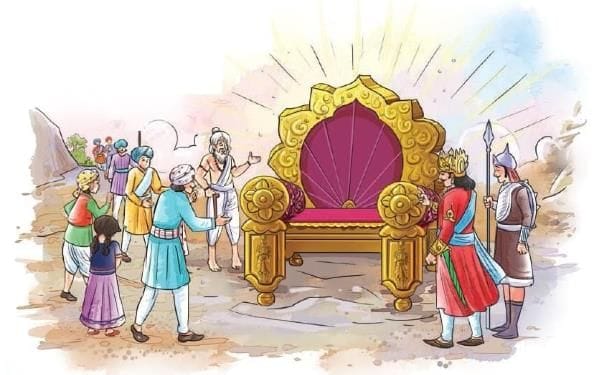
प्रश्न 3: राजा ने सिंहासन को अपने _______ में रखवाया।

प्रश्न 4: मूर्ति ने राजा से पूछा कि क्या उसने कभी _______ नहीं की।

प्रश्न 5: राजा का _______ उसे सिंहासन पर बैठने से रोकता है।
सही या गलत (True or False)

प्रश्न 1: लड़के के फैसले हमेशा गलत और असंतोषजनक थे।

प्रश्न 2: सिंहासन पर चार देवदूतों की मूर्तियाँ थीं।

प्रश्न 3: राजा ने कभी कोई गलती नहीं की थी।

प्रश्न 4: बच्चे रोज़ पत्थर पर बैठकर राजा-दरबारी का खेल खेलते थे।
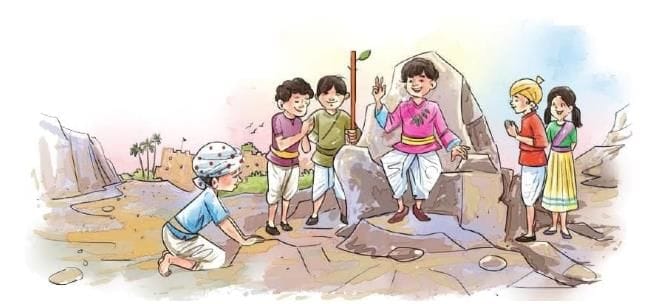
प्रश्न 5: राजा ने सिंहासन को देखकर उसे साधारण पत्थर समझा।

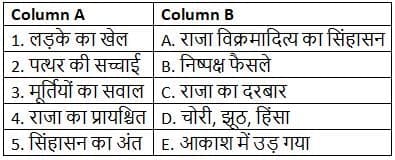
मिलान कीजिए (Match the Following)
एक शब्द उत्तर (One Word Answers)

प्रश्न 1: कहानी का मुख्य विषय क्या है?

प्रश्न 2: पत्थर वास्तव में क्या था?
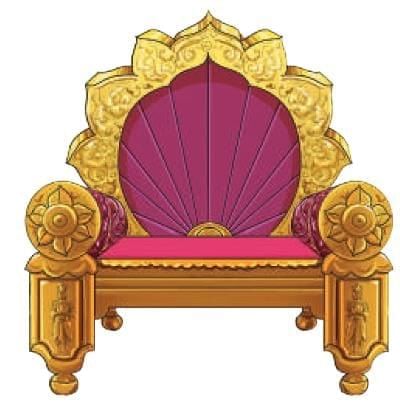
प्रश्न 3: सिंहासन पर कितनी मूर्तियाँ थीं?

प्रश्न 4: राजा को सिंहासन पर बैठने से किसने रोका?

प्रश्न 5: कहानी का लेखक कौन है?

प्रश्न और उत्तर (Questions and Answers)

प्रश्न 1: लड़के के फैसलों की चर्चा पूरे शहर में क्यों फैल गई?

प्रश्न 2: राजा को सिंहासन पर बैठने से रोकने वाली मूर्तियों ने क्या सवाल पूछे?
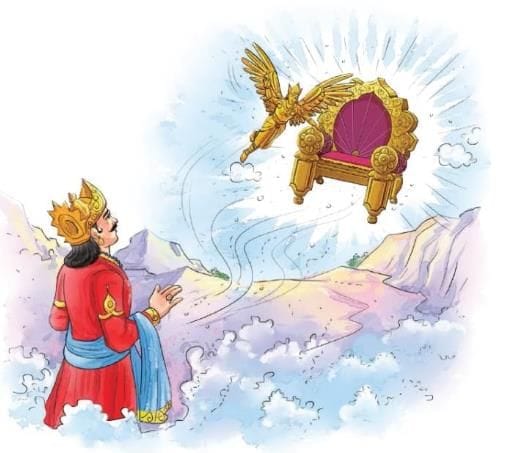
प्रश्न 3: राजा ने सिंहासन पर बैठने के लिए क्या-क्या किया?

प्रश्न 4: कहानी में बच्चों के खेल से क्या संदेश मिलता है?

प्रश्न 5: राजा सिंहासन पर क्यों नहीं बैठ पाया?

You can access the solutions to this worksheet here
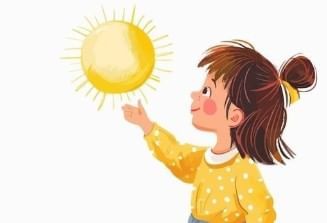
1. किरण – Textbook Worksheet

रिक्त स्थान भरें (Fill in the Blanks)

प्रश्न 1: कविता “किरन” के कवि का नाम ______ है।

प्रश्न 2: बच्ची अपनी दोस्त ______ से सुबह जल्दी आने की बात कहती है।

प्रश्न 3: किरण बताती है कि वह पृथ्वी के ______ हिस्से में जाती है।

प्रश्न 4: बच्ची रात को ______ कथाएँ पढ़ते-पढ़ते देर से सोती है।

प्रश्न 5: किरण बच्चों को सुबह अपनी ______ से जगाती है।

सही या गलत (True or False)

प्रश्न 1: कविता में किरण कहती है कि वह कभी सोती नहीं है।

प्रश्न 2: बच्ची को किरण के साथ खेलना बिल्कुल पसंद नहीं था।

प्रश्न 3: किरण पृथ्वी के दूसरे हिस्से में बच्चों को जगाने जाती है।

प्रश्न 4: बच्ची को सुबह जल्दी उठना बहुत आसान लगता है।

प्रश्न 5: कविता हमें समय का सही उपयोग करना सिखाती है।

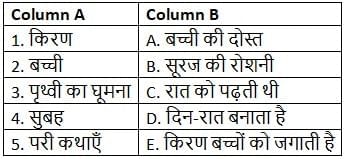
मिलान कीजिए (Match the Following)

एक शब्द उत्तर (One Word Answers)

प्रश्न 1: किरण किसके साथ बच्चों को जगाती है?

प्रश्न 2: बच्ची अपनी दोस्त को क्या कहती है?

प्रश्न 3: किरण कहाँ जाती है जब यहाँ रात होती है?

प्रश्न 4: बच्ची को रात में क्या पढ़ना पसंद था?

प्रश्न 5: कविता का मुख्य संदेश क्या है?

प्रश्न और उत्तर (Questions and Answers)

प्रश्न 1: बच्ची को किरण के जल्दी आने पर क्यों आश्चर्य होता है?

प्रश्न 2: किरण बच्ची को क्या बताती है कि वह रात में कहाँ जाती है?

प्रश्न 3: कविता में बच्ची और किरण के बीच का रिश्ता कैसा दिखाया गया है?

प्रश्न 4: कविता हमें समय के बारे में क्या सिखाती है?

प्रश्न 5: किरण का काम क्या है, जैसा कि कविता में बताया गया है?

You can access the solutions to this worksheet here
13. Data Through Pictures – Textbook Worksheet

Multiple Choice Questions (MCQs)

Q1. Which of the following is a factor of 24?
(a) 5
(b) 6
(c) 7
(d) 9

Q2. The smallest multiple of any number is:
(a) 0
(b) 1
(c) The number itself
(d) 2

Q3. Which of the following is a multiple of 7?
(a) 21
(b) 22
(c) 23
(d) 
25

Q4. How many factors does 12 have?
(a) 4
(b) 6
(c) 8
(d) 5

Q5. Which of the following numbers is a common factor of 18 and 24?
(a) 3
(b) 4
(c) 5
(d) 7

Q6. Which of the following numbers is NOT a multiple of 9?
(a) 18
(b) 27
(c) 35
(d) 36

Q7. A number that has exactly two factors is called a:
(a) Prime number
(b) Composite number
(c) Even number
(d) Odd number

Q8. What is the greatest common factor (GCF) of 12 and 16?
(a) 2
(b) 3
(c) 4
(d) 6

Q9. The least common multiple (LCM) of 4 and 6 is:
(a)12
(b) 24
(c) 10
(d8

Q10. Which of the following is a factor of every number?
(a) 0
(b) 1
(c) 2
(d) The number itself
Fill in the Blanks

Q1. Factors of 20 are ________.

Q2. Multiples of 5 are ________, ________, ________, ________.

Q3. The smallest prime number is ________.

Q4. Common factors of 12 and 18 are ________, ________, ________.

Q5. LCM of 3 and 4 is ________.

Q6. 1 is a factor of every ________.

Q7. The number 15 has ________ factors.

Q8. Multiples of 7 up to 50 are ________, ________, ________, ________, ________, ________.

Answer the Following 

Q1: In a sports day event, students are lined up in rows of 6, 9, or 18. What is the smallest number of students that can be arranged in this way?

Q2: A baker has cookies that he wants to pack in boxes of 7, 14, or 21 cookies. What is the least number of cookies he needs to ensure there are no cookies left out?
Q3: At a community picnic, the organizers want to divide the attendees into groups of 4, 6, or 8 evenly. What is the minimum number of attendees needed?

Q4: A classroom has students who need to be arranged in rows of 10, 20, or 25 for a group photo. What is the least number of students that should be present?

Q5: A musical concert is organized where the audience must be seated in sections of 15, 30, or 45. How many minimum seats should be available?
10. Racing Seconds – Textbook Worksheet

Q1. A figure is said to have symmetry if it can be divided into:
a) Equal halves
b) Unequal parts
c) Only straight lines
d) Circles only

Q2. How many lines of symmetry does a square have?
a) 2
b) 3
c) 4
d) 5

Q3. Which of the following shapes has only one line of symmetry?
a) Circle
b) Equilateral triangle
c) Rectangle
d) Isosceles triangle

Q4. How many lines of symmetry does a circle have?
a) 1
b) 2
c) 4
d) Infinite

Q5. Which alphabet has 2 lines of symmetry?
a) A
b) H
c) C
d) F

Q6: A rectangle has how many lines of symmetry?
a) 1
b) 2
c) 3
d) 4

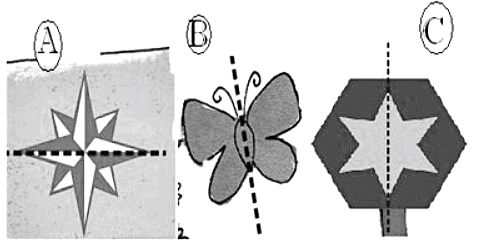
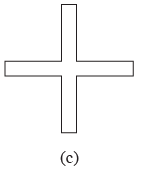
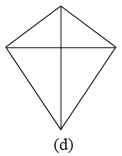
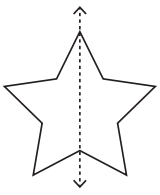
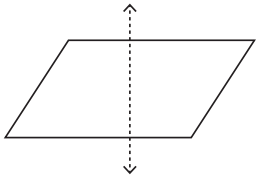
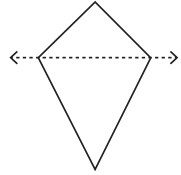
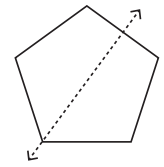
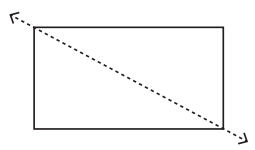
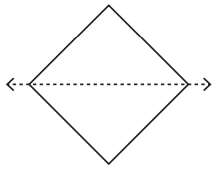
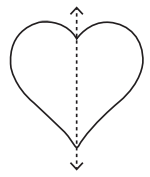
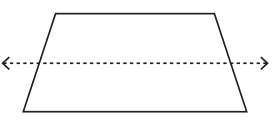
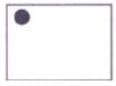
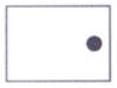
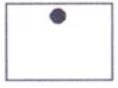
Q7: Which of the shapes is divided into two mirror halves by a dotted line?

(a) A and B
(b) All of these
(c) B and C
(d) B and C

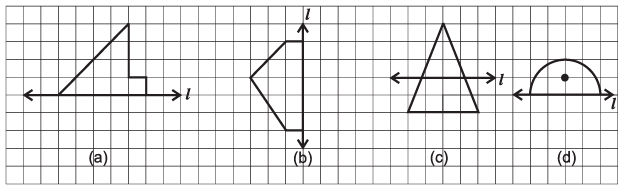
Q8: In the following figures, l is the line of symmetry. Complete the diagram to make it symmetric.

Q9: Draw the line (s) of symmetry for each of the following figures :

Q10: Is the dotted line on each shape a line of symmetry? Write yes or no.

(i)

(ii)

(iii)

(iv)

(v)

(vi)

(vii)

(viii) 

8. Symmetrical Designs – Textbook Worksheet

A. Multiple Choice Questions

Q1: What is weight?
(a) The measure of space an object occupies
(b) The force with which Earth attracts an object
(c) The amount of liquid in a container
(d) The measure of distance between two points

Q2: Which unit is used to measure capacity?
(a) Gram
(b) Litre
(c) Kilogram
(d) Meter

Q3: How many grams are there in 1 kilogram?
(a) 10
(b) 100
(c) 1000
(d) 1

Q4: Which unit is used to measure very small weights?
(a) Milligram
(b) Gram
(c) Kilogram
(d) Litre

Q5: How is liquid measured using a measuring jug?
(a) By its colour
(b) By pouring and comparing
(c) By reading the scale marked on the jug
(d) By weighing the liquid

B. Short Questions

Q1: Name two units used to measure weight.

Q2: How many millilitres are there in 1 litre?

Q3: Name three units used to measure capacity.

Q4: What is the standard SI unit of weight?

C. Fill in the Blanks

Q1: The SI unit of weight is _______________.

Q2: Capacity is the measure of _______________ a container can hold.

Q3: 1 kilogram is equal to _______________ grams.

Q4: 1 litre is equal to _______________ millilitres.

Q5: Very small weights are measured in _______________.

D. Match the Column

A. 1 kilogram → (i) 1000 millilitres
B. 1 litre → (ii) 1000 grams
C. 1 gram → (iii) 1000 milligrams
D. 1 millilitre → (iv) 1 cubic centimetre

E. True or False

Q1: The SI unit of weight is kilogram. 

Q2: 1 litre is equal to 1000 grams. 

Q3: Capacity is measured in litres and millilitres.

Q4: 1 millilitre of water is equal to 1 cubic centimetre of water. 

Q5: Weight is measured in litres. 

7. Shapes and Patterns – Textbook Worksheet

Multiple Choice Questions (MCQs)

Q1. Regular pentagons do not tessellate because:
a) Their sides are unequalx
b) They leave gaps when fitted
c) They are not polygons
d) They have unequal angles

Q2. Which of these shapes tessellates without leaving gaps?
a) Pentagon
b) Hexagon
c) Octagon
d) Circle

Q3. A rectangle is a special type of:
a) Square
b) Parallelogram
c) Rhombus
d) Trapezium

Q4. In a kite, which sides are equal?
a) Opposite sides
b) Adjacent sides
c) Diagonal sides
d) No sides

Q5. Which triangle has all three sides equal?
a) Isosceles triangle
b) Equilateral triangle
c) Scalene triangle
d) Right triangle

Q6. A dodecahedron has faces in the shape of:
a) Triangles
b) Squares
c) Pentagons
d) Hexagons

Fill in the blanks 

Q1. A shape with all sides equal and all angles equal is called a __________.

Q2. A triangle with no equal sides is called a __________ triangle.

Q3. Regular __________ tessellate because they can fit exactly around a point without gaps.

Q4. A quadrilateral whose opposite sides are equal is called a __________.

Q5. A shape with six equal sides is called a __________.

Q6. A cube has __________ faces, __________ edges, and __________ vertices.

Q7. In an isosceles triangle, __________ sides and __________ angles are equal.

Q8. A tangram is made up of __________ pieces.

Solve the Following Questions

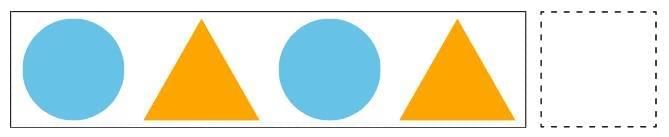
Q1:  Draw and color the next shape to complete the pattern 
(i) 

(ii) 

Q2: Make a pattern using following blocks:
(i)

(ii)

Q3: Draw the next figures that follow the patterns:
(i)

(ii)

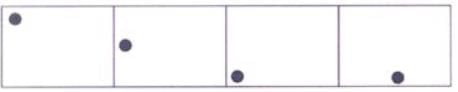
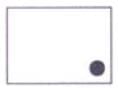
Q4: Complete the pattern:
(a)
(b)
(c)
(d)

5. Far and Near – Textbook Worksheet

Q1: 250 cm = ? m
(a) 2.5 m
(b) 25 m
(c) 0.25 m
(d) 2500 m

Q2: A rope is 600 cm long. If cut into 10 equal pieces, the length of each piece is:
(a) 60 m
(b) 60 cm
(c) 6 m
(d) 600 m

Q3: 5 km = ? m
(a) 500
(b) 5000
(c) 50
(d) 50,000

Q4: A train is 250 m long. What is its length in kilometers?
(a) 0.025 km
(b) 2.5 km
(c) 0.25 km
(d) 25 km

Q5: A ribbon is 36 m long. If each piece is 4 m long, how many pieces can be cut?
(a) 8
(b) 9
(c) 10
(d) 12

Q6: Convert the following into centimeters.

(i) 66 mm

(ii) 32 dm

(iii) 4 cm 8 mm

(iv) 63 km

(v) 16 m

(vi) 1.5 dm

Q7: Convert the following into kilometers.

(i) 14 m

(ii) 59 hm

(iii) 136 dam

(iv) 207 dam

(v) 5600 cm

(vi) 10000 cm

Q8: Compare the following using >, < or = sign:

(i) 702 cm ………. 503 cm

(ii) 2 m ………. 9 m

(iii) 800 cm ………. 80 m

(iv) 702 cm ………. 5 m

(v) 8 km ………. 7000 m

(vi) 625 cm ………. 9 m

(vii) 10 m ………. 4 cm

(viii) 1000 m ………. 1000 km

(ix) 100 cm ………. 100 m

(x) 1 km ………. 1000 m

Q9: A road between two villages is 8 km 250 m long. Out of this, workers have repaired 5 km 750 m. How much road is still left to repair?

Q10: A cloth merchant bought a roll of cloth 45 m long. He sold 12 m 40 cm to one customer and 18 m 60 cm to another. How much cloth is left with him?

Q11:  The distance from a school to the railway station is 4 km 300 m. The bus travels this distance in the morning and returns in the afternoon. What is the total distance covered by the bus in a day?

Sol: Distance from school to railway station = 4 km 300 m

Q12: A ribbon is 96 m long. It is cut into 12 equal pieces. What is the length of each piece?

Q13: A man walks 3 km every day. How many kilometers will he walk in 15 days?

Q14: A train travels 125 km in 1 hour. How much distance will it cover in 8 hours?

Q15: A road is 420 m long. It is divided into 7 equal sections. What is the length of each section?

3. Angles as Turns – Textbook Worksheet

Q1: A full turn is equal to how many degrees?
​(a) 90°
(b) 180°
(c) 270°
(d) 360°

Q2: Two half turns in the same direction are equal to:
(a) A quarter turn
(b) A full turn
(c) Three-quarter turn
(d) No turn

Q3: How many quarter turns make a full turn?
(a) 2
(b) 3
(c) 4
(d) 6

Q4: How many degrees are in one quarter turn?
(a) 45°
(b) 60°
(c) 90°
(d) 120°

Q5: A reflex angle is always:
(a) 
Less than 90°
(b) Between 90° and 180°
(c) Between 180° and 360°
(d) Equal to 90°

Q6: For each arrow turn, guess the size in degrees and state the type. 

(a) 1 quarter turn clockwise → ______ ° → type: __________

(b) 3 quarter turns anti‑clockwise → ______ ° → type: __________

(c) 1/2 of a full turn → ______ ° → type: __________

(d) 2/3 of a full turn  → ______ ° → type: __________

Q7: A robot starts facing East. It makes the following sequence of turns:

  • 1 quarter turn clockwise,
  • 1 half turn anti‑clockwise,
  • 3 quarter turns clockwise.

(a) What direction is it facing now? __________
(b) What is the net turn (in degrees) relative to the start? __________°

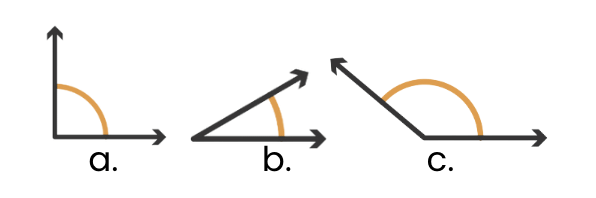
Q8: Identify the type of angles given below: 

Q9. Draw angles with the following degree measures:

a. 60°

b. 45°

c. 180°

Q10: Draw the following angles:

(a) a right angle and label it as ∠ABC.

(b) an acute angle and label it as ∠XYZ.

(c) a straight angle and label it as ∠PQR.

2. Fractions – Textbook Worksheet

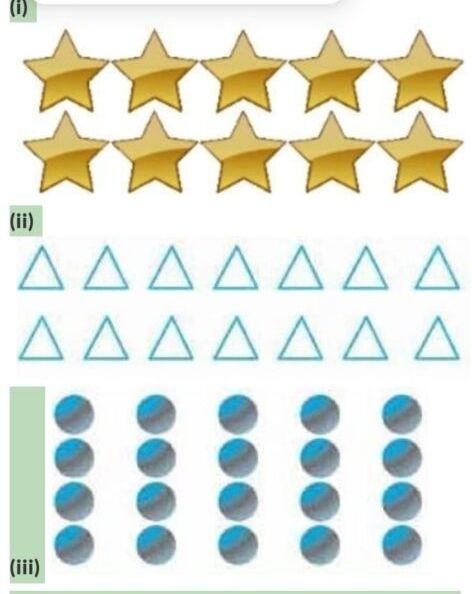
Q1: Divide each collection into two equal parts by dotted lines:

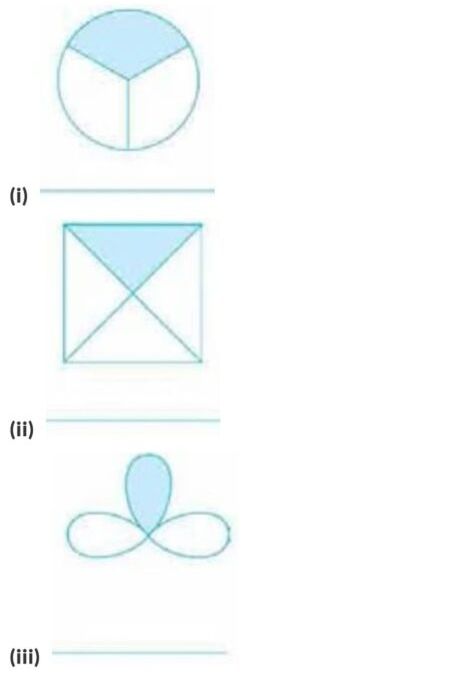
Q2: In each of the following write the fraction representing the shaded portion:

Q3: Write the fraction whose
(i) Numerator is 7 and denominator is 15.

(ii) Numerator is 22 and denominator is 35.

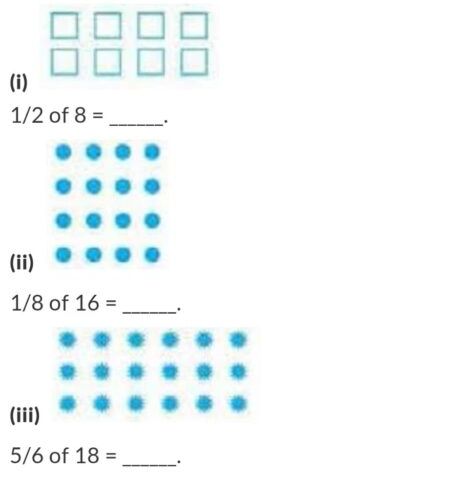
Q4: Divide each collection into suitable number of equal parts and fill in the blanks:

Q5: Draw a collection of objects. Divide the collection into suitable number of equal parts and find:
(i) 1/3 of 9

(ii) 3/7 of 14

(iii) 4/9 of 18

Q6: Write the next three equivalent fractions of each of the following
(i) 1/4

(ii) 2/3

(iii) 5/9

(iv) 4/7

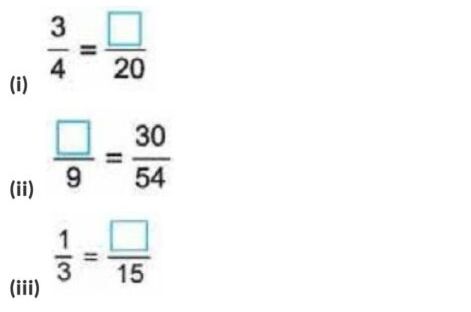
Q7: Fill in the missing numerators to make the statement true:

Q8: Find an equivalent fraction of 3/4 with:
(i) Numerator 15

(ii) Denominator 48

(iii) denominator 24

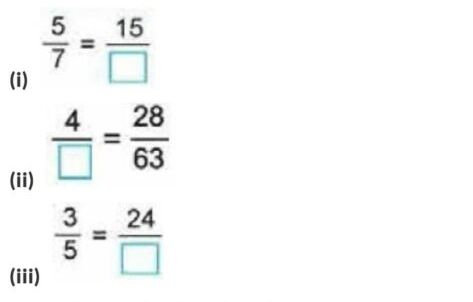
Q9: Fill in the missing denominators to make the statement true:

Q10: Check whether the given fractions are equivalent:
(i) 3/15, 1/5

(ii) 2/11, 6/21

(iii) 4/9, 8/18

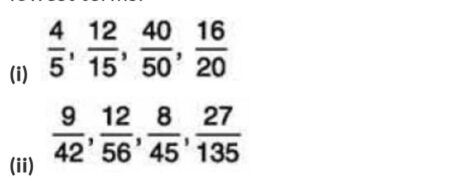
Q11: State whether the fraction is in its lowest terms or not:
(i) 12/20

(ii) 4/6

(iii) 80/81

Q12: Reduce to the lowest terms:
(i) 21/28

(ii) 45/60

(iii) 36/54

Q13: Encircle the fraction which is in its lowest terms:

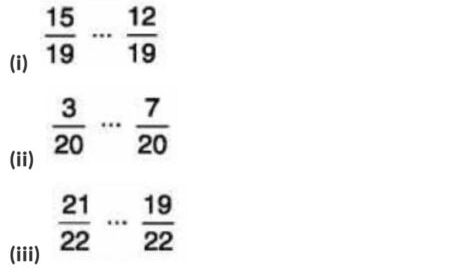
Q14: Fill in the blanks by putting > or < in each of the following to make the statement true:

Q15: Which is smaller in each of the following pairs of fractions?
(i) 3/16, 21/32

(ii) 18/25, 2/5

(iii) 8/21, 7/20

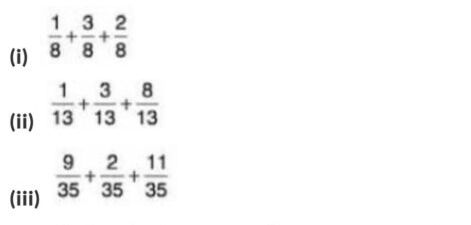
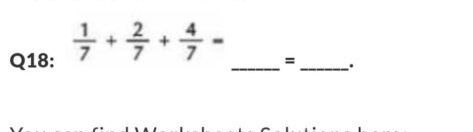
Q16Find the sum:

Q17: Write the fractions whose numerator is 6 and denominator is 19.


You can find Worksheets Solutions here: Worksheet Solutions: Fractions

1. We the Travellers — I           – Textbook Worksheet

Table of contentsQ1: Multiple Choice Questions (MCQs)

(i) What is the place value of 5 in 1536?
(a)
 5
(b) 50
(c) 500
(d) 5000

(ii) Which number comes first in ascending order?  
7308, 7038, 7348, 7304
(a) 7308
(b) 7038
(c) 7348
(d) 7304 

(iii) What is the short form of 8,00,000 + 2,000 + 30 + 6?
(a)
 80,236
(b) 8,20,036
(c) 8,02,036
(d) 8,20,306

(iv) Which is the largest number in this group? 7,20,163; 7,20,136; 7,02,163; 7,02,613
(a) 
7,20,136
(b) 7,02,613
(c) 7,02,163
(d) 7,20,163

(v) Which is the smallest 4-digit number using all different digits other than 0?

(a) 1303

(b) 1234

(c) 0132

(d) 0142Q2: True or False

(i) The place value of 4 in 3,49,026 is 4,000.

(ii) In the number 8036, 3 is in the hundreds place.

(iii) The number 1,25,471 is smaller than 61,832.

(iv) The smallest whole number is 0.

(v) 7,36,000 is the predecessor of 7,35,999.
Q3: Fill in the Blanks

(i) In 1042, 2 is at the _____ place.

(ii) The place value of 6 in 6,00,087 is _____.

(iii) The first six multiples of 4 are ____, ____, ____, ____, ____, and ____.

(iv) Arrange the numbers 62,917; 1,00,008; 45,132; 36,472 in descending order.

(v) The predecessor of the smallest 6-digit number is ____.

Q4: Answer the Following Questions

(i) Write the place value of 2 in 7,52,693.

(ii) Which is greater: 3,69,501 or 3,69,510?

(iii) Write the short form of: 9,00,000 + 4,000 + 200.

(iv) Arrange the numbers 4526, 4256, 4569, 4325 in ascending order.

(v) Write the number name for 4,65,009.


Q5: Find the place-value of 6 in each of the following numbers:

(a) 19,356 

(b) 6,00,087


Q6:  Write the number names for each of the following numbers: 

(a) 2,50,006 

(b) 4,65,009 


You can find Worksheets Solutions here: Worksheet Solutions: Introduction to Numbers – 1