5. Spreading the Message – Chapter Notes

Introduction

Imagine making a poster so eye-catching that everyone stops to read it, whether it’s for a school event, a cleanliness drive, or a fun family party! In this chapter, we’ll learn how to design posters and invitation cards that grab attention and share important messages. Using cool design tricks like emphasis and order of importance, you’ll create artwork that not only looks awesome but also inspires others to act, like keeping the classroom tidy or staying safe on the road!

Purpose of Posters
Posters are powerful tools to inform, invite, or raise awareness for events like school functions, family celebrations (e.g., birthdays, weddings), or causes like road safety, personal hygiene, cleanliness, or good habits. They blend eye-catching visuals with clear, concise words to quickly communicate messages and positively influence people’s thoughts or actions, making them memorable and effective.

Try yourself:

What is one purpose of posters?

  • A.To play music
  • B.To take photos
  • C.To inform or raise awareness
  • D.To serve food

View SolutionBasics of Poster DesignEffective posters use a combination of images and text to capture attention and deliver a clear message. Key elements include striking visuals (like a bold picture), concise text (like a short slogan), and a well-organized layout that highlights the main idea, ensuring it’s easy to understand and sticks in the viewer’s mind.

Design Principle: EmphasisEmphasis is a design principle that draws the viewer’s focus to the most important part of the poster, such as the event name or a key image. This is achieved through larger sizes, bright or contrasting colors, or techniques like bolding, underlining, or highlighting text or visuals, ensuring the main message stands out clearly.

Tip: Use a bright color or large size for the main message to catch eyes first.

Design Principle: Order of Importance

The order of importance, organizes poster elements by priority to guide the viewer’s eyes in a planned sequence. For example, in a missing pet poster, the pet’s photo and the word “missing” are largest to grab attention first, while contact details are smaller but still essential, creating a clear flow of information.

​​​​Tip: Place the most important element at the top or center to guide attention.

Try yourself:

What should be the largest element on a missing pet poster?

  • A.Location details
  • B.Contact details
  • C.Pet’s photo
  • D.Description of the pet

View SolutionCreating Effective Posters

To create a strong poster, plan a layout to position text and images, ensuring the most important element is emphasized. Use a clear, concise message with correct grammar and spelling, and incorporate a border or guidelines for neatness. Vibrant colors, detailed visuals, and a balanced layout enhance the poster’s visual appeal and impact.

Applying Design Principles Beyond Posters

Design principles like emphasis and hierarchy are used in advertisements, invitation cards, and newspapers, where headlines are large and bold for priority, and less critical details are smaller. These principles ensure clarity and impact in various forms of visual communication, from magazine ads to event flyers.Conclusion

This chapter shows how to spread messages through vibrant posters and invitation cards, using design principles like emphasis and hierarchy. By thoughtfully arranging visuals, text, and layouts, we can create artwork that informs, inspires, and connects with others, whether for school events, safety reminders, or joyful celebrations!

Important Vocabulary

  • Poster: A visual tool using images and text to inform, invite, or raise awareness.
  • Emphasis: A design principle that highlights one part of a poster to focus attention.
  • Order of Importance (Hierarchy): Organizing elements from most to least important to guide the viewer’s eyes.
  • Layout: The arrangement of text and images in a poster or card to communicate effectively.
  • Invitation Card: A designed card to invite people to events like weddings or birthdays.
  • Foreground: The closest part of a picture, with bold details.
  • Middle Ground: The area behind the main subject, adding depth.
  • Background: The farthest part of a picture, with lighter colors and fewer details.

4. Imaginary Beings – Chapter Notes

Introduction.                                                        What if you could create a creature that’s part lion, part lotus, and part human, living in a world of your own imagination? In this chapter, we’ll unleash our creativity to invent amazing imaginary beings, like the Navagunjara with its nine animal parts! Get ready to mix and match features from people, animals, plants, and objects, and build a fantastic world for your creation to shine, complete with its own stories and shadows!

Power of imagination

Power of ImaginationOur imagination allows us to dream up things that don’t exist, like aeroplanes inspired by birds’ flight, scuba gear mimicking fish swimming, or weaving machines modeled after spiders’ webs. In art, this power lets us combine parts of different beings to create unique creatures, turning our wildest ideas into vibrant drawings and stories that spark wonder.

Navagunjara: A Mythical Being

Try yourself:

What does our imagination help us to create?

  • A.Real objects
  • B.Dreams and stories
  • C.Factual reports
  • D.Technical designs

View SolutionNavagunjara: A Mythical Being
In Indian art, the Navagunjara is a fascinating mythical creature with parts from nine animals, including a rooster’s crown, a peacock’s neck, a bull’s hump, a tiger’s leg, and a snake’s tail. It stands on three legs, with a human hand holding a lotus flower, symbolizing harmony and creativity. This creature, rooted in Indian mythology, inspires artists to weave stories filled with deep symbolic meanings, often representing unity and diversity.

Tip: Study Navagunjara’s parts to spark ideas for your own mythical creature.

Creating Imaginary Beings

You can create your own ideal being by combining the best qualities of a person (like kindness), an animal (like a lion’s strength), a plant (like a lotus’s beauty), or an object (like a kite’s freedom). For example, you might design a creature with a human head, a Honeybee wearing Skates, and roots for feet, then add colorful clothes, sparkling ornaments, or quirky accessories like a starry crown to make it truly unique.

Building a World for Your Being

World of ImaginationEvery imaginary being needs a unique world to thrive, with geographical features like glowing rivers, floating islands, or crystal trees, and tools or spaces tailored to its needs, like a nest for flying or a burrow for resting. Consider its favorite food (maybe star-shaped fruits?), how it moves (slithering or hopping?), where it sleeps (in a cloud or underground?), or what shadows it casts to bring its habitat to life with vivid details.

Try yourself:

What is the main focus of the text?

  • A.Learning about nature
  • B.Understanding oneself
  • C.Creating a new world
  • D.Exploring technology

View SolutionStorytelling Through ArtImaginary beings are at the heart of stories that reveal their mysteries and symbolic meanings, often teaching lessons about courage, unity, or creativity. By creating and sharing stories about your creature—its adventures, personality, or role in its world—you can make your artwork more meaningful. For example, your creature might protect its magical forest or dance under a rainbow sky, inspiring others with its tale.

Tip: Write a short name for your being that reflects its special qualities.

ConclusionThis chapter shows how our imagination can craft extraordinary beings and worlds, inspired by mythical creatures like Navagunjara. By blending parts of animals, plants, humans, and objects, and designing unique habitats, we can tell captivating stories through art. Let your creativity run wild and bring your imaginary beings to life with colors, details, and stories that shine!

Important Vocabulary

  • Imagination: The ability to visualize and create things that don’t exist.
  • Navagunjara: A mythical creature in Indian art with parts of nine animals, like a rooster’s crown and a snake’s tail.
  • Mythical Being: An imaginary creature made by combining features of different beings.
  • Habitat: The environment or world where a creature lives, with features like rivers or trees.
  • Symbolism: Using objects or beings to represent deeper meanings in stories or art.

3. Picturing Stories – Chapter Notes

Introduction

Have you ever noticed how everyone around you has a special way of moving, talking, or smiling? From the way your friend laughs to the way a vegetable vendor waves, every person tells a story without words! In this chapter, we’ll dive into the magic of shadows, emojis, and storyboards to capture these stories. Get ready to observe people, create shadow creatures, and draw emotions to bring everyday moments to life through your art!

Observing People and Their StoriesEvery person has a unique style of walking, talking, laughing, and expressing emotions. These differences, like their gestures, facial expressions, or even their shadows, tell stories about who they are and how they feel.

Try yourself:

What do people’s unique styles tell us?

  • A.Their feelings and stories
  • B.Their favorite colors
  • C.Their age
  • D.Their hobbies

View SolutionShadows and Their MagicShadows are created when light is blocked by an object or person, forming a dark shape on a surface behind. Shadows can look different from the object or person casting them, depending on the light’s angle or position, like sunlight during the day or a streetlight at night.

Tip: Watch how shadows change shape under different lights to inspire your drawings.

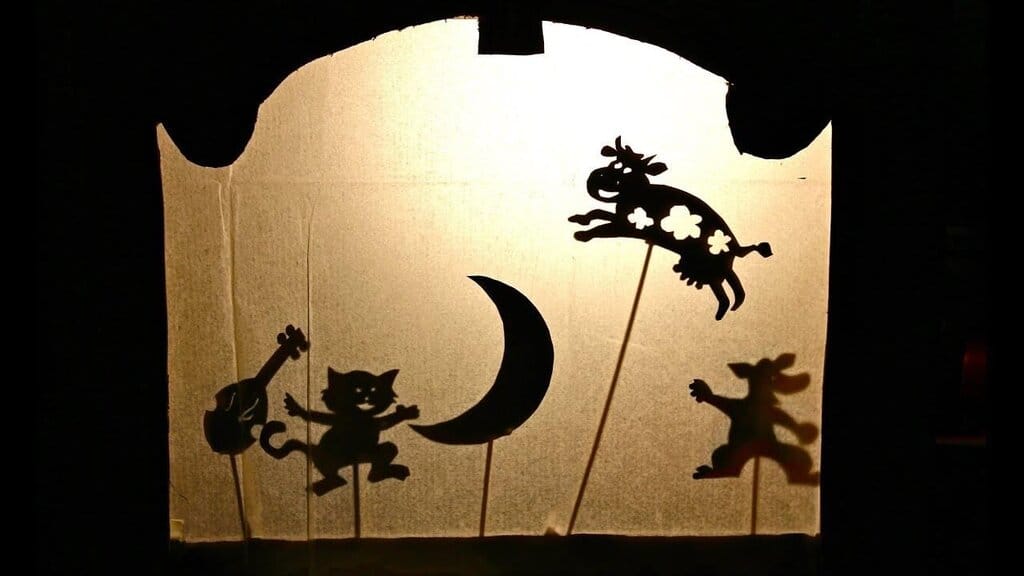
Shadow PuppetryShadow PuppetryShadow puppetry is an ancient art form practiced in states like Andhra Pradesh, Telangana, Odisha, Tamil Nadu, Kerala, Karnataka, and Maharashtra. Traditionally, puppets are made of leather, but modern ones use other materials. Light passes through these puppets, casting colorful shadows that move and tell stories.

Emoticons and Emojis

Imotions with Emojis

Emoticons are simple pictures made with punctuation symbols, like 🙂 for a smile or 🙁 for a sad face, showing emotions quickly. Emojis are more detailed versions used in online communication, capturing specific expressions or actions.

Try yourself:

What are small images used in text messages called?

  • A.Stickers
  • B.Emojis
  • C.Memes
  • D.GIFs

View SolutionStoryboardsA storyboard is like a comic, used to plan scenes for plays, animations, advertisements, or movies. It shows a sequence of moments, focusing on a person’s activities, body postures, facial expressions, and emotions, with each scene divided into foreground, middle ground, and background to add depth.

Tip: Plan your storyboard with a quick sketch to organize scenes clearly.

Expressing Emotions in Art

Art can capture emotions through facial expressions and body postures. For example, a slouched posture might show sadness, while a raised arm could show excitement. Daily activities, like waking up for school or playing with friends, bring out different emotions that can be shown in your artwork.

ConclusionThis chapter teaches us how to tell stories through art by observing people’s unique styles and emotions. Shadows, emojis, and storyboards help us capture the beauty of everyday moments. By paying attention to gestures, expressions, and the world around us, we can create artwork that brings stories to life!

Try yourself:

What is the main purpose of a conclusion?

  • A.To summarize key points
  • B.To ask questions
  • C.To introduce new ideas
  • D.To provide examples

View SolutionImportant Vocabulary

  • Shadows: Dark shapes formed when light is blocked by an object or person.
  • Shadow Puppetry: An ancient art where puppets cast colorful shadows to tell stories.
  • Emoticons: Simple pictures made with punctuation to show emotions, like 🙂 or 🙁
  • Emojis: Detailed icons used online to express specific emotions or actions.
  • Storyboard: A sequence of drawings, like a comic, to plan scenes for stories or performances.
  • Foreground: The closest part of a picture, with bold details.
  • Middle Ground: The area behind the main subject, adding depth.
  • Background: The farthest part of a picture, with lighter colors and fewer details.

2. Peeping Out of the Window – Chapter Notes

IntroductionHave you ever watched raindrops sliding down your window? It’s like nature is painting its own picture! When it’s too rainy to go outside and draw, there’s still so much beauty to see — from tiny butterflies hiding under leaves to plants that climb and creep in the rain. In this chapter, we’ll discover how rain brings nature to life, and how small plants like climbers and creepers can teach us big things about growing strong and adding color to the world!

Rain brings freshness

Rain Brings FreshnessRain washes the earth, making everything look fresh and clean. It brings life to plants, helping them grow and thrive, just like a big drink of water for nature.

Tip: Watch raindrops on leaves to see how they refresh plants for your drawings.

Try yourself:

What does rain do for plants?

  • A.Colors them blue
  • B.Helps them grow
  • C.Makes them dirty
  • D.Dries them out

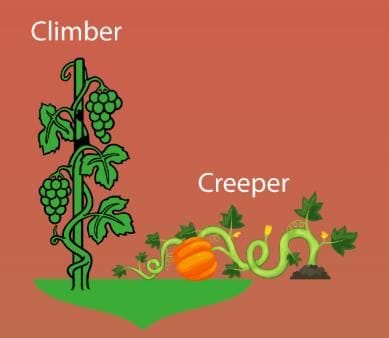
View SolutionClimbers and Creepers: Lessons of Growth and SupportClimbers and creepers are unique plants with thin, flexible stems that twist, curve, and spiral as they grow. They inspire artists to create beautiful designs in sculptures, paintings, textiles, and architecture. These plants teach us valuable life lessons:Climbers & Creepers

  • Gentleness: Climbers are soft and flexible, bending with the rain but never breaking, showing us how to adapt to challenges.
  • Resilience: Even though they’re fragile and start in dark soil underground, they push through obstacles to grow tall and strong.
  • Trust: They rely on nearby plants, trees, or poles for support, teaching us it’s okay to ask for help and trust others.
  • Beauty and Nourishment: Climbers give us flowers, fruits, and vegetables, adding beauty and life to indoor and outdoor spaces.

Artistic Inspiration

MehndiClimbers and creepers inspire art forms like mehndi, where henna paste creates intricate designs on hands and feet. When mehndi dries, it forms a low relief, where the design feels slightly raised compared to the skin, similar to techniques used in sculptures and carvings.

Tip: Start with basic loops for mehndi designs to mimic creepers’ patterns.

Color MagicColors are the heart of art, and the color wheel is a tool to understand them. Primary colors (red, blue, yellow) are the building blocks that can’t be made by mixing other colors. Mixing two primary colors creates secondary colors (orange, green, purple). Colors also carry feelings:

  • Warm colors (red, yellow, orange) feel sunny and cozy, like a warm summer day.
  • Cool colors (blue, green, purple) feel calm and soothing, like a cool evening breeze.

Tip: Mix two primary colors to discover new shades for your artwork.

Try yourself:

What are the primary colors?

  • A.Pink, Brown, Cyan
  • B.Black, White, Gray
  • C.Green, Orange, Purple
  • D.Red, Blue, Yellow

View SolutionComposing a SceneWhen artists create a picture, they organize space into three parts:

  • Foreground: The closest part, with bright colors and clear details to grab attention.
  • Middle ground: The area behind the main subject, adding depth with some details.
  • Background: The farthest part, with lighter colors and fewer details to complete the scene.

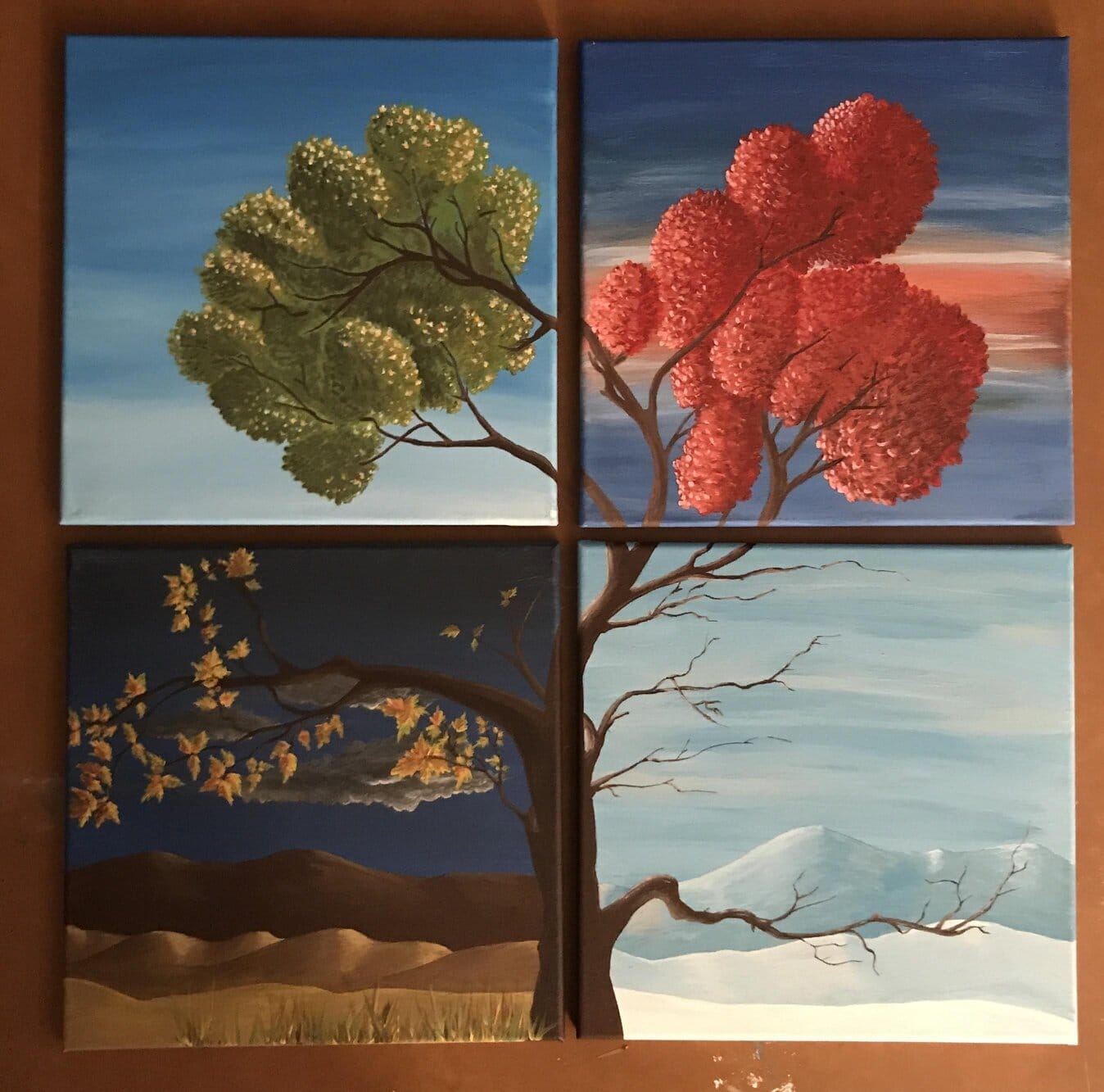
Colors of Time and SeasonsColors Reflects Time & SeasonColors can show the time of day or season. Bright reds and yellows might paint a sunny summer morning, while soft blues and purples hint at a chilly winter evening. Shadows also help show time—longer in the morning or evening, shorter at noon—adding clues to your artwork.

Tip: Use long shadows for morning or evening scenes to show time.

ConclusionThis chapter reveals how nature’s climbers, creepers, and rain teach us to be gentle, resilient, and trusting. Like these plants, we can grow through challenges, seek support, and add beauty to our world. Using tools like the color wheel and concepts like foreground and background, we can create art that captures the wonder of life!

Important Vocabulary

  • Climbers and Creepers: Plants with thin, flexible stems that grow by twisting and climbing with support.
  • Low Relief: A technique where designs are slightly raised, like in mehndi or sculptures.
  • Primary Colors: Red, blue, and yellow—colors that can’t be made by mixing others.
  • Secondary Colors: Orange, green, purple—made by mixing two primary colors.
  • Warm Colors: Red, yellow, orange—colors that feel cozy and sunny.
  • Cool Colors: Blue, green, purple—colors that feel calm and refreshing.
  • Foreground: The closest part of a picture, with bold details.
  • Middle Ground: The area behind the main subject, adding depth.
  • Background: The farthest part of a picture, with light colors and fewer details.

1. Objects on the Move – Chapter Notes

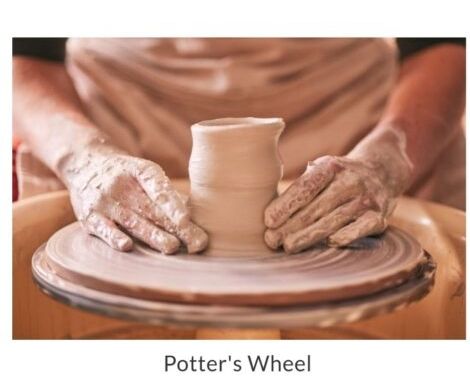
Introduction.                                                          Have you ever seen a giant wheel spinning at a fair? It’s so much fun to ride! Wheels are super important because they help things move easily. People made the first wheel to shape clay pots. Later, they used wheels on carts and chariots to carry people and things. Today, wheels are everywhere – on bikes, cars, and even toys! Let’s learn about them. 

The Wheel and Its Importance

The wheel is one of the greatest inventions ever! It was first made over 5,000 years ago as a potter’s wheel to create clay pots. Later, people put wheels on carts and chariots to move people and goods from one place to another. Wheels make life easier because they help things roll smoothly instead of dragging them. Imagine trying to move heavy things without wheels—it would be so hard!

Where Do We See Wheels?

Wheels are all around us! Here are some places and objects where we find them:

  • Bicycles and scooters
  • Cars, buses, and trucks
  • Trains and metro rails
  • Toy cars and skateboards
  • Wheelchairs and strollers
  • Roller skates and luggage bags

Think about it: Can you imagine a world without wheels? It would be tough to travel or carry things!

Try yourself:

What was the first use of the wheel?

  • A.For toys
  • B.For carts
  • C.For clay pots
  • D.For bicycles

View SolutionExploring the World of Transport

Transport is all about moving people and things from one place to another. Vehicles with wheels, like cars and bikes, help us travel faster and easier. Now let’s understand the different types of vehicles:

Types of Vehicles

Vehicles come in many types, and they all use wheels to move. Here’s a table that shows different kinds of vehicles and what they’re used for:VehicleUseBicycleFor one or two people to ride short distancesCarFor small families to travel comfortablyBusFor many people to travel togetherTruckFor carrying heavy goodsTrainFor long-distance travel and carrying lots of people or goodsConclusion

Wheels and vehicles make our lives so much easier and fun! From bicycles to trains, they help us move around and carry things. Through this chapter, you’ve learned how important wheels are and how to create cool artworks inspired by vehicles. Keep observing the world around you, and let your imagination run wild with new vehicle designs!

10. Glass Bangles – Short and Long Answer Questions

Short Answer Questions (10)

Q1. Where is Firozabad located and what is it famous for?
Ans: Firozabad is a district in Uttar Pradesh, India, known for its rich tradition of glassware and especially its beautiful glass bangles.

Q2. Who is Ravi and what is his profession?
Ans: Ravi is a skilled glass artisan who crafts beautiful bangles. He comes from a family with a long tradition of bangle-making in Firozabad.

Q3. What is special about Ravi’s workshop?
Ans: Ravi’s workshop is lively and busy, filled with the clinking of glass and the sound of artisans shaping bangles. Every bangle is carefully crafted with skill and attention.

Q4. How are glass bangles made in Ravi’s workshop?
Ans: The process involves heating glass in a furnace, shaping it into bangles, adding colors and patterns, and then cooling them carefully to perfection.

Q5. Why does the demand for bangles increase during Diwali?
Ans: Diwali is the festival of lights, and glass bangles are popular gifts and adornments for women, so Ravi’s workshop becomes much busier during this time.

Q6. Who helps Ravi in the workshop and what is her contribution?
Ans: Ravi’s daughter, Ananya, helps him. She adds modern designs to the traditional bangles, creating delicate floral and geometric patterns.

Q7. How did Ravi feel about Ananya’s designs at first?
Ans: Ravi was hesitant initially, concerned about preserving the traditional craft, but he soon appreciated the beauty of her modern designs.

Q8. What was the outcome of the new bangle collection?
Ans: The new collection combining traditional and modern designs became very popular, attracting many customers during Diwali and bringing pride to Ravi and Ananya.

Q9. How did the success of the collection affect the community?
Ans: The increased demand for bangles created more work for local artisans and generated additional jobs in packing and transportation.

Q10. What lesson does the story teach about tradition and innovation?
Ans: The story shows that blending tradition with innovation can preserve cultural heritage while appealing to modern tastes, benefiting both creators and the community.

Long Answer Questions (10)

Q1. Describe the tradition of glass bangle-making in Firozabad.
Ans: Firozabad has a long-standing tradition of crafting glass bangles, which are considered a form of art. Skilled artisans like Ravi carefully heat, shape, colour, and design each bangle, ensuring that it is beautiful and durable. This craft reflects the town’s culture and artistic heritage.

Q2. How does Ravi ensure the quality of his bangles?
Ans: Ravi pays full attention while making each bangle. He carefully shapes the glass, adds intricate colours and patterns, and ensures the bangles are long-lasting. His dedication maintains the high standards of Firozabad’s traditional craft.

Q3. What changes did Ananya introduce to the bangle designs?
Ans: Ananya combined traditional patterns with modern designs, adding delicate floral motifs and geometric shapes. Her creativity gave a fresh look to the bangles while respecting the traditional craftsmanship.

Q4. How did Ravi react to his daughter’s innovations?
Ans: Initially, Ravi was cautious, worried that the traditional essence might be lost. However, after seeing the beauty and creativity in Ananya’s designs, he supported her and helped create a special collection for Diwali.

Q5. Describe the preparation in Ravi’s workshop during Diwali.
Ans: During Diwali, Ravi’s workshop is extremely busy. Artisans work around the clock to meet the high demand for bangles. The workshop is filled with clinking glass, colours, and excitement as everyone focuses on creating beautiful bangles.

Q6. What made the new bangle collection special?
Ans: The new collection was special because it combined the charm of traditional designs with modern aesthetics. This blend attracted customers, added variety, and highlighted both craftsmanship and innovation.

Q7. How did customers respond to the new collection?
Ans: Customers loved the new designs and vibrant colours. The bangles became highly popular during Diwali, with women proudly wearing them and admiring their unique look, showing great appreciation for Ravi and Ananya’s creativity.

Q8. How did the success of the collection benefit local artisans?
Ans: The popularity of the new bangles increased work for local artisans and created additional jobs in packing and transportation. This success boosted the local economy and brought recognition to the community.

Q9. What does the story reveal about family collaboration in work?
Ans: The story shows that collaboration between family members can lead to success. Ravi and Ananya worked together, combining experience with innovation, resulting in a creative and profitable outcome that brought pride and joy to both.

Q10. What is the overall message of the story?
Ans: The story teaches that respecting tradition while embracing creativity can lead to success. It highlights the importance of hard work, innovation, and community, showing that thoughtful efforts can bring personal and collective benefits.

9. Vocation – Short and Long Answer Questions

Short Answer Questions (10)

Q1. Who is the speaker in the poem?
Ans: The speaker is a school-going child who observes the people around him and imagines their daily work with curiosity and admiration.

Q2. What does the speaker see at ten in the morning?
Ans: The speaker sees a hawker walking along the lane, calling out “Bangles, crystal bangles!” and selling his goods to people.

Q3. Why does the speaker wish to be a hawker?
Ans: He wishes to be a hawker because the hawker is free to walk anywhere, spend his day as he likes, and does not have to follow anyone’s orders.

Q4. What does the speaker observe in the afternoon?
Ans: In the afternoon, the speaker notices the gardener digging in the garden, enjoying his work without being ordered around or scolded.

Q5. Why does the speaker admire the gardener?
Ans: He admires the gardener because he can work freely, get dirty with dust, and do as he likes without anyone stopping him.

Q6. What does the speaker see at night?
Ans: At night, the speaker sees the watchman walking up and down the lane with a lantern, keeping the streets safe while others are asleep.

Q7. Why does the speaker wish to be a watchman?
Ans: He wishes to be a watchman because the watchman walks freely at night, never goes to bed, and feels important while doing his duty.

Q8. How does the speaker describe the street lamp?
Ans: The street lamp is described as a giant with one red eye, standing tall in the dark lane and lighting the way for the watchman.

Q9. What is common in all the people the speaker observes?
Ans: All the people—the hawker, gardener, and watchman—work freely and follow their own routines, which the speaker finds appealing.

Q10. What feeling does the speaker express through the poem?
Ans: The speaker expresses admiration, curiosity, and a desire for freedom, wishing he could enjoy the independence of the people he sees at work.

Long Answer Questions (10)

Q1. Describe the speaker’s observation of the hawker in the morning.
Ans: The speaker notices a hawker walking along the lane calling out “Bangles, crystal bangles!” He observes how the hawker has no fixed schedule, can move freely, and is not bound by anyone’s instructions. This makes the speaker wish he could be a hawker too.

Q2. Why does the speaker admire the freedom of the hawker?
Ans: The hawker is free to walk anywhere, choose his own path, and spend his day as he likes. He has no deadlines or strict rules, and this independence seems very appealing to the speaker, who is used to school routines.

Q3. What does the speaker see when he comes back from school in the afternoon?
Ans: In the afternoon, the speaker observes a gardener digging the garden. The gardener enjoys his work, gets dirty with soil, and does not have anyone to scold him, which makes the speaker admire his freedom.

Q4. How does the speaker describe the gardener’s work?
Ans: The gardener digs the ground with his spade, soiling his clothes with dust. He works under the sun or in the rain, and nobody tells him what to do, which gives him a sense of independence and joy.

Q5. Why does the speaker wish to be a gardener?
Ans: The speaker wishes to be a gardener because he can enjoy working freely, touch the earth, and do his work without being supervised, unlike the structured life of a schoolchild.

Q6. What does the speaker observe at night through his window?
Ans: At night, he sees the watchman walking up and down the dark lane with a lantern. The watchman never goes to bed, walks alone, and keeps the streets safe while others sleep, which fascinates the speaker.

Q7. How is the watchman described in the poem?
Ans: The watchman is described as someone who walks with a lantern, chasing shadows in the lonely lane. He is independent at night and seems powerful and important, giving the speaker a sense of admiration.

Q8. Why does the speaker wish to be a watchman?
Ans: He wishes to be a watchman because he can walk freely at night, feel important, and perform a useful duty without being told what to do. The independence and responsibility appeal to him.

Q9. What is the main idea of the poem?
Ans: The main idea is that the speaker admires the freedom and independence of people at work. He wishes he could enjoy the liberty and self-direction that they have, away from the restrictions of school life.

Q10. What lesson does the poem teach about work and freedom?
Ans: The poem teaches that every job has its own charm and sense of freedom. Even small tasks can be enjoyable when done independently. It also shows the value of observing and appreciating the lives of others.

8. The Decision of the Panchayat – Short and Long Answer Questions

Short Answer Questions  

Q1. Who was the main character in the story?
Ans: The main character was a hardworking farmer who owned two fields and bought a well to water his crops.

Q2. Why did the farmer buy the well?
Ans: The farmer bought the well to have a reliable source of water for his fields and to help his crops grow well.

Q3. How did the neighbour try to cheat the farmer?
Ans: The neighbour claimed that although he sold the well, he still owned the water in it and refused to let the farmer take any.

Q4. What did the farmer do when he could not take water from the well?
Ans: The farmer went to the village chief to complain and asked for help in resolving the dispute with his neighbour.

Q5. Where did the Panchayat meeting take place?
Ans: The Panchayat meeting took place under the banyan tree in the centre of the village, with villagers present to witness it.

Q6. What was the neighbour’s argument in front of the Panchayat?
Ans: He argued that he had sold only the well, not the water, and claimed the water still belonged to him.

Q7. How did the Panchayat respond to the neighbour’s claim?
Ans: The Panchayat said that if the water still belonged to the neighbour, he could not keep it in the well he no longer owned.

Q8. What would happen if the neighbour did not remove the water?
Ans: If the neighbour did not remove the water or use it, it would legally belong to the owner of the well, the farmer.

Q9. How did the farmer react to the Panchayat’s judgment?
Ans: The farmer was relieved and shouted with joy because justice had been done in his favour.

Q10. What lesson did the neighbour learn?
Ans: ​The neighbour learned that trying to cheat others does not work and can result in fines and public disapproval.

Long Answer Questions 

Q1. Describe the problem the farmer faced with his neighbour.
Ans: The farmer bought a well next to his field to get water for irrigation. However, the neighbour, who sold the well, refused to let the farmer take water. He claimed that the water still belonged to him. This created worry and confusion for the farmer.

Q2. How did the farmer try to solve the problem?
Ans: The farmer approached the village chief and explained the dispute. He asked for help because the neighbour would not allow him to use the water from the well he had bought.

Q3. Who attended the Panchayat meeting?
Ans: The Panchayat meeting was attended by the village chief, the Panchayat members, the farmer, the neighbour, and most of the villagers, who gathered to hear both sides.

Q4. What argument did the neighbour present at the meeting?
Ans: The neighbour argued that he had sold only the well and still owned the water. He insisted the farmer could not take water from the well, showing his cunning nature.

Q5. How did the Panchayat members deal with the neighbour’s claim?
Ans: The Panchayat discussed the situation carefully and decided that the neighbour could not keep water in a well that no longer belonged to him. They gave a fair judgment to protect the farmer’s rights.

Q6. What was the final judgment of the Panchayat?
Ans: The Panchayat ruled that if the water belonged to the neighbour, he must remove it or use it immediately. Otherwise, the water would legally belong to the farmer, the well’s owner.

Q7. How did the farmer feel after the Panchayat’s decision?
Ans: The farmer felt relieved and overjoyed because justice had been done. He could now use the well without fear of the neighbour interfering.

Q8. What consequences did the neighbour face for trying to cheat?
Ans: The neighbour had to apologise to the farmer and also pay a fine for his actions. He realised that dishonesty and trying to cheat someone can lead to trouble and that fairness is always important.

Q9. How did the villagers react to the Panchayat’s wisdom?
Ans: The villagers praised the Panchayat for its wise judgment and fairness. They appreciated that the decision was just and protected the farmer’s rights.

Q10. What is the moral of the story?
Ans: The story teaches that honesty and fairness are important. Cheating and dishonesty may bring temporary gain but ultimately lead to trouble and punishment. Justice and truth prevail.

7. Gilli Danda – Short and Long Answer Questions

Short Answer Questions (10)

Q1. What is the game described in the poem?
Ans: The poem describes the game Gilli Danda, a traditional outdoor game played by children with a stick and a small piece of wood called gilli. It is enjoyed in open spaces like playgrounds.

Q2. What do children use to play Gilli Danda?
Ans: Children use a stick called a danda and a small gilli to play the game. The stick is used to hit the gilli and make it fly in the air.

Q3. Where do the children gather to play the game?
Ans: They gather in the playground or open spaces where there is enough room to run, swing the stick, and chase the gilli.

Q4. How do the children feel when they swing the danda?
Ans: The children feel excited, happy, and free while swinging the danda. It gives them a sense of joy and energy.

Q5. What happens to the gilli when it is hit?
Ans: When the stick hits the gilli, it flies high into the air. The children watch it closely and try to hit or catch it again.

Q6. How do the children enjoy the game under the sky?
Ans: They laugh, play together, and feel cheerful under the bright blue sky and sunshine, enjoying every moment of the game.

Q7. What do the children never do while playing together?
Ans: They never quit or give up. Even if the gilli falls in a difficult place, they continue playing with excitement.

Q8. How does nature add to the fun of the game?
Ans: The bright blue sky and golden sunlight make the game more enjoyable, giving the children a lively and cheerful environment to play in.

Q9. What feelings are expressed in the poem while playing?
Ans: The poem shows feelings of happiness, freedom, and playful energy as children enjoy swinging, running, and chasing the gilli.

Q10. How do the children celebrate each hit and swing?
Ans: Every swing of the stick and every hit of the gilli brings joy, laughter, and a sense of freedom among the children while they play together.

Long Answer Questions (10)

Q1. Describe how Gilli Danda is played according to the poem.
Ans: Gilli Danda is played with a stick called danda and a small piece of wood called gilli. Children gather in the playground and take turns to hit the gilli. They try to make it fly as high as possible and enjoy chasing it. The game is full of excitement, energy, and laughter.

Q2. How do children enjoy the game with their friends?
Ans: Children enjoy the game together by laughing, cheering, and helping each other. They swing the stick, hit the gilli, and run around the playground. Playing together creates joy, friendship, and a sense of teamwork.

Q3. Why do children feel free while playing Gilli Danda?
Ans: The children feel free because they can run, swing, and laugh without any restrictions. The game allows them to use their energy, play under the open sky, and enjoy the sunshine, giving a sense of happiness and liberty.

Q4. How is the gilli described when hit in the poem?
Ans: The gilli is described as flying high into the sky when hit by the stick. Children watch it eagerly and try to catch or hit it again. This action adds excitement and fun to the game.

Q5. What role do the sky and sunlight play in the poem?
Ans: The bright blue sky and golden rays of the sun create a cheerful atmosphere. The natural setting enhances the fun of playing Gilli Danda and adds to the joy of children being outdoors.

Q6. How do the children show determination while playing?
Ans: Even when the gilli falls in a difficult spot or after missing a hit, children continue playing without giving up. Their determination makes the game lively and enjoyable for everyone.

Q7. What makes Gilli Danda an exciting game, according to the poem?
Ans: The excitement comes from hitting the gilli, making it fly, and running to catch it. Every swing and hit brings thrill, and playing with friends adds happiness and energy to the game.

Q8. How does the poem highlight friendship?
Ans: The poem shows friendship by describing children playing together, laughing, and encouraging each other. Their teamwork and shared fun make the game joyful and strengthen their bond.

Q9. What lesson does the poem give about outdoor games?
Ans: The poem teaches that outdoor games like Gilli Danda give happiness, freedom, and exercise. They help children build teamwork, enjoy nature, and have fun together.

Q10. Summarise the poem “Gilli Danda.”
Ans: The poem describes children playing the traditional game Gilli Danda in a playground. They swing the stick, hit the gilli, and feel free and happy under the sky and sun. The poem celebrates friendship, outdoor fun, and the joy of childhood.

6. What a Tank! – Short and Long Answer Questions

Short Answer Questions  

Q1. What are Ooranis?
Ans: Ooranis are traditional ponds in Tamil Nadu that store rainwater. They supply water for drinking, farming, and protection from floods.

Q2. Why are Panam Keni wells special?
Ans: Panam Keni wells in Kerala never dry up even in summer. They are famous for providing water all year round.

Q3. What are Tankas used for?
Ans: Tankas are underground tanks in Rajasthan that store rainwater. Families use them for six to seven months.

Q4. Where are overhead water tanks usually built?
Ans: They are built on the rooftops of houses. These tanks can store hundreds or thousands of litres of water.

Q5. What are Punjab’s water tanks known for?
Ans: They are known for their creative shapes like flowers, roosters, tractors, or even aeroplanes.

Q6. How do Tankas help people in deserts?
Ans: Tankas collect rainwater in the desert and keep it safe. This helps families survive long dry months.

Q7. What is the main purpose of Ooranis?
Ans: The main purpose is to store rainwater. This helps people during times when water is scarce.

Q8. How do Punjab’s water tanks reflect people’s interests?
Ans: The shapes of the tanks show what people like. For example, football fans build tanks shaped like footballs.

Q9. What material is used to build rooftop tanks?
Ans: Rooftop tanks are made of cement and steel frames. Concrete is used to give them proper shapes.

Q10. Why are traditional water systems still important today?
Ans: They are cheap, eco-friendly, and reliable. Many villages still depend on them for water.

Long Answer Questions  

Q1. Describe how Ooranis help communities in Tamil Nadu.
Ans: Ooranis are large ponds that collect and store rainwater. They provide water for drinking and farming in villages. They also protect people from floods by holding extra rainwater. Even today, many communities depend on them as a safe and sustainable water source.

Q2. Explain why Panam Keni wells are considered unique in Kerala.
Ans: Panam Keni wells are dug using special techniques that prevent them from drying. They provide water even during the hottest summers. Villagers trust these wells for daily use. Their design shows how traditional wisdom solved water problems effectively.

Q3. How do Tankas work in Rajasthan’s desert areas?
Ans: Tankas are underground tanks built in the Thar desert. They store rainwater collected during the monsoon. Families use this water for six to seven months. Tankas are essential in deserts where other water sources are not available.

Q4. Describe how overhead water tanks supply water in houses.
Ans: Overhead tanks are built on rooftops and filled either by hand or by motor. Once filled, they supply water through taps and pipes. These tanks can hold hundreds or even thousands of litres. They make water available for cooking, bathing, and cleaning.

Q5. How are Punjab’s water tanks designed and constructed?
Ans: Punjab’s tanks are made of cement and supported by steel frames. Workers mould concrete into shapes like roosters, tractors, or aeroplanes. These are then placed on rooftops to store water. The designs show both creativity and utility.

Q6. In what way do Punjab’s tanks express people’s identity?
Ans: Each tank design reflects the owner’s interests or occupation. Farmers choose tractors or roosters, while sports lovers may choose a football. This makes every tank unique. It also shows pride in culture and lifestyle through art.

Q7. Why are traditional water systems still relevant today?
Ans: Traditional systems like Ooranis, Tankas, and Panam Keni wells are low-cost and eco-friendly. They work without electricity and save rainwater. They also teach the value of conserving resources. Even modern communities can learn from these methods.

Q8. Compare modern rooftop tanks with traditional Tankas.
Ans: Rooftop tanks are built with cement and supply water through taps. Tankas are underground and used in deserts. Both store water, but rooftop tanks rely on pipes while Tankas depend on rain. Each system suits its region’s needs.

Q9. How do creative water tanks bring beauty to Punjab’s villages?
Ans: Punjab’s tanks are shaped like animals, flowers, or machines. This makes villages look colourful and unique. They are not just useful but also artistic. They show how daily life can combine with creativity.

Q10. What lessons can we learn from India’s water management practices?
Ans: India’s methods show the wisdom of using local solutions. Every region developed a system suited to its climate. From deserts to coastal areas, people found ways to store water. These practices remind us of the importance of saving and respecting water.