Q. Have you ever had an upset stomach? Do you know what could have caused it? What could happen if spoiled food is eaten by mistake? If yes, what did you do to get well? Answer: Yes, I have had an upset stomach before. It can be caused by eating spoiled or dirty food, or by not washing hands before eating. If spoiled food is eaten by mistake, it can cause stomach pain, vomiting, or loose motions. When I had an upset stomach, I rested, drank plenty of water, and my parents gave me curd or buttermilk. If it was very bad, we went to the doctor.
Write
Q. Why do you think food gets spoiled? Answer: Food gets spoiled because tiny living things called microbes grow on it. Microbes need water, air, and the right temperature to grow. Spoiled food may look or smell bad and is not safe to eat.
Page No. 44
Write
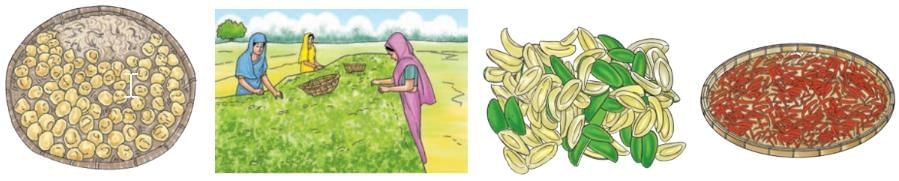
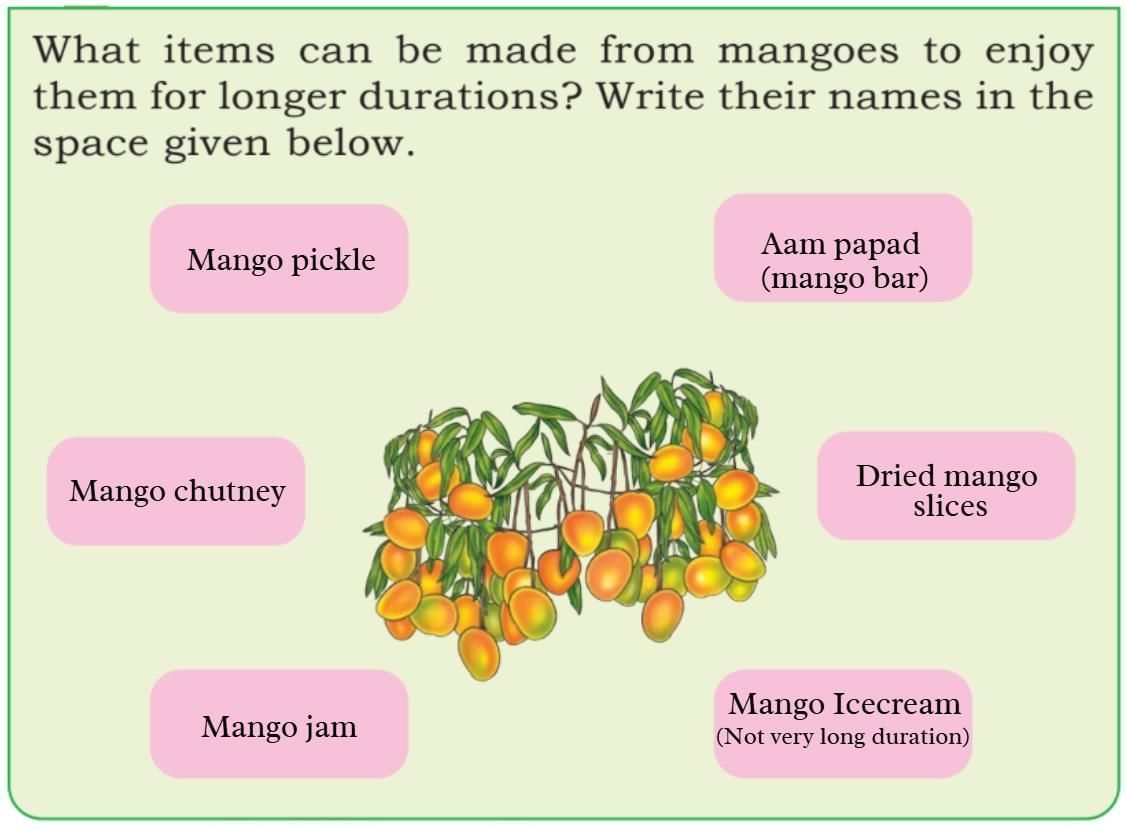
Q. What other things are dried so that they remain unspoilt throughout the year? Answer: Items that are dried to keep them unspoilt include:
Grains (rice, wheat)
Lentils (dal)
Dry fruits (raisins, dates)
Spices (red chillies, turmeric)
Fish and meat (in some places)
Activity 1
Page No. 45
Activity 2
Discuss
Q. What would happen to this pickle if no oil had been added? Answer: If no oil had been added, air would get inside the jar. Microbes would grow quickly, and the pickle would spoil fast. Oil makes a layer that keeps air out and protects the pickle.
Page No. 46
Activity 3
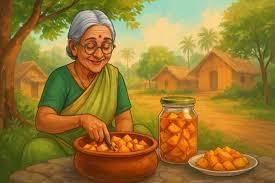
Q. Find out about food preservation practices in your family by asking the elders at home. Write at least one such practice. Answer: My grandmother makes lemon pickle and covers it with oil so it lasts for many months. We also dry coriander leaves or mint to use them later. Sometimes, my mother keeps extra cooked food in the fridge to protect it from spoiling.
Page No. 48
Think
Q. Did you ever have an upset stomach, vomiting or indigestion? Did you use any home remedies? Write about the home remedy given to you. Have your parents given you curd or some product like buttermilk made from it, for an upset stomach? Answer: Yes, when I had indigestion, my mother gave me curd and asked me to drink buttermilk. It helped my stomach feel better. Eating plain rice with curd also helps.
Page 49
Activity 4
Q. Do you ever accompany your elders for buying vegetables and fruits? During such visits, observe how elders select fruits and vegetables in the market. Write one thing that you learnt from your shopping trip and write it as a Finding #9, the way Disha would write. Answer: Finding #9: My grandmother gently presses the fruit to see if it is fresh and firm. She checks the colour and smell. She does not buy very soft fruits or those that have spots or look dull.
Page No. 50
Write
Q. Name three seasonal fruits or vegetables of your region. For example, amla in winter and jamun in summer. Answer: (Any three are enough; the answer depends on your region)
Watermelon (Summer)
Orange (Winter)
Mango (Summer)
Peas (Winter)
Litchi (Summer)
Grapes (Winter)
Activity 5
Page No. 53
Write
Q. How can you avoid choking? Answer: To avoid choking, we should:
Take small bites
Chew food properly before swallowing
Do not talk or laugh when eating
Eat slowly and do not be in a hurry
Page No. 53-54
Let us reflect
1. Why do some food items last for weeks and others spoil in just a few days? Answer:
Some foods last longer because they lack moisture or are kept in ways that prevent air and moisture from reaching microbes.
For instance, pickles in oil, dried foods, and foods stored in the refrigerator tend to have a longer shelf life.
Foods that contain water, are kept in warm temperatures, and are exposed to air spoil quickly.
This is because microbes grow rapidly in conditions that are warm and moist.
2. You are going on a field trip for two days. List five food items you will carry. How will you keep them from getting spoiled? Answer: If I am going on a trip, I will carry these food items:
Dry snacks like biscuits and nuts (packed in airtight containers to keep air and moisture away).
Dried fruits or chips (because they have less water).
Fresh fruits that last longer, such as apples or bananas (keep them in a cool place).
A sandwich wrapped in cling film or kept in a lunchbox.
Bottled water or juice (sealed to avoid contamination)
To keep them from spoiling, I will keep them in airtight containers and avoid keeping them in the sun or warm places.
3. What if food cannot be preserved? Imagine a world without food preservation and discuss the consequences. Answer: If food cannot be preserved, it will spoil quickly and go to waste. The consequences of a world without food preservation:
People would have to eat food immediately after it is harvested or cooked.
There would be a shortage of food, especially during off-seasons, and long-distance transport of food would be difficult.
This would cause hunger and malnutrition since fresh food will not be available throughout the year.
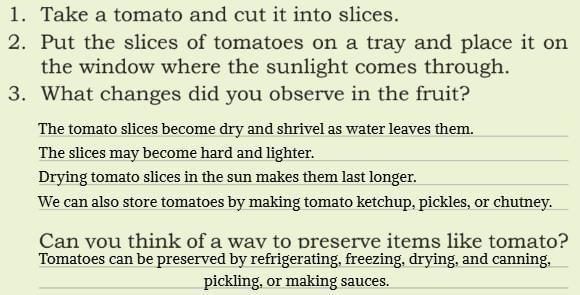
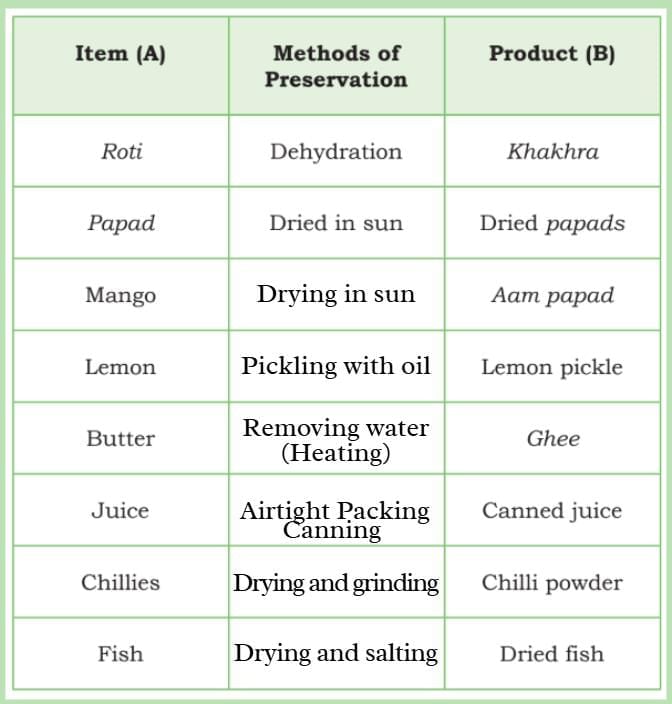
4. Match the following: Which method is used to preserve the following food items (A) to make the final product (B). Answer:
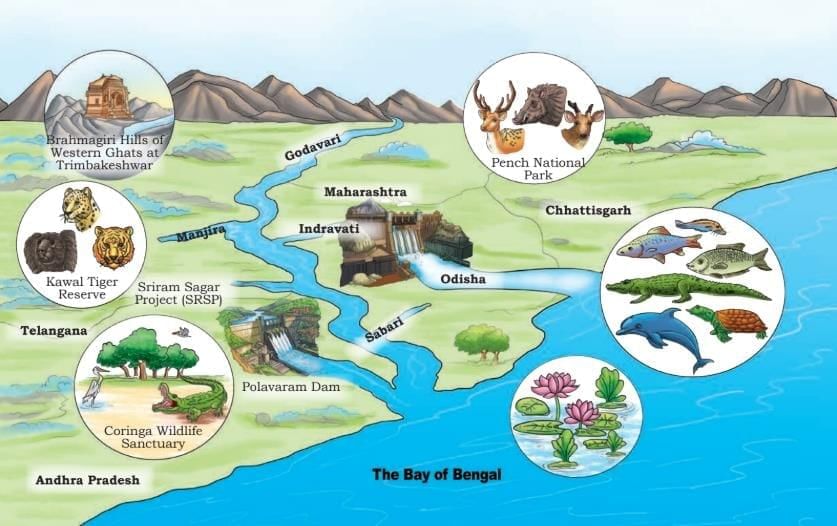
Look at the image given below and answer the following.
1. Name the states that Godavari flows through. Answer: Maharashtra, Telangana, Chhattisgarh, Andhra Pradesh, Odisha.
2. Name a dam and a wildlife sanctuary along the length of Godavari. Answer: Dam: Polavaram Dam (Andhra Pradesh), Sriram Sagar Project (SRSP, Telangana) Wildlife Sanctuary: Kawal Tiger Reserve (Telangana), Coringa Wildlife Sanctuary (Andhra Pradesh)
3. Which other small rivers join Godavari in its journey? Answer: Manjira, Indravati, Sabari.
Page No. 25
Q. List three ways in which people are dependent on the river Godavari. Answer: 1. The river gives drinking water to people in towns and villages. 2. It provides water for growing crops in fields. 3. It helps people earn a livelihood through fishing, farming, and even ecotourism.
Q. In which occupations are people engaged near the river Godavari? Answer: Farmers, fishermen, factory workers, boatmen, traders, and people working in ecotourism (like guides or in lodges).
Page No. 26
Q. Which crops do you see growing near the Godavari? Answer: Mainly rice (paddy), sugarcane, and banana.
Q. Which crops grow in your region? Where does the water for irrigation come from? Answer: (Sample answer—you fill your own): In my region, I see wheat and cotton growing. The water comes from a nearby river and canals.
Activity 1
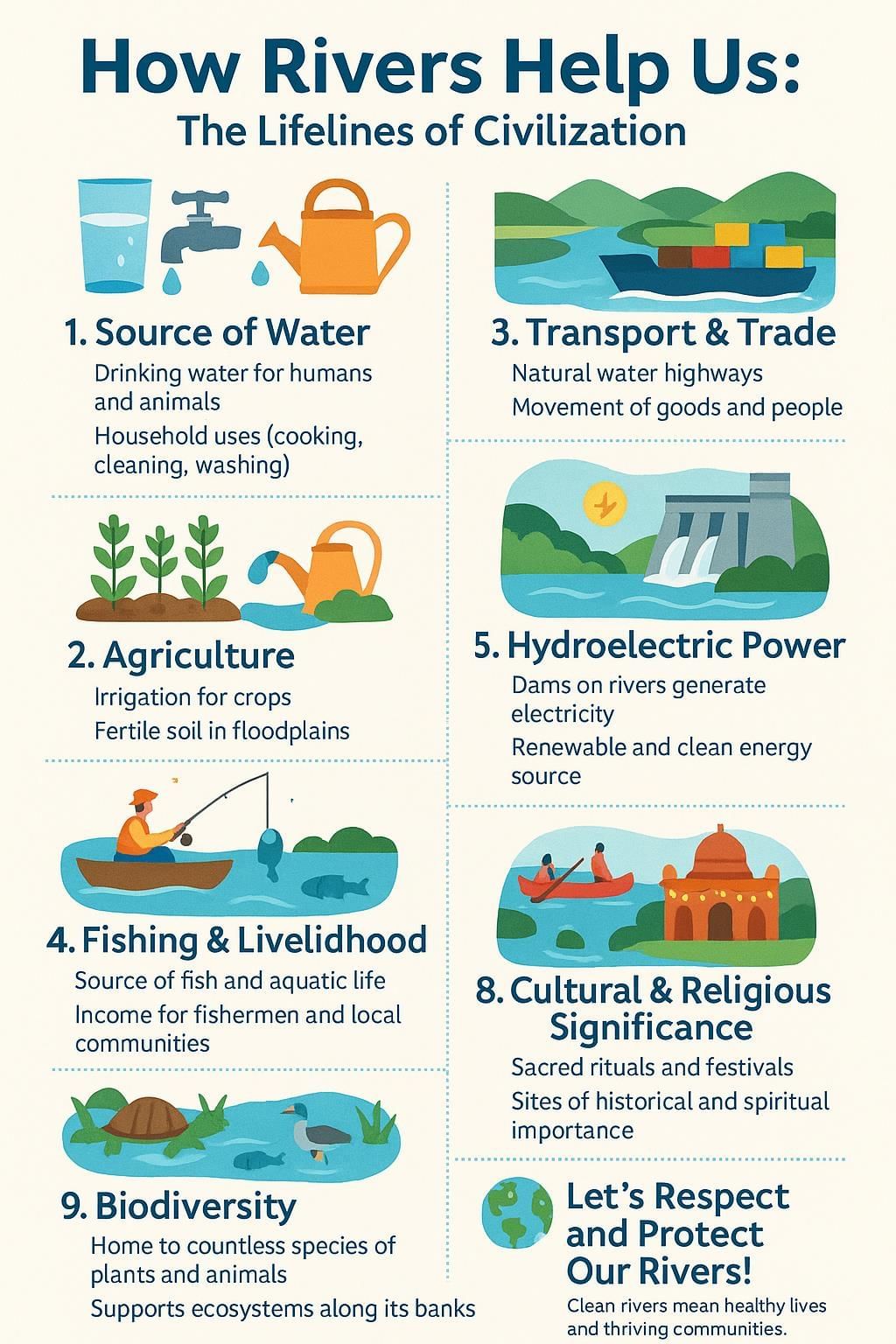
Make a poster in your classroom showing all the ways rivers help people. Include drawings of homes, farms, boats, fishermen and more.
Page No. 27
Write
Q. What problems can arise after a dam is built? How can they be solved? Problems:
The land where people and animals live may get flooded.
Forests and wildlife habitats are lost.
People may have to shift homes.
Solutions:
The government should help people find new places to live.
Plant trees and create new homes for animals.
Build dams only after proper study to reduce harm.
Page No. 28
Write
Q. Where do the plastic wrappers and bags that we litter end up? Answer: They often reach rivers and water bodies, either by wind, rain, or through drains. This can pollute water and harm animals that live in and near water.
Q. What kinds of soaps, shampoos or floor cleaners are used in your home? Where does the unclean water go? Answer: We use ready-made soaps, shampoos, and cleaners. The dirty water from cleaning goes down the drain. If it is not cleaned at a treatment plant, it may end up in rivers, harming their water quality and the life inside them.
Discuss
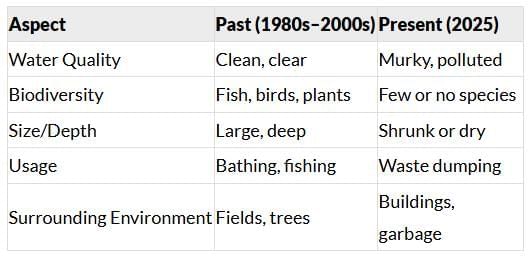
Q. Ask your parents or elders about the condition of water bodies near your home when they were your age. What is the status of those water bodies today? Answer: Conduct the Interview: Ask your parents or elders specific questions about a named water body (e.g., “Ram Talab” near your home) from their childhood. Example questions:
Was the water clean enough to see fish or plants?
What animals or birds did you see?
How was the water body used back then?
Visit or Research the Water Body: Observe its current state or gather information (e.g., through local knowledge or news). Note water clarity, presence of life, size, and usage. Fill the Table (Example Format):
Analyse Changes: Discuss why the water body changed (e.g., pollution, urbanisation), linking to concepts like human impact on the environment.
Page No. 29
Activity 2
Q. List things thrown into the waste bin at home/school. If thrown into a river/pond, how would each harm animals/plants/people? Answer: List of things:
Plastic bags: Can choke and kill fish or birds.
Food waste: Makes water dirty, attracts pests, and can rot.
Broken glass: Can injure animals or people stepping on it.
Old batteries: Release harmful chemicals, poisoning water and living things.
Paper: Can dirty and block water flow.
Clothes: Can tangle and trap fish or birds.
All these can make water unsafe for drinking and harm the river’s life.
Activity 3
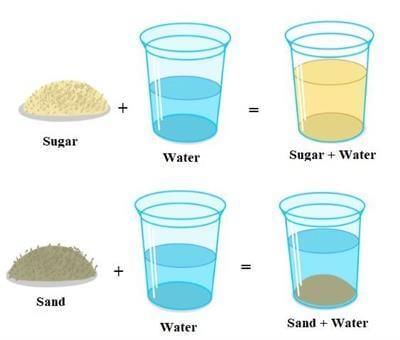
Q. Take two clear glasses of water. Add a spoonful of sugar in one and a spoonful of cooking oil in the other. Stir both well and observe. What do you observe? Which one appears clear? Answer: Dissolve in water: sugar, salt, lemon juice. Do not dissolve in water: oil, sand, plastic bits, small stones.
Page No. 30
Activity 4
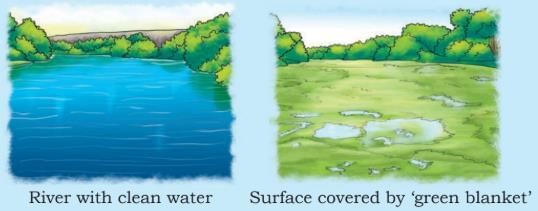
Q. Which river looks healthy and why? What happens when too many plants grow (like a “green blanket”) in a river?
Answer: A river with clean, clear water and fish swimming is healthy because living things can survive there. – Too many plants use up oxygen in the water, making it hard for fish and other animals to breathe. It also blocks sunlight and makes water unsafe for humans.
Page No. 31
Write Q. Three things you can do to protect the water bodies near you: Answer: 1. Never throw plastic, garbage, or chemicals into drains or rivers. 2. Use eco-friendly cleaners and soaps to reduce pollution. 3. Join or start community clean-up efforts for local ponds, lakes, or streams.
Page No. 32
Activity 5
Page No. 33
Activity 6
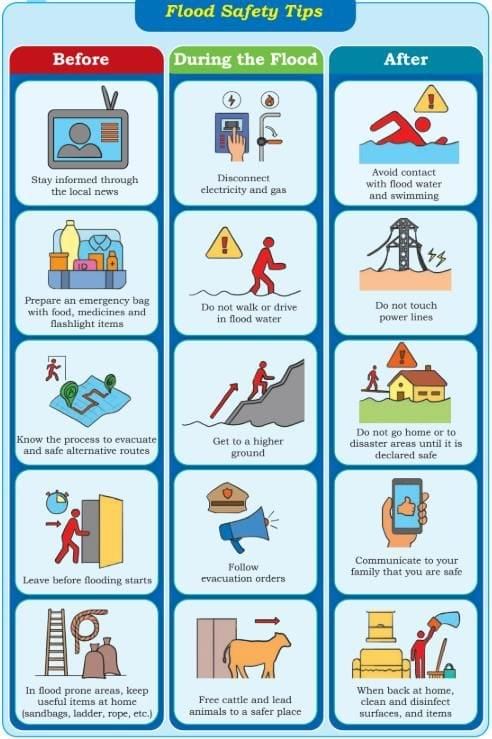
In the time of floods, use these safety tips :
Page No. 34
Discuss
You are the village/city leader. What actions will you take
Build and protect flood barriers and drainage to prevent flooding.
Raise awareness and help the elderly and disabled during floods.
Keep animals safe and sheltered.
Regularly clean drains and riverbanks.
Page No. 35
Q1. What would you do if there was no water in your home for a day or a week? Answer: For a day: Use stored water, ration carefully, maybe borrow from neighbours.
Q2. What if there was no water for a week? How would you bathe, drink, cook or clean? Where would you go to find water? Answer: For a week: Go to public taps, tankers, or relatives. Use water only for essentials. Save rainwater if possible. May have to move if no water at all.
Page No. 37
LET US REFLECT
1. Find out which river(s) flow through your state. (a) What are they used for? (b) Are there any dams on them? Answer: (a) Rivers in a state are commonly used for drinking water.
They are also important for irrigating farms, which helps in growing crops.
Fishing is another activity that relies on rivers for providing food.
Sometimes, rivers are used for transportation, helping move goods and people.
Additionally, rivers can play a role in industry, offering water for various processes.
(b) Many rivers have dams built on them to:
Store water for use during the dry season.
Assist with irrigation for farming.
Generate electricity for homes and businesses.
Supply water to nearby towns and cities.
2. Ask your grandparents or parents to share any story or festival related to rivers in your region and present it in the class. Answer: Many places have unique festivals by rivers that honour the significance of water.
For instance, the Godavari Pushkaram festival, which takes place near the Godavari River, is a time when people gather to bathe in the river’s sacred waters.
Your grandparents or older family members might tell you stories about how rivers were a part of their everyday lives.
They may also share tales of important religious events that were connected to rivers.
3. Ask an elder in your family: (a) What was the condition of rivers when you were a child? (b) What has changed since then? Answer: (a) Rivers were likely cleaner and fuller when more water was flowing through them. People relied heavily on rivers for their daily needs.
(b) Rivers today may be more polluted with plastic waste, sewage, and chemicals. Urbanisation and less care might have reduced water flow or cleanliness.
4. Why do you think people built houses and cities near rivers in the past? Are rivers still important today in the same way? Answer: Rivers have historically provided essential resources such as drinking water, irrigation for farming, cleaning, and fishing.
Because of these resources, many people chose to live near rivers for easy access to these vital needs.
In the present day, rivers continue to be crucial for supplying water, aiding in agriculture, and supporting various forms of wildlife.
However, it is now important to protect rivers from pollution and overuse to ensure they remain healthy and usable for future generations.
5. If you could create one new rule to protect rivers in your city or village, what would it be? Answer: If I could create one rule to protect rivers, i would be to keep it clean by doing the following:
No dumping of plastic or garbage in rivers.
Planting more trees near riverbanks.
Using eco-friendly products to reduce pollution.
Fixing sewage and waste treatment systems to keep the river water clean.
6. Think about a time when you wasted water. What could you have done differently? Answer: Things I could have done differently:
Turning off the tap while brushing teeth.
Using a bucket instead of a hose to water plants.
Fixing a leaking tap.
Reusing water after washing fruits or vegetables for watering plants.
7. Can you design a simple water filter using everyday materials? What would you include and why? Answer: A simple water filter can have different layers, including sand, small stones, grated charcoal, and cloth.
Sand is used to filter out dirt and tiny particles from the water.
Charcoal helps to remove bad smells and some harmful chemicals.
Small stones provide support for the other layers of the filter.
Cloth acts as a barrier to catch bigger particles before the water passes through.
Together, these materials work to make dirty water cleaner and safer for use.
8. Imagine you are planning a new city near a river. What steps would you take to: (a) Keep the river clean (b) Prevent floods during heavy rains (c) Ensure there is always enough water for everyone, even during summer Answer: (a) Keep the river clean
Build proper sewage and waste treatment plants.
Prevent the dumping of garbage in rivers and other places.
Plant trees along riverbanks to help protect the environment.
Create awareness programs to educate people about saving rivers.
(b) Prevent floods during heavy rains
Planting trees helps absorb rainwater, which is beneficial for the environment.
It’s important to build safe flood barriers to protect areas from flooding.
Avoid constructing homes too close to rivers to reduce the risk of flood damage.
Creating soak pits and ponds can effectively soak up excess rainwater.
(c) Ensure there is always enough water for everyone, even during summer
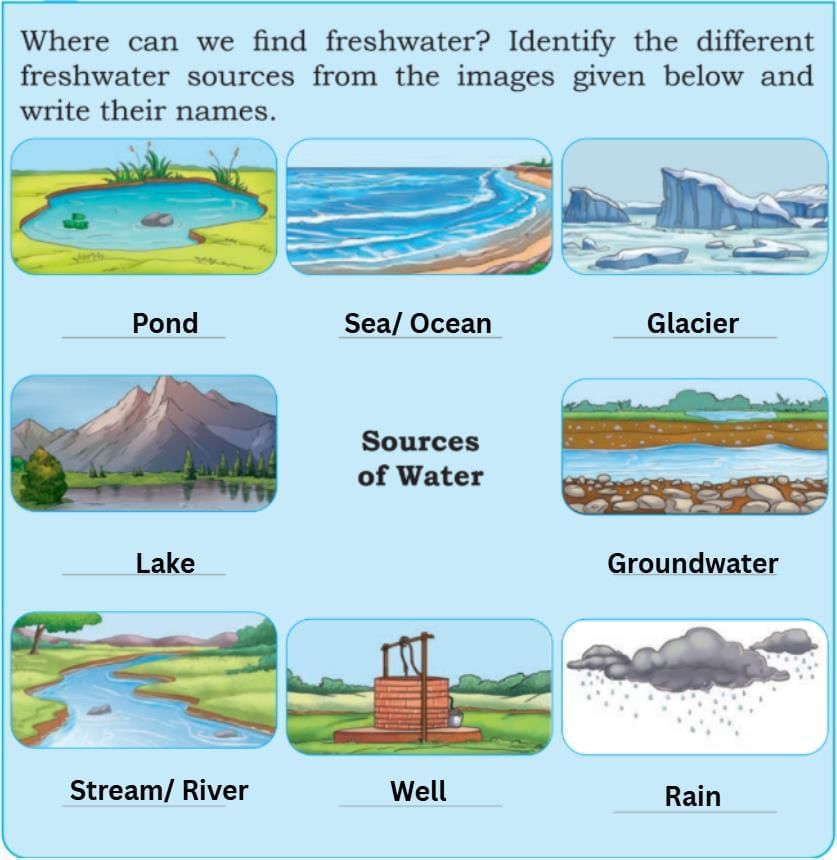
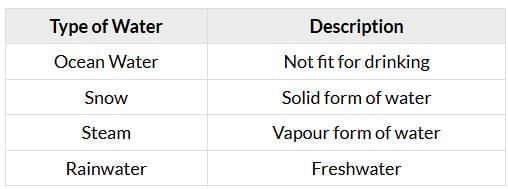
Page No. 4/5. Discuss. Q. Do you think we can drink the water present in the oceans? Answer: No, we cannot drink ocean water because it is salty. Drinking salty water can be harmful to our bodies as it does not quench thirst and can make us sick.
Q. What can ocean water be used for? Answer: Ocean water can be used to extract salt in salt pans (for example, in Gujarat). It is also used for some industrial purposes and supports marine life and shipping.
Activity 1
Page No. 6
Activity 2
(a) Where do these water droplets come from? They come from water vapours in the air, which cools down and condenses on the cold surface of the glass.
(b) What happens to ice cubes after some time? The ice cubes melt and turn into water.
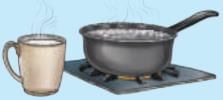
(c) If we heat water, what will happen to it? If we heat water, it will turn into steam (water vapour).
Q. In the above activity, what forms of water do you see? Answer: Solid Form – Ice Liquid form -Water Gaseous form- Vapours
Observing Changes
Page No. 7
Activity 3: Demonstrating the Water Cycle
Take a transparent plastic bag.
Use a marker to draw the sun, clouds, arrows, and trees on it.
Fill one-third of the bag with coloured water and seal it shut.
Place the bag in sunlight and observe changes inside over time.
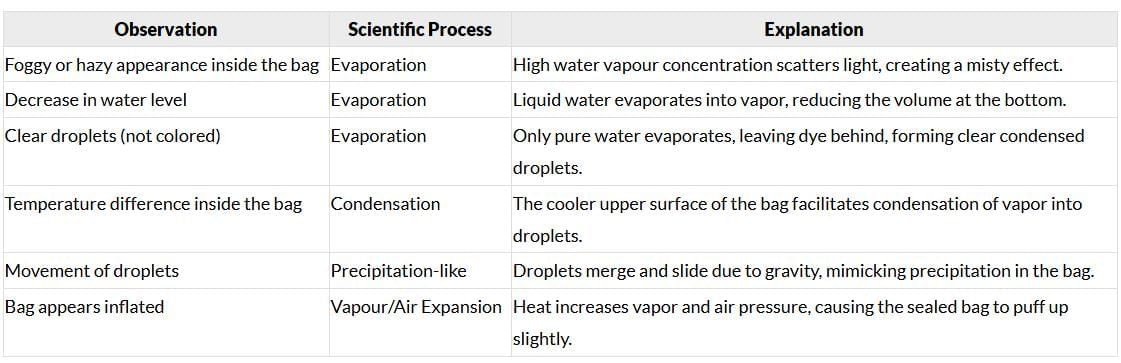
Notice evaporation, condensation, and precipitation happening inside the bag.
This activity shows how the water cycle operates in nature.
Answer:
Other Observations can be:
Page No. 9
Activity 4
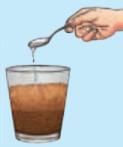
Take a transparent glass.
Fill half of it with soil.
Slowly pour water into the soil using a spoon.
Observe what happens.
Answer:
When you pour water onto the soil in the glass, it soaks down.
This shows how, in nature, rainwater soaks through soil and gets stored underground as groundwater, which can be drawn out by wells and handpumps.
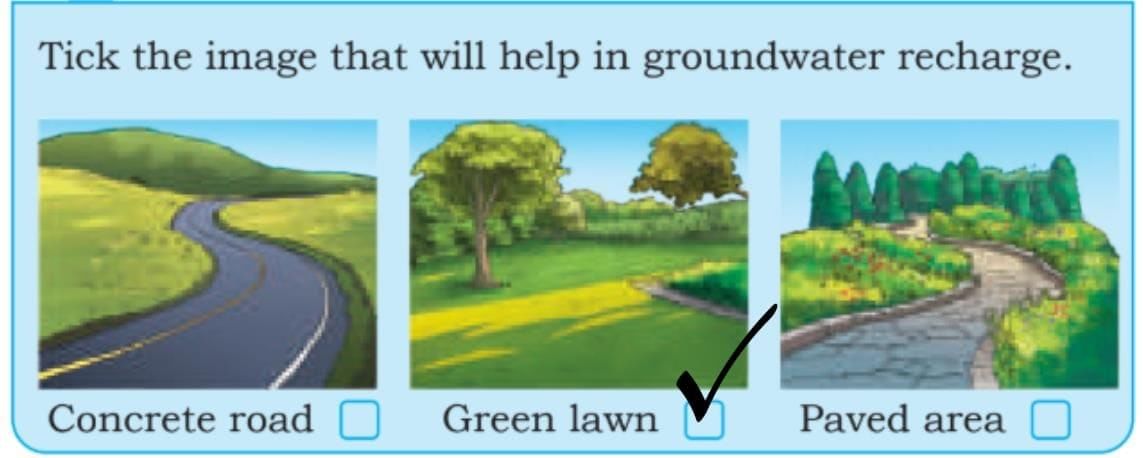
Activity 5
Explanation: The green lawn is the surface that allows rainwater to seep into the ground and helps recharge groundwater. Concrete roads and paved areas do not let water seep in.
Page No. 10
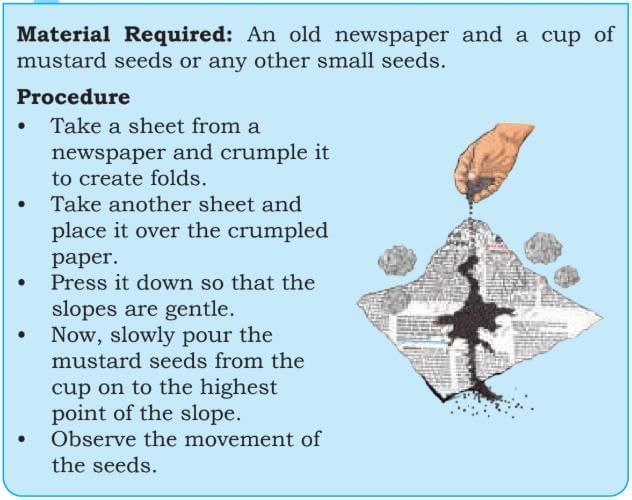
Activity 6
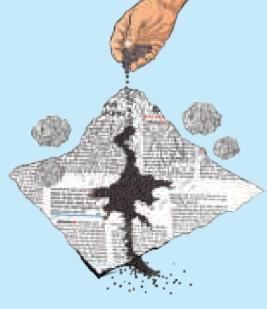
1. What did you observe about the mustard seeds? Answer: The mustard seeds roll down according to the slope of the paper (like water flows downhill).
2. Are they moving in a straight line, or do they spread out in different directions? Answer: They do not move in a straight line but spread out in different directions.
3. Are they collecting in some areas? Do they gather like water gathers in lakes, rivers and so on? Answer: The seeds gather in places where there are dips or valleys, just like water collects in lakes, ponds, or river basins.
Discuss
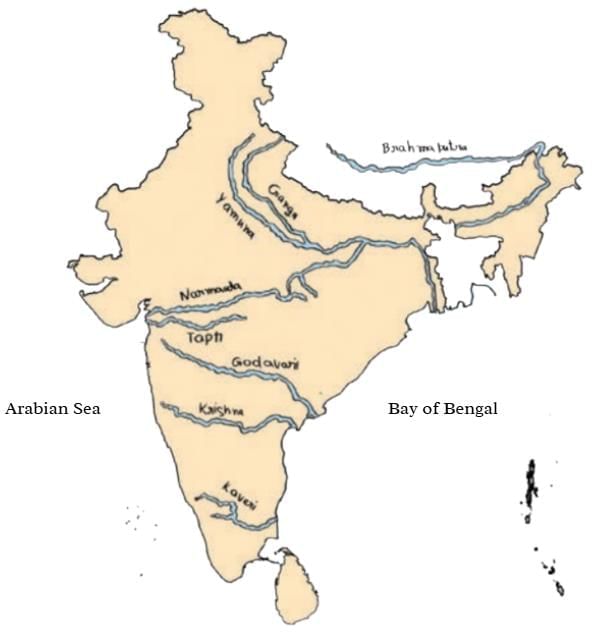
Q. Based on Activity 6 with mustard seeds, discuss how some rivers flow towards the Arabian Sea while some flow towards the Bay of Bengal. Answer:
The flow of rivers is influenced by the shape of the land and its slope.
Rivers that begin in the western regions, such as the Narmada, move towards the Arabian Sea.
Rivers that start in the north and east, like the Ganga and Godavari, flow towards the Bay of Bengal.
The path of water is determined by various landforms such as mountains, valleys, and slopes.
Each river chooses the route with the lowest slope and eventually flows into seas or marshes.
An example is the Luni, which does not reach the sea but instead ends in the marshes of the Rann of Kutch.
Page No. 13
Activity 7
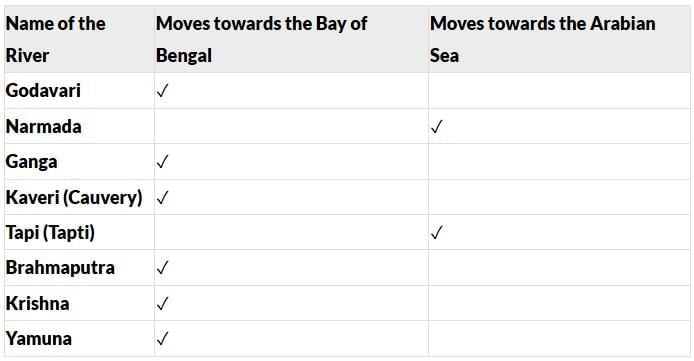
Follow the Flow! In the map, you can see the rivers flowing in different directions. Some flow into the Bay of Bengal and some into the Arabian Sea.
Observe and fill in the table.
Page No. 15
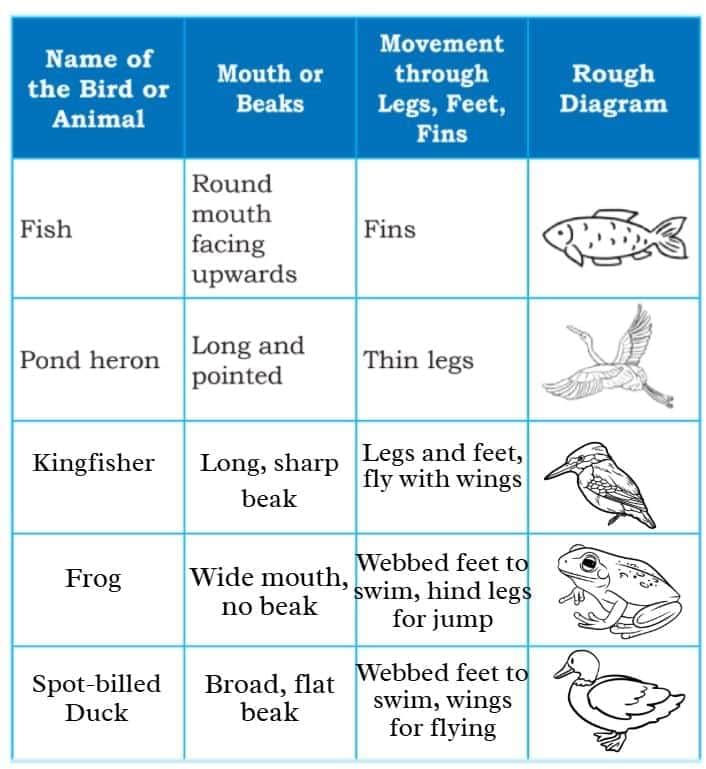
Q. Discuss the characteristics of animals on land and animals in water. Answer:
Page No. 17-18
Activity 8
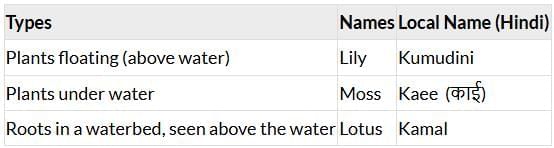
Visit a local water body like a pond, lake or aquarium with your teacher or parents, and observe life in and around the water body. 1. Based on your observations, complete the following table.
2. Draw the plants that you saw during the visit and label them with their local name.
Activity 9
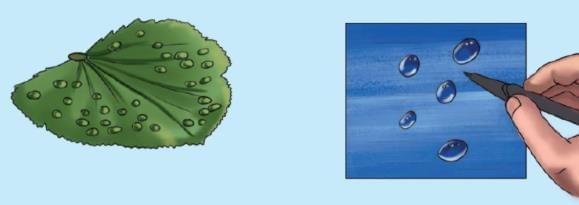
1. Take a piece of paper and put a drop of water on it. Observe. 2. Colour the paper with a wax crayon. Now, put a drop of water on it. Do you observe any change?
Answer: Observation.
On plain paper, water soaks in and spreads out.
On wax crayon paper, the water forms a bead and rolls off, as the surface is waterproof.
This is similar to the waxy coating on leaves, which keeps excess water from entering the plant.
Page No. 19
Activity 10
Who Eats Whom?—A River Food Chain Game
Distribute slips of paper to students. Each student writes what they choose to be (for example, small fish, big fish, frog, bird, human, crocodile, otter, etc.)
Ask the students to think about what they eat, and who eats it.
Use a string to connect the students who depend on each other for food.
Discuss what would happen if one animal disappears (for example, what if all the fish are gone?).
Answer: Example of a river food chain:
Plants in water → Small fish → Bigger fish → Bird (like kingfisher) → Human
If all small fish disappear, bigger fish and birds will not get food, breaking the chain.
Every link is important for the balance of the river ecosystem.
Page No. 20
Let us reflect
1. Match the following: Answer:
2. Why do you think most of the water on Earth cannot be used for drinking or farming? Answer:
Most of the water on Earth is in oceans and seas, and this water is salty.
Saltwater cannot be drunk by humans or animals and is not useful for watering crops because the salt harms plants.
Only a small part of the Earth’s water is freshwater found in rivers, lakes, rain, and underground, which we can use for drinking, farming, and other daily needs.
3. A large number of living beings live near water bodies. Why? Answer:
Water bodies such as ponds, lakes, rivers, and wetlands are vital for many living things.
These areas provide animals and plants with the necessary water for their survival.
They offer not just water, but also food, shelter, and a suitable environment for various creatures.
Freshwater is crucial for life, making it essential for many species to live near water sources.
Animals and plants depend on these water bodies to drink, eat, and find a safe place to thrive.
4. What would happen if it did not rain in your region for two years? Answer: If there was no rain for two years:
Rivers, ponds, and lakes might dry up.
The groundwater level would fall since it would not be replenished by rainwater.
Crops and plants would not get water and may die, causing problems for farmers and animals that depend on plants for food.
People might face water shortages for drinking and daily use, leading to hardships and possibly drought conditions.
5. What do you think happens to rainwater in a forest compared to a city? Answer: In a forest, the soil is loose and filled with trees and plants.
This environment allows rainwater to easily soak into the ground.
When rainwater seeps into the soil, it helps to refill the underground water supply, also known as groundwater.
This process is important as it keeps rivers and ponds full of water.
In many cities, a lot of roads and yards are covered with cement or concrete.
This covering prevents rainwater from soaking into the soil.
Instead of being absorbed, water quickly flows away through drains.
Because the water does not go back into the ground, it is hard for groundwater levels to rise.
Sometimes, this situation can lead to water shortages.
6. Can you design a house or school that conserves water wisely? What would it include? Answer: A house or school that saves water can include:
Rainwater harvesting systems collect and store rainwater for future use.
Soak pits or gardens to help water soak into the ground and recharge groundwater.
Water-saving taps, toilets, and faucets that prevent wastage.
Use of water tanks to store and reuse water.
Awareness posters or programs encouraging everyone to use water carefully and not waste it.
Planting many trees and plants around to keep the soil healthy and allow water to soak in.
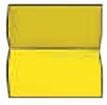
7. Let us make a fish by folding a piece of paper. Answer: (This is a fun craft activity to make a fish by folding paper following step-by-step instructions. It helps understand the shapes and parts of a fish and connects with studying life in water.)
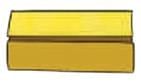
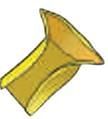
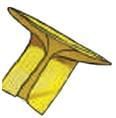
Step 1: Take a rectangular strip of paper and fold it in half from top to bottom (horizontally), pressing the crease well. Step 2: Unfold and now fold both the top and bottom edges towards the centre crease, creating two flaps. Press the folds neatly.Step 3: Hold both ends of the strip and bring them together downward, so the strip forms a “V” shape (it looks like a folded tunnel from the edge).
Step 4: Continue holding the shape and squeeze the folded ends so that they shift and one edge stands vertically. This forms a fish with a body and a tail.
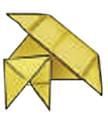
Step 5: Fold out the two ends (the tail fins) to form a triangle on either side at the tail. The fish now looks more three-dimensional.
Step 6: Draw an eye and some scales on the head part. Your paper fish is now ready!
You can decorate your paper fish however you like! If you want the exact illustrations from the book, you can request help from your teacher. This simple origami craft is easy, fun, and needs only a square piece of paper.
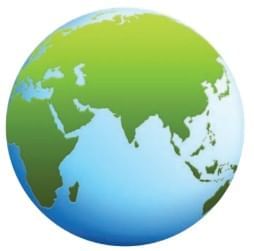
Group Captain Shubhanshu Shukla, India’s first man on the International Space Station, said the Earth looks connected and shared.
He told the then-Prime Minister that from space, Earth looks like one big home with no visible borders or countries.
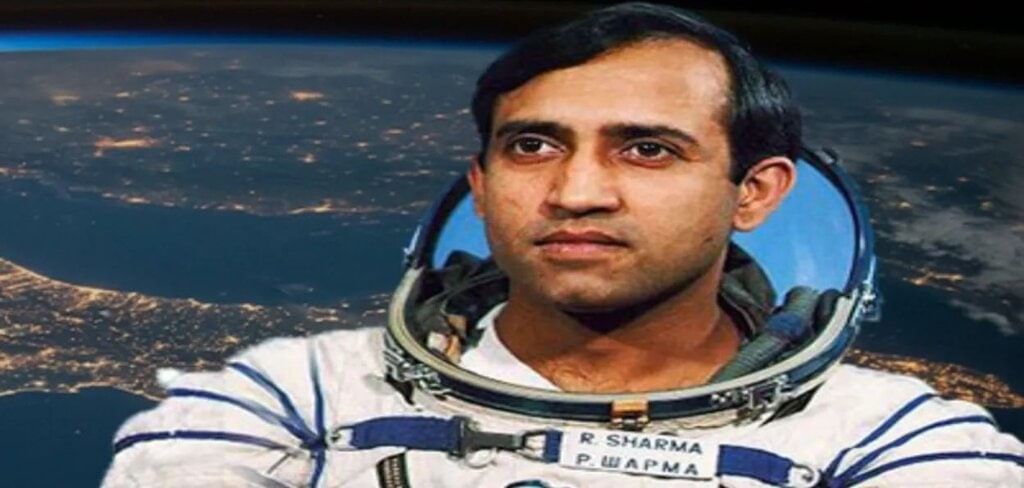
Do you know? Wing Commander Rakesh Sharma, the first Indian in space, said India looked “Saare Jahaan Se Achcha” (the best in the world) from space.
From space, the Earth looks tiny, and small details like cities and villages are not visible.
The shape of land and sea is visible, but no political boundaries.
Do you know? DIGIPIN acts as a digital address, assigning a unique 10-character code to every small spot in India, like a name tag for your home or school. It helps postmen, ambulances, and delivery people locate you quickly, even in villages or cities.
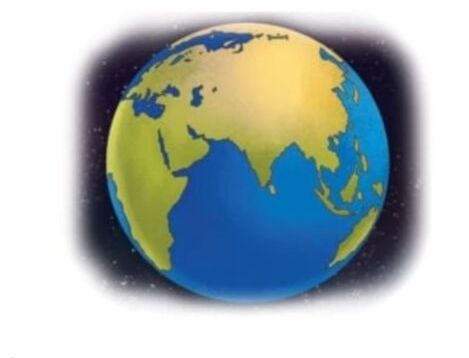
When we look at Earth from very high above, we can’t see any borders or lines between countries.
Nature doesn’t have boundaries—air, water, clouds, seeds, and animals can move freely across the world.
People all over the world are connected in many ways.
Just like people in India share mangoes, rivers, and festivals, people across the world also share many things.
The clothes we wear, the food we eat, and even the toys we play with might come from different countries.
People share ideas, music, stories, food, and inventions.
We are all connected through nature, trade (buying and selling), travel, and how we take care of our Earth.
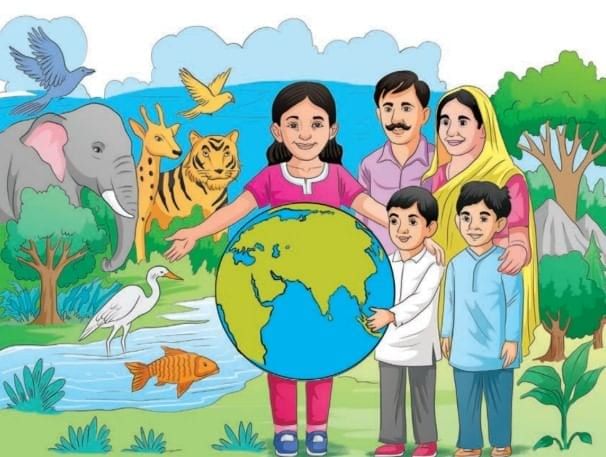
Earth is one big home for everyone!
Try yourself:
What does Earth look like from space according to Group Captain Shubhanshu Shukla?
A.Like a big home
B.Like a puzzle
C.Like a garden
D.Like a tiny dot
View Solution
Story 1: The Travelling Birds
Have you ever seen pink and black birds flying in groups?
Rosy starlings, pink and black birds, fly in large groups and migrate thousands of kilometres from southern Russia, Mongolia, and nearby countries to India every winter.
They thrive in India’s warm weather and feed on locusts and grasshoppers, aiding farmers by controlling crop pests.
It’s amazing that such small birds can travel so far and provide such helpful benefits.
When animals move freely and safely across the world, it highlights the deep connection of nature across the globe.
Story 2: Yoga — India’s Gift to the World
Can you believe an ancient Indian practice like yoga makes you strong, happy, and is now followed everywhere around the world?
Since ancient times, people in India have practised yoga to keep their bodies healthy and their minds peaceful, living in harmony with themselves and nature.
Yoga has been practised in India for more than 3,000 years.
Over time, travellers, scholars, and teachers from India shared yoga with the world, and slowly, people in other countries began to learn and practice it.
Yoga is practised in almost every country.
Do you know? Isn’t it amazing that the United Nations declared 21 June as the International Day of Yoga in 2014, with millions worldwide joining in a practice that began in India?
Try yourself:What is yoga recognized as?
A.A sport
B.A dance
C.A practice as gift
D.A food
View Solution
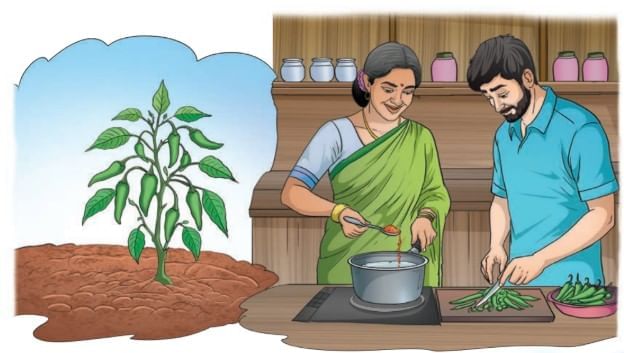
Story 3: Chilli — A Spice That Changed Our Lives!
Wonder where the chillies we grow come from?
They originally are from South America, brought to India by Portuguese travellers 400 to 500 years ago!
Chillies adapted to new soil and climate, becoming a staple in Indian kitchens.
People in India loved chillies so much that they’re now essential to our food, replacing black pepper as a spice.
The chilli’s journey shows how plants from distant lands can become part of new cultures and cuisines.
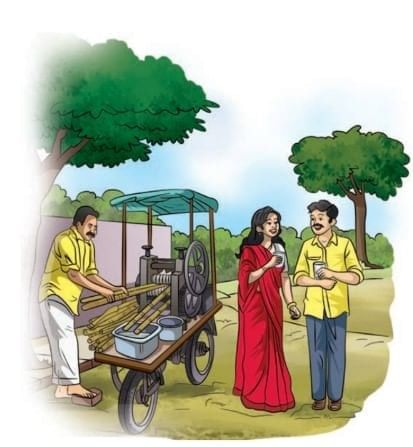
Story 4: The Sweet Story of Sugar!
Just as chillies travelled to India, sugar journeyed from India to other parts of the world.
People worldwide didn’t know sugar, using honey and other natural sweeteners instead.
In India, the method of making jaggery from sugarcane juice was first discovered, later evolving into sugar production.
This knowledge spread globally through trade and travel.
Did you know rice, mangoes, and bananas from India also reached other lands, now enjoyed worldwide, with their journey starting here?
Our meals are like world travellers, carrying stories and flavours, showing how deeply connected we all are.
Try yourself:
What is the main topic of ‘The Sweet Story of Sugar’?
A.Recipes with sugar
B.Health effects of sugar
C.Sugar production
D.The history of sugar
View SolutionStory 5: Mexican Marigold in India
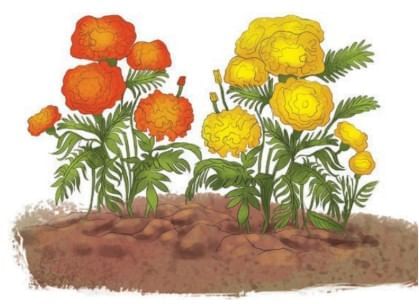
Did you know the marigold flower originally comes from Mexico?
In Mexico, marigolds are special flowers used during festivals and celebrations.
Over time, the marigold travelled across the world and reached India.
People in India loved the flower—maybe because of its bright orange and yellow colours that felt warm, joyful, and full of spirit.
Marigolds are used everywhere in India—in temples, homes, weddings, and during festivals like Diwali.
It is amazing how a flower from far away became such a big part of Indian celebrations.
Story 6: Indian Cows in Brazil
A long time ago, Portuguese traders took some Indian cows to Brazil.
These cows were strong, gave lots of milk, and were comfortable in Brazil’s weather.
Slowly, their numbers grew and they became very important in Brazil.
Today, most of Brazil’s milk comes from three Indian cow breeds: Gir, Kankrej, and Ongole.
These cows are so special in Brazil that their pictures are on stamps and coins!
It is so cool how Indian cows became stars in a country far away.
Try yourself:
What is the main topic of Story 6?
A.Cow breeds
B.Animal care
C.Brazilian farms
D.Indian cows
View Solution
Web of Life
These stories are about people, journeys, and sharing.
Despite differences in language or culture, we learn and inspire each other.
Birds flying, seeds growing, and yoga spreading show we are all connected.
Earth is a place where people, animals, plants, and ideas come together.
By caring for each other and the planet, we join this connection.
One Earth, One Family
A beautiful saying from ancient India— ‘Vasudhaiva Kutumbakam’, meaning ‘the world is one family.’
All people, animals, plants, and nature form one big family on Earth.
Where we learn to live with respect, care, and love for each other.
This is the teaching of ‘Vasudhaiva Kutumbakam’, which means “the world is one family.”
Earth is a very special planet—it’s the only one we know where people, animals, and plants can live.
For thousands of years, Earth has taken care of all living things.
But Earth needs care too!
When we take care of the Earth, we are also helping one another.
We must treat Earth as a precious gift—one we should protect for ourselves, for others, and for the future.
Do you know? The Ministry of Environment, Forest and Climate Change (MoEFCC) logo shows that humans and nature are connected and must live in harmony to care for each other.
. The result of a division operation is called the Quotient. For example, in 114 ÷ 8, the number 14 is the quotient.
Q3:Which of the following statements is true about dividing a number by itself?
(a) The result is the number itself. (b) The result is always 1. (c) The result is zero. (d)The result is the dividend.
Ans:(b) The result is always 1 When a number is divided by itself (except zero), the result is always 1. For instance, 8÷8 = 1.
Q4:What happens when you divide zero by a non-zero number?
(a) The result is 1. (b) The result is 0. (c) The result is undefined. (d) The result is the divisor.
Ans:(b) The result is 0. When zero is divided by any non-zero number, the result is always 0. For example, 0÷5 = 0.
Q5:What is the remainder when 10 is divided by 3?
(a) 1 (b) 2 (c) 3 (d) 0
Ans:(a) 1 When 10 is divided by 3, the division gives a quotient of 3 and a remainder of 1. This is because 10 = (3×3) + 1.
Fill in the Blanks
Q1:The number left after division is called __________.
Ans: “Remainder”
Q2:When dividing a number by 1, the quotient is __________.
Ans: “The number itself”
Q3:The formula to verify division is __________.
Ans: “Divisor × Quotient + Remainder = Dividend”
Q4:The quotient of any number divided by itself is __________.
Ans: “1”
Q5: If you divide zero by a number, the result is __________.
Ans: “0”
True or False
Q1:Division by zero is defined.
Ans: “False” Division by zero is not defined because no number can be divided by zero in mathematics. It leads to an undefined result. Hence, the statement is False.
Q2:The remainder can be equal to the divisor.
Ans: “False” The remainder in a division operation is always less than the divisor. For example, in 10÷3, the remainder is 1, which is less than 3. Hence, the statement is False.
Q3:Division of a number by 1 always results in the number itself.
Ans: “True”
Q4:The quotient of any number divided by itself is always greater than one.
Ans: “False” When a number is divided by itself (except zero), the quotient is always 1. For instance, 5÷5=1, which is not greater than one. Hence, the statement is False.
Q5: To divide by 10, you remove the last digit. __________
Ans: “True”
Answer the following questions
Q1: I want to distribute Rs 3,600 among 8 persons. How many rupees will each person get? Ans: Total Rs. = 3600 To be distributed among = 8 persons 3600 ÷ 8 = 450 Rs. per person
Q2: In a division, divisor = 100, quotient = 25 and remainder = 75, find the dividend. Ans: Divisor = 100, Quotient = 25 and Remainder = 75 Dividend = Quotient x Divisor + Remainder. Dividend = 25 x 100 + 75 = 25075
Q3: In a division, remainder is always ______ than the divisor. Ans: The remainder is always less than the divisor. If the remainder is greater than the divisor, it means that the division is incomplete. It can be greater than or lesser than the quotient.
(i) 2,586 x ______ = 2,586 Ans: 2,586 x 1 = 2,586 (Identity Property: The product of any number with 1 is as same as the number itself.)
(ii) 624 x ______ = 38 x 624 Ans: 624 x 38 = 38 x 624 (Commutative property of multiplication is a math rule that says you can multiply numbers in any order, and the result will be the same.)
(iii) 600 x ______ = 0. Ans: 600 x 0 = 0 (Zero property of multiplication is a fundamental rule in mathematics that states that any number multiplied by zero is equal to zero.)
Q4: Round off the following numbers to the nearest tens
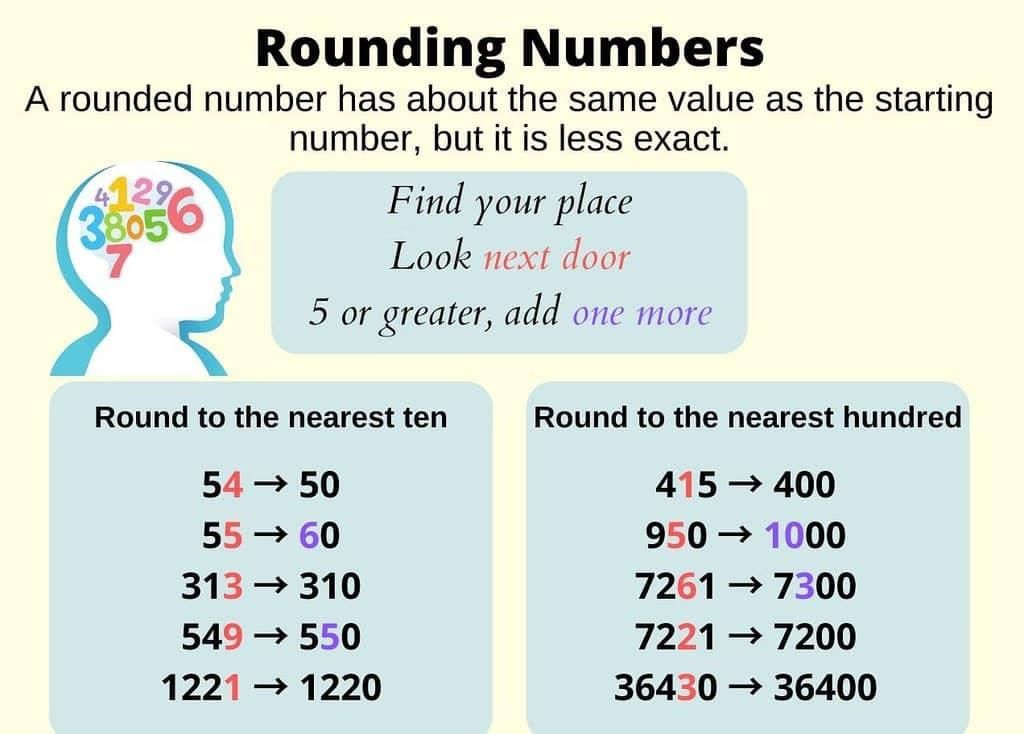
(i) 13,528 Ans: Here’s the general rule for rounding:
Number >= 5: If the number you are rounding is followed by 5, 6, 7, 8, or 9, round the number up. Example: 38 rounded to the nearest ten is 40.
Number < 5: If the number you are rounding is followed by 0, 1, 2, 3, or 4, round the number down. Example: 33 rounded to the nearest ten is 30.
Therefore, applying these rules, we get: 13,528 = 13,530
(ii) 3,542 Ans: Here’s the general rule for rounding:
Number >= 5: If the number you are rounding is followed by 5, 6, 7, 8, or 9, round the number up. Example: 38 rounded to the nearest ten is 40.
Number < 5: If the number you are rounding is followed by 0, 1, 2, 3, or 4, round the number down. Example: 33 rounded to the nearest ten is 30.
Therefore, applying these rules, we get: 3,542 = 3,540
(iii) 174 Ans: Here’s the general rule for rounding:
Number >= 5: If the number you are rounding is followed by 5, 6, 7, 8, or 9, round the number up. Example: 38 rounded to the nearest ten is 40.
Number < 5: If the number you are rounding is followed by 0, 1, 2, 3, or 4, round the number down. Example: 33 rounded to the nearest ten is 30.
Therefore, applying these rules, we get: 174 = 170
Q5: Estimate Products by rounding each number to the nearest Tens
(Find an approximate answer for each multiplication problem by rounding both numbers to the nearest tens place first, then multiplying the rounded numbers. (i) 52 x 43 Ans: Here’s the general rule for rounding:
Number >= 5: If the number you are rounding is followed by 5, 6, 7, 8, or 9, round the number up. Example: 38 rounded to the nearest ten is 40.
Number < 5: If the number you are rounding is followed by 0, 1, 2, 3, or 4, round the number down. Example: 33 rounded to the nearest ten is 30.
Therefore, applying these rules, we get: 52 x 43 = 50 x 40 = 2000
(ii) 63 x 52 Ans: Here’s the general rule for rounding:
Number >= 5: If the number you are rounding is followed by 5, 6, 7, 8, or 9, round the number up. Example: 38 rounded to the nearest ten is 40.
Number < 5: If the number you are rounding is followed by 0, 1, 2, 3, or 4, round the number down. Example: 33 rounded to the nearest ten is 30.
Therefore, applying these rules, we get: 63 x 52 = 60 x 50 = 3000
Q6: Answer the following Questions
(i) Calculate the product of the place values of the two 6s in the number 6,965.
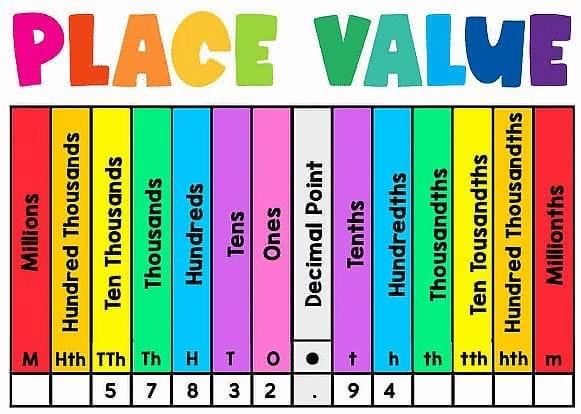
Ans: The place value of 1st 6 in 6,965 is at thousand’s place. => First place value of 6 = 6000 The place value of 2nd 6 in 6,965 is at ten’s place. => Second place value of 6 = 6000 Product of the place values of 6 in the number 6,965 = 6000 x 60 = 360000
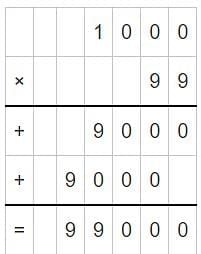
(ii) Find the product of the greatest 2-digit number and the smallest 4-digit number ______. Ans: Greatest 2-digit no. = 99 Smallest 4-digit no. = 1000 Therefore, the product of the greatest 2-digit number and the smallest 4-digit number = 1000 x 99 = 99000.
(iii) A transistor costs Rs. 1,642. Find the cost of 95 such transistors.
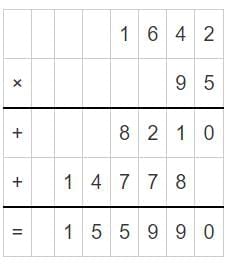
Ans: Cost of one Transistor = Rs 1,642 Total number of transistors = 95 Cost of 95 Transistors = 1642 x 95 = 155,990
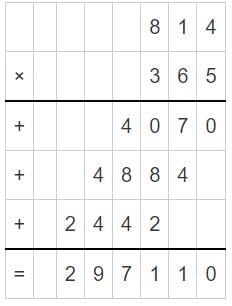
(iv) A candle factory produced 814 candles in a day. How many candles will this factory produce in a year?
Ans: A candle factory produces candles in a day = 814 Total number of days in a leap year = 365 Candles this factory will produce in one year = 814 x 365 = 2,97,110
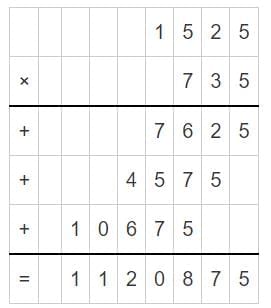
(v) A farmer produced 735 quintals of rice. He sold it at the rate of Rs 1525 per quintal. How much money did he get? Ans: A farmer produced rice = 735 quintals Cost per quintal = Rs. 1525 Money he got = 1525 x 735 = Rs. 1,120,875
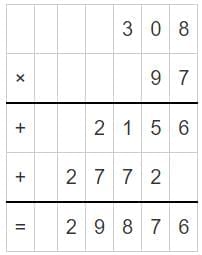
(vi) The cost of a pack of Ghee is Rs. 308 Find the cost of 97 such packs. Ans: The cost of 1 pack of Ghee = Rs. 308 Total number of packs = 97 Therefore, Total Cost of 97 packs of Ghee = 308 x 97 = 29,876
Q1: Answer the following questions: (i) Which month comes just after May? (ii) How much time does the minute hand take to go from one number to the next number? (iii) How many minutes are there in 1 hour?
Q2: Check if it is a leap year. (i) 2012 (ii) 2009
Q3: Draw the hands of the clocks to show the time: (i) 10:05 (ii) 5:15 (iii) 11:40 (iv) 1:40 (v) 4:45
Q4: Represent the times shown below on clocks: (i) 1:15 (ii) 10:25 (ii) 4:00
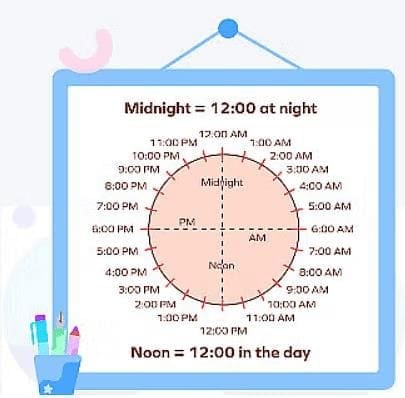
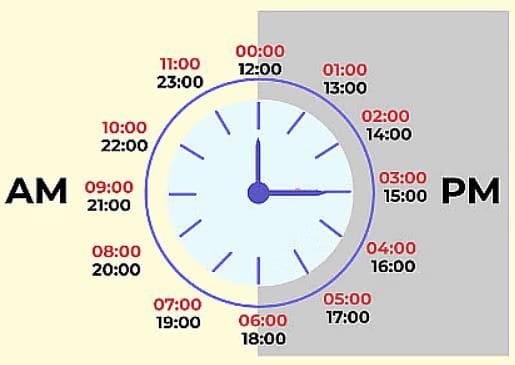
Q5: Write the time using a.m. or p.m.:(i) 10 minutes after midnight (ii) 5:45 in the evening (iii) 12:10 in the afternoon (iv) 11:50 in the morning (v) 5:35 in the morning (vi) 12:05 during the night (vii) 8:15 in the morning (viii) 4:10 in the evening
Q6: Write a.m. or p.m. in the given blank spaces to make the sentences correct: (i) Piyush comes back from school at 2:00 (ii) Shilpa cleans her teeth at 6:30 (iii) You take your lunch at 1: 00 (iv) Divya goes to school at 7:30
Q7: What time will it be: (i) 3 hours after 11:10 p.m.? (ii) 2 hours after 10:00 p.m.? (iii) 2 hours before 1:30 p.m.? (iv) 2 hours after 7:35 a.m.? (v) 4 hours before 3:00 a.m.?
Q8: Convert the following into weeks: (i) 364 days (ii) 100 days (iii) 85 days
Q9: Convert the following into seconds: (i) 32 minutes (ii) 12 minutes
Q10: Convert the following into days: (i) 10 months 12 days. (ii) 8 months
Q11: Answer the following questions: (i) Manvar started dreaming at 11:50 p.m. His dream lasted for 40 minutes. When did his dream end? (ii) Shinde started playing volleyball at 4:45 p.m. He played for 1 hour 15 minutes. When did he stop playing?
(iii) A ferry boat started to sail at 11:30 a.m. It completed the journey at 3:10 p.m. How long did it sail? (iv) Ragini started her dance practice at 5:40 p.m. and stopped it at 7:10 p.m. How long did she practice?
Q12: Kavita’s school was closed from 15 December onwards for 28 days. On what date did the school reopen?
Q13: What date is 23 days before 8th June?
Q14: How many days are there from 8th August to 9th September?
Q:15 Salman’s half-yearly exams begin on 18th October. He starts his revision 35 days earlier. When did he start his revision?
Q16: How many minutes are in 1 hour? (a) 60 (b) 120 (c) 50 (d) 30
Q17: How many days are there in 6 weeks? (a) 42 days (b) 41 days (c) 40 days (d) 44 days
Q18: How many days are there in July and August? (a) 31 days (b) 30 days (c) 29 days (d) 28 days
Q19: The first month of the year (a) January (b) March (c) April (d) February
Q20: In which month Independence Day will come? (a) August (b) January (c) March (d) September
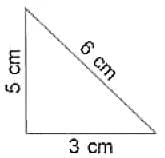
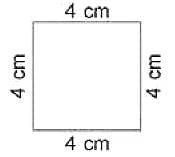
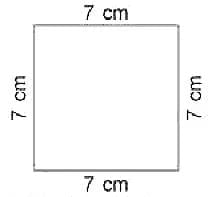
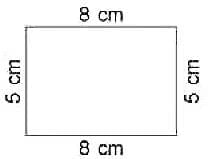
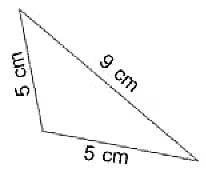
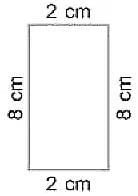
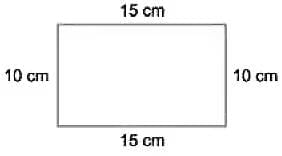
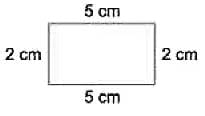
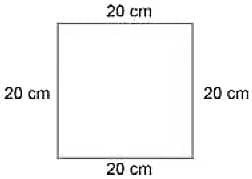
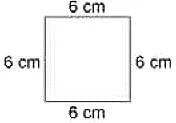
Q1: Find the perimeter of each of the following figures: (i) Perimeter of the triangle is ______ cm. (ii) Perimeter of the square is ______ cm. (iii) Perimeter of the square is ______ cm.
(iv) Perimeter of the rectangle is ______ cm.
(v) Perimeter of the triangle is ______ cm.
(vi) The perimeter of the rectangle is ______ cm.
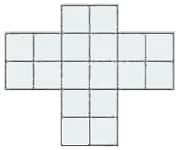
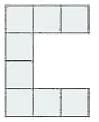
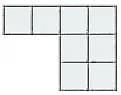
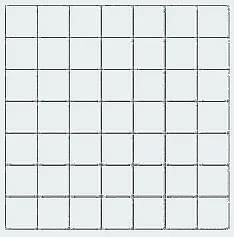
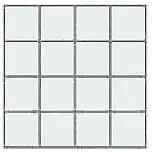
Q2: In the following figures, assume that each small square is 1 sq cm. Count the squares and find the area: (i) Area = ______ sq cm.
(ii) Area = ______ sq cm. (iii) Area = ______ sq cm. (iv) Area = ______ sq cm.
(v) Area = ______ sq cm.
Q3:Find the area of the rectangle, whose: (i) length = 5 m 8 cm, breadth = 3 m 75 cm (ii) length = 4 m 50 cm, breadth = 2 m 7 cm (iii) length = 1 m 5 cm, breadth = 90 cm (iv) length = 125 m, breadth = 84 m (v) length = 80 cm, breadth = 24 cm
Q4: Find the perimeter of: (i) The triangle whose sides are 8 em, 9 cm, and 12 cm. (ii) The square whose side is 14 cm.
Q5: Find the area of the following rectangles: (i)
(ii)
Q6: Find the area of the square, whose: (i) side = 256 dm (ii) side = 92 dm (iii) side = 18m (iv) side = 7 cm (v) side = 20 cm
Q7: Find the area of the following squares: Area of square = side x side (i)
(ii)
Q8: Find the area of a square whose perimeter is 4 cm.
Q9: Area of a rectangle = ______ x ______.
Q10: Area of a square of side 1 cm = ______.
Q11: Area of a rectangle of dimensions 1 m and 2 m is ______ sq m.






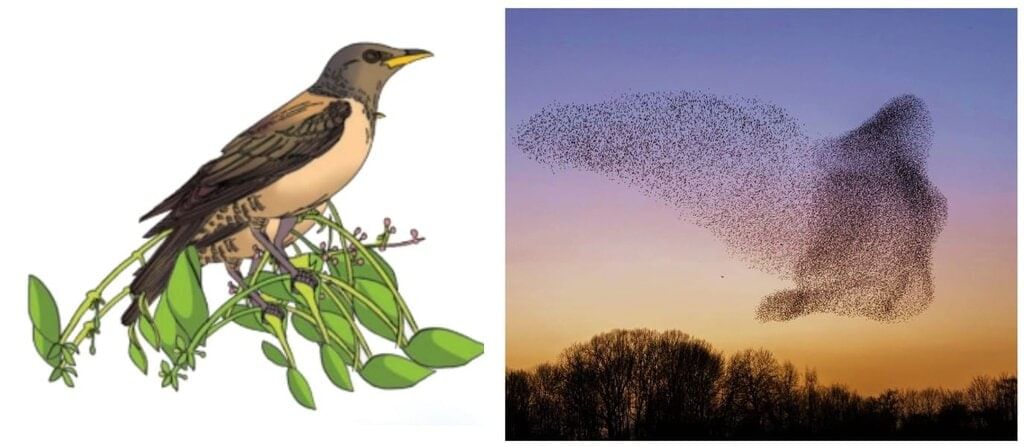 Rosy starlings, pink and black birds, fly in large groups and migrate thousands of kilometres from southern Russia, Mongolia, and nearby countries to India every winter.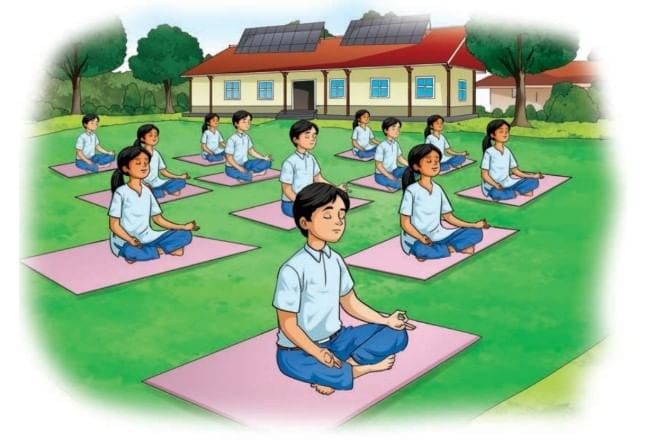
 In Mexico, marigolds are special flowers used during festivals and celebrations.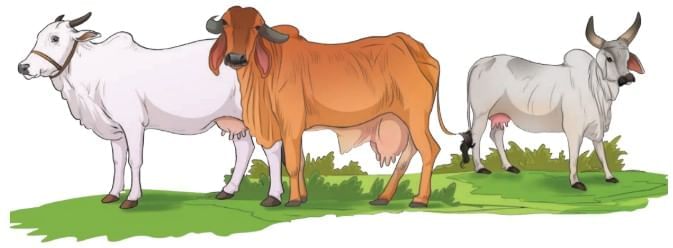
 All people, animals, plants, and nature form one big family on Earth.