21. Chapter Notes: Plants Around Us

What are plants?

They’re living things that grow in the ground. You can see them in the garden, at the park, or even on your windows! Plants are super cool because they give us clean air to breathe, yummy fruits to eat, and pretty flowers to enjoy. They’re like the green friends that make our world happy!
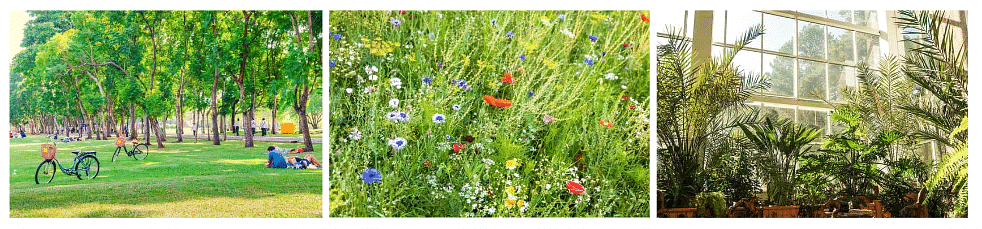
Plants at the park, in the garden,  and on your windows 

Fact about Plants: The color of most plants is green. 

Why Plants are useful to us?

  • Plants provide clean air for us to breathe.
  • They give us tasty food, including fruits and vegetables.
  • Plants also gift us with beautiful flowers to enjoy

Try yourself:

What do plants provide us with?

  • A.Clean air
  • B.Tasty food
  • C.Beautiful flowers
  • D.All of the above
Get additional INR 200 off today with EDUREV200 coupon.

Parts of Plants

Plants have different parts, and each part has a special job:

  • Roots: These are like the plant’s feet, holding it in the ground and getting water and nutrients from the soil.
  • Stem: The stem is the plant’s backbone, standing tall and carrying water, food, and messages between the roots and leaves.
  • Leaves: Think of leaves as the plant’s kitchen. They use sunlight to make food for the plant in a process called photosynthesis.
  • Flowers: Flowers are like the plant’s way of dressing up. They come in many colors and shapes, making the plant look beautiful. Plus, they can turn into fruits!
  • Fruits: Fruits are like tasty snacks for us. They have seeds inside, which can grow into new plants.
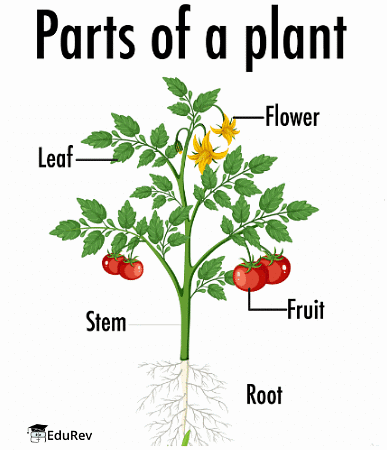
Each part of the plant works together to make sure the plant stays happy and healthy! 

Also watch: Plants Around Us

Here are some Fun Facts about Fruits and Vegetables:

  • Tomato: Did you know tomatoes are not just veggies? They are also fruits because they have seeds inside! So, tomatoes are like fruity vegetables.
  • Cauliflower: Cauliflower is a bit tricky. Even though it looks like a bunch of white flowers, it’s a group of undeveloped flower buds! So, it’s like a bunch of flower buds we can eat.
  • Avocado: Avocado is a creamy delight, and guess what? It’s a berry! Yes, avocados belong to the berry family. Berry is tasty and surprising!
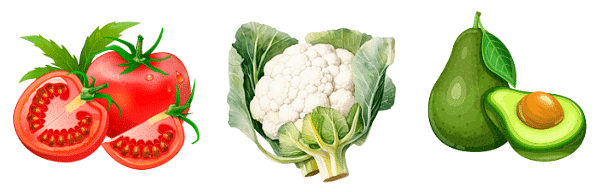
Tomato, Cauliflower and Avocado

Try yourself:

What part of the plant is responsible for carrying water, food, and messages between the roots and leaves?

  • A.Roots
  • B.Stem
  • C.Leaves
  • D.Flowers
Attention!Sale expiring soon, act now & get EduRev Infinity at 40% off!

Types of Plants

Plants come in different shapes and sizes! Let’s explore:

  • Herbs: These are like small superheroes with soft stems, such as tulsi, coriander, and grass.
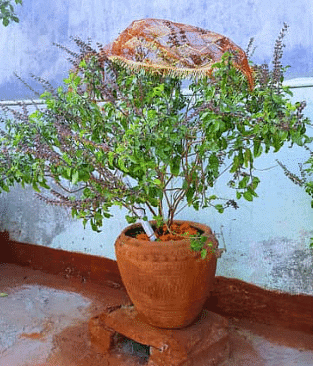
Tulsi Plant- herb

  • Shrubs: Shrubs are like short, bushy plants. Imagine a hibiscus (china rose) or a lovely rose bush in your garden!
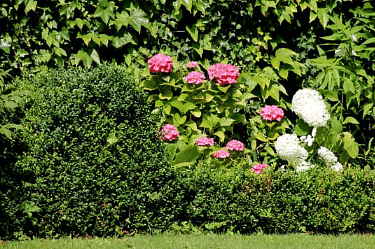
Shrubs

  • Trees: Big and tall, trees are like the giants of the plant world. Think of mango trees, neem trees, or the mighty banyan.
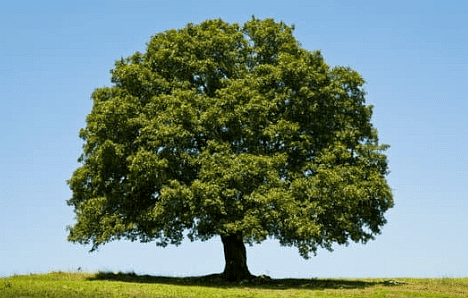
Tree

  • Climbers: Some plants like to climb! They use other plants for support. Picture grapevines and the friendly money plant.
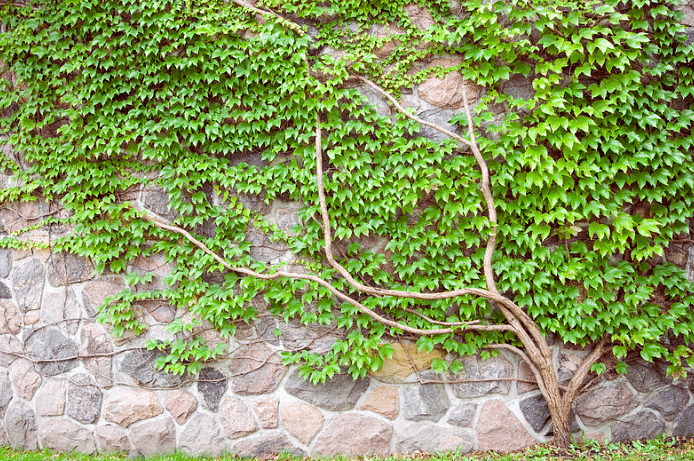
Climber

  • Creepers: Creepers are like sneaky plants that grow along the ground and sometimes on tree branches. Imagine pumpkins with their long vines.
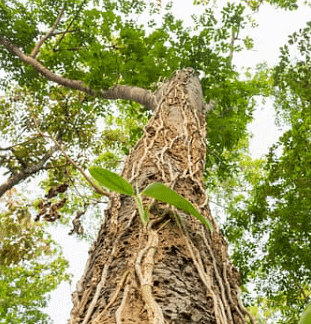
Creeper

Try yourself:

Which type of plant has soft stems and includes plants like tulsi and coriander?

  • A.Herbs
  • B.Shrubs
  • C.Trees
  • D.Climbers
Also watch: Plants Around Us

The food we get from Plants

Plants give us a delicious variety of food items:

  • Fruits: Yummy treats like apples, bananas, watermelons, and pineapples come from plants.
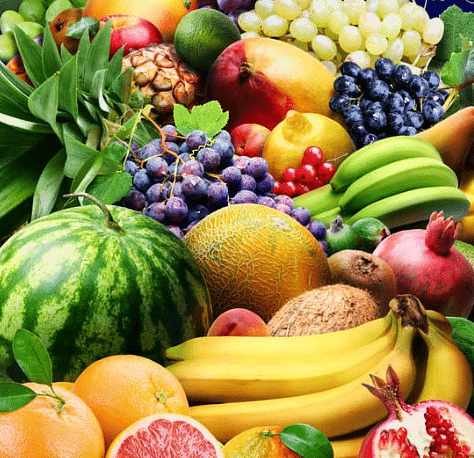
Fruits

  • Vegetables: Tasty veggies like potatoes, onions, and brinjals are also gifts from plants.
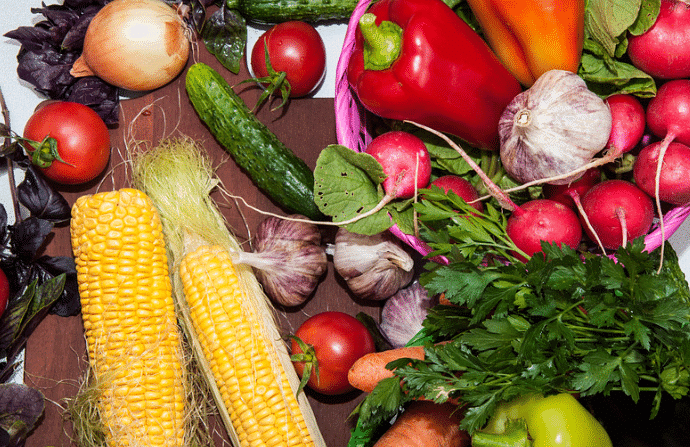
Vegetables

  • Grains: Plants provide us with grains, which we cook to make yummy foods like rice, wheat, and pulses (dal).
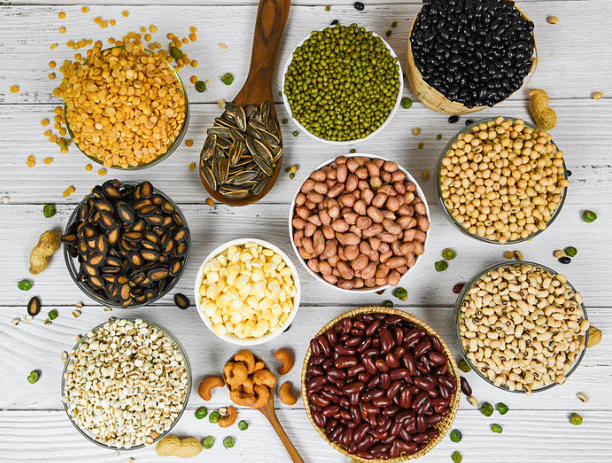
Grains

Plants give us clean air to breathe and yummy food to eat, so we should take care of them like friends who make our world happy and healthy!
20. Chapter Notes: Precious Water

What is Water?

Water is an essential resource. We need water to live and grow. Animals and plants also need water to live and grow.

What is Water?

What are the Sources of Water?

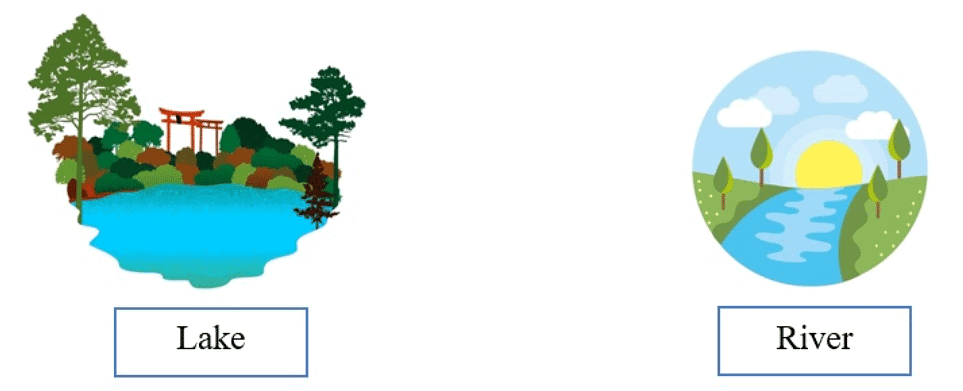
1. Lakes and Rivers:

  • Lakes are water bodies that are surrounded by land on all sides.
  • Rivers are flowing waterbodies that usually originate from mountains.What are the Sources of Water?

2. Rainwater:

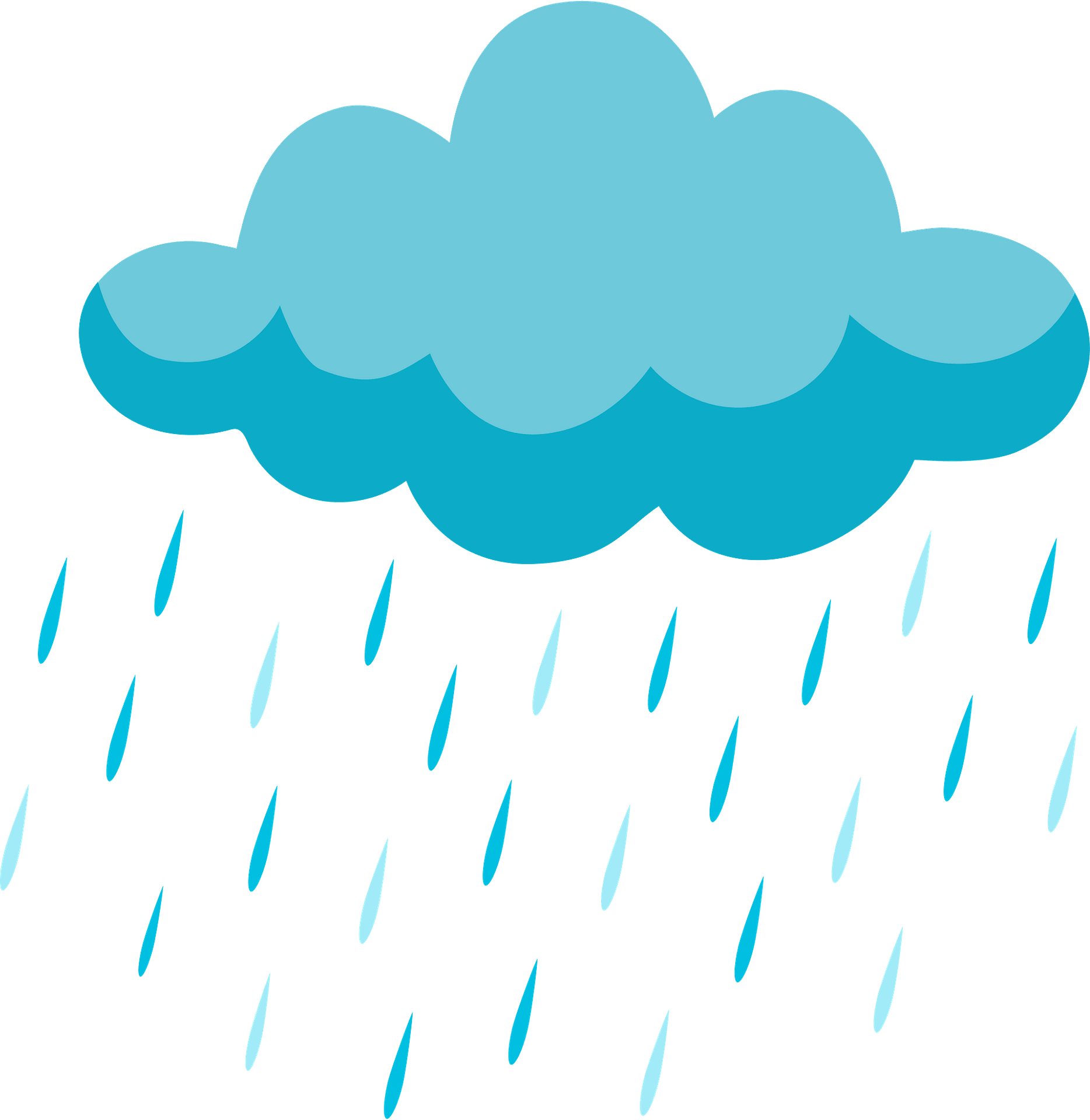
  • Rain is nothing but water falling from the clouds.
  • It is important because it supplies water to the Earth and fills the water bodies.
  • It also helps the farmers carry out farming activities.
  • Too much rain can cause floods.
What are the Sources of Water?

3. Wells:

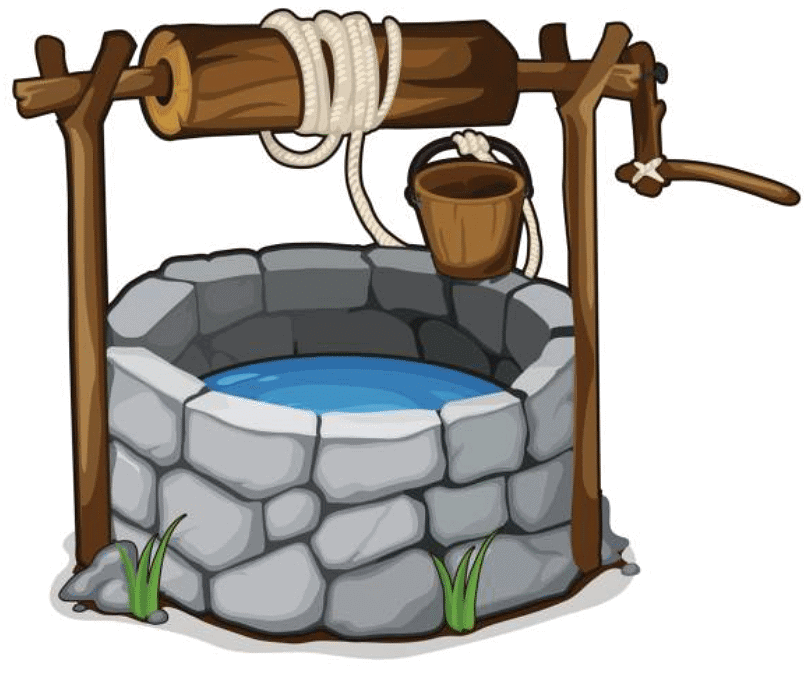
  • A well is made after digging the soil.
  • Water remains stored beneath the ground, and when the soil is dug up, the water can be used for many activities.
  • One has to use ropes and buckets to collect the water from wells.
What are the Sources of Water?

Try yourself:What is rainwater?

  • A.Water that comes from the tap
  • B.Water that falls from the clouds
  • C.Water that comes from the ground
  • D.Water that comes from the well
Get additional INR 200 off today with EDUREV200 coupon.

Why is Water Precious?

Water is important for all living things. We cannot stay even one day without water.

  • Water is very essential for us. 
  • We cannot do without water. 
  • All living things need water.
  • You should be careful to check water wastage as wastage can easily be avoided by taking care.
Why is Water Precious?

Try yourself:We need water when we are_______

  • A. thirsty
  • B.hungry
  • C.sleepy
  • D.angry

What are the Uses of Water?

Water helps us in different bodily functions, and so one should need to drink plenty of water throughout the day.

Water is also required for:

  • Drinking
    What are the Uses of Water?
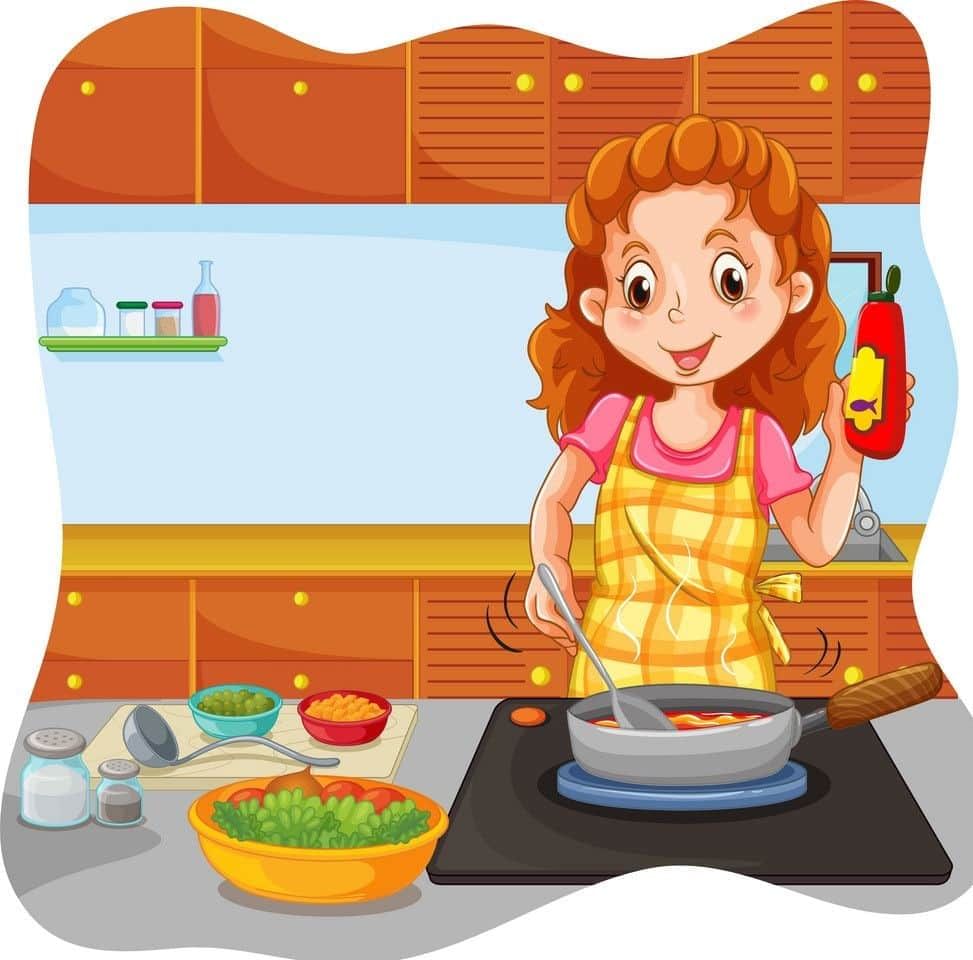
  • Cooking
    What are the Uses of Water?
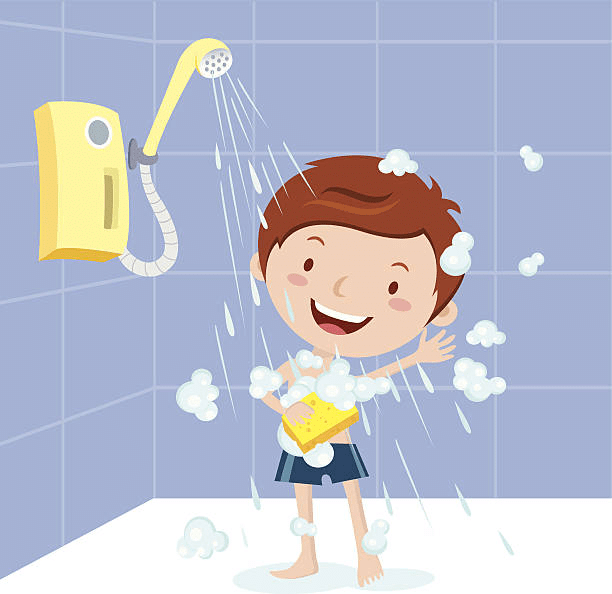
  • Bathing
    What are the Uses of Water?
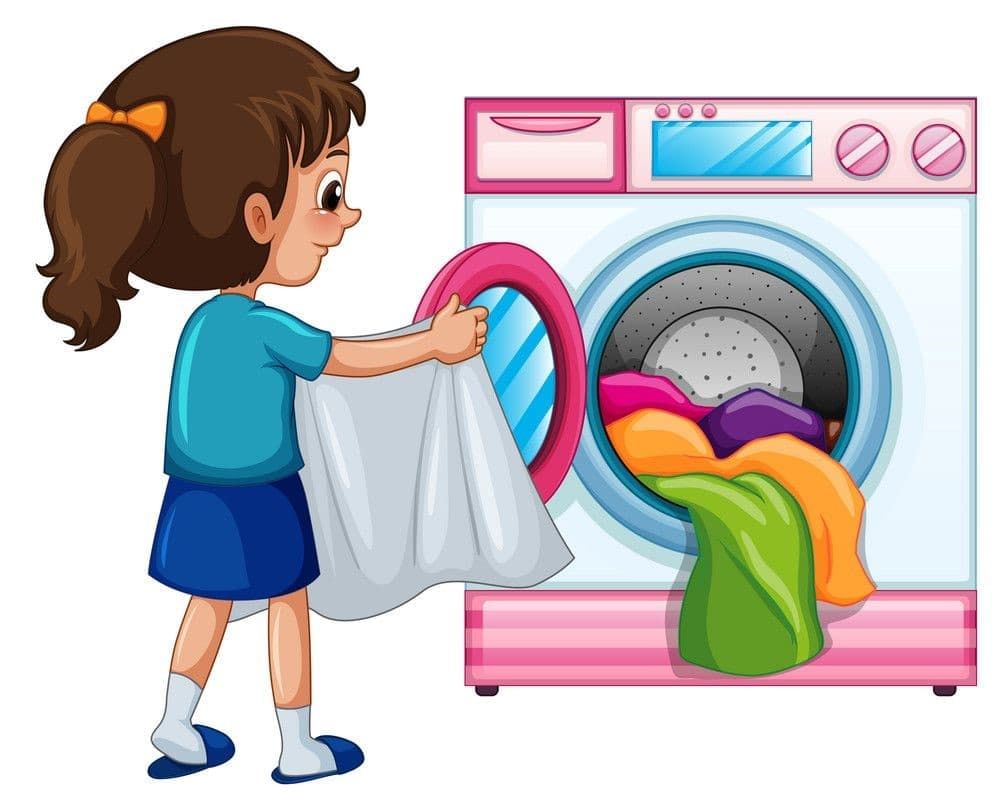
  • Washing clothes
    What are the Uses of Water?
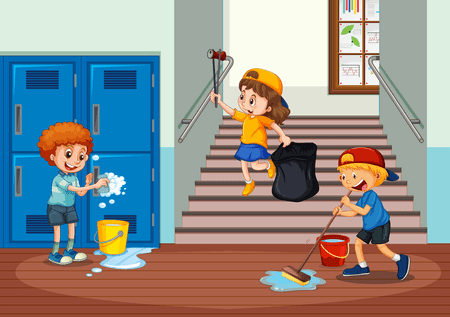
  • Cleaning floors
    What are the Uses of Water?
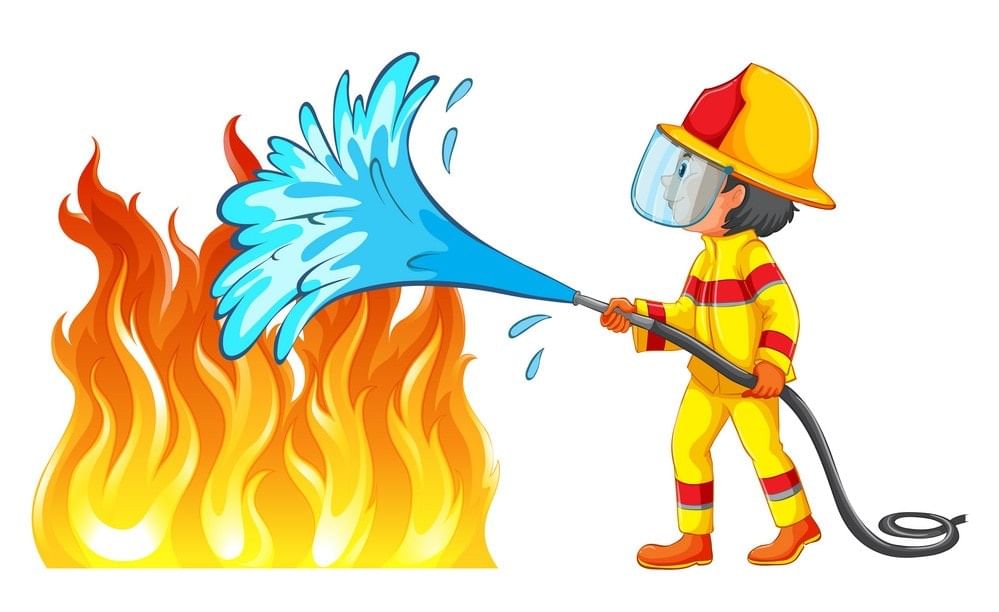
  • For putting off fire
    What are the Uses of Water?
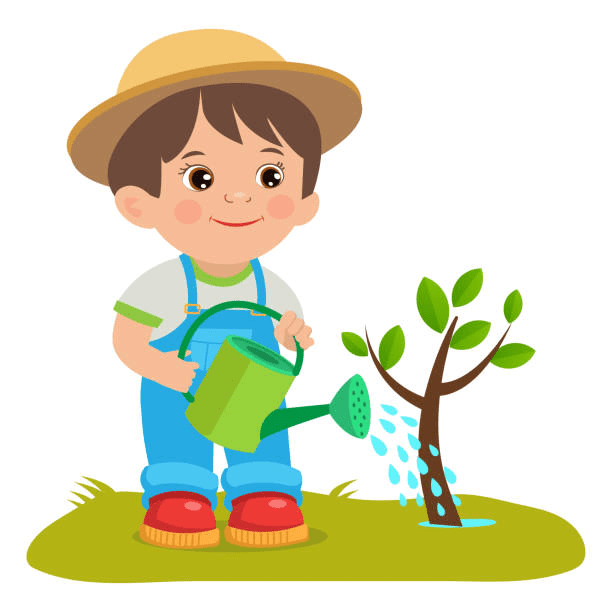
  • For gardening
    What are the Uses of Water?
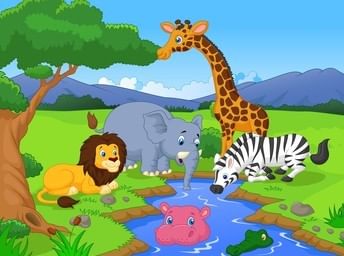
  • For animals.
    What are the Uses of Water?
Also read: Flashcards: Uses of Water

How can we Save Water at Home?

Water is very precious to every one of us. Do not waste it.

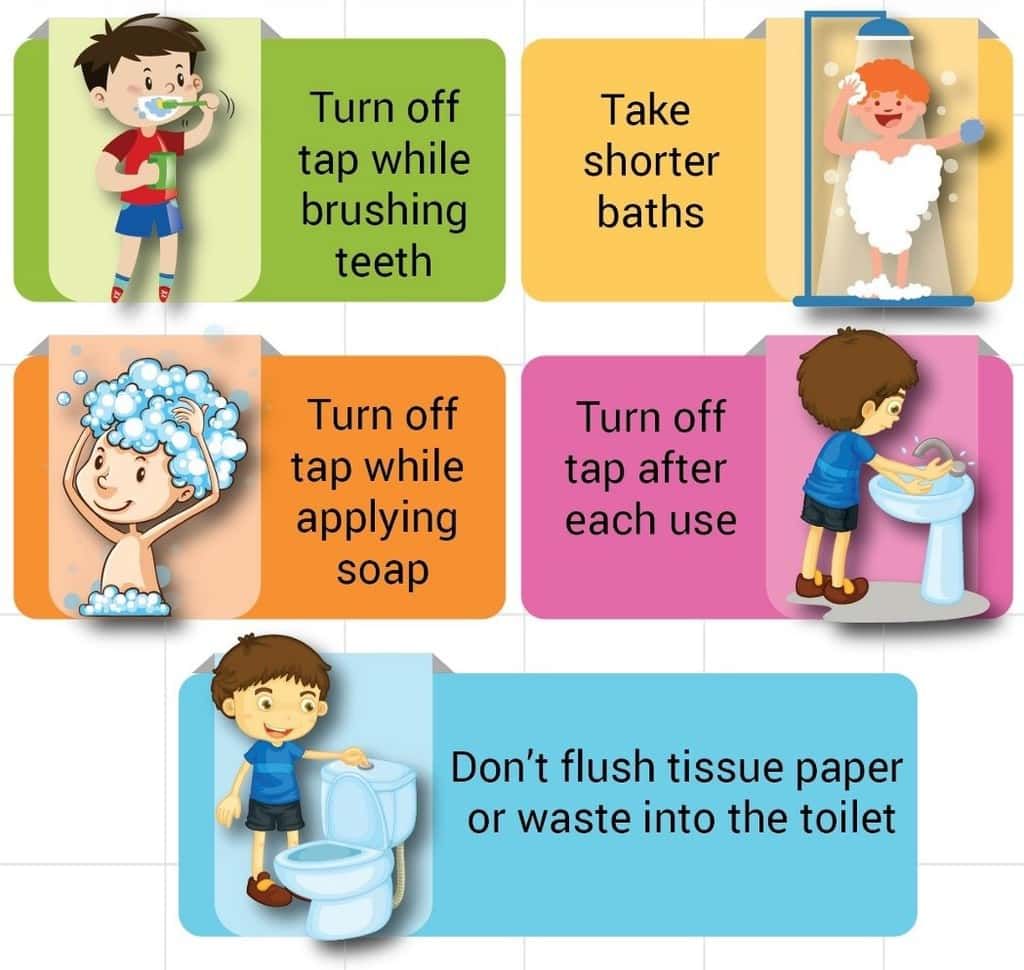
Steps to save water in the bathroom

Steps to save water in the bathroom
Attention!Sale expiring soon, act now & get EduRev Infinity at 40% off!

Steps to save water in the kitchen

How is Water Formed?

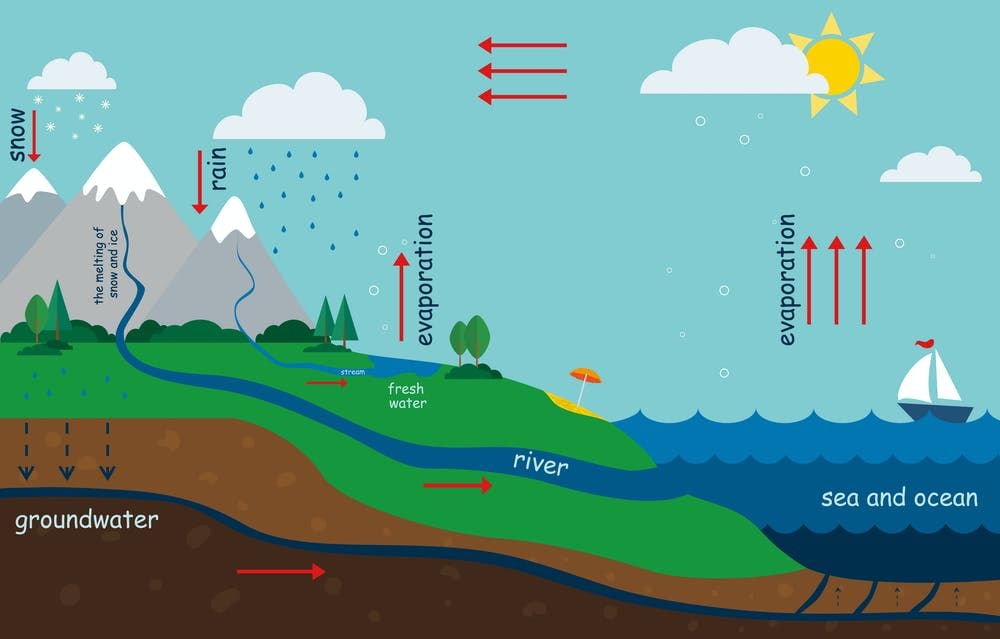
  • Water from water bodies on earth changes to a gas state and collects in the sky as clouds.
  • These clouds bring rain on earth and water is again brought back to earth.
    Water CycleWater Cycle
  • We get water from rain. Rainwater fills rivers, lakes, ponds, and oceans.
  • People living in villages use hand-pumps and wells for water.
  • From Mountains: The snow melts as rivers. River water is cleaned and sent through pipes to our homes for drinking.
Also read: Flashcards: Uses of Water

Try yourself:We get water from rivers, lakes ponds, springs and

  • A.oceans
  • B.cupboard
  • C.box
  • D.car

Amazing Facts

  • There is plenty of water in the sea, but we cannot drink this water. It is salty and unfit for drinking.
  • Water is very essential for us. We cannot do without water. All living things need water.
  • India has the second-highest rainfall but we still have a shortage of water.

Keep in Mind!

  • Water vapors form clouds. 
  • Rain fills rivers, lakes, and ponds.
  • The snow from mountains melts to form a river. 
  • Water is used for bathing, drinking, and many other purposes.

16. Chapter Notes: Food we Eat

What is Food?

  • Food is what we eat to get energy and grow strong. 
  • It can be yummy things like fruits, vegetables, rice, or bread. 
  • Food helps us play, learn, and stay healthy!

Why Do We Need Food?

  • We need food to keep our bodies healthy and strong
  • Food is like the special stuff we eat to give us energy and help our bodies grow
  • There are all kinds of tasty foods, like fruitsvegetables, grains, and proteins, that provide the nutrients we need. 
  • Just like how cars need fuel to run, our bodies need food to do all the cool things we enjoy, like playing, learning, and having fun. 
  • So, food is like the key ingredient to keep us going and feeling good!

Where Does Food Come From?

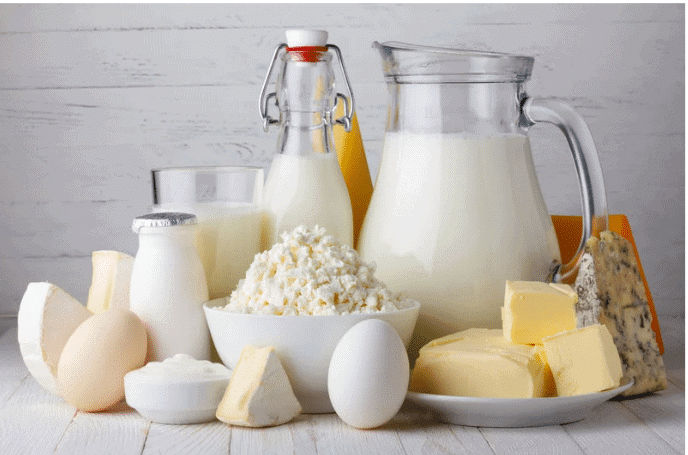
We get food from plants and animals. We get foods such as fruits, vegetables, pulses, grams and nuts from plants and trees. We get food such as milk, eggs, meat, fish, and chicken from animals. We get milk from cows, buffaloes and goats. 

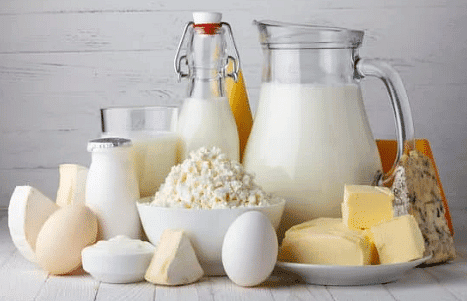
The food items made from milk are called dairy products. Dairy products include curd, cheese, butter, ghee and cottage cheese.

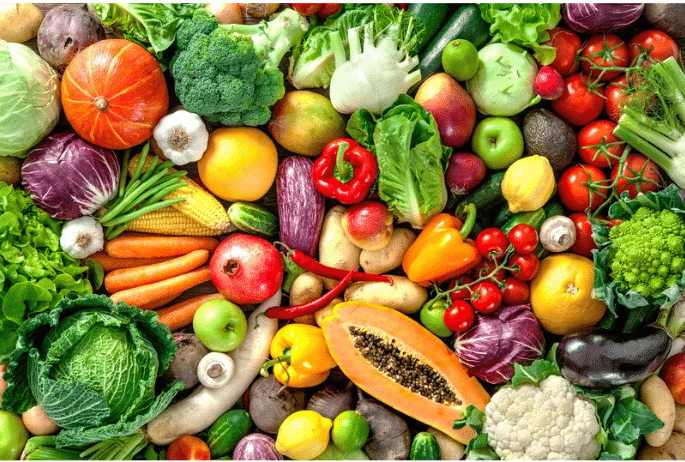
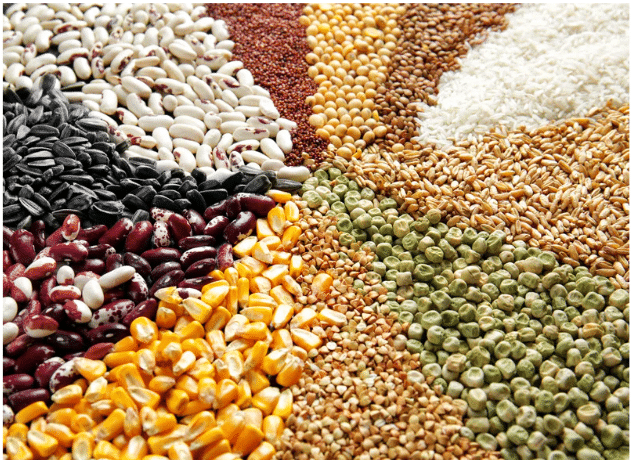
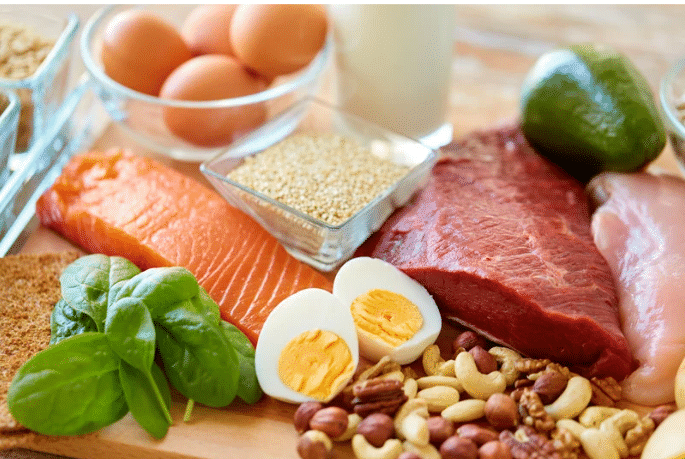
DairyDifferent types of foods help us in different ways. Fruits and vegetables keep us healthy. Pulses, grains and nuts give us energy. Milk, fish, meat and eggs help us grow. Let us learn more about this.
Types of Food

There are different types of food that our body needs to stay healthy and strong. These include:

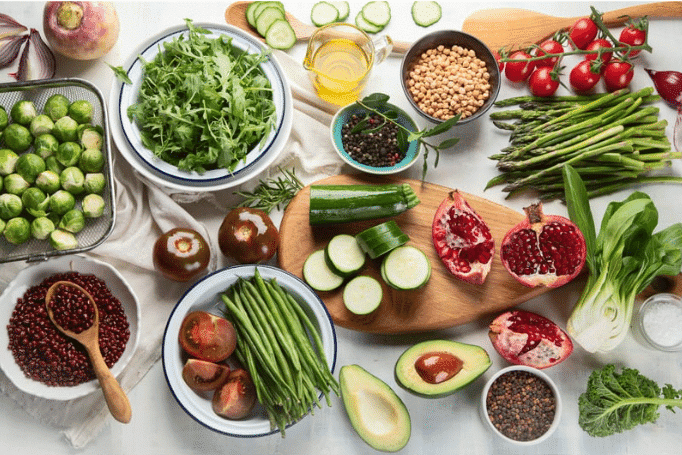
Fruits and Vegetables

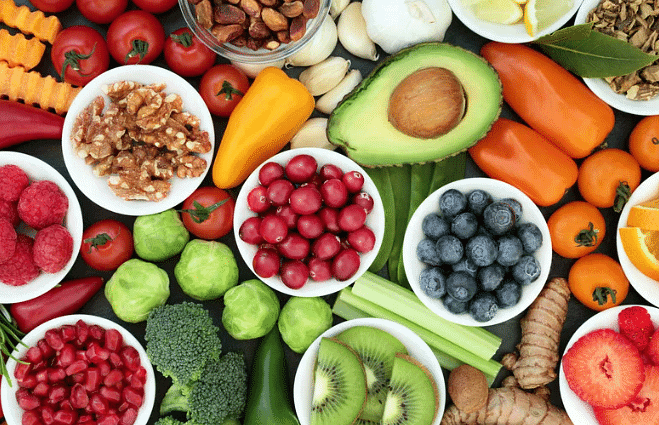
Fruits and vegetables are colourful and delicious foods that come from plants. They are packed with vitamins, minerals, and fibre, which help keep us healthy and prevent illnesses. Examples of fruits include apples, bananas, and oranges, while vegetables include carrots, broccoli, and spinach.

Grains

Grains, such as bread, pasta, rice, and cereals, give our bodies the energy to play, think, and grow. They are an essential source of fuel for our daily activities.

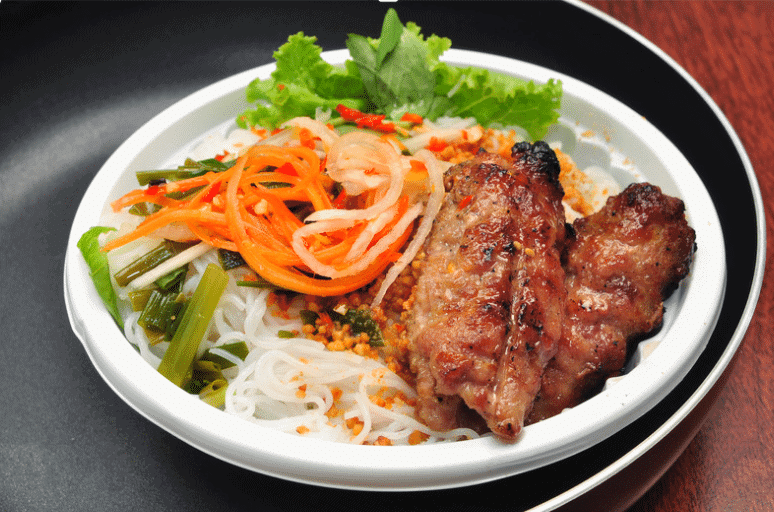
Protein

Proteins are like building blocks for our body, helping us grow strong muscles, bones, and skin. Foods rich in protein include chicken, fish, eggs, beans, and nuts, which help keep us fit and healthy.

Dairy Products

Dairy foods, like milk, cheese, and yogurt, provide calcium, which is vital for strong bones and teeth. Choosing low-fat or non-fat options can make them even healthier.

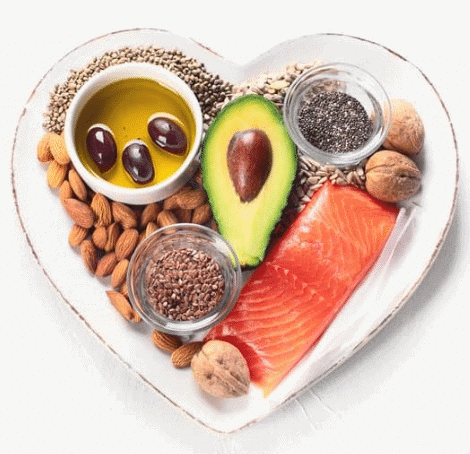
Healthy Fats

Certain fats, like those found in avocados, nuts, and olive oil, are good for us. These healthy fats support brain development and help our bodies work well.

Food Choices Around Us

Vegetarians 

People who do not eat eggs, meat and fish are called vegetarians.

Non-Vegetarians

People who eat eggs, chicken, meat and fish along with vegetarian food are called non-vegetarians.
Some people do not eat meat but eat eggs, plant products and dairy products.

Try yourself:

What are the types of foods that help us grow?

  • A.Fruits and vegetables
  • B.Pulses, grains, and nuts
  • C.Milk, fish, meat, and eggs
  • D.All of the above

What are Meals?

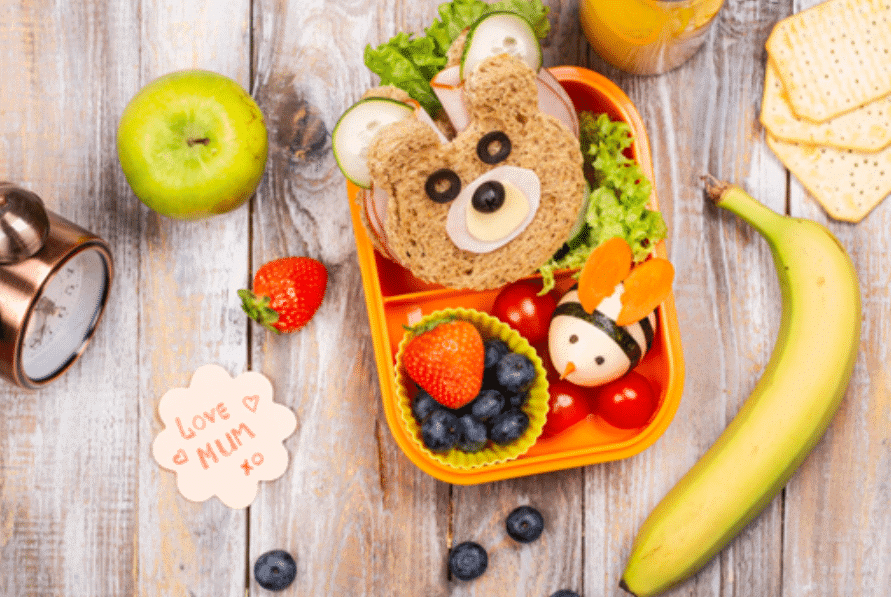
Meals are times when we sit down to eat delicious food. We have different meals during the day that give us energy and make us strong and happy!

Types of Meals

1. Breakfast:

  • Breakfast is the first meal of the day.
  • We eat breakfast in the morning to kick-start our day.
  • Examples: Cereal, toast, and fruits.

2. Lunch:

  • Lunch is the midday meal.
  • We eat lunch to refuel and have energy for the rest of the day.
  • Examples: Sandwiches, vegetables, rice.

3. Dinner:

  • Dinner is the last meal of the day.
  • We eat dinner with our family and relax after a busy day.
  • Examples: Chicken, pasta, salad.

15. Chapter Notes- Sense Organs

Introduction

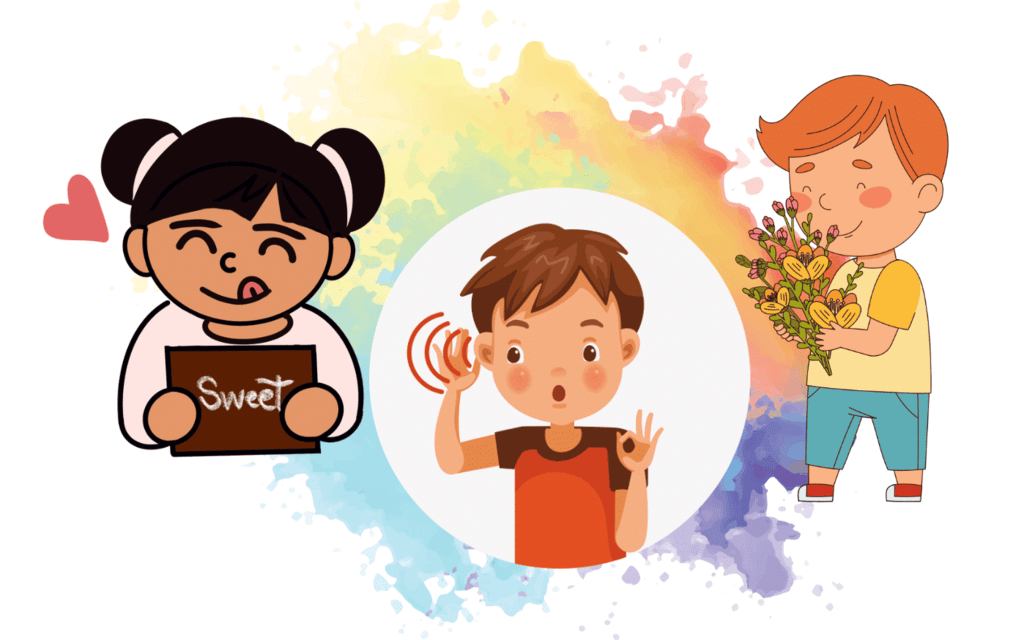
  • Have you ever thought about how you can see the bright blue sky, hear your favourite song, smell a beautiful flower, taste a sweet candy, or feel the warmth of the sun? 
  • This is all because of our sense organs
  • These special parts of our body help us understand and experience the world around us. 
  • Without them, we wouldn’t be able to enjoy the colours, sounds, smells, tastes, and textures that make life exciting!

What are Organs?

Our body is made up of many important parts, and some of these parts are called organs. Organs help us do different things to stay healthy and active.

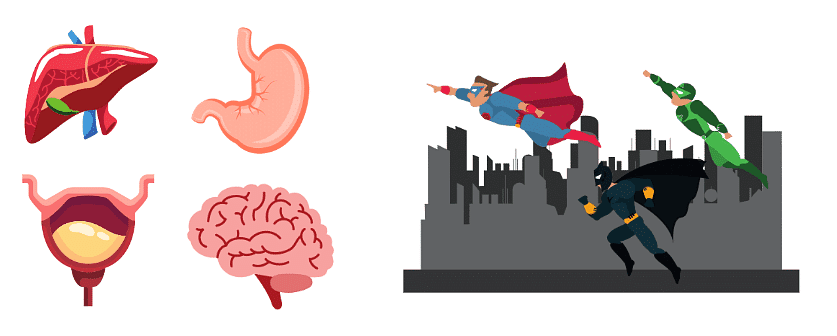
  • Some organs work inside our body, like the heart, which pumps blood, and the lungs, which help us breathe.
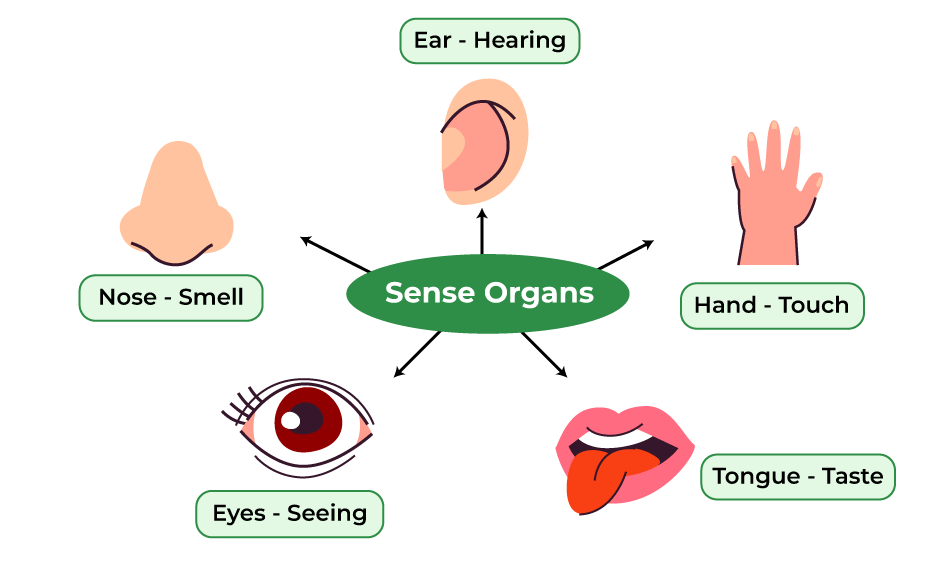
  • Some organs help us understand the world around us, like our eyes, ears, nose, tongue, and skin. These are called sense organs because they help us sense things.

Organs like the heart, brain, kidney are super heroes. 
What are Sense Organs?

Sense organs are special parts in our bodies, like eyes, ears, nose, tongue, and skin, that help us see, hear, smell, taste, and touch the amazing world around us. They work together with other organs to make sure we experience and understand everything.

Five Sense Organs

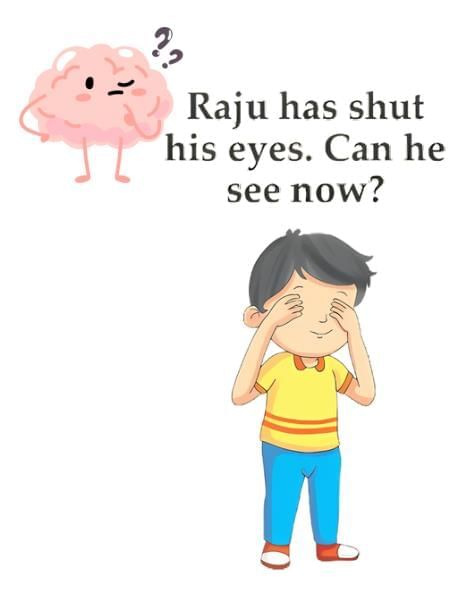
The brain is like a smart boss that helps our eyes, ears, nose, tongue, and skin work together so we can see, hear, smell, taste, and touch all the cool things around us!

Try yourself:

Which of the following is NOT a sense organ?

  • A.Eyes
  • B.Ears
  • C.Kidneys
  • D.Nose

The Five Sense Organs

We have five main sense organs:

1. Eyes 

Imagine your eyes are like magic windows. Eyes help you see all the cool and colourful things around you, like your favourite toys and the bright blue sky.

Eyes

2. Ears 

Ears help you hear. They let us hear the laughter of friends, the buzzing of bees, and even our favourite songs.

Ears

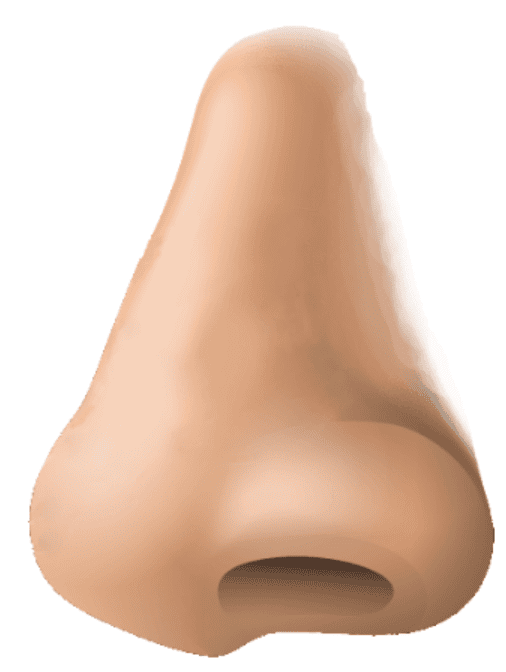
3. Nose 

The nose helps us to smell. It helps you sniff and enjoy the yummy smells of cookies, flowers, and all sorts of good things.

Nose

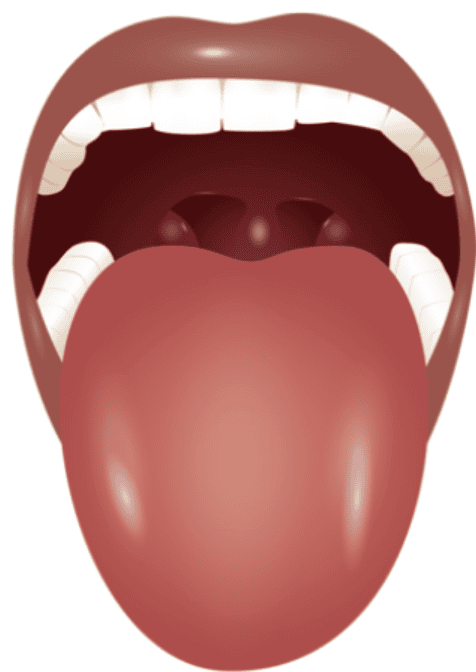
4. Tongue 

Your tongue helps you eat and taste delicious foods like ice cream and fruits. It also lets you talk and sing.

Tongue

5. Skin 

The skin lets you feel the softness of your teddy bear, the warmth of the sun, and the cool breeze on your face.

Skin

Sometimes, your sense organs work together, like when you taste a yummy ice cream cone. Your eyes see the colours, your nose smells the sweetness, and your mouth tastes the deliciousness!

Try yourself:

Which sense organ helps us hear different sounds?

  • A.Eyes
  • B.Ears
  • C.Nose
  • D.Tongue

Taking Care of Our Sense Organs

Sense organs are sensitive and delicate parts of our body. Hence, one should take care of them properly.

Eyes:

  • Do not rub your eyes too much and keep sharp things away from them.
  • Wash your eyes with clean water often.
  • Watching TV for a long time or from too close can harm your eyesight.
  • Eat yellow fruits like papaya and mango, and iron-rich vegetables like spinach to keep your eyes healthy.

Ears:

  • We should not put anything or sharp objects in our ears.
  • Our ears should be cleaned by an adult using a cotton plug.

Skin:

  • Our skin protects our body.
  • We should take a bath every day to keep our skin clean and healthy.
  • If we get hurt, we should tell an adult and get it treated quickly.
  • We should not scratch our skin with nails or sharp objects.

Nose:

  • Use a handkerchief to clean your nose.
  • Never put your finger in your nose to clean it.
  • Never put any object in your nose.

Tongue:

  • Clean your tongue every day.
  • Do not eat food that is too hot, as it can burn your tongue.

Try yourself:

What should you use to clean your nose?

  • A.A finger
  • B.A handkerchief
  • C.A cotton swab
  • D.Water

14. Chapter Notes: Sky Above Us

The sky

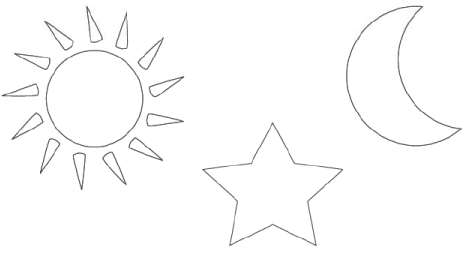
We see the sun, moon and stars in the sky. These are together called heavenly bodies. The sun is a star too and our earth is a planet while the moon is a natural satellite. All heavenly bodies in space are called the universe.

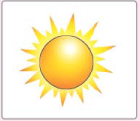
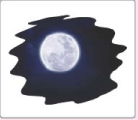
Colour the objects that you can see in the sky during the day in yellow. Colour the ones that you can see in the night in blue.

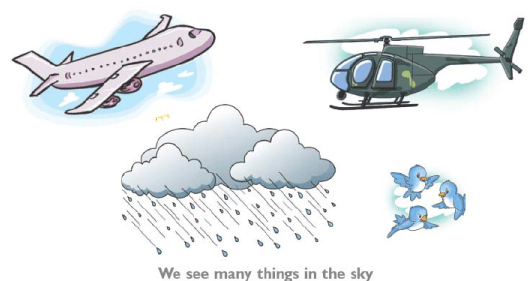
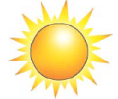
If we stand in an open place and look up, we see the sky. We see many different things in the sky at different times. During the day, we can see the sun. The sky looks bright.
We may also see clouds, birds, aeroplanes and helicopters in the sky.

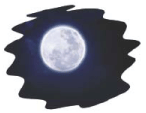
In the night, the sky looks dark. We can see the moon and the stars.

The Sun

The sun is a big ball of fire. It is a star. It gives us light and warmth.
Every morning, the sun rises in the East. The rising of the sun is called sunrise. As the sun rises, it spreads light and the day begins.
Every evening, the sun sets in the West. The setting of the sun is called sunset.
As the sun sets, it becomes dark and night falls.
The sun is very big but as it is very far away from the earth, it looks small.

Do you know?
We see that the position of the sun changes in the sky with time. But this is because the earth is moving around the sun and not the other way around.

The Moon

After sunset, we see the moon in the sky.

The moon gives us light at night. But this light is not of its own. It is the light of the sun which falls on the moon.
In size, the moon is much smaller than the sun. Yet, it appears big because it is much closer to the earth. In fact, it is smaller than the earth also.
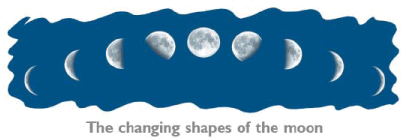
The shape of the moon changes every night.

The Stars

We also see many stars twinkling in the night sky. Like the sun, they are also very hot. But, as they are far away from the earth, their warmth does not reach us. And due to their being far away, they also appear like tiny spots in the sky.

Do you know?
The first man to step on the moon was Neil Alden Armstrong.

Do you know?
In earlier times, sailors used to find their direction in the sea with the help of the stars. When the sailors saw the North Star in front of them in the sky, they knew they were moving in the North direction.

Try it out

Which of the following is not seen in the sky at night?

Let Us Revise

  1. The sky looks bright during the day and dark in the night.
  2. The sun is a big ball of fire
  3. The sun gives us light and warmth
  4. The sun rises in the East and sets in the West
  5. It becomes day with sunrise and dark with sunset. 
  6. The moon gives us light at night
  7. The tiny, twinkling stars in the night sky are actually very hot, just like the sun.

15. Worksheet Solutions: Data Through Pictures

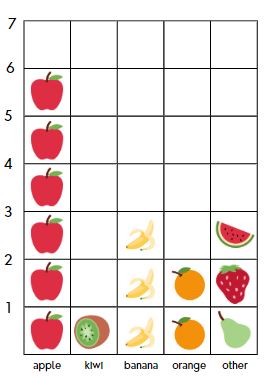
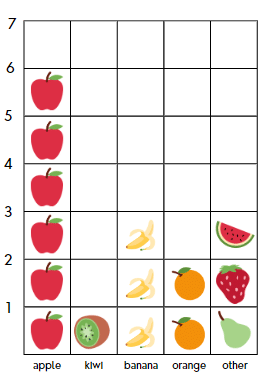
Q1: The pictograph given below shows preference of the students for winter activities:

Answer the following questions:

(i) How many more apples are there than bananas on the graph?
There are 6 apples and 3 bananas.
Difference: 6 – 3 = 3
Answer: 3 more apples than bananas.

(ii) If each fruit represents 2 actual fruits, how many real oranges are there?
There are 2 oranges on the graph, and each represents 2 fruits.
Total real oranges: 2 x 2 = 4
Answer: 4 real oranges.

(iii) What is the total number of fruits on the graph?
Apples: 6
Kiwis: 1
Bananas: 3
Other: 3
Total fruits: 6 + 1 + 3 + 2 + 3 = 15
Answer: 15 fruits.

(iv) Which category has the second highest number of fruits?
Apples: 6 (highest)
Others and banana: 3 (second highest)
Answer: The “other” category has the second highest number of fruits.

(v) How many fruits are there in the “other” category compared to kiwis?
Other: 3 fruits
Kiwis: 1 fruit
Difference: 3 – 1 = 2
Answer: 2 more fruits in the “other” category than kiwis.

(vi) If you add two more oranges to the graph, how many fruits will there be in total?
Current total: 15 fruits
Adding 2 more oranges: 15 + 2 = 17
Answer: 17 fruits in total.


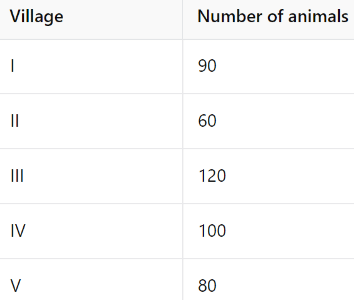
Q2: The total number of animals in five villages are given below:

Draw a pictograph to represent the above data.
Ans: Each circle represents 10 animals
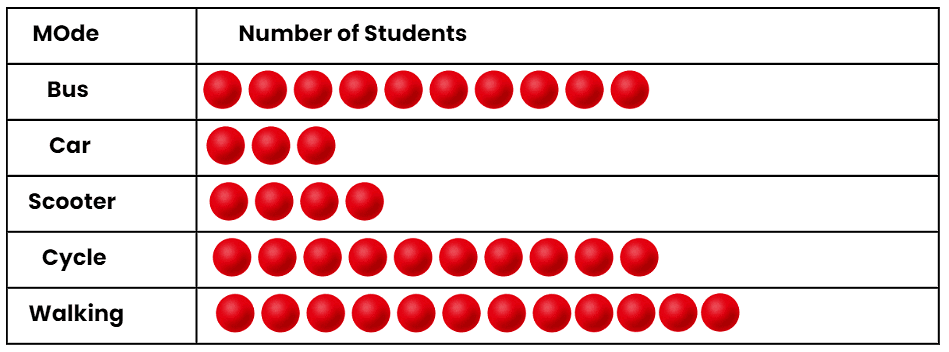
Q3: The modes of traveling to school by the students of a class are given below:
Draw a pictograph to represent the above data.
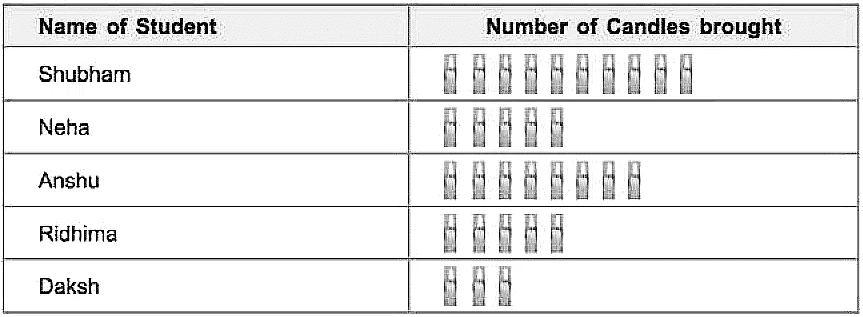
Ans: Q4: The following pictograph shows the number of candles brought by some children of class 4 for a Festival.Each candle represents a set of 4.

Look at the pictograph and answer the following questions:
(i) How many candles are brought by Daksh? ______.
Ans:
 3 x 4 = 12.

(ii) Who has brought the maximum number of candles and how many? ______.
Ans: 
10 x 4 = 40.

(iii) How many candles are brought by Anshu? ______.
Ans:
 8 x 4 = 32.

(iv) Name the two students who have brought the same number of candles. 
Ans: 
Neha and Ridhima.

Q5: The different types of trees planted in a park are given below:

Draw a pictograph to represent the above data.
Ans: 

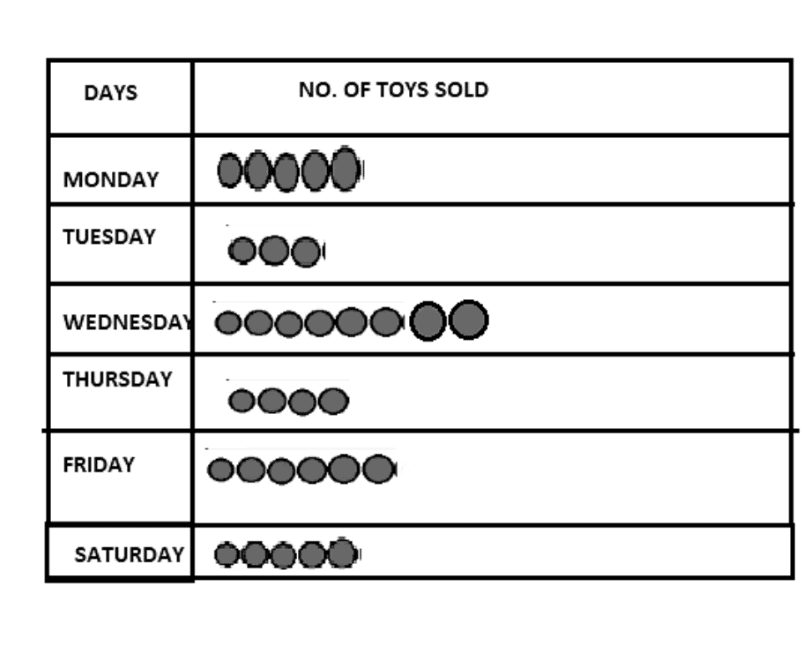
Q6: The sale of toys in a toy shop during the weekdays of a particular week is given below. Draw a pictograph to represent the following data.

Each circle represents 4 toys
Ans:


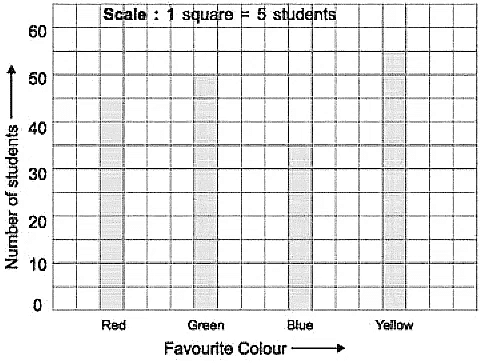
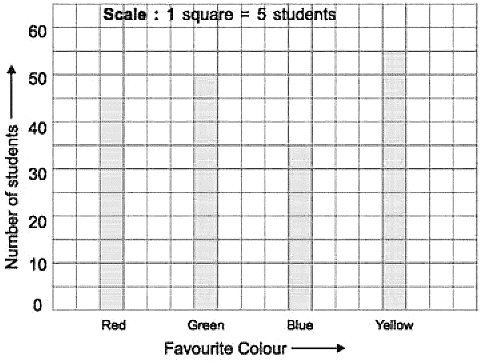
Q7: The following bar graph shows favourite colour of students of class IV.

Look at the bar graph and answer the following:
(i) How many children like green colour?
Ans: 
50

(ii) Which is the most favourite colour of the students of class IV?
Ans: Yellow

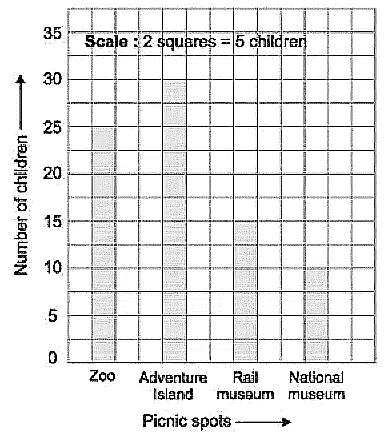
Q8: The following bar graph shows the favourite picnic spots of children of a class. Look at the bar graph and choose the correct answer:

(i) Which destination is liked by maximum number of children?
Ans: 
Adventure island

(ii) How many children would like to go to Adventure island?
Ans: 
30

(iii) How many children would like to go to Rail Museum?
Ans: 
15

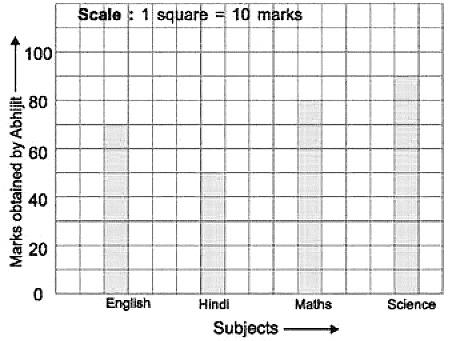
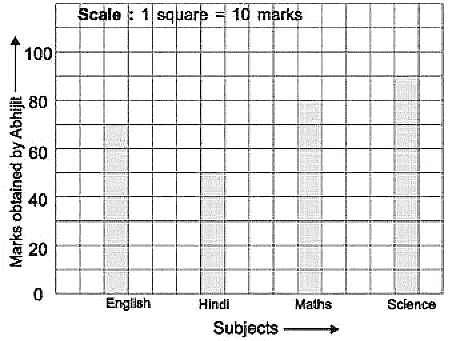
Q9: The bar graph shown below represents marks obtained by Abhijit. Look at the bar graph and answer the following questions:

(i) Find the total marks obtained by him out of 400.
Ans: 
= 70 + 50 + 80 + 90 = 290

(ii) In which subject Abhijit got the highest marks?
Ans:
 Science

(iii) In which subject Abhijit got the lowest marks?
Ans: 
Hindi

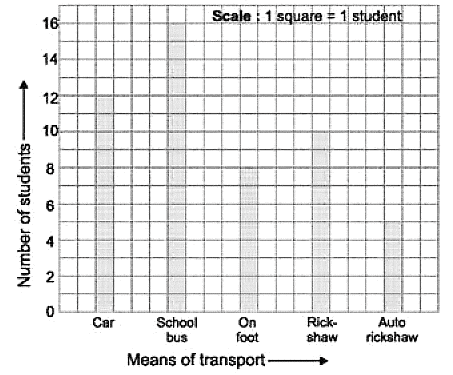
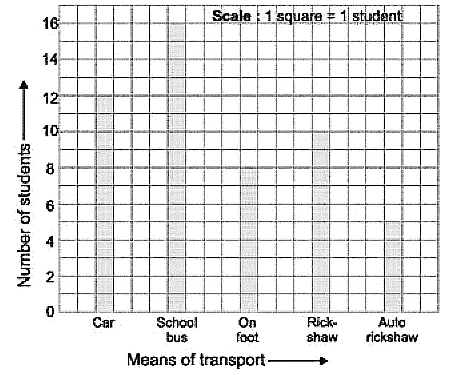
Q10: The bar graph shown here represents different means of transport used by students of class IV-A to come to school.

Study the bar graph and answer the following questions.
(i) How many students come to school by autorickshaw?
Ans: 
5

(ii) How many students come to school by car?
Ans:
 12

(iii) Which mode of transport is used by maximum number of students?
Ans: School bus.

15. Worksheet: Data Through Pictures

Worksheet: Data Through Pictures

Q1: Look at the bar graph here:Worksheet: Data Through PicturesAnswer the following questions:

(i) How many more apples are there than bananas on the graph? 

(ii) If each fruit represents 2 actual fruits, how many real oranges are there? 

(iii) What is the total number of fruits on the graph? 

(iv) Which category has the second highest number of fruits? 

(v) How many fruits are there in the “other” category compared to kiwis? 

(vi) If you add two more oranges to the graph, how many fruits will there be in total? 


Q2: The total number of animals in five villages are given below:

Worksheet: Data Through Pictures

Draw a pictograph to represent the above data.

Q3: The modes of traveling to school by the students of a class are given below:
Worksheet: Data Through Pictures

Draw a pictograph to represent the above data.

Q4: The following pictograph shows the number of candles brought by some children of class 4 for a Festival. Each candle represents a set of 4.

Worksheet: Data Through Pictures

Look at the pictograph and answer the following questions:
(i) How many candles are brought by Daksh? ______.
(ii) Who has brought the maximum number of candles and how many? ______.
(iii) How many candles are brought by Anshu? ______.
(iv) Name the two students who have brought the same number of candles.

Q5: The different types of trees planted in a park are given below:

Worksheet: Data Through Pictures

Draw a pictograph to represent the above data.


Q6: The sale of toys in a toy shop during the weekdays of a particular week is given below. Draw a pictograph to represent the following data.
Worksheet: Data Through Pictures

Each circle represents 4 toys


Q7: The following bar graph shows favourite colour of students of class IV.

Worksheet: Data Through Pictures

Look at the bar graph and answer the following:
(i) How many children like green colour?
(ii) Which is the most favourite colour of the students of class IV?

Q8: The following bar graph shows the favourite picnic spots of children of a class. Look at the bar graph and choose the correct answer:

Worksheet: Data Through Pictures(i) Which destination is liked by maximum number of children?
(ii) How many children would like to go to Adventure island?
(iii) How many children would like to go to Rail Museum?

Q9: The bar graph shown below represents marks obtained by Abhijit. Look at the bar graph and answer the following questions:

Worksheet: Data Through Pictures

(i) Find the total marks obtained by him out of 400.
(ii) In which subject Abhijit got the highest marks?
(iii) In which subject Abhijit got the lowest marks?

Q10: The bar graph shown here represents different means of transport used by students of class IV-A to come to school.
Worksheet: Data Through Pictures

Study the bar graph and answer the following questions.
(i) How many students come to school by autorickshaw?
(ii) How many students come to school by car?
(iii) Which mode of transport is used by maximum number of students?

14. Worksheet Solutions: Maps and Locations – 2

Multiple Choice Question

Q1. On a map, which direction is opposite to East?
(a) North
(b) South
(c) West
(d) East
Ans: (c) West

Q2. If you move from the top to the bottom of a map, you are moving:
(a) East
(b) West
(c) North
(d) South
Ans: (d) South

Q3. Which of these is used to show exact positions on a map?
(a) Compass
(b) Scale
(c) Grid/Coordinates
(d) Legend
Ans: (c) Grid/Coordinates

Q4. The symbol on a map that shows directions is called:
(a) Key
(b) Compass
(c) Scale
(d) Grid
Ans: (b) Compass

Q5. A map scale is used to:
(a) Show direction
(b) Show real distances in smaller form
(c) Show colors
(d) None of these
Ans: (b) Show real distances in smaller form

Fill in the Blanks

Q1. The four main directions are __________, __________, __________, and __________.
Ans: North, South, East, West

Q2. On a map, __________ is usually at the top.
Ans: North

Q3. Moving __________ on a grid means going towards East.
Ans: right

Q4. The __________ number in a coordinate pair shows the column.
Ans: first

Q5. The __________ helps in finding directions on a map.
Ans: compass

Q6. A __________ helps to measure real distances in a smaller form.
Ans: map scale

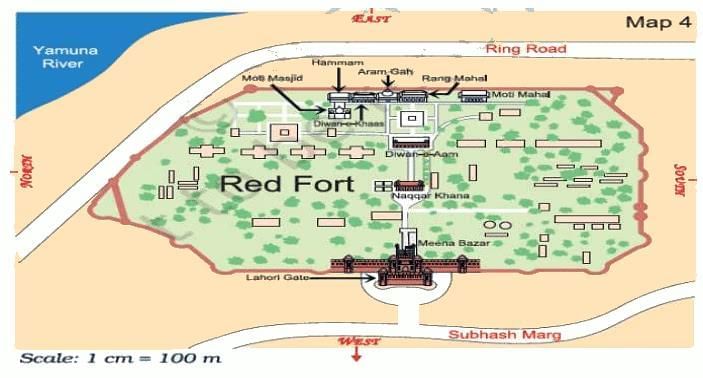
Find out from the given map.

(i) Which of these are nearest to River Yamuna?
Ans: The nearest buildings to the River Yamuna are Moti Masjid and Diwan-i-Khas. These buildings are located on the eastern side of the Red Fort, close to the river.

(ii) Which is in between the two buildings Hammam and Rang Mahal?
Ans: The building in between Hammam and Rang Mahal is the Aram Gah. It is situated between these two structures.

(iii) Which building do you pass while going from Rang Mahal to the Hammam?
Ans: While going from Rang Mahal to the Hammam, you pass by the Aram Gah. The Aram Gah is located directly in the path between these two buildings.

(iv) Which building on this map is farthest from Meena Bazar?
Ans: The building farthest from Meena Bazar is the Moti Masjid. It is located on the northeastern side of the Red Fort, whereas Meena Bazar is closer to the southwestern gate, Lahori Gate.

Questions & Answers

(i) What is the opposite direction of NORTH?
Ans: The opposite direction of NORTH is SOUTH.

(ii) What is the opposite direction of EAST?
Ans: The opposite direction of EAST is WEST.

(iii) What is the opposite direction of SOUTH?
Ans: The opposite direction of SOUTH is NORTH.

(iv) Northern state is ____________
Ans: The northern state could vary based on the country in question. For India, a northern state is Jammu and Kashmir.

(v) Eastern state is _____________
Ans: The eastern state could vary based on the country in question. For India, an eastern state is West Bengal.

(vi) Southern state is ____________
Ans: The southern state could vary based on the country in question. For India, a southern state is Tamil Nadu.

(vii) Distance between two states is 36 cm in the map. If 1 cm = 10 km in the map, what will be the actual distance between two states?
Ans: Calculation:
Actual Distance=Map Distance×Scale
Actual Distance=36 cm×10 km/cm=360 km
The actual distance between the two states is 360 km.

(viii) Distance between two states is 24 cm in the map. If 1 cm = 20 km in the map, what will be the actual distance between two states?
Ans: Calculation:
Actual Distance=Map Distance×Scale
Actual Distance=24 cm×20 km/cm=480 km
The actual distance between the two states is 480 km.

(ix) Distance between two states is 48 cm in the map. If 1 cm = 30 km in the map, what will be the actual distance between two states?
Ans: Actual Distance=Map Distance×Scale
Actual Distance=48 cm×30 km/cm=1440 km
The actual distance between the two states is 1440 km.

14. Worksheet: Maps and Locations – 2

Multiple Choice Question

Q1. On a map, which direction is opposite to East?
(a) North
(b) South
(c) West
(d) East

Q2. If you move from the top to the bottom of a map, you are moving:
(a) East
(b) West
(c) North
(d) South

Q3. Which of these is used to show exact positions on a map?
(a) Compass
(b) Scale
(c) Grid/Coordinates
(d) Legend

Q4. The symbol on a map that shows directions is called:
(a) Key
(b) Compass
(c) Scale
(d) Grid

Q5. A map scale is used to:
(a) Show direction
(b) Show real distances in smaller form
(c) Show colors
(d) None of these

Fill in the Blanks

Q1. The four main directions are __________, __________, __________, and __________.

Q2. On a map, __________ is usually at the top.

Q3. Moving __________ on a grid means going towards East.

Q4. The __________ number in a coordinate pair shows the column.

Q5. The __________ helps in finding directions on a map.

Q6. A __________ helps to measure real distances in a smaller form.

Find out from the given map.

(i) Which of these are nearest to River Yamuna?

(ii) Which is in between the two buildings Hammam and Rang Mahal?

(iii) Which building do you pass while going from Rang Mahal to the Hammam?

(iv) Which building on this map is farthest from Meena Bazar?

Questions & Answers

(i) What is the opposite direction of NORTH?

(ii) What is the opposite direction of EAST?

(iii) What is the opposite direction of SOUTH?

(iv) Northern state is ____________

(v) Eastern state is _____________

(vi) Southern state is ____________

(vii) Distance between two states is 36 cm in the map. If 1 cm = 10 km in the map, what will be the actual distance between two states?

(viii) Distance between two states is 24 cm in the map. If 1 cm = 20 km in the map, what will be the actual distance between two states?

(ix) Distance between two states is 48 cm in the map. If 1 cm = 30 km in the map, what will be the actual distance between two states?

14. Worksheet Solutions: Maps and Locations – 1

Multiple Choice Questions

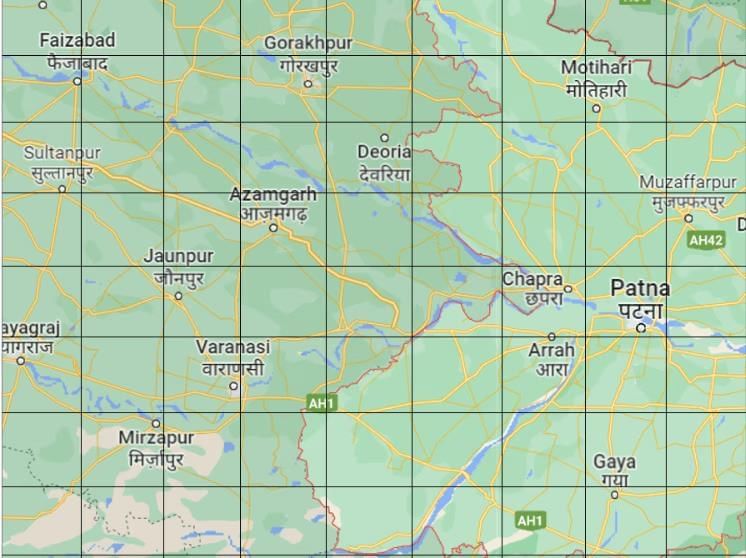
 (i) In the given map, a 1cm square grid represents 50km. What is the approximate distance between Jaunpur and Chapra?

(a) 250 km
(b) 450 km
(c) 350 km
(d) 150 km

Ans:  (a) 250 km
To calculate the distance between Jaunpur and Chapra, we followed these steps:

  • Grid Measurement: The map is divided into 1 cm grid squares, and the scale tells us that each 1 cm on the map equals 50 kilometers on the ground.
  • Estimate the Distance: By counting the number of grid squares between Jaunpur and Chapra, the distance is estimated to be around 5 cm.
  • Convert to Real Distance: Since each centimeter on the map represents 50 kilometers, we multiply the 5 cm by 50 kilometers:

                           5 cm × 50 km/cm = 250 km

Therefore, the approximate distance between Jaunpur and Chapra is 250 km.

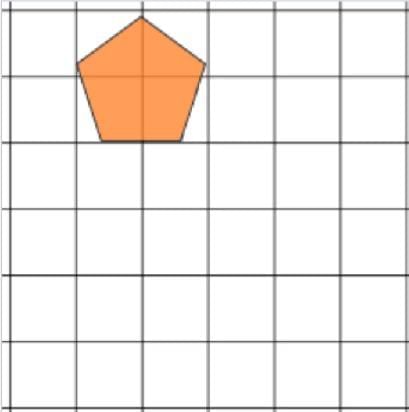
(ii) There is a pentagon drawn on a 1 cm square grid. If Mohan is asked to draw the same picture on a 2cm grid. The side of the square is made two times bigger. Does the area of square grids also become two times bigger?

(a) Yes, becomes two times bigger

(b) No, it becomes 4 times bigger 

(c) No, it becomes three times bigger

(d) No, it remains the same

Ans: (b) No, it becomes 4 times bigger 
The area of a square is calculated using the formula: Area = side × side.

  1. Original Grid (1 cm):
    • Area = 1×1=11cm×1cm=1 square cm
  2. New Grid (2 cm):
    • Area = 2×2=4 cm

When the side of the square becomes two times bigger, the area becomes four times bigger, not two times. Therefore, the correct answer is (b) No, it becomes 4 times bigger.

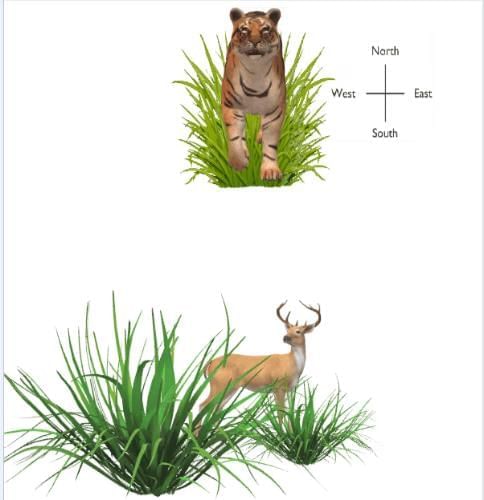
c) If the tiger wants to catch the deer, in which direction he should be making the jump?

(a) North

(b) South

(c) East

(d) West

Ans: (b) South
Based on the image and the compass directions provided, the tiger is positioned to the north of the deer. If the tiger wants to catch the deer, it should jump south.

So, Option b is correct.

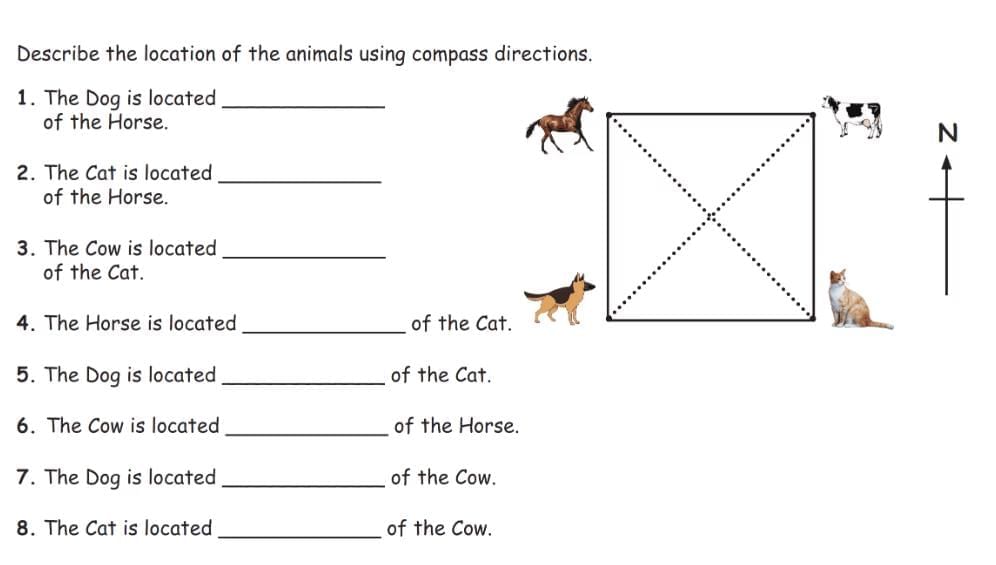
Answer the following Questions

(i) 

Ans:   1. The Dog is located south of the Horse.

              2. The Cat is located southeast of the Horse.

              3. The Cow is located north of the Cat.

              4. The Horse is located northwest of the Cat.

              5. The Dog is located west of the Cat.

              6. The Cow is located east of the Horse.

              7. The Dog is located southwest of the Cow.

              8. The Cat is located south of the Cow.

(ii) Find out the scale used to draw the map using the distance information given.
Places – From Bengaluru to Lucknow
Actual distance – 1855 Km 
Distance on map – 5.3 cm
Ans: 
Actual distance =1855 km
Distance on map =5.3 cm
1 cm = 1855 km / 5.3 
= 1855km / 1 x 10/53 
= 18550 km/53 
∴ 1 cm = 350 km

(iii) Height of a building is 9 m and this building is represented by 9 cm on a map. What is the scale used for the map?
Ans: 
Given: The height of the building is 9m.
9m is represented by 9cm on the map.
We know that 1m = 100cm
therefore,
9m : 9cm ⇒ 900cm : 9cm
Scale used ⇒ 100:1

(iv) If actual distance between two places A and B is 110 km and it is represented on a map by 25 mm. Then the scale used is _____.
Ans:
 We know that
Scale of map = Size drawn on map / Actual size  = 25mm / 110km
25mm / 110000000mm
1/440000
So, If actual distance between two places A and B is 110 km and it is represented on a map by 25 mm. Then the scale used is 1 : 4400000

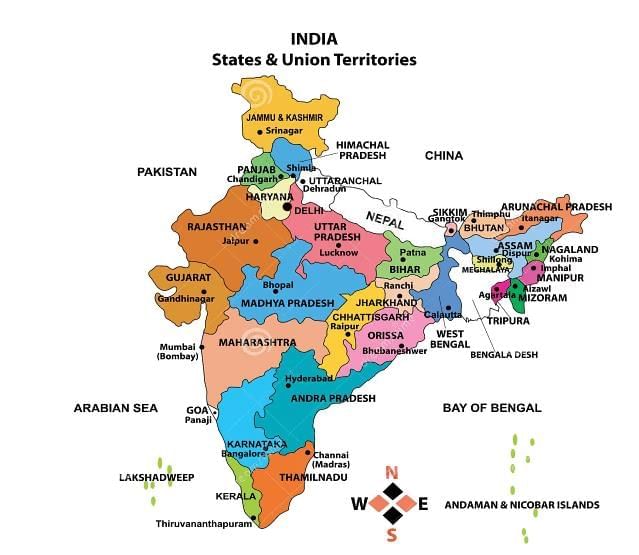
(i) Which State is surrounded by four other states?
Ans: Haryana. It is surrounded by Punjab, Himachal Pradesh, Uttarakhand, and Uttar Pradesh.

(ii) Which state has the largest area?
Ans: Rajasthan. It is the largest state in India by area.

(iii) Which are the places along the sea coast of South India?
Ans:

  • Chennai (Tamil Nadu)
  • Thiruvananthapuram (Kerala)
  • Mangalore (Karnataka)
  • Panaji (Goa)

(v) Mark those states which have the sea on one side.
Ans:

  • Gujarat
  • Maharashtra
  • Karnataka
  • Kerala
  • Tamil Nadu
  • Andhra Pradesh
  • Odisha
  • West Bengal
  • Goa

(vi) Name one state which does not have the sea on any side.
Ans: Madhya Pradesh. It is a landlocked state with no coastline.

(vii) Name 4 Eastern states of India.
Ans:

  • Arunachal Pradesh
  • Assam
  • Sikkim
  • Mizoram

(viii) Name 4 South Indian states.
Ans:

  • Tamil Nadu
  • Kerala
  • Karnataka
  • Andhra Pradesh

(ix) Which is the capital of Tamil Nadu?
Ans: Chennai. It is the capital city of Tamil Nadu.

(x) Sai is going from Tamil Nadu to Punjab. Name the states which fall in between his route.
Ans: The states from South to North are:

  • Tamil Nadu
  • Karnataka
  • Maharashtra
  • Madhya Pradesh
  • Uttar Pradesh
  • Haryana
  • Punjab

(xi) Harsha is travelling from Delhi to Mumbai (Maharashtra). Name the states which fall in between her route.
Ans: The states from North to West are:

  • Delhi
  • Haryana
  • Rajasthan
  • Gujarat
  • Maharashtra