16. Short Answer Questions: Seasons and Weather

Q1. What is weather?
Ans: Weather is how the sky and air feel outside. It can be sunny, rainy, windy, cold, or cloudy, and it affects what we wear and do.
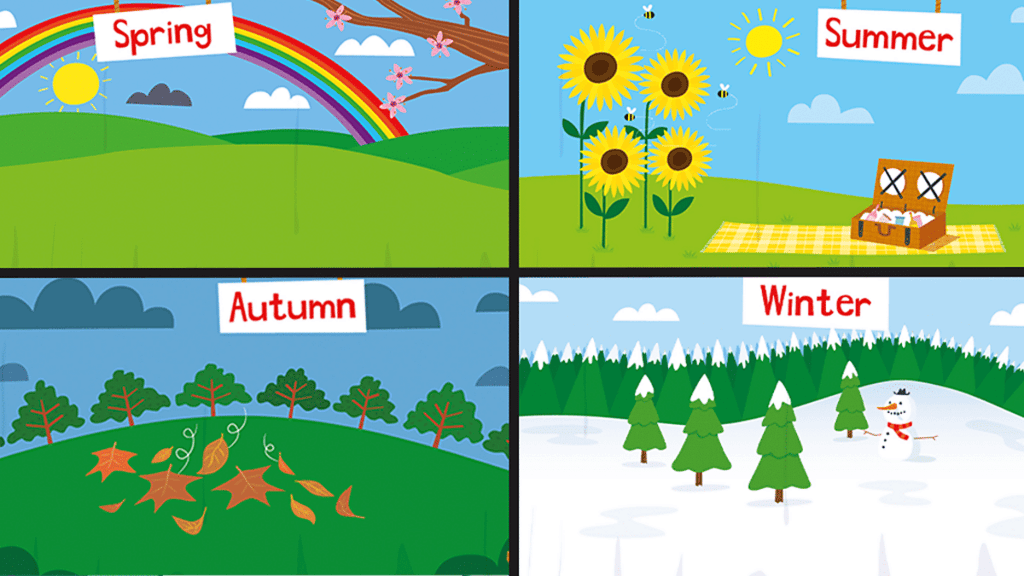
SeasonsSeasonsQ2. What do people usually wear on sunny days?
Ans: On sunny days, people wear light and comfortable cotton clothes to stay cool.
Q3. How do people stay warm on cold days?
Ans: People wear warm woolen clothes like sweaters and coats, and enjoy hot drinks like tea or soup to keep cozy.

Cold DaysCold Days

Q4. What should you use when it rains?Ans: When it rains, people use raincoats and umbrellas to stay dry.
Q5. What happens on windy days?
Ans: On windy days, strong winds blow, trees sway, and it’s fun to fly kites, but we should be careful and stay indoors if the wind is very strong.
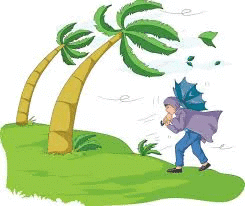
Windy DaysWindy DaysQ6. What are the four main seasons in India?
Ans: The four main seasons in India are Summer, Winter, Spring, and Monsoon. (Autumn is also a season with cool weather and falling leaves.)
Q7. What do people do during the summer season to stay cool?
Ans: During summer, people wear light clothes and drink cold beverages to stay comfortable in the heat.
Q8. How do people dress during winter in northern India?
Ans: In winter, people wear sweaters and jackets to keep warm and enjoy hot drinks like tea and coffee.

Q9. What happens in nature during spring?
Ans: In spring, flowers bloom and trees grow new leaves. The weather is mild and pleasant.
Q10. Why is the monsoon season important for farmers?
Ans: The monsoon brings heavy rain that waters crops, which helps farmers grow food.
Q11. What problems can heavy monsoon rains cause?
Ans: Heavy rains can cause flooding in some areas, which can be dangerous.

Rainy DaysRainy DaysQ12. What do people use during the monsoon to protect themselves from rain?
Ans: People use umbrellas and raincoats to stay dry during the monsoon.
Q13. What changes happen to trees during autumn?
Ans: During autumn, trees lose their leaves, and the leaves change to beautiful colors like red, yellow, and orange.
Q14. Why is autumn a good time for outdoor activities?
Ans: Autumn has cool and pleasant weather, making it perfect for picnics and walks in nature.
Q15. How does weather affect our daily life?
Ans: Weather affects what clothes we wear, what activities we do, and how we feel each day.
11. Short Answer Questions: Animals

Q1. What are animals?
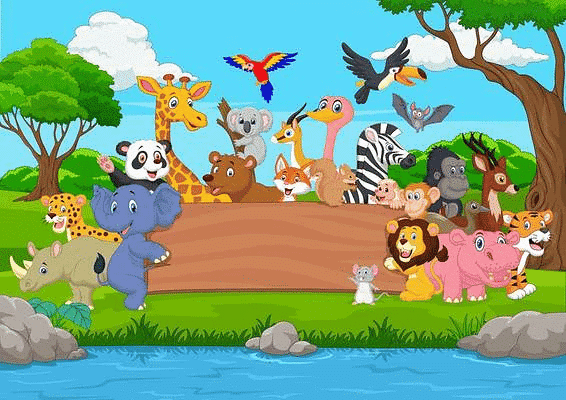
Ans: Animals are living things that can move, eat food, and sometimes make sounds. They come in many shapes and sizes, from tiny insects to big whales.

AnimalsAnimals

Q2. What are some examples of large animals?
Ans: Large animals include elephants, whales, giraffes, and rhinos. They can be very tall or heavy.

Q3. Can you name some medium-sized animals?
Ans: Medium animals are bigger than tiny creatures but smaller than large animals. Examples are cats, rabbits, and foxes.

Q4. What are tiny animals?
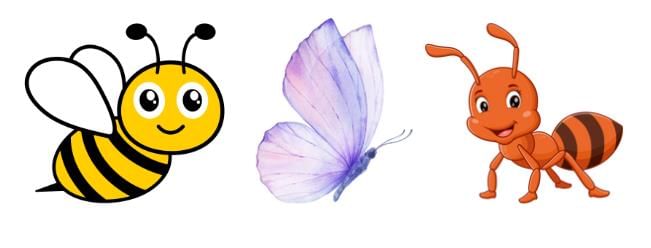
Ans: Tiny animals are very small creatures like ants, bees, butterflies, and mice. Sometimes you need a magnifying glass to see them well.

Tiny AnimalsTiny Animals

Q5. What are domestic animals?
Ans: Domestic animals live with humans and are often pets or help with work. Dogs, cats, and parrots are examples.

Q6. What are wild animals?
Ans: Wild animals live freely in forests or jungles and are not usually kept as pets. Lions, tigers, and elephants are wild animals.

Q7. Who are farm animals?
Ans: Farm animals live on farms and help people by providing food or doing work. Examples include cows, goats, and hens.

Q8. What are aquatic animals?
Ans: Aquatic animals live in water all their lives. They breathe using gills. Examples are whales, sharks, dolphins, fish, and octopuses.

Aquatic AnimalsAquatic Animals

Q9. What makes birds special?
Ans: Birds have feathers, wings, two legs, and a beak. Most can fly, and some are good swimmers. Sparrows, crows, and pigeons are birds.

Q10. What are insects?
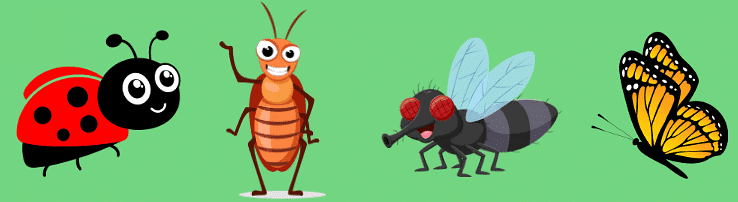
Ans: Insects are small animals with six legs and sometimes wings. Examples include ladybirds, cockroaches, houseflies, butterflies, and grasshoppers.

InsectsInsects

Q11. What do herbivorous animals eat?
Ans: Herbivores eat grass and plants. Cows, buffaloes, goats, deer, giraffes, donkeys, and elephants are herbivores.

Q12. What do carnivorous animals eat?
Ans: Carnivores eat only the flesh of other animals. Lions, tigers, leopards, hawks, and some whales are carnivores.

Q13. What do omnivorous animals eat?
Ans: Omnivores eat both plants and meat. Examples include crows, bears, jackals, and gorillas.

Q14. Why are animals important for nature?
Ans: Animals help keep the environment balanced by eating different foods and living in various places.

Q15. How can animals be classified based on where they live?
Ans: Animals can be domestic (living with people), wild (living in forests), farm (living on farms), aquatic (living in water), or birds and insects.

07. Short Answer Questions: Our Festivals

Short Answer Questions: Our Festivals

Q1. What is a festival?
Ans: A festival is a special time when a community comes together to celebrate its culture or religion by sharing events and traditions.

Q2. How do festivals help people in a neighbourhood?
Ans: Festivals bring people together, unite them, and bring happiness to their lives.

Short Answer Questions: Our Festivals

Q3. What are the two main types of festivals?
Ans: The two main types of festivals are religious festivals and national festivals.

Q4. Can you name some religious festivals?
Ans: Some religious festivals are Holi, Eid, Diwali, Christmas, and Gurpurab.

Q5. What do people do during Holi?
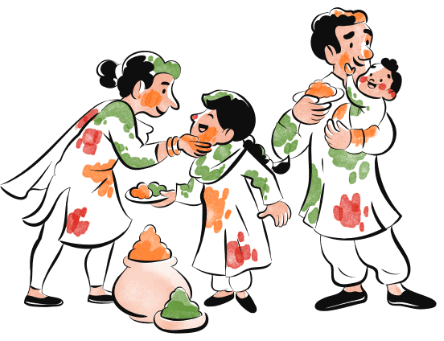
Ans: During Holi, people play with colors and water, enjoy sweets, and celebrate the arrival of spring.

Short Answer Questions: Our Festivals

Q6. Why is Diwali called the Festival of Lights?
Ans: Diwali is called the Festival of Lights because people decorate their homes with lamps and burst fireworks to celebrate the victory of light over darkness.

Q7. How do Muslims celebrate Eid?
Ans: Muslims celebrate Eid by praying, sharing meals, and exchanging gifts with family and friends.

Q8. What is Christmas and how is it celebrated?
Ans: Christmas is the birthday of Jesus Christ. People celebrate by decorating their homes, exchanging gifts, singing carols, and enjoying meals with family and friends.

Short Answer Questions: Our Festivals

Q9. What happens during Gurpurab?
Ans: During Gurpurab, Sikhs celebrate the birthday of Guru Nanak by praying in Gurudwaras and sharing a community lunch called Langar.

Q10. What is Pongal and where is it celebrated?
Ans: Pongal is a harvest festival celebrated in Tamil Nadu. People thank the Sun God and cook special rice with milk and jaggery.

Short Answer Questions: Our Festivals

Q11. What is Bihu and how do people celebrate it?
Ans: Bihu is a joyful festival in Assam that welcomes the New Year and spring. People dance, sing, and enjoy traditional music and food.

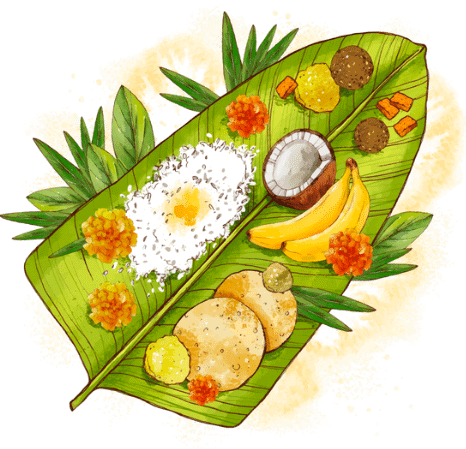
Q12. What is Onam and how is it celebrated?
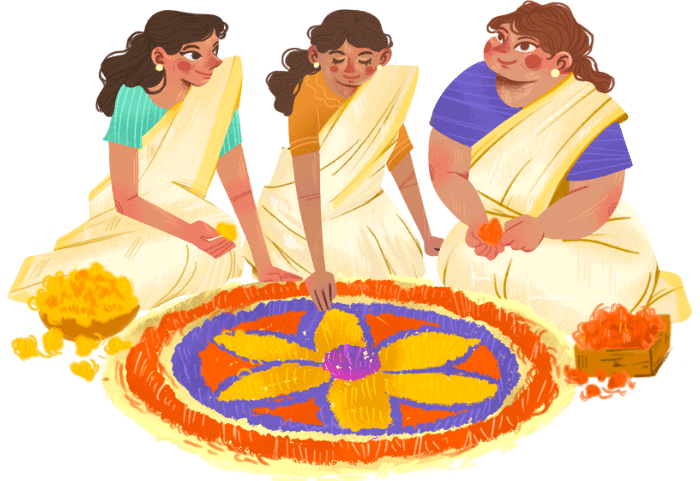
Ans: Onam is a festival in Kerala celebrated with boat races and feasts to welcome King Mahabali.

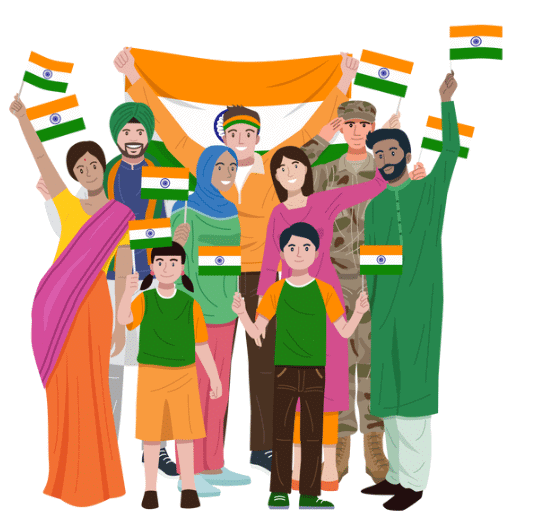
Q13. What are national festivals?
Ans: National festivals are celebrated by everyone across India, no matter where they live.

Q14. When is Independence Day celebrated and why?
Ans: Independence Day is celebrated on 15th August to mark India’s freedom from British rule.

Short Answer Questions: Our Festivals

Q15. What happens on Republic Day?
Ans: On Republic Day, celebrated on 26th January, the President hoists the national flag and there is a big parade in Delhi.

Q16. Who is remembered on Gandhi Jayanti and why?
Ans: Mahatma Gandhi is remembered on Gandhi Jayanti, which is his birthday. He is known as the Father of the Nation.

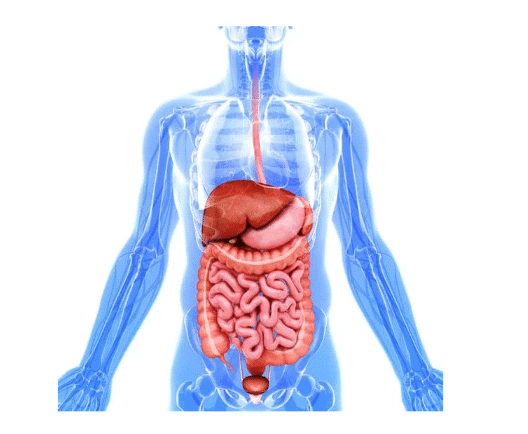
02. Short Answer Questions: Our Body

Q1: What are internal organs?
Ans: Internal organs are inside the body and cannot be seen. Examples are the brain, heart, and stomach.

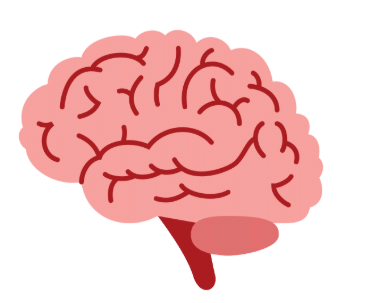
Q2: What does the brain do?
Ans: The brain controls all body parts and organs. It is placed inside the skull.

Short Answer Questions: Our Body

Q3: What is the function of the heart?
Ans: The heart pumps blood inside our body. It is made up of muscles.

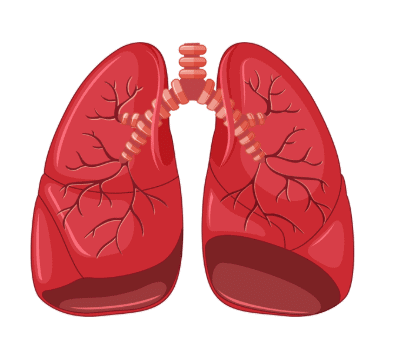
Q4: How do lungs help us?
Ans: Lungs are bag like organs used for breathing. We have two lungs, one on each side of the chest.

Short Answer Questions: Our Body

Q5: What are external organs?
Ans: External organs are body parts visible outside.They include hands, legs, and skin.

Q6: What does the nose do?
Ans: The nose helps us breathe and smell.  Every human being has one nose.

Q7: How does the tongue help us?
Ans: The tongue helps us taste different food items. It is a sense organ inside the mouth.

Q8: What is an organ system?
Ans: An organ system is a group of organs connected together to do a particular kind of work. Examples are the digestive and circulatory systems.

Short Answer Questions: Our Body

Q9: What does the skeletal system do?
Ans: The skeletal system gives shape and support to the body. It has 206 bones in adults.

Q10: Which body parts are used in kicking a football?
Ans: Kicking a football uses the hip, knee, ankle, and toes. These parts help move the leg.

09. Worksheet Solutions: Coconut Farm

Multiple Choice Questions

Q1: What is the number to be divided called?

(a) Divisor
(b) Quotient
(c) Dividend
(d) Remainder

Ans: (c) Dividend

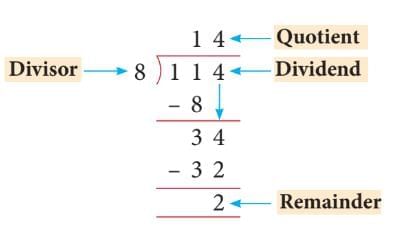
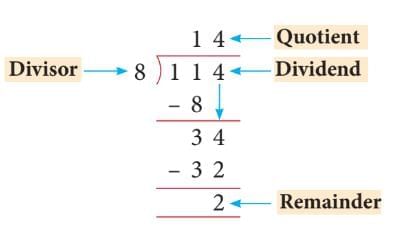
Multiple Choice QuestionsThe number to be divided in a division operation is called the Dividend. For example, in 114 ÷ 8, the number 114 is the dividend.
Q2: What is the result of the division called?

(a) Dividend
(b) Divisor
(c) Quotient
(d) Remainder

Ans: (c) Quotient Multiple Choice QuestionsThe result of a division operation is called the Quotient. For example, in 114 ÷ 8, the number 14 is the quotient.
Q3: Which of the following statements is true about dividing a number by itself?

(a) The result is the number itself.
(b) The result is always 1.
(c) The result is zero.
(d)The result is the dividend.

Ans: (b) The result is always 1
When a number is divided by itself (except zero), the result is always 1. For instance, 8÷8 = 1.

Q4: What happens when you divide zero by a non-zero number?

(a) The result is 1.
(b) The result is 0.
(c) The result is undefined.
(d) The result is the divisor.

Ans: (b) The result is 0.
When zero is divided by any non-zero number, the result is always 0. For example, 0÷5 = 0.

Q5: What is the remainder when 10 is divided by 3?

(a) 1
(b)  2
(c) 3
(d) 0

Ans: (a) 1
When 10 is divided by 3, the division gives a quotient of 3 and a remainder of 1. This is because 10 = (3×3) + 1.

Fill in the Blanks

Q1: The number left after division is called __________.

Ans: “Remainder”

Q2: When dividing a number by 1, the quotient is __________.

Ans: “The number itself”

Q3: The formula to verify division is __________.

Ans: “Divisor × Quotient + Remainder = Dividend”

Q4: The quotient of any number divided by itself is __________.

Ans: “1”

Q5: If you divide zero by a number, the result is __________.

Ans: “0”

True or False

Q1: Division by zero is defined. 

Ans: “False”
Division by zero is not defined because no number can be divided by zero in mathematics. It leads to an undefined result. Hence, the statement is False.

Q2: The remainder can be equal to the divisor. 

Ans: “False”
The remainder in a division operation is always less than the divisor. For example, in 10÷3, the remainder is 1, which is less than 3. Hence, the statement is False.

Q3: Division of a number by 1 always results in the number itself. 

Ans: “True”

Q4: The quotient of any number divided by itself is always greater than one. 

Ans: “False”
When a number is divided by itself (except zero), the quotient is always 1. For instance, 5÷5=1, which is not greater than one. Hence, the statement is False.

Q5: To divide by 10, you remove the last digit. __________

Ans: “True”

Answer the following questions

Q1: I want to distribute Rs 3,600 among 8 persons. How many rupees will each person get?
Ans:
Total Rs. = 3600
To be distributed among = 8 persons
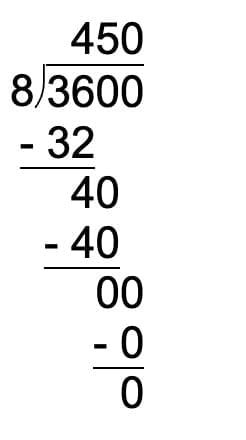
3600 ÷ 8 = 450Answer the following questions450 Rs. per person

Q2: In a division, divisor = 100, quotient = 25 and remainder = 75, find the dividend.
Ans:
Divisor = 100, Quotient = 25 and Remainder = 75
Dividend = Quotient x Divisor + Remainder.
Dividend = 25 x 100 + 75 = 2575

Q3: In a division, remainder is always ______ than the divisor.
Ans: The remainder is always less than the divisor. If the remainder is greater than the divisor, it means that the division is incomplete. It can be greater than or lesser than the quotient.

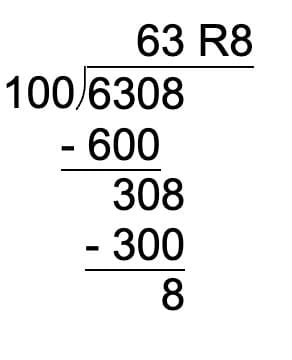
Q4: 6308 ÷ 100 gives quotient = ______ and remainder = ______.
Ans: 6308 ÷ 100 gives quotient = 63 and remainder = 8.Answer the following questions
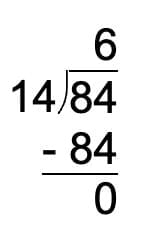
Q5: Manish has Rs 84. The cost of one pencil box is Rs 14. How many pencil boxes can Manish buy for Rs 84?
Ans:

  • Total money = RS 84
  • Cost of 1 pencil box = RS 14
  • Then cost of x pencil boxes is = 84 ÷ 14 = 6Answer the following questions
  • So, x = 6
Answer the following questions

09. Worksheet: Coconut Farm

Multiple Choice Questions

Q1: What is the number to be divided called?

(a) Divisor
(b) 
Quotient
(c) 
Dividend
(d) 
Remainder

Q2: What is the result of the division called?

(a) Dividend
(b) 
Divisor
(c) 
Quotient
(d) 
Remainder

Q3: Which of the following statements is true about dividing a number by itself?

(a) The result is the number itself.
(b) 
The result is always 1.
(c) 
The result is zero.
(d) 
The result is the dividend.

Q4: What happens when you divide zero by a non-zero number?

(a) The result is 1.
(b) 
The result is 0.
(c) 
The result is undefined.
(d) 
The result is the divisor.

Q5: What is the remainder when 10 is divided by 3?

(a) 1
(b) 
2
(c) 
3
(d) 
0

Fill in the Blanks

Q1: The number left after division is called __________.

Q2: When dividing a number by 1, the quotient is __________.

Q3: The formula to verify division is __________.

Q4: The quotient of any number divided by itself is __________.

Q5: If you divide zero by a number, the result is __________.

True or False

Q1: Division by zero is defined.

Q2: The remainder can be equal to the divisor.

Q3: Division of a number by 1 always results in the number itself.

Q4: The quotient of any number divided by itself is always greater than one.

Q5: To divide by 10, you remove the last digit.

Answer the following questions

Q1: I want to distribute Rs 3,600 among 8 persons. How many rupees will each person get?

Q2: In a division, divisor = 100, quotient = 25 and remainder = 75, find the dividend.

Q3: In a division, remainder is always ______ than the divisor.

Q4: 6308 ÷ 100 gives quotient = ______ and remainder = ______.

Q5: Manish has Rs 84. The cost of one pencil box is Rs 14. How many pencil boxes can Manish buy for Rs 84?

Answer the following questions

08. Worksheet Solutions: Weight and Capacity

Multiple Choice Questions

Q1: What is weight?
(a) The measure of space an object occupies
(b) The force with which Earth attracts an object
(c) The amount of liquid in a container
(d) The measure of distance between two points
Ans: (b)

Weight is the force with which the Earth attracts an object. It is usually measured in kilograms or grams.

Q2: Which unit is used to measure capacity?
(a) Gram
(b) Litre
(c) Kilogram
(d) Meter
Ans: (b)

Capacity is measured in litres. It indicates the volume of liquid a container can hold.

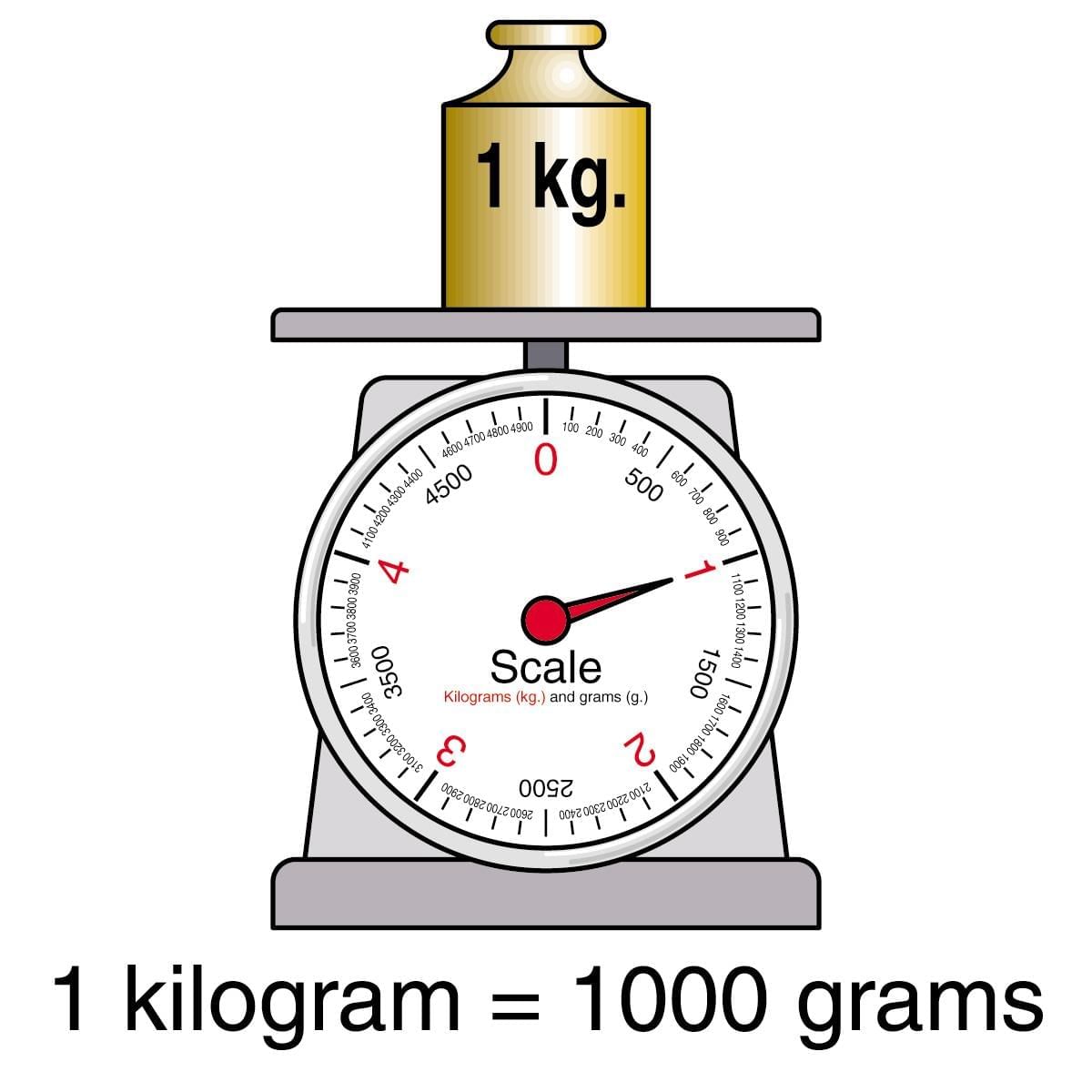
Q3: How many grams are there in 1 kilogram?
(a) 10
(b) 100
(c) 1000
(d) 1
Ans: (c)

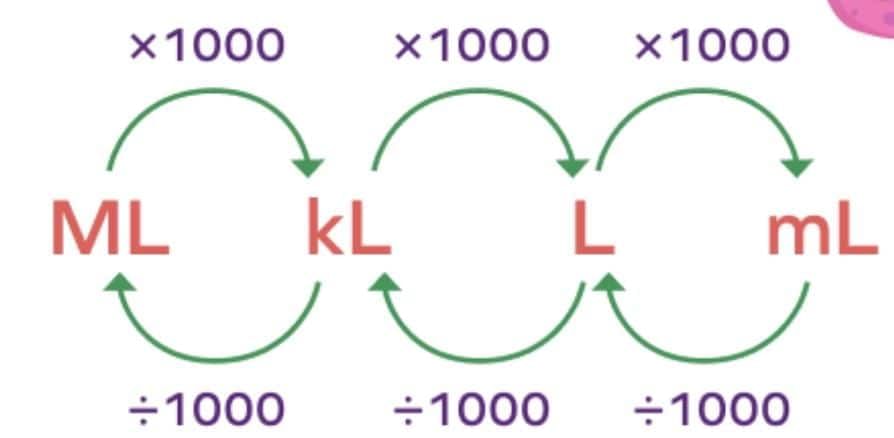
There are 1000 grams in 1 kilogram.

Q4: Which unit is used to measure very small weights?
(a) Milligram
(b) Gram
(c) Kilogram
(d) Litre
Ans: (a)

Very small weights are measured in milligrams (mg).

Q5: How is liquid measured using a measuring jug?
(a) By its colour
(b) By pouring and comparing
(c) By reading the scale marked on the jug
(d) By weighing the liquid
Ans: (c)

A measuring jug has a scale marked in litres or millilitres to measure the quantity of liquid.

Short Questions

Q1: Name two units used to measure weight.
Ans: Kilogram and gram.

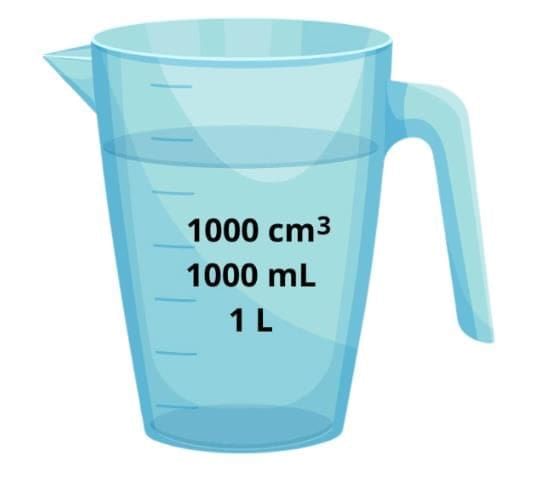
Q2: How many millilitres are there in 1 litre?
Ans: There are 1000 millilitres in 1 litre.

Q3: Name three units used to measure capacity.
Ans: Litre, millilitre, and kilolitre.

Q4: What is the standard SI unit of weight?
Ans: Kilogram (kg).

Fill in the Blanks

Q1: The SI unit of weight is _______________.
Ans: kilogram (kg)

Q2: Capacity is the measure of _______________ a container can hold.
Ans: liquid/volume

Q3: 1 kilogram is equal to _______________ grams.
Ans: 1000

Q4: 1 litre is equal to _______________ millilitres.
Ans: 1000

Q5: Very small weights are measured in _______________.
Ans: milligrams (mg)

Match the Column

A. 1 kilogram → (i) 1000 millilitres
B. 1 litre → (ii) 1000 grams
C. 1 gram → (iii) 1000 milligrams
D. 1 millilitre → (iv) 1 cubic centimetre

Ans:
A – (ii)
B – (i)
C – (iii)
D – (iv)

True or False

Q1: The SI unit of weight is kilogram. 
Ans: True

Q2: 1 litre is equal to 1000 grams. 
Ans: False

Q3: Capacity is measured in litres and millilitres.
Ans: True

Q4: 1 millilitre of water is equal to 1 cubic centimetre of water. 
Ans: True

Q5: Weight is measured in litres. 
Ans: False

08. Worksheet: Weight and Capacity

A. Multiple Choice Questions

Q1: What is weight?
(a) The measure of space an object occupies
(b) The force with which Earth attracts an object
(c) The amount of liquid in a container
(d) The measure of distance between two points

Q2: Which unit is used to measure capacity?
(a) Gram
(b) Litre
(c) Kilogram
(d) Meter

Q3: How many grams are there in 1 kilogram?
(a) 10
(b) 100
(c) 1000
(d) 1

Q4: Which unit is used to measure very small weights?
(a) Milligram
(b) Gram
(c) Kilogram
(d) Litre

Q5: How is liquid measured using a measuring jug?
(a) By its colour
(b) By pouring and comparing
(c) By reading the scale marked on the jug
(d) By weighing the liquid

B. Short Questions

Q1: Name two units used to measure weight.

Q2: How many millilitres are there in 1 litre?

Q3: Name three units used to measure capacity.

Q4: What is the standard SI unit of weight?

C. Fill in the Blanks

Q1: The SI unit of weight is _______________.

Q2: Capacity is the measure of _______________ a container can hold.

Q3: 1 kilogram is equal to _______________ grams.

Q4: 1 litre is equal to _______________ millilitres.

Q5: Very small weights are measured in _______________.

D. Match the Column

A. 1 kilogram → (i) 1000 millilitres
B. 1 litre → (ii) 1000 grams
C. 1 gram → (iii) 1000 milligrams
D. 1 millilitre → (iv) 1 cubic centimetre

E. True or False

Q1: The SI unit of weight is kilogram. 

Q2: 1 litre is equal to 1000 grams. 

Q3: Capacity is measured in litres and millilitres.

Q4: 1 millilitre of water is equal to 1 cubic centimetre of water. 

Q5: Weight is measured in litres. 

07. Worksheet Solutions: Shapes and Patterns

Multiple Choice Questions (MCQs)

Q1. Regular pentagons do not tessellate because:
a) Their sides are unequal
b) They leave gaps when fitted
c) They are not polygons
d) They have unequal angles
Answer: b) They leave gaps when fitted

Q2. Which of these shapes tessellates without leaving gaps?
a) Pentagon
b) Hexagon
c) Octagon
d) Circle
Answer: b) Hexagon

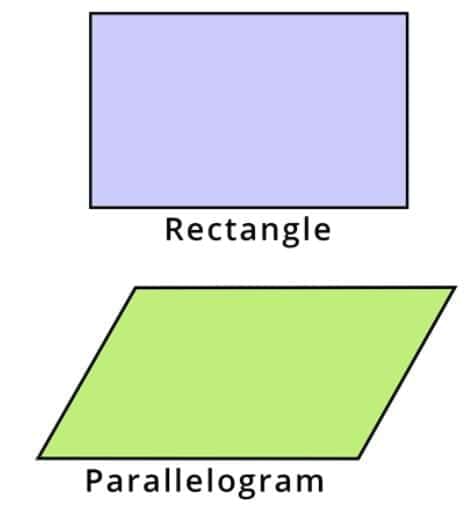
Q3. A rectangle is a special type of:
a) Square
b) Parallelogram
c) Rhombus
d) Trapezium
Answer: b) Parallelogram

Q4. In a kite, which sides are equal?
a) Opposite sides
b) Adjacent sides
c) Diagonal sides
d) No sides
Answer: b) Adjacent sides

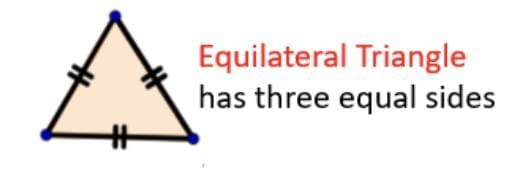
Q5. Which triangle has all three sides equal?
a) Isosceles triangle
b) Equilateral triangle
c) Scalene triangle
d) Right triangle
Answer: b) Equilateral triangle

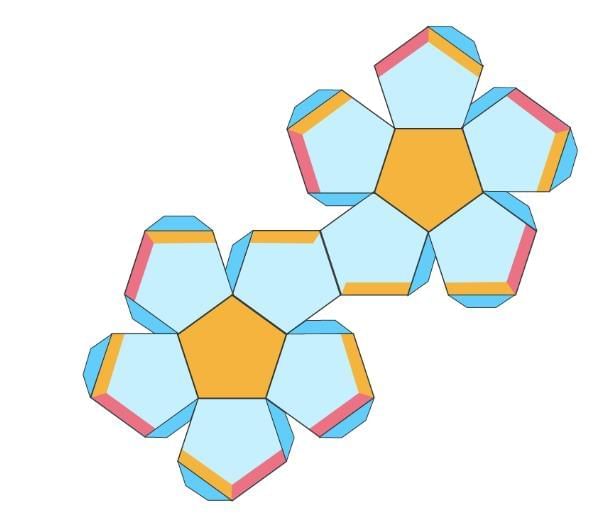
Q6. A dodecahedron has faces in the shape of:
a) Triangles
b) Squares
c) Pentagons
d) Hexagons
Answer: c) Pentagons

Fill in the blanks 

Q1. A shape with all sides equal and all angles equal is called a __________.
Answer: Square

Q2. A triangle with no equal sides is called a __________ triangle.
Answer: Scalene

Q3. Regular __________ tessellate because they can fit exactly around a point without gaps.
Answer: Triangles (equilateral triangles)

Q4. A quadrilateral whose opposite sides are equal is called a __________.
Answer: Parallelogram

Q5. A shape with six equal sides is called a __________.
Answer: Hexagon

Q6. A cube has __________ faces, __________ edges, and __________ vertices.
Answer: 6 faces, 12 edges, 8 vertices

Q7. In an isosceles triangle, __________ sides and __________ angles are equal.
Answer: two sides, two angles

Q8. A tangram is made up of __________ pieces.
Answer: seven

Solve the Following Questions

Q1:  Draw and color the next shape to complete the pattern 
(i) 
Ans:

(ii) 
Ans:

Q2: Make a pattern using following blocks:
(i)

Ans:

(ii)
Ans:

Q3: Draw the next figures that follow the patterns:
(i)
Ans:

(ii)
Ans:

Q4: Complete the pattern:

(a)

(b)

(c)

(d)

Ans: 
(a)

07. Worksheet: Shapes and Patterns

Multiple Choice Questions (MCQs)

Q1. Regular pentagons do not tessellate because:
a) Their sides are unequal
b) They leave gaps when fitted
c) They are not polygons
d) They have unequal angles

Q2. Which of these shapes tessellates without leaving gaps?
a) Pentagon
b) Hexagon
c) Octagon
d) Circle

Q3. A rectangle is a special type of:
a) Square
b) Parallelogram
c) Rhombus
d) Trapezium

Q4. In a kite, which sides are equal?
a) Opposite sides
b) Adjacent sides
c) Diagonal sides
d) No sides

Q5. Which triangle has all three sides equal?
a) Isosceles triangle
b) Equilateral triangle
c) Scalene triangle
d) Right triangle

Q6. A dodecahedron has faces in the shape of:
a) Triangles
b) Squares
c) Pentagons
d) Hexagons

Fill in the blanks 

Q1. A shape with all sides equal and all angles equal is called a __________.

Q2. A triangle with no equal sides is called a __________ triangle.

Q3. Regular __________ tessellate because they can fit exactly around a point without gaps.

Q4. A quadrilateral whose opposite sides are equal is called a __________.

Q5. A shape with six equal sides is called a __________.

Q6. A cube has __________ faces, __________ edges, and __________ vertices.

Q7. In an isosceles triangle, __________ sides and __________ angles are equal.

Q8. A tangram is made up of __________ pieces.

Solve the Following Questions

Q1:  Draw and color the next shape to complete the pattern 
(i) 

(ii) 
Solve the Following Questions

Q2: Make a pattern using following blocks:
(i)

Solve the Following Questions

(ii)

Q3: Draw the next figures that follow the patterns:
(i)

(ii)

Q4: Complete the pattern:
(a)
(b)
(c)
(d)