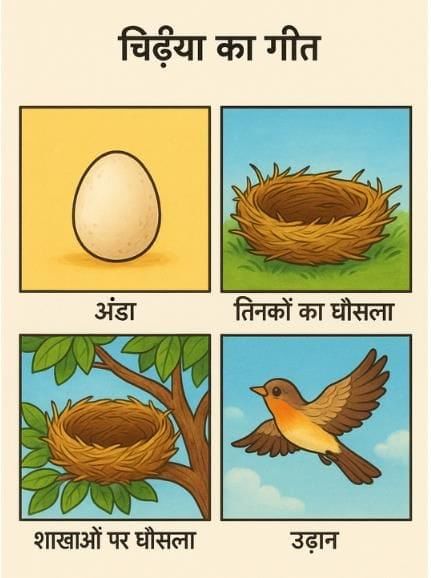
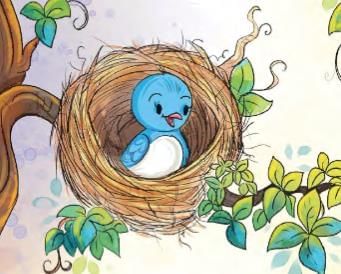
1. कविता के प्रथम चरण में चिड़िया ने अपने घर का आकार क्या बताया? a) गोले जैसा b) गेंद जैसा c) अंडे जैसा d) टरगेट जैसा सही उत्तर: c) अंडे जैसा
2. चिड़िया ने अपना घर किससे बनाया? a) पत्तियों से b) तिनकों से c) बालू से d) मिट्टी से सही उत्तर: b) तिनकों से
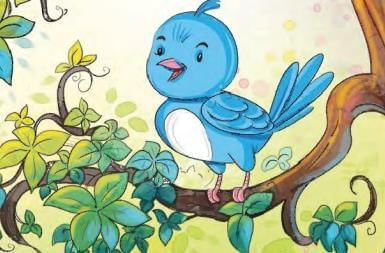
3. तीसरे चरण में चिड़िया का घर कहाँ था? a) पानी पर b) शाखाओं पर c) जमीन पर d) छत पर सही उत्तर: b) शाखाओं पर
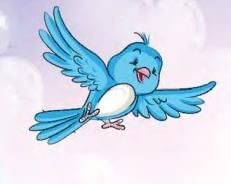
4. कविता में चिड़िया ने किस अवस्था में समझा कि संसार बहुत बड़ा है? a) अंडे में रहते हुए b) तिनकों वाले घोंसले में c) शाखाओं पर बैठे हुए d) आसमान में उड़कर सही उत्तर: d) आसमान में उड़कर
5. “बस इतना-सा ही है संसार” यह पंक्ति कविता में कितनी बार दोहराई गई? a) 2 बार b) 3 बार c) 4 बार d) 5 बार सही उत्तर: b) 3 बार व्याख्या: प्रत्येक चरण के अंत में यह पंक्ति तीन चरणों में दोहराई गई है।
ii) रिक्त स्थान भरें
(नीचे दिये रिक्त स्थानों में अध्याय के आधार पर सही शब्द लिखिए।)
1. सबसे पहले मेरे घर का आकार _______ था।
उत्तर: अंडे जैसा
व्याख्या: प्रारंभिक अवस्था में चिड़िया अंडे जैसा आकार दिखाती है।
2. फिर मेरा घर बना _______ से तैयार।
उत्तर: तिनकों
व्याख्या: अगले चरण में गीत में उल्लेख है कि घोंसला तिनकों से बना।
3. तीसरा घर था _______ पर।
उत्तर: शाखाओं
व्याख्या: तीसरे चरण में चिड़िया अपने घर को शाखाओं पर बताती है।
4. आसमान में उड़ते हुए चिड़िया ने पंख _______।
उत्तर: पसारे
व्याख्या: आखिरी चरण में “पंख पसार” कर वह उड़ान भरती है।
5. कविता का मुख्य विचार बताता है कि संसार _______ है।
उत्तर: बहुत बड़ा
व्याख्या: अंतिम चरण में चिड़िया को समझ में आता है कि ये संसार बहुत बड़ा है।
iii) अति-लघु उत्तर प्रश्न
(निम्न प्रश्नों के उत्तर एक पंक्ति में दीजिए।)
1. चिड़िया ने अपने पहले घर की तुलना किससे की? उत्तर: अंडे से।
2. दूसरे घर का घोंसला किससे बनाया गया?
उत्तर: तिनकों से।
3. तीसरे घर के लिए चिड़िया ने कौन-सी जगह चुनी? उत्तर: शाखाएँ।
4. अंत में चिड़िया ने संसार का विस्तार कैसे अनुभव किया? उत्तर: आसमान में उड़कर।
5. कविता का केंद्रीय संदेश क्या है? उत्तर: संसार बहुत बड़ा है।
iv) लघु उत्तर प्रश्न
(निम्न प्रश्नों के उत्तर 2–3 पंक्तियों में दीजिए।)
1. कविता में चिड़िया क्यों सोचती थी “बस इतना-सा ही है संसार” पहले तीन चरणों में? उत्तर: पहले तीनों चरणों में चिड़िया का अनुभव सीमित था—अंडे में, तिनकों के घोंसले में और शाखाओं पर—इसलिए वह सोचती थी कि ये पूरा संसार है।
2. कविता में चारों अवस्थाएँ (घर) क्या-क्या थीं? उत्तर: प्रथम—अंडे जैसा आकार, द्वितीय—तिनकों का घोंसला, तृतीय—शाखाओं पर घर, चतुर्थ—आसमान में पंख पसारकर उड़ान।
3. “पंख पसार” का प्रतीकात्मक अर्थ कविता में क्या दर्शाता है? उत्तर: यह स्वतंत्रता और निर्भय उड़ान का प्रतीक है, जहाँ चिड़िया को अपनी सीमाओं से परे जाने का बोध होता है।
4. अंतिम अवस्था में चिड़िया ने संसार को “बहुत बड़ा” क्यों कहा? उत्तर: जब वह आसमान में ऊँचाई पर उड़ी, तब उसे दूर-दूर तक फैली दुनिया दिखाई दी और उसे एहसास हुआ कि वास्तविकता में संसार असीमित है।
v) मिलान कीजिए
(नीचे दिए कॉलम A को कॉलम B के सही विकल्प से मिलाइए।)
Column A
Column B
1. पहला घर
a. तिनकों से बना घोंसला
2. दूसरा घर
b. बहुत बड़ा संसार
3. तीसरा घर
c. अंडे जैसा आकार
4. उड़ान भरने का समय
d. शाखाओं पर घर
5. जब समझ आया
e. पंख पसारकर आसमान में उड़ान
उत्तर-मिलान: 1 – c, 2 – a, 3 – d, 4 – e, 5 – b
संक्षिप्त व्याख्या:
(1‑c) पहले घर को अंडे जैसा आकार बताया गया।
(2‑a) दूसरे घर का घोंसला तिनकों से तैयार था।
(3‑d) तीसरा घर शाखाओं पर था।
(4‑e) उड़ान भरने में चिड़िया ने पंख पसारे और आसमान में उड़ी।
1. कविता के प्रथम चरण में चिड़िया ने अपने घर का आकार क्या बताया? a) गोले जैसा b) गेंद जैसा c) अंडे जैसा d) टरगेट जैसा
2. चिड़िया ने अपना घर किससे बनाया? a) पत्तियों से b) तिनकों से c) बालू से d) मिट्टी से
3. तीसरे चरण में चिड़िया का घर कहाँ था? a) पानी पर b) शाखाओं पर c) जमीन पर d) छत पर
4. कविता में चिड़िया ने किस अवस्था में समझा कि संसार बहुत बड़ा है? a) अंडे में रहते हुए b) तिनकों वाले घोंसले में c) शाखाओं पर बैठे हुए d) आसमान में उड़कर
5. “बस इतना-सा ही है संसार” यह पंक्ति कविता में कितनी बार दोहराई गई? a) 2 बार b) 3 बार c) 4 बार d) 5 बार
ii) रिक्त स्थान भरें
(नीचे दिये रिक्त स्थानों में अध्याय के आधार पर सही शब्द लिखिए।)
1. सबसे पहले मेरे घर का आकार _______ था।
2. फिर मेरा घर बना _______ से तैयार।
3. तीसरा घर था _______ पर।
4. आसमान में उड़ते हुए चिड़िया ने पंख _______।
5. कविता का मुख्य विचार बताता है कि संसार _______ है।
iii) अति-लघु उत्तर प्रश्न
(निम्न प्रश्नों के उत्तर एक पंक्ति में दीजिए।)
1. चिड़िया ने अपने पहले घर की तुलना किससे की?
2. दूसरे घर का घोंसला किससे बनाया गया?
3. तीसरे घर के लिए चिड़िया ने कौन-सी जगह चुनी?
4. अंत में चिड़िया ने संसार का विस्तार कैसे अनुभव किया?
5. कविता का केंद्रीय संदेश क्या है?
iv) लघु उत्तर प्रश्न
(निम्न प्रश्नों के उत्तर 2–3 पंक्तियों में दीजिए।)
1. कविता में चिड़िया क्यों सोचती थी “बस इतना-सा ही है संसार” पहले तीन चरणों में?
2. कविता में चारों अवस्थाएँ (घर) क्या-क्या थीं?
3. “पंख पसार” का प्रतीकात्मक अर्थ कविता में क्या दर्शाता है?
4. अंतिम अवस्था में चिड़िया ने संसार को “बहुत बड़ा” क्यों कहा?
v) मिलान कीजिए
(नीचे दिए कॉलम A को कॉलम B के सही विकल्प से मिलाइए।)
Q4:All of these are non-living things except (a) balloon (b) ant (c) thread (d) honey
Q5:Which of these reproduces by giving birth to babies?
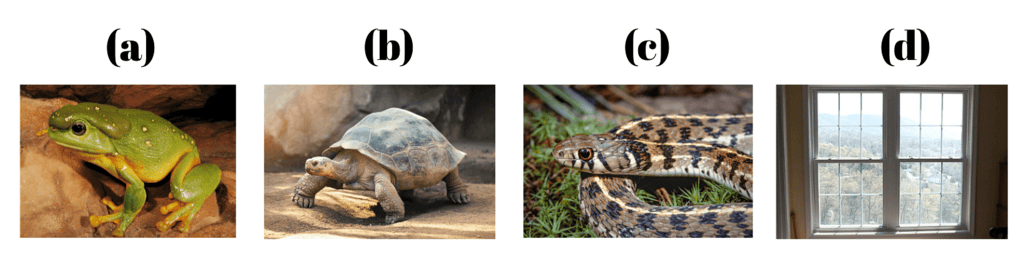
Q6: Categorize the following into living (L), non-living (NL) and once-living (OL).
Q7: Give two examples of the following (a) Two living things ________________ ________________ (b) Two features of living things ________________ ________________ (c) Two non-living things ________________ ________________ (d) Two features of non-living things ________________ ________________
Q8: True or False (a) All animals move with legs. (b) Living things get energy from food. (c) Plants cannot breathe. (d) Plants do not move from place to place, but their body parts may move. (e) Air is necessary for living things to get energy from food.
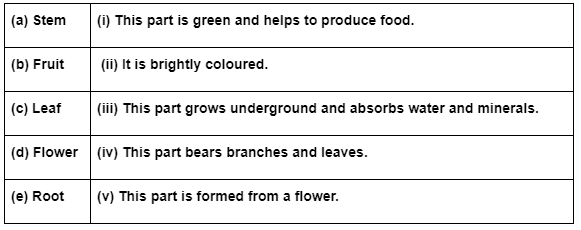
Q9: Match the following
(a) Snakes move using their
(i) Seeds
(b) Plants reproduce with
(ii) Muscles
(c) Lifespan
(iii) Laying eggs
(d) Toy is a
(iv) A period of which an animal lives
(e) Snake reproduce by
(v) Non-living thing
Q10: Fill in the blanks
(a) Climbers such as money plants __________ upwards with the support of a stick as they grow. (b) Living things need __________ and __________ . (c) Plants can feel __________ and grow towards it. (d) Living things need to __________ air to stay alive. (e) __________ means to give birth to young ones.
Answer the following questions in brief.
Q11: What are living things? Give examples.
Q12: Name four living things which use lungs for breathing.
Q13: Why do animals move from place to place? Why is there no need for plants to move around?
Get additional INR 200 off today with EDUREV200 coupon.
Fill in the blanks
Question 7: plant-eating, leeches, tongue, bear (a) ___________ are blood-sucking animals. (b) Herbivorous animals are ___________ animals. (c) Cats lap milk with the help of their ___________. (d) ___________ is an omnivorous animal.
Also read: Worksheet Solution: Animals: Feeding Habits
Answer the following questions
Question 8: Why do animals need food? Question 9: What is chewing the cud? Give two examples of animals which chew the cud. Question 10: Explain the eating habits of omnivorous animals. Question 11: All animals depend on plants for their food. How? Question 12: What is a food chain?
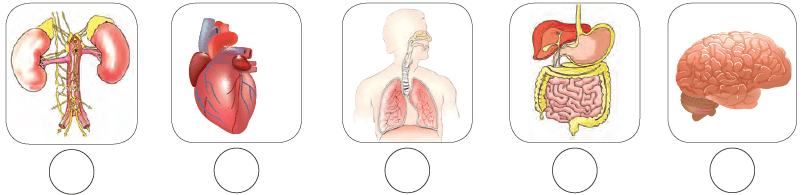
(a) Helps in movement of body organs _____________ (b) Helps in breakdown of food into simple pieces _____________ (c) Framework of bones _____________ (d) Helps circulation of digested food and oxygen in body _____________ (e) Helps in breathing _____________
Get additional INR 200 off today with EDUREV200 coupon.
MCQs
Question 2: Which of these organs controls all other organs of the body? (a) Brain (b) Kidneys (c) Heart (d) Stomach
Question 3: The sense organ that enables us to feel hot and cold is: (a) nose (b) eyes (c) skin (d) ear
Question 4: Which system converts food into a form in which it can be absorbed by the body? (a) Circulatory (b) Breathing (c) Digestive (d) Excretory
Question 5: Which of these is not a sense organ? (a) Nerves (b) Tongue (c) Skin (d) Ears
Question 6: Which of these is not a part of the circulatory system? (a) Blood (b) Stomach (c) Blood vessels (d) Heart
Question 7: Which organ system protects the soft organs in our body? (a) Nervous (b) Skeletal (c) Digestive (d) Muscular
Also read: Worksheet Solution: Human Body: Organ Systems
Fill in the blanks
Question 8:
(a) The five sense organs in our body are _____________, _____________, _____________, _____________ and _____________ (b) The _____________ form a network of tubes which supply food and oxygen throughout the body. (c) Our facial expression are caused by _____________ . (d) Air enters the _____________ through the wind pipe. (e) Breaking down food into tiny simple pieces is called _____________ of food.
Muscles and bones together enable us to move our body parts.
A group of tissues form a cell.
We can see with our eyes without the help of the brain.
Blood continuously takes nutrients and gases to all parts of our body.
Also read: Worksheet Solution: Human Body: Organ Systems
Answer the following questions in brief.
Question 10: What gives shape to our body?
Question 11: List the organs of the nervous system and write its function.
Question 12: What is the role of excretory system in the body?
Question 13: How are the delicate organs like lungs and heart in our body protected from injury?
Question 14: Name the materials that the circulatory system takes from one place to another in the body.
Question 15: Write the correct matching number below each picture. (a) The Breathing System (b) The Circulatory System (c) The Digestive System (d) The Excretory System (e) The Nervous System
Everything around us is made of matter! The table we write on, the water we drink, and even the air we breathe are all forms of matter. Matter is anything that has weight and takes up space.
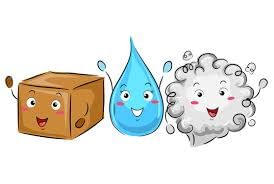
Scientists have found that matter can exist in three main forms:
Solids – like a table or a pencil, which have a fixed shape.
Liquids – like water or milk, which flow and take the shape of their container.
Gases – like air, which we cannot see but can feel when the wind blows.
Matter is made up of tiny particles called molecules. The arrangement of these molecules depends on the type of matter.
For example, the molecules in a solid are packed closely together, while in a liquid, they are more spread out. This is why different things, like water and a rock, feel and behave differently.
Three State of Matter
Get additional INR 200 off today with EDUREV200 coupon.
1. Solids
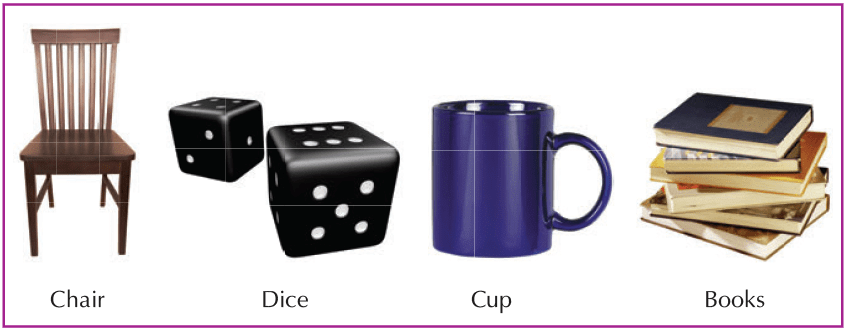
Solid is a state of matter that has a fixedshape and volume.
In solids, molecules are closely packed. That is why solids are hard.
Solids do not change their shape when moved from one container to another container, i.e., they have a definite shape and a definite volume.
Examples of solids include everyday objects like a chair, dice, cup, book.
Also read: Printable Worksheet: Matter in Our Surroundings
2. Liquid
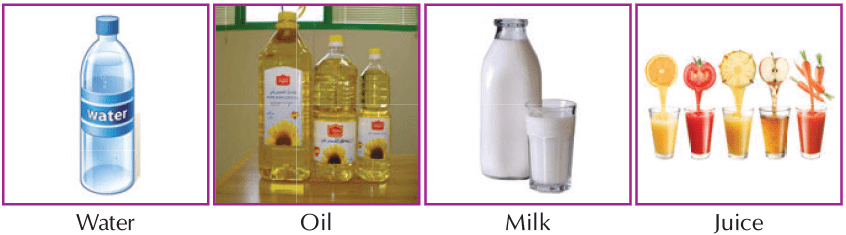
Liquids do not have a fixed shape. They flow easily and take the shape of the container they are in.
Liquid molecules are loosely packed. They are not as tightly packed as solids, so they can move around freely.
Liquids have a fixed volume. No matter what container you pour them into, the amount of liquid stays the same.
Examples: Water, oil, milk, and, juice.
3. Gases
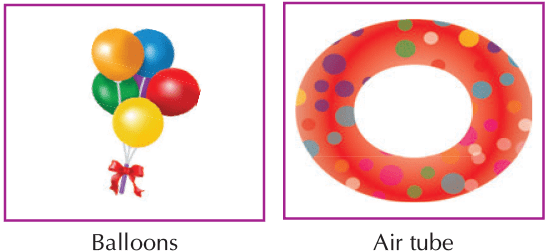
Gases do not have a fixed shape, just like liquids.
Their tiny particles (molecules) are very loosely packed and move around freely.
Gases fill the container they are in and spread in all directions.
Unlike liquids, gases do not have a fixed amount (volume). They can expand or get squeezed.
Try yourself:What state of matter has a fixed shape and volume?
A.Plasma
B.Liquid
C.Gas
D.Solid
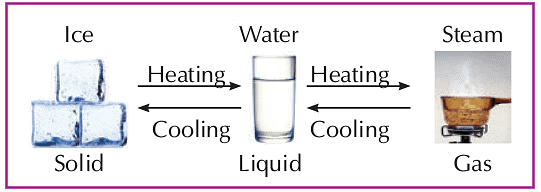
Change of States
Matter can change from one state to another.
A solid can change into a liquid when heated.
A liquid becomes a gas when heated.
A gas changes into a liquid when cooled.
When we freeze a liquid, it becomes a solid.
Example: When we heat ice (a solid), it melts into water (a liquid). If we heat the water, it changes into vapors (a gas).
Also read: Printable Worksheet: Matter in Our Surroundings
Conclusion
Matter around us can exist in three different states: solid, liquid, and gas. Each state has unique properties based on how its molecules are arranged and move. Changes in temperature can cause matter to switch from one state to another, like ice melting into water or water evaporating into vapor. Understanding these states and changes helps us see how things around us work and interact in everyday life.
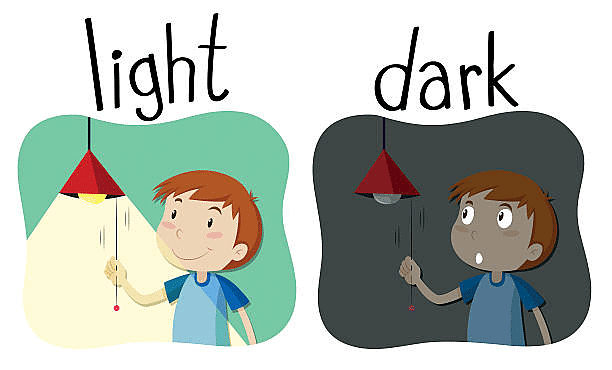
Imagine you are in a very dark room. The windows and doors are all closed, and there is no light anywhere. It is so dark that you cannot see even your own hands.
Suddenly, you turn on a light switch. Instantly, everything in the room becomes clear and bright. You can see the furniture, the colors, and all the small details around you.
Light is like a superhero for your eyes. It helps you see the beauty of the world and turns darkness into color and shape. Without light, everything remains hidden, but with light, everything comes to life!
Sources of Light
A source of light is anything that gives us light so we can see things around us.
Natural Sources of Light:
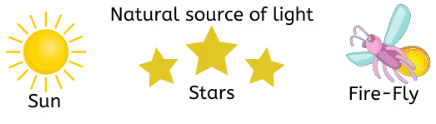
Some things in nature give off light by themselves. These are called natural sources of light.
Examples:
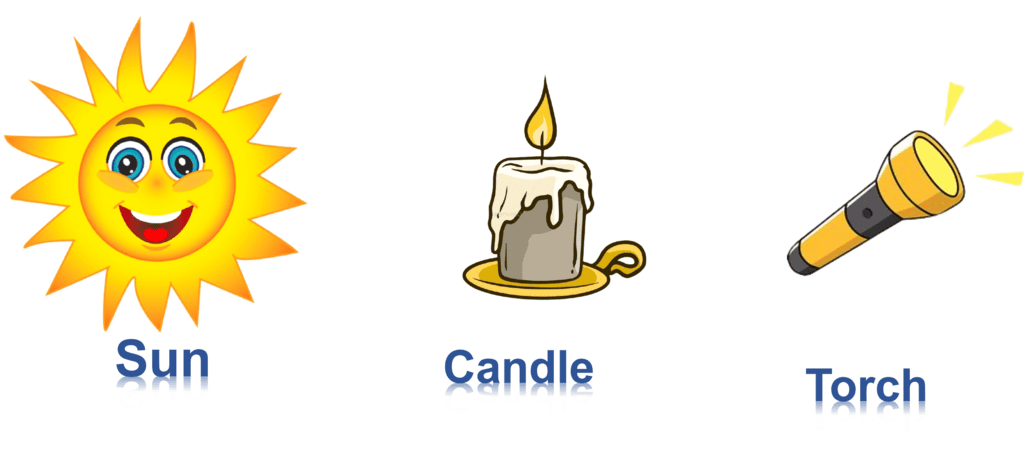
The Sun – The biggest and brightest source of light for us!
The Stars – They twinkle in the night sky and give us light.
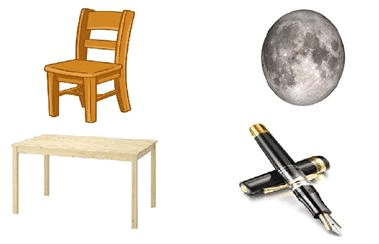
The Moon – It does not make its own light, but it reflects the light from the Sun.
Glowworms & Fireflies – These little insects glow in the dark!
Get additional INR 200 off today with EDUREV200 coupon.
Artificial Sources of Light:
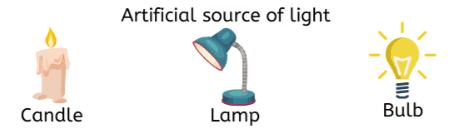
Some light sources are made by humans. These are called artificial sources of light.
Examples:
Electric Bulb – Lights up our rooms when it’s dark.
Candles & Lamps – We use them when there is no electricity.
Torches & Flashlights – Help us see in the dark when we go outside.
Luminous Objects:
Things that give off light are known as luminous objects.
Natural sources like the Sun, Stars, and Glowworms fall into this category.
Artificial sources such as Electric Bulbs and Candles are also considered luminous objects.
Non-Luminous Objects:
Objects that do not produce their own light are called non-luminous objects.
They rely on external light sources to become visible.
Examples include tables, books, and even the Moon (which only reflects the Sun’s light).
Need for Light Indoors:
When we’re inside a room without sunlight, we need artificial sources like electric bulbs, candles, torches, and lamps to see. These artificial sources replace the natural light and make it possible for us to see things in the dark.
Artificial Sources Created by Humans:
Artificial sources of light are inventions made by humans to brighten our surroundings.
These sources play a crucial role in providing light when natural sources are not available.
Light helps us see things, but what happens when something blocks light? That’s when shadows appear!
Try yourself:
Which of the following is a natural source of light?
A.Electric Bulb
B.Moon
C.Candle
D.Torch
Also watch: Light
Shadow
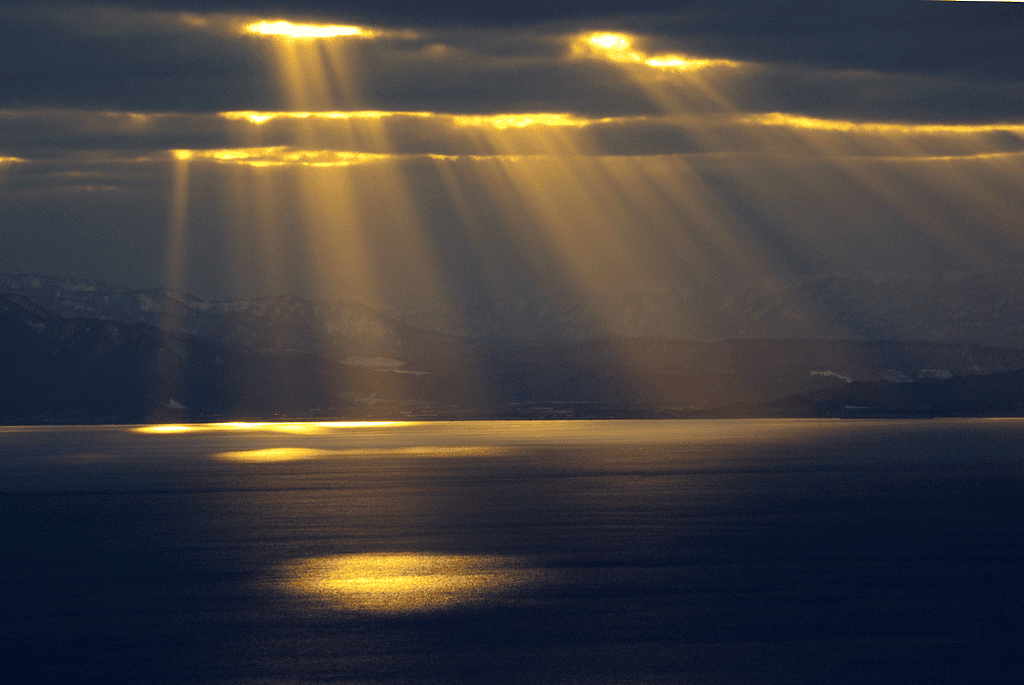
Light travels in a straight line, like a beam from a flashlight. When light shines, it goes in a clear, straight path and creates bright, thin rays.
Light travels in straight lines
When something blocks this straight path of light, a dark shape called a shadow is made. For example, if you stand in the sunlight, your body stops some of the light, and a shadow that looks like you appears on the ground.
Observing Shadows at Different Times:
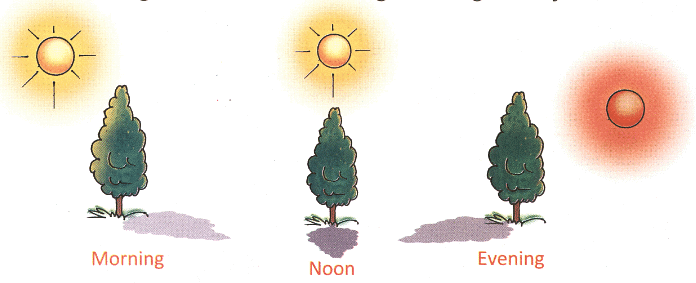
Morning:
Shadows are longer in the morning.
The sun is low on the horizon, causing light to cover a greater distance before reaching the ground, resulting in longer shadows.
Afternoon:
Shadows are shorter in the afternoon.
The sun is higher in the sky, making the distance between the object and the shadow shorter.
Evening:
Similar to the morning, shadows are longer in the evening.
As the sun descends, the angle of sunlight changes, creating elongated shadows.Shadows throughout the Day
Factors Affecting Shadow Length:
The length of shadows depends on the position of the sun in the sky.
Shadows are longest when the sun is low, and shortest when the sun is high.Try yourself:Which time of day would result in the shortest shadows?
A. Afternoon
B.Morning
C.Evening
D.Shadows are the same length all day
Properties of Shadow
Playing with Shadows
Shape of the shadow is similar to the shape of the object.
The size of the shadow can be smaller or bigger than the object.
Shadows are always black in colour.
Shadow always forms on the opposite side of the source of the light.
1. Transparent Substances: Transparent substances are materials that allow light rays to pass through them clearly. Examples include glass, clear plastic sheets, and transparent water.Use of Transparent Glass: In homes, we use transparent glass in window panes to allow sunlight to enter rooms and kitchens, enabling us to see outside.
2. Translucent Substances: Translucent substances allow light to pass through them partially. Examples include frosted glass, colored plastic sheets, oiled paper, and light-coloured wet handkerchiefs.
Use of Translucent Frosted Glass: In areas like bathrooms, where we want light to enter but also desire privacy, we use translucent frosted glass in window panes.
Translucent Window Glass
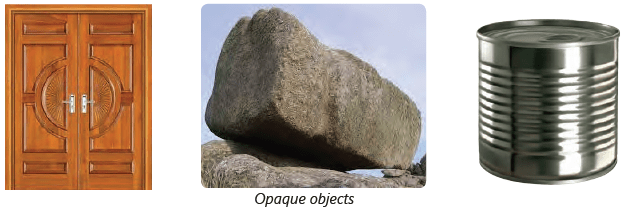
3. Opaque Substances: Opaque substances do not allow light to pass through them at all. Examples are wood, rocks, and metals. Use of Opaque Substances: At night, when we switch on lights inside our homes, we use curtains made of opaque material (cloth) to cover windows, ensuring privacy by preventing outsiders from seeing inside.
Try yourself:Which type of material allows light to pass through them partially?
A.Transparent substances
B.Opaque substances
C. Translucent substances
D.Shadow
Sound
Sounds in Our Environment: Sound is all around us. We hear people talking, birds chirping, cars honking, and doorbells ringing. Even leaves create a rustling sound when the wind gently blows through them.
How We Make Sounds:
We make sounds too! When we talk, laugh, clap, or run, we create sound waves.
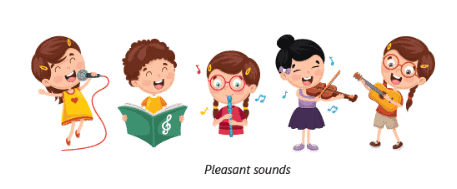
Pleasant Sounds:
Pleasant sounds are those that make us happy or don’t bother us.
Examples include birds chirping, someone singing, and the gentle ticking of a clock.
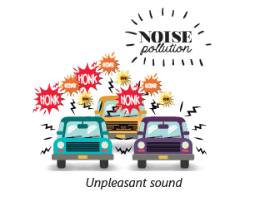
Unpleasant Sounds (Noise):
Unpleasant sounds are irritating and can disturb us. These sounds are also known as noise.
Examples include vehicles honking in traffic, loud music, and factory noises
Effects of Noise:
Noise can make us sick and even give us headaches.
It disturbs our peace and can be harmful to our well-being.
Force
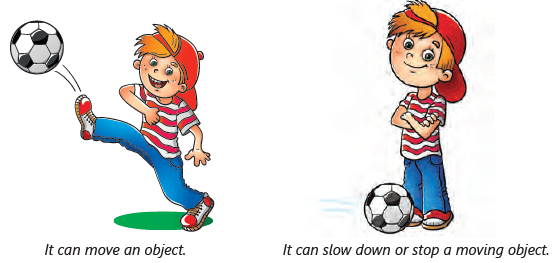
Force is what we use when we want to move something. It’s like a magical push or pull that makes things happen.
Pushing Actions:
When you want to move something away from you, you push it.
Example: Kicking a football involves giving it a powerful push.
Pulling Actions:
When you want to bring something closer to you, you pull it.
Example: Lifting a football with your hands involves a pulling motion.
Everyday Examples:
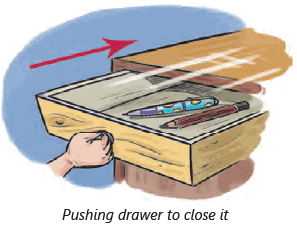
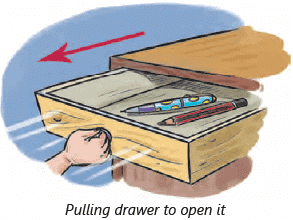
Opening a Drawer:
You pull a drawer to open it.
You push to close it.
Sports Activities:
In cricket, you push a ball with your bat.
When picking up a book, you pull it towards yourself.
Definition of Force:
Any action of pushing or pulling on an object is called force.
It’s the invisible friend that helps us move, lift, and change the position of things.
Force in Daily Tasks:
Throughout the day, we engage in a variety of activities that involve applying force.
Whether it’s opening doors, playing sports, or handling objects, force is always at play.
Also watch: Light
Effects of Force
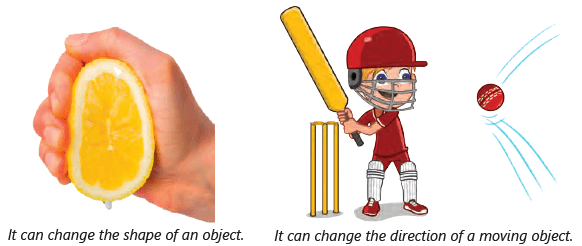
Force and Motion: Force can cause a change in the motion of an object.
Stationary Objects: Objects stay still until a force makes them move.
Speed and Direction: Force can change how fast something is going or the way it’s moving.
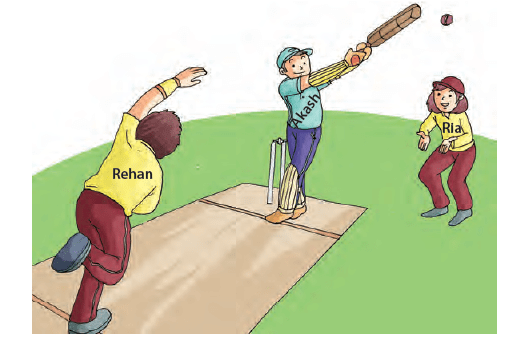
Look at the picture. Rehan is throwing the ball using force. Akash hits the ball and changes the direction of the moving ball. The ball flies and moves towards Ria. Ria catches the ball. She stops the movement of the ball.
Try yourself:
Which action involves applying force to move an object towards oneself?
A.Pushing a drawer to close it
B.Kicking a football
C.Lifting a football with your hands
D.Pulling a drawer to open it
Conclusion
In our everyday lives, light, shadows, sound, and force are all around us, helping us see, hear, and interact with the world. From the bright sunshine that makes everything visible to the sounds that fill our environment, these natural and artificial wonders make life exciting and full of learning. Understanding how things like light, force, and sound work helps us appreciate the amazing world we live in and the simple things that make it all happen. So, next time you see a shadow, hear a sound, or push or pull something, remember—you’re part of the amazing science that makes everything work!
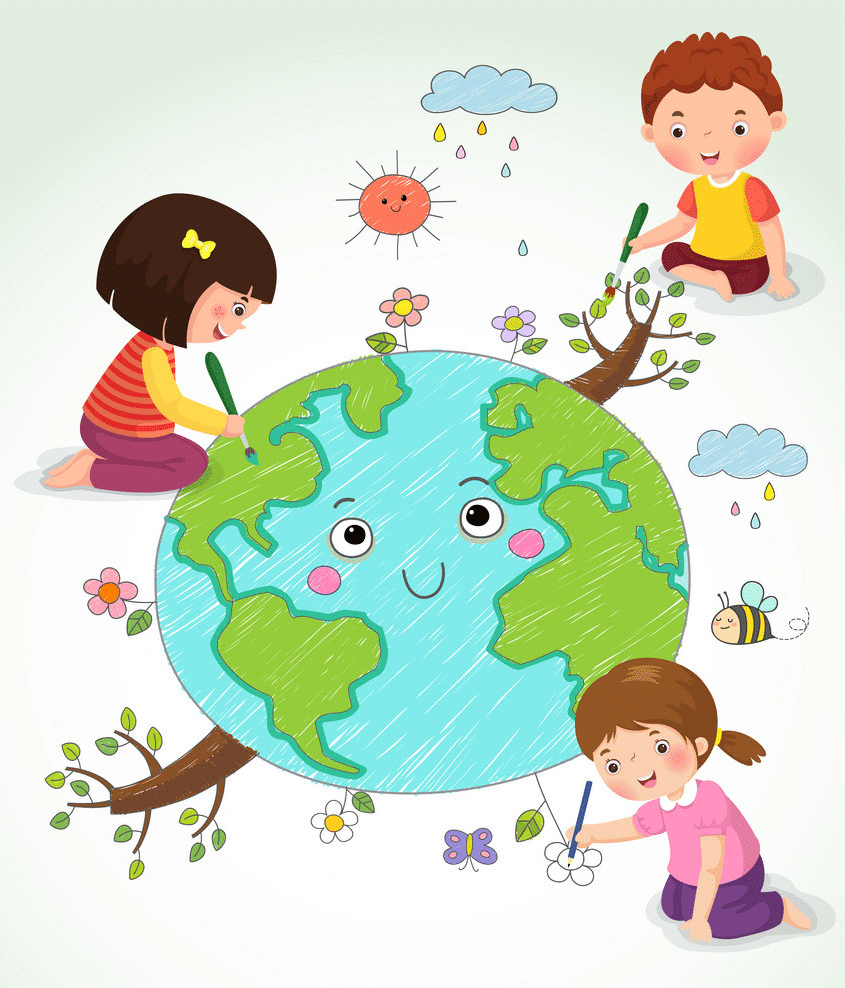
Hello, little explorers! Have you ever wondered where we live? Not just in our house, but in a much bigger place—our Earth!
Everything around us, like trees, animals, water, air, and even the bright sun, is a part of our environment. It gives us everything we need—fresh air to breathe, water to drink, and food to eat!
But guess what? We are also a part of the environment! Humans, animals, and plants all live together, helping each other like a big team.
Environment
The place where people, animals, and plants live is called the environment.
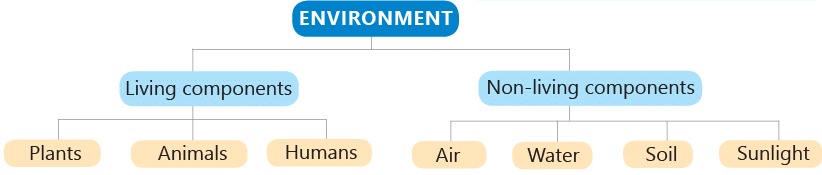
The environment has soil, water, air, plants, animals, and other living things.
Living things like animals and plants are called biotic components.
Non-living things like air, water, soil, and sunshine are called abiotic components.
Living and non-living things need each other to survive. This is called interdependence (Helping each other to live).
Dependence of Living Components on Non-Living Components
1. Air
Air is all around us.
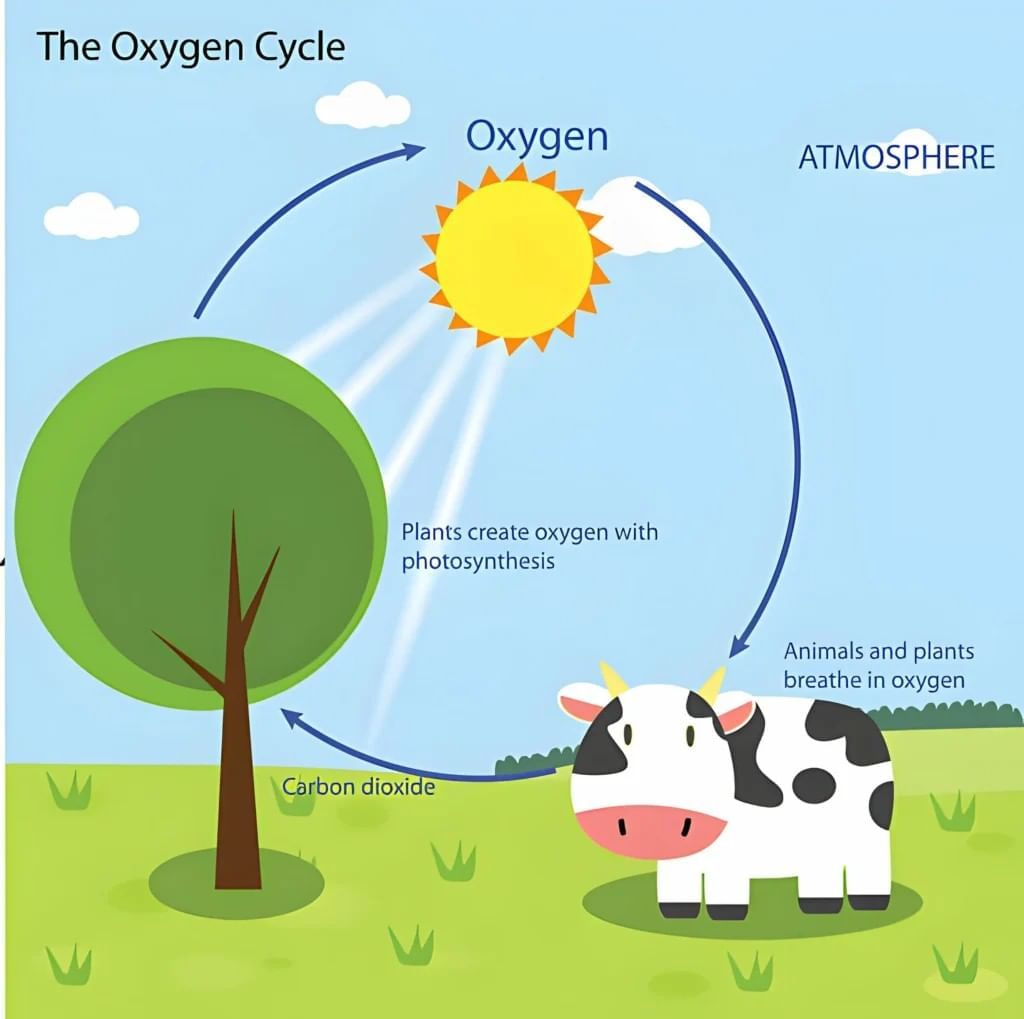
It has oxygen, which we need to breathe.
Air also contains carbon dioxide, which plants use.
We get air through our nose and lungs.
Air helps both humans and plants live and grow.
Get additional INR 200 off today with EDUREV200 coupon.
2. Water
Water is important for both plants and animals.
Animals drink water.
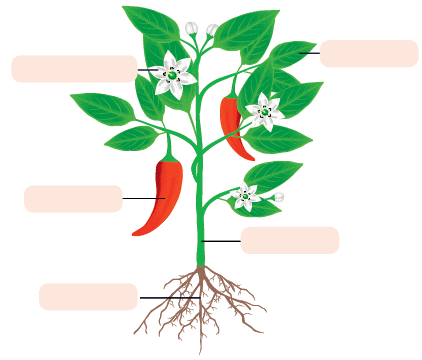
Plants absorb minerals and water through their roots.
They also need water to prepare food.
Our body is made up of 70% water.
Blood, a flowing liquid present in our body is also made up of nearly 90% water.
3. Soil
Plants need soil to grow.
Plants get water and minerals from the soil.
Soil also provides them support.
Soil provides shelter to animals such as rabbits, ants, earthworms and centipedes.
Also read: Flashcards: Our Environment
4. Heat and Light
Plants need the energy from the sun to make food.
Sunlight also provides warmth for the survival of plants and animals.
There would be no food or oxygen in the air if there was no sunlight.
The heat from the sun keeps the Earth warm.
Try yourself:Which component of the environment do plants use to make food?
A.Air
B.Water
C.Soil
D.Sunlight
Interdependence Between Living Components of Environment
In nature, all living things are connected, and they depend on each other for survival. This interdependence helps maintain balance in the environment. Some ways in which living things depend on each other are as follows:
1. Animals (including humans) Depend on Plants
Animals need plants for food, oxygen, and shelter.
Goats, cows, and deer eat plants for food.
Lions and tigers eat other animals, so they also depend on plants indirectly.
Plants need carbon dioxide from animals, which they release while breathing.
Animal waste and dead bodies make the soil rich in nutrients, helping plants grow.
Birds and squirrels eat fruits and drop seeds, helping new plants grow.
Insects and birds drink nectar from flowers and help plants produce fruits.
Let’s Learn About Pollution
We just learned how important the environment is and how everything in nature is connected.
But sometimes, people do things that hurt the environment.
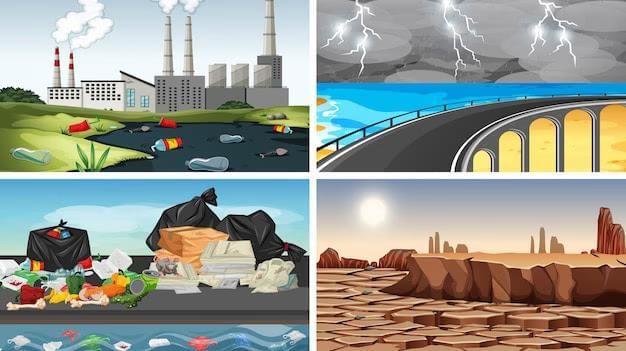
When the air, water, or land gets dirty and harmful, it is called pollution.
Pollution makes it hard for people, animals, and plants to stay healthy. Let’s look at some of the things that cause pollution.
Also read: Flashcards: Our Environment
Causes of Environment Pollution
Cutting trees or deforestation is one of the reasons responsible for polluting the environment.
Burning fossil fuels such as petrol or diesel pollutes the environment.
Throwing garbage here and there also pollutes the environment.
Using plastic bags cause serious health hazards.
Disposing chemical wastes in the rivers, pollutes the water bodies and thus causes serious threat to the environment.
Conclusion
Our Earth is like a big home, and everything we need to live—air, water, soil, and sunlight—comes from it. But if we don’t take care of the Earth, it can get hurt, and so can we.
But if we cut down trees, pollute water, or waste resources, the Earth can get hurt.
So, what can we do?
Save water – Don’t waste it.
Plant trees – They give us fresh air.
Keep the Earth clean – Throw garbage in the bin.
Use less plastic – It harms nature.
If we all take care of the Earth, it will stay happy and healthy for the future!
Try yourself:
Which of the following is a way in which plants depend on animals?
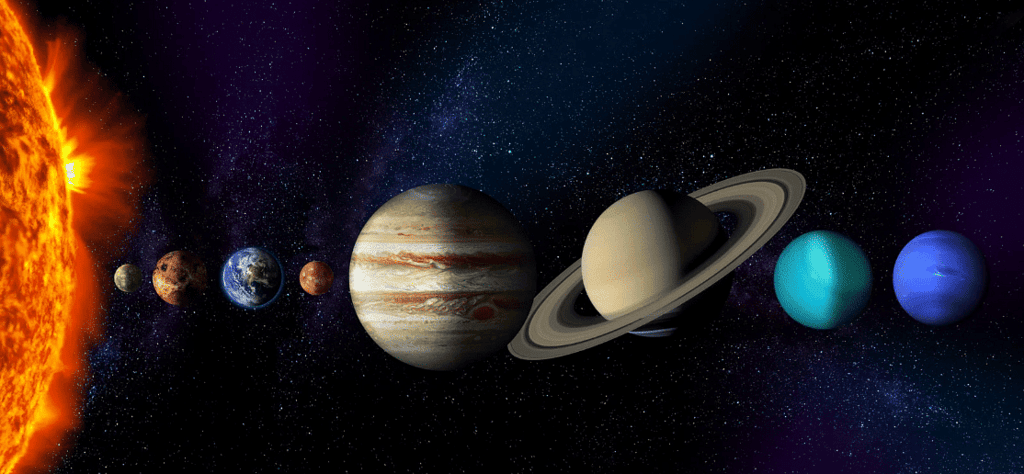
The solar system is a group of different objects that move around in space.
These objects include Sun, planets, moons, asteroids, comets, and more.
The Sun is at the center, and its gravity keeps everything in the solar system together, like a family.
Asteroids are small pieces of rock floating in space.
Comets are icy objects that can have long, shining tails when they come close to the Sun.
The solar system is just one part of the Milky Way Galaxy, which is like a giant group of stars, planets, and other objects.
There are many other galaxies in the universe, all with their own stars and planets!
Sun
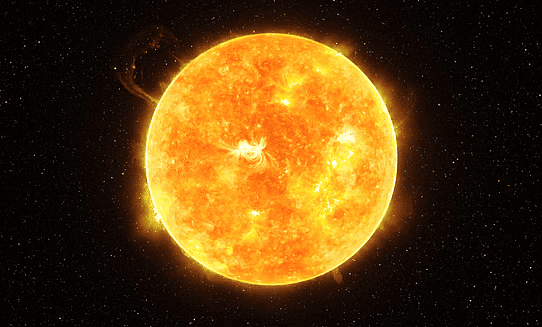
It is about 100 times bigger than Earth.
The Sun appears larger because it is closer to Earth than any other star.
It is extremely hot due to the continuous burning of gases occurring within it.
The Sun provides heat and light to all planets in the solar system.
Light from the Sun takes approximately 8 minutes to reach Earth.
From Earth, the Sun looks yellow.
Without the Sun, life on Earth would not be possible. It plays a vital role in maintaining Earth’s temperature and environment. We should never look directly at the Sun because its strong light can hurt our eyes.
Importance of sun in our life
It gives light.
It helps plants make food.
It is an important part of water cycle.
It gives us vitamin D.
It kills germs and dries our clothes.
It is the ultimate source of energy.
It warms the atmosphere.
Try yourself:What is the main source of heat and light in our solar system?
A.Asteroids
B.Moons
C.Sun
D.Comets
Get additional INR 200 off today with EDUREV200 coupon.
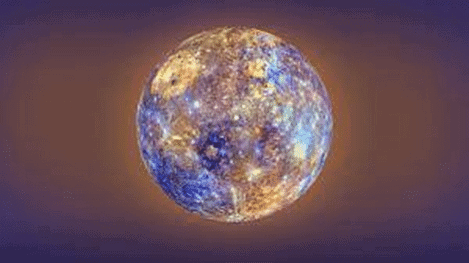
Mercury
The closest planet to the sun is Mercury. It has rocky surface with large holes called craters. These craters were made by fast moving rocks hitting the planets from the space.
When we look at Mercury from earth, these craters looks like dark spot. Mercury has no atmosphere.
Life is not possible on Mercury because it is either too hot or too cold. Mercury has no moon.
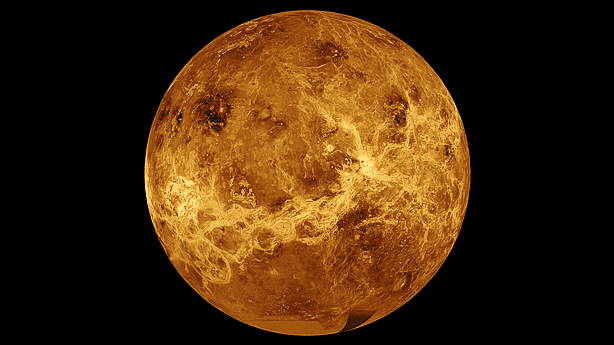
Venus
Venus is the second planet from the sun. It is almost as big as earth. It has thicker atmosphere compared to earth.
The Sun’s rays passes through the thick clouds and warms the planet’s surface but the cloud stop the heat from escaping which makes the planet very hot.
Venus is the hottest planet in the solar system, making life impossible there. Venus also rotates in the opposite direction as almost all the other planets.
Instead of the Sun rising in the east and setting in the west, the Sun on Venus would appear to rise in the west and set in the east. Venus has no moons.
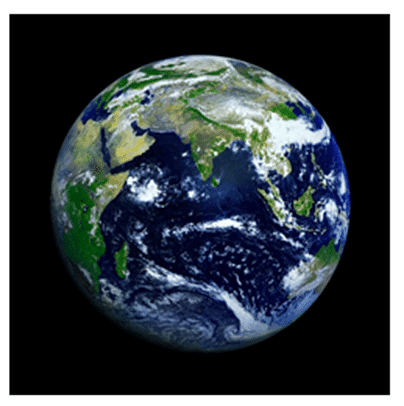
Earth
The earth is at the right distance from the sun and has right mixture of air, heat and water which makes life possible on earth.
It is the only planet where life is known to exist. Earth is 7926 miles in size. About 70% of the earth is covered with water and 30% with land. Earth has one moon.
The Moon is a natural satellite. Scientists have sent many man made satellite which revolve around the earth.
These satellites help capture important information about Earth, such as weather forecasting, and assist in the transmission of radio and television programs.
Existence of life on earth makes it unique planet in the solar system.
Try yourself:Which planet is the closest to the sun in the solar system?
A.Mercury
B.Venus
C.Earth
D.Mars
Also read: Infographics: Solar System
Mars
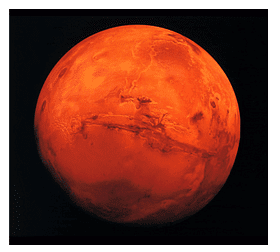
Mars is the fourth planet from the Sun and is called the “Red Planet” because its surface looks red. It is very cold and has two small moons. Mars also has the largest volcano in the solar system.
It is a rocky planet.
Its surface is covered with red dust and hence called red planet.
Jupiter
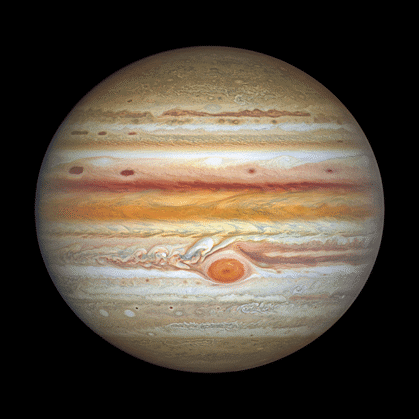
Jupiter is the biggest planet in the solar system. It is the fifth planet from the sun. It is made mostly of gases and does not have solid surface.
There is huge storm that has been raging for thousands of years and hence it is referred as stormy planet.
Various cloud formations and storms in its atmosphere make Jupiter a colorful planet. It has a big red spot where storm raging for at least 300 years.
This red spot is also called “The Eye of Jupiter”. Jupiter is also a cold planet. It has more than 60 moons moving around it.
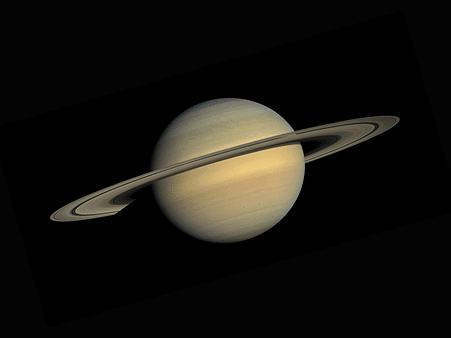
Saturn is the second largest planet in the solar system. It is sixth planet from the sun. It is made mostly of gases.
It has millions of pieces of rock and ice moving around it. These look like solid rings. Jupiter, Uranus and Neptune also have rings.
From far away, these look like solid rings. It has 62 moons.
Try yourself:Which planet is referred to as the “red planet”?
A.Mars
B.Jupiter
C.Saturn
D.Venus
Uranus
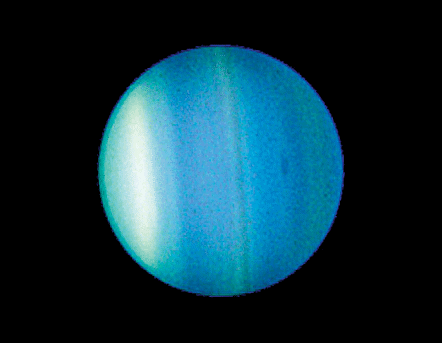
Uranus is the seventh planet from the sun. Uranus is a gas giant. Uranus spins differently. It spins on its side.
It is an extremely cold planet and hence been called the “ice giant”. It has faint rings around it which made of millions of specks of dust. It has 27 moons.
Neptune
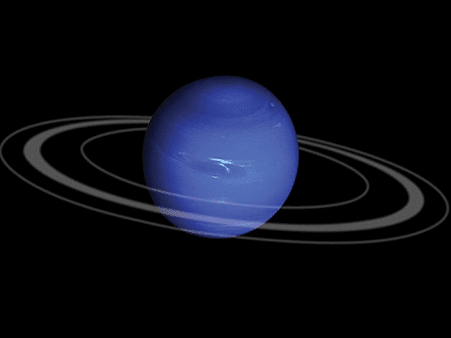
Neptune is the eighth planet from the Sun and is a very cold planet. It looks blue because of the storms in its atmosphere. Neptune has 14 moons and strong winds that make it one of the windiest planets.
Neptune is the eighth planet from the sun.
It is very cold planet like Uranus.
There is a dark blue storm swirling on Neptune which makes it look blue in color.
It has 14 moons.
Also read: Infographics: Solar System
Dwarf Planet
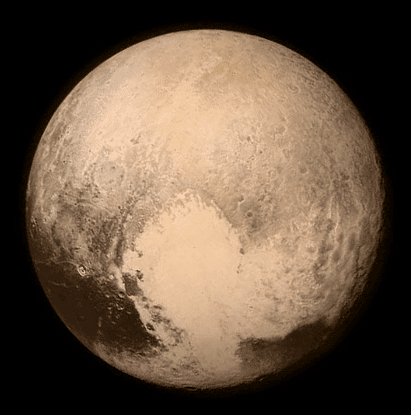
Pluto used to be considered the ninth planet in our solar system, but now scientists call it a “dwarf planet.”
It’s smaller than the other planets, and it’s really far away from the Sun. It’s way out past Neptune.
Some people still think of Pluto as the ninth planet because it was considered one for a long time, but scientists changed their minds about it.
Conclusion
The solar system is an amazing place filled with planets, moons, and many other objects all moving around the Sun. Each planet has its own special features that make it unique. Earth is the only planet where life exists, thanks to the perfect balance of air, water, and sunlight. The Sun is our main source of light and energy, helping life to thrive on Earth. Even though the other planets are different, they all play an important part in our solar system. Exploring the planets and learning more about them helps us understand the universe better and reminds us how lucky we are to live on Earth!

 Light travels in straight lines
 Shadows throughout the Day
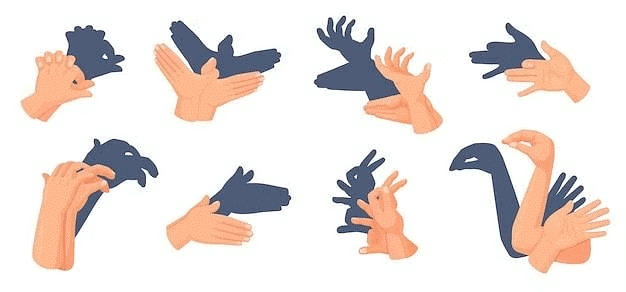 Playing with Shadows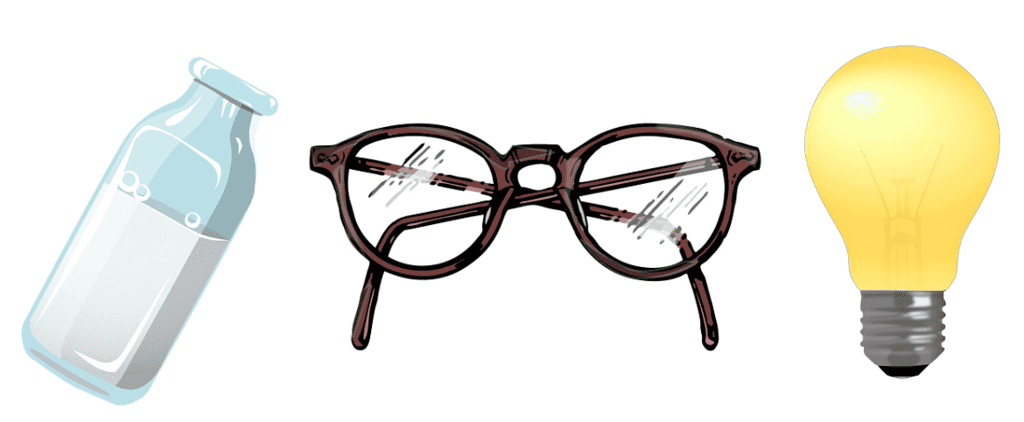
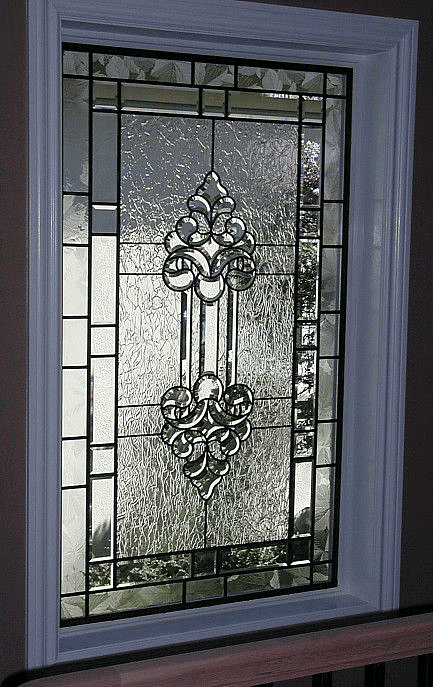 Translucent Window Glass