11. Travel Chapter worksheet

Multiple Choice Questions (MCQs)

Q1Who is the poet of “Travel”?
a) 
Ruskin Bond
b) Edna St. Vincent Millay
c) Rabindranath Tagore
d) Anita Rau Badami

Q2What does the speaker imagine hearing during the day?
a)
 Friends talking
b) A train’s whistle
c) The engine steaming
d) Cinders falling

Q3: What does the speaker see in the sky at night?
a) 
Stars
b) Red cinders
c) Clouds
d) Birds

Q4What does the speaker say about their friends?
a) 
They travel with them
b) They are warm and the best
c) They don’t like trains
d) They are far away

Q5What does the word “shrieking” mean in the poem?
a)
 A soft sound
b) A loud, high-pitched sound
c) A quiet hum
d) A glowing spark

Fill in the Blank

Q1: The railroad track is _______ away from the speaker.

Q2: The speaker hears the train’s _______ shrieking all day.

Q3: At night, the speaker sees red _______ on the sky.

Q4: The speaker’s heart is _______ with the friends they make.

Q5: The word “cinders” refers to small pieces of burnt _______ or wood.

True or False

Q1: The speaker only thinks about trains during the day.

Q2: The night is described as a time for sleep and dreaming.

Q3: The speaker would only take a train to a specific place.

Q4: The poem shows the speaker’s love for adventure.

Q5: The word “warm” means feeling cold and distant.

Very Short Answer Questions

Q1: What does the speaker hear in the day, even though no train is nearby?

Q2: What does the speaker imagine the train’s engine doing at night?

Q3: What does the speaker say they would take, no matter the destination?

Q4: What is the meaning of the word “steaming” in the poem?

Q5: What is one moral of the poem?

Long Answer Questions

Q1: How does the speaker’s imagination bring trains to life in the first two stanzas?

Q2: Describe the contrast between the speaker’s feelings for friends and their urge to travel.

Q3: Explain how the poem captures the excitement of travel and exploration.

Q4: What is the moral of the poem, and how does the speaker’s attitude reflect it?

Q5: Discuss how the poem uses vivid imagery to express the speaker’s love for trains.
10. The Tunnel Chapter worksheet

Multiple Choice Questions (MCQs)

Q1: Who is the author of “The Tunnel”?
a) 
Rabindranath Tagore
b) Ruskin Bond
c) Anita Rau Badami
d) G.C. Thornley

Q2Why does Suraj visit the railway tunnel?
a)
 To catch a train
b) To watch the steam train
c) To meet Sunder Singh
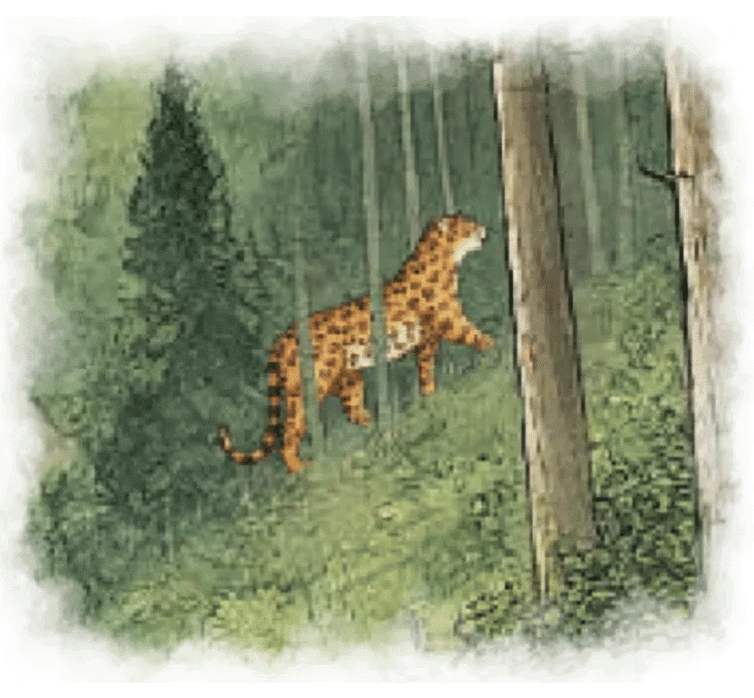
d) To find a leopard

Q3What does Sunder Singh use to signal trains at night?
a)
 A red flag
b) A whistle
c) An oil lamp
d) A torch

Q4What animal do Suraj and Sunder Singh encounter in the tunnel?
a) 
A porcupine
b) A leopard
c) A bat
d) A lizard

Q5What does the word “plume” mean in the story?
a)
 A type of bird
b) A long, thin cloud
c) A railway track
d) A loud sound

Fill in the Blank

Q1: Suraj hides his _______ in a nearby village before walking to the tunnel.

Q2: The steam train bursts out of the tunnel like a _______.

Q3: Sunder Singh’s job is to inspect the _______ for obstacles.

Q4: Suraj sees a _______ light from Sunder Singh’s lamp when riding the night train.

Q5: The word “scuttled” means to run with _______ steps.

True or False

Q1: Suraj wants to catch the midday train to travel to town.

Q2: Sunder Singh calls the leopard “his” because it visits the area often.

Q3: Suraj and Sunder Singh enter the tunnel to catch the leopard.

Q4: The story teaches that courage can lead to new friendships.

Q5: The word “shisham” refers to a type of bird.

Very Short Answer Questions

Q1: What is the name of the tunnel’s watchman?

Q2: What does Suraj see on the hillside after leaving the tunnel?

Q3: What sound alerts Suraj and Sunder Singh to the leopard in the tunnel?

Q4: What is the meaning of the word “reassure” in the story?

Q5: What is one moral of the story?

Long Answer Questions

Q1: How does Suraj’s fascination with the steam train set the stage for his adventure?

Q2: Describe the relationship between Suraj and Sunder Singh and how it develops.

Q3: Explain the events in the tunnel when Suraj and Sunder Singh face the leopard.

Q4: What is the moral of the story, and how do Suraj’s actions illustrate it?

Q5: Discuss how the story uses the jungle and train to create a sense of thrill and wonder.

09. North, south, east, west Chapter worksheet

Multiple Choice Questions (MCQs)

Q1: Who is the main character in this chapter?
a) 
Shaana’s mother
b) Shaana
c) Anand
d) Shaana’s father

Q2Where does Shaana visit first in her journey?
a)
 Sundarbans
b) Thajiwas Glacier
c) Rann of Kutch
d) Chennai

Q3What does Shaana hope to see in Arunachal Pradesh?
a)
 Crocodiles
b) Red pandas
c) Fish
d) Snowballs

Q4What activity does Shaana do in the Narmada River?
a) 
Diving
b) Rafting
c) Boating
d) Swimming

Q5What does the word “plateaus” mean in the story?
a)
 Small stones
b) Flat, elevated areas of land
c) Large masses of ice
d) Trees in salty water

Fill in the Blank

Q1: Shaana visits the _______ Glacier in Kashmir.

Q2: In Himachal Pradesh, Shaana stays in a _______ surrounded by mountains.

Q3: Shaana sees _______ trees in the Sundarbans that grow in seawater.

Q4: In Goa, Shaana rides a train through many _______.

Q5: The word “chirping” refers to sounds made by _______.

True or False

Q1: Shaana notices more snow than the previous year in Kashmir.

Q2: Shaana’s mother jokes that the growling sounds are her father snoring.

Q3: Shaana is afraid of tunnels throughout her journey.

Q4: The story highlights India’s diverse geography and culture.

Q5: The word “mangroves” means flat, elevated land.

Very Short Answer Questions

Q1: What does Shaana write in her postcards?

Q2: What animals does Shaana see in the Sundarbans?

Q3: What does Shaana’s mother worry about in the Sundarbans?

Q4: What is the meaning of the word “rafting” in the story?

Q5: What is one moral of the story?

Long Answer Questions

Q1: How does Shaana’s visit to the Thajiwas Glacier show her curiosity and the challenges she faces?

Q2: Describe Shaana’s experience in Arunachal Pradesh and why it is her favourite stop.

Q3: Explain how Shaana’s journey in Goa reflects her personal growth.

Q4: What is the moral of the story, and how does Shaana’s journey illustrate it?

Q5: Discuss how the story uses Shaana’s postcards to highlight India’s geographic diversity.

08. Paper Boats Chapter worksheet

Multiple Choice Questions (MCQs)

Q1Who is the poet of “Paper Boats”?
a) 
Anita Rau Badami
b) Rabindranath Tagore
c) G.C. Thornley
d) Natalie Joan

Q2What does the child write on the paper boats?
a)
 A poem
b) Their name and village
c) A story
d) The names of flowers

Q3What does the child load onto the paper boats?
a)
 Shiuli flowers
b) Small stones
c) Letters
d) Clouds

Q4What does the child see in the sky that looks like sails?
a)
 Stars
b) Birds
c) Clouds
d) Kites

Q5What does the word “lading” mean in the poem?
a)
 A type of flower
b) The load carried
c) A small stream
d) A magical fairy

Fill in the Blank

Q1: The child floats paper boats down a _______ stream.

Q2: The child hopes someone in a _______ land will find the boats.

Q3: The paper boats carry _______ flowers from the garden.

Q4: In the child’s dream, _______ sail in the boats at night.

Q5: The word “blooms” refers to _______.

True or False

Q1: The child floats paper boats only once a week.

Q2: The child writes in small letters on the boats.

Q3: The poem shows the child’s imagination and dreams.

Q4: The clouds in the sky race with the paper boats.

Q5: The word “shiuli” means a type of cloud.

Very Short Answer Questions

Q1: What is the name of the flower the child puts in the boats?

Q2: What does the child hope someone will learn from the boats?

Q3: Who does the child imagine sends the clouds to race with the boats?

Q4: What is the meaning of the word “launch” in the poem?

Q5: What is one moral of the poem?

Long Answer Questions

Q1: How does the child’s act of floating paper boats reflect their hopes and dreams?

Q2: Describe the role of nature in the poem and how it connects to the child’s imagination.

Q3: Explain the significance of the fairies and dreams in the final stanza.

Q4: What is the moral of the poem, and how does the child’s actions illustrate it?

Q5: Discuss how the poem uses simple actions to create a sense of wonder and connection.

07. My Brother’s Great Invention Chapter worksheet

Multiple Choice Questions (MCQs)

Q1Who is the author of “My Brother’s Great Invention”?
a) 
G.C. Thornley
b) Anita Rau Badami
c) Natalie Joan
d) Hugh Lofting

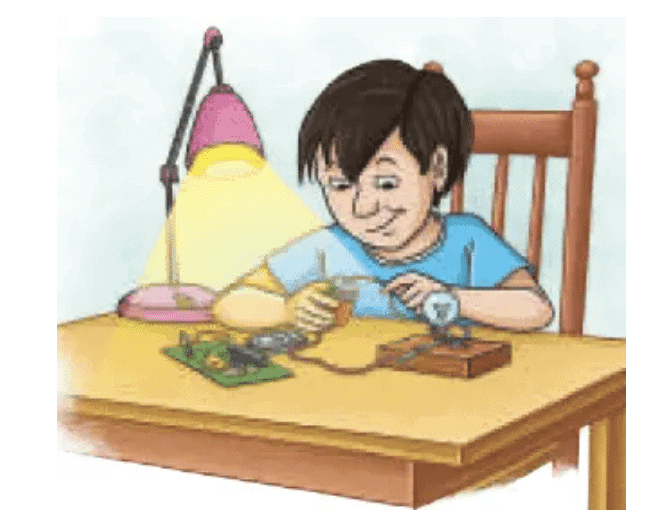
Q2Why does Anand build a burglar alarm?
a)
 To scare his father
b) To catch thieves in the neighbourhood
c) To test his time machine
d) To contact aliens

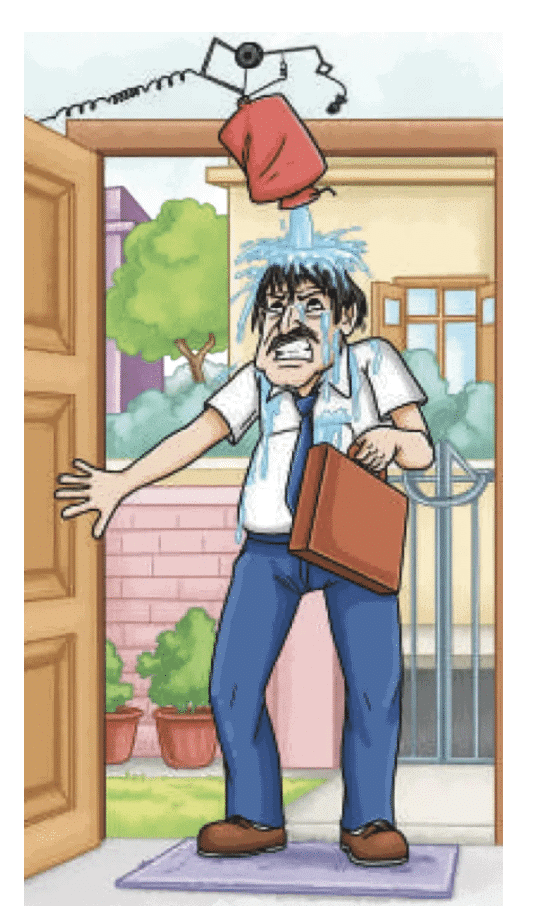
Q3: What happens to Anand’s father because of the burglar alarm?
a) 
He gets locked out
b) He is soaked with water
c) He trips over wires
d) He hears loud noises

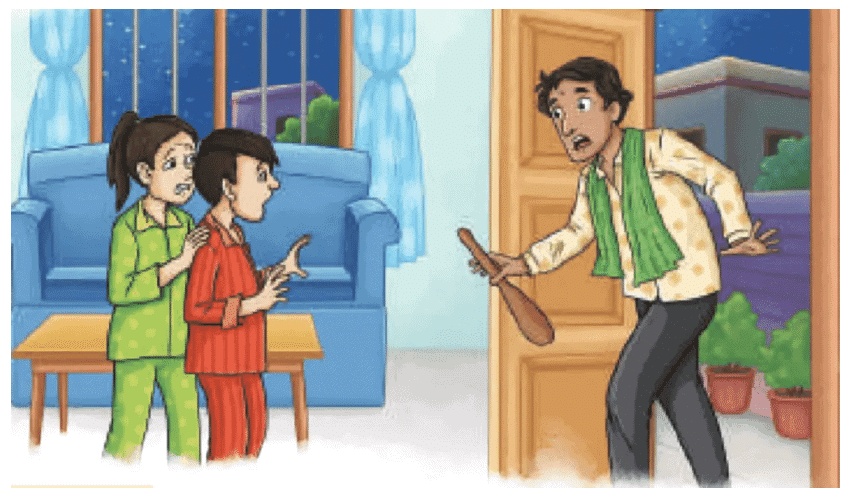
Q4Who breaks into the house when Anita and Anand are alone?
a) 
A neighbour
b) Their father
c) Boppa, the sweeper
d) A policeman

Q5What does the word “eerie” mean in the story?
a) 
Loud and annoying
b) Strange and a bit scary
c) Completely wet
d) Quick and careless

Fill in the Blank

Q1: Anand’s burglar alarm drops _______ on the person opening the door.

Q2: Anand is inspired to build a time machine after watching _______ .

Q3: Boppa demands to know the location of _______ room.

Q4: The time machine makes a _______ sound during the burglary.

Q5: The word “tinkering” means experimenting with _______.

True or False

Q1: Anand’s burglar alarm works perfectly as planned.

Q2: Anita and Anand stay home alone during a wedding.

Q3: Boppa is found hiding in Anand’s room after the burglary.

Q4: The story teaches that creativity can lead to unexpected solutions.

Q5: The word “sceptical” means believing something easily.

Very Short Answer Questions

Q1: What is the name of Anita’s brother?

Q2: What does Anand use to build his time machine?

Q3: What item of Boppa’s is found after the burglary?

Q4: What is the meaning of the word “brandishing” in the story?

Q5: What is one moral of the story?

Long Answer Questions

Q1: How does Anand’s burglar alarm cause trouble, and what does this show about his inventions?

Q2: Describe how Anand and Anita react when Boppa breaks into their house.

Q3: Explain the mysterious events surrounding the time machine during the burglary.

Q4: What is the moral of the story, and how does Anand’s character reflect it?

Q5: Discuss how the story uses humour to highlight Anand’s inventive spirit.

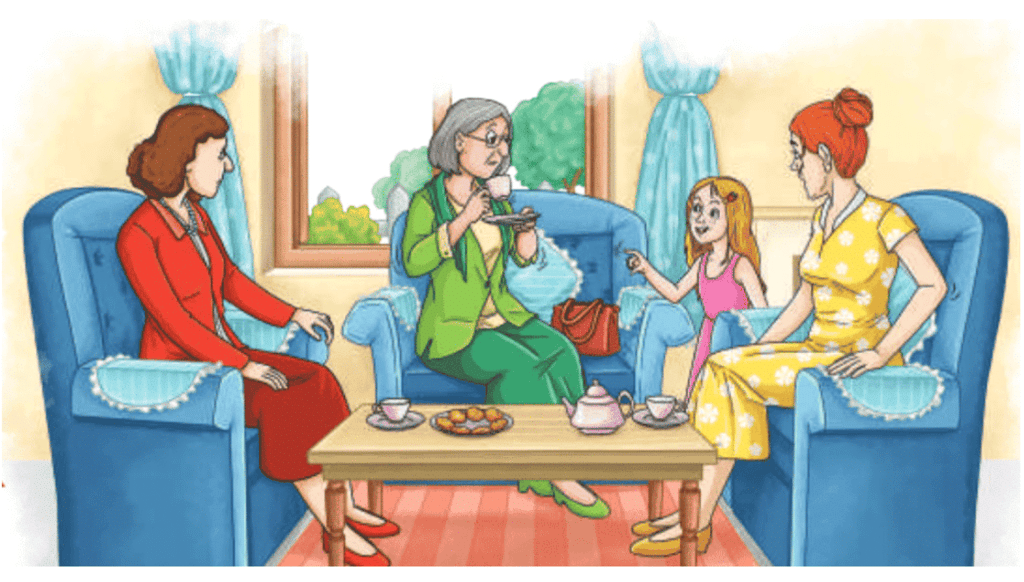
06. Say the Right Thing Chapter worksheet

Multiple Choice Questions (MCQs)

Q1Who is the author of the play “Mary’s Mistake”?
a)
 Natalie Joan
b) G.C. Thornley
c) Hugh Lofting
d) Helen Keller

Q2Why does Mrs. Shaw want the house tidy for the guests?
a)
 To impress Mrs. Harding and Mrs. Lee
b) To prepare for a party
c) To sell the house
d) To teach Mary a lesson

Q3What does Mary mistakenly say about Mrs. Harding’s children?
a) 
They are rude
b) They are beautiful
c) They are at school
d) They don’t exist

Q4What does Mary say when the guests try to leave?
a)
 “Please stay longer!”
b) “Must you stay? Can’t you go?”
c) “Come back tomorrow!”
d) “Thank you for coming!”

Q5What does the word “blunders” mean in the play?
a) 
Kind compliments
b) Careless mistakes
c) Polite greetings
d) Funny stories

Fill in the Blank

Q1: Mrs. Shaw teaches Mary to say _______ things to make guests happy.

Q2: Mary compliments Mrs. Harding’s _______ that don’t exist.

Q3: Mrs. Harding’s brother is a _______.

Q4: Mary criticises _______ that belongs to Mrs. Harding.

Q5: The word “awkward” describes an _______ situation.

True or False

Q1: Mrs. Shaw wants Mary to stay quiet during the guests’ visit.

Q2: Mary’s mistakes make the guests feel uncomfortable.

Q3: Mrs. Lee is Mrs. Harding’s mother.

Q4: The play teaches the importance of speaking kindly and carefully.

Q5: The word “wealthy” means having little money.

Very Short Answer Questions

Q1: Who are the two guests visiting the Shaws?

Q2: What does Mrs. Shaw tell Mary to do if the conversation pauses?

Q3: What hobby does Mary mock that the Harding family enjoys?

Q4: What is the meaning of the word “compliments” in the play?

Q5: What is one moral of the play?

Long Answer Questions

Q1: How does Mrs. Shaw prepare Mary for the guests’ visit, and why is she hesitant to let her stay?

Q2: Describe two mistakes Mary makes during the visit and their impact on the guests.

Q3: Explain how Mary’s final mistake when the guests leave adds humour to the play.

Q4: What is the moral of the play, and how do Mary’s actions illustrate it?

Q5: Discuss how the play uses Mary’s blunders to teach a lesson about polite conversation.

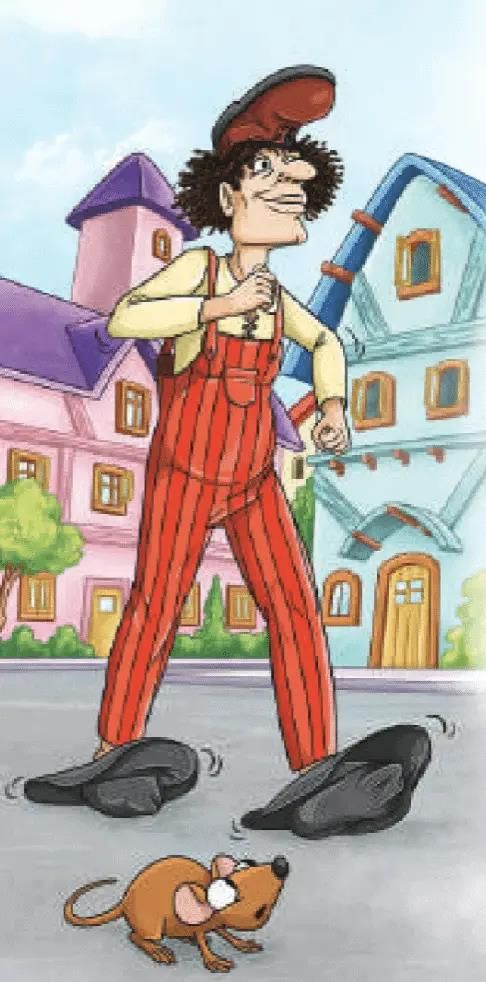
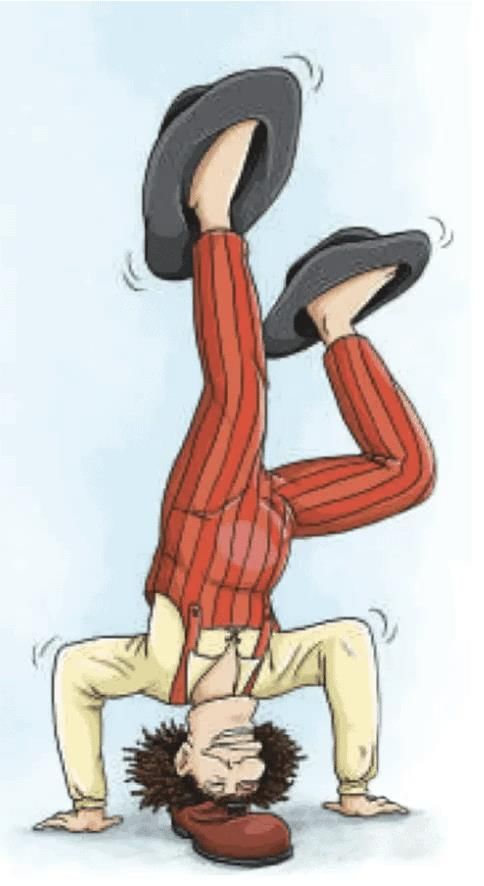
05 A Funny Man Chapter worksheet

Multiple Choice Questions (MCQs)

Q1Who is the poet of “The Funny Man”?
a)
 Hugh Lofting
b) Natalie Joan
c) Helen Keller
d) Eliza Cook

Q2What does the funny man wear on his head?
a) 
A hat
b) A shoe
c) A bun
d) Two hats

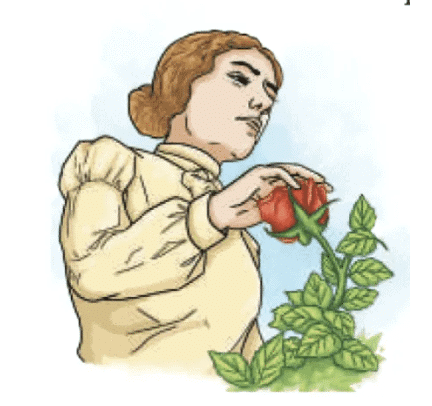
Q3What does the funny man offer the poet instead of a rose?
a) 
A currant bun
b) A flower
c) A song
d) A hat

Q4How does the funny man leave at the end of the poem?
a)
 He walks away
b) He sings a song
c) He hops on his head
d) He gives a bun

Q5What does the word “staggered” mean in the poem?
a)
 Sang loudly
b) Moved unsteadily
c) Jumped quickly
d) Smiled politely

Fill in the Blank

Q1: The funny man wears _______ on his feet.

Q2: The poet describes the man’s action as a funny sounding _______.

Q3: The man addresses the poet as “Your _______.”

Q4: The poet says the bun has a funny looking _______.

Q5: The word “manners” refers to polite _______.

True or False

Q1: The funny man wears shoes on his feet like most people.

Q2: The poet is shocked when the man offers a bun as a rose.

Q3: The funny man answers the poet’s question about his hats.

Q4: The poem teaches us to enjoy playful and imaginative moments.

Q5: The word “currant” means a type of shoe.

Very Short Answer Questions

Q1: What does the funny man raise to greet the poet?

Q2: Where does the funny man sit while singing his song?

Q3: What does the poet ask the funny man about his appearance?

Q4: What is the meaning of the word “hopped” in the poem?

Q5: What is one moral of the poem?

Long Answer Questions

Q1: How does the funny man’s appearance and behaviour create humour in the poem?

Q2: Describe the interaction between the poet and the funny man when he offers a bun.

Q3: Explain how the funny man’s actions in the final stanza add to the poem’s playful tone.

Q4: What is the moral of the poem, and how does the funny man’s character reflect it?

Q5: Discuss how the poet uses playful language to make the poem fun and engaging.

04. Animals,birds, and Dr. Dolittle Chapter worksheet

Multiple Choice Questions (MCQs)

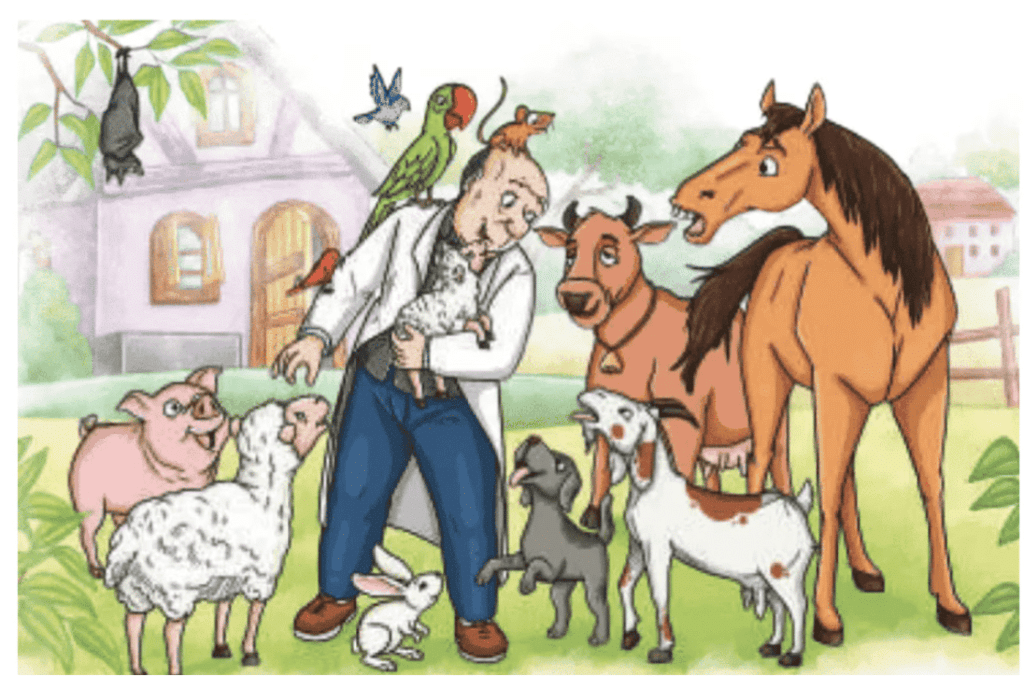
Q1Who is the author of “The Story of Doctor Dolittle”?
a) 
Helen Keller
b) Hugh Lofting
c) Eliza Cook
d) Kamala Nair

Q2Who suggests that Doctor Dolittle should become an animal doctor?
a) 
Jip the dog
b) Polynesia the parrot
c) A farmer
d) The Cat’s-food-Man

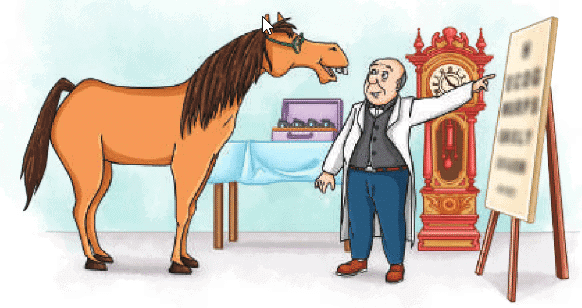
Q3What problem does the plough horse have?
a)
 A sore foot
b) Blindness in one eye
c) A stomach ache
d) A broken leg

Q4: How do animals communicate, according to Polynesia?
a) 
Only through sounds
b) Through ears, tails, feet, and noses
c) Only through their eyes
d) Through written messages

Q5What does the word “diagnose” mean in the story?
a)
 To make someone healthy
b) To find out what is wrong
c) To teach a language
d) To build a tunnel

Fill in the Blank

Q1: Doctor Dolittle learns to speak _______ languages.

Q2: Polynesia teaches Dolittle the basics of _______ language first.

Q3: The plough horse is given _______ spectacles to help him see.

Q4: Dolittle builds special _______ for different animals to manage the crowd.

Q5: The word “twitching” refers to small, quick _______.

True or False

Q1: Doctor Dolittle starts as an animal doctor before treating people.

Q2: Polynesia reveals that animals have their own languages.

Q3: The plough horse needs medicine to fix his problem.

Q4: Dolittle becomes famous only among people.

Q5: The word “veterinarians” means doctors who treat animals.Very Short Answer Questions

Q1: What is the name of Doctor Dolittle’s parrot?

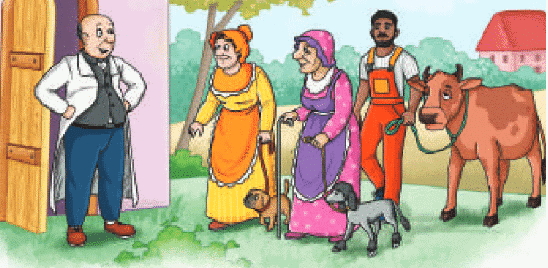
Q2: Who brings sick pets to Doctor Dolittle?

Q3: What animal complains about the local vet?

Q4: What does the word “cure” mean in the story?

Q5: What spreads the news of Dolittle’s skills across countries?Long Answer Questions

Q1: How does Polynesia help Doctor Dolittle become an animal doctor?

Q2: Describe how Doctor Dolittle helps the plough horse and what this shows about his skills.

Q3: Explain how Dolittle manages the large number of animals visiting him.

Q4: What is the moral of the story, and how does Dolittle’s journey reflect it?

Q5: Discuss how the story highlights the importance of understanding and caring for animals.

03. Three Days to see Chapter Solution

Multiple Choice Questions (MCQs)

Q1Who is the author of the essay “Three Days to See”?
a)
 Eliza Cook
b) Kamala Nair
c) Helen Keller
d) King Bruce

Q2What does Helen Keller enjoy doing to experience the world?
a)
 Listening to music
b) Touching things
c) Painting landscapes
d) Writing stories

Q3: What does Helen plan to do on the first day of having sight?
a) 
Visit museums
b) Watch the sunrise
c) See her friends’ faces
d) Observe city life

Q4What does Helen call the eyes in the essay?
a) 
Mirror of the heart
b) Window of the soul
c) Light of the mind
d) Door of the spirit

Q5What is the meaning of the word “panorama” in the essay?
a)
 A quick look
b) A wide, beautiful view
c) A small shake
d) A tiny piece of food

Fill in the Blank

Q1: Helen feels the _______ of a leaf to enjoy its shape.

Q2: On the second day, Helen wants to watch the _______.

Q3: Helen plans to visit _______ to learn about history.

Q4: The word “quiver” describes a small, fast _______.

Q5: Helen encourages people to use their _______ to find happiness.

True or False

Q1: Helen Keller plans to spend her third day in a quiet village.

Q2: Helen believes sight is the most wonderful sense.

Q3: Helen feels sad when she sees people smiling in the city.

Q4: The word “mastodons” refers to ancient animals like elephants.

Q5: Helen Keller could see and hear throughout her life.

Very Short Answer Questions

Q1: What does Helen touch to feel nature waking up in spring?

Q2: What does Helen want to see on the third day?

Q3: What sense does Helen consider the most wonderful?

Q4: What is the meaning of the word “companionship” in the essay?

Q5: What does Helen suggest people do with their senses?

Long Answer Questions

Q1: How does Helen Keller plan to spend her first day of sight, and why is it important to her?

Q2: Describe what Helen plans to do on the second day and what she hopes to learn.

Q3: Explain how Helen’s third day reflects her interest in ordinary people.

Q4: What is the moral of the essay, and how does Helen encourage readers to apply it?

Q5: Discuss how Helen Keller’s experiences as a blind person shape her perspective in the essay.

02. Try Again Chapter worksheet

Multiple Choice Questions (MCQs)

Q1: Who is the poet of “King Bruce and the Spider”?
a) Kamala Nair
b) Eliza Cook
c) King Bruce
d) Robert Burns

Q2: Why is King Bruce feeling sad in the beginning of the poem?
a) He lost his crown
b) He failed to achieve a great deed
c) His people were angry with him
d) He was sick and tired

Q3: What does the spider do after falling multiple times?
a) It gives up and leaves
b) It keeps trying to climb the thread
c) It builds a new web
d) It waits for help

Q4: How many attempts does the spider make to reach its web, as counted by the poet?
a) Six
b) Seven
c) Eight
d) Nine

Q5: What does the word “endeavour” mean in the poem?
a) A feeling of sadness
b) A strong effort
c) A thin thread
d) A quick fall


Fill in the Blank

Q1: King Bruce watches a _______ trying to climb to its web.

Q2: The spider’s thread is described as a _______ clue.

Q3: The king feels _______ after failing to make his people glad.

Q4: The spider reaches its _______ after its final effort.

Q5: The word “toils” in the poem means to work very _______.


True or False

Q1: King Bruce decides to give up his efforts before watching the spider.

Q2: The spider reaches its web on its first attempt.

Q3: The poem teaches that perseverance can lead to success.

Q4: King Bruce thinks the spider is wise for trying repeatedly.

Q5: The word “monarch” means a spider’s web.

Very Short Answer Questions

Q1: What is the name of the king in the poem?

Q2: Where is the spider trying to climb?

Q3: What does King Bruce say when the spider succeeds?

Q4: What inspires King Bruce to try again?

Q5: What does the word “despair” mean in the poem?

Long Answer Questions

Q1: How does the spider’s persistence influence King Bruce’s actions in the poem?

Q2: Describe the spider’s efforts to reach its web and the challenges it faces.

Q3: Explain the moral of the poem with reference to King Bruce’s experience.

Q4: How does the poet create suspense in the poem while describing the spider’s attempts?

Q5: Discuss how the poem uses the spider as a symbol to teach a lesson about resilience.