05. नहीं होना बीमार – अध्याय नोट्स 

लेखक परिचय

स्वयं प्रकाश हिंदी के प्रसिद्ध लेखक थे। उनका जन्म 1947 में हुआ और 2019 में उनका निधन हो गया। उनकी कहानियाँ बच्चों और बड़ों दोनों को बहुत पसंद आती हैं। उनकी कहानियाँ पढ़कर ऐसा लगता है जैसे कोई दोस्त अपनी बातें सुना रहा हो। उनकी कहानियाँ मनोरंजन के साथ-साथ सोचने और समझने की नई दिशाएँ देती हैं। उनकी कुछ प्रसिद्ध रचनाएँ हैं: मात्रा और भार, अगली किताब, ज्योति रथ के सारथी और फीनिक्स। उनकी कहानियों में साहस, दोस्ती और जीवन के छोटे-छोटे लेकिन महत्वपूर्ण पहलुओं को बहुत रोचक तरीके से दिखाया गया है।
मुख्य विषय

कहानी का मुख्य विषय है च्चों की शरारत, बीमारी का बहाना बनाना और उससे मिलने वाला सबक। यह कहानी बताती है कि झूठ बोलकर स्कूल से छुट्टी लेना कितना गलत हो सकता है। यह बच्चों को ईमानदारी, मेहनत और जिम्मेदारी का महत्व सिखाती है। साथ ही, यह दिखाती है कि बीमारी का बहाना बनाना आसान लग सकता है, लेकिन इसके परिणाम बोरियत, भूख और पछतावे के रूप में सामने आते हैं।
कहानी की मुख्य घटनाएँ

  • नानी के साथ अस्पताल जाना और वहाँ का शांत वातावरण देखना।
  • बीमार होने का सपना देखना।
  • स्कूल से छुट्टी के लिए झूठ बोलना और बीमार होने का बहाना बनाना।
  • घर में अकेले रहना, ऊबना और भूख से परेशान होना।
  • मन में खाने और खेलने की इच्छा होना।
  • एहसास होना कि बीमार होने में कोई मजा नहीं है।
  • भविष्य में कभी झूठ न बोलने का निश्चय करना।

कहानी का सार

कहानी नहीं होना बीमार एक बच्चे की शरारत भरी कहानी है, जो स्वयं प्रकाश ने बहुत ही रोचक और मजेदार तरीके से लिखी है। यह कहानी एक छोटे बच्चे के दृष्टिकोण से है, जो स्कूल जाने से बचने के लिए बीमारी का बहाना बनाता है, लेकिन उसे इसकी भारी कीमत चुकानी पड़ती है।
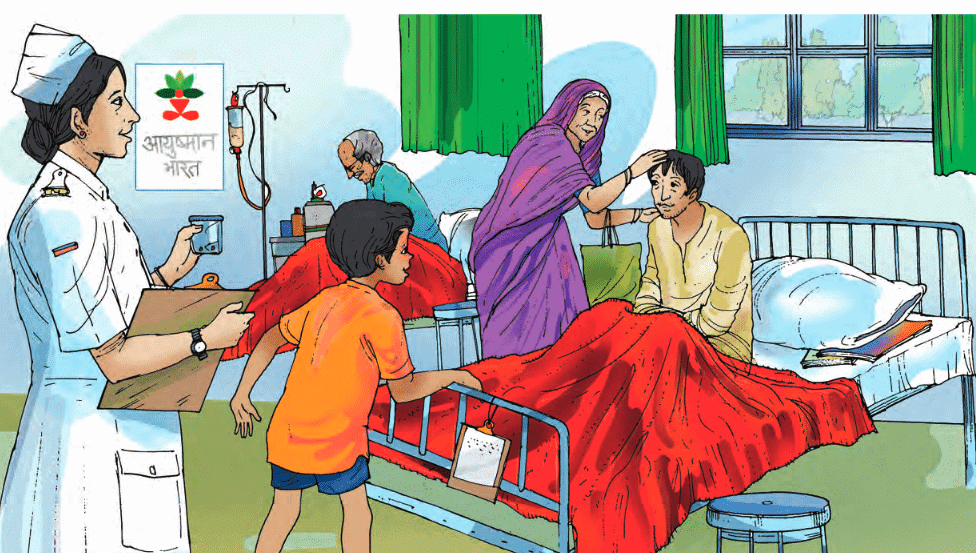
कहानी की शुरुआत तब होती है जब बच्चा अपनी नानी के साथ पड़ोसी सुधाकर काका को देखने अस्पताल जाता है। यह उसका अस्पताल जाने का पहला अनुभव था। वहाँ उसे अस्पताल का माहौल बहुत अच्छा लगता था। साफ-सुथरे बिस्तर, हरे पेड़, शांति और कोई शोर नहीं था, जो उसे बहुत आकर्षित करता था। सुधाकर काका को नानी द्वारा साबूदाने की खीर खिलाई जाती थी, जिसे देखकर बच्चा सोचता था कि बीमार होना कितना मजेदार है। उसे लगता था कि बीमार लोग बिना मेहनत के आराम करते हैं और स्वादिष्ट खाना खाते हैं। वह सोचता था, “काश! मैं सुधाकर काका की जगह होता!”

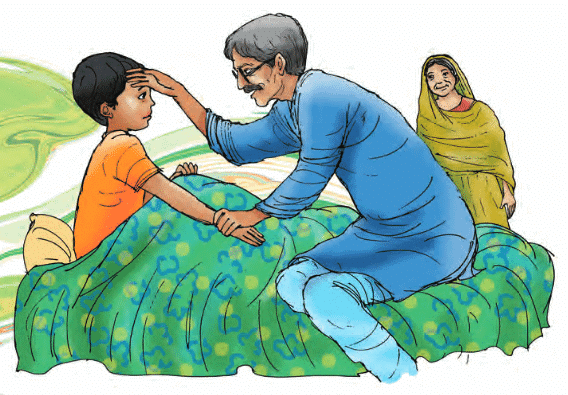
कुछ दिन बाद बच्चे का स्कूल जाने का मन नहीं करता था। उसने होमवर्क भी नहीं किया था और उसे डर था कि स्कूल में सजा मिलेगी। वह सोचता था कि बीमारी का बहाना बनाकर स्कूल से छुट्टी ले लेगा। वह रजाई में लेटा रहता था और नानी को कहता था कि उसे सिरदर्द, पेट दर्द और बुखार है। नानी उसकी बात मान लेती थी और नानाजी को बुलाती थी। नानाजी उसका माथा छूते थे और नब्ज देखकर कहते थे कि बुखार नहीं है, लेकिन फिर भी उसे कड़वी दवा और काढ़ा पीने को देते थे। वे कहते थे कि उसे आज कुछ खाना नहीं देना है, सिर्फ आराम करना है।
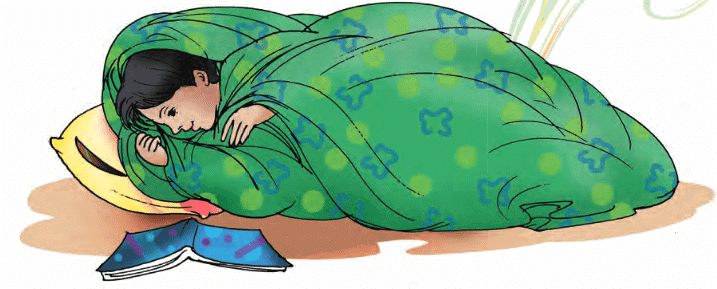
बच्चा रजाई में पड़ा-पड़ा दिनभर बोर होता था। वह घर में चल रही गतिविधियों का अनुमान लगाता था, जैसे छोटे मामा का नहाना, कुसुम मौसी का कॉलेज जाना और मन्नू का जूता ढूँढ़ना। धीरे-धीरे घर में सब चले जाते थे और वह अकेला रह जाता था। उसे भूख लगती थी, लेकिन वह नानी से कुछ मांगने से डरता था क्योंकि नानाजी कहते थे कि भूखे रहने से बीमारी ठीक होती है। वह साबूदाने की खीर, कचौड़ी, गोलगप्पे और बेसन की चिक्की जैसी चीजों के बारे में सोचता रहता था। उसे लगता था कि साबूदाने की खीर सिर्फ बीमारी या उपवास में ही क्यों बनती है।

दिन बढ़ने पर उसे और बोरियत होती थी। उसकी पीठ लेटे-लेटे दुखने लगती थी। वह बाहर की चहल-पहल देखना चाहता था, लेकिन बीमारी का बहाना बनाए रखने के लिए लेटा रहता था। दोपहर में मन्नू स्कूल से आता था और परिवार खाना खाने बैठता था। बच्चा रसोई से दाल-चावल, तली हुई हरी मिर्च और आम की खुशबू सूंघता था। वह चुपके से रसोई तक जाता था और देखता था कि मन्नू आम चूस रहा है। उसे गुस्सा, जलन और पछतावा होता था कि उसने बीमारी का बहाना क्यों बनाया।

आखिरकार, उसे दिनभर भूखा रहना पड़ता था। वह थक जाता था और सोचता था कि स्कूल जाना बेहतर था। उसे सजा मिलती तो भी रिसेस में नमक-मिर्च वाले अमरूद खाने को मिलते। वह पछताता था और फैसला करता था कि अब वह कभी स्कूल से छुट्टी लेने के लिए बीमारी का बहाना नहीं बनाएगा।
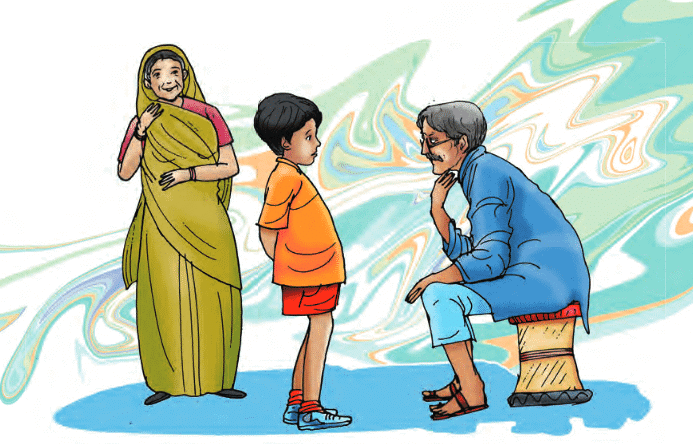
कहानी से शिक्षा

यह कहानी हमें सिखाती है कि झूठ बोलना बुरी आदत है। बीमारी का बहाना बनाना केवल परेशानी और दुख लाता है। हमें हमेशा सच बोलना चाहिए और अपने कर्तव्यों को ईमानदारी से निभाना चाहिए। स्वस्थ रहना और स्कूल या काम पर जाना जीवन का सही तरीका है।

शब्दार्थ

  • वॉर्ड: अस्पताल का कमरा, जहाँ मरीज रहते हैं।
  • सिरहाना: बिस्तर का वह हिस्सा, जहाँ सिर रखा जाता है।
  • गुनगुना: धीमी और अस्पष्ट आवाज में बात करना।
  • नर्स: मरीजों की देखभाल करने वाली महिला।
  • साबूदाने: सागो के पेड़ से बनने वाला खाने का दाना, जो बीमारी या उपवास में खाया जाता है।
  • रजाई: रुई भरा हुआ गर्म ओढ़ने का कंबल।
  • काढ़ा: जड़ी-बूटियों को उबालकर बनाया गया पेय, जो बीमारी में पिया जाता है।
  • पुड़िया: दवा की छोटी पोटली।
  • आहट: हल्की आवाज, जैसे कदमों की।
  • विकार: शरीर या मन की खराबी, जैसे बीमारी।
  • बघार: तड़का, जैसे दाल में जीरा और हींग डालना।
  • कुदन: मन में जलन या दुख की भावना।
04. पानी रे पानी – पाठ नोट्स

लेखक परिचय

अनुपम मिश्र एक प्रसिद्ध लेखक, संपादक, पर्यावरणविद् और छायाकार थे। उनका जन्म 1948 में हुआ था और 2016 में उनका निधन हो गया। उन्होंने पर्यावरण संरक्षण के क्षेत्र में कई महत्वपूर्ण कार्य किए। उनकी सबसे प्रसिद्ध पुस्तक ‘आज भी खरे हैं तालाब’ है, जिसका अनुवाद कई भाषाओं में किया गया है। इसके अलावा, ‘साफ माथे का समाज’ उनकी एक और महत्वपूर्ण रचना है। वे गांधी मार्ग पत्रिका के संस्थापक और संपादक भी थे, जो गांधी शांति प्रतिष्ठान से प्रकाशित होती थी।

मुख्य विषय

इस पाठ का मुख्य विषय है—पानी की कमीजल-चक्र, और जल संरक्षण का महत्व। यह पाठ हमें समझाता है कि पानी हमारे जीवन के लिए कितना आवश्यक है और इसे बचाने के लिए हमें क्या-क्या कदम उठाने चाहिए। लेखक ने पानी की तुलना धरती की गुल्लक में जमा होने वाले खजाने से की है और बताया है कि तालाब, झीलें और नदियाँ इस खजाने को बढ़ाने में सहायक होती हैं। यह पाठ हमें अकाल और बाढ़ जैसी समस्याओं से बचने के लिए जल संरक्षण के उपाय सिखाता है।

कहानी की मुख्य घटनाएँ

  • जल-चक्र का चित्रण: समुद्र से भाप बनना, बादल बनना, बारिश होना और पानी का फिर समुद्र में मिलना।
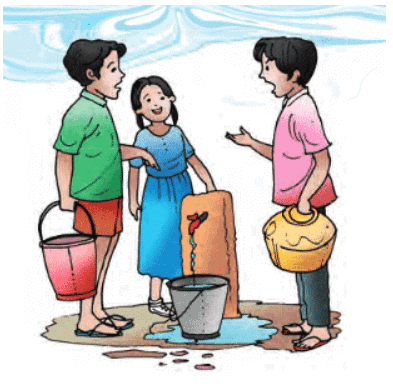
  • पानी की कमी: गर्मी में नल सूखना, मोटर लगाकर पानी खींचना, पानी बिकने लगना।
  • पानी की अधिकता: बारिश के समय बाढ़ आना, घर-स्कूल-सड़क सब डूब जाना।
  • पुराने जलस्रोतों का नुकसान: तालाबों और झीलों को नष्ट करना।
  • समाधान का सुझाव: जलस्रोतों की रक्षा करना और जल-चक्र को सही ढंग से समझना।

कहानी का सार

पानी रे पानी पाठ में लेखक अनुपम मिश्र जल-चक्र और पानी की कमी की समस्या को बहुत सरल और रोचक तरीके से समझाते हैं। वे बताते हैं कि जल-चक्र प्रकृति का एक महत्वपूर्ण हिस्सा है, जिसमें समुद्र का पानी भाप बनकर बादल बनता है, फिर बारिश के रूप में धरती पर आता है और नदियों के रास्ते वापस समुद्र में चला जाता है। यह चक्र किताबों में तो बहुत सुंदर लगता है, लेकिन असल जिंदगी में पानी का एक अजीब चक्कर बन गया है।

शहरों, गाँवों, स्कूलों, खेतों और कारखानों में पानी की कमी एक बड़ी समस्या बन गई है। नलों में पानी समय पर नहीं आता, और जब आता है तो देर रात या सुबह जल्दी। नल खोलने पर सिर्फ साँय-साँय की आवाज आती है। इस कमी को पूरा करने के लिए लोग मोटर लगाकर पानी खींचते हैं, जिससे आसपास के घरों का पानी कम हो जाता है। इससे झगड़े भी होने लगते हैं। बड़े शहरों जैसे दिल्ली, मुंबई, कोलकाता और चेन्नई में भी पानी की कमी लोगों को परेशान करती है। गर्मियों में तो अकाल जैसे हालात बन जाते हैं।

वहीं, बारिश के मौसम में इतना पानी बरसता है कि सड़कें, घर और स्कूल पानी में डूब जाते हैं। बाढ़ आती है, जो गाँवों और शहरों को नुकसान पहुँचाती है। लेखक कहते हैं कि अकाल और बाढ़ एक ही सिक्के के दो पहलू हैं। अगर हम जल-चक्र को ठीक से समझें और पानी को सही तरीके से संभालें, तो इन समस्याओं से बच सकते हैं।

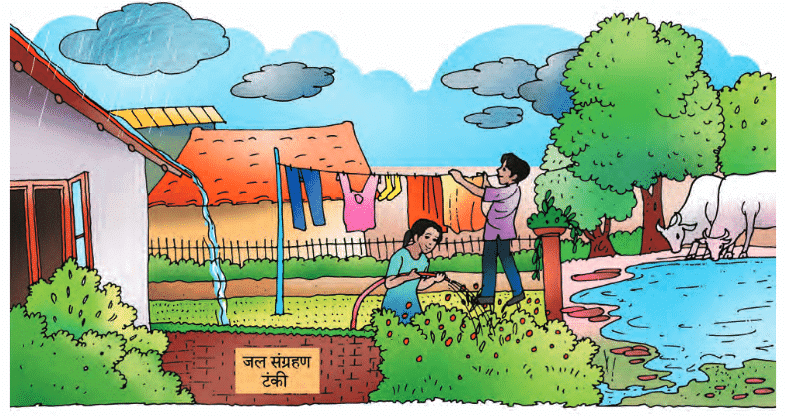
लेखक पानी की तुलना पैसे से करते हैं और धरती को एक बड़ी गुल्लक बताते हैं। जैसे हम गुल्लक में पैसे जमा करते हैं, वैसे ही बारिश के पानी को तालाबों, झीलों और नदियों में जमा करना चाहिए। यह पानी धीरे-धीरे जमीन के नीचे भूजल भंडार में जाता है, जो साल भर हमारे काम आता है। लेकिन हमने लालच में तालाबों को कचरे से भर दिया और उन पर मकान, बाजार और स्टेडियम बना दिए। इस गलती की सजा अब हमें मिल रही है—गर्मियों में नल सूख जाते हैं और बारिश में बस्तियाँ डूब जाती हैं।

लेखक सुझाव देते हैं कि हमें जल-चक्र को समझना होगा। बारिश का पानी तालाबों और झीलों में जमा करना होगा, भूजल भंडार को सुरक्षित रखना होगा और जलस्रोतों की अच्छे से देखभाल करनी होगी। तभी हम पानी की कमी से बच सकते हैं। अगर हम ऐसा नहीं करेंगे, तो पानी के चक्कर में फँसते चले जाएँगे।

कहानी से शिक्षा

यह पाठ हमें सिखाता है कि जल ही जीवन है और इसकी रक्षा करना हमारा कर्तव्य है। हमें अपने पुराने तालाबों, झीलों और नदियों को बचाना चाहिए। बारिश के पानी को संचित कर धरती के जल भंडार को भरना चाहिए ताकि हमें भविष्य में पानी की कमी या बाढ़ जैसी समस्याओं का सामना न करना पड़े। हमें अपनी धरती को एक बड़ी गुल्लक की तरह समझकर उसमें पानी बचाना चाहिए।

शब्दार्थ

  • जल-चक्र: पानी का प्राकृतिक चक्र, जिसमें पानी भाप बनकर बादल बनता है, बारिश के रूप में गिरता है और नदियों के रास्ते समुद्र में जाता है।
  • गुल्लक: मिट्टी या धातु का बर्तन, जिसमें पैसे जमा किए जाते हैं।
  • भूजल: जमीन के नीचे जमा पानी।
  • अकाल: सूखा, जब पानी की बहुत कमी हो।
  • बाढ़: बारिश के कारण पानी का ज्यादा बहाव, जिससे बस्तियाँ डूब जाती हैं।
  • जलस्रोत: पानी के स्रोत, जैसे नदियाँ, तालाब, झील।
  • वर्षा: बारिश।
  • मोटर: पानी खींचने की मशीन।
  • कमी: कमी, अभाव।
  • खजाना: जमा हुआ धन या संसाधन।
  • लालच: ज्यादा पाने की इच्छा।
  • सँभालना: देखभाल करना, सुरक्षित रखना।

03. फूल और कांटा – पाठ नोट्स

कवि परिचय

अयोध्यासिंह उपाध्याय ‘हरिऔध’ एक प्रसिद्ध हिंदी कवि थे, जिनका जन्म उत्तर प्रदेश के आजमगढ़ में हुआ था। उनकी कविताएँ सरल और बच्चों के लिए रोचक होती थीं। उन्होंने बच्चों के लिए कई कविता-संग्रह लिखे, जैसे चंद्र-खिलौना और खेल-तमाशा। उनकी सबसे मशहूर रचना प्रियप्रवास है, जिसे हिंदी का पहला खड़ी बोली महाकाव्य माना जाता है। उनकी कविता फूल और काँटा कक्षा 7 की पाठ्यपुस्तक मल्हार में शामिल है।

मुख्य विषय

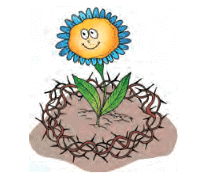
कविता का मुख्य विषय है लोगों के स्वभाव में अंतर और समानता। कवि फूल और काँटे के उदाहरण से बताते हैं कि एक ही पौधे पर उगने वाले फूल और काँटे, भले ही एक जैसी परिस्थितियों में पलते हों, उनके गुण और व्यवहार अलग-अलग होते हैं। यह कविता यह सिखाती है कि व्यक्ति का सम्मान उसके कुल या जन्म से नहीं, बल्कि उसके गुणों और कार्यों से होता है।

कविता का सार

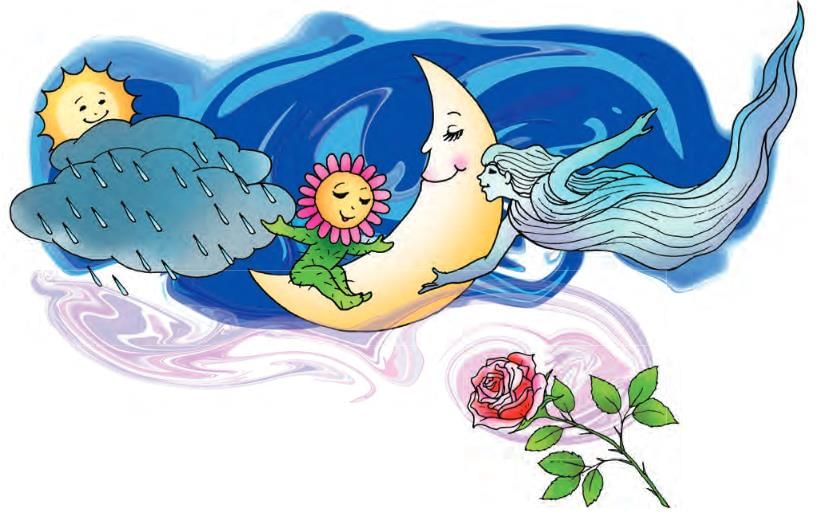
कविता ‘फूल और काँटा’ में कवि अयोध्यासिंह उपाध्याय ‘हरिऔध’ एक ही पौधे पर उगने वाले फूल और काँटे की तुलना करते हैं। वे बताते हैं कि फूल और काँटा एक ही जगह जन्म लेते हैं, एक ही पौधा उन्हें पालता है, और उन्हें एक जैसी चाँदनी, बारिश और हवा मिलती है। फिर भी, उनके स्वभाव और व्यवहार बिल्कुल अलग होते हैं।

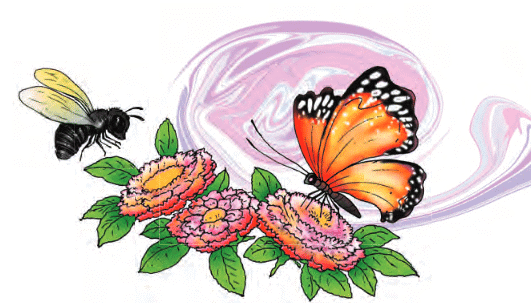
काँटा उँगलियाँ छेदता, कपड़े फाड़ता, और तितलियों-भौंरों को चोट पहुँचाता है। यह सबकी आँखों में खटकता है और किसी को पसंद नहीं आता। दूसरी ओर, फूल अपनी सुंदरता, सुगंध और कोमलता से तितलियों को अपनी गोद में बिठाता है, भौंरों को अपना मीठा रस पिलाता है, और अपनी खुशबू से कली को खिलाता है। फूल सुर शीश पर सजता है और सभी को आनंद देता है।

कवि कहते हैं कि इसी तरह, लोग एक ही परिवार या समाज में जन्म लेते हैं, लेकिन उनके गुण और व्यवहार अलग होते हैं। व्यक्ति का बड़प्पन उसके कुल से नहीं, बल्कि उसके अच्छे गुणों और कार्यों से तय होता है। अगर किसी में बड़प्पन की कमी है, तो कुल की बड़ाई उसके लिए कोई काम नहीं आती। कविता हमें सिखाती है कि हमें फूल की तरह अच्छे गुण अपनाने चाहिए, न कि काँटे की तरह दूसरों को चोट पहुँचानी चाहिए।

कविता की व्याख्या

पहला प्रसंग 

हैं जनम लेते जगह में एक ही,
एक ही पौधा उन्हें है पालता।
रात में उन पर चमकता चाँद भी,
एक ही सी चाँदनी है डालता।

व्याख्या: कवि कहते हैं कि फूल और काँटा एक ही पौधे पर जन्म लेते हैं और एक ही पौधा उन्हें पालता है। रात में चाँद दोनों पर एक जैसी चाँदनी बिखेरता है। यह दर्शाता है कि दोनों को एक जैसी परिस्थितियाँ मिलती हैं।

दूसरा प्रसंग 

मेह उन पर है बरसता एक सा,
एक सी उन पर हवायें हैं बही।
पर सदा ही यह दिखाता है हमें,
ढंग उनके एक से होते नहीं।

व्याख्या: बारिश और हवा दोनों पर एक समान बरसती और बहती है। फिर भी, फूल और काँटे के स्वभाव अलग-अलग होते हैं। यह बताता है कि परिस्थितियाँ एक जैसी होने के बावजूद गुण और व्यवहार में अंतर होता है।

तीसरा प्रसंग 

छेद कर काँटा किसी की उँगलियाँ,
फाड़ देता है किसी का वर बसन।
प्यार-डूबी तितलियों का पर कतर,
भौंर का है बेध देता श्याम तन।

व्याख्या: काँटा अपनी नुकीली प्रकृति से उँगलियाँ छेदता है, कपड़े फाड़ता है, तितलियों के पंख काटता है, और भौंरों को चोट पहुँचाता है। यह दर्शाता है कि काँटे का स्वभाव दूसरों को नुकसान पहुँचाने वाला होता है।

चौथा प्रसंग 

फूल लेकर तितलियों को गोद में,
भौंर को अपना अनूठा रस पिला।
निज सुगंधों औ निराले रंग से,
है सदा देता कली जी की खिला।

व्याख्या: फूल अपनी कोमलता से तितलियों को अपनी गोद में बिठाता है, भौंरों को मीठा रस देता है, और अपनी सुगंध व रंगों से कली को खिलाता है। यह फूल के दयालु और आनंददायक स्वभाव को दर्शाता है।

पांचवा प्रसंग 

है खटकता एक सब की आँख में,
दूसरा है सोहता सुर शीश पर।
किस तरह कुल की बड़ाई काम दे,
जो किसी में हो बड़प्पन की कसर।

व्याख्या: काँटा सबकी आँखों में खटकता है, जबकि फूल सिर पर सजकर सुंदर लगता है। कवि कहते हैं कि अगर व्यक्ति में अच्छे गुण नहीं हैं, तो उसके कुल की बड़ाई बेकार है। बड़प्पन गुणों से आता है, न कि जन्म से।

कविता से शिक्षा

कविता फूल और काँटा हमें सिखाती है कि व्यक्ति का बड़प्पन उसके गुणों और व्यवहार से तय होता है, न कि उसके जन्म या परिवार से। फूल और काँटे के उदाहरण से कवि यह बताते हैं कि एक ही परिस्थिति में पलने वाले लोग अपने स्वभाव के कारण अलग होते हैं। फूल की तरह हमें दूसरों को खुशी देना चाहिए, न कि काँटे की तरह चोट पहुँचानी चाहिए। यह कविता हमें प्रेरित करती है कि हम अपने अच्छे गुणों से समाज में सम्मान और प्यार पाएँ।

शब्दार्थ

  • जनम: जन्म
  • मेह: बारिश
  • हवायें: हवा
  • ढंग: स्वभाव, तरीका
  • छेद: चुभना
  • वर बसन: सुंदर कपड़ा
  • प्यार-डूबी: प्रेम में डूबी
  • पर कतर: पंख काटना
  • बेध: चुभना
  • श्याम तन: काला शरीर (भौंर का)
  • अनूठा: अनोखा
  • निज: अपना
  • सुगंधों: खुशबू
  • निराले: अनोखे
  • खटकता: बुरा लगना
  • सोहता: सुंदर लगना
  • सूर शीश: सिर
  • कुल: परिवार
  • बड़प्पन: महानता, अच्छे गुण
  • कसर: कमी

02. तीन बुद्धिमान – पाठ नोट्स

लेखक परिचय

इस कहानी का लेखक अज्ञात है, क्योंकि यह एक लोककथा है जो पीढ़ियों से चली आ रही है। यह कहानी नई एनसीईआरटी कक्षा 7 की पाठ्यपुस्तक मल्हार में शामिल है। लोककथाएँ मौखिक परंपरा के माध्यम से फैलती हैं और समाज के मूल्यों, बुद्धिमत्ता और नैतिकता को दर्शाती हैं। इस कहानी का उद्देश्य बच्चों को सूक्ष्म अवलोकन, बुद्धिमानी और सच्चाई का महत्व सिखाना है।

मुख्य विषय

कहानी का मुख्य विषय बुद्धिमत्ता, सूक्ष्म अवलोकन और सच्चाई है। यह दर्शाती है कि तेज नजर और समझदारी से व्यक्ति मुश्किल हालात में भी सही फैसला ले सकता है। कहानी यह भी सिखाती है कि सच्चाई और ईमानदारी हमेशा जीतती है, भले ही शुरुआत में लोग गलत समझें। यह बच्चों को अपने आसपास की चीजों को ध्यान से देखने और समझने की प्रेरणा देती है।

कहानी की मुख्य घटनाएँ

  • तीन भाइयों को उनके पिता ने बुद्धि और नजर तेज करने की सलाह दी।
  • पिता के मरने के बाद तीनों भाई यात्रा पर निकले।
  • रास्ते में बिना ऊँट को देखे ही ऊँट के बारे में सारी बातें जान लीं।
  • एक घुड़सवार ने उन पर ऊँट चुराने का आरोप लगाया।
  • राजा ने उनकी परीक्षा ली – पेटी के अंदर का सामान बिना खोले पहचानने को कहा।
  • तीनों भाइयों ने सही जवाब दिए और साबित कर दिया कि वे चोर नहीं बल्कि बुद्धिमान थे
  • राजा ने उनकी प्रतिभा को पहचानकर उन्हें अपने दरबार में रख लिया।

कहानी का सार

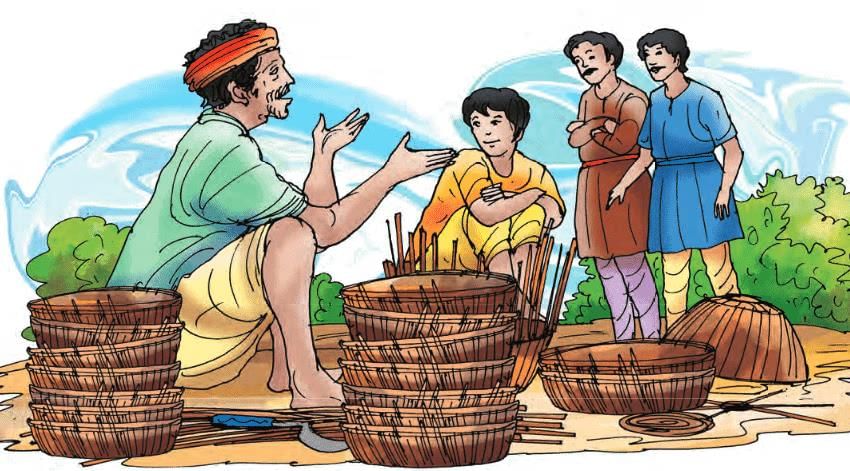
तीन बुद्धिमान एक गरीब व्यक्ति और उसके तीन बेटों की कहानी है, जो धन-संपत्ति के बजाय बुद्धि और अवलोकन शक्ति को महत्व देते हैं। पिता अपने बेटों को सिखाते थे कि रुपये-पैसे और सोने-चाँदी के बजाय पैनी दृष्टि और तीव्र बुद्धि इकट्ठा करनी चाहिए, क्योंकि ऐसा धन कभी खत्म नहीं होता और जीवन में हर कमी को पूरा करता है। पिता की मृत्यु के बाद, तीनों भाई अपने गाँव में कुछ खास करने को न पाकर दुनिया देखने की ठानते हैं। वे तय करते हैं कि जरूरत पड़ने पर चरवाहों या खेतों में मजदूरी कर लेंगे, लेकिन भूखे नहीं मरेंगे।

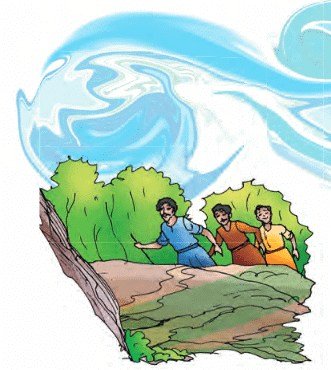
तीनों भाई यात्रा पर निकल पड़ते हैं। वे सुनसान घाटियों और ऊँचे पहाड़ों को पार करते हुए चालीस दिनों तक लगातार चलते हैं। इस दौरान उनका खाना-पीना खत्म हो जाता है, वे थक जाते हैं, और उनके पैरों में छाले पड़ जाते हैं। फिर भी, वे हिम्मत नहीं हारते और आगे बढ़ते रहते हैं। अंत में, वे एक बड़े नगर के पास पहुँचते हैं, जहाँ घर और पेड़ दिखाई देते हैं। नगर को देखकर वे खुश होते हैं और तेजी से आगे बढ़ते हैं।

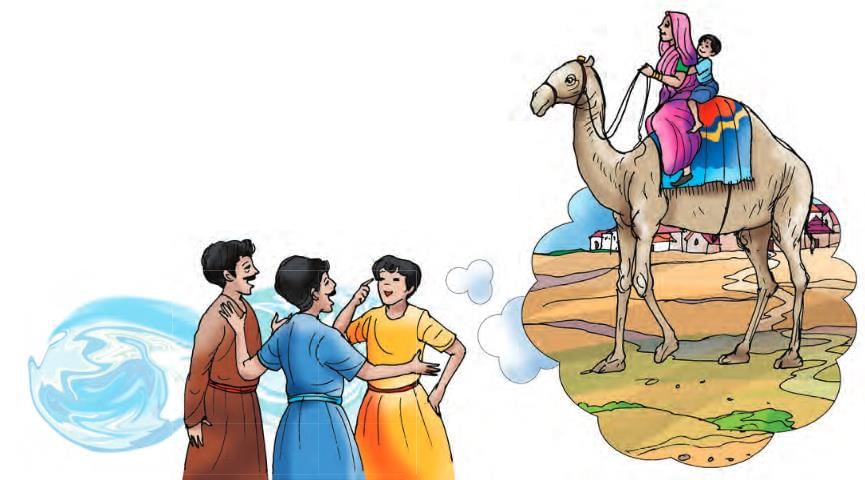
नगर के करीब पहुँचने पर सबसे बड़ा भाई रास्ते पर नजर डालता है और कहता है कि यहाँ से हाल ही में एक बड़ा ऊँट गुजरा है। थोड़ा और आगे जाने पर मझला भाई सड़क के दोनों ओर देखकर कहता है कि ऊँट शायद एक आँख से नहीं देख पाता, क्योंकि उसने सड़क के केवल एक तरफ की घास चरी थी। कुछ कदम और चलने पर सबसे छोटा भाई कहता है कि ऊँट पर एक महिला और एक बच्चा सवार थे, क्योंकि उसने ऊँट के घुटनों के निशान और पास में महिला व बच्चे के पैरों के निशान देखे।

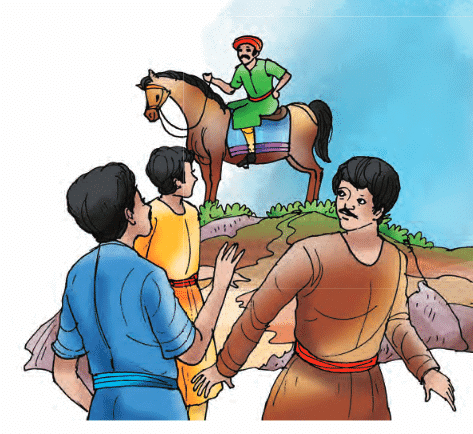
इसी बीच, एक घुड़सवार उनके पास से गुजरता है। बड़ा भाई उससे पूछता है कि क्या वह कुछ खोया हुआ ढूँढ रहा है। घुड़सवार हाँ कहता है। भाई उससे पूछते हैं कि क्या उसका ऊँट खो गया है, जो बड़ा है, एक आँख से नहीं देखता, और उस पर एक महिला व बच्चा सवार थे। घुड़सवार हैरान होकर सोचता है कि भाइयों ने उसका ऊँट चुराया है, क्योंकि उन्हें इतनी सटीक जानकारी कैसे मिली। वह भाइयों से ऊँट लौटाने को कहता है, लेकिन भाई कहते हैं कि उन्होंने ऊँट देखा तक नहीं, बल्कि अपनी बुद्धि और नजर से अनुमान लगाया। घुड़सवार उनकी बात नहीं मानता और तलवार निकालकर उन्हें अपने साथ राजा के पास ले जाता है।

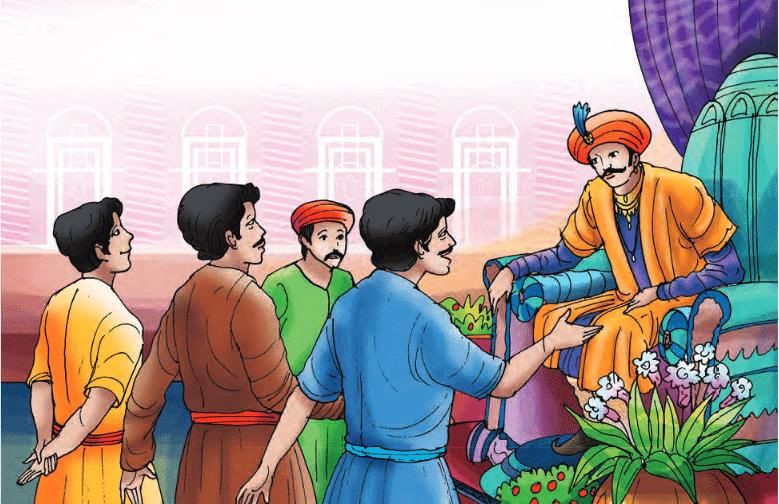
राजा के सामने घुड़सवार कहता है कि वह अपनी पत्नी और बेटे के साथ पहाड़ों पर रेवड़ ले जा रहा था। उसकी पत्नी और बेटा ऊँट पर पीछे थे, लेकिन वे रास्ते से भटक गए। उसे शक है कि इन भाइयों ने उसका ऊँट चुराया और उसकी पत्नी व बेटे को मार डाला। राजा भाइयों से पूछता है कि उन्होंने ऊँट कहाँ छिपाया, लेकिन भाई साफ कहते हैं कि उन्होंने ऊँट नहीं देखा। वे बताते हैं कि उन्होंने रास्ते के निशानों से अनुमान लगाया। राजा को उनकी बात पर यकीन नहीं होता और वह उनकी बुद्धिमानी की परीक्षा लेने का फैसला करता है।

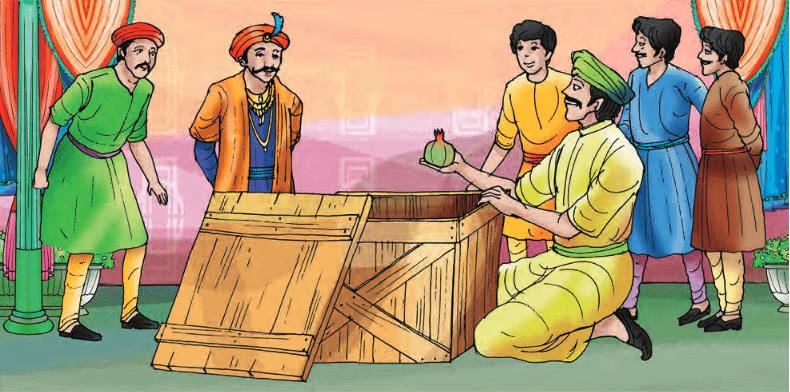
राजा अपने मंत्री को एक पेटी लाने का आदेश देता है। पेटी को सावधानी से दरवाजे के पास रखा जाता है। राजा भाइयों से पूछता है कि पेटी में क्या है। सबसे बड़ा भाई कहता है कि उसमें एक छोटी, गोल वस्तु है, क्योंकि पेटी हल्की थी और उसमें कुछ लुढ़कने की आवाज आई। मझला भाई कहता है कि वह अनार है, क्योंकि पेटी उद्यान की ओर से आई और महल के आसपास अनार के पेड़ हैं। छोटा भाई कहता है कि अनार कच्चा है, क्योंकि उस समय उद्यान में सभी अनार कच्चे थे। राजा पेटी खुलवाता और उसमें कच्चा अनार पाता है। वह भाइयों की बुद्धिमानी से चकित हो जाता है।

राजा घुड़सवार को कहता है कि ये भाई चोर नहीं, बल्कि बहुत बुद्धिमान हैं। वह उसे भाइयों के बताए रास्ते पर ऊँट ढूँढने को कहता है। राजा भाइयों से पूछता है कि उन्हें ऊँट और पेटी के बारे में कैसे पता चला। बड़ा भाई बताता है कि उसने धूल में बड़े ऊँट के पैरों के निशान देखे और घुड़सवार की बेचैनी से समझा कि वह ऊँट ढूँढ रहा है। मझला भाई कहता है कि उसने सड़क के दायीं ओर चरी हुई घास देखी, लेकिन बायीं ओर की घास वैसी ही थी, इसलिए ऊँट एक आँख से नहीं देखता होगा। छोटा भाई बताता है कि उसने ऊँट के घुटनों के निशान, महिला के जूतों के निशान और छोटे बच्चे के पैरों के निशान देखे। पेटी के बारे में बड़ा भाई कहता है कि उसने हल्की पेटी में गोल वस्तु लुढ़कने की आवाज सुनी। मझला भाई कहता है कि उद्यान से आने और अनार के पेड़ों के कारण उसने अनार होने का अनुमान लगाया। छोटा भाई कहता है कि उसने उद्यान में कच्चे अनार देखे थे।

राजा भाइयों की असाधारण बुद्धिमानी और पैनी नजर से प्रभावित होता है। वह उनकी तारीफ करता है और कहता है कि भले ही उनके पास धन-संपत्ति न हो, लेकिन उनकी बुद्धि का खजाना अनमोल है। अंत में, वह उन्हें अपने दरबार में रख लेता है, और भाई सम्मान के साथ वहाँ रहने लगते हैं।

कहानी से शिक्षा

तीन बुद्धिमान एक प्रेरणादायक लोककथा है जो हमें बुद्धिमानी, सूक्ष्म अवलोकन और सच्चाई का महत्व सिखाती है। तीनों भाइयों की कहानी सिखाती है कि पैसे से ज्यादा समझ और बुद्धि कीमती होती है। उनकी पैनी नजर और तीव्र बुद्धि ने उन्हें गलत इल्ज़ामों से बचाया और राजा के दरबार में सम्मान दिलाया। यह कहानी बच्चों को प्रेरित करती है कि वे अपने आसपास की दुनिया को, समझें और हमेशा सच्चाई के रास्ते पर चलें।

शब्दार्थ

  • निर्धन: गरीब
  • संचित: इकट्ठा करना
  • पैनी दृष्टि: तेज नजर
  • तीव्र बुद्धि: तेज दिमाग
  • घूम फिरकर: इधर-उधर भटकना
  • सुनसान-वीरान: वीरान, निर्जन
  • छाले: पैरों में पानी भरे घाव
  • निर्भय: निडर
  • न्यायालय: अदालत
  • अनुमान: अंदाजा
  • आश्चर्य: हैरानी
  • सावधानी: सतर्कता
  • उद्यान: बगीचा
  • प्रशंसा: तारीफ

01. मां, कह एक कहानी – अध्याय नोट्स

कवि परिचय

मैथिलीशरण गुप्त एक प्रसिद्ध हिंदी कवि थे, जिन्हें राष्ट्रकवि के रूप में जाना जाता है। उनका जन्म उत्तर प्रदेश के झाँसी जिले के चिरगाँव में हुआ था। उन्होंने 15-16 वर्ष की आयु से कविता लिखना शुरू किया। पहले वे ब्रज भाषा में लिखते थे, फिर हिंदी में। उनकी कविताएँ सरल और भावपूर्ण होती थीं। स्वतंत्रता आंदोलन में उनकी रचनाओं ने लोगों में देशप्रेम की भावना जगाई। उनकी प्रमुख रचनाएँ हैं- साकेत, भारत-भारती, और यशोधरा। उनकी कविताओं में भारत की संस्कृति, इतिहास और धर्म की झलक मिलती है।

मुख्य विषय

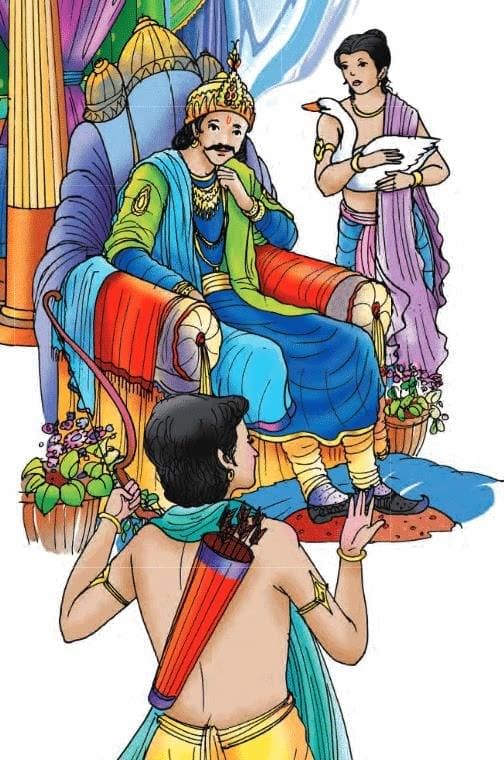
कविता माँ, कह एक कहानी का मुख्य विषय है करुणा, न्याय और नैतिकता। यह माँ (यशोधरा) और बेटे (राहुल) के बीच संवाद के माध्यम से एक कहानी प्रस्तुत करती है, जिसमें एक घायल हंस की रक्षा को लेकर करुणा और हिंसा के बीच टकराव दिखाया गया है। कविता बच्चों को सही-गलत की समझ विकसित करने और दया व न्याय के महत्व को समझाने का प्रयास करती है।

कविता का सार

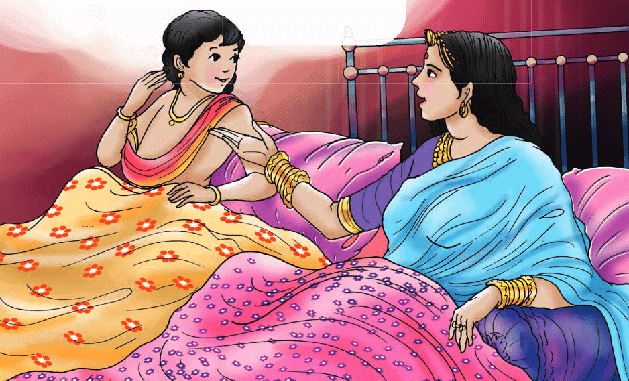
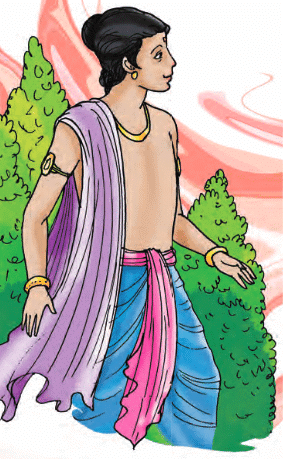
यह कविता माँ यशोधरा और उनके बेटे राहुल की बातचीत की कहानी है। राहुल माँ से कहानी सुनाने की ज़िद करता है। माँ उसे एक खास कहानी सुनाती है जिसमें राहुल के पिता सिद्धार्थ एक घायल हंस को बचाते हैं। एक शिकारी हंस को लेना चाहता है, लेकिन सिद्धार्थ उसे बचाने की ठान लेते हैं। दोनों में बहस होती है और मामला न्यायालय तक जाता है। माँ राहुल से पूछती है कि वह क्या फैसला करेगा। राहुल कहता है कि जो निर्दोष को मारता है, उसे रोकना चाहिए और जो बचाता है, उसकी मदद करनी चाहिए। यह कविता हमें दया, करुणा और सही फैसला लेने की सीख देती है। यह हमें बताती है कि हमें हमेशा दूसरों की मदद करनी चाहिए और अच्छा काम करना चाहिए।

कविता की व्याख्या

पहला प्रसंग 

“माँ, कह एक कहानी।”
“बेटा, समझ लिया क्या तूने 
मुझको अपनी नानी?”

व्याख्या: राहुल अपनी माँ से कहानी सुनाने को कहता है। माँ हँसते हुए पूछती हैं कि क्या वह उसे अपनी नानी समझने लगा है। यह बात माँ-बेटे के प्यार को दिखाती है।

दूसरा प्रसंग 

“कहती है मुझसे यह चेटी, 
तू मेरी नानी की बेटी! कह माँ, 
कह, लेटी ही लेटी, 
राजा था या रानी? 
राजा था या रानी? 
माँ, कह एक कहानी।”

व्याख्या: राहुल बताता है कि दासी (चेटी) ने कहा है कि माँ, नानी की बेटी है। राहुल लेटे-लेटे बार-बार माँ से ज़िद करता है कि कहानी सुनाओ, जिसमें राजा या रानी की बात हो।

तीसरा प्रसंग 

“तू है हठी मानधन मेरे, 
सुन, उपवन में बड़े सबेरे, 
तात भ्रमण करते थे तेरे,
जहाँ, सुरभि मनमानी।” 

व्याख्या: माँ अपने बेटे को समझाती है कि वह बहुत ज़िद्दी है। फिर वह उपवन (बगीचे) का वर्णन करती है, जहाँ उसके पिता (तात) सुबह सैर किया करते थे। उस उपवन में फूलों की सुगंध बिखरी रहती थी।

चौथा प्रसंग 

“जहाँ सुरभि मनमानी? 
हाँ, माँ, यही कहानी।”

व्याख्या: राहुल खुश होकर कहता है कि माँ, वही कहानी सुनाओ जिसमें बगीचे में अच्छी खुशबू थी।

पांचवा प्रसंग 

“वर्ण-वर्ण के फूल खिले थे, 
झलमल कर हिम-बिंदु झिले थे, 
हलके झोंके हिले-मिले थे, 
लहराता था पानी।”

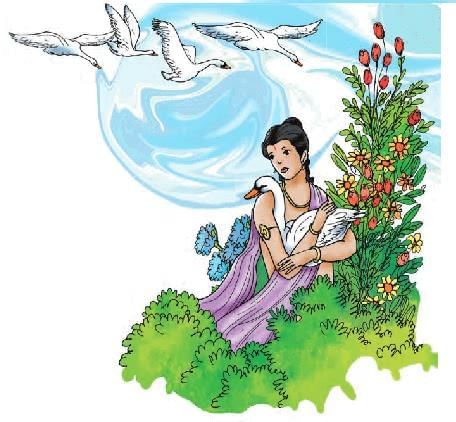
व्याख्या: माँ बताती है कि बगीचे में रंग-बिरंगे फूल खिले थे। ओस की बूँदें चमक रही थीं और हल्की हवा बह रही थी। पास में पानी की लहरें भी थीं। यह बगीचे की सुंदरता को दिखाता है।

छठा प्रसंग

“लहराता था पानी? 
हाँ, हाँ, यही कहानी।”

व्याख्या: राहुल प्रसन्न होकर कहता है कि हाँ माँ, यही कहानी सुनाते रहो जिसमें पानी लहरा रहा हो।

प्रश्न: राहुल के माँ से कहानी सुनाने की ज़िद क्या दर्शाती है?  View Answer
सातवां प्रसंग

“गाते थे खग कल-कल स्वर से, 
सहसा एक हंस ऊपर से, 
गिरा, बिद्ध होकर खर-शर से, 
हुई पक्ष की हानी!”

व्याख्या: माँ बताती है कि वहाँ पक्षी मीठे स्वर में गा रहे थे तभी अचानक एक हंस ऊपर से घायल होकर नीचे गिर पड़ा। उसे तीर से चोट लगी थी।

आठवां प्रसंग

“हुई पक्ष की हानी? 
करुणा-भरी कहानी!”

व्याख्या: राहुल दुखी होकर कहता है कि हंस को चोट लग गई, यह तो बहुत करुणा भरी कहानी है।

नौवां प्रसंग

“चौंक उन्होंने उसे उठाया, 
नया जन्म-सा उसने पाया। 
इतने में आखेटक आया, 
लक्ष्य-सिद्ध का मानी।”

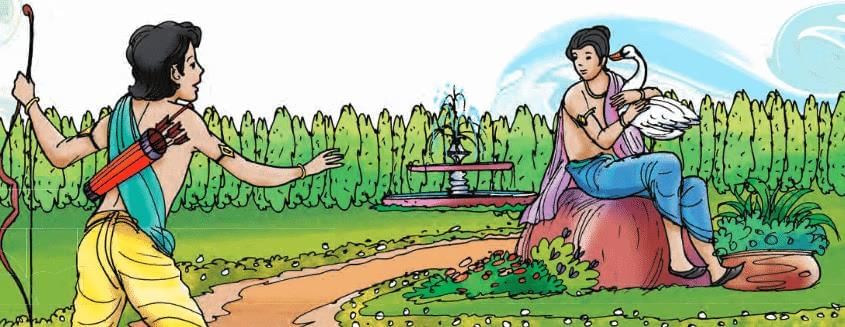
व्याख्या: माँ बताती है कि उसके पिता ने तुरंत घायल हंस को उठाया और उसकी जान बचाई। तभी वह शिकारी आया जिसने हंस को मारने का दावा किया।

दसवां प्रसंग

“लक्ष्य-सिद्ध का मानी? 
कोमल-कठिन कहानी।”

व्याख्या: राहुल कहता है कि यह कहानी तो कोमल भावनाओं और कठोर वास्तविकता का मेल है।

ग्यारहवां प्रसंग

“माँगा उसने आहत पक्षी, 
तेरे तात मगर थे रक्षी। 
तब उसने, जो था खगभक्षी– 
हठ करने की ठानी।”

व्याख्या: शिकारी घायल हंस को माँगता है लेकिन राहुल के पिता उसकी रक्षा करने को तैयार रहते हैं। शिकारी ज़िद पर अड़ जाता है।

प्रश्नराहुल की माँ उसे किस प्रकार की कहानी सुनाने के लिए प्रेरित करती हैं?  View Answer
बारहवां प्रसंग

“हठ करने की ठानी? 
अब बढ़ चली कहानी।”

व्याख्या: राहुल उत्साहित होकर कहता है कि अब कहानी और रोचक होती जा रही है।

तेरहवां प्रसंग

“हुआ विवाद सदय-निंद्रिय में, 
उभय आग्रही थे स्वविषय में, 
गई बात तब न्यायालय में, 
सुनी सभी ने जानी।”

व्याख्या: माँ बताती है कि दयालु पिता और निर्दयी शिकारी के बीच विवाद बढ़ गया। दोनों अपने पक्ष पर अड़े रहे और अंत में मामला न्यायालय में पहुँच गया।

चौदहवां प्रसंग

“सुनी सभी ने जानी? 
व्यापक हुई कहानी।”

व्याख्या: राहुल कहता है कि अब तो पूरी सभा ने इस विवाद को जान लिया। कहानी अब बड़ी हो गई है।

पंद्रहवां प्रसंग

“राहुल, तू निर्णय कर इसका– 
न्याय पक्ष लेता है किसका? 
कह दे निर्भय, जय हो जिसका। 
सुन लूँ तेरी बानी।”

व्याख्या: माँ राहुल से कहती है कि वह बिना डरे फैसला करे कि सही कौन है– हंस को मारने वाला शिकारी या उसे बचाने वाला। माँ उसका जवाब सुनना चाहती है।

सोलहवां प्रसंग

“माँ, मेरी क्या बानी? 
मैं सुन रहा कहानी।”

व्याख्या: राहुल कहता है कि वह अभी कहानी सुन रहा है, उसे निर्णय करना कठिन लग रहा है।

सत्रहवां प्रसंग

“कोई निरपराध को मारे, 
तो क्यों अन्य उसे न उबारे? 
रक्षक पर भक्षक को वारे, 
न्याय दया का दानी!”

व्याख्या: राहुल सोच-समझकर कहता है कि अगर कोई निर्दोष को मारता है तो उसकी रक्षा करना चाहिए। न्याय हमेशा दया से भरा होना चाहिए।

अठारहवां प्रसंग

“न्याय दया का दानी? 
तूने गूनी कहानी।”

व्याख्या: माँ खुश होकर कहती है कि राहुल ने सही समझा और उसने इस करुणामयी कहानी का गूढ़ अर्थ जान लिया।

कविता से शिक्षा

कविता माँ, कह एक कहानी माँ-बेटे के संवाद के माध्यम से करुणा, दया और न्याय का महत्व सिखाती है। यह बच्चों को नैतिकता और सही निर्णय लेने की प्रेरणा देती है। कविता प्रकृति की खूबसूरती और अच्छे मूल्यों को मिलाकर हमें बहुत कुछ सिखाती है। मैथिलीशरण गुप्त की यह रचना सरल भाषा में गहरे विचार प्रस्तुत करती है, जो बच्चों और बड़ों दोनों के लिए प्रेरणादायक है।

प्रश्नकविता द्वारा बच्चों को नैतिकता और सही निर्णय लेने की प्रेरणा कैसे दी जाती है?  View Answer
शब्दार्थ

  • सुरभि: खुशबू
  • वर्ण वर्ण: रंग-बिरंगे
  • हिम-बिंदु: ओस की बूँदें
  • खग: पक्षी
  • खर-शर: तेज तीर
  • आखेटक: शिकारी
  • लक्ष्य-सिद्धि: निशाना सही लगाना
  • खगभक्षी: पक्षियों का शिकार करने वाला
  • सदय: दयालु
  • निर्दय: क्रूर
  • उभय: दोनों
  • निरपराध: बेगुनाह
  • रक्षक: बचाने वाला
  • भक्षक: मारने वाला
  • दानी: देने वाला

12. Understanding Markets – Chapter Notes

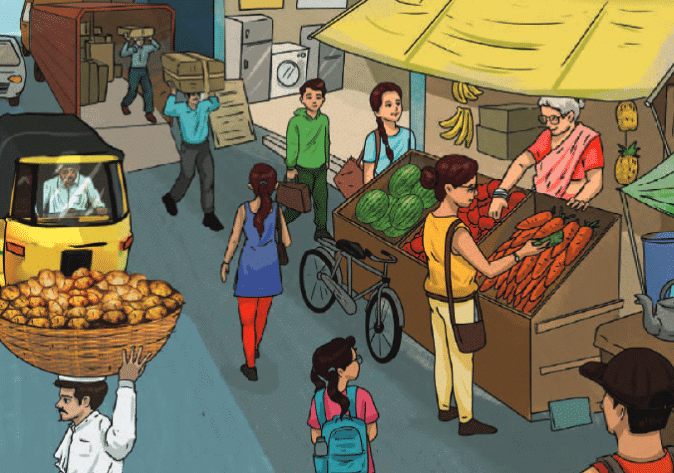
India has a diverse marketplace that caters to a wide range of goods and services, from vegetables and clothes to phones and tailoring

Scene of a Market

  • Before the invention of money, people used the barter system to exchange goods and services, such as trading crops or beads for other items. With the advent of money, markets became more efficient, facilitating easier transactions. 
  • Adam Smith, an 18th-century economist, argued that markets grow when people need goods and services they cannot produce themselves, leading to prosperity.
  • In this chapter, we will explore how markets function, their role in society, and how they have evolved over time.

What is a Market?

A market is a place where people buy and sell goods and services, called bazaar, haat (Hindi), or mārukatté (Kannada).

  • It can be physical(like a shop) or online (using apps or websites).
  • Markets provide goods and services to individuals, households, and businesses.
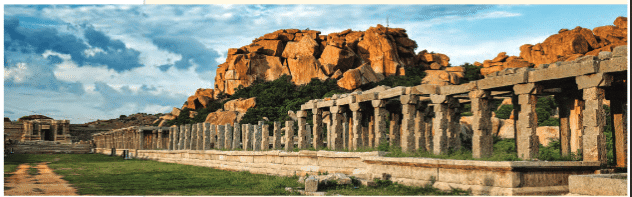
  • Example:Hampi Bazaar in the Vijayanagara Empire (16th century) was a thriving market with grains, silk, animals, jewels, and cloth, described by Portuguese travelers like Domingos Paes as “the best-provided city” and by Fernao Nuniz for its abundance.

Hampi Bazaar TodayEvery market has:

  • buyer who wants to purchase.
  • seller who offers goods or services.
  • price, the amount agreed for the transaction (buying/selling).
  • Buyers and sellers often negotiate or bargain to agree on a fair price.

Try yourself:

What is a market?

  • A.A place to buy and sell goods
  • B.A location for farming
  • C.A social gathering
  • D.A type of currency

View SolutionPrices and Markets

Prices are set by how buyers and sellers interact in a market.

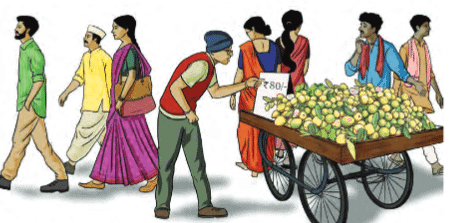
Example with guavas:

  • If a seller sets the price at ₹80/kg, but buyers think it’s too high, they offer a lower price. The seller may refuse if it’s not profitable.
  • They negotiate until they agree on a mutually agreeable price. If they don’t agree, no transaction happens.

Scenarios:

  • High Price: If the price is set too high, few buyers may purchase, prompting the seller to lower the price.
  • Low Price: If the price is set too low, many buyers may purchase, but the seller might raise the price to earn more.
  • Just Right Price: The price that balances what buyers can pay and what the seller needs to earn. This price is set over time, influenced by demand (how much buyers need) and supply (how much sellers offer)
  • As sellers observe buyer behavior, they can assess how much of a product to supply in the future to meet demand while ensuring fair prices.

Examples:

  • Vegetables are cheaper at night in weekly markets because sellers want to clear stock before it spoils.
  • Garment stores discount woollen clothes at winter’s end to sell leftover stock.

Markets Around Us

Markets exist in many forms and places, serving different needs. Here are the different type of Markets Around Us

Physical and Online Markets

Physical markets:

  • Buyers meet sellers in person to buy goods or services with money.
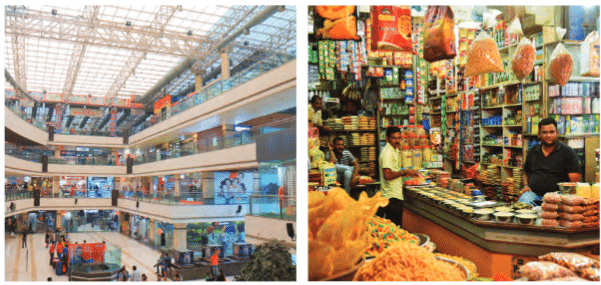
  • Examples: weekly markets, haats (vendors with carts selling vegetables or handicrafts), local shops, street food vendors, and malls with many stores.
  • Some services, like tailoring, need physical markets because they require in-person contact.

Physical MarketsOnline markets:

  • Buyers and sellers transact through apps or websites, even from far away.
  • Goods like books, clothes, furniture, groceries, or electronics (TVs, phones) can be bought and delivered to your doorstep.
  • Services like online classes are also available.
  • Manufacturers buy components online for production.
  • Payments are made online, making it convenient.

Pros and cons:

  • PhysicalBuyers can see and touch goods, but it takes time to visit. Sellers meet customers but need a shop.
  • OnlineConvenient and offers more choices, but buyers can’t touch goods, and sellers face high competition.

Try yourself:

What influences the price set in a market?

  • A.Popularity of products
  • B.Weather conditions
  • C.Buyers and sellers interaction
  • D.Government regulations

View SolutionDomestic and International Markets

Domestic markets:

  • Buying and selling happens within a country’s borders.
  • Example: Paper for this textbook was bought from paper mills in India.

International markets:

  • Trade happens across countries through exports (selling goods to another country) or imports (buying goods from another country).

Stock Market

  • India exports: software (North America), chemicals (South America), pharmaceuticals (Africa), machinery (Europe), petroleum (West Asia).
  • India imports: aircraft (North America), copper ores (South America), diamonds (Africa), electrical equipment (Europe), crude petroleum (West Asia), vegetable oils (South East Asia).
  • In 2024, India was the world’s largest importer of vegetable oils (palm, sunflower, soybean) from Malaysia, Indonesia, and Thailand.

Wholesale and Retail Markets

Wholesale Retail MarketsWholesale markets:

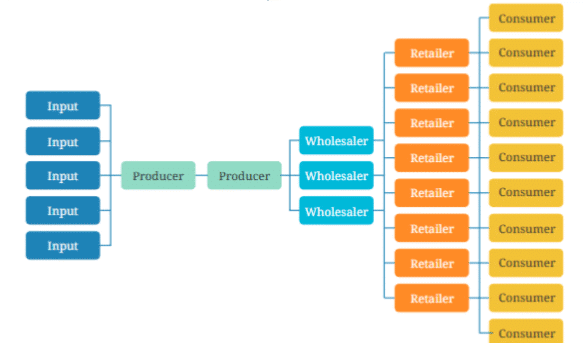
  • Wholesalers buy large quantities of goods from producers (e.g., grains, vegetables from farms) and store them in warehouses or cold storage for perishables.
  • Goods are sold in mandis or wholesale markets (e.g., Khari Baoli for spices, Bengaluru flower market).
  • Wholesale markets also exist for chemicals, electronics, construction materials, and automotive parts.

Supply of Raw Cotton to SuratRetail markets:

  • Retailers buy from wholesalers and sell smaller quantities to consumers for personal use.
  • Examples: grocery stores, garment shops, salons, movie theatres, restaurants.
  • Retailers make goods and services easily available to households.

Distributors:

  • Help wholesalers reach retailers when distances or terrains are challenging, like middlemen in the AMUL milk story from Grade 6.

Online markets:

  • Manufacturers send goods to aggregators (businesses running online apps/websites).
  • Consumers buy through the app, and aggregators pack and deliver the goods.

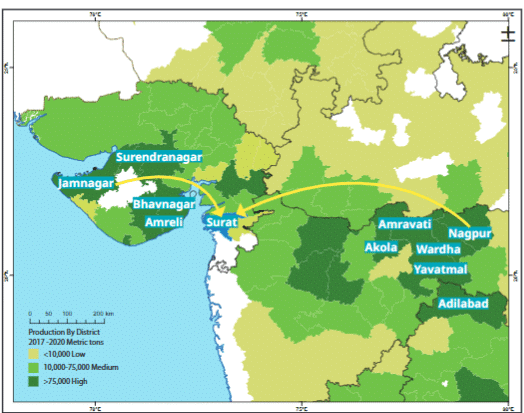
Example: Surat textile market:

  • Asia’s oldest textile hub, with factories making cotton and synthetic textiles.
  • Raw cotton comes from mandis in Maharashtra and Gujarat, processed into fabric or garments through weaving and dyeing.
  • Wholesalers distribute to retailers across India and internationally, ensuring steady supply.
  • Surat’s diamond industry and port/highway networks also boost trade.

The Role of Markets in People’s Lives

Markets connect producers and consumers, providing goods and services people cannot make themselves. Without markets, essentials like rice, wheat, or cloth wouldn’t reach people, causing shortages.

Ima Keithal in Manipur

  • Example: Aakriti, an artist, struggles to find buyers for her paintings because art has fewer local buyers, unlike guavas. Artists can use online platforms or galleries to reach buyers.
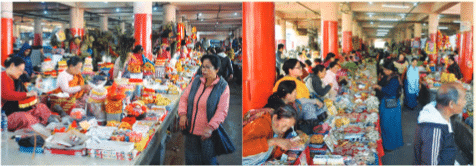
  • Markets build relationships: Families trust tailors, jewelers, or grocers for generations, sometimes settling accounts monthly. Ima Keithal in Manipur, run by 3000 women, sells vegetables, clothes, and crafts, providing income and uniting communities.
  • Traditions: In South India, sellers give free haldi and kumkum with purchases as a sign of good wishes.

How Markets Benefit Society

  • Markets respond to consumer needs, improving products and society.
  • Example: When consumers demand energy-efficient refrigerators, producers make them, saving electricity and helping the environment.
  • Markets encourage innovation and better products based on what people want.

Try yourself:

What is a characteristic of wholesale markets?

  • A.Sell small quantities to consumers
  • B.Buy large quantities from producers
  • C.Focus only on online sales
  • D.Sell directly to manufacturers

View SolutionGovernment’s Role in the Market

Markets work through the interaction of demand from buyers and supply from sellers. However, when this doesn’t work well, the government steps in to ensure fair pricing and monitor the interaction between consumers and producers.

Label Behind Packet1. Controlling Prices for Protecting Buyers and Sellers

The government sets price limits:

  • Maximum prices for essentials like lifesaving drugs to protect buyers.
  • Minimum prices for crops like wheat or maize to ensure farmers don’t lose money.
  • Minimum wages to ensure fair pay for workers.

Prices must balance: too low, producers stop making goods; too high, buyers can’t afford them. Example: When onion supply drops, prices rise. The government may import onions or control prices to help consumers.2. Ensuring Quality and Safety Standards

  • The government checks that goods and services meet quality and safety standards.
  • Example: For medicines, the government approves drugs and tests samples to ensure they are safe, protecting consumer health.
  • It also monitors weights and measures of packaged goods to ensure correct quantities.
  • Historical example:Kautilya’s Arthaśhāstra required traders to give extra ghee to buyers to account for losses in measuring, showing early consumer protection.

3. Mitigating the External Effects of Markets

  • Markets can harm the environment, like factories polluting during production.
  • The government makes rules to control these effects, e.g., regulating single-use plastics to reduce pollution and health risks.

4. Providing Public Goods

  • Public goods like parks, roads, or policing don’t generate profit, so producers don’t provide them.
  • The government provides these to ensure citizens’ welfare, as guaranteed by the Constitution.
  • Too many rules can disrupt markets, so the government must balance regulation and freedom.

Try yourself:

What does the government do to protect buyers and sellers in the market?

  • A.Controls advertising
  • B.Eliminates competition
  • C.Buys all products
  • D.Sets price limits

View SolutionHow Can Consumers Assess the Quality of Products and Services?

  • Consumers need to check the quality of goods to make good buying choices.
  • Example: Buying marbles for a competition, you’d check price, size, strength, and color to win.
  • For products like gram flour, consumers look for quality signs on packages.

Other ways to assess quality:

  • Word of mouthFamily or friends recommend trusted products.
  • Online reviewsFeedback from other buyers helps decide online purchases.

Let’s See What Each of These Labels Mean

Government certificationson products show they meet quality standards:

  1. FSSAI (Food Safety & Standards Authority of India): On food packets, it shows the food is tested and safe to eat.
  2. ISI Mark (Indian Standards Institution by Bureau of Indian Standards): On electrical appliances, tires, or paper, it ensures quality and safety.
  3. AGMARK (Agriculture Mark): On vegetables, fruits, pulses, or honey, it certifies quality for agricultural products.
  4. BEE Star Rating (Bureau of Energy Efficiency): On electronics like TVs or ACs, more stars mean less electricity use, saving money and helping the environment.

Points to Remember

  • Markets enable buying and selling at a price set by demand and supply.
  • Participants like manufacturerswholesalersdistributors, and retailers ensure goods reach consumers.
  • Markets connect people, promote traditions, and exchange ideas.
  • The government regulates markets for fair prices, quality, safety, and environmental protection.
  • Consumers assess quality using certifications (FSSAIISIAGMARKBEE) and reviews.

Difficult Words

  • NeedsThings people must have to survive, like food or shelter.
  • WantsThings people desire but don’t need, like toys.
  • MarketA place where people buy and sell goods and services.
  • TradeBuying, selling, or exchanging goods and services.
  • PriceThe amount paid for goods or services, agreed by buyer and seller.
  • Transaction: The act of buying or selling something.
  • Negotiate: Discussing to agree on a price or deal.
  • DemandThe amount of goods or services buyers want at a price.
  • Supply: The amount of goods or services sellers offer at a price.
  • Physical market: A market where buyers and sellers meet in person.
  • Online market: A market where transactions happen through apps or websites.
  • Domestic marketTrade within a country’s borders.
  • International marketTrade across countries.
  • Export: Selling goods to another country.
  • Import: Buying goods from another country.
  • Wholesaler: A person buying large quantities from producers to sell to retailers.
  • RetailerA person selling small quantities to consumers.
  • DistributorA person supplying goods from wholesalers to retailers.
  • AggregatorA business selling goods online from multiple sellers.
  • Cold storage: Warehouses keeping perishable goods fresh at low temperatures.
  • Public goodsServices or items available to all, like roads or parks.
  • Certification: A mark showing a product meets quality standards.
  • FSSAIFood Safety & Standards Authority of India, ensuring food safety.
  • ISI MarkA quality mark for appliances, tires, or paper.
  • AGMARK: A quality mark for agricultural products.
  • BEE Star Rating: A mark showing energy efficiency of electronics.

11. From Barter to Money – Chapter Notes

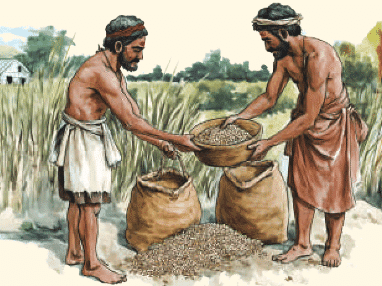
Before the invention of money, people used the barter system to exchange goods and services. For example, crops or beads were traded for other items. The barter system was the earliest form of trade, using items like:

  • Cowrie shells
  • Salt
  • Cloth
  • Cattle

However, this system was inefficient. 

Barter System

  • Money evolved as a common tool that everyone accepts for buying or selling goods and services, making trade much easier. 
  • Today, we use coinsnotes, and digital methods (like mobile payments) to conduct transactions. 
  • John Maynard Keynes, a renowned economist, stated that money connects the present to the future by helping us save and spend later.

Why Do We Need Money?

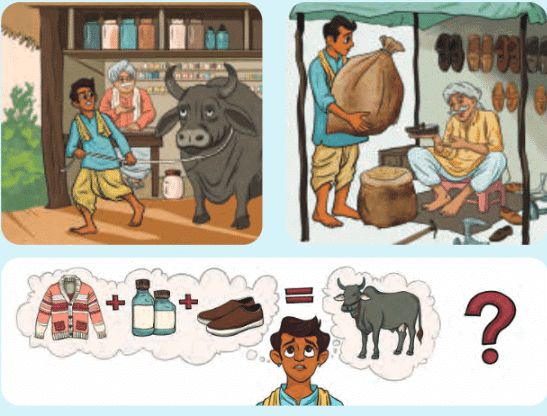
The barter system had many problems, making money necessary. For Example: A farmer with an ox needs shoes, a sweater, and medicines but faces these challenges:

  • Double coincidence of wants: The farmer must find someone who wants an ox and offers exactly what he needs (shoes, sweater, medicines). This is rare.
  • Common standard measure of valueIt’s hard to decide how much an ox is worth compared to shoes or medicines, as there’s no agreed value.
  • DivisibilityAn ox cannot be split into parts for smaller trades, like for a sweater.
  • Portability: Carrying an ox or bags of wheat (traded for the ox) to different places is difficult.
  • DurabilityWheat rots or gets eaten by rats, so it cannot be stored for long.

These problems made trading slow and complex, so a better system was needed. Money solves these issues by being a common, portable, divisible, and durable way to trade.

Modern barter examples still exist, like:

  • Junbeel Mela in Assam, where people trade roots, vegetables, and handmade goods for rice cakes and food.
  • Book exchanges, where people swap old books for new ones.
  • Trading old clothes for new utensils, benefiting both households and vendors.

Try yourself:

What is one problem of the barter system mentioned in the text?

  • A.Double coincidence of wants
  • B.High storage cost
  • C.Lack of technology
  • D.Limited trade locations

View SolutionBasic Functions of Money

Money was invented to make trading easier as the barter system became complex with more goods and longer distances. Money simplifies trade, supports salaries, school fees, and everyday purchases, making life easier than barter.

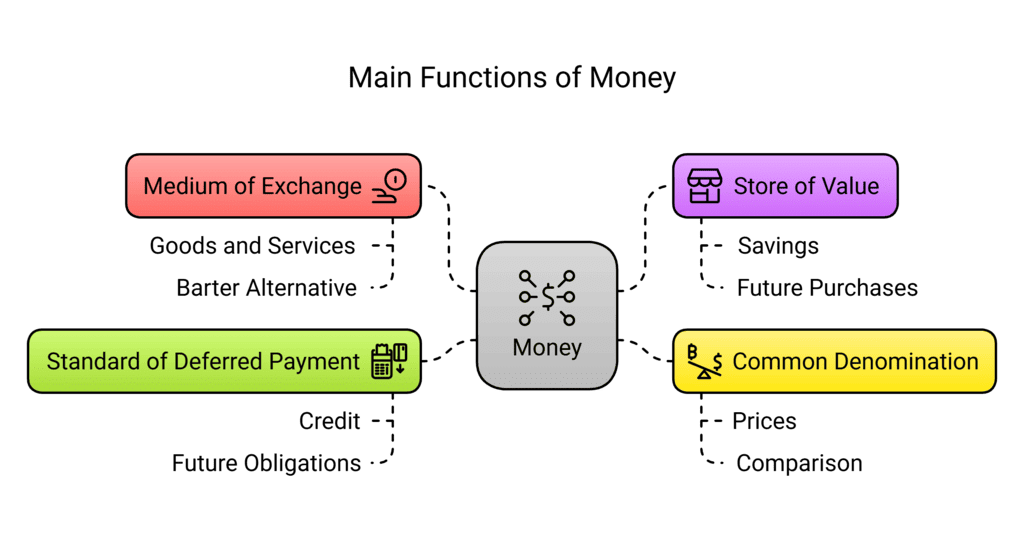
Main functions of money:

  • Medium of exchangeMoney is used to buy and sell goods and services, accepted by everyone, unlike barter’s need for double coincidence.
  • Store of valueMoney can be saved and used later, unlike wheat that rots. For example, a farmer can keep money from selling an ox for future purchases.
  • Common denominationMoney measures the value of goods (prices), making it easy to compare items, like books or shoes.
  • Standard of deferred paymentMoney allows payments to be made later. For example, if a book costs ₹100 but you have ₹50, you can ask the shopkeeper to accept the rest later.

Try yourself:

What is one main function of money?

  • A.Medium of exchange
  • B.Source of food
  • C.Type of clothing
  • D.Kind of transportation

View Solution

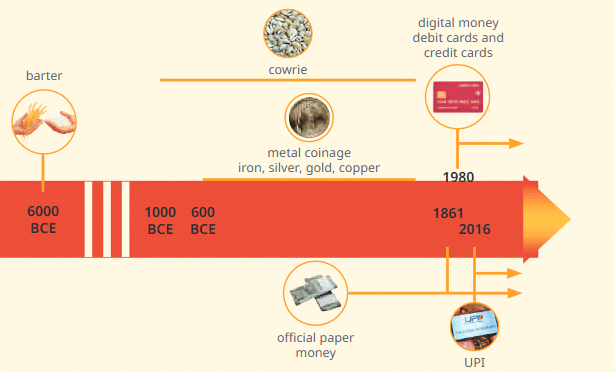
The Journey of Money

Money has changed over time to meet people’s needs.

Journey of Money

Early forms:

  • Items like cowrie shells, Rai stones (giant rock discs in Micronesia), Aztec copper Tajadero, and red feather coils (Solomon Islands) were used as money.

Coinage:

  • Coins were one of the earliest forms of money, issued by rulers for transactions in their kingdoms.
  • Made from precious metals like goldsilver, or copper alloys, called kārshāpanas or panas in ancient India.
  • Had symbols (rupas) like animals, trees, kings, or deities. For example, Chalukya coins had a Varaha (Vishnu avatar) and a parasol; Chola coins had a tiger.
  • Powerful rulers’ coins were accepted across kingdoms, boosting trade.
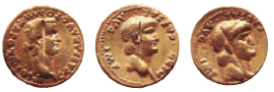
  • Roman coins found in Tamil Nadu and Kerala show India’s strong maritime trade with the world, favoring India’s economy.
    Roman Gold Coins
  • Modern coins use iron alloys with chromium, silicon, and carbon, and have Hindi and English text. Special coins mark national events.
  • In 1947, 1 anna (1/16 of a rupee) could buy a dozen bananas.
  • The ₹ symbol, designed by Udaya Kumar in 2010, combines Devanagari “Ra,” Roman “R,” and two stripes for the national flag.

Paper currency:

  • Paper money began in China and was introduced in India in the late 18th century by banks like the Bank of Bengal and Bank of Bombay.
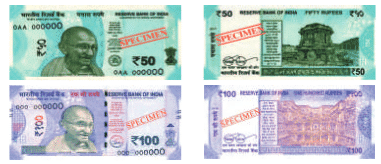
    Paper Currency
  • Used for higher denominations (e.g., ₹10, ₹100, ₹500), while coins are for smaller ones (e.g., ₹1, ₹5).
  • Modern notes have cultural motifs (e.g., on ₹50 or ₹100 notes) and special features like raised marks for the visually impaired to identify denominations.
  • The Reserve Bank of India (RBI) is the only legal authority to issue currency in India, ensuring control and preventing illegal printing.
    Try yourself:What were early forms of money mentioned in the text?
    • A.Digital currency
    • B.Cowrie shells
    • C.Paper notes
    • D.Plastic cards
    View Solution

Digital money:

  • With technology, money became intangible (cannot be touched), called digital money.
  • Example: Krishnappa, a fruit seller, uses a QR code for customers to pay digitally, transferring money to his bank account.
  • Other methods include debit cardscredit cardsnet banking, and UPI (Unified Payments Interface), moving money directly between bank accounts.
    UPI

Points to Remember

  • The barter system was used before money, trading goods like cowrie shells and cattle.
  • Money was developed to overcome barter’s limitations, like double coincidence of wants and lack of durability.
  • Money evolved from coins and paper currency to digital forms like UPI and QR codes.

Difficult Words

  • Barter System: Exchanging goods or services without using money.
  • MoneyA common tool accepted for buying or selling goods and services.
  • Transaction: A business deal, like buying or selling something.
  • Commodities: Items used for trade, like cowrie shells or cattle.
  • Double coincidence of wants: When two people each have what the other wants for trade.
  • Common standard measure of valueAn agreed way to measure the worth of goods.
  • Divisibility: The ability to split something into smaller parts for trade.
  • Portability: The ease of carrying or moving something.
  • Durability: The ability of something to last long without damage.
  • Medium of exchangeSomething accepted by all for buying and selling.
  • Store of valueSomething that can be saved and used later.
  • Common denominationA way to measure and compare the value of goods.
  • Standard of deferred payment: Using money to pay for something later.
  • Coinage: Coins used as money, often made by rulers.
  • Currency: The money system of a country, like rupees in India.
  • DenominationsDifferent units of money, like ₹1 or ₹100.
  • ObverseThe front side of a coin with the main design.
  • Digital moneyMoney in electronic form, not physical coins or notes.
  • QR CodeA pattern of squares scanned by phones for digital payments.

10. The Constitution Of India : An Introduction – Chapter Notes

Introduction

The Constitution of India is a special document that sets the rules for running the country, adopted on 26 January 1950, celebrated as Republic Day.

Republic Day Parade

  • Dr. Rajendra Prasad, India’s first President, said following the Constitution can make India great, but it needs hard work, respect for others’ views, and moral values.
  • A constitution is like a rulebook that guides how a country’s government works and protects citizens’ rights.
  • The Indian Constitution was shaped by the freedom struggle and India’s cultural heritage.
  • It remains important today because it supports democracy and ensures fairness and equality.

What Is a Constitution?

A constitution is a document that lists a country’s basic rules and laws. 

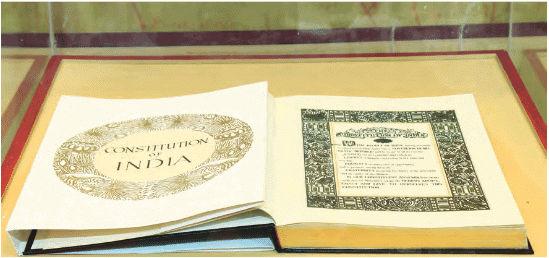
  • India’s Constitution is kept safe in a helium-filled glass case in Parliament, showing its importance.
  • Important officials like the President, Prime Minister, and judges promise to follow it.

Constitution of India in Helium filled Glass CaseIt explains:

  • How the three parts of government (legislatureexecutivejudiciarywork and their responsibilities.
  • Checks and balances to ensure the government is fair and accountable.
  • The rights and duties of citizens.
  • The country’s long-term goals and values, like equality and justice.

Why we need a constitution:

  • It acts like a rulebook, similar to rules in a game (e.g., kabaddi), to settle disputes fairly.
  • Without a rulebook, disagreements could cause chaos, as seen in a kabaddi match where players argued over a rule.
  • Everyone must agree to follow the constitution to ensure order and fairness.
    Try yourself:What is celebrated as Republic Day in India?
    • A.26 January
    • B.1 November
    • C.2 October
    • D.15 August
    View Solution

Writing the Constitution of India

While fighting for independence from British rule, India planned how to govern itself. Big questions included: What type of government? Who can vote? How to settle disputes?

Constituent Assembly

  • Constituent Assembly was formed in 1946 to answer these questions and write the Constitution.
  • Dr. Sachidananda Sinha, the first President of the Assembly, wished for wisdom and fairness in the process.

How Was Our Constitution Developed?

  • The Constituent Assembly started on 9 December 1946 with 389 members (later 299 after Partition), including 15 women, representing India’s diverse regions and groups.
  • Dr. Rajendra Prasad was the Chairman of the Assembly.
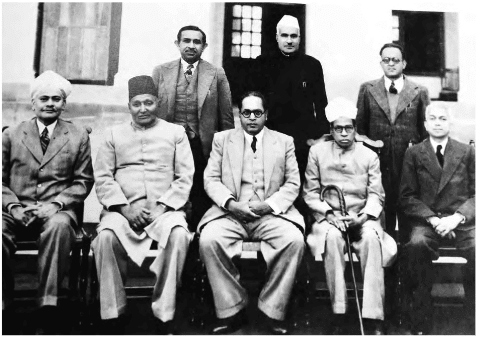
  • A Drafting Committee, led by Dr. B.R. Ambedkar, prepared the initial text. Dr. Ambedkar was a social reformer and India’s first Law and Justice Minister.
  • It took almost three years to complete, from 1946 to 26 November 1949, when the Constitution was adopted.
  • It came into effect on 26 January 1950, now celebrated as Republic Day.
  • Members were elected by provincial assemblies, which were chosen by the people, ensuring a democratic process.

What Shaped and Influenced the Indian Constitution?

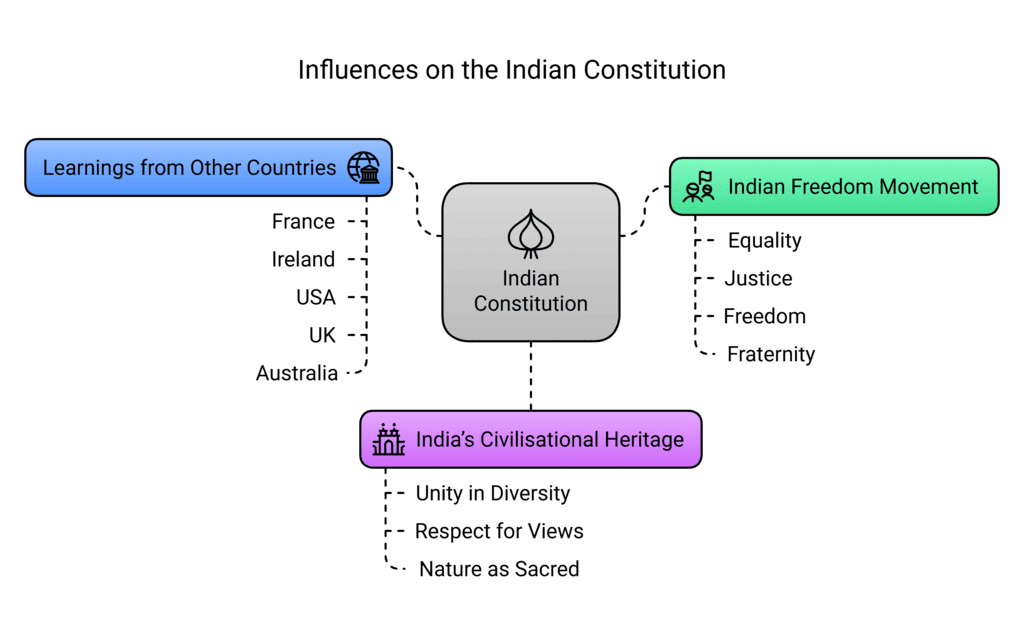
The Constitution was influenced by three main sources:
Indian Freedom Movement:

  • Values like equality, justice, freedom, and fraternity from the freedom struggle were included.
  • Freedom movement leaders in the Constituent Assembly brought their experiences.
  • It answered key questions, like ensuring universal adult franchise, separation of powers, and protecting fundamental rights.
  • It set rules for amending the Constitution and the relationship between Central and State governments.

India’s Civilisational Heritage:

  • India’s culture emphasizes unity in diversity, respect for different views, and nature as sacred.
  • Ideas like vasudhaiva kutumbakam (world is one family) and sarve bhavantu sukhinah (well-being of all) are part of the Constitution.
  • Historical governance systems (janapadas, sanghas, Kauṭilya’s saptangarājadharma) focused on people’s roles, influencing Fundamental Duties.

Learnings from Other Countries:

Following the Indian tradition of “Let noble thoughts come from every side,” the Assembly studied other constitutions.

  • FranceInspired liberty, equality, and fraternity from the 1789 French Revolution.
  • IrelandInfluenced Directive Principles of State Policy.
  • USAShaped the idea of an independent judiciary.
  • Other countries like the UK and Australia also provided ideas.

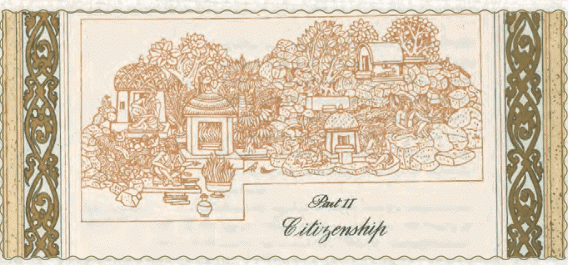
The Constitution includes illustrations of India’s heritage, like scenes from MahabharataRamayanaMohenjo-daro, and Mughal architecture, showing cultural pride.

Try yourself:

Who was the first President of the Constituent Assembly?

  • A.Dr. B.R. Ambedkar
  • B.Dr. B.R. Ambedkar
  • C.Dr. Sachidananda Sinha
  • D.Dr. Rajendra Prasad

View SolutionKey Features of the Constitution of India

Before we get introduced to Main Features of Indian Constitution, Let’s revise how the government works:

  • LegislatureMakes laws.
  • ExecutiveImplements laws, led by the Prime Minister.
  • JudiciaryEnsures laws follow the Constitution and decides punishments.
  • Separation of powersKeeps the three parts independent for fairness.
  • It has a three-tier system: Central, State, and local (Panchayati Raj) governments, with clear roles.
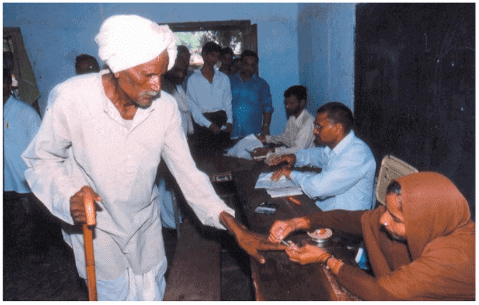
  • The electoral system ensures every adult can vote.

Main features of Indian Constitution:

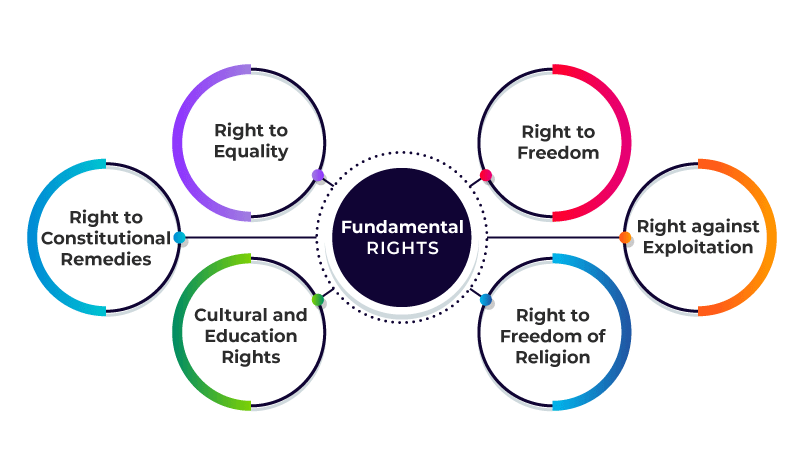
  • Fundamental Rights: Promises like equality (Article 14), freedom (Article 21), education (Article 21-A), and protection from exploitation. Citizens can go to court if these are violated.
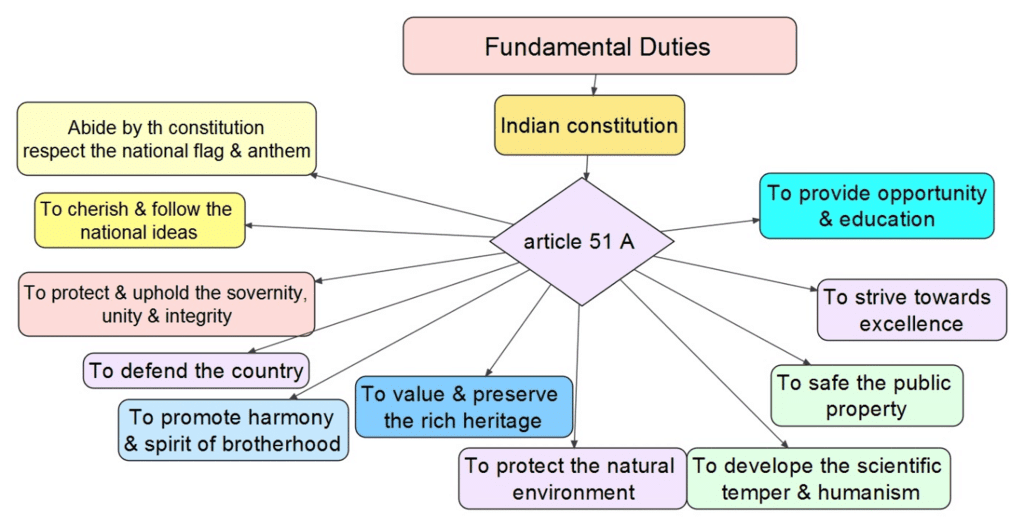
  • Fundamental Duties: Responsibilities like respecting the Constitution, defending the country, preserving cultural heritage, protecting nature, and ensuring children’s education.
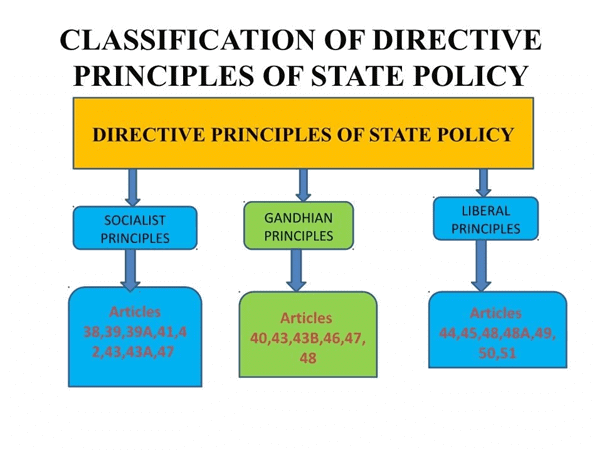
  • Directive Principles of State Policy (DPSP): Goals for the government, like improving living standards, ensuring justice (Article 38), protecting the environment (Article 48-A), and promoting health (Article 47). These are guidelines, not enforceable in court.

Begum Aizaz Rasul in 1949 said the Constitution’s equality for women (Article 14) reflects India’s ancient ideal, though social issues had weakened it.The Constitution Is a Living Document

The Constitution can be changed through amendments to meet new needs, making it a living document.

Illustration in Constitution of IndiaExamples of changes:

  • Fundamental Duties were added in 1976 (Part IV-A).
  • In 2004, the Supreme Court allowed citizens to fly the national flag at home, part of the Right to Freedom of Expression.
  • The Panchayati Raj System was added in 1992 via the 73rd Amendment.

Amendments:

  • Amendments are debated in Parliament and sometimes state assemblies, with public opinions often considered.
  • Popular movements can also lead to changes.
  • The Constitution’s text was handwritten by Prem Behari Narain Raizada, and Nandalal Bose illustrated it with scenes from India’s history, making it a work of art.
    Try yourself:What does the executive branch of the government do?
    • A.Decides punishments
    • B.Implements laws
    • C.Ensures fairness
    • D.Makes laws
    View Solution

Understanding the Preamble: The Guiding Values of the Constitution of India

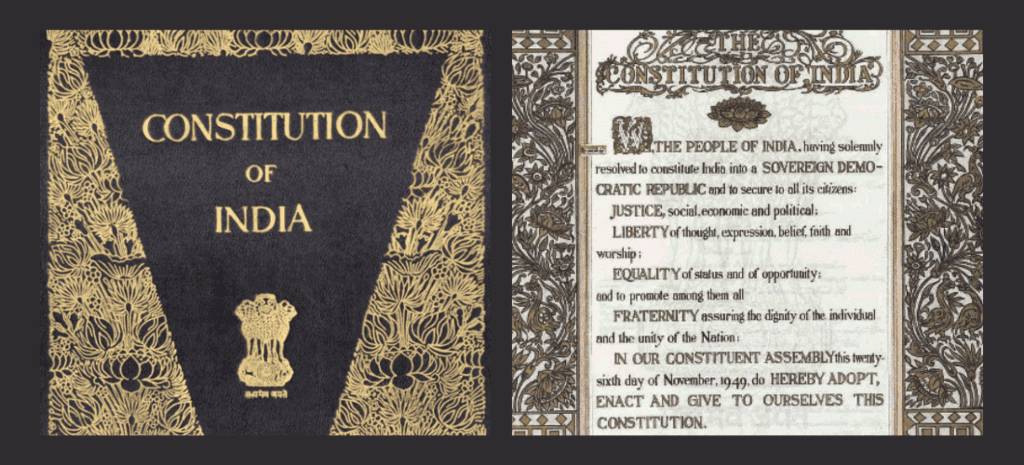
The Preamble is the introduction to the Constitution, summarizing its core values that guide the government and citizens. It reflects the Constitution’s principles, like justiceliberty, and equality, used in policymaking.

Preamble of Indian ConstitutionPreamble of the Indian Constitution explains the Constitution’s purpose and values:

  • WE, THE PEOPLE OF INDIAThe Constitution was made by the people through their representatives, not a king or foreign power.
  • SOVEREIGN: India makes its own decisions, free from outside control.
  • SOCIALISTWealth should be shared fairly, and the government reduces economic inequalities. (Added in 1976)
  • SECULARNo official religion; all religions are respected equally. (Added in 1976)
  • DEMOCRATIC: People have equal political rights, elect leaders, and hold them accountable.
  • REPUBLIC: The head of state is elected, not hereditary.
  • JUSTICE: No discrimination based on caste, religion, or gender; the government works for everyone’s welfare.
  • LIBERTYCitizens can think, express, and act freely within reasonable limits.
  • EQUALITYAll are equal before the law, with equal opportunities.
  • FRATERNITYPromotes unity and brotherhood among citizens.

Examples in daily life:

  • SecularPeople can practice their religion freely without state interference.
  • EqualityJobs are open to all, regardless of gender, caste, or religion.

Points to Remember

  • The Constitution of India is a rulebook protecting citizens’ rights and listing their duties.
  • It was built on India’s civilizational heritage, the freedom struggle, and ideas from other countries’ constitutions.
  • Key features include the structure of government, Fundamental RightsFundamental Duties, and Directive Principles.
  • It is a living document, changeable through amendments to meet new needs.

Difficult Words

  • Constitution: A document with a country’s basic rules and laws.
  • LegislatureThe government part that makes laws.
  • ExecutiveThe government part that implements laws.
  • JudiciaryThe government part that ensures laws are followed and settles disputes.
  • Checks and balancesSystems to ensure the government is fair and accountable.
  • Fundamental RightsBasic rights like equality and freedom that citizens can demand in court.
  • Fundamental DutiesResponsibilities of citizens, like respecting the Constitution.
  • Directive Principles of State Policy: Guidelines for the government to improve the country, not enforceable in court.
  • Constituent Assembly: The group that wrote the Indian Constitution.
  • Republic Day26 January, when the Constitution came into effect in 1950.
  • Universal adult franchiseThe right of all adults to vote.
  • Separation of powersKeeping the legislature, executive, and judiciary independent.
  • Amendment: A change made to the Constitution.
  • PreambleThe introduction to the Constitution, stating its values.
  • SovereignA country’s right to make its own decisions without outside control.
  • SocialistA system to share wealth fairly and reduce inequalities.
  • SecularTreating all religions equally with no official religion.
  • DemocraticA government where people elect leaders and hold them accountable.
  • Republic: A country with an elected head, not a king.
  • JusticeFair treatment for all, reducing discrimination.
  • LibertyFreedom to think, speak, and act within limits.
  • Equality: Equal treatment and opportunities for all.
  • FraternityUnity and brotherhood among citizens.

09. From Ruler to The Ruled : Types Of Governments – Chapter Notes

Introduction

government is a system that runs a country, making rules and ensuring people’s safety and welfare. Kauṭilya in his book Arthaśhāstra said a ruler’s duties are: protecting the country from enemies (raksha), keeping peace inside (pālana), and caring for people’s well-being.

  • There are different types of governments, like democracymonarchy, and others, each working differently.
  • Governments get their power from different sources, such as the people in a democracy or a king in a monarchy.
  • Governments interact with people by making laws, providing services, and ensuring fairness.
  • Democracy is important because it gives people a voice in how their country is run.

What is Government? What are its Functions?

A government is a group that manages a country, making sure it runs smoothly. India has a democratic government, but other countries have different types.

Government has many roles:

  • Keeping law and order so society is safe.
  • Ensuring peacestability, and security for everyone.
  • Managing relations with other countries.
  • Protecting the country through national defence.
  • Providing important services like educationhealthcare, and roads.
  • Managing the economy, like trade and money matters.
  • Working for people’s welfare to improve their lives.

What is Democracy?

Democracy means “rule of the people,” where the people are the source of power. 

Voting in India to Elect Government

Example: In a school, students need to manage tasks like timetables, sports, and meals. A Student Committee can be formed to make and follow rules.Three ways to form the committee were suggested:

  • Every student joins the committee (hard to manage).
  • The Head Teacher picks students (not everyone’s voice is heard).
  • Students vote for representatives from each grade (fairest way).

The third way, where students choose representatives, is like a democracy because it includes everyone’s voice. Abraham Lincoln, a US president, called democracy a “government of the people, by the people, for the people.”Functions of Government

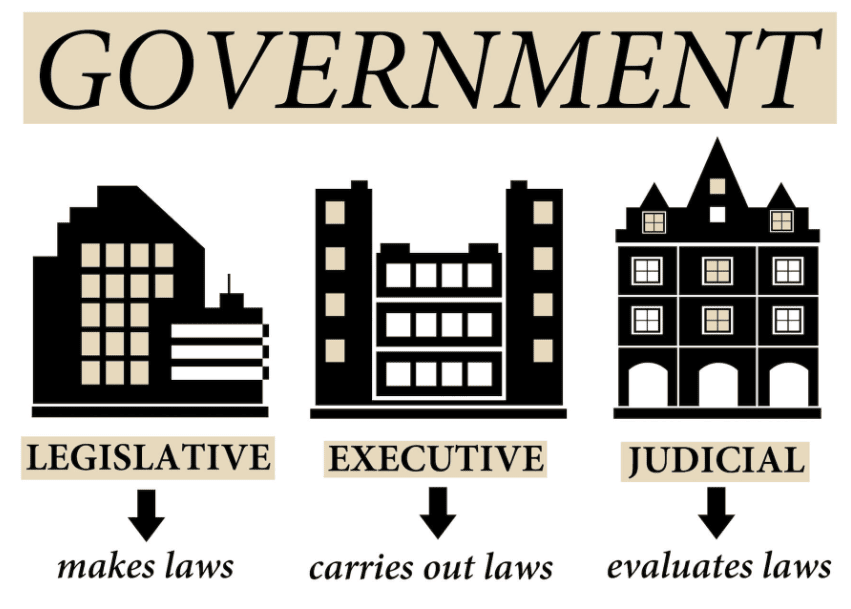
In a democracy, people choose representatives to do these jobs, but the process differs in each country. Like a school committee, a government has three main jobs:

  • Legislative functionMaking rules (laws) to run the country.
  • Executive functionCarrying out the rules and managing the country.
  • Judicial function: Ensuring everyone follows the rules and settling disputes.
    Try yourself:What is the fairest way to form a student committee?
    • A.No committee is formed
    • B.Every student joins the committee
    • C.The Head Teacher picks students
    • D.Students vote for representatives from each grade
    View Solution

What Makes Governments Different?

Governments vary because each country has its own historyculture, and goals.
Key differences include:

  • Who decides what the government is?
  • How is the government formed?
  • What are the parts of the government, and what do they do?
  • What goals is the government working for?

Key Differences Between Governments

  • Who decides “this is the government”?
    In a democracy, the people decide through voting. In a theocracy, religious beliefs and leaders give power.
  • How is the government formed?
    In a democracy, it’s through elections. In a monarchy, a king or queen from the family rules.
  • What are the parts of the government? 
    The legislative, executive, and judiciary parts may be separate or combined. In democracies, rules are often in a constitution. In monarchies, the king may decide.
  • What is the government working for?
    Some governments, like India’s, aim for equality and prosperity for all. Others may focus on certain groups or families.

Democratic Governments Around the World

  • Democracy is the most popular government type today, but democracies differ in how they work.
  • Some countries adopted democracy long ago: USA (1787), Switzerland (1848), India (1947), Germany (1949), Kenya (1964), Nepal (2008).

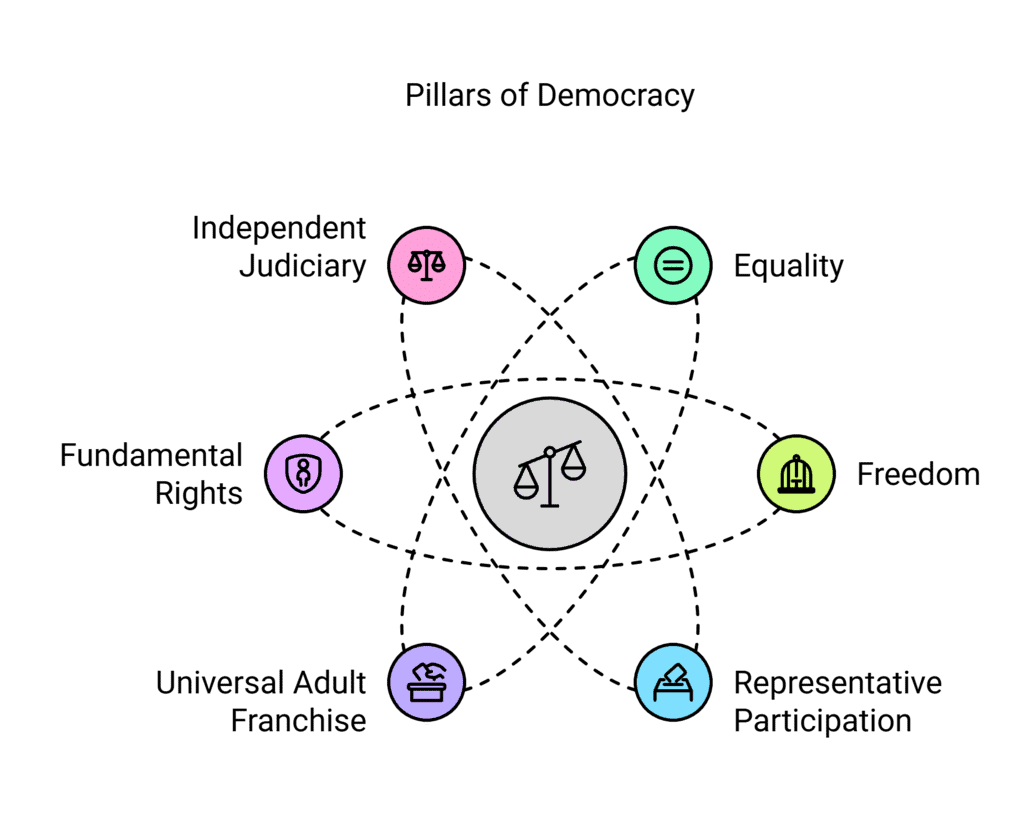
Fundamental Principles of Democracy

  • EqualityEveryone is treated the same, with equal access to education, health, and laws.
  • FreedomPeople can make choices and express opinions freely.
  • Representative participation: People choose representatives through elections.
  • Universal adult franchise: Every adult can vote to choose representatives.
  • Fundamental rightsRights like equality, free speech, and protection from exploitation are guarded.
  • Independent judiciaryCourts protect rights and ensure laws are followed by everyone, including the government.

These principles are ideals, not always fully achieved. For example, India gave all adults voting rights in 1950, but Switzerland gave women voting rights only in 1971.Different Forms of Democratic Governments

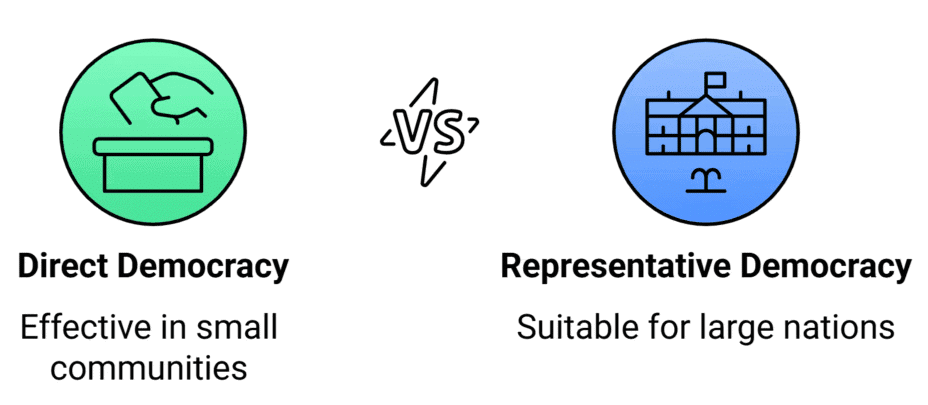
  • Direct democracyAll citizens directly make rules and decisions. Used in small places like parts of Switzerland, but hard in big countries.
  • Representative democracy: People elect representatives to govern, like in India. Elections happen regularly (every 5 years in India, 4 years in the USA). 
    Here are two Types of representative democracy:
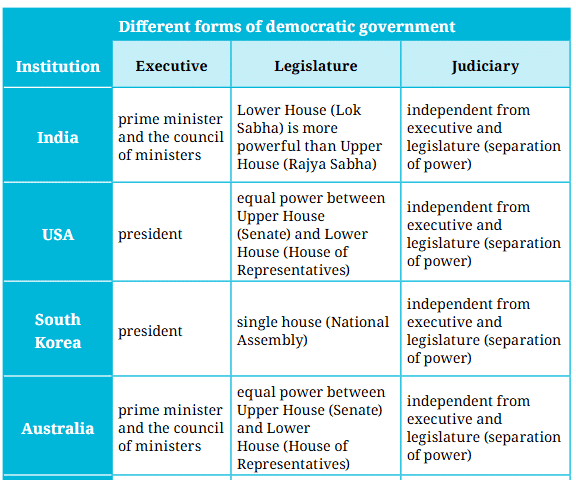
    1. Parliamentary democracyThe executive (prime minister and ministers) is part of the legislature (parliament). They need the legislature’s support (e.g., Lok Sabha in India). People elect the legislature, not the executive.
    2. Presidential democracyThe president is elected separately and works independently of the legislature (e.g., USA). In India, states like Rajasthan have their own governments but are guided by the Union Government.
    Try yourself:How is a government formed in a democracy?
    • A.Through military force
    • B.By religious leaders
    • C.By royal decree
    • D.Through elections
    View Solution

What Do These Terms Mean?

  • Executive: The part of government that carries out laws. Its election process varies by country.
  • LegislatureThe group that makes laws, called Parliament in India and Congress in the USA. It often has two parts: Upper House (e.g., Rajya Sabha) and Lower House (e.g., Lok Sabha). 
    1. Lower HouseElected directly by people, usually more powerful (e.g., Lok Sabha in India).
    2. Upper HouseElected or nominated, less powerful (e.g., Rajya Sabha in India).
  • Separation of PowerThe legislature, executive, and judiciary work independently without interfering with each other.

A Peek into History

In ancient India, the Vajji mahajanapada (Lichchhavi clan) was an early republic. Leaders were chosen based on merit, and clans met to solve issues, ensuring people’s welfare.

  • Republic: A government where the head is elected, not a hereditary king.
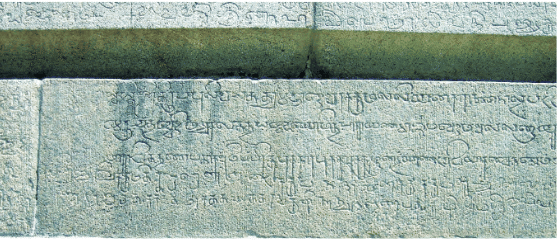
  • Uttaramerur inscriptions from the 10th century CE in Tamil Nadu show how the Chola village sabha elected members using sealed ballot boxes. Rules included qualifications, duties, and removal for corruption.
    Chola Period Inscriptions
  • In ancient Greece and Rome (5th–4th century BCE), republics existed, but only free men could vote, excluding women and slaves.

Other Forms of Government

1. Monarchy: Ruled by a king or queen(monarch), usually hereditary.

  • In ancient India, mahajanapadas had kings advised by sabhā or samiti. Empires gave kings more power, but they relied on ministers and scholars for dharma.
  • Some kings claimed divine power, but in India, kings followed rājadharma, ruling fairly for people’s welfare.
  • Example from Mahābhārata: Bhīshma taught Yudhiṣhṭhira that a king prioritizes people’s welfare, applies laws fairly, avoids ego, and seeks wise advice.
  • Example from Rajatarangini (12th century CE): King Chandrapiḍa respected a cobbler’s hut, showing fairness and dharma.

Monarchies Today:  Here are the types of modern monarchies

  • Absolute monarchyThe monarch has full power (e.g., Saudi Arabia, where the king rules by Islamic law but has advisors).
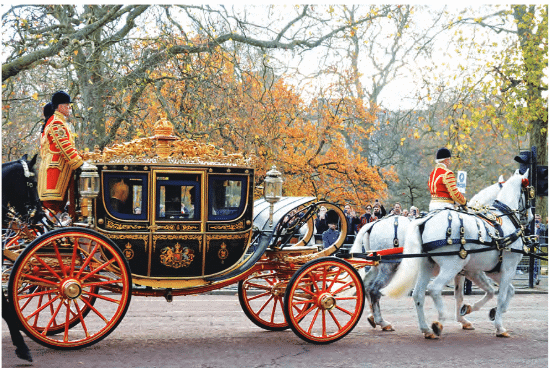
  • Constitutional monarchyThe monarch has little power, and a parliament governs (e.g., United Kingdom, where the prime minister and parliament hold power).
    King Charles in a Ceremonial Coach

2. TheocracyRuled by religious rules and leaders.

  • Iran (Islamic Republic of Iran) combines theocracy and democracy. The Supreme Leader, chosen by clerics, has ultimate power, guided by Islamic principles. An elected president and parliament handle daily governance.
  • Other theocracies: Afghanistan and Vatican City.

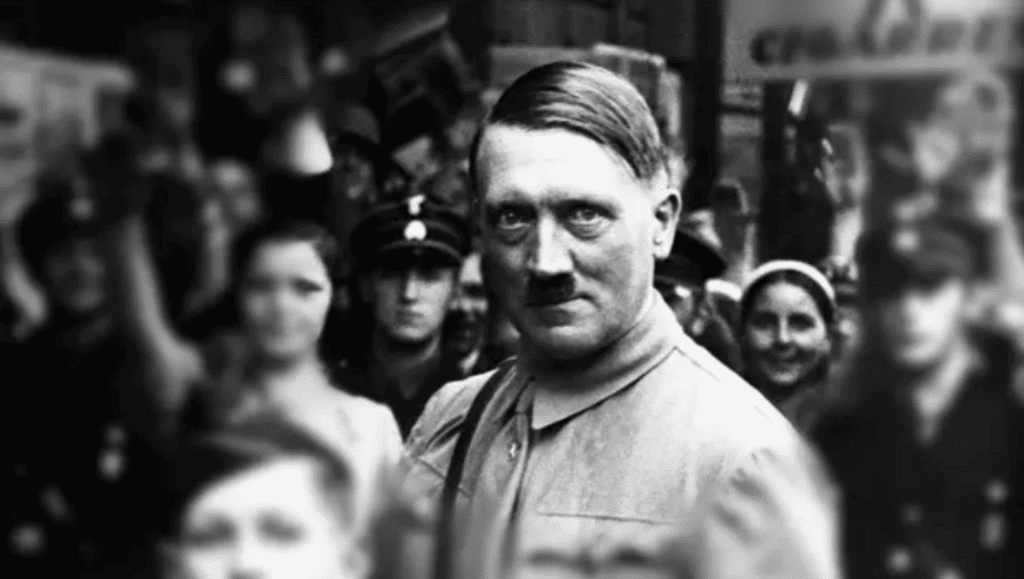
3. DictatorshipOne person or small group has unlimited power, not bound by laws.
Adolf Hitler

  • Example: Adolf Hitler in Germany (1933–1945) became a dictator, caused the Holocaust (killing six million Jews), and started World War II.
  • Example: Idi Amin in Uganda killed thousands and forced Indians to flee.
  • Example: In North Korea, Shane’s life shows strict rules on haircuts, clothes, and internet access, with the government watching closely, unlike a democracy.

4. OligarchyA small, powerful group (often wealthy families) makes decisions.

  • In ancient Greece, aristocratic families ruled as oligarchies.
  • Today, some democracies may act like oligarchies if a few rich or powerful people control decisions.
    Try yourself:What is the role of the executive branch in government?
    • A.Monitors elections
    • B.Carries out laws
    • C.Makes laws
    • D.Interprets laws
    View Solution

Why Democracy Matters

Democracy is considered better than other governments because it gives people more rights and choices.

  • In a democracy, people can choose how to live, speak, dress, and believe, as long as they don’t harm others.
  • The government is accountable to the people, protecting their rights and providing basic needs.
  • If the government fails, people can change it through elections.
  • Democracy has challenges like corruption, wealth gaps, and control by a few, but citizens must stay alert to fix these.
  • More than half the world’s countries are democracies because they value people’s freedom and well-being.

Comparison of government types:

  • Universal adult franchiseOnly in democracy (Yes); not in dictatorship, absolute monarchy, or oligarchy (No).
  • Equality: Democracy aims for equality (Yes); others often don’t (No).
  • Freedom of speechAllowed in democracy (Yes); limited or absent in others (No).
  • Separation of powersPresent in democracy (Yes); often absent in others (No).
  • Well-being of allDemocracy focuses on all citizens (Yes); others may prioritize certain groups (No).

Points to Remember

  • Government runs a country, and different types answer: Who decides the government? What are its parts? What are its goals?
  • Democracy is the most popular government type, with variations like direct and representative democracy.
  • Representative democracy has two types: parliamentary (like India) and presidential.
  • Other government types include monarchytheocracydictatorship, and oligarchy.
  • Democracy matters but faces challenges, and citizens must stay vigilant.

Difficult Words

  • Government: The system that manages a country, making rules and providing services.
  • DemocracyA government where people choose their leaders through voting.
  • RepresentativeA person chosen to act or decide for others.
  • LegislativeThe job of making laws.
  • ExecutiveThe job of carrying out laws and managing the country.
  • JudicialThe job of ensuring laws are followed and settling disputes.
  • ConstitutionA book of basic rules for running a country.
  • Universal adult franchiseThe right of all adults to vote.
  • Fundamental rights: Basic rights like equality and free speech protected in a democracy.
  • Independent judiciaryCourts that work separately from other government parts to protect rights.
  • RepublicA government with an elected head, not a king.
  • MonarchyA government led by a king or queen.
  • Theocracy: A government ruled by religious leaders and rules.
  • DictatorshipA government where one person or group has all power.
  • OligarchyA government where a small, powerful group rules.
  • AccountabilityThe government’s responsibility to answer to the people.
  • Sovereign: A government’s independent power, free from outside control.
  • RājadharmaThe duty of a king to rule fairly according to moral principles.

08. How The Land Becomes Scared – Chapter Notes
Introduction

Sacredness is about places, journeys, or natural elements that are holy and deeply respected in religious or spiritual beliefs. In India, the land becomes sacred through pilgrimages, sacred sites, and the belief that nature, like rivers and mountains, is divine.
  • Sacred sites and pilgrimage networks connect people across India, shaping their culture and traditions.
  • Sacred geography helped unite India’s diverse regions by encouraging cultural exchange and shared values.

What is ‘Sacredness’?

Sacredness means something holy or deeply meaningful in religion or spirituality, deserving respect. It can be a special place, like a shrine, or a journey, like a pilgrimage, that feels divine. Sacredness is linked to geography (land, rivers, mountains), traditions, and India’s unique culture.

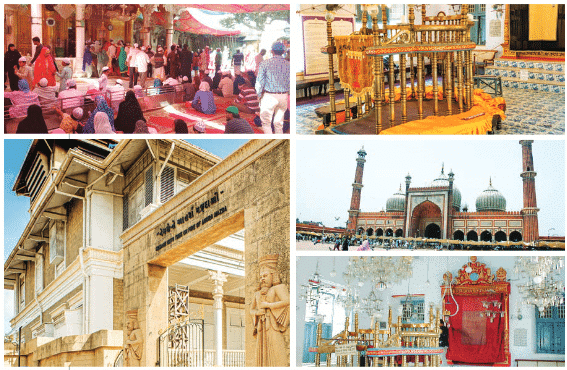
Sacred Places in IndiaEvery religion in India has its own sacred places:

  • IslamDargah Sharif in Ajmer, Rajasthan, is visited for prayers.
  • Christianity: Velankanni Church in Tamil Nadu attracts many visitors.
  • BuddhismGreat Stūpa at Sanchi and Mahabodhi Stūpa in Bodh Gaya, where Buddha attained enlightenment, draw millions.
  • SikhismTakhts like Akal Takht in Amritsar and Takht Sri Patna Sahib are spiritual centers linked to Sikh Gurus.
  • JainismPlaces like Mount Abu and Shatruñjaya hill in Gujarat are sacred due to Tirthankaras’ events.
  • People of different faiths visit these sites, showing India’s shared respect for sacred places.
    Try yourself:What does ‘sacredness’ mean?
    • A.A historical event
    • B.A type of geographical feature
    • C.A form of government
    • D.Something holy or meaningful in religion
    View Solution

Pilgrimages

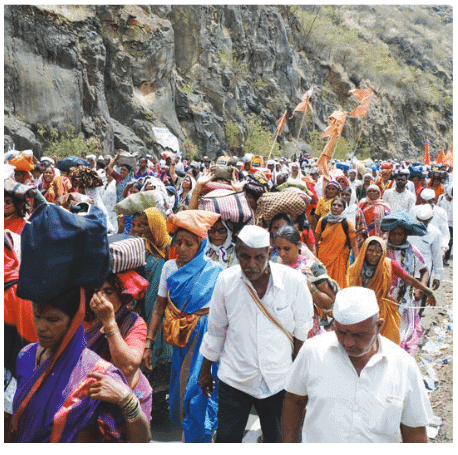
Pilgrimagesor tīrthayātrās, are journeys to sacred sites called tīrthas, important in Indian culture for over 3,000 years.

Pilgrimages

  • They are both a physical trip and an inner journey, following a special code of conduct.
  • Pilgrims travel across India, from Badrinath in the Himalayas to Kanyakumari in the south, making the entire land sacred.
  • An example from historian Dharampal: A group from near Lucknow traveled for three months to Rameswaram, carrying food supplies, and then went to Haridwar without stopping in Delhi, showing their dedication.
  • Pilgrimages connect people, as seen in Sikh Gurus like Guru Nanak, who visited places like Haridwar, Prayag, and Puri.
  • The Sabarimala temple in Kerala, dedicated to Ayyappa, attracts over 10 million pilgrims yearly, reached by a tough trek symbolizing spiritual challenges.

More Sacred Sites

  • In Hinduism, folk, and tribal beliefs, nature like mountainsriverstrees, and animals is sacred.
  • Rivers are seen as devis (goddesses), and some trees, plants, and animals are holy, reflecting a belief in a divine presence in nature.
  • The entire Earth is considered Mother Earth or Bhudevi.

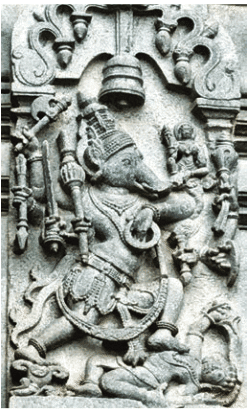
Vishnu in boar formExamples of sacred sites:

  • Niyam Dongar hill in Jharkhand, sacred to the Dongria Khond tribe as the home of Niyam Raja, where cutting trees is forbidden.
  • In Sikkim, sacred mountains, caves, lakes, and hot springs are protected from damage.
  • In the Nilgiris, the Toda tribe considers mountain peaks, plants, Shola forests, wetlands, and stones sacred.
    Try yourself:What is a pilgrimage in Indian culture?
    • A.A journey to sacred sites
    • B.A type of festival
    • C.A form of meditation
    • D.A cooking tradition
    View Solution

Becoming Aware of Sacred Geography

Sacred geography refers to sacred sites across India that are interconnected, forming networks. The Char Dhām Yātrā includes four sites in India’s north, south, east, and west, encouraging travel across the country.

Char Dhams

  • The 12 Jyotirlingas, sacred to Śhiva, and 51 Shakti Pithas, linked to Shakti, cover India’s map, including Bangladesh and Pakistan.
  • A story about the Shakti Pithas: When Sati died, Viṣhṇu cut her body, and parts fell across India, making those places sacred as the divine mother’s body.
  • These networks make the entire land sacred, uniting India’s diverse regions.
  • Pilgrims traveling to these sites encounter different languages, customs, and foods, but also see shared Indian values.

Sacred Ecology

Tīrthas are often near rivers, lakes, forests, or mountains, seen as sacred spaces called punyakshetra. Viewing nature as sacred helps protect it, as humans feel connected to it. Sacred ecology blends geography, culture, and spirituality to preserve nature.

Rivers and Sangams (Confluence of Rivers)

  • Rivers have been worshipped since Vedic times, as seen in the Nadistuti Sūkta of the Rigveda, praising 19 ancient rivers.
  • Rituals invoke rivers like GangaYamunaGodavariSarasvatiNarmadaSindhu, and Kaveri.
  • These rivers are lifelines, and their sources, tributaries, and paths are sacred, visited by pilgrims.
  • People respectfully call rivers “Ganga ji” or “Yamuna ji” in local languages.
  • Sangams, where rivers meet, like in Prayagraj (Ganga, Yamuna, and invisible Sarasvati), are especially holy.

Kumbh Mela

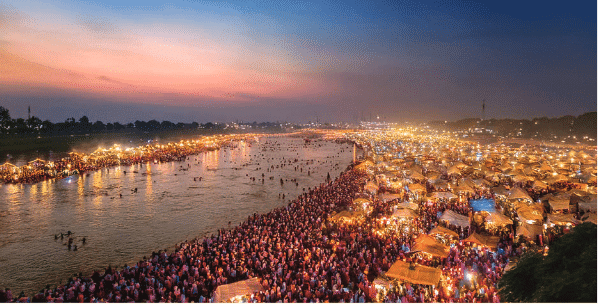
  • The Kumbh Mela is a major pilgrimage held every six years in Haridwar, Prayagraj, Nashik, and Ujjain.

Kumbh Mela

  • It comes from the legend of amrita manthana, where gods and demons churned the ocean for amrita (nectar).
  • Viṣhṇu, as Mohini, took the amrita pitcher, and drops fell at the four Kumbh Mela sites, making them holy.
  • A dip in the rivers during the Kumbh Mela is considered very auspicious.
  • In 2025, about 660 million people joined the Kumbh Mela, showing its importance.
  • UNESCO listed the Kumbh Mela as an “intangible heritage of the world” for its cultural value.
    Try yourself:What is the significance of the Kumbh Mela?
    • A.All of the above.
    • B.It is listed as a UNESCO heritage site.
    • C.It involves churning the ocean for amrita.
    • D.It is a major pilgrimage held every six years.
    View Solution

Mountains and Forests

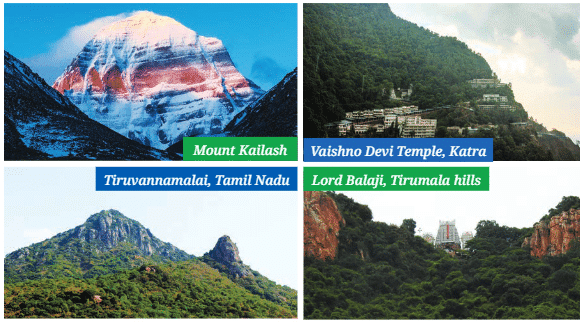
Mountains are linked to legends and deities, seen as gateways to heaven due to their height. Many tīrthas and temples, like those in the Himalayas, are on hilltops, symbolizing a spiritual journey.

Sacred Mountains

  • Pilgrims once walked tough mountain trails, testing their physical and mental strength, though roads now make access easier.
  • Forests are sacred in many traditions, often seen as homes of deities.

Trees, Forests and Sacred Groves

Trees like the peepul (bodhi tree) are sacred in Hinduism, Buddhism, Sikhism, and Jainism, often adorned with turmeric and kumkum. The peepul at Mahabodhi Temple in Bodh Gaya is believed to be linked to the tree under which Buddha attained enlightenment

MahaBodhi Temple at Bodh Gaya

  • Peepul trees have medical uses (leaves for skin, bark for stomach issues) and support birds and animals year-round.
  • Mohenjo-daro seal shows peepul leaves, proving its importance for millennia.
  • Sacred groves are protected forests seen as deity homes, like Ryngkew in Meghalaya, preserving biodiversity and water bodies.
  • Examples of sacred grove names: kāvu (Malayalam), kovilkadu (Tamil), devare kādu (Kannada), devarāi (Marathi), sarnā (Jharkhand).
  • In Thanjavur, Tamil Nadu, sacred groves’ deities protect fruit bats, which help pollinate flowers and spread seeds, creating harmony between nature and humans.
  • Many sacred groves are shrinking due to farming and industry, but some communities still protect them.

From Pilgrimage to Trade

  • Pilgrims and traders often meet on pilgrimage routes, benefiting both.
  • Pilgrims buy goods from traders, and some traders visit sacred sites while selling wares.
  • Pilgrimage routes and trade routes often overlap, like Uttarapatha (northwest to east) and Dakshinapatha (Kaushambi to Pratiṣhṭhāna).
  • Traded goods included shells, pearls, gold, diamonds, cotton, spices, and sandalwood.
  • These interactions led to sharing of goods, ideas, and stories, enriching India’s culture.

Sacred Geography beyond India

Sacred geography exists outside India too.

  • Ancient Greece had sacred mountains and groves.
  • Native Americans saw nature as sacred.
  • The Maoris of New Zealand view Taranaki Maunga mountain as an ancestor, recently given human-like rights to protect it.
  • Community elders speak for sacred places to prevent harm, ensuring their preservation.

Restoring and Conserving the Sacred

  • The bond between people and sacred geography sustained Indian civilization for thousands of years, creating shared values.

Pollution at Sacred Sites

  • Today, this bond is strained as sacred places like rivers (YamunaMahanadiKaveri) are polluted.
  • When rivers or mountains face harm from overuse or development, people speak up to protect their deities and environment.
  • Sacred geography supports sustainability, offering lessons for global environmental care.
  • It is everyone’s duty to protect sacred places, as reminded by India’s Constitution.
    Try yourself:What is the peepul tree known for in various religions?
    • A.Being used for furniture
    • B.Providing shade
    • C.Being a home for deities
    • D.Growing fruit
    View Solution

Points to Remember

  • All religions in India have sacred places across the land.
  • In BuddhismJainism, and Sikhism, sacred sites are linked to great figures or events.
  • Hinduism has many pilgrimage sites, supporting personal growth, trade, and cultural unity across India.
  • In Hindu, tribal, and folk traditions, the land itself is sacred.
  • Sacred places are polluted due to neglect, and it is our duty to protect them as part of our national heritage.

Difficult Words

  • SacrednessThe quality of being holy or deeply respected in religion or spirituality.
  • PilgrimageA journey to a sacred place for religious or spiritual reasons.
  • ShrineA holy place linked to a divine figure, relic, or spiritual person.
  • RelicA body part or belonging of a holy person kept for reverence.
  • TīrthayātrāA pilgrimage to a sacred site in Indian traditions.
  • TirthankaraIn Jainism, a supreme teacher who guides people to a higher life.
  • Punyakshetra: A sacred space, like a riverbank or mountain, in Indian beliefs.
  • Char Dhām YātrāA pilgrimage to four sacred sites in India’s north, south, east, and west.
  • Jyotirlingas12 sacred shrines dedicated to Śhiva in Hinduism.
  • Shakti Pithas: 51 sacred sites linked to the goddess Shakti.
  • Nadistuti SūktaA Vedic hymn praising rivers.
  • SangamThe meeting point of rivers, considered holy.
  • Kumbh MelaA major pilgrimage at four sacred river sites, held every six years.
  • AmritaDivine nectar of immortality in Hindu stories.
  • Sacred GrovesProtected forests seen as homes of deities, preserving nature.
  • BiodiversityThe variety of plants and animals in a place.
  • Sustainability: Using resources carefully to protect the environment for the future.