Previous Year Questions 2025
Q1: Today reading books is on the decline because of the prevalence of electronic media. Contrarily, earth is saved by a ‘Book’ in the chapter “The Book That Saved the Earth”. Elaborate. (Answer in 40-50 words) (3 Marks)
Hide Answer
Ans: In “The Book That Saved the Earth,” a nursery rhyme book, Mother Goose, saves Earth when Martians misinterpret its rhymes as threats, prompting their retreat. This highlights books’ enduring power to influence, contrasting with the decline in reading due to electronic media’s dominance.
Q2: In what ways does Think-Tank misinterpret innocent nursery rhymes as threats to the Martians? (Answer in 100-120 words) (6 Marks)
Hide Answer
Ans: Think-Tank misinterprets nursery rhymes in Mother Goose as threats due to his arrogance and lack of cultural understanding. He perceives “Humpty Dumpty” as a plan to destroy Mars’ moons, interpreting the egg’s fall as a strategic attack. “Hey Diddle Diddle” is seen as Earthlings’ advanced space travel and biological warfare, with the cow jumping over the moon and the dish running away. His literal interpretation of these playful rhymes, coupled with his paranoia, leads him to believe Earth poses a significant threat, prompting a hasty retreat. This highlights his flawed reasoning and the dangers of misinterpreting unfamiliar cultural artifacts without context.
Q3: The play, ‘The Book That Saved the Earth’, uses humour and misunderstandings between the Martians and Earthlings to explore the themes of perception and cultural differences. Comment. (Answer in 40-50 words) (3 Marks)
Hide Answer
Ans: The play uses humor through Think-Tank’s absurd misinterpretations of nursery rhymes, like “Humpty Dumpty” as a Martian threat, to highlight cultural differences. These misunderstandings reveal how differing perceptions can lead to conflict, emphasizing the need for understanding to avoid misjudgments and maintain peace.
Q4: Half-baked knowledge is always dangerous. Rubbing to conclusions without going deep into the details of things always leads to uninvited chaos and disasters. Explain the above-mentioned statements in the light of Think-Tank’s interpretation of the rhymes in the book Mother Goose. (Answer in 100-120 words) (6 Marks)
Hide Answer
Ans: Think-Tank’s half-baked knowledge leads to chaos as he misinterprets Mother Goose nursery rhymes without understanding their context. He sees “Humpty Dumpty” as a plot to destroy Martian moons and “Hey Diddle Diddle” as evidence of Earth’s advanced technology and biological warfare. His rushed conclusions, driven by arrogance and lack of thorough analysis, cause him to perceive Earth as a threat, prompting a panicked retreat. This demonstrates how superficial understanding can lead to disastrous decisions. The play highlights the danger of jumping to conclusions without delving into details, as Think-Tank’s misinterpretations nearly escalate an imagined conflict, underscoring the need for informed judgment.
Q5: ‘The Book That Saved the Earth’ communicates the idea that misinterpretation of cultural disparities among different groups can lead to misunderstandings and disputes. From the play, discuss methods to prevent such confusion and conflicts, ensuring the preservation of peace and harmony. (Answer in 100-120 words) (6 Marks)
Hide Answer
Ans: To prevent misunderstandings like those in the play, open communication and cultural education are essential. Think-Tank’s misinterpretation of Mother Goose rhymes could have been avoided through dialogue with Earthlings to understand their culture. Encouraging curiosity, as Noodle subtly does, promotes informed perspectives. Researching unfamiliar artifacts, like the book, before acting ensures accurate interpretations. Promoting humility over arrogance, unlike Think-Tank’s approach, fosters respect for differences. Establishing peaceful exchanges, such as cultural studies or interstellar communication, can bridge gaps. By prioritizing understanding and collaboration, groups can avoid conflicts arising from misperceptions, ensuring harmony, as the play’s resolution—Earth’s salvation—implies through the Martians’ retreat.
Q6: “Think-Tank excelled in misinterpreting and mispresenting things. Do you agree? Justify giving appropriate reasons.” (Answer in 40-50 words) (3 Marks)
Hide Answer
Ans: Yes, Think-Tank excels in misinterpreting and mispresenting things. His arrogant misreading of Mother Goose rhymes, like “Humpty Dumpty” as a Martian threat and “Hey Diddle Diddle” as advanced warfare, showcases his tendency to distort innocent texts, leading to a panicked retreat and flawed decisions.
Q7: Read the following extract from the chapter and answer the questions that follow:
“THINK-TANK: (after a huge gulp) It’s a television screen! They’re watching us! This book is a coded manual of Earth’s most secret weapon, television! Oop! Run for your lives! Invasion! Invasion!”
i. Why does Think-Tank believe the book is a coded manual of a secret weapon?
(a) He sees actual images of Earthlings in the book.
(b) He misinterprets the nursery rhymes as military plans.
(c) He recognizes the book as a Martian artifact.
(d) He believes the book controls Earth’s technology.
Hide Answer
Ans: (b) He misinterprets the nursery rhymes as military plans.
The extract shows Think-Tank’s panicked reaction to Mother Goose, mistaking its rhymes for a “coded manual” of a weapon. His earlier misinterpretations of rhymes like “Humpty Dumpty” as threats lead him to view the book as a dangerous strategic document, as detailed in the chapter.
ii. What does Think-Tank’s reaction reveal about his character?
Hide Answer
Ans: Think-Tank’s reaction reveals his arrogance and paranoia. His quick assumption that a nursery rhyme book is a secret weapon shows his tendency to jump to conclusions without evidence, highlighting his incompetence and fear-driven leadership.
iii. How does this misunderstanding contribute to the story’s outcome?
Hide Answer
Ans: Think-Tank’s misunderstanding of the book as a weapon causes him to order a retreat, believing Earth is too dangerous. This saves Earth from invasion, as the Martians flee, illustrating how misinterpretation can unexpectedly lead to peace.
Previous Year Questions 2020
Q1: Compare and contrast the characters of Great and Mighty Think-Tank and Noodle. (Answer the following question in 100-120 words) (CBSE 2020)
Hide Answer
Ans: Think-Tank likes to be called ‘Great and the Mighty’. He orders and commands his apprentices arrogantly. He is the ruler of Mars, but has no intelligence of any kind. He thinks that the books found on Earth are ‘sandwiches’. He is wrong about everything. He demands that the crew obey him. He likes to present others’ ideas as his own.
He is a coward who simply boasts about his power. Noodle, his apprentice, on the other hand is very clever and wise. He corrects the mistakes of his ruler, ‘Think-Tank’ very gently, without the latter even noticing it. He never takes credit for his ideas and offers them to the ruler very wisely. Though the most intelligent of all, he never blows his own trumpet and follows his ruler like an obedient subordinate.
Previous Year Questions 2019
Q1: What difficulty do the crew of the space probe face on the Earth? (Delhi 2019)
Hide Answer
Ans: The crew of the space probe landed in a public library and faced the difficulty of not understanding what books were. They were unfamiliar with books and thought the library to be some kind of storage barn.
Q2: What is Think-Tank proud of? How do you know? (AI 2019)
Hide Answer
Ans: Think-Tank is proud of his handsome Martian race. This is evident from his narcissistic behavior, self-praise, and boastful habits. He mocks the Earthlings and calls Earth an “insignificant place” and a “primitive ball of mud.”
Previous Year Questions 2017
Q3: Little knowledge may lead to a disaster. Describe it with reference to the lesson, ‘The Book that Saved the Earth’. (Delhi 2017 C)
Hide Answer
Ans: In the story, ‘The Book that Saved the Earth,’ the Martians’ limited and false knowledge about Earth and Earthlings led to confusion and disaster. Think-Tank, with his little knowledge, jumped to conclusions about books, mistaking them for sandwiches and communication devices. This misunderstanding caused fear and misinterpretation of nursery rhymes, ultimately leading to the Martians’ decision to abort the mission and evacuate Mars.
Previous Year Questions 2016
Q4: It is morally incorrect to invade another country/planet for one’s own benefit. The Martians did not understand the value of peaceful coexistence. How did the book of Nursery rhymes save the earth from the Martian invasion? (Al 2016)
Hide Answer
Ans: The book of nursery rhymes, ‘Mother Goose,’ saved the Earth from the Martian invasion by creating fear and misunderstanding among the Martians. They misinterpreted the nursery rhymes as records of interplanetary attacks on Mars and became terrified of the humans. This led them to abort the mission and call their troops back, thus preventing the invasion.
Q5: What does Noodle tell Think-Tank about the books? (Delhi 2016)
Hide Answer
Ans: Noodle tells Think-Tank that Earthlings do not eat books but use them as a device for communication. He also mentions that humans open books and watch them.
Previous Year Questions 2015
Q6: What does Think-Tank infer on listening to the nursery rhyme, ‘Hey, diddle, diddle……’? (Al 2015)
Hide Answer
Ans: On listening to the nursery rhyme ‘Hey, diddle, diddle’, Think-Tank infers that Earthlings have reached a high level of civilization. He believes that humans have taught their pets musical culture and space techniques, and even their dogs have a sense of humor. Think-Tank thinks that the humans are planning to launch an interplanetary attack of millions of cows.
Q7: The play, ‘The Book that Saved the Earth’ conveys the message that misunderstanding of cultural differences between various races can cause confusion and conflict. Based on your reading of the play, write how such confusion and conflicts can be checked so that peace and harmony are maintained. (Foreign 2015)
Hide Answer
Ans: The play emphasizes the importance of healthy cross-cultural communication to prevent confusion and conflict arising from misunderstanding cultural differences. It is necessary to learn each other’s language, religion, traditions, and behavior to establish effective cultural communication. This will help reduce tension and promote peace and harmony among different races and communities.
Previous Year Questions 2014
Q8: How did the book change Think-Tank’s opinion about the Earthlings? (Al 2014)
Hide Answer
Ans: The book, ‘Mother Goose,’ changed Think-Tank’s opinion about Earthlings. As the ignorant Martians read the nursery rhymes, they misinterpreted their meaning and felt that humans were mightier than what they had thought them to be. This terrified Think-Tank, as he believed the humans were after his life, leading him to abort the mission of invading Earth.
 Q2.
Q2.  Q3.
Q3. Q4.
Q4. Q5.
Q5. Q6.
Q6. Q7.
Q7. Q8.
Q8. Q9.
Q9.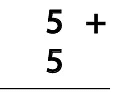 Q10.
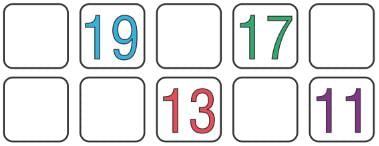
Q10.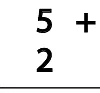 Fill in the missing numbers-Q11.





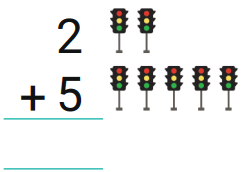
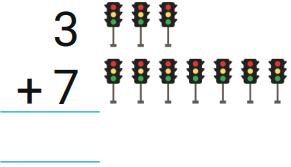
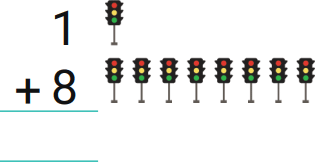
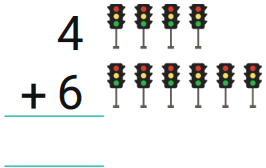
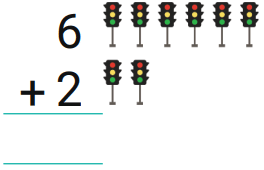
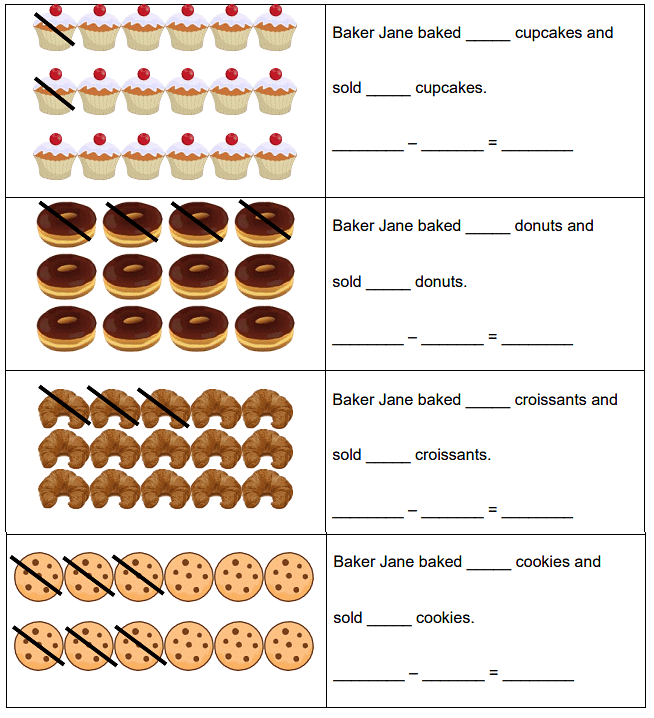 Find Each Difference Question: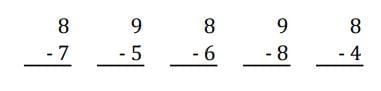
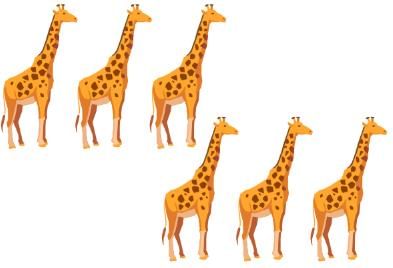
 Q2: Count the animals and write the right number: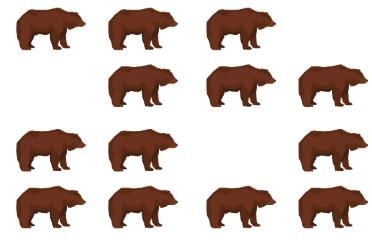
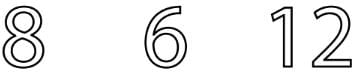
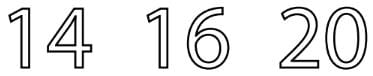
 Q3: Count the animals and choose the right number: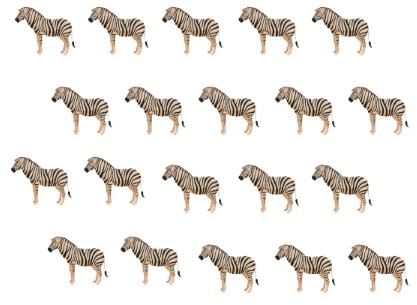
 Q4: Count and write the right number in the boxes:
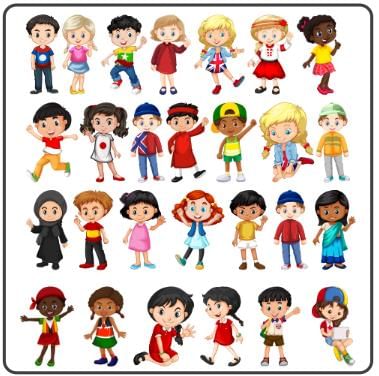 A. How many Boys?

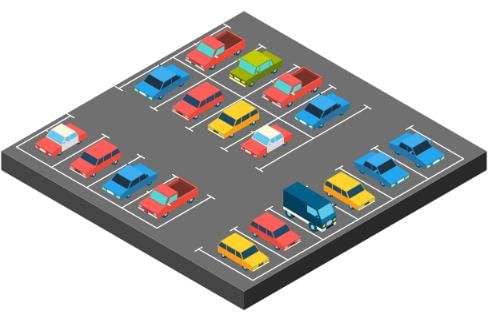 A. How many cars?


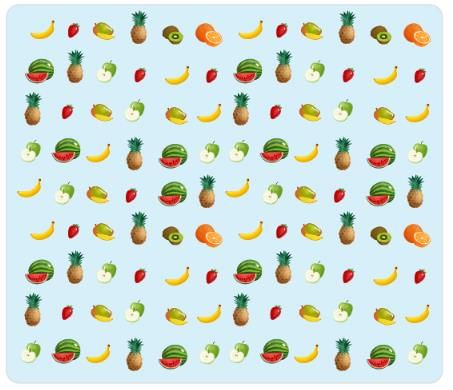 A. How many Apple?


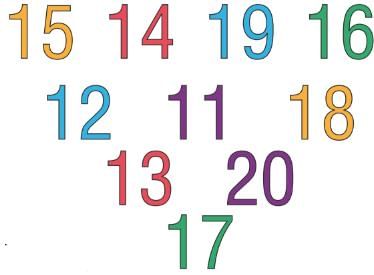
 Q8: Order the Numbers in descending.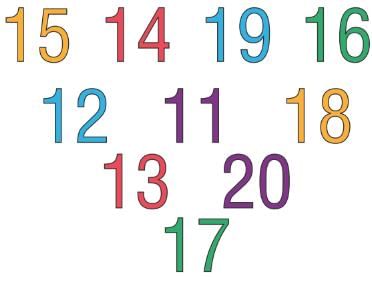
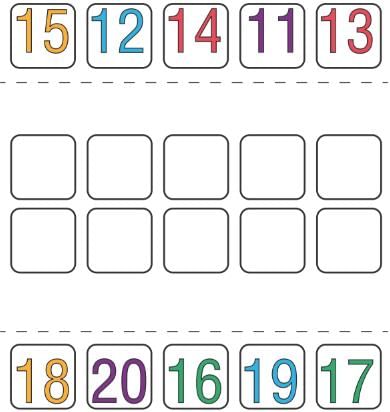
 Q9: Order the Numbers in Ascending.
 You can access the solutions to this worksheet here.
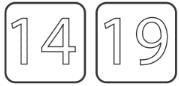
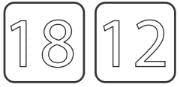


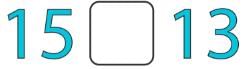

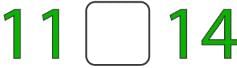
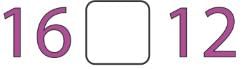
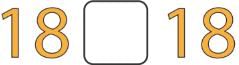
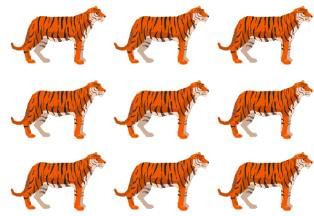
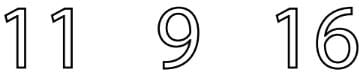 2. Count the Horses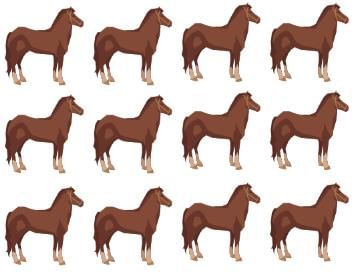
 Dot-to-Dot Drawing1. Connect the Dots: Duck
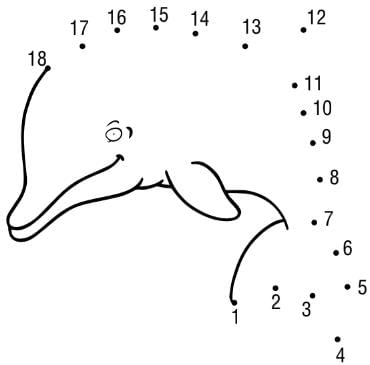
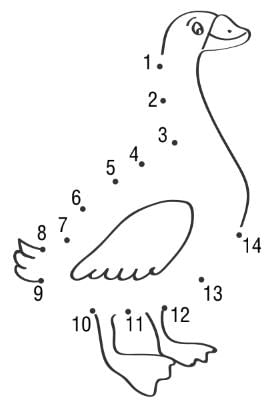 2. Connect the Dots: Dolphin
 Draw and Count1. Draw and count 14 toffees. Write it as:
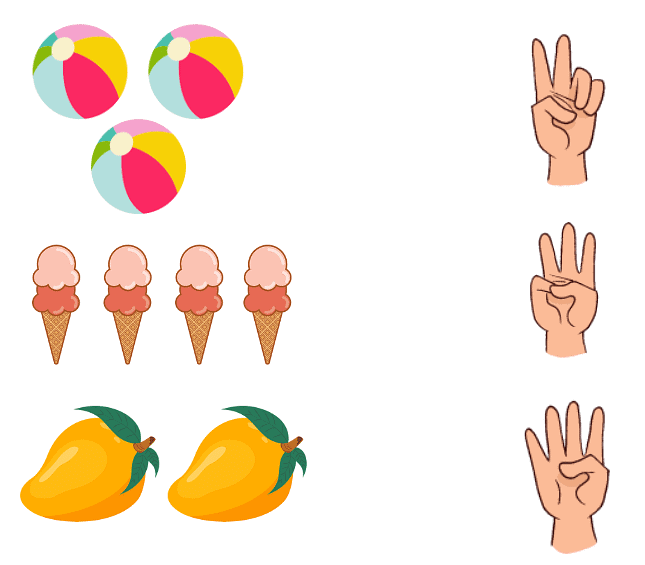 Q2. Match the number of birds with the number of fingers.
 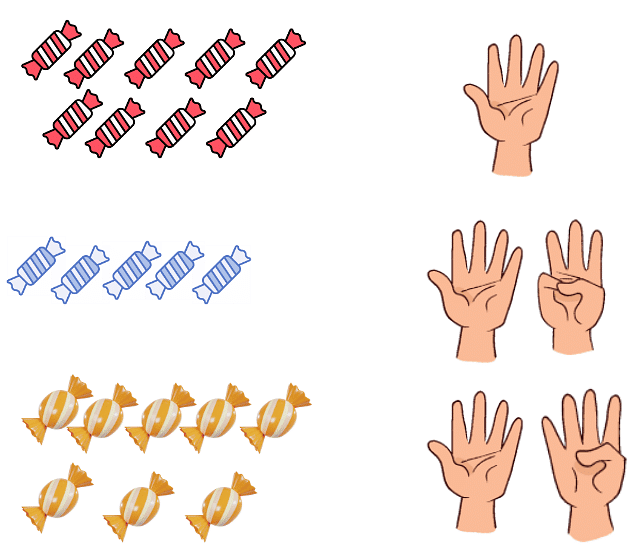 Q3. Choose the correct option by counting the images:
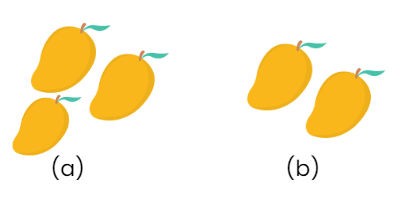
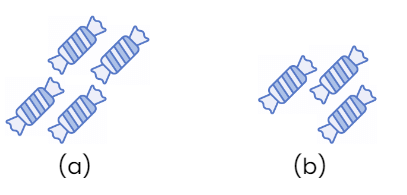
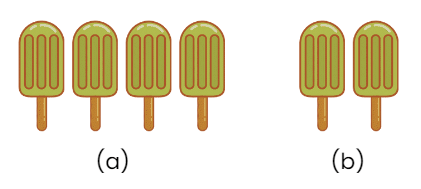
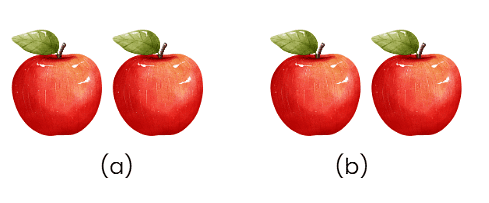
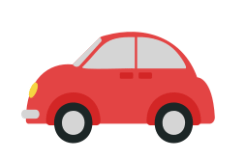 (a) Rolls
 (a) Rolls
 (a) Rolls
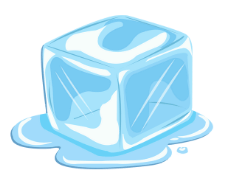 (a) Rolls
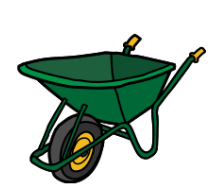 (a) Rolls
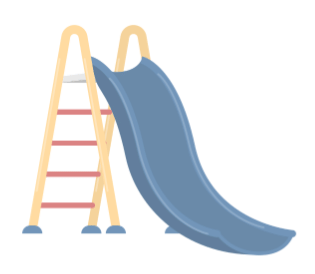 (a) Rolls
 (a) Rolls(
 (a) Rolls
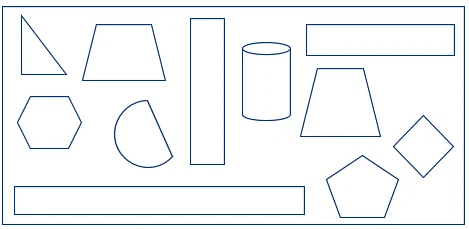
 in the following set of shapes:
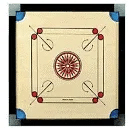
 Q2: A small Carrom Board
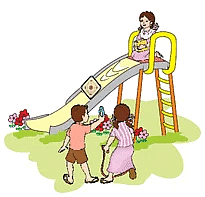
  would ________ when pushed from the top of a swing.
  (a) Roll(
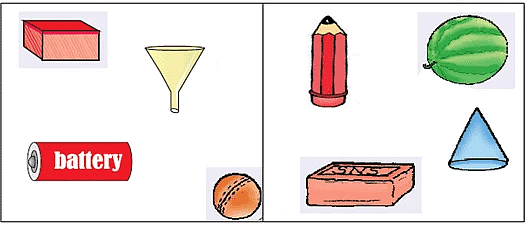 Q4: Tick the objects that will roll
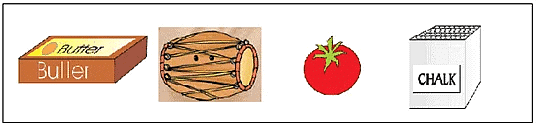 Q5: Tick the objects that will slide
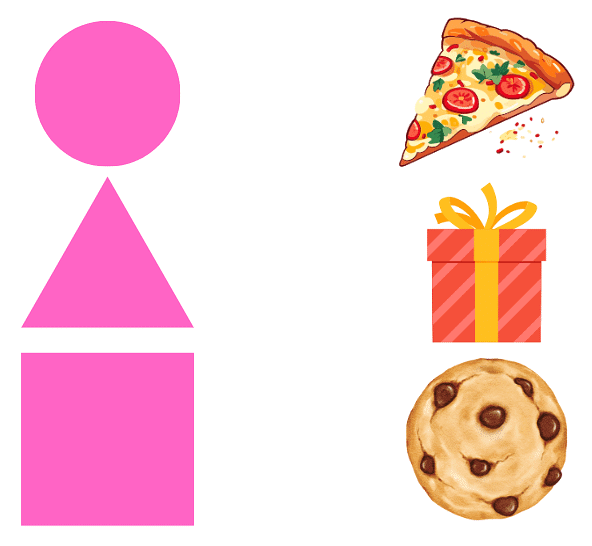
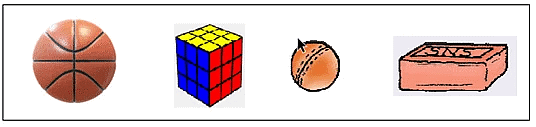 Q6: Match the shapes of same sizes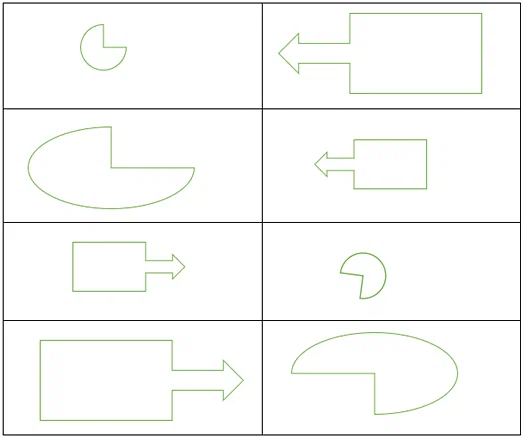
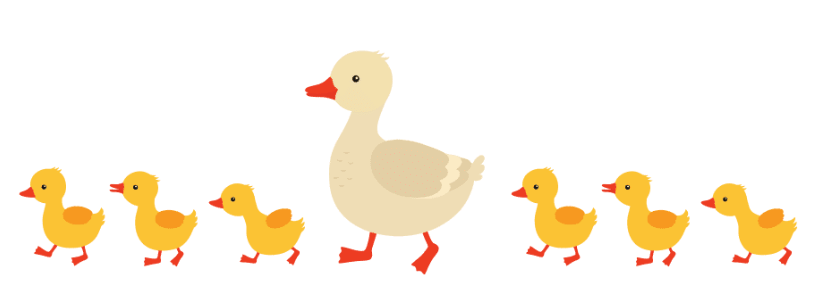 (a)How many ducklings are there after the mother duck?
 (a) How many balloons are there after the pink balloon?
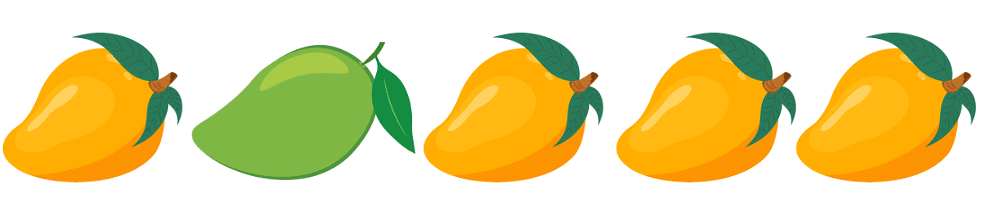 (a)How many mangoes are there after the green mango?
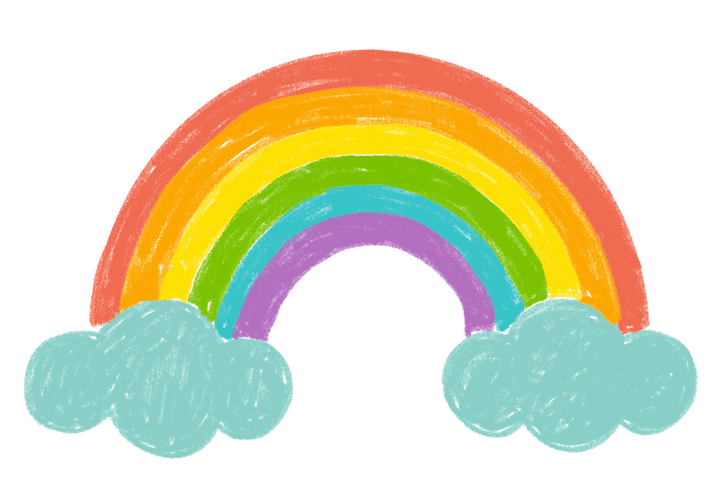 i. Which color is at the top of the rainbow?
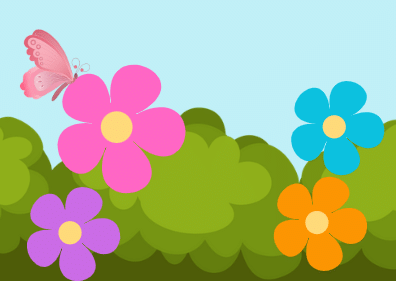 i. Which color is at the top of the flower?
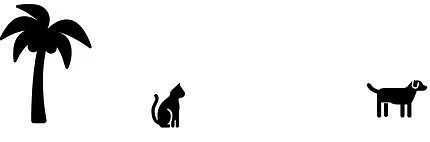 (a) False
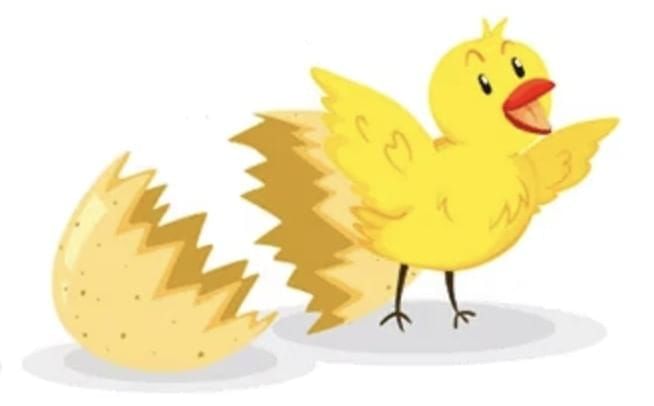 Bird is ________ the egg.
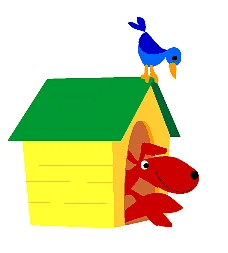 Q4: Which shape is farthest from
  ?
? (a)
(a) 


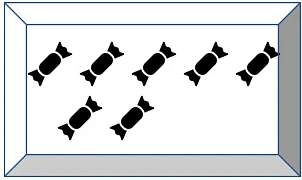 Chocolates are ________ the Box
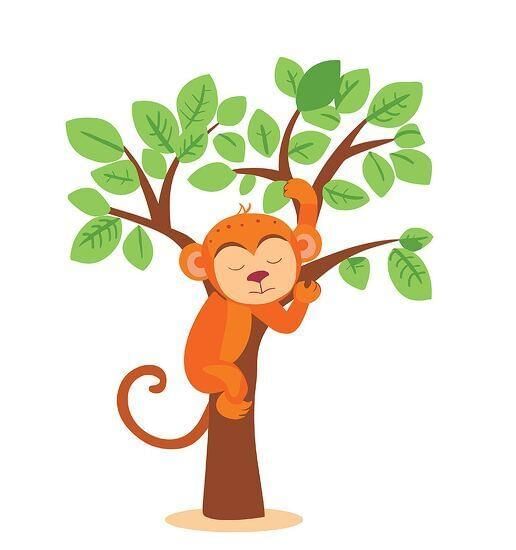 (a) Away
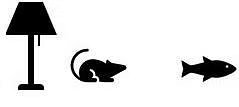 The fish is ________ from the lamp
 (a) Cat