09. The Beggar – Summary

Key Points of the Story

1. Sergei’s Assistance and Beliefs

  • Sergei, an advocate, decided to help Lushkoff, believing that honest labour would reform him.
  • He offered Lushkoff the task of chopping wood, thinking it would instill discipline and responsibility.

2. Olga’s Silent Support

  • Olga, the cook, had a different approach. Though she scolded Lushkoff, she helped him by secretly chopping the wood for him.
  • Her kindness, though concealed beneath a sharp tongue, left a lasting impact on Lushkoff.

3. Sergei’s Satisfaction and Olga’s Role

  • Sergei felt proud, thinking he had put Lushkoff on the right path, with Lushkoff now earning five copecks daily.
  • However, it was Olga’s humane and silent support that truly reformed Lushkoff, showing that compassion can be more effective than stern guidance.

4. Lushkoff’s Gratitude

  • Lushkoff eventually thanked Sergei but credited Olga for his transformation, acknowledging her actions as the real catalyst for the change in his heart.

Detailed Summary

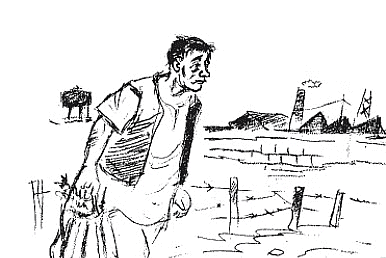
  • The Desperate Beggar’s Plea: In a bustling town, a poor, hungry man named Lushkoff approached Sergei, an advocate, seeking help. Dressed in ragged clothes, he shared his desperate plight of going three days without food or shelter. He claimed to have been a schoolteacher but lost his job due to false accusations. Sergei, however, recognized him as someone who had previously posed as an expelled student. Seeing through his lies, Sergei felt disgusted by Lushkoff’s deception
  • Lushkoff’s Confession: Caught in his lies, Lushkoff admitted the truth. He confessed that he was not a schoolteacher but a former choir singer dismissed due to drunkenness. Desperate, he explained that he resorted to lying because no one helped him when he told the truth.
  • Sergei’s Offer of Work: Moved by a mixture of pity and frustration, Sergei offered Lushkoff a job chopping wood. Though reluctant, Lushkoff accepted the offer out of pride and shame. As Sergei watched Lushkoff’s weak attempts to work, he felt sympathy for the man’s weakened state.
  • A Regular Worker: Lushkoff gradually became a regular worker for Sergei, performing various menial tasks for small pay. Despite his initial reluctance, he continued to work, earning a small income and receiving old clothes as gifts.
  • Olga’s Hidden Kindness: Over time, Lushkoff’s situation improved. He later revealed to Sergei that his positive transformation was mainly due to Olga, the cook, who not only scolded him but also secretly chopped the wood on his behalf. Her quiet acts of kindness deeply impacted Lushkoff and led him to change his ways.
  • A Transformed Life: Two years later, Sergei encountered Lushkoff, now a successful notary earning a respectable income. Lushkoff expressed his gratitude to both Sergei and Olga, acknowledging that while Sergei set him on the right path, it was Olga’s compassion that truly transformed his life.

Theme/ Message

Themes:

  • Redemption through work and mentorship: Honest labour and guidance can bring about personal growth and redemption.
  • The impact of kindness and second chances: Compassion and understanding can have a profound effect on an individual’s transformation.
  • Transformation and personal growth: Small acts of kindness can set the stage for life-changing transformations.

Message:

  • Hard work, guidance, and compassion can lead to personal transformation and success.
  • Small, selfless acts of kindness can change someone’s life trajectory for the better.

Difficult Words

  • Copecks: Russian coin equal to one hundredth of a rouble.
  • Calumny: Making false and defamatory statements about someone to damage their reputation.
  • Suppliant: A person making a humble plea to someone in power or authority.
  • Mendicant: A beggar.
  • Swindling: Cheating a person of money.
  • Perplexity: State of being puzzled; bewilderment.
  • Irresolutely: Hesitantly; undecidedly.
  • Billet: A thick piece of wood.
  • Waif: A homeless person.
  • Sot: A habitual drunkard.
  • Roasting: Scolding.
  • Shovel: Remove snow with a shovel.
  • Notary: An official authorized to perform legal activities, such as witnessing signatures and certifying documents.
  • Trajectory: The path followed by a moving object.
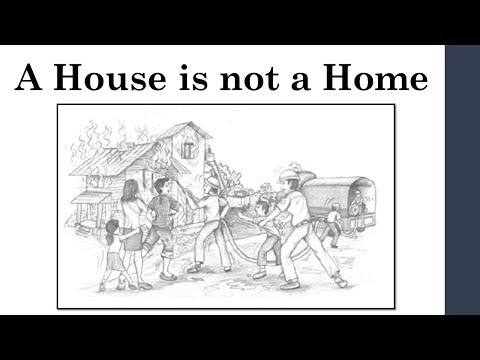
08. A House is not a Home – Summary

Key Points of the Story

  • Protagonist’s difficult transition from junior high to high school.
  • Feeling of isolation due to a new, larger school and separation from friends.
  • Near-death experience in a house fire, where the protagonist’s mother risks her life to save sentimental items.
  • Loss of home, belongings, and the protagonist’s beloved cat in the fire.
  • Support and kindness received from peers at school after the fire.
  • Rebuilding of the house and emotional recovery, symbolizing personal growth and newfound friendships.
  • Reunion with the missing cat, symbolizing hope, gratitude, and restoration.

Detailed SummaryIn this chapter, the narrator talks about their challenging transition to high school. They express feeling out of place after leaving the familiarity of junior high, where they were a top student. The new high school was much larger, and to add to the difficulty, their close friends went to a different school. This left the narrator feeling isolated and missing their old teachers. 

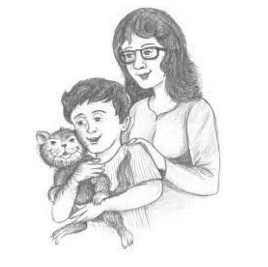
The narrator found solace in their red tabby cat, whom they had rescued as a kitten. The cat stayed close as they did homework one cold, windy day by the fireplace. Suddenly, smoke filled the room as a fire broke out in the house. The family evacuated, and the narrator’s mother rushed in to save important belongings, despite the danger. The mother retrieved a metal box with precious documents, but then went back in for the father’s pictures and letters. 

Despite the narrator’s protests, firefighters intervened to rescue the mother. The house burned down, leaving the family devastated. The narrator’s cat was missing, adding to their sense of loss. The family had to stay elsewhere, and the narrator, now without proper school supplies due to the fire, felt embarrassed and out of place at school. However, to their surprise, classmates rallied to support them, providing clothes and supplies, and showing genuine care and friendship. 

As the narrator watched their house being rebuilt, they realized the importance of opening up to others and appreciating the kindness around them. The rebuilding process mirrored a personal transformation, symbolizing a new beginning. In a heartwarming turn of events, the narrator’s lost cat was found and returned by a kind stranger, bringing a sense of closure and gratitude. 

Through these experiences of loss, rebuilding, and newfound friendships, the narrator learned valuable lessons about resilience, community support, and the enduring bond between humans and pets. 

The chapter highlights themes of overcoming challenges, finding strength in adversity, and the power of compassion in unexpected places.

Theme/MessageThemes:

  • Resilience and adaptation to change: The protagonist faces significant challenges but learns to adapt and rebuild after a devastating event.
  • Community and support: Highlighting the importance of kindness, empathy, and support from others during difficult times.
  • Loss and restoration: The story explores themes of loss, grief, and eventual restoration of what is truly valuable.

Message:

  • Through adversity, one can find strength and resilience to overcome challenges with the help of a supportive community.
  • Loss can lead to newfound appreciation for what truly matters in life, fostering gratitude and personal growth.

Difficult Words

  1. Isolated – (adjective) lonely or separated from others.
  2. Groping – (verb) to feel about with the hands; to search blindly or uncertainly.
  3. Crazed – (adjective) driven insane or mad.
  4. Inhaled – (verb) to breathe in; to take air, smoke, or gas into the lungs.
  5. Vulnerable – (adjective) open to physical or emotional harm; easily hurt.
  6. Plight – (noun) a dangerous, difficult, or otherwise unfortunate situation.
  7. Outcast – (noun) a person who has been rejected or ostracized by society or a social group.
  8. Insecurity – (noun) uncertainty or anxiety about oneself; lack of confidence.
  9. Heroically – (adverb) in a brave, daring, or courageous manner.
  10. Plight – (noun) a dangerous, difficult, or otherwise unfortunate situation.

07. The Last Leaf – Summary

Key Points of the Story

  • Setting: Sue and Johnsy, two young artists, live together in a small flat on the third floor of an old house.
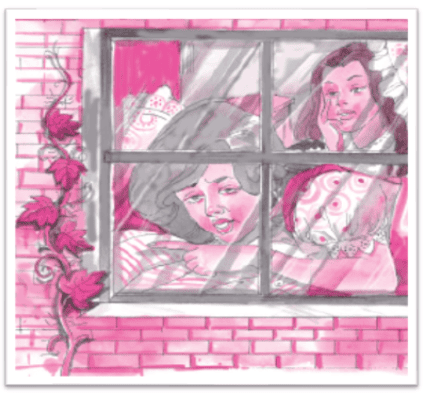
  • Johnsy’s Illness: Johnsy falls gravely ill with pneumonia and becomes despondent, believing she will die when the last ivy leaf outside their window falls.
  • Doctor’s Advice: The doctor informs Sue that Johnsy’s recovery depends on her will to live, emphasizing that medicine alone will not help.
  • Sue’s Efforts: Sue tries to uplift Johnsy’s spirits by engaging her in conversation and keeping her mind occupied, but Johnsy remains fixated on the ivy leaf.
  • Behrman’s Role: Behrman, an elderly painter, creates a lifelike painting of the last ivy leaf to give Johnsy hope, sacrificing his life in the process.
  • Johnsy’s Transformation: Inspired by the remaining leaf, Johnsy regains her will to live, unaware of Behrman’s final act of painting the leaf.

Detailed Summary

  • Introduction of Sue and Johnsy: Once upon a time in a bustling city, there resided two young artists named Sue and Johnsy. They lived together in a cosy flat situated on the third floor of an ancient building. Unfortunately, Johnsy fell severely ill with pneumonia one chilly November, confining herself to her bed, staring listlessly out of the window.
  • Sue’s Efforts and the Doctor’s Concern: Concerned Sue, her dear friend, summoned the doctor, who attended to Johnsy diligently but to no avail. Despite Sue’s efforts to engage Johnsy by discussing various topics like fashion and art, Johnsy remained disinterested, fixated on the idea that her fate was sealed, and no medicine could alter it. In a desperate attempt to divert Johnsy’s attention, Sue brought her drawing board into the room, painting while whistling cheerfully. 
  • Johnsy’s Belief in the Last Leaf: One day, a turning point arrived when Johnsy, quietly counting down the remaining leaves on a vine outside, expressed her belief that her life was tied to the falling of the last leaf. Sue, in disbelief, tried to reason with her, emphasizing the doctor’s optimism about her recovery. However, Johnsy’s conviction remained unshaken, leading to a poignant moment of reflection and realization. 
  • Behrman’s Role and the Painted Leaf:  Meanwhile, Sue, determined to support her friend, sought the help of Behrman, an aging painter living downstairs, sharing Johnsy’s predicament with him. Behrman, initially critical of Johnsy’s perspective, eventually showed empathy upon learning the gravity of her condition. As days passed and the lone leaf on the vine persisted despite harsh weather conditions, Johnsy’s outlook gradually shifted.
  • Johnsy’s Recovery and Behrman’s Sacrifice: Witnessing the leaf’s resilience, she acknowledged her ingratitude towards Sue’s care and decided to embrace life with newfound vigour. This transformation marked a pivotal moment in her recovery journey, culminating in a heartwarming reconciliation between her friends. Tragically, while Johnsy’s health improved, Behrman succumbed to pneumonia after a brief illness. His final act of painting the last leaf, symbolizing hope and endurance, left a lasting impact on both Johnsy and Sue, underscoring the beauty of selflessness and the power of art in times of despair. 
  • The Legacy of Behrman’s Masterpiece: In the end, as Sue shared Behrman‘s legacy with Johnsy, the significance of his masterpiece dawned upon them, reinforcing the profound bond between art, life, and the enduring spirit of humanity. The tale of Sue, Johnsy, and Behrman serves as a poignant reminder of the interconnectedness of life’s fleeting moments and the enduring legacy of compassion and creativity.

Try yourself:

What is the symbolic significance of the last leaf painted by Behrman in the story?

  • A.It represents Johnsy’s recovery from pneumonia.
  • B.It symbolizes Sue’s unwavering friendship towards Johnsy.
  • C.It signifies hope, resilience, and the enduring spirit of life.
  • D.It highlights Behrman’s artistic talent and selflessness.

View Solution

Theme of the Story

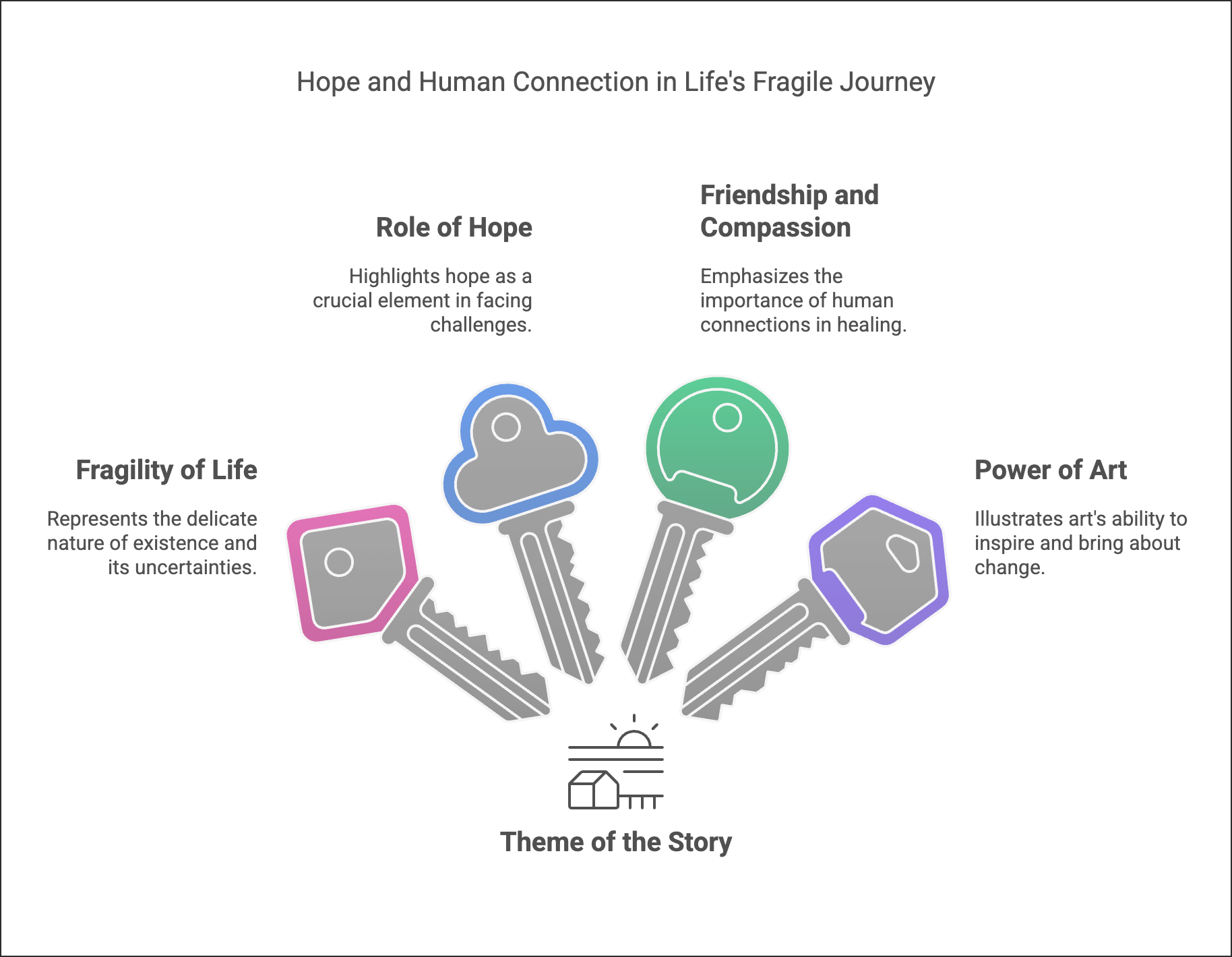
  • The story highlights the fragility of life and the vital role of hope in overcoming adversity.
  • Friendship, compassion, and selflessness are central to healing and personal growth during difficult times.
  • The power of art and creativity is portrayed as a source of hope and inspiration, capable of changing lives.

Difficult Words

  • Pneumonia: an inflammatory condition of the lung affecting primarily the tiny air sacs known as alveoli.
  • Despondent: feeling or showing profound hopelessness, dejection, or gloom.
  • Anxiously: characterized by extreme uneasiness of mind or brooding fear about some contingency.
  • Energetically: with great energy, enthusiasm, or determination.
  • Gloomy: darkness, sadness, rejection, or despondency.
  • Adversity: difficulties, misfortune, or unfavourable circumstances.
  • Realization: the act of becoming fully aware of something as a fact.
  • Janitor: a person employed to take care of a building, such as a caretaker or a doorkeeper.
  • Desperately: in a way that shows despair or hopelessness.
  • Adversity: difficulties, misfortune, or unfavourable circumstances.
  • Uplift: raise to a higher position or level; improve spiritually or morally.
  • Renewed: resumed after an interruption; revived or restored.
  • Contingency: a future event or circumstance that is possible but cannot be predicted or controlled.
  • Profound: very great or intense; having or showing great knowledge or insight.

06. Weathering the Storm in Ersama – Summary

Weathering the Storm in Erasma

narrates the adventures of a young man Prashant who was marooned on a rooftop

for two nights following a dreadful storm.

Prashant had gone to the coastal

town of Erasma in Orissa to spend a day with his friend seven years after his

mother’s demise. It was that fateful day the storm lashed in full fury with

heavy wind and rain. Trees were uprooted and water entered neck deep inside the

friend’s house. For two days, everyone took refuge on the roof till the

situation calmed down a bit.

Although everyone tried to pursue Prashant to stay for a few more days as the situation had not fully settled, he was determined to move ahead. Using a stick to guide him, he waded his way through the water to his village, eighteen kilometers away. Once there, he sought the assistance of Red Cross to find out the whereabouts of his family. Slowly, he found each one of them.

05. The Happy Prince – Summary

Key Points of the Story

  • The story is about a statue of a prince, covered in gold and jewels, that overlooks a city.
  •  A swallow sees the prince’s sadness and agrees to help him assist the needy people in the city.
  • The prince asks the swallow to give his jewels to those in need:
    A ruby to a poor seamstress.
    Sapphires to a struggling writer and a little match girl.
  •  Even after losing his beautiful eyes, the prince keeps helping the poor through the swallow’s efforts.
  • The swallow stays loyal to the prince, helping him until the bird becomes sick and dies.
  •  After the swallow’s death, the prince’s statue is torn down, but his lead heart does not melt in the furnace.
  • God honors the prince and the swallow for their selflessness, showing that true happiness lies in helping others.

Try yourself:

What does the prince ask the swallow to give to the needy?

  • A.Food
  • B.Jewels
  • C.Clothes
  • D.A gold crown

View SolutionDetailed Summary

The Happy Prince was a beautiful statue covered in gold, with sapphires for eyes and a ruby on his sword. He stood on a tall column overlooking the city. One evening, a swallow, who was on his way to Egypt, stopped to rest at the statue’s feet. As he prepared to sleep, he felt drops of water and realized they were tears from the statue. The Happy Prince was crying because, from his high position, he could see the misery and poverty of the people in the city, which he could not help during his life.

The Happy Prince requested the swallow to take the ruby from his sword and give it to a poor seamstress. The seamstress was struggling to sew a dress for a queen’s maid while caring for her sick child. Although the swallow wanted to leave for Egypt, he agreed to stay one night to help. The swallow delivered the ruby, fanned the sick boy with his wings, and returned to the prince.

The next evening, the prince saw a young playwright in a cold attic, unable to complete his play due to hunger and freezing conditions. The prince asked the swallow to pluck out one of his sapphire eyes and give it to the playwright. Despite feeling reluctant, the swallow obeyed. The playwright sold the sapphire, bought food and firewood, and continued his work.

On the following night, the prince noticed a poor matchgirl crying in the cold because her matches had fallen into the gutter, and she feared her father’s anger. The prince asked the swallow to pluck out his other eye and give it to the girl. The swallow hesitated because it would leave the prince blind, but he eventually obeyed. The girl was overjoyed with the jewel, but now the prince could no longer see.

Since the prince was now blind, the swallow decided to stay and act as his eyes. The swallow flew over the city and described what he saw—rich people enjoying luxury while the poor suffered. The prince asked the swallow to strip the gold leaf by leaf from his body and give it to the needy. The swallow did so, bringing happiness to many.

As winter approached, the swallow grew weaker due to the cold. He refused to leave the prince and stayed by his side. One day, the swallow kissed the prince and died at his feet. At the same moment, the prince’s lead heart broke in two.

The townspeople noticed that the statue was no longer beautiful. They removed it, melted it in a furnace, but the leaden heart would not melt. They discarded the heart along with the swallow’s body on a dust heap.

God asked His angels to bring Him the two most precious things in the city. The angels brought the leaden heart and the dead swallow. God welcomed them into Paradise, where the little bird would sing forever, and the Happy Prince would praise Him.

Theme & Message

Theme:
The story emphasizes the themes of compassionselflessness, and the true meaning of happiness. It portrays the contrast between material wealth and emotional richness, showing that beauty and luxury are meaningless without kindness. The bond between the prince and the swallow demonstrates how self-sacrifice can bring joy and hope to those in need.

Message:
Oscar Wilde delivers a powerful message that true happiness lies in helping others. The story teaches that acts of kindness and generosity, even at great personal cost, have a lasting impact. It also highlights the value of empathy, showing how caring for others can transform not just their lives but also our own. Through the prince and the swallow’s sacrifices, Wilde reminds us that love and selflessness are the greatest virtues.

Difficult Words

  • Gilded: Covered with a thin layer of gold.
  • Sapphires: Precious blue gemstones.
  • Ruby: A valuable red gemstone.
  • Alighted: Landed or settled after flying.
  • Seamstress: A woman who sews for a living.
  • Embroidering: Sewing decorative patterns on fabric.
  • Pedestal: The base supporting a statue.
  • Garret: A small, cramped room under a roof.
  • Withered: Dried up or shriveled.
  • Listlessly: Without energy or enthusiasm.
  • Courtiers: People who serve in a royal court.
  • Feverishly: In a restless or frantic manner due to fever or excitement.
  • Swooped: Flew down quickly and suddenly.
  • Furnace: A hot oven used to melt or heat things.
  • Proclamation: An official public announcement.

04. In the Kingdom of Fools – Summary

Introduction

“In the Kingdom of Fools” is a humorous folktale that tells the story of a strange kingdom where the king and his minister make foolish decisions, turning day into night and night into day. The tale explores how their silly rules lead to chaos, showing the dangers of foolishness and the power of wisdom. 

This story is a Kannada folktale, retold by A.K. Ramanujan in his book Folk Tales from India. A.K. Ramanujan was a renowned Indian poet, scholar, and folklorist. He collected and translated folktales from various Indian languages, preserving the rich oral traditions of India. 

Key Points of the Story

  • The king and his minister make an odd rule in the Kingdom of Fools—day becomes night, and night becomes day, and everyone must follow this schedule.
  • A guru and his disciple visit the kingdom. The guru senses danger and leaves quickly, but the disciple stays, attracted by the cheap food and low prices.
  • A thief dies when a wall collapses on him during a robbery. The blame shifts from one person to another, including a merchant, a bricklayer, a dancer, a goldsmith, and the merchant’s father.
  • The disciple is chosen for execution because he has gained weight and fits the stake. He regrets staying in the kingdom and ignoring his guru’s advice.
  • The guru returns to save his disciple. He tricks the king and minister into believing they will be reborn as rulers if they are executed first, leading to their downfall.
  • After the king and minister’s death, the people make the guru and disciple the new leaders. They bring wisdom and fairness to the kingdom.

Detailed Summary

Once upon a time, there was a strange kingdom where the king and his minister were foolish. They decided to run their kingdom differently from others. They ordered that people should work at night and sleep during the day. Anyone who disobeyed would be punished with death. The people, afraid of punishment, followed these odd rules.

One day, a wise guru and his disciple came to this kingdom. They were surprised to see no one around during the day. Even the animals slept. At night, the city came alive. When they went to buy food, they discovered that everything cost the same—just one dudduThe disciple was thrilled because food was so cheap, but the guru warned him that living among fools was risky. Despite the guru’s advice to leave, the disciple decided to stay and enjoy the cheap food. The guru left, saying, “You’ll regret this decision.”

Time passed, and the disciple grew fat from eating too much. One day, a thief broke into a merchant’s house, but the weak wall collapsed and killed him. The thief’s brother complained to the king, blaming the merchant for the poor wall. The king decided to deliver justice in his own foolish way. The blame passed from the merchant to the bricklayer who built the wall, then to a dancing girl who distracted the bricklayer, and finally to a goldsmith who delayed the girl, forcing her to walk by the bricklayer. Eventually, the blame returned to the merchant whose father had commissioned the jewellery long ago.

The king decided the merchant must be punished but found him too thin for the execution stake. He ordered his servants to find a fat man instead. The disciple, now plump, was chosen. Realizing his life was in danger, he prayed to his guru for help. The guru, with his wisdom and magical powers, returned to save him.

Try yourself:

What led to the downfall of the king and his minister in the Kingdom of Fools?

  • A.The king and minister were overthrown by a rebellion.
  • B.The guru and disciple challenged them to a duel.
  • C.The king and minister believed they would be reborn as rulers if they were executed first.
  • D.The people of the kingdom refused to follow their foolish rules.

View Solution

The guru devised a clever plan. He told the king that whoever was executed first on the stake would be reborn as the king in their next life, and the second would become the minister. The greedy king and minister, eager to retain their positions, decided to take the guru and disciple’s places. That night, the foolish king and minister were executed.

The people were left without rulers and begged the guru and his disciple to govern them. The guru agreed on the condition that the strange laws would be abolished. From then on, the kingdom returned to normal, with people working during the day and sleeping at night. Prices were no longer absurd, and the guru and his disciple ruled wisely.

Theme & Message

Theme 

The story highlights the contrast between wisdom and foolishness, showing how foolish leaders can create chaos. It also emphasizes the importance of good sense and logical decisions in governance.

Message 

  1. Wisdom wins over foolishness: The guru’s cleverness saves the day, proving that smart thinking can solve even the toughest problems.
  2. Foolishness is dangerous: Living among fools is risky because their actions are unpredictable and harmful.
  3. Leaders need logic: Good rulers make fair and sensible decisions to ensure justice and stability.
  4. Greed leads to trouble: The king and minister’s greed for power causes their downfall.
  5. Be practical and adapt: The guru’s ability to adapt and bring change shows the value of flexibility in life.

Difficult Words

  1. Accuse – To say that someone has done something wrong or illegal.
  2. Bailiff – A law officer who ensures that court decisions are followed.
  3. Bricklayer – Someone whose job is to build things with bricks.
  4. Burglar – A person who illegally enters buildings to steal things.
  5. Clamour – To demand something loudly.
  6. Compensate – To give someone something, usually money, for loss or damage.
  7. Complicate – To make something more difficult to understand or deal with.
  8. Criminal – A person who has done something against the law.
  9. Decisively – Doing something in a way that shows confidence and clear choices.
  10. Decree – An official order by someone in power.
  11. Delight – A strong feeling of happiness.
  12. Distracted – Not able to pay attention because you’re thinking of something else.
  13. Execution – The act of killing someone as a legal punishment.
  14. Fragile – Easily broken or damaged.
  15. Goldsmith – A person who makes things out of gold.
  16. Guilty – Having done something wrong or illegal.
  17. Highness – A title used for someone of royal rank.
  18. Impaling – To stick a sharp object through something.
  19. Impatient – Not willing to wait for something or someone.
  20. Injustice – When things aren’t fair or just.

03. Iswaran the Storyteller – Summary

Key Points of the Story 

  • R. K. Laxman‘s “Iswaran the Storyteller” focuses on Mahendra, a junior supervisor at a company that hires out supervisors for different construction sites, along with his cook, Iswaran, who travels with him. Mahendra’s storytelling is significantly shaped by the Tamil writers he admires.
  • Through Iswaran’s stories, Mahendra’s understanding of reality and fiction starts to blur. Iswaran shares exciting tales, such as subduing a wild elephant with a small stick and encountering a female ghost on a full-moon night. At first, Mahendra doubts the existence of ghosts, but his beliefs begin to change after he hears strange noises outside his window one evening.
  • Feeling unsettled, he turns to Iswaran, who supports his fears about the place being haunted. Mahendra quickly rushes to his office to resign, determined to leave the haunted location the very next day!

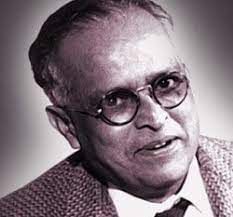
R.K. Laxman

Detailed Summary 

The story revolves around Mahendra, a young junior supervisor working for a company that provides supervisors for construction sites like factories, bridges, and dams. Mahendra’s job requires him to frequently move to different job sites as directed by his head office. As a bachelor with simple needs, he is adaptable to various challenging conditions at these locations. However, Mahendra has one valuable asset—his cook and companion, Iswaran.

Iswaran not only cooks for Mahendra but also takes care of household chores, such as washing clothes and engaging in late-night conversations. He is a talented storyteller, spinning tales on various subjects. His stories often include suspense and surprise, making him a source of entertainment for Mahendra, who enjoys listening to him.

What makes Iswaran unique is his extraordinary ability to find fresh vegetables and ingredients in remote areas with no shops nearby. He consistently prepares delicious meals for Mahendra, leaving him both impressed and satisfied. One day, Iswaran asks, “Can I make something special for dinner tonight, sir? Today is an auspicious day, and we prepare various delicacies to honour our ancestors.”

Try yourself:What is Iswaran’s special ability in the story?

  • A.Cooking sweets
  • B.Reading books
  • C.Telling jokes
  • D.Telling entertaining and dramatic stories

View Solution

Mahendra enjoys the special dinner, but Iswaran takes this opportunity to introduce a supernatural element to the story. He reveals that the area where their factory is located was once a burial ground, stating, “I knew on the first day when I saw a human skull on the path. I still come across many skulls and bones.” Iswaran claims to have encountered ghosts, including a particularly terrifying one—“an ugly creature with matted hair and a shrivelled face, like a skeleton holding a foetus.” Sceptical, Mahendra dismisses these stories as mere imagination and advises Iswaran to seek medical help. However, these tales leave Mahendra feeling uneasy, and he begins to avoid looking out of his window during full moons, fearing he might see the ghost. One fateful night, Mahendra is awakened by a strange moan near his window.

Initially, he thinks it is a cat but soon realises the sound is more unsettling. Gathering his courage, he looks out and sees a dark figure holding a bundle in the moonlight. Overwhelmed by fear, Mahendra retreats to his bed, convinced it is a figment of his imagination. The next morning, Iswaran greets Mahendra with his lunch and bag, casually mentioning that he heard the moaning from Mahendra’s room. Iswaran gleefully reveals that Mahendra had seen the female ghost with a foetus the previous night. Terrified and shaken, Mahendra rushes to his office and submits his resignation, deciding to leave the haunted place the very next day!

Theme/Message 

Theme

  • The story looks at the theme of storytelling, showing how Iswaran’s engaging tales influence Mahendra’s views on ghosts. This ultimately leads to Mahendra’s fear affecting how well he does his job.
  • It also points out Mahendra’s belief that ghosts are just imagined, cautioning against letting superstitions guide our choices.

Message

  • The story indicates that letting our fears take over can disrupt our lives, as seen with Mahendra, whose work suffers because of his fear of ghosts.
  • Iswaran’s captivating storytelling encourages Mahendra to face his beliefs, especially after a frightening experience that makes him reconsider the existence of ghosts.

Difficult Words

  1. Supervisor: A person responsible for overseeing and managing the work of others.
  2. Construction: The process of building or making something, typically related to buildings, bridges, and other structures.
  3. Circuit house: A government guest house or rest house used for travellers or government officials.
  4. Makeshift: A temporary and often improvised solution or substitute.
  5. Canvas tent: A tent made of canvas, a heavy-duty fabric, typically used for camping or temporary shelter.
  6. Anecdotes: Short, interesting, and often amusing stories about real incidents or people.
  7. Conjure: To bring something into existence as if by magic or to make something appear.
  8. Depredations: Acts of plundering or causing damage and destruction.
  9. Mahout: An elephant rider or trainer.
  10. Paralysis: A loss of the ability to move or feel a part of the body, often due to injury or illness.
  11. Supernatural: Beyond what is natural or explainable by the laws of nature; related to the mystical or occult.
  12. Figment: Something invented or imagined, typically a product of one’s mind.
  13. Unease: A feeling of discomfort, anxiety, or restlessness.
  14. Auto-suggestion: A psychological phenomenon where a person suggests something to themselves, often unconsciously, leading to behavioural changes.
  15. Subconscious: The part of the mind that contains thoughts, feelings, or memories not currently in conscious awareness.
  16. Ghastly: Extremely frightening, horrifying, or unpleasant.
  17. Foetus: An unborn or developing offspring of a mammal in the womb.
  18. Resolution: A firm decision or determination to do something or achieve a goal.

02. The Adventures of Toto – Summary

Key Points of the Story 

  • Grandfather’s New Pet: The writer’s grandfather, an animal enthusiast, acquired a mischievous monkey named Toto from a Tonga driver for five rupees. Since the grandmother disapproved of animals, Toto was kept hidden.
  • Toto’s Misbehaviour at Home: Toto was always causing trouble by tearing things apart. Whenever one of the aunts came close, he would grab her dress and rip it, which made Grandfather laugh but upset the rest of the family.
  • Toto’s Train Journey: On a train journey to Saharanpur, Toto poked his head out of the bag and smiled at the ticket-collector. The surprised man quickly decided to treat Toto as a dog and charged an extra fare.
  • Conflict with Other Animals: Even though they tried to make Toto get along with other pets, he often misbehaved, like almost boiling himself in a kettle and stealing food during meals.
  • Return to the Tonga Driver: Grandfather realised they couldn’t afford the constant damage to dishes, clothes, and curtains. So, he found the Tonga driver and sold Toto back for just three rupees.

Detailed Summary

The narrator’s grandfather loved animals and once bought a red baby monkey, Toto, from a tonga driver for five rupees. The tonga driver kept Toto tied to a feeding trough. Toto had a special tail, which acted like a third hand, allowing him to hang from branches and grab things out of reach. Grandfather wanted to add Toto to his personal zoo, but the narrator’s grandmother, who disliked animals, would not be pleased. They decided to keep Toto a secret from her until she was in a good mood.

Since the grandmother didn’t approve of Toto, they hid him at first. Toto was kept in a small closet in the narrator’s bedroom but soon showed his destructive tendencies by tearing the wallpaper and shredding the narrator’s school blazer. Despite his mischief, Grandfather found Toto’s cleverness amusing.

After the closet incident, Toto was moved to a large cage in the servants’ quarters, where other pets were kept, including a tortoise, a pair of rabbits, a tame squirrel, and occasionally, the narrator’s pet goat. However, Toto’s mischievous behaviour disturbed the other animals, preventing them from resting at night. Soon, Grandfather took Toto along on a trip to Saharanpur.

Grandfather put Toto in a black canvas kit bag for the journey to keep him from causing trouble. However, Toto poked his head out, startling the ticket collector, who mistakenly identified Toto as a dog; thus, a fare of three rupees was paid.

After the trip, Toto was placed in the stable with Nana, the family’s female donkey. On the first night, Toto bit Nana’s ears, causing tension between them. Nevertheless, the family accepted Toto’s presence. He even created a bath-time routine, carefully checking the water temperature before jumping in and then rushing to the kitchen fire to dry off.

One day, Toto nearly boiled himself alive by jumping into a kettle of water heating for tea. Fortunately, Grandmother found him just in time. Toto’s destructive behaviour continued—he damaged many household items and once threw food and dishes when caught eating the family’s lunch. In one instance, Toto climbed a tree and refused to come down until he finished eating, eventually throwing the empty dish down and chattering with joy when it shattered into pieces.

The family’s patience with Toto’s constant mischief wore thin. Grandfather ultimately decided that keeping Toto was too troublesome and sold him back to the same tonga driver for three rupees, realising that Toto could not be tamed.

Theme/Message

Theme

  • The chapter highlights the importance of caring for pets and the effort needed to take care of them. Although the narrator’s grandfather tried to include Toto in their family, the naughty monkey had trouble getting along with other animals and caused chaos during their travels.
  • Toto’s troublesome behaviour resulted in damage to the home, specifically the walls, which had been decorated with special paper chosen by Grandfather, now revealed as bare brick and plaster. This made it hard for the family to maintain discipline. The story also shows the challenges of human-animal relationships, indicating that some wild animals are not easily tamed. Despite the grandfather’s patience, Toto’s destructive actions ultimately led to his return to the tonga driver, reminding us to respect nature and the natural behaviour of wildlife.

Message

  • The story teaches us to love and respect animals. When the grandfather sees the monkey with a tonga driver, he wants to provide it with a comfortable life in his zoo, so he buys it as a pet. 
  • However, as a wild animal, the monkey causes trouble, leading the grandfather to realise that it would be happier with the tonga driver. Despite the challenges, the grandfather treats Toto with care and affection, conveying a message about the importance of animal rights and welfare.

Difficult Words

  • feeding-trough: a container containing food for the animals
  • pickled: preserved in vinegar or brine
  • wicked: could create mischief
  • scooping: picking
  • fussed: feeling concerned
  • wrenched: pull out with force
  • shreds: pieces torn apart
  • tame: not dangerous
  • turnstile: exit gate
  • poked: stand out and be visible
  • taken aback: shocked
  • in vain: without success
  • quadruped: any four-footed animal
  • prodded: push with a finger
  • triumphant: successful
  • halter: strap or rope for tying the animal
  • haunches: one of the back legs of a four-legged animal
  • hauled: pull out with force
  • to spite grandmother: to intentionally annoy or upset her

01. The Lost Child – Summary

Key Points of the Story 

  • “The Lost Child” narrates the tale of a child who gets separated from his parents at a fair. Despite being enticed by various attractions like sweets and toys, his primary desire is to be reunited with his parents. He experiences fear and desperation upon realising he’s lost. 
  • A compassionate stranger offers him treats and distractions, but the child’s only wish is to find his family. This story reflects the innocence and dependence of children on their parents for security and happiness. 
  • Mulk Raj Anand‘s narrative underscores the profound bond between children and their caregivers. Through the child’s unwavering longing for his parents, the story emphasises the emotional connection that supersedes material desires.

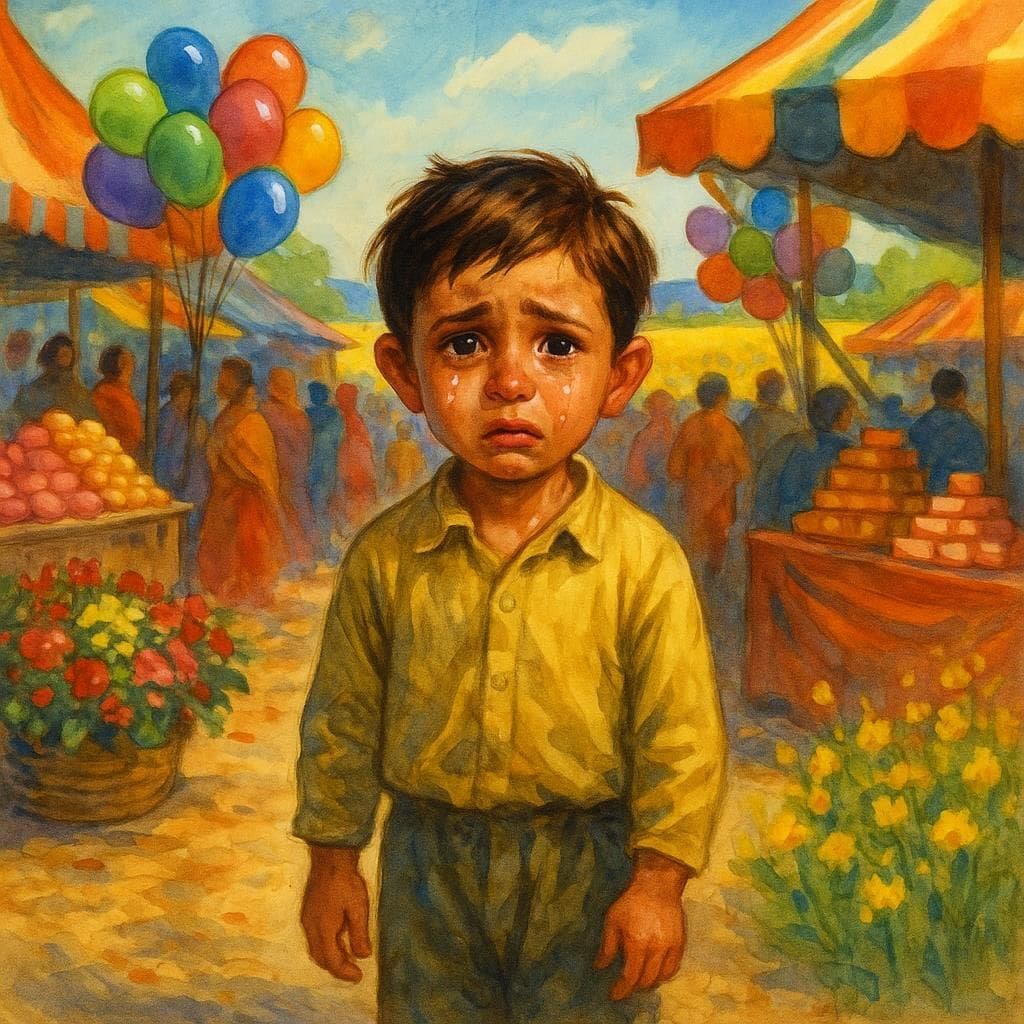
Detailed Summary In the story, it was springtime, and a child went with his parents to a fair. He was really happy and excited about it. Along the way, he saw toys in the shops and wanted one. His father looked sternly at him, but his mother distracted him by pointing out a beautiful mustard field. The child went into the field to catch dragonflies. When his mother called him, he returned to his parents briefly but soon got distracted by insects on the path.

As they walked, they reached a place where a sweet-seller was selling treats, and the child wanted a ‘burfi’, but he knew his parents wouldn’t buy it. He also saw a flower-seller and colourful balloons, but he knew his parents wouldn’t get them for him. There was a snake-charmer playing a flute, but his parents had forbidden him from listening to such music. Later, he spotted a roundabout in full swing and asked his parents if he could ride it, but they were gone.

Panicked, he cried and ran around, not knowing where to go. He went to a temple crying for his parents, and a man in the crowd heard him and picked him up. The man tried to cheer him up by taking him to the roundabout, the snake-charmer, the balloon-seller, the flower-seller, and the sweet-shop, tried to comfort him with various attractions, but the child only wanted his parents. 

He lost interest in everything he had wanted before and just wanted to be with his parents. The story teaches us that a child can’t be happy without their parents.

Theme/Message

Theme 

  • The story explores what happens when a lost child yearns for his parents, realising their true importance as he searches desperately for them. Initially, the child is fascinated by many things at the fair and desires to have them all. 
  • However, parents often can’t fulfil these wishes due to financial constraints or concerns for the child’s well-being.  As a result, this might upset the child. 
  • But when separated from his parents, the child comprehends their value and feels a deep longing for them, crying out for their presence above all else.

Message 

  • The story emphasises how children love their parents unconditionally, as seen when a lost child is satisfied with his father’s actions, understanding that his dad won’t give in to his every desire. However, he regrets his decision to stray when he becomes scared and longs for his parents, forgetting about the attractions at the fair. This highlights the importance of parents in our lives.
  • In childhood, we desire many things we encounter daily, but often fail to appreciate the true value of our parents, taking them for granted. It’s only when they’re absent that we realise their significance and yearn for their presence. This realisation dawns on the child when he gets lost at the fair. Despite being tempted by various things, he only desires his parents’ company, showing the depth of parental love.

Try yourself:

What does the lost child realize when he is separated from his parents?

  • A.He understands the importance of his parents.
  • B.He values the fair attractions.
  • C.He wants to play more games.
  • D.He feels happy being alone.

View SolutionWord Meanings

  1. lanes = narrow roads 
  2. alleys = narrow passages 
  3. emerged = to come out of place 
  4. gaily = cheerfully or brightly
  5. clad = dressed 
  6. brimming = to be so full of a liquid 
  7. Lagged behind = to go too slowly 
  8. fascinated = attracted 
  9. lingering = to stay for a time 
  10. receding = to move backwards 
  11. suppress = to put an end to by force 
  12. tyrant = cruel ruler 
  13. tender = have a tender heart 
  14. bustling = moving here and there
  15. gaudy = too bright 
  16. flapping = to swing
  17. abreast = side by side 
  18. teeming = full of 
  19. grove = a group of trees
  20. whirlpool = a place in a river or the sea where strong currents are moving in circles
  21. repelled = pushed away
  22. Murmured = a low sound
  23. overwhelming = very great
  24. possess = to have 
  25. farther = more distant in  space 
  26. shrieked = to give a sudden shout 
  27. dizzy = unable to balance 

09. The Beggar – Worksheet

Q.1. Sergei’s anger had vanished and he now began to feel a little sorry and ashamed of himself for having set a spoiled, drunken, perhaps sick man to work at menial labour in the cold. An hour later Olga came in and announced that the wood had all been chopped.

(i) Why was Sergei angry in the first place?
(ii) What job had Sergei given to the beggar?
(iii) Who was Olga?
(iv) What is the irony in the above lines?

Q.2. What reasons does Lushkoff give to Sergei for telling lies?

Q.3. What job did Sergei assign to Lushkoff that changed his life?

Q.4. Describe Lushkoff’s first attempt to work at Sergei’s.

Q.5. Sergei says, “I am happy that my words have taken effect.” Why does he say so? Is he justified in saying this?

Q.6. “KIND sir, have pity; turn your attention to a poor, hungry man! For three days I have had nothing to eat; I haven’t five copecks for a lodging, I swear it before God. For eight years I was a village schoolteacher and then I lost my place through intrigues. I fell a victim to calumny. It is a year now since I have had anything to do.”

(i) Who is the speaker in the above lines?
(ii) What does the speaker try to do in the above lines?
(iii) Does the speaker get the help that he asks for? Why?
(iv) Pick out the word from the extract which means the same as ‘defamation’.

Q.7. “I wouldn’t refuse to do that, but in these days even skilled wood-cutters find themselves sitting without bread.” – What does this say about Lushkoff?

Q.8. “Here’s for your pains. I see you are sober and have no objection to work.” Why did Sergei say this to Lushkoff?

Q.9. What advice does Sergei give Lushkoff after hearing his reasons for begging?

Q.10. Give a pen-portrait of Olga (Sergei’s cook) in about 100-150 words.

The solutions of the worksheet “Worksheet Solutions: The Beggar