Q.1. My first year of high school felt awkward. After leaving junior high at the head of my class with all the seniority the upper grade levels could afford me, it felt strange starting over as a freshman. The school was twice as big as my old school, and to make matters worse, my closest friends were sent to a different high school. I felt very isolated. I missed my old teachers so much that I would go back and visit them.
(i) Why was the narrator feeling awkward? (ii) Why did the narrator feel strange? (iii) Why was the author sent to a new school? (iv) How would his old teachers encourage him?
Q.2. What did the author and his mother do on seeing the fire?
Q.3. The author felt isolated and sad in his new school. Why?
Q.4. How did his old teachers encourage and advice the narrator?
Q.5. Describe the reaction of the author and his mother on seeing the fire?
Q.6. My mother. then ran out of the house carrying a small metal box full of important documents. She dropped the case on the lawn and, in a crazed state, ran back into the house. I knew what she was after. My father had died when I was young, and I was certain that she was not going to let his pictures and letters go up in flames. They were the only things that she had to remember him by. Still I screamed at her, “Mom! No!”
(i) What happened to the author’s house? (ii) Why did the author love his cat so much? (iii) Why did his mother run out of the house? (iv) What things did she want to save from the fire?
Q.7. Why did his mother rush back to the house?
Q.8. What did the author notice when he was sitting in the dining room?
Q.9. What did the author get from his new schoolmates?
Q.10. How did the author’s friends help him in rebuilding his life?
Q.1. “For the next two days, Prashant sat huddled with his friend’s family in the open on the rooftops. They froze in the cold and incessant rain; the rain water washed away Prashant’s tears. The only thought that flashed through his mind was whether his family had survived the fury of the super cyclone. Was he to be bereaved once again?
(i) What had Prashant done for the next two days? (ii) What happened to Prashant and his friend’s family? (iii) What washed away Prashant’s tears? (iv) What was the only thought that flashed through Prashant’s mind?
Q.2. What happened when Prashant had gone to spend a day with his friend?
Q.3. How did Prashant and his friend’s family take refuge during the cyclone?
Q.4. What made Prashant move after two days?
Q.5. What did Prashant decide after looking at the weird situation of the town?
Q.6. “ On 27october 1999, seven years after his mother’s death, Prashant had gone to the block headquarters of Ersama, a small town in coastal Orissa, some eighteen kilometers from his village, to spend the day with a friend. In the evening, a dark and menacing storm quickly gathered. Winds beat against the houses with a speed and fury that Prashant had never witnessed before.
(i) When did Prashant go to the block headquarters of Ersama? (ii) Why did Prashant go to Ersama? (iii) How far was the town from his village? (iv) What happened in the evening?
Q.7. Describe the furious storm.
Q.8. What thought flashed through Prashant’s mind?
Q.9. What scenes Prashant had to witness as he waded through the waters?
Q.10. “Adversities bring out the heroes”. Describe Prashant’s character with reference to the chapter. What values make an efficient and popular leader?
You can access the solutions to this worksheet here.
Q1: Who came to live with the Prince in the story, The Happy Prince? (a) A sparrow (b) A stork (c) A swallow (d) A swan
Q2: What did the swallow notice while flying over the city? (a) Many waste things (b) Many poor people (c) Many people and their plight (d) The plight of the poor and greed of the rich
Q3: Who noticed the dull state of the Prince’s statue in the story, The Happy Prince? (a) The Art Professor (b) The Town Clerk (c) The Town Councillor (d) The Mayor
Q4: What did the Prince tell the swallow to give to the seamstress In the story, The Happy Prince? (a) The ruby of his sword’s hilt (b) The thin leaves of gold from his body (c) The lead from his heart (d) The sapphire eyes of his
Q5: The colour of the lips of the writer was red like ________. (a) Cherry (b) Rose (c) Apple (d) Pomegranate
Q6: What was the profession of the woman who was sitting in her cottage with prickled hands? (a) Charwoman (b) Cake-making (c) Seamstress (d) None of these
Q7: What moved Swallow’s heart? (a) Happy Prince (b) Happy Prince’s kindness (c) All of these (d) Happy Prince’s assets
Q8: The little swallow got the ________ bedroom. (a) diamond (b) silver (c) muddy (d) gold
Q9: Shining sapphire stones were placed in the ________ of the happy prince. (a) nose (b) forehead (c) sword (d) eyes
Q10: What was the Prince gilded over with In the story, The Happy Prince? (a) Thin leaves of silver (b) Thin leaves of copper (c) Thin leaves of lead (d) Thin leaves of gold
Very Short AnswerQuestions
Q1: Describe the statue of the Happy Prince. Q2: Did the swallow belong to the city? How can you tell? Where was it going? Q3: Where did the bird decide to stay for the night? Why? Q4: Why did the swallow agree to deliver the ruby even though he wanted to join his friends in Egypt? Q5: What were the things that the swallow saw on his journey to deliver the ruby? Short Answer Questions
Q 1: Why did the bird think he had a ‘golden bedroom’? Q 2: Why was the bird not able to sleep peacefully that first night? Q3: Why was the statue of the Happy Prince weeping? Q4: Why did the swallow delay his departure for the second time? Q5: What did the Prince expect the young playwright to do with the sapphire? Did the swallow willingly agree to the Prince’s request?
Long Answer Questions
Q1: What are the two most precious things that the Angels find in the city? Q2: Comment on the title of the story. Was the prince really happy? Q3: Why is the frost called a ‘dreadfully hard frost’? Q4: Why did the courtiers call the prince the ‘Happy Prince’? Was he really happy? What does he see all around him? Q5: How do the councillors and Mayor react on seeing the broken statue?
Q1: In the Kingdom of Fools, who were considered fools?
The guru and his disciple
The king and the minister
The rich merchant and the goldsmith
The thief and his brother
Q2: Why did the guru and his disciple decide to leave the Kingdom of Fools?
They were afraid of the king
They were not getting enough to eat
They realized it was a kingdom of fools
They missed their hometown
Q3: What did the guru and his disciple eat every day?
Bananas and ghee
Rice and wheat
Fruits and vegetables
Meat and bread
Q4: Why did the thief break into the rich merchant’s house?
To find food
To seek revenge
To steal valuables
By mistake
Q5: Who was ultimately executed on the stake in the story?
The rich merchant
The guru and his disciple
The goldsmith
The king and his minister
Fill in the Blanks
Q1: The people in the Kingdom of Fools obeyed the king and minister due to fear of __________.
Q2: The disciple stayed in the kingdom because he enjoyed having good and __________ food.
Q3: The thief broke into the rich merchant’s house and got killed when a wall __________ on him.
Q4: The dancing girl’s distraction led to the poor bricklayer building a __________ wall.
Q5: The guru and his disciple were executed on the stake meant for __________.
True or False
Q1: The people in the Kingdom of Fools were awake during the day.
Q2: The guru and his disciple decided to stay in the kingdom due to fear of the king.
Q3: The rich merchant was held responsible for the thief’s death due to a collapsing wall.
Q4: The goldsmith was hiding in the king’s palace when accused of wrongdoing.
Q5: The rich merchant’s father was ultimately found guilty of the crimes.
Match the FollowingColumn AColumn B1. The guru and his disciplea. Ultimately executed on the stake 2. The rich merchantb. Accused of murder3. The goldsmithc. Distracted the bricklayer 4. The dancing girld. Built a weak wall 5. The king and his ministere. Obeyed the king and minister
Q1: Which art helped Iswaran to bring down the beast? (a) boxing (b) wrestling (c) ju-jitsu (d) yoga
Q2: Where did the school boys hide themselves to see the mad elephant? (a) on trees (b) in their houses (c) in their classrooms (d) in the Headmaster’s room
Q3: What happened to the elephant when Iswaran hit the third toenail of the elephant? (a) grunted loudly and collapsed on the (b) ran away from their ground (c) caught Iswaran in his trunk and threw him (d) made friendship with Iswaran away
Q4: From where was Iswaran watching this incident (a) from a room (b) from the cupboard (c) from a tree (d) from the rooftop
Q5: Why did the people run helter-skelter in panic? (a) to see the tiger (b) to see a giant (c) to see a giant (d) none of these
Q6: In Iswaran’s story, from where did the tusker escape? (a) cage (b) timber yard (c) forest (d) circus
Q7:What was the special feature of his stories? (a) light humour (b) satire on the system (c) tragic ending (d) suspense and a surprise ending
Q8:What was Mahindra’s marital status? (a) married (b) widower (c) engaged and going to be married soon (d) bachelor
Q9:How did Iswaran say the elephant was revived? (a) He said he gave the elephant an injection. (b) He said he gave the elephant artificial respiration. (c) He said a veterinary doctor was called there. (d) He said a man from the zoo helped to revive the elephant.
Q10:What kind of books did Iswaran usually read? (a) Some popular Tamil religious book. (b) Some popular Tamil love story. (c) Some popular Tamil thriller. (d) Some popular Tamil folk songs.
Short Answer Questions
Q1: Who is Mahendra in the given story? Q2: What harm does the elephant cause in the story narrated by Iswaran? Q3: What happens to Mahendra after hearing Iswaran’s ghost story? Q4: Explain the daily routine of Mahendra and Iswaran. Q5: How was Iswaran useful to Mahendra? Q6: How does Iswaran describe the female ghost to Mahendra? Q7: Why did the elephant collapse? Q8: Explain, in brief, why Mahendra resigns from the job and leaves the haunted place.
Q1: Why was Toto sold by the narrator’s grandfather? (a) The grandfather detested it. (b) The monkey was mischievous. (c) The monkey was not keeping well. (d) The monkey was trying to escape.
Q2: How much fare was collected by the ticket collector for Toto’s travel? (a) Seven rupees (b) One rupee (c) Three rupees (d) Ten rupees
Q3: Where did the writer’s Grandfather live? (a) In Mumbai (b) In Saharanapur (c) In Dehradun (d) In Delhi
Q4: Who was Toto? (a) A dog (b) A monkey (c) A lamb (d) A boy
Q5: Which other animal accompanied narrator’s grandfather and Toto to Saharanpur? (a) A cat (b) A rabbit (c) A tortoise (d) A tame squirrel
Q6: How was Toto taken to Saharanpur? (a) In a canvas kit-bag (b) In a little cage (c) In a basket (d) In a big black plastic bag
Q7: How did Toto prove to other animals? (a) Careful (b) Friendly (c) Soothing (d) Troublesome
Q8: What did Toto tear into shreds? (a) The author’s school bag (b) The author’s pant (c) The author’s school blazer (d) All of these
Q9: Who brought Toto to the narrator’s house? (a) Author’s grandfather (b) Author’s grandmother (c) Author’s mother (d) Author’s father
Q10: What did Toto do with the writer’s school blazer? (a) He tore it into shreds (b) He threw it out of the window (c) He made it into his bedding (d) He wore it on his back
Very Short Answer Questions
Q1: How much did Grandfather pay for Toto? Q2: What did Toto do to the walls of the closet? Q3: Why was Toto considered clever by Grandfather? Q4: What did Toto do when he was put in the kettle? Q5: Why did Grandfather sell Toto back to the tonga-driver?
Short Answer Questions
Q1: What did Grandfather buy Toto for? Q2: How did Toto behave when he was first kept in the closet? Q3: What happened when Toto was taken on the train? Q4: Why did Toto and Nana, the donkey, not get along? Q5: How did the ticket-collector mistake Toto for a dog?
Long Answer Questions
Q1: Describe the character of Toto and how his behavior reflects his mischievous nature. Provide specific examples from his interactions with the family and other animals. Q2: Discuss the theme of companionship as depicted in the relationship between Toto and the other pets in the household. How does Toto’s behavior affect these relationships?
Q.1. What does the story The Lost Child show? (a) Working of a village (b) Working of a fair (c) Village people are good (d) Working of a child’s mind
Q.2. A flower seller was selling a garden of ________. (a) Sunflower (b) Rose (c) Tulip (d) Gulmohur
Q.3. The parents took the child who was playing around a ________ tree and started walking towards the fair. (a) Mango (b) Coconut (c) Jamun (d) Banyan
Q.4. Who took the child to the fair? (a) Kind man (b) None of these (c) Friends (d) Parents
Q.5. What is the theme of the story The Lost Child? (a) The universality of a child’s desire for everything. (b) Loosing parents in the fair. (c) Fear of being lost as a child. (d) Child’s lost emotions.
Q.6. What were the things that the child saw on his way to the fair? (a) Toys (b) Sweets and Garlands (c) All of these (d) Balloons
Q.7. What was the child’s favorite sweet in the story The lost child? (a) Burfi (b) Rasagulla (c) Jalebi (d) Gulab jamun
Q.8. Inside the grove, the child became excited to see ________. (a) ostrich (b) peacock (c) dove (d) sparrow
Q.9. How did the crowd manage to reach the fair in the plot The lost child? (a) On bullock carts (b) All of these (c) On foot (d) On horses
Q.10. The sweets in the fear were decorated with ________ and ________ coloured leaves. (a) gold and silver (b) gold and red (c) red and green (d) while and silver
Very Short Answer Type Important Questions. Q1. Who entered Gerrard’s cottage? Ans: An intruder entered Gerrard’s cottage.
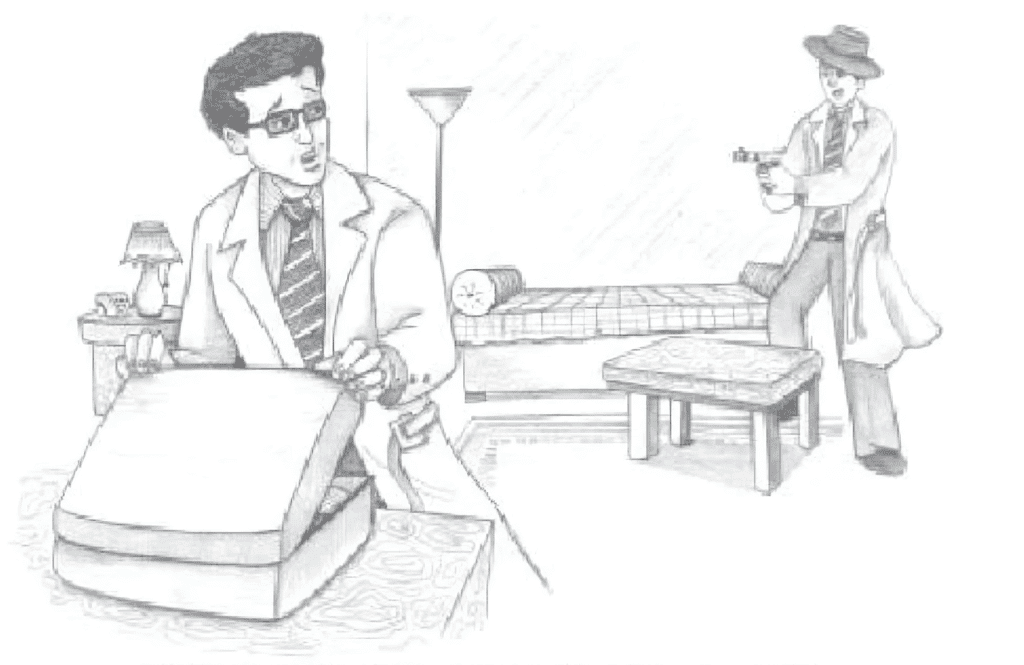
Q2. Why did the intruder enter Gerrard’s cottage? Ans: The intruder entered Gerrard’s cottage because he was a criminal wanted for petty crimes and murder. His plan was to kill Gerrard and assume his identity to evade capture by the police.
Q3. How did Gerrard react to find the intruder in his room? Ans: Gerrard was shocked and scared to find an armed stranger in his cottage. Despite his fear, he attempted to hide his emotions and acted as if he welcomed the intruder. The intruder ordered Gerrard to keep his hands up, stay calm, and answer questions about his personal life.
Q4. What did Gerrard tell the intruder about his childhood? Ans: Gerrard revealed to the intruder that he was kidnapped by gypsies during his childhood.
Q5. What was Gerrard’s Christian name? Ans:Gerrard’s Christian name is Vincent Charles.
Q6. What did the intruder tell Gerrard about his specialty? Ans: The intruder revealed to Gerrard that his speciality was jewel robbery. He expressed a particular interest in Gerrard’s car, describing it as a dandy bus.
Q7. What did the intruder want to know of Gerrard? Ans: The intruder wanted to learn how Gerrard communicated and interacted with others.
Q8. Why did the intruder want to hurt but not to kill Gerrard? Ans: The intruder aimed to hurt Gerrard rather than kill him because he wanted to extract information before committing murder. His intention was to gain answers to his questions, which he believed would be crucial for his plans.
Q9. What is Gerrard’s profession? Ans: Gerrard is a playwright.
Q10. What crime had the intruder committed? Ans: The intruder had committed murder by killing a policeman.
Q11. Where did Gerrard imprison the intruder? Ans: Gerrard imprisoned the intruder in a cupboard. He pushed the intruder inside, knocking the revolver from his hand, and then quickly locked the door.
Short Answer QuestionsQ1. Describe Gerrard’s appearance. Ans: Gerrard is of medium height and wears horn-rimmed glasses. At the beginning of the play, he is dressed in a lounge suit and a great coat. He speaks in a cultured tone, and his demeanour is self-assured.
Q2. What did Gerrard tell the intruder about himself? Was he telling the truth? Why/Why not? Ans: Gerrard joked with the intruder, claiming he had been kidnapped by gypsies as a child and was now alone in life. He was not being truthful; instead, he aimed to demonstrate that he was not afraid of the armed criminal. As the play progressed, Gerrard began to invent stories about himself, showcasing his quick thinking and ability to handle the situation.
Q3. What sort of information does the intruder want from Gerrard? Ans: The intruder seeks personal details from Gerrard. He wants to know if Gerrard lives alone, his Christian name, whether he owns a car, and if he receives visitors. This information is vital for the intruder’s plan to escape the police by assuming Gerrard’s identity.
Q4. What made Gerrard ask the intruder, Are you an American? Ans: Gerrard asked the intruder if he was an American because the intruder referred to him as a ‘wise guy’. This term is a casual American expression for a man, prompting Gerrard to question the intruder’s nationality based on his choice of words.
Q5. What sort of a person is the intruder? Give examples to illustrate. Ans: An intruder is a dangerous individual, as he carries a pistol and claims to have killed a police officer. He is mean, heartless, and crafty; he plans to kill Gerrard and take on his identity to escape the police. His overconfidence is evident when he asserts that Gerrard is no match for him. Additionally, he displays a boastful and uncouth nature, as shown by his crude remark, “Put up your paws.”
Q6. The intruder announced, “I’m going to kill you”. Was Gerrard nervous? How would you describe Gerrard’s reactions? Ans: Confident in his presence of mind, Gerrard remained unruffled despite the intruder’s threat. He was so calm and nonchalant that it irritated the intruder. Gerrard’s sense of humour further enraged the intruder, showcasing his ability to stay composed under pressure.
Q7. Why does the intruder intend to kill Gerrard? Ans: The intruder is a criminal on the run from the police for having already murdered a police officer. He plans to kill Gerrard to assume his identity, which he believes will help him evade capture. By doing this, he hopes to live a peaceful life without the constant fear of arrest and punishment.
Q8. Who was the intruder in Gerrard’s house? Why did he break into his house? Ans: The intruder who broke into Gerrard’s house was a criminal on the run. He had committed murder, specifically killing a police officer, and was being pursued by law enforcement. His intention for breaking in was to murder Gerrard and assume his identity to escape the police.
Q9. How did Gerrard behave on seeing a gun-toting stranger in his cottage? Ans: Gerrard remained calm and completely unfazed when he encountered the gun-wielding stranger in his cottage. He did not show any signs of panic or tension in his voice. Instead, he maintained his usual demeanour and spoke to the intruder in a casual manner.
Q10. Why does the intruder not kill Gerrard immediately? Ans: The intruder does not kill Gerrard immediately because he wants to gather all the necessary information from him first. Without this information, his plan to disguise himself and assume Gerrard’s identity will not be successful.
Q11. Where did Gerrard live? Why was it a suitable place for the intruder’s plan? Ans: Gerrard lived in a lonely cottage in a secluded area of Essex. The lack of nearby population made it easy for someone to commit a crime without being noticed. Additionally, the cottage was rarely visited, making it an ideal location for the intruder to successfully execute his plan.
Q12. Why does the intruder call himself ‘a poor hunted rat’? Ans: The intruder refers to himself as ‘a poor hunted rat’ because he is being pursued by the police. He feels the need to constantly evade capture. Having already committed murder, he is trying to escape punishment by hiding, much like a rat trying to avoid a cat.
Q13. Why did the intruder choose Gerrard as the man whose identity he wanted to take on? Ans: The intruder chose Gerrard because they shared a similar physical appearance. Additionally, Gerrard lived alone and had an isolated lifestyle, which made him an easy target. The intruder believed that by killing Gerrard and assuming his identity, he could lead a peaceful life, free from the law and its consequences.
Q14. Why has the criminal been called an intruder all through the play? Ans: The term intruder refers to someone who enters a place without permission, much like a criminal. Throughout the play, the character is labelled as an intruder because he forcibly enters Gerrard’s cottage and attempts to steal his identity. Additionally, he remains secretive, refusing to share any details about himself, including his name.
Q15. Bring out the contrast between Gerrard and the intruder. Ans: The intruder is characterised as coarse, boastful, and an irritable egoist. He is overconfident, believing he is the smartest person in the room. In contrast, Gerrard is pleasant, cool-headed, and refined. He is lively and intelligent, yet remains modest and humble. While the intruder brags about his abilities, Gerrard demonstrates that he is far more clever and resourceful.
Q16. Why did very few people come to Gerrard’s house? Who were the few people who visited him? Ans: Gerrard lived alone in a secluded cottage, which contributed to his irregular schedule due to his theatrical performances. As a result, very few people visited his home. The only visitors he received were his regular suppliers, including the baker, the greengrocer, and the milkman.
Q17. “They cannot hang me twice.” Who says this and why? Ans: The intruder says this because he is already wanted for having murdered a police officer. If he succeeds in killing Gerrard, he will face the death penalty for both murders. Therefore, he believes he cannot be hanged twice for his crimes.
Q18. “A mystery I propose to explain.” What is the mystery the speaker proposes to explain? Ans:Gerrard, the speaker, aims to clarify the mystery surrounding his unusual life. He leads a life marked by an irregular routine, avoids tradesmen, and often leaves and returns home in a hurry. To explain his peculiar behaviour, Gerrard has fabricated a story suggesting he is a criminal wanted for multiple crimes.
Q19. “This is your big surprise”. Who says these words in the play? When and where? What is the surprise? Ans:This is your big surprise. These words are spoken by Gerrard when the intruder questions how he could still be killed after taking on Gerrard’s identity. The surprise is significant for the intruder, who never anticipated that Gerrard could be a criminal. The intruder believed Gerrard was the ideal target to eliminate and impersonate, unaware of Gerrard’s true capabilities.
Q20. Why and how did Gerrard persuade the intruder to get into the cupboard? Ans: Gerrard created a convincing story about his own criminal past. He made the intruder believe that the police were searching for him and that he was expecting a call from a friend who would inform him of their arrival. When the phone rang, Gerrard quickly urged the intruder into the cupboard, claiming it was a passage to the garage, which would serve as an escape route.
Q21. How does Gerrard propose to use the intruder’s episode? Ans:Gerrard, being a man of the theatre, finds it amusing to outsmart the intruder. He sees the experience of tricking a criminal by a clever yet innocent person as intriguing. Consequently, he decides to use this episode as inspiration for his next play.
Q22. Gerrard describes this encounter with the intruder as an amusing spot of bother. What light does this attitude reflect on Gerrard? Ans:Gerrard refers to his encounter with the intruder as an amusing spot of bother. This phrase suggests that he finds the situation somewhat entertaining despite the danger involved. Gerrard’s calm demeanour during the confrontation indicates that he is not overly frightened. Instead, he seems to view the incident with a sense of irony, as if it is a dramatic scene from a play rather than a real-life threat. His ability to maintain a sense of humour in such a tense moment highlights his cleverness and composure.
Q23. What is Gerrard’s profession? Quote the parts of the play that support your answer. Ans: Gerrard is a professional involved in the theatre as a writer, producer, and director. He also provides props and makeup materials to other theatre companies. His profession is evident through several statements he makes during the play. He describes the intruder’s actions as melodramatic and not very original, indicating his familiarity with theatrical elements. Gerrard refers to the intruder as a sympathetic audience, showcasing his theatrical perspective. He also comments on the intruder’s inflexion of voice, demonstrating his awareness of performance nuances. Furthermore, he informs someone on the phone that he cannot deliver the props in time, highlighting his role in the logistics of theatre production. Lastly, he mentions having an amusing spot of bother that he might incorporate into his next play, further confirming his identity as a playwright.
Q24. Why was Gerrard’s schedule so irregular? Ans: Gerrard’s schedule was irregular due to his background in theatre. He spent time writing, producing, and directing plays, which required flexibility. Additionally, he provided props and make-up for various theatre companies, necessitating a schedule that could adapt to the demands of the theatres.
Q25. Gerrard said, ‘You have been so modest’. Was Gerrard being ironic or truthful? Ans: Gerrard’s comment, ‘you have been so modest’, was ironic. The intruder had been boasting about his intelligence and cleverness. Therefore, Gerrard was mocking him regarding his supposed modesty and encouraging him to share more about himself.
Q27. Why did the intruder want Gerrard to speak to him? Ans: The intruder aimed to assume Gerrard’s identity after killing him. To do this, he needed to understand how Gerrard communicated and interacted with others. The only way to gain this insight was by having Gerrard speak to him, which is why he insisted on the conversation.
Q29. Why did he send for the sergeant? Ans: A jewel thief and murderer broke into Gerrard’s cottage with the intention of killing him. To protect himself, Gerrard managed to trap the intruder in a cupboard. After securing the situation, he called the police and requested the sergeant to come and arrest the intruder.
Q30. How does Gerrard imprison the intruder and save his life? Ans: Gerrard cleverly tricks the intruder into thinking he can escape. He tells the intruder to flee with him, claiming that the police might arrive soon. Gerrard opens a door, suggesting it leads to the garage. As the intruder steps forward to check, Gerrard pushes him into the cupboard and quickly shuts the door, effectively imprisoning him. This action not only captures the intruder but also ensures Gerrard’s own safety.
Important Long Answer Type Questions
Q1. Gerrard talks pleasantly with the intruder. Was he really pleased to see the criminal? Ans: Gerrard lives alone in his house when an intruder unexpectedly enters, brandishing a gun and threatening his life. Despite the danger, Gerrard remains calm and composed. He quickly realises that the intruder has malicious intentions, but he understands that fighting back could lead to his death. Instead, he chooses to engage the intruder in a friendly conversation, which surprises the criminal. The intruder observes Gerrard’s calmness and remarks on it. By speaking pleasantly, Gerrard successfully delays the intruder’s plan to kill him. He falsely claims to be pleased to see the intruder, which is a clear lie. This tactic allows Gerrard to assess the intruder’s intelligence and realise that he can easily outsmart him. Gerrard’s behaviour demonstrates his sensibility and ability to handle a crisis effectively. Ultimately, he manages to trap the intruder in a cupboard and calls the police for assistance.
Q2. The intruder is boastful. He threatens Gerrard, “I’ll make you crawl” Was he able to carry out his threat? What happened to him? Ans: An intruder forcefully enters Gerrard’s room, brandishing a revolver and threatening to kill him. However, Gerrard remains calm and engages the intruder in conversation, which surprises him. The intruder, believing Gerrard is merely trying to be clever, boasts about his intelligence and threatens, “I’ll make you crawl.” Yet, the outcome reveals the intruder’s foolishness. Instead of making Gerrard submit, the intruder ends up trapped in a cupboard. During their conversation, the intruder reveals that he is a jewel thief who has murdered a policeman and is currently evading capture. He plans to kill Gerrard and assume his identity. Gerrard, recognising the intruder’s lack of intelligence, cleverly tricks him into the cupboard, locks him inside, and calls the police. Thus, the intruder’s boast is proven false.
Q3. Gerrard says, “In most melodramas, the villain is foolish enough to delay his killing long enough to be frustrated. Does this statement holds good for the play ‘If I Were You’? Ans: In most melodramas, the villain often delays his plans, leading to his own frustration. This is evident in the play If I Were You, where the villain, an intruder, aims to kill the hero, Gerrard, and assume his identity. However, the intruder’s foolishness becomes apparent as he continuously postpones the act of murder. The intruder has researched Gerrard extensively but is unaware that Gerrard is a skilled stage actor. When the intruder confronts Gerrard, he tries to engage him in conversation, allowing Gerrard to tactfully delay the situation. This delay provides Gerrard with the necessary time to devise a plan to escape. Ultimately, the intruder’s intentions are thwarted when Gerrard cleverly pushes him into a cupboard, locking him inside. This twist highlights how the intruder’s failure to act decisively leads to his downfall, echoing the typical melodramatic theme of the villain’s own foolishness causing his defeat.
Q4. The best way to deal with a crisis is not to lose your calm. Discuss this statement with reference to the behaviour of Gerrard in the play. Ans: A calm person is often more successful than someone who loses their temper or acts rashly. In the play, Gerrard demonstrates this by saving his life through his composed behaviour. When faced with an intruder armed with a gun, most people would panic and act foolishly, fearing for their safety. However, Gerrard maintains his calmness and patience. He pretends to be pleased to see the intruder and engages him in friendly conversation. This approach allows Gerrard to learn more about the intruder and buy time to plan his next move. By not succumbing to fear, Gerrard’s cool demeanour ultimately saves his life and enables him to outsmart the criminal.
Q5. Why was Gerrard packing a bag at the beginning of the play? How did it help him to outwit and trap the intruder? Ans: Gerrard was packing a bag at the start of the play because he needed to deliver some props to a theatrical company for a rehearsal. When the intruder broke into his cottage and threatened him, Gerrard remained calm. He quickly created a story, claiming he was a criminal trying to avoid the police. This narrative was supported by the items in his bag, such as a gun, a disguise outfit, and false moustaches, which misled the intruder into believing Gerrard’s tale. The intruder became so convinced that he was ready to escape with Gerrard, no longer doubting him. Consequently, he followed Gerrard’s instructions, leading to his eventual capture. Thus, the bag was crucial in convincing the intruder that Gerrard was also a criminal preparing to flee when he entered the cottage.
Q6. Bring out Gerrard’s intelligence, the presence of mind, and sense of humour. How did these traits help him outwit the intruder? Ans:Gerrard displayed remarkable intelligence and presence of mind when confronted by a gun-wielding intruder. He remained completely calm, which not only helped him manage the situation but also unnerved the intruder, who likely felt fear himself. To lighten the mood, Gerrard used his sense of humour and crafted a convincing story about his own criminal past. He suggested that the police would arrive shortly, urging the intruder to escape quickly. Gerrard cleverly directed the intruder’s attention to a cupboard, claiming it was a way out. As the intruder leaned in to check, Gerrard seized the moment to push him inside, knocking the revolver from his hand. He then locked the cupboard door, effectively trapping the intruder. Thus, Gerrard’s intelligence, quick thinking, and humour allowed him to turn the tables and outsmart the intruder.
Q7. Why did the intruder find Gerrard’s cooked-up the story of his criminal background convincing? Ans: The intruder was not gullible; he was cautious and suspicious of Gerrard’s every move. When Gerrard attempted to engage him in conversation about his identity, the intruder dismissed him, insisting he only answer direct questions. Despite this, the intruder fell into Gerrard’s trap. Gerrard remained calm and used his quick thinking to create a convincing story about being wanted by the police himself, which caught the intruder off guard.
Q8. Imagine you are Gerrard. Write a letter to your friend describing what happened when the intruder broke into your house. You may describe:
The intruder’s appearance
his way of speaking, mannerism, and movement
his plan to evade the law
your success in outwitting him
Ans: (Address) (Date) Dear ………. Today I am feeling extremely excited to share with you a very interesting experience which I think may form the plot for my next play. It so happened that today, in the afternoon, when I was about to leave my cottage with my bag to supply props and make-up at the Globe Theatre, I heard somebody hit against the table in my room. On turning, I saw a man with a physique like mine, wearing a very gaudy overcoat. Aiming his gun at me, he told me in an uncultured manner to put my “paws up”. He did not. shoot me at once because he needed some information about me. He told me that he had killed a cop and was having a difficult time dodging the police. He wanted to kill me and take up my identity to escape arrest. But will you believe it that I foiled his plan by outwitting him through a concocted story? I maintained my cool and told him that I myself was a criminal charged with murder. I warned him that if he assumed my identity after killing me, he would still be arrested and executed. I told him that I was expecting an alert call from one of my friends, and just then the phone rang. Actually, the call was from one of my clients at the theatre who wanted confirmation about the props that I had assured to supply. My story worked perfectly and when I offered the man to escape with me in my car, he agreed readily. I asked him to peep into the cupboard which I claimed was connected to the garage and the secret escape route. When he learned to peep, I pushed him in the cupboard, snatched his gun, and locked him. I then answered the phone and asked the caller to send the sergeant to arrest the criminal. I’m sure you too will find this a smart enough act to be used as a plot for the next play. We can plan the details when we meet on Sunday. Your loving friend Gerrard
Q9. The intruder’s plan was clever but not feasible. Do you agree? Give reasons in support of your answer. Ans: At first glance, the intruder’s plan to kill Gerrard and take on his identity seems clever. However, it is ultimately not feasible. Firstly, if Gerrard were killed, disposing of his body would pose significant challenges, increasing the likelihood of detection and arrest. Even if the intruder managed to handle this aspect, Gerrard’s theatrical clients would likely grow suspicious if they couldn’t reach him. This could prompt them to involve the police, leading to the intruder’s capture. Thus, while the plan may appear straightforward and foolproof in theory, it is far too complicated to execute successfully in reality. The intruder’s scheme, despite his confidence, would likely unravel due to the numerous risks involved.
Q1. In the poem ‘On Killing A Tree’ what is the tree a symbol of? Ans: In this poem, the tree is a symbol of deep-rooted evil.
Q2. How does a tree grow up? Ans: A tree grows up by getting food and other nutrients from the earth.
Q3. Can we kill a tree with a simple jab of the knife? Ans: No, we can’t kill a tree with a simple jab of the knife.
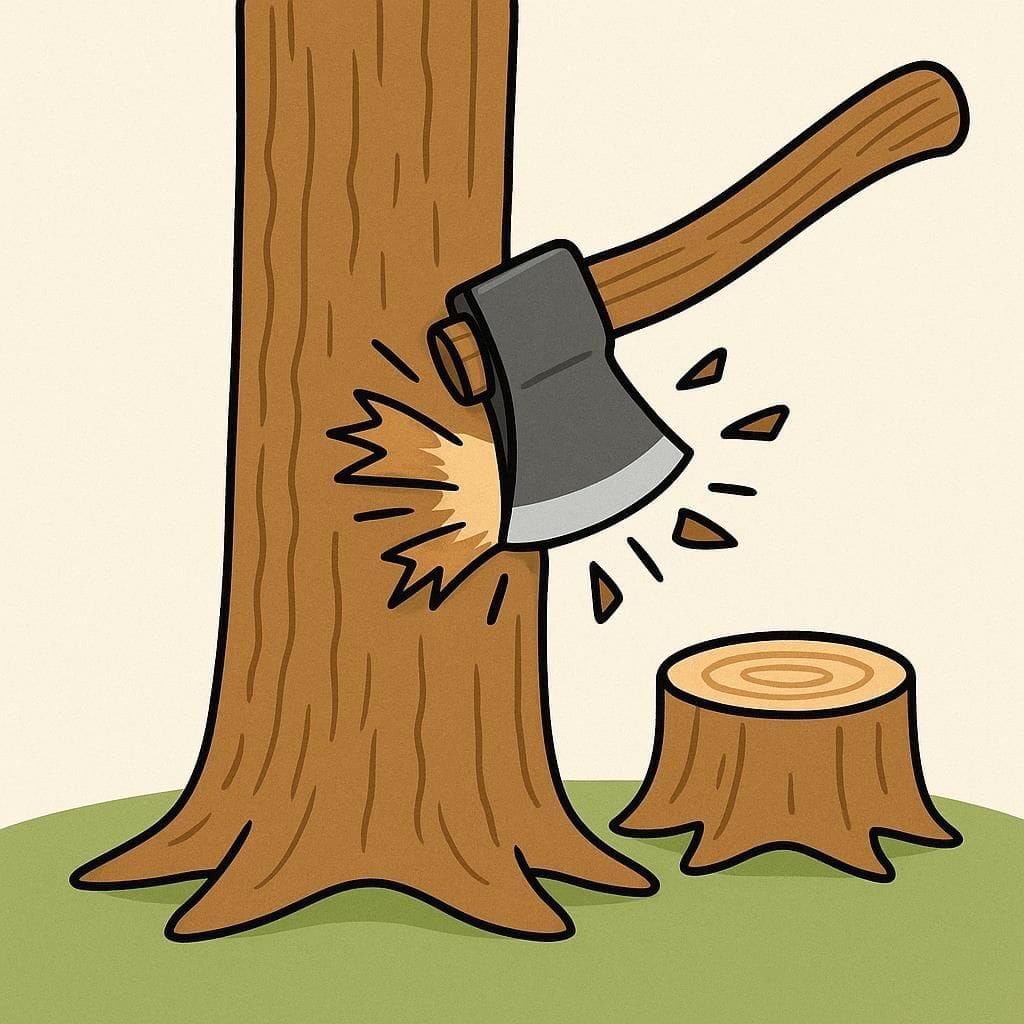
Q4. How should we kill a tree? Ans: By hacking and chopping its trunk, but even this alone isn’t enough to kill it permanently.
Q5. What should we do to kill a tree permanently? Ans: To kill a tree permanently we should take out its root from the earth.
Q6. Where does the strength of a tree lie? Ans: The strength of a tree lies in its roots.
Q7. What should be done to the roots or a tree? Ans: The roots of a tree should be snapped and taken out of the earth.
Q8. What finally kills the tree? Ans: Scorching and choking kill the tree finally.
Q9. What does it mean ‘the strength of the tree is exposed’? Ans: It means the roots of the tree are taken out of the earth.
Q10. It is easy to kill a tree? Ans: No, it is not easy to kill a tree.
Short Answer Questions
Q1. Can a “simple jab of the knife” kill a tree? Why not? Ans: A tree cannot be killed by a simple jab of a knife. Such an action may cause an injury and make the tree’s sap flow out like blood. The survival of a tree relies on its roots, which provide essential nourishment and stability.
Q2. How has the tree grown to its full size? List words suggestive of its life and activity. Ans: The tree has grown slowly by drawing nutrients from the soil. Words from the poem that suggest its vitality are:
“slowly consuming the earth”
“rising out of it”
“feeding”
“absorbing”
“sprouting leaves”
Q3. In the phrase ‘consuming the earth’, who consumes the earth and how? Ans: The tree consumes the earth by drawing nourishment from the soil through its roots. Its diet is found deep within the earth, where the roots absorb essential nutrients to sustain the tree.
Q4. What is meant by ‘years of sunlight, air, and water’? Ans: ‘Years of sunlight, air, and water‘ describe the long time it takes for a tree to grow fully. During this period, the tree absorbs energy from these elements to support its growth.
Q5. Why has the tree’s ‘hide’ been called leprous? Ans: The tree’s bark is described as uneven in both texture and colour, resembling the skin of a person with leprosy. Just as leprosy affects the skin, causing it to lose its colour and smoothness, the tree’s bark appears discoloured and rough. This creates a metaphorical link between the tree’s bark and the condition of diseased skin.
Leprosy Disease
Q6. What is the role of hacking and chopping in killing a tree? Ans: Hacking and chopping a tree cause significant damage to its body, leading to great pain. These actions remove the bark, resulting in sap oozing out, which resembles bleeding. Despite this, such injuries alone are insufficient to kill the tree, as it can heal and continue to grow.
Q7. What is the meaning of ‘bleeding bark’? What makes it bleed? Ans: The term ‘bleeding bark’ refers to the sap that seeps from a tree’s trunk when it is injured, such as by a knife or axe. The word ‘bleeding’ is used metaphorically to liken the sap to blood from a human wound, symbolising the tree’s pain.
Q8. What will rise from ‘close to the ground’? Why? Ans:Curled green twigs and miniature boughs will emerge from the stump of a tree that is close to the ground. This happens because the tree can rejuvenate and revive itself as long as its roots remain intact.
Q9. What will happen if the miniature boughs are left ‘unchecked’? Ans: If left unchecked, the new, green branches that sprout from a tree’s stump will grow freely. This means they will expand and return to their original size, regaining their strength and vitality.
Q10. “No, The root is to be pulled out.” Why has the poet started this stanza with “No”? Or The poet says “No” at the beginning of the third stanza. What does he mean by this? Ans: The poet begins with No to stress that simply hacking or chopping a tree is not enough to kill it. These actions may harm the tree, causing it to bleed and suffer, but true destruction requires more determination and effort. To effectively kill a tree, one must pull out the root, which is deeply anchored in the earth.
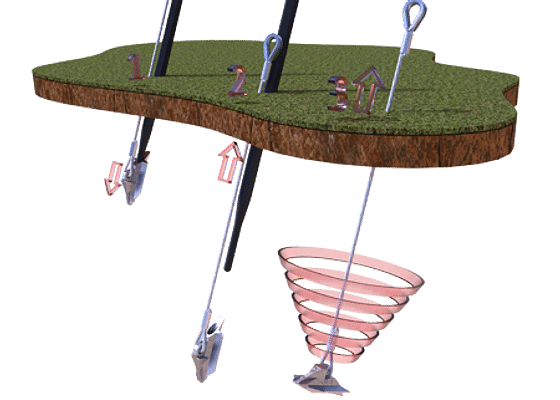
Q11. What is the meaning of “anchoring earth” and “earth cave”? Ans:Anchoring earth refers to the soil that provides a strong grip for a tree, preventing it from falling. Just as a ship remains securely in place when anchored in water, a tree stands firm and stable with the support of the earth. Earth cave describes the depth beneath the surface where a tree’s roots are safely sheltered for many years. These roots are firmly attached at this point, and when the tree is uprooted, a hollow, cave-like space is left behind.
Anchoring Systems
Q12. How is the root of the tree to be pulled out? What is the result of this pulling? Ans: The root of the tree is tied to a rope and pulled out with significant force. This action creates a cave-like hollow in the ground and exposes the root to harsh weather conditions. As a result, the tree becomes vulnerable, leading to its eventual death.
Q13. What does the poet mean by ‘The strength of the tree exposed’? Ans: The phrase ‘the strength of the tree exposed’ refers to the tree’s roots being pulled from the earth, leaving them vulnerable to harsh conditions. The roots are essential for the tree’s vitality. When they are exposed to the scorching sun and dry air, they begin to wither, ultimately leading to the tree’s death.
Q14. What is ‘the most sensitive’ part of the tree? What is it sensitive to and why? Ans: The root of a tree is its most sensitive part. It is particularly sensitive to heat and the changing weather conditions on the surface. This sensitivity arises because the roots are hidden safely beneath the ground, making them vulnerable to external elements.
Q15. How is the exposed root affected by the sun and air? Ans: The sun and air draw life from the exposed root, causing it to become discoloured, dry, and hard. As the root loses its moisture, it begins to wither, becoming gnarled and twisted. Eventually, this process leads to the root’s death, completing the tree’s decline.
Q16. What finally kills the tree? Ans: The withering of the pulled-out root ultimately kills the tree. The root is the source of a tree’s strength; when it is removed, the tree can no longer receive the necessary nutrients. Roots are sensitive to sunlight and air. Once exposed, they become dehydrated, turning brown and twisted. Eventually, they dry up completely, leading to the tree’s death.
Q17. What message is conveyed by this poem? Ans: The poem conveys that humans have a destructive temperament towards nature, yet Mother Nature possesses remarkable regenerative powers. It suggests that nature cannot be easily destroyed; it can resurrect itself. The tree serves as a metaphor, illustrating that physical harm cannot truly ruin us. As long as our roots, or our essence, remain intact, we can rise again.
Q1. How does a tree grow up? Ans: A tree takes many years to reach its full size. It begins its journey from a seed that sprouts from the ground. The tree’s roots draw nutrients from deep within the earth, while sunlight, air, and water provide essential nourishment. As it grows, tender green branches emerge from its bark, and leaves flourish all over them. Over time, the tree becomes strong and resilient, capable of surviving wounds inflicted by a knife. In fact, simple chopping or hacking is often not enough to kill it, as the tree can heal its wounds. Even if cut back, branches can regrow from the stump, eventually returning to their original size. As long as the roots remain intact in the soil, the tree will continue to grow.
Q2. What relationship does the tree have with the earth? Ans: A tree has a deep relationship with the earth, as it relies on the earth for its very existence. The seed germinates within the earth, and the young plant emerges from its surface. The tree absorbs nutrients from the soil, which supports its growth and stability. The earth provides a solid foundation, allowing the tree to stand tall and protecting it from falling. Its roots are anchored in the earth, which also shields them from harmful exposure to sunlight and air, essential for the tree’s survival. Even when a tree is cut down, it can regenerate from the stump, thanks to the support of the earth. This connection illustrates how vital the earth is for a tree’s birth, growth, and ongoing survival.
Q3. What does the root of the tree look like when it is pulled out of the earth-cave? What happens to it when it is left exposed? Ans: The root of the tree, when pulled from its earth-cave, appears moist and white. It is tender and delicate, having been hidden for years, away from sunlight and air. This root cannot endure the light and heat of the sun. When exposed, it begins to feel scorched and choked by the sun and air. Initially, it changes colour, turning brown, and starts to lose its tenderness. As time passes, it becomes hard and less supple. Eventually, it withers, becoming gnarled and twisted. Ultimately, this exposure drains the life from the root, leading to the death of the entire tree. Thus, exposure robs both the root and the tree of their vitality. Q4. What would happen if the tree is hacked and chopped? Ans: If the tree is hacked and chopped and left as such with the root of the tree neither dugout nor injured, the root will continue to provide nourishment to the stump of the tree. This stump will then be covered with tender twigs that will sprout out of its surface. If these twigs are not pruned or hacked or chopped, they will keep on growing and eventually, with the passage of time, the tree will grow to its original size. The wounded bark of the tree will get healed and the tree will be as big as it was earlier. The threat to its life will be overcome and hacking or chopping will fail to kill the tree. The safe root will rescue and resuscitate the tree and help it to regain its lost glory. Q5. Suppose you are a tree. Write a diary entry in about 150 words describing how you were hacked and chopped and your root was pulled out and how you are inching towards your end. Ans: (Day and Date) (Time) Dear Diary Today my heart is crying and I suffer due to the pain inflicted upon me by cruel men. Two days ago, I was enjoying the fresh air and warm sunlight when suddenly I felt a blow of an axe on my trunk. I noticed that a man was hitting me hard, giving one blow after another. My bark was wounded, the sap was oozing and my leaves and branches were falling off lifelessly. I could feel a sharp pain that I found hard to tolerate. When the man got tired, he left me for the night. I was relieved that he had not harmed my root. I was certain that my wound would heal and new branches would grow after some time. But the next day there came five people. The first chopped off big chunks from my trunk and then tied a rope firmly around me. They applied force to pull my root out of the earth. Now my strength gave way and my white, wet and sensitive root was hauled. My root has been left exposed to sunlight and air. Its white colour is turning brown and it has started hardening and twisting. Slowly, it will wither away and I will die. I wish these ignorant people had realized that I was serving them selflessly with fresh oxygen and dense shade. Sadly, I have to say goodbye to this beautiful world because of the insensitivity of some people. Banyan