Q1: What is paper made from? Ans: Paper is made from materials like wood pulp, but it can also be created from old paper to save trees.
Q2: Why is recycling paper important? Ans: Recycling paper helps save trees, water, and energy, and reduces waste.
Q3: What seeds are used in making recycled paper and why? Ans: Fenugreek seeds are used because they help bind the paper.
Q4: Name the basic steps to make recycled paper. Ans: Tear old paper, soak with seeds, mash, spread, roll, and dry.
Q5: How is book paper different from handmade recycled paper? Ans: Book paper is made from wood pulp and is smooth, while recycled paper is rough and unique.
Q6: How can you make recycled paper colourful naturally? Ans: Use natural ingredients like turmeric, spinach, beetroot, or henna.
Q7: What colour does turmeric give to paper? Ans: Turmeric gives a dull yellow colour.
Q8: Which parts of plants can be used to make natural dyes? Ans: Leaves, flowers, roots, seeds, and stems.
Q9: What materials were used in ancient India for writing? Ans: Cloth, leaves, wooden boards, and talapatra.
Q10: What eco-friendly material can be used today to make paper? Ans: Banana fibre.
Q11: What is Braille used for? Ans: It helps visually impaired people read and write using raised dots.
Q12: What do the 5Rs in waste management stand for? Ans: Refuse, Reduce, Reuse, Repurpose, Recycle.
Q13: Give one example of Refuse. Ans: Saying no to single-use paper cups.
Q14: Give one example of Recycle. Ans: Turning old newspapers into handmade paper.
Q1: What does spinning mean and give two examples of spinning objects? Ans: Spinning means turning in circles around a central point. It can be seen in objects like a coin spinning on a table or a top rotating quickly. Other examples include a ceiling fan and a potter’s wheel, which also move in a circular motion when in use.
Q2: Why do some objects spin better than others? Ans: Some objects spin better because of their shape, smooth surface, and balance. Round and flat objects like coins or bangles spin well because they can rotate smoothly. Uneven or soft objects, such as erasers, cannot spin effectively as they do not have the right balance or shape.
Q3: What happens when a spinning coin loses balance? Ans: When a spinning coin loses balance, it begins to slow down, wobble, and then stops completely. This happens because the spinning motion is no longer steady, and friction with the surface reduces its speed until it can no longer rotate.
Q4: What is a Lattu and what is it made of? Ans: A Lattu is a traditional spinning top used for play. It is usually made of wood or clay and has been used in India for thousands of years. When spun correctly, it balances on its pointed tip and rotates smoothly.
Q5: What is the purpose of a Charkha? Ans: A Charkha is a spinning wheel used to twist cotton fibres into thread. It has a large wheel that spins when turned by hand. It is also a symbol of self-reliance and was famously used by Mahatma Gandhi for making handmade clothes.
Q6: What is floating and how is it different from sinking? Ans: Floating is when an object stays on the surface of water, while sinking is when it goes below the surface. For example, a paper boat can float on water, but a marble sinks to the bottom. The difference depends on weight, shape, and material.
Q7: Can all heavy objects sink? Give an example. Ans: No, not all heavy objects sink. For example, a heavy empty bowl can float on water because it holds air inside, which makes it less dense than water. The air trapped inside helps it stay on the surface.
Q8: What are two factors other than weight that decide whether something floats or sinks? Ans: Two important factors are the shape of the object and the material it is made of. For example, aluminium foil can float if shaped like a cup because it holds air, but the same foil will sink if tightly pressed into a ball.
Q9: Why does aluminium foil float when spread out? Ans: Aluminium foil floats when spread out because it traps air and spreads its weight over a larger surface area. This makes it less dense than water, allowing it to stay on the surface instead of sinking.
Q10: Give two examples each of objects that float and objects that sink. Ans: Objects that float include cork and leaves. Objects that sink include coins and marbles. Whether something floats or sinks depends on its density, shape, and the material it is made from.
Q11: How does balance help a boat float better? Ans: A balanced boat stays upright and does not tip over easily. Good balance ensures that the weight is evenly distributed, preventing one side from dipping into the water, which helps the boat float more effectively and remain stable.
Q12: Why do some paper boats flip while others float well? Ans: Some paper boats flip because they are not folded or shaped properly, making them unstable in water. Boats that are well-folded and balanced float better, as they can spread their weight evenly and resist tipping over.
Q13: How can you make a sinking object float? Ans: You can make a sinking object float by changing its shape to hold more air or by attaching it to a floating material. For example, wrapping a marble in a piece of thermocol can help it stay on the water’s surface.
Q14: How do machines make paper different from handmade paper? Ans: Machines make paper in large quantities using fast and automated processes, often producing smooth and uniform sheets. Handmade paper is made in smaller batches and can have a rougher texture, with unique patterns or natural fibres visible.
Q15: What are the 5Rs of waste management? Ans: The 5Rs are Refuse, Reduce, Reuse, Repurpose, and Recycle. These practices help in managing waste, saving resources, and protecting the environment by using materials wisely and avoiding unnecessary waste creation.
Q1: Why should we value food? Ans: We should value food because many people and animals work hard to produce it. When we waste food, we fail to respect the hard efforts of everyone who helped bring food to our plate. Every grain is precious and should not be wasted.
Q2: What is the journey of grains? Ans: The journey of the grain from the farm to our plate is long. Farmers grow them using soil, water, and sunlight. Shopkeepers sell them, and our family members cook them for us. Many people and nature work together to make this possible.
Q3: Why do we celebrate festivals like Makar Sankranti and Onam? Ans: In India, we have different cultural practices and festivals where we show gratitude to ‘Mother Nature’ for the food we eat. These include Makar Sankranti, Onam, and other festivals that express our gratitude for the crops and the hard work of farmers.
Q4: Why is sleep important for our health? Ans: Sleep is important because it removes tiredness and refreshes us. Without enough sleep, it is hard to focus on work or play. Good sleep keeps us healthy and energetic.
Q5: What happens in our mouth when we eat food? Ans: The tongue feels the food’s texture and moves it around. The teeth chew the food into smaller pieces. Saliva mixes with the food to make it soft and easy to swallow.
Q6: What does mindful eating mean? Ans: Mindful eating is about paying attention to what we eat and how we feel while eating. It includes eating slowly, noticing the taste and texture, and being thankful for every bite of food.
Q7: What are some things that make us feel happy? Ans: We feel happy when we eat our favourite food, play games with friends, spend time with family, and celebrate festivals or special occasions. Happiness is also an important part of being healthy.
Q8: Name two fun physical activities that keep us healthy. Ans: Cycling and skipping are two fun physical activities that keep us healthy. They make our bodies strong and give us more energy.Cycling & Skipping
Q9: How does yoga help us? Ans: Yoga helps improve our posture, keeps our body flexible, and makes us feel happy and active. It is a healthy activity for both body and mind.
Q10: Why is mindful eating important? Ans: Mindful eating helps us enjoy food more, make healthier choices, and feel thankful for every bite. It also teaches us to eat slowly and respect the effort behind our food. Eating right, at the right time, in the right way is necessary for happy and healthy living.
Q11: What is a safe touch? Ans: A safe touch is a touch that makes us feel happy, loved, and comfortable, like a hug from our parents or a pat from a teacher.
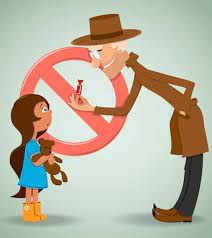
Q12: What is an unsafe touch? Ans: An unsafe touch makes us feel scared, uncomfortable, or bad. It can come from anyone, even a familiar person. If we feel unsafe, we should say “No” and tell a trusted adult.
Q13: Who is a trusted adult? Ans: A trusted adult is someone we can talk to when we feel unsafe, like our parents, teachers, or other family members. They listen and help us stay safe.
Q14: What should we do if we feel unsafe? Ans: If we feel unsafe, we should say “No” loudly, move away from the person, and tell a trusted adult immediately. Speaking up is always the right thing to do.
Q15: Why is exercise important for our health? Ans: Exercise makes our body strong, active, and full of energy. It keeps us healthy and happy. Activities like running, playing, and yoga are great for our well-being.
Q1: What is a balanced food plate? Ans: A balanced food plate has the right amounts of all food groups. It includes many protective foods like fruits and vegetables, some body-building foods like pulses and milk, and a little energy-giving food like rice and oil. Eating such a plate daily helps us stay strong, healthy, and active.
Q2: Why do we need to eat different types of food? Ans: We need to eat different types of food because no single food has all the nutrients our body needs. Eating a variety helps us grow, stay energetic, and protect us from diseases. This way, our body stays balanced and healthy.
Q3: What are the three main food groups? Ans: The three main food groups are energy-giving foods like rice and wheat, body-building foods like pulses and milk, and protective foods like fruits and vegetables. All three are important for a healthy body.
Q4: Name the six tastes in Shad Rasa. Ans: The six tastes in Shad Rasa are sweet, sour, salty, pungent, bitter, and astringent. Ayurveda says that eating all six in balance is good for health and makes food more enjoyable.
Q5: Why should we avoid junk food? Ans: We should avoid junk food because it has too much oil, salt, and sugar. Eating it often can harm our health. Fresh home-cooked food is healthier and gives us more nutrients.
Q6: How does water help our body? Ans: Water helps our body by aiding digestion, keeping our skin healthy, and removing waste through urine, sweat, and faeces. It also keeps us hydrated and feeling fresh.
Q7: What is Ugadi Pachadi? Ans: Ugadi Pachadi is a traditional dish from Andhra Pradesh, Karnataka, and Telangana. It has all six tastes—sweet, sour, salty, pungent, bitter, and astringent—mixed in a special way, making it both tasty and meaningful.
Q8: What are millets and why are they healthy? Ans: Millets are small grains like jowar, bajra, and jau. They are full of nutrients and are good for our health. They give energy and are easy to digest.
Q9: Give two examples of energy-giving foods. Ans: Two examples of energy-giving foods are rice and bananas. These foods give us the power to play, work, and do daily activities.
Q10: What are protective foods? Give examples. Ans: Protective foods keep us safe from illnesses and help our body work well. Examples are carrots, spinach, oranges, and amla. They are rich in vitamins and minerals.
Q11: Why is it important not to waste food? Ans: It is important not to waste food because it takes hard work from farmers, animals, and nature to grow it. We should respect this effort and care for every grain we eat.
Q12: Name two foods that can be eaten without cooking. Ans: Two foods that can be eaten without cooking are fruit chaat and vegetable salad. They are healthy, fresh, and easy to prepare.
Q13: What is a solar cooker? Ans: A solar cooker is a device that uses sunlight to cook food. It does not need gas or electricity and does not cause pollution because it makes no smoke or ash.
Q14: How does exercise help us? Ans: Exercise helps us by keeping our body fit, strong, and active. It also makes us feel happy and full of energy for daily activities.
Q15: What does the phrase ‘Colours on Plate, Wellness in Life’ mean? Ans: The phrase means that eating different colourful foods like fruits and vegetables makes our meals healthy and tasty. It gives our body all the nutrients it needs to stay well.
Q1: What is solar power, and why is it useful for villages? Ans: Solar power is electricity made from sunlight using solar panels. It is useful for villages because it reduces electricity bills, works in areas without a power supply, and is friendly to the environment as it does not cause pollution.
Q2: Why are Palash trees called the ‘flame of forest’? Ans: Palash trees have bright orange-red flowers that make the forest look as if it is on fire. They bloom in certain seasons, adding beauty to the landscape and providing food for birds and insects.
Palash Tree
Q3: How do natural materials help in making houses eco-friendly? Ans: Materials like clay, hay, cow dung, and bamboo keep houses cool in summer and warm in winter. They are biodegradable and do not harm the environment, making them eco-friendly building materials.
Q4: What are the benefits of using natural colours for painting? Ans: Natural colours made from flowers, leaves, and stones are safe for people and the environment. They do not cause pollution and can be easily prepared without harmful chemicals.
Q5: How do neem leaves help in storing grains? Ans: Neem leaves have natural properties that keep away insects and pests. When placed inside grain storage pots, they protect the grains and keep them fresh for a longer time.Neem Leaves
Q6: Why is cow dung applied to bamboo baskets used for storage? Ans: Cow dung prevents insects from damaging the baskets and also keeps moisture away. It acts as a natural protective layer without using harmful chemicals.
Q7: Why do the Jenu Kuruba tribe sing songs to bees before collecting honey? Ans: The Jenu Kuruba tribe sing songs to apologize to bees before taking honey. This shows respect for bees, which help in pollination and keeping nature balanced.Honey Bee
Q8: How does neem oil work as a mosquito repellent? Ans: Neem oil has a strong smell that keeps mosquitoes away. It is a natural and safe alternative to chemical repellents, protecting people from mosquito bites and diseases.
Q9: What are sacred groves and why are they important? Ans: Sacred groves are small forest areas protected by communities for worship and cultural activities. They help conserve trees, plants, and wildlife, making them important for biodiversity.Sacred Groves
Q10: How does reducing paper waste help the environment? Ans: Reducing paper waste saves trees from being cut down. This helps maintain forests, protect wildlife habitats, and keep the air clean by producing more oxygen.
Q11: Why should we say no to plastic? Ans: Plastic pollutes land, water, and harms animals when they eat it. Avoiding plastic helps keep the environment clean and safe for all living beings.
Q12: How do festivals help people connect with nature? Ans: Many festivals, like Vat Purnima, include worship of trees, rivers, and other natural elements. They remind people to respect and protect nature as part of their traditions.
Q13: What are some natural ways to keep pests away from stored food? Ans: Using neem leaves, applying cow dung to storage containers, and keeping grains in airtight earthen pots are natural ways to keep pests away without chemicals.
Q14: How can children help in saving plants and animals? Ans: Children can plant trees, avoid wasting paper, say no to plastic, and spread awareness about protecting nature. These small actions together make a big difference for the environment.
Q15:What is Gond art? Ans: Gond art is a form of painting on walls using natural colours. It shows pictures of nature like trees, animals, birds, and humans.
Q1: What is the name of the game that shows how living beings are connected? Ans: The game is called Web of Life. It shows how plants, animals, and natural elements depend on each other.
Q2: What special feature does a gharial have? Ans: A gharial has a long, narrow, and pointed snout. This helps it catch fish in water. It is a type of crocodile found in water bodies.
Q3: What is one feature of the Indian Giant Squirrel? Ans: The Indian Giant Squirrel is big and red-colored. It is found in places like Pachmarhi. It has features different from smaller squirrels in other areas.
Q4: How do frogs adapt to living in water and on land? Ans: Frogs can jump to move on land. They have moist skin to stay in water. This allows them to live in both environments.
Q5: What is one insect found in the forest? Ans: A beetle is an insect found in the forest. It has a hard body and can fly.
Q6: What does a nature scientist study? Ans: A nature scientist studies plants and animals. They explore their unique features and behaviors. This helps understand and protect nature.
Q7: What is the state animal of Tripura? Ans: The Spectacled Monkey is the state animal of Tripura. It has white patches around its eyes, like spectacles.
Q8: What happens if one part of the Web of Life disappears? Ans: If one part disappears, the web weakens or collapses. For example, without plants, animals lose food.
Q9: What is one feature of a banyan tree? Ans: A banyan tree has hanging roots that touch the ground. These roots make it look unique. It is a large tree found in forests.
Q10: How do birds’ beaks help them eat? Answer: Birds’ beaks are shaped for their food. An eagle’s sharp beak catches prey, while a sunbird’s long beak drinks nectar.
Q11: Why should we not feed animals in a zoo or forest? Ans: Feeding animals can harm their health. It also disrupts their natural diet and behaviour.
Q12: What special feature do fish have to help them swim? Ans: Fish have fins. Fins help them move easily through water.
Q13: How do turtles move in water? Ans: Turtles use webbed feet to swim. Their strong shells also keep them safe.
Q14: What is one thing you should not do to animals in a forest? Ans: Do not tease animals. It can make them scared or aggressive.
Q1: What is a postbox used for? Ans: A postbox is where people drop letters to send them to others. The postman collects the letters and delivers them to the post office.
Q2: How did people communicate in the past? Ans: In the past, people communicated using letters, telegrams, and sometimes pigeons. Today, mobile phones and the internet are used for faster communication.
Q3: What is a metro train used for? Ans: A metro train is a fast way of traveling in cities. It helps people reach their destinations quickly by avoiding traffic.
Q4: Why are flyovers important? Ans: Flyovers are elevated roads that help vehicles move above busy streets, saving time and making travel smoother.
Q5: What happens in a hospital when someone is unwell? Ans: People go to the hospital when they are unwell, where doctors and nurses help them recover. Hospitals also organize health camps like eye check-up camps.
Q6: What is the purpose of an ATM? Ans: An ATM is a machine that allows people to withdraw money from their bank accounts anytime.
Q7: Why should we save money in a bank? Ans: Banks keep money safe and help people save for future needs. They also provide easy access to money through ATMs.
Q8: How do we identify directions on a map? Ans: On a map, north is at the top, south is at the bottom, east is on the right, and west is on the left.
Q9: What services do public places provide? Ans: Public places like hospitals, banks, post offices, and police stations provide services related to health, safety, and the environment.
Q10: What is the importance of landmarks in identifying locations? Ans: Landmarks help people recognize and find their way to different places. They make it easier to understand directions.
Q11: Who works at a fire station, and what vehicles are used there? Ans: Firefighters and fire officers work at a fire station. Fire trucks and emergency vehicles are used.
Q12: Who works at a post office, and what vehicles are used for delivering mail? Ans: Postal workers and postmasters work at a post office. Post vans and motorcycles are used for delivery.
Q13: Who works at a library, and what vehicles are used for transporting books or library materials? Ans: Librarians and library assistants work at a library. Delivery vans are used to transport books or materials.
Q1. What are some different types of landforms found in our country? Ans: Plains, deserts, coastal regions, and mountains. These are different shapes of land found on the Earth’s surface in many parts of the country.
Q2.What does the Sun provide us with? Ans: Light and heat. We need them to see, to keep warm and for plants to grow.
Q3.What are two main foods of Punjab mentioned in the lesson? Ans: Makki di roti and sarson da saag. Makki di roti is made from maize and sarson da saag is made from mustard leaves; both are popular Punjabi dishes.
Q4.What is the community kitchen in the Golden Temple called? Ans: Langar sewa. It is a kitchen where free meals are cooked and served to everyone, without any distinction.
Q5.Name two plants found in the desert. Ans: Cactus and khejri. These plants can live with very little water and help animals and people in the desert.
Q6. What is the camel called in the desert? Ans: The ship of the desert. Camels carry people and goods across sandy places and can go a long time without water.
Q7.What are houses in desert regions made of? Ans: Mud with thatched roofs. These materials keep the inside of the house cooler during the hot days.
Q8.What festival of Odisha involves pulling large chariots? Ans: Rath Yatra. During this festival people pull huge chariots that carry deities through the streets.
Q9.Name two dishes from Odisha. Ans: Dalma and Chhena poda. Dalma is a dish of lentils and vegetables, and chhena poda is a sweet made from cheese.
Q10.What natural disaster often affects coastal regions? Ans: Cyclones. Cyclones bring very strong winds and heavy rain which can cause damage along coasts.
Q11.Which state won awards for cyclone management? Ans: Odisha. The state worked to protect people and reduce the harm caused by cyclones.
Q12.Name one famous mountain seen from Sikkim. Ans: Mount Kangchenjunga. It is one of the highest mountains and can be seen from Sikkim.
Q13. What is the traditional dress worn in Sikkim? Ans: Bakhu. This is the traditional robe worn by people in Sikkim during festivals and special occasions.
Q14.What is the famous New Year festival of Sikkim? Ans: Loosong and Namsoong. These festivals mark the New Year and are celebrated with songs, dances and feasts. Q15. Which coastal city in Odisha is known for its sea beach and the Jagannath Temple? Ans: Puri.
Q1. What is paper made from? Ans: Paper is made from trees. Wood from trees is turned into pulp and then processed into sheets of paper.
Q2. What is used as a binding material while making recycled paper? Ans: Fenugreek (methi) seeds. The sticky gel from soaked methi seeds helps bind the paper fibres together.
Q3. What is the first step in making recycled paper? Ans: Tear old newspapers into small pieces and soak them in water. This makes the paper soft so it can be mashed into a paper paste.
Q4. What tool can be used to mash soaked paper and seeds? Ans: A grinder or hands. A grinder makes the job quicker, while you can also mash the paper by hand.
Q5. What should be done after spreading the paper paste? Ans: Let it dry to make recycled paper. Once the paste dries, it becomes a sheet of recycled paper.
Q6. What gives colour to paper in the natural dye experiment? Ans: Natural ingredients like turmeric, spinach, or beetroot. Turmeric gives yellow, spinach gives green and beetroot gives red or pink colours.
Q7. Which parts of plants are used to make natural dyes? Ans: Leaves, flowers, roots, seeds, and stems. For example, flowers and leaves give bright colours, and roots like turmeric give strong colour.
Q8.What did Pihu gift her mother? Ans: A greeting card made of recycled paper. Pihu made it by reusing old paper and colouring it with natural dyes.
Q9.What is the main raw material for machine-made paper? Ans: Wood pulp. Machines use wood pulp from trees to make large quantities of paper.
Q10. Why should we use paper responsibly? Ans: Because making paper requires many trees, water, and energy. Using paper carefully saves trees and protects the environment.
Q11.What was used in ancient India for writing instead of paper? Ans: Palm leaves (talapatra). People wrote on dried palm leaves using a pointed tool and kept them safe.
Q12. Name one eco-friendly material used to make paper. Ans: Banana fibre. Fibres from banana plants are used to make paper that is kinder to the environment.
Q13. Which type of paper is thin, soft, and absorbs water? Ans: Tissue paper. It is thin, soft and soaks up water quickly.
Q14. Which type of paper is thick and used for making boxes? Ans: Cardboard. It is thick and strong, so it is used to make boxes and packaging.
Q15. What helps visually challenged people to read and write? Ans: The Braille system. It uses raised dots that people read by touching with their fingers.
Q16. What do the 5Rs of waste management stand for? Ans: Refuse, Reduce, Reuse, Repurpose, Recycle. These five actions help us create less waste and protect nature.
Q17.What does “Refuse” mean in waste management? Ans: Saying no to things that create waste. For example, refusing single-use plastic bags helps reduce waste.
Q18.What does “Reuse” mean? Ans: Using an item multiple times before throwing it away. For example, cleaning and using a jar again instead of throwing it out.
Q19. What does “Recycle” mean? Ans: Turning waste materials into something new. For example, old paper can be recycled to make new paper or cards.
Q20. Why should we follow the 5Rs rule? Ans: To save resources and protect the environment. Following the 5Rs reduces pollution, saves trees and water, and keeps our surroundings clean.