09. Short Answer Questions: Staying happy and healthy

Q1: How does being healthy help us in our daily life?
Ans: Being healthy helps us play, study, think clearly, and feel happy throughout the day.

Q2: What can happen if we do not keep our body clean?
Ans: If we do not keep our body clean, germs can enter our body and make us fall sick.

Q3: How does brushing teeth and washing hands help our body?
Ans: Brushing teeth and washing hands remove dirt and germs and protect us from diseases.

Q4: Why is it important to do healthy activities every day, not just sometimes?
Ans: Healthy activities must be done every day to keep our body and mind strong and active.

Q5: How does a good night’s sleep help children?
Ans: A good night’s sleep helps children feel fresh, active, and ready to learn the next day.

Q6: What changes do you notice in your body after running or playing?
Ans: After running or playing, we breathe faster, sweat, and feel warm because our body is working hard.

Q7: Why is playing considered a healthy habit?
Ans: Playing is a healthy habit because it keeps our body fit and also makes us feel happy.

Q8: How do games and activities help our minds?
Ans: Games and activities help our minds stay active, sharp, and relaxed.

Q9: Why should we think before choosing a place to play?
Ans: We should think before choosing a place to play so that we can stay safe and avoid accidents.

Q10: What makes a place safe for playing?
Ans: A place is safe for playing if it is away from traffic, has space to move, and no danger nearby.

Q11: Why is it important to be alert in public places?
Ans: Being alert in public places helps us stay safe and notice what is happening around us.

Q12: What should you do if a stranger talks to you when you are alone?
Ans: If a stranger talks to us, we should say no and go to a trusted adult or safe place.

Q13: How does keeping our surroundings clean help us?
Ans: Clean surroundings reduce germs and help us live in a healthy and safe environment.

Q14: Why is it important to notice how our body feels during the day?
Ans: Noticing how our body feels helps us understand when we need rest, food, or activity.

Q15: How do healthy habits help us stay happy?
Ans: Healthy habits help us feel energetic, confident, safe, and happy every day.

08. Short Answer Questions: Food we eat

Q1: Why do we need to eat food?
Ans: We need to eat food to get energy to play and work, to grow properly, and to keep our bodies healthy.

Q2: Why do we need to eat different kinds of food?
Ans: We need to eat different kinds of food because each type of food helps our body in a different way.

Q3: What is meant by healthy food?
Ans: Healthy food is food that gives us strength, helps us grow well, and keeps us fit and active.

Q4: Name two foods that should be part of a healthy diet.
Ans: Fruits and vegetables, along with foods like rice, dal, milk, and roti, should be part of a healthy diet.

Q5: Why should we eat food cooked at home?
Ans: We should eat food cooked at home because it is fresh, healthy, and good for our body.

Q6: Why do we eat different foods in summer and winter?
Ans: We eat different foods in different seasons because seasonal foods help our body stay cool in summer and warm in winter.

Q7: Name one drink we prefer in summer and say why.
Ans: We prefer drinks like lemon water or tender coconut water in summer because they help keep our body cool.

Q8: From where does our food come?
Ans: Our food comes from plants and animals.

Q9: Name one food item that comes from plants.
Ans: Rice comes from plants and is grown in fields.

Q10: Name one food item that comes from animals.
Ans: Milk comes from animals such as cows and buffalo.

Q11: Which parts of plants do we eat?
Ans: We eat different parts of plants such as roots, stems, leaves, fruits, and seeds.

Q12: Why should we drink enough water every day?
Ans: We should drink enough water because our bodies need water to stay healthy and active.

Q13: Why do we sweat more in summer?
Ans: We sweat more in summer because the weather is hot and our body releases sweat to cool itself.

Q14: Why should we avoid wasting food?
Ans: We should avoid wasting food because food is precious and many people do not get enough food to eat.

Q15: What good habit do we learn by sharing food with others?
Ans: By sharing food, we learn kindness, caring, and helping others.

07. Short Answer Questions: Water- A Precious Gift

Q1: Why is water called a precious gift of nature?
Ans: Water is called a precious gift of nature because all living beings need it to live, and it is not available everywhere.

Q2: What signs in the sky help us guess that it may rain?
Ans: Dark clouds in the sky, strong winds, and cool air help us guess that it may rain.

Q3: How does rainwater help plants and trees grow?
Ans: Rainwater goes into the soil and gives water to plants and trees, helping them grow well.

Q4: What happens to rainwater when it falls on the ground?
Ans: Some rainwater soaks into the soil, some collects in ponds and rivers, and some flows away.

Q5: Name one place where rainwater gets stored naturally.
Ans: Rainwater gets stored naturally in ponds, lakes, rivers, and underground.

Q6: From where does the water in taps usually come before reaching our homes?
Ans: Water in taps usually comes from rivers, lakes, or wells and is stored in tanks before reaching our homes.

Q7: Why do some people store water in buckets or tanks at home?
Ans: People store water because sometimes water supply stops and water is needed for daily use.

Q8: How do people get water in places where there are no taps?
Ans: People get water from wells, rivers, ponds, or water tankers in places where there are no taps.

Q9: Write two ways in which we use water in our daily life.
Ans: We use water for drinking, cooking, bathing, washing clothes, and cleaning.

Q10: Why should drinking water be clean?
Ans: Drinking water should be clean to keep us healthy and protect us from diseases.

Q11: What happens to water after we use it at home?
Ans: After use, water becomes dirty and flows into drains or is thrown away.

Q12: How can used water be reused in a safe way?
Ans: Used water can be reused for watering plants or cleaning floors and toilets.

Q13: Why should we not waste even a single drop of water?
Ans: We should not waste water because it is limited and many people do not get enough water.

Q14: How can you help birds or animals get water in summer?
Ans: We can keep a bowl or pot of clean water outside for birds and animals in summer.

Q15: What can you do at home to save water every day?
Ans: I can save water by turning off taps, using less water, and reusing water for plants.

06. Short Answer Questions: Living in Harmony

Q1: What does it mean to live in harmony with plants and animals?
Ans: Living in harmony means living peacefully with plants and animals and caring for them without hurting them.

Q2: Name any one animal or bird that lives around your home.
Ans: A dog lives around my home and I often see it near my house.

Q3: Why do some animals or insects come into our houses?
Ans: Some animals or insects come into our houses to look for food, water, or a safe place to stay.

Q4: How can we take care of animals that live near us?
Ans: We can take care of animals by giving them food and water and by not hurting them.

Q5: Write one way plants are useful to human beings.
Ans: Plants are useful to us because they give us fruits, vegetables, and fresh air.

Q6: How do plants give shelter to animals?
Ans: Plants and trees give shelter by providing shade and homes to birds, insects, and animals.

Q7: How do animals help plants grow?
Ans: Animals help plants grow by spreading their seeds to different places.

Q8: What should we do if we see an animal we do not like in our house?
Ans: If we see an animal we do not like, we should not hurt it and should try to send it out safely.

Q9: Why should we not hurt animals?
Ans: We should not hurt animals because they feel pain and are also living beings like us.

Q10: Name one thing that plants need to grow well.
Ans: Plants need water to grow well and stay healthy.

Q11: What do we get from cows, buffaloes, or goats?
Ans: We get milk from cows, buffaloes, and goats, which is good for our health.

Q12: How do trees help us on a hot day?
Ans: Trees help us on a hot day by giving us shade and keeping the surroundings cool.

Q13: Why should we give water to birds and animals?
Ans: We should give water to birds and animals because they feel thirsty, especially in hot weather.

Q14: Name one plant or animal you have cared for and write one thing you did for it.
Ans: I cared for a plant by watering it regularly and keeping it in sunlight.

Q15: Write one reason why plants and animals are important to us.
Ans: Plants and animals are important to us because they give us food, help us live, and make our environment better.

05. Short Answer Questions: Plants and Animals Live Together

Q1: Why do animals live near plants?
Ans: Animals live near plants because plants give them food, shelter, and a safe place to live.

Q2: How do plants help animals get food?
Ans: Plants provide food such as leaves, fruits, nectar, seeds, and grass for animals.

Q3: How do plants provide shelter to animals?
Ans: Animals use tree branches, leaves, and hollows as shelters to rest and raise their young.

Q4: Why are insects often found on leaves and flowers?
Ans: Insects are found on leaves and flowers because they eat them and also rest on them.

Q5: Name some insects found on the top layer of soil.
Ans: 
Ants, termites, small beetles and grasshoppers are found on the top layer of soil. They move around the grass and leaves.

Q6: Why is soil important for plants and animals?
Ans: Soil helps plants grow and provides a home for many insects and small animals.

Q7: What changes do we notice in the soil after rain?
Ans: After rain, the soil becomes wet and soft, and more insects and earthworms come out.

Q8: Why do more plants and animals appear during the monsoon?
Ans: During the monsoon, seeds get water and grow into plants, and insects come out from the soil.

Q9: How do birds use different parts of plants?
Ans: Birds use twigs and leaves to build nests and tree hollows to protect their young ones.

Q10: How do animals help plants?
Ans: Animals help plants by spreading seeds and helping flowers grow into fruits.

Q11: Why do butterflies and bees visit flowers?
Ans: Butterflies and bees visit flowers to drink nectar and help in pollination.

Q12: Why should we observe animals and plants?
Ans: Observing animals and plants helps us understand how they depend on each other.

Q13: How are birds’ sounds helpful to us?
Ans: Birds’ sounds help us know that birds are around and make the environment lively.

Q14: What happens if plants are destroyed?
Ans: If plants are destroyed, animals lose food and shelter, and life on Earth is affected.

Q15: What values do we learn from plants and animals living together?
Ans: We learn sharing, cooperation, and the importance of living in harmony with nature.Short Answer Questions: Plants and Animals Live Together

04. Short Answer Questions: Getting to Know Plants

Q1: Why are plants important for our surroundings?
Ans: Plants give us food, oxygen, shade, and shelter. They help keep our surroundings clean and healthy.

Q2: What are the main types of plants found around us?
Ans: The main types of plants are trees, shrubs, herbs, grasses, climbers, and creepers.

Q3: How are trees different from shrubs?
Ans: Trees are tall and have a thick trunk, while shrubs are medium-sized plants with many woody stems near the ground.

Q4: What are herbs and grasses?
Ans: Herbs and grasses are small plants with soft, green stems. Grasses have long, thin leaves.Short Answer Questions: Getting to Know Plants

Q5: Why do climbers and creepers need support?
Ans: Climbers and creepers have weak stems, so they need support to grow or they spread on the ground.

Q6: What do we learn by observing plants closely?
Ans: By observing plants, we learn about their leaves, stems, flowers, fruits, and how they grow.

Q7: What are the main parts of a plant?
Ans: The main parts of a plant are roots, stem, leaves, flowers, fruits, and seeds.Short Answer Questions: Getting to Know Plants

Q8: How does the root help a plant?
Ans: Roots hold the plant firmly in the soil and help it take in water and nutrients.

Q9: What is the role of the stem?
Ans: The stem supports the plant and carries water and food to all its parts.

Q10: Why do leaves have different shapes, sizes, and smells?
Ans: Leaves are different because plants are of many kinds. Different leaves help plants grow in different ways.

Q11: How do fruits change as they grow on a plant?
Ans: Fruits change their colour as they grow. They may be green at first and become red or purple when they are ripe.

Q12: Why should we take care of plants?
Ans: Plants are living beings. Taking care of them helps keep nature balanced and healthy.

Q13: How can children help in caring for plants?
Ans: Children can water plants, protect them, and avoid plucking leaves and flowers.

Q14: What happens if there are no plants on Earth?
Ans: Without plants, there would be no food, oxygen, or shelter, and life would not be possible.

Q15: What values do we learn by studying plants?
Ans: We learn care, respect for nature, patience, and responsibility.Short Answer Questions: Getting to Know Plants

03. Short Answer Questions: Celebrating Festivals

Q1: Why do people travel to visit relatives during festivals?
Ans: People travel during festivals to meet relatives, spend time together, and celebrate happiness as a family.

Q2: What safety measures should we follow while travelling in a bus?
Ans: We should sit properly, keep our hands and head inside the bus, and follow instructions given by the elders.

Q3: Why are road signboards important?
Ans: Road signboards give instructions and warnings. They help people travel safely on roads.

Q4: What kinds of natural things can we see while travelling?
Ans: We can see hills, trees, flowers, rivers, and beautiful landscapes while travelling.

Q5: Why do people decorate their homes with flowers during festivals?
Ans: Flowers make homes look beautiful and fresh. They show happiness and respect for nature.

Q6: Why is spring called a celebration of nature?
Ans: Spring is called a celebration of nature because flowers bloom, trees get new leaves, and the weather becomes pleasant.

Q7: What special food is prepared during festivals?
Ans: Different festivals have special food like sweets, rice dishes, and traditional meals prepared at home.

Q8: Why do people wear special clothes during festivals?
Ans: People wear special clothes to celebrate festivals with joy and to show respect for traditions.

Q9: How do festivals bring people together?
Ans: Festivals bring people together by helping them share food, meet relatives, and celebrate as a community.

Q10: Why is it important to respect different festivals?
Ans: Respecting different festivals teaches us unity, understanding, and love for all cultures.

Q11: How do festivals help children learn about their culture?
Ans: Festivals teach children about traditions, special food, clothes, and customs of their culture.

Q12: Why should we keep nature clean during celebrations?
Ans: Keeping nature clean protects plants and animals and helps everyone enjoy a healthy environment.

Q13: What do we learn from celebrating festivals with family?
Ans: We learn sharing, caring, togetherness, and respect for elders and relatives.

Q14: How does spending time in nature make us feel?
Ans: Spending time in nature makes us feel happy, peaceful, and refreshed.

Q15: What values do festivals teach us?
Ans: Festivals teach us love, unity, respect for nature, and happiness in being together.

02. Short Answer Questions: Going to the Mela

Q1: How can we prepare ourselves before going on a trip?
Ans: We can prepare by packing necessary items, filling water bottles, and wearing comfortable clothes.Short Answer Questions: Going to the Mela

Q2: Why is it important to travel together with family or elders?
Ans: Travelling together keeps everyone safe and helps us take care of each other during the journey.

Q3: What kinds of vehicles do we see around us?
Ans: We see vehicles like buses, cars, autorickshaws, bicycles, police jeeps, and ambulances around us.

Q4: How can we ensure safety while walking on the road?
Ans: We should walk carefully, look at vehicles on both sides, and follow traffic rules.

Q5: Why are seats reserved for elderly people in buses?
Ans: Seats are reserved for elderly people so they can sit comfortably and travel safely.

Q6: What safety rules should children follow while travelling in a bus?
Ans: Children should sit properly, not jump around, and should not put their hands or head outside the window.

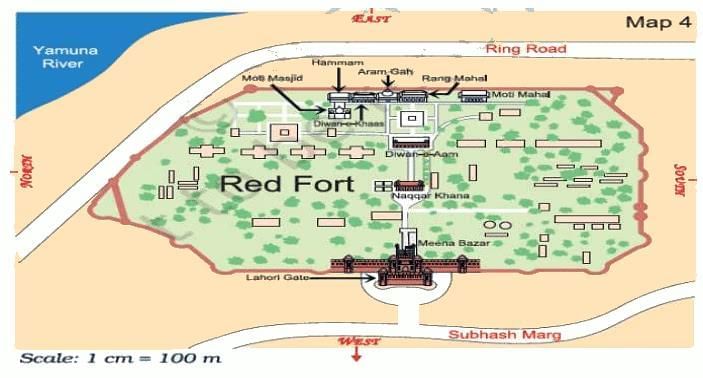
Q7: Why are maps helpful at large public places?
Ans: Maps help people find different places easily and know where things are located.

Q8: Why are police, fire engines, and ambulances present at crowded places?
Ans: They are present to help people during emergencies and keep everyone safe.Short Answer Questions: Going to the Mela

Q9: What is the purpose of a ‘Lost and Found’ booth?
Ans: The ‘Lost and Found’ booth helps lost people meet their family members again.

Q10: Why should we wash our hands before eating?
Ans: Washing hands before eating keeps us clean and protects us from germs.

Q11: Why should waste be thrown only in dustbins?
Ans: Throwing waste in dustbins keeps the place clean and helps protect the environment.

Q12: How do melas help people enjoy and learn together?
Ans: Melas bring people together to enjoy games, food, rides, and learn how to behave in public places.Short Answer Questions: Going to the Mela

Q13: What kinds of work do people do at a mela?
Ans: People work as shopkeepers, toy sellers, food sellers, volunteers, police officers, and helpers.

Q14: Why is it important to follow rules in public places?
Ans: Following the rules keeps everyone safe and helps avoid accidents.

Q15: What do we learn by visiting places like a mela?
Ans: We learn about safety, cleanliness, cooperation, and respecting others in public places.

01. Short Answer Questions: Family and Friends

Q1: Why is playing together important for family members?
Ans: Playing together helps family members enjoy each other’s company. It makes everyone happy and strengthens love and bonding.

Q2: How does spending time together in the evening help a family?
Ans: Spending time together in the evening helps family members relax. They talk, laugh, and share their day with each other.

Q3: What can children learn by watching elders at home?
Ans: Children learn good habits, manners, and skills from elders. They also learn how to care for others and work together.

Q4: Why do families enjoy sitting and talking together during free time?
Ans: Families enjoy sitting together because it gives them time to talk, share jokes, and feel close to each other.

Q5: How do songs, games, and stories make family time enjoyable?
Ans: Songs, games, and stories bring joy to the family. They make family time fun and help everyone feel relaxed and happy.

Q6: Why is it good when grandparents spend time with children?
Ans: Grandparents share stories and teach games they played when they were young. Spending time with them helps children learn and feel loved.

Q7: How should family members treat pets at home?
Ans: Family members should treat pets with care and kindness. They should not hurt them and should share food and love with them.

Q8: What do we learn about different types of families?
Ans: Families can be big or small. Every family is different, but all families love, care for, and support each other.

Q9: Why is sharing food and work important in a family?
Ans: Sharing food and work helps family members support each other. It makes the family strong and happy.

Q10: How do family members help each other at home?
Ans: Family members help each other by cooking, cleaning, shopping, and doing other housework. Children also help elders with small tasks.

Q11: What kind of household work can children help with?
Ans: Children can help in cleaning, watering plants, and gardening. Helping makes them responsible.

Q12: Why should family members take care of elders and small children?
Ans: Elders and small children need special care and support. Taking care of them shows love and respect.

Q13: How do friends and neighbours make family life happier?
Ans: Friends and neighbours visit each other and join in festivals. They share food, help one another, and celebrate together.

Q14: What values do children learn when they play and work together?
Ans: Children learn sharing, cooperation, kindness, and teamwork. They also learn to help and care for others.

Q15: How does living together in a family help people feel safe and loved?
Ans: Living together helps people feel safe because family members care for each other. It gives love, support, and happiness.

14. Short Answer Questions: The Surajkund Fair

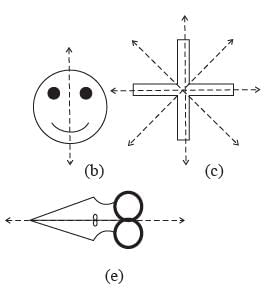
Q1: Look at the design shown. Does the design show symmetry? If yes, describe where the line of symmetry will be.

Ans: Yes, the design shows symmetry. A line of symmetry can be drawn in the middle, dividing the design into two equal left and right parts.

Q2: A necklace is made using 12 beads. How many beads should be placed on each side of the centre to make the necklace symmetrical? Explain.
Ans: To make the necklace symmetrical, the beads must be equally placed on both sides of the centre. So, 6 beads should be placed on each side.

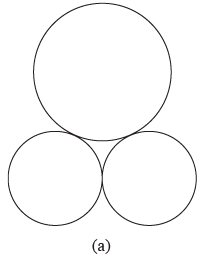
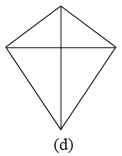
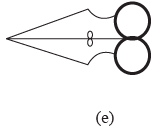
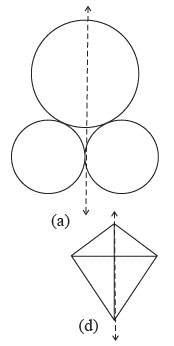
Q3: Four patterns are shown. Only two of the patterns are symmetrical. Identify them and give one reason for each.

Ans: The first design and the third design are symmetrical.

Q4: A design is symmetrical along a vertical line. Which part of the design must be repeated on the other side to complete it?
Ans: The same shapes, colours, and positions on one side of the vertical line must be repeated on the other side in the same order.

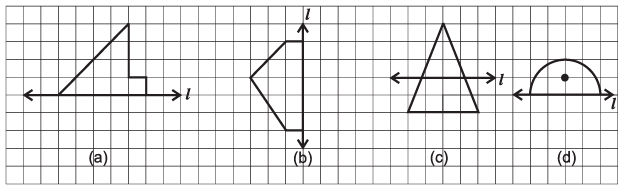
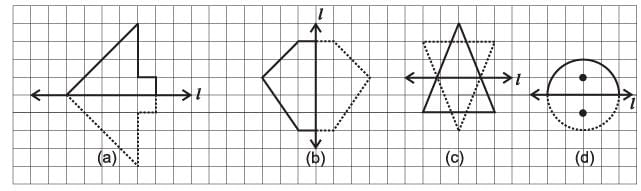
Q5: Look at the shapes placed on a dot grid. Which of these shapes can be completed to make a symmetrical figure?

Ans: The shapes that can be divided into two halves along a line can be completed to make symmetrical figures.

Q6: Two masks are shown. A child says both masks are symmetrical because they look similar. Do you agree? Give a mathematical reason.

Ans: No, both masks are not symmetrical. A mask is symmetrical only if both sides are exactly the same in shape and size. Looking similar is not enough for symmetry.

Q7: Objects are placed on one side of a line. Where should the objects be placed on the other side so that the arrangement becomes a mirror image?

Ans: The objects should be placed at the same distance from the line on the opposite side, in exactly opposite positions, to form a mirror image.

Q8: Some tiles are missing from the floor pattern. Choose the correct shape of tile to fill the gaps so that the pattern is completed without gaps or overlaps. Explain your choice.

Ans: The correct tile is the one that fits exactly into the gap without leaving spaces or overlapping other tiles and follows the pattern.

Q9: Look at the following signs. Guess what each sign means and write one place where you might see it.

Ans: These signs give information about the Parking and Hospital

Q10: Two different paths can be used to reach the same shop. How can both paths be correct? What does this tell you about finding routes?

Ans: Both paths are correct because they lead to the same place, even though they are different. This shows that there can be more than one way to reach a place.