05. Short Answer Questions: Clothes We Wear

Q1. Why do we wear clothes?
Ans: We wear clothes to protect our bodies from weather like heat, cold, and rain. Clothes also keep us comfortable and help us look nice.

Short Answer Questions: Clothes We Wear

Q2. What are traditional clothes and when do people wear them?
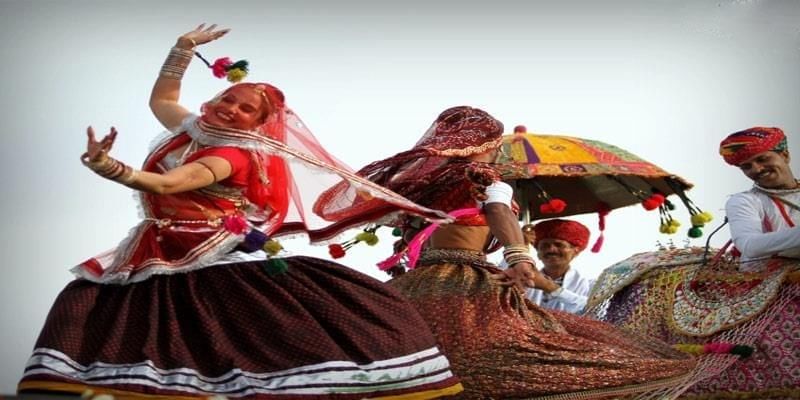
Ans: Traditional clothes are special outfits from different cultures. People wear them during festivals, weddings, and cultural celebrations.

Q3. What are uniforms?
Ans: Uniforms are special clothes worn by people who belong to a certain group, like students, police officers, or firefighters, usually for work or school.

Short Answer Questions: Clothes We Wear

Q4. How do clothes change with the seasons?
Ans: Clothes change with seasons. In summer, we wear light clothes like t-shirts and shorts, and in winter, we wear warm clothes like sweaters and coats.

Q5. What materials are clothes made from?
Ans: Clothes can be made from natural materials like cotton, wool, and silk, or from synthetic materials like polyester and nylon.

Q6. What are some features of cotton clothes?
Ans: Cotton clothes are soft, breathable, and comfortable. They are good for many weather types and easy to wash.

Q7. Why is wool used for making some clothes?
Ans: Wool is warm and cozy because it traps heat. Woolen clothes like sweaters and scarves keep us warm in cold weather.

Short Answer Questions: Clothes We Wear

Q8. What is special about silk clothes?
Ans: Silk clothes are smooth and shiny. They look fancy and are often worn for special occasions like parties or weddings.

Q9. What are synthetic fabrics and where are they used?
Ans: Synthetic fabrics are man-made, like polyester and nylon. They can be stretchy and quick-drying, so they are used in sportswear and swimwear.

Q10. What kinds of clothes do people wear in the rainy season?
Ans: In the rainy season, people wear raincoats, carry umbrellas, and wear waterproof boots to stay dry.

Short Answer Questions: Clothes We Wear

Q11. What do people wear for formal events and celebrations?
Ans: For formal events, people wear fancy suits, elegant dresses, and dress shoes. For celebrations, they may wear colorful traditional clothes like sarees and kurtas.

Q12. What kind of clothes do we wear casually every day?
Ans: We wear simple shirts, jeans, shorts, skirts, and sandals every day. At home, we might wear pajamas, hoodies, and slippers.

Q13. How should we take care of our clothes?
Ans: We should wash clothes regularly, dry them in the sun or dryer, iron them to remove wrinkles, and store them properly in closets or drawers.

Short Answer Questions: Clothes We Wear

Q14. Why is ironing clothes important?
Ans: Ironing removes wrinkles and helps clothes look neat and tidy.

Q15. What is the main summary of why clothes are important?
Ans: Clothes protect us from weather and injuries, keep us comfortable, show our style, and help us follow cultural customs.

04. Short Answer Questions : My Family

Q1: What is a family? 
Ans: A family is a group of people who live together and care for each other.

Q2: Who can be in a family? 
Ans: A family can include parents, children, grandparents, uncles, aunts, and cousins.

Q3: Are all families the same?
Ans: No, families differ in size, structure, and traditions.

Q4: What is a large family? 
Ans: A large family has many members like grandparents, parents, and siblings.

Q5: What is a nuclear family? 
Ans: A nuclear family has only parents and children living together.

Q6: What is a joint family?
Ans:  A joint family has multiple generations living under one roof.

Q7: What is a single-parent family? 
Ans: A single-parent family has one parent raising the children.

Short Answer Questions : My Family

Q8: What does a happy family do together? 
Ans: A happy family celebrates, plays, and shares stories together.

Short Answer Questions : My Family

Q9: How do kids help in a family? 
Ans: Kids do homework, tidy rooms, and help with chores like watering plants.

Q10: Why are pets important in a family? 
Ans: Pets bring joy and are loving family members.

03. Short Answer Questions: Our necessities – Air, Water & Food

Q1. What is air?
Ans: Air is invisible and made up of tiny particles called molecules. We breathe in air to get oxygen, which helps us live and play.

Short Answer Questions: Our necessities - Air, Water & Food

Q2. What is wind?
Ans: Wind is moving air. It can be soft and gentle like a whisper or strong like a lion’s roar that moves trees and leaves.

Q3. How does air support everyday life?
Ans: Air helps kites fly high, carries birds’ songs, and pushes balloons up into the sky.

Q4. Why do we need to care for the air?
Ans: Some things like smoke from cars and factories make air dirty. We need to keep air clean by planting trees and keeping the environment green.

Short Answer Questions: Our necessities - Air, Water & Food

Q5. Does air have weight?
Ans: Yes, air has weight and presses down on everything, even though we cannot see it.

Q6. How does air create beautiful skies?
Ans: Air paints the sky with bright colors during sunsets and sunrises, making the clouds look like colorful paintings.

Q7. What happens when you blow air into a soap bubble wand?
Ans: When you blow air into a soap bubble wand, it makes bubbles that float and shine in the sunlight.

Short Answer Questions: Our necessities - Air, Water & Food

Q8. Why should we avoid polluting the air?
Ans: Polluting air makes it unsafe to breathe. Keeping the air clean helps us stay healthy and enjoy life.

Q9. Can you feel the air even if you cannot see it?
Ans: Yes, you can feel the air when it moves as wind, even though you cannot see it.

Q10. What are some ways we can help keep the air clean?
Ans: We can plant trees, avoid burning trash, use less smoke-producing vehicles, and keep our surroundings clean.

Q11. What is water?
Ans: Water is a clear, colorless liquid that we drink and use every day for washing, cooking, and watering plants.

Short Answer Questions: Our necessities - Air, Water & Food

Q12. Where do we find water?
Ans: We find water in rivers, lakes, ponds, oceans, and even in the rain.

Q13. Why is water important for us?
Ans: Water helps keep our bodies healthy, helps plants grow, and is needed by animals to live.

Q14. How should we use water?
Ans: We should use water carefully and not waste it because it is precious and needed by everyone.

Q15. What happens if we don’t have clean water?
Ans: If water is dirty, it can make us sick. That’s why it’s important to drink clean water and keep water sources clean.

01. Short Answer Questions : Myself – Get to Know me

Q1: What is “myself”?
Ans: Myself is everything that makes me special, like my name, family, and hobbies.

Q2: How do you start introducing yourself?
Ans: I start with a friendly “Hello” or “Hi!” and smile.

Q3: What can you say about your name? 
Ans: I say, “My name is Tamanna,” and its meaning is ‘Wish’.

Q4: What do you share about your age?
Ans:  I say, “I am 7 years old,” and being at this age I like learning new things and playing new games.

Q5: What can you tell about your family? 
Ans: I have a mom, dad, and younger brother. I like eating and watching TV with them.

Q6: What are hobbies ? 
Ans: Hobbies are fun things doing which makes us feel happy, like playing or reading.

Q7: What are favorite things you can mention? 
Ans: I mention my favorite food is Pizza and my favourite color is blue. 

Q8: How do you end an introduction?
Ans:  I end with “Thank you for listening!” or “Nice to meet you!”

Q9: What are feelings ? 
Ans: Feelings are how I feel, like happy or sad, and show I care.

Q10: What you dream of? 
Ans: I dream of becoming a kind and successful Doctor.

13. Short Answer Questions: We are all Indians

Q1. Which state is known for the Tamil language and what language do people speak there?
Ans: Tamil Nadu is a state in India where people speak Tamil.

Short Answer Questions: We are all Indians

Q2. Which traditional dance from Gujarat is popular among children as well as among adults?
Ans: Garba is a traditional dance from Gujarat, and children as well as adults enjoy performing it.

Q3. What is a common mode of travel in desert regions and what cultural event is popular there?
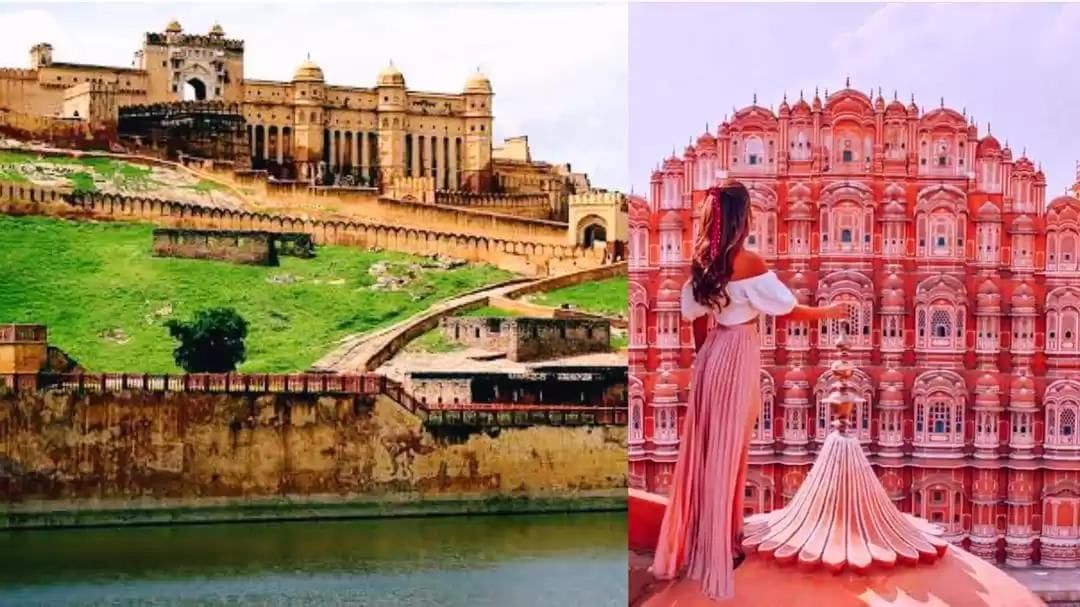
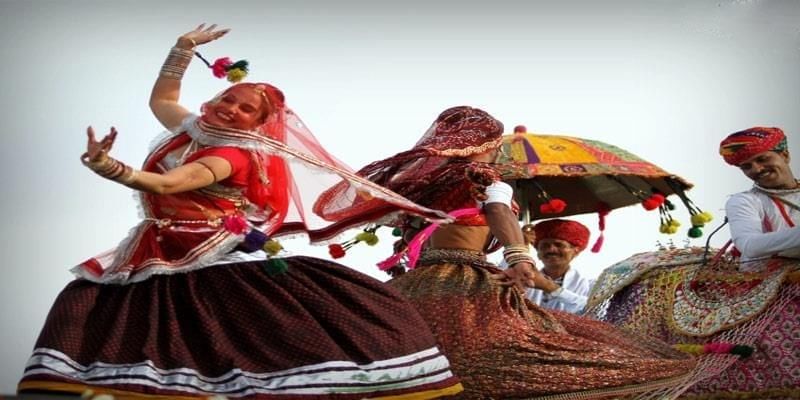
Ans: In desert regions like Rajasthan, people often travel by camel. Puppet shows are popular cultural events there.

Short Answer Questions: We are all Indians

Q4. Which Indian state is famous for painting and music as hobbies?
Ans: Bengal is a state in India known for its love of painting and music.

Q5. Which language is spoken in Maharashtra, and which historical places are popular tourist spots there?
Ans: People in Maharashtra speak Marathi. The famous tourist spots in the state include the Ellora and Ajanta caves.

Short Answer Questions: We are all Indians

Q6. Which energetic dance form is popular in Punjab?
Ans: Bhangra is a lively and energetic dance form popular in Punjab.

Short Answer Questions: We are all Indians

Q7. Which famous Indian monument is admired for its beauty and where is it located?
Ans: The Taj Mahal is a very famous and beautiful monument located in Uttar Pradesh, India.

Q8. What is the official language of Manipur, and where is the state located?
Ans: The official language of Manipur is Manipuri. It is located in the northeastern part of India.

Q9. Which traditional musical instrument is played in Karnataka, and what language is spoken there?
Ans: The Mridang, a traditional Indian drum, is played in Karnataka. The language spoken there is Kannada.

Short Answer Questions: We are all Indians

Q10. Which northern state is a popular summer vacation destination in India?
Ans: Kashmir is a popular destination for summer holidays, where people often stay with local friends or families.

Q11. What traditional decoration is done in homes in Odisha, and what language is spoken there?
Ans: In Odisha, people decorate walls and floors as part of cultural tradition. They speak Odia.

Q12. Which southern state is known for coconut trees, and what is its regional language?
Ans: Kerala is known for its coconut trees. The regional language spoken there is Malayalam.

Short Answer Questions: We are all Indians

Q13. What is the main message of the passage?
Ans: The poem teaches that although people in India come from different places, speak different languages, and follow different customs, they are all part of one nation. Everyone is unique and special.

12. Short Answer Questions: Little Drops of Water

Q1. What do little drops of water and grains of sand make?
Ans: Little drops of water and little grains of sand come together to make the mighty ocean and the pleasant land.

Short Answer Questions: Little Drops of Water

Q2. What do little words of love and acts of kindness do?
Ans: Little words of love and acts of kindness spread smiles and happiness to people.

Q3. What does the poem say about little deeds of warmth?
Ans: The poem says that little deeds of warmth help spread happiness and make others feel cared for.

Q4. What is the main message of the poem?
Ans: The main message is that even small things, like drops of water or kind words, can come together to create something big and beautiful.

Q5. How do little things make a difference according to the poem?
Ans: Little things, when combined, make a big impact. Just like many drops make an ocean, small kind actions make the world a happier place.

KindnessKindness

Q6. What are examples of “little things” mentioned in the poem?
Ans: Examples include little drops of water, grains of sand, words of love, acts of kindness, and deeds of warmth.

Q7. Why does the poem compare small drops to the ocean?
Ans: The poem compares them to show that many small parts together can make something very big and important.

Q8. What feelings do kind words and actions spread?
Ans: Kind words and actions spread smiles, happiness, and warmth among people.

Q9. Can small acts of kindness change the world? How?
Ans: Yes, small acts of kindness can change the world by making people happy and bringing them closer together.

Q10. What lesson can we learn from this poem?
Ans: The lesson is that even small actions matter. Everyone can help make the world better by being kind and caring in little ways.

11. Short Answer Questions: The Smart Monkey

Q1. Where did Anju and Farida go one day?
Ans: One day, Anju and Farida went to the market, which is a place where people buy things like food, bags, and bottles.

Q2. What did Anju and Farida buy at the market?
Ans: Anju bought a bag and Farida bought a water bottle. Later, they also bought a packet of groundnuts to eat and a bottle of juice to drink.

Short Answer Questions: The Smart Monkey

Q3. Where did Anju and Farida rest after shopping?
Ans: After shopping, Anju and Farida felt tired. So they sat on a bench under a tree to take a rest and eat their snacks.

Q4. Did Anju and Farida notice the monkey on the tree?
Ans: No, they did not see the monkey sitting on a branch of the tree above them while they were busy eating.

Short Answer Questions: The Smart Monkey

Q5. What was the monkey doing on the tree?
Ans: The monkey was eating a banana. He peeled the banana carefully and ate it while sitting on the tree branch.

Q6. What did Anju and Farida do with their food packets and bottles?
Ans: After eating the groundnuts and drinking the juice, Anju and Farida carelessly threw the empty packet and bottle on the ground instead of putting them in the dustbin.

Q7. What did the monkey do with the banana peel?
Ans: The monkey showed good behaviour by climbing down the tree and throwing the banana peel into a nearby dustbin to keep the place clean.

Short Answer Questions: The Smart Monkey

Q8. How did Anju and Farida feel when they saw the monkey’s action?
Ans: When they saw the monkey throwing the peel into the dustbin, Anju and Farida felt ashamed because they had thrown their trash on the ground.

Q9. What did Anju and Farida do after seeing the monkey’s good behaviour?
Ans: They realized their mistake and picked up their empty packet and bottle. Then, they threw them into the dustbin like the monkey.

Q10. What lesson can we learn from the monkey in the story?
Ans: The story teaches us to keep our surroundings clean by throwing our trash in the dustbins. It shows that even animals can teach us good habits.

10. Short Answer Questions: The Crow

Q1. What kind of bird is the story about?
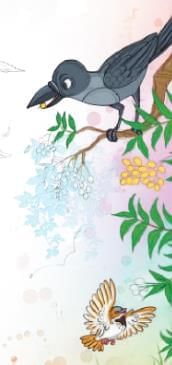
Ans: The story is about a crow. Crows are black birds that many people know and see around.

Short Answer Questions: The Crow

Q2. What did the crow want to know?
Ans: The crow wanted to know how to be beautiful because he wished he had colorful feathers like other birds.

Q3. What did the crow find to make himself beautiful?
Ans: The crow found some colorful feathers from a peacock. He stuck these feathers in his tail, wings, and even on his head to look more beautiful.

Short Answer Questions: The Crow

Q4. How did the crow feel after putting on the colorful feathers?
Ans: After putting on the feathers, the crow felt very happy and proud of himself. He danced around and said he was now beautiful.

Q5. How did the other crows react to him?
Ans: The other crows laughed at him. They thought it was silly for the crow to try to change how he looked.

Q6. What did the other crows say about the crow’s black color?
Ans: The other crows told him that he was already beautiful in his black feathers and that they loved him for being himself.

Short Answer Questions: The Crow

Q7. Why do you think the crow wanted colorful feathers?
Ans: The crow wanted colorful feathers because he thought that being colorful would make him look nicer and better than he was.

Q8. What lesson do the other crows teach the crow?
Ans: They teach the crow that it is important to love and accept yourself as you are, and that true beauty comes from being yourself.

Q9. What do you think the crow learned at the end of the poem?
Ans: The crow learned that trying to look like someone else is not the way to be beautiful. He realized that his natural black feathers made him special.

Q10. Why did the crow put feathers on his tail, wings, and head?
Ans: The crow put feathers on his tail, wings, and head because he wanted to copy the peacock’s colorful look and feel more beautiful.

09. Short Answer Questions: My Name

Q1. What problem did the little fly face in the story?
Ans: The little fly forgot his own name. He tried many times to remember it but couldn’t, which made him confused and worried.

Short Answer Questions: My Name

Q2. Who did the fly ask first to know his name?
Ans: The fly first asked an ant if it knew his name. He thought the ant might remember who he was.

Q3. Where did the ant tell the fly to ask next?
Ans: The ant told the fly to ask the tree that he climbs because the tree might know the fly better.

Short Answer Questions: My Name

Q4. What did the tree say when the fly asked for his name?
Ans: The tree said it didn’t know the fly’s name. It suggested the fly ask the cow that was sleeping in its shade.

Q5. Who did the fly ask after the tree?
Ans: After the tree, the fly went to ask the cow if she knew his name.

Short Answer Questions: My Name

Q6. What did the cow say and where did she tell the fly to ask next?
Ans: The cow said she didn’t know the fly’s name but told him to ask the grass she was eating.

Q7. What was the grass’s answer to the fly’s question?
Ans: The grass said it didn’t know the fly’s name either. The grass told the fly to ask the leaves that had fallen on it.

Short Answer Questions: My Name

Q8. What happened when the fly asked a leaf about his name?
Ans: When the fly asked the leaf, it was about to answer, but suddenly the wind blew and the leaf started flying away.

Q9. How did the fly remember his name?
Ans: When the leaf began to fly, the fly saw it and suddenly remembered that his own name was Fly. He was very happy to remember.

Q10. What is the moral of the story?
Ans: The story teaches us that sometimes the answers we are looking for are closer than we think. Watching the leaf fly helped the fly remember his own name.

08. Short Answer Questions: A Show of Clouds

Q1. What does the poet do in the poem?
Ans: He lies on his back on the ground and looks up at the sky. He watches the clouds carefully to see what shapes he can find.

Short Answer Questions: A Show of Clouds

Q2. What animal does the poet first see in the clouds?
Ans: He first sees a big white bear in the clouds. It looks like the bear is looking down at him from the sky.

Q3. What does the poet imagine sailing on the white sea?
Ans: He imagines a ship sailing on the “white sea,” which is a creative way to describe the clouds floating in the sky.

Q4. Which animal does the poet see waving its trunk?
Ans: He sees an elephant in the clouds. The elephant looks like it is waving its trunk at him.

Short Answer Questions: A Show of Clouds

Q5. How does the poet feel about watching the clouds?
Ans: He feels very happy and excited. He says it’s fun to imagine seeing different things in the clouds.

Q6. What is the “white sea” mentioned in the poem?
Ans: The “white sea” is how he imagines the clouds as a big sea made of white waves floating in the sky.

Q7. How does the poet use his imagination in the poem?
Ans: He uses his imagination to see different shapes and pictures, like animals and ships, in the clouds.

Short Answer Questions: A Show of Clouds

Q8. Why does the poet say “It’s fun to me”?
Ans: He says it’s fun because looking at the clouds and imagining different shapes makes him happy and entertained.

Q9. What is the repeated action the poet does in each stanza?
Ans: In every stanza, he lies on his back and looks up at the sky to see what shapes appear in the clouds.

Q10. What does the poem teach us about clouds?
Ans: The poem teaches us that clouds can look like many different things if we use our imagination and watch carefully.