Sound is an essential part of our everyday life, coming to us in many different forms. But what is sound exactly?
Sound is a type of energy that creates a sensation of hearing. It is made by vibrations and travels in waves. It is important to understand that sound waves are a kind of mechanical wave, which means they need a medium (like air, water, or solids) to move through.
Key Characteristics of Sound
Nature of Sound: Sound is produced by vibrations and travels in waves.
Transmission: Sound requires a medium (such as air, water, or solids) to travel.
Loudness and Intensity: Loudness is how our ears respond to the intensity of sound.
Audible Range: The typical range of hearing for most people is between 20 Hz and 20 kHz. Sounds below this range are called ‘infrasonic’, while those above are called ‘ultrasonic’.
When you clap, you create a sound. But can you make sound without using any energy? In this chapter, we will explore how sound is made, how it travels through different mediums, and how it is detected by our ears.
Production of Sound
Sound is created by objects that vibrate. It is a type of energy that we hear with our ears. When objects vibrate, they generate sound waves made of compressions and rarefactions, which are key to understanding how sound moves through the air. A compression is a part of the sound wave where the pressure is higher, while rarefaction is where the pressure is lower.
Activity:
Vibrating tuning fork just touching the suspended Table Tennis ball
Objective: Observe how vibrations create sound and influence nearby objects.
Materials: Tuning fork, rubber pad, small ball (table tennis or plastic), thread, needle.
Procedure:
Strike the tuning fork against the rubber pad to make it vibrate.
Hold the vibrating fork near your ear and listen to the sound.
Touch a vibrating prong with your finger and feel the vibrations.
Hang a small ball using a thread. Lightly touch the ball with the vibrating fork and watch how it moves.
Observations:
The vibrating fork makes sound.
Touching the prong lets you feel the vibrations.
The ball moves when it is touched by the vibrating fork.
Conclusion: Vibrations create sound, and sound can also be produced by plucking, scratching, rubbing, blowing, or shaking different objects.
Sound can be generated through various actions that cause objects to vibrate. Vibration means the quick back-and-forth movement of an object. The sound of a human voice comes from vibrations in the vocal cords. When a stretched rubber band is plucked, it vibrates and makes sound.
Compression is the area of high pressure in a sound wave.
Rarefaction is the area of low pressure in a sound wave.
In brief, sound is made by vibrating objects, and grasping the ideas of compression and rarefaction is important for understanding how sound travels through different materials.
Try yourself:What is vibration?
A.The production of sound through striking objects
B.The motion of an object from side to side
C.The rapid to and fro motion of an object
D.The buzzing sound produced by bees
Propagation of Sound
Sound Propagation and Waves:
A wave is a disturbance that travels through a medium, causing its particles to move and set nearby particles in motion.
The particles themselves do not move forward; rather, the disturbance moves forward.
Sound can be thought of as a wave because it is the movement of particles in a medium.
Sound waves are known as mechanical waves because they depend on the movement of particles.
Sound can be seen as variations in density or pressure in the medium.
Sound Propagation in Air:
Air is the most common medium for sound transmission.
When a vibrating object moves forward, it compresses the air in front of it, creating a high-pressure area known as compression (C).
This compression then moves away from the vibrating object.
When the object moves backward, it creates a low-pressure area called rarefaction (R).
As the object oscillates quickly, it produces a series of compressions and rarefactions in the air, forming the sound wave.
Compression indicates high pressure, whereas rarefaction indicates low pressure.
Compression (C) & Rarefaction (R) of sound
Pressure relates to the number of particles in a given volume of the medium.
A higher density of particles results in more pressure, and a lower density results in less pressure.
The distance between two consecutive compressions or rarefactions is known as the wavelength, λ.
The time taken for one complete oscillation of the density or pressure is called the time period, T.
The speed (v), frequency (f), and wavelength (λ) of sound are connected by the equation: v = fλ.
The law of reflection of sound states that the angles of incidence and reflection are equal concerning the normal to the reflecting surface at the point of incidence, and all three lie in the same plane.
Sound Waves are Longitudinal Waves
A wave is a disturbance that travels through a medium, causing its particles to move and set nearby particles in motion. The individual particles do not move forward themselves; instead, the disturbance moves through the medium.
Sound travels through the medium by a series of compressions (C) and rarefactions (R). These areas of closely packed and spaced out particles create longitudinal waves.
In longitudinal waves, the particles of the medium move in the same direction as the wave is travelling. They oscillate back and forth around their resting position without changing their location.
Sound waves are defined by how the particles in the medium move and are classified as mechanical waves. Air is the most common medium for sound transmission.
How Sound Waves Work
When a vibrating object moves forward, it compresses the air in front, creating a high-pressure area known as a compression (C).
When the object moves backward, it creates a low-pressure area called a rarefaction (R). Compression refers to high pressure, while rarefaction refers to low pressure.
Pressure is linked to the number of particles in a given volume; a denser medium results in higher pressure, and a less dense medium results in lower pressure.
Transverse Waves
Another type of wave is called a transverse wave. In these waves, particles do not move in the same direction as the wave travels but rather move up and down around their average position.
This means that in transverse waves, the individual particles move at a right angle to the direction of wave travel.
An example of a transverse wave is the ripples created on the surface of water when a pebble is dropped into it.
Try yourself:In longitudinal waves, how do particles of the medium move in relation to the direction of wave propagation?
A.Perpendicular to the direction of wave propagation
B.Parallel to the direction of wave propagation
C.Back and forth around their position of rest
D.They remain stationary
Characteristics of a Sound Wave
We can describe a sound wave by its:
Frequency
Amplitude
Speed
Key Characteristics of Sound Waves
Sound waves can be described by their frequency, amplitude, and speed.
The density and pressure of the medium change with distance as the sound wave travels.
Compressions are areas of high density and pressure, while rarefactions are areas of low pressure.
Wavelength is the distance between two consecutive compressions or rarefactions, represented by λ (lambda) with the SI unit of metre.
Frequency represents the number of oscillations per unit time and is measured in hertz (Hz), usually represented by ν (Greek letter, nu).
The time period (T) is the time taken for one complete oscillation, and frequency and time period are inversely related.
The audible range of hearing for average human beings is in the frequency range of 20 Hz – 20 kHz.
Sound waves with frequencies below the audible range are called “infrasonic,” and those above are called “ultrasonic.”
Pitch, Amplitude, and Loudness
Pitch is determined by the frequency of the sound wave, where higher frequency corresponds to a higher pitch.
Amplitude refers to the size of the maximum disturbance in the medium.
Loudness is a response of the ear to the intensity of sound, with greater amplitude producing a louder sound.
The loudness of a sound decreases as it travels further from its source.
Quality and Speed of Sound
Quality or timbre refers to the feature that distinguishes one sound from another with the same pitch and loudness.
Sound waves with a single frequency are called tones, while those with a mix of frequencies are called notes.
The speed of sound is the distance travelled by a point on a wave per unit time, calculated as Speed of sound = wavelength × frequency.
The speed of sound depends mainly on the nature and the temperature of the transmitting medium.
Intensity of Sound
Intensity of sound refers to the amount of sound energy passing through a unit area per second.
Loudness is a response of the ear to the intensity of sound.
Even sounds with the same intensity can be heard as different loudness due to differences in the ear’s sensitivity.
Speed of Sound In Different Media
Sound travels through a medium at a finite speed, which is slower than the speed of light.
The speed of sound depends on the properties of the medium and is affected by temperature; as temperature rises, the speed of sound in the medium increases.
The speed of sound varies in different media at a given temperature and decreases when moving from a solid to a gas.
Raising the temperature in a medium generally increases the speed of sound.
What is the definition of sound?
A.Sound is a type of energy that makes us see things through our eyes.
B.Sound is a form of energy that makes us hear things through our ears.
C.Sound is a type of energy that makes us taste things with our tongues.
D.Sound is a form of energy that makes us feel things with our hands.
Reflection of Sound
Sound waves behave like a rubber ball bouncing off a wall when they hit a solid or liquid surface.
Similar to light, sound follows the laws of reflection that you may have studied before.
When sound strikes a surface, it reflects in such a way that the angles of incidence and reflection are equal in relation to the normal (a line that is perpendicular to the surface) at the point where it hits.
These angles and the normal line are all in the same plane.
For sound waves to reflect, they need a sufficiently large obstacle, regardless of whether it is smooth or rough.
Echo
An echo is the sound we hear when the original sound is bounced back to us. The sensation of sound lingers in our brain for about 0.1 seconds.
Yelling or clapping near a suitable reflecting surface can create an echo.
Man producing echo
Conditions for Hearing a Distinct Echo
To hear a clear echo, there must be a time gap of at least 0.1 seconds between the original sound and the reflected sound. If we consider the speed of sound to be 344 m/s at a temperature of 22 °C in air, the total distance the sound travels must be at least (344 m/s) × 0.1 s = 34.4 m.
For a distinct echo, the minimum distance between the sound source and the reflecting surface should be half of the total distance, which is 17.2 metres. This distance can change depending on the temperature of the air.
Echoes can happen more than once because of repeated reflections.
Reverberation
When a sound is made in a large hall, it continues to exist because of multiple reflections from the walls until its intensity decreases enough that it can no longer be heard. This ongoing presence of sound due to reflections is known as reverberation.
Reverberation of Sound
Too much reverberation in an auditorium or large hall is not desirable.
To reduce reverberation, the walls and ceiling of the auditorium are usually covered with materials that absorb sound, such as compressed fibreboard, rough plaster, or curtains.
Additionally, the materials used for seating are selected for their sound-absorbing properties.
Question: A person clapped his hands near a cliff and heard the echo after 2 s. What is the distance of the cliff from the person if the speed of sound, v, is taken as 346 m/s?
Solution: Given,
Speed of sound: 346 m/s
Time taken for hearing the echo: 2 s
Distance travelled by the sound
Distance = 346 m/s × 2 s = 692 m
In 2 seconds, sound travels twice the distance between the cliff and the person.
Therefore, the distance between the cliff and the person is: Distance = 692 m / 2 = 346 m
Minimum Distance for Distinct Echoes
To hear distinct echoes, the minimum distance of the obstacle from the source of sound must be half of the total distance covered by the sound, which is at least 17.2 m.
This distance can change with temperature, as the speed of sound varies with temperature.
Uses of Multiple Reflections of Sound
Megaphones and Loudhailers: These devices are made to direct sound in a specific direction rather than spreading it everywhere. They usually have a tube and a conical opening that reflect sound waves, directing most of the sound towards the audience.
Stethoscopes: A stethoscope is a medical instrument used by doctors to listen to sounds inside the body, especially in the heart or lungs. The sound of the patient’s heartbeat reaches the doctor’s ears through multiple reflections of sound within the stethoscope.
Auditoriums and Concert Halls: In concert halls, conference rooms, and cinemas, the ceilings are often curved to make sure that sound reaches every corner of the hall. This helps to spread sound evenly throughout the space. The rolling of thunder is another example, caused by the repeated reflections of sound from different surfaces, like clouds and the ground.
Curved ceiling of conference hall
Try yourself:What is the minimum time interval required for a distinct echo to be heard?
A.0.01 seconds
B.0.1 seconds
C.1 second
D.10 seconds
Range of Hearing
The range of sound that humans can hear is from about 20 Hz to 20,000 Hz (where one Hz equals one cycle per second). Children under five years old and some animals, like dogs, can hear sounds up to 25 kHz (one kHz equals 1000 Hz).
As people age, their ears become less responsive to higher frequencies.
Sounds that are below 20 Hz are known as infrasonic sound or infrasound. If we were able to hear infrasound, we might perceive vibrations like those of a pendulum, similar to how we hear a bee’s wings.
Rhinoceroses communicate using infrasound at frequencies as low as 5 Hz. Animals like whales and elephants also produce sounds in the infrasound range.
It has been noted that some animals can detect low-frequency infrasound before earthquakes occur. Earthquakes generate low-frequency infrasound prior to the main shock waves, which may warn the animals.
Frequencies above 20 kHz are referred to as ultrasonic sound or ultrasound. Animals such as dolphins, bats, and porpoises produce ultrasound.
Certain moths have exceptionally sensitive hearing, enabling them to hear the high-frequency sounds made by bats, helping them to escape. Additionally, rats can create ultrasound during play.
Ultrasound has various applications in both medical and industrial fields.
Try yourself:What is the upper limit of the audible range for children under five years old and some animals?
A.10,000 Hz
B.15,000 Hz
C.20,000 Hz
D.25,000 Hz
Applications of Ultrasound
1. Cleaning Hard-to-Reach Objects
Objects are placed in a cleaning solution while ultrasonic waves are sent through it.
The high frequency of the waves causes dust, grease, and dirt to detach and fall away.
This method ensures thorough cleaning, even in complex shapes like spiral tubes or electronic components.
2. Detecting Cracks and Flaws
Ultrasound is used to identify cracks and flaws in metal blocks used in construction.
Ordinary sounds with longer wavelengths cannot detect these flaws as they bend around corners.
Ultrasonic waves pass through the metal block, and detectors identify the transmitted waves.
If there is a defect, the ultrasound reflects back, indicating the presence of a flaw.
3. Echocardiography
Ultrasonic waves are reflected from different parts of the heart to create an image.
Echocardiography is essential for diagnosing heart conditions and abnormalities.
4. Ultrasonography
Ultrasonic waves are used to image internal organs of the human body.
A doctor can examine organs like the liver, gall bladder, uterus, and kidneys.
Changes in tissue density cause the waves to reflect, turning into electrical signals.
These signals create images that help detect abnormalities, such as stones or tumours.
Ultrasonography is especially useful during pregnancy to check for congenital defects and growth issues.
5. Medical Treatment: Kidney Stone Breakage
Ultrasound can break small kidney stones into fine pieces.
The fragments can then be flushed out through urine, avoiding invasive procedures.
In earlier chapters, we learned about motion, its causes, and gravitation. Now, we explore another key idea—work, and its close partners, energy and power.
Energy is what keeps both living beings and machines going. We use it for everything—from running, playing, and thinking to operating engines and machines. Animals, too, need energy to survive, move, and help in tasks like carrying loads or ploughing fields.
Whether it comes from food or fuels like petrol and diesel, energy is what makes work possible. In this chapter, we’ll see how work and energy are connected and how they shape the world around us.
What is Work?
In our daily lives, we often refer to “work” as activities that require physical or mental effort. However, the scientific definition of work might differ from our usual understanding.
For instance, if you push a rock and it doesn’t move, even if you feel tired, scientifically, no work has been done.
Scientific Conception of Work
In scientific terms, work is defined as applying force to an object that causes it to move. Work done is calculated by multiplying the force applied by the distance the object moves in the direction of that force. Here are a few examples to clarify this concept:
Pushing a pebble: When you push a pebble and it moves, you apply force, and the pebble is displaced. Work is done here.
Pulling a trolley: If a girl pulls a trolley and it moves, the force she applies and the trolley’s movement mean work is done.
Lifting a book: When you lift a book, your force moves it upwards, so work is accomplished.
For work to occur, two key conditions must be satisfied:
There must be an application of force on the object.
The object must be displaced in the direction of the force.
It’s important to note that if there is no movement of the object, then the work done is zero. Additionally, an object capable of doing work is said to have energy.
Mathematically, the work done is calculated as:
Work done = force x displacement
where:
F is the constant force applied.
S is the displacement in the direction of the force.
The SI unit of work is the joule (J or Nm). Work has magnitude but no direction.
In summary, work occurs when a force makes an object move in that direction, and it is measured by the product of force and distance moved.
Work is a fundamental concept linked to energy, which exists in different forms such as kinetic energy and potential energy. Understanding work is essential for learning about energy conservation and transformation.
Try yourself:What is the scientific definition of work?
A.the product of force and displacement in the direction of the force
B.Work is the physical or mental effort involved in an activity.
C.Work is the conversion and transfer of energy in various systems.
D.Work is the product of force and displacement, regardless of the direction.
Work Done By A Constant Force
Work done on an object is defined as the amount of force multiplied by the distance the object moves in the direction of the applied force.
Work has only magnitude and no direction.
The unit of work is joule: 1 Joule (J) = 1 Newton × 1 metre (N·m)
Here, the unit of work is Newton metre (Nm) or joule (J).
Thus, 1 J is the amount of work done on an object when a force of 1 N displaces it by 1 m along the direction of the force.
Work done on an object by a force would be zero if the displacement of the object is zero.
Example 1
A force of 10 Newtons is applied to an object, causing it to be displaced by 5 meters. What is the work done on the object?
We can use the formula: W = F x S Force (F) = 10 Newtons Displacement (S) = 5 meters Putting these values into the equation, we have: W = (10 N) x (5 m) = 50 Joules
Therefore, the work done on the object is 50 Joules.
Example 2
A porter lifts a load of 15 kg from the ground and puts it on his head 1.5 m above the ground. Calculate the work done by him on the luggage.
Mass of luggage, m = 15 kg
Displacement, s = 1.5 m
Work done, W = F × s = mg × s = 15 kg × 10 m/s² × 1.5 m = 225 kg m/s² m = 225 Nm = 225 J
Work done is 225 J.
Force at an Angle
When a force is applied at an angle to the direction of displacement, only a part of the force causes motion. The formula to calculate work in such cases is: Work = Force × Distance × cos(θ).
Where:
Force is the magnitude of the constant force applied.
Distance is the displacement of the object in the direction of the force.
θ is the angle between the force and the displacement.
If the force and displacement are in the same direction (θ = 0), the formula simplifies to: Work = Force × Distance. This means that work done by a constant force is equal to the product of the force applied and the distance over which the force acts.
Example 3
A box is pushed with a force of 50 N at an angle of 30° to the horizontal. If the box moves 10 m, calculate the work done.
Force (F) = 50 N
Angle (θ) = 30°
Distance (d) = 10 m
Formula: Work = F × d × cos(θ)
Step-by-step solution:
Answer: The work done is approximately 433 J (Joules).
Positive, Negative & Zero Work Done
Positive Work: Work is considered positive if the displacement of the object is along the direction of the force applied. Example: Work done by a man is taken as positive when he moves from the ground floor to the second floor of his house.
Negative Work: Work is taken as negative if the displacement of the object is in the direction opposite to the force applied. Example: Work done by the man is negative when he descends from the second floor of the house to the ground floor.
Positive and Negative Work Done
Zero Work Done: If the displacement of an object is in a direction perpendicular to the application of force, work done is zero despite the fact that force is acting and there is some displacement too. Example: Imagine pushing a lawn roller forward. While gravity pulls it downward, the roller moves horizontally. Since gravity acts perpendicular to the roller’s movement, it does no work. This is an example of zero work, where a force doesn’t contribute to the displacement.
The gravitational potential energy of an object of mass m raised through a height, h, from the Earth’s surface is given by mgh.
Try yourself:The work done on an object does not depend upon the
A.displacement
B.force applied
C.angle between force and displacement
D.initial velocity of the object
What is Energy?
An object that can do work is said to have energy. Therefore, the energy of an object is its ability to perform work. When an object does work, it loses energy, while the object that receives the work gains energy. This means energy is transferred from one object to another. The unit of energy is the same as that of work, which is the joule (J). One joule is the energy needed to do one joule of work. A larger unit, the kilojoule (kJ), is also used, where 1 kJ equals 1000 J.
An object with energy can apply force on another object.
The energy of an object is measured by its ability to do work, indicating that any object with energy can perform work.
Energy Transformation
Forms of Energy
Energy exists in various forms in nature, including:
Mechanical energy
Heat energy
Electrical energy
Light energy
Chemical energy
Nuclear energy
Mechanical energy can be divided into two types:
Kinetic energy
Potential energy
Potential and Kinetic Energy
Kinetic Energy
The kinetic energy of an object is the energy possessed by it by virtue of its state of motion. A speeding vehicle, a rolling stone, a flying aircraft, flowing water, blowing wind, and a running athlete possess kinetic energy.
For an object of mass m and having a speed v, the kinetic energy is given by:
F = ma
Also, W=Fs
From the third equation of motion, we know that
v2 – u2 = 2as
Rearranging the equation, we get s = v2 – u2/2a
Substituting equation for work done by a moving body,
Taking initial velocity as zero, we get
where:
Ek is the kinetic energy.
m is the mass of the object.
v is the velocity of the object
Note : When two identical bodies are in motion, the body with a higher velocity has more KE.
Potential Energy
An object gains energy when it is lifted to a higher position because work is done against the force of gravity. This energy is known as gravitational potential energy. Gravitational potential energy is defined as the work done to raise an object from the ground to a certain height against gravity.
Let’s consider an object with a mass m being lifted to a height h above the ground.
The minimum force required to lift the object is equal to its weight, which is mg(where g is the acceleration due to gravity).
The work done on the object to lift it against gravity is given by the formula:
Work Done (W) = Force × Displacement
W = mg × h = mgh
The energy gained by the object is equal to the work done on it, which is mgh units.
This energy is the potential energy (Ep) of the object.
Ep = mgh
Note: It’s important to note that the work done by gravity depends only on the difference in vertical heights between the initial and final positions of the object, not on the path taken to move the object. For example, if a block is raised from position A to position B by taking two different paths, as long as the vertical height AB is the same (h), the work done on the object is still mgh.
Potential Energy of an Object at Height
Let’s consider an object with a mass m being lifted to a height h above the ground.
The minimum force required to lift the object is equal to its weight, which is mg (where g is the acceleration due to gravity).
The work done on the object to lift it against gravity is given by the formula:
Work Done (W) = Force × Displacement
W = mg × h = mgh
Since work done on the object is equal to mgh, an energy equal to mgh units is gained by the object. This is the potential energy (Ep) of the object.
Potential Energy (Ep) = mgh
Note: The work done by gravity depends only on the difference in vertical heights between the initial and final positions of the object, not on the path taken to move the object. For example, if a block is raised from position A to position B by taking two different paths, as long as the vertical height AB is the same (h), the work done on the object is still mgh.
Example 5
Find the energy possessed by an object of mass 10 kg when it is at a height of 6 m above the ground. Given g = 9.8 m/s².
Mass (m) = 10 kg
Height (h) = 6 m
Acceleration due to gravity (g) = 9.8 m/s²
Using the formula for potential energy: Ep = mgh
Substituting the values, we have:
Potential Energy = 10 × 9.8 × 6 = 588 J
Therefore, the potential energy of the object is 588 Joules.
Example 6
An object of mass 12 kg is at a certain height above the ground. If the potential energy of the object is 480 J, find the height at which the object is with respect to the ground. Given g = 10 m/s².
Mass of the object, m = 12 kg, potential energy, E = 480 J.
Using the formula E = mgh:
480 J = 12 × 10 × h
Solving for h:
h = 480 J / 120 kg m/s² = 4 m
The object is at a height of 4 m.
Also read: NCERT Solutions: Work and Energy
Law of Conservation of Energy
According to the law of conservation (transformation) of energy, we can neither create nor destroy energy. Energy can only change from one form to another; it cannot be created or destroyed. The total energy before and after the change remains constant. The total mechanical energy of an object is the sum of its kinetic energy and potential energy.
For an object falling freely, the potential energy decreases as it falls and transforms into kinetic energy. This process does not break the law of conservation of energy; instead, it demonstrates it, since the total mechanical energy remains unchanged during the fall.
As the object continues to fall, its potential energy decreases while its kinetic energy increases. If v is the object’s velocity at a given moment, the kinetic energy is 1/2 mv². Just before hitting the ground, h = 0, and v is at its maximum. Therefore, the kinetic energy is highest and the potential energy is lowest just before the object reaches the ground. However, the sum of potential energy and kinetic energy remains the same at all points, illustrating the law of conservation of energy.
Potential Energy + Kinetic Energy = Constant
or
mgh + 1/2 mv² = constant
The law of conservation of energy applies in all scenarios and for all types of transformations.
Try yourself:Water stored in a dam possesses
A.no energy
B.electrical energy
C.kinetic energy
D.potential energy
The diagram below shows a pendulum, which consists of a mass (m) connected to a fixed pivot point via a string of length (L).
Positions of the Pendulum
At the highest point (A): Here, the pendulum is briefly at rest, and all its energy is potential energy (PE). The height (h) of the mass above the lowest point determines how much potential energy it has. The potential energy can be calculated using the formula: PE = m · g · h, where g is the acceleration due to gravity.
At the lowest point (B): As the pendulum swings down, its potential energy is changed into kinetic energy (KE). At this point, its height (h) is zero, meaning it has no potential energy. Here, all its energy is kinetic energy, and the pendulum is moving at its highest speed. The kinetic energy can be calculated using the formula: KE = ½ m · v², where v is the velocity of the mass.
At the highest point on the other side (C): As the pendulum swings upwards, its kinetic energy is transformed back into potential energy.
The total mechanical energy of the pendulum, which is the sum of kinetic energy and potential energy, stays the same throughout its motion. This shows the law of conservation of energy, which states that energy cannot be created or destroyed; it can only be changed from one form to another.
In essence, the energy changes in a pendulum illustrate that the total mechanical energy remains constant, confirming that the total energy before and after the change is unchanged.
Rate of Doing Work or Power
The rate at which work is done or energy is transferred is known as Power. Power indicates how quickly or slowly work is performed. The formula for calculating power is:
Power = Work done / Time taken
The SI unit of power is a watt (W). One watt is defined as the power of an agent that does work at the rate of 1 joule per second (1 W = 1 J/s).
We use larger units for energy transfer, such as kilowatts (kW): 1 kilowatt = 1 kW = 1000 watts.
Other common units of power include:
1 megawatt (MW) = 106 watts
1 horsepower (hp) = 746 watts
Average Power
Understanding average power is important because it helps us see how quickly work is done over time, even if that speed changes. You can calculate average power by dividing the total energy used by the total time taken. This results in a single number that shows the overall power, regardless of variations in the work rate.
Average Power = Total energy consumed (or total work done) / Total time
The power of a person can change over time, meaning they might work at different speeds during various intervals.
According to the law of conservation of energy, energy can only change forms; it cannot be created or destroyed. The total energy before and after any change always remains constant. Energy exists in various forms in nature, such as kinetic energy, potential energy, heat energy, and chemical energy. The total of kinetic and potential energies in an object is referred to as its mechanical energy.
Try yourself:A machine does 18000 Joules of work in 3 minutes. What is the average power of the machine in watts?
The force responsible for objects falling towards Earth, the Moon orbiting Earth, and planets orbiting the Sun. Isaac Newton identified this as the universal gravitational force.
Newton’s Insight: Newton hypothesised that the same force that causes an apple to fall also keeps the Moon in orbit around Earth. This force acts towards the centre, known as the centripetal force.
Centripetal Force
Centripetal force is what keeps objects moving in a circular path. It pulls objects towards the centre of the circle, helping them keep moving in that circular motion.
The Moon’s motion around Earth is due to the centripetal force provided by Earth’s gravitational attraction. Without this force, the Moon would move in a straight line.
Newton’s Third Law
The Earth attracts an apple, and the apple attracts the Earth with an equal force (Newton’s Third Law).
Due to the Earth’s significantly larger mass, its acceleration towards the apple is negligible, so we don’t observe the Earth moving towards the apple or the Moon.
Examples of Centripetal Force
Universal Law of Gravitation
According to Newton’s law of gravitation, the force of gravitational attraction between two objects is directly proportional to the product of their masses and inversely proportional to the square of the distance between them.
This means:
The gravitational force gets weaker as you go higher up.
It also changes on the Earth’s surface, becoming weaker from the poles to the equator.
Formula: If M and m are the masses of two objects separated by a distance d, the gravitational force of attraction between them is given by: F = G M m⁄d2
where G is a constant, known as the Universal constant of gravitation.
The universal constant of gravitation G is numerically equal to the force of attraction between two objects of unit mass each separated by unit distance.
The value of G is 6.673 x 10⁻¹¹ N m2 kg-2. This value was determined by Henry Cavendish (1731 – 1810) using a sensitive balance.
G is called a universal constant because its value does not depend on the nature of the intervening medium or temperature, or other physical conditions
As the value of G is extremely small, the gravitational force between regular objects is so small that it cannot be detected.
However, the force of attraction acting on an object due to Earth, the force of attraction between Earth and the moon, and the force experienced by planets due to the gravitational attraction of the Sun can be easily felt and measured.
Try yourself:Which of the following statements is true according to the universal law of gravitation?
A.The force of attraction between two objects depends on their masses and the distance between them.
B.The value of the universal constant of gravitation depends on the nature of the intervening medium.
C.The gravitational force between ordinary terrestrial objects is easily detected and measured.
D.The value of the universal constant of gravitation is 9.8 m/s2.
Example 1: Suppose we have two objects: Object A with a mass of 5 kilograms and Object B with a mass of 10 kilograms. The distance between the centres of these objects is 2 meters. We’ll assume the gravitational constant, G, to be approximately 6.674 × 10⁻¹¹ N m2/kg2.
Solution:
Using the Universal Law of Gravitation, we can calculate the gravitational force between these objects:
F = (G * (m1 * m2)) / r2
F = (6.674 × 10⁻¹¹ N m2/kg2 * (5 kg * 10 kg)) / (2 m)2
F = (6.674 × 10⁻¹¹ N m2/kg2 * 50 kg2) / 4 m2
F ≈ 8.3425×10 −10N
Therefore, the gravitational force between Object A and Object B is approximately 8.3425×10 −10 Newtons.
Importance Of The Universal Law Of Gravitation
The universal law of gravitation explains various phenomena that were once thought to be unrelated:
The force that keeps us grounded on Earth
The moon’s orbit around the Earth
This same force governs the planets’ movement around the Sun
The tides caused by the moon and the Sun
Free Fall or Gravity
The force that pulls objects toward the Earth is known as the force of gravity.
For an object with mass m located on or near the Earth, this force can be calculated using the formula: F = GMm/R², where G is the universal gravitational constant, M is the mass of the Earth, and R is the radius of the Earth.
The acceleration produced in a freely falling object on account of the force of gravity is known as the acceleration due to gravity. It is denoted by the symbol ‘g’.
Gravitation Formula
To calculate the Value of g
The acceleration due to gravity at Earth’s surface is given by the formula: g = GM/R². The average value of g on the surface of the Earth is about 9.8 m/s². To find g, we use these constants:
G = 6.7 × 10⁻¹¹N m²/kg² (Gravitational Constant)
M = 6 × 10 24 kg (Mass of the Earth)
R = 6.4 × 10⁶ m (Radius of the Earth)
Here’s how the value of g is calculated.
Calculation of acceleration due to gravity
The motion of Objects under the influence of the Gravitational Force of the Earth
The value of g varies from place to place. On the surface of the earth value of g is more at the poles than at the equator. The value of g also decreases as one moves farther from the Earth.
Free Fall Motion
When an object falls towards the Earth under the force of gravity alone, we say that the object is in free fall. A freely falling object experiences a constant acceleration of g (=9.8ms-2) during its downward motion.
However, if an object is projected vertically upward with a certain velocity, its velocity goes on decreasing due to gravity, till it comes to rest and then starts falling vertically downward under gravity.
To demonstrate the impact of air resistance on falling objects, try this activity:Activity: Drop a piece of paper and a stone from the same height at the same time. Check if both hit the ground together. You will notice that the paper takes longer to fall because of air resistance. In a vacuum, both would fall at the same speed.
The three equations of motion, viz, (i) v = u + at, (ii) s = ut + 1/2 at2, and (iii) v2 – u2 = 2as, are true for the motion of objects under gravity. For free fall, the value of acceleration a = g = 9.8ms-2.
If an object is just let fall from a height, then in that case u = 0 and a = +g = +9.8ms–2.
If an object is projected vertically upwards with an initial velocity u, then a = -g = -9.8ms-2 and the object will go to a maximum height h where its final velocity becomes zero (i.e. v = 0). In such a case
Examples for the Three Equations of Motion Under Gravity
1. Using v = u+at:
2. Using s = ut + 1/2at2
2. Usingv2−u2=2as:
Mass
The mass of an object is a measure of its inertia. The mass of an object is constant and does not change from place to place. Greater mass means greater inertia, resisting changes in motion.
Mass and Weight
Weight
The weight of an object is the force with which it is attracted towards the Earth. The weight W of an object of mass m will be W = mg. Weight is a force acting vertically downwards. It means that it is a vector.
As the weight of an object is a force, its SI unit is Newton (N). An object of mass m = 1 kg has thus a weight of W = 1 x 9.8 = 9.8 N.
At a given place weight of an object is directly proportional to its mass, i.e, (at a given place). For this reason, at a given place, we may use the weight of an object as a measure of its mass.
Weight of Object on the Moon
The mass of an object stays the same no matter where it is. This is important for understanding the difference between mass and weight. Weight is the force that pulls an object towards the Earth or the Moon.
The force of gravity due to the moon is 1/6th of the force of gravity due to Earth. Hence Due to this very reason weight of an object on the moon will be 1/6th of its weight on Earth.
Try yourself:Question: Which of the following statements about weight is true?
A.Weight is a measure of the amount of matter in an object.
B.Weight is the force of gravity acting on an object.
C.Weight is a constant property of an object and does not change.
D.Weight is the same as mass.
Thrust and Pressure
The normal force acting on a surface, due to the weight of an object placed on the surface, is called ‘thrust’. As thrust is a sort of force hence its SI unit is “a newton” (N).
Thrust
The thrust on unit surface area is called pressure. Pressure Thus, pressure on a given object is the normal force acting on its surface per unit surface area. SI unit of pressure is N m-2, but it is also called pascal and denoted by the symbol Pa. ∴ 1 pascal (1 Pa) = 1 N m-2
The same force acting on a smaller area exerts a larger pressure. It is due to this reason that a nail or a pin has a pointed tip, and knives have sharp edges.
Given force acting on a larger area exerts a smaller pressure. It is due to this reason that the foundations of houses are made broad, the base of dams is made broad, sleepers are laid below the railway line and so on.
Pressure in Fluids
Fluid is that state of matter which can flow. All liquids and gases are fluids.
Fluids have weight and exert pressure on the base and walls of their container.
Any pressure in a confined fluid is transmitted equally in all directions.
The SI unit of pressure is the pascal, abbreviated as Pa.
Also read: Short & Long Answer Questions- Gravitation
Buoyancy
When an object is placed in a fluid, it feels a force pushing it upwards, known as upthrust or buoyant force. All objects experience this force when submerged in a fluid.
The strength of the buoyant force depends on the fluid’s density, causing the object to rise when released.
Buoyancy
Try yourself:What is the SI unit of weight?
A.Newton (N)
B.Kilogram (kg)
C.Pascal (Pa)
D.Meter (m)
Why Objects Float Or Sink When Placed On The Surface Of Water?
The ability of an object to float or sink in water depends on its density compared to the water’s density and the buoyant force acting on it. Density measures how much mass is in a certain volume.
Floating and Sinking on Surface of Water
When an object is placed in water, it experiences two main forces: buoyancy and gravity.
Buoyancy is the upward force on an object in a fluid, like water. This force arises from the pressure difference on the object’s top and bottom. According to Archimedes’ principle, the upward buoyant force equals the weight of the water displaced by the object. The more water the object displaces, the greater the buoyant force. If the object’s weight exceeds the buoyant force, it will sink; if the buoyant force is greater, it will float.
The weight of an object is the result of its mass multiplied by the acceleration due to gravity. While weight can change depending on location, the mass remains constant.
In summary, whether an object floats or sinks in water depends on the comparison between its weight and the buoyant force exerted by the water. If the object’s weight is greater, it will sink. If the buoyant force is greater, it will float.
Archimedes’ Principle
A Greek scientist Archimedes found a principle about buoyant force, which is the reduction in weight of an object when it is placed in a fluid. He realised this after he saw water spill from a bathtub when he got in. He ran through the streets shouting “Eureka!”, which means “I have found it”.
Archimedes’ Principle
According to Archimedes’ principle, “when an object is fully or partially placed in a fluid, it feels an upward force equal to the weight of the fluid it displaces.”
This principle has many uses, like in designing ships and submarines. It is also the basis for lactometers, which check the purity of milk, and hydrometers, which measure the density of liquids.
Try yourself:Archimedes’ principle states that:
A.The buoyant force on an object is equal to the weight of the fluid displaced by the object
B.The buoyant force on an object is equal to the volume of the fluid displaced by the object
C.The buoyant force on an object is equal to the mass of the fluid displaced by the object
D.The buoyant force on an object is equal to the density of the fluid displaced by the object
Motion is described in terms of position, velocity, and acceleration. Motion can be uniform (consistent speed) or non-uniform (changing speed).Historical Perspective:
Ancient Belief: Objects at rest are in their “natural state.”
Galileo & Newton: Challenged the old belief, developing new understanding of motion and its causes.
A force is an effort that changes the state of an object at rest or at motion. It can change an object’s direction and velocity. Force can also change the shape of an object.
It is the force that enables us to do any work. To do anything, either we pull or push the object. Therefore, pull or push is called force. Example: To open a door, either we push or pull it. A drawer is pulled to open and pushed to close.
Push or Pull is called Force
Effects of Force
Force can make a stationary body move.
Force can stop a moving body.
Force can change the direction of a moving object.
Effects of Force
Force can change the speed of a moving body.
Force can change the shape and size of an object.
Try yourself:Which of the following statements best defines force?
A.Force is the effort that changes the state of an object at rest or in motion.
B.Force is the energy that enables us to do any work.
C.Force is the push or pull applied to an object.
D.Force is the ability to change the direction and velocity of an object.
Balanced and Unbalanced Forces
In physics, forces can be classified as balanced or unbalanced based on their effects on an object’s motion. Mentioned below are the details of both these forces:
Balanced and Unbalanced Forces
Balanced Forces
If the resultant of applied forces is equal to zero, it is called balanced forces.
Balanced Force
Example: In the tug of war if both teams apply similar magnitude of forces in opposite directions, the rope does not move in either side. This happens because of balanced forces in which the resultant of applied forces becomes zero.
Balanced forces do not cause any change in the state of an object. Balanced forces are equal in magnitude and opposite in direction.
Balanced forces can change the shape and size of an object. Example: When forces are applied from both sides over a balloon, the size and shape of the balloon are changed.
Unbalanced Forces
If the resultant of applied forces are greater than zero, the forces are called unbalanced forces. An object at rest can be moved because of applying unbalanced forces.
Unbalanced Force
Unbalanced forces can do the following:
Move a stationary object.
Increase the speed of a moving object.
Decrease the speed of a moving object.
Stop a moving object.
Change the shape and size of an object.
Newton’s Laws of Motion
Newton studied the ideas of Galileo and gave the three laws of motion. These laws are known as Newton’s laws of motion: (i) Newton’s First Law of Motion (Law of Inertia). (ii) Newton’s Second Law of Motion. (iii) Newton’s Third Law of Motion.
First Law of Motion (Law of Inertia)
Any object remains in the state of rest or uniform motion along a straight line until it is compelled to change the state by applying an external force.
Illustration of Newton’s First Law of Motion
Explanation
If any object is in the state of rest, then it will remain in rest until an external force is applied to change its state.
Similarly, an object will remain in motion until an external force is applied over it to change its state.
This means all objects resist changing their state. The state of any object can be changed by applying external forces only.
Examples of Newton’s First Law of Motion in Everyday Life
A person standing inside a bus falls backwards when the bus starts moving suddenly. Explanation: This happens because the person and bus both are at rest while the bus is not moving, but as the bus starts moving, the legs of the person start moving along with the bus, but the rest portion of his body has the tendency to remain in rest. Because of this, the person falls backwards; if he is not alert.
A person standing inside a moving bus falls forward if the driver applies brakes suddenly. Explanation: This happens because when the bus is moving, the person standing in it is also in motion along with the bus. But when the driver applies brakes the speed of the bus decreases suddenly or the bus comes into a state of rest suddenly, in this condition the legs of the person, which are in contact with the bus come to rest while the rest part of his body tends to remain in motion. Because of this person falls forward if he is not alert.
Before hanging the wet clothes over the laundry line, usually, many jerks are given to the clothes to get them dried quickly. Because of jerks, droplets of water from the pores of the cloth fall on the ground, and a reduced amount of water in clothes dries them quickly. Explanation: This happens because when suddenly clothes are made in motion by giving jerks, the water droplets in them have the tendency to remain at rest and they are separated from the clothes and fall on the ground.
When a striker hits the pile of coins on the carom-board, the coin only at the bottom moves away leaving the rest of the pile of the coin in the same place. Explanation: This happens because when the pile is struck with a striker, the coin at the bottom comes in motion while the rest of the coin in the pile has the tendency to remain in the rest and they vertically fall on the carom-board and remain at the same place.
Galileo’s Idea of Motion
Galileo first said that objects move at a constant speed when no forces act on them.
Galileo’s Idea of Motion
This means if an object is moving on a frictionless path and no other force is acting upon it, the object will be moving forever. That is, there is no unbalanced force working on the object.
But practically it is not possible for any object. Because to attain the condition of zero, the unbalanced force is impossible.
Force of friction, Force of air, and many other forces are always acting upon an object.
Inertia and Mass
The property of an object because of which it resists getting disturbed in its state is called inertia. In other words, the natural tendency of an object that resist the change in the state of motion or rest of the object is called inertia.
The inertia of an object is measured by its mass. Inertia is directly proportional to the mass of the object.
Inertia increases with an increase in mass and decreases with a decrease in mass.
A heavy object will have more inertia than the lighter one. Since a heavy object has more inertia, thus it is more difficult to push or pull a heavy box over the ground than the lighter one.
Inertia is the natural tendency of an object to resist a change in its state of motion or of rest. The mass of an object is a measure of its inertia.
Try yourself:
Which of the following statements best describes a balanced force?
A.A force that can change the shape and size of an object.
B.A force that can stop a moving object.
C.A force that can move a stationary object.
D.A force that does not cause any change in the state of an object.
Second Law of Motion
The rate of change of momentum of an object is proportional to the applied unbalanced force in the direction of the force.
Illustration of Force depending on Mass and Acceleration
(a) Momentum
Momentum is the power of motion of an object.
The product of velocity and mass is called momentum. Momentum is denoted by ‘p’.
Therefore, Momentum of the object = Mass × Velocity (p = m × v), where p = momentum, m = mass of the object and v = velocity of the object.
Some explanations to understand the momentum:
A person gets injured in the case of hitting a moving object, such as a stone, pebbles, or anything because of the momentum of the object.
Even a small bullet can kill a person when it is fired from a gun because of its momentum due to great velocity.
A person gets injured severely when hit by a moving vehicle because of the momentum of the vehicle due to mass and velocity.
(b) Momentum and Mass
Since momentum is the product of mass and velocity (p = m × v) of an object. This means momentum is directly proportional to mass and velocity. Momentum increases with the increase of either the mass or velocity of an object.
This means if a lighter and a heavier object is moving with the same velocity, then the heavier object will have more momentum than the lighter one.
If a small object is moving with great velocity, it has tremendous momentum. And because of momentum, it can harm an object more severely.Example: A small bullet having a small mass even kills a person when it is fired from a gun.
Usually, road accidents prove more fatal because of high speed than slower speed. This happens because vehicles running at high speed have greater momentum compared to a vehicles running at a slower speed.
(c) Unit of Momentum
We know that, Momentum (p) = m × v
SI unit of mass = kg
SI unit of velocity = m/s
Therefore,
p = kg × m/s ⇒ p = kgm/s
The momentum of an object which is in the state of rest: Let, an object with mass ‘m’ be in the rest. Since, the object is at rest, therefore, its velocity, v = 0 ∵ Momentum = mass × velocity ⇒ p = m × 0 = 0 Thus, the momentum of an object in the rest, i.e. non-moving is equal to zero.
Numerical Problems Based on Momentum
Example 1:What will be the momentum of a stone that has a mass of 10 kg when it is thrown with a velocity of 2 m/s? Solution: Mass (m) = 10 kg, Velocity (v) = 2 m/s. ∵ Momentum (p) = Mass (m) × Velocity (v) ⇒ p = 10 kg × 2 m/s = 20 kg m/s. Thus, the momentum of the stone = 20 kg m/s.
Example 2:Calculate the momentum of a bullet of 25 g when it is fired from a gun with a velocity of 100 m/s. Solution: Given the velocity of the bullet (v) = 100 m/s, Mass of the bullet (m) = 25 g = 25/1000 kg = 0.025 kg. ∵ p = m × v ⇒ p = 0.025 × 100 = 2.5 kg m/s. Thus, the Momentum of the bullet = 2.5 kg m/s.
Example 3:Calculate the momentum of a bullet having a mass of 25 g is thrown using a hand with a velocity of 0.1 m/s. Solution: Given the velocity of the bullet (v) = 0.1 m/s, Mass of the bullet (m) = 25 g = 25/1000 kg = 0.025 kg. ∵ Momentum (p) = Mass (m) × Velocity (v) ⇒ p = 0.025 kg × 0.1 = 0.0025 kg m/s Thus, Momentum of the bullet = 0.0025 kg m/s.
Example 4:The mass of a goods lorry is 4000 kg and the mass of goods loaded on it is 20000 kg. If the lorry is moving with a velocity of 2 m/s, what will be its momentum? Solution: Velocity (v) = 2 m/s ⇒ Mass of lorry = 4000 kg ⇒ Mass of goods on the lorry = 20000 kg. ⇒ Total mass (m) on the lorry = 4000 kg + 20000 kg = 24000 kg ∵ Momentum (p) = Mass (m) × Velocity (v) ⇒ p = 24000 kg × 2 = 48000 kg m/s Thus, the Momentum of the lorry = 48000 kg m/s.
Example 5: A car having a mass of 1000 kg is moving with a velocity of 0.5 m/s. What will be its momentum? Solution: Velocity of the car (v) = 0.5 m/s ⇒ Mass of the car (m) = 1000 kg. ∵ Momentum (p) = Mass (m) × Velocity (v) ⇒ p = 1000 kg × 0.5 m/s = 500 kg m/s Thus, the Momentum of the car = 500 kg m/s.
Mathematical Formulation of the Second Law of Motion
Suppose the mass of an object = m kg Initial velocity of an object = u m/s, The final velocity of an object = v m/s. Initial momentum, p1 = mu, Final momentum, p2 = mv. Change in momentum = Final momentum – Initial momentum Change in momentum = mv – mu = m(v – u) Rate of change of momentum = Change in momentum/Time taken Rate of change of momentum = m(v-u)/t
According to 2nd law, this rate of change is momentum is directly proportional to force, i.e.
Newton’s Second Law of MotionWe know that: a = (v-u)/t (From 1st equation of motion) ⇒ F = kma, where k is a constant. Its value can be assumed as 1. ⇒ F = 1 × m × a = ma
SI unit = kgms-2 or Newton
1 Newton: When an acceleration of 1 m/s2 is seen in a body of mass 1 kg, then the force applied on the body is said to be 1 Newton.
Proof of Newton’s First Law of Motion from the Second Law The first law states that if external force F = 0, then a moving body keeps moving with the same velocity, or a body at rest continues to be at rest. ⇒ F = 0 We know, F = m(v-u)/t
A body is moving with initial velocity u then, m(v-u)/t = 0 ⇒ v – u = 0 ⇒ v = u Thus, the final velocity is also the same.
A body is at rest i.e., u = 0 ⇒ u = v = 0 Hence, the body will continue to be at rest.
Try yourself:Which of the following statements is true about momentum?
A.Momentum is the product of mass and acceleration.
B.Momentum is directly proportional to mass of the object.
C.Momentum is the product of force and time.
D.Momentum is the rate of change of velocity of an object.
Third Law of Motion
According to Newton’s Third Law of Motion, for every action, there is an equal and opposite reaction.
Newton’s Third Law of Motion explains the interaction between two objects when a force is applied.
Action and Reaction Forces: – When one object exerts a force on another, the second object exerts an equal and opposite force back on the first. – These forces are equal in magnitude but opposite in direction. – These forces act on different objects, never on the same object.
Example: Gun Recoil:– When a gun is fired, it exerts a forward force on the bullet. – The bullet exerts an equal and opposite force on the gun, causing it to recoil. – The gun’s greater mass results in less acceleration compared to the bullet.
In our daily lives, objects such as birds, fish, and cars can be either at rest or in motion. Motion is observed when an object’s position changes over time. Sometimes, motion is inferred indirectly, like noticing dust moving to deduce air movement. Perception of motion can vary: passengers in a moving bus see trees moving backward, while onlookers outside the bus see both the bus and its passengers in motion.
Motion
Describing Motion
To describe an object’s motion, we use a reference point, or origin, as a fixed location. For instance, if a school is 2 km north of a railway station, the railway station is the reference point. This origin helps us measure and describe the object’s position relative to it.
What is Motion?
A body is said to be in a state of motion when its position changes continuously with reference to a point. Motion can be of different types depending upon the type of path by which the object is travelling through:
Types of Motion
Circulatory motion/Circular motion: In a circular path.
Linear motion: In a straight-line path.
Oscillatory/Vibratory motion: To and fro path with respect to origin.
Motion Along a Straight Line
The simplest type of motion is along a straight line. Let’s understand this with an example. Imagine an object moving along a straight path, starting from point O, which we use as the reference point.
Motion along a straight line
Example Description
Initial Motion: The object starts at point O and moves to point A via points C and B.
Return Motion: The object then travels back from A to C through B.
Distance Covered
The total path length covered by the object is the sum of the distances traveled:
Distance from O to A: 60 km
Distance from A to C: 35 km
Total Distance from O to C = OA + AC = 60 km + 35 km = 95 km
Distance is a scalar quantity, meaning it only has magnitude and no direction.
Scalar quantity: It is the physical quantity having its own magnitude but no direction. Example: Distance, Speed.
Vector quantity: It is the physical quantity that requires both magnitude and direction. Example: Displacement, Velocity.
Distance and Displacement
1. Distance
The actual path of length travelled by an object during its journey from its initial position to its final position is called the distance.
Distance is a scalar quantity that requires only magnitude but no direction to explain it.
Example: Ramesh travelled 65 km. (Distance is measured by odometer in vehicles.)
2. Displacement
The shortest distance travelled by an object during its journey from its initial position to its final position is called displacement.
Displacement is a vector quantity requiring both magnitude and direction for its explanation.
Example: Ramesh travelled 65 km southwest from Clock Tower.
Displacement can be zero (when the initial point and final point of motion are the same) Example: Circular motion.
Example of Zero Displacement
Try yourself:What is the definition of distance?
A.A body is said to be in a state of rest when its position does not change with respect to a reference point.
B.A body is said to be in a state of motion when its position changes continuously with reference to a point.
C.The actual path of length travelled by an object during its journey from its initial position to its final position.
D.The physical quantity that requires both magnitude and direction.
Example 1: A body travels in a semicircular path of radius 10 m starting its motion from point ‘A’ to point ‘B’. Calculate the distance and displacement.
Sol. Given, π = 3.14, R = 10 m
The distance is the length of the semicircular path.
Distance = Circumference of a circle ÷ 2
Distance = 2πR ÷ 2
Distance = πR = 3.14 × 10 = 31.4 m
Where as ,
Displacement = 2 × R = 2 × 10 = 20 m
Example 2: A body travels 4 km towards North then he turns to his right and travels another 4 km before coming to rest. Calculate
(i) total distance travelled,
(ii) total displacement.
Sol. The total distance is the sum of all the paths travelled:
Total Distance = 4km (North) + 4km (Right) = 8km
Since displacement is the shortest straight-line distance between the starting point and the final point.
The path forms a right triangle, where:
One leg = 4 km (North direction),
Other leg = 4 km (Right direction).
Try yourself:What is the difference between distance and displacement?
A.Distance is a vector quantity, while displacement is a scalar quantity.
B.Distance requires both magnitude and direction, while displacement only requires magnitude.
C.Distance is measured in kilometers, while displacement is measured in meters.
D.Distance is the actual path traveled by an object, while displacement is the shortest distance between the initial and final positions.
Uniform and Non-uniform Motion
1. Uniform Motion
When a body travels equal distances in equal intervals of time, then the motion is said to be a uniform motion.
2. Non-uniform Motion
In this type of motion, the body travels unequal distances in equal intervals of time.
Two types of non-uniform motion: (i) Accelerated Motion: When the motion of a body increases with time. (ii) De-accelerated Motion: When the motion of a body decreases with time.
Measuring the Rate of Motion
The measurement of distance travelled by a body per unit of time is called speed. i.e. Speed (v) = Distance Travelled/Time Taken = s/t
SI unit:m/s (meters/second)
If a body is executing uniform motion, then there will be a constant speed.
If a body is travelling with a non-uniform motion, then the speed will not remain uniform but have different values throughout the motion of such a body.
For non-uniform motion, the average speed will describe one single value of speed throughout the motion of the body. i.e. Average speed = Total distance travelled/Total time taken
Conversion Factor Change from km/hr to m/s = 1000m/(60×60)s = 5/18 m/s
Example: What will be the speed of body in m/s and km/hr if it travels 40 km in 5 hrs? Sol: Distance (s) = 40 km Time (t) = 5 hrs. Speed (in km/hr) = Total distance/Total time = 40/5 = 8 km/hr 40 km = 40 × 1000 m = 40,000 m 5 hrs = 5 × 60 × 60 sec. Speed (in m/s) = (40 × 1000)/(5×60 ×60) = 80/36 = 2.22 m/s
Speed with Direction
It is the speed of a body in a given direction.
The measurement of displacement travelled by a body per unit of time is called velocity. i.e.Velocity = Displacement/Time
SI unit of velocity: ms-1
Velocity is a vector quantity. Its value changes when either its magnitude or direction changes.
It can be positive (+ve), negative (-ve) or zero.
For non-uniform motion in a given line, average velocity will be calculated in the same way as done in average speed. i.e.Average velocity = Total displacement/Total time
For uniformly changing velocity, the average velocity can be calculated as follows:-
Avg. Velocity (vavg) = (Initial velocity + Final velocity)/2 = (u+v)/2 where, u = initial velocity, v = final velocity
Example 1: During the first half of a journey by a body it travels with a speed of 40 km/hr and in the next half it travels at a speed of 20 km/hr. Calculate the average speed of the whole journey.
Sol: The average speed for a journey where the distances are equal but the speeds are different is not simply the arithmetic mean
When a body covers equal distances at different speeds, the correct formula for average speed is: Given:
Speed during the first half (v1) = 40 km/hr
Speed during the second half (v2) = 20 km/hr
Now, use the correct formula:
Example 2: A car travels 20 km in first hour, 40 km in second hour and 30 km in third hour. Calculate the average speed of the vehicle.
Sol: Speed in 1st hour = 20 km/hr
Distance travelled during 1st hr = 1 × 20= 20 km
Speed in 2nd hour = 40 km/hr
Distance travelled during 2nd hr = 1 × 40= 40 km
Speed in 3rd hour = 30 km/hr
Distance travelled during 3rd hr = 1 × 30= 30 km
Average speed = Total distance travelled/Total time taken
= (20 + 40 + 30)/3 = 90/3 = 30 km/hr
Try yourself:What is the definition of uniform motion?
A.When a body travels unequal distances in equal intervals of time.
B.When a body travels equal distances in equal intervals of time.
C.When the motion of a body increases with time.
D.When the motion of a body decreases with time.
Rate of Change of Velocity
Acceleration is seen in non-uniform motion and it can be defined as the rate of change of velocity with time. i.e. Acceleration (a) = Change in velocity/Time = (v-u)/t where, v = final velocity, u = initial velocity
Here, v > u, then ‘a’ will be positive (+ve). If v is greater than u, then acceleration (a) will be positive.
Example: A car speed increases from 40 km/hr to 60 km/hr in 5 sec. Calculate the acceleration of car. Sol. u = 40km/hr = (40×5)/18 = 100/9 = 11.11 m/s v = 60 km/hr = (60×5)/18 = 150/9 = 16.66 m/s t = 5 sec a = (v-u)/t = (16.66 – 11.11)/5 = 5.55/5 = 1.11 ms-2
Try yourself:Which quantity requires both magnitude and direction.
A.Distance
B.Displacement
C.Speed
D.None of these
Retardation/Deceleration
Deceleration is seen in non-uniform motion during decrease in velocity with time. It has same definition as acceleration. i.e. Deceleration (a’) = Change in velocity/Time = (v-u)/t
Here, v < u, ‘a’ = negative (-ve).
Example: A car travelling with a speed of 20 km/hr comes into rest in 0.5 hrs. What will be the value of its retardation? Sol. v = 0 km/hr, u = 20 km/hr, t = 0.5 hrs Retardation, a = (v-u)/t = (0-20)/0.5 = -200/5 = -40 km hr-2
Graphical Representation of Motion
1. Distance-Time Graph (s/t graph)
(i)s/t graph for uniform motion: (ii)s/t graph for non-uniform motion: (iii) s/t graph for a body at rest: v = (s2 – s1)/(t2 – t1) But, s2 – s1 ∴ v = 0/(t2 – t1) or v = 0
2. Velocity-Time Graph (v/t graph)
(i) v/t graph for uniform motion: a = (v2 – v1)/(t2 – t1) But, v2 – v1 ∴ a = 0/(t2 – t1) or a = 0 (ii) v/t graph for uniformly accelerated motion:
In uniformly accelerated motion, there will be an equal increase in velocity in equal intervals of time throughout the motion of the body. (iii) v/t graph for non-uniformly accelerated motion: a2 ≠ a1 (iv) v/t graph for uniformly decelerated motion: a1‘ = a2‘ (v) v/t graph for non-uniformly decelerated motion:
Note: In v/t graph, the area enclosed between any two time intervals, t2 – t1, will represent the total displacement by that body.
The displacement can also be calculated as the area of the trapezium formed by the v/t graph:
= Area of ∆ABC + Area of rectangle ACDB = ½ × (v2 – v1)×(t2 – t1) + v1× (t2 – t1)
Example: From the information given in the s/t graph, which of the following body ‘A’ or ‘B’ will be faster? Sol. vA > vB
Try yourself:Which of the following statements is true about acceleration?
A.Acceleration is only seen in uniform motion.
B.Acceleration is the rate of change of velocity with time.
C.Acceleration is always negative.
D.Acceleration is the rate of change of distance with time.
Equations of Motion by Graphical Method
Also read: NCERT Solutions: Motion
1. First Equation: v = u + at
Final velocity = Initial velocity + Acceleration × Time Graphical Derivation Suppose a body has initial velocity ‘u’ (i.e., velocity at time t = 0 sec.) at point ‘A’ and this velocity changes to ‘v’ at point ‘B’ in ‘t’ secs. i.e., final velocity will be ‘v’.
For such a body there will be an acceleration. a = Change in velocity/Change in Time ⇒ a = (OB – OA)/(OC-0) = (v-u)/(t-0) ⇒ a = (v-u)/t ⇒ v = u + at
2. Second Equation: s = ut + ½ at2
Distance travelled by object = Area of OABC (trapezium) = Area of OADC (rectangle) + Area of ∆ABD = OA × AD + ½ × AD × BD = u × t + ½ × t × (v – u) = ut + ½ × t × at ⇒ s = ut + ½ at2 (∵a = (v-u)/t)
3. Third Equation: v2 = u2 + 2as
s = Area of trapezium OABC
Example 1: A car starting from rest moves with a uniform acceleration of 0.1 ms-2 for 4 mins. Find the speed and distance travelled. Sol: u = 0 ms-1 (∵ car is at rest), a = 0.1 ms-2, t = 4 × 60 = 240 sec. v = ? From, v = u + at v = 0 + (0.1 × 240) = 24 ms-1
Example 2: The brakes applied to a car produces a deceleration of 6 ms -2 in the opposite direction to the motion. If a car requires 2 sec. to stop after the application of brakes, calculate the distance travelled by the car during this time. Sol: Deceleration, a = − 6 ms-2; Time, t = 2 sec. Distance, s =? Final velocity, v = 0 ms-1 (∵ car comes to rest) Now, v = u + at ⇒ u = v – at = 0 – (-6×2) = 12 ms-1 s = ut + ½ at2 = 12 × 2 + ½ (-6 × 22) = 24 – 12 = 12 m
Try yourself:A car is moving with an initial velocity of 20 m/s. If it accelerates at a rate of 5 m/s? for 4 seconds, what is its final velocity?
A.15 m/s
B.40 m/s
C.35 m/s
D.45 m/s
Uniform Circular Motion
If a body is moving in a circular path with uniform speed, then it is said to be executing the uniform circular motion.
In such a motion the speed may be the same throughout the motion but its velocity (which is tangential) is different at each and every point of its motion. Thus, uniform circular motion is an accelerated motion.
Direction at different points while executing circular motion
Have you ever wondered how your body moves, breathes, or even thinks? All these activities are possible because our body is made up of tiny building blocks called cells. All living organisms are made up of cells, which are the basic units of structure and function in life.
In unicellular organisms like Amoeba, a single cell performs all essential functions such as movement, food intake, breathing, and waste removal.
In contrast, multicellular organisms have millions of cells, each specialised to do a particular job efficiently. For example, in humans, muscle cells help in movement, nerve cells carry messages, and blood cells transport substances like oxygen and food. In plants, vascular tissues like xylem and phloem help move water and food throughout the plant.
In multicellular organisms, cells with similar jobs group together to form tissues. A tissue is a group of cells that are similar in structure and work together to perform a specific function. Examples of tissues include blood, muscle, and phloem. Grouping cells into tissues helps the body work more efficiently, as each tissue takes care of a certain task.
Tissue
Are Plants and Animals Made of the Same Types of Tissues?
Plants and animals are made up of different types of tissues, each serving specific roles that match their way of life.
1. Structure and Movement:
Plants: Plants stay in one place and need a strong structure to support themselves. Their supportive tissues, which mainly consist of dead cells, provide rigidity.
Animals: Animals are mobile, moving around to find food, mates, and shelter. Their tissues are mostly living and specialised, allowing for movement and flexibility.
2. Growth Patterns:
Plants: Plants grow in specific areas called meristems, where new cells are formed continuously. Once certain parts mature, they stop growing.
Animals: In contrast, animals grow more evenly, without clear areas of active and inactive cell division.
3. Complexity and Specialisation:
Plants: Plant tissues are divided into two main categories: meristematic and permanent. Meristematic tissue is for growth, while permanent tissues include simple types (like parenchyma, collenchyma, and sclerenchyma) and complex types (such as xylem and phloem).
Animals: Animal tissues are classified into four main types: epithelial, connective, muscular, and nervous tissues. Epithelial tissue is further divided based on shape and function into squamous, cuboidal, columnar, ciliated, and glandular types. Connective tissues consist of areolar, adipose, bone, tendon, ligament, cartilage, and blood. Muscle tissues include striated, unstriated, and cardiac types. Nervous tissue is made up of neurons that transmit signals.
Plant Tissues
Plant tissues are classified into two main types: meristematic and permanent.
Meristematic Tissue: This is the dividing tissue present in the growing regions of the plant.
Permanent Tissues: These are derived from meristematic tissue once they lose the ability to divide. Permanent tissues are further classified into simple and complex tissues.
The three types of simple tissues are:
Parenchyma
Collenchyma
Sclerenchyma
The two types of complex tissues are:
Xylem
Phloem
1. Meristematic Tissue
Meristematic tissue is the growth tissue found in the areas of the plant that are still developing. The growth of plants happens in specific areas because of this special tissue that divides.
These cells are small, round, or polygonal with dense cytoplasm. They are very active and have thin cellulose walls and noticeable nuclei. They do not have vacuoles.
Meristematic tissues can be classified based on their location:
Apical Meristem: Found at the tips of stems and roots, this type increases the length of both.
Lateral Meristem (cambium): Located on the sides of stems and roots, it helps to thicken them.
Intercalary Meristem: Found near the nodes (the points on a stem where leaves or branches grow). It contributes to the length between two nodes.Intercalary meristem section
Longitudinal section of shoot apex showing location of meristem and young leaves
Try yourself:
Which type of meristematic tissue is responsible for increasing the length of stems and roots?
A.Apical Meristem
B.Lateral Meristem
C.Intercalary Meristem
D.None of the above
2. Permanent Tissues
Permanent tissues come from meristematic cells that can no longer divide. These cells change to take on specific roles. They can be either living or dead, and their walls can be thin or thick, with the thickening being either regular or irregular.
Permanent tissues are further divided into two main groups: Simple Permanent Tissue and Complex Permanent Tissue.
Simple Permanent Tissue
A few layers of cells beneath the epidermis are generally known as simple permanent tissue.
This type consists of one kind of cell that serves the same function. The three types of simple tissues are:
Parenchyma
Collenchyma
Sclerenchyma
Complex permanent tissues are made up of more than one type of cell and include:
Xylem
Phloem
Also read: Short & Long Answer Questions- Tissues
(a) Parenchyma
Parenchyma cells are thin-walled, living cells that make up the basic packing tissue of all plant parts. They can be oval, spherical, or polygonal in shape, and are loosely arranged with small and large spaces in between. Their main role is to store food.
When parenchyma contains chlorophyll, it is called chlorenchyma, which is important for photosynthesis.
In aquatic plants, parenchyma cells have large air spaces that help store gases and keep the plants afloat. This special type of parenchyma is known as aerenchyma.
Parenchyma Tissue in Transverse and Longitudinal section
(b) Collenchyma
Collenchyma cells are living cells with thickened corners. The uneven thickness of their walls gives mechanical support and flexibility to the plant, allowing it to bend without breaking.
(c) Sclerenchyma
Sclerenchyma cells are usually dead, thick, and have tough walls. They have a narrow space inside. There are two types of sclerenchyma:
Fibres, which are long and spindle-shaped with pointed ends.
Sclereids, which are shorter and broader cells, sometimes called stone cells. This type of tissue provides strong support and helps plants withstand various stresses.Sclerenchyma Tissue
(d) Epidermis
The epidermis is the outer protective layer of plant parts that stops pathogens and pests from entering.
Epidermal cells are elongated and tightly packed, generally having thick outer and side walls, while the inner walls are thinner.
The thick outer walls contain a fatty substance called cutin, which makes them waterproof.
In some plants, like those in deserts, the epidermis has a thick waxy coating of cutin on its outer surface.
Root epidermal cells, which help absorb water, often have long hair-like extensions that increase the area available for absorption.
Typically, the epidermis is a single layer but has small openings called stomata that allow gas exchange. These are surrounded by two guard cells.Epidermis Water loss in the form of vapour, known as transpiration, also occurs through stomata. As plants age, the outer protective layer changes. A strip of secondary meristem in the cortex forms layers of cells called cork. Cork cells are dead, tightly packed without spaces, and contain a substance called suberin, making them impermeable to gases and water.
Epidermal cells of roots have long, hair-like structures called root hairs. These hairs help increase the surface area for better absorption of water and minerals from the soil.
On many plants, the outer surface has trichomes, which are hair-like extensions of the epidermis. These can be glandular or non-glandular and create a layer of still air on the surface, which provides insulation.
Cork is the outer protective layer found on older stems and roots. It arises from a type of lateral meristem known as cork cambium.
The cork cambium generates a secondary layer called phelloderm on the inside and cork or phellem on the outside.
Cork cells are dead and tightly packed, lacking intercellular spaces. Their walls contain a substance called suberin, which makes them resistant to gases and water.
Some cork cells have small openings called lenticels, which allow for gas exchange.
Older cork cells die and fill with substances like tannins, resins, and air.
Try yourself:
Which type of permanent tissue is responsible for providing mechanical support and flexibility to the plant?
A.Parenchyma
B.Collenchyma
C.Sclerenchyma
D.Epidermis
(ii) Complex Permanent Tissues
Complex permanent tissues consist of multiple cell types working together for a specific function.
These tissues are mainly divided into two types:
(a) Xylem
Xylem is a complex tissue that is crucial for transporting water and minerals from the soil to different parts of the plant through the roots. It includes tracheids, xylem vessels, xylem fibres, and xylem parenchyma.
Dead tubular tracheids and xylem vessels assist in moving water from roots to shoots. Living xylem parenchyma stores food.
Xylem Elements
Dead xylem fibres provide structural support. Vessels are long tubes formed by the end-to-end joining of many dead cells, with lignified walls that have pits.Working of Xylem and Phloem in plant
(b) Phloem
Phloem consists of five cell types: sieve cells, sieve tubes, companion cells, phloem fibres, and phloem parenchyma.
Sieve tubes are tubular cells with holes in their walls that transport food from the leaves to other parts of the plant. All phloem cells, except for phloem fibres, are living cells.
Phloem is the tissue responsible for transporting food that is made in leaves to other areas of the plant. It consists of five types of cells:
Sieve cells
Sieve tubes
Companion cells
Phloem fibers
Phloem parenchyma
Section of phloem
All the cells in the phloem are living, except for the phloem fibres. The main function of phloem is to transport food from the leaves to other parts of the plant, which is essential for the plant’s nutrition and growth.
Animal Tissues
Animal tissues are groups of cells that have similar structures and functions, working together to carry out specific tasks in the bodies of animals. These tissues can be divided into four main types based on their structure and function: epithelial tissue, connective tissue, muscular tissue, and nervous tissue.
Epithelial Tissues in Animals
Definition: Epithelial tissues are the protective coverings in the animal body. Functions:
Cover the majority of organs and cavities in the body.
Create barriers to separate different body systems.
Control the exchange of materials between the body and the outside environment.
Locations: Skin, lining of the mouth, lining of blood vessels, alveoli in lungs, kidney tubules.
Characteristics:
Cells are tightly packed, forming a continuous layer.
There is minimal cementing material between cells and almost no spaces.
All substances entering or leaving the body must pass through at least one layer of epithelium.
Epithelial tissue is classified by shape and function into several types, including cuboidal, columnar, ciliated, and glandular.
Try yourself:
Which type of tissue is responsible for transporting food from the leaves to other parts of the plant?
A.Xylem
B.Phloem
C.Epithelial
D.Connective
Connective Tissue
Connective tissues are identified by loosely spaced cells within a matrix that can be jelly-like, fluid, dense, or rigid, depending on the tissue’s purpose. Types of connective tissues in our body include:
Areolar tissue
Adipose tissue
Bone
Tendon
Ligament
Cartilage
Blood
Muscular Tissue
Definition: Muscular tissue is made up of long cells known as muscle fibres, which are responsible for movement.
Special Proteins: These tissues contain proteins that enable muscles to contract and relax, allowing movement.
Types of Muscular Tissue:
(i) Skeletal Muscles (Striated Muscles):
Function: Enables voluntary movements, like moving limbs.
Characteristics:
Attached to bones to facilitate body movement.
Under a microscope, these muscles display alternating light and dark bands (striations).
Cells are long, cylindrical, unbranched, and have multiple nuclei.
(ii) Smooth Muscles (Unstriated Muscles):
Function: Controls involuntary movements, such as food movement in the digestive tract and blood vessel contraction.
Locations: Found in the eye’s iris, ureters, bronchi of the lungs, and more.
Characteristics:
Cells are spindle-shaped and have a single nucleus.
These muscles do not have striations, hence called unstriated.
(iii) Cardiac Muscles:
Function: Regulates the rhythmic contraction and relaxation of the heart.
Characteristics:
Cells are cylindrical, branched, and have one nucleus.
These muscles operate involuntarily, without conscious control.
Voluntary vs. Involuntary Muscles
Voluntary Muscles: These muscles can be moved by our conscious will. They are found in our limbs and we can decide when to move them or stop.
Involuntary Muscles: These muscles work automatically without us having to think about it (for example, smooth and cardiac muscles). They are located in various parts of the body, such as the iris of the eye, ureters, and bronchi of the lungs.
Nervous Tissue
Nervous tissue plays a key role in fast communication within the body and is made up of neurons.
These cells are highly specialised to be stimulated and quickly send messages from one part of the body to another.
It includes the brain, spinal cord, and nerves.
Neurons (Nerve Cells)
Structure: A neuron has a cell body that contains the nucleus and cytoplasm, with long, thin, hair-like parts extending from it.
Axon: This is a single long extension responsible for sending signals.
Dendrites: These are many short, branched extensions that receive signals.
Length: A single neuron can be as long as a meter.
A neuron consists of a cell body, dendrites, and axons, which allow it to transmit nerve impulses.
Cells are the basic building blocks of all living organisms. They are the smallest units of life and can carry out all the necessary functions to sustain an organism. Just like how a house is made up of many rooms, a living organism is made up of many cells working together.
Discovery of Cells by Robert Hooke
In 1665, a scientist named Robert Hooke was looking at a thin slice of cork through a microscope he had designed himself.
He noticed that the cork looked like it was made up of many tiny compartments, similar to a honeycomb. Cork comes from the bark of a tree.
Hooke decided to call these tiny compartments “cells” (Latin word “cellula,” meaning a small room), and he observed dead cells in cork.
This observation was very important because it was the first time anyone had seen that living things seem to be made up of separate units.
What are Living Organisms Made Up of?
To find out, let’s Perform One Activity
Introduction:
The epidermis of an onion bulb is a single layer of cells that can be easily peeled off.
This thin layer of cells can be used to prepare a temporary mount for microscopic observation.
1. Peeling the Onion Skin: Using forceps, carefully peel off the epidermis from the concave side of the onion bulb.
2. Placing the Peel in Water: Immediately place the peeled layer in a watch glass containing water. This prevents the peel from folding or drying out.
3. Transferring the Peel to the Slide and then Preparing the Slide (i) Take a glass slide and put a drop of water on it. (ii) Transfer a small piece of the peel from the watch glass to the slide, ensuring it is flat. A thin camel hair paintbrush can help with this.
4. Adding Safranin and Staining the Peel (i) Add a drop of safranin solution to the peel. (ii) Carefully place a cover slip over the peel, using a mounting needle to avoid air bubbles.
5. Observing the Slide (i) You have now prepared a temporary mount of onion peel. (ii) Observe the slide under low power and then high power of a compound microscope to see the details of the onion cells.
6. Observation
(i) These structures look similar to each other. Together they form a big structure like an onion bulb! (ii) We find from this activity that onion bulbs of different sizes have similar small structures visible under a microscope. (iii) The cells of the onion peel will all look the same, regardless of the size of the onion they came from. (iv) These small structures that we see are the basic building units of the onion bulb. (v) These structures are called cells. (vi) Not only onions, but all organisms that we observe around us are made up of cells. (vii) However, there are also single cells that live on their own.
Scientists’ Contributions in Cell Discovery and Theory
Robert Hooke (1665). Discovered cells by observing a cork slice under a primitive microscope.
Antonie van Leeuwenhoek (1674). Using an improved microscope, he was the first to observe free-living cells in pond water.
Robert Brown (1831). Identified the nucleus within the cell.
Jan Evangelista Purkinje (1839). Coined the term ‘protoplasm’ for the cell’s fluid substance.
Matthias Schleiden (1838) and Theodor Schwann (1839). Proposed the cell theory, stating that all plants and animals are made of cells and that the cell is the basic unit of life.
Rudolf Virchow (1855). Expanded the cell theory by asserting that all cells arise from pre-existing cells.
Electron Microscope (1940). Enabled the observation and understanding of the complex structure of cells and their various organelles.
Try yourself:Who discovered the cell?
A.Robert Hooke
B.Purkinje
C.Robert Brown
D.None of these
Types of Organisms
Based on the number of cells, organisms are classified into two categories:
(a) Unicellular Organisms: These are single-celled organisms that carry out all life functions independently. Examples include Amoeba, Paramecium, Chlamydomonas, and various types of bacteria.
(b) Multicellular Organisms: These organisms are made up of many cells that work together, each taking on different roles to form various body parts. Examples include fungi, plants, and animals.
The shape and size of cells relate to their specific functions. There is a division of tasks among cells. Interestingly, most eukaryotic cells contain similar organelles, no matter their function or the type of organism they belong to.
Interesting facts and Functions of Cells in Human Body
Nerve Cell: Longest cell in the human body; carries messages across the body.
Blood Cells: RBCs (red blood cells) carry oxygen and lack nucleus (in mammals). – WBCs (white blood cells) fight infection.
Smooth Muscle Cell: Involuntary in action; helps organs like intestines to contract and relax.
Bone Cell: Stores calcium; helps build and maintain strong bones.
Fat Cell: Stores energy as fat; provides insulation and cushioning.
Ovum (Egg Cell): Largest human cell; carries mother’s DNA and supports early development.
Sperm: Smallest human cell with a tail; fertilizes the ovum to begin reproduction.
Various cells from the human body
We already know that all living organisms are made up of cells. But have you ever wondered what’s inside a cell that allows it to do so many important jobs? Let’s find out and explore the tiny parts inside a cell that help it stay alive and work properly.
What is a Cell Made Up of? What is the Structural Organisation of a Cell?
Almost every cell has three basic parts: plasma membrane, nucleus, and cytoplasm. All cell activities and interactions depend on these.
(a) Plasma Membrane or Cell Membrane
The plasma membrane is the outer layer of the cell that separates its contents from the outside environment. It allows certain materials to enter and exit the cell while blocking others, making it a selectively permeable membrane.
How does the movement of substances take place into the cell?
Types of Movement
Diffusion (For movement of gas): This is the natural movement of a substance from an area of high concentration to an area of low concentration. Gases like carbon dioxide or oxygen can pass through the cell membrane by diffusion. Other molecules require energy for transport in and out of the cell.
Osmosis (For Movement of Water): Osmosis is the diffusion of water across a selectively permeable membrane from an area of lower solute concentration to an area of higher solute concentration.
Do you know: Osmosis is special case of diffusion
The movement of water across the plasma membrane is also affected by the amount of substance dissolved in water. Thus, osmosis is the net diffusion of water across a selectively permeable membrane toward a higher solute concentration.
What happens if we place an animal or plant cell in a sugar or salt solution? One of three outcomes may occur:
Hypotonic Solution: If the surrounding solution has a higher concentration of water than the cell, the cell will absorb water through osmosis. This is known as a hypotonic solution, leading to more water entering the cell than leaving it.
Isotonic Solution: If the surrounding solution has the same concentration of water as the cell, there will be no net movement of water across the cell membrane. This is an isotonic solution, where water moves in and out at equal rates.
Hypertonic Solution: If the surrounding solution has a lower concentration of water than the cell, the cell will lose water through osmosis. This is a hypertonic solution, causing the cell to shrink as water exits.
Examples and facts of Diffusion and Osmosis
1. A de-shelled egg placed in pure water swells because water enters the egg by osmosis. The same egg placed in concentrated salt solution shrinks as water moves out of the egg.
2. Dried raisins or apricots swell in plain water as they gain water by osmosis. In concentrated sugar/salt solution, they shrink due to loss of water.
3. Osmosis is important in plant roots and unicellular freshwater organisms for absorbing water.
4. Diffusion is important for exchange of gases and water in and out of the cell.
5. The plasma membrane, made of lipids and proteins, controls the movement of substances in and out of the cell, and its flexibility allows the cell to engulf food by endocytosis, as seen in Amoeba.
(b) Cell Wall
In addition to the plasma membrane, plant cells have a tough outer layer called the cell wall. This wall is located outside the plasma membrane and is mainly made of cellulose, a complex substance that gives plants their structural strength.
When a living plant cell loses water through osmosis there is shrinkage or contraction of the contents of the cell away from the cell wall. This phenomenon is known as plasmolysis.
Function of Cell Wall
Cell walls allow plant, fungal, and bacterial cells to endure very dilute (hypotonic) external solutions without bursting. In such solutions, cells absorb water through osmosis, causing them to swell and exert pressure against the cell wall. The wall then pushes back, creating equal pressure.
Due to their walls, plant cells can handle much larger changes in their environment compared to animal cells.
Plasmolysis: This occurs when a living plant cell loses water by osmosis, resulting in the cell contents shrinking away from the cell wall.
Try yourself:
What is the function of the plasma membrane in a cell?
A.Allows the entry and exit of some materials
B.Prevents the movement of all materials
C.Only allows the entry of water
D.Only allows the exit of water
(c) Nucleus
The nucleus has a double layer called the nuclear membrane.
The nuclear membrane has pores that allow materials to move between the nucleus and the cytoplasm.
The nucleus contains chromosomes, which are visible as rod-shaped structures only when the cell is about to divide.
Chromosomes hold the information needed to pass traits from parents to their children in the form of DNA (Deoxyribonucleic Acid).
Chromosomes are made up of DNA and protein.
DNA molecules carry the information required for building and organising cells.
Functional parts of DNA are known as genes.
In a non-dividing cell, DNA exists as chromatin material, which looks like a tangled mass of thread-like structures.
When the cell is ready to divide, the chromatin organises into chromosomes.
The nucleus is vital for cell reproduction, which is when a single cell divides to form two new cells.
The nucleus also plays an important role, along with the environment, in guiding how the cell develops and what it looks like when it matures.
It directs the chemical activities of the cell.
Nucleus of a Eukaryotic cell
Prokaryotic and Eukaryotic Cells
Prokaryotic Cells
Prokaryotes are organisms with cells that do not have a nuclear membrane.
Typically, prokaryotic cells are small, ranging from 1 to 10 µm in size.
They contain a nucleoid, which is an area with nucleic acids but lacks a surrounding membrane.
Prokaryotic cells do not have membrane-bound organelles.
They possess a single chromosome made of nucleic acid.
Also read: Short and Long Answer Questions- The Fundamental Unit Of Life
Eukaryotic Cells
Eukaryotes are organisms with cells that have a nuclear membrane.
Eukaryotic cells are generally larger, measuring from 5 to 100 µm.
They have a defined nuclear membrane and contain multiple chromosomes.
Eukaryotic cells include complex organelles that perform specific functions.
Q: Fill in the gaps in the following table illustrating differences between prokaryotic and eukaryotic cells.
Cytoplasm
The cytoplasm is the fluid inside the plasma membrane.
It contains various specialised cell organelles, each with specific roles.
The cytoplasm facilitates the exchange of materials between organelles.
The cytoplasm is where certain metabolic pathways, such as glycolysis, take place.
Try yourself:What do chromosomes carry information for?
A.Creating energy
B.Storing nutrients
C.Cell division
D.Passing traits
Cell Organelles
Organelles are specialised structures that perform different tasks within cells. The term literally means “little organs.” Just as organs like the heart, liver, stomach, and kidneys have specific functions to keep an organism alive, organelles have specific roles to support the life of a cell. Membrane-bound organelles are a feature of eukaryotic cells and absent in prokaryotes.
1. Endoplasmic Reticulum (ER)
The endoplasmic reticulum (ER) is a large network of membrane-bound tubes and sheets that resemble long tubules or round bags called vesicles. The structure of the ER membrane is similar to that of the plasma membrane, made up of lipids and proteins. There are two types of ER: rough endoplasmic reticulum (RER) and smooth endoplasmic reticulum (SER).
Although the ER can look different in various cells, it consistently forms a network system.
Endoplasmic Reticulum
Types of Endoplasmic Reticulum
Functions of Rough and Smooth Endoplasmic Reticulum
The RER contains ribosomes, which are the sites for protein production. These proteins are transported to different parts of the cell as needed.
The SER aids in creating lipids, which are essential for cell function.
Some proteins and lipids serve as enzymes and hormones.
The ER acts as channels, transporting materials (especially proteins) within the cytoplasm or between the cytoplasm and the nucleus.
The endoplasmic reticulum provides a cellular framework in the cytoplasm, supporting specific cell activities.
In vertebrate liver cells, the SER is vital for detoxifying various poisons and drugs.
2. Golgi Apparatus
The Golgi apparatus is made up of a system of membrane-bound vesicles that are arranged in stacks known as cisterns. These membranes often connect with the membranes of the ER, forming part of a complex cellular membrane system. Golgi Apparatus
Function of the Golgi Body
The material synthesised near the ER is packaged and dispatched to various targets inside and outside the cell through the Golgi apparatus.
Its functions include the storage, modification and packaging of products in vesicles. In some cases, complex sugars may be made from simple sugars in the Golgi apparatus.
The Golgi apparatus is also involved in the formation of lysosomes.
3. Lysosomes
Lysosomes act as the waste disposal system of the cell. They have a membrane-bound structure and contain digestive enzymes made by the rough endoplasmic reticulum (RER).
Lysosome
Functions of Lysosomes
Lysosomes break down foreign materials entering the cell, like bacteria or food, and also old organelles into smaller pieces.
They contain powerful digestive enzymes that turn complex substances into simpler ones.
They break down old organelles.
If the cell is damaged, lysosomes may burst and the enzymes can digest their own cell. Hence, lysosomes are sometimes called the ‘suicide bags‘ of a cell.
4. Mitochondria
Mitochondria are known as the powerhouse of the cell.
Mitochondria
Structure of Mitochondria
Mitochondria have two membrane coverings.
The outer membrane is very porous, while the inner membrane has deep folds. These folds create a large surface area for ATP-generating chemical reactions.
Functions of Mitochondria
Mitochondria release energy needed for various chemical processes required for life in the form of ATP (Adenosine triphosphate) molecules. ATP is recognised as the energy currency of the cell.
The body uses energy stored in ATP to create new chemical compounds and for mechanical work.
Mitochondria are unique as they have their own DNA and ribosomes, allowing them to produce some of their own proteins.
Try yourself:
What is the function of cell organelles?
A.Store energy
B.Help cells function
C.Create food
D.Protect from diseases
Also read: Short and Long Answer Questions- The Fundamental Unit Of Life
5. Plastids
Plastids are found only in plant cells.
There are two types of plastids:
Chromoplasts (coloured plastids).
Leucoplasts (colourless plastids) mainly store materials like starch, oils, and protein granules.
Plastid
Structure of Plastids
The plastids’ internal structure includes multiple layers of membranes surrounded by a substance known as the stroma.
Plastids also have their own DNA and ribosomes, like mitochondria, and are similar to mitochondria in their structure
Function of Plastids
Chromoplasts containing the pigment chlorophyll are known as chloroplasts. Chloroplasts are important for photosynthesis in plants.
Leucoplasts are primarily organelles in which materials such as starch, oils and protein granules are stored.
6. Vacuoles
Vacuoles are storage sacs that hold solid or liquid materials. In animal cells, they are typically small, while in plant cells, they can be quite large. The central vacuole in some plant cells may take up 50-90% of the cell’s volume.
In plant cells, vacuoles are filled with cell sap, which helps the cell maintain its shape and firmness. Vacuoles store many important substances for the plant cell, such as: Amino acids, Sugars, Various organic acids andSome proteins.
In single-celled organisms like Amoeba, the food vacuole holds the food that the Amoeba has eaten. Some unicellular organisms have special vacuoles that are important for: (i) removing excess water from the cell and (ii) getting rid of certain wastes.
Cell Division
The process of creating new cells is known as cell division. New cells are produced in living organisms to:
grow
replace old, dead, and damaged cells
form gametes needed for reproduction
There are two main types of cell division: mitosis and meiosis.
Mitosis or Mitotic Cell Division
Mitosis is the process through which most cells divide for growth. In this process, each original cell, known as the mother cell, splits to create two genetically identical daughter cells (Fig. 5.7). The daughter cells have the same number of chromosomes as the mother cell. This process is essential for the growth and repair of tissues in organisms.
MITOSIS
Meiosis or Meiotic Cell Division
In animals and plants, certain cells in reproductive organs or tissues divide to create gametes, which will develop into offspring after fertilisation. This division occurs through a different method called meiosis, which involves two successive divisions. When a cell undergoes meiosis, it produces four new cells instead of just two (Fig. 5.8). These new cells contain only half the number of chromosomes compared to the mother cells.
MEIOSIS
Difference between an Animal Cell and a Plant Cell
The structure of an atom consists of protons, neutrons, and electrons. Protons and neutrons each have a mass of one unit, while the mass of an electron is so small that it is often ignored. These fundamental components determine the mass and charge of the atom.
Atomic structure is about how these subatomic particles—protons, neutrons, and electrons—are arranged within an atom, which affects its composition and behaviour.
Structure of Atom
John Dalton believed that the atom cannot be divided.
In 1886, E. Goldstein found new radiations in a gas discharge tube, naming them canal rays. These rays carry a positive charge.
In 1897, J.J. Thomson discovered the electron, a subatomic particle with a negative charge.
The neutron was discovered by Chadwick and has no charge.
Let’s Revise: Why is the mass of the electron usually ignored?
Ans: Because it is approximately 1/1836 the mass of a proton, making it negligible.
Thomson’s Model of an Atom
Thomson’s Model of the Atom, referred to as the plum pudding model, suggested that the atom is made up of a positively charged sphere with negatively charged electrons scattered throughout it, akin to currants in a Christmas pudding. Another way to picture it is like a watermelon, where the positive charge is spread out like the red fruit, and the electrons are like seeds embedded within.
Electrons are embedded in a positively charged sphere; overall atom is neutral.
The negative and positive charges are balanced, leading to an atom that is overall electrically neutral.
Plum Pudding Model
Try yourself:
What does Thomson’s Model of the Atom compare to a watermelon?
A.The color
B.The rind
C.The juice
D.The seeds
Rutherford’s Model of an Atom
Rutherford’s Model of the Atom brought forth the concept of a small, dense nucleus at the centre of the atom, with electrons moving around it, which greatly changed our understanding of atomic structure.
Rutherford’s Experiment
α-particles are He2+ nuclei (mass ≈ 4 u, charge +2e) emitted at high speeds, hence have high kinetic energy.
Most of the atom’s interior is empty, as many α-particles went through the gold foil without deflecting.
A few particles were deflected, suggesting that the positive charge of the atom takes up very little space.
A tiny number of α-particles were deflected back by 180°, showing that the positive charge and mass of the gold atom are concentrated in a very small area.
Conclusions made by Rutherford
He calculated that the nucleus’s radius is about 100,000 times smaller than that of the atom.
The Nuclear Model of an Atom proposed by Rutherford includes:
A positively charged centre called the nucleus, where nearly all the mass of the atom is found.
The electrons orbit the nucleus in circular paths.
The nucleus is very small compared to the atom’s overall size.
Rutherford’s Nuclear Model of Atom
Drawbacks of Rutherford’s Model of the Atom
The orbiting electron in a circular path should not be stable. Any particle in such an orbit would experience acceleration. During this acceleration, charged particles would lose energy by radiating it. Therefore, the electron would lose energy and eventually spiral into the nucleus. If this were true, atoms would be highly unstable, which contradicts the fact that matter exists in a stable form.
Try yourself:Rutherford’s ‘alpha (α) particles scattering experiment’ resulted in the discovery of
A.electron
B.proton
C.nucleus in the atom
D.atomic mass
Bohr’s Model of Atom
Bohr’s Model of the Atom changed how we understand atomic structure by introducing the idea that electrons move around the nucleus in specific energy levels. This model helps explain why atoms are stable and how they produce spectral lines.
Historical Context of Niels Bohr
Niels Bohr (1885-1962) was born in Copenhagen on 7 October 1885. He became a professor of physics at Copenhagen University in 1916 and won the Nobel Prize for his contributions to atomic structure in 1922. Some of his important writings include:
The Theory of Spectra and Atomic Constitution
Atomic Theory
The Description of Nature
Also read: NCERT Solutions: Structure of the Atom
Postulates of Niels Bohr
Only certain specific orbits, called discrete orbits, are allowed for electrons inside the atom.
Electrons do not emit energy while they are moving in these discrete orbits.
These orbits or shells are referred to as energy levels. Energy levels in an atom are illustrated in Fig. 4.3.
Drawbacks of Bohr’s Model of Atom
Works for hydrogen but fails for multi-electron atoms.
Cannot explain the splitting of spectral lines (fine structure; effects in magnetic/electric fields).
Does not account for line intensities in spectra.
Assumes fixed circular orbits; later quantum model uses orbitals (no fixed paths).
Neutrons
In 1932, J. Chadwick discovered a subatomic particle with no charge, which has a mass almost equal to that of a proton. This particle is called a neutron. Neutrons are found in the nucleus of all atoms, excepthydrogen-1 (protium). Deuterium and tritium contain neutrons. Generally, a neutron is denoted as ‘n’. The mass of an atom is the total of the masses of the protons and neutrons in the nucleus.
Bohr’s Model
Let’s Revise: How is a hydrogen atom different from atoms of all other elements?
Ans: All atoms consist of three subatomic particles: electrons, protons, and neutrons. The hydrogen atom contains only one electron and one proton, and it has no neutrons, making it unique among all elements.
Distribution of Electrons in Different Orbits
The way electrons are arranged in various orbits, or energy levels, defines an atom’s electron configuration.
Rules
The maximum number of electrons that can fit in a shell is determined by the formula 2n², where ‘n’ represents the orbit number or energy level index (1, 2, 3, …).
The outermost orbit can hold a maximum of 8 electrons.
Fill shells step-wise (K → L → M …); outermost shell holds at most 8 electrons even if 2n2 allows more.
Thus, the maximum number of electrons in various shells is as follows:
First orbit or K-shell can hold = 2 electrons
Second orbit or L-shell can hold = 8 electrons
Third orbit or M-shell can hold = 18 electrons
Fourth orbit or N-shell can hold = 32 electrons
The atomic structure of the first eighteen elements is illustrated in a diagram.
The electrons in the outermost shell of an atom are called valence electrons. The number of valence electrons is essential in defining the chemical properties of the element.
Valency
Atomic structure of the first eighteen elements
An atom of each element has a definite combining capacity, called its valency.
The number of bonds that an atom can form in a compound is shown by its valency.
Valence electrons are the electrons in the outermost orbit of the atom.
Let’s Revise
Q: How is the maximum number of electrons in a shell calculated?
Ans: By the formula 2n², where n is the orbit number.
Q: Why are valence electrons important?
Ans: They determine the chemical properties and bonding behaviour of the element.
Also read: NCERT Solutions: Structure of the Atom
Atomic Number & Mass Number
The atomic number indicates the number of protons in an atom’s nucleus, represented by ‘Z’.
The mass number is the total count of protons and neutrons, giving information about the atom’s identity and mass.
The total number of protons in an atom’s nucleus is its atomic number, symbolised as ‘Z’.
The mass number of an atom is the sum of its protons and neutrons, represented by the letter ‘A’.
An element is represented as AXZ, where Z is the atomic number (equal to the number of protons), A is the mass number, and X is the element’s symbol. The mass number (A) can be calculated as: Mass number (A) = Number of protons (Z) + Number of neutrons.
Let’s Revise: What is the mass number?
Ans: The mass number of an element is the total of the number of protons and neutrons in the atom of that element.
Mass Number A = Number of protons + Number of neutrons.
For hydrogen, Z = 1, as there is only one proton in a hydrogen atom’s nucleus. Therefore, the mass number of H is 1.
Mass Number A refers to the total count of nucleons (protons and neutrons) in the nucleus.
Isotopes
Atoms of the same element with the same atomic number but different mass numbers are called isotopes. For example, hydrogen has three isotopes: protium (H), deuterium (²H or D), and tritium (³H or T).
Chemical properties → same
Physical properties → differentIsotopes of HydrogenApplications of Isotopes: (a) An isotope of Uranium is used as fuel in nuclear reactors. (b) An isotope of Cobalt is used in the treatment of cancer. (c) An isotope of Iodine is used in the treatment of goitre.
Try yourself:The number of electrons in a neutral atom of an element X is 15, and the number of neutrons is 16. Which of the following is the correct representation of the element?
A. 31X15
B. 31X16
C.16X15
D. 15X16
Isobars
Atoms of different elements that have the same mass number but different atomic numbers are called isobars. For example, Argon-40 (₁₈Ar⁴⁰) and calcium-40 (₂₀Ca⁴⁰) are isobars. Examples of Isobars
Let’s Revise
Q: What are General Features of Isotopes?
Ans:The general features of isotopes are:
Isotopes of an element have the same atomic number, meaning they have the same number of protons and electrons.
They have different mass numbers, resulting from a different number of neutrons.
The chemical properties of isotopes are similar, but their physical properties differ.
Different masses lead to variations in physical properties like melting point, boiling point, and density.
Q: What are Isotones?
Ans. Some atoms of different elements have different atomic numbers and different mass numbers but they have a same number of neutrons. These atoms are known as isotones.
Example:14C6 and 16O8.
Both C and O have the same number of neutrons i.e. 8.
Atoms and molecules are the fundamental building blocks of matter. A clear understanding of atoms and molecules explains why substances combine in particular ways, why physical and chemical properties differ from one substance to another, and how new substances are formed in chemical reactions.
Maharishi Kanad and Pakudha Katyayama in ancient India proposed that matter can be divided into smaller indivisible particles called Parmanu.
Democritus and Leucippus in ancient Greece proposed a similar idea: matter is made of indivisible particles called atoms.
These early ideas were philosophical and lacked experimental proof until modern chemistry developed in the 18th century.
In the late 18th century, Antoine L. Lavoisier established quantitative methods in chemistry and laid foundations for modern chemical science by formulating laws about chemical combinations.
Lavoisier and Joseph L. Proust performed careful experiments that led to two important laws: the Law of Conservation of Mass and the Law of Constant Proportions (also called the Law of Definite Proportions).
These laws guided later work and helped John Dalton formulate his atomic theory that explained why these laws hold true for chemical reactions.
Try yourself:
Who proposed the idea that matter can be divided into smaller particles called Parmanu?
A.Maharishi Kanad
B.Democritus
C.Antoine L. Lavoisier
D.Joseph L. Proust
Laws of Chemical Combination
Two fundamental laws describe how substances combine in chemical reactions: the Law of Conservation of Mass and the Law of Constant Proportions. These laws provide the experimental basis for the atomic view of matter.
1. Law of Conservation of Mass
The Law of Conservation of Mass states that mass can neither be created nor destroyed in a chemical reaction. The total mass of reactants equals the total mass of products.
Example of Law of conservation of Mass
Careful experiments – for example, mixing chemical solutions in closed containers and measuring mass before and after reaction – show that the measured total mass remains unchanged, supporting this law.
Try yourself:
According to the Law of Conservation of Mass, what happens to the mass during a chemical reaction?
A.The mass increases.
B.The mass decreases.
C.The mass remains constant.
D.The mass is converted into energy.
2. Law of Constant Proportion
The Law of Constant Proportion (Law of Definite Proportions) states that a chemical compound always contains the same elements in the same fixed proportion by mass, irrespective of its source.
Example of Law of Constant Proportion
For example, pure water always contains hydrogen and oxygen in the mass ratio 1 : 8. This proportion is the same whether the water comes from a river, a well, or rain.
John Dalton’s Atomic Theory
To explain these laws, John Dalton proposed an atomic theory which gave an experimental and conceptual basis for atoms and compounds.
John Dalton
Postulates of Dalton’s Atomic Theory
All matter is made of extremely small particles called atoms.
Atoms are indivisible by chemical means and remain unchanged in chemical reactions.
Atoms of the same element are identical in mass and properties.
Atoms of different elements have different masses and properties.
Atoms combine in simple whole-number ratios to form compounds.
The relative number and types of atoms in a given compound are constant (fixed composition).
Background on John Dalton
John Dalton was born in 1766. His atomic hypothesis explained the Law of Conservation of Mass and the Law of Definite Proportions quantitatively and conceptually.
What is an Atom?
An atom is the smallest particle of an element that retains the chemical properties of that element and cannot be broken down by chemical means.
Atoms are extremely small; a very large number of atoms are required to form visible matter.
A layer only a few million atoms thick may be comparable in thickness to a sheet of paper.
Atomic Radius
The atomic radius is a measure of the size of an atom, typically expressed in nanometres (nm), where 1 nm = 10-9 m.
Try yourself:
Which statement best describes the Law of Constant Proportion?
A.It states that in a chemical substance, elements are always present in definite proportions by volume.
B.It states that in a chemical substance, elements are always present in definite proportions by mass.
C.It states that in a chemical substance, elements are always present in indefinite proportions by mass.
D.It states that in a chemical substance, elements can be present in any proportions by mass.
Modern Symbols of Elements
Element symbols evolved from early pictorial symbols to the simple one- or two-letter symbols used today. The International Union of Pure and Applied Chemistry (IUPAC) standardises these symbols.
Historical background: John Dalton first used symbols to represent atoms. Later, Berzelius proposed using one or two letters derived from the element name to represent elements.
Origin of element names: Some names come from places (e.g., copper from Cyprus) or from colours and other properties.
Modern symbols: Most element symbols are derived from their English names; the first letter is capitalised and a second letter, if used, is lowercase.
First letter + another letter: Examples include Chlorine: Cl, Zinc: Zn.
Names from other languages: Some symbols come from Latin, Greek or other languages: Iron: Fe (ferrum), Sodium: Na (natrium), Potassium: K (kalium).
Symbols for Some Elements
Try yourself:
Which scientist pioneered the use of symbols for elements?
A.Berzelius
B.Dalton
C.IUPAC
D.None of the above
Atomic Mass
Atomic mass of an atom is the mass of that atom expressed relative to a standard. The standard used internationally is defined as 1/12 of the mass of a carbon-12 atom. The unit for atomic mass is the unified atomic mass unit (symbol u, also called amu).
Atomic mass is the combined mass of protons, neutrons and electrons in an atom; in practice the electron mass is very small relative to protons and neutrons and often neglected in simple calculations.
Atomic masses reported on the periodic table are average values that reflect the natural isotopic composition of the element.
Atomic mass of some elements
How Do Atoms Exist?
Many atoms do not exist freely under normal conditions; they combine to form molecules or form ions that aggregate into ionic structures.
Visible matter is composed of huge numbers of molecules or ionic units assembled together.
What is a Molecule?
A molecule is the smallest particle of an element or compound that can exist independently and retain the chemical properties of that substance.
Molecules of Elements
Monoatomic molecules: Some elements exist as single atoms (monoatomic) in their natural gaseous state, e.g., Helium (He), Argon (Ar).
Diatomic molecules: Several non-metals exist as molecules of two atoms, e.g., Hydrogen (H2), Oxygen (O2), Nitrogen (N2), Chlorine (Cl2).
Polyatomic molecules: Some elements form molecules with more than two atoms, e.g., Phosphorus (P4), Sulphur (S8).
Try yourself:What is the atomic mass of an atom?
A. The total mass of the neutrons and protons in an atom.
B.The mass of a carbon-12 atom in its ground state.
C.The average mass of a group of atoms.
D.The mass of an atomic particle.
Atomicity
Atomicity is the number of atoms present in one molecule of an element.
Atomicity of some non-metals
Molecules of Compounds
When atoms of different elements combine, they form molecules of compounds. These molecules have fixed compositions and properties different from their constituent elements.
What is an Ion?
An ion is an atom or a group of atoms that carries an electric charge due to loss or gain of electrons.
A positively charged ion is called a cation; a negatively charged ion is called an anion.
Compounds formed from metals and non-metals often contain ions; such compounds are called ionic compounds.
Polyatomic ions are groups of atoms bonded together that carry a net charge, for example, NO3–, SO42-, OH–.
Writing Chemical Formulae
The chemical formula of a compound shows which elements are present and the number of atoms of each element in the smallest unit of that compound.
To write formulae, you must know element symbols and the valencies (combining capacities) or ionic charges of the atoms/ions involved.
Valency indicates how many electrons an atom gains, loses or shares when it forms a compound.
Think of valency as the number of bonds an atom typically forms: it is the atom’s “combining power”.
Rules for Formula Writing
The total positive charge and total negative charge in a neutral compound must balance.
When writing formulae for compounds of a metal and a non-metal, write the metal first and the non-metal second (e.g., CaO, NaCl).
Use the simplest whole-number ratio of atoms or ions that balances charges.
When polyatomic ions are present in more than one number, enclose the polyatomic ion in brackets and write the number outside the brackets, e.g., Mg(OH)2.
Practice with examples to become familiar with common valencies and formulas.
Try yourself:What is the atomicity of a molecule?
A.The number of atoms in a molecule
B.The number of ions in a molecule
C.The number of elements in a molecule
D.The number of protons in a molecule
Also read: Short and Long Answer Questions: Atoms and Molecules
Formulae of Simple Compounds
Binary compounds (formed by two elements) can be written by criss-crossing valencies or balancing charges of ions.
Example:
Carbon tetrachloride, CCl4: Carbon (valency 4) combines with chlorine (valency 1) to give the formula CCl4.
Magnesium chloride, MgCl2: Magnesium (valency 2) combines with chlorine (valency 1) to give MgCl2.
Molecular Mass
The molecular mass (relative molecular mass) of a molecule is the sum of the atomic masses of all atoms present in the molecule. It is expressed in atomic mass units (u).
Example 1:
(a) Calculate the relative molecular mass of water (H2O).
(b) Calculate the molecular mass of HNO3.
Solution:
(a)
Atomic mass of hydrogen = 1 u.
Atomic mass of oxygen = 16 u.
The molecular mass of H2O = 2 × (atomic mass of H) + 1 × (atomic mass of O).
The molecular mass of H2O = 2 × 1 + 16 = 18 u.
(b)
Atomic mass of hydrogen = 1 u.
Atomic mass of nitrogen = 14 u.
Atomic mass of oxygen = 16 u.
The molecular mass of HNO3 = 1 × (atomic mass of H) + 1 × (atomic mass of N) + 3 × (atomic mass of O).
The molecular mass of HNO3 = 1 + 14 + 3 × 16 = 63 u.
Try yourself:What is the chemical formula for magnesium chloride?
A.MgC2
B.ZnCl2
C.MgCl2
D.Mg
Formula Unit Mass
Formula unit mass is the sum of the atomic masses of the atoms present in the formula unit of an ionic compound. It is calculated the same way as molecular mass but applied to ionic formula units.
Example 2: Calculate the formula unit mass of CaCl2.
Solution:
The atomic mass of Ca = 40 u.
The atomic mass of Cl = 35.5 u.
The formula unit mass of CaCl2 = atomic mass of Ca + 2 × atomic mass of Cl.
The formula unit mass of CaCl2 = 40 + 2 × 35.5 = 40 + 71 = 111 u.
Have you ever wondered if the water you drink, the air you breathe, or even the food you eat is completely pure? The chapter delves into the fascinating world of matter, where we explore how everything around us, from a simple sugar cube to the air we inhale, is made up of pure substances or mixtures. You’ll discover how mixtures can be separated into their components, and how pure substances are the building blocks of everything we see and use!
What Is a Mixture?
Mixtures are constituted by more than one kind of pure form of matter, known as a substance. For example, sea water, minerals, soil etc., are all mixtures.
When we say that something is pure, it means that all the constituent particles of that substance are the same in their chemical nature. A pure substance always consists of a single type of particle.
When we look around, we can see that most of the matter around us exist as mixtures of two or more pure components.
Examples of Mixtures
Dissolved sodium chloride can be separated from water by the physical process of evaporation but sodium chloride cannot be separated into sodium and chlorine by physical means.
Types of mixtures
Depending upon the nature of components that form a mixture, we can have different types of mixtures.
Homogeneous mixtures: Mixtures which have a uniform composition throughout, are called homogeneous mixtures. For example, salt in water and sugar in water.
Heterogeneous mixtures: Mixtures which contain physically distinct parts and have non-uniform composition are called heterogeneous mixtures. For example, mixture of sodium chloride and iron filings, salt and sulphur.
Activity: Perform an activity to differentiate between solution, suspension and colloidal solution.
Procedure:
Distribute the following samples to four groups A, B, C and D of a class.
A few crystals of copper sulphate to group A.
One spatula is full of copper sulphate to group B.
Chalk powder to group C.
A few drops of milk or ink to group D.
Ask each group to add the sample to water and stir using a glass rod.
Direct a beam of light from a torch through the beakers.
Leave the mixture undisturbed for a few minutes.
Filter the mixtures
Solution, Suspension and Colloidal Solution
Observations:
We observe that groups A and B get a clear solution of copper sulphate although with different colour density.
Group C get a suspension of chalk, which on filtration gives a residue of chalk on the filter paper and clear filtrate containing water.
Group D get a colloidal solution of milk. The solution in this case is not transparent. But no suspension is obtained here and on filtration, no residue is obtained on the filter paper.
Conclusion:
Group A and B created homogeneous mixtures with uniform composition, while Groups C and D made heterogeneous mixtures with distinct parts.
This activity illustrates the difference between homogeneous and heterogeneous mixtures based on composition and appearance.
Try yourself:
What is a homogeneous mixture?
A.A mixture that contains physically distinct parts and has a non-uniform composition.
B.A mixture that has a uniform composition throughout.
C.A mixture that can be separated into its individual components by physical means.
D.A mixture that consists of a single type of particle.
What is a Solution?
A solution is a homogeneous mixture of two or more substances. Lemonade and soda water are example of solutions.
A solution is not necessarily a liquid containing a solid, liquid or gas dissolved in it. Solid solution (alloys) and gaseous solution are also possible.
Alloys
Alloys are homogeneous mixtures of metals and cannot be separated into their components by physical methods. For example, brass is a mixture of approximately 30% zinc and 70% copper.
Solvent and solute
Solvent and solute are the components of the solution.
Solvent: The component that dissolves the other component in it is the solvent.
Solute: The component that is dissolved in the solvent is called solute.
For example, Tincture of iodine is a solution of iodine in alcohol. Aerated drinks like soda water are solutions of carbon dioxide as solute and water as solvent. Air is a mixture of a gas in a gas. The two major components of air are nitrogen (78%) and oxygen (21%).
Note: Generally solute is present in smaller quantity and solvent is present in greater quantity. For example, we have a solution of sugar in water in which case sugar is solute and water is the solvent.
Properties of a solution
A solution is a homogeneous mixture.
Particles of a solution are smaller than 1 nm (10-9metre) in diameter. Therefore, they cannot be seen by naked eye.
Because of small size, they do not scatter light.
Solute particles cannot be separated from the mixture by filtration.
Concentration of the solution
Concentration of a solution is the amount of solute present in a given amount (mass or volume) of solution.
A concentrated solution contains a large concentration of the solute in the solvent while a dilute solution contains a small concentration of the solute in the solvent.
Mass by mass percentage of a solution
Mass by volume percentage of a solution
Saturated solution
At any particular temperature, a solution that has dissolved as much solute as it is capable of dissolving, is called saturated solution.
No more solute can be dissolved in the saturated solution at a given temperature.
Solubility: The amount of solute present in a saturated solution at a given temperature is called its solubility
Unsaturated solution
If the amount of solute contained in a solution is less than saturation level, it is called unsaturated solution.
Different substances in a given solvent have different solubilities at the same temperature.
What is a Suspension?
A suspension is a heterogeneous mixture in which the solute particles do not dissolve but remain suspended throughout the bulk of medium.
Particles of a suspension are visible to the naked eye.
For example, chalk powder in water.
Properties of a suspension
Suspension is a heterogeneous mixture.
Particles of suspension can be seen with a naked eye.
Particles of a suspension scatter light passing through it and make its path visible.
Solute particles in a suspension settle down after some time when kept undisturbed.
Components of a suspension can be separated by the process of filtration.
What is a Colloidal solution?
A colloidal solution is a heterogeneous mixture in which the solute particles do not settle down but remain suspended.
Here the particle size of the solute is between 1 nm to 100 nm.
Colloidal particles cannot be seen with a naked eye but they scatter light thus making the path of light visible.
For example, milk and starch solution.
Solution of Copper Sulphate does not show Tyndall Effect, Mixture of Water and Milk shows Tyndall Effect
Properties of colloidal solutions
A colloidal solution is a heterogeneous mixture.
The particles of a colloid cannot be seen with a naked eye.
Colloidal particles scatter light.
Colloidal particles do not settle down when left undisturbed.
Colloidal particles cannot be separated from the mixture by the process of filtration.
Dispersed phase and dispersion medium
These are the components of a colloidal solution.
The solute-like component in a colloidal solution are dispersed phase and the solvent like component in a colloidal solution is dispersed medium.
Some common examples of colloids
Physical and Chemical changes
A change which occurs without a change in composition and chemical nature of the substance is called physical change.
Here a change only in physical properties of the substance takes place.
Properties like colour, hardness, rigidity, fluidity, density, melting point and boiling point are known as physical properties.
Melting of ice or boiling of water is a physical change because ice, water and water vapours are chemically the same substance i.e., H20.
A change of materials into another, new materials with different properties and one or more than one new substances are formed is called chemical change.
Burning is a chemical change.
During this process, one substance reacts with another substance to undergo a change in chemical composition.
During burning of candle, actually both physical and chemical changes take place.
The physical change involves the melting of wax and the chemical change involves the burning of wax into carbon dioxide and water.
Try yourself:
What is a solution?
A.A heterogeneous mixture of two or more substances.
B.A homogeneous mixture of two or more substances.
C.A mixture of metals that cannot be separated by physical methods.
D.A mixture in which solute particles do not dissolve but remain suspended.
What are the Types of Pure Substances?
On the basis of their chemical composition, substances can be classified either as elements or compounds.
Elements
Lavoisier, a French chemist defined an element as the basic form of matter that cannot be broken down into simpler substances by chemical reactions.
Elements can be divided into the following main threetypes of substances:
Metals.
Non-metals.
Metalloids.
Metals show the following properties
They have a Lustre.
They have silvery-grey or golden-yellow colour.
They conduct heat and electricity.
They are ductile that means they can be drawn into thin wires.
They are malleable. That means they can be beaten into thin sheets.
They are sonorous i.e., they make a ringing sound when hit.
Examples of metals are gold, silver, copper, iron, sodium, etc.
Non-metals show the following properties
They display a variety of colours.
They are poor conductors of heat and electricity.
They are not lustrous, sonorous or malleable.
Examples of non-metals are oxygen, iodine, carbon, etc.
Some elements have intermediate properties between those of metals and non-metals.
They are called metalloids.
Examples of metalloids are boron, silicon and germanium.
Some facts about elements
The number of elements known at present is more than 100. Ninety two elements are naturally occurring and the rest are man-made.
Majority of the elements are solids.
Eleven elements are in gaseous state at room temperature.
Two elements are liquid at room temperature – mercury and bromine.
Elements gallium and cesium become liquid at a temperature slightly above room temperature (303 K).
Compounds
A compound is a substance composed of two or more elements chemically combined with one another in a fixed proportion.
Activity – Exploring the Properties of Iron and Sulphur Mixture.
Materials required: Crushed iron filings, sulphur, china dish, burner.
Procedure:
Divide the class into two groups.
Provide each group with 5 g of iron filings and 3 g of sulphur powder in a china dish.
Group I:
Mix and crush iron filings and sulphur powder together.
Group II:
Mix and crush iron filings and sulphur powder together.
Heat the mixture strongly until it becomes red hot.
Remove from flame and let the mixture cool down.
Both Groups:
Check for magnetism in the material obtained by bringing a magnet near it.
Compare the texture and color of the material obtained by both groups.
Add carbon disulphide to one part of the material obtained, stir well, and filter.
Add dilute sulphuric acid or dilute hydrochloric acid to another part of the material obtained. (Note: Teacher supervision is necessary for this activity).
Perform all the above steps with iron and sulphur separately.
Observation: Upon heating, iron and sulfur react chemically to form a compound. This compound has different properties from the original elements, indicating a chemical change. The mixture of iron and sulfur before heating shows the individual properties of both substances, but once heated, a new substance with distinct properties is created.
Conclusion
When iron and sulfur are mixed and heated:
Group I demonstrates a physical change, resulting in a mixture with similar properties to the individual substances (iron and sulfur).
Group II exhibits a chemical change, where iron and sulfur react to form a compound with different properties.
This experiment highlights the differences between physical and chemical changes, as well as the concepts of mixtures and compounds in chemistry.
Mixture
If we simply mix iron filings with powdered sulphur and grind them together (no heating), we. obtain a mixture.
Comparison between mixtures and compounds
Table: Mixtures and Compounds
We can summarise the physical and chemical nature of matter as under:

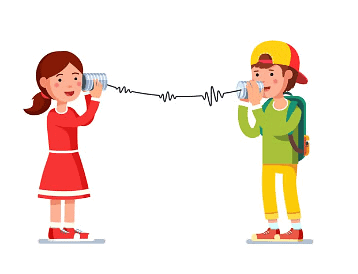
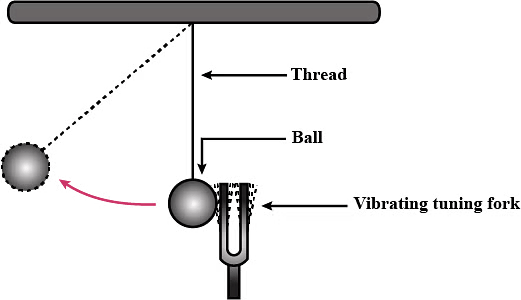
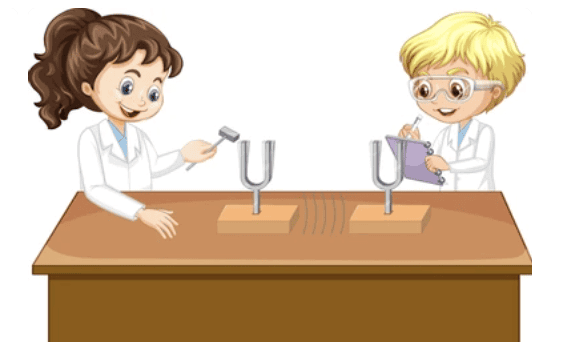
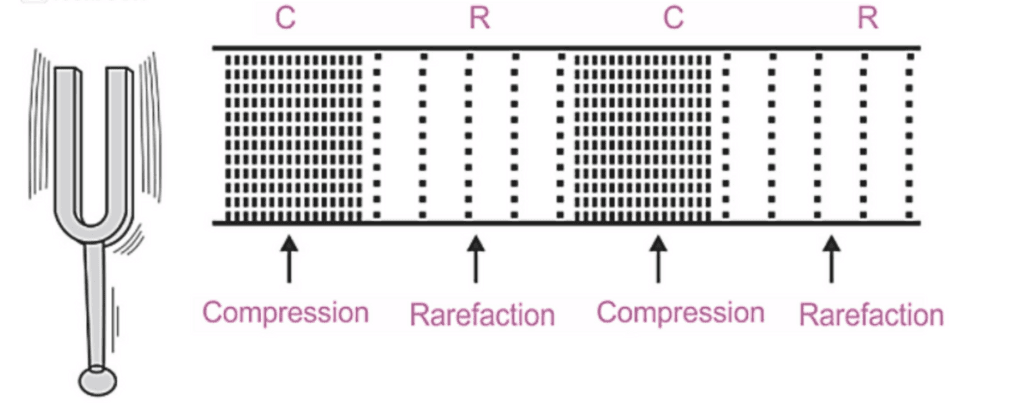 Compression (C) & Rarefaction (R) of sound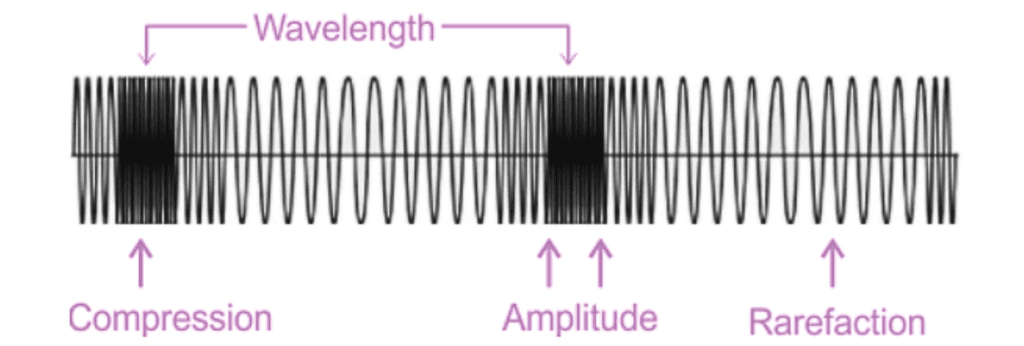
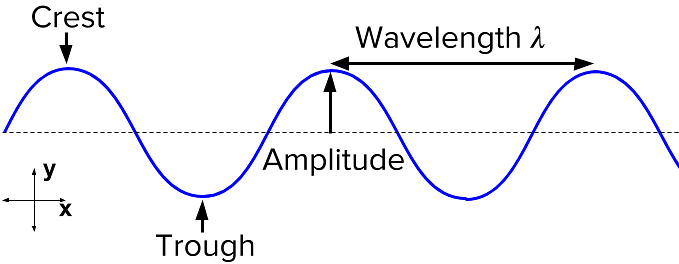
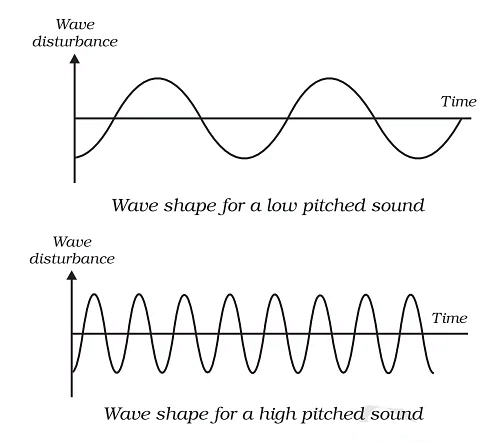
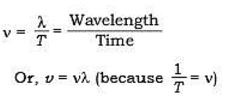
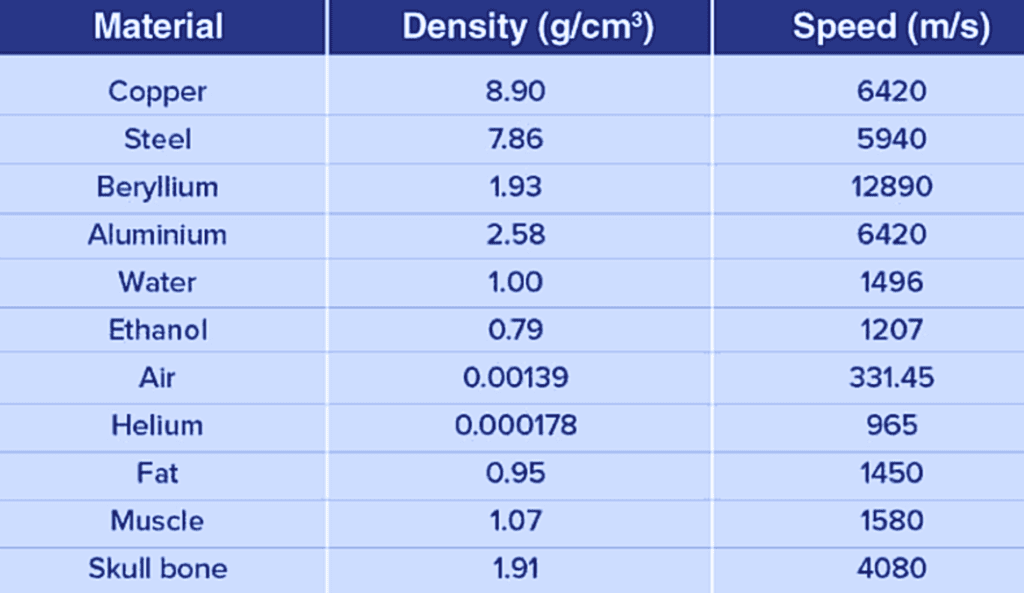
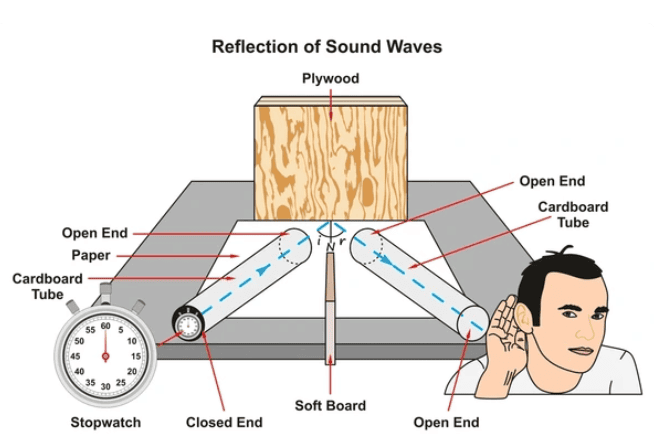
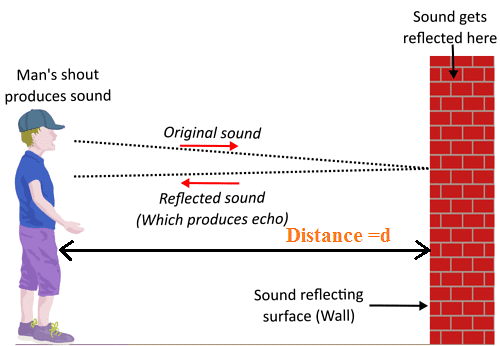 Man producing echo
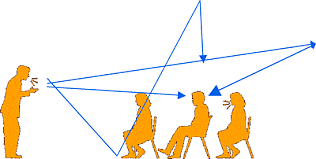 Reverberation of Sound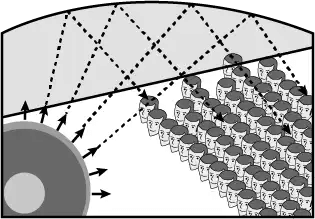
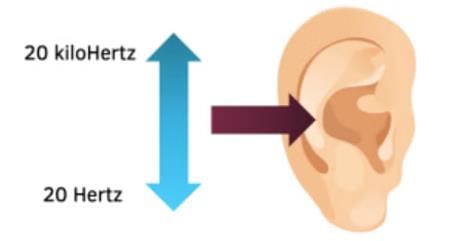
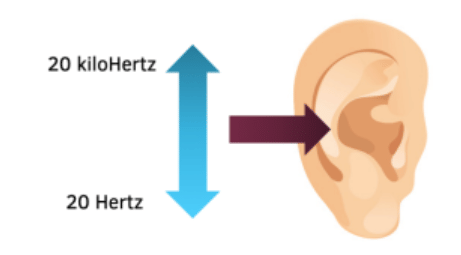
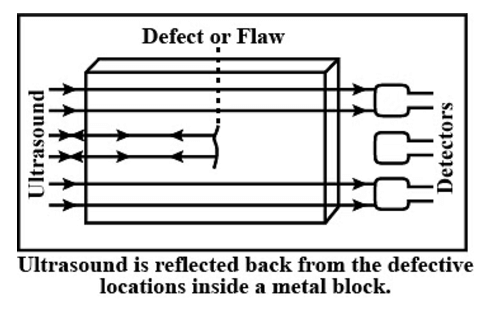
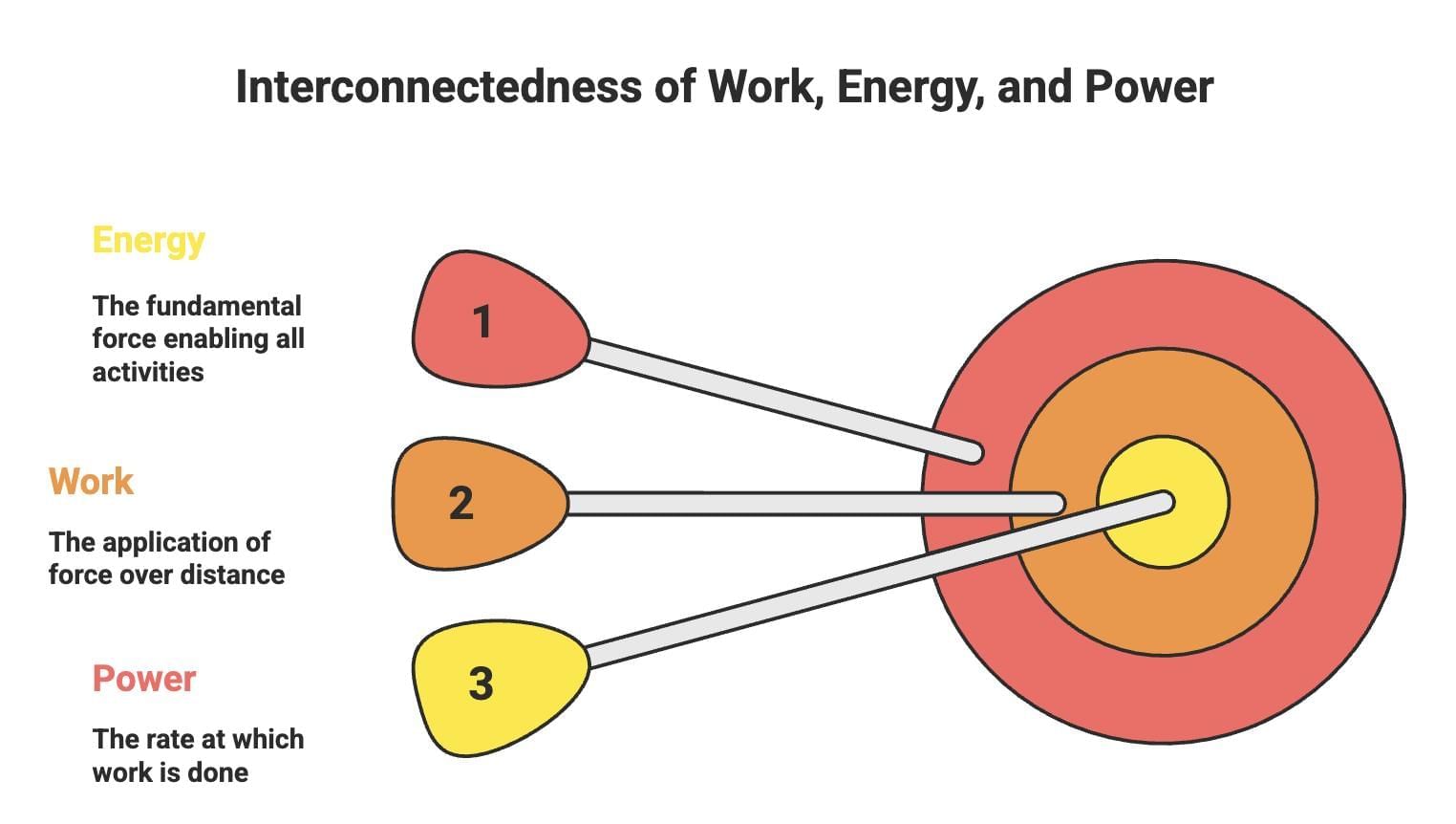
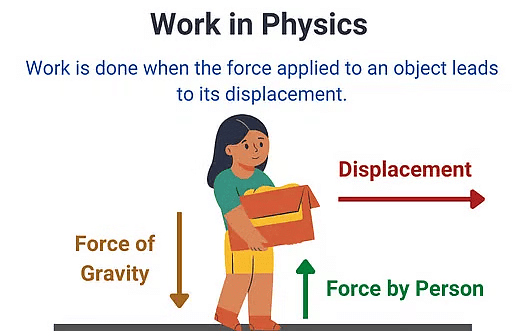

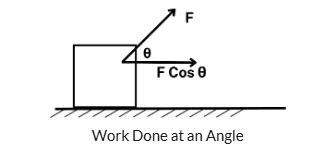

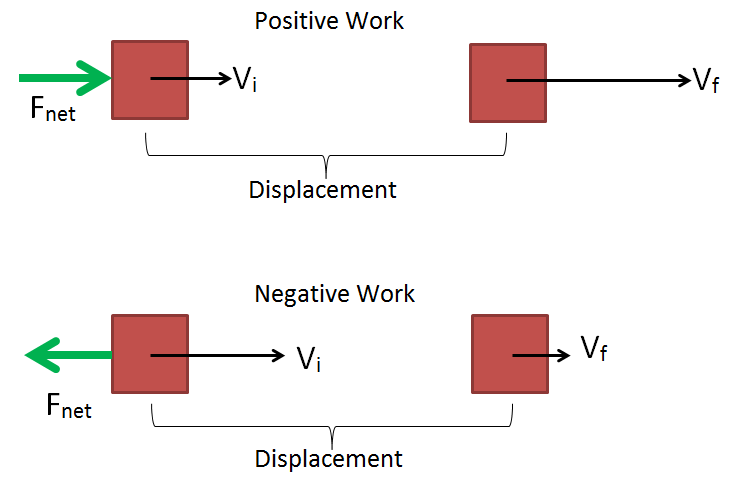
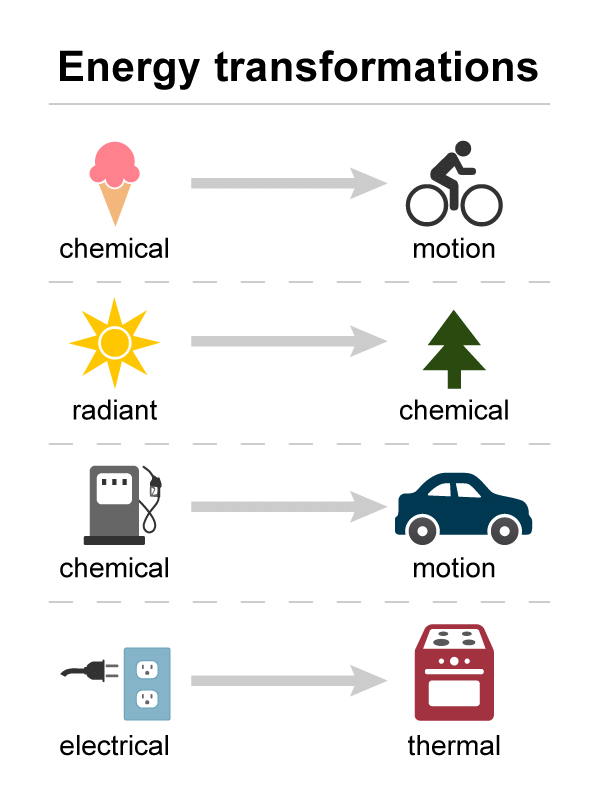
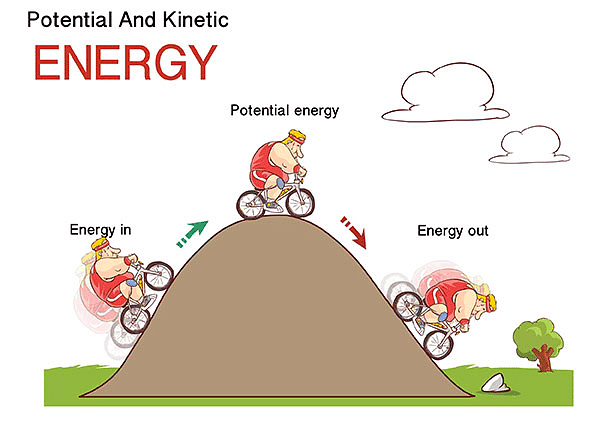

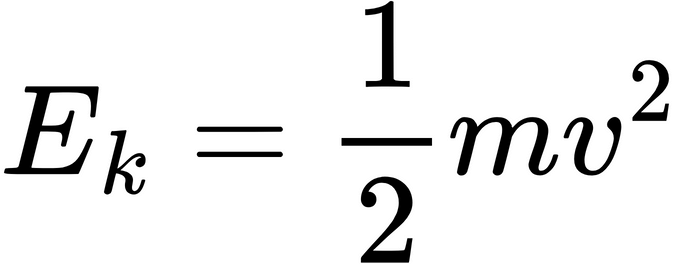
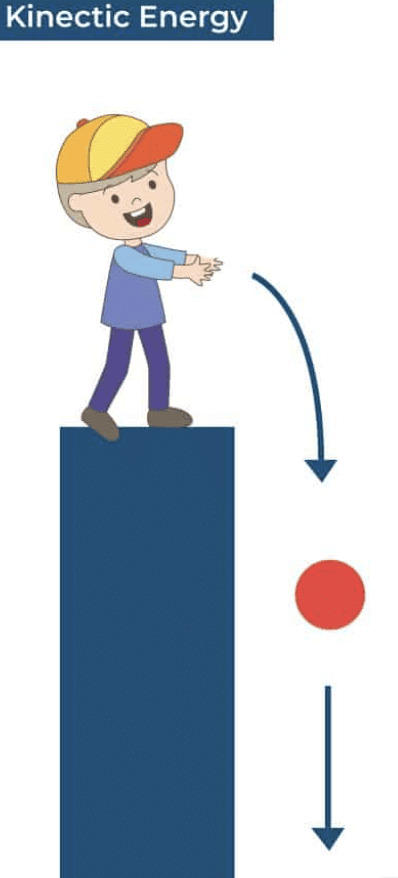

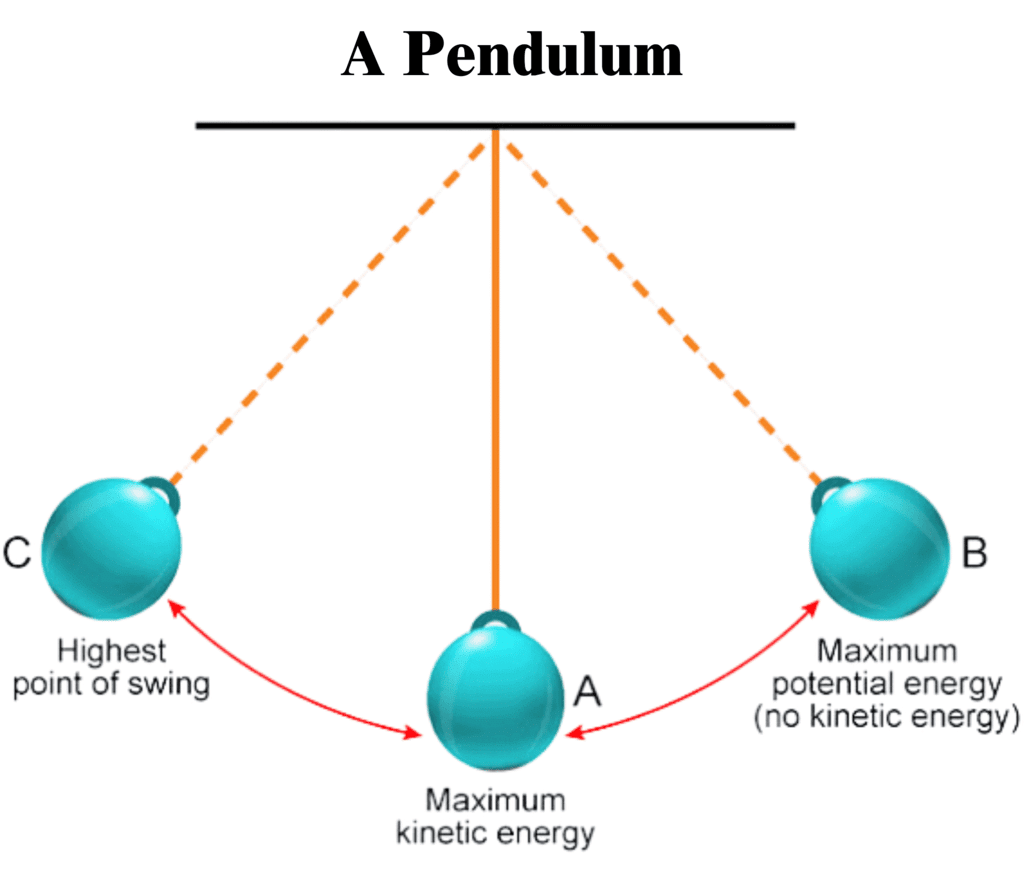
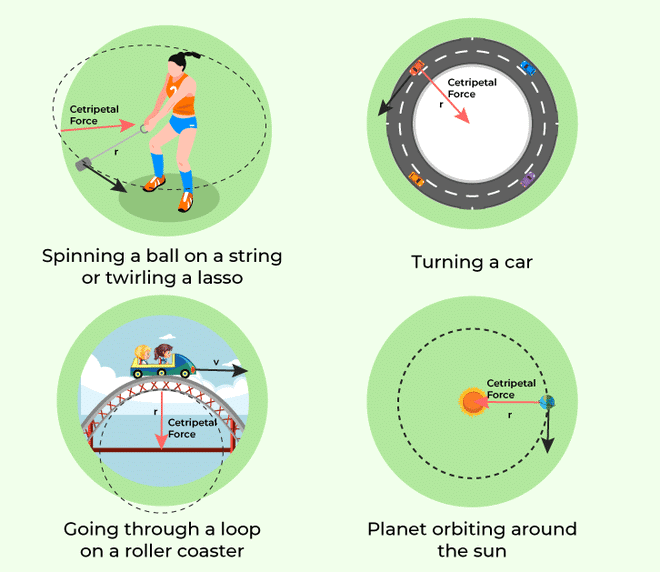 Examples of Centripetal Force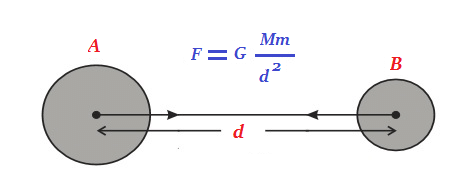
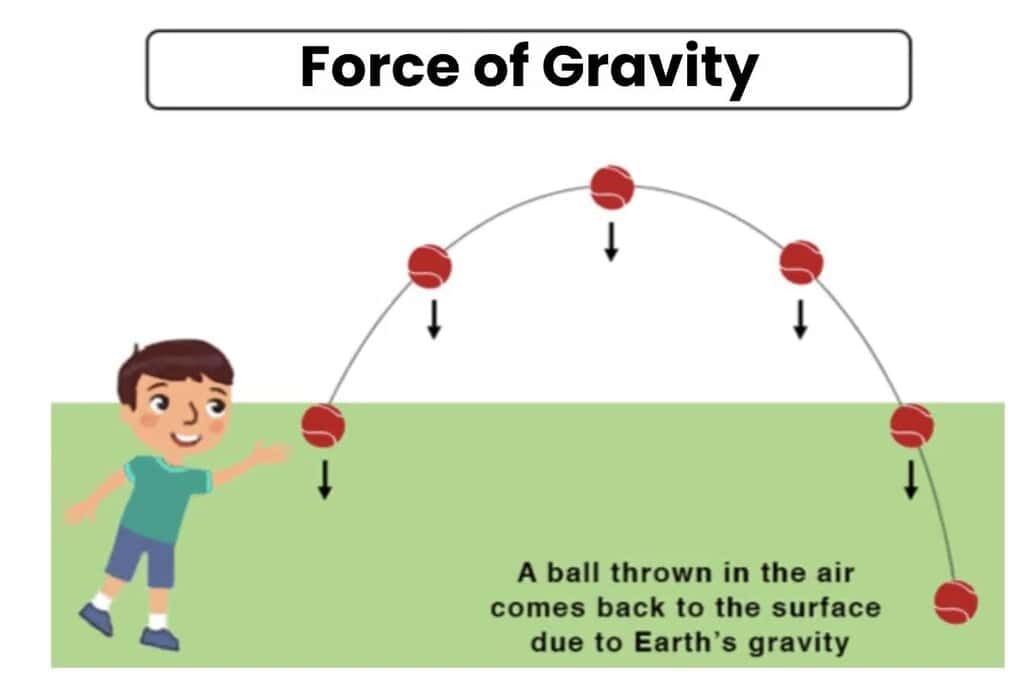
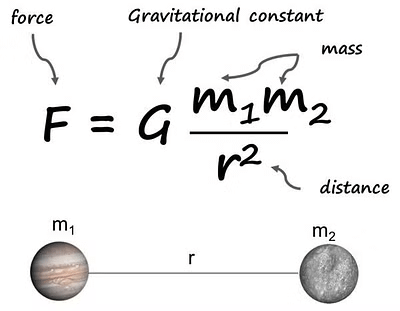 Gravitation Formula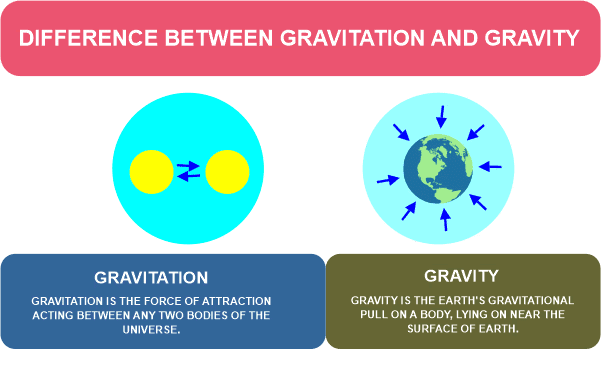
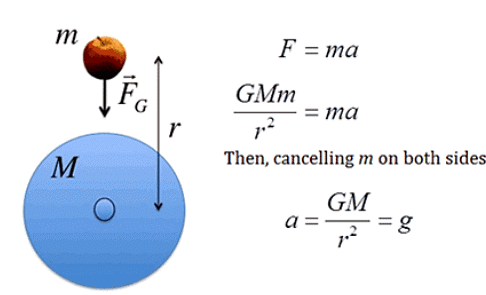

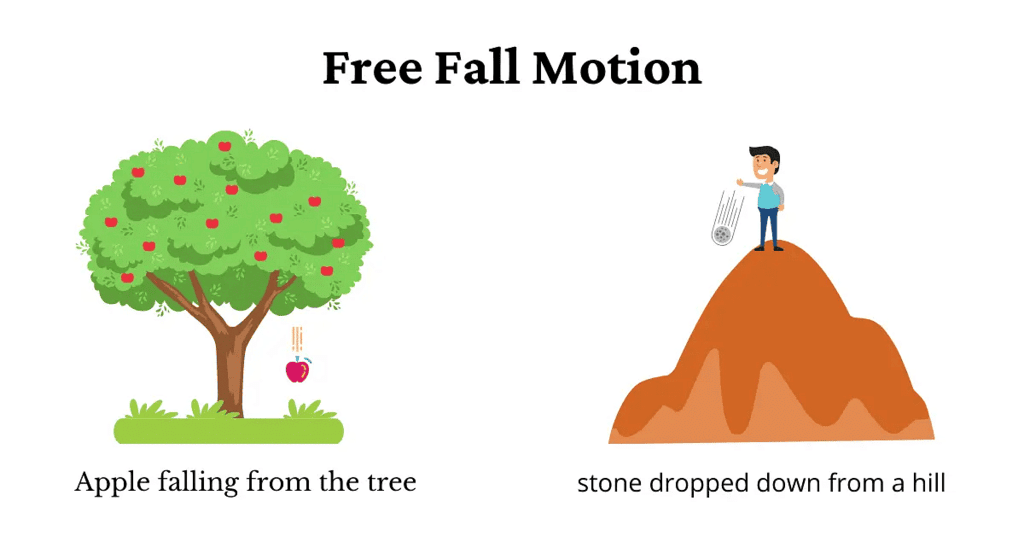 Free Fall Motion


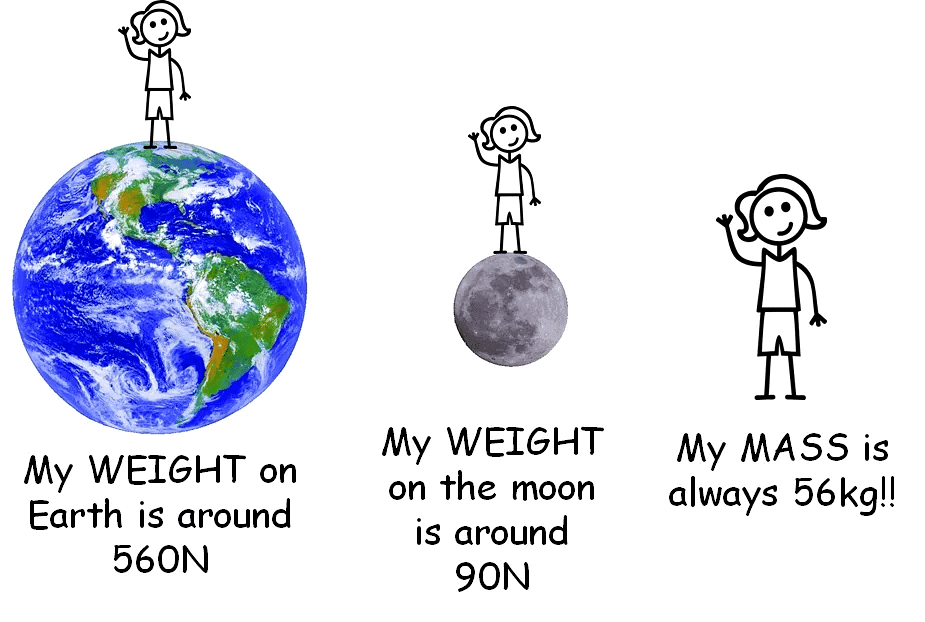 Mass and Weight
 (at a given place). For this reason, at a given place, we may use the weight of an object as a measure of its mass.
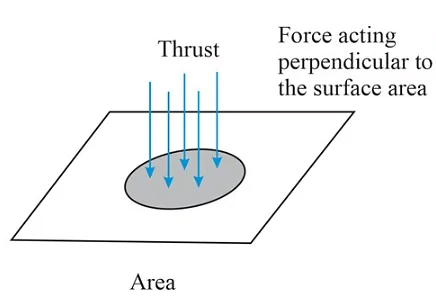 Thrust
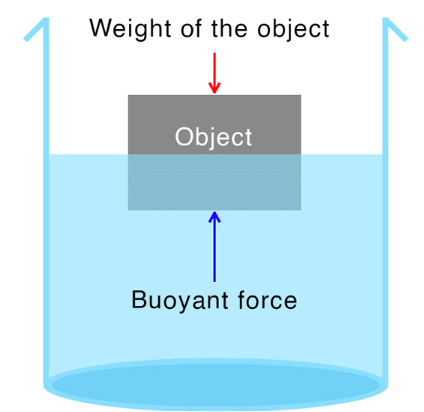 Buoyancy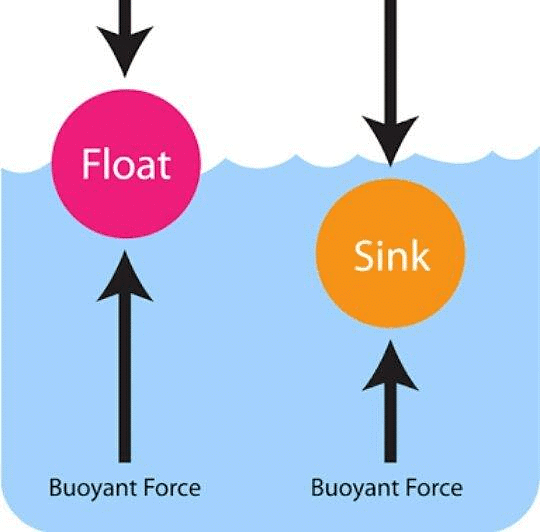
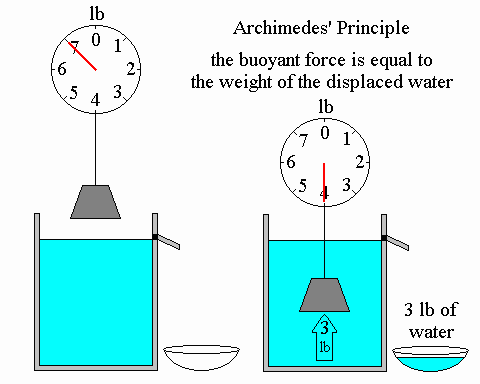
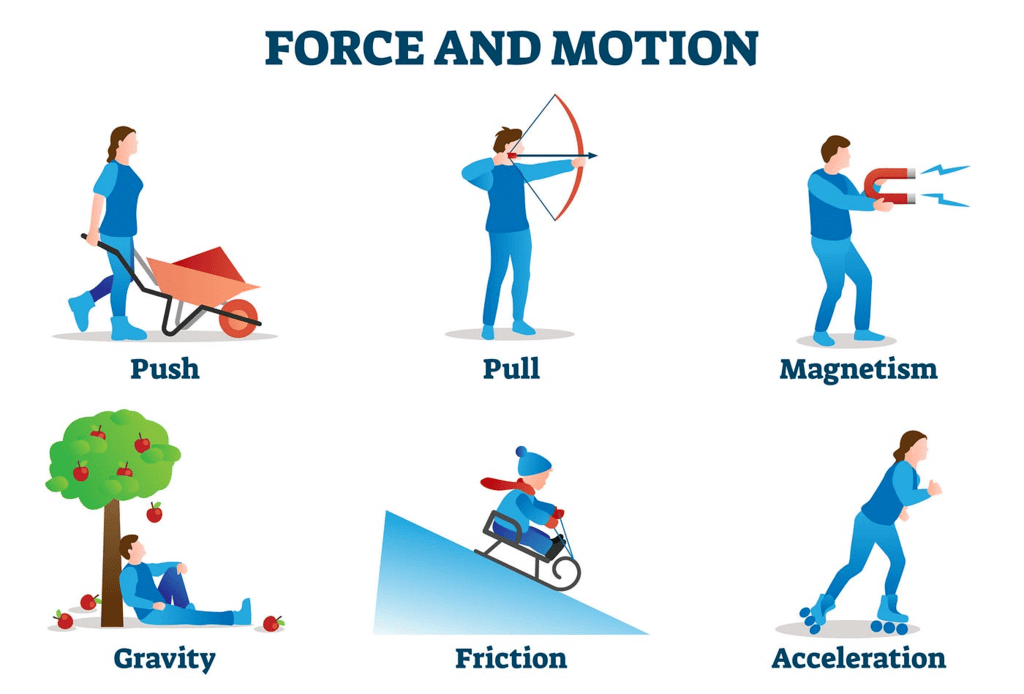
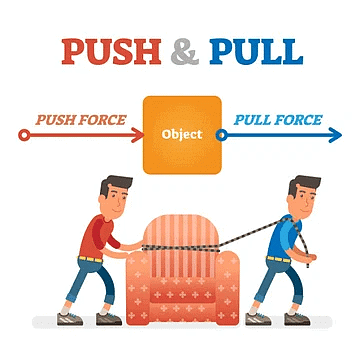 Push or Pull is called Force
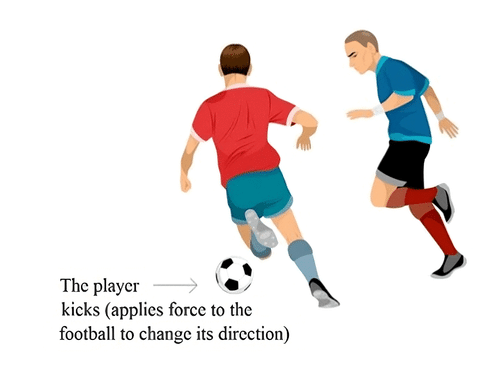 Effects of Force
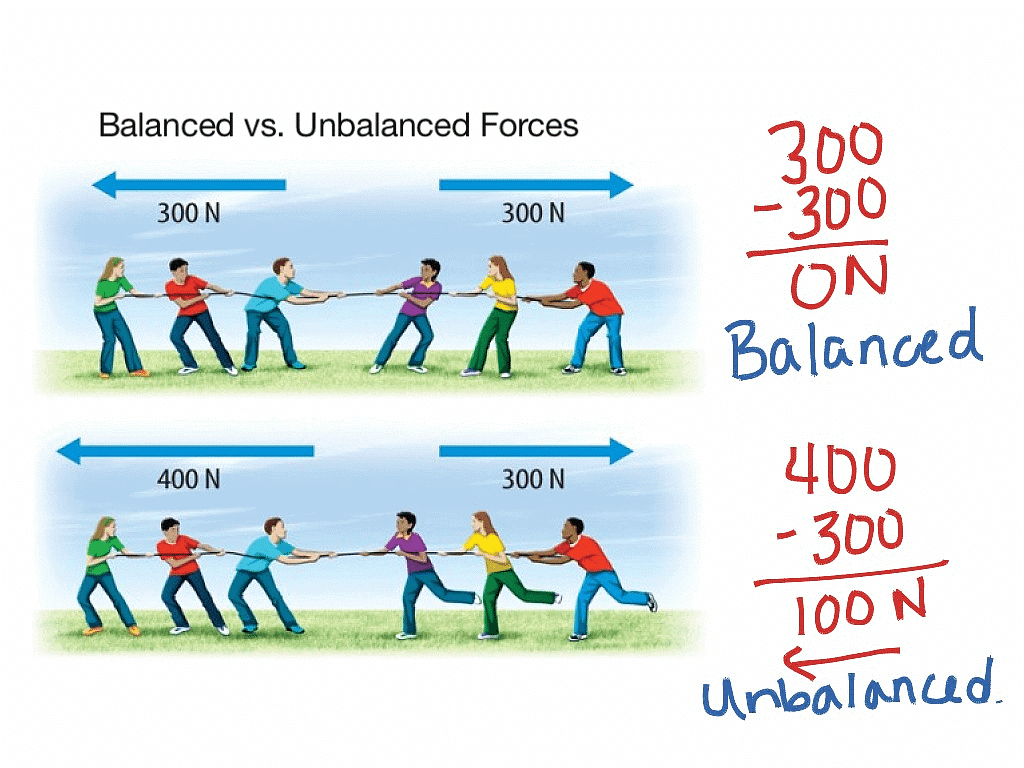 Balanced and Unbalanced Forces
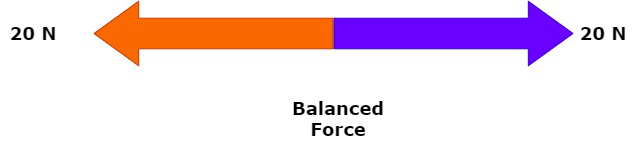 Balanced Force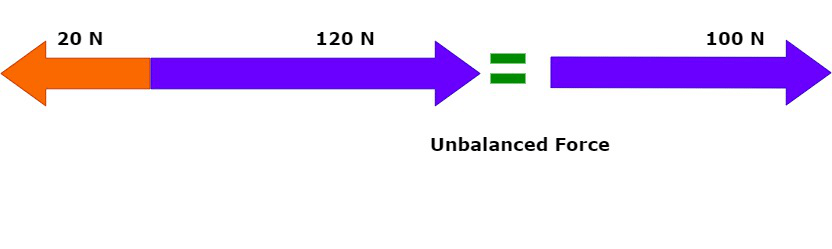
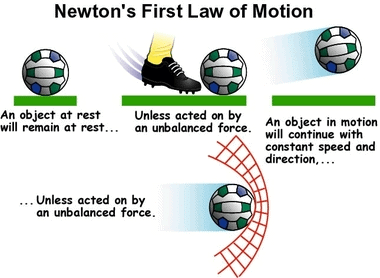
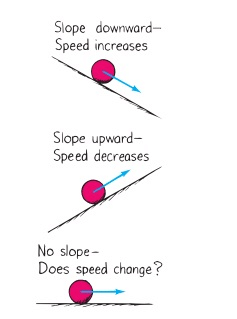
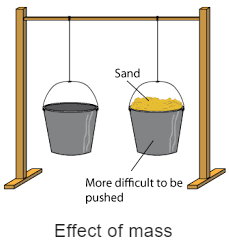
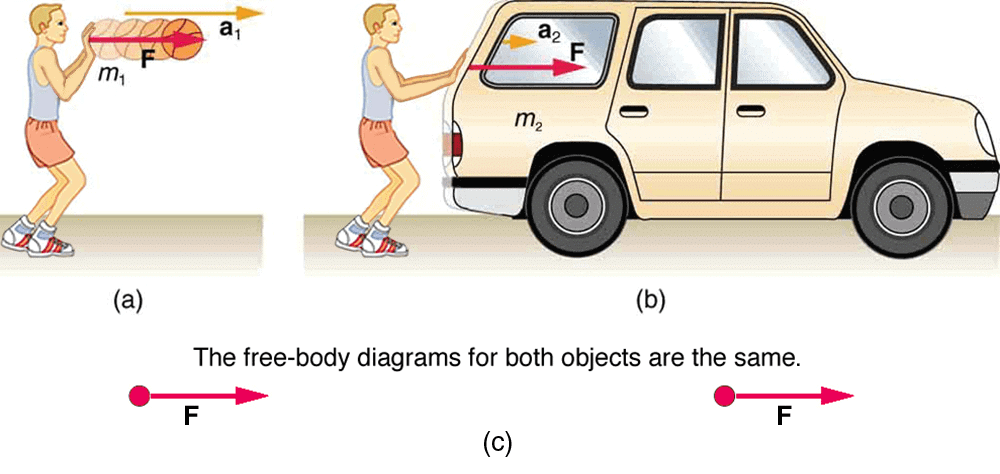 Illustration of Force depending on Mass and Acceleration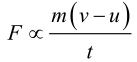
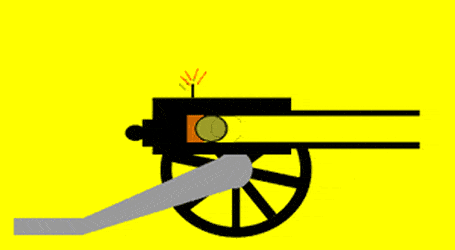
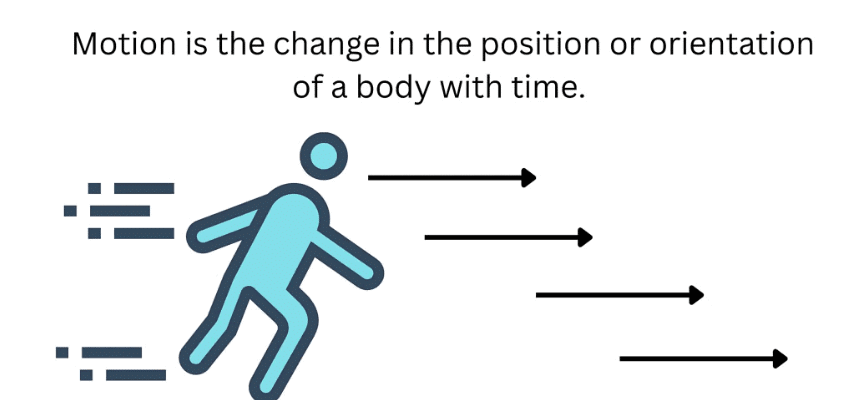 Motion
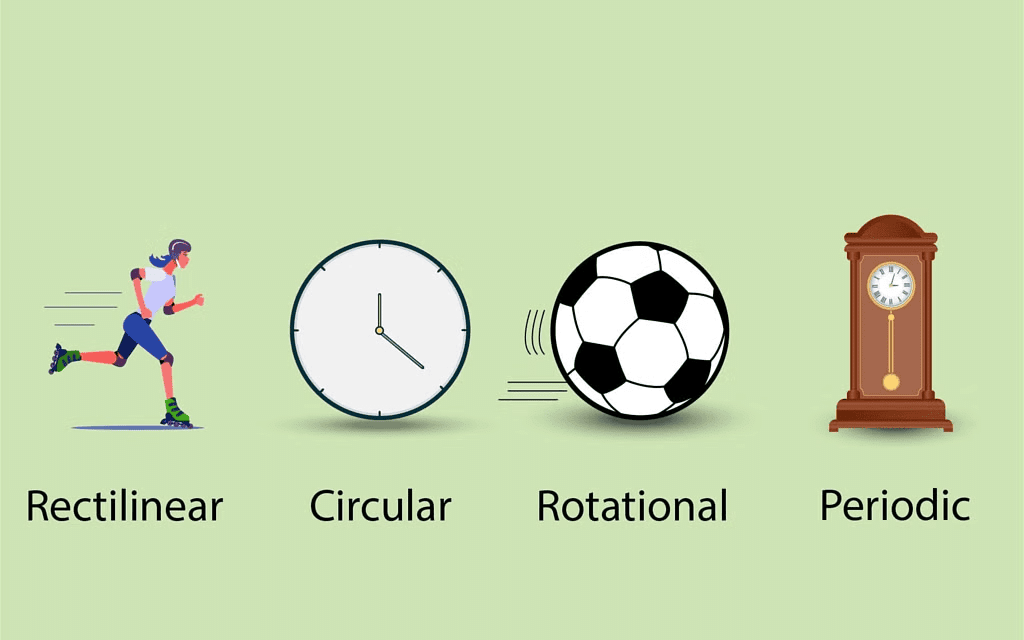 Types of Motion
 Motion along a straight line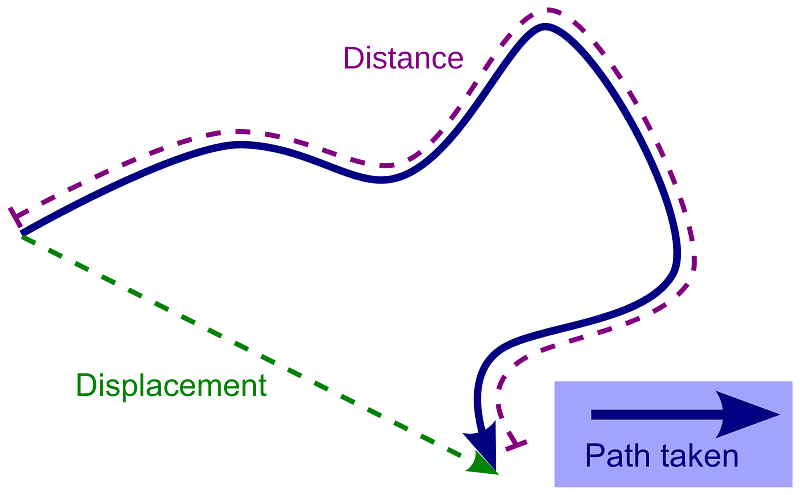
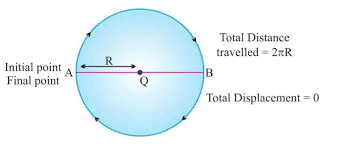 Example of Zero Displacement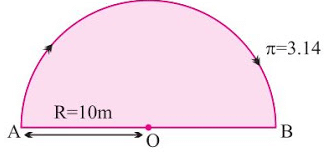
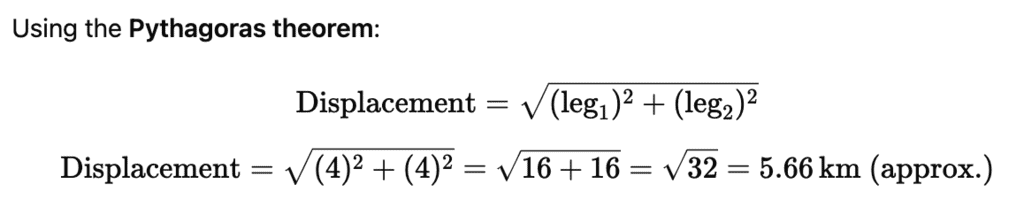
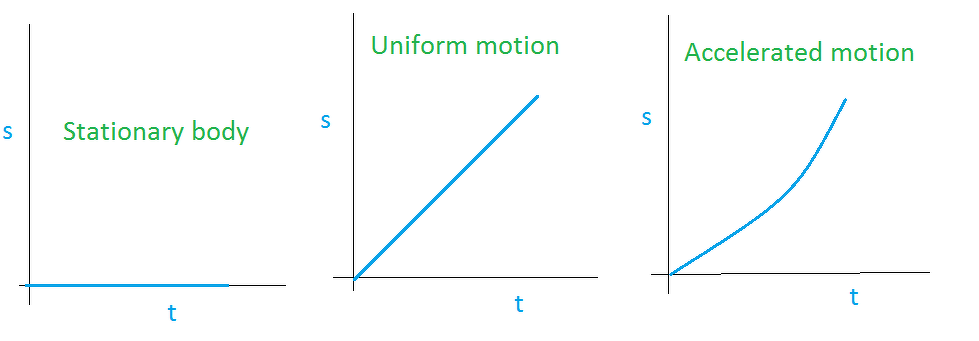
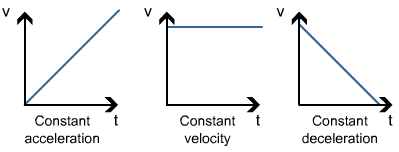
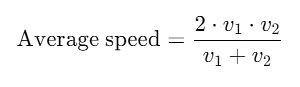 Given: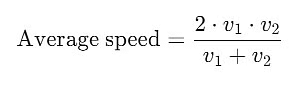

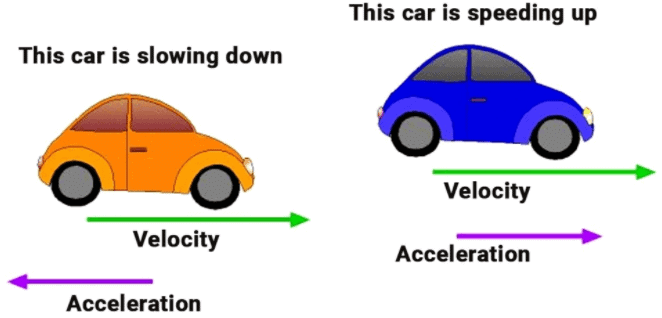
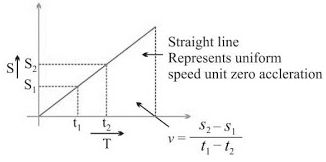 (ii) s/t graph for non-uniform motion: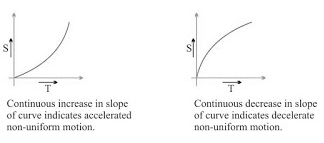
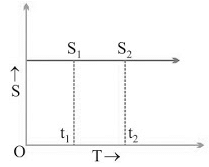 v = (s2 – s1)/(t2 – t1)
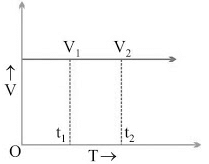 a = (v2 – v1)/(t2 – t1)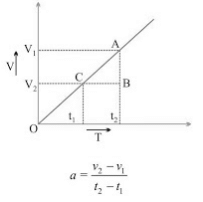
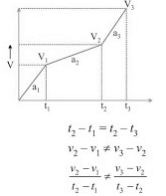 a2 ≠ a1
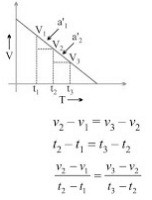 a1‘ = a2‘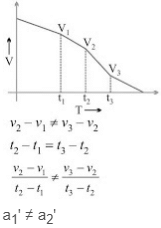
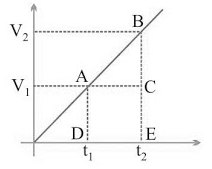
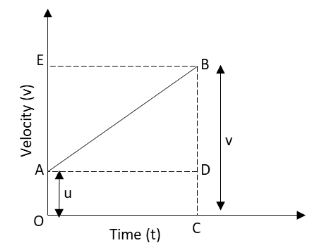
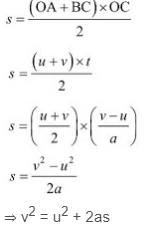
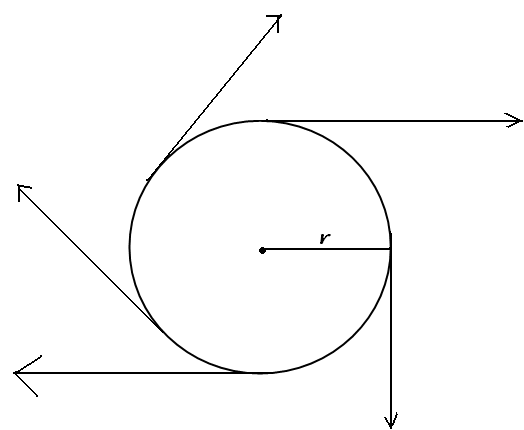
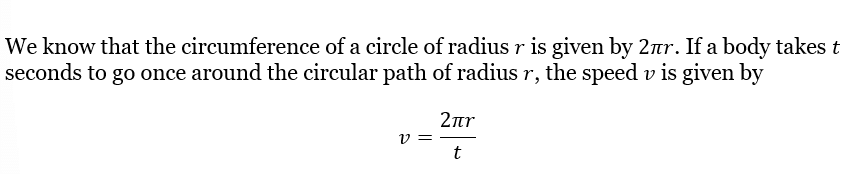
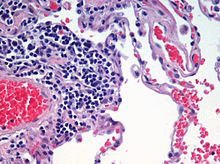 Tissue

 Intercalary meristem section
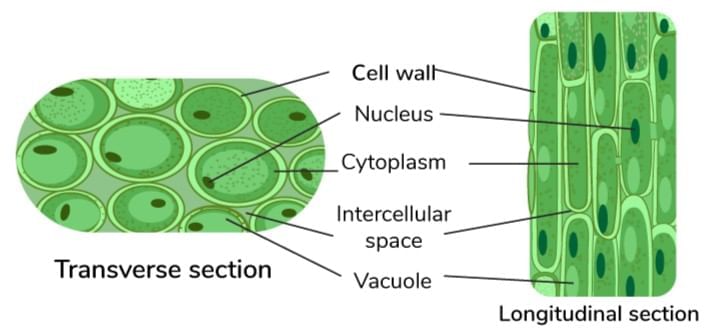 Parenchyma Tissue in Transverse and Longitudinal section
 Sclerenchyma Tissue
 Epidermis
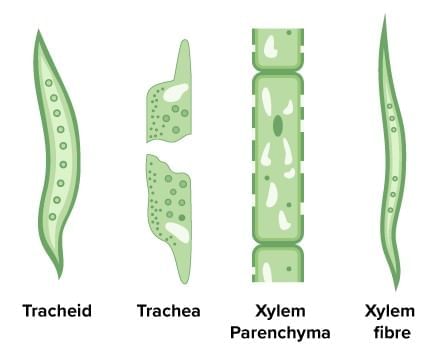 Xylem Elements
 Working of Xylem and Phloem in plant
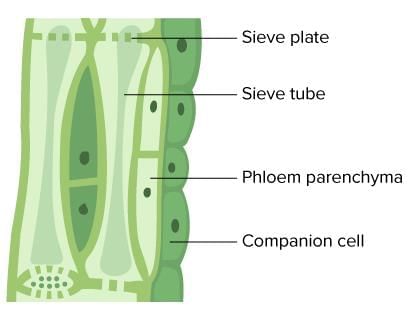 Section of phloem
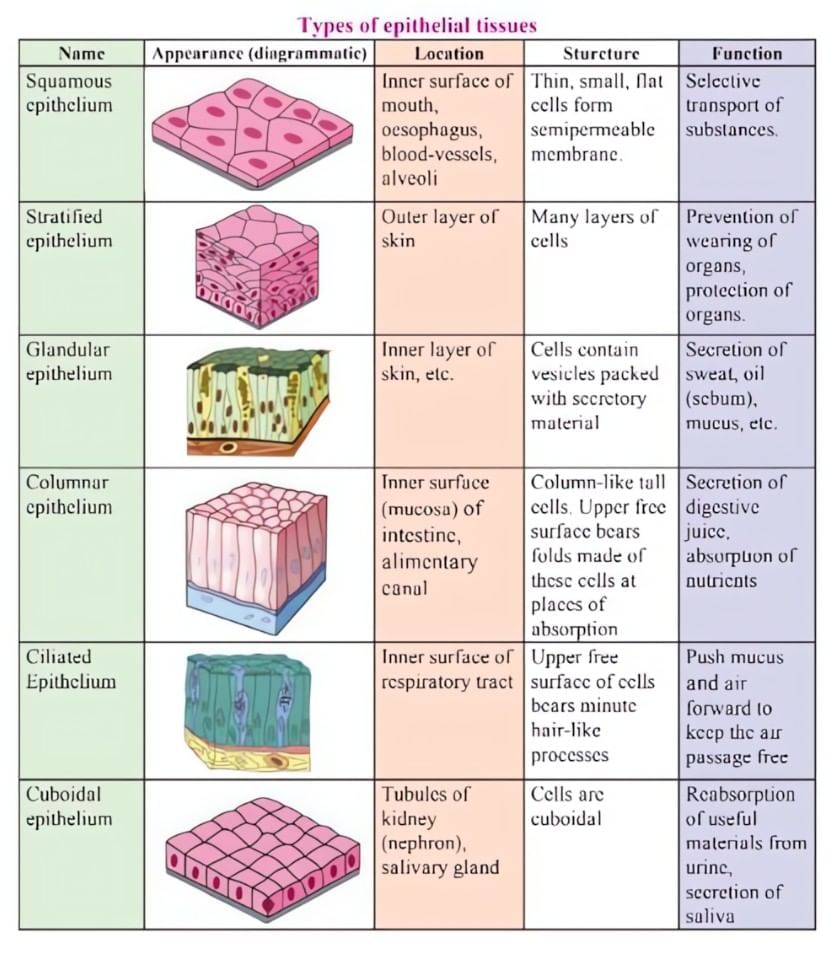

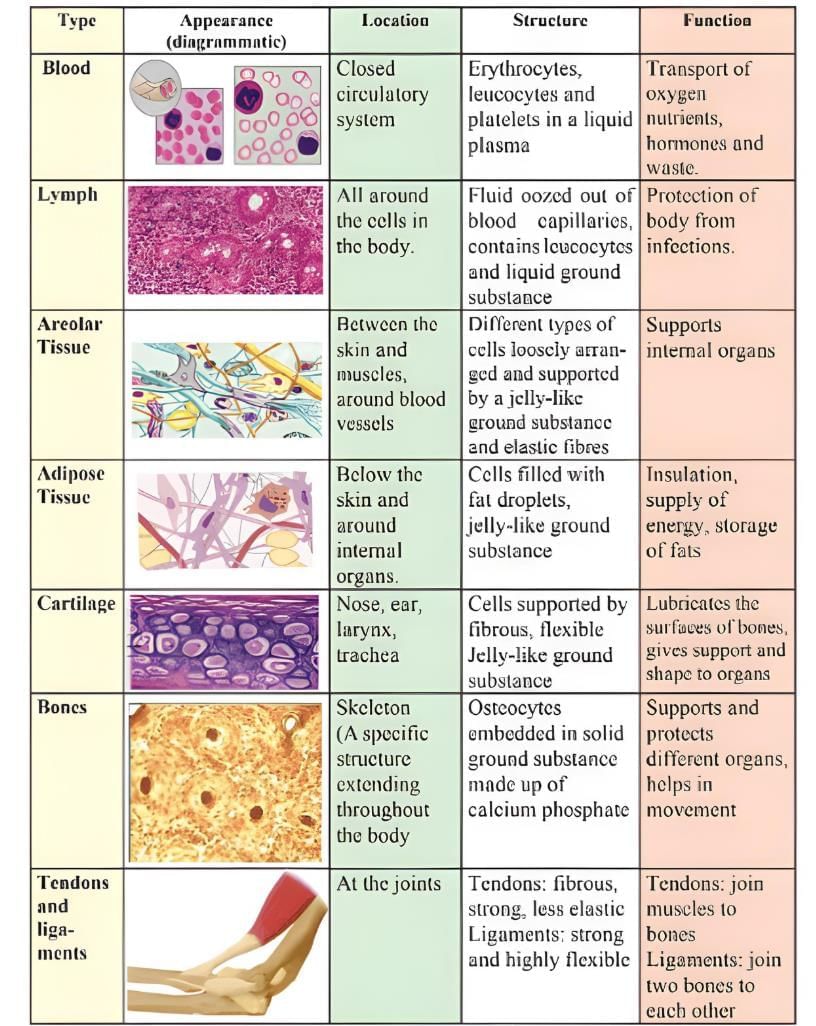


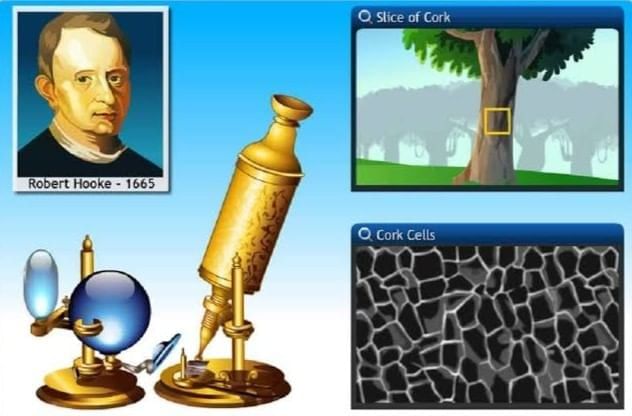
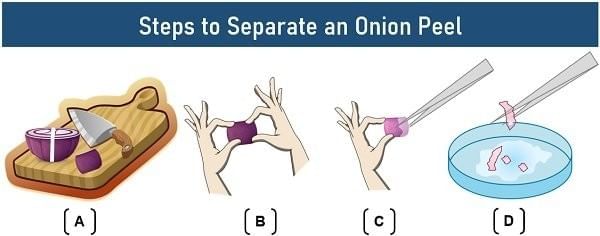
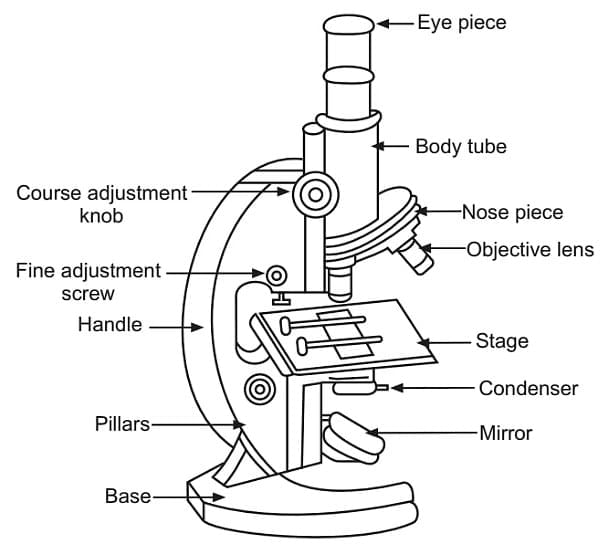
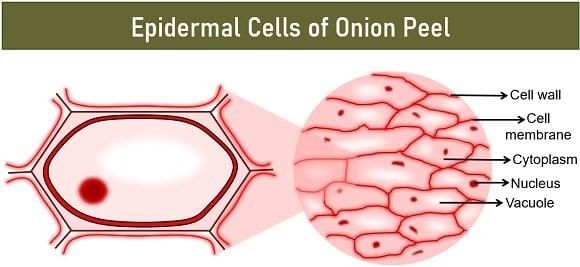
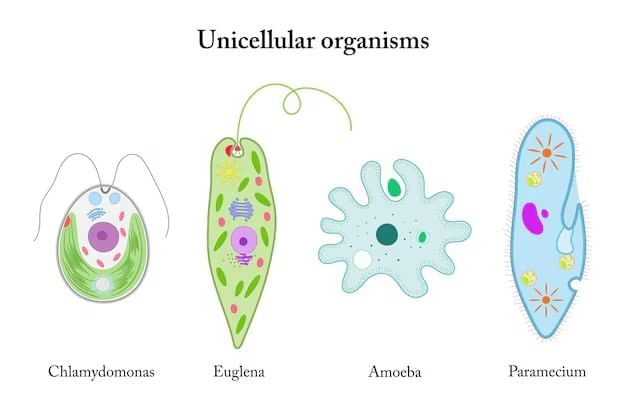
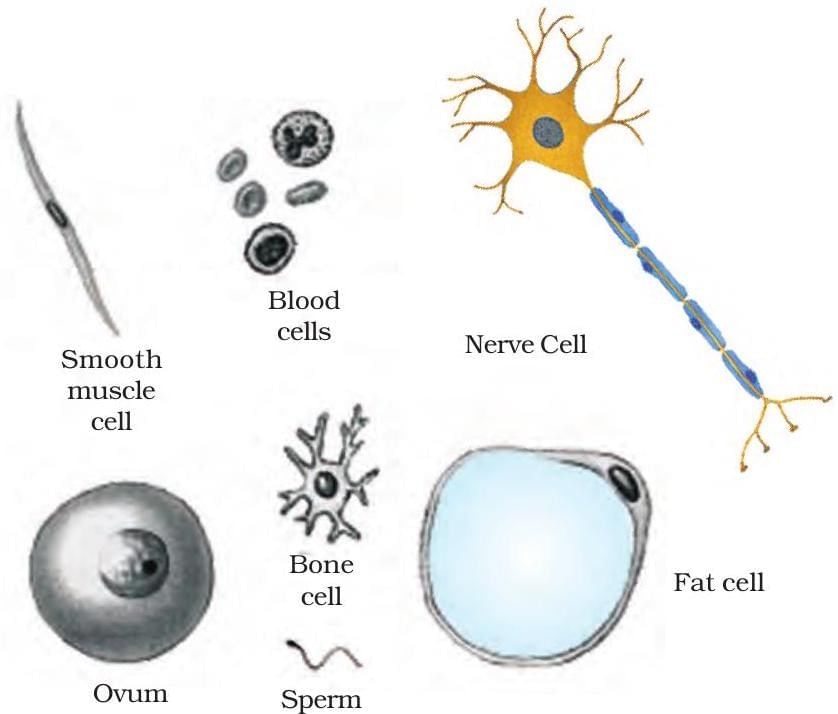 Various cells from the human body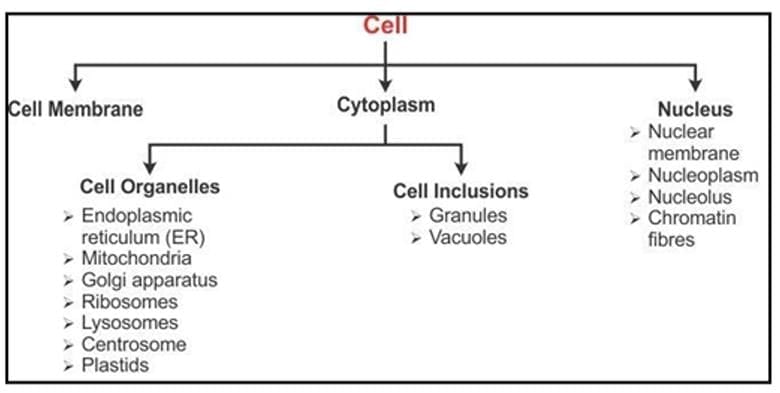
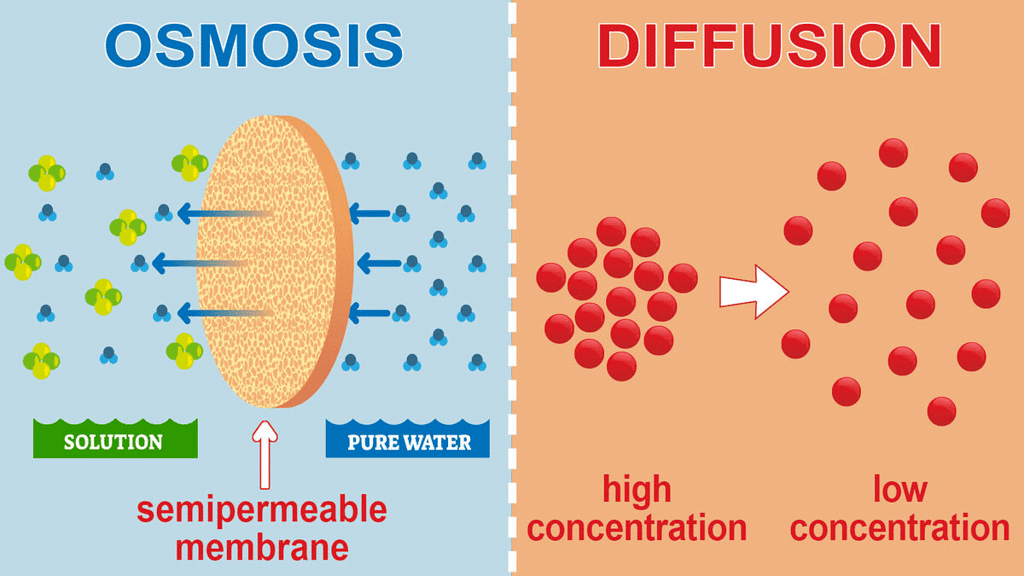
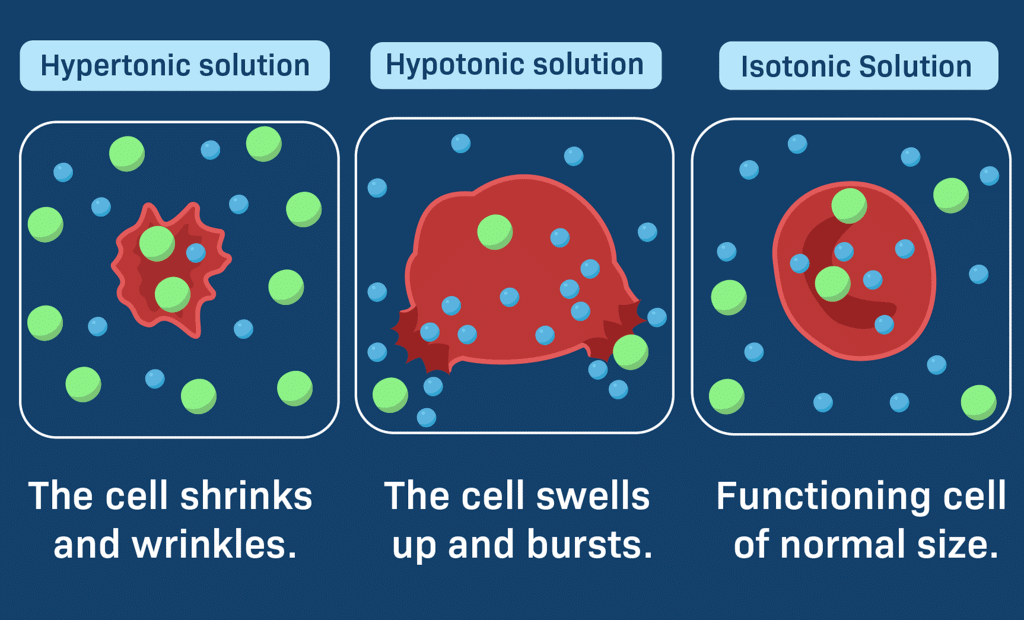
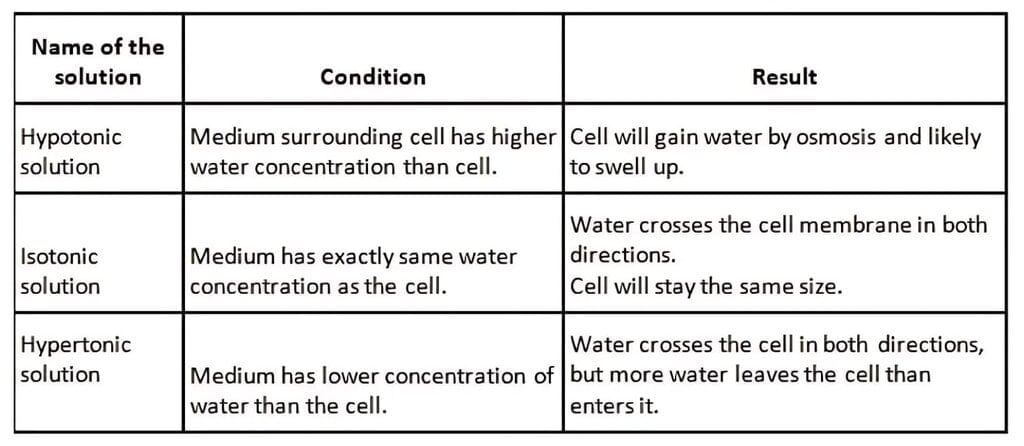
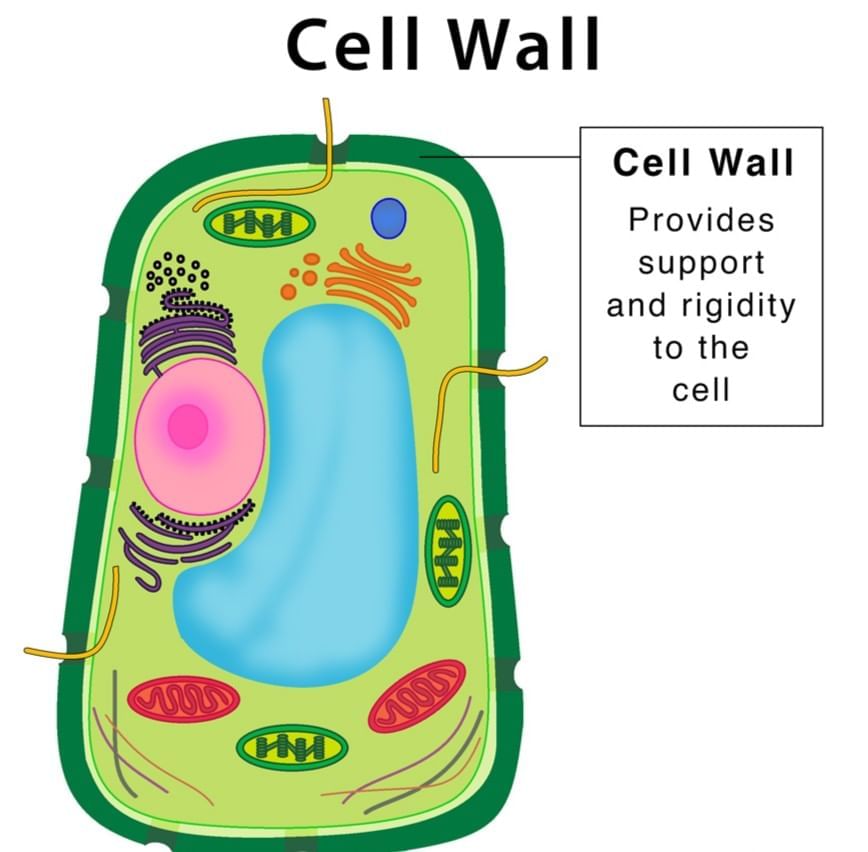
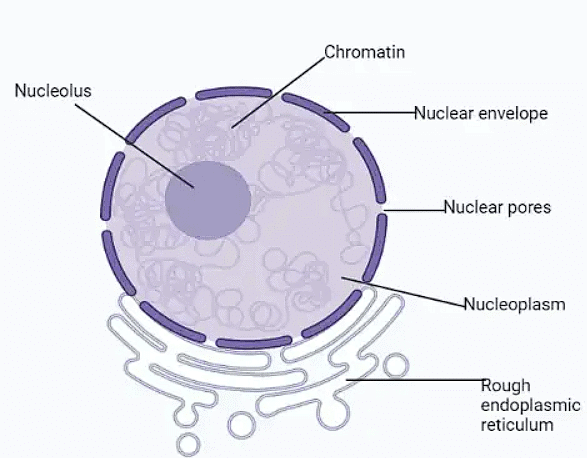
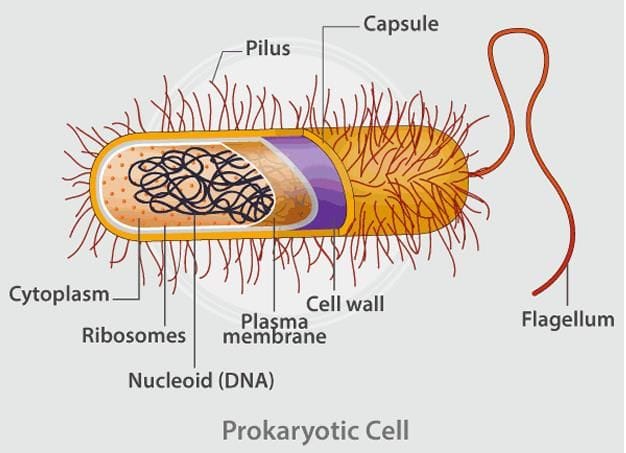
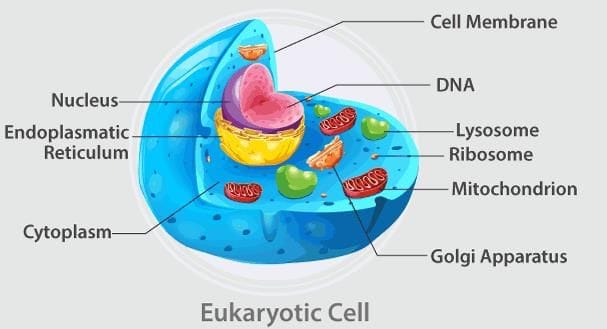
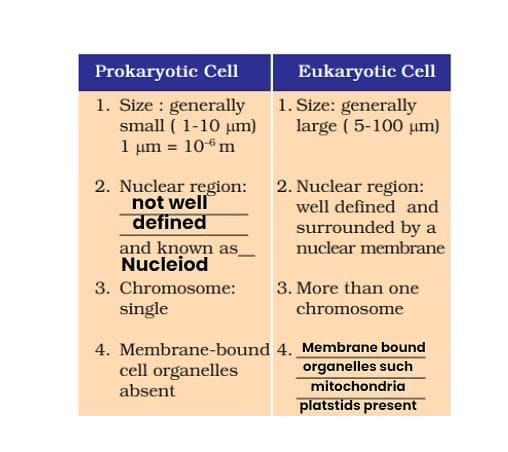
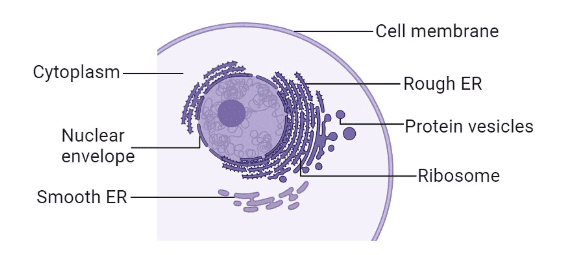
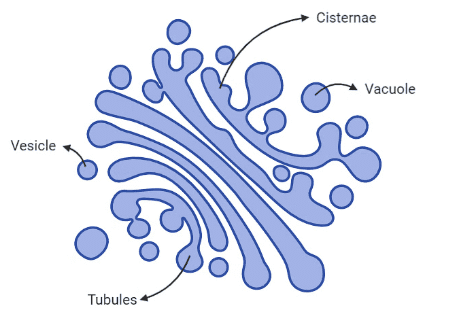 Golgi Apparatus
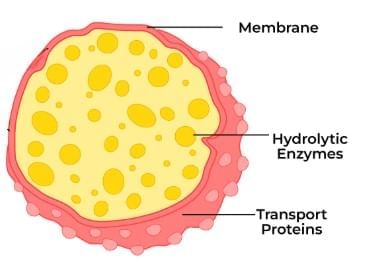 Lysosome
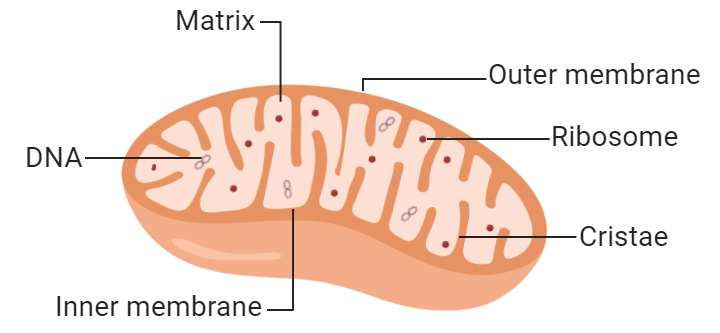 Mitochondria
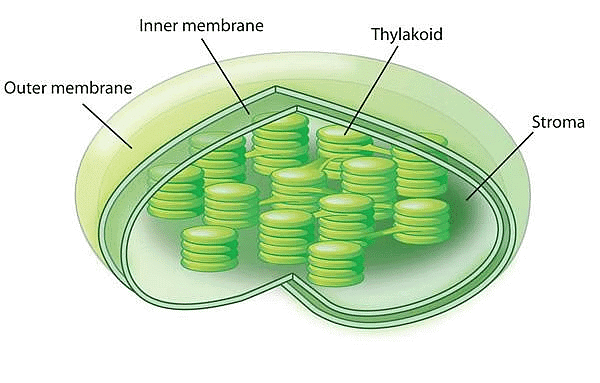 Plastid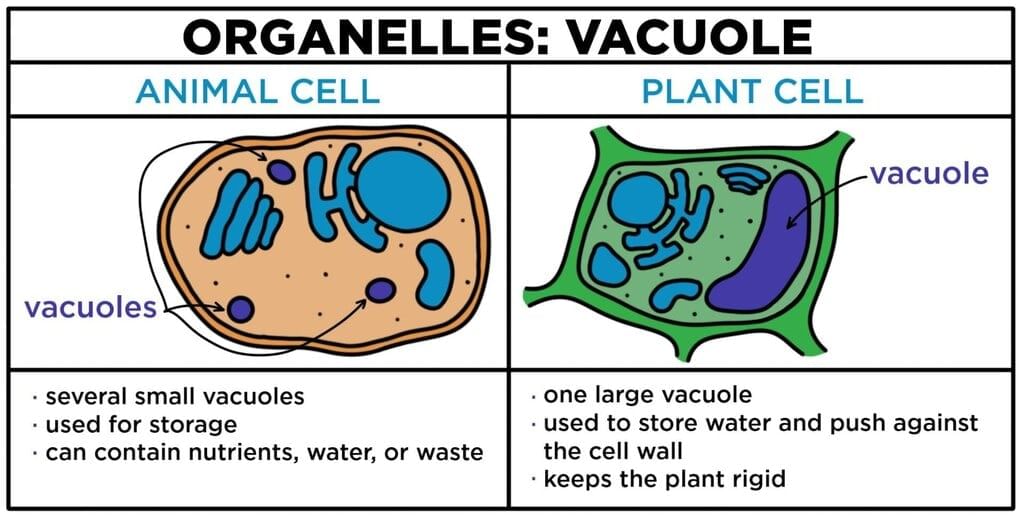
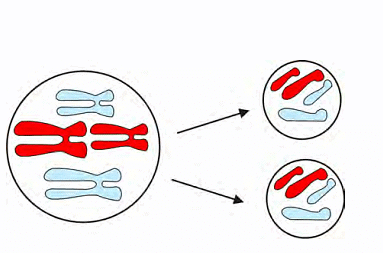 MITOSIS
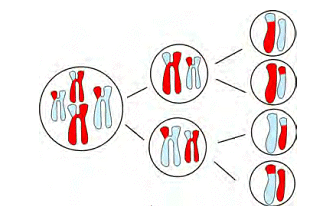 MEIOSIS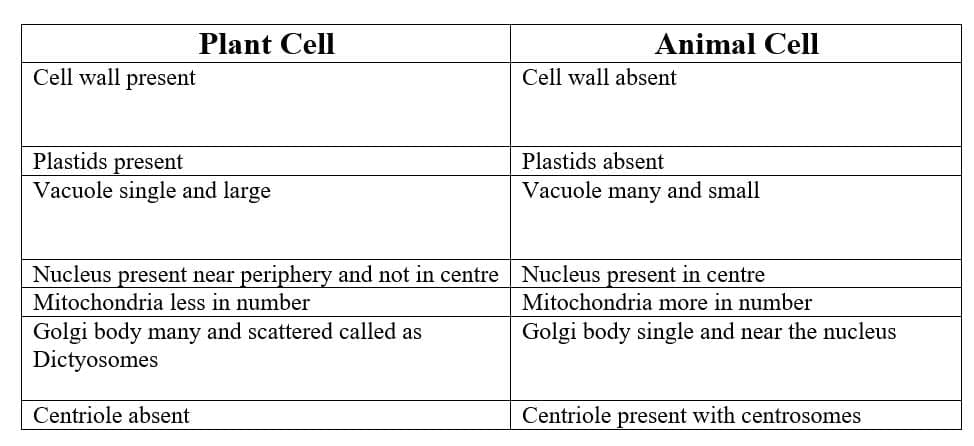
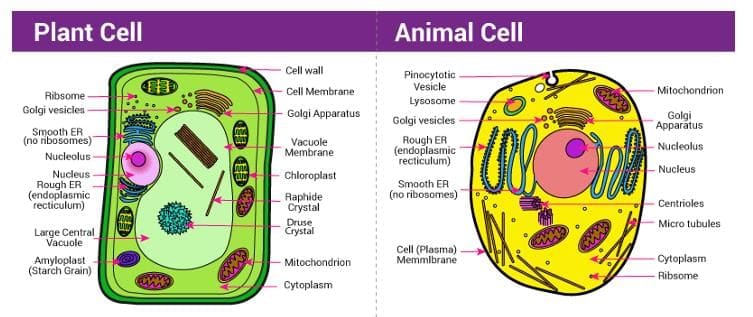
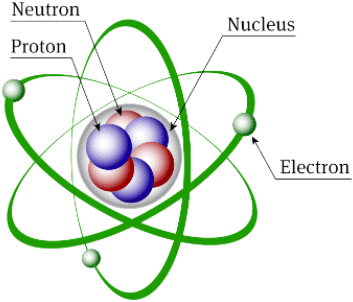 Structure of Atom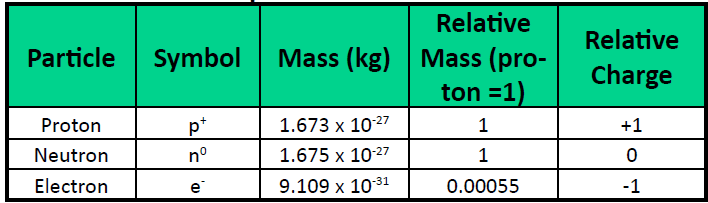
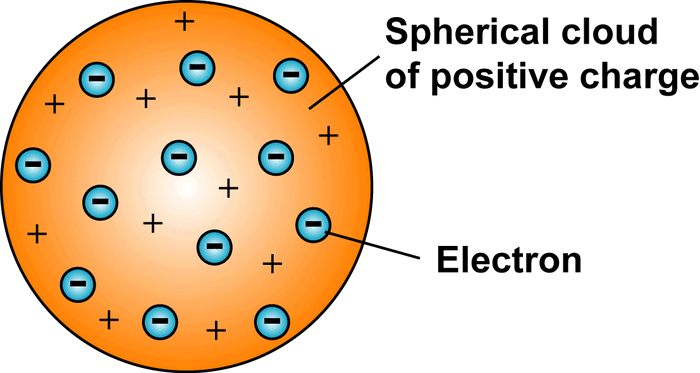 Plum Pudding Model
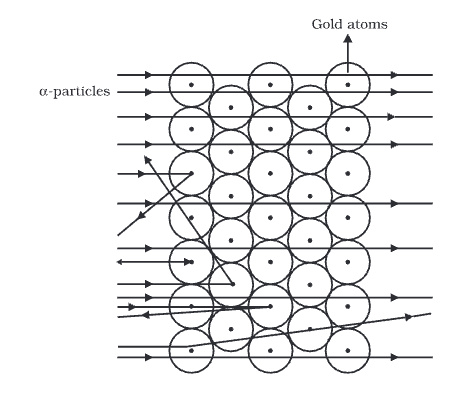 Rutherford’s Experiment
 Bohr’s Model
 Atomic structure of the first eighteen elements
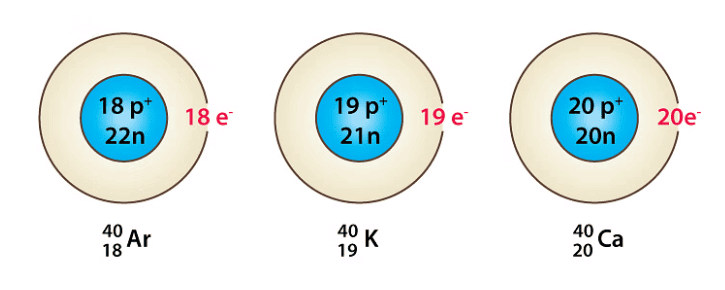 Examples of Isobars
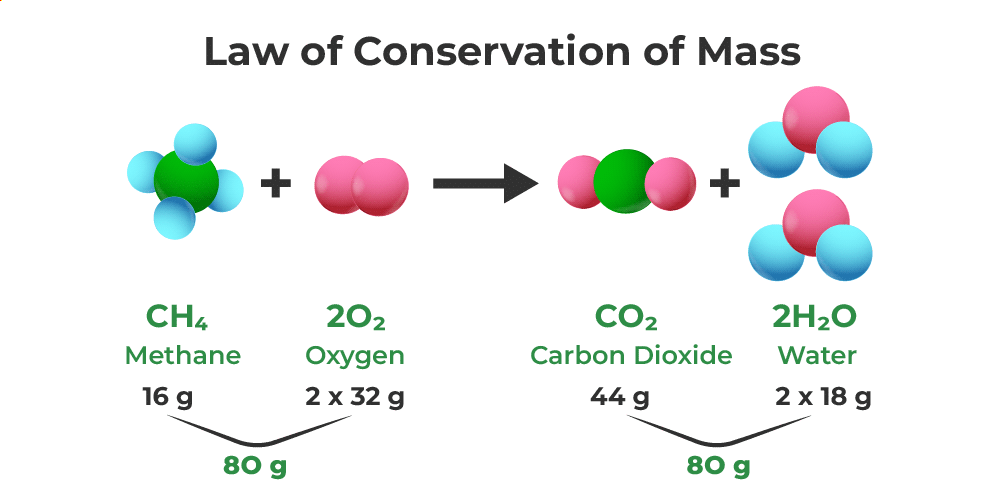 Example of Law of conservation of Mass
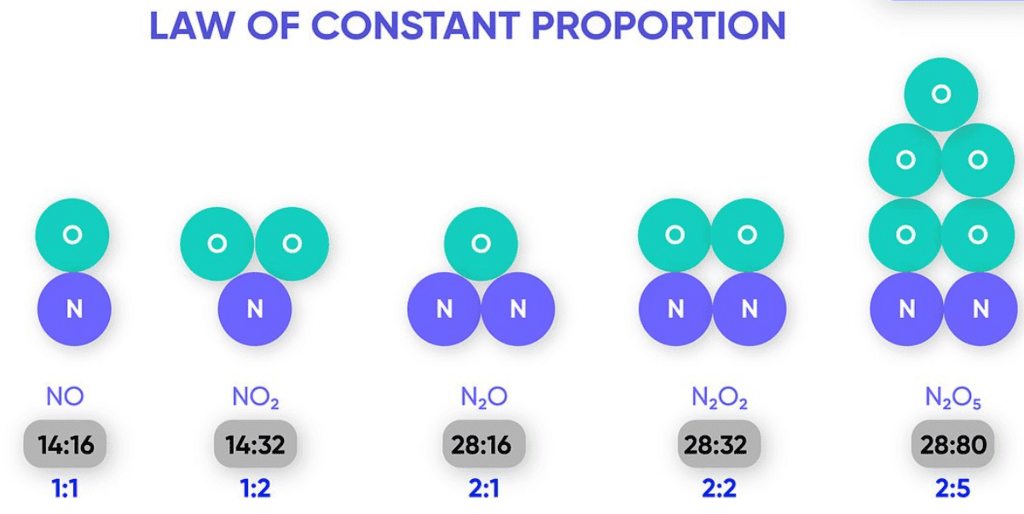 Example of Law of Constant Proportion
 John Dalton

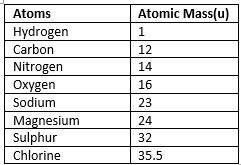 Atomic mass of some elements
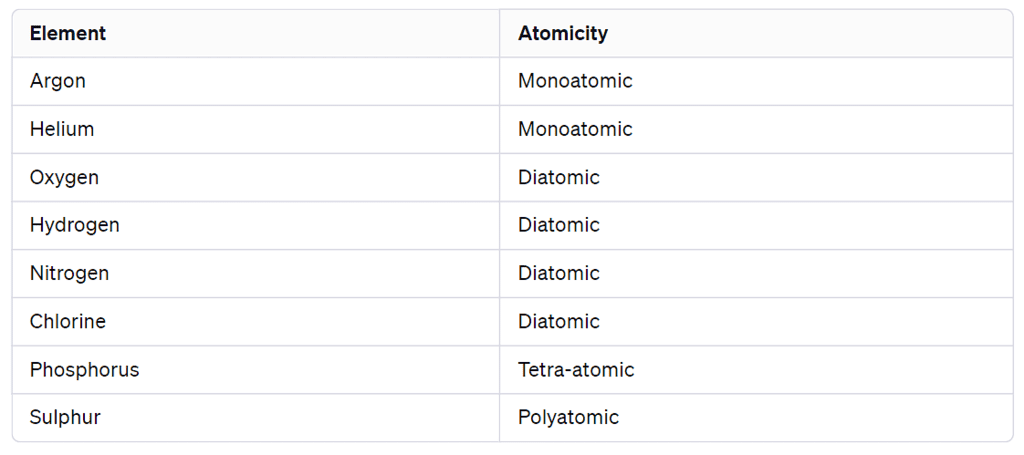 Atomicity of some non-metals


 Examples of Mixtures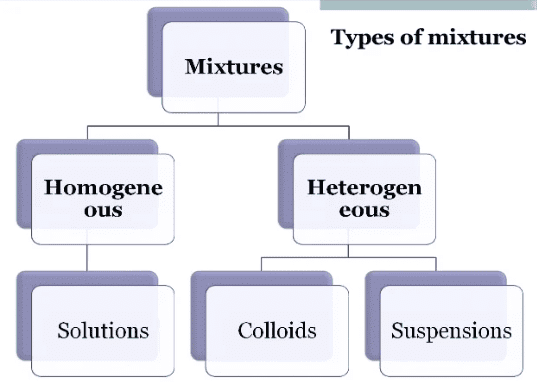
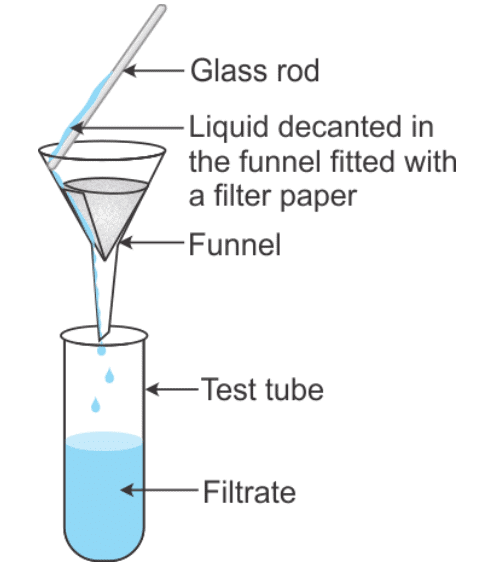
 Solution, Suspension and Colloidal Solution
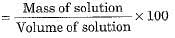
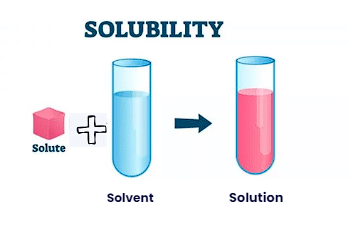
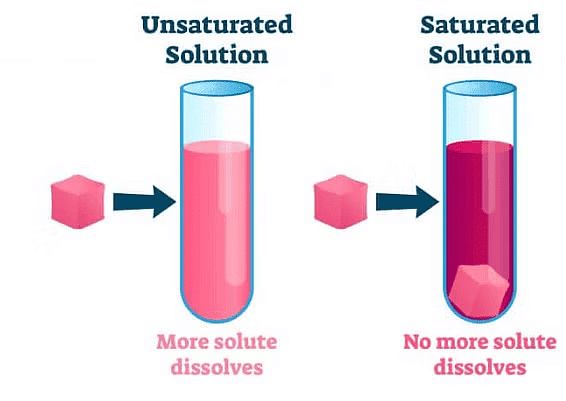
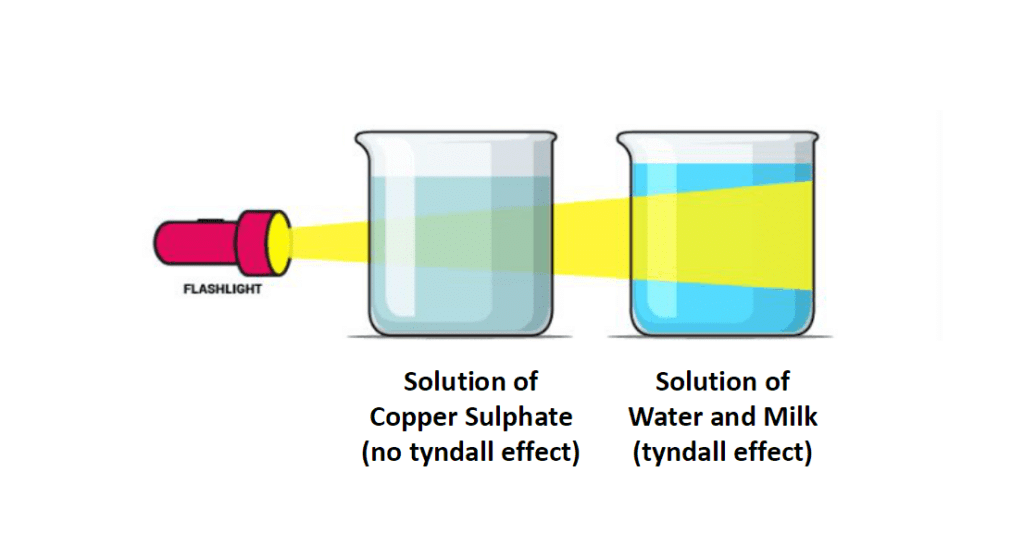 Solution of Copper Sulphate does not show Tyndall Effect, Mixture of Water and Milk shows Tyndall Effect