When we observe our surroundings, we notice a vast array of objects, each differing in shape, size, and texture. Despite these differences, all these objects share a fundamental characteristic: they are made up of matter. But what exactly is the matter?
Matter is defined as anything that occupies space and has mass. It is the substance that constitutes the entire universe, from the smallest grain of sand to the largest star in the sky.
Everything around us, including the air we breathe, the food we eat, stones, clouds, stars, plants, animals, and even a tiny drop of water or a grain of sand—everything is matter.
Universal Presence: Everything, from solids to gases, is made of matter.
Historical Context: Ancient Indian philosophers identified matter as five basic elements: air, earth, fire, sky, and water, known as the ‘Panch Tatva’.
Focus of the Chapter: This chapter explores the physical properties of matter and its various states—solid, liquid, and gas.
By understanding these concepts, you’ll gain insight into the material world that surrounds us.
Physical Nature of Matter
The physical nature of matter refers to its fundamental properties and behaviour, as observed and studied through scientific inquiry. The main properties of matter are:
1. Matter is made up of Particles
Matter is made up of particles. These particles can be atoms, molecules, or ions, depending on the specific substance.
The particle nature of matter can be demonstrated by a simple activity.
Experiment: (i) Take about 50 ml of water in a 100 ml beaker. (ii) Mark the level of water. (iii) Add some salt to the beaker and stir with the help of a glass rod. (iv) Observe the change in water level.
Observation: (i) It is observed that the crystals of salt disappear. (ii) The level of water remains unchanged.
Explanation: A water molecule consists of hydrogen and oxygen atoms; between hydrogen and oxygen, there are large empty spaces. These empty spaces are known as voids. (When we add salt to the water, it goes into that void. As a result, we do not see any change in volume.)
Conclusion:This activity shows that matter is made of small particles. And there is space between these particles.
2. How Small are these Particles of Matter?
The size of particles of matter can vary widely depending on what type of particle you’re considering and the scale at which you’re measuring.
Let’s perform an experiment.
Procedure
(i) Take a 250 ml beaker and add 100 ml of water to it.
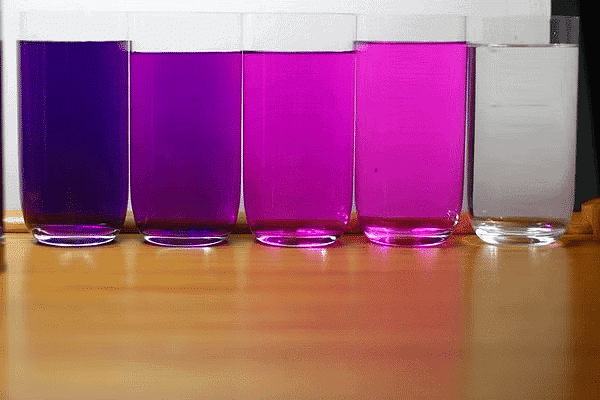
(ii) Now add 2-3 crystals of potassium permanganate (KMnO4) and stir with a glass rod to dissolve the crystals.
(iii) Take 10 ml of this solution and add it to 100 ml of water taken in another beaker.
(iv) Take 10 ml of this diluted solution and put it into 100 ml of water taken in a still another beaker.
(v) Repeat this process 10 times observe the colour of the solution in the last beaker.
Observation: (i) When we add potassium permanganate to water, the colour of the water changes to pink. (ii) Dilution decreases the colour intensity of the solution.
Explanation: (i) A small amount of Potassium permanganate contains millions of its molecules. When we dissolve potassium permanganate in water, its molecules spread uniformly in the solution and give a pink appearance. (ii) Dilution lowers the amount of the particles in a subsequent solution. As a result, we see a lower colour intensity.
Conclusion: This activity proves that matter is made up of tiny particles.
Try yourself:
What happens to the color of water when potassium permanganate is added?
A.It turns green
B.It turns pink
C.It turns blue
D.It stays clear
Characteristics of Particles of Matter
The characteristics of particles of matter encompass a range of properties that describe their behaviour, structure, and interactions. Let’s see those characteristics.
1. Particles of Matter have Space between Them
There are small voids between every particle in matter.
This characteristic is the concept behind the solubility of a substance in other substances.
Activity Aim: To demonstrate the space between particles of matter.
Experiment: (i) Take a glass of water. (ii) Put a teaspoon of salt/sugar and mix them properly.
Observation: The water is still clear.
Explanation: This is because the particles of salt/sugar get into the interparticle spaces between the water particles.
Conclusion: (i) This proves that there are voids between particles of a substance. (ii) If you add more salt/sugar, it will dissolve until all the space between water particles is filled.
2. Particles of Matter are Continuously Moving
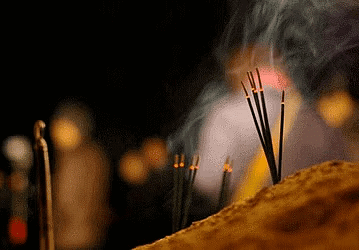
If an incense stick (Agarbatti) is lit and placed in one corner of a room, its pleasant smell spreads throughout the whole room quickly.Agarbatti
It demonstrates that the particles of matter possess motion. When we light an incense stick, it produces some gases (vapour) having a pleasant smell.
The particles of these gases, due to motion, spread throughout the entire room. As a result, we can observe the smell of the lit incense stick from a long distance.
This shows that Matters consist of small particles which are moving continuously. This means that particles of matter possess kinetic energy.
Activity Aim: To demonstrate that the Kinetic Energy of particles increases with an increase in temperature.
Experiment: (i) Take two beakers. To one beaker, add 100 mL of cold water, and to the other beaker, add 100 mL of hot water. (ii) Now add some crystals of potassium permanganate or copper sulphate to both the beakers.
Kinetic energy: Kinetic energy of an object is the measure of the work an object can do by virtue of its motion. The kinetic energy is 1/2 mv2. To accelerate an object, we have to apply force. To apply force, we need to do work. When work is done on an object, energy is transferred, and the object moves with a new constant speed. We call the energy that is transferred kinetic energy, and it depends on the mass and speed achieved.
Observation: It is observed that crystals in hot water diffuse and dissolve faster than in a beaker containing cold water.
Conclusion: (i) All substances have some kinetic energy. When we heat a substance, its kinetic energy increases. (ii) Heating water results in an increase in its kinetic energy; as a result, we see that crystals dissolve in a much shorter time. (iii) From these activities, it is observed that when two different forms of matter are brought into contact, they intermix spontaneously. (iv) This intermixing is possible due to the motion of the particles of matter and also due to the spaces between them.
3. Particles of Matter Attract Each Other
There are some forces of attraction between the particles of matter which bind them together. The force of attraction between the particles of the same substance is known as cohesion.
The force of attraction (or cohesion) is different in the particles of different kinds of matter. In general, the force of attraction is maximum in the particles of solid matter and minimum in the particles of gaseous matter.
Activity Aim: To demonstrate the attractive forces between particles of matter.
Experiment: (i) Take a piece of iron wire, a piece of chalk and a rubber band. (ii) Try to break them by hammering, cutting or stretching.
Observation: (i) Hammering a piece of the iron nail does not break the nail but flattens its surface. (ii) Hammering chalk breaks the chalk and gives us powdered chalk. (iii) We can stretch the rubber band to a large length without any break.
Conclusion: (i) Since energy is required to break crystals of matter into particles. (ii) It indicates that particles in the matter are held by some attractive forces; the strength of these attractive forces varies from one matter to another.
Try yourself:
What are particles of matter known to have?
A.Color
B.Light
C.Mass
D.Sound
States of Matter
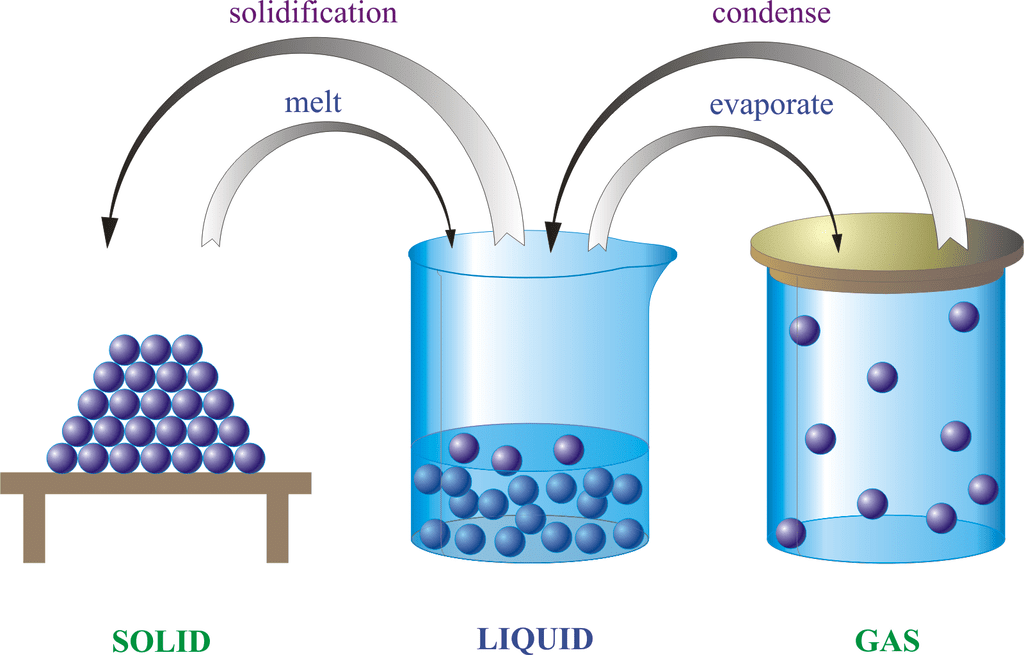
The three states of matter are the distinct physical forms that matter can take: solid, liquid, and gas.
Three States of Matter
Matter can exist in one of three main states: solid, liquid, or gas.
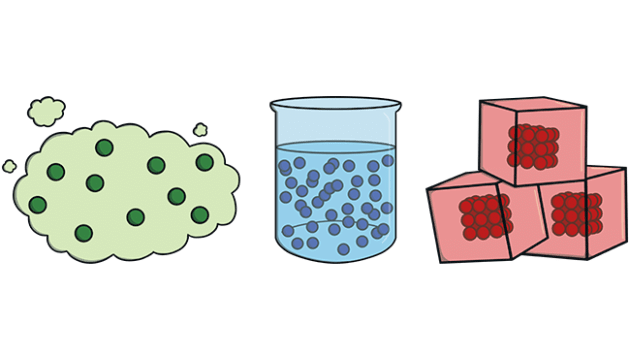
Solid matter is composed of tightly packed particles. A solid will retain its shape; the particles are not free to move around.
Liquid matter is made of more loosely packed particles. It will take the shape of its container. Particles can move about within a liquid, but they are packed densely enough that volume is maintained.
Gaseous matter is composed of particles packed so loosely that it has neither a defined shape nor a defined volume. A gas can be compressed.
The Solid State
Solid particles are packed closely together.
The forces between the particles are strong enough that the particles cannot move freely; they can only vibrate.
As a result, a solid has a stable, definite shape and a definite volume. Solids can only change shape under force, as when broken or cut.
Fig: Structure of Solids
In crystalline solids, particles are packed in a regularly ordered, repeating pattern.
There are many different crystal structures, and the same substance can have more than one structure.
Example: Iron has a body-centred cubic structure at temperatures below 912°C and a face-centred cubic structure between 912 and 1394°C. Ice has fifteen known crystal structures, each of which exists at a different temperature and pressure.
The Liquid State
A liquid is a fluid that conforms to the shape of its container but that retains a nearly constant volume independent of pressure.
The volume is definite (does not change) if the temperature and pressure are constant.
When a solid is heated above its melting point, it becomes liquid because the pressure is higher than the triple point of the substance.
Intermolecular (or interatomic or interionic) forces are still important, but the molecules have enough energy to move around, which makes the structure mobile.
This means that a liquid is not definite in shape but rather conforms to the shape of its container.
Its volume is usually greater than that of its corresponding solid (water is a well-known exception to this rule).
The highest temperature at which a particular liquid can exist is called its critical temperature.
Fig: Structure of Liquid
The Gaseous State
Gas molecules have either very weak bonds or no bonds at all, so they can move freely and quickly.
Because of this, not only will a gas conform to the shape of its container, it will also expand to completely fill the container.
Gas molecules have enough kinetic energy that the effect of intermolecular forces is small (or zero, for an ideal gas), and they are spaced very far apart from each other; the typical distance between neighbouring molecules is much greater than the size of the molecules themselves.
A gas at a temperature below its critical temperature can also be called a vapor.
A vapour can be liquefied through compression without cooling. It can also exist in equilibrium with a liquid (or solid), in which case the gas pressure equals the vapour pressure of the liquid (or solid).Fig: Structure of Gas
Asupercritical fluid (SCF) is a gas whose temperature and pressure are greater than the critical temperature and critical pressure. In this state, the distinction between liquid and gas disappears. A supercritical fluid has the physical properties of a gas, but its high density lends it the properties of a solvent in some cases. This can be useful in several applications. Example: Supercritical carbon dioxide is used to extract caffeine in the manufacturing of decaffeinated coffee.
Try yourself:
What shape does a solid retain?
A.Liquid shape
B.Variable shape
C.Defined shape
D.No shape
Also read: Case Based Question Answer: Matter in Our Surroundings
Can Matter Change Its State?
A substance may exist in three states of matter i.e., solid, liquid or gas, depending upon the conditions of temperature and pressure.
By changing the conditions of temperature and pressure, all three states could be obtained (solid, liquid, gas). On heating, solid changes into a liquid, which on further heating changes into a gas. Example: Water exists in all three states. Solid: Ice, Liquid: Water, Gas: Water Vapour.
Ice is a solid state and may be melted to form water (liquid) which on further heating changes into steam (gas). These changes can also be reversed on cooling.
Note:
– Changing a solid to a liquid is called melting.
– Changing a liquid to solid is called solidification.
– Changing a liquid to gas is called vaporization.
– Changing a gas to liquid is called condensation.
– Changing a solid to gas directly is called sublimation. – Changing a gas to solid directly is called deposition.
Temperature and pressure are the two factors which decide whether a given substance would be in a solid, liquid or gaseous state.
1. Effect of Change of Temperature
Let’s Start with an activity
The effect of temperature on three states of matter could be seen by performing the following activity.
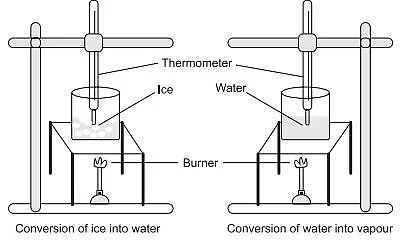
Procedure (i) Take a piece of about 100 – 150 g of ice in a beaker. (ii) Hang a thermometer in it so that its bulb is in contact with ice. (iii) Start heating the beaker slowly on a low flame. (iv) Note down the temperature when ice starts changing to water & ice has been converted to water. (v) Record all observations for the conversion of solid ice into liquid water. (vi) Now, place a glass rod in the beaker and slowly heat the beaker with constant stirring with help of a glass rod. (vii) Note the temperature when water starts changing into water vapour. (viii) Record all observations for the conversion of water in the liquid state to the vapour state.
Observation: It is observed that as the temperature increases, the ice starts changing into water. This change is called “Melting“. The temperature remains the same till all the ice changes into water. The thermometer shows 0°C until all the ice has melted. On further heating, the temperature starts rising. At 373 K (or 100°C), water starts boiling. As the water continues to boil, the temperature remains almost constant.
Conclusion of the above activity: This experiment demonstrates that we can change the physical state of matter by heating (Solid → Liquid → Gas).
(a) Melting of Ice
When we increase the temperature of a solid, the kinetic energy of its particles also increases. This is because the particles start to vibrate more quickly. As the kinetic energy increases, it becomes strong enough to overcome the forces of attraction holding the particles together in fixed positions.
Eventually, the particles are able to break free from their fixed positions and start moving more freely, leading to the melting of the solid into a liquid. The melting point is the minimum temperature at which this happens, and it varies depending on the strength of the forces of attraction between the particles.
For example, the melting point of ice is 273.15 K (or 0°C ). The process of melting, also known as fusion, occurs when a solid is heated to its melting point.
During the melting process, the temperature of the substance remains constant, even though heat is still being supplied. This is because the heat energy is being used to overcome the forces of attraction between the particles, rather than increasing the temperature.
The heat energy required to change 1 kg of a solid into a liquid at its melting point is called the latent heat of fusion. This energy is absorbed by the particles without causing a rise in temperature, which is why it is called latent, meaning hidden.
(b) Boiling of Water
When we heat water at 0°C (273 K), the particles have more energy compared to those in ice at the same temperature. As we continue to supply heat to the water, the particles move even faster. Eventually, they reach a point where they have enough energy to overcome the forces of attraction between them, and the liquid starts to change into a gas.
The temperature at which a liquid begins to boil at atmospheric pressure is called its boiling point. Boiling is a process that occurs throughout the bulk of the liquid, where particles gain enough energy to change into the vapour state. For water, this temperature is 373 K (100°C). To convert temperatures between the Kelvin and Celsius scales, we subtract 273 from the Kelvin temperature to get the Celsius temperature, and vice versa. For example, 0°C = 273 K.
The latent heat of vaporisation is the amount of heat energy required to change 1 kg of a liquid into gas at its boiling point and atmospheric pressure. This energy is absorbed by the particles in the form of latent heat, which is why particles in steam at 373 K (100°C) have more energy than those in water at the same temperature.
(c) Sublimation This shows that we can change the state of matter by altering the temperature. While most substances change from solid to liquid and then to gas when heated, some can change directly from solid to gas and vice versa without passing through the liquid state. This process is called sublimation when going from solid to gas, and deposition when going from gas to solid.
Lets understand Sublimation and Deposition of Camphor with an Activity
Take some camphor and crush it into small pieces. Place the crushed camphor in a china dish. Cover the dish with an inverted funnel.
To the stem of the funnel, place a cotton plug. This setup will help in observing the process of sublimation and deposition.
Sublimation of camphor
Observe the camphor over time. You will notice that the camphor starts to sublimate, which means it changes from solid to gas without passing through the liquid state. The gas will then deposit on the cooler parts of the funnel, changing back into solid. This process demonstrates sublimation and deposition.
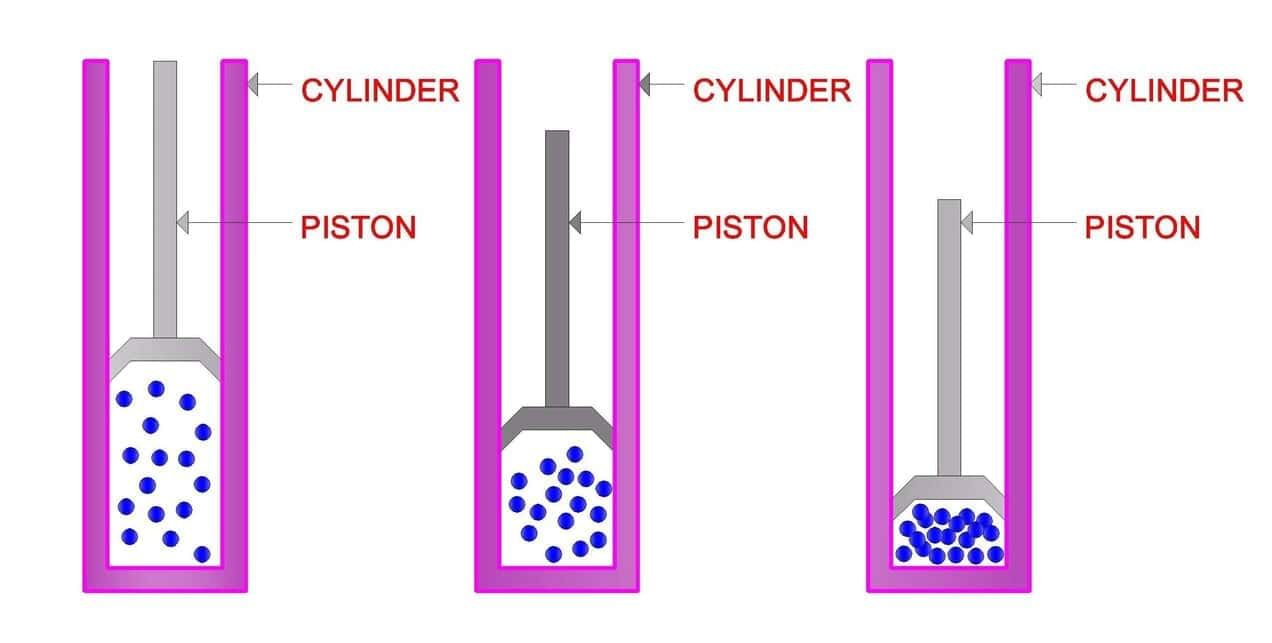
2. Effect of Change of Pressure
By applying pressure, particles of matter can be brought close together
Solid Carbon Dioxide (Dry Ice): Solid carbon dioxide, commonly known as dry ice, is stored under high pressure. When the pressure is reduced to 1 atmosphere, dry ice sublimates directly into gas without passing through the liquid state. This phenomenon occurs because of the specific conditions of pressure and temperature.
Influence of Pressure and Temperature: The state of a substance—whether it is a solid, liquid, or gas—is determined by the combination of pressure and temperature. By applying pressure and reducing temperature, gases can be liquefied. Conversely, changing the pressure and temperature can also lead to different states of matter.
Gaseous State under Pressure: When pressure is applied to a gas, the particles are forced closer together. This can lead to a change in the state of matter. For example, increasing pressure on a gas while reducing temperature can cause it to liquefy.
Try yourself:
What can happen to matter?
A.It can become invisible.
B.It can disappear.
C.It can grow.
D.It can change its state.
Evaporation
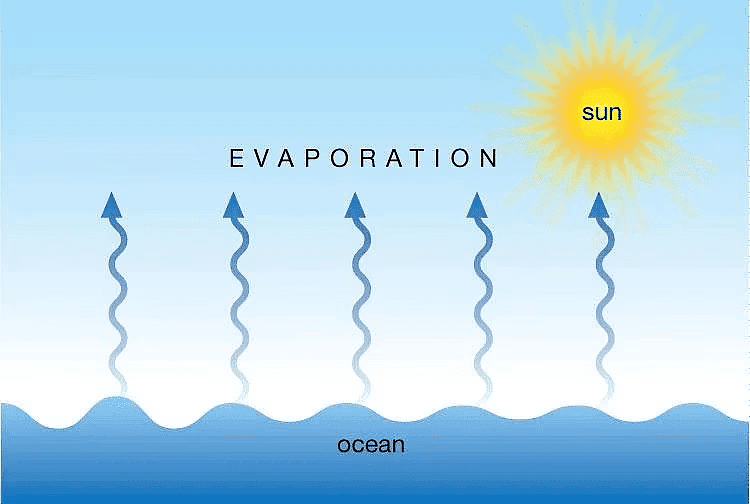
The process of a liquid changing into vapour (or gas) even below its boiling point is called evaporation
Evaporation of a liquid can take place even at room temperature, though it is faster at higher temperatures. It is a surface phenomenon because it occurs at the surface of a liquid only. Whatever the temperature at which evaporation takes place, the latent heat of vaporisation must be supplied whenever a liquid changes into a vapour (or gas).Evaporation
Explanation about Evaporation
Some particles in a liquid always have more kinetic energy than others. So, even when a liquid is well below its boiling point, some of its particles have enough energy to break the forces of attraction between the particles and escape from the surface of the liquid in the form of vapour (or gas).
Thus, the fast-moving particles (or molecules) of a liquid are constantly escaping from the liquid to form vapour (or gas).
Examples: (i) Water in ponds changes from liquid to vapour without reaching the boiling point. (ii) Water, when left uncovered, slowly changes into vapours. (iii) When we put wet clothes out to dry, the water from the clothes goes to the atmosphere.
Differences between Evaporation and Boiling
Also read: Case Based Question Answer: Matter in Our Surroundings
Factors Affecting Evaporation
There are five factors which affect the rate of evaporation:
1. Nature of liquid: Different liquids have different rates of evaporation. A liquid having weaker interparticle attractive forces evaporates at a faster rate because less energy is required to overcome the attractive forces. Example: Acetone evaporates faster than water.
2. The surface area of the liquid: The evaporation depends upon the surface area. If the surface area is increased, the rate of evaporation increases because the high-energy particles from the liquid can go into the gas phase only through the surface. Example: (i) The rate of evaporation increases when we put kerosene or petrol in an open china dish than in a test tube. (ii) Clothes dry faster when they are well spread because the surface area for evaporation increases.
3. Temperature: The Rate of evaporation increases with an increase in temperature. This is because with the increase in temperature number of particles gets enough kinetic energy to go into the vapour state (or gaseous state). Example: Clothes dry faster in summer than in winter.
4. Humidity in the air: The air around us contains water vapour or moisture. The amount of water present in the air is referred to as humidity. The air cannot hold more than a definite amount of water vapour at a given temperature. If the humidity is higher, the rate of vaporisation decreases. The rate of evaporation is higher if the air is dry. Example: Clothes do not dry easily during the rainy season because the rate of evaporation is less due to high moisture content (humidity) in the air.
5. Wind speed: The rate of evaporation also increases with an increase in the speed of the wind. This is because with an increase in the speed of wind, the particles of water vapour move away with the wind, resulting in a decrease in the amount of vapour in the atmosphere. Example: (i) Clothes dry faster on a windy day. (ii) In a desert cooler, an exhaust fan sucks the moist air from the cooler chamber, which results in a greater rate of evaporation of water and hence greater cooling.
How does Evaporation cause Cooling?
During evaporation, cooling is always caused. This is because evaporation is a phenomenon in which only the high-energy particles leave the liquid surface. As a result, the particles having low energy are left behind. Therefore, the average molecular energy of the remaining particles left in the liquid state is lowered. As a result, there is a decrease in temperature on the part of the liquid that is left. Thus, evaporation causes cooling.
Examples: (i) When we pour some acetone on our palm, we feel cold. This is because the particles gain energy from our palms or surroundings and leave the palm feeling cool. (ii) We sprinkle water on the root or the open ground after a sunny, hot day. This cools the roof or open ground. This is because the large latent heat of vaporisation of water helps to cool the hot surface.
Some other examples of Evaporation
We should wear cotton clothes in hot summer days to stay cool and comfortable: This can be explained as follows. We get a lot of sweat on our bodies on hot summer days. Cotton is a good absorber of water, so it absorbs the sweat from our body and exposes it to the air for evaporation. The evaporation of this sweat cools our body. Synthetic clothes (made of polyester, etc.) do not absorb a lot of sweat, so they fail to keep our bodies cool in summer.
We see water droplets on the outer surface of a glass containing ice-cold water: Take some ice-cold water in a glass. Soon we will see water droplets on the outer surface of the glass.
The water vapour present in the air, on coming in contact with the cold glass of water, loses energy and gets converted to the liquid state, which we see as water droplets.
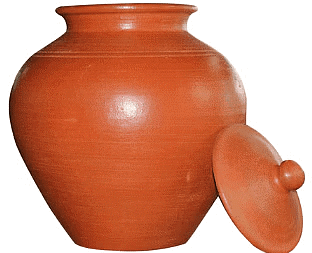
Water keeps cool in the earthen pot (matki) during summer: When the water oozes out of the pores of an earthen pot, during hot summer, it evaporates rapidly. As the cooling is caused by evaporation, therefore, the temperature of the water within the pot falls, and hence it becomes cool.
Earthen Pot
Rapid cooling of hot tea: If the tea is too hot to sip, we pour it into the saucer. In doing so, we increase the surface area and the rate of evaporation. This, in turn, causes cooling and the tea attains the desired temperature for sipping.
A wet handkerchief is placed on the forehead of a person suffering from a high fever: The logic behind placing a wet cloth is that as the water from the wet cloth evaporates, it takes heat from the skull and the brain within it. This, in turn, lowers the temperature of the brain and protects it from any damage due to high temperature.
We often sprinkle water on the road in summer: The water evaporates rapidly from the hot surface of the road, thereby taking heat away from it. Thus, the road becomes cool.
Try yourself:
What process involves a liquid turning into a gas?
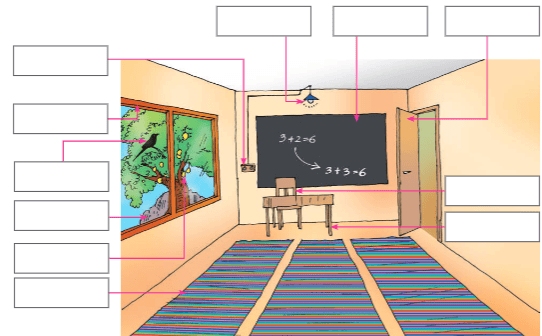
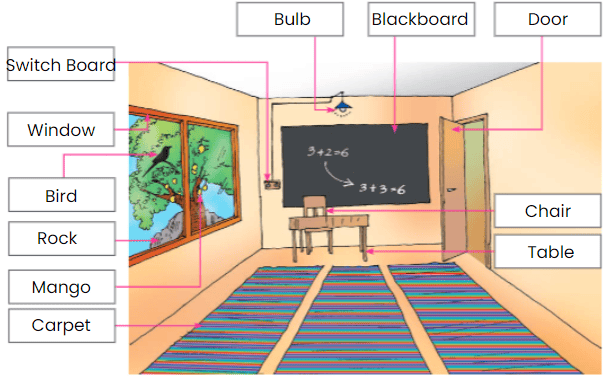
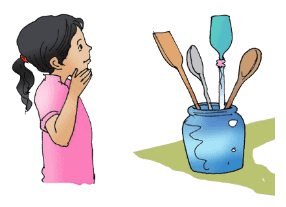
Q: Can you name the things that Khushi has drawn ? Write in the boxes given.
Ans:
Activity 1 (Page 124)
Understand your Classroom
Draw a picture of your classroom in your notebook. Label the things that you have drawn.
Khushi is curious, “Where have all these things come from? Who has made them? What are they all made of?” she thought.
Let us help Khushi find out.
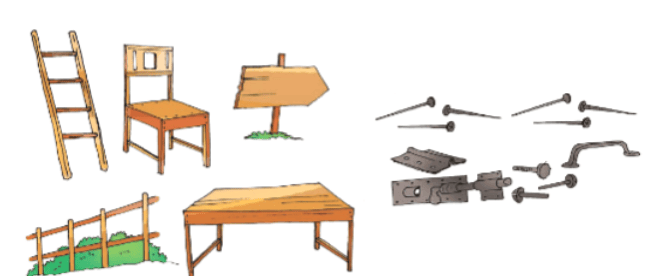
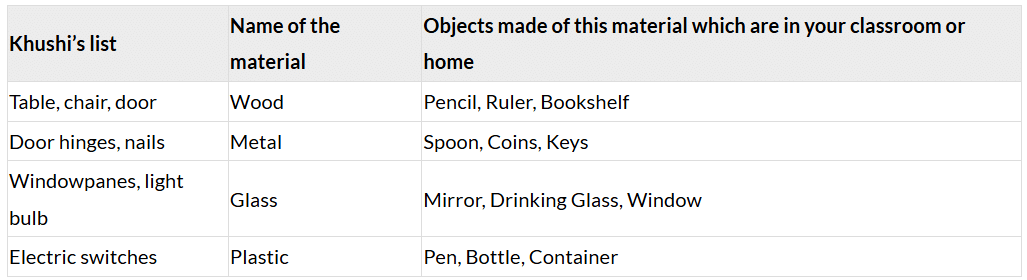
The table and chair are made of wood. Where do we get wood from?
The hinges, nails and latches of the door are made of some metals.
Ans: Students are encouraged to attempt it on their own.
Activity 2 (Page 125)
Spot the Metals
Find as many things or parts of things, that are made of metals. Which metals do you recognise around you? If you do not know the name of the metal, ask your friends or an elder. Make a list of these metals in your notebook.
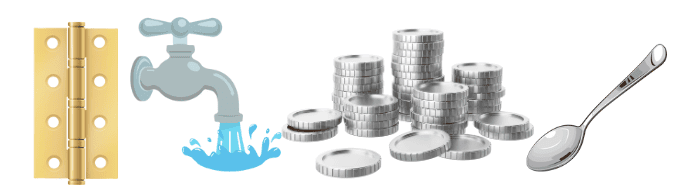
Ans: I looked around and found many things made of metals. Some of the items I found include:
Door hinges – made of iron
Spoon – made of stainless steel
Water tap – made of brass
Coins – made of copper or nickel
Scissors – made of steel
Activity 3 (Page 126)
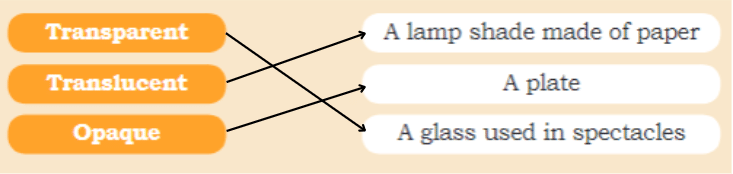
Seeing through things
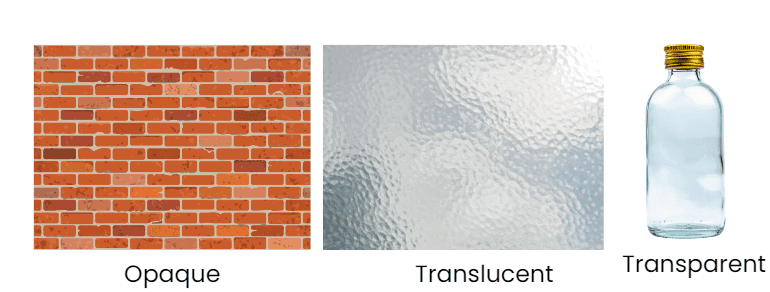
Collect a few small objects of different materials from your surroundings like bottles, papers, cloth, and utensils, etc. Look at a light bulb or a candle flame through them. You can see through some objects very clearly, you can partially see through some others, while you cannot see through some objects at all. Order these objects from those you can see through very clearly, to those you cannot see through at all.
Ans:
See through clearly : Clear glass bottle , Clear Plastic Bottle , Clean Water
See through Partially : Frosted glass, Butter Paper, Thin Fabric
Cannot see through at all : Wooden door , Book, Metal
Activity 4 (Page 127)
Let us colour the world!
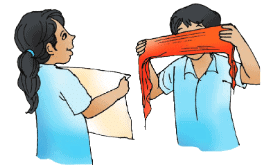
Collect two or three see-through bags, bottles or thin cloth of different colours. Look at a sheet of white paper through them.
Does the colour of the paper appear to change?
Does white paper appear different when you look at it through thin blue plastic or glass? Or, thin yellow plastic or glass?
Do the colours of different objects appear to change? How did a blue object look through thin yellow plastic?
Have you earlier experienced looking through coloured transparent objects? Try to recall such experiences.
Ans: Students are encouraged to attempt it on their own.
Write (Page 128)
Chain Game
In the table below, Khushi has grouped objects according to the materials that they are made of. Her list of objects is in the first column of the table. The names of the materials are in the second column. The third column of the table is for you to complete. Here write the names of some objects you have seen that are made from that material. Some objects around you may be made from materials not in this list, e.g., clay and rubber are missing in Khushi’s list. Use one of these to add an additional row in the table.
Q: Where do all these materials come from ? Can you locate their source ?
For Example, Wood – Tree
Metals – ____________
Cloth – ______________
Ans:
Metals — Metals are extracted from ores, which are found in the Earth.
Cloth — Cloth is made from natural fibers like cotton (from plants) or wool (from animals) or synthetic materials such as polyester.
Find out (Page 129)
Talk to your Grandparents
In their childhood, were these things made of the same materials?
Are there new materials now that they might not have seen before?
Are there any materials that they saw in their childhood that are not in use now? Why?
Ans: Yes, materials can differ in various ways, not just how they look. For example, texture, weight, etc.
Find out
What material is your spoon made of?
Ans: My spoon is made up of Steel.
Is it made of metal, wood or some other material? Can you guess?
Ans: Steel is an Alloy.
Which of these words or phrases describes the spoon?
Ans: The Spoon is Smooth and Shiny.
Activity 5 (Page 130)
Knock on it and it will speak to you! Orchestra
Take a metal spoon and at least five objects made up of different materials-wood, metal, plastic, cloth and glass. Gently tap the spoon on each of them. Listen to the sound that each of them makes. Make your own words to describe all these different sounds.
Ans: Students are encouraged to attempt it on their own.
Write (Page 130)
Odd Pairs
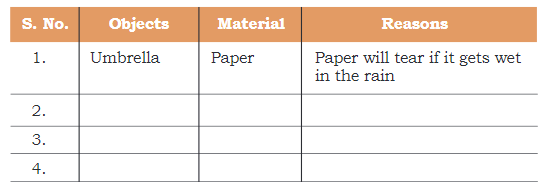
Q: List five objects and pair them with a material that is not suitable for it! Explain why these materials will not work to make these objects. One example is done for you.
Ans:
Activity 6 (Page 132)
Let’s group them another way!
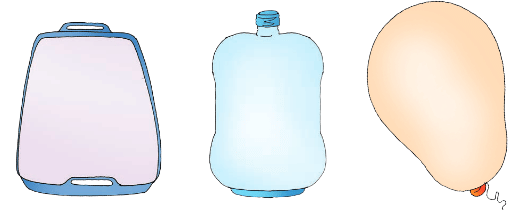
Here are the names of some objects: ink, a stone, smoke, ice, steam, a spoon, honey, a bottle, a bag, and water.
If it is a solid, write its name on the tray; if it is a liquid, write it in the bottle; if it is a gas, write it in the balloon.
Add some of your objects in the tray, bottle, and balloon.
Ans:
Q: Some objects could be confusing, such as sand sponge, or clay. Identify more such objects and write the names of at least three of them.
Ans: Cotton Candy , Silica Gel and Pumice Stone
Natural — Artificial (Page 133)
Q: List out five things in each group.
Ans:
Natural: Tree, Mango, Bird, Rock, Water
Artificial: Clothes, Shoes, Table, Car, Book
Find Out
Have you seen trees around you that bear flowers and fruits at special times of the year?
Ans: Yes, I have seen trees that bear flowers and fruits at special times of the year. For example:
(i) Mango trees have flowers in February-March and fruits in June-July.
(ii) Guava trees give fruits in winter (November-December).
(iii) Apple trees grow fruits in summer (July-August).
Different trees have different seasons for flowers and fruits!
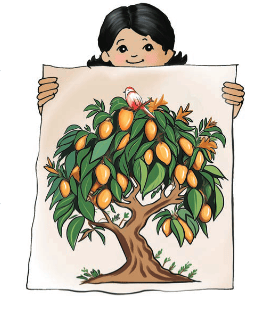
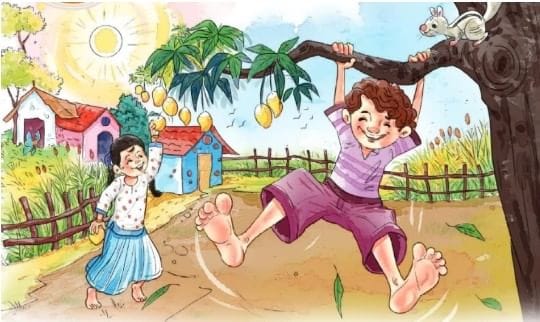
If you have ever eaten a ripe mango or seen mangoes in the market or watched a mango tree through the year, try to guess— at what time of the year did Khushi draw her picture?
Ans: Khushi most likely drew her picture in June, because mangoes ripen during the summer season. During this time, mango trees are full of ripe mangoes, and we can see them in the markets.
Could it be around January or around June?
Ans: It could be around June because mangoes ripen in the summer season. During this time, mango trees are full of ripe mangoes, and we can see them in the market. In January, mango trees usually have flowers but not ripe fruits.
Let us Reflect (Page 134)
A. Write
Q: Things around us are made of different types of materials. Write down the names of three materials we commonly see around us.
Ans:
Wood
Metal
Plastic
B. Discuss
Q: Suppose you find a shining spoon. You don’t know if it is made of metal or whether it is made of some other material and then painted with shiny paint. How would you find out?
Ans: I would tap the spoon on a hard surface and listen to the sound it makes. A metal spoon would make a distinct ringing sound. I could also check the weight and feel of the spoon, as metal spoons are generally heavier and feel cooler to the touch than painted plastic spoons.
C. Draw
Q: Draw three natural and three artificial things.
Q1: Write numbers 1, 2, 3 for lightest to heaviest for the following: a toffee, an ice-cream, a lollipop Ans: 1,3,2
Q2: Arrange the containers according to their capacity in ascending order: Spoon, Mug, Bucket, Glass Ans: Spoon, Glass, Mug, Bucket
Q3: Which is heavier in weight? (a) Almirah (b) Book Ans: (a) Almirah Q4: Which is heavier in weight? (a) Weight of your mother (b) Your weight Ans: (a) Weight of your mother
Q5: Which is heavier in weight? (a) Scissors (b) Nail Ans: (a) Scissors Q6: Choose the correct measuring unit: Capacity of a glue bottle is measured in _________. (a) cm (b) g (c) ml Ans: (c) ml
Q7: Which is heavier in weight? (a) Tennis Ball (b) Football Ans: (b) Football Q8: Which is heavier in weight? (a) 2 Books (b) Your school bag Ans: (b) Your school bag Q9: Which is heavier in weight? (a) Water Bottle (b) Glass of Water Ans: (a) Water Bottle Q10: Write H for heavy and L for light for the following: a leaf Ans: L
A number is a value we use for counting and calculating. Numbers can be shown in different ways: as words (one, two, three) or as figures (1, 2, 3). We can also group numbers by how many digits they have.
Single-digit numbers have only one digit, for example 1, 2, 3, 4.
Two-digit numbers have two digits, for example 10, 25, 99.
Three-digit numbers have three digits, for example 100, 345, 897.
Now, students, can you count how many flowers there are?
By counting these, we can see that there are a total 36flowers.
Step Counting
Let us now read an interesting story!.
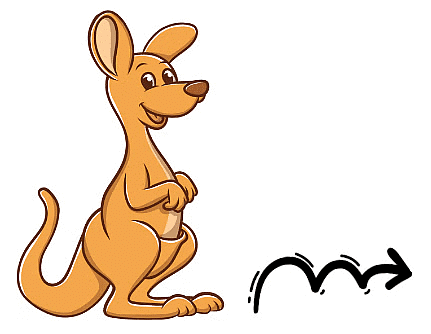
Once upon a time, there was a little kangaroo named Skip who loved counting. Regular counting was slow for Skip, so he invented step counting.
Instead of going one by one, he jumped ahead or backwards by a fixed number each time. His friends liked it and soon everyone in the jungle was step counting, making counting fun and fast!
What is Step Counting?
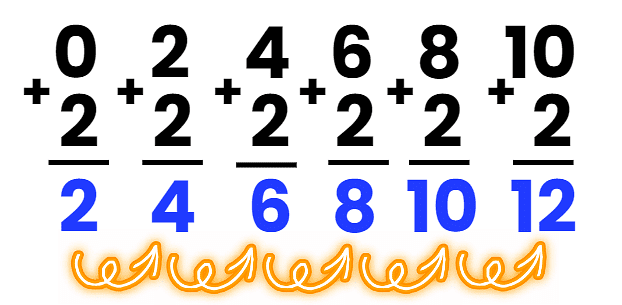
Step counting means counting numbers by adding the same amount each time. For example, if you add 2 each time, you count 0, 2, 4, 6, 8, …
Backward skip counting is counting in reverse. Instead of going forward, you start from a larger number and subtract a certain amount each time to reach the next number. It’s just like walking backwards but with numbers. For example, counting backwards by 3 from 10 gives 10, 7, 4, 1.
Step counting helps you see number patterns and makes counting faster and more fun.
Forward Step Counting
In forward step counting we start at a number and keep adding the same amount to get the next number.
Skip count by 2
Start at 0 and add 2 each time.
0 + 2 = 2
2 + 2 = 4
4 + 2 = 6
6 + 2 = 8
Continue this process: 10, 12 and so on until 12 or further.
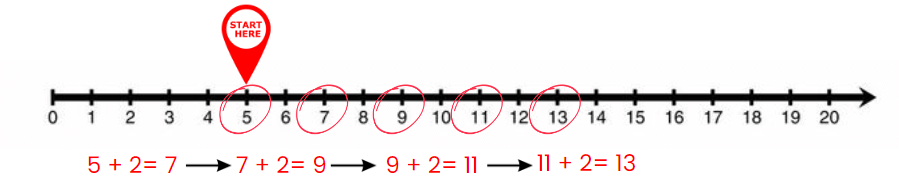
You can skip count starting at any number. For example, skip count by 2 starting at 5 gives:
5, 7, 9, 11, 13 …
Skip count by 5
In skip counting by 5, we add 5 each time and move forward.
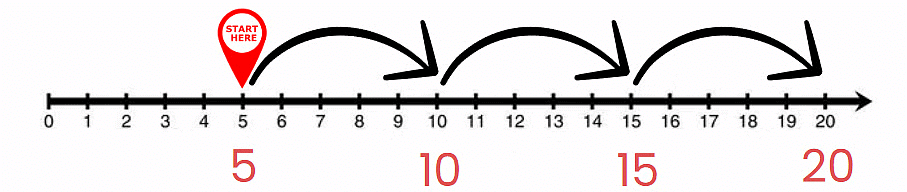
If Skip the kangaroo starts from 5 and skips by 5, the numbers he reaches are:
5 + 5 = 10
10 + 5 = 15
15 + 5 = 20
So the series is 5, 10, 15, 20, …
Skip count by 10
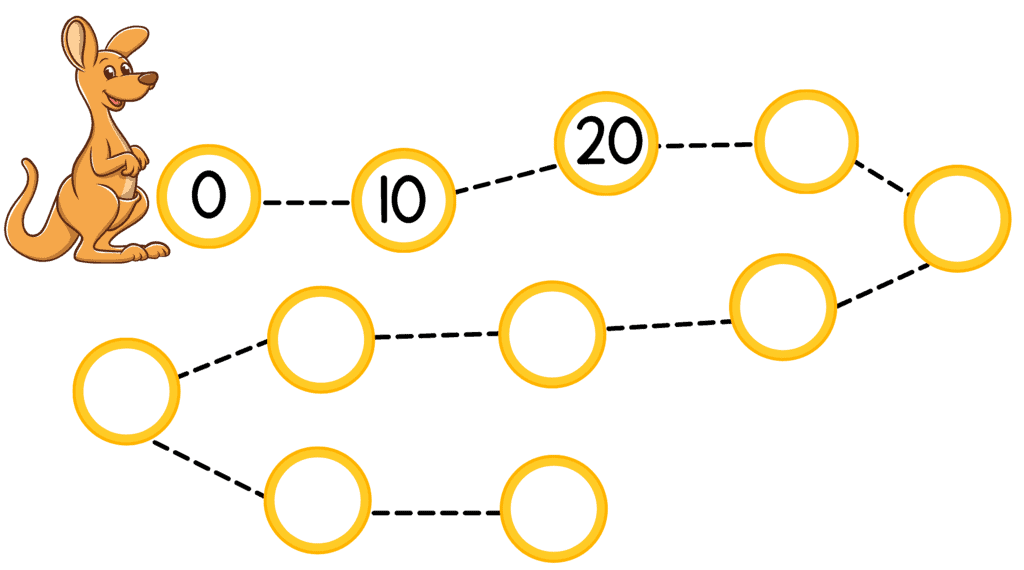
Look at the picture of the kangaroo jumping. Complete the pattern by finding how much it jumps each time.
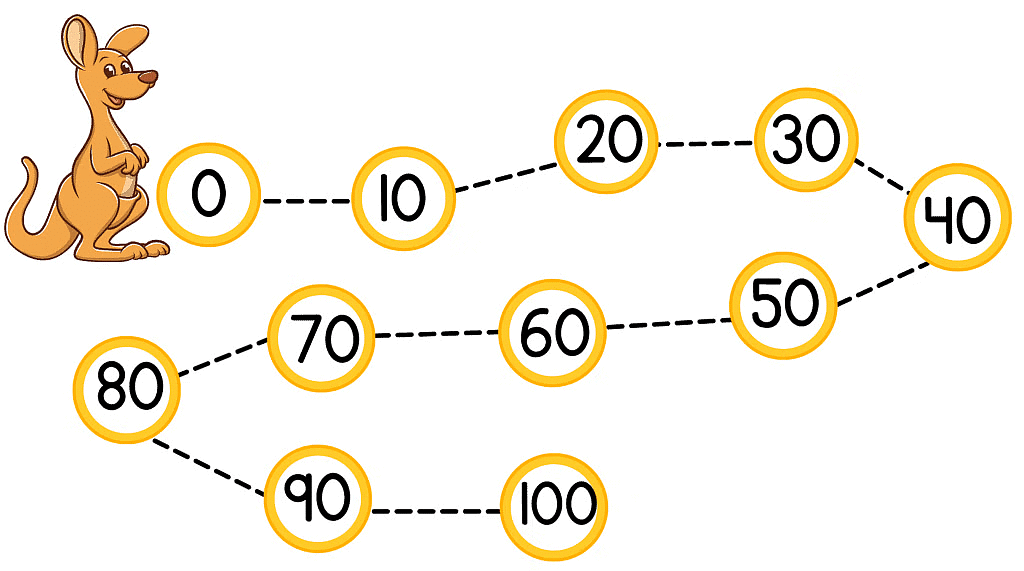
We can see that the kangaroo first jumps from 0 to 10, then from 10 to 20.
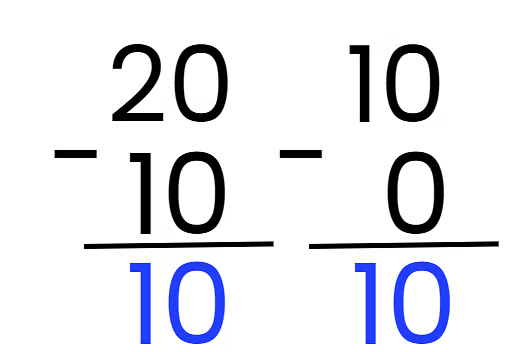
We can use subtraction to find the jump size: 20 – 10 = 10.
Also 10 – 0 = 10, so the difference is 10.
Thus, to continue the series we add 10 each time.
The complete series is: 0, 10, 20, 30, 40, 50, 60, 70, 80, 90, 100.
Backward Skip Counting
What we have learned so far is called forward skip counting, which implies we are counting in the forward direction and adding a certain number to each previous number to obtain the next number in the series.
Now, we will discuss backward skip counting.
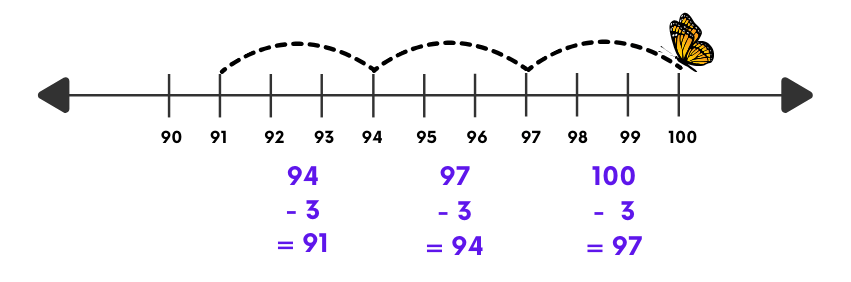
Backwards skip counting is a way of counting numbers in reverse order by skipping a certain amount each time. Instead of starting from a lower number and counting up, you start from a higher number and count down. For example, if you’re skip counting backward by 3s from 10, it would go like this: 10, 7, 4, 1.
Backwards skip count by 3
Start with a number and subtract 3 each time.
Starting from 100:
100 – 3 = 97
97 – 3 = 94
94 – 3 = 91
91 – 3 = 88
The series is: 100, 97, 94, 91, 88, … These numbers are in descending order.
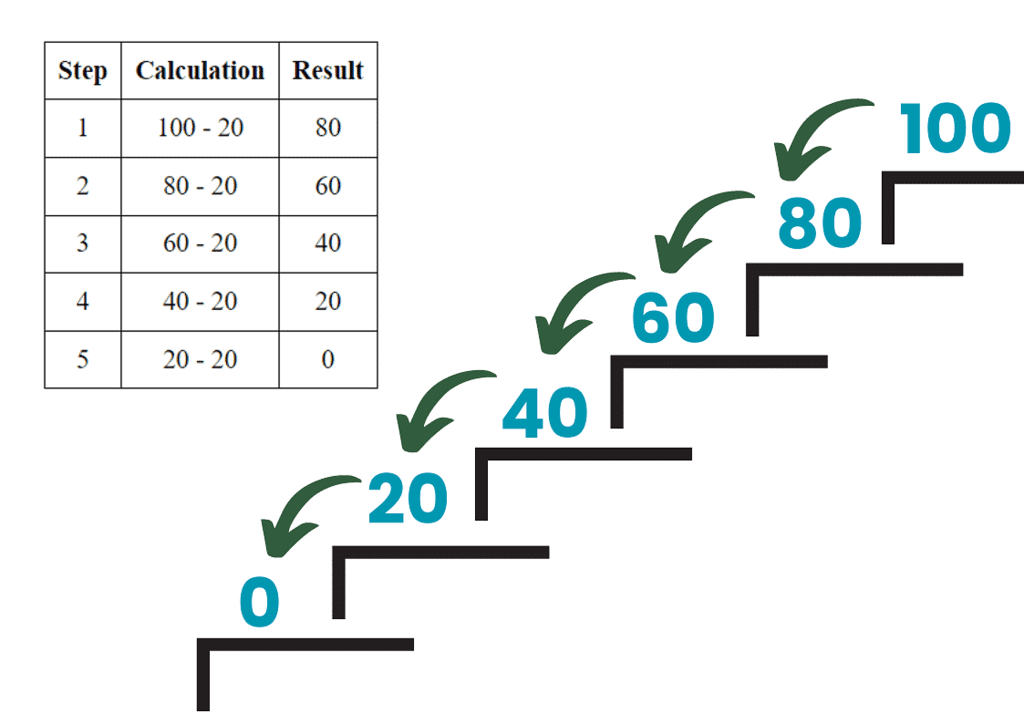
Backwards skip count by 20
Let’s imagine we’re on a backwards adventure, counting by 20s. Instead of walking forward, we’re taking big jumps backwards.
Start at 100 and subtract 20 each time:
100 (start)
80 (100 – 20) – we took one step back, like a giant leap!
60 (80 – 20) – another big step backward
40 (60 – 20) – we’re really moving now!
20 (40 – 20) – almost there!
0 (20 – 20) – and we’ve reached the end of our backward journey!
Guess My Place
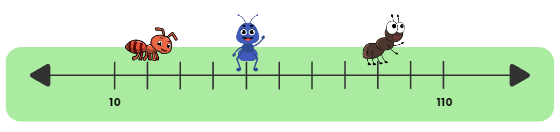
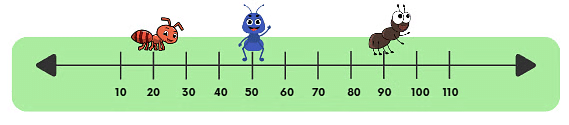
Now, let us play a game in which we guess where the ants are sitting on a number line.
Look at the number line, and answer the following questions:
(a) Which number is the red ant sitting on? (b) Which number is the blue ant sitting on? (c) Which number is Brown Ant sitting on?
First fill the number line from 10 to 110 with equal gaps of 10: 10, 20, 30, 40, 50, 60, 70, 80, 90, 100, 110.
Answers: (a) Red ant is sitting at number 20. (b) Blue ant is sitting at 50. (c) Brown ant is sitting on number 90.
Exploring Patterns
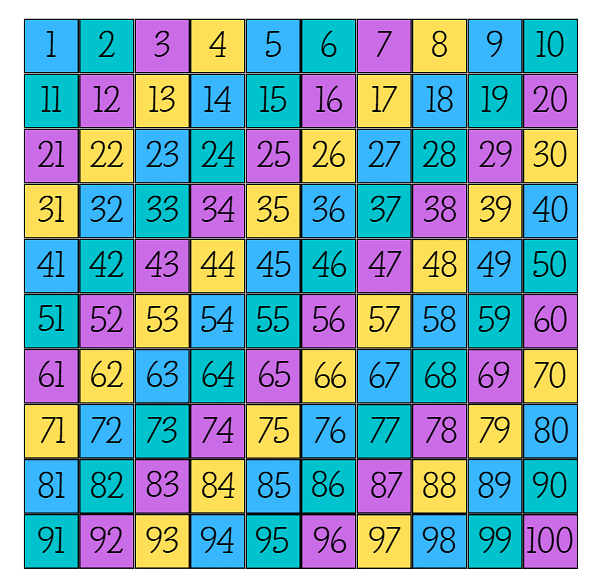
Q: Look at the number chart and write down the answers.
__9___ comes just before 10 __19___ comes just before 20 __29___ comes just before 30 __39___ comes just before 40
Q: What is the pattern here?
Ans: Let us subtract to see the difference. 19 – 9 = 10 29 – 19 = 10 39 – 29 = 10 We can clearly see that the difference is 10. The pattern continues: 9, 19, 29, 39, 49, 59, …
Q: Now, look at the numbers coloured purple in the number chart. Write them.
Ans: The difference is 9. Nine has been added to each number.
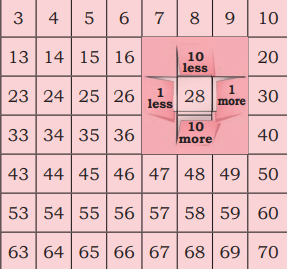
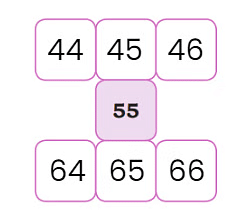
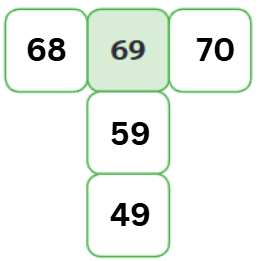
Look at this fun number window
Using the number window, we can find numbers above, below, left and right of a given number by adding or subtracting 1 or 10.
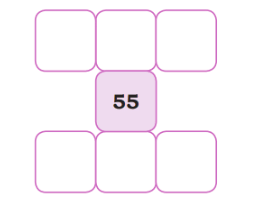
Fill in the blocks given below:
Observe how blocks are placed and extend the pattern further.
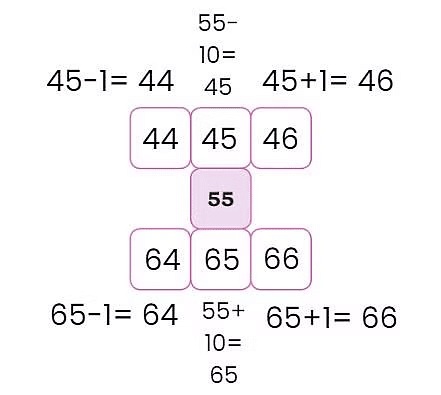
To find the block above 55, subtract 10: 55 – 10 = 45.
To find the block below 55, add 10: 55 + 10 = 65.
Now, moving on to the above row, we have found the middle block, which is 45. To find out the block on its left, we need to subtract 1 from it. 45-1 = 44 To find out the number on its right, we need to add 1 to 45 which gives us 46. Similarly, we find out the numbers in the last row.
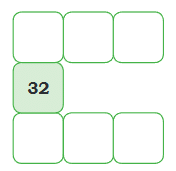
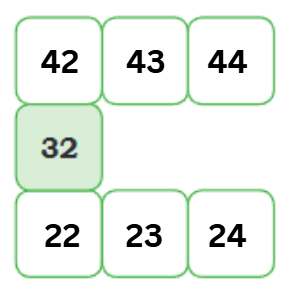
Let’s look at some more examples of number grids:
1.
Using the same logic, add numbers to this grid:
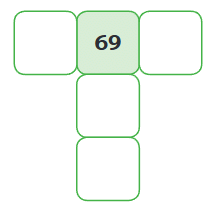
2.
Let’s fill up this magic grid:
Hope you enjoyed playing with numbers and exploring different games. Keep practising and having fun!
लघु उत्तरीय प्रश्नोत्तर (Short Answer Type Questions)
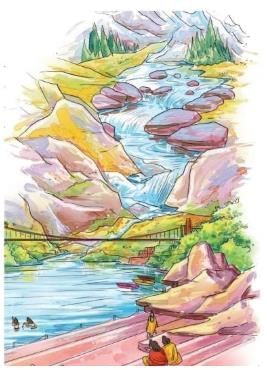
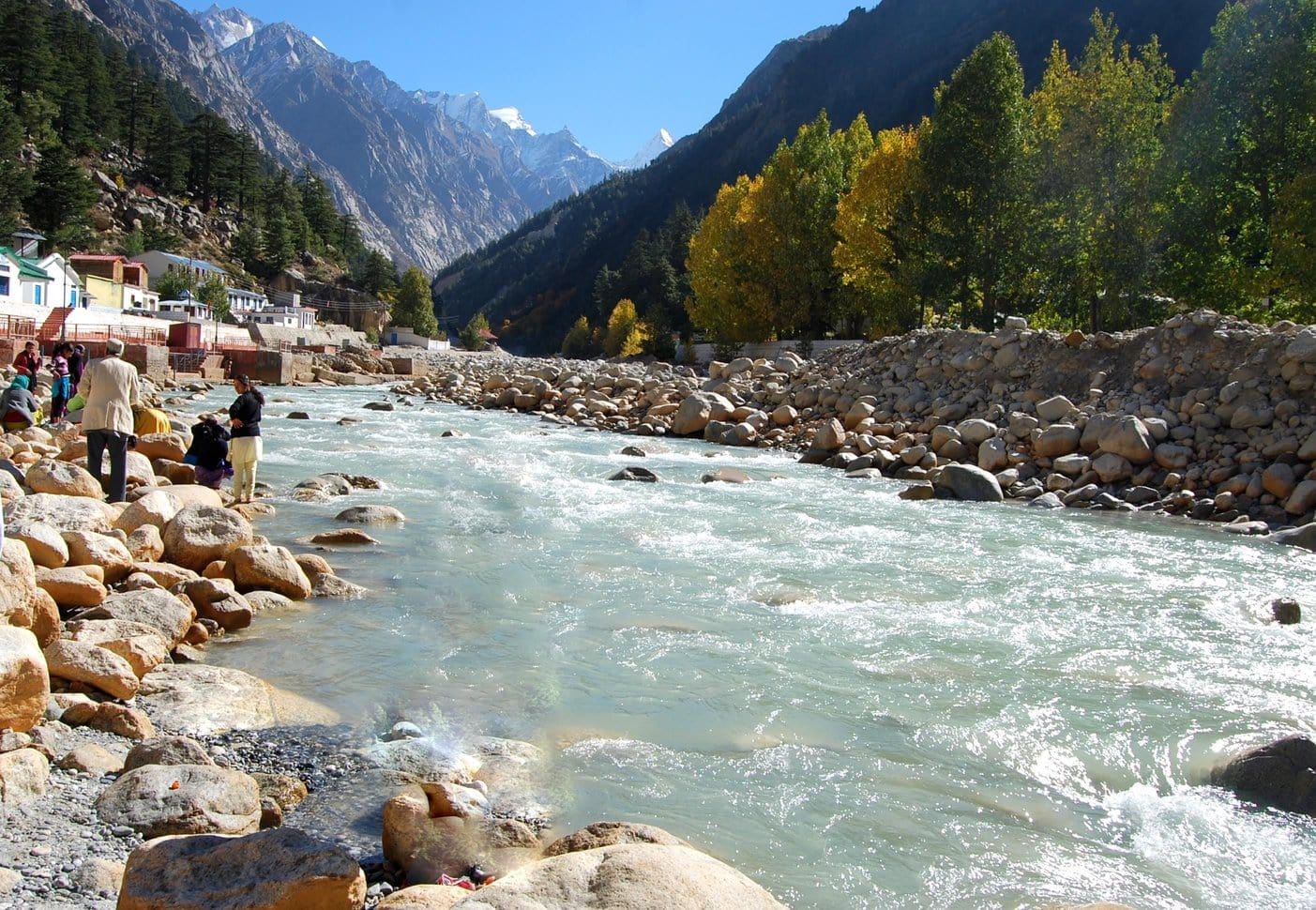
प्रश्न 1:गंगा नदी का जन्म कहाँ हुआ? उत्तर: गंगा का जन्म हिमालय की गोद में गंगोत्री के गोमुख से हुआ। यहाँ से वह नन्ही धारा के रूप में बहना शुरू करती है। लोग इसे भागीरथी भी कहते हैं।
प्रश्न 2:देवप्रयाग में गंगा से कौन-सी नदी मिलती है? उत्तर: देवप्रयाग में अलकनंदा नदी गंगा से मिलती है। यहाँ से गंगा की धारा और भी बड़ी हो जाती है।
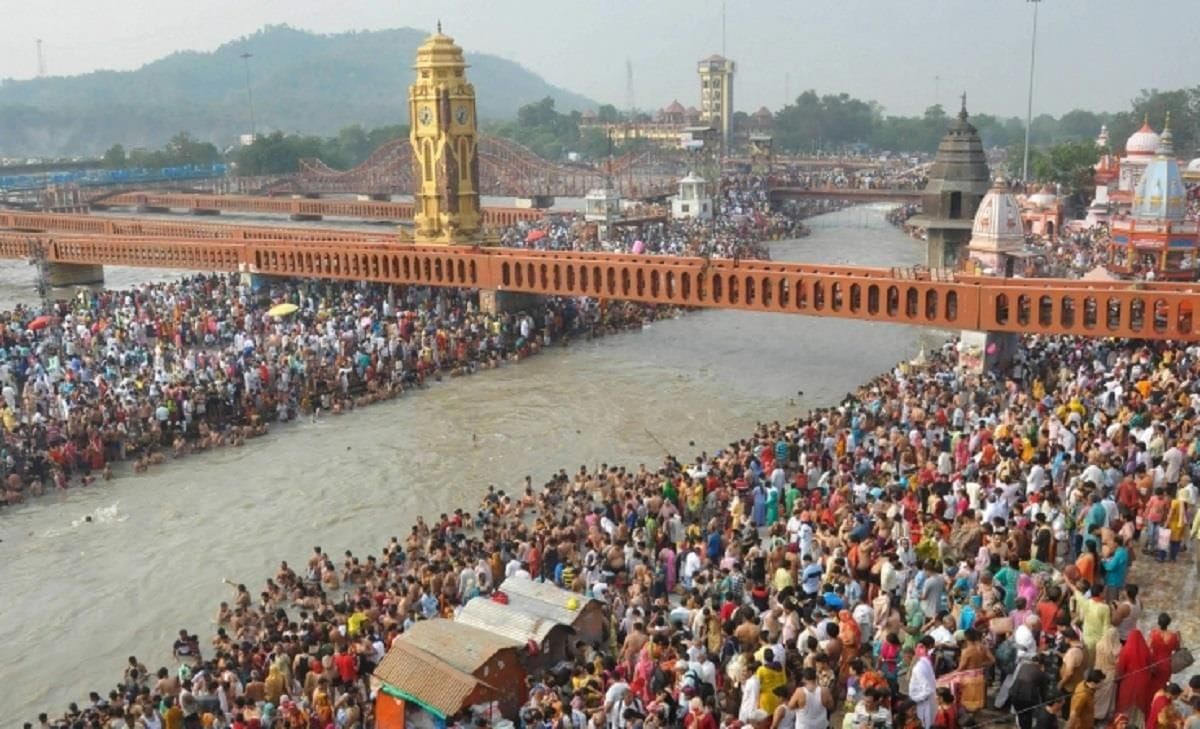
प्रश्न 3:हरिद्वार में कौन-सा प्रसिद्ध मेला लगता है? उत्तर: हरिद्वार में बारह साल बाद कुंभ मेला लगता है। इस मेले में देशभर से लाखों लोग आते हैं।
प्रश्न 4:गंगानहर कहाँ से निकलती है और उसका क्या उपयोग है? उत्तर: गंगानहर हरिद्वार से निकलती है। यह लाखों एकड़ खेतों को पानी देती है और किसानों के लिए बहुत उपयोगी है।
प्रश्न 5:कानपुर के कारखानों में गंगा का पानी किस काम आता है? उत्तर: कानपुर के कपड़े, चमड़े और लोहे के कारखाने गंगा से पानी लेते हैं। इस तरह गंगा उद्योगों की ज़रूरतें पूरी करती है।
प्रश्न 6: प्रयागराज में गंगा का संगम किस नदी से होता है? उत्तर: प्रयागराज में गंगा का संगम यमुना नदी से होता है। यहाँ हर बारह साल में कुंभ मेला भी लगता है।
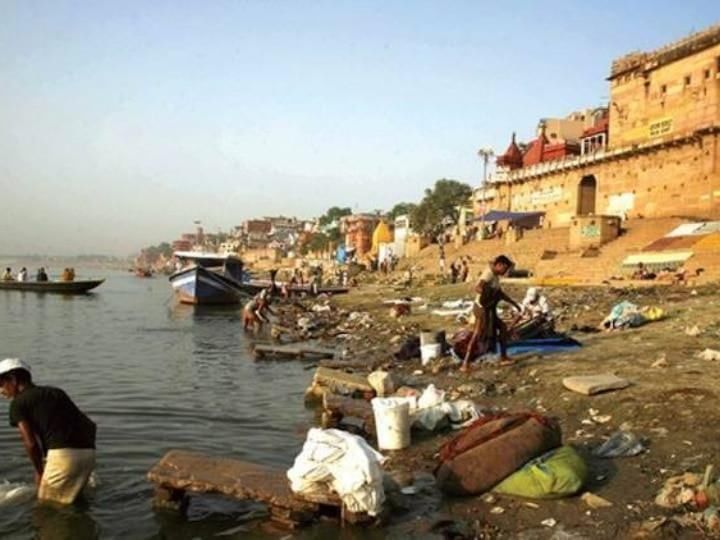
प्रश्न 7:गंगा नदी का जल कब गंदा हो जाता है? उत्तर: गंगा का जल शहरों और कारखानों का गंदा पानी मिलने से गंगा का जल दूषित हो जाता है। काशी तक पहुँचते-पहुँचते जल मटमैला हो जाता है।
प्रश्न 8: गंगा की धाराएँ बंगाल में जाकर क्या रूप लेती हैं? उत्तर: बंगाल में गंगा की दो धाराएँ बनती हैं। एक धारा बांग्लादेश में पद्मा कहलाती है और दूसरी कोलकाता में हुगली कहलाती है।
प्रश्न 9: गंगा को भारतवासी क्यों पवित्र मानते हैं? उत्तर: भारतवासी गंगा को माँ की तरह पूजते हैं। वे मानते हैं कि गंगा का जल जीवनदायिनी और पवित्र है।
प्रश्न 10:गंगोत्री में गंगा का क्या महत्व है? उत्तर: गंगोत्री में गंगा का भव्य मंदिर है। यहाँ देशभर से लोग दर्शन करने आते हैं और इसे बहुत पवित्र मानते हैं।
दीर्घ उत्तरीय प्रश्नोत्तर (Long Answer Type Questions)
प्रश्न 1:गंगा की यात्रा गंगोत्री से बंगाल की खाड़ी तक कैसे होती है? उत्तर: गंगा का जन्म गंगोत्री के गोमुख से होता है। फिर वह देवप्रयाग, ऋषिकेश और हरिद्वार से होकर बहती है। हरिद्वार से गंगानहर निकलती है जो खेतों को सींचती है। कानपुर में गंगा उद्योगों को पानी देती है और प्रयागराज में यमुना से मिलती है। वाराणसी और बिहार से होकर गंगा पश्चिम बंगाल पहुँचती है। अंत में उसकी दो धाराएँ बनकर बंगाल की खाड़ी में समा जाती हैं।
प्रश्न 2: गंगा के किनारे बसे नगरों और तीर्थों के बारे में लिखिए। उत्तर: गंगा के किनारे कई प्रसिद्ध नगर और तीर्थ बसे हैं। ऋषिकेश और हरिद्वार पवित्र तीर्थ हैं। हरिद्वार में कुंभ मेला लगता है। कानपुर में बड़े-बड़े उद्योग हैं जो गंगा से पानी लेते हैं। प्रयागराज में गंगा और यमुना का संगम होता है। वाराणसी भी गंगा के किनारे बसा एक बड़ा तीर्थ है।
प्रश्न 3:गंगा को जीवनदायिनी नदी क्यों कहा जाता है? उत्तर: गंगा खेतों को पानी देकर अन्न उगाने में मदद करती है। वह कारखानों और लोगों की ज़रूरतें पूरी करती है। साधु-संतों और लोगों को तीर्थस्थलों पर जल देती है। गंगानहर लाखों खेतों को सींचती है। गंगा लोगों की आस्था और संस्कृति से जुड़ी है। इसी कारण इसे जीवनदायिनी नदी कहा जाता है।
प्रश्न 4: गंगा का जल कैसे दूषित होता है और लोग इसे साफ करने के लिए क्या कर रहे हैं? उत्तर: गंगा का जल कारखानों और शहरों के गंदे पानी से दूषित हो जाता है। गंगोत्री से निकलने पर यह स्वच्छ और चमकीला होता है, लेकिन काशी पहुँचते-पहुँचते मटमैला हो जाता है। अब लोग इसकी स्वच्छता के लिए प्रयास कर रहे हैं। सरकार और समाज मिलकर सफाई अभियान चला रहे हैं। उद्देश्य यही है कि गंगा का जल फिर से निर्मल और पवित्र बने।
प्रश्न 5:गंगा से हमें क्या शिक्षा मिलती है? उत्तर: गंगा हमें सिखाती है कि जल जीवन के लिए बहुत जरूरी है। हमें नदियों और पर्यावरण की रक्षा करनी चाहिए। गंगा की तरह हमें भी सबका भला करना चाहिए। अगर हम नदियों को गंदा करेंगे तो यह हमारे लिए ही हानिकारक होगा। लगातार प्रयास से सब कुछ फिर से साफ और सुंदर बनाया जा सकता है। हमें गंगा को स्वच्छ और सुरक्षित रखना चाहिए।
लघु उत्तरीय प्रश्नोत्तर (Short Answer Type Questions)
प्रश्न 1: कहानी “हमारे ये कलामंदिर” किसके बारे में है? उत्तर: यह कहानी अजंता और एलोरा की गुफाओं के बारे में है। इसमें निशा अपनी मौसी के साथ इन गुफाओं को देखने जाती है। वहाँ की कला और सुंदरता का वर्णन किया गया है।
प्रश्न 2:निशा और मौसी कहाँ छुट्टियाँ बिताने गईं? उत्तर: वे दशहरे की छुट्टियों में अजंता और एलोरा की गुफाएँ देखने गईं। वहाँ उन्होंने प्राचीन गुफाएँ, मंदिर और सुंदर चित्र देखे।
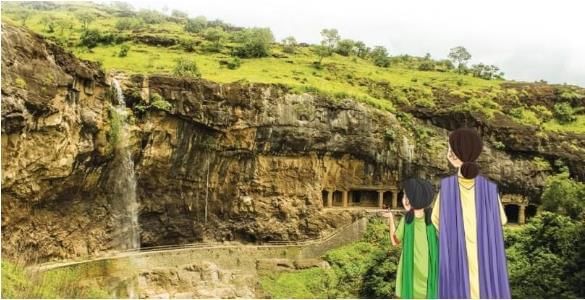
प्रश्न 3:अजंता की गुफाएँ किस स्थान पर बनी हुई हैं? उत्तर: अजंता की गुफाएँ एक पहाड़ी पर बनी हुई हैं। वहाँ पास में एक नदी और रंग-बिरंगे फूलों से भरी घाटी है।
प्रश्न 4:अजंता की गुफाओं में कौन-से चित्र बने हैं? उत्तर: वहाँ गौतम बुद्ध के जीवन से जुड़े चित्र बने हैं। इसके साथ ही पेड़-पौधे, पशु-पक्षी और लोगों के चित्र भी बनाए गए हैं।
प्रश्न 5:इन चित्रों की खासियत क्या है? उत्तर: इन चित्रों के रंग सैकड़ों साल बाद भी चमकते हैं। इन्हें देखकर लगता है जैसे चित्र बोल उठेंगे।
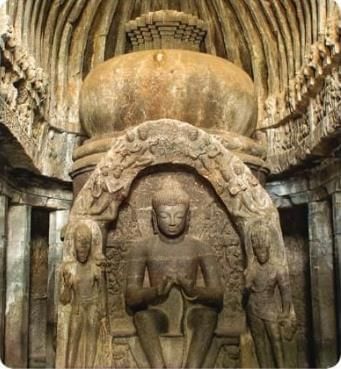
प्रश्न 6:एलोरा की गुफाओं में कौन-सी मूर्तियाँ और मंदिर हैं? उत्तर: एलोरा की गुफाओं में बौद्ध, हिंदू और जैन धर्म से जुड़े मंदिर और मूर्तियाँ हैं। ये सब पहाड़ को काटकर बनाई गई हैं।
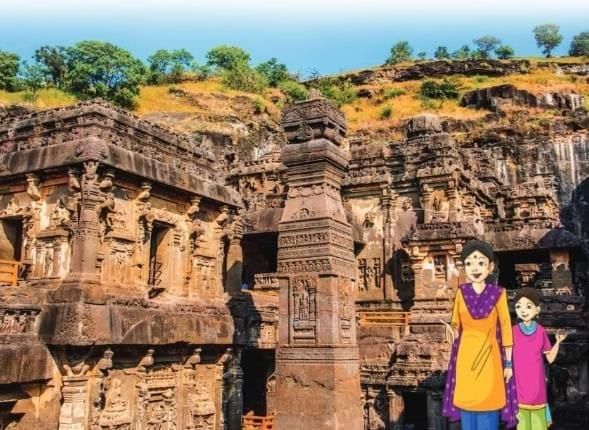
प्रश्न 7:कैलाश मंदिर की सबसे बड़ी विशेषता क्या है? उत्तर: कैलाश मंदिर एक ही चट्टान को काटकर बनाया गया है। यह बहुत अद्भुत और अनोखी कलाकृति है।
प्रश्न 8:निशा को गुफाएँ देखकर कैसा लगा? उत्तर: निशा बहुत आश्चर्यचकित और खुश हुई। उसे गर्व हुआ कि हमारे देश की कला इतनी महान है।
प्रश्न 9:इन गुफाओं के चित्र किससे बनाए गए थे? उत्तर: ये चित्र पत्तों, फूलों और जड़ी-बूटियों से बने रंगों से बनाए गए थे। इस कारण वे आज भी सुंदर और चमकदार हैं।
प्रश्न 10:कहानी से हमें क्या पता चलता है? उत्तर: कहानी से हमें पता चलता है कि भारत की कला बहुत पुरानी और महान है। हमारे पूर्वज बहुत कुशल कलाकार थे।
दीर्घ उत्तरीय प्रश्नोत्तर (Long Answer Type Questions)
प्रश्न 1:अजंता की गुफाओं की सुंदरता का वर्णन कीजिए। उत्तर: अजंता की गुफाएँ पहाड़ी पर बनी हैं और उनके पास एक नदी बहती है। गुफाओं के सामने सूर्य की किरणें पड़ती हैं जिससे वे चमकती हैं। अंदर दीवारों पर गौतम बुद्ध के जीवन, पेड़-पौधे और पशु-पक्षियों के चित्र बने हैं। चित्र बहुत सजीव लगते हैं। ये चित्र लगभग 2000 साल पुराने हैं लेकिन आज भी चमकदार हैं। इन्हें देखकर हर कोई आश्चर्यचकित हो जाता है।
प्रश्न 2:निशा और मौसी की यात्रा का संक्षेप में वर्णन कीजिए। उत्तर: दशहरे की छुट्टियों में निशा और मौसी अजंता और एलोरा की गुफाएँ देखने गईं। वे रेल से संभाजीनगर पहुँचीं और वहाँ से बस से अजंता गईं। उन्होंने वहाँ सुंदर गुफाएँ, नदी, फूल और चित्र देखे। अगले दिन वे एलोरा की गुफाओं में पहुँचीं। वहाँ बौद्ध, हिंदू और जैन मंदिर और मूर्तियाँ थीं। कैलाश मंदिर देखकर वे बहुत प्रभावित हुईं।
प्रश्न 3:एलोरा की गुफाओं के बारे में आप क्या जानते हैं? उत्तर: एलोरा संभाजीनगर से लगभग 40 किलोमीटर दूर है। यहाँ लगभग 30 गुफाएँ और मंदिर हैं। इन गुफाओं में बौद्ध, हिंदू और जैन धर्म से जुड़ी मूर्तियाँ हैं। कैलाश मंदिर यहाँ का सबसे प्रसिद्ध मंदिर है। यह पूरी एक ही चट्टान को तराशकर बनाया गया है। इसकी विशालता और सुंदरता देखकर हर कोई चकित रह जाता है।
प्रश्न 4:इस कहानी से हमें क्या शिक्षा मिलती है? उत्तर: इस कहानी से हमें यह शिक्षा मिलती है कि भारत की कला और संस्कृति बहुत महान है। हमारे पूर्वजों ने कठिन परिश्रम से गुफाएँ, मंदिर और सुंदर चित्र बनाए। हमें अपनी इस पुरानी धरोहर को सँभालकर रखना चाहिए। इससे हमें अपने इतिहास और संस्कृति पर गर्व होता है। यह भी सिखाता है कि कला का महत्व हमेशा बना रहता है।
प्रश्न 5:अजंता और एलोरा की गुफाएँ हमारे इतिहास और संस्कृति को कैसे दर्शाती हैं? उत्तर: अजंता की गुफाओं में बुद्ध के जीवन से जुड़े चित्र और प्राकृतिक दृश्य बने हैं। एलोरा की गुफाओं में बौद्ध, हिंदू और जैन धर्म की मूर्तियाँ और मंदिर हैं। कैलाश मंदिर एक अद्भुत कलाकृति है। इन गुफाओं से हमें पता चलता है कि हमारे पूर्वज कितने कुशल कलाकार थे। ये गुफाएँ हमारे इतिहास और संस्कृति की गौरवशाली धरोहर हैं। इसलिए हमें इन पर गर्व करना चाहिए।
लघु उत्तरीय प्रश्नोत्तर (Short Answer Type Questions)
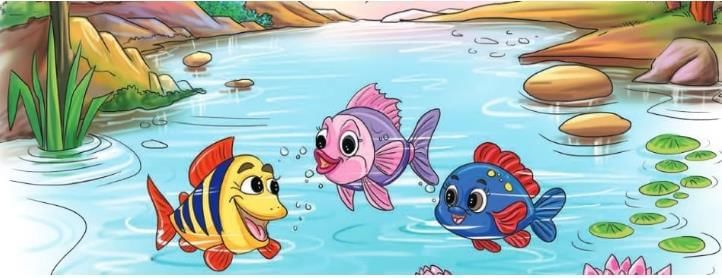
प्रश्न 1:कहानी “तीन मछलियाँ” किस ग्रंथ से ली गई है? उत्तर: यह कहानी पंचतंत्र से ली गई है। इसमें तीन मछलियाँ और उनके स्वभाव का वर्णन है। कहानी हमें समझदारी और मेहनत का महत्व बताती है।
प्रश्न 2:तीनों मछलियों के नाम क्या थे? उत्तर: तीनों मछलियों के नाम अनागतविधाता, प्रत्युत्पन्नमति और यद्भविष्य थे। ये तीनों आपस में अच्छी दोस्त थीं और सरोवर में रहती थीं।
प्रश्न 3:अनागतविधाता का स्वभाव कैसा था? उत्तर: अनागतविधाता बहुत बुद्धिमान थी। वह हमेशा पहले से सोचकर किसी भी समस्या का उपाय कर लेती थी। इसी कारण वह संकट से बच गई।
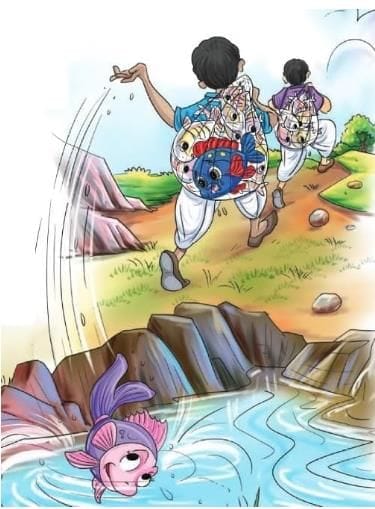
प्रश्न 4:प्रत्युत्पन्नमति ने मुसीबत से कैसे बचाव किया? उत्तर: प्रत्युत्पन्नमति ने मरे होने का नाटक किया। मछुआरों ने उसे मरा समझकर पानी में फेंक दिया और वह बच गई।
प्रश्न 5: यद्भविष्य का व्यवहार कैसा था? उत्तर: यद्भविष्य आलसी थी। वह भाग्य पर भरोसा करती थी और समय पर कोई उपाय नहीं करती थी। इसी कारण वह मुसीबत में फंस गई।
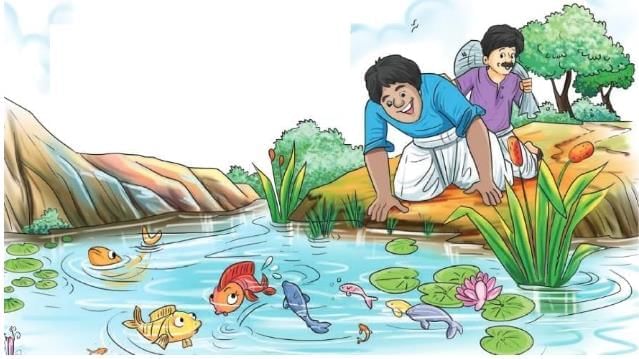
प्रश्न 6:मछुआरे सरोवर में क्यों आए थे? उत्तर: मछुआरे सरोवर में मछलियाँ पकड़ने आए थे। उन्होंने तय किया कि अगली सुबह जाल डालकर मछलियाँ ले जाएँगे।
प्रश्न 7:अनागतविधाता ने सभा में क्या सलाह दी? उत्तर: अनागतविधाता ने कहा कि सबको दूसरा सरोवर खोजकर वहाँ चले जाना चाहिए। इस तरह मछुआरों के जाल से बचा जा सकता है।
प्रश्न 8:प्रत्युत्पन्नमति ने अनागतविधाता की बात क्यों नहीं मानी? उत्तर: प्रत्युत्पन्नमति ने सोचा कि वह समय आने पर कोई उपाय कर लेगी। इसलिए उसने सरोवर छोड़कर जाने से इनकार कर दिया।
प्रश्न 9:अनागतविधाता क्यों बच गई? उत्तर: अनागतविधाता ने पहले ही मछुआरों का खतरा समझ लिया था। उसने समय रहते दूसरा सरोवर खोज लिया और वहीं चली गई। इस कारण वह बच गई।
प्रश्न 10:यद्भविष्य का क्या परिणाम हुआ? उत्तर: यद्भविष्य ने कोई योजना नहीं बनाई। मछुआरों ने उसे पकड़ लिया और वह अपनी जान नहीं बचा सकी।
दीर्घ उत्तरीय प्रश्नोत्तर (Long Answer Type Questions)
प्रश्न 1: कहानी की तीनों मछलियों के स्वभाव में क्या अंतर था? उत्तर: तीनों मछलियों के स्वभाव अलग-अलग थे। अनागतविधाता समझदार थी और पहले से उपाय कर लेती थी। प्रत्युत्पन्नमति की बुद्धि तेज थी और वह समय आने पर उपाय करती थी। लेकिन यद्भविष्य आलसी थी और केवल भाग्य पर भरोसा करती थी। इन तीनों के स्वभाव से हमें अलग-अलग परिणाम देखने को मिलते हैं।
प्रश्न 2:जब मछुआरे सरोवर में आए तो तीनों मछलियों ने क्या निर्णय लिया? उत्तर: मछुआरे जाल डालने की योजना बना रहे थे। यह सुनकर तीनों मछलियाँ आपस में विचार करने लगीं। अनागतविधाता ने तुरंत सरोवर छोड़ने की सलाह दी। प्रत्युत्पन्नमति ने कहा कि वह यहीं रहेगी और समय आने पर उपाय करेगी। यद्भविष्य ने कहा कि जो होगा, भाग्य में लिखा है। इस तरह तीनों ने अलग-अलग निर्णय लिए।
प्रश्न 3: प्रत्युत्पन्नमति ने संकट से कैसे छुटकारा पाया? उत्तर: जब मछुआरों ने जाल डाला, तो प्रत्युत्पन्नमति भी उसमें फँस गई। लेकिन उसने चतुराई से अपना शरीर ढीला छोड़ दिया और मरे होने का नाटक किया। मछुआरे उसे मरा समझकर पानी में फेंक गए। इस तरह वह अपनी तेज बुद्धि से संकट से बच गई।
प्रश्न 4:यद्भविष्य की गलती क्या थी और उसका क्या परिणाम हुआ? उत्तर: यद्भविष्य बहुत आलसी थी और केवल भाग्य पर भरोसा करती थी। उसने न तो पहले से कोई योजना बनाई और न ही समय पर कोई उपाय किया। उसने सोचा कि शायद मछुआरे आए ही नहीं। लेकिन जब मछुआरे आए तो वह उनके जाल में फँस गई। इस कारण उसकी जान नहीं बच सकी।
प्रश्न 5: इस कहानी से हमें क्या शिक्षा मिलती है? उत्तर: इस कहानी से हमें सीख मिलती है कि संकट से बचने के लिए पहले से सोच-विचार और योजना बनाना जरूरी है। मेहनत और समझदारी हमेशा लाभ देती है। जो लोग समय पर सही निर्णय लेते हैं, वे सुरक्षित रहते हैं। लेकिन आलस्य और भाग्य पर भरोसा करने से मुसीबत आ सकती है। इसलिए हमें हमेशा सतर्क और चतुर रहना चाहिए।
लघु उत्तरीय प्रश्नोत्तर (Short Answer Type Questions)
प्रश्न 1:कहानी “न्याय” किसने लिखी है? उत्तर: कहानी “न्याय” प्रसिद्ध लेखक विष्णु प्रभाकर जी ने लिखी है। इसमें राजकुमार सिद्धार्थ के दयालु स्वभाव को दिखाया गया है।
प्रश्न 2:राजकुमार सिद्धार्थ किस स्थान के राजकुमार थे? उत्तर: सिद्धार्थ कपिलवस्तु के राजकुमार थे। वे बहुत दयालु और करुणा से भरे हुए थे।
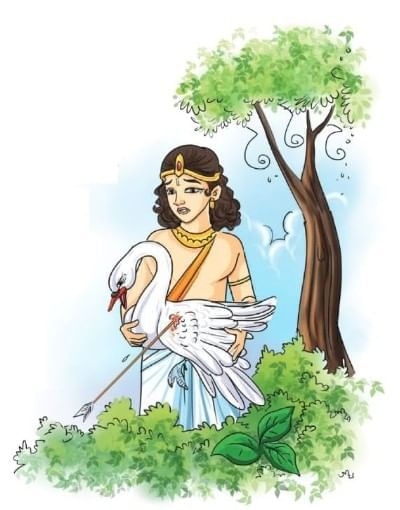
प्रश्न 3:हंस को किसने घायल किया और कैसे? उत्तर: हंस को सिद्धार्थ के चचेरे भाई देवदत्त ने घायल किया। उसने उस पर तीर चलाया था।
प्रश्न 4:सिद्धार्थ ने घायल हंस के लिए क्या किया? उत्तर: सिद्धार्थ ने हंस को अपनी गोद में उठाया। उन्होंने तीर निकालकर उसकी मरहम-पट्टी की।
प्रश्न 5:देवदत्त क्यों कहता था कि हंस उसका है? उत्तर: देवदत्त कहता था कि हंस पर तीर उसने चलाया है। इसलिए वह उसका शिकार है।
प्रश्न 6:सिद्धार्थ ने देवदत्त को हंस क्यों नहीं दिया? उत्तर: सिद्धार्थ ने कहा कि हंस उनकी शरण में आया है। उन्होंने उसे बचाया है, इसलिए वह उनका है।
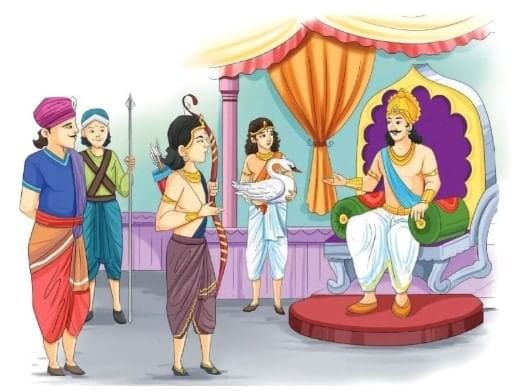
प्रश्न 7:हंस पर झगड़े का फैसला किसके पास ले जाया गया? उत्तर: यह मामला कपिलवस्तु के महाराज शुद्धोदन के पास ले जाया गया। वहाँ मंत्री ने न्याय किया और फैसला सुनाया।
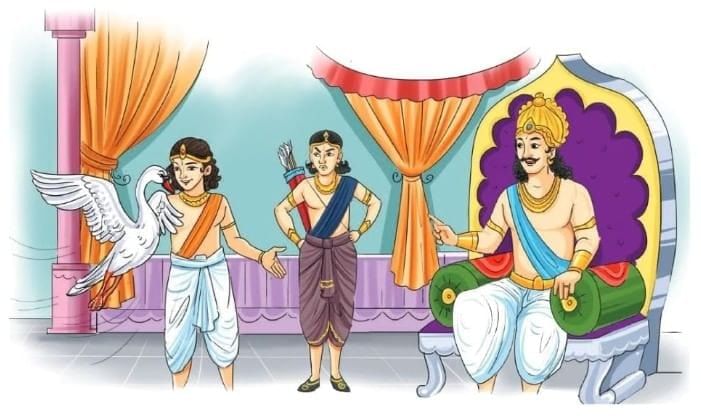
प्रश्न 8:सभा में हंस ने किसे चुना और क्यों? उत्तर: हंस स्वयं उड़कर सिद्धार्थ की गोद में बैठ गया। क्योंकि सिद्धार्थ ने उसे बचाया था।
प्रश्न 9:मंत्री ने हंस का फैसला कैसे किया? उत्तर: मंत्री ने कहा कि हंस उसी का है जिसके पास वह खुद जाना चाहे। हंस सिद्धार्थ के पास गया।
प्रश्न 10: सिद्धार्थ के मित्र (सखा) ने घायल हंस की मदद के लिए क्या किया? उत्तर: सिद्धार्थ के सखा ने तुरंत राजवैद्य के पास जाकर मरहम लाने का काम किया। इससे पता चलता है कि वह भी दयालु और मददगार था।
दीर्घ उत्तरीय प्रश्नोत्तर (Long Answer Type Questions)
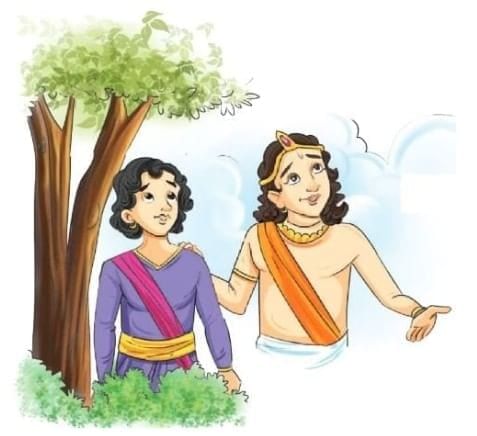
प्रश्न 1:कहानी “न्याय” की शुरुआत कैसे होती है? उत्तर: कहानी की शुरुआत कपिलवस्तु के राज-उद्यान से होती है। वहाँ सिद्धार्थ अपने मित्र के साथ बैठे थे। वे प्रकृति की सुंदरता की बातें कर रहे थे। तभी अचानक एक हंस पर तीर लगता है। वह घायल होकर सिद्धार्थ की गोद में गिर जाता है। सिद्धार्थ करुणा से उसकी देखभाल करते हैं।
प्रश्न 2:देवदत्त और सिद्धार्थ के बीच विवाद क्यों हुआ? उत्तर: विवाद तब हुआ जब हंस घायल होकर सिद्धार्थ के पास आया। देवदत्त ने दावा किया कि हंस उसका है क्योंकि उसने उस पर तीर चलाया था। सिद्धार्थ ने कहा कि जिसने बचाया वही असली मालिक है। दोनों अपनी बात पर अड़े रहे। इसलिए मामला राजा के दरबार में पहुँचा।
प्रश्न 3:सभा में क्या हुआ और हंस ने किसे चुना? उत्तर: सभा में पहले देवदत्त ने हंस को बुलाया, लेकिन वह डरकर नहीं गया। फिर सिद्धार्थ ने प्यार से उसे पुकारा। हंस तुरंत उड़कर उनकी गोद में बैठ गया। यह देखकर सभी प्रसन्न हो गए। इससे साबित हुआ कि दया और प्रेम सबसे बड़े हैं।
प्रश्न 4:कहानी के अंत में क्या निर्णय हुआ? उत्तर: कहानी के अंत में मंत्री ने कहा कि हंस ने स्वयं सिद्धार्थ को चुना है। महाराज ने इस निर्णय को स्वीकार किया। सभा में जय-जयकार हुई। सिद्धार्थ ने हंस को प्रेम से गले लगाया। वहीं देवदत्त शर्मिंदा होकर चुप रह गया। इस तरह करुणा और न्याय की जीत हुई।
प्रश्न 5:कहानी “न्याय” से हमें क्या सीख मिलती है? उत्तर: यह कहानी हमें बताती है कि जीव-जंतुओं पर दया करना जरूरी है। दूसरों को चोट पहुँचाना या मारना गलत है। जो दूसरों की रक्षा करता है वही सच्चा नायक होता है। सिद्धार्थ का व्यवहार हमें अहिंसा का मार्ग दिखाता है। न्याय हमेशा दया और करुणा से जुड़ा होना चाहिए।
लघु उत्तरीय प्रश्नोत्तर (Short Answer Type Questions)
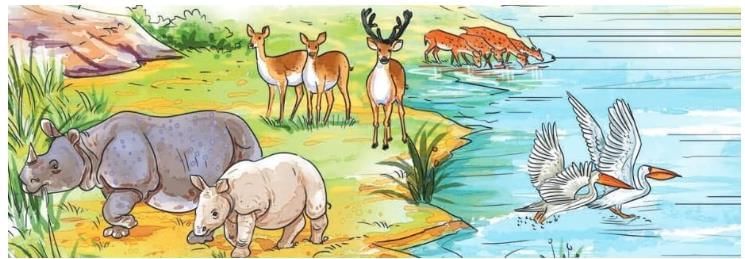
प्रश्न 1:काजीरंगा राष्ट्रीय उद्यान कहाँ स्थित है? उत्तर: काजीरंगा राष्ट्रीय उद्यान असम में ब्रह्मपुत्र नदी के किनारे स्थित है। यह उद्यान अपनी सुंदरता और जानवरों के लिए प्रसिद्ध है।
प्रश्न 2:काजीरंगा किस जानवर के लिए दुनिया भर में मशहूर है? उत्तर: काजीरंगा एक सींग वाले गैंडे के लिए दुनिया भर में प्रसिद्ध है। यहाँ गैंडों की संख्या सबसे अधिक है।
प्रश्न 3: अरूप चाचा ने पहली बार गैंडे को देखकर कैसा अनुभव किया? उत्तर: उन्होंने पहली बार गैंडे को देखकर बहुत खुशी और उत्साह महसूस किया। गैंडे की मोटी चमड़ी उन्हें कवच जैसी लगी।
प्रश्न 4:महावत ने गैंडे के बारे में कौन-सी कहानी सुनाई? उत्तर: महावत ने बताया कि भगवान कृष्ण ने गैंडे को युद्ध के लिए तैयार किया था। लेकिन आदेश न मानने के कारण उसे जंगल भेज दिया गया।
प्रश्न 5:पहले गैंडों का शिकार क्यों किया जाता था? उत्तर: पहले लोग मानते थे कि गैंडे के सींग में औषधीय गुण हैं। इसी लालच में गैंडों का शिकार बहुत हुआ।
प्रश्न 6:लेखक ने उद्यान में किस प्रकार के हिरण देखे? उत्तर: उन्होंने भौंकने वाला हिरण, बौना सूअर हिरण, दलदली हिरण और साँभर हिरण देखा। यह चारों प्रजातियाँ खास थीं।
प्रश्न 7:मादा गैंडे के साथ उसके बच्चे को क्यों खतरनाक माना गया? उत्तर: मादा गैंडा अपने बच्चे की रक्षा के लिए हिंसक हो सकती है। इसलिए पास जाकर देखना खतरनाक था।
प्रश्न 8:गैंडे की त्वचा कैसी दिखाई देती है? उत्तर: गैंडे की त्वचा बहुत मोटी होती है। यह कवच जैसी दिखती है और उसे मज़बूत बनाती है।
प्रश्न 9:जंगली हाथियों का झुंड कैसा था? उत्तर: हाथियों के झुंड में बच्चे भी थे। एक बड़ा हाथी पूरे झुंड की सुरक्षा कर रहा था।
प्रश्न 10:काजीरंगा में रॉयल बंगाल टाइगर क्यों नहीं दिखे? उत्तर: वहाँ रॉयल बंगाल टाइगर रहते हैं, लेकिन वे रात में बाहर निकलते हैं। इसलिए लेखक उन्हें नहीं देख पाए।
दीर्घ उत्तरीय प्रश्नोत्तर (Long Answer Type Questions)
प्रश्न 1:अरूप चाचा ने हाथी पर बैठकर उद्यान घूमते समय क्या-क्या देखा? उत्तर: अरूप चाचा सुबह-सुबह हाथी पर बैठकर उद्यान देखने गए। वहाँ उन्होंने हिरणों और जंगली भैंसों के झुंड देखे। सबसे खास उन्हें गैंडा देखकर लगा, जिसकी मोटी चमड़ी कवच जैसी थी। महावत ने उन्हें गैंडे की कहानी भी सुनाई। यह अनुभव उनके लिए बहुत नया और रोमांचक था।
प्रश्न 2: गैंडों की संख्या क्यों कम हो गई और अब वे कहाँ सबसे अधिक पाए जाते हैं? उत्तर: गैंडों का शिकार उनके सींग के लालच में बहुत किया गया। लोग मानते थे कि सींग में औषधीय गुण हैं, लेकिन वैज्ञानिकों ने इसे गलत बताया। इस शिकार से गैंडों की संख्या तेजी से घट गई। अब आधे से अधिक गैंडे काजीरंगा में पाए जाते हैं। इसलिए यह उद्यान गैंडों का सुरक्षित घर बन गया है।
प्रश्न 3:जीप सफारी में लेखक ने कौन-कौन से जीव और पक्षी देखे? उत्तर: जीप सफारी के समय लेखक एक बील पर पहुँचे। वहाँ सैकड़ों पक्षियों का झुंड था। उन्होंने पेलिकन, सारस, बगुले और कलहोन देखे। पानी में ऊदबिलाव भी खेल रहे थे। लौटते समय उन्होंने जंगली हाथियों का झुंड देखा। यह सब उनके लिए अद्भुत दृश्य थे।
प्रश्न 4:काजीरंगा के जानवर हमें क्या सिखाते हैं? उत्तर: काजीरंगा के जानवर आपस में शांति और भाईचारे से रहते हैं। वे बिना लड़ाई-झगड़े के जंगल साझा करते हैं। यह हमें भी सिखाता है कि मनुष्यों को मिल-जुलकर रहना चाहिए। हमें जानवरों और प्रकृति से प्रेम करना चाहिए। उनकी रक्षा करना हमारा कर्तव्य है।
प्रश्न 5:इस कहानी का मुख्य संदेश क्या है? उत्तर: इस कहानी का मुख्य संदेश प्रकृति और जानवरों से प्रेम करना है। लेखक बताते हैं कि सभी जानवर जंगल में शांति से रहते हैं। हमें उनसे सीख लेकर आपसी मेल-जोल और भाईचारे से जीना चाहिए। साथ ही पर्यावरण और वन्यजीवन की रक्षा करनी चाहिए। तभी आने वाली पीढ़ियाँ भी इन सुंदर जीवों को देख पाएँगी।
लघु उत्तरीय प्रश्नोत्तर (Short Answer Type Questions)
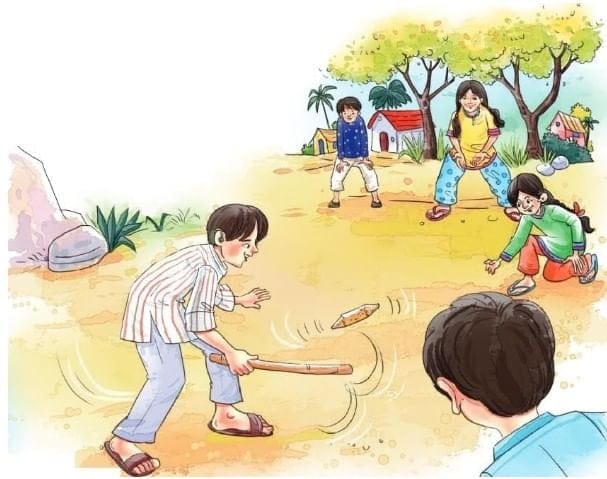
प्रश्न 1: लेखक को कौन-सा खेल सबसे प्रिय था? उत्तर: लेखक को गुल्ली-डंडा सबसे प्रिय था। इसे खेलने के लिए ज्यादा सामान नहीं चाहिए था। बस पेड़ की टहनी से गुल्ली और डंडा बना लेते थे।
प्रश्न 2:लेखक अपने चचेरे भाई हलधर के साथ कहाँ पढ़ने जाते थे? उत्तर: लेखक अपने चचेरे भाई हलधर के साथ मौलवी साहब के पास पढ़ने जाते थे। हलधर उनसे दो साल बड़े थे।
प्रश्न 3: लेखक को रामलीला क्यों पसंद थी? उत्तर: लेखक को रामलीला इसलिए पसंद थी क्योंकि उसमें बहुत मजा आता था। वे पात्रों की सजावट भी देखते और छोटे-मोटे कामों में मदद करते थे।
प्रश्न 4:लेखक अपने बचपन में किस तरह के घर में रहते थे? उत्तर: लेखक कच्चे और टूटे हुए घर में रहते थे। वे पयाल का बिछौना बिछाकर सोते थे।
प्रश्न 5:खेलों में अमीर-गरीब का कोई फर्क क्यों नहीं था? उत्तर: क्योंकि सभी बच्चे मिलकर खेलते थे। न कोई दिखावा था और न ही कोई घमंड।
प्रश्न 6:लेखक सुबह-सुबह खाने में क्या खाते थे? उत्तर: लेखक और उनका भाई सुबह मटर और जौ का चबेना खाते थे। यही उनका नाश्ता था।
प्रश्न 7:लेखक कहते हैं कि विदेशी खेलों की सबसे बड़ी कमी क्या है? उत्तर: विदेशी खेलों को खेलने में बहुत पैसे खर्च होते हैं। जबकि भारतीय खेल जैसे गुल्ली-डंडा साधारण और सस्ते होते हैं।
प्रश्न 8:लेखक के पिता जी क्यों नाराज होते थे? उत्तर: क्योंकि लेखक न नहाते थे, न ठीक से खाते थे। बस गुल्ली-डंडा खेलने में लगे रहते थे।
प्रश्न 9:गुल्ली-डंडा खेलते समय क्या खतरे हो सकते थे? उत्तर: इस खेल में कभी-कभी चोट लग जाती थी। लेखक की आँख पर दाग पड़ा और कुछ दोस्तों को बैसाखी का सहारा भी लेना पड़ा।
प्रश्न 10:बचपन में लेखक किस बात पर सबसे ज़्यादा खुश होते थे? उत्तर: लेखक बचपन में दोस्तों के साथ खेलने पर सबसे ज़्यादा खुश होते थे। उन्हें खासकर गुल्ली-डंडा खेलना बहुत अच्छा लगता था। खेल में उन्हें मिठाइयों से भी ज़्यादा मिठास मिलती थी।
दीर्घ उत्तरीय प्रश्नोत्तर (Long Answer Type Questions)
प्रश्न 1:लेखक ने अपने बचपन का घर और जीवन कैसा बताया है? उत्तर: लेखक ने अपने बचपन का घर बहुत साधारण बताया है। वे कच्चे टूटे घर में रहते थे और पयाल का बिछौना बिछाकर सोते थे। वे नंगे पाँव खेतों में घूमते और आम के पेड़ों पर चढ़ते थे। उनका जीवन सादगी और मस्ती से भरा था। घर की गरीबी के बावजूद वे बहुत खुश रहते थे।
प्रश्न 2:रामलीला देखने में लेखक को क्या आनंद आता था? उत्तर: लेखक को रामलीला बहुत पसंद थी। उनके घर के पास ही रामलीला का मैदान था। दोपहर से ही पात्रों की सजावट शुरू हो जाती थी। लेखक बड़े उत्साह से सजावट देखते और छोटे-मोटे कामों में मदद भी करते थे। उन्हें रामलीला का आनंद इतना आता था कि उसका उत्साह जीवनभर याद रहा।
प्रश्न 3:गुल्ली-डंडा खेल की क्या विशेषताएँ हैं? उत्तर: गुल्ली-डंडा बहुत सरल और सस्ता खेल है। इसमें महंगे सामान या खास मैदान की जरूरत नहीं होती। बस टहनी काटकर गुल्ली और डंडा बना लिया जाता है। इसमें सभी बच्चे मिलकर खेलते थे। खेलते समय बहुत मजा आता था और भाईचारा बढ़ता था। लेखक इसे सभी खेलों का राजा मानते थे।
प्रश्न 4:लेखक ने भारतीय और अंग्रेजी खेलों की तुलना कैसे की है? उत्तर: लेखक कहते हैं कि भारतीय खेल सरल और सस्ते होते हैं। इन्हें खेलने के लिए ज्यादा पैसे या साधन नहीं चाहिए। लेकिन अंग्रेजी खेलों में बहुत खर्च होता है। लोग आज विदेशी खेलों की ओर आकर्षित हो गए हैं। लेखक का मानना है कि हमें अपने देशी खेलों की कद्र करनी चाहिए।
प्रश्न 5:इस कहानी से हमें बचपन और खेलों के बारे में क्या सीख मिलती है? उत्तर: इस कहानी से हमें सीख मिलती है कि बचपन बहुत अनमोल होता है। उस समय की सादगी और खुशी जीवनभर याद रहती है। खेलों से भाईचारा, सहयोग और मिलजुलकर रहने की आदत बनती है। हमें केवल महंगे विदेशी खेलों के पीछे नहीं भागना चाहिए। बल्कि अपने देशी खेलों की भी कद्र करनी चाहिए।
 Everything around us, including the air we breathe, the food we eat, stones, clouds, stars, plants, animals, and even a tiny drop of water or a grain of sand—everything is matter.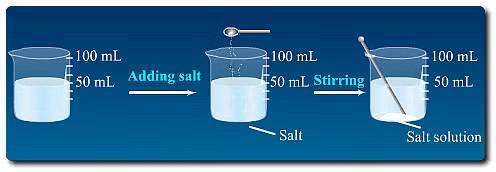
 Agarbatti
 Three States of Matter
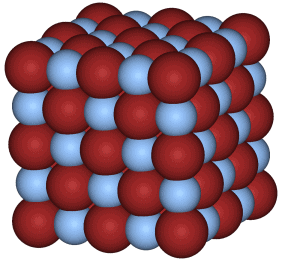 Fig: Structure of Solids
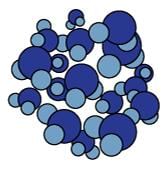 Fig: Structure of Liquid
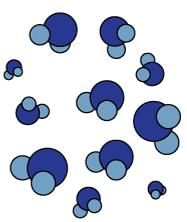 Fig: Structure of Gas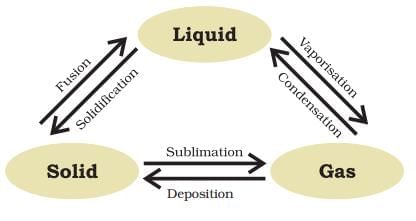
Sublimation of camphor
 By applying pressure, particles of matter can be brought close together
 Evaporation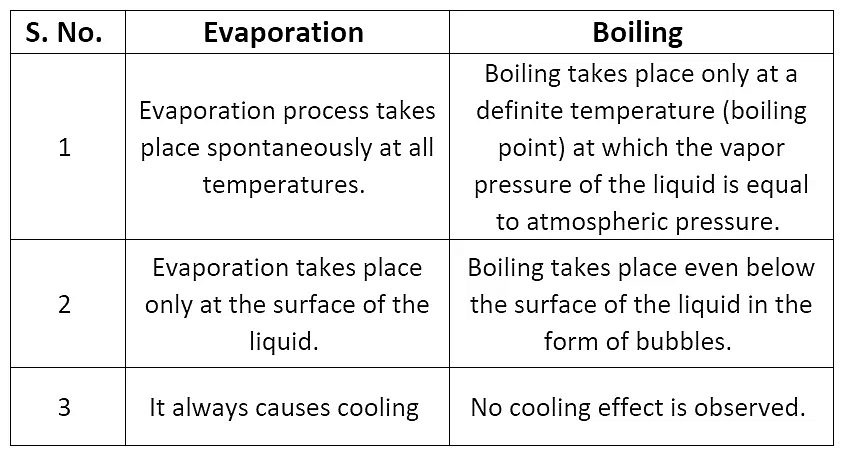
 Earthen Pot